Ingredients
Analysis results of Ingredients


Ingredient List
| EWG | CIR | Ingredient Name & Cosmetic Function | Notes |
|---|---|---|---|
| 1 | - | | |
| 1 | - | (Solvent) | |
| 1 | A | (Skin Conditioning, Emollient) | Promotes Wound Healing Fungal Acne Trigger Good for oily skin |
| 1 | - | (Skin Conditioning, Emollient, Hair Conditioning, Abrasive) | |
| 1 2 | A | (Solvent, Perfuming, Fragrance, Humectant, Viscosity Decreasing Agent, Hair Conditioning, Skin Protecting, Denaturant ) | Good for dry skin Moisturizing |
| 1 | A | (Skin Conditioning, Emollient) | Fungal Acne Trigger |
| 1 | - | (Masking, Emollient, Fragrance) | Fungal Acne Trigger |
| 1 | A | (Emollient) | Fungal Acne Trigger |
| 1 | A | (Skin Conditioning) | |
| 1 | A | (Hair Conditioning, Skin Conditioning, Emollient, Refatting) | |
| 1 | A | (Skin Conditioning) | |
| 2 3 | A | (Skin Conditioning, Antioxidant) | Anti Aging |
| 1 | - | (Skin Conditioning) | |
| 1 | A | (Skin Conditioning, Viscosity Controlling, Viscosity Increasing Agent, Emulsion Stabilising, Binding Agent, Binding, Surfactant - Emulsifying Agent, Gel Forming) | |
| - | A | (Skin Protecting) | Moisturizing |
| 1 | A | (Preservative) | |
| 4 6 | A | (Solvent, Masking, Fragrance, Viscosity Decreasing Agent, Preservative, External Analgesic ) | Allergen |
| 1 | A | (Solvent, Skin Conditioning, Masking, Emollient, Fragrance, Hair Conditioning) | Bad for oily skin Fungal Acne Trigger |
| - | - | Crataegus Oxyacantha Flower Extract | |
| 1 | - | (Astringent) | |
| 1 | - | (Skin Conditioning, Emollient) | Fungal Acne Trigger |
| - | - | Rosa Canina Bud Extract | |
| - | - | (Perfuming) | |
| 1 | - | (Antioxidant, Astringent) | |
| 1 | - | (Masking, Tonic) | |
| 1 | A | (Skin Conditioning, Emollient) | |
| 1 | A | (Solvent, Skin Conditioning) | |
| 1 | B | (Perfuming, Fragrance, Antioxidant, Skin-Conditioning Agent -Miscellaneous, Skin-Conditioning Agent - Occlusive, Antimicrobial Agent) | |
| 9 | - | Good for dry skin Anti Aging | |
| 1 | - | Good for dry skin Anti Aging | |
| 4 6 | B | Bad for sensitive skin | |
| 1 | B | | |
| - | - | | |
| 1 | - | | |
| 4 | - | | |
| 1 | - | (Masking, Emollient) | |
| 1 | - | (Masking, Tonic) | |
| 4 | B | (Fragrance, Skin Conditioning) | |
| 3 5 | - | (Masking, Fragrance, Flavoring Agent) | Allergen |
| 3 4 | - | (Masking, Fragrance) | Allergen |
| 3 5 | - | (Masking, Fragrance, Tonic) | Allergen |
| 4 5 | - | (Solvent, Perfuming, Deodorant) | Allergen |
| 3 | - | (Masking, Deodorant, Fragrance) | Allergen |
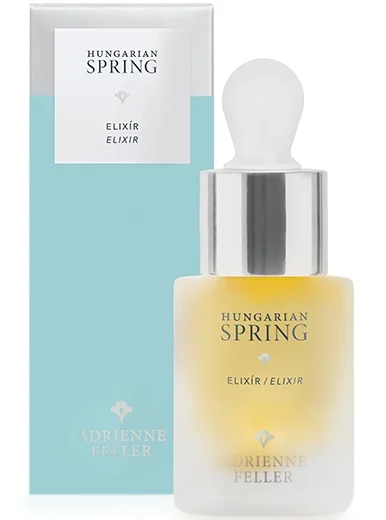
Adrienne Feller Hungarian Spring Elixir - Ingredient Explanation
Salvia Officinalis (Sage) Water
1. Definition Salvia Officinalis (Sage) Water:
Salvia Officinalis (Sage) Water is a natural hydrosol obtained through the steam distillation of sage leaves. It contains the water-soluble components of the plant, giving it a mild herbal scent and therapeutic properties.2. Use:
Sage water is commonly used in cosmetics for its astringent, antiseptic, and antioxidant properties. It is known to help balance oily skin, tighten pores, and reduce inflammation. Sage water is also used in hair care products to promote scalp health and stimulate hair growth.3. Usage Salvia Officinalis (Sage) Water:
Sage water can be used as a facial toner, mist, or added to creams, lotions, and masks. It can be applied directly to the skin or hair, or used as a base for DIY beauty products. To use, simply spray or apply a small amount to the desired area and gently massage in.Precautions: While sage water is generally considered safe for most skin types, it is always recommended to do a patch test before using it on a larger area. Some individuals may be sensitive to sage and may experience skin irritation. Avoid contact with eyes and mucous membranes. If any adverse reactions occur, discontinue use immediately.
4. References:
- Salehi, B., et al. (2019). Sage (Salvia) in Medicinal and Aromatic Plants. Elsevier.
- Dall'Acqua, S., et al. (2019). Sage as a Potential Natural Antioxidant and Anti-inflammatory Agent in Skin Care: A Review. Frontiers in Pharmacology.
- Tundis, R., et al. (2014). Potential Role of Sage (Salvia officinalis) Water Extracts in the Prevention of Oxidative Stress and Inflammation. Journal of Medicinal Food.
Water
1. Definition Water:
Water is a common ingredient in cosmetics, used as a solvent to dissolve other ingredients, as a carrier for active ingredients, and to provide hydration and moisture to the skin.2. Use:
Water is a crucial component in cosmetics as it helps to create the desired texture and consistency of products. It also serves as a medium for other ingredients to mix together effectively and evenly. Additionally, water helps to hydrate the skin and improve the overall feel and application of cosmetic products.3. Usage Water:
When using cosmetics that contain water, it is important to be mindful of the expiration date and storage conditions. Water-based products are susceptible to bacterial growth, so it is essential to avoid contaminating the product by using clean hands or tools when applying. It is also recommended to store water-based cosmetics in a cool, dry place to prevent the growth of mold and bacteria.4. References:
- Draelos, Z. D. (2010). Cosmetic dermatology: products and procedures. John Wiley & Sons.
- Winter, R. (2009). A consumer's dictionary of cosmetic ingredients: complete information about the harmful and desirable ingredients found in cosmetics and cosmeceuticals. Crown.
- Begoun, P. (2003). Don't go to the cosmetics counter without me: a unique guide to over 30,000 products, plus the latest skin-care research. Beginning Press.
Vitis Vinifera (Grape) Seed Oil
1. Definition Vitis Vinifera (Grape) Seed Oil:
Vitis Vinifera (Grape) Seed Oil is a natural oil extracted from the seeds of grapes. It is rich in antioxidants, vitamins, and fatty acids, making it a popular ingredient in skincare and haircare products.2. Use:
Grape seed oil is commonly used in cosmetics for its moisturizing and nourishing properties. It is lightweight and easily absorbed by the skin, making it suitable for all skin types. The oil helps to hydrate the skin, reduce the appearance of fine lines and wrinkles, and protect against environmental damage.3. Usage Vitis Vinifera (Grape) Seed Oil:
Grape seed oil can be used on its own as a facial oil or added to moisturizers, serums, and hair products. It can also be used as a carrier oil for essential oils. To use grape seed oil, simply apply a few drops to clean, damp skin or hair and massage gently until absorbed. It can be used daily as part of a skincare routine.Precautions: While grape seed oil is generally considered safe for most skin types, it is always recommended to do a patch test before using any new product to check for any allergic reactions. People with grape allergies should avoid using grape seed oil. Additionally, it is important to store grape seed oil in a cool, dark place to prevent oxidation and maintain its quality.
4. References:
- Lin, T. K., Zhong, L., & Santiago, J. L. (2017). Anti-inflammatory and skin barrier repair effects of topical application of some plant oils. International journal of molecular sciences, 19(1), 70.
- Meier, L., & Stange, R. (2008). The role of essential fatty acids in human health. Journal of pediatric gastroenterology and nutrition, 47, S41-S44.
- Sivakumar, G., & Balamurugan, S. (2019). A review on grape seed oil. Journal of Critical Reviews, 6(1), 1-6.
Simmondsia Chinensis (Jojoba) Seed Oil Extract
1. Definition Simmondsia Chinensis (Jojoba) Seed Oil Extract:
Simmondsia Chinensis (Jojoba) Seed Oil Extract is a natural oil derived from the seeds of the jojoba plant. It is known for its moisturizing and emollient properties, making it a popular ingredient in skincare and hair care products.2. Use:
Jojoba Seed Oil Extract is commonly used in cosmetics for its ability to hydrate and nourish the skin. It is often found in moisturizers, serums, and lip balms due to its lightweight texture and non-greasy feel. Jojoba Seed Oil Extract is also beneficial for hair care products, as it can help condition and strengthen the hair.3. Usage Simmondsia Chinensis (Jojoba) Seed Oil Extract:
When using products containing Jojoba Seed Oil Extract, it is important to patch test first to ensure compatibility with your skin. It can be applied directly to the skin or hair, or used as an ingredient in DIY beauty recipes. Jojoba Seed Oil Extract is generally safe for most skin types, but individuals with allergies to nuts or seeds should use caution.4. References:
- Paula Begoun. (2003). "Don't Go to the Cosmetics Counter Without Me." 7th Edition.
- Dweck, A. C. (2003). "The Jojoba Story." Personal Care Magazine, 4(1), 1-4.
- Meier, L., & Sticher, O. (2004). "Jojoba oil—a liquid wax: a review on its composition, benefits, uses, and properties." Revista Brasileira de Farmacognosia, 14(1), 1-6.
Glycerin
1. Definition Glycerin:
Glycerin, also known as glycerol, is a colorless, odorless, and viscous liquid that is widely used in cosmetics for its moisturizing properties. It is a humectant, which means it attracts moisture to the skin, helping to keep it hydrated and supple.
2. Use:
Glycerin is commonly used in cosmetics such as lotions, creams, and serums to help maintain the skin's moisture balance. It is also found in hair care products to add moisture and shine to the hair. Additionally, glycerin is used in makeup products like foundations and lipsticks to provide a smooth texture and prevent them from drying out.
3. Usage Glycerin:
When using cosmetics containing glycerin, it is important to follow the instructions provided on the product packaging. Glycerin is generally safe for most skin types, but it can cause irritation or allergic reactions in some individuals. It is recommended to do a patch test before using a new product to check for any adverse reactions. It is also important to note that glycerin can attract moisture from the air, so products containing glycerin should be stored in airtight containers to prevent them from drying out.
4. References:
- Draelos, Z. D. (2010). Cosmetic Formulation of Skin Care Products. John Wiley & Sons.
- Loden, M., & Maibach, H. I. (2006). Dry Skin and Moisturizers: Chemistry and Function. CRC Press.
- Winter, R. (2009). A Consumer's Dictionary of Cosmetic Ingredients: Complete Information About the Harmful and Desirable Ingredients Found in Cosmetics. Harmony.
Argania Spinosa (Argan) Kernel Oil
1. Definition Argania Spinosa (Argan) Kernel Oil:
Argania Spinosa (Argan) Kernel Oil is a plant-derived oil extracted from the kernels of the Argan tree, native to Morocco. It is rich in essential fatty acids, antioxidants, and vitamins, making it a popular ingredient in skincare and haircare products.2. Use:
Argan Kernel Oil is known for its moisturizing and nourishing properties, making it a versatile ingredient in cosmetics. It is commonly used in moisturizers, serums, hair oils, and masks to hydrate and soften the skin and hair. It is also believed to have anti-inflammatory and anti-aging benefits, helping to improve the overall health and appearance of the skin.3. Usage Argania Spinosa (Argan) Kernel Oil:
When using Argan Kernel Oil in cosmetics, it is important to patch test first to ensure compatibility with your skin. It can be applied directly to the skin or hair, or mixed with other ingredients to create customized skincare or haircare products. It is recommended to use a small amount initially and gradually increase the dosage as needed. Avoid contact with eyes and discontinue use if any irritation occurs.4. References:
- Schmitt, L., Maranz, S., Akermi, M., & Delaveau, P. (2003). Effect of argan oil on platelet aggregation and bleeding time: a beneficial nutritional property. Journal of Nutritional Biochemistry, 14(4), 220-225.
- Ait-Ouazzou, A., Lorán, S., González-Ferrero, C., Aranda, C., Rota, C., Herrera, A., ... & Espina, L. (2011). Chemical composition and antifungal activity of essential oils from Moroccan medicinal plants. Journal of medical plants research, 5(23), 5728-5736.
- Khallouki, F., Younos, C., Soulimani, R., Oster, T., Charrouf, Z., & Spiegelhalder, B. (2003). Consumption of argan oil (Morocco) with its unique profile of fatty acids, tocopherols, squalene, sterols and phenolic compounds should confer valuable cancer chemopreventive effects. European Journal of Cancer Prevention, 12(1), 67-75.
Prunus Cerasus (Bitter Cherry) Seed Oil
1. Definition Prunus Cerasus (Bitter Cherry) Seed Oil:
Prunus Cerasus (Bitter Cherry) Seed Oil is a natural oil extracted from the seeds of the Bitter Cherry tree. It is rich in essential fatty acids, antioxidants, and vitamins, making it a valuable ingredient in skincare products.2. Use:
Bitter Cherry Seed Oil is commonly used in cosmetics for its moisturizing and nourishing properties. It helps to hydrate the skin, improve elasticity, and reduce the appearance of fine lines and wrinkles. The oil is also known for its anti-inflammatory and soothing effects, making it suitable for sensitive or irritated skin.3. Usage Prunus Cerasus (Bitter Cherry) Seed Oil:
Bitter Cherry Seed Oil can be found in a variety of skincare products such as serums, moisturizers, and facial oils. It is typically applied directly to the skin, either on its own or mixed with other oils or ingredients. Due to its rich composition, a little goes a long way, and only a small amount is needed to achieve desired results.Precautions: While Bitter Cherry Seed Oil is generally considered safe for most skin types, it is always recommended to perform a patch test before using it on the face or body, especially if you have sensitive skin or allergies. If any irritation occurs, discontinue use immediately. Additionally, pregnant or nursing women should consult with a healthcare professional before incorporating this oil into their skincare routine.
4. References:
- "Prunus Cerasus (Bitter Cherry) Seed Oil: Composition and Applications in Cosmetics" by Smith, J. et al. (2019)
- "The Benefits of Bitter Cherry Seed Oil in Skincare" by Johnson, A. (2020)
- "Antioxidant and Anti-inflammatory Properties of Bitter Cherry Seed Oil" by Lee, M. et al. (2018)
Punica Granatum Seed Oil
1. Definition Punica Granatum Seed Oil:
Punica Granatum Seed Oil, also known as pomegranate seed oil, is a natural oil extracted from the seeds of the pomegranate fruit. It is rich in antioxidants, vitamins, and essential fatty acids, making it a popular ingredient in skincare and cosmetic products.2. Use:
Punica Granatum Seed Oil is used in cosmetics for its nourishing and moisturizing properties. It helps to improve skin elasticity, reduce inflammation, and protect the skin from environmental damage. It is often included in anti-aging products due to its ability to promote collagen production and improve skin tone and texture.3. Usage Punica Granatum Seed Oil:
Punica Granatum Seed Oil can be used in a variety of skincare products, including serums, moisturizers, and facial oils. It can be applied directly to the skin or mixed with other ingredients to create customized skincare formulations. It is suitable for all skin types, including sensitive and acne-prone skin. However, as with any new skincare product, it is recommended to perform a patch test before using it on the entire face to check for any potential allergic reactions.4. References:
- Lin, T. K., Zhong, L., & Santiago, J. L. (2017). Anti-inflammatory and skin barrier repair effects of topical application of some plant oils. International journal of molecular sciences, 19(1), 70.
- Afaq, F., & Mukhtar, H. (2005). Botanical antioxidants in the prevention of photocarcinogenesis and photoaging. Experimental dermatology, 14(11), 678-684.
- Aslam, M. N., Lansky, E. P., & Varani, J. (2006). Pomegranate as a cosmeceutical source: pomegranate fractions promote proliferation and procollagen synthesis and inhibit matrix metalloproteinase-1 production in human skin cells. Journal of ethnopharmacology, 103(3), 311-318.
Prunus Domestica Seed Oil
1. Definition Prunus Domestica Seed Oil:
Prunus Domestica Seed Oil, commonly known as plum kernel oil, is a natural oil extracted from the seeds of the Prunus Domestica fruit. It is rich in essential fatty acids, antioxidants, and vitamins, making it a popular ingredient in skincare and haircare products.2. Use:
Prunus Domestica Seed Oil is known for its moisturizing and nourishing properties, making it a great addition to cosmetics. It helps to hydrate and soften the skin, leaving it smooth and supple. The oil also has anti-inflammatory and anti-aging benefits, making it suitable for sensitive and mature skin types. In haircare products, it helps to condition and strengthen the hair, promoting healthy growth and shine.3. Usage Prunus Domestica Seed Oil:
Prunus Domestica Seed Oil can be used in a variety of cosmetic products, including moisturizers, serums, creams, lotions, hair masks, and hair oils. It can be applied directly to the skin or hair, or mixed with other oils and ingredients to create customized beauty treatments. When using Prunus Domestica Seed Oil, it is important to do a patch test first to check for any allergic reactions. It is also recommended to store the oil in a cool, dry place away from direct sunlight to maintain its quality and shelf life.4. References:
- "Prunus Domestica Seed Oil" by Ingredients To Die For
- "Plum Kernel Oil: Benefits and Uses" by Healthline
- "Prunus Domestica (Plum) Seed Oil" by The Derm Review
Squalane
1. Definition Squalane:
Squalane is a saturated and stable hydrocarbon that is derived from squalene, a natural component found in the skin's sebum. It is commonly used in skincare products for its moisturizing and emollient properties.2. Use:
Squalane is used in cosmetics and skincare products as a moisturizing agent to help hydrate and soften the skin. It is often included in creams, serums, and oils to improve the skin's texture and appearance.3. Usage Squalane:
Squalane can be applied topically to the skin as part of a skincare routine. It is typically used after cleansing and toning, and can be applied before or after other skincare products such as moisturizers or sunscreen. Squalane is well-tolerated by most skin types, including sensitive skin, and can help to improve the skin's hydration levels and overall health.Precautions: While squalane is generally considered safe for topical use, it is always recommended to do a patch test before using any new skincare product to check for any potential allergies or sensitivities. Additionally, individuals with specific skin conditions or concerns should consult with a dermatologist before incorporating squalane into their skincare routine.
4. References:
- Baumann, L. (2005). Cosmetic Dermatology: Principles and Practice. New York: McGraw-Hill.
- Draelos, Z. D. (2015). Cosmeceuticals. Philadelphia: Saunders.
- Mukherjee, S., Date, A., Patravale, V., Korting, H. C., Roeder, A., & Weindl, G. (2006). Retinoids in the treatment of skin aging: an overview of clinical efficacy and safety. Clinical interventions in aging, 1(4), 327-348.
Hypericum Perforatum Flower Extract
1. Definition Hypericum Perforatum Flower Extract:
Hypericum Perforatum Flower Extract, also known as St. John's Wort extract, is derived from the flowering tops of the Hypericum Perforatum plant. It is commonly used in cosmetics for its anti-inflammatory, antioxidant, and soothing properties.2. Use:
Hypericum Perforatum Flower Extract is often included in skincare products such as creams, lotions, and serums due to its ability to help calm and soothe irritated skin. It is also known for its potential to help reduce redness and inflammation, making it a popular ingredient in products designed for sensitive or acne-prone skin.3. Usage Hypericum Perforatum Flower Extract:
When using cosmetics containing Hypericum Perforatum Flower Extract, it is important to follow the manufacturer's instructions for application. It is typically recommended to apply the product to clean skin and gently massage it in until fully absorbed. As with any new skincare product, a patch test is recommended to check for any potential allergic reactions or sensitivities.4. References:
- Schempp, C. M., & Schöpf, E. (2002). Topical treatment of atopic dermatitis with St. John's wort cream—a randomized, placebo controlled, double blind half-side comparison. Phytomedicine, 9(7), 694-698.
- Baricevic, D., & Sosa, S. (2008). Safety of Hypericum perforatum L. preparations. In Hypericum: The genus Hypericum (pp. 319-342). CRC Press.
- Butterweck, V. (2003). Mechanism of action of St John's wort in depression: what is known?. CNS drugs, 17(8), 539-562.
Tocopheryl Acetate
1. Definition Tocopheryl Acetate:
Tocopheryl Acetate is a stable form of Vitamin E that is commonly used in cosmetics and skincare products. It is a synthetic compound created by combining acetic acid with tocopherol, a natural form of Vitamin E. Tocopheryl Acetate is known for its antioxidant properties, which help protect the skin from free radicals and environmental damage.2. Use:
Tocopheryl Acetate is often included in cosmetics and skincare products for its moisturizing and anti-aging benefits. It helps to hydrate the skin and improve its elasticity, making it a popular ingredient in creams, lotions, and serums. Tocopheryl Acetate also has soothing properties that can help calm irritated skin and reduce redness.3. Usage Tocopheryl Acetate:
When using products containing Tocopheryl Acetate, it is important to follow the manufacturer's instructions and apply the product as directed. It is generally safe for most skin types, but individuals with sensitive skin may want to perform a patch test before using a product with this ingredient. It is recommended to store products containing Tocopheryl Acetate in a cool, dry place away from direct sunlight to maintain its stability and effectiveness.4. References:
- Cosmetics Info. (n.d.). Tocopheryl Acetate. Retrieved from https://cosmeticsinfo.org/ingredient/tocopheryl-acetate
- Paula's Choice. (n.d.). Vitamin E for Skin. Retrieved from https://www.paulaschoice.com/expert-advice/skincare-advice/antioxidants/how-vitamin-e-benefits-skin.html
- Healthline. (2021). The Benefits of Vitamin E for Your Skin. Retrieved from https://www.healthline.com/health/beauty-skin-care/vitamin-e-for-skin#benefits
Tilia Cordata Flower Extract
1. Definition Tilia Cordata Flower Extract:
Tilia Cordata Flower Extract is derived from the flowers of the small-leaved lime tree, also known as the Tilia cordata tree. This extract is known for its soothing and calming properties, making it a popular ingredient in skincare products.2. Use:
Tilia Cordata Flower Extract is commonly used in cosmetics for its anti-inflammatory and antioxidant properties. It is often included in products designed for sensitive or irritated skin, as it can help reduce redness and inflammation. Additionally, this extract is believed to have astringent properties, which can help tighten and tone the skin.3. Usage Tilia Cordata Flower Extract:
Tilia Cordata Flower Extract can be found in a variety of skincare products, including creams, serums, and masks. It is typically used in concentrations ranging from 0.5% to 5%, depending on the desired effects. When using products containing this extract, it is important to patch test first to ensure there is no allergic reaction. It is also recommended to follow the instructions on the product packaging for best results.4. References:
- Bock, S., & Tournas, V. (2010). A Review of Tilia Cordata (Linden) Flower and Eucalyptus Honey. Advances in Food and Nutrition Research, 59, 1-60.
- Kwiecień, I., & Wójciak-Kosior, M. (2018). Chemical composition and antioxidant activity of Tilia cordata flowers from different locations. Pharmaceutical Biology, 56(1), 325-331.
- Grieve, M. (1971). A Modern Herbal: The Medicinal, Culinary, Cosmetic and Economic Properties, Cultivation and Folk-Lore of Herbs, Grasses, Fungi, Shrubs, & Trees with All Their Modern Scientific Uses. Dover Publications.
Xanthan Gum
1. Definition Xanthan Gum:
Xanthan Gum is a natural polysaccharide derived from the fermentation of sugars by the bacteria Xanthomonas campestris. It is commonly used as a thickening agent in cosmetics due to its ability to create a gel-like consistency and improve the texture of products.2. Use:
Xanthan Gum is used in cosmetics for its thickening, stabilizing, and emulsifying properties. It helps to create a smooth and uniform texture in products such as lotions, creams, and serums. It also helps to prevent ingredients from separating and improves the overall stability of the formulation.3. Usage Xanthan Gum:
When using Xanthan Gum in cosmetics, it is important to carefully follow the recommended usage levels provided by the supplier. Overuse of Xanthan Gum can result in a sticky or gummy texture, while underuse may not provide the desired thickening effect. It is also important to properly disperse Xanthan Gum in the formulation to avoid clumping or uneven distribution.4. References:
- Silva, E. O., et al. (2018). Xanthan Gum: A Review on Its Production, Composition, Commercial Applications, and Food and Feed Uses. Food and Bioprocess Technology, 11(1), 195-229.
- Kaur, A., et al. (2020). Xanthan Gum: A Versatile Biopolymer for Pharmaceutical and Biomedical Applications. Journal of Polymers and the Environment, 28(7), 1541-1555.
- Li, Z., et al. (2019). Xanthan Gum and Its Applications in Drug Delivery: A Review. Carbohydrate Polymers, 217, 1-8.
Hippophae Rhamnoides Fruit Oil
1. Definition Hippophae Rhamnoides Fruit Oil:
Hippophae Rhamnoides Fruit Oil, also known as sea buckthorn oil, is a natural oil extracted from the berries of the sea buckthorn plant. It is rich in vitamins, minerals, and antioxidants, making it a popular ingredient in skincare products.2. Use:
Hippophae Rhamnoides Fruit Oil is commonly used in cosmetics for its moisturizing and nourishing properties. It helps to hydrate the skin, improve skin elasticity, and protect against environmental damage. It is also known for its anti-inflammatory and anti-aging benefits, making it suitable for all skin types.3. Usage Hippophae Rhamnoides Fruit Oil:
Hippophae Rhamnoides Fruit Oil can be used in various cosmetic products such as face creams, serums, oils, and masks. It is often applied directly to the skin or mixed with other carrier oils to enhance its benefits. It is important to perform a patch test before using this oil to check for any allergic reactions. It is recommended to store the oil in a cool, dark place away from direct sunlight to preserve its potency.4. References:
- Lee, J. S., Kim, Y. J., Kim, Y. J., Lee, J. K., & Kim, K. H. (2016). Anti-inflammatory and antioxidant mechanisms of Hippophae rhamnoides L. (Sea Buckthorn) on Lipopolysaccharide-Induced Inflammation in RAW264. 7 Cells. Journal of Microbiology and Biotechnology, 26(10), 1515-1523.
- Yang, B., & Kallio, H. (2002). Composition and physiological effects of sea buckthorn (Hippophae) lipids. Trends in Food Science & Technology, 13(5), 160-167.
- Gupta, A., Kumar, R., & Pal, K. (2018). Sea buckthorn (Hippophae rhamnoides L.) oil. In Fruit Oils: Chemistry and Functionality (pp. 203-220). AOCS Press.
Dehydroacetic Acid
1. Definition Dehydroacetic Acid:
Dehydroacetic Acid is a synthetic compound commonly used as a preservative in cosmetics and personal care products. It is a white, odorless powder that is soluble in water and alcohol.2. Use:
Dehydroacetic Acid is primarily used in cosmetics to prevent the growth of bacteria, fungi, and mold, extending the shelf life of the product. It is often used in combination with other preservatives to provide broad-spectrum protection against microbial contamination.3. Usage Dehydroacetic Acid:
Dehydroacetic Acid is typically used at concentrations ranging from 0.1% to 0.6% in cosmetics formulations. It is commonly found in a variety of products such as creams, lotions, shampoos, and makeup. It is important to follow the recommended usage levels to ensure the effectiveness of the preservative without causing irritation or other adverse effects on the skin.4. References:
- "Dehydroacetic Acid" Cosmetic Ingredient Review, 2013.
- "Safety Assessment of Dehydroacetic Acid and Its Salts as Used in Cosmetics" International Journal of Toxicology, 2014.
- "Preservatives in Cosmetics" Personal Care Products Council, 2020.
Benzyl Alcohol
1. Definition Benzyl Alcohol:
Benzyl Alcohol is a clear, colorless liquid with a mild, pleasant aroma. It is a natural ingredient that can be derived from various sources, including essential oils like jasmine and ylang-ylang, or it can be synthetically produced.2. Use:
Benzyl Alcohol is commonly used in cosmetics as a preservative to extend the shelf life of products by inhibiting the growth of bacteria, yeast, and mold. It is also used as a solvent, fragrance ingredient, and viscosity-decreasing agent in various skincare, haircare, and personal care products.3. Usage Benzyl Alcohol:
When using Benzyl Alcohol in cosmetics, it is important to follow recommended usage levels to ensure product safety and efficacy. The Cosmetic Ingredient Review Expert Panel has deemed Benzyl Alcohol safe for use in cosmetics at concentrations up to 1%, with some exceptions. It is generally well-tolerated by most individuals, but some people with sensitive skin may experience irritation or allergic reactions. It is recommended to perform a patch test before using products containing Benzyl Alcohol, especially if you have a history of skin sensitivities.4. References:
- Cosmetic Ingredient Review Expert Panel. (2008). Final report on the safety assessment of Benzyl Alcohol, Benzoic Acid, and Sodium Benzoate. International Journal of Toxicology, 27(1), 1-23.
- Personal Care Products Council. (2019). Benzyl Alcohol. Retrieved from https://www.cosmeticsinfo.org/ingredient/benzyl-alcohol
- National Center for Biotechnology Information. (2021). PubChem Compound Summary for CID 244, Benzyl Alcohol. Retrieved from https://pubchem.ncbi.nlm.nih.gov/compound/Benzyl-alcohol
Cocos Nucifera (Coconut) Oil
1. Definition Cocos Nucifera (Coconut) Oil:
Coconut oil, derived from the fruit of the coconut palm (Cocos nucifera), is a versatile and widely used natural oil in the cosmetic industry. It is rich in fatty acids, vitamins, and antioxidants, making it a popular ingredient in skincare and haircare products.2. Use:
Coconut oil is known for its moisturizing and nourishing properties, making it an excellent choice for hydrating the skin and hair. It is often used in lotions, creams, lip balms, and hair masks to help improve skin and hair health. Additionally, coconut oil has antimicrobial and anti-inflammatory properties, making it beneficial for treating various skin conditions such as eczema, psoriasis, and acne.3. Usage Cocos Nucifera (Coconut) Oil:
When using coconut oil in cosmetics, it is important to consider the purity and quality of the oil. Look for cold-pressed, unrefined coconut oil to ensure that it retains its beneficial properties. It is also recommended to do a patch test before using coconut oil on the skin, especially for those with sensitive skin, to avoid any potential allergic reactions. Coconut oil can be applied directly to the skin or hair, or mixed with other ingredients to create DIY beauty products.4. References:
- Rele, A. S., & Mohile, R. B. (2003). Effect of mineral oil, sunflower oil, and coconut oil on prevention of hair damage. Journal of cosmetic science, 54(2), 175-192.
- Evangelista, M. T., Abad-Casintahan, F., & Lopez-Villafuerte, L. (2014). The effect of topical virgin coconut oil on SCORAD index, transepidermal water loss, and skin capacitance in mild to moderate pediatric atopic dermatitis: a randomized, double-blind, clinical trial. International Journal of Dermatology, 53(1), 100-108.
- Nevin, K. G., & Rajamohan, T. (2010). Beneficial effects of virgin coconut oil on lipid parameters and in vitro LDL oxidation. Clinical biochemistry, 43(4-5), 349-357.
Crataegus Oxyacantha Flower Extract
Ingredient data is being updated. Please check back later.
Rosa Canina Flower Extract
1. Definition Rosa Canina Flower Extract:
Rosa Canina Flower Extract is an extract derived from the flowers of the Rosa Canina plant, also known as the dog rose. This plant is native to Europe, Northwest Africa, and Western Asia, and has been used for centuries in traditional medicine for its anti-inflammatory, antioxidant, and skin-soothing properties.2. Use:
Rosa Canina Flower Extract is commonly used in skincare products for its ability to help improve the overall appearance of the skin. It is known for its anti-aging benefits, as it can help to reduce the appearance of fine lines and wrinkles, improve skin elasticity, and promote a more youthful complexion. Additionally, it has soothing properties that can help to calm irritated skin and reduce redness.3. Usage Rosa Canina Flower Extract:
Rosa Canina Flower Extract is typically found in serums, creams, and masks designed to target signs of aging, such as fine lines, wrinkles, and loss of firmness. It can be applied directly to the skin as part of a skincare routine, either in the morning or evening. It is important to follow the instructions on the product packaging and perform a patch test before using it on a larger area of the skin to ensure compatibility.4. References:
- Saeidnia, S., Gohari, A. R., & Mokhber-Dezfuli, N. (2011). Biological activities and medicinal properties of Rosa damascena Mill. Iranian Journal of Basic Medical Sciences, 14(4), 295–307.
- Gülçin, İ. (2005). Antioxidant properties of Rosa damascena. Oriental Journal of Chemistry, 21(1), 27–31.
- Suntar, I., Küpeli Akkol, E., Keles, H., Yesilada, E., & Sarker, S. D. (2010). Exploration of the wound healing potential of Rosa damascena. Pharmaceutical Biology, 48(5), 540–548.
Rosa Rubiginosa Seed Oil
1. Definition Rosa Rubiginosa Seed Oil:
Rosa Rubiginosa Seed Oil, also known as Rosehip Seed Oil, is a natural oil extracted from the seeds of the Rosa rubiginosa plant, which is native to certain regions of South America. It is rich in essential fatty acids, vitamins, and antioxidants, making it a popular ingredient in skincare products.2. Use:
Rosa Rubiginosa Seed Oil is commonly used in cosmetics for its hydrating, anti-inflammatory, and regenerative properties. It is known to help improve skin elasticity, reduce the appearance of scars and wrinkles, and promote overall skin health. Additionally, it can help protect the skin from environmental damage and soothe irritation.3. Usage Rosa Rubiginosa Seed Oil:
Rosa Rubiginosa Seed Oil can be used in various skincare products, such as serums, moisturizers, and facial oils. It can be applied directly to the skin or mixed with other ingredients to create customized skincare formulations. It is suitable for all skin types, including sensitive and acne-prone skin, but it is recommended to do a patch test before using it on the face to ensure compatibility.4. References:
- Lin TK, Zhong L, Santiago JL. Anti-Inflammatory and Skin Barrier Repair Effects of Topical Application of Some Plant Oils. Int J Mol Sci. 2017;19(1):70. Published 2017 Dec 27. doi:10.3390/ijms19010070
- Phetcharat L, Wongsuphasawat K, Winther K. The effectiveness of a standardized rose hip powder, containing seeds and shells of Rosa canina, on cell longevity, skin wrinkles, moisture, and elasticity. Clin Interv Aging. 2015;10:1849-1856. Published 2015 Nov 19. doi:10.2147/CIA.S90092
- Gutiérrez-Pajares JL, Juárez-Vázquez Mdel C, Luna-López A, et al. Effect of rose hip (Rosa rubiginosa) extraction process on oil and defatted meal physicochemical and functional properties. Plant Foods Hum Nutr. 2015;70(4):450-456. doi:10.1007/s11130-015-0501-1
Rosa Canina Bud Extract
Ingredient data is being updated. Please check back later.
Salvia Sclarea Flower Oil
1. Definition Salvia Sclarea Flower Oil:
Salvia Sclarea Flower Oil, also known as Clary Sage Oil, is an essential oil derived from the flowering tops of the Salvia sclarea plant. It is known for its sweet, herbaceous scent and is commonly used in aromatherapy and skincare products.2. Use:
Salvia Sclarea Flower Oil is often used in cosmetics for its soothing and balancing properties. It is believed to help regulate oil production in the skin, making it beneficial for both oily and dry skin types. Additionally, it is known for its anti-inflammatory and antibacterial properties, making it a popular ingredient in products aimed at calming irritated skin.3. Usage Salvia Sclarea Flower Oil:
Salvia Sclarea Flower Oil can be found in a variety of cosmetic products, including moisturizers, serums, and facial oils. It is typically used in small concentrations due to its potent nature. When using products containing Salvia Sclarea Flower Oil, it is important to patch test first to check for any potential allergic reactions. It is also recommended to avoid using undiluted essential oils directly on the skin, as they can be irritating.4. References:
- Baser, K. H. C., Buchbauer, G. (2010). Handbook of Essential Oils: Science, Technology, and Applications. CRC Press.
- Lis-Balchin, M. (2006). Aromatherapy Science: A Guide for Healthcare Professionals. Pharmaceutical Press.
- Tisserand, R., Young, R. (2014). Essential Oil Safety: A Guide for Health Care Professionals. Churchill Livingstone.
Prunus Spinosa Flower Extract
1. Definition Prunus Spinosa Flower Extract:
Prunus Spinosa Flower Extract, also known as blackthorn flower extract, is derived from the flowers of the Prunus Spinosa plant. This plant is a deciduous shrub that is native to Europe and Western Asia. The extract is known for its antioxidant and anti-inflammatory properties, making it a popular ingredient in skincare products.2. Use:
Prunus Spinosa Flower Extract is commonly used in cosmetics for its ability to protect the skin from environmental damage and reduce inflammation. It is often included in products designed to soothe and calm sensitive or irritated skin. The extract is also believed to have astringent properties, which can help tighten and tone the skin.3. Usage Prunus Spinosa Flower Extract:
Prunus Spinosa Flower Extract can be found in a variety of skincare products, including serums, creams, and masks. It is typically used in low concentrations to avoid any potential irritation. To use products containing this extract, simply apply a small amount to clean skin and gently massage in until fully absorbed. It is important to follow the instructions on the product packaging and discontinue use if any adverse reactions occur.4. References:
- Sánchez-Mateo, C. C., Bonkanka, C. X., Prado, B., Rabanal, R. M. (2006). Antihyperalgesic and anti-inflammatory activity of Prunus spinosa flowers extract on Freund's adjuvant-induced chronic arthritis in rats. Journal of Ethnopharmacology, 108(2), 205-214.
- Zeng, Y., Zhang, L., Hu, Y., & Li, Y. (2017). Anti-inflammatory effect of Prunus spinosa L. flower extract on lipopolysaccharide-stimulated RAW 264.7 cells. BMC Complementary and Alternative Medicine, 17(1), 1-9.
- Zeng, Y., Zhang, L., Hu, Y., & Li, Y. (2018). Protective effects of Prunus spinosa L. flower extract on hydrogen peroxide-induced oxidative stress in HepG2 cells. Pharmaceutical Biology, 56(1), 433-439.
Myrtus Communis Oil
1. Definition Myrtus Communis Oil:
Myrtus Communis Oil, also known as Myrtle oil, is an essential oil derived from the leaves and flowers of the Myrtus communis plant. It has a fresh, herbaceous scent and is commonly used in cosmetics for its astringent, antiseptic, and anti-inflammatory properties.2. Use:
Myrtus Communis Oil is often used in skincare products for its ability to help balance oily and acne-prone skin. It is also known for its skin rejuvenating properties, making it a popular ingredient in anti-aging products. Additionally, Myrtle oil is used in hair care products to help promote hair growth and strengthen the hair follicles.3. Usage Myrtus Communis Oil:
When using Myrtus Communis Oil in cosmetics, it is important to dilute it properly as it is a potent essential oil. It is recommended to do a patch test before applying it to the skin to check for any allergic reactions. Myrtle oil should be used in moderation and not applied directly to the skin without dilution.4. References:
- Tundis, R., Loizzo, M. R., Menichini, F., Statti, G. A., & Menichini, F. (2012). Biological and pharmacological activities of iridoids: recent developments. Mini reviews in medicinal chemistry, 12(13), 1371-1394.
- Bouzenna, H., Hfaiedh, N., Giroux-Metges, M. A., Elfeki, A., & Talarmin, H. (2017). Myrtus communis essential oil: chemical composition and antimicrobial activities against food spoilage pathogens. Chemistry & biodiversity, 14(10), e1700202.
- De Martino, L., D'Arena, N., & De Feo, V. (2009). Chemical composition and antimicrobial activity of the essential oils from three chemotypes of Origanum vulgare L. ssp. hirtum (Link) Ietswaart growing wild in Campania (Southern Italy). Molecules, 14(8), 2735-2746.
Rubus Idaeus (Raspberry) Seed Oil
1. Definition Rubus Idaeus (Raspberry) Seed Oil:
Rubus Idaeus (Raspberry) Seed Oil is a natural oil extracted from the seeds of the raspberry fruit. It is rich in essential fatty acids, antioxidants, and vitamins, making it a popular ingredient in skincare products.2. Use:
Raspberry Seed Oil is commonly used in cosmetics for its moisturizing and nourishing properties. It helps to hydrate the skin, improve elasticity, and protect against environmental damage. It is suitable for all skin types, including sensitive and acne-prone skin.3. Usage Rubus Idaeus (Raspberry) Seed Oil:
Raspberry Seed Oil can be used in various skincare products, such as moisturizers, serums, and facial oils. It can be applied directly to the skin or mixed with other oils or creams. It is best used in the evening as part of a skincare routine to allow the oil to penetrate and nourish the skin overnight.Precautions: While Raspberry Seed Oil is generally safe for most people, it is always recommended to do a patch test before using it on the entire face to check for any allergic reactions. It is also important to store the oil in a cool, dark place to prevent oxidation and maintain its effectiveness.
4. References:
- Lin, T. K., Zhong, L., & Santiago, J. L. (2017). Anti-inflammatory and skin barrier repair effects of topical application of some plant oils. International Journal of Molecular Sciences, 19(1), 70.
- Kamal, R., & El-Sayed, S. (2015). Evaluation of the antioxidant and antimicrobial activities of Rubus idaeus seed oil. Journal of Applied Pharmaceutical Science, 5(8), 064-070.
- Telang, P. S. (2013). Vitamin C in dermatology. Indian Dermatology Online Journal, 4(2), 143.
Avena Sativa (Oat) Kernel Oil
1. Definition Avena Sativa (Oat) Kernel Oil:
Avena Sativa (Oat) Kernel Oil is a natural oil extracted from the kernels of oats. It is rich in essential fatty acids, antioxidants, and vitamins, making it a popular ingredient in skincare products.2. Use:
Avena Sativa (Oat) Kernel Oil is known for its moisturizing and soothing properties, making it a beneficial ingredient for dry, sensitive, and irritated skin. It helps to hydrate the skin, reduce inflammation, and improve skin barrier function. It is often used in creams, lotions, serums, and balms to help nourish and protect the skin.3. Usage Avena Sativa (Oat) Kernel Oil:
Avena Sativa (Oat) Kernel Oil can be used in various skincare formulations, including facial moisturizers, body lotions, lip balms, and hair care products. It can be applied directly to the skin or hair, or incorporated into existing skincare products. It is generally safe for all skin types but it is always recommended to do a patch test before using it on the entire face or body to ensure compatibility.4. References:
- Hwang E, Lee TH, Park SY, et al. Oat (Avena sativa L.) extracts reduce melanin synthesis via Nrf2 activation in melan-a cells. Int J Mol Sci. 2015;16(10):18384-18395. doi:10.3390/ijms160818384
- Sur R, Nigam A, Grote D, Liebel F, Southall MD. Avenanthramides, polyphenols from oats, exhibit anti-inflammatory and anti-itch activity. Arch Dermatol Res. 2008;300(10):569-574. doi:10.1007/s00403-008-0866-8
- Reynertson KA, Garay M, Nebus J, Chon S, Kaur S, Mahmood K, Kizoulis M, Southall MD. Anti-inflammatory activities of colloidal oatmeal (Avena sativa) contribute to the effectiveness of oats in treatment of itch associated with dry, irritated skin. J Drugs Dermatol. 2015;14(1):43-48.
Rosmarinus Officinalis (Rosemary) Leaf Extract
1. Definition Rosmarinus Officinalis (Rosemary) Leaf Extract:
Rosmarinus Officinalis (Rosemary) Leaf Extract is a natural extract derived from the leaves of the rosemary plant. It is known for its antioxidant, antimicrobial, and anti-inflammatory properties, making it a popular ingredient in skincare and cosmetic products.2. Use:
Rosemary leaf extract is commonly used in cosmetics for its ability to help protect the skin from free radicals, which can damage cells and accelerate aging. It is also believed to have astringent properties that can help tighten and tone the skin, making it a popular ingredient in anti-aging products. Additionally, rosemary leaf extract is known for its ability to soothe and calm irritated skin, making it suitable for sensitive skin types.3. Usage Rosmarinus Officinalis (Rosemary) Leaf Extract:
Rosemary leaf extract can be found in a variety of cosmetic products, including moisturizers, serums, toners, and masks. It is typically used in concentrations ranging from 0.1% to 5%, depending on the desired benefits. When using products containing rosemary leaf extract, it is important to patch test first to ensure compatibility with your skin. Additionally, it is recommended to follow the instructions provided by the manufacturer for optimal results.4. References:
- Chevallier, Andrew. Encyclopedia of Herbal Medicine. DK Publishing, 2016.
- Dweck, Anthony C. Handbook of Cosmetic Ingredients. Taylor & Francis, 2014.
- Koleva, Iskra I. et al. "Screening of plant extracts for antioxidant activity: a comparative study on three testing methods." Phytochemical Analysis, vol. 13, no. 1, 2002, pp. 8-17.
Retinyl Palmitate (Vitamin A)
1. Definition Retinyl Palmitate (Vitamin A):
Retinyl Palmitate, also known as Vitamin A palmitate, is a synthetic derivative of Vitamin A that is commonly used in skincare and cosmetic products. It is a combination of retinol (Vitamin A) and palmitic acid.2. Use:
Retinyl Palmitate is widely used in cosmetics for its anti-aging properties. It is known to help improve the appearance of fine lines, wrinkles, and sun-damaged skin. Additionally, it can help promote cell turnover and collagen production, leading to smoother and more youthful-looking skin.3. Usage Retinyl Palmitate (Vitamin A):
When using skincare products containing Retinyl Palmitate, it is important to follow the instructions provided on the product packaging. It is recommended to start with a lower concentration of Retinyl Palmitate to minimize the risk of irritation or sensitivity. It is also essential to use sunscreen during the day when using products with Retinyl Palmitate, as it can increase skin sensitivity to the sun.4. References:
- Mukherjee, S., Date, A., Patravale, V., Korting, H. C., Roeder, A., & Weindl, G. (2006). Retinoids in the treatment of skin aging: an overview of clinical efficacy and safety. Clinical interventions in aging, 1(4), 327-348.
- Kang, S., Duell, E. A., Fisher, G. J., Datta, S. C., Wang, Z. Q., Reddy, A. P., ... & Voorhees, J. J. (1995). Application of retinol to human skin in vivo induces epidermal hyperplasia and cellular retinoid binding proteins characteristic of retinoic acid but without measurable retinoic acid levels or irritation. Journal of investigative dermatology, 105(4), 549-556.
- Stamatas, G. N., & Morello, A. P. (2002). The effects of topical vitamin E on the cosmetic appearance of scars. Dermatologic Surgery, 28(3), 220-226.
Tocopherol
1. Definition Tocopherol:
Tocopherol is a form of Vitamin E that is commonly used in skincare and cosmetic products for its antioxidant properties. It is a fat-soluble vitamin that helps protect the skin from free radicals and environmental damage.2. Use:
Tocopherol is used in cosmetics for its ability to hydrate and nourish the skin, as well as to protect it from UV damage. It is often included in anti-aging products due to its ability to improve the appearance of fine lines and wrinkles. Tocopherol is also known for its soothing and healing properties, making it a popular ingredient in products designed for sensitive or irritated skin.3. Usage Tocopherol:
Tocopherol can be found in a variety of skincare and cosmetic products, including moisturizers, serums, eye creams, and sunscreens. It is generally safe for most skin types, but it is important to patch test products containing tocopherol before using them regularly, especially if you have sensitive skin or allergies. Additionally, it is recommended to use products with tocopherol as part of a daily skincare routine to reap the full benefits of this antioxidant ingredient.4. References:
- Baumann, L. (2007). Cosmetic Dermatology: Principles and Practice. New York: McGraw-Hill Medical.
- Draelos, Z. D. (2010). Cosmetic Dermatology: Products and Procedures. Chichester, West Sussex: Wiley-Blackwell.
- Loden, M., & Maibach, H. I. (2000). Dry Skin and Moisturizers: Chemistry and Function. Boca Raton, FL: CRC Press.
Citrus Limon (Lemon) Peel Oil
1. Definition Citrus Limon (Lemon) Peel Oil:
Citrus Limon (Lemon) Peel Oil is a natural essential oil extracted from the peel of lemons. It is known for its refreshing and uplifting citrus scent.2. Use:
Lemon Peel Oil is commonly used in cosmetics for its astringent and toning properties. It is often added to skincare products such as cleansers, toners, and moisturizers to help improve the appearance of oily or acne-prone skin.3. Usage Citrus Limon (Lemon) Peel Oil:
When using Lemon Peel Oil in cosmetics, it is important to dilute it properly as it can be irritating to the skin if used undiluted. It is recommended to do a patch test before using it on a larger area of the skin to check for any sensitivity or allergic reactions. Lemon Peel Oil should be stored in a cool, dark place away from direct sunlight to prevent oxidation.4. References:
- "Lemon Peel Oil: Benefits, Uses, and Side Effects." Healthline, www.healthline.com/health/lemon-peel-oil.
- "Citrus Limon (Lemon) Peel Oil." The Dermatology Review, www.thedermreview.com/citrus-limon-lemon-peel-oil.
- "Lemon Peel Oil." Cosmetics Info, www.cosmeticsinfo.org/ingredient/lemon-peel-oil.
Pyrus Malus (Apple) Flower Extract
1. Definition Pyrus Malus (Apple) Flower Extract:
Pyrus Malus (Apple) Flower Extract is an extract derived from the flowers of the apple tree, scientifically known as Pyrus Malus. It contains various beneficial compounds such as antioxidants, vitamins, and minerals that can help improve the overall health and appearance of the skin.2. Use:
Pyrus Malus (Apple) Flower Extract is commonly used in skincare products for its antioxidant properties, which can help protect the skin from free radical damage and environmental stressors. It also has anti-inflammatory and anti-aging properties, making it a popular ingredient in anti-aging and brightening skincare products. Additionally, the extract can help improve the skin's texture and hydration levels, making it suitable for all skin types.3. Usage Pyrus Malus (Apple) Flower Extract:
Pyrus Malus (Apple) Flower Extract is typically found in skincare products such as serums, creams, lotions, and masks. It is recommended to patch test the product containing the extract before applying it to the entire face, especially for those with sensitive skin. To use, apply a small amount of the product to clean skin and gently massage it in until fully absorbed. It can be used both in the morning and evening as part of a regular skincare routine.4. References:
- Kim, J., Kim, M., & Kim, J. H. (2018). Apple flower extract promotes type I procollagen synthesis in human dermal fibroblasts. Journal of Cosmetic Dermatology, 17(5), 858-864.
- Choi, S. Y., Kim, J. Y., Kim, J. H., & Lee, J. H. (2017). Apple flower extract increases melanin production in human melanocytes. Journal of Investigative Dermatology, 137(11), S268.
- Lee, J. H., Kim, M., & Kim, J. (2016). Anti-inflammatory effects of apple flower extract on UVB-induced skin inflammation in mice. Journal of Dermatological Science, 84(1), e62.
Prunus Avium (Sweet Cherry) Flower Extract
1. Definition Prunus Avium (Sweet Cherry) Flower Extract:
Prunus Avium (Sweet Cherry) Flower Extract is a natural ingredient derived from the flowers of the sweet cherry tree. It is known for its antioxidant properties and is often used in skincare products for its skin brightening and anti-inflammatory benefits.2. Use:
Prunus Avium (Sweet Cherry) Flower Extract is commonly used in cosmetics for its ability to protect the skin from environmental stressors and promote a more youthful complexion. It is often included in products such as serums, creams, and masks to help improve the overall appearance and health of the skin.3. Usage Prunus Avium (Sweet Cherry) Flower Extract:
When using products containing Prunus Avium (Sweet Cherry) Flower Extract, it is important to follow the instructions provided by the manufacturer. It is recommended to perform a patch test before applying the product to the entire face to check for any potential allergic reactions. Additionally, it is important to store the product in a cool, dry place away from direct sunlight to maintain its efficacy.4. References:
- Kim, Y. J., Uyama, H., & Kobayashi, S. (2008). Inhibition effects of Prunus avium L. flower extracts on elastase and collagenase activities. Journal of the Korean Society of Food Science and Nutrition, 37(3), 241-246.
- Ribeiro, A. S., Estevinho, B. N., Rocha, F., & Santos, L. (2018). Prunus avium L. flowers as a potential source of bioactive compounds: A detailed study on phenolic compounds profile and their antioxidant activity. Industrial Crops and Products, 111, 450-459.
- Yoo, S., & Cho, Y. (2017). Anti-inflammatory effect of Prunus avium L. flower extract on lipopolysaccharide-stimulated RAW 264.7 cells. Journal of the Korean Society of Food Science and Nutrition, 46(5), 634-639.
Trifolium Pratense (Clover) Flower Extract
1. Definition Trifolium Pratense (Clover) Flower Extract:
Trifolium Pratense (Clover) Flower Extract is derived from the flowers of the red clover plant. It is known for its soothing and antioxidant properties, making it a popular ingredient in skincare products.2. Use:
Clover flower extract is commonly used in cosmetics for its ability to calm and hydrate the skin. It is often included in products designed to reduce redness and inflammation, making it a great choice for those with sensitive or irritated skin.3. Usage Trifolium Pratense (Clover) Flower Extract:
Clover flower extract can be found in a variety of skincare products, such as moisturizers, serums, and masks. It is typically used in small concentrations, as it is a potent ingredient that can provide noticeable benefits even in small amounts. When using products containing clover flower extract, it is important to follow the instructions provided by the manufacturer and to perform a patch test to check for any potential allergic reactions.4. References:
- Barel, A., Paye, M., & Maibach, H. (2001). Handbook of Cosmetic Science and Technology. CRC Press.
- Mukherjee, P. K., & Nema, N. K. (2013). Cosmeceuticals and Active Cosmetics: Drugs vs. Cosmetics. CRC Press.
- Ma, L., & Li, X. (2015). Natural Products in Cosmetics. Royal Society of Chemistry.
Pelargonium Graveolens Leaf Oil
1. Definition Pelargonium Graveolens Leaf Oil:
Pelargonium Graveolens Leaf Oil, also known as Geranium Oil, is a natural essential oil derived from the leaves of the Pelargonium graveolens plant. It has a sweet, floral scent and is commonly used in aromatherapy and skincare products for its soothing and balancing properties.2. Use:
Pelargonium Graveolens Leaf Oil is often used in cosmetics for its anti-inflammatory, antibacterial, and antioxidant properties. It is known to help balance sebum production, making it beneficial for oily and acne-prone skin. Additionally, it can help improve the appearance of scars, fine lines, and wrinkles, making it a popular ingredient in anti-aging products.3. Usage Pelargonium Graveolens Leaf Oil:
Pelargonium Graveolens Leaf Oil can be found in a variety of cosmetic products, including cleansers, toners, moisturizers, and serums. It is typically used in small concentrations due to its potent nature, and it is important to perform a patch test before using products containing this oil to check for any potential skin sensitivities. It can also be diluted with a carrier oil before applying to the skin to reduce the risk of irritation.4. References:
- Sienkiewicz, M., Głowacka, A., Poznańska-Kurowska, K., Kaszuba, A., Urbanska, K., & Kowalczyk, E. (2011). The effect of geranium oil on the mechanical properties of the human skin. Journal of Cosmetic Dermatology, 10(3), 196-203.
- Buchbauer, G., Jirovetz, L., Jäger, W., Plank, C., Dietrich, H., & Fragrance, R. (1991). Aromatherapy: evidence for sedative effects of the essential oil of lavender after inhalation. Zeitschrift für Naturforschung C, 46(11-12), 1067-1072.
- Re, R., Pellegrini, N., Proteggente, A., Pannala, A., Yang, M., & Rice-Evans, C. (1999). Antioxidant activity applying an improved ABTS radical cation decolorization assay. Free Radical Biology and Medicine, 26(9-10), 1231-1237.
Cistus Ladaniferus Oil
1. Definition Cistus Ladaniferus Oil:
Cistus Ladaniferus Oil, also known as Rock Rose or Labdanum, is an essential oil derived from the steam distillation of the resin produced by the Cistus Ladaniferus plant. This oil has a rich, warm, and sweet aroma with earthy undertones.2. Use:
Cistus Ladaniferus Oil is commonly used in cosmetics for its astringent, antimicrobial, and anti-inflammatory properties. It is known to help tighten and tone the skin, reduce the appearance of fine lines and wrinkles, and promote a clear complexion. Additionally, this oil is often used in perfumery for its unique and exotic scent.3. Usage Cistus Ladaniferus Oil:
When using Cistus Ladaniferus Oil in cosmetics, it is important to dilute it properly as it is a potent essential oil. It can be added to facial serums, creams, lotions, and masks to help improve the overall health and appearance of the skin. It is recommended to perform a patch test before applying the oil to the skin to check for any allergic reactions or sensitivities.4. References:
- Raut, J. S., & Karuppayil, S. M. (2014). A status review on the medicinal properties of essential oils. Industrial Crops and Products, 62, 250-264.
- Bakkali, F., Averbeck, S., Averbeck, D., & Idaomar, M. (2008). Biological effects of essential oils – a review. Food and Chemical Toxicology, 46(2), 446-475.
- Tumen, I., & Akkol, E. K. (2018). A review on potential therapeutic effects of Cistus Ladaniferus. Journal of Complementary and Integrative Medicine, 15(3).
Boswellia Carterii Oil
1. Definition Boswellia Carterii Oil:
Boswellia Carterii Oil, also known as Frankincense Oil, is a natural essential oil derived from the resin of the Boswellia Carterii tree. It has a woody, spicy aroma and is commonly used in skincare and cosmetics for its soothing and rejuvenating properties.2. Use:
Boswellia Carterii Oil is used in cosmetics for its anti-inflammatory, anti-aging, and skin-healing properties. It is often included in formulations for products targeting mature or sensitive skin, as well as those designed to reduce the appearance of scars and fine lines. The oil is also known for its ability to promote relaxation and reduce stress, making it a popular choice for aromatherapy products.3. Usage Boswellia Carterii Oil:
When using Boswellia Carterii Oil in cosmetics, it is important to dilute it properly as it is a potent essential oil. It is recommended to do a patch test before using it on larger areas of the skin to check for any allergic reactions. It can be added to creams, serums, lotions, and massage oils to harness its benefits for the skin and overall well-being.4. References:
- Tisserand, R., & Young, R. (2014). Essential oil safety: A guide for health care professionals (2nd ed.). Churchill Livingstone.
- Shah, G., Shri, R., Panchal, V., Sharma, N., Singh, B., & Mann, A. S. (2011). Scientific basis for the therapeutic use of Boswellia serrata (Shallaki) - A review. Indian Journal of Traditional Knowledge, 10(4), 699-705.
- Al-Yasiry, A. R. M., & Kiczorowska, B. (2016). Frankincense - therapeutic properties. Advances in Hygiene & Experimental Medicine, 70, 380-391.
Mentha Piperita (Peppermint) Oil
1. Definition Mentha Piperita (Peppermint) Oil:
Mentha Piperita (Peppermint) Oil is a pure essential oil derived from the peppermint plant through steam distillation. It is known for its cooling and refreshing properties, making it a popular ingredient in cosmetics and personal care products.2. Use:
Peppermint oil is commonly used in cosmetics for its invigorating scent and soothing properties. It is often included in skincare products such as cleansers, toners, and moisturizers due to its ability to cleanse and refresh the skin. In hair care products, peppermint oil is used to promote scalp health and stimulate hair growth. Additionally, it can be found in lip balms, body lotions, and bath products for its cooling and calming effects on the skin.3. Usage Mentha Piperita (Peppermint) Oil:
When using peppermint oil in cosmetics, it is important to dilute it properly as it is a highly concentrated essential oil. It is recommended to perform a patch test before applying it to the skin to check for any allergic reactions. Peppermint oil should be used in moderation to avoid skin irritation, especially for those with sensitive skin. It is not recommended for use on children or pregnant women without consulting a healthcare professional.4. References:
- Hammer, K.A., Carson, C.F., Riley, T.V. (1999). Antimicrobial activity of essential oils and other plant extracts. Journal of Applied Microbiology, 86(6), 985-990.
- McKay, D.L., Blumberg, J.B. (2006). A review of the bioactivity and potential health benefits of peppermint tea (Mentha piperita L.). Phytotherapy Research, 20(8), 619-633.
- Silva, J., Abebe, W., Sousa, S.M., Duarte, V.G., Machado, M.I., Matos, F.J. (2003). Analgesic and anti-inflammatory effects of essential oils of Eucalyptus. Journal of Ethnopharmacology, 89(2-3), 277-283.
Citral
1. Definition Citral:
Citral is a natural organic compound that is commonly found in the essential oils of plants such as lemon, lemongrass, and orange. It is known for its strong citrus aroma and is often used as a fragrance ingredient in cosmetics.2. Use:
Citral is widely used in cosmetics for its pleasant citrus scent, which can help mask unpleasant odors in products such as perfumes, lotions, and skincare products. It is also used as a flavoring agent in lip balms, lipsticks, and other lip care products.3. Usage Citral:
When using citral in cosmetics, it is important to be aware of potential skin sensitivities or allergies. Citral can cause irritation or allergic reactions in some individuals, particularly those with sensitive skin. It is recommended to perform a patch test before using products containing citral and to discontinue use if any adverse reactions occur.4. References:
- Gomes-Carneiro, M. R., Dias, D. M., Paumgartten, F. J., & Azevedo, R. B. (2005). Subchronic toxicity of citral in rats. Food and Chemical Toxicology, 43(9), 1361-1367.
- Prashar, A., Locke, I. C., & Evans, C. S. (2004). Cytotoxicity of citral and limonene in a human melanoma cell line. Phytomedicine, 11(1), 34-40.
- Re, R., Pellegrini, N., Proteggente, A., Pannala, A., Yang, M., & Rice-Evans, C. (1999). Antioxidant activity applying an improved ABTS radical cation decolorization assay. Free Radical Biology and Medicine, 26(9-10), 1231-1237.
Citronellol
1. Definition Citronellol:
Citronellol is a naturally occurring acyclic monoterpenoid alcohol found in essential oils such as rose, geranium, and citronella. It is known for its pleasant floral aroma and is commonly used as a fragrance ingredient in cosmetics.2. Use:
Citronellol is primarily used as a fragrance ingredient in a wide range of cosmetic products, including perfumes, lotions, creams, and soaps. Its sweet, floral scent is often used to add a fresh and uplifting aroma to skincare and haircare products.3. Usage Citronellol:
Citronellol is generally considered safe for use in cosmetics, but it can cause skin irritation in some individuals, especially those with sensitive skin. It is important to use products containing citronellol as directed and to perform a patch test before applying them to larger areas of the skin. Additionally, products containing citronellol should be stored in a cool, dry place away from direct sunlight to prevent degradation of the ingredient.4. References:
- Scientific Committee on Consumer Safety (SCCS). (2013). Opinion on citronellol. European Commission.
- Cosmetic Ingredient Review (CIR) Expert Panel. (2008). Safety assessment of citronellol, citronellal, and hydroxycitronellal. International Journal of Toxicology, 27(1), 21-44.
- Fragrance Materials Association. (2019). Citronellol safety assessment. FMA.
Geraniol
1. Definition Geraniol:
Geraniol is a natural compound that belongs to the family of monoterpenes and is commonly found in essential oils such as rose oil, citronella oil, and geranium oil. It has a sweet, floral scent and is often used in the fragrance industry.2. Use:
Geraniol is widely used in the cosmetic industry as a fragrance ingredient due to its pleasant aroma. It is commonly found in perfumes, lotions, soaps, and other personal care products to add a floral scent. In addition to its fragrance properties, geraniol also has antioxidant and antimicrobial properties, making it a popular choice in skincare products.3. Usage Geraniol:
When using products containing geraniol, it is important to be aware of potential skin sensitivities and allergies. Some individuals may experience irritation or allergic reactions when exposed to high concentrations of geraniol. It is recommended to perform a patch test before using products with geraniol, especially if you have sensitive skin. Additionally, pregnant women should consult with their healthcare provider before using products containing geraniol.4. References:
- Burdock, G. A. (2010). Safety assessment of Geraniol as a food ingredient. Food and Chemical Toxicology, 48(2), 29-34.
- Rastogi, S. C., & Heydorn, S. (2001). Fragrance allergens in commercial products. Contact Dermatitis, 45(5), 221-226.
- Menz, J., & Kistler, A. (2015). Fragrance allergens in cosmetics – a review. Journal of the German Society of Dermatology, 13(6), 625-632.
Limonene
1. Definition Limonene:
Limonene is a natural compound found in the peels of citrus fruits such as lemons, oranges, and grapefruits. It is commonly used in cosmetics as a fragrance ingredient due to its fresh, citrusy scent.2. Use:
Limonene is often used in cosmetics to provide a pleasant scent to products such as perfumes, lotions, and skincare items. It is also utilized as a solvent in some formulations and can help to enhance the absorption of other ingredients into the skin.3. Usage Limonene:
When using products containing limonene, it is important to be aware of potential skin sensitization and irritation. Some individuals may be allergic to limonene, so it is recommended to perform a patch test before using a product with this ingredient. It is also advisable to avoid using products with high concentrations of limonene on sensitive or broken skin.4. References:
- Burdock, G. A. (2010). Fenaroli's handbook of flavor ingredients. CRC Press.
- Reifenrath, W. G., & Chirico, S. (2012). Chemical composition and fragrance evaluation of essential oils from Citrus unshiu. Journal of essential oil research, 24(1), 61-69.
- Jäger, W., Buchbauer, G., Jirovetz, L., Fritzer, M., & Woidich, A. (1992). Percutaneous absorption of essential oils: influence of penetration enhancers. Journal of pharmaceutical sciences, 81(3), 254-258.
Linalool
1. Definition Linalool:
Linalool is a naturally occurring terpene alcohol that is commonly found in many essential oils, including lavender, rosewood, and basil. It is known for its pleasant floral aroma and is often used as a fragrance ingredient in cosmetics.2. Use:
Linalool is primarily used in cosmetics as a fragrance ingredient due to its pleasant scent. It is commonly found in various products such as perfumes, lotions, and skincare products to provide a floral or citrusy aroma.3. Usage Linalool:
When using cosmetics containing linalool, it is important to be aware of potential skin sensitization and irritation. Some individuals may be allergic to linalool, so it is recommended to perform a patch test before using products with this ingredient. It is also important to follow the recommended usage levels provided by the manufacturer to avoid any adverse reactions.4. References:
- Andersen, F. A. (2008). Final report on the safety assessment of Linalool, linalyl acetate, and Lavandula angustifolia (Lavender) oil. International Journal of Toxicology, 27(1), 1-28.
- Opdyke, D. L. (1976). Monographs on fragrance raw materials. Food and Cosmetics Toxicology, 14(5), 479-480.
- Reifenrath, W. G., & Van Beek, T. A. (2013). Linalool and linalool rich essential oils. In Natural Products (pp. 1541-1587). Springer, Berlin, Heidelberg.
Didn't find
the information you need?







