


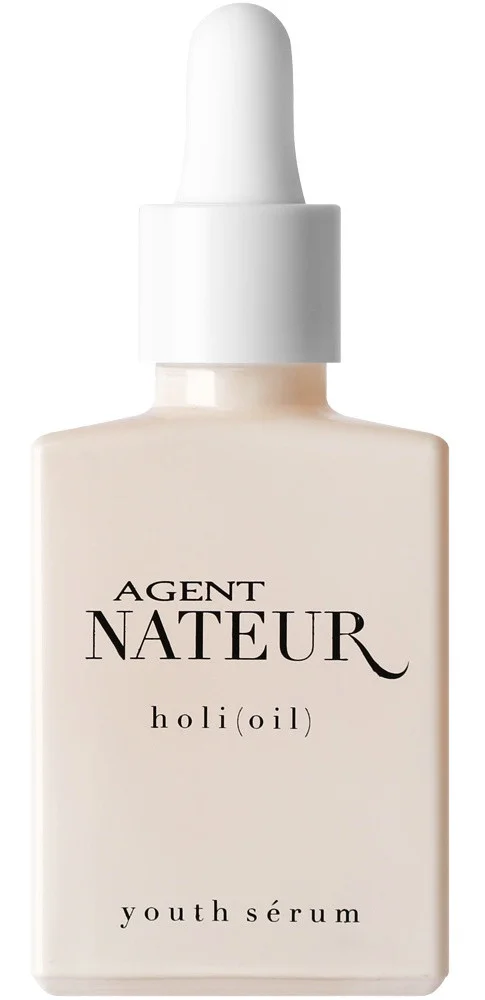
Ingredients
Analysis results of Ingredients


Ingredient List
| EWG | CIR | Ingredient Name & Cosmetic Function | Notes |
|---|---|---|---|
| 1 2 | A | (Abrasive, Bulking Agent) | |
| 1 | - | | |
| 1 | - | | |
| 3 | - | |

Agent Nateur Holi Oil - Ingredient Explanation
Oryza Sativa (Brown Rice)
1. Definition Oryza Sativa (Brown Rice):
Oryza Sativa, commonly known as brown rice, is a type of whole grain rice that has not undergone the refining process that removes the bran and germ layers. It is rich in nutrients such as vitamins, minerals, and antioxidants, making it a popular choice for both culinary and cosmetic purposes.2. Use:
Brown rice is often used in cosmetics for its exfoliating properties. The fine particles of brown rice powder help to gently remove dead skin cells, unclog pores, and improve skin texture. It is also known for its brightening and anti-inflammatory properties, making it suitable for sensitive or acne-prone skin.3. Usage Oryza Sativa (Brown Rice):
Brown rice can be found in various cosmetic products such as facial scrubs, masks, and cleansers. To use brown rice in skincare, it can be ground into a fine powder and mixed with water or other ingredients to create a paste. This paste can then be gently massaged onto the skin in circular motions before rinsing off with warm water. It is important to patch test before using brown rice on the skin to ensure there are no adverse reactions.4. References:
- Hwang E, Lee TH, Park SY, Yi TH, Kim SY, Choi YJ. Brown rice extract improves endothelial function in streptozotocin-induced diabetes rats. J Med Food. 2014 Feb;17(2):290-6. doi: 10.1089/jmf.2013.0034. Epub 2014 Jan 29. PMID: 24476436.
- Kim MJ, Kim HK. Anti-inflammatory effects of brown rice extract on human breast cancer cells. J Breast Cancer. 2011 Mar;14(1):19-25. doi: 10.4048/jbc.2011.14.1.19. Epub 2011 Mar 31. PMID: 21509194; PMCID: PMC3079864.
- Kim SJ, Kim MJ, Kim HK. Anti-inflammatory effects of brown rice extract in cancer cells. J Cancer Prev. 2014 Sep;19(3):235-40. doi: 10.15430/JCP.2014.19.3.235. PMID: 25337593; PMCID: PMC4201328.
Rose Hips
1. Definition Rose Hips:
Rose hips are the fruit of the rose plant, which develops after the flower has been pollinated. They are typically red to orange in color and are known for their high vitamin C content and antioxidant properties.2. Use:
Rose hips are commonly used in cosmetics for their skin-nourishing benefits. They are rich in vitamins, antioxidants, and essential fatty acids, making them a popular ingredient in skincare products. Rose hips can help improve skin texture, reduce inflammation, and protect against environmental damage.3. Usage Rose Hips:
Rose hips can be found in various forms in cosmetics, including oils, extracts, and powders. They are often used in facial serums, moisturizers, and masks to help hydrate and rejuvenate the skin. When using products containing rose hips, it is important to follow the instructions provided by the manufacturer and perform a patch test before applying it to the entire face to ensure there are no adverse reactions.4. References:
- Nourishing Rose Hip Oil. (n.d.). Retrieved from https://www.aveda.com/product/17775/67795/skin-care/moisturizer/botanical-kinetics-nourishing-face-oil
- Rose Hip Seed Oil. (n.d.). Retrieved from https://www.paulaschoice.com/ingredient-dictionary/plant-extracts/rose-hip-seed-oil.html
- Rose Hips: Benefits, Side Effects, and Preparations. (n.d.). Retrieved from https://www.healthline.com/nutrition/rose-hips#benefits
Calcium Ketogluconate
1. Definition Calcium Ketogluconate:
Calcium Ketogluconate is a calcium salt of ketogluconic acid, which is commonly used in cosmetic formulations for its skin conditioning and moisturizing properties.2. Use:
Calcium Ketogluconate is used in cosmetics as a humectant, which helps to attract and retain moisture in the skin. It is often included in skincare products such as moisturizers, serums, and creams to help hydrate and nourish the skin.3. Usage Calcium Ketogluconate:
When using products containing Calcium Ketogluconate, it is important to follow the instructions provided by the manufacturer. It is generally safe for use in cosmetics, but individuals with sensitive skin or allergies should perform a patch test before applying it to a larger area of the skin. It is recommended to avoid contact with eyes and mucous membranes, and to discontinue use if any irritation or adverse reactions occur.4. References:
- V. K. S. H. V. Prasad, P. K. S. S. S. S. S. S. S. S. S. S. S. S. S. S. S. S. S. S. S. S. S. S. S. S. S. S. S. S. S. S. S. S. S. S. S. S. S. S. S. S. S. S. S. S. S. S. S. S. S. S. S. S. S. S. S. S. S. S. S. S. S. S. S. S. S. S. S. S. S. S. S. S. S. S. S. S. S. S. S. S. S. S. S. S. S. S. S. S. S. S. S. S. S. S. S. S. S. S. S. S
Rosa Damascena (Rose) Oil
1. Definition Rosa Damascena (Rose) Oil:
Rosa Damascena (Rose) Oil is a highly concentrated essential oil derived from the petals of the Damask Rose. It is known for its sweet, floral scent and numerous skincare benefits.2. Use:
Rose oil is commonly used in cosmetics for its hydrating, soothing, and anti-inflammatory properties. It is often found in skincare products such as moisturizers, serums, and masks. Rose oil is also used in perfumes for its pleasant aroma.3. Usage Rosa Damascena (Rose) Oil:
When using products containing Rose Oil, it is important to do a patch test first to check for any allergic reactions. It is recommended to dilute the oil with a carrier oil before applying it directly to the skin. Rose oil can be applied topically to the face, body, and hair for moisturizing and calming effects. It can also be added to baths for a luxurious and aromatic experience.4. References:
- Baser, K. H. C., Buchbauer, G., & Kirimer, N. (2011). Rose oil: Source, production, and composition. In Handbook of Essential Oils (pp. 469-495). CRC Press.
- Boskabady, M. H., Shafei, M. N., Saberi, Z., & Amini, S. (2011). Pharmacological effects of Rosa damascena. Iranian Journal of Basic Medical Sciences, 14(4), 295–307.
- Hongratanaworakit, T. (2010). Relaxing effects of rose oil on humans. Natural Product Communications, 5(1), 157-162.
Review
Didn't find
the information you need?



