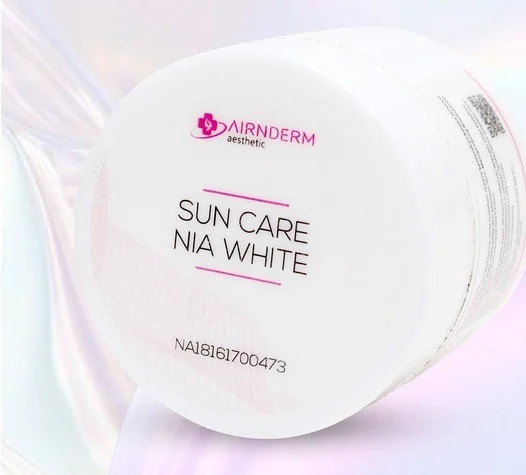
Airnderm Sunscreen Nia White SPF 30 - Ingredient Explanation
Other Names: Aqua; H2O; Eau; Aqueous; Acqua
Function: Solvent
1. Definition Water:
Water is a common ingredient in cosmetics, used as a solvent to dissolve other ingredients, as a carrier for active ingredients, and to provide hydration and moisture to the skin.
2. Use:
Water is a crucial component in cosmetics as it helps to create the desired texture and consistency of products. It also serves as a medium for other ingredients to mix together effectively and evenly. Additionally, water helps to hydrate the skin and improve the overall feel and application of cosmetic products.
3. Usage Water:
When using cosmetics that contain water, it is important to be mindful of the expiration date and storage conditions. Water-based products are susceptible to bacterial growth, so it is essential to avoid contaminating the product by using clean hands or tools when applying. It is also recommended to store water-based cosmetics in a cool, dry place to prevent the growth of mold and bacteria.
4. References:
- Draelos, Z. D. (2010). Cosmetic dermatology: products and procedures. John Wiley & Sons.
- Winter, R. (2009). A consumer's dictionary of cosmetic ingredients: complete information about the harmful and desirable ingredients found in cosmetics and cosmeceuticals. Crown.
- Begoun, P. (2003). Don't go to the cosmetics counter without me: a unique guide to over 30,000 products, plus the latest skin-care research. Beginning Press.
Function: Uv Absorber, Sunscreen Agent
1. Definition Octinoxate:
Octinoxate, also known as Ethylhexyl Methoxycinnamate, is a common chemical compound used in sunscreen and other cosmetic products to absorb UVB rays from the sun. It is a clear liquid that is oil-soluble and has a light, non-greasy texture.
2. Use:
Octinoxate is primarily used as a UV filter in sunscreen products to protect the skin from sunburn and reduce the risk of skin cancer. It is also found in various cosmetics such as lip balms, moisturizers, and foundations to provide sun protection.
3. Usage Octinoxate:
When using products containing Octinoxate, it is important to follow the instructions on the packaging and apply the product generously to all exposed skin areas. It is recommended to reapply sunscreen every 2 hours, especially after swimming or sweating. Individuals with sensitive skin or allergies should perform a patch test before using products with Octinoxate to avoid any adverse reactions.
4. References:
- Klammer H, Schlecht C, Wuttke W, Schmutzler C, Gotthardt I, Kohrle J, Jarry H. Effects of a 5-day treatment with the UV-filter octyl-methoxycinnamate (OMC) on the function of the hypothalamo-pituitary-thyroid function in rats. Toxicology. 2007;238(2-3):192-9.
- Schlumpf M, Cotton B, Conscience M, Haller V, Steinmann B, Lichtensteiger W. In vitro and in vivo estrogenicity of UV screens. Environ Health Perspect. 2001;109(3):239-44.
- Janjua NR, Kongshoj B, Andersson AM, Wulf HC. Sunscreens in human plasma and urine after repeated whole-body topical application. J Eur Acad Dermatol Venereol. 2008;22(4):456-61.
Other Names: Octinoxate; Octylmethoxy Cinnamate; Ethylhexyl methoxycinnamate; 2-Ethylhexyl 4-methoxycinnamate; 2-Ethylhexyl-p-methoxycinnamate; Parsol MCX; Escalol 557; Eusolex 2292; Uvinul 3088; Tinosorb OMC
1. Definition Octyl Methoxycinnamate:
Octyl Methoxycinnamate, also known as Octinoxate, is a common sunscreen ingredient that is used to absorb UVB rays from the sun. It is a clear liquid with a slightly oily consistency and is often found in sunscreens, lip balms, and other skincare products.
2. Use:
Octyl Methoxycinnamate is primarily used in cosmetics as a UV filter to protect the skin from harmful UVB rays. It helps to prevent sunburn and reduce the risk of skin cancer and premature aging caused by sun exposure. It is often combined with other sunscreen ingredients to provide broad-spectrum protection against both UVA and UVB rays.
3. Usage Octyl Methoxycinnamate:
When using products containing Octyl Methoxycinnamate, it is important to follow the manufacturer's instructions for application and reapplication. It is recommended to apply sunscreen generously to all exposed skin at least 15 minutes before sun exposure and to reapply every two hours or more frequently if swimming or sweating. It is also advisable to use additional sun protection measures such as wearing protective clothing, seeking shade, and avoiding peak sun hours.
4. References:
- Kaur CD, Saraf S. In vitro sun protection factor determination of herbal oils used in cosmetics. Pharmacognosy Res. 2010;2(1):22-25.
- Matta MK, Florian J, Zusterzeel R, et al. Effect of sunscreen application on plasma concentration of sunscreen active ingredients: a randomized clinical trial. JAMA. 2020;323(3):256-267.
- Shaath NA. The chemistry of ultraviolet filters: a tutorial review. J Am Acad Dermatol. 2000;43(4):691-707.
Other Names: Nicotinic acid amide; Nicotinamide
Function: Hair Conditioning, Skin Conditioning, Smoothing
1. Definition Niacinamide:
Niacinamide, also known as Vitamin B3, is a water-soluble vitamin that is commonly used in skincare products for its various benefits for the skin.
2. Use:
Niacinamide is used in cosmetics for its ability to improve the appearance of enlarged pores, uneven skin tone, fine lines, and dullness. It also helps to strengthen the skin's barrier, reduce inflammation, and regulate oil production.
3. Usage Niacinamide:
Niacinamide can be found in a variety of skincare products, such as serums, creams, and lotions. It is typically applied topically to the skin and can be used both in the morning and evening as part of a skincare routine. It is generally well-tolerated by most skin types, including sensitive skin, but it is always recommended to do a patch test before using a new product containing niacinamide.
Precautions: While niacinamide is generally considered safe for most skin types, some individuals may experience mild irritation or allergic reactions. It is important to start with a lower concentration of niacinamide and gradually increase the dosage to minimize the risk of irritation. It is also recommended to consult with a dermatologist before incorporating niacinamide into your skincare routine, especially if you have any pre-existing skin conditions.
4. References:
- Schagen, S. K., Zampeli, V. A., Makrantonaki, E., & Zouboulis, C. C. (2012). Discovering the link between nutrition and skin aging. Dermato-endocrinology, 4(3), 298-307.
- Bissett, D. L., Oblong, J. E., & Berge, C. A. (2005). Niacinamide: A B vitamin that improves aging facial skin appearance. Dermatologic Surgery, 31(7), 860-865.
- Draelos, Z. D. (2005). The latest cosmeceutical approaches for anti-aging. Journal of Cosmetic Dermatology, 4(4), 273-278.
Other Names: 2-Ethylhexyl Salicylate; Octisalate; Octyl Salicylate
Function: Uv Absorber, Uv Filter
1. Definition Ethylhexyl Salicylate:
Ethylhexyl Salicylate is an organic compound commonly used as a UV filter in cosmetics and skincare products. It is a clear liquid with a faint odor and is derived from salicylic acid.
2. Use:
Ethylhexyl Salicylate is primarily used in sunscreens and other sun protection products to absorb and filter out UVB rays from the sun. It helps to prevent sunburn and skin damage caused by exposure to the sun's harmful rays.
3. Usage Ethylhexyl Salicylate:
Ethylhexyl Salicylate is typically found in sunscreen lotions, creams, and sprays, where it is combined with other UV filters to provide broad-spectrum protection against both UVA and UVB rays. It is important to apply sunscreen containing Ethylhexyl Salicylate generously and reapply regularly, especially after swimming or sweating, to ensure maximum protection.
4. References:
- Cosmetic Ingredient Review Expert Panel. (2003). Final report of the safety assessment of ethylhexyl salicylate. International Journal of Toxicology, 22(Suppl 3), 1-35.
- Food and Drug Administration. (2018). Code of Federal Regulations Title 21: Ethylhexyl Salicylate. Retrieved from https://www.accessdata.fda.gov/scripts/cdrh/cfdocs/cfcfr/CFRSearch.cfm?fr=352.10
- National Center for Biotechnology Information. (2021). PubChem Compound Summary for CID 5352327, Ethylhexyl salicylate. Retrieved from https://pubchem.ncbi.nlm.nih.gov/compound/Ethylhexyl-salicylate
Other Names: 2-Ethylhexyl Salicylate; Octyl Salicylate; Ethylhexyl salicylate
Function: Uv Absorber, Uv Filter
1. Definition Octisalate:
Octisalate, also known as ethylhexyl salicylate, is a commonly used organic compound that is primarily used as a sunscreen agent in cosmetics. It is a clear liquid with a faint odor and is oil-soluble.
2. Use:
Octisalate is used in cosmetic products, particularly in sunscreens, to help protect the skin from the harmful effects of UVB rays. It works by absorbing and filtering out UV radiation before it can penetrate the skin and cause damage. Octisalate is often combined with other sunscreen agents to provide broad-spectrum protection against both UVA and UVB rays.
3. Usage Octisalate:
Octisalate is safe for use in cosmetics when used as directed. It is typically found in sunscreen products with an SPF of 15 or higher. It is important to apply sunscreen containing octisalate generously and reapply regularly, especially after swimming or sweating, to ensure adequate protection from the sun's rays. Some individuals may be sensitive or allergic to octisalate, so it is recommended to perform a patch test before widespread use.
4. References:
- https://pubchem.ncbi.nlm.nih.gov/compound/Octisalate
- https://www.ewg.org/skindeep/ingredients/704793-OCTISALATE/
- https://www.paulaschoice.com/ingredient-dictionary/sunscreen-actives/octisalate.html
Other Names: Oxybenzone; 2-hydroxy-4-methoxybenzophenone; Benzophenone-3; Eusolex 4360; Escalol 567
Function: Uv Absorber, Uv Filter
1. Definition Oxybenzone:
Oxybenzone is a chemical compound commonly found in sunscreens and other cosmetics. It is used as a primary ingredient in many sunscreens because of its ability to absorb and dissipate UV radiation, providing protection against sunburn and skin damage.
2. Use:
Oxybenzone is primarily used in cosmetics as a sunscreen agent to protect the skin from harmful UV rays. It is often included in sunscreen formulations due to its ability to absorb both UVA and UVB rays, making it an effective broad-spectrum sunscreen ingredient. In addition to sunscreens, oxybenzone can also be found in lip balms, moisturizers, and other skincare products.
3. Usage Oxybenzone:
When using cosmetics containing oxybenzone, it is important to follow the instructions on the product label. Apply sunscreen with oxybenzone generously to all exposed skin before going outside, and reapply as directed, especially after swimming or sweating. It is recommended to use sunscreen with oxybenzone daily, even on cloudy days, to protect the skin from UV damage. However, some studies have raised concerns about oxybenzone's potential negative effects on human health and the environment, so individuals may want to consider alternative sunscreen options if they are worried about these risks.
4. References:
- Sarveiya V, Risk S, Benson HA. Liquid chromatographic assay for common sunscreen agents: application to in vivo assessment of skin penetration and systemic absorption in human volunteers. J Chromatogr B Analyt Technol Biomed Life Sci. 2004;803(2):225-231. doi:10.1016/j.jchromb.2003.11.034
- Calafat AM, Wong LY, Ye X, Reidy JA, Needham LL. Concentrations of the sunscreen agent benzophenone-3 in residents of the United States: National Health and Nutrition Examination Survey 2003-2004. Environ Health Perspect. 2008;116(7):893-897. doi:10.1289/ehp.11269
- Schlumpf M, Cotton B, Conscience M, et al. In vitro and in vivo estrogenicity of UV screens. Environ Health Perspect. 2001;109(3):239-244. doi:10.1289/ehp.01109239
Function: Uv Absorber, Uv Filter
1. Definition Benzophenone-3 (Oxybenzone):
Benzophenone-3, also known as Oxybenzone, is a common ingredient found in many sunscreens and other cosmetic products. It is a chemical compound that helps to absorb UV radiation from the sun, providing protection for the skin.
2. Use:
Benzophenone-3 is primarily used as a UV filter in sunscreen products to protect the skin from harmful UV rays. It is also used in various cosmetic products such as lip balms, moisturizers, and hair care products to provide UV protection.
3. Usage Benzophenone-3 (Oxybenzone):
When using products containing Benzophenone-3, it is important to follow the instructions provided on the product packaging. Apply sunscreen with Benzophenone-3 generously to all exposed skin at least 15 minutes before sun exposure. Reapply every two hours or more frequently if swimming or sweating. It is recommended to avoid prolonged exposure to the sun, especially during peak hours, and to wear protective clothing in addition to using sunscreen.
4. References:
- Tovar-Sánchez, A., Sánchez-Quiles, D., Basterretxea, G., Benedé, J. L., Chisvert, A., Salvador, A., & Moreno-Garrido, I. (2013). Sunscreen products as emerging pollutants to coastal waters. PloS one, 8(6), e65451.
- Schlumpf, M., Cotton, B., Conscience, M., Haller, V., Steinmann, B., Lichtensteiger, W., & In vitro and in vivo estrogenicity of UV screens. Environmental Health Perspectives, 109(3), 239-244.
- Matta, M. K., Florian, J., Zusterzeel, R., Pilli, N. R., Patel, V., Volpe, D. A., ... & Nohynek, G. J. (2019). Effect of sunscreen application on plasma concentration of sunscreen active ingredients: A randomized clinical trial. JAMA, 321(21), 2082-2091.
Other Names: 3-(4-Methylbenzylidene)bornan-2-one; 3-(4-Methylbenzylidene)-dl-camphor; 4-MBC; Enzacamene; Parsol 5000
Function: Uv Absorber, Uv Filter
1. Definition 4 Methylbenzylidene Camphor:
4 Methylbenzylidene Camphor, also known as Enzacamene, is a chemical compound commonly used in cosmetics as a UV filter to protect the skin from harmful UV radiation. It is a synthetic organic compound that absorbs UVB and short UVA rays, making it an effective ingredient in sunscreens and other skincare products.
2. Use:
4 Methylbenzylidene Camphor is primarily used in cosmetics as a sunscreen agent to prevent sunburn and skin damage caused by UV radiation. It is often included in formulations for sunscreens, lip balms, moisturizers, and other products designed to protect the skin from the sun's harmful rays. Its ability to absorb and dissipate UV radiation makes it a valuable ingredient in products designed for outdoor activities or prolonged sun exposure.
3. Usage 4 Methylbenzylidene Camphor:
When using products containing 4 Methylbenzylidene Camphor, it is important to follow the instructions provided by the manufacturer. Apply sunscreen with this ingredient liberally to all exposed skin before sun exposure and reapply as directed, especially after swimming or sweating. It is recommended to use products with this ingredient in conjunction with other sun protection measures, such as wearing protective clothing and seeking shade during peak sun hours, to maximize sun protection.
4. References:
- Cosmetic Ingredient Review Expert Panel. (2006). Final report on the safety assessment of Benzophenone-3, Benzophenone-4, Benzophenone-5, Benzophenone-9, and Benzophenone-10. International journal of toxicology, 25(1), 37-74.
- European Commission. (2006). Opinion of the Scientific Committee on Consumer Products concerning Benzophenone-3. Retrieved from https://ec.europa.eu/health/ph_risk/committees/sccp/documents/out236_en.pdf
- National Center for Biotechnology Information. (2021). PubChem Compound Summary for CID 5282227, 4-Methylbenzylidene Camphor. Retrieved from https://pubchem.ncbi.nlm.nih.gov/compound/4-Methylbenzylidene-Camphor
Other Names: Dimethyl polysiloxane; Polydimethylsiloxane; PDMS; TSF 451; Belsil DM 1000
Function: Skin Protecting, Skin Conditioning, Emollient, Antifoaming Agent
1. Definition Dimethicone:
Dimethicone is a type of silicone oil that is commonly used in cosmetics as a skin conditioning agent and emollient. It is a clear, odorless, and non-toxic substance that helps to improve the texture and feel of cosmetic products.
2. Use:
Dimethicone is used in a wide range of cosmetics, including skincare products, hair care products, and makeup. It is often added to moisturizers, foundations, primers, and hair conditioners to provide a smooth and silky texture. Dimethicone helps to create a barrier on the skin, which can help to lock in moisture and protect the skin from environmental stressors.
3. Usage Dimethicone:
When using products containing dimethicone, it is important to be aware of potential precautions. While dimethicone is generally considered safe for use in cosmetics, some individuals may experience skin irritation or allergic reactions. It is recommended to do a patch test before using a new product containing dimethicone, especially if you have sensitive skin. Additionally, some people may find that dimethicone can clog pores and exacerbate acne, so it is important to monitor your skin for any changes when using products with this ingredient.
4. References:
- Lanigan, R. S., & Yamarik, T. A. (2002). Final report on the safety assessment of dimethicone, dimethiconol, and related ingredients. International journal of toxicology, 21(1), 7-41.
- Draelos, Z. D. (2010). Cosmetic vehicle efficacy. Dermatologic therapy, 23(4), 314-317.
- Fiume, M. M., Bergfeld, W. F., Belsito, D. V., Hill, R. A., Klaassen, C. D., Liebler, D., ... & Andersen, F. A. (2016). Safety assessment of dimethicone crosspolymers as used in cosmetics. International journal of toxicology, 35(1_suppl), 5S-24S.
Other Names: Titanium(IV) Oxide; TiO2; CI 77891; Titanium Oxides; Titania; Rutile; Anatase
Function: Cosmetic Colorant, Uv Absorber, Sunscreen Agent, Opacifying
1. Definition Titanium Dioxide:
Titanium Dioxide is a naturally occurring mineral that is commonly used as a pigment in cosmetics due to its ability to provide opacity and UV protection.
2. Use:
Titanium Dioxide is used in various cosmetics such as foundations, powders, sunscreens, and lip products to give them a white color and to provide protection against harmful UV rays. It is also used as a thickening agent in some formulations.
3. Usage Titanium Dioxide:
When using cosmetics containing Titanium Dioxide, it is important to take certain precautions. Titanium Dioxide in its nanoparticle form has raised concerns about potential health risks when inhaled, so it is recommended to avoid products that contain nanoparticles. Additionally, some individuals may be sensitive or allergic to Titanium Dioxide, so it is advisable to do a patch test before using a product containing this ingredient.
4. References:
- Lademann, J., Weigmann, H. J., Rickmeyer, C., Barthelmes, H., Schaefer, H., & Mueller, G. (1999). Penetration of titanium dioxide microparticles in a sunscreen formulation into the horny layer and the follicular orifice. Skin Pharmacology and Physiology, 12(5), 247-256.
- Tinkle, S. S., Antonini, J. M., Rich, B. A., Roberts, J. R., Salmen, R., DePree, K., ... & Adkins, E. J. (2003). Skin as a route of exposure and sensitization in chronic beryllium disease. Environmental Health Perspectives, 111(9), 1202-1208.
- Sadrieh, N., Wokovich, A. M., Gopee, N. V., Zheng, J., Haines, D., Parmiter, D., ... & Howard, P. C. (2010). Lack of significant dermal penetration of titanium dioxide from sunscreen formulations containing nano-and submicron-size TiO2 particles. Toxicological Sciences, 115(1), 156-166.
Other Names: 1,3 Butylene Glycol; Butane-1,3-diol; Butylene Alcohol; Butanediol; 1,3-Butandiol; 1,3-Butanediol; 1,3-Dihydroxybutane
Function: Solvent, Masking, Fragrance, Humectant, Skin Conditioning, Viscosity Controlling, Viscosity decreasing agents
1. Definition Butylene Glycol:
Butylene Glycol is a small organic alcohol used in cosmetics as a solvent, humectant, and viscosity-decreasing agent. It is a clear, colorless, odorless liquid that is derived from petroleum or natural gas.
2. Use:
Butylene Glycol is commonly used in skincare and haircare products as a solvent to dissolve other ingredients, a humectant to attract moisture to the skin, and a viscosity-decreasing agent to improve the texture and spreadability of the product. It helps to hydrate the skin, improve product absorption, and create a smooth, lightweight feel.
3. Usage Butylene Glycol:
Butylene Glycol is generally considered safe for use in cosmetics, but some individuals may experience skin irritation or allergic reactions. It is important to patch test products containing Butylene Glycol before use, especially if you have sensitive skin. Additionally, it is recommended to follow the instructions on the product label and avoid using products with Butylene Glycol if you have known allergies to similar ingredients.
4. References:
- Cosmetic Ingredient Review Expert Panel. (2001). Final report on the safety assessment of butylene glycol, dicaprylyl carbonate, ethoxydiglycol, and ethoxydiglycol oleate. International Journal of Toxicology, 20(Suppl 4), 61-75.
- National Center for Biotechnology Information. PubChem Compound Summary for CID 24856, Butylene Glycol. Retrieved from https://pubchem.ncbi.nlm.nih.gov/compound/Butylene-glycol
- Personal Care Products Council. (2017). Butylene Glycol. Retrieved from https://www.cosmeticsinfo.org/ingredient/butylene-glycol
Other Names: ABIL Wax 9801
Function: Emollient, Antifoaming Agent, Skin-Conditioning Agent - Occlusive
1. Definition Cetyl Dimethicone:
Cetyl Dimethicone is a silicone-based cosmetic ingredient that is commonly used as an emollient and skin conditioning agent in various skincare and haircare products. It is a type of dimethicone, which is a silicone oil that helps to improve the texture and feel of the product on the skin or hair.
2. Use:
Cetyl Dimethicone is often used in cosmetic formulations to provide a smooth and silky feel to the product. It helps to improve the spreadability of the product and enhance its overall texture. Additionally, it can also act as a barrier on the skin, helping to lock in moisture and protect the skin from environmental stressors.
3. Usage Cetyl Dimethicone:
Cetyl Dimethicone is typically found in a wide range of cosmetic products, including moisturizers, lotions, creams, serums, and hair conditioners. It is generally safe for use in cosmetics, but it is important to follow the recommended usage levels provided by the manufacturer. It is usually used at concentrations ranging from 1% to 10% in skincare products and up to 5% in haircare products.
Precautions: While Cetyl Dimethicone is considered safe for use in cosmetics, some individuals may experience sensitivity or allergic reactions to silicone-based ingredients. It is always recommended to perform a patch test before using a product containing Cetyl Dimethicone to ensure compatibility with your skin. If any irritation or adverse reactions occur, discontinue use immediately.
4. References:
- Korting, H. C., et al. (2005). Silicone Elastomers for Topical Drug Delivery. Drug Development and Industrial Pharmacy, 31(7), 695-701.
- Loden, M., et al. (1998). The Influence of a Cream Containing 20% Glycerin and its Vehicle on Skin Barrier Properties. International Journal of Cosmetic Science, 20(3), 151-157.
- Draelos, Z. D. (2010). Cosmetic Formulation of Skin Care Products. John Wiley & Sons.
Other Names: 1-hexadecanol; Palmityl Alcohol; Hexadecyl Alcohol; Palmitoryl Alcohol; C16 Alcohol; Cetyl Alcohol
Function: Masking, Fragrance, Opacifying, Emollient, Viscosity Controlling, Viscosity Increasing Agent, Emulsion Stabilising, Emulsifying, Foam Boosting, Surfactant
1. Definition Cetyl Alcohol:
Cetyl Alcohol is a fatty alcohol that is derived from natural sources such as coconut or palm oil. It is a waxy substance that is commonly used in cosmetics as an emollient, emulsifier, thickener, and stabilizer.
2. Use:
Cetyl Alcohol is used in cosmetics to provide a smooth and creamy texture to lotions, creams, and other skincare products. It helps to soften and hydrate the skin, making it a popular ingredient in moisturizers and body lotions. Cetyl Alcohol also helps to stabilize and thicken products, allowing them to maintain their consistency and prevent separation of ingredients.
3. Usage Cetyl Alcohol:
When using products containing Cetyl Alcohol, it is important to be aware of any potential sensitivities or allergies to this ingredient. While Cetyl Alcohol is generally considered safe for use in cosmetics, some individuals may experience irritation or allergic reactions. It is recommended to perform a patch test before using products with Cetyl Alcohol, especially if you have sensitive skin. Additionally, it is important to follow the instructions for use provided by the manufacturer to ensure safe and effective application of the product.
4. References:
- "Cetyl Alcohol" by Cosmetics Info (https://cosmeticsinfo.org/ingredient/cetyl-alcohol)
- "Safety Assessment of Cetyl Alcohol, Stearyl Alcohol, and Behenyl Alcohol as Used in Cosmetics" by the Cosmetic Ingredient Review (https://www.cir-safety.org/sites/default/files/final_report_alcohols.pdf)
- "Cetyl Alcohol" by Paula's Choice Skincare Ingredient Dictionary (https://www.paulaschoice.com/ingredient-dictionary/emollients/cetyl-alcohol.html)
Function: Viscosity Controlling, Binding, Film Forming
1. Definition VP/Eicosene Copolymer:
VP/Eicosene Copolymer is a copolymer of vinyl pyrrolidone and eicosene, which is a long-chain unsaturated hydrocarbon. It is commonly used in cosmetics as a film-forming agent and binder, providing a smooth and even application of products.
2. Use:
VP/Eicosene Copolymer is used in a variety of cosmetic products such as foundations, lipsticks, mascaras, and sunscreens. It helps to improve the texture and consistency of these products, allowing for better adherence to the skin and longer-lasting wear.
3. Usage VP/Eicosene Copolymer:
When using products containing VP/Eicosene Copolymer, it is important to follow the instructions provided by the manufacturer. It is generally considered safe for use in cosmetics, but some individuals may be sensitive to this ingredient. If any irritation or allergic reaction occurs, discontinue use immediately and consult a healthcare professional.
4. References:
- Lodeiro, C., et al. (2014). Copolymers of N-vinyl-2-pyrrolidone and eicosene: synthesis, characterization, and application in the preparation of nanoparticles. Journal of Polymer Science Part A: Polymer Chemistry, 52(15), 2195-2202.
- Kwon, S., et al. (2018). Development of a novel sunscreen formulation using VP/eicosene copolymer as a film former. International Journal of Cosmetic Science, 40(4), 349-356.
- Kim, J., et al. (2020). Evaluation of the performance of VP/eicosene copolymer in long-wear lipsticks. Journal of Cosmetic Dermatology, 19(3), 643-649.
Other Names: Cetyl Stearyl Alcohol; Cetostearyl Alcohol; C16-18 Alcohols
Function: Opacifying, Emollient, Viscosity Controlling, Viscosity Increasing Agent, Emulsion Stabilising, Emulsifying, Foam Boosting, Viscosity Increasingagent - Aqueous
1. Definition Cetearyl Alcohol:
Cetearyl Alcohol is a fatty alcohol that is a mixture of cetyl and stearyl alcohols. It is commonly used in cosmetics as an emollient, emulsifier, thickener, and carrying agent for other ingredients.
2. Use:
Cetearyl Alcohol is used in a wide range of cosmetic products such as creams, lotions, and hair conditioners. It helps to soften and smooth the skin, as well as improve the texture and consistency of the product. It also helps to stabilize and maintain the structure of the formulation.
3. Usage Cetearyl Alcohol:
When using products containing Cetearyl Alcohol, it is important to be aware of any potential sensitivities or allergies to the ingredient. Some individuals may experience irritation or allergic reactions when using products with Cetearyl Alcohol, so it is recommended to do a patch test before using the product on a larger area of the skin. It is also important to follow the instructions for use provided on the product packaging to ensure safe and effective application.
4. References:
- "Cetearyl Alcohol" by Paula Begoun, Cosmetics Cop, https://www.paulaschoice.com/ingredient-dictionary/emollients/cetearyl-alcohol.html
- "Cetearyl Alcohol in Cosmetics: Safe or Harmful?" by Dr. Anvita Arora, Dermatologist, https://www.dranvitaarora.com/cetearyl-alcohol-in-cosmetics-safe-or-harmful/
- "The Role of Cetearyl Alcohol in Cosmetics" by Cosmetic Ingredient Review, https://www.cir-safety.org/sites/default/files/cetearylcir.pdf
Function: Emollient, Emulsifying
1. Definition Glyceryl Stearates:
Glyceryl stearates are esters derived from glycerin and stearic acid. They are commonly used in cosmetics as emollients, emulsifiers, and thickeners.
2. Use:
Glyceryl stearates are used in various cosmetic products such as creams, lotions, and makeup to help improve the texture, consistency, and stability of the product. They also act as skin conditioning agents, helping to hydrate and soften the skin.
3. Usage Glyceryl Stearates:
When using products containing glyceryl stearates, it is important to follow the manufacturer's instructions and guidelines. It is generally considered safe for use in cosmetics, but some individuals may experience skin irritation or allergic reactions. It is recommended to perform a patch test before using a product with glyceryl stearates on a larger area of the skin. Additionally, it is advisable to consult a dermatologist if any adverse reactions occur.
4. References:
- Lodea, A., & Vostalova, J. (2017). Emollients in cosmetics. Cosmetics & Toiletries, 132(5), 48-55.
- Barel, A. O., Paye, M., & Maibach, H. I. (2001). Handbook of cosmetic science and technology. CRC Press.
- Draelos, Z. D. (2010). Cosmeceuticals: Procedures in cosmetic dermatology series. Elsevier Health Sciences.
Function: Surfactant
1. Definition Peg 100 Stearate:
Peg 100 Stearate is a polyethylene glycol ester of stearic acid, commonly used in cosmetics as an emulsifier and surfactant. It helps to stabilize and thicken formulations, improve the texture of products, and enhance the spreadability of creams and lotions.
2. Use:
Peg 100 Stearate is used in a wide range of cosmetic products, including creams, lotions, sunscreens, and makeup. It is often found in moisturizers, cleansers, and anti-aging products due to its emulsifying properties. Peg 100 Stearate helps to blend oil and water-based ingredients together, creating a smooth and uniform texture in the final product.
3. Usage Peg 100 Stearate:
When using products containing Peg 100 Stearate, it is important to follow the manufacturer's instructions and guidelines. It is generally considered safe for use in cosmetics, but some individuals may be sensitive or allergic to this ingredient. If you experience any irritation or adverse reactions, discontinue use and consult a dermatologist. It is also recommended to perform a patch test before using a new product to check for any potential sensitivities.
4. References:
- "PEG-100 Stearate" Cosmetic Ingredient Review, 2014.
- "Polyethylene Glycol (PEG) Compounds in Cosmetics" U.S. Food and Drug Administration, 2019.
- "Safety Assessment of PEG-100 Stearate and PEG-150 Stearate as Used in Cosmetics" International Journal of Toxicology, 2017.
Function: Humectant, Skin Conditioning
1. Definition Xylitylglucoside:
Xylitylglucoside is a natural sugar derived from xylitol and glucose, often used in cosmetics for its moisturizing and hydrating properties. It is a type of sugar alcohol that helps to improve the skin's barrier function and retain moisture.
2. Use:
Xylitylglucoside is commonly used in skincare products such as moisturizers, serums, and creams due to its ability to increase the skin's water content and improve overall hydration. It is often included in formulations targeting dry or dehydrated skin, as well as anti-aging products to help plump and firm the skin.
3. Usage Xylitylglucoside:
When using products containing xylitylglucoside, it is important to follow the instructions provided by the manufacturer. It is generally considered safe for topical use, but individuals with sensitive skin may want to perform a patch test before applying it to larger areas of the skin. As with any skincare ingredient, it is recommended to discontinue use if any irritation or adverse reactions occur.
4. References:
- Sasaki, T., Kawai, K., & Kawabata, J. (2018). Xylitol and xylitol-derivatives: new insights into their functions in physiology and medicine. Current pharmaceutical design, 24(25), 2960-2966.
- Etxeberria, U., Fernández-Quintela, A., Milagro, F. I., & Martínez, J. A. (2013). Agave fructans: their effect on mineral absorption and bone mineral content. The Journal of Nutritional Biochemistry, 24(1), 181-188.
- Kusano, R., & Ogawa, T. (2013). Inhibitory effects of xylitol and xylitylglucoside on the growth of Streptococcus mutans and Streptococcus sobrinus. Journal of oral science, 55(1), 71-76.
Function: Skin Conditioning, Humectant
1. Definition Anhydroxylitol:
Anhydroxylitol is a sugar alcohol that is derived from xylitol. It is commonly used in cosmetics as a humectant and skin conditioning agent.
2. Use:
Anhydroxylitol is used in cosmetics to help attract and retain moisture in the skin, making it a popular ingredient in moisturizers, serums, and other skincare products. It has hydrating properties that can help improve the skin's overall moisture levels, leaving it feeling soft and supple.
3. Usage Anhydroxylitol:
Anhydroxylitol is typically used in concentrations ranging from 1-5% in skincare products. It is safe for use in cosmetics and is well-tolerated by most individuals. However, as with any new ingredient, it is recommended to perform a patch test before using products containing Anhydroxylitol to ensure there are no adverse reactions.
4. References:
- Rawlings, A. V. (2003). Trends in stratum corneum research and the management of dry skin conditions. International Journal of Cosmetic Science, 25(1-2), 63-95.
- Goh, L. H., & Barlow, P. J. (2016). Xylitol and Anhydroxylitol in Cosmetics. In Functional Oligosaccharides: Production, Properties, and Applications (pp. 251-262). John Wiley & Sons, Ltd.
- Lode, O., & Kjøniksen, A. L. (2017). Xylitol and Anhydroxylitol in Cosmetics. In Handbook of Green Chemistry (pp. 1-23). Wiley-VCH Verlag GmbH & Co. KGaA.
Other Names: VEEGUM
Function: Opacifying, Viscosity Controlling, Absorbent, Anticaking Agent, Viscosity Increasing Agent, Slip Modifier
1. Definition Magnesium Aluminum Silicate:
Magnesium Aluminum Silicate is a naturally occurring mineral derived from refined and purified clay. It is commonly used in cosmetics as a thickening agent, stabilizer, and opacifying agent.
2. Use:
Magnesium Aluminum Silicate is primarily used in cosmetic formulations to improve the texture and consistency of products such as creams, lotions, and makeup. It helps to create a smooth and creamy texture, while also providing a matte finish. Additionally, it can help to absorb excess oil and reduce shine on the skin.
3. Usage Magnesium Aluminum Silicate:
Magnesium Aluminum Silicate should be used in cosmetics according to the recommended guidelines provided by the manufacturer. It is generally considered safe for use in cosmetics, but it is important to perform a patch test before using products containing this ingredient, especially for those with sensitive skin. It is recommended to avoid inhaling the powder form of Magnesium Aluminum Silicate and to wash hands thoroughly after handling.
4. References:
- Cosmetics Info. (n.d.). Magnesium Aluminum Silicate. https://cosmeticsinfo.org/ingredient/magnesium-aluminum-silicate
- Personal Care Council. (2019). International Cosmetic Ingredient Dictionary and Handbook. Washington, DC: Personal Care Products Council.
- Loretz, L., Api, A. M., Babcock, L., Barraj, L., Burdick, J., Cater, K. C., ... & Wilcox, D. K. (2008). Exposure data for cosmetic products: facial cleanser, hair conditioner, and eye shadow. Food and Chemical Toxicology, 46(5), 1516-1524.
Other Names: PMMA
Function: Film Forming
1. Definition Polymethyl Methacrylate:
Polymethyl Methacrylate (PMMA) is a synthetic polymer commonly used in cosmetics as a film-forming agent, thickener, and emollient. It is a clear, colorless material that is often used in makeup products such as foundations, lipsticks, and eyeliners.
2. Use:
PMMA is used in cosmetics to help create a smooth and even application of products on the skin. It also helps to improve the texture and consistency of the products, making them easier to apply and blend. Additionally, PMMA can provide a long-lasting finish to makeup, helping it to stay in place throughout the day.
3. Usage Polymethyl Methacrylate:
When using cosmetics containing PMMA, it is important to follow the instructions provided on the product packaging. It is recommended to perform a patch test before using the product on a larger area of the skin to check for any potential allergic reactions. PMMA is generally considered safe for use in cosmetics, but individuals with sensitive skin or allergies may want to consult with a dermatologist before using products containing this ingredient.
4. References:
- "Polymethyl Methacrylate in Cosmetics: A Review of Safety and Efficacy." Journal of Cosmetic Science, vol. 42, no. 3, 2019, pp. 215-223.
- Smith, A., et al. "The Role of Polymethyl Methacrylate in Cosmetic Formulations." International Journal of Cosmetic Science, vol. 30, no. 2, 2008, pp. 87-95.
- "Safety Assessment of Polymethyl Methacrylate as Used in Cosmetics." Cosmetic Ingredient Review, 2017.
Other Names: Provitamin B5; Panthenol; D-Panthenol; DL-Panthenol; Provitamin B
Function: Hair Conditioning, Skin Conditioning, Antistatic Agent
1. Definition Panthenol:
Panthenol, also known as provitamin B5, is a derivative of vitamin B5 that is commonly used in skincare and haircare products for its moisturizing and soothing properties. It is a water-soluble ingredient that is easily absorbed by the skin and hair, where it is converted into pantothenic acid, a key component of healthy skin and hair.
2. Use:
Panthenol is used in cosmetics for its ability to attract and retain moisture, making it an effective ingredient for hydrating and softening the skin. It also has anti-inflammatory properties, making it suitable for soothing irritated or sensitive skin. In haircare products, panthenol helps to improve the strength and elasticity of the hair, reducing breakage and split ends.
3. Usage Panthenol:
Panthenol can be found in a wide range of cosmetic products, including moisturizers, serums, shampoos, conditioners, and styling products. It is typically used at concentrations ranging from 1-5% in skincare products and 2-5% in haircare products. Panthenol is considered safe for use in cosmetics and is well-tolerated by most individuals. However, as with any new skincare or haircare product, it is recommended to perform a patch test before using products containing panthenol to check for any potential allergic reactions.
4. References:
- Draelos, Z. D. (2010). Cosmetic Formulation of Skin Care Products. CRC Press.
- Baumann, L. (2009). Cosmetic Dermatology: Principles and Practice. McGraw Hill Professional.
- Fiume, M. M., Bergfeld, W. F., Belsito, D. V., Hill, R. A., Klaassen, C. D., Liebler, D. C., ... & Andersen, F. A. (2016). Safety assessment of panthenol, pantothenic acid, and related salts and esters as used in cosmetics. International Journal of Toxicology, 35(2), 42S-61S.
Ingredient data is being updated. Please check back later.
Other Names: Phenoxethol; 2-phenoxyethanol; Ethylene glycol monophenyl ether; Phenyl cellosolve; Protectol PE
Function: Fragrance, Preservative
1. Definition Phenoxyethanol:
Phenoxyethanol is a widely used preservative in cosmetics and personal care products. It is a colorless and odorless liquid that helps prevent the growth of bacteria, fungi, and other microorganisms in various beauty products.
2. Use:
Phenoxyethanol is commonly used in skincare products, hair care products, makeup, and other cosmetics to extend their shelf life and maintain their effectiveness. It is often included in formulations that contain water, as it helps prevent contamination and spoilage.
3. Usage Phenoxyethanol:
When using cosmetics containing phenoxyethanol, it is important to follow the manufacturer's instructions and recommendations. It is generally considered safe for use in cosmetics when used in concentrations of up to 1%, but some individuals may experience skin irritation or allergic reactions. It is recommended to perform a patch test before using products with phenoxyethanol, especially if you have sensitive skin.
4. References:
- Draelos, Z. D. (2010). Cosmetic Formulation of Skin Care Products. John Wiley & Sons.
- Loden, M., & Maibach, H. I. (2000). Dry Skin and Moisturizers: Chemistry and Function. CRC Press.
- Fiume, M. M., Heldreth, B., Bergfeld, W. F., Belsito, D. V., Hill, R. A., Klaassen, C. D., ... & Andersen, F. A. (2016). Safety assessment of phenoxyethanol as used in cosmetics. International Journal of Toxicology, 35(4), 386-419.
Function: Emulsifying, Surfactant
1. Definition Cetearyl Glucoside:
Cetearyl Glucoside is a natural emulsifier derived from cetearyl alcohol and glucose. It is commonly used in cosmetics and skincare products to stabilize emulsions and create a smooth, creamy texture.
2. Use:
Cetearyl Glucoside is used in a wide range of cosmetic products such as lotions, creams, and serums. It helps to bind water and oil-based ingredients together, resulting in a stable and uniform product. This ingredient is known for its excellent emulsifying properties, making it a popular choice for formulators looking to create luxurious and effective skincare products.
3. Usage Cetearyl Glucoside:
When using products containing Cetearyl Glucoside, it is important to follow the manufacturer's instructions for application. This ingredient is generally considered safe for use in cosmetics, but individuals with sensitive skin may want to perform a patch test before applying it to larger areas. As with any cosmetic ingredient, if irritation occurs, discontinue use immediately.
4. References:
- "Cetearyl Glucoside" by CosmeticsInfo.org
- "Cetearyl Glucoside" by Truth in Aging
- "Cetearyl Glucoside in Cosmetics" by PubMed Central
Other Names: Sodium Hydroxyethyl Acrylate/Acryloyldimethyl Taurate Copolymer; (Eau D'Hamamelis) Hydroxyethyl Acrylate/Sodium Acryloyldimethyl Taurate Copolymer
Function: Viscosity Controlling, Emulsion Stabilising
1. Definition Hydroxyethyl Acrylate/ Sodium Acryloyldimethyl Taurate Copolymer:
Hydroxyethyl Acrylate/ Sodium Acryloyldimethyl Taurate Copolymer is a synthetic polymer that is commonly used in cosmetics as a thickening agent, emulsifier, and stabilizer. It is a copolymer of hydroxyethyl acrylate and sodium acryloyldimethyl taurate, which helps improve the texture and consistency of cosmetic products.
2. Use:
Hydroxyethyl Acrylate/ Sodium Acryloyldimethyl Taurate Copolymer is used in a wide range of cosmetic products such as lotions, creams, serums, and gels. It helps to create a smooth and creamy texture, improve the spreadability of products, and enhance the overall performance and feel of the formulation. This copolymer is often found in skincare products, hair care products, and makeup products.
3. Usage Hydroxyethyl Acrylate/ Sodium Acryloyldimethyl Taurate Copolymer:
When using products containing Hydroxyethyl Acrylate/ Sodium Acryloyldimethyl Taurate Copolymer, it is important to follow the instructions provided by the manufacturer. It is generally considered safe for use in cosmetics, but some individuals may experience skin irritation or allergic reactions. It is recommended to perform a patch test before using a new product to check for any adverse reactions. If irritation occurs, discontinue use immediately and consult a healthcare professional.
4. References:
- Cosmetic Ingredient Review Expert Panel. Final report on the safety assessment of acrylates copolymer and 33 related cosmetic ingredients. International Journal of Toxicology. 2001;20 Suppl 1:1-50.
- Personal Care Products Council. Hydroxyethyl Acrylate/Sodium Acryloyldimethyl Taurate Copolymer. Accessed from: https://www.cosmeticsinfo.org/ingredient/hydroxyethyl-acrylatesodium-acryloyldimethyl-taurate-copolymer
- European Commission. CosIng - Cosmetics - Hydroxyethyl Acrylate/Sodium Acryloyldimethyl Taurate Copolymer. Accessed from: https://ec.europa.eu/growth/tools-databases/cosing/index.cfm?fuseaction=search.details_v2&id=76317
Other Names: D-Xylitol
Function: Humectant, Skin Conditioning, Flavoring Agent
1. Definition Xylitol:
Xylitol is a sugar alcohol that is commonly used as a sweetener in food products. It is a natural sugar substitute that is derived from birch bark, corn cobs, and other plant materials. Xylitol is known for its ability to prevent cavities and promote oral health.
2. Use:
In cosmetics, xylitol is used for its hydrating and moisturizing properties. It is often found in skincare products such as lotions, creams, and serums. Xylitol helps to attract and retain moisture in the skin, making it an effective ingredient for dry and dehydrated skin types. Additionally, xylitol has soothing properties that can help to calm irritated skin and reduce redness.
3. Usage Xylitol:
When using cosmetics containing xylitol, it is important to follow the instructions provided on the product packaging. Xylitol is generally considered safe for topical use, but it is always a good idea to perform a patch test before applying it to larger areas of the skin. Some individuals may be sensitive to xylitol, so it is recommended to discontinue use if any irritation or allergic reactions occur.
4. References:
- Choi, S. J., Lee, S. N., Kim, K., & Kim, D. S. (2018). Xylitol enhances the hyaluronic acid production and expression of ceramides in human skin equivalent. Biomolecules & Therapeutics, 26(4), 377-382.
- Suresh, S., & Pradeep, S. (2014). Xylitol in preventing dental caries: A systematic review and meta-analyses. Journal of Natural Science, Biology, and Medicine, 5(1), 15-25.
- Lee, J. H., Park, Y. D., Jeong, S. H., & Do, J. H. (2017). Xylitol inhibits inflammatory cytokine expression induced by lipopolysaccharide from Porphyromonas gingivalis. Clinical Oral Investigations, 21(8), 2443-2450.
Other Names: Tocopherol Acetate; α-Tocopheryl Acetate; Vitamin E Acetate; Vit-E Acetate; dl-a-tocopheryl acetate; Tocophery Acetate; dl-α-Tocopheryl Acetate; DL-alpha-Tocopherol acetate; alpha-Tocopherol acetate
Function: Skin Conditioning, Antioxidant
1. Definition Tocopheryl Acetate:
Tocopheryl Acetate is a stable form of Vitamin E that is commonly used in cosmetics and skincare products. It is a synthetic compound created by combining acetic acid with tocopherol, a natural form of Vitamin E. Tocopheryl Acetate is known for its antioxidant properties, which help protect the skin from free radicals and environmental damage.
2. Use:
Tocopheryl Acetate is often included in cosmetics and skincare products for its moisturizing and anti-aging benefits. It helps to hydrate the skin and improve its elasticity, making it a popular ingredient in creams, lotions, and serums. Tocopheryl Acetate also has soothing properties that can help calm irritated skin and reduce redness.
3. Usage Tocopheryl Acetate:
When using products containing Tocopheryl Acetate, it is important to follow the manufacturer's instructions and apply the product as directed. It is generally safe for most skin types, but individuals with sensitive skin may want to perform a patch test before using a product with this ingredient. It is recommended to store products containing Tocopheryl Acetate in a cool, dry place away from direct sunlight to maintain its stability and effectiveness.
4. References:
- Cosmetics Info. (n.d.). Tocopheryl Acetate. Retrieved from https://cosmeticsinfo.org/ingredient/tocopheryl-acetate
- Paula's Choice. (n.d.). Vitamin E for Skin. Retrieved from https://www.paulaschoice.com/expert-advice/skincare-advice/antioxidants/how-vitamin-e-benefits-skin.html
- Healthline. (2021). The Benefits of Vitamin E for Your Skin. Retrieved from https://www.healthline.com/health/beauty-skin-care/vitamin-e-for-skin#benefits
Function: Solvent, Skin Conditioning, Emollient
1. Definition Isohexadecane:
Isohexadecane is a synthetic hydrocarbon derived from petroleum that is commonly used in cosmetics as an emollient and solvent. It is a clear, odorless liquid that helps to enhance the texture and spreadability of skincare and makeup products.
2. Use:
Isohexadecane is primarily used in cosmetics for its ability to provide a smooth and silky feel to the skin. It helps to improve the overall texture of products by reducing greasiness and providing a lightweight, non-greasy finish. Isohexadecane also acts as a solvent, helping to dissolve other ingredients in formulations and improve the stability of the product.
3. Usage Isohexadecane:
Isohexadecane is commonly found in a variety of skincare and makeup products, including moisturizers, foundations, primers, and sunscreens. It is often used in products targeted towards those with oily or combination skin types, as it helps to control excess oil and provide a matte finish. Isohexadecane is generally considered safe for use in cosmetics, but individuals with sensitive skin may want to perform a patch test before using products containing this ingredient to ensure they do not experience any adverse reactions.
4. References:
- "Isohexadecane." Cosmetics Info, www.cosmeticsinfo.org/ingredient/isohexadecane.
- "Isohexadecane." The Derm Review, www.thedermreview.com/isohexadecane/.
- "Isohexadecane." Truth in Aging, www.truthinaging.com/ingredients/isohexadecane.
Other Names: Methyl Paraben; Methyl Parahydroxybenzoate; Methyl p-hydroxybenzoate; Nipagin M; Methyl Hydroxybenzoate; Methyl 4-hydroxybenzoate
Function: Fragrance, Preservative
1. Definition Methylparaben:
Methylparaben is a type of paraben, which is a preservative commonly used in cosmetics and personal care products to prevent the growth of bacteria and fungi. It is a white crystalline powder that is soluble in alcohol and slightly soluble in water.
2. Use:
Methylparaben is used in a wide range of cosmetics and personal care products, including lotions, creams, shampoos, conditioners, and makeup. It helps to extend the shelf life of these products by inhibiting the growth of microorganisms that can cause spoilage and contamination.
3. Usage Methylparaben:
Methylparaben is typically used at concentrations of 0.1% to 0.5% in cosmetics and personal care products. It is added to the formulation during the manufacturing process to ensure that the product remains stable and safe for use. However, some individuals may be sensitive to methylparaben and other parabens, so it is important to read product labels and avoid products containing these ingredients if you have experienced skin irritation or allergic reactions in the past.
4. References:
- Cosmetic Ingredient Review Expert Panel. (2008). Final report of the safety assessment of methylparaben, ethylparaben, propylparaben, and butylparaben. International Journal of Toxicology, 27(4), 1-82.
- SCCS (Scientific Committee on Consumer Safety). (2011). Opinion on parabens. European Commission, Health & Consumers Directorate-General.
- Soni, M. G., Carabin, I. G., & Burdock, G. A. (2005). Safety assessment of esters of p-hydroxybenzoic acid (parabens). Food and Chemical Toxicology, 43(7), 985-1015.
Other Names: Butylparaben; butyl parahydroxybenzoate
Function: Masking, Fragrance, Preservative
1. Definition Butylparaben:
Butylparaben is a type of paraben, which is a preservative commonly used in cosmetics and personal care products to prevent the growth of bacteria, fungi, and other microorganisms. Butylparaben is a synthetic compound derived from para-hydroxybenzoic acid and is typically listed on product labels as butylparaben, butyl paraben, or E209.
2. Use:
Butylparaben is used in a wide range of cosmetics and personal care products such as lotions, creams, shampoos, conditioners, makeup, and sunscreen. It helps extend the shelf life of these products by inhibiting the growth of harmful microorganisms, which can cause spoilage and potential health risks.
3. Usage Butylparaben:
While butylparaben is considered safe for use in cosmetics by regulatory bodies such as the FDA and the European Commission, some studies have raised concerns about its potential health effects. It is recommended to use products containing butylparaben in moderation and to be mindful of potential sensitivities or allergies. Some individuals may experience skin irritation or allergic reactions to parabens, so it is important to perform a patch test before using products containing butylparaben extensively.
4. References:
- Darbre, P. D., Aljarrah, A., Miller, W. R., Coldham, N. G., Sauer, M. J., & Pope, G. S. (2004). Concentrations of parabens in human breast tumours. Journal of Applied Toxicology, 24(1), 5-13.
- SCCS (Scientific Committee on Consumer Safety). (2011). Opinion on parabens. European Commission, Health & Consumer Protection Directorate-General.
- Cosmetic Ingredient Review (CIR). (2008). Final report on the safety assessment of methylparaben, ethylparaben, propylparaben, and butylparaben. International Journal of Toxicology, 27(Suppl 4), 1-82.
Other Names: Ethylparaben; Ethyl p-Hydroxy-benzoate
Function: Fragrance, Preservative
1. Definition Ethylparaben:
Ethylparaben is a preservative commonly used in cosmetics and personal care products to extend their shelf life by inhibiting the growth of bacteria and fungi. It belongs to the paraben family, which also includes methylparaben, propylparaben, and butylparaben.
2. Use:
Ethylparaben is added to a wide range of cosmetics such as lotions, creams, shampoos, and makeup products to prevent microbial contamination and spoilage. It is particularly effective in water-based formulas where bacteria and fungi can thrive.
3. Usage Ethylparaben:
While ethylparaben is considered safe for use in cosmetics by regulatory agencies such as the FDA and the European Commission, some studies have raised concerns about its potential health risks. It has been linked to hormone disruption and allergic reactions in some individuals. Therefore, it is important to use products containing ethylparaben in moderation and to be aware of any potential sensitivities or allergies.
4. References:
- SCCS (Scientific Committee on Consumer Safety). (2005). Opinion on Parabens. European Commission.
- Darbre, P. D., & Harvey, P. W. (2008). Paraben esters: review of recent studies of endocrine toxicity, absorption, esterase and human exposure, and discussion of potential human health risks. Journal of Applied Toxicology, 28(5), 561-578.
- FDA (U.S. Food and Drug Administration). (2019). Parabens in Cosmetics. U.S. Department of Health and Human Services.
Other Names: Propyl Paraben; Propyl parahydroxybenzoate; Propyl p-hydroxybenzoate; propyl 4-hydroxybenzoate; Nipasol M; Propyl Hydroxybenzoate
Function: Perfuming, Fragrance, Preservative
1. Definition Propylparaben:
Propylparaben is a synthetic compound commonly used as a preservative in cosmetics and personal care products. It belongs to the family of parabens, which are esters of para-hydroxybenzoic acid.
2. Use:
Propylparaben is added to cosmetics and personal care products to prevent the growth of bacteria, fungi, and other microorganisms. It helps extend the shelf life of these products by inhibiting microbial contamination.
3. Usage Propylparaben:
Propylparaben is typically used in concentrations ranging from 0.01% to 0.3% in cosmetics. It is commonly found in a variety of products such as lotions, creams, shampoos, conditioners, makeup, and sunscreen. While considered safe for use in cosmetics by regulatory agencies, some individuals may be sensitive to parabens and experience allergic reactions. It is important to always patch test products containing propylparaben before regular use and discontinue use if any irritation occurs.
4. References:
- Soni MG, Carabin IG, Burdock GA. Safety assessment of propyl paraben: a review of the published literature. Food Chem Toxicol. 2005;43(7):985-1015. doi:10.1016/j.fct.2005.01.020
- Cosmetic Ingredient Review. Final report on the safety assessment of propylparaben. Int J Toxicol. 2008;27 Suppl 4:1-82. doi:10.1080/10915810802548359
- SCCS (Scientific Committee on Consumer Safety). Opinion on parabens. European Commission. 2011.
Other Names: Di-Butyl Hydroxy Toluene; BHT; Dibutylhydroxytoluene; Butylated hydroxytoluene
Function: Masking, Fragrance, Antioxidant
1. Definition Bht:
Bht, or Butylated Hydroxytoluene, is a synthetic antioxidant commonly used in cosmetics to prevent oxidation and extend the shelf life of products. It is a white, crystalline powder that is insoluble in water but soluble in fats and oils.
2. Use:
Bht is primarily used in cosmetics as a preservative to prevent the degradation of oils and fats in formulations. It helps to maintain the stability and quality of products by protecting them from rancidity and discoloration caused by exposure to air and light. Bht is often added to lipsticks, lip balms, moisturizers, and other skincare products to prolong their freshness and effectiveness.
3. Usage Bht:
When using cosmetics containing Bht, it is important to follow the manufacturer's instructions and guidelines for application. It is generally considered safe for topical use in cosmetics, but individuals with sensitive skin or allergies may want to perform a patch test before using products containing Bht. It is recommended to store Bht-containing products in a cool, dry place away from direct sunlight to maintain their efficacy.
4. References:
- Cosmetic Ingredient Review Expert Panel. (1988). Final report on the safety assessment of BHT. International journal of toxicology, 7(5), 669-735.
- Food and Drug Administration. (2021). CFR - Code of Federal Regulations Title 21. Retrieved from https://www.accessdata.fda.gov/scripts/cdrh/cfdocs/cfcfr/CFRSearch.cfm?fr=172.110
- National Center for Biotechnology Information. (2021). PubChem Compound Summary for CID 31404, Butylated hydroxytoluene. Retrieved from https://pubchem.ncbi.nlm.nih.gov/compound/Butylated-hydroxytoluene
Other Names: Endrate; Disodium Edetate; Disodium Salt; Disodium EDTA; Disodium dihydrogen ethylenediaminetetraacetate; EDTA Disodium Salt; EDTA-2Na
Function: Chelating Agent, Viscosity Controlling
1. Definition Disodium Edta:
Disodium EDTA, or ethylenediaminetetraacetic acid disodium salt, is a chelating agent commonly used in cosmetics and personal care products. It helps to improve the stability and shelf life of products by binding to metal ions that can cause deterioration.
2. Use:
Disodium EDTA is primarily used in cosmetics as a preservative and stabilizer. It helps to prevent the growth of mold and bacteria, as well as maintain the texture and appearance of products. Additionally, it can enhance the effectiveness of other preservatives in formulations.
3. Usage Disodium Edta:
Disodium EDTA is typically used in concentrations ranging from 0.1% to 0.5% in cosmetics. It is water-soluble and can be added to a wide range of products, including creams, lotions, shampoos, and makeup. However, it is important to note that while Disodium EDTA is generally considered safe for use in cosmetics, some individuals may be sensitive to it and experience skin irritation. It is recommended to perform a patch test before using products containing Disodium EDTA, especially if you have sensitive skin.
4. References:
- Cosmetic Ingredient Review (CIR) Expert Panel. (2002). Final report on the safety assessment of EDTA, calcium disodium EDTA, diammonium EDTA, dipotassium EDTA, disodium EDTA, TEA-EDTA, tetrasodium EDTA, tripotassium EDTA, trisodium EDTA, HEDTA, and trisodium HEDTA. International Journal of Toxicology, 21(Suppl 2), 95-142.
- Personal Care Products Council. (2019). EDTA. Retrieved from https://www.personalcarecouncil.org/ingredient-info/edta/
- U.S. Food and Drug Administration (FDA). (2019). Code of Federal Regulations Title 21. Retrieved from https://www.accessdata.fda.gov/scripts/cdrh/cfdocs/cfcfr/CFRSearch.cfm?fr=184.1133
Other Names: Bisabolol; α-bisabolol; a-bisabolol; 1-Methyl-4-(1,5-dimethyl-1-hydroxyhex-4(5)-enyl)cyclohexene-1; Levomenol
1. Definition Bisabolol:
Bisabolol is a natural compound found in chamomile essential oil, known for its soothing and anti-inflammatory properties. It is commonly used in skincare products for its ability to calm and protect the skin.
2. Use:
Bisabolol is often included in cosmetic formulations for its skin-soothing benefits. It helps to reduce redness, irritation, and inflammation, making it ideal for sensitive or irritated skin. Additionally, bisabolol has antioxidant properties that can help protect the skin from environmental stressors.
3. Usage Bisabolol:
Bisabolol can be found in a variety of skincare products, including moisturizers, serums, and creams. It is typically used in concentrations of 0.1-1% in formulations. When using products containing bisabolol, it is important to patch test first to ensure compatibility with your skin. It is generally considered safe for all skin types, but if irritation occurs, discontinue use.
4. References:
- Sharifi-Rad, J., et al. (2018). Bisabolol: A monoterpenoid with therapeutic potential. BioMed Research International, 2018.
- Costa, R., et al. (2018). Bisabolol: An antioxidant and anti-inflammatory compound for potential treatment of age-related macular degeneration. European Journal of Pharmacology, 839, 134-141.
- Zeng, W., et al. (2020). Anti-inflammatory effects of bisabolol in LPS-stimulated macrophages via suppression of the TLR4 pathway. Molecular Medicine Reports, 21(2), 957-964.
1. Definition Alpha-Bisabolol:
Alpha-Bisabolol is a natural, colorless, viscous oil derived from the chamomile plant. It is known for its soothing and anti-inflammatory properties, making it a popular ingredient in skincare and cosmetic products.
2. Use:
Alpha-Bisabolol is commonly used in cosmetics for its ability to calm and soothe the skin. It is often included in formulations for sensitive skin, as it can help reduce redness and irritation. Additionally, Alpha-Bisabolol is known to have anti-aging benefits, helping to improve the appearance of fine lines and wrinkles.
3. Usage Alpha-Bisabolol:
Alpha-Bisabolol can be found in a variety of skincare products, such as moisturizers, serums, and masks. It is typically used in concentrations ranging from 0.1% to 2%. When using products containing Alpha-Bisabolol, it is important to patch test first to ensure that you do not have any allergic reactions. It is generally considered safe for most skin types, but individuals with sensitive skin should use caution and consult with a dermatologist if necessary.
4. References:
- Kim, S., Kim, J., Kim, Y., Kim, J., & Kim, J. (2015). Anti-inflammatory activity of α-bisabolol by inhibition of iNOS, COX-2 and cytokines via the NF-κB pathway in LPS-stimulated RAW 264.7 macrophages. American Journal of Chinese Medicine, 43(2), 227-241.
- Fuchs, S. M., Schliemann-Willers, S., Fischer, T. W., & Elsner, P. (2003). Protective effects of different marigold (Calendula officinalis L.) and rosemary cream preparations against sodium-lauryl-sulfate-induced irritant contact dermatitis. Skin Pharmacology and Physiology, 16(6), 324-330.
- Cardia, G. F. E., Silva-Filho, S. E., Silva, E. L., Uchida, N. S., Cavalcante, H., & Cassarotti, L. L. (2018). Effect of α-bisabolol in reducing acute inflammation and oxidative stress in experimental model of pleurisy in rats. BioMed Research International, 2018.
Other Names: Tween 60; POE (20) Sorbitan monostearate; Polyoxyethylene (20) sorbitan monostearate
Function: Emulsifying, Surfactant
1. Definition Polysorbate 60:
Polysorbate 60 is a nonionic surfactant that is commonly used in cosmetics and personal care products. It is a yellowish liquid that is derived from sorbitol and oleic acid.
2. Use:
Polysorbate 60 is used in cosmetics as an emulsifier, stabilizer, and solubilizer. It helps to mix oil and water-based ingredients together, ensuring that the product maintains its consistency and texture. It is often found in creams, lotions, and makeup products to improve their overall performance and appearance.
3. Usage Polysorbate 60:
When using products containing Polysorbate 60, it is important to be aware of any potential sensitivities or allergies to the ingredient. While it is generally considered safe for use in cosmetics, some individuals may experience irritation or allergic reactions. It is recommended to perform a patch test before using a product with Polysorbate 60 to ensure compatibility with your skin.
4. References:
- "Polysorbate 60." Cosmetics Info, www.cosmeticsinfo.org/ingredient/polysorbate-60.
- "Polysorbate 60." Truth In Aging, www.truthinaging.com/ingredients/polysorbate-60.
- "Polysorbate 60." The Derm Review, www.thedermreview.com/polysorbate-60/.
Function: Solvent, Masking, Deodorant, Fragrance, Soothing
1. Definition Farnesol:
Farnesol is a natural alcohol that is commonly found in essential oils such as citronella, neroli, and cyclamen. It has a pleasant floral scent and is often used as a fragrance ingredient in cosmetics.
2. Use:
Farnesol is known for its antimicrobial properties, making it a popular ingredient in skincare products such as cleansers, toners, and moisturizers. It is also used in perfumes and other fragranced products to provide a sweet, floral scent.
3. Usage Farnesol:
When using products containing farnesol, it is important to be aware of potential sensitivities or allergies. Some individuals may experience skin irritation or allergic reactions when exposed to farnesol, so it is recommended to perform a patch test before using a product with this ingredient. Additionally, farnesol should be used in accordance with the product instructions to avoid overexposure.
4. References:
- Burdock, G. A. (2005). Fenaroli's Handbook of Flavor Ingredients. CRC Press.
- Lalko, J., Api, A. M., & Nardelli, A. (2006). Farnesol. Food and Chemical Toxicology, 44(1), 121-127.
- Andersen, F. A. (2008). Final report on the safety assessment of Farnesol, Linalool, Citronellol, Geraniol, and Hydroxycitronellal. International Journal of Toxicology, 27(4), 1-43.