


Analysis locked
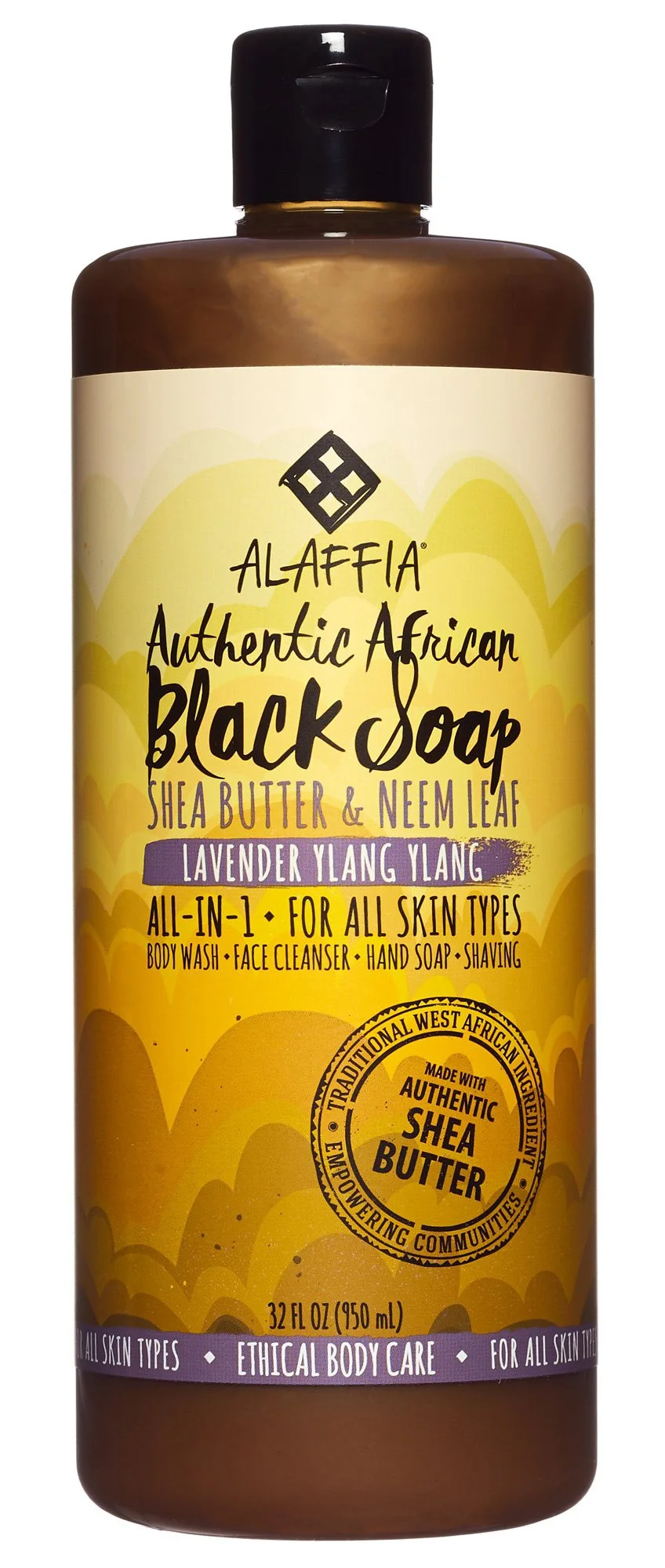
How well does your skin match with Alaffia African Black Eucalyptus Tea Tree Soap?
Login to see detailsOr continue via
Quick 1-minute survey • Completely free
Ingredients
Analysis results of Ingredients


Ingredient List
| EWG | CIR | Ingredient Name & Cosmetic Function | Notes |
|---|---|---|---|
| - | - | Azadirachta Indica (Neem) Leaf* Aqueous Extract | |
| 1 | B | (Surfactant, Cleansing) | |
| 1 | A | | |
| 1 | A |  |


Alaffia African Black Eucalyptus Tea Tree Soap - Ingredient Explanation
Azadirachta Indica (Neem) Leaf* Aqueous Extract
Ingredient data is being updated. Please check back later.
Lauryl Glucoside
1. Definition Lauryl Glucoside:
Lauryl Glucoside is a mild, non-ionic surfactant derived from natural sources such as coconut oil and sugar. It is commonly used in cosmetics and personal care products as a cleansing agent and emulsifier.2. Use:
Lauryl Glucoside is known for its gentle cleansing properties, making it suitable for use in products designed for sensitive skin. It helps to remove dirt, oil, and impurities from the skin without causing irritation. Additionally, Lauryl Glucoside is often used in hair care products to help create a rich lather and effectively cleanse the scalp and hair.3. Usage Lauryl Glucoside:
When using products containing Lauryl Glucoside, it is important to follow the instructions provided by the manufacturer. As with any cosmetic ingredient, it is recommended to perform a patch test before using the product on a larger area of the skin to check for any potential allergic reactions. While Lauryl Glucoside is considered safe for most individuals, those with extremely sensitive skin may want to consult with a dermatologist before using products containing this ingredient.4. References:
- "Lauryl Glucoside" - Cosmeticsinfo.org
- "Lauryl Glucoside: A Gentle Surfactant for Sensitive Skin" - The Derm Review
- "Formulating with Lauryl Glucoside" - Personal Care Magazine
Butyrospermum Parkii (Shea Butter) Unsaponifiables
1. Definition Butyrospermum Parkii (Shea Butter) Unsaponifiables:
Butyrospermum Parkii (Shea Butter) Unsaponifiables are the lipid fraction of shea butter that remains after the saponification process. This fraction contains a high concentration of bioactive compounds such as phytosterols, triterpene alcohols, tocopherols, and phenolic compounds.2. Use:
Shea butter unsaponifiables are commonly used in cosmetics for their moisturizing, anti-inflammatory, and antioxidant properties. They help to improve skin hydration, reduce inflammation, and protect the skin from oxidative stress. Shea butter unsaponifiables are often included in skincare products such as moisturizers, creams, lotions, and serums.3. Usage Butyrospermum Parkii (Shea Butter) Unsaponifiables:
Shea butter unsaponifiables can be incorporated into skincare products at various concentrations depending on the desired effects. They are typically added to formulations during the oil phase and can be used in both water-based and oil-based products. It is important to follow the recommended usage levels provided by the supplier to ensure the safety and efficacy of the product.4. References:
- Akihisa, T., Kojima, N., Kikuchi, T., Yasukawa, K., Tokuda, H., & Masters, E. (2010). Anti-inflammatory and chemopreventive effects of triterpene cinnamates and acetates from shea fat. Journal of Oleo Science, 59(6), 273-280.
- Boukari, I., Jourdan, E., Fontanay, S., Taudon, N., Scherman, D., Arnaud, P., & Durand, S. (2013). Evaluation of the anti-inflammatory potential of shea butter extracts. Journal of Ethnopharmacology, 147(1), 167-175.
- N'Diaye, M., Le Roux, Y., & Mertz, C. (2013). Effects of shea butter unsaponifiables on joint health: a review of preclinical studies. International Journal of Molecular Sciences, 14(7), 12317-12328.
Elaeis Guineensis (Palm) Kernel Oil
1. Definition Elaeis Guineensis (Palm) Kernel Oil:
Elaeis Guineensis (Palm) Kernel Oil is a type of vegetable oil derived from the kernels of the oil palm tree. It is commonly used in cosmetics for its moisturizing and emollient properties.2. Use:
Elaeis Guineensis (Palm) Kernel Oil is used in cosmetics as a natural ingredient to help hydrate and soften the skin. It is often found in skincare products such as lotions, creams, and balms due to its ability to lock in moisture and improve skin texture.3. Usage Elaeis Guineensis (Palm) Kernel Oil:
When using products containing Elaeis Guineensis (Palm) Kernel Oil, it is important to patch test first to ensure that you do not have any allergic reactions or sensitivities to the ingredient. It is generally considered safe for most skin types, but individuals with nut allergies should be cautious as it may trigger a reaction. As with any cosmetic product, discontinue use if any irritation or adverse effects occur.4. References:
- "Palm Kernel Oil: Properties and Benefits for Skin" by Dr. Anjali Mahto, Dermatologist
- "The Role of Vegetable Oils in Cosmetics" by Dr. Paula Begoun, Cosmetic Chemist
- "Safety Assessment of Elaeis Guineensis (Palm) Kernel Oil in Cosmetics" by Cosmetic Ingredient Review
Review
Didn't find
the information you need?






Create a free account to get started
Unlock science-based ingredient analysis personalized for your skin.
Already have an account? Log in
We protect your privacy. We never send spam.