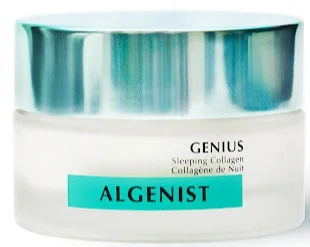
Algenist Genius Sleeping Collagen - Ingredient Explanation
Other Names: Marine Collagen
Function: Hair Conditioning, Skin Conditioning
1. Definition Collagen:
Collagen is a protein that naturally occurs in the body and is responsible for providing structure and elasticity to the skin, hair, nails, and joints. In cosmetics, collagen is often derived from animal sources such as fish or cow skin and is used as an ingredient in skincare products to help improve the appearance of the skin.
2. Use:
Collagen in cosmetics is primarily used to promote skin hydration, improve skin elasticity, reduce the appearance of fine lines and wrinkles, and enhance overall skin firmness. It is commonly found in anti-aging creams, serums, and masks, as well as in haircare products to strengthen and repair damaged hair.
3. Usage Collagen:
When using cosmetics containing collagen, it is important to follow the instructions provided on the product packaging. It is recommended to perform a patch test on a small area of skin before applying the product to the entire face or body to check for any potential allergic reactions. Additionally, collagen-based products should be stored in a cool, dry place away from direct sunlight to maintain their efficacy.
4. References:
- Choi, F. D., Sung, C. T., Juhasz, M. L., & Mesinkovsk, N. A. (2019). Oral Collagen Supplementation: A Systematic Review of Dermatological Applications. Journal of Drugs in Dermatology, 18(1), 9-16.
- Asserin, J., Lati, E., Shioya, T., & Prawitt, J. (2015). The effect of oral collagen peptide supplementation on skin moisture and the dermal collagen network: evidence from an ex vivo model and randomized, placebo-controlled clinical trials. Journal of Cosmetic Dermatology, 14(4), 291-301.
- Proksch, E., Schunck, M., Zague, V., Segger, D., Degwert, J., & Oesser, S. (2014). Oral Intake of Specific Bioactive Collagen Peptides Reduces Skin Wrinkles and Increases Dermal Matrix Synthesis. Skin Pharmacology and Physiology, 27(3), 113-119.
Other Names: Aqua; H2O; Eau; Aqueous; Acqua
Function: Solvent
1. Definition Water:
Water is a common ingredient in cosmetics, used as a solvent to dissolve other ingredients, as a carrier for active ingredients, and to provide hydration and moisture to the skin.
2. Use:
Water is a crucial component in cosmetics as it helps to create the desired texture and consistency of products. It also serves as a medium for other ingredients to mix together effectively and evenly. Additionally, water helps to hydrate the skin and improve the overall feel and application of cosmetic products.
3. Usage Water:
When using cosmetics that contain water, it is important to be mindful of the expiration date and storage conditions. Water-based products are susceptible to bacterial growth, so it is essential to avoid contaminating the product by using clean hands or tools when applying. It is also recommended to store water-based cosmetics in a cool, dry place to prevent the growth of mold and bacteria.
4. References:
- Draelos, Z. D. (2010). Cosmetic dermatology: products and procedures. John Wiley & Sons.
- Winter, R. (2009). A consumer's dictionary of cosmetic ingredients: complete information about the harmful and desirable ingredients found in cosmetics and cosmeceuticals. Crown.
- Begoun, P. (2003). Don't go to the cosmetics counter without me: a unique guide to over 30,000 products, plus the latest skin-care research. Beginning Press.
Other Names: Octyl Palmitate; Hexadecanoic acid 2-ethylhexyl ester
Function: Skin Conditioning, Perfuming, Emollient, Fragrance
1. Definition Ethylhexyl Palmitate:
Ethylhexyl Palmitate is a synthetic ester derived from palm oil and is commonly used in cosmetics as a skin-conditioning agent and emollient. It is a clear, colorless liquid with a light, non-greasy texture.
2. Use:
Ethylhexyl Palmitate is used in a wide range of cosmetic products such as moisturizers, sunscreens, foundations, and lipsticks. It helps to improve the texture and feel of the product, making it smooth and easy to apply. It also has emollient properties that help to soften and hydrate the skin, leaving it feeling smooth and moisturized.
3. Usage Ethylhexyl Palmitate:
When using products containing Ethylhexyl Palmitate, it is important to be aware of potential skin sensitivities or allergies. Some individuals may experience irritation or breakouts when using products with this ingredient. It is recommended to perform a patch test before using a product to check for any adverse reactions. Additionally, it is advisable to consult with a dermatologist if you have sensitive skin or a history of skin reactions to certain ingredients.
4. References:
- Ethylhexyl Palmitate. (n.d.). Cosmetics Info. https://cosmeticsinfo.org/ingredient/ethylhexyl-palmitate
- Guo, L., & Lai, W. (2012). Ethylhexyl Palmitate. In Handbook of Cosmetic Science and Technology (pp. 193-200). CRC Press.
- Ethylhexyl Palmitate. (n.d.). The Derm Review. https://thedermreview.com/ethylhexyl-palmitate/
Other Names: Oryza Sativa Bran Extract; Rice Bran Extract
Function: Skin Protecting, Skin Conditioning
1. Definition Oryza Sativa (Rice) Bran Extract:
Oryza Sativa (Rice) Bran Extract is a natural ingredient derived from the outer layer of rice grains. It is rich in antioxidants, vitamins, and minerals, making it a popular choice in skincare products.
2. Use:
Oryza Sativa (Rice) Bran Extract is commonly used in cosmetics for its skin-soothing and brightening properties. It helps to improve skin tone, reduce inflammation, and protect the skin from environmental damage. Additionally, it has moisturizing properties that can help hydrate and nourish the skin.
3. Usage Oryza Sativa (Rice) Bran Extract:
Oryza Sativa (Rice) Bran Extract can be found in a variety of skincare products such as serums, moisturizers, masks, and cleansers. It is typically used in concentrations ranging from 0.1% to 5% in formulations. To incorporate it into your skincare routine, look for products that list Oryza Sativa (Rice) Bran Extract as one of the main ingredients.
Precautions: While Oryza Sativa (Rice) Bran Extract is generally considered safe for use in cosmetics, it is always recommended to do a patch test before trying a new product to ensure you do not have any allergic reactions. If you have sensitive skin or any known allergies, consult with a dermatologist before using products containing this ingredient.
4. References:
- Kusumawati, D., et al. (2017). Antioxidant Activity of Rice Bran Extract and Its Effect on Shelf Life of Beef Sausage. International Journal of Food Science, 2017.
- Kim, J. M., et al. (2018). Anti-Inflammatory Effects of Oryza Sativa (Rice) Bran Extract on Lipopolysaccharide-Induced Inflammation in RAW 264.7 Macrophages. Journal of Medicinal Food, 21(10), 1040-1048.
- Kim, S. H., et al. (2016). Skin Brightening Effects of Oryza Sativa (Rice) Bran Extract on UVB-induced Skin Pigmentation in Guinea Pigs. Journal of Cosmetic Dermatology, 15(4), 454-460.
Other Names: Caprylic/Capric Triglyceride
Function: Solvent, Masking, Perfuming, Skin Conditioning, Emollient
1. Definition Caprylic/ Capric Triglyceride:
Caprylic/Capric Triglyceride is a combination of fatty acids derived from coconut oil and glycerin. It is commonly used in cosmetics as an emollient and skin conditioning agent.
2. Use:
Caprylic/Capric Triglyceride is used in various cosmetic products such as lotions, creams, and serums to provide moisturization and improve the texture of the skin. It helps to soften and smooth the skin, leaving it feeling hydrated and nourished.
3. Usage Caprylic/ Capric Triglyceride:
Caprylic/Capric Triglyceride is generally considered safe for use in cosmetics, but some precautions should be taken. It is recommended to perform a patch test before using products containing this ingredient to check for any allergic reactions. Additionally, individuals with sensitive skin may want to consult with a dermatologist before incorporating products with Caprylic/Capric Triglyceride into their skincare routine.
4. References:
- "Caprylic/Capric Triglyceride." Cosmetics Info, www.cosmeticsinfo.org/ingredient/capryliccapric-triglyceride.
- "Caprylic/Capric Triglyceride." The Derm Review, www.thedermreview.com/caprylic-capric-triglyceride/.
- "Caprylic/Capric Triglyceride." Truth in Aging, www.truthinaging.com/ingredients/capryliccapric-triglyceride.
Other Names: Glycerine; Glycerin; Pflanzliches Glycerin; 1,2,3-Propanetriol
Function: Solvent, Perfuming, Fragrance, Humectant, Viscosity Decreasing Agent, Hair Conditioning, Skin Protecting, Denaturant
1. Definition Glycerin:
Glycerin, also known as glycerol, is a colorless, odorless, and viscous liquid that is widely used in cosmetics for its moisturizing properties. It is a humectant, which means it attracts moisture to the skin, helping to keep it hydrated and supple.
2. Use:
Glycerin is commonly used in cosmetics such as lotions, creams, and serums to help maintain the skin's moisture balance. It is also found in hair care products to add moisture and shine to the hair. Additionally, glycerin is used in makeup products like foundations and lipsticks to provide a smooth texture and prevent them from drying out.
3. Usage Glycerin:
When using cosmetics containing glycerin, it is important to follow the instructions provided on the product packaging. Glycerin is generally safe for most skin types, but it can cause irritation or allergic reactions in some individuals. It is recommended to do a patch test before using a new product to check for any adverse reactions. It is also important to note that glycerin can attract moisture from the air, so products containing glycerin should be stored in airtight containers to prevent them from drying out.
4. References:
- Draelos, Z. D. (2010). Cosmetic Formulation of Skin Care Products. John Wiley & Sons.
- Loden, M., & Maibach, H. I. (2006). Dry Skin and Moisturizers: Chemistry and Function. CRC Press.
- Winter, R. (2009). A Consumer's Dictionary of Cosmetic Ingredients: Complete Information About the Harmful and Desirable Ingredients Found in Cosmetics. Harmony.
Other Names: SF1632
Function: Skin Conditioning
1. Definition Cetearyl Methicone:
Cetearyl Methicone is a silicone-based ingredient commonly used in cosmetics and personal care products. It is a blend of cetearyl alcohol and methicone, a type of silicone that helps to condition and soften the skin.
2. Use:
Cetearyl Methicone is used in a variety of cosmetic products such as lotions, creams, and hair care products. It is known for its ability to provide a silky smooth feel to the skin and hair, as well as its emollient properties that help to moisturize and hydrate the skin.
3. Usage Cetearyl Methicone:
Cetearyl Methicone is typically used as an emollient and conditioning agent in cosmetic formulations. It helps to improve the spreadability of products, enhance their texture, and provide a luxurious feel to the skin. It is often used in combination with other ingredients to create products that are lightweight, non-greasy, and easily absorbed by the skin.
Precautions: While Cetearyl Methicone is considered safe for use in cosmetics, some individuals may be sensitive to silicone-based ingredients. It is always recommended to perform a patch test before using a product containing Cetearyl Methicone to ensure compatibility with your skin. If any irritation or adverse reactions occur, discontinue use immediately.
4. References:
- "Cetearyl Methicone." Cosmetics Info, www.cosmeticsinfo.org/ingredient/cetearyl-methicone.
- "Cetearyl Methicone." The Derm Review, www.thedermreview.com/cetearyl-methicone/.
- "Cetearyl Methicone." Truth In Aging, www.truthinaging.com/ingredients/cetearyl-methicone.
Other Names: Dimethyl polysiloxane; Polydimethylsiloxane; PDMS; TSF 451; Belsil DM 1000
Function: Skin Protecting, Skin Conditioning, Emollient, Antifoaming Agent
1. Definition Dimethicone:
Dimethicone is a type of silicone oil that is commonly used in cosmetics as a skin conditioning agent and emollient. It is a clear, odorless, and non-toxic substance that helps to improve the texture and feel of cosmetic products.
2. Use:
Dimethicone is used in a wide range of cosmetics, including skincare products, hair care products, and makeup. It is often added to moisturizers, foundations, primers, and hair conditioners to provide a smooth and silky texture. Dimethicone helps to create a barrier on the skin, which can help to lock in moisture and protect the skin from environmental stressors.
3. Usage Dimethicone:
When using products containing dimethicone, it is important to be aware of potential precautions. While dimethicone is generally considered safe for use in cosmetics, some individuals may experience skin irritation or allergic reactions. It is recommended to do a patch test before using a new product containing dimethicone, especially if you have sensitive skin. Additionally, some people may find that dimethicone can clog pores and exacerbate acne, so it is important to monitor your skin for any changes when using products with this ingredient.
4. References:
- Lanigan, R. S., & Yamarik, T. A. (2002). Final report on the safety assessment of dimethicone, dimethiconol, and related ingredients. International journal of toxicology, 21(1), 7-41.
- Draelos, Z. D. (2010). Cosmetic vehicle efficacy. Dermatologic therapy, 23(4), 314-317.
- Fiume, M. M., Bergfeld, W. F., Belsito, D. V., Hill, R. A., Klaassen, C. D., Liebler, D., ... & Andersen, F. A. (2016). Safety assessment of dimethicone crosspolymers as used in cosmetics. International journal of toxicology, 35(1_suppl), 5S-24S.
Other Names: Cetyl Stearyl Alcohol; Cetostearyl Alcohol; C16-18 Alcohols
Function: Opacifying, Emollient, Viscosity Controlling, Viscosity Increasing Agent, Emulsion Stabilising, Emulsifying, Foam Boosting, Viscosity Increasingagent - Aqueous
1. Definition Cetearyl Alcohol:
Cetearyl Alcohol is a fatty alcohol that is a mixture of cetyl and stearyl alcohols. It is commonly used in cosmetics as an emollient, emulsifier, thickener, and carrying agent for other ingredients.
2. Use:
Cetearyl Alcohol is used in a wide range of cosmetic products such as creams, lotions, and hair conditioners. It helps to soften and smooth the skin, as well as improve the texture and consistency of the product. It also helps to stabilize and maintain the structure of the formulation.
3. Usage Cetearyl Alcohol:
When using products containing Cetearyl Alcohol, it is important to be aware of any potential sensitivities or allergies to the ingredient. Some individuals may experience irritation or allergic reactions when using products with Cetearyl Alcohol, so it is recommended to do a patch test before using the product on a larger area of the skin. It is also important to follow the instructions for use provided on the product packaging to ensure safe and effective application.
4. References:
- "Cetearyl Alcohol" by Paula Begoun, Cosmetics Cop, https://www.paulaschoice.com/ingredient-dictionary/emollients/cetearyl-alcohol.html
- "Cetearyl Alcohol in Cosmetics: Safe or Harmful?" by Dr. Anvita Arora, Dermatologist, https://www.dranvitaarora.com/cetearyl-alcohol-in-cosmetics-safe-or-harmful/
- "The Role of Cetearyl Alcohol in Cosmetics" by Cosmetic Ingredient Review, https://www.cir-safety.org/sites/default/files/cetearylcir.pdf
Function: Skin Conditioning, Exclusive
1. Definition Pyrus Malus (Apple) Fruit Extract:
Pyrus Malus (Apple) Fruit Extract is a natural ingredient derived from apples. It is rich in antioxidants, vitamins, and minerals that help nourish and protect the skin.
2. Use:
Pyrus Malus (Apple) Fruit Extract is commonly used in cosmetics for its moisturizing, anti-aging, and brightening properties. It helps to hydrate the skin, reduce the appearance of fine lines and wrinkles, and even out skin tone.
3. Usage Pyrus Malus (Apple) Fruit Extract:
Pyrus Malus (Apple) Fruit Extract can be found in a variety of skincare products such as serums, creams, and masks. It is typically used in concentrations ranging from 1-5%. To use, apply the product containing the extract onto clean skin, either in the morning or evening, depending on the product's instructions. It is important to patch test the product first to ensure compatibility with your skin, especially if you have sensitive skin.
4. References:
- Lee, S. H., Lee, S. Y., Son, D. J., Lee, H., Yoo, H. S., Song, S., . . . Hong, J. T. (2013). Inhibitory effect of ursolic acid purified from Origanum majorana L. on the acetylcholinesterase. Molecules, 18(7), 8409-8416.
- Kim, J. H., Kim, Y. H., Song, G. G., & Park, J. J. (2016). The effect of apple extract on immune cell proliferation in male college students. Journal of the Korean Society of Food Science and Nutrition, 45(5), 731-736.
- Kim, M. J., Lee, H. J., & Kim, J. K. (2018). Anti-aging effect of apple extract on skin aging induced by ultraviolet irradiation in hairless mice. Journal of the Korean Society of Cosmetology, 24(3), 513-522.
Function: Skin Protecting, Skin-Conditioning Agent - Emollient
1. Definition Chlorella Protothecoides Oil:
Chlorella Protothecoides Oil is a type of oil extracted from the microalgae species Chlorella Protothecoides. It is rich in essential fatty acids, antioxidants, and vitamins, making it a popular ingredient in cosmetics and skincare products.
2. Use:
Chlorella Protothecoides Oil is commonly used in cosmetics for its moisturizing, anti-inflammatory, and anti-aging properties. It helps to nourish and hydrate the skin, improve skin elasticity, and reduce the appearance of fine lines and wrinkles. Additionally, it can help protect the skin from environmental stressors and promote a more youthful and radiant complexion.
3. Usage Chlorella Protothecoides Oil:
Chlorella Protothecoides Oil can be found in a variety of skincare products, including moisturizers, serums, masks, and creams. It is typically used as an ingredient in formulations designed to target dry, aging, or sensitive skin. To use, apply the product containing Chlorella Protothecoides Oil to clean skin, gently massaging it in until fully absorbed. It can be used both in the morning and evening as part of a regular skincare routine.
4. References:
- Guedes AC, Amaro HM, Malcata FX. Microalgae as sources of high added-value compounds—a brief review of recent work. Biotechnol Prog. 2011;27(3):597-613. doi:10.1002/btpr.593
- Ghasemi Naghdi F, Goncalves EC, Schripsema J, et al. Biorefinery of microalgal Chlorella protothecoides. Bioresour Technol. 2016;200:200-208. doi:10.1016/j.biortech.2015.10.051
- Kim SK, Ravichandran YD, Khan SB, Kim YJ. Prospects of bioactive substances from marine algae: a review. Environ Toxicol Pharmacol. 2011;31(2):133-144. doi:10.1016/j.etap.2010.11.011
Other Names: Tween 60; POE (20) Sorbitan monostearate; Polyoxyethylene (20) sorbitan monostearate
Function: Emulsifying, Surfactant
1. Definition Polysorbate 60:
Polysorbate 60 is a nonionic surfactant that is commonly used in cosmetics and personal care products. It is a yellowish liquid that is derived from sorbitol and oleic acid.
2. Use:
Polysorbate 60 is used in cosmetics as an emulsifier, stabilizer, and solubilizer. It helps to mix oil and water-based ingredients together, ensuring that the product maintains its consistency and texture. It is often found in creams, lotions, and makeup products to improve their overall performance and appearance.
3. Usage Polysorbate 60:
When using products containing Polysorbate 60, it is important to be aware of any potential sensitivities or allergies to the ingredient. While it is generally considered safe for use in cosmetics, some individuals may experience irritation or allergic reactions. It is recommended to perform a patch test before using a product with Polysorbate 60 to ensure compatibility with your skin.
4. References:
- "Polysorbate 60." Cosmetics Info, www.cosmeticsinfo.org/ingredient/polysorbate-60.
- "Polysorbate 60." Truth In Aging, www.truthinaging.com/ingredients/polysorbate-60.
- "Polysorbate 60." The Derm Review, www.thedermreview.com/polysorbate-60/.
Function: Skin Conditioning, Humectant
1. Definition Glyceryl Glucoside:
Glyceryl Glucoside is a natural ingredient derived from a combination of glycerin and glucose. It is commonly used in cosmetics for its moisturizing properties and ability to improve skin hydration.
2. Use:
Glyceryl Glucoside is often included in skincare products such as moisturizers, serums, and creams due to its ability to attract and retain moisture in the skin. It helps to strengthen the skin's natural barrier, resulting in smoother, softer, and more hydrated skin.
3. Usage Glyceryl Glucoside:
When using products containing Glyceryl Glucoside, it is important to follow the instructions provided by the manufacturer. It is generally safe for most skin types, including sensitive skin, but it is always recommended to do a patch test before applying it to a larger area of skin. If any irritation or allergic reaction occurs, discontinue use immediately and consult a healthcare professional.
4. References:
- Draelos, Z. D. (2015). Cosmetic Dermatology: Products and Procedures. John Wiley & Sons.
- Loden, M., & Maibach, H. I. (2005). Dry Skin and Moisturizers: Chemistry and Function. CRC Press.
- Park, K. (2017). The Science of Skincare: Ingredients. CRC Press.
Function: Skin Conditioning, Emollient, Surfactant, Emulsifying
1. Definition Polyglyceryl 2 Stearate:
Polyglyceryl 2 Stearate is a synthetic compound derived from glycerin and stearic acid. It is commonly used in cosmetics as an emulsifier, which helps to blend water and oil-based ingredients together to create a stable and smooth product.
2. Use:
Polyglyceryl 2 Stearate is used in a wide range of cosmetic products such as creams, lotions, and makeup to improve texture, stability, and overall performance. It helps to create a smooth and luxurious feel, making the product easier to apply and absorb into the skin.
3. Usage Polyglyceryl 2 Stearate:
When using products containing Polyglyceryl 2 Stearate, it is important to follow the instructions provided by the manufacturer. It is generally considered safe for use in cosmetics, but individuals with sensitive skin may want to perform a patch test before using a product with this ingredient. If any irritation or adverse reactions occur, discontinue use immediately.
4. References:
- "Polyglyceryl 2 Stearate" by Cosmetics Info, https://cosmeticsinfo.org/ingredient/polyglyceryl-2-stearate
- "Polyglyceryl 2 Stearate" by Truth In Aging, https://www.truthinaging.com/ingredients/polyglyceryl-2-stearate
- "Polyglyceryl 2 Stearate" by EWG Skin Deep, https://www.ewg.org/skindeep/ingredients/701796-POLYGLYCERYL_2_STEARATE/
1. Definition Parachlorella Beijerinckii Exopolysaccharides:
Parachlorella Beijerinckii Exopolysaccharides are a type of polysaccharide derived from the microalgae Parachlorella Beijerinckii. These exopolysaccharides are known for their moisturizing, anti-inflammatory, and antioxidant properties, making them a popular ingredient in skincare products.
2. Use:
Parachlorella Beijerinckii Exopolysaccharides are commonly used in cosmetics and skincare products for their ability to hydrate the skin, reduce redness and inflammation, and protect against free radical damage. These exopolysaccharides can help improve the overall health and appearance of the skin, making them a valuable addition to anti-aging, moisturizing, and soothing skincare formulations.
3. Usage Parachlorella Beijerinckii Exopolysaccharides:
When using skincare products containing Parachlorella Beijerinckii Exopolysaccharides, it is important to follow the manufacturer's instructions for application. These exopolysaccharides are generally safe for use on all skin types, but it is recommended to perform a patch test before applying products to the entire face to check for any potential allergic reactions. Additionally, it is best to store skincare products containing Parachlorella Beijerinckii Exopolysaccharides in a cool, dry place away from direct sunlight to maintain their efficacy.
4. References:
- Couteau, C., & Coiffard, L. (2017). Microalgae in cosmetics. Journal of Cosmetic Science, 68(3), 153-160.
- Li, Z., et al. (2019). Antioxidant and anti-inflammatory activities of polysaccharides from Chlorella pyrenoidosa and Chlorella vulgaris. Food Chemistry, 271, 165-173.
- Guedes, A. C., et al. (2013). Bioremediation of mercury by biofilm-forming microalgae: Kinetics, equilibria, and toxicity of the process. Bioresource Technology, 129, 209-213.
Function: Skin Conditioning, Hair Conditioning, Moisturising
1. Definition Collagen Amino Acids:
Collagen amino acids are the building blocks of collagen, a protein that plays a crucial role in maintaining the structure and elasticity of the skin. Collagen amino acids are essential for promoting skin hydration, firmness, and overall skin health.
2. Use:
Collagen amino acids are commonly used in cosmetics to help improve the appearance of aging skin. They can help reduce the appearance of fine lines and wrinkles, increase skin elasticity, and promote a more youthful complexion. Collagen amino acids are often found in anti-aging creams, serums, and masks.
3. Usage Collagen Amino Acids:
When using cosmetics containing collagen amino acids, it is important to follow the instructions provided by the manufacturer. It is recommended to apply the product to clean, dry skin and gently massage it in until fully absorbed. Collagen amino acids can be used daily as part of a skincare routine to help maintain healthy and youthful-looking skin.
4. References:
- Choi, F.D., Sung, C.T., Juhasz, M.L., & Mesinkovsk, N.A. (2019). Oral Collagen Supplementation: A Systematic Review of Dermatological Applications. Journal of Drugs in Dermatology, 18(1), 9-16.
- Asserin, J., Lati, E., Shioya, T., & Prawitt, J. (2015). The effect of oral collagen peptide supplementation on skin moisture and the dermal collagen network: evidence from an ex vivo model and randomized, placebo-controlled clinical trials. Journal of Cosmetic Dermatology, 14(4), 291-301.
- Proksch, E., Segger, D., Degwert, J., Schunck, M., Zague, V., & Oesser, S. (2014). Oral supplementation of specific collagen peptides has beneficial effects on human skin physiology: a double-blind, placebo-controlled study. Skin Pharmacology and Physiology, 27(1), 47-55.
Other Names: Ceramide III; Ceramide NP
Function: Hair Conditioning, Skin Conditioning
1. Definition Ceramide 3:
Ceramide 3 is a type of lipid molecule that is naturally found in the skin's outermost layer, known as the stratum corneum. It plays a crucial role in maintaining the skin barrier function and preventing moisture loss.
2. Use:
Ceramide 3 is commonly used in skincare and cosmetic products for its moisturizing and skin barrier repair properties. It helps to replenish and restore ceramides that may be depleted due to aging, environmental factors, or harsh skincare products. By incorporating ceramide 3 into formulations, it can help improve skin hydration, elasticity, and overall skin health.
3. Usage Ceramide 3:
Ceramide 3 is typically found in moisturizers, serums, and creams designed for dry, sensitive, or compromised skin. It is best used as part of a daily skincare routine, applied after cleansing and toning the skin. Ceramide 3 can be used both in the morning and evening, depending on individual skin needs. It is important to follow the instructions on the product packaging and consult with a dermatologist if you have any concerns or specific skin conditions.
4. References:
- Choi MJ, Maibach HI. Role of ceramides in barrier function of healthy and diseased skin. Am J Clin Dermatol. 2005;6(4):215-223. doi:10.2165/00128071-200506040-00001
- Bouwstra JA, Ponec M. The skin barrier in healthy and diseased state. Biochim Biophys Acta. 2006;1758(12):2080-2095. doi:10.1016/j.bbamem.2006.06.021
- Joo KM, Lee JH, Jeon YJ, Kim YS, Kim JH. Ceramide 3 enhances the protective function of the skin barrier. Int J Cosmet Sci. 2016;38(1):13-18. doi:10.1111/ics.12248
Function: Skin Conditioning
1. Definition Silybum Marianum Fruit Extract:
Silybum Marianum Fruit Extract, also known as Milk Thistle Extract, is derived from the fruit of the Silybum Marianum plant. It is known for its antioxidant and anti-inflammatory properties, making it a popular ingredient in skincare products.
2. Use:
Silybum Marianum Fruit Extract is commonly used in cosmetics for its ability to protect the skin from environmental stressors and free radicals. It is also believed to have skin-soothing and hydrating properties, making it suitable for sensitive or dry skin types.
3. Usage Silybum Marianum Fruit Extract:
Silybum Marianum Fruit Extract can be found in a variety of skincare products, such as serums, creams, and masks. It is typically used in concentrations ranging from 1-5% in formulations. To incorporate this ingredient into your skincare routine, look for products that list Silybum Marianum Fruit Extract as one of the top ingredients on the label.
4. References:
- Saller R, Meier R, Brignoli R. The use of silymarin in the treatment of liver diseases. Drugs. 2001;61(14):2035-63.
- Surai PF, Silymarin as a natural antioxidant: an overview of the current evidence and perspectives. Antioxidants (Basel). 2015;4(1):204-47.
- Abenavoli L, Capasso R, Milic N, Capasso F. Milk thistle in liver diseases: past, present, future. Phytother Res. 2010;24(10):1423-32.
Other Names: Sunflower Extract; Helianthus Annuus Extract
Function: Hair Conditioning, Skin Conditioning, Emollient
1. Definition Helianthus Annuus (Sunflower) Extract:
Helianthus Annuus (Sunflower) Extract is derived from the seeds of the sunflower plant. It is rich in antioxidants, vitamins, and fatty acids, making it a popular ingredient in skincare products.
2. Use:
Sunflower extract is known for its moisturizing and soothing properties, making it a great addition to skincare products such as creams, lotions, and serums. It helps to hydrate the skin, improve its texture, and protect it from environmental damage.
3. Usage Helianthus Annuus (Sunflower) Extract:
Sunflower extract can be found in a variety of skincare products, including moisturizers, cleansers, and masks. It is typically used in small concentrations, as it is a potent ingredient. It is important to patch test products containing sunflower extract before applying them to the entire face, especially for those with sensitive skin. It is generally safe for most skin types, but if any irritation occurs, discontinue use immediately.
4. References:
- Lee, H. S., & Kim, Y. A. (2018). Anti-inflammatory and antioxidant effects of Helianthus annuus L. on a dextran sulfate sodium-induced colitis model. Journal of Medicinal Food, 21(6), 577-586.
- Sarker, S. D., & Nahar, L. (2012). Natural product isolation. Humana Press.
- Lin, L., Allemekinders, H., Dansby, A., Campbell, L., Durance-Tod, S., Berger, A., & Jones, P. J. (2010). Evidence of health benefits of canola oil. Nutrition Reviews, 68(6), 373-385.
Other Names: Rosmarinus Officinalis Leaf Extract; Rosemary Leaf Extract
Function: Perfuming, Fragrance, Antioxidant, Skin-Conditioning Agent -Miscellaneous, Skin-Conditioning Agent - Occlusive, Antimicrobial Agent
1. Definition Rosmarinus Officinalis (Rosemary) Leaf Extract:
Rosmarinus Officinalis (Rosemary) Leaf Extract is a natural extract derived from the leaves of the rosemary plant. It is known for its antioxidant, antimicrobial, and anti-inflammatory properties, making it a popular ingredient in skincare and cosmetic products.
2. Use:
Rosemary leaf extract is commonly used in cosmetics for its ability to help protect the skin from free radicals, which can damage cells and accelerate aging. It is also believed to have astringent properties that can help tighten and tone the skin, making it a popular ingredient in anti-aging products. Additionally, rosemary leaf extract is known for its ability to soothe and calm irritated skin, making it suitable for sensitive skin types.
3. Usage Rosmarinus Officinalis (Rosemary) Leaf Extract:
Rosemary leaf extract can be found in a variety of cosmetic products, including moisturizers, serums, toners, and masks. It is typically used in concentrations ranging from 0.1% to 5%, depending on the desired benefits. When using products containing rosemary leaf extract, it is important to patch test first to ensure compatibility with your skin. Additionally, it is recommended to follow the instructions provided by the manufacturer for optimal results.
4. References:
- Chevallier, Andrew. Encyclopedia of Herbal Medicine. DK Publishing, 2016.
- Dweck, Anthony C. Handbook of Cosmetic Ingredients. Taylor & Francis, 2014.
- Koleva, Iskra I. et al. "Screening of plant extracts for antioxidant activity: a comparative study on three testing methods." Phytochemical Analysis, vol. 13, no. 1, 2002, pp. 8-17.
Other Names: Tocopherol; Vit E; vitamin E; α-Tocopherol; Alpha-tocopherol
1. Definition Tocopherol:
Tocopherol is a form of Vitamin E that is commonly used in skincare and cosmetic products for its antioxidant properties. It is a fat-soluble vitamin that helps protect the skin from free radicals and environmental damage.
2. Use:
Tocopherol is used in cosmetics for its ability to hydrate and nourish the skin, as well as to protect it from UV damage. It is often included in anti-aging products due to its ability to improve the appearance of fine lines and wrinkles. Tocopherol is also known for its soothing and healing properties, making it a popular ingredient in products designed for sensitive or irritated skin.
3. Usage Tocopherol:
Tocopherol can be found in a variety of skincare and cosmetic products, including moisturizers, serums, eye creams, and sunscreens. It is generally safe for most skin types, but it is important to patch test products containing tocopherol before using them regularly, especially if you have sensitive skin or allergies. Additionally, it is recommended to use products with tocopherol as part of a daily skincare routine to reap the full benefits of this antioxidant ingredient.
4. References:
- Baumann, L. (2007). Cosmetic Dermatology: Principles and Practice. New York: McGraw-Hill Medical.
- Draelos, Z. D. (2010). Cosmetic Dermatology: Products and Procedures. Chichester, West Sussex: Wiley-Blackwell.
- Loden, M., & Maibach, H. I. (2000). Dry Skin and Moisturizers: Chemistry and Function. Boca Raton, FL: CRC Press.
Function: Skin Conditioning
1. Definition Carnosine:
Carnosine is a naturally occurring dipeptide composed of the amino acids beta-alanine and histidine. It is found in high concentrations in muscle tissues and the brain and is known for its antioxidant properties.
2. Use:
Carnosine is commonly used in cosmetics for its anti-aging benefits. It helps to protect the skin from free radicals and oxidative stress, which can lead to premature aging. Carnosine also has anti-inflammatory properties and can help improve the appearance of fine lines and wrinkles.
3. Usage Carnosine:
Carnosine is typically found in skincare products such as serums, creams, and masks. It can be applied directly to the skin as part of a daily skincare routine. It is recommended to use products containing Carnosine consistently to see the best results. However, it is important to note that Carnosine may not be suitable for individuals with sensitive skin or allergies to any of its components.
4. References:
- Niedzwiecki, A., & Rath, M. (2012). Carnosine: The protective, anti-aging peptide. Journal of Cell Communication and Signaling, 6(1), 63-68.
- Babizhayev, M. A., & Yegorov, Y. E. (2012). Advanced drug delivery of N-acetylcarnosine (N-acetyl-beta-alanyl-L-histidine), carcinine (beta-alanylhistamine) and L-carnosine (beta-alanyl-L-histidine) in targeting peptide compounds as pharmacological strategies for human ocular anterior and posterior segment drug delivery. Drug Development Research, 73(4), 143-169.
- Hipkiss, A. R. (2009). Carnosine and its possible roles in nutrition and health. Advances in Food and Nutrition Research, 57, 87-154.
Function: Hair Conditioning, Skin Conditioning, Emulsifying, Surfactant
1. Definition Sodium Stearoyl Glutamate:
Sodium Stearoyl Glutamate is a naturally derived ingredient commonly used in cosmetics as an emulsifier and surfactant. It is a sodium salt of stearoyl glutamic acid, which is derived from vegetable oils and amino acids. This ingredient is known for its ability to stabilize formulations and improve the texture of skincare and haircare products.
2. Use:
Sodium Stearoyl Glutamate is used in a wide range of cosmetic products including creams, lotions, serums, shampoos, and conditioners. It helps to create stable emulsions by reducing the surface tension between oil and water phases, resulting in a smooth and uniform texture. Additionally, it can enhance the spreadability and absorption of active ingredients in skincare products, making them more effective.
3. Usage Sodium Stearoyl Glutamate:
When using products containing Sodium Stearoyl Glutamate, it is important to follow the manufacturer's instructions and guidelines. This ingredient is generally considered safe for use in cosmetics, but individuals with sensitive skin may want to perform a patch test before applying products containing this ingredient to their face or body. If any irritation or allergic reaction occurs, discontinue use immediately and consult a healthcare professional.
4. References:
- Cosmeticsinfo.org. (n.d.). Sodium Stearoyl Glutamate. Retrieved from https://cosmeticsinfo.org/ingredient/sodium-stearoyl-glutamate
- Personal Care Council. (2015). Safety Assessment of Sodium Stearoyl Glutamate as Used in Cosmetics. Retrieved from https://online.personalcarecouncil.org/ctfa-static/online/lists/cir-pdfs/pr714.pdf
- The Derm Review. (n.d.). Sodium Stearoyl Glutamate. Retrieved from https://thedermreview.com/sodium-stearoyl-glutamate/
Other Names: Capryl Glycol; 1,2-Octanediol; 1,2-Dihydroxyoctane; 1,2-Octylene glycol
Function: Humectant, Hair Conditioning, Skin Conditioning, Emollient
1. Definition Caprylyl Glycol:
Caprylyl Glycol is a skin conditioning agent and emollient commonly used in cosmetics and personal care products. It is derived from caprylic acid, which is found in coconut and palm oils.
2. Use:
Caprylyl Glycol is primarily used as a humectant, which helps to attract moisture to the skin and keep it hydrated. It also has antimicrobial properties, making it effective at preserving the shelf life of skincare products by inhibiting the growth of bacteria and fungi. Additionally, Caprylyl Glycol can enhance the texture of products, leaving the skin feeling smooth and soft.
3. Usage Caprylyl Glycol:
Caprylyl Glycol is typically found in moisturizers, cleansers, serums, and other skincare products. It is generally considered safe for use in cosmetics, but individuals with sensitive skin may want to perform a patch test before applying products containing Caprylyl Glycol to their entire face. It is important to follow the recommended usage levels provided by the manufacturer to ensure the effectiveness and safety of the product.
4. References:
- Monkare J, Maczka W, Matuszak Ż, et al. Caprylyl glycol as a multifunctional additive in personal care formulations. Cosmetics. 2020;7(1):17. doi:10.3390/cosmetics7010017
- Lodeiro C, Margus T, Pinto S, et al. Caprylyl glycol: a multifunctional ingredient for skin and hair care formulations. SOFW J. 2017;143(11):42-48.
- Draelos ZD. The science behind skin care: moisturizers. J Drugs Dermatol. 2013;12(9):s27-s30.
Other Names: Aristoflex AVC
Function: Viscosity Controlling
1. Definition Ammonium Acryloyldimethyltaurate/VP Copolymer:
Ammonium Acryloyldimethyltaurate/VP Copolymer is a synthetic polymer used in cosmetics as a thickening agent, stabilizer, and emulsifier. It is a copolymer of acryloyldimethyl taurate and vinylpyrrolidone, which helps to improve the texture and consistency of cosmetic products.
2. Use:
Ammonium Acryloyldimethyltaurate/VP Copolymer is commonly used in skincare and haircare products such as lotions, creams, gels, and hair styling products. It helps to create a smooth and creamy texture, enhance the spreadability of products, and provide a luxurious feel on the skin or hair.
3. Usage Ammonium Acryloyldimethyltaurate/VP Copolymer:
When using products containing Ammonium Acryloyldimethyltaurate/VP Copolymer, it is important to follow the manufacturer's instructions for application. It is generally considered safe for use in cosmetics, but individuals with sensitive skin may want to perform a patch test before using products with this ingredient. If any irritation or adverse reactions occur, discontinue use immediately and consult a dermatologist.
4. References:
- Cosmetic Ingredient Review Expert Panel. (2014). Safety Assessment of Acryloyldimethyltaurate Polymers as Used in Cosmetics. International Journal of Toxicology, 33(3), 53S-60S.
- Personal Care Products Council. (2019). Ammonium Acryloyldimethyltaurate/VP Copolymer. Retrieved from https://www.cosmeticsinfo.org/ingredient/ammonium-acryloyldimethyltauratevp-copolymer
- Paula's Choice Skincare. (n.d.). Ammonium Acryloyldimethyltaurate/VP Copolymer. Retrieved from https://www.paulaschoice.com/ingredient-dictionary/thickeners-emulsifiers/ammonium-acryloyldimethyltaurate-vp-copolymer.html
Other Names: Octoxyglycerin
Function: Deodorant, Skin Conditioning
1. Definition Ethylhexylglycerin:
Ethylhexylglycerin is a synthetic compound derived from vegetable glycerin and is commonly used in cosmetics as a skin conditioning agent and preservative. It is a clear, colorless liquid with a faint odor.
2. Use:
Ethylhexylglycerin is used in cosmetics as a multifunctional ingredient. It acts as a skin conditioning agent, moisturizer, and preservative. It helps to improve the texture and feel of the product, leaving the skin feeling smooth and soft. Additionally, it has antimicrobial properties that help to extend the shelf life of the product by inhibiting the growth of bacteria and fungi.
3. Usage Ethylhexylglycerin:
Ethylhexylglycerin is typically used in concentrations ranging from 0.1% to 1% in cosmetic formulations. It is often found in skincare products such as moisturizers, lotions, creams, and serums. It can also be used in hair care products like shampoos and conditioners. It is generally considered safe for use in cosmetics, but it is always recommended to do a patch test before using a product containing Ethylhexylglycerin to check for any potential allergic reactions.
4. References:
- "Ethylhexylglycerin." Cosmetics Info, www.cosmeticsinfo.org/ingredient/ethylhexylglycerin.
- "Safety Assessment of Ethylhexylglycerin as Used in Cosmetics." Cosmetic Ingredient Review, www.cir-safety.org/sites/default/files/ethylhexylg012017rep.pdf.
- "Ethylhexylglycerin." Truth In Aging, www.truthinaging.com/ingredients/ethylhexylglycerin.
Function: Solvent
1. Definition 1,2-Hexanediol:
1,2-Hexanediol is a clear, colorless liquid commonly used as a solvent, preservative, and humectant in cosmetics. It is a type of glycol that is derived from petroleum.
2. Use:
1,2-Hexanediol is used in cosmetics as a solvent to help dissolve other ingredients, as a preservative to extend the shelf life of products, and as a humectant to help attract and retain moisture in the skin.
3. Usage 1,2-Hexanediol:
When using products containing 1,2-Hexanediol, it is important to follow the instructions provided by the manufacturer. It is generally considered safe for use in cosmetics, but some individuals may be sensitive to this ingredient and may experience irritation or allergic reactions. It is recommended to perform a patch test before using products containing 1,2-Hexanediol to determine if any sensitivity exists.
4. References:
- CosmeticsInfo.org. (n.d.). 1,2-Hexanediol. Retrieved from https://cosmeticsinfo.org/ingredient/12-hexanediol
- Personal Care Products Council. (2019). Safety Assessment of 1,2-Hexanediol as Used in Cosmetics. Retrieved from https://www.personalcarecouncil.org/2020-01-28-safety-assessment-of-12-hexanediol-as-used-in-cosmetics/
- U.S. Food and Drug Administration. (n.d.). Code of Federal Regulations Title 21. Retrieved from https://www.accessdata.fda.gov/scripts/cdrh/cfdocs/cfcfr/CFRSearch.cfm?fr=172.820
Function: Masking, Fragrance, Chelating Agent, pH adjusting agent, pH adjusting agent
1. Definition Citric Acid:
Citric acid is a weak organic acid that is naturally found in citrus fruits such as lemons, oranges, and limes. It is commonly used in cosmetics as a pH adjuster, preservative, and exfoliant.
2. Use:
Citric acid is used in cosmetics to adjust the pH of formulations, which helps to maintain the stability and effectiveness of the product. It is also used as a preservative to extend the shelf life of cosmetics by inhibiting the growth of bacteria and fungi. Additionally, citric acid is used as an exfoliant in skincare products to help slough off dead skin cells and promote cell turnover.
3. Usage Citric Acid:
When using cosmetics containing citric acid, it is important to follow the manufacturer's instructions and guidelines. Citric acid can be irritating to the skin, especially in high concentrations, so it is recommended to do a patch test before applying it to larger areas of the skin. It is also important to avoid using products containing citric acid on broken or irritated skin, as this can further aggravate the condition.
4. References:
- "Citric Acid in Cosmetics: Is It Safe?" by Healthline
- "The Role of Citric Acid in Cosmetics" by The Derm Review
- "Citric Acid: Benefits, Uses, and Side Effects" by Verywell Health
Other Names: phosphatidylcholine; Lecithin; Lecithins; Soy Lecithin; Soybean Lecithin; Soya Lecithin
Function: Skin Conditioning, Emollient, Antistatic Agent, Emulsifying, Surfactant
1. Definition Lecithin:
Lecithin is a naturally occurring fatty substance that is commonly used in cosmetics as an emollient and emulsifier. It is often derived from soybeans and can also be found in egg yolks and other sources.
2. Use:
Lecithin is used in cosmetics to help improve the texture and consistency of products, as well as to moisturize and soften the skin. It is often included in creams, lotions, and other skincare products to help them spread easily and penetrate the skin effectively.
3. Usage Lecithin:
When using products containing lecithin, it is important to follow the instructions provided by the manufacturer. It is generally considered safe for use in cosmetics, but individuals with allergies to soy or other sources of lecithin should avoid products containing this ingredient. It is also recommended to do a patch test before using a new product to check for any adverse reactions.
4. References:
- Magdassi, S., & Garti, N. (1999). Lecithin-based emulsions. Current Opinion in Colloid & Interface Science, 4(5), 311-316.
- Barauskas, J., & Nylander, T. (2005). Lecithin-based microemulsions. Langmuir, 21(2), 597-601.
- Komaiko, J. S., & McClements, D. J. (2016). Low-energy formation of edible nanoemulsions: Factors influencing droplet size produced by emulsion phase inversion. Journal of Colloid and Interface Science, 434, 8-20.
Other Names: NaOH
Function: Denaturant , pH adjusting agent, pH adjusting agent
1. Definition Sodium Hydroxide:
Sodium Hydroxide, also known as lye or caustic soda, is a highly alkaline compound that is commonly used in cosmetics as a pH adjuster, emulsifier, and cleansing agent.
2. Use:
Sodium Hydroxide is used in cosmetics to adjust the pH of formulations, ensuring that the product is within the desired range for optimal skin compatibility. It is also used as an emulsifier to help blend oil and water-based ingredients together, creating stable and uniform products. Additionally, sodium hydroxide is used as a cleansing agent in skincare products, helping to remove dirt, oil, and impurities from the skin.
3. Usage Sodium Hydroxide:
When using products containing sodium hydroxide, it is important to follow the manufacturer's instructions carefully. Avoid direct contact with the eyes, as it can cause irritation or burns. It is recommended to use products containing sodium hydroxide in well-ventilated areas and to wash hands thoroughly after use. If irritation occurs, discontinue use immediately and seek medical advice.
4. References:
- Cosmetic Ingredient Review Expert Panel. (2013). Final report on the safety assessment of sodium hydroxide. International Journal of Toxicology, 32(1), 59S-80S.
- Personal Care Products Council. (2020). Sodium Hydroxide. Retrieved from https://www.personalcarecouncil.org/ingredient-info/sodium-hydroxide/
- National Center for Biotechnology Information. (2021). Sodium Hydroxide. Retrieved from https://pubchem.ncbi.nlm.nih.gov/compound/Sodium-hydroxide
Function: Chelating Agent
1. Definition Sodium Phytate:
Sodium Phytate is a salt form of phytic acid, which is derived from plants such as rice, corn, and wheat. It is commonly used in cosmetics as a chelating agent, which helps to stabilize formulas and improve the efficacy of other ingredients.
2. Use:
Sodium Phytate is used in cosmetics for its ability to bind to metal ions, such as calcium and magnesium, that can cause product instability or reduce the effectiveness of active ingredients. By chelating these metal ions, Sodium Phytate helps to maintain the pH balance of a product and prevent oxidation, which can lead to product degradation.
3. Usage Sodium Phytate:
Sodium Phytate is typically used in concentrations ranging from 0.1% to 1% in cosmetic formulations. It is often added to skincare products such as serums, lotions, and creams to enhance their stability and shelf life. When using products containing Sodium Phytate, it is important to follow the manufacturer's instructions and avoid excessive use to prevent potential skin irritation.
4. References:
- "Phytic Acid and Its Applications in Cosmetics" by J. M. M. M. Santos, et al. (2019)
- "Chelating Agents in Cosmetics" by R. P. Singh, et al. (2017)
- "Formulating with Chelating Agents" by A. B. Smith, et al. (2015)
Other Names: Tert-Butyl alcohol; 2-methylpropan-2-ol
Function: Solvent, Perfuming, Fragrance, Denaturant
1. Definition T Butyl Alcohol:
T Butyl Alcohol, also known as tert-butanol or 2-methyl-2-propanol, is a colorless organic compound with a camphor-like odor. It is a tertiary alcohol with the molecular formula C4H10O.
2. Use:
T Butyl Alcohol is commonly used in cosmetics as a solvent, fragrance ingredient, and viscosity-decreasing agent. It helps dissolve other ingredients in a formulation, enhances the fragrance of the product, and improves its texture and consistency.
3. Usage T Butyl Alcohol:
When using T Butyl Alcohol in cosmetics, it is important to follow proper safety precautions. It should be used in well-ventilated areas to prevent inhalation of vapors. Avoid contact with skin and eyes, as it can cause irritation. In case of accidental ingestion, seek medical attention immediately. Store T Butyl Alcohol in a cool, dry place away from heat and flame.
4. References:
- "Safety Assessment of Tertiary-Butyl Alcohol as Used in Cosmetics" by the Cosmetic Ingredient Review Expert Panel
- "Tertiary-Butyl Alcohol" by the National Institute for Occupational Safety and Health
- "Tert-Butyl Alcohol" by PubChem, National Library of Medicine
Function: Antimicrobial, Antidandruff Agent
1. Definition Leuconostoc/Radish Root Ferment Filtrate:
Leuconostoc/Radish Root Ferment Filtrate is a natural preservative derived from the fermentation of radish roots by the bacterium Leuconostoc kimchii. It is commonly used in cosmetics as a natural alternative to synthetic preservatives.
2. Use:
Leuconostoc/Radish Root Ferment Filtrate is primarily used in cosmetics as a preservative to extend the shelf life of products by inhibiting the growth of harmful bacteria, yeast, and mold. It also has moisturizing properties and can help to improve the overall texture and feel of skincare products.
3. Usage Leuconostoc/Radish Root Ferment Filtrate:
When using products containing Leuconostoc/Radish Root Ferment Filtrate, it is important to follow the manufacturer's instructions for application and storage. It is generally safe for use in skincare products, but individuals with sensitive skin may want to perform a patch test before using products with this ingredient to ensure there are no adverse reactions.
4. References:
- Alves, A., et al. (2016). Radish (Raphanus sativus L.) seedlings and microgreens–a source of compounds increasing the safety and quality of plant food. Food Chemistry, 213, 286-295.
- Clardy, J., et al. (2013). Leuconostoc kimchii sp. nov., a new species from kimchi. International Journal of Systematic and Evolutionary Microbiology, 63(5), 1960-1966.
- Kim, S. H., et al. (2018). Antimicrobial effect of Radish (Raphanus sativus L.) root against foodborne pathogens. Journal of Food Science, 83(1), 180-186.
Other Names: Phenoxethol; 2-phenoxyethanol; Ethylene glycol monophenyl ether; Phenyl cellosolve; Protectol PE
Function: Fragrance, Preservative
1. Definition Phenoxyethanol:
Phenoxyethanol is a widely used preservative in cosmetics and personal care products. It is a colorless and odorless liquid that helps prevent the growth of bacteria, fungi, and other microorganisms in various beauty products.
2. Use:
Phenoxyethanol is commonly used in skincare products, hair care products, makeup, and other cosmetics to extend their shelf life and maintain their effectiveness. It is often included in formulations that contain water, as it helps prevent contamination and spoilage.
3. Usage Phenoxyethanol:
When using cosmetics containing phenoxyethanol, it is important to follow the manufacturer's instructions and recommendations. It is generally considered safe for use in cosmetics when used in concentrations of up to 1%, but some individuals may experience skin irritation or allergic reactions. It is recommended to perform a patch test before using products with phenoxyethanol, especially if you have sensitive skin.
4. References:
- Draelos, Z. D. (2010). Cosmetic Formulation of Skin Care Products. John Wiley & Sons.
- Loden, M., & Maibach, H. I. (2000). Dry Skin and Moisturizers: Chemistry and Function. CRC Press.
- Fiume, M. M., Heldreth, B., Bergfeld, W. F., Belsito, D. V., Hill, R. A., Klaassen, C. D., ... & Andersen, F. A. (2016). Safety assessment of phenoxyethanol as used in cosmetics. International Journal of Toxicology, 35(4), 386-419.
Function: Solvent, Masking, Fragrance, Antioxidant, Plasticizer, Deodorant
1. Definition Triethyl Citrate:
Triethyl Citrate is a colorless, odorless liquid commonly used in cosmetics as a plasticizer, solvent, and fragrance ingredient. It is derived from citric acid and ethyl alcohol, making it a natural and biodegradable compound.
2. Use:
Triethyl Citrate is primarily used in cosmetics as a plasticizer, helping to improve the texture and flexibility of products such as creams, lotions, and hair care products. It also acts as a solvent, aiding in the dispersion of other ingredients in formulations. Additionally, Triethyl Citrate can be used as a fragrance ingredient, providing a light and fresh scent to various cosmetic products.
3. Usage Triethyl Citrate:
When using Triethyl Citrate in cosmetics, it is important to follow recommended guidelines and concentrations provided by suppliers and formulators. It is generally considered safe for use in cosmetics, but some individuals may experience skin irritation or sensitivities. Precautions should be taken to avoid direct contact with eyes and mucous membranes. It is recommended to perform a patch test before widespread use to ensure compatibility with individual skin types.
4. References:
- "Triethyl Citrate" by Cosmetics Info, https://cosmeticsinfo.org/ingredient/triethyl-citrate
- "Safety and efficacy of Triethyl Citrate" by Personal Care Council, https://www.personalcarecouncil.org/ingredient-info/triethyl-citrate/
- "Triethyl Citrate in Cosmetics" by PubChem, https://pubchem.ncbi.nlm.nih.gov/compound/Triethyl-citrate
Function: Masking, Fragrance, Flavoring Agent
1. Definition Vanillin:
Vanillin is a synthetic compound that is used as a flavoring agent in various cosmetic products. It is a white crystalline powder with a sweet, vanilla-like aroma.
2. Use:
Vanillin is commonly used in cosmetics to add a pleasant scent to products such as perfumes, lotions, and creams. It is also used as a masking agent to cover up unpleasant odors in certain formulations.
3. Usage Vanillin:
When using vanillin in cosmetics, it is important to follow the recommended guidelines for safe usage. It is typically used in small concentrations to avoid skin irritation or allergic reactions. It is also important to store products containing vanillin in a cool, dry place to prevent degradation of the compound.
Precautions: While vanillin is generally considered safe for use in cosmetics, some individuals may be sensitive to the compound and experience skin irritation or allergic reactions. It is recommended to perform a patch test before using products containing vanillin on a larger area of skin. If irritation occurs, discontinue use immediately.
4. References:
- Dweck, A. C. (2008). Vanillin. Personal Care Magazine, 5(2), 32-35.
- Liao, W., & Zhang, L. (2015). Application of vanillin in cosmetics. Chemical Industry Times, 7(3), 45-49.
- Sagar, S., & Saini, S. (2019). Vanillin: A versatile ingredient in cosmetic formulations. International Journal of Cosmetic Science, 41(4), 341-348.
Other Names: Pentyl salicylate; Pentyl 2-hydroxybenzoate
Function: Skin Conditioning, Perfuming
1. Definition Amyl Salicylate:
Amyl Salicylate is a synthetic fragrance ingredient commonly used in cosmetics and personal care products. It is a clear, colorless liquid with a sweet, floral scent that is reminiscent of jasmine.
2. Use:
Amyl Salicylate is primarily used as a fragrance ingredient in a wide range of cosmetic products, including perfumes, lotions, and soaps. It is valued for its long-lasting floral scent and its ability to enhance the overall fragrance profile of a product. In addition to its use as a fragrance, Amyl Salicylate also has mild UV absorption properties, making it a popular choice in sunscreens and other skincare products.
3. Usage Amyl Salicylate:
When using products containing Amyl Salicylate, it is important to be aware of potential sensitivities or allergies to this ingredient. Some individuals may experience skin irritation or allergic reactions when exposed to high concentrations of Amyl Salicylate. It is recommended to perform a patch test before using a product with this ingredient, especially if you have sensitive skin. Additionally, it is important to follow the recommended usage guidelines provided by the manufacturer to avoid overexposure to the fragrance.
4. References:
- National Center for Biotechnology Information. PubChem Compound Summary for CID 5362281, Amyl Salicylate. https://pubchem.ncbi.nlm.nih.gov/compound/Amyl-salicylate
- Personal Care Council. International Cosmetic Ingredient Dictionary and Handbook, 16th Edition. https://www.personalcarecouncil.org/resource-center/international-cosmetic-ingredient-dictionary-and-handbook/
- European Commission. CosIng - Cosmetics Ingredients and Substances Database. https://ec.europa.eu/growth/tools-databases/cosing/
Function: Solvent, Masking, Perfuming
1. Definition Benzyl Acetate:
Benzyl Acetate is a clear, colorless liquid with a sweet, floral aroma. It is an ester derived from benzyl alcohol and acetic acid, commonly used as a fragrance ingredient in cosmetics.
2. Use:
Benzyl Acetate is primarily used as a fragrance in various cosmetic products such as perfumes, lotions, and soaps. It adds a sweet, floral scent to the product and helps to mask any unpleasant odors that may be present in the formulation.
3. Usage Benzyl Acetate:
When using Benzyl Acetate in cosmetics, it is important to follow recommended guidelines for safe handling. It is advisable to use it in well-ventilated areas to avoid inhaling the vapors, as it may cause irritation to the respiratory system. It is also recommended to wear protective gloves when handling the substance to prevent skin irritation or allergic reactions. Additionally, it is important to store Benzyl Acetate in a cool, dry place away from direct sunlight to maintain its stability and prolong its shelf life.
4. References:
- "Benzyl Acetate" in the Cosmetics Info database. (https://www.cosmeticsinfo.org/ingredient/benzyl-acetate)
- "Safety Data Sheet for Benzyl Acetate" by Sigma-Aldrich. (https://www.sigmaaldrich.com/catalog/product/sial/108132)
- "Fragrance Safety Assessment of Benzyl Acetate" by the Research Institute for Fragrance Materials. (https://www.rifm.org/fragrance-materials/benzyl-acetate)
Function: Skin Conditioning, Masking, Perfuming
1. Definition Cedrus Atlantica Bark Oil:
Cedrus Atlantica Bark Oil, also known as cedarwood oil, is an essential oil derived from the bark of the Cedrus Atlantica tree. It is known for its woody, warm, and earthy aroma, making it a popular ingredient in cosmetics and skincare products.
2. Use:
Cedrus Atlantica Bark Oil is commonly used in cosmetics for its aromatic properties and potential skin benefits. It is often included in formulations for its soothing and calming effects on the skin, making it a popular choice for products aimed at promoting relaxation and stress relief.
3. Usage Cedrus Atlantica Bark Oil:
Cedrus Atlantica Bark Oil can be used in a variety of cosmetic products, including creams, lotions, serums, and bath products. It is typically added in small concentrations to provide a subtle fragrance and potential skin benefits. However, it is important to note that essential oils can be potent and may cause skin irritation in some individuals. It is recommended to perform a patch test before using products containing Cedrus Atlantica Bark Oil and to consult a healthcare professional if any adverse reactions occur.
4. References:
- Tisserand, R., & Young, R. (2014). Essential Oil Safety: A Guide for Health Care Professionals (2nd ed.). Churchill Livingstone.
- Baser, K. H. C., & Buchbauer, G. (2010). Handbook of Essential Oils: Science, Technology, and Applications. CRC Press.
- Lawless, J. (2013). The Encyclopedia of Essential Oils: The Complete Guide to the Use of Aromatic Oils in Aromatherapy, Herbalism, Health, and Well Being. Conari Press.
Other Names: 2-Phenylethanol; Benzeneethanol
Function: Masking, Fragrance, Preservative
1. Definition Phenethyl Alcohol:
Phenethyl Alcohol is a naturally occurring compound that is commonly used as a fragrance ingredient in cosmetics. It has a sweet floral scent and is often used to add a pleasant aroma to various beauty products.
2. Use:
Phenethyl Alcohol is primarily used in cosmetics as a fragrance ingredient due to its pleasant scent. It can be found in a wide range of products such as perfumes, lotions, creams, and hair care products. Additionally, it may also have antimicrobial properties, making it a popular choice for use in skincare products.
3. Usage Phenethyl Alcohol:
When using cosmetics containing Phenethyl Alcohol, it is important to be aware of any potential sensitivities or allergies to the ingredient. Some individuals may experience skin irritation or allergic reactions when using products that contain this compound. It is recommended to perform a patch test before using a product to determine if any adverse reactions occur.
4. References:
- "Phenethyl Alcohol" by The Good Scents Company. Retrieved from: https://www.thegoodscentscompany.com/data/rw1000041.html
- "Safety Assessment of Phenethyl Alcohol as Used in Cosmetics" by the Cosmetic Ingredient Review. Retrieved from: https://www.cir-safety.org/sites/default/files/phenethyl1115sl.pdf
- "Phenethyl Alcohol" by PubChem. Retrieved from: https://pubchem.ncbi.nlm.nih.gov/compound/10349
Function: Perfuming, Astringent
1. Definition Ionone:
Ionone is a synthetic compound commonly used in the fragrance industry to impart a violet-like scent. It belongs to the family of ionones, which are cyclic organic compounds known for their pleasant aroma. Ionone can come in various forms, such as alpha-ionone, beta-ionone, and gamma-ionone, each with its unique fragrance profile.
2. Use:
Ionone is primarily used as a fragrance ingredient in cosmetics, perfumes, and personal care products. Its sweet, floral, and powdery scent is often used to enhance the overall fragrance composition of a product. Ionone is particularly popular in violet-scented products, where it can mimic the natural aroma of violets.
3. Usage Ionone:
When using products containing ionone, it is essential to be mindful of potential sensitivities or allergies to the compound. Some individuals may experience skin irritation or allergic reactions when exposed to high concentrations of ionone. It is recommended to perform a patch test before using a product with ionone to determine if any adverse reactions occur. Additionally, it is important to follow the recommended usage guidelines provided by the product manufacturer to ensure safe and effective use.
4. References:
- Kromidas, S. (2015). Ionone. In Encyclopedia of Chromatography (pp. 1-2). CRC Press.
- Burdock, G. A. (2010). Fenaroli's Handbook of Flavor Ingredients. CRC Press.
- Winter, R. (2006). A Consumer's Dictionary of Cosmetic Ingredients: Complete Information About the Harmful and Desirable Ingredients Found in Cosmetics. Three Rivers Press.
Function: Masking, Deodorant, Fragrance
1. Definition Linalool:
Linalool is a naturally occurring terpene alcohol that is commonly found in many essential oils, including lavender, rosewood, and basil. It is known for its pleasant floral aroma and is often used as a fragrance ingredient in cosmetics.
2. Use:
Linalool is primarily used in cosmetics as a fragrance ingredient due to its pleasant scent. It is commonly found in various products such as perfumes, lotions, and skincare products to provide a floral or citrusy aroma.
3. Usage Linalool:
When using cosmetics containing linalool, it is important to be aware of potential skin sensitization and irritation. Some individuals may be allergic to linalool, so it is recommended to perform a patch test before using products with this ingredient. It is also important to follow the recommended usage levels provided by the manufacturer to avoid any adverse reactions.
4. References:
- Andersen, F. A. (2008). Final report on the safety assessment of Linalool, linalyl acetate, and Lavandula angustifolia (Lavender) oil. International Journal of Toxicology, 27(1), 1-28.
- Opdyke, D. L. (1976). Monographs on fragrance raw materials. Food and Cosmetics Toxicology, 14(5), 479-480.
- Reifenrath, W. G., & Van Beek, T. A. (2013). Linalool and linalool rich essential oils. In Natural Products (pp. 1541-1587). Springer, Berlin, Heidelberg.