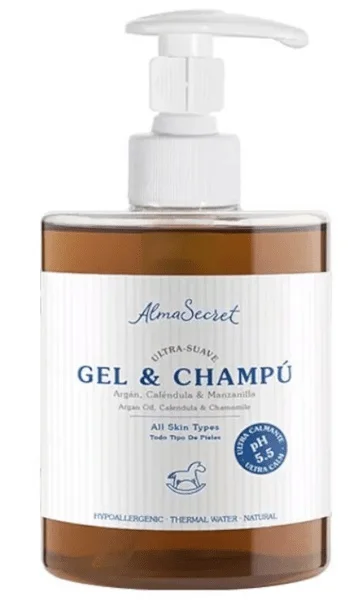
Alma Secret Eye Make-up Remover With Provitamin B5, Cornflower & Jojoba Oil
Ingredients
Analysis results of Ingredients


Ingredient List
| EWG | CIR | Ingredient Name & Cosmetic Function | Notes |
|---|---|---|---|
| 1 | - | (Solvent) | |
| 1 2 | A | (Skin-Conditioning Agent - Occlusive) |  |
| 1 | - | (Skin Conditioning) | |
| 1 | - | (Skin Conditioning, Emollient, Hair Conditioning, Abrasive) | |


Alma Secret Eye Make-up Remover With Provitamin B5, Cornflower & Jojoba Oil - Ingredient Explanation
Water
1. Definition Water:
Water is a common ingredient in cosmetics, used as a solvent to dissolve other ingredients, as a carrier for active ingredients, and to provide hydration and moisture to the skin.2. Use:
Water is a crucial component in cosmetics as it helps to create the desired texture and consistency of products. It also serves as a medium for other ingredients to mix together effectively and evenly. Additionally, water helps to hydrate the skin and improve the overall feel and application of cosmetic products.3. Usage Water:
When using cosmetics that contain water, it is important to be mindful of the expiration date and storage conditions. Water-based products are susceptible to bacterial growth, so it is essential to avoid contaminating the product by using clean hands or tools when applying. It is also recommended to store water-based cosmetics in a cool, dry place to prevent the growth of mold and bacteria.4. References:
- Draelos, Z. D. (2010). Cosmetic dermatology: products and procedures. John Wiley & Sons.
- Winter, R. (2009). A consumer's dictionary of cosmetic ingredients: complete information about the harmful and desirable ingredients found in cosmetics and cosmeceuticals. Crown.
- Begoun, P. (2003). Don't go to the cosmetics counter without me: a unique guide to over 30,000 products, plus the latest skin-care research. Beginning Press.
Oryza Sativa (Rice) Bran Oil
1. Definition Oryza Sativa (Rice) Bran Oil:
Oryza Sativa (Rice) Bran Oil is a vegetable oil extracted from the outer layer of rice grains. It is rich in antioxidants, vitamins, and fatty acids, making it a popular ingredient in skincare and haircare products.2. Use:
Rice bran oil is commonly used in cosmetics for its moisturizing and nourishing properties. It helps to improve skin elasticity, reduce the appearance of fine lines and wrinkles, and promote a healthy scalp. Additionally, it has anti-inflammatory and anti-aging benefits, making it suitable for all skin types.3. Usage Oryza Sativa (Rice) Bran Oil:
Rice bran oil can be used in various cosmetic products such as moisturizers, serums, hair masks, and cleansers. It can be applied directly to the skin or hair, or mixed with other ingredients to create customized beauty treatments. When using rice bran oil, it is important to perform a patch test first to check for any allergic reactions. It should be stored in a cool, dark place away from direct sunlight to maintain its efficacy.4. References:
- Lin, T. K., Zhong, L., & Santiago, J. L. (2017). Anti-inflammatory and skin barrier repair effects of topical application of some plant oils. International Journal of Molecular Sciences, 19(1), 70.
- Mukherjee, S., Date, A., Patravale, V., Korting, H. C., Roeder, A., & Weindl, G. (2006). Retinoids in the treatment of skin aging: an overview of clinical efficacy and safety. Clinical Interventions in Aging, 1(4), 327-348.
- Rizwan, M., Rodriguez-Blanco, I., Harbottle, A., Birch-Machin, M. A., & Watson, R. E. B. (2013). Skin photodamage: how the skin can protect itself. Journal of Cosmetic Dermatology, 12(4), 247-253.
Centaurea Cyanus Flower Water
1. Definition Centaurea Cyanus Flower Water:
Centaurea Cyanus Flower Water, also known as cornflower water, is a natural floral water obtained through the steam distillation of Centaurea cyanus flowers. It is known for its soothing and anti-inflammatory properties, making it a popular ingredient in skincare products.2. Use:
Centaurea Cyanus Flower Water is commonly used in cosmetics for its hydrating and calming effects on the skin. It is often included in toners, facial mists, and moisturizers to help soothe irritated skin, reduce redness, and improve overall skin texture. Additionally, it can help to balance the skin's pH levels and promote a healthy complexion.3. Usage Centaurea Cyanus Flower Water:
Centaurea Cyanus Flower Water can be applied directly to the skin as a toner or facial mist, or it can be incorporated into DIY skincare recipes. To use, simply spritz the flower water onto clean skin or apply it with a cotton pad after cleansing. It can also be mixed with other skincare ingredients to create custom treatments tailored to individual skin needs.Precautions: While Centaurea Cyanus Flower Water is generally considered safe for most skin types, it is always recommended to perform a patch test before using it on the entire face. Individuals with sensitive skin or allergies to flowers should exercise caution when using products containing this ingredient. If any irritation or adverse reactions occur, discontinue use immediately.
4. References:
- Gülçin, İ., & Topal, F. (2011). Centaurea cyanus L. water as a source of antioxidant compounds for biological systems. Journal of the Science of Food and Agriculture, 91(7), 1264-1271.
- Yildirim, A., & Mavi, A. (2001). Antioxidant and antimicrobial activities of the essential oil of Centaurea cyanus L. International Journal of Food Sciences and Nutrition, 52(4), 323-327.
- Kaur, C., & Kapoor, H. C. (2001). Anti-oxidant activity and total phenolic content of some Asian vegetables. International Journal of Food Sciences and Nutrition, 52(4), 291-298.
Simmondsia Chinensis (Jojoba) Seed Oil Extract
1. Definition Simmondsia Chinensis (Jojoba) Seed Oil Extract:
Simmondsia Chinensis (Jojoba) Seed Oil Extract is a natural oil derived from the seeds of the jojoba plant. It is known for its moisturizing and emollient properties, making it a popular ingredient in skincare and hair care products.2. Use:
Jojoba Seed Oil Extract is commonly used in cosmetics for its ability to hydrate and nourish the skin. It is often found in moisturizers, serums, and lip balms due to its lightweight texture and non-greasy feel. Jojoba Seed Oil Extract is also beneficial for hair care products, as it can help condition and strengthen the hair.3. Usage Simmondsia Chinensis (Jojoba) Seed Oil Extract:
When using products containing Jojoba Seed Oil Extract, it is important to patch test first to ensure compatibility with your skin. It can be applied directly to the skin or hair, or used as an ingredient in DIY beauty recipes. Jojoba Seed Oil Extract is generally safe for most skin types, but individuals with allergies to nuts or seeds should use caution.4. References:
- Paula Begoun. (2003). "Don't Go to the Cosmetics Counter Without Me." 7th Edition.
- Dweck, A. C. (2003). "The Jojoba Story." Personal Care Magazine, 4(1), 1-4.
- Meier, L., & Sticher, O. (2004). "Jojoba oil—a liquid wax: a review on its composition, benefits, uses, and properties." Revista Brasileira de Farmacognosia, 14(1), 1-6.
Review