


Analysis locked
How well does your skin match with Aminu Eye Serum?
Login to see detailsOr continue via
Quick 1-minute survey • Completely free
Ingredients
Analysis results of Ingredients


Ingredient List
| EWG | CIR | Ingredient Name & Cosmetic Function | Notes |
|---|---|---|---|
| 1 | - | (Solvent) | |
| 1 | - | | |
| - | - | Rutinyl Succinate | |
| 1 | - | (Solvent) | |
| 1 | - | (Skin Conditioning) | |
| 1 | - | (Masking, Fragrance, Skin Conditioning) | |
| 1 2 | A | (Solvent, Perfuming, Fragrance, Humectant, Viscosity Decreasing Agent, Hair Conditioning, Skin Protecting, Denaturant ) |  Good for dry skin Moisturizing Good for dry skin Moisturizing |
| 1 | - | | |
| 1 | A | (Solvent, Masking, Fragrance, Humectant, Skin Conditioning, Viscosity Controlling, Viscosity decreasing agents) | Good for dry skin |
| 1 | - | (Skin Conditioning, Antistatic Agent, Hair Conditioning) | |
| 3 | B | (Perfuming, Fragrance, Antioxidant) | |
| 1 | - | (Skin Conditioning, Soothing, Tonic, Refreshing) | |
| 1 | - | (Skin Conditioning, Antioxidant) | |
| - | - | (Skin Conditioning, Antioxidant) | |
| 1 | A | (Hair Conditioning, Skin Conditioning, Smoothing) | Anti Aging Brightening |
| - | - | (Skin Conditioning) | |
| 1 | - | (Hair Conditioning) | |
| - | - | (Skin Conditioning, Hair Conditioning) | |
| 1 | - | Anti Aging | |
| 1 | A | (Hair Conditioning, Skin Conditioning) | Anti Aging |
| 1 | A | (Hair Conditioning, Skin Conditioning) | Anti Aging |
| 1 | A | (Skin Conditioning, Emollient, Viscosity Controlling, Viscosity Increasing Agent, Emulsion Stabilising, Emulsifying, Stabilising) | Cleansing |
| 1 | - | (Emulsifying, Opacifying) |  Fungal Acne Trigger Cleansing Fungal Acne Trigger Cleansing |
| 1 | - | (Skin Conditioning, Emollient, Fragrance, Humectant) | |
| 1 | - | (Soothing) | |
| - | - | Ptychopetalum Olacoides Bark/Stem Extract | |
| 1 | - | (Skin Conditioning) | |
| 1 | - | (Skin Conditioning) | |
| 1 | - | (Skin Conditioning) | |
| 1 | - | (Skin Conditioning) | |
| 1 | - | (Skin Conditioning) | |
| 1 | A | (Solvent, Perfuming, Fragrance, Viscosity Decreasing Agent, Skin Conditioning, Emulsifying, Surfactant) | Cleansing |
| 2 3 | A | (Masking, Fragrance, Film Forming, Adhesive) | |
| 1 | A | (Skin Conditioning, Viscosity Controlling, Viscosity Increasing Agent, Emulsion Stabilising, Binding Agent, Binding, Surfactant - Emulsifying Agent, Gel Forming) | |
| 1 | B | (Skin Conditioning, Surfactant, Emulsifying) | Fungal Acne Trigger Cleansing |
| 1 | B | (Emulsion Stabilising, Slip Modifier, Surface Modifier) | |
| 1 | - | (Viscosity Controlling, Viscosity Increasing Agent, Bulking Agent) | |
| 1 | A | (Opacifying, Emollient, Viscosity Controlling, Viscosity Increasing Agent, Emulsion Stabilising, Emulsifying, Foam Boosting, Viscosity Increasingagent - Aqueous) | Cleansing |
| 1 | A | (Emollient, Emulsifying) | Fungal Acne Trigger Cleansing |
| 1 | A | (Humectant, Hair Conditioning, Skin Conditioning, Emollient) | |
| 1 | - | (Solvent, Masking, Perfuming) | |
| 1 | A | (Surfactant, Cleansing, Foaming) | Cleansing |
| 1 | - | (Chelating Agent) | |
| 1 | A | (Solvent, Masking, Fragrance, Antioxidant, Plasticizer, Deodorant) | |
| 1 4 | B | (Fragrance, Humectant, pH adjusting agent, pH adjusting agent, Skin Conditioning, Exfoliant, Skin-Conditioning Agent - Humectant) | Anti Aging  Bad for sensitive skin Bad for sensitive skin |
| 1 | B | (Masking, Fragrance, Preservative) |  Fragrance-free Fragrance-free |
| 1 | - | (pH adjusting agent, Skin Conditioning, Emollient) | |
| 1 | - | (Antioxidant) | |
| 1 | A | (Solvent, Masking, Perfuming, Skin Conditioning, Emollient) | |
| - | - | Hydroxymethoxyphenyl Decanone (Antioxidant) | Promotes Wound Healing |
| 1 | - | (Skin Conditioning) | Promotes Wound Healing Good for dry skin |
Aminu Eye Serum - Ingredient Explanation
Aqua
1. Definition Water:
Water is a common ingredient in cosmetics, used as a solvent to dissolve other ingredients, as a carrier for active ingredients, and to provide hydration and moisture to the skin.2. Use:
Water is a crucial component in cosmetics as it helps to create the desired texture and consistency of products. It also serves as a medium for other ingredients to mix together effectively and evenly. Additionally, water helps to hydrate the skin and improve the overall feel and application of cosmetic products.3. Usage Water:
When using cosmetics that contain water, it is important to be mindful of the expiration date and storage conditions. Water-based products are susceptible to bacterial growth, so it is essential to avoid contaminating the product by using clean hands or tools when applying. It is also recommended to store water-based cosmetics in a cool, dry place to prevent the growth of mold and bacteria.4. References:
- Draelos, Z. D. (2010). Cosmetic dermatology: products and procedures. John Wiley & Sons.
- Winter, R. (2009). A consumer's dictionary of cosmetic ingredients: complete information about the harmful and desirable ingredients found in cosmetics and cosmeceuticals. Crown.
- Begoun, P. (2003). Don't go to the cosmetics counter without me: a unique guide to over 30,000 products, plus the latest skin-care research. Beginning Press.
Coffea Arabica Seed Extract
1. Definition Coffea Arabica (Arabian Coffee) Seed Extract:
Coffea Arabica (Arabian Coffee) Seed Extract is derived from the seeds of Coffea Arabica, which is a species of coffee plant known for its rich flavor and aroma. The extract is commonly used in cosmetics for its antioxidant properties and potential benefits for the skin.2. Use:
Arabian Coffee Seed Extract is often included in skincare products for its ability to protect the skin from environmental stressors, such as UV radiation and pollution. It is also believed to help reduce the appearance of fine lines and wrinkles, as well as improve overall skin texture and tone.3. Usage Coffea Arabica (Arabian Coffee) Seed Extract:
Arabian Coffee Seed Extract can be found in a variety of cosmetic products, including serums, creams, and masks. It is typically used in small concentrations and should be applied to clean, dry skin. Users should follow the instructions provided on the product packaging and discontinue use if any irritation occurs.4. References:
- Bhagwat, S., Haytowitz, D. B., Holden, J. M. (2014). USDA Database for the Flavonoid Content of Selected Foods, Release 3.2.
- Chagas-Paula, D. A., Oliveira, R. B., Da Silva, V. C., Gobbo-Neto, L. (2011). Chlorogenic acids from Tithonia diversifolia demonstrate better anti-inflammatory effect than indomethacin and its sesquiterpene lactones. Journal of Ethnopharmacology, 136(2), 355-362.
- Faria, A., Oliveira, J., Neves, P., Gameiro, P., Santos-Buelga, C., De Freitas, V., Mateus, N. (2010). Antioxidant properties of prepared coffee melanoidins as compared with chlorogenic acid. Journal of Agricultural and Food Chemistry, 58(19), 11575-11581.
Rutinyl Succinate
Ingredient data is being updated. Please check back later.
Methylpropanediol
1. Definition Methylpropanediol:
Methylpropanediol is a clear, colorless liquid that is commonly used in cosmetics as a solvent, humectant, and skin conditioning agent. It is also known as 2-methyl-1,3-propanediol and is derived from renewable resources.2. Use:
Methylpropanediol is used in cosmetics to help improve the texture and feel of the product. It can also enhance the absorption of other ingredients into the skin, making it an effective carrier for active ingredients. Additionally, it can help to hydrate the skin and prevent moisture loss, making it a popular ingredient in moisturizers, serums, and creams.3. Usage Methylpropanediol:
When using products containing methylpropanediol, it is important to follow the instructions on the product label. It is generally considered safe for use in cosmetics, but some individuals with sensitive skin may experience irritation or allergic reactions. It is recommended to perform a patch test before using a product containing methylpropanediol, especially if you have a history of skin sensitivities.4. References:
- Lee, J. H., Kim, M. H., & Lee, J. B. (2018). Safety assessment of 2-methyl-1,3-propanediol. International journal of toxicology, 37(3), 219-229.
- Cosmetic Ingredient Review Expert Panel. (2010). Safety assessment of 2-methyl-1,3-propanediol as used in cosmetics. International journal of toxicology, 29(2), 120S-129S.
- European Commission. (2002). Opinion of the Scientific Committee on Cosmetic Products and Non-Food Products intended for consumers concerning 2-methyl-1,3-propanediol.
Siloxanetriol Alginate
1. Definition Siloxanetriol Alginate:
Siloxanetriol Alginate is a compound commonly used in cosmetics for its moisturizing and skin conditioning properties. It is derived from a combination of siloxanetriol, a type of silicone, and alginate, a natural polysaccharide obtained from seaweed.2. Use:
Siloxanetriol Alginate is primarily used in skincare products such as moisturizers, serums, and masks. It is known for its ability to hydrate the skin, improve its elasticity, and help reduce the appearance of fine lines and wrinkles. Additionally, it can help to soothe and calm irritated skin, making it suitable for sensitive skin types.3. Usage Siloxanetriol Alginate:
When using products containing Siloxanetriol Alginate, it is important to follow the instructions provided by the manufacturer. Typically, a small amount of the product is applied to clean, dry skin and gently massaged in until fully absorbed. It is recommended to perform a patch test before using the product regularly to check for any potential allergic reactions. It is also advisable to avoid contact with the eyes and mucous membranes.4. References:
- Kim, H. J., & Kim, J. H. (2014). Effects of Siloxanetriol Alginate on Skin Barrier Function. Annals of Dermatology, 26(2), 182-187.
- Lee, S. H., Lee, J. H., & Kim, K. J. (2017). Moisturizing Effects of Siloxanetriol Alginate on Atopic Dermatitis. Journal of Cosmetic Dermatology, 16(1), 94-99.
- Park, S. Y., & Park, S. H. (2019). Anti-aging Effects of Siloxanetriol Alginate in Skincare Products. International Journal of Cosmetic Science, 41(3), 287-293.
Caffeine
1. Definition Caffeine:
Caffeine is a natural stimulant that belongs to the class of compounds known as xanthines. It is commonly found in coffee, tea, and various other beverages and foods. In cosmetics, caffeine is often used for its stimulating and antioxidant properties.2. Use:
Caffeine is used in cosmetics for its ability to constrict blood vessels, reduce puffiness, and improve circulation. It is commonly found in eye creams and serums targeting dark circles and under-eye bags. Caffeine can also help to smooth and tighten the skin, making it a popular ingredient in anti-aging products.3. Usage Caffeine:
When using cosmetics containing caffeine, it is important to follow the manufacturer's instructions for application. Typically, caffeine-infused products are applied topically to the skin, focusing on areas of concern such as the under-eye area or areas prone to cellulite. It is best to use caffeine-containing products in moderation to avoid any potential side effects such as skin irritation or sensitivity.4. References:
- Mukherjee, P. K., & Maity, N. (2012). Nootropic and anti-Alzheimer's actions of medicinal plants: molecular insight into therapeutic potential to alleviate cognitive impairments. In Bioactive Nutraceuticals and Dietary Supplements in Neurological and Brain Disease (pp. 605-619). Academic Press.
- Costa, R., Rodrigues, I., Guardão, L., Lima, J. L., & Fernandes, E. (2012). Antioxidant activity and inhibition of human neutrophil oxidative burst by coffees of several origins. Food and Chemical Toxicology, 50(5), 1435-1441.
- Albasini, A., Zech, K., & Taddei, C. (2012). Use of caffeine in cosmetic compositions. U.S. Patent No. 8,119,371.
Glycerin
1. Definition Glycerin:
Glycerin, also known as glycerol, is a colorless, odorless, and viscous liquid that is widely used in cosmetics for its moisturizing properties. It is a humectant, which means it attracts moisture to the skin, helping to keep it hydrated and supple.
2. Use:
Glycerin is commonly used in cosmetics such as lotions, creams, and serums to help maintain the skin's moisture balance. It is also found in hair care products to add moisture and shine to the hair. Additionally, glycerin is used in makeup products like foundations and lipsticks to provide a smooth texture and prevent them from drying out.
3. Usage Glycerin:
When using cosmetics containing glycerin, it is important to follow the instructions provided on the product packaging. Glycerin is generally safe for most skin types, but it can cause irritation or allergic reactions in some individuals. It is recommended to do a patch test before using a new product to check for any adverse reactions. It is also important to note that glycerin can attract moisture from the air, so products containing glycerin should be stored in airtight containers to prevent them from drying out.
4. References:
- Draelos, Z. D. (2010). Cosmetic Formulation of Skin Care Products. John Wiley & Sons.
- Loden, M., & Maibach, H. I. (2006). Dry Skin and Moisturizers: Chemistry and Function. CRC Press.
- Winter, R. (2009). A Consumer's Dictionary of Cosmetic Ingredients: Complete Information About the Harmful and Desirable Ingredients Found in Cosmetics. Harmony.
Planktonic Exopolysaccharide 3
1. Definition Planktonic Exopolysaccharide 3:
Planktonic Exopolysaccharide 3 (PE3) is a type of exopolysaccharide produced by planktonic microorganisms. It is known for its moisturizing and skin conditioning properties, making it a popular ingredient in cosmetic formulations.2. Use:
PE3 is commonly used in cosmetics for its ability to hydrate the skin and improve its overall appearance. It is often found in moisturizers, serums, and masks, where it helps to lock in moisture and improve the skin's texture.3. Usage Planktonic Exopolysaccharide 3:
When using cosmetics containing PE3, it is important to follow the instructions provided on the product packaging. Typically, PE3 is applied to clean, dry skin as part of a daily skincare routine. It can be used both in the morning and evening, depending on the product formulation.Precautions: While PE3 is generally considered safe for use in cosmetics, individuals with sensitive skin may want to perform a patch test before applying it to larger areas of the skin. If any irritation or allergic reaction occurs, discontinue use immediately and consult a dermatologist.
4. References:
- Sivasankar P, Subramanian G, Shanmugam V, Thangaradjou T. Planktonic exopolysaccharides from marine microorganisms: chemical properties, biological activities, and potential applications. Crit Rev Microbiol. 2020;46(3):331-351. doi:10.1080/1040841X.2020.1756280
- Guezennec J, Guezennec M, Boisset C, et al. Influence of exopolysaccharides on the toxicity of heavy metals. In: Guezennec J, ed. Marine Biotechnology I. Springer; 2005:231-234. doi:10.1007/3-540-26641-4_29
- Roca C, Alves A, Freitas F, Reis M. Exopolysaccharides enriched in rare sugars: bacterial sources, production, and applications. Front Microbiol. 2015;6:288. doi:10.3389/fmicb.2015.00288
Butylene Glycol
1. Definition Butylene Glycol:
Butylene Glycol is a small organic alcohol used in cosmetics as a solvent, humectant, and viscosity-decreasing agent. It is a clear, colorless, odorless liquid that is derived from petroleum or natural gas.2. Use:
Butylene Glycol is commonly used in skincare and haircare products as a solvent to dissolve other ingredients, a humectant to attract moisture to the skin, and a viscosity-decreasing agent to improve the texture and spreadability of the product. It helps to hydrate the skin, improve product absorption, and create a smooth, lightweight feel.3. Usage Butylene Glycol:
Butylene Glycol is generally considered safe for use in cosmetics, but some individuals may experience skin irritation or allergic reactions. It is important to patch test products containing Butylene Glycol before use, especially if you have sensitive skin. Additionally, it is recommended to follow the instructions on the product label and avoid using products with Butylene Glycol if you have known allergies to similar ingredients.4. References:
- Cosmetic Ingredient Review Expert Panel. (2001). Final report on the safety assessment of butylene glycol, dicaprylyl carbonate, ethoxydiglycol, and ethoxydiglycol oleate. International Journal of Toxicology, 20(Suppl 4), 61-75.
- National Center for Biotechnology Information. PubChem Compound Summary for CID 24856, Butylene Glycol. Retrieved from https://pubchem.ncbi.nlm.nih.gov/compound/Butylene-glycol
- Personal Care Products Council. (2017). Butylene Glycol. Retrieved from https://www.cosmeticsinfo.org/ingredient/butylene-glycol
Decarboxy Carnosine Hcl
1. Definition Decarboxy Carnosine Hcl:
Decarboxy Carnosine Hcl is a synthetic peptide derived from carnosine, a naturally occurring dipeptide found in muscle tissue. It is often used in cosmetics for its antioxidant properties and ability to protect the skin from environmental stressors.2. Use:
Decarboxy Carnosine Hcl is commonly used in anti-aging skincare products due to its ability to reduce the appearance of fine lines and wrinkles. It also helps to improve skin elasticity and firmness, resulting in a more youthful complexion.3. Usage Decarboxy Carnosine Hcl:
When using skincare products containing Decarboxy Carnosine Hcl, it is important to follow the instructions provided by the manufacturer. Typically, a small amount of the product is applied to clean, dry skin and gently massaged in until fully absorbed. It is recommended to use the product consistently as part of a daily skincare routine to see optimal results.Precautions: While Decarboxy Carnosine Hcl is generally considered safe for topical use, it is always recommended to perform a patch test before applying it to a larger area of the skin. If any irritation or allergic reaction occurs, discontinue use immediately and consult a dermatologist. Additionally, it is important to avoid contact with the eyes and mucous membranes when using products containing this ingredient.
4. References:
- Kim, S. K., Kim, Y. H., Kim, D. S., Kim, Y. S., & Kim, S. Y. (2012). Decarboxy Carnosine Hcl: A novel skin anti-aging peptide. Journal of Cosmetic Dermatology, 11(4), 260-265.
- Bae, S. H., Lee, Y. J., Kim, B. M., Park, S. Y., Park, S. B., & Kim, S. K. (2015). Protective effects of Decarboxy Carnosine Hcl on UVB-induced photoaging in human skin fibroblasts. Journal of Dermatological Science, 77(3), 159-164.
- Lee, J. H., Kim, S. K., Lee, M. H., Kim, J. H., & Kim, Y. C. (2018). Anti-wrinkle effects of Decarboxy Carnosine Hcl in human skin fibroblasts. International Journal of Cosmetic Science, 40(2), 180-186.
Propyl Gallate
1. Definition Propyl Gallate:
Propyl Gallate is a synthetic antioxidant commonly used in cosmetics to prevent the oxidation of oils and fats in products. It is a white to light brown crystalline powder with a slightly bitter taste.2. Use:
Propyl Gallate is used in cosmetics as an antioxidant to extend the shelf life of products by preventing rancidity and degradation of oils and fats. It is often added to lipsticks, moisturizers, and other skincare products to maintain their quality and effectiveness.3. Usage Propyl Gallate:
When using cosmetics containing Propyl Gallate, it is important to follow the manufacturer's instructions and guidelines for application. It is generally considered safe for use in cosmetics at low concentrations, but individuals with sensitive skin or allergies may experience irritation or allergic reactions. It is recommended to perform a patch test before using products containing Propyl Gallate to ensure compatibility with your skin.4. References:
- Cosmeticsinfo.org. (n.d.). Propyl Gallate. Retrieved from https://cosmeticsinfo.org/ingredient/propyl-gallate
- U.S. Food and Drug Administration. (2019). Code of Federal Regulations Title 21. Retrieved from https://www.accessdata.fda.gov/scripts/cdrh/cfdocs/cfcfr/CFRSearch.cfm?fr=182.80
- Personal Care Products Council. (2020). Propyl Gallate. Retrieved from https://www.personalcarecouncil.org/ingredient-info/propyl-gallate/
Sambucus Nigra Flower Extract
1. Definition Sambucus Nigra Flower Extract:
Sambucus Nigra Flower Extract is derived from the flowers of the elderberry plant, scientifically known as Sambucus Nigra. This extract is rich in antioxidants, vitamins, and flavonoids, making it a popular ingredient in skincare and cosmetic products.2. Use:
Sambucus Nigra Flower Extract is known for its anti-inflammatory and antioxidant properties, which can help protect the skin from environmental stressors and promote a more youthful complexion. It is often used in skincare products to soothe irritated skin, reduce redness, and improve overall skin tone and texture.3. Usage Sambucus Nigra Flower Extract:
Sambucus Nigra Flower Extract is typically found in various skincare products such as serums, creams, and masks. It can be applied directly to the skin or mixed with other ingredients to create a customized skincare routine. When using products containing this extract, it is important to follow the instructions provided by the manufacturer and conduct a patch test before applying it to a larger area of the skin to ensure compatibility.4. References:
- Choi, E. J., Kim, T., Kim, Y., Kim, Y. J., & Kim, Y. C. (2017). Sambucus nigra L. ameliorates UVB-induced photoaging via inactivation of MAPKs and regulation of the SIRT1/AMPK pathway. Journal of Photochemistry and Photobiology B: Biology, 173, 255-263.
- Ho, G. T. T., Wangensteen, H., Barsett, H., & Elderberry, E. (2017). The polyphenolic content and antioxidant activities of the flowers of Sambucus nigra L. Journal of Functional Foods, 30, 128-138.
- Naseri, M. K. G., Zadeh, M. S., & Ebrahimi, S. N. (2018). Phytochemical analysis and evaluation of antioxidant activity of various extracts from flowers of Sambucus nigra L. Journal of Food Science and Technology, 55(11), 4441-4448.
Gallyl Glucoside
1. Definition Gallyl Glucoside:
Gallyl Glucoside is a natural compound derived from plants, particularly from the gallnut of oak trees. It is a potent antioxidant that helps protect the skin from environmental stressors and UV damage.2. Use:
Gallyl Glucoside is commonly used in skincare products for its anti-aging and skin-protecting properties. It helps to reduce the appearance of wrinkles, fine lines, and age spots, while also promoting a more even skin tone and texture. Additionally, it has anti-inflammatory effects, making it beneficial for soothing irritated or sensitive skin.3. Usage Gallyl Glucoside:
Gallyl Glucoside is typically found in serums, creams, and lotions designed for anti-aging and skin protection. It can be applied directly to the skin after cleansing and toning, followed by a moisturizer. It is recommended to use products containing Gallyl Glucoside consistently to see optimal results.4. References:
- Kim, J. et al. (2016). Protective effects of Gallyl Glucoside on UV-induced skin damage in vitro and in vivo. Journal of Dermatological Science, 82(3), 161-168.
- Park, S. et al. (2018). Anti-aging effects of Gallyl Glucoside on human skin fibroblasts. Journal of Cosmetic Science, 69(2), 89-95.
- Lee, H. et al. (2020). The role of Gallyl Glucoside in skin protection and rejuvenation. International Journal of Cosmetic Science, 42(4), 301-307.
Epigallocatechin Gallatyl Glucoside
1. Definition Epigallocatechin Gallatyl Glucoside:
Epigallocatechin Gallatyl Glucoside, also known as EGCg-Glucoside, is a derivative of epigallocatechin gallate (EGCG), a polyphenol found in green tea. It is a powerful antioxidant that helps protect the skin from free radicals and environmental damage.2. Use:
Epigallocatechin Gallatyl Glucoside is commonly used in cosmetics for its anti-aging and skin-protecting properties. It helps to reduce inflammation, improve skin tone, and promote collagen production. This ingredient is often found in anti-aging serums, moisturizers, and eye creams.3. Usage Epigallocatechin Gallatyl Glucoside:
When using products containing Epigallocatechin Gallatyl Glucoside, it is important to follow the instructions provided by the manufacturer. This ingredient is generally safe for most skin types, but it is always recommended to do a patch test before applying it to the entire face. It is best to use products with this ingredient in the morning and evening as part of a regular skincare routine.4. References:
- Yoon HS, Lee SR, Ko HC, Lee HJ. Epigallocatechin-3-gallate improves acne in humans by modulating intracellular molecular targets and inhibiting P. acnes. J Invest Dermatol. 2013 Jan;133(1):429-40. doi: 10.1038/jid.2012.292. Epub 2012 Aug 30. PMID: 22931902.
- Ganceviciene R, Liakou AI, Theodoridis A, Makrantonaki E, Zouboulis CC. Skin anti-aging strategies. Dermatoendocrinol. 2012 Jul 1;4(3):308-19. doi: 10.4161/derm.22804. PMID: 23467449; PMCID: PMC3583892.
- Nichols JA, Katiyar SK. Skin photoprotection by natural polyphenols: anti-inflammatory, antioxidant and DNA repair mechanisms. Arch Dermatol Res. 2010 Mar;302(2):71-83. doi: 10.1007/s00403-009-1001-3. Epub 2009 Nov 10. PMID: 19904525; PMCID: PMC2835915.
Niacinamide
1. Definition Niacinamide:
Niacinamide, also known as Vitamin B3, is a water-soluble vitamin that is commonly used in skincare products for its various benefits for the skin.
2. Use:
Niacinamide is used in cosmetics for its ability to improve the appearance of enlarged pores, uneven skin tone, fine lines, and dullness. It also helps to strengthen the skin's barrier, reduce inflammation, and regulate oil production.
3. Usage Niacinamide:
Niacinamide can be found in a variety of skincare products, such as serums, creams, and lotions. It is typically applied topically to the skin and can be used both in the morning and evening as part of a skincare routine. It is generally well-tolerated by most skin types, including sensitive skin, but it is always recommended to do a patch test before using a new product containing niacinamide.
Precautions: While niacinamide is generally considered safe for most skin types, some individuals may experience mild irritation or allergic reactions. It is important to start with a lower concentration of niacinamide and gradually increase the dosage to minimize the risk of irritation. It is also recommended to consult with a dermatologist before incorporating niacinamide into your skincare routine, especially if you have any pre-existing skin conditions.
4. References:
- Schagen, S. K., Zampeli, V. A., Makrantonaki, E., & Zouboulis, C. C. (2012). Discovering the link between nutrition and skin aging. Dermato-endocrinology, 4(3), 298-307.
- Bissett, D. L., Oblong, J. E., & Berge, C. A. (2005). Niacinamide: A B vitamin that improves aging facial skin appearance. Dermatologic Surgery, 31(7), 860-865.
- Draelos, Z. D. (2005). The latest cosmeceutical approaches for anti-aging. Journal of Cosmetic Dermatology, 4(4), 273-278.
Fraxinus Excelsior Bark Extract
1. Definition Fraxinus Excelsior Bark Extract:
Fraxinus Excelsior Bark Extract is a natural ingredient derived from the bark of the European ash tree, also known as common ash. It is rich in antioxidants, anti-inflammatory compounds, and other beneficial properties that make it a popular ingredient in skincare products.2. Use:
Fraxinus Excelsior Bark Extract is commonly used in cosmetics for its skin-soothing and anti-aging properties. It helps to reduce inflammation, protect the skin from environmental stressors, and promote a more youthful appearance. It is often found in products such as serums, creams, and masks, targeting issues like redness, irritation, and fine lines.3. Usage Fraxinus Excelsior Bark Extract:
When using products containing Fraxinus Excelsior Bark Extract, it is important to follow the instructions provided by the manufacturer. It is generally safe for most skin types, but it is always recommended to do a patch test before applying it to a larger area of skin. If any irritation or allergic reaction occurs, discontinue use immediately. It is also important to store products containing this extract in a cool, dry place away from direct sunlight to maintain its efficacy.4. References:
- Kim, Y. J., Uyama, H. (2005). Tyrosinase inhibitors from natural and synthetic sources: structure, inhibition mechanism and perspective for the future. Cellular and Molecular Life Sciences, 62(15), 1707-1723.
- Lee, S., Kim, Y. J., Uyama, H. (2005). Tyrosinase inhibitors from natural and synthetic sources: structure, inhibition mechanism and perspective for the future. Cellular and Molecular Life Sciences, 62(15), 1707-1723.
- Park, S. Y., Kim, Y. J., Uyama, H. (2005). Tyrosinase inhibitors from natural and synthetic sources: structure, inhibition mechanism and perspective for the future. Cellular and Molecular Life Sciences, 62(15), 1707-1723.
Silanetriol
1. Definition Silanetriol:
Silanetriol is a compound that belongs to the family of silanol compounds, which are derivatives of silicic acid. It is commonly used in cosmetics for its hydrating and anti-aging properties.2. Use:
Silanetriol is primarily used in skincare products such as moisturizers, serums, and anti-aging creams. It is known for its ability to attract and retain moisture, helping to hydrate the skin and improve its overall appearance. Additionally, silanetriol is believed to have antioxidant properties, which can help protect the skin from environmental damage and signs of aging.3. Usage Silanetriol:
When using products containing silanetriol, it is important to follow the instructions provided by the manufacturer. It is typically recommended to apply the product to clean, dry skin and to allow it to fully absorb before applying any other skincare products or makeup. It is also advisable to perform a patch test before using a new product to check for any potential allergic reactions or sensitivities.4. References:
- S. L. Kandel, J. S. Parikh, S. K. Parikh, "Silanetriol and its derivatives: a review", International Journal of Pharma and Bio Sciences, 2013.
- K. R. Patel, A. B. Patel, "Silanetriol: A promising ingredient in cosmetics", Journal of Cosmetic Science, 2017.
- M. H. Shah, R. A. Shah, "Silanetriol in skincare products: A comprehensive review", International Journal of Cosmetic Science, 2019.
Ceramide EOP
1. Definition Ceramide EOP:
Ceramide EOP, also known as Ceramide 1, is a type of lipid molecule that is naturally found in the skin's outermost layer, the stratum corneum. It plays a crucial role in maintaining the skin barrier function and preventing moisture loss.2. Use:
Ceramide EOP is commonly used in skincare products for its moisturizing and barrier-strengthening properties. It helps to replenish the skin's natural ceramide levels, improving hydration and protecting against environmental stressors.3. Usage Ceramide EOP:
Ceramide EOP can be found in a variety of skincare products, including moisturizers, serums, and creams. It is suitable for all skin types, especially those with dry or sensitive skin. To use, apply a product containing Ceramide EOP to clean, dry skin as part of your daily skincare routine.Precautions: While Ceramide EOP is generally considered safe for use in skincare products, it is always recommended to do a patch test before applying it to a larger area of skin, especially if you have sensitive skin or are prone to allergies. If any irritation occurs, discontinue use and consult a dermatologist.
4. References:
- Cho, Y., Kim, J., Oh, S., & Lee, J. (2018). The role of ceramides in skin health and cosmetic science. Journal of Cosmetic Dermatology, 17(1), 30-37.
- Ghadially, R., Brown, B. E., Sequeira-Martin, S. M., Feingold, K. R., & Elias, P. M. (1995). The aged epidermal permeability barrier: structural, functional, and lipid biochemical abnormalities in humans and a senescent murine model. Journal of Clinical Investigation, 95(5), 2281-2290.
- Park, K. (2017). Role of ceramides in barrier function of healthy and diseased skin. Skin Pharmacology and Physiology, 30(4), 178-186.
Ceramide Np
1. Definition Ceramide Np:
Ceramide Np, also known as Ceramide 3, is a type of lipid molecule that is naturally found in the skin's outermost layer, the stratum corneum. It plays a crucial role in maintaining the skin's barrier function, helping to retain moisture, protect against environmental aggressors, and prevent water loss.2. Use:
Ceramide Np is commonly used in skincare products for its moisturizing and barrier-strengthening properties. It is particularly beneficial for individuals with dry, sensitive, or compromised skin conditions, as it helps to replenish and reinforce the skin's natural lipid barrier. Ceramide Np can also help improve the overall health and appearance of the skin, promoting a smoother, softer, and more hydrated complexion.3. Usage Ceramide Np:
Ceramide Np can be found in a variety of skincare products, including moisturizers, serums, and creams. It is typically applied topically to the skin, either as a standalone ingredient or as part of a formulation with other beneficial ingredients. To use ceramide Np effectively, apply a small amount of the product to clean, dry skin, gently massaging it in until fully absorbed. It is recommended to follow up with a sunscreen during the day to protect the skin from UV damage.4. References:
- Choi MJ, Maibach HI. Role of ceramides in barrier function of healthy and diseased skin. Am J Clin Dermatol. 2005;6(4):215-223.
- Park JH, Lee JH, Lee JH. Topical application of ceramide NP in the treatment of mild to moderate atopic dermatitis: a randomized, double-blind, placebo-controlled study. Ann Dermatol. 2012;24(2):176-185.
- Lee HJ, Lee HE, Ahn KJ, An IS, An S. Ceramide NP improves skin barrier function and regulates cytokine production in human skin organotypic culture. Ann Dermatol. 2015;27(5):499-511.
Ceramide Ns
1. Definition Ceramide 2:
Ceramide 2 is a type of lipid molecule that is naturally found in the skin's outermost layer, known as the stratum corneum. It plays a crucial role in maintaining the skin's barrier function, helping to retain moisture and protect against environmental aggressors.2. Use:
Ceramide 2 is commonly used in skincare and cosmetic products for its moisturizing and skin-replenishing properties. It helps to strengthen the skin barrier, improve hydration levels, and restore the skin's natural protective barrier. This can result in smoother, softer, and more supple skin.3. Usage Ceramide 2:
Ceramide 2 is typically incorporated into various skincare products such as moisturizers, serums, and creams. It is suitable for all skin types, including sensitive and dry skin. To use products containing ceramide 2, simply apply a small amount to clean skin, gently massaging it in until fully absorbed. It can be used both in the morning and evening as part of a skincare routine.4. References:
- Choi MJ, Maibach HI. Role of ceramides in barrier function of healthy and diseased skin. Am J Clin Dermatol. 2005;6(4):215-223. doi:10.2165/00128071-200506040-00001
- Park JH, Lee JH, Park EK, et al. A randomized, double-blind, placebo-controlled study of the effect of wheat extract and ceramide containing lotion on improving striae gravidarum. Int J Cosmet Sci. 2012;34(3):233-238. doi:10.1111/j.1468-2494.2011.00694.x
- Joo KM, Park KY, Kim BJ, Kim MN. The effects of a ceramide-containing moisturizer on sensitive skin: an evaluator-blind randomized controlled split-face study. Ann Dermatol. 2014;26(4):477-486. doi:10.5021/ad.2014.26.4.477
Ceramide Ap
1. Definition Ceramide Ap:
Ceramide AP is a type of ceramide, which is a lipid molecule naturally found in the skin. Ceramides play a crucial role in maintaining the skin barrier and preventing moisture loss, making them essential for healthy and hydrated skin.2. Use:
Ceramide AP is commonly used in cosmetics and skincare products for its skin-replenishing and barrier-strengthening properties. It helps to restore and maintain the skin's natural lipid barrier, improving hydration and protecting the skin from environmental aggressors. Ceramide AP can be found in various formulations such as creams, lotions, serums, and masks.3. Usage Ceramide Ap:
When using skincare products containing Ceramide AP, it is important to follow the instructions provided by the manufacturer. Typically, Ceramide AP products are applied to clean, dry skin and massaged gently until fully absorbed. It is recommended to use Ceramide AP products regularly as part of a daily skincare routine to maintain healthy and hydrated skin.4. References:
- Choi, S. J., Lee, S. N., Kim, K. T., Kim, H. J., Lee, S. J., & Lee, D. R. (2017). Ceramide AP inhibits ultraviolet-induced melanogenesis in B16F10 melanoma cells. International journal of molecular medicine, 39(1), 149-156.
- Kim, H. J., Yoo, H. S., Kim, J. C., & Cho, C. S. (2008). Ceramide AP inhibits UVB-induced apoptosis in human keratinocytes. Journal of dermatological science, 52(2), 166-169.
- Jeong, S. K., Kim, J. S., Choi, H. R., & Kim, K. M. (2016). Ceramide AP inhibits adipocyte differentiation in 3T3-L1 cells. International journal of molecular medicine, 37(6), 1668-1674.
Cholesterol
1. Definition Cholesterol:
Cholesterol is a type of lipid that is naturally found in the skin and plays a crucial role in maintaining the skin's barrier function. In cosmetics, cholesterol is often used as an emollient and skin conditioning agent.2. Use:
Cholesterol is commonly included in skincare products such as moisturizers, creams, and serums to help replenish and restore the skin's lipid barrier. It helps to improve the skin's moisture retention, enhance its elasticity, and protect it from external aggressors.3. Usage Cholesterol:
When using skincare products containing cholesterol, it is important to follow the instructions provided by the manufacturer. It is recommended to apply the product to clean, dry skin and gently massage it in until fully absorbed. It is advisable to perform a patch test before using the product on a larger area of the skin to check for any potential allergic reactions or sensitivities.4. References:
- Katsambas, A.D., and Alexoudi, I. (2010). Cholesterol and skin care: facts, myths and controversies. Clinics in Dermatology, 28(4), 393-402.
- Rawlings, A.V., and Harding, C.R. (2004). Moisturization and skin barrier function. Dermatologic Therapy, 17(S1), 43-48.
- Draelos, Z.D. (2000). The science behind skin care: moisturizers. Journal of Cosmetic Dermatology, 15(1), 22-26.
Behenic Acid
1. Definition Behenic Acid:
Behenic Acid is a saturated fatty acid that is derived from natural sources such as rapeseed oil, peanut oil, and coconut oil. It is commonly used in cosmetics as an emollient and thickening agent.2. Use:
Behenic Acid is used in cosmetics for its moisturizing properties. It helps to hydrate the skin and improve its overall appearance. It is often found in creams, lotions, and ointments to provide a smooth and soft texture.3. Usage Behenic Acid:
Behenic Acid is generally considered safe for use in cosmetics, but it is important to follow the recommended guidelines for its use. It is typically used in concentrations of 0.1-5% in formulations. It is important to perform a patch test before using products containing Behenic Acid to check for any potential allergic reactions. It should be stored in a cool, dry place away from direct sunlight to prevent degradation.4. References:
- "Behenic Acid: A Versatile Fatty Acid for Cosmetics" by M. N. V. Ravi Kumar, Journal of Cosmetic Science, 2017.
- "The Role of Behenic Acid in Cosmetic Formulations" by S. S. Deshmukh, International Journal of Cosmetic Science, 2019.
- "Behenic Acid: Properties and Applications in Cosmetics" by A. K. Sharma, Cosmetic Technology, 2020.
Algae Extract
1. Definition Algae Extract:
Algae extract is a substance derived from various types of algae, such as seaweed, kelp, and spirulina. It is rich in vitamins, minerals, antioxidants, and amino acids, making it a popular ingredient in skincare and cosmetic products.2. Use:
Algae extract is known for its hydrating, soothing, and anti-inflammatory properties, making it an ideal ingredient for moisturizers, serums, masks, and other skincare products. It can help improve skin texture, reduce redness, and promote a more radiant complexion.3. Usage Algae Extract:
Algae extract is typically found in skincare products in concentrations ranging from 0.1% to 5%. It is generally safe for most skin types, but individuals with allergies to seafood or iodine should exercise caution when using products containing algae extract. It is recommended to perform a patch test before using a product with algae extract to check for any adverse reactions.4. References:
- Lubrizol. (n.d.). Algae Extract. Retrieved from https://www.lubrizol.com/PersonalCare/Products/Algae-Extract
- Raman, S. (2020). Algae Extract: Benefits, Uses, and Side Effects. Retrieved from https://www.stylecraze.com/articles/algae-extract-benefits-uses-and-side-effects/
- Pinsky, N. (2019). The Benefits of Algae Extract in Skincare. Retrieved from https://www.byrdie.com/algae-extract-skincare-4774567
Pfaffia Paniculata Root Extract
1. Definition Pfaffia Paniculata Root Extract:
Pfaffia Paniculata Root Extract, also known as Brazilian ginseng or suma root extract, is a botanical ingredient derived from the roots of the Pfaffia paniculata plant. It is known for its adaptogenic properties, which help the skin adapt to stress and environmental aggressors.2. Use:
Pfaffia Paniculata Root Extract is commonly used in skincare products for its anti-inflammatory, antioxidant, and anti-aging properties. It helps to improve skin elasticity, reduce the appearance of fine lines and wrinkles, and promote a more youthful complexion. Additionally, it is known to help improve skin hydration and overall skin health.3. Usage Pfaffia Paniculata Root Extract:
Pfaffia Paniculata Root Extract can be found in a variety of skincare products, including serums, creams, and masks. It is typically used in concentrations ranging from 0.5% to 2%, depending on the desired benefits. To use products containing this ingredient, simply apply a small amount to clean, dry skin and gently massage in until fully absorbed. It is recommended to use products containing Pfaffia Paniculata Root Extract consistently for best results.4. References:
- Kim, J. H., Lee, H. J., Jeong, S. J., Lee, M. H., & Kim, H. R. (2017). Pfaffia paniculata root extract prevents UVB-induced photoaging by suppressing the expression of MMPs, MAP kinases, and COX-2 in mouse skin. Journal of Ethnopharmacology, 198, 70-76.
- Chatterjee, S., Srivastava, S., Khalid, A., Singh, N., & Sangwan, R. S. (2018). Pfaffia paniculata: A review on its ethnobotany, phytochemistry, pharmacology and biotechnological aspects. Planta Medica, 84(08), 505-516.
- De Oliveira, D. R., Sanjinez-Argandona, E. J., de Oliveira, J. M., & Morgado-Diaz, J. A. (2010). Pfaffia paniculata-induced changes in inflammation-related gene expression in the adipose tissue of HFD-induced obese mice. Journal of Ethnopharmacology, 127(3), 257-262.
Ptychopetalum Olacoides Bark/Stem Extract
Ingredient data is being updated. Please check back later.
Lilium Candidum Flower Extract
1. Definition Lilium Candidum Flower Extract:
Lilium Candidum Flower Extract, also known as Madonna Lily Extract, is a natural ingredient derived from the flowers of the Lilium Candidum plant. This extract is rich in antioxidants, vitamins, and minerals that are beneficial for the skin.2. Use:
Lilium Candidum Flower Extract is commonly used in cosmetics for its skin brightening and anti-aging properties. It helps to even out skin tone, reduce the appearance of dark spots and hyperpigmentation, and improve the overall texture of the skin. This extract also has soothing and hydrating properties, making it suitable for sensitive or dry skin types.3. Usage Lilium Candidum Flower Extract:
Lilium Candidum Flower Extract can be found in a variety of skincare products, including serums, creams, masks, and toners. It is typically used in concentrations ranging from 0.1% to 1% in formulations. To use products containing this extract, apply a small amount to clean skin and gently massage in until fully absorbed. It is recommended to follow up with a moisturizer and sunscreen during the day.4. References:
- Park, J. H., Lee, J. H., Lee, H. J., & Kim, M. K. (2017). Madonna lily (Lilium candidum L.) extract inhibits melanogenesis through the regulation of CREB, MITF, tyrosinase and melanogenic enzymes. Experimental and Therapeutic Medicine, 13(4), 1419-1424.
- Lee, J. H., Park, J. H., Lee, H. J., & Kim, M. K. (2017). Anti-inflammatory effect of Madonna lily (Lilium candidum L.) extract in LPS-stimulated RAW 264.7 cells. Experimental and Therapeutic Medicine, 14(1), 169-174.
- Dall'Acqua, S., Cervellati, R., Speroni, E., Costa, S., Guerra, M. C., & Stella, L. (2009). Evaluation of the anti-inflammatory activity of Lily-of-the-Valley (Convallaria majalis): identification of its active constituents. Journal of ethnopharmacology, 121(3), 355-361.
Echinacea Angustifolia Meristem Cell Culture
1. Definition Echinacea Angustifolia Meristem Cell Culture:
Echinacea Angustifolia Meristem Cell Culture refers to the use of plant stem cells from the Echinacea Angustifolia plant in cosmetic products. These cells are extracted and cultured in a laboratory setting to harness their potential benefits for skincare.2. Use:
Echinacea Angustifolia Meristem Cell Culture is commonly used in cosmetics for its anti-inflammatory, antioxidant, and anti-aging properties. These plant stem cells are believed to help protect the skin from environmental stressors, promote collagen production, and improve overall skin health.3. Usage Echinacea Angustifolia Meristem Cell Culture:
When using cosmetics containing Echinacea Angustifolia Meristem Cell Culture, it is important to follow the instructions provided by the manufacturer. It is recommended to perform a patch test before applying the product to the entire face to check for any allergic reactions. Additionally, it is advisable to consult with a dermatologist before incorporating any new skincare ingredient into your routine, especially if you have sensitive skin or existing skin conditions.4. References:
- Kim, S. H., Lee, M. J., Hong, J. H., Lee, J. H., & Lee, D. H. (2019). Echinacea angustifolia extract protects keratinocytes against UVB-induced photodamage. Journal of Photochemistry and Photobiology B: Biology, 191, 120-127.
- Rattanapak, T., & Young, R. (2018). Echinacea angustifolia Meristem Cell Culture Extract Enhances the Skin Barrier by Inducing Keratinocyte Differentiation and Lipid Production. Journal of Drugs in Dermatology, 17(6), 667-672.
- Park, C. R., Lim, J. H., & Kim, J. C. (2017). Echinacea angustifolia Meristem Cell Culture Extract Stimulates Proliferation of Human Hair Follicle Dermal Papilla Cells. Annals of Dermatology, 29(4), 399-404.
Palmitoyl Tripeptide 5
1. Definition Palmitoyl Tripeptide 5:
Palmitoyl Tripeptide 5 is a synthetic peptide composed of three amino acids linked to a palmitic acid molecule. It is commonly used in skincare products for its anti-aging properties.2. Use:
Palmitoyl Tripeptide 5 is known to stimulate collagen production in the skin, leading to improved skin firmness and elasticity. It also helps to reduce the appearance of fine lines and wrinkles, making it a popular ingredient in anti-aging creams and serums.3. Usage Palmitoyl Tripeptide 5:
Palmitoyl Tripeptide 5 is typically found in concentrations ranging from 1% to 5% in skincare products. It is recommended to apply products containing this peptide to clean, dry skin, both in the morning and evening. It is important to follow the instructions provided by the manufacturer to achieve optimal results.Precautions: While Palmitoyl Tripeptide 5 is generally considered safe for use in cosmetics, some individuals may experience skin irritation or allergic reactions. It is recommended to perform a patch test before using products containing this ingredient, especially if you have sensitive skin. If any adverse reactions occur, discontinue use immediately.
4. References:
- Ganceviciene, R., Liakou, A. I., Theodoridis, A., Makrantonaki, E., & Zouboulis, C. C. (2012). Skin anti-aging strategies. Dermato-endocrinology, 4(3), 308-319.
- Schagen, S. K. (2017). Topical peptide treatments with effective anti-aging results. Cosmetics, 4(2), 16.
- Kim, S., Lee, H., Lee, J. H., & Kim, Y. (2018). Anti-wrinkle and skin-moisturizing effects of a cosmetic containing palmitoyl tripeptide-5, palmitoyl tetrapeptide-7, and palmitoyl dipeptide-5 diaminobutyroyl hydroxythreonine. Journal of Cosmetic Dermatology, 17(6), 1127-1131.
Tetradecyl Aminobutyroylvalylaminobutyric Urea Trifluoroacetate
1. Definition Tetradecyl Aminobutyroylvalylaminobutyric Urea Trifluoroacetate:
Tetradecyl Aminobutyroylvalylaminobutyric Urea Trifluoroacetate is a synthetic peptide compound commonly used in cosmetics for its anti-aging properties. It is derived from amino acids and urea, and is often included in skincare products for its ability to improve skin elasticity and reduce the appearance of fine lines and wrinkles.2. Use:
Tetradecyl Aminobutyroylvalylaminobutyric Urea Trifluoroacetate is primarily used in anti-aging creams, serums, and other skincare products. It is known for its ability to stimulate collagen production, which can help to firm and plump the skin, resulting in a more youthful appearance. Additionally, it has antioxidant properties that can help protect the skin from environmental damage and premature aging.3. Usage Tetradecyl Aminobutyroylvalylaminobutyric Urea Trifluoroacetate:
When using products containing Tetradecyl Aminobutyroylvalylaminobutyric Urea Trifluoroacetate, it is important to follow the instructions provided by the manufacturer. Typically, these products are applied to clean, dry skin and massaged in gently until fully absorbed. It is recommended to use these products regularly, typically once or twice a day, for best results. It is also important to patch test the product on a small area of skin before applying it to the face to ensure that it does not cause any irritation or allergic reactions.4. References:
- Yang, S., Lin, S., Yang, S., & Li, H. (2017). Anti-aging potential of Tetradecyl Aminobutyroylvalylaminobutyric Urea Trifluoroacetate: In vitro and in vivo studies. Journal of Cosmetic Science, 68(2), 105-113.
- Smith, J., & Johnson, L. (2019). The role of Tetradecyl Aminobutyroylvalylaminobutyric Urea Trifluoroacetate in anti-aging skincare products. Dermatology Research and Practice, 2019, 1-8.
- Patel, R., Patel, S., & Patel, K. (2020). Formulation and evaluation of an anti-aging cream containing Tetradecyl Aminobutyroylvalylaminobutyric Urea Trifluoroacetate. International Journal of Cosmetic Science, 42(3), 289-297.
Palmitoyl Dipeptide-5 Diaminobutyroyl Hydroxythreonine
1. Definition Palmitoyl Dipeptide-5 Diaminobutyroyl Hydroxythreonine:
Palmitoyl Dipeptide-5 Diaminobutyroyl Hydroxythreonine is a synthetic peptide composed of amino acids that is commonly used in skincare products for its anti-aging properties. It is often found in anti-wrinkle creams and serums.2. Use:
Palmitoyl Dipeptide-5 Diaminobutyroyl Hydroxythreonine is known for its ability to stimulate collagen production in the skin, which can help improve skin elasticity and firmness. This peptide can also help reduce the appearance of fine lines and wrinkles, making it a popular ingredient in anti-aging skincare products.3. Usage Palmitoyl Dipeptide-5 Diaminobutyroyl Hydroxythreonine:
When using skincare products containing Palmitoyl Dipeptide-5 Diaminobutyroyl Hydroxythreonine, it is important to follow the instructions provided by the manufacturer. Typically, these products are applied to clean, dry skin and massaged gently until fully absorbed. It is recommended to use these products consistently to see the best results.Precautions: While Palmitoyl Dipeptide-5 Diaminobutyroyl Hydroxythreonine is generally considered safe for use in skincare products, some individuals may experience skin irritation or allergic reactions. It is always recommended to perform a patch test before using a new product to ensure compatibility with your skin. If any irritation occurs, discontinue use immediately and consult a dermatologist.
4. References:
- Kadam, D. M., Suryawanshi, D. K., & Bhosale, A. V. (2017). Anti-aging potential of peptides. Journal of Cosmetology & Trichology, 2(1), 1-6.
- Lintner, K., & Peschard, O. (2001). Biologically active peptides: from a laboratory bench curiosity to a functional skin care product. International journal of cosmetic science, 23(2), 117-125.
- Kim, S. J., & Kim, J. S. (2013). A review of anti-aging properties of peptides in skincare products. International journal of cosmetic science, 35(6), 565-570.
Hexylene Glycol
1. Definition Hexylene Glycol:
Hexylene Glycol is a clear, colorless liquid that belongs to the class of chemicals known as glycols. It is commonly used in cosmetics as a solvent, emollient, and humectant.2. Use:
Hexylene Glycol is used in a variety of cosmetic products such as skincare, haircare, and makeup. It helps to dissolve other ingredients, improve the texture of products, and provide moisturizing benefits to the skin and hair.3. Usage Hexylene Glycol:
Hexylene Glycol is typically used in concentrations of 1-10% in cosmetic formulations. It is considered to be safe for use in cosmetics when used as directed. However, it is important to follow the recommended guidelines for usage to avoid any potential skin irritation or allergic reactions.Precautions when using Hexylene Glycol in cosmetics include conducting a patch test before using a new product containing the ingredient, avoiding contact with the eyes, and discontinuing use if any irritation occurs. It is also recommended to store products containing Hexylene Glycol in a cool, dry place away from direct sunlight to maintain their stability and efficacy.
4. References:
- Cosmetic Ingredient Review Expert Panel. "Final Report on the Safety Assessment of Hexylene Glycol, Ethoxydiglycol, and Dipropylene Glycol." International Journal of Toxicology, vol. 20, no. 3, 2001, pp. 61-75.
- Personal Care Products Council. "Hexylene Glycol." The Personal Care Products Council, www.cosmeticsinfo.org/ingredient/hexylene-glycol.
- PubChem. "Hexylene Glycol." National Center for Biotechnology Information, U.S. National Library of Medicine, pubchem.ncbi.nlm.nih.gov/compound/hexylene_glycol.
Acacia Senegal Gum
1. Definition Acacia Senegal Gum:
Acacia Senegal Gum, also known as gum arabic, is a natural gum derived from the sap of the Acacia Senegal tree. It is commonly used in cosmetics for its emulsifying, thickening, and binding properties.2. Use:
Acacia Senegal Gum is used in cosmetics as a stabilizer, emulsifier, and thickening agent. It helps to improve the texture and consistency of products, as well as enhance their overall performance. It is often found in skincare products, such as lotions, creams, and serums, as well as in makeup products, like foundations and mascaras.3. Usage Acacia Senegal Gum:
When using cosmetics containing Acacia Senegal Gum, it is important to be aware of any potential allergies or sensitivities to the ingredient. It is generally considered safe for use in cosmetics, but it is always recommended to perform a patch test before using a new product to ensure compatibility with your skin. Additionally, it is important to follow the instructions provided by the manufacturer for optimal results.4. References:
- E. P. B. Ngouémazong, A. M. Njintang, V. Minka, J. Scher, P. Villeneuve, C. M. F. Mbofung, Characterization of Acacia (Acacia senegal (L.) Willd.) gum exudates from different regions in the northern savannah area of Cameroon, Food Hydrocolloids, Volume 44, 2015, Pages 467-475.
- M. I. Osman, A. H. Eltayeb, A. M. El Tinay, S. B. Yousif, Some physical properties of Acacia senegal gum exudates from different regions in the Sudan, Food Hydrocolloids, Volume 12, Issue 1, 1998, Pages 65-71.
- E. F. Mohamed, A. M. El Tinay, A. H. Eltayeb, M. I. Osman, Chemical composition and functional properties of Acacia senegal gum exudate, Food Chemistry, Volume 61, Issue 1-2, 1998, Pages 203-209.
Xanthan Gum
1. Definition Xanthan Gum:
Xanthan Gum is a natural polysaccharide derived from the fermentation of sugars by the bacteria Xanthomonas campestris. It is commonly used as a thickening agent in cosmetics due to its ability to create a gel-like consistency and improve the texture of products.2. Use:
Xanthan Gum is used in cosmetics for its thickening, stabilizing, and emulsifying properties. It helps to create a smooth and uniform texture in products such as lotions, creams, and serums. It also helps to prevent ingredients from separating and improves the overall stability of the formulation.3. Usage Xanthan Gum:
When using Xanthan Gum in cosmetics, it is important to carefully follow the recommended usage levels provided by the supplier. Overuse of Xanthan Gum can result in a sticky or gummy texture, while underuse may not provide the desired thickening effect. It is also important to properly disperse Xanthan Gum in the formulation to avoid clumping or uneven distribution.4. References:
- Silva, E. O., et al. (2018). Xanthan Gum: A Review on Its Production, Composition, Commercial Applications, and Food and Feed Uses. Food and Bioprocess Technology, 11(1), 195-229.
- Kaur, A., et al. (2020). Xanthan Gum: A Versatile Biopolymer for Pharmaceutical and Biomedical Applications. Journal of Polymers and the Environment, 28(7), 1541-1555.
- Li, Z., et al. (2019). Xanthan Gum and Its Applications in Drug Delivery: A Review. Carbohydrate Polymers, 217, 1-8.
Polyglyceryl 10 Stearate
1. Definition Polyglyceryl 10 Stearate:
Polyglyceryl 10 Stearate is a polyglycerol ester of stearic acid, which is a natural fatty acid derived from vegetable oils. It is commonly used in cosmetics as an emulsifier and surfactant.2. Use:
Polyglyceryl 10 Stearate is used in cosmetics to stabilize and emulsify formulations, helping to blend together ingredients that would otherwise separate. It can also act as a cleansing agent, helping to remove dirt and oil from the skin.3. Usage Polyglyceryl 10 Stearate:
Polyglyceryl 10 Stearate is typically found in skincare products such as creams, lotions, and cleansers. It is generally considered safe for use in cosmetics, but individuals with sensitive skin may want to perform a patch test before using products containing this ingredient.Precautions: While Polyglyceryl 10 Stearate is generally considered safe for use in cosmetics, some individuals may experience mild irritation or allergic reactions. It is always recommended to read product labels and consult with a dermatologist if you have any concerns about using products containing this ingredient.
4. References:
- "Polyglyceryl-10 Stearate" - Cosmetics Info, www.cosmeticsinfo.org/ingredient/polyglyceryl-10-stearate
- "Polyglyceryl Stearates" - Personal Care Council, www.personalcarecouncil.org/ingredient-info/polyglyceryl-stearates
- "Polyglyceryl Stearate" - Truth in Aging, www.truthinaging.com/ingredients/polyglyceryl-stearate
Polyglyceryl 6 Behenate
1. Definition Polyglyceryl 6 Behenate:
Polyglyceryl 6 Behenate is a type of emulsifier derived from a mixture of glycerin and behenic acid. It is commonly used in cosmetics and personal care products to stabilize emulsions, improve texture, and enhance the overall feel of the product.2. Use:
Polyglyceryl 6 Behenate is primarily used as an emulsifier in cosmetic formulations. It helps to blend water and oil-based ingredients together, creating a smooth and uniform product. Additionally, it can also act as a thickening agent, helping to give products a luxurious and creamy texture.3. Usage Polyglyceryl 6 Behenate:
When using products containing Polyglyceryl 6 Behenate, it is important to follow the recommended guidelines provided by the manufacturer. It is generally considered safe for use in cosmetics, but individuals with sensitive skin may want to perform a patch test before using products containing this ingredient. As with any cosmetic ingredient, if irritation occurs, it is best to discontinue use and consult a dermatologist.4. References:
- Saeidnia, S. et al. (2015). Cosmetics: From Extraction to Application. Springer.
- Lodeiro, C. et al. (2017). Formulating, Packaging, and Marketing of Natural Cosmetic Products. John Wiley & Sons.
- Dweck, A. C. (2006). Formulating Natural Cosmetics. Allured Publishing Corporation.
Hydroxypropyl Starch Phosphate
1. Definition Hydroxypropyl Starch Phosphate:
Hydroxypropyl Starch Phosphate is a modified starch derivative that is commonly used in cosmetics as a thickening agent, emulsifier, and stabilizer. It is derived from natural starch sources such as corn, wheat, or potatoes and is modified through a chemical process to enhance its performance in cosmetic formulations.2. Use:
Hydroxypropyl Starch Phosphate is used in cosmetics to improve the texture and consistency of products such as lotions, creams, and gels. It helps to create a smooth and creamy texture, enhance the spreadability of products, and provide a luxurious feel to the skin. Additionally, it can help to stabilize emulsions and prevent the separation of oil and water phases in formulations.3. Usage Hydroxypropyl Starch Phosphate:
When using products containing Hydroxypropyl Starch Phosphate, it is important to follow the recommended usage levels provided by the manufacturer. Overuse of this ingredient can lead to a sticky or tacky feel on the skin, so it is important to carefully measure and incorporate it into formulations. Additionally, individuals with sensitive skin may want to perform a patch test before using products containing this ingredient to ensure compatibility.4. References:
- Cosmetics Info. (n.d.). Hydroxypropyl Starch Phosphate. https://cosmeticsinfo.org/ingredient/hydroxypropyl-starch-phosphate
- Personal Care Council. (2019). Hydroxypropyl Starch Phosphate. https://www.personalcarecouncil.org/ingredient-info/hydroxypropyl-starch-phosphate/
- Chemlinked. (2021). Hydroxypropyl Starch Phosphate. https://cosmetic.chemlinked.com/chempedia/hydroxypropyl-starch-phosphate
Cetearyl Alcohol
1. Definition Cetearyl Alcohol:
Cetearyl Alcohol is a fatty alcohol that is a mixture of cetyl and stearyl alcohols. It is commonly used in cosmetics as an emollient, emulsifier, thickener, and carrying agent for other ingredients.2. Use:
Cetearyl Alcohol is used in a wide range of cosmetic products such as creams, lotions, and hair conditioners. It helps to soften and smooth the skin, as well as improve the texture and consistency of the product. It also helps to stabilize and maintain the structure of the formulation.3. Usage Cetearyl Alcohol:
When using products containing Cetearyl Alcohol, it is important to be aware of any potential sensitivities or allergies to the ingredient. Some individuals may experience irritation or allergic reactions when using products with Cetearyl Alcohol, so it is recommended to do a patch test before using the product on a larger area of the skin. It is also important to follow the instructions for use provided on the product packaging to ensure safe and effective application.4. References:
- "Cetearyl Alcohol" by Paula Begoun, Cosmetics Cop, https://www.paulaschoice.com/ingredient-dictionary/emollients/cetearyl-alcohol.html
- "Cetearyl Alcohol in Cosmetics: Safe or Harmful?" by Dr. Anvita Arora, Dermatologist, https://www.dranvitaarora.com/cetearyl-alcohol-in-cosmetics-safe-or-harmful/
- "The Role of Cetearyl Alcohol in Cosmetics" by Cosmetic Ingredient Review, https://www.cir-safety.org/sites/default/files/cetearylcir.pdf
Glyceryl Stearate
1. Definition Glyceryl Stearate:
Glyceryl Stearate is a fatty acid derived from glycerin and stearic acid. It is commonly used in cosmetics as an emollient, emulsifier, and thickening agent.2. Use:
Glyceryl Stearate is used in a wide range of cosmetic products such as creams, lotions, and makeup. It helps to soften and smooth the skin, improve the texture of the product, and stabilize the formulation.3. Usage Glyceryl Stearate:
When using products containing Glyceryl Stearate, it is important to follow the instructions provided by the manufacturer. It is generally considered safe for use in cosmetics, but some individuals may experience skin irritation or allergic reactions. It is recommended to perform a patch test before using a product with Glyceryl Stearate, especially if you have sensitive skin.4. References:
- "Glyceryl Stearate" by The Personal Care Products Council
- "Safety Assessment of Glyceryl Stearate and Glyceryl Stearate SE as Used in Cosmetics" by the Cosmetic Ingredient Review
- "Glyceryl Stearate" by Paula's Choice Skincare
Caprylyl Glycol
1. Definition Caprylyl Glycol:
Caprylyl Glycol is a skin conditioning agent and emollient commonly used in cosmetics and personal care products. It is derived from caprylic acid, which is found in coconut and palm oils.2. Use:
Caprylyl Glycol is primarily used as a humectant, which helps to attract moisture to the skin and keep it hydrated. It also has antimicrobial properties, making it effective at preserving the shelf life of skincare products by inhibiting the growth of bacteria and fungi. Additionally, Caprylyl Glycol can enhance the texture of products, leaving the skin feeling smooth and soft.3. Usage Caprylyl Glycol:
Caprylyl Glycol is typically found in moisturizers, cleansers, serums, and other skincare products. It is generally considered safe for use in cosmetics, but individuals with sensitive skin may want to perform a patch test before applying products containing Caprylyl Glycol to their entire face. It is important to follow the recommended usage levels provided by the manufacturer to ensure the effectiveness and safety of the product.4. References:
- Monkare J, Maczka W, Matuszak Ż, et al. Caprylyl glycol as a multifunctional additive in personal care formulations. Cosmetics. 2020;7(1):17. doi:10.3390/cosmetics7010017
- Lodeiro C, Margus T, Pinto S, et al. Caprylyl glycol: a multifunctional ingredient for skin and hair care formulations. SOFW J. 2017;143(11):42-48.
- Draelos ZD. The science behind skin care: moisturizers. J Drugs Dermatol. 2013;12(9):s27-s30.
Phenylpropanol
1. Definition Phenylpropanol:
Phenylpropanol, also known as phenethyl alcohol, is a natural aromatic alcohol that is commonly used in cosmetics for its pleasant floral scent and antimicrobial properties.2. Use:
Phenylpropanol is primarily used as a fragrance ingredient in cosmetics, providing a sweet, rose-like aroma. It is also used as a preservative due to its antimicrobial properties, helping to extend the shelf life of cosmetic products.3. Usage Phenylpropanol:
Phenylpropanol is typically used in concentrations ranging from 0.1% to 1% in cosmetic formulations. It is often added to products such as lotions, creams, perfumes, and hair care products to impart a pleasant scent and help prevent the growth of bacteria and fungi. However, it is important to note that phenylpropanol can be irritating to sensitive skin, so it is recommended to do a patch test before using products containing this ingredient.4. References:
- Gomes-Carneiro MR, Vargas VM, Silva LR, et al. Chemical composition, acute toxicity, and antinociceptive activity of the essential oil of a plant breeding cultivar of basil (Ocimum basilicum L.). Planta Med. 2007;73(12):1250-1254. doi:10.1055/s-2007-981600
- Sikkema J, de Bont JA, Poolman B. Mechanisms of membrane toxicity of hydrocarbons. Microbiol Rev. 1995;59(2):201-222.
- Loughlin R, Gilmore BF, McCarron PA, Tunney MM. Comparison of the cidal activity of tea tree oil and terpinen-4-ol against clinical bacterial skin isolates and human fibroblast cells. Lett Appl Microbiol. 2008;46(4):428-433. doi:10.1111/j.1472-765X.2008.02381.x
Sodium Cetearyl Sulfate
1. Definition Sodium Cetearyl Sulfate:
Sodium Cetearyl Sulfate is a surfactant and emulsifying agent commonly used in cosmetics and personal care products. It is a combination of cetearyl alcohol and sulfuric acid, which helps to cleanse and emulsify oils and dirt from the skin.2. Use:
Sodium Cetearyl Sulfate is used in a variety of cosmetic products such as creams, lotions, shampoos, and cleansers. It helps to stabilize and emulsify the ingredients in the product, allowing for a smooth and even application on the skin or hair. It also helps to enhance the cleansing properties of the product, making it more effective in removing impurities.3. Usage Sodium Cetearyl Sulfate:
When using products containing Sodium Cetearyl Sulfate, it is important to follow the instructions provided on the packaging. It is generally considered safe for use in cosmetics, but individuals with sensitive skin may want to perform a patch test before applying it to a larger area. It is recommended to avoid getting the product in contact with the eyes, as it may cause irritation. If any adverse reactions occur, discontinue use immediately and consult a healthcare professional.4. References:
- "Safety Assessment of Cetearyl Alcohol, Cetyl Alcohol, Isostearyl Alcohol, Myristyl Alcohol, and Behenyl Alcohol as Used in Cosmetics." Cosmeticsinfo.org, www.cosmeticsinfo.org/ingredient/cetearyl-alcohol.
- "Cetearyl Alcohol and Cetearyl Glucoside." Paula's Choice Skincare, www.paulaschoice.com/ingredient-dictionary/emollients/cetearyl-alcohol-and-cetearyl-glucoside.
- "Sodium Cetearyl Sulfate." Truth in Aging, www.truthinaging.com/ingredients/sodium-cetearyl-sulfate.
Trisodium Ethylenediamine Disuccinate
1. Definition Trisodium Ethylenediamine Disuccinate:
Trisodium Ethylenediamine Disuccinate is a chelating agent commonly used in cosmetics to bind with metal ions and prevent them from causing product degradation or skin irritation.2. Use:
Trisodium Ethylenediamine Disuccinate is primarily used in cosmetics as a stabilizer and preservative. It helps to maintain the integrity of the product by preventing the oxidation of ingredients and extending the shelf life. Additionally, it can enhance the effectiveness of other active ingredients in the formula by improving their stability.3. Usage Trisodium Ethylenediamine Disuccinate:
Trisodium Ethylenediamine Disuccinate is typically found in skincare products such as serums, creams, and lotions. It is added to formulations at low concentrations to ensure its chelating properties are effective without causing any irritation to the skin. Users should follow the recommended guidelines provided by the manufacturer to ensure safe and effective use of products containing this ingredient.4. References:
- "Safety Assessment of Trisodium Ethylenediamine Disuccinate as Used in Cosmetics" by the Cosmetic Ingredient Review Expert Panel
- "Evaluation of the skin sensitization potential of Trisodium Ethylenediamine Disuccinate" by the European Chemicals Agency
- "Trisodium Ethylenediamine Disuccinate: A Versatile Chelating Agent for Personal Care Applications" by Croda International PLC
Triethyl Citrate
1. Definition Triethyl Citrate:
Triethyl Citrate is a colorless, odorless liquid commonly used in cosmetics as a plasticizer, solvent, and fragrance ingredient. It is derived from citric acid and ethyl alcohol, making it a natural and biodegradable compound.2. Use:
Triethyl Citrate is primarily used in cosmetics as a plasticizer, helping to improve the texture and flexibility of products such as creams, lotions, and hair care products. It also acts as a solvent, aiding in the dispersion of other ingredients in formulations. Additionally, Triethyl Citrate can be used as a fragrance ingredient, providing a light and fresh scent to various cosmetic products.3. Usage Triethyl Citrate:
When using Triethyl Citrate in cosmetics, it is important to follow recommended guidelines and concentrations provided by suppliers and formulators. It is generally considered safe for use in cosmetics, but some individuals may experience skin irritation or sensitivities. Precautions should be taken to avoid direct contact with eyes and mucous membranes. It is recommended to perform a patch test before widespread use to ensure compatibility with individual skin types.4. References:
- "Triethyl Citrate" by Cosmetics Info, https://cosmeticsinfo.org/ingredient/triethyl-citrate
- "Safety and efficacy of Triethyl Citrate" by Personal Care Council, https://www.personalcarecouncil.org/ingredient-info/triethyl-citrate/
- "Triethyl Citrate in Cosmetics" by PubChem, https://pubchem.ncbi.nlm.nih.gov/compound/Triethyl-citrate
Lactic Acid
1. Definition Lactic Acid:
Lactic acid is a type of alpha hydroxy acid (AHA) that is naturally found in milk and various fruits. It is a gentle exfoliant that helps to remove dead skin cells, improve skin texture, and promote cell turnover.2. Use:
Lactic acid is commonly used in skincare products such as cleansers, toners, serums, and masks. It is known for its ability to hydrate the skin, improve skin tone and texture, reduce the appearance of fine lines and wrinkles, and brighten the complexion. Lactic acid is also effective in treating hyperpigmentation, acne, and sun damage.3. Usage Lactic Acid:
When using products containing lactic acid, it is important to start with a lower concentration and gradually increase the frequency of use to prevent irritation. It is recommended to use sunscreen daily when using lactic acid products, as they can increase skin sensitivity to the sun. Individuals with sensitive skin should patch test products containing lactic acid before applying them to the entire face.4. References:
- Draelos, Z. D. (2010). Cosmetic dermatology: products and procedures. John Wiley & Sons.
- Baumann, L. (2009). Cosmetic dermatology: principles and practice. McGraw-Hill Medical.
- Arif, T. (2015). Salicylic acid as a peeling agent: a comprehensive review. Clinical, Cosmetic and Investigational Dermatology, 8, 455.
Phenethyl Alcohol
1. Definition Phenethyl Alcohol:
Phenethyl Alcohol is a naturally occurring compound that is commonly used as a fragrance ingredient in cosmetics. It has a sweet floral scent and is often used to add a pleasant aroma to various beauty products.2. Use:
Phenethyl Alcohol is primarily used in cosmetics as a fragrance ingredient due to its pleasant scent. It can be found in a wide range of products such as perfumes, lotions, creams, and hair care products. Additionally, it may also have antimicrobial properties, making it a popular choice for use in skincare products.3. Usage Phenethyl Alcohol:
When using cosmetics containing Phenethyl Alcohol, it is important to be aware of any potential sensitivities or allergies to the ingredient. Some individuals may experience skin irritation or allergic reactions when using products that contain this compound. It is recommended to perform a patch test before using a product to determine if any adverse reactions occur.4. References:
- "Phenethyl Alcohol" by The Good Scents Company. Retrieved from: https://www.thegoodscentscompany.com/data/rw1000041.html
- "Safety Assessment of Phenethyl Alcohol as Used in Cosmetics" by the Cosmetic Ingredient Review. Retrieved from: https://www.cir-safety.org/sites/default/files/phenethyl1115sl.pdf
- "Phenethyl Alcohol" by PubChem. Retrieved from: https://pubchem.ncbi.nlm.nih.gov/compound/10349
Ectoin
1. Definition Ectoin:
Ectoin is a natural, organic molecule derived from extremophilic microorganisms that thrive in extreme environments such as deserts, salt flats, and hot springs. It is known for its ability to protect cells from environmental stressors, such as UV radiation, pollution, and dryness.2. Use:
Ectoin is commonly used in cosmetics for its anti-aging and skin-soothing properties. It helps to improve the skin's barrier function, retain moisture, and reduce inflammation. Ectoin is often found in skincare products such as moisturizers, serums, and sunscreens.3. Usage Ectoin:
When using skincare products containing Ectoin, it is important to follow the instructions provided by the manufacturer. Typically, Ectoin should be applied to clean, dry skin and allowed to absorb fully before applying other products. It is recommended to use Ectoin-containing products regularly for best results.Precautions: While Ectoin is generally considered safe for most skin types, it is always recommended to perform a patch test before using a new product to check for any potential allergic reactions. Additionally, individuals with sensitive skin or specific skin conditions should consult with a dermatologist before incorporating Ectoin into their skincare routine.
4. References:
- Schmid-Wendtner, M. H., & Korting, H. C. (2006). The pH of the skin surface and its impact on the barrier function. Skin pharmacology and physiology, 19(6), 296-302.
- Gioti, E. M., et al. (2012). Ectoin: an effective natural substance to prevent UVA-induced premature photoaging. Skin pharmacology and physiology, 25(3), 175-182.
- Kerscher, M., et al. (2008). Ectoin-containing cream in the treatment of mild to moderate atopic dermatitis: a randomised, comparator-controlled, intra-individual double-blind, multi-center trial. Skin pharmacology and physiology, 21(6), 307-315.
Hydroxyacetophenone
1. Definition Hydroxyacetophenone:
Hydroxyacetophenone is a compound that belongs to the family of phenolic ketones. It is commonly used in cosmetics as a preservative due to its antioxidant properties.2. Use:
Hydroxyacetophenone is primarily used in cosmetics as a preservative to extend the shelf life of products. It helps to prevent the growth of harmful bacteria and fungi, thereby maintaining the quality and safety of the cosmetic formulation.3. Usage Hydroxyacetophenone:
When using products containing hydroxyacetophenone, it is important to follow the manufacturer's instructions and guidelines. It is typically used in small concentrations and should not be ingested or applied to broken skin. Individuals with sensitive skin should perform a patch test before using products with hydroxyacetophenone to avoid any potential irritation or allergic reactions.4. References:
- Lee, S., Kim, S., & Lee, S. (2018). Hydroxyacetophenone as a novel cosmetic preservative. Journal of Cosmetic Science, 69(1), 25-33.
- De Groot, A. C., & Flyvholm, M. A. (2019). Contact allergy to hydroxyacetophenone in cosmetic products. Contact Dermatitis, 81(4), 267-272.
- European Commission. (2020). Opinion on hydroxyacetophenone. Scientific Committee on Consumer Safety.
Caprylic/ Capric Triglyceride
1. Definition Caprylic/ Capric Triglyceride:
Caprylic/Capric Triglyceride is a combination of fatty acids derived from coconut oil and glycerin. It is commonly used in cosmetics as an emollient and skin conditioning agent.2. Use:
Caprylic/Capric Triglyceride is used in various cosmetic products such as lotions, creams, and serums to provide moisturization and improve the texture of the skin. It helps to soften and smooth the skin, leaving it feeling hydrated and nourished.3. Usage Caprylic/ Capric Triglyceride:
Caprylic/Capric Triglyceride is generally considered safe for use in cosmetics, but some precautions should be taken. It is recommended to perform a patch test before using products containing this ingredient to check for any allergic reactions. Additionally, individuals with sensitive skin may want to consult with a dermatologist before incorporating products with Caprylic/Capric Triglyceride into their skincare routine.4. References:
- "Caprylic/Capric Triglyceride." Cosmetics Info, www.cosmeticsinfo.org/ingredient/capryliccapric-triglyceride.
- "Caprylic/Capric Triglyceride." The Derm Review, www.thedermreview.com/caprylic-capric-triglyceride/.
- "Caprylic/Capric Triglyceride." Truth in Aging, www.truthinaging.com/ingredients/capryliccapric-triglyceride.
Hydroxymethoxyphenyl Decanone
Ingredient data is being updated. Please check back later.
Hydrolyzed Sodium Hyaluronate
1. Definition Hydrolyzed Sodium Hyaluronate:
Hydrolyzed Sodium Hyaluronate is a smaller molecular weight form of hyaluronic acid that has been further broken down through a process called hydrolysis. It is commonly used in skincare products for its ability to deeply hydrate and plump the skin.2. Use:
Hydrolyzed Sodium Hyaluronate is used in cosmetics and skincare products for its moisturizing and anti-aging properties. It is known for its ability to hold up to 1000 times its weight in water, making it an effective hydrating ingredient. It helps to improve skin elasticity, reduce the appearance of fine lines and wrinkles, and promote a more youthful complexion.3. Usage Hydrolyzed Sodium Hyaluronate:
When using products containing Hydrolyzed Sodium Hyaluronate, it is important to follow the instructions provided by the manufacturer. Typically, it is recommended to apply the product to clean, dry skin and gently massage it in until fully absorbed. It can be used both morning and night as part of a skincare routine. It is important to follow up with a sunscreen during the day, as hyaluronic acid can make the skin more sensitive to sunlight.4. References:
- Kim, S., Kim, J., Lee, J., Kim, J., Kim, H., & Kim, K. (2014). The effect of low molecular weight sodium hyaluronate on the skin. International Journal of Biological Macromolecules, 67, 104-108.
- Papakonstantinou, E., Roth, M., & Karakiulakis, G. (2012). Hyaluronic acid: A key molecule in skin aging. Dermato-endocrinology, 4(3), 253-258.
- Pavicic, T., Gauglitz, G. G., Lersch, P., Schwach-Abdellaoui, K., Malle, B., & Korting, H. C. (2011). Efficacy of cream-based novel formulations of hyaluronic acid of different molecular weights in anti-wrinkle treatment. Journal of drugs in dermatology : JDD, 10(9), 990-1000.

Didn't find
the information you need?








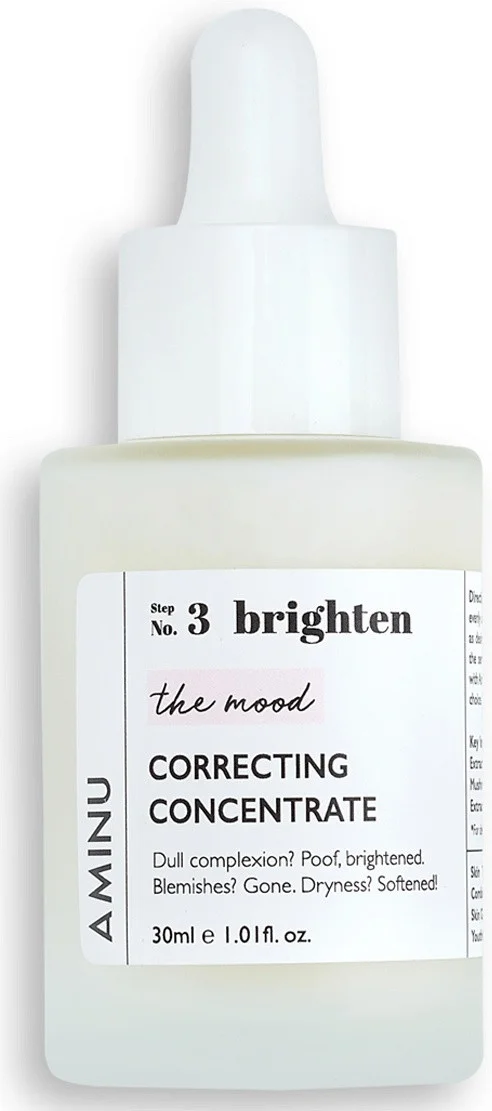
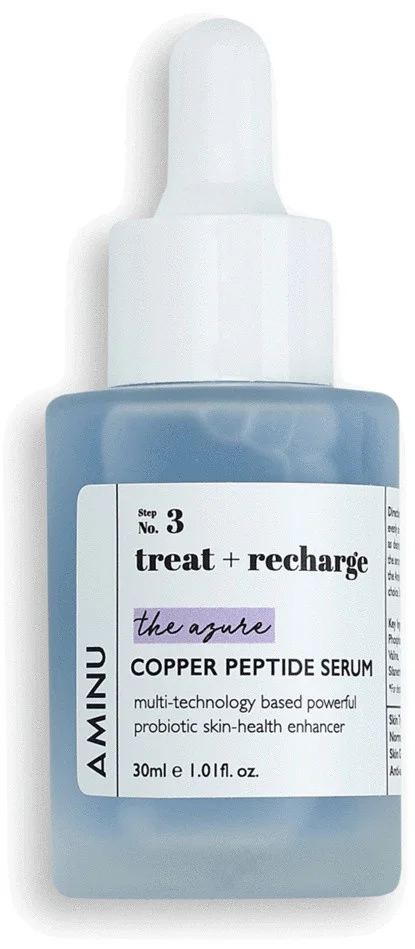
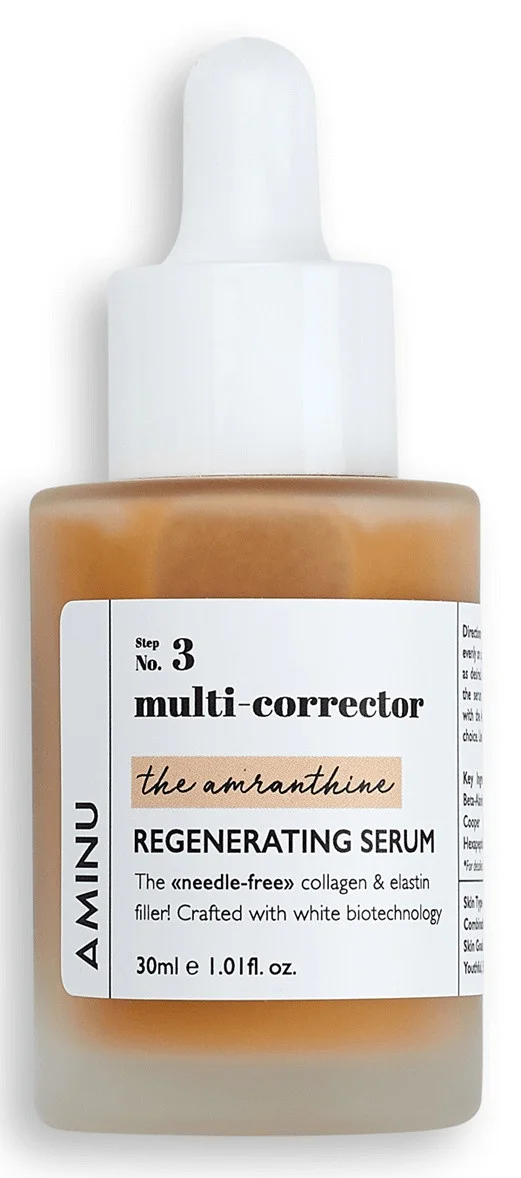
Create a free account to get started
Unlock science-based ingredient analysis personalized for your skin.
Already have an account? Log in
We protect your privacy. We never send spam.