


Analysis locked
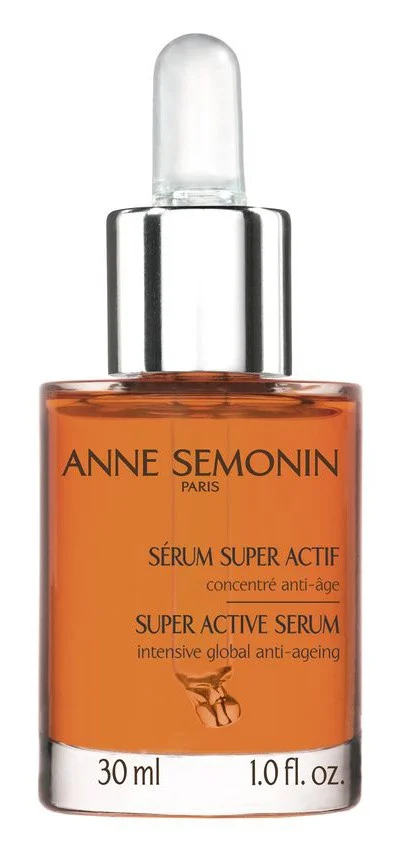
How well does your skin match with Anne Semonin Precious Serum?
Login to see detailsOr continue via
Quick 1-minute survey • Completely free
Ingredients
Analysis results of Ingredients


Ingredient List
| EWG | CIR | Ingredient Name & Cosmetic Function | Notes |
|---|---|---|---|
| - | - | Wheat (Triticum Vulgare) Germ Oil | |
| - | - | Sesame (Sesamum Indicum) Oil | |
| 1 | A | (Skin Conditioning, Masking, Antimicrobial, Skin Protecting, Soothing, Tonic, Astringent) | |
| 1 | - | |



Anne Semonin Precious Serum - Ingredient Explanation
Wheat (Triticum Vulgare) Germ Oil
Ingredient data is being updated. Please check back later.
Sesame (Sesamum Indicum) Oil
Ingredient data is being updated. Please check back later.
Hypericum Perforatum Extract
1. Definition Hypericum Perforatum Extract:
Hypericum Perforatum Extract, also known as St. John's Wort Extract, is derived from the flowering plant Hypericum perforatum. It is commonly used in cosmetics for its anti-inflammatory, antioxidant, and soothing properties.2. Use:
Hypericum Perforatum Extract is often included in skincare products such as serums, creams, and masks due to its ability to help reduce redness, calm irritated skin, and protect against environmental stressors. It is also known for promoting overall skin health and improving the appearance of fine lines and wrinkles.3. Usage Hypericum Perforatum Extract:
When using cosmetics containing Hypericum Perforatum Extract, it is important to follow the instructions provided by the manufacturer. It is generally safe for topical use, but individuals with sensitive skin or allergies should perform a patch test before applying it to larger areas of the skin. Additionally, it is recommended to avoid prolonged sun exposure when using products with this extract, as it may increase skin sensitivity to UV rays.4. References:
- Schempp, C. M., & Windeck, T. (2003). Topical treatment of atopic dermatitis with St. John's Wort cream—a randomized, placebo controlled, double blind half-side comparison. Phytomedicine, 10(1), 31-37.
- Greeson, J. M., Sanford, B., Monti, D. A., & St. John's Wort Research Group. (2001). St. John's Wort (Hypericum perforatum): a review of the current pharmacological, toxicological, and clinical literature. Psychopharmacology, 153(4), 402-414.
- Müller, W. E., Rolli, M., Schäfer, C., Hafner, U., & Scavone, C. (2001). Hypericum extract: pharmacological properties and effects on the central nervous system. Neuropsychobiology, 36(1), 45-48.
Rosewood (Aniba Rosaeodora) Oil
1. Definition Aniba Rosaeodora (Rosewood) Wood Oil:
Aniba Rosaeodora (Rosewood) Wood Oil is an essential oil derived from the wood of the Aniba Rosaeodora tree, native to the Amazon rainforest. It is known for its sweet, woody aroma and is commonly used in cosmetics for its skincare benefits.2. Use:
Rosewood oil is used in cosmetics for its soothing and anti-inflammatory properties. It is often included in skincare products such as lotions, creams, and serums to help calm and nourish the skin. Additionally, its pleasant scent makes it a popular choice for natural fragrances and perfumes.3. Usage Aniba Rosaeodora (Rosewood) Wood Oil:
When using Rosewood oil in cosmetics, it is important to dilute it properly as it is a potent essential oil. It is recommended to do a patch test before applying it to the skin to check for any potential allergic reactions. Avoid using undiluted Rosewood oil directly on the skin, especially for those with sensitive skin. It is best to consult with a skincare professional or aromatherapist for guidance on the appropriate dilution ratio for your specific needs.4. References:
- Baser, K. H. C., Buchbauer, G. (2016). Handbook of Essential Oils: Science, Technology, and Applications. CRC Press.
- Lawless, J. (2013). The Encyclopedia of Essential Oils: The Complete Guide to the Use of Aromatic Oils in Aromatherapy, Herbalism, Health, and Well Being. Conari Press.
- Tisserand, R., Young, R. (2014). Essential Oil Safety: A Guide for Health Care Professionals. Churchill Livingstone.
Review
Didn't find
the information you need?




Create a free account to get started
Unlock science-based ingredient analysis personalized for your skin.
Already have an account? Log in
We protect your privacy. We never send spam.