


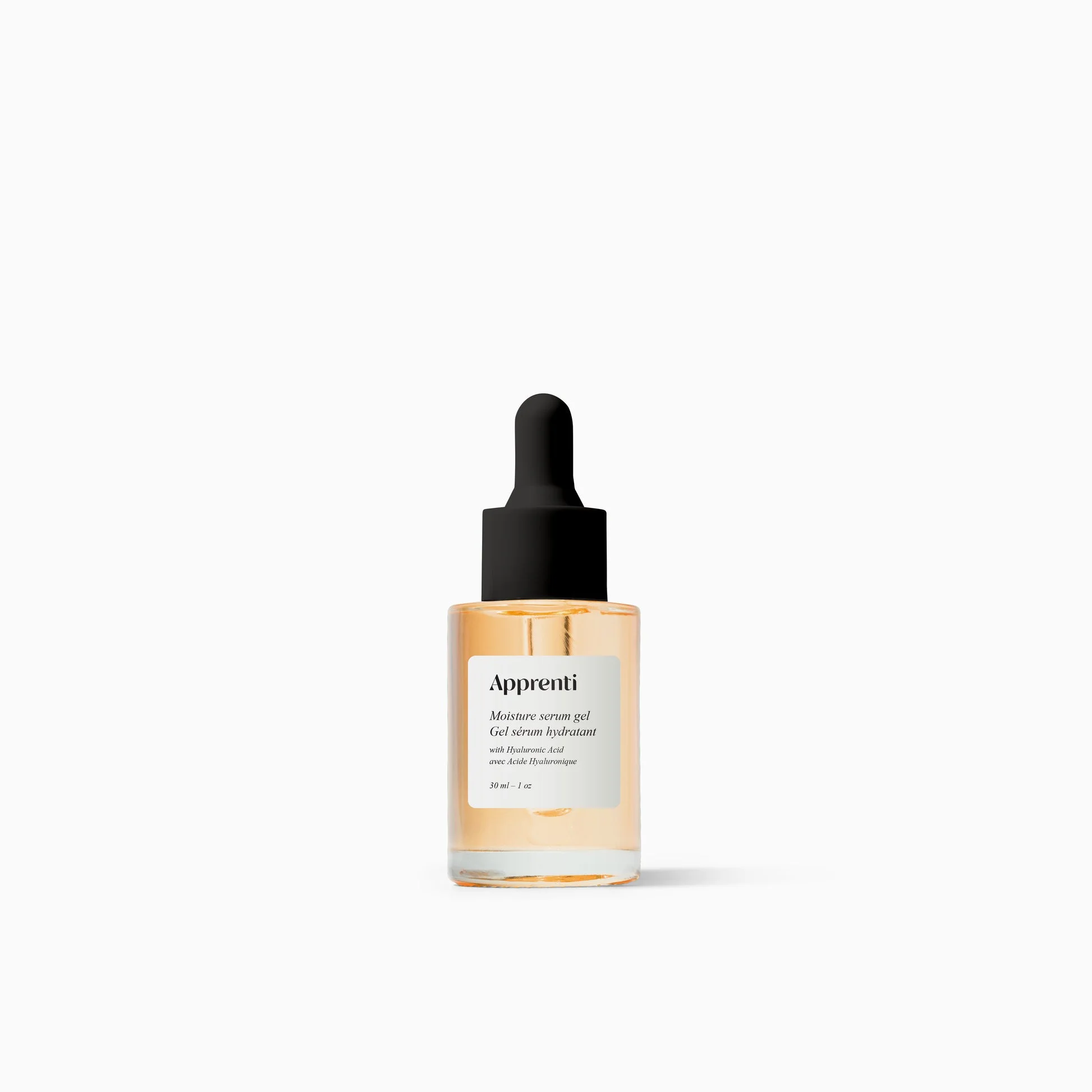
Analysis locked
How well does your skin match with Apprenti Moisture Gel Serum?
Login to see detailsOr continue via
Quick 1-minute survey • Completely free
Ingredients
Analysis results of Ingredients


Ingredient List
| EWG | CIR | Ingredient Name & Cosmetic Function | Notes |
|---|---|---|---|
| - | B | (Skin Conditioning) |  |
| 4 | B | (Skin Conditioning, Fragrance, Flavoring Agent) | |
| 1 | A | (Humectant, Skin Conditioning) |   |
| 1 | - | (Skin Conditioning, Tonic, Astringent, Refreshing) | |


Apprenti Moisture Gel Serum - Ingredient Explanation
Aloe Barbadensis Leaf Juice
1. Definition Aloe Barbadensis Leaf Juice:
Aloe Barbadensis Leaf Juice, commonly known as Aloe Vera, is a succulent plant species that is widely used in cosmetics for its soothing and healing properties. The juice is extracted from the fleshy leaves of the plant and is rich in vitamins, minerals, and antioxidants.2. Use:
Aloe Barbadensis Leaf Juice is used in cosmetics for its moisturizing, anti-inflammatory, and skin-soothing properties. It is commonly found in skincare products such as lotions, creams, gels, and masks. Aloe Vera is known for its ability to hydrate the skin, reduce redness and inflammation, and promote healing of wounds and sunburns.3. Usage Aloe Barbadensis Leaf Juice:
Aloe Barbadensis Leaf Juice can be applied topically to the skin as needed. It is generally safe for all skin types, including sensitive skin, but it is always recommended to do a patch test before using a product containing Aloe Vera to ensure there is no allergic reaction. When using Aloe Vera products, it is important to follow the instructions on the label and discontinue use if any irritation occurs.4. References:
- Surjushe, A., Vasani, R., & Saple, D. G. (2008). Aloe Vera: A short review. Indian Journal of Dermatology, 53(4), 163–166.
- Radha, M. H., Laxmipriya, N. P., & Amin, M. (2015). Aloe Vera: A short review. Indian Journal of Dermatology, 60(3), 260–268.
- Reynolds, T., & Dweck, A. C. (1999). Aloe Vera leaf gel: a review update. Journal of Ethnopharmacology, 68(1-3), 3–37.
Mentha Piperita (Peppermint) Leaf Water
1. Definition Mentha Piperita (Peppermint) Leaf Water:
Mentha Piperita (Peppermint) Leaf Water is a natural ingredient derived from the distillation of peppermint leaves. It is known for its refreshing and cooling properties, making it a popular choice in skincare products.2. Use:
Peppermint Leaf Water is commonly used in cosmetics for its soothing and toning effects on the skin. It is often included in facial mists, toners, and cleansers to help calm irritated skin, reduce redness, and minimize the appearance of pores. Additionally, the invigorating scent of peppermint can provide a refreshing and uplifting experience during skincare routines.3. Usage Mentha Piperita (Peppermint) Leaf Water:
When using products containing Peppermint Leaf Water, it is important to be aware of any potential sensitivities or allergies to mint. While peppermint is generally considered safe for most skin types, it is always recommended to perform a patch test before using a new product to ensure compatibility with your skin. Avoid contact with eyes and mucous membranes, as peppermint can cause irritation in these areas.4. References:
- Baudouin, C., & Labbé, A. (2010). Ocular surface investigations in dry eye. Journal of Fr Ophtalmol, 33(6), 412-416.
- McKay, D. L., & Blumberg, J. B. (2006). A review of the bioactivity and potential health benefits of peppermint tea (Mentha piperita L.). Phytotherapy Research, 20(8), 619-633.
- Yarnell, E., & Abascal, K. (2005). Herbal medicine for diabetic neuropathy. Alternative and Complementary Therapies, 11(6), 294-299.
Sodium Hyaluronate (Low Molecular Weight)
1. Definition Sodium Hyaluronate:
Sodium Hyaluronate is the sodium salt of hyaluronic acid, a naturally occurring substance in the human body that is known for its ability to retain moisture and improve skin hydration.2. Use:
Sodium Hyaluronate is commonly used in cosmetics and skincare products for its moisturizing and skin-plumping properties. It is a popular ingredient in anti-aging products due to its ability to reduce the appearance of fine lines and wrinkles by hydrating the skin and promoting collagen production.3. Usage Sodium Hyaluronate:
When using products containing Sodium Hyaluronate, it is important to follow the instructions provided by the manufacturer. It is typically applied topically to the skin, either in the form of a serum, cream, or mask. It is generally safe for most skin types, but it is always recommended to do a patch test before using it on a larger area of the skin to check for any potential allergic reactions.Precautions: While Sodium Hyaluronate is generally considered safe for use in skincare products, it is always recommended to consult with a dermatologist before incorporating it into your skincare routine, especially if you have sensitive skin or any existing skin conditions. Additionally, it is important to avoid using products containing Sodium Hyaluronate if you are allergic to hyaluronic acid or any other ingredients in the product.
4. References:
- Papakonstantinou, E., Roth, M., & Karakiulakis, G. (2012). Hyaluronic acid: A key molecule in skin aging. Dermato-endocrinology, 4(3), 253-258.
- Pavicic, T., Gauglitz, G. G., Lersch, P., Schwach-Abdellaoui, K., Malle, B., & Korting, H. C. (2011). Efficacy of cream-based novel formulations of hyaluronic acid of different molecular weights in anti-wrinkle treatment. Journal of drugs in dermatology: JDD, 10(9), 990-1000.
- Ganceviciene, R., Liakou, A. I., Theodoridis, A., Makrantonaki, E., & Zouboulis, C. C. (2012). Skin anti-aging strategies. Dermato-endocrinology, 4(3), 308-319.
Vaccinium Myrtillus (Bilberry) Fruit Extract
1. Definition Vaccinium Myrtillus (Bilberry) Fruit Extract:
Vaccinium Myrtillus (Bilberry) Fruit Extract is a natural ingredient derived from the bilberry fruit, which is known for its high levels of antioxidants, vitamins, and minerals. It is commonly used in cosmetics for its anti-aging, brightening, and soothing properties.2. Use:
Bilberry fruit extract is used in cosmetic formulations to help improve the overall appearance of the skin. It is known for its ability to protect the skin from environmental stressors, reduce inflammation, and promote a more even skin tone. Additionally, bilberry extract can help to hydrate the skin and improve its overall texture, making it a popular ingredient in skincare products.3. Usage Vaccinium Myrtillus (Bilberry) Fruit Extract:
Bilberry fruit extract can be found in a variety of cosmetic products, including serums, moisturizers, and masks. It is typically used at a concentration of 1-5% in formulations, but this can vary depending on the specific product and desired effects. When using products containing bilberry extract, it is important to follow the instructions provided by the manufacturer and to perform a patch test before applying it to the entire face to ensure compatibility with your skin.4. References:
- Bagchi, D., & Nair, S. (2007). Bilberry extract and cardiovascular health. Molecular Nutrition & Food Research, 51(6), 781-791.
- Seeram, N. P., & Nair, S. (2005). Inhibition of proliferation of human cancer cells and cyclooxygenase enzymes by anthocyanidins and catechins. Nutrition and Cancer, 53(2), 232-240.
- Martz, F., & Jolicoeur, M. (2003). Composition of bilberry extracts used in clinical studies. Journal of Agricultural and Food Chemistry, 51(20), 5861-5866.
Review





Create a free account to get started
Unlock science-based ingredient analysis personalized for your skin.
Already have an account? Log in
We protect your privacy. We never send spam.