


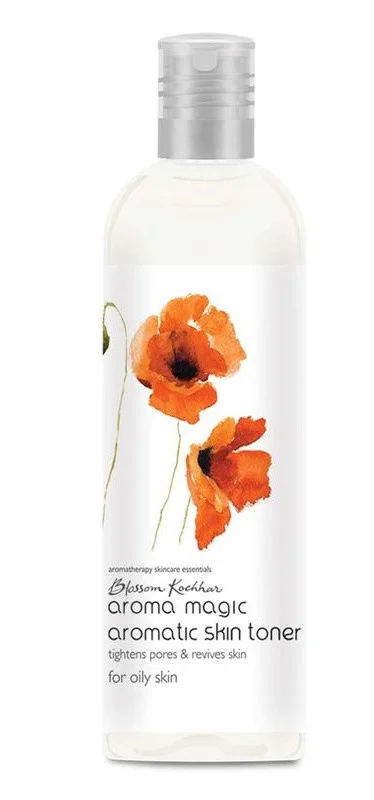
Analysis locked
How well does your skin match with Aroma Magic Aromatic Skin Toner?
Login to see detailsOr continue via
Quick 1-minute survey • Completely free
Ingredients
Analysis results of Ingredients


Ingredient List
| EWG | CIR | Ingredient Name & Cosmetic Function | Notes |
|---|---|---|---|
| 1 | - | (Solvent) | |
| 1 3 | - | (Skin Conditioning) | |
| 1 | A | (Skin Conditioning) | |
| 1 | - | (Skin Conditioning, Antioxidant, Moisturising, Exclusive, Keratolytic) | |




Aroma Magic Aromatic Skin Toner - Ingredient Explanation
Water
1. Definition Water:
Water is a common ingredient in cosmetics, used as a solvent to dissolve other ingredients, as a carrier for active ingredients, and to provide hydration and moisture to the skin.2. Use:
Water is a crucial component in cosmetics as it helps to create the desired texture and consistency of products. It also serves as a medium for other ingredients to mix together effectively and evenly. Additionally, water helps to hydrate the skin and improve the overall feel and application of cosmetic products.3. Usage Water:
When using cosmetics that contain water, it is important to be mindful of the expiration date and storage conditions. Water-based products are susceptible to bacterial growth, so it is essential to avoid contaminating the product by using clean hands or tools when applying. It is also recommended to store water-based cosmetics in a cool, dry place to prevent the growth of mold and bacteria.4. References:
- Draelos, Z. D. (2010). Cosmetic dermatology: products and procedures. John Wiley & Sons.
- Winter, R. (2009). A consumer's dictionary of cosmetic ingredients: complete information about the harmful and desirable ingredients found in cosmetics and cosmeceuticals. Crown.
- Begoun, P. (2003). Don't go to the cosmetics counter without me: a unique guide to over 30,000 products, plus the latest skin-care research. Beginning Press.
Aloe Barbadensis (Aloe Vera) Gel
1. Definition Aloe Barbadensis (Aloe Vera) Gel:
Aloe Barbadensis (Aloe Vera) Gel is a clear, gel-like substance extracted from the leaves of the Aloe Vera plant. It is known for its soothing and healing properties and is commonly used in skincare and cosmetic products.2. Use:
Aloe Vera gel is used in cosmetics for its moisturizing, anti-inflammatory, and healing properties. It is often included in products such as lotions, creams, serums, and masks to help hydrate the skin, reduce redness and inflammation, and promote healing of minor skin irritations.3. Usage Aloe Barbadensis (Aloe Vera) Gel:
Aloe Vera gel can be applied directly to the skin or mixed with other ingredients to create homemade skincare products. It is gentle enough for daily use and is suitable for all skin types, including sensitive skin. When using Aloe Vera gel, it is important to perform a patch test first to check for any allergic reactions. It should be stored in a cool, dry place and kept away from direct sunlight to maintain its effectiveness.4. References:
- Surjushe, A., Vasani, R., & Saple, D. G. (2008). Aloe Vera: A short review. Indian Journal of Dermatology, 53(4), 163–166. https://doi.org/10.4103/0019-5154.44785
- Radha, M. H., & Laxmipriya, N. P. (2015). Evaluation of biological properties and clinical effectiveness of Aloe Vera: A systematic review. Journal of Traditional and Complementary Medicine, 5(1), 21–26. https://doi.org/10.1016/j.jtcme.2014.10.006
- Reynolds, T. (2004). The compounds in Aloe Vera that contribute to its healing properties. International Immunopharmacology, 4(2), 175–182. https://doi.org/10.1016/j.intimp.2003.12.023
Vitis Vinifera (Grape) Juice
1. Definition Vitis Vinifera (Grape) Juice:
Vitis Vinifera (Grape) Juice is the juice extracted from grapes of the Vitis Vinifera species. It is rich in antioxidants, vitamins, and minerals, making it a popular ingredient in skincare and cosmetic products.2. Use:
Grape juice is commonly used in cosmetics for its antioxidant properties, which help protect the skin from environmental stressors and premature aging. It is also known for its hydrating and nourishing benefits, making it a popular choice for moisturizers, serums, and masks.3. Usage Vitis Vinifera (Grape) Juice:
Grape juice can be found in various skincare products such as cleansers, toners, moisturizers, and masks. It is typically used as an active ingredient to provide anti-aging, brightening, and hydrating benefits to the skin. When using products containing grape juice, it is important to follow the instructions provided by the manufacturer and do a patch test before applying it to the entire face to avoid any potential allergic reactions.4. References:
- Sharma, P., & Sharma, J. D. (2013). Grape juice: A natural source of antioxidants. Journal of Food Science and Technology, 50(4), 595-608.
- Bagchi, D., & Nair, S. (2019). Grape seed and grape skin extracts as natural cosmetic ingredients. In Natural Antioxidants and Biocides from Wild Medicinal Plants (pp. 287-302). Springer, Singapore.
- Farris, P., Yatskayer, M., Chen, N., Krol, Y., & Oresajo, C. (2014). Evaluation of efficacy and tolerance of a nighttime topical antioxidant containing resveratrol, baicalin, and vitamin E for treatment of mild to moderately photodamaged skin. Journal of Drugs in Dermatology, 13(12), 1467-1472.
Prunus Cerasus (Bitter Cherry) Extract
1. Definition Prunus Cerasus (Bitter Cherry) Extract:
Prunus Cerasus (Bitter Cherry) Extract is derived from the fruit of the bitter cherry tree, known for its antioxidant and anti-inflammatory properties. It is commonly used in cosmetics for its skin-soothing and brightening effects.2. Use:
Prunus Cerasus Extract is often included in skincare products such as serums, creams, and masks for its ability to help reduce redness, calm irritation, and improve overall skin tone. It is also known to help protect the skin from environmental stressors and promote a more youthful appearance.3. Usage Prunus Cerasus (Bitter Cherry) Extract:
When using products containing Prunus Cerasus Extract, it is important to patch test first to ensure there is no allergic reaction. It is recommended to follow the instructions provided on the product packaging and to consult with a dermatologist if any adverse reactions occur. As with any skincare ingredient, it is best to start with a lower concentration and gradually increase usage to assess tolerance.4. References:
- Kim, J., & Kim, H. (2016). Prunus cerasus fruit extract exhibits anti-inflammatory, hypolipidemic and antioxidant effects in apolipoprotein E-deficient mice. Journal of Ethnopharmacology, 194, 1031-1038.
- Lee, J., Jung, E., Lee, J., Huh, S., Kim, J., & Park, M. (2015). Prunus cerasus extract inhibits oxidation and inflammation in the development of pancreatitis. Journal of Medicinal Food, 18(5), 568-575.
- Park, S., Kim, D., Lee, E., Kim, S., & Kim, S. (2017). Protective effects of Prunus cerasus extract against UVB-induced photoaging in human dermal fibroblasts. Journal of Photochemistry and Photobiology B: Biology, 173, 559-565.
Review

Didn't find
the information you need?




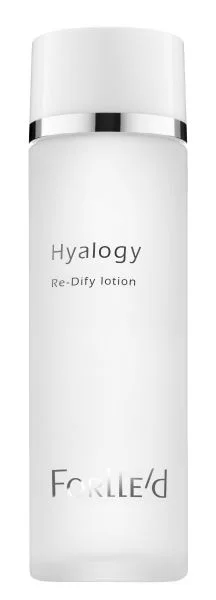
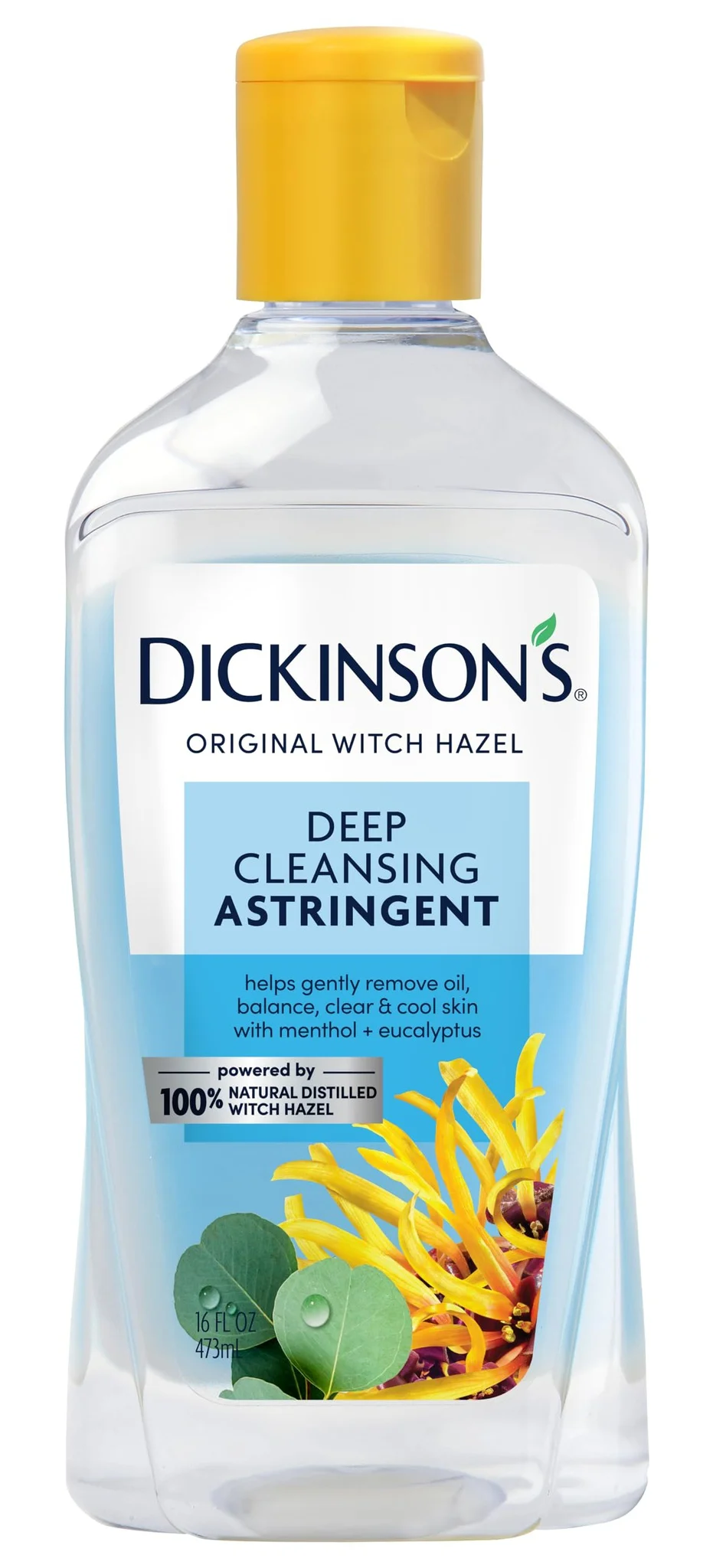
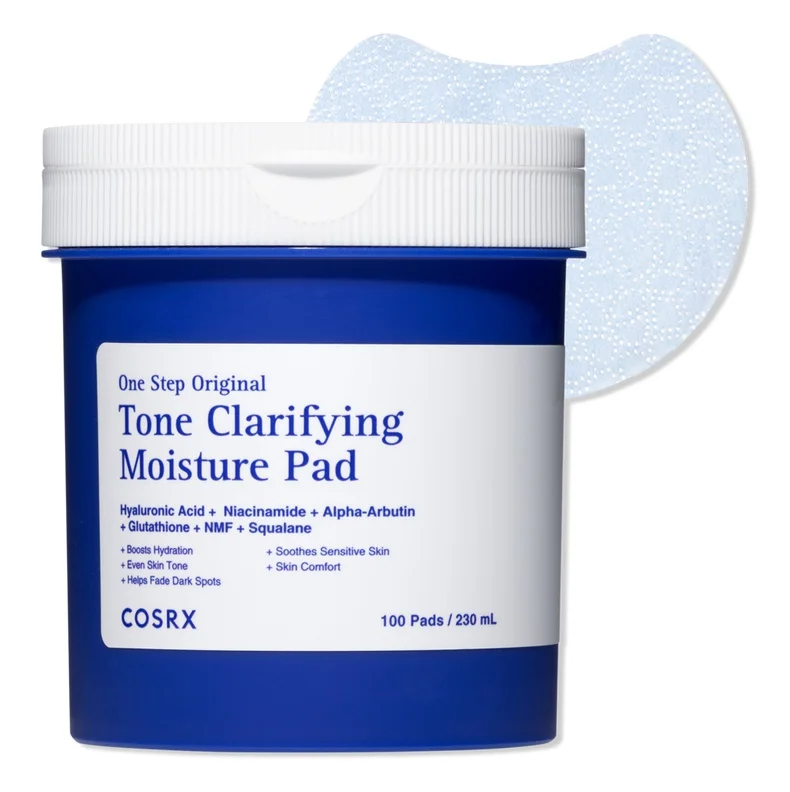


Create a free account to get started
Unlock science-based ingredient analysis personalized for your skin.
Already have an account? Log in
We protect your privacy. We never send spam.