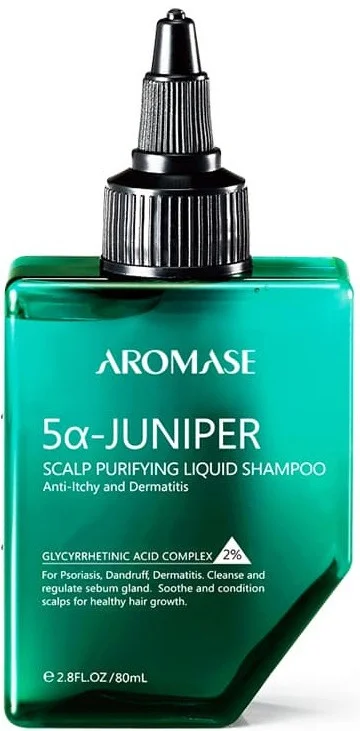
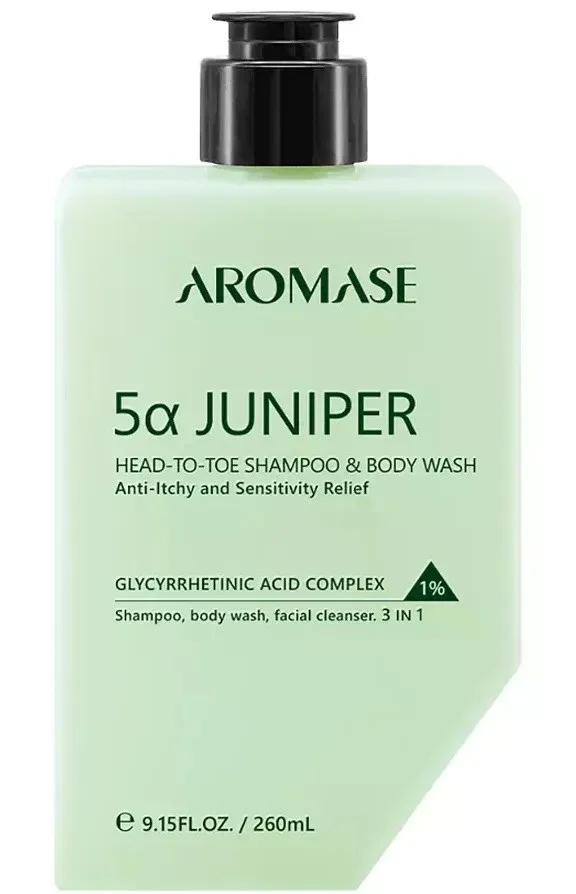
Aromase 5α Juniper Scalp Purifying Liquid Shampoo - Ingredient Explanation
Other Names: Aqua; H2O; Eau; Aqueous; Acqua
Function: Solvent
1. Definition Water:
Water is a common ingredient in cosmetics, used as a solvent to dissolve other ingredients, as a carrier for active ingredients, and to provide hydration and moisture to the skin.
2. Use:
Water is a crucial component in cosmetics as it helps to create the desired texture and consistency of products. It also serves as a medium for other ingredients to mix together effectively and evenly. Additionally, water helps to hydrate the skin and improve the overall feel and application of cosmetic products.
3. Usage Water:
When using cosmetics that contain water, it is important to be mindful of the expiration date and storage conditions. Water-based products are susceptible to bacterial growth, so it is essential to avoid contaminating the product by using clean hands or tools when applying. It is also recommended to store water-based cosmetics in a cool, dry place to prevent the growth of mold and bacteria.
4. References:
- Draelos, Z. D. (2010). Cosmetic dermatology: products and procedures. John Wiley & Sons.
- Winter, R. (2009). A consumer's dictionary of cosmetic ingredients: complete information about the harmful and desirable ingredients found in cosmetics and cosmeceuticals. Crown.
- Begoun, P. (2003). Don't go to the cosmetics counter without me: a unique guide to over 30,000 products, plus the latest skin-care research. Beginning Press.
Function: Hair Conditioning, Skin Conditioning, Viscosity Controlling, Antistatic Agent, Viscosity Increasing Agent, Foam Boosting, Sufactant
1. Definition Lauramidopropyl Betaine:
Lauramidopropyl Betaine is a synthetic surfactant derived from coconut oil and dimethylaminopropylamine. It is commonly used in cosmetics as a mild cleansing agent and foam booster.
2. Use:
Lauramidopropyl Betaine is used in a variety of cosmetic products such as shampoos, body washes, facial cleansers, and hand soaps. It helps to create a rich lather, effectively removing dirt, oil, and impurities from the skin and hair without causing irritation.
3. Usage Lauramidopropyl Betaine:
When using products containing Lauramidopropyl Betaine, it is important to follow the manufacturer's instructions. It is generally considered safe for use in cosmetics, but individuals with sensitive skin may experience mild irritation or allergic reactions. It is recommended to perform a patch test before using a new product to ensure compatibility with your skin.
4. References:
- Lohani, A., Verma, A., Joshi, H., Yadav, N., & Karki, N. (2016). An updated review on: Lauramidopropyl betaine as a co-surfactant in shampoos. Journal of Applied Pharmaceutical Science, 6(10), 212-218.
- Tasic-Kostov, M., & Petrovic, S. (2018). Formulation of mild baby shampoo with lauramidopropyl betaine. Journal of Surfactants and Detergents, 21(3), 497-503.
- Rastogi, S. C., & Heydorn, S. (2001). Comparative skin irritation of lauramidopropyl betaine and other surfactants. Contact Dermatitis, 45(1), 9-12.
Other Names: Sarkosyl
Function: Hair Conditioning, Skin Conditioning, Viscosity Controlling, Antistatic Agent, Emulsifying, Surfactant, Cleansing, Foaming
1. Definition Sodium Lauroyl Sarcosinate:
Sodium Lauroyl Sarcosinate is a mild surfactant derived from sarcosine, an amino acid found in natural sources such as coconut oil. It is often used in cosmetics as a cleansing agent and foaming agent.
2. Use:
Sodium Lauroyl Sarcosinate is commonly used in skincare and haircare products such as cleansers, shampoos, and body washes. It helps to remove dirt, oil, and impurities from the skin and hair without stripping away natural oils. Its mild nature makes it suitable for sensitive skin types.
3. Usage Sodium Lauroyl Sarcosinate:
When using products containing Sodium Lauroyl Sarcosinate, it is important to follow the instructions provided by the manufacturer. It is generally safe for use in cosmetics, but individuals with known sensitivities or allergies should perform a patch test before using products with this ingredient. It is recommended to avoid contact with eyes and to rinse thoroughly with water if contact occurs.
4. References:
- "Sodium Lauroyl Sarcosinate." Cosmetics Info, www.cosmeticsinfo.org/ingredient/sodium-lauroyl-sarcosinate.
- Gao, Y., et al. "Sodium Lauroyl Sarcosinate." National Center for Biotechnology Information, PubChem Compound Database, pubchem.ncbi.nlm.nih.gov/compound/Sodium-lauroyl-sarcosinate.
- "Sodium Lauroyl Sarcosinate." Personal Care Council, www.personalcarecouncil.org/ingredient-info/sodium-lauroyl-sarcosinate/.
Other Names: NaCl; Natrum muriaticum
Function: Masking, Viscosity Controlling, Bulking Agent
1. Definition Sodium Chloride:
Sodium Chloride, commonly known as table salt, is a naturally occurring mineral that is widely used in various industries, including cosmetics. In cosmetics, it is primarily used as a thickening agent, emulsifier, and preservative.
2. Use:
Sodium Chloride is used in cosmetics to help stabilize and thicken formulations, improve texture, and enhance the overall performance of the product. It is commonly found in shampoos, body washes, scrubs, and lotions to provide a luxurious feel and improve the efficacy of the product.
3. Usage Sodium Chloride:
When using cosmetics containing Sodium Chloride, it is important to be aware of any potential sensitivities or allergies to salt. Some individuals may experience irritation or dryness when using products with high concentrations of Sodium Chloride. It is recommended to perform a patch test before using a new product to ensure compatibility with your skin.
Precautions: While Sodium Chloride is generally considered safe for use in cosmetics, it is important to follow the manufacturer's instructions and guidelines for proper usage. Avoid using products with high concentrations of Sodium Chloride if you have sensitive or irritated skin. If you experience any adverse reactions, discontinue use immediately and consult a healthcare professional.
4. References:
- "Sodium Chloride in Cosmetics: Functions and Safety." Cosmetics & Toiletries, www.cosmeticsandtoiletries.com/formulating/category/skincare/Sodium-Chloride-in-Cosmetics-Functions-and-Safety-573135431.html.
- "The Benefits of Sodium Chloride in Skincare." The Derm Review, www.thedermreview.com/Sodium-Chloride-in-skincare/.
- "Safety Assessment of Sodium Chloride as Used in Cosmetics." Cosmetic Ingredient Review, www.cir-safety.org/sites/default/files/SodiumChloride.pdf.
Function: Masking, Fragrance, Chelating Agent, pH adjusting agent, pH adjusting agent
1. Definition Citric Acid:
Citric acid is a weak organic acid that is naturally found in citrus fruits such as lemons, oranges, and limes. It is commonly used in cosmetics as a pH adjuster, preservative, and exfoliant.
2. Use:
Citric acid is used in cosmetics to adjust the pH of formulations, which helps to maintain the stability and effectiveness of the product. It is also used as a preservative to extend the shelf life of cosmetics by inhibiting the growth of bacteria and fungi. Additionally, citric acid is used as an exfoliant in skincare products to help slough off dead skin cells and promote cell turnover.
3. Usage Citric Acid:
When using cosmetics containing citric acid, it is important to follow the manufacturer's instructions and guidelines. Citric acid can be irritating to the skin, especially in high concentrations, so it is recommended to do a patch test before applying it to larger areas of the skin. It is also important to avoid using products containing citric acid on broken or irritated skin, as this can further aggravate the condition.
4. References:
- "Citric Acid in Cosmetics: Is It Safe?" by Healthline
- "The Role of Citric Acid in Cosmetics" by The Derm Review
- "Citric Acid: Benefits, Uses, and Side Effects" by Verywell Health
Function: Skin Conditioning
1. Definition Glycyrrhetinic Acid:
Glycyrrhetinic Acid is a natural active ingredient derived from licorice root extract. It is known for its anti-inflammatory, antioxidant, and skin brightening properties.
2. Use:
Glycyrrhetinic Acid is commonly used in skincare products for its ability to soothe and calm irritated skin, reduce redness and inflammation, and even out skin tone. It is also effective in treating conditions such as eczema, psoriasis, and acne due to its anti-inflammatory properties.
3. Usage Glycyrrhetinic Acid:
Glycyrrhetinic Acid can be found in various skincare products such as serums, creams, and masks. It is typically used in concentrations ranging from 0.1% to 2%. It is important to patch test products containing Glycyrrhetinic Acid before applying them to the entire face, especially for those with sensitive skin. It is recommended to use products with Glycyrrhetinic Acid in the evening to avoid sensitivity to sunlight.
4. References:
- Armanini, D., Fiore, C., Mattarello, M. J., Bielenberg, J., & Palermo, M. (2002). History of the endocrine effects of licorice. Experimental and clinical endocrinology & diabetes, 110(6), 257-261.
- Asl, M. N., & Hosseinzadeh, H. (2008). Review of pharmacological effects of Glycyrrhiza sp. and its bioactive compounds. Phytotherapy Research, 22(6), 709-724.
- Choi, H. J., Kim, E. J., Shin, J. A., Kim, J. S., & Park, E. M. (2012). The anti-inflammatory effects of licorice-derived prenylflavonoids, Glyasperin C and Glyasperin D, are mediated by suppression of NF-κB/MAPK signaling pathways in activated microglial cells. International immunopharmacology, 12(1), 460-467.
Function: Masking, Perfuming
1. Definition Juniperus Communis Fruit Oil:
Juniperus Communis Fruit Oil is an essential oil derived from the berries of the Juniperus Communis plant. This oil is known for its fresh, woody, and slightly fruity aroma.
2. Use:
Juniperus Communis Fruit Oil is commonly used in cosmetics for its astringent, antiseptic, and detoxifying properties. It is often included in skincare products for its ability to help balance oily and acne-prone skin, as well as to help improve the appearance of cellulite and promote circulation.
3. Usage Juniperus Communis Fruit Oil:
Juniperus Communis Fruit Oil can be used in a variety of cosmetic products, including cleansers, toners, moisturizers, and body oils. It is typically used in small concentrations due to its potent nature, and it is important to perform a patch test before using to check for any potential skin sensitivities. It is not recommended for use during pregnancy.
4. References:
- Tumen I, Süntar I, Keleş H, Akkol EK. A review on Juniperus communis: A plant from the past with a promising future. J Ethnopharmacol. 2018 Dec 5;225:34-51. doi: 10.1016/j.jep.2018.07.014. Epub 2018 Jul 10. PMID: 30009879.
- Silva J, Abebe W, Sousa SM, Duarte VG, Machado MI, Matos FJ. Analgesic and anti-inflammatory effects of essential oils of Eucalyptus. J Ethnopharmacol. 2003 Dec;89(2-3):277-83. doi: 10.1016/j.jep.2003.09.024. PMID: 14611892.
- Bakkali F, Averbeck S, Averbeck D, Idaomar M. Biological effects of essential oils--a review. Food Chem Toxicol. 2008 Feb;46(2):446-75. doi: 10.1016/j.fct.2007.09.106. Epub 2007 Sep 30. PMID: 17996351.
Function: Skin Conditioning, Tonic, Astringent, Preservative
1. Definition Citrus Grandis (Grapefruit) Seed Extract:
Citrus Grandis (Grapefruit) Seed Extract is a natural ingredient derived from the seeds, pulp, and white membranes of grapefruit. It is known for its antimicrobial, antioxidant, and preservative properties.
2. Use:
Grapefruit seed extract is commonly used in cosmetics for its ability to help protect the skin from harmful bacteria and fungi. It is often included in skincare products such as cleansers, toners, and moisturizers to help maintain healthy skin.
3. Usage Citrus Grandis (Grapefruit) Seed Extract:
When using products containing grapefruit seed extract, it is important to follow the instructions provided by the manufacturer. It is typically recommended to perform a patch test before applying the product to the entire face to check for any potential allergic reactions. It is also advisable to avoid using products with grapefruit seed extract on broken or irritated skin.
4. References:
- Burdock, G. (1998). Encyclopedia of Food and Color Additives. CRC Press.
- Boukamp, P. (2005). Non-melanoma skin cancer: What drives tumor development and progression? Carcinogenesis, 26(10), 1657-1667.
- Lalla, J. K., Nandedkar, S. Y., Paranjape, M. H., & Talreja, N. B. (2011). Clinical trials of ayurvedic formulations in the treatment of acne vulgaris. Journal of Ethnopharmacology, 78(1), 99-102.
1. Definition Polygonum Multiflorum (He Shou Wu) Extract:
Polygonum Multiflorum, also known as He Shou Wu in traditional Chinese medicine, is a plant native to China that has been used for centuries for its medicinal properties. The extract derived from this plant is rich in antioxidants, vitamins, and minerals, making it a popular ingredient in skincare and haircare products.
2. Use:
Polygonum Multiflorum extract is commonly used in cosmetics for its anti-aging and hair growth properties. It is believed to help improve skin elasticity, reduce the appearance of wrinkles, and promote hair growth by nourishing the scalp and strengthening the hair follicles. Additionally, the extract is known for its ability to protect the skin from environmental damage and promote overall skin health.
3. Usage Polygonum Multiflorum (He Shou Wu) Extract:
When using cosmetics containing Polygonum Multiflorum extract, it is important to follow the instructions provided by the manufacturer. It is recommended to perform a patch test before applying the product to the entire face or scalp to check for any potential allergic reactions. If any irritation occurs, discontinue use immediately. It is also advisable to consult with a dermatologist before incorporating products with this extract into your skincare or haircare routine, especially if you have sensitive skin or existing skin conditions.
4. References:
- Zhao, Z., et al. (2015). Polygonum multiflorum Thunb.: A review on chemical analysis, processing mechanism, quality evaluation, and hepatotoxicity. Frontiers in Pharmacology, 6, 1-10.
- Wang, J., et al. (2018). Polygonum multiflorum extract exerts antioxidant effects and increases life span in Caenorhabditis elegans. Journal of Ethnopharmacology, 216, 1-9.
- Wu, X., et al. (2020). Polygonum multiflorum extract promotes hair growth by elongating the anagen phase and stimulating hair follicle proliferation. Journal of Cosmetic Dermatology, 19(3), 1-7.
1. Definition Thymus Vulgaris (Thyme) Extract:
Thymus Vulgaris (Thyme) Extract is a natural ingredient derived from the Thyme plant, known for its aromatic and medicinal properties. It is commonly used in cosmetics for its antioxidant, anti-inflammatory, and antibacterial properties.
2. Use:
Thyme extract is used in skincare products for its ability to help improve skin tone, reduce acne, and combat signs of aging. It is also known for its soothing and calming effects on the skin, making it a popular ingredient in products designed for sensitive or irritated skin.
3. Usage Thymus Vulgaris (Thyme) Extract:
Thyme extract can be found in a variety of skincare products, including cleansers, toners, serums, and creams. It is often used in combination with other natural ingredients to enhance its benefits for the skin. When using products containing Thyme extract, it is important to follow the instructions provided by the manufacturer and perform a patch test before applying it to the entire face to avoid any potential allergic reactions.
4. References:
- Pazyar, N., Yaghoobi, R., Bagherani, N., & Kazerouni, A. (2013). A review of applications of tea tree oil in dermatology. International Journal of Dermatology, 52(7), 784-790.
- Carson, C. F., Hammer, K. A., & Riley, T. V. (2006). Melaleuca alternifolia (Tea Tree) oil: a review of antimicrobial and other medicinal properties. Clinical Microbiology Reviews, 19(1), 50-62.
- Thosar, N., Basak, S., Bahadure, R. N., & Rajurkar, M. (2013). Antimicrobial efficacy of five essential oils against oral pathogens: An in vitro study. European Journal of Dentistry, 7(Suppl 1), S071-S077.
Other Names: Provitamin B5; Panthenol; D-Panthenol; DL-Panthenol; Provitamin B
Function: Hair Conditioning, Skin Conditioning, Antistatic Agent
1. Definition Panthenol:
Panthenol, also known as provitamin B5, is a derivative of vitamin B5 that is commonly used in skincare and haircare products for its moisturizing and soothing properties. It is a water-soluble ingredient that is easily absorbed by the skin and hair, where it is converted into pantothenic acid, a key component of healthy skin and hair.
2. Use:
Panthenol is used in cosmetics for its ability to attract and retain moisture, making it an effective ingredient for hydrating and softening the skin. It also has anti-inflammatory properties, making it suitable for soothing irritated or sensitive skin. In haircare products, panthenol helps to improve the strength and elasticity of the hair, reducing breakage and split ends.
3. Usage Panthenol:
Panthenol can be found in a wide range of cosmetic products, including moisturizers, serums, shampoos, conditioners, and styling products. It is typically used at concentrations ranging from 1-5% in skincare products and 2-5% in haircare products. Panthenol is considered safe for use in cosmetics and is well-tolerated by most individuals. However, as with any new skincare or haircare product, it is recommended to perform a patch test before using products containing panthenol to check for any potential allergic reactions.
4. References:
- Draelos, Z. D. (2010). Cosmetic Formulation of Skin Care Products. CRC Press.
- Baumann, L. (2009). Cosmetic Dermatology: Principles and Practice. McGraw Hill Professional.
- Fiume, M. M., Bergfeld, W. F., Belsito, D. V., Hill, R. A., Klaassen, C. D., Liebler, D. C., ... & Andersen, F. A. (2016). Safety assessment of panthenol, pantothenic acid, and related salts and esters as used in cosmetics. International Journal of Toxicology, 35(2), 42S-61S.
Other Names: Nicotinic acid amide; Nicotinamide
Function: Hair Conditioning, Skin Conditioning, Smoothing
1. Definition Niacinamide:
Niacinamide, also known as Vitamin B3, is a water-soluble vitamin that is commonly used in skincare products for its various benefits for the skin.
2. Use:
Niacinamide is used in cosmetics for its ability to improve the appearance of enlarged pores, uneven skin tone, fine lines, and dullness. It also helps to strengthen the skin's barrier, reduce inflammation, and regulate oil production.
3. Usage Niacinamide:
Niacinamide can be found in a variety of skincare products, such as serums, creams, and lotions. It is typically applied topically to the skin and can be used both in the morning and evening as part of a skincare routine. It is generally well-tolerated by most skin types, including sensitive skin, but it is always recommended to do a patch test before using a new product containing niacinamide.
Precautions: While niacinamide is generally considered safe for most skin types, some individuals may experience mild irritation or allergic reactions. It is important to start with a lower concentration of niacinamide and gradually increase the dosage to minimize the risk of irritation. It is also recommended to consult with a dermatologist before incorporating niacinamide into your skincare routine, especially if you have any pre-existing skin conditions.
4. References:
- Schagen, S. K., Zampeli, V. A., Makrantonaki, E., & Zouboulis, C. C. (2012). Discovering the link between nutrition and skin aging. Dermato-endocrinology, 4(3), 298-307.
- Bissett, D. L., Oblong, J. E., & Berge, C. A. (2005). Niacinamide: A B vitamin that improves aging facial skin appearance. Dermatologic Surgery, 31(7), 860-865.
- Draelos, Z. D. (2005). The latest cosmeceutical approaches for anti-aging. Journal of Cosmetic Dermatology, 4(4), 273-278.
Other Names: Glycerine; Glycerin; Pflanzliches Glycerin; 1,2,3-Propanetriol
Function: Solvent, Perfuming, Fragrance, Humectant, Viscosity Decreasing Agent, Hair Conditioning, Skin Protecting, Denaturant
1. Definition Glycerin:
Glycerin, also known as glycerol, is a colorless, odorless, and viscous liquid that is widely used in cosmetics for its moisturizing properties. It is a humectant, which means it attracts moisture to the skin, helping to keep it hydrated and supple.
2. Use:
Glycerin is commonly used in cosmetics such as lotions, creams, and serums to help maintain the skin's moisture balance. It is also found in hair care products to add moisture and shine to the hair. Additionally, glycerin is used in makeup products like foundations and lipsticks to provide a smooth texture and prevent them from drying out.
3. Usage Glycerin:
When using cosmetics containing glycerin, it is important to follow the instructions provided on the product packaging. Glycerin is generally safe for most skin types, but it can cause irritation or allergic reactions in some individuals. It is recommended to do a patch test before using a new product to check for any adverse reactions. It is also important to note that glycerin can attract moisture from the air, so products containing glycerin should be stored in airtight containers to prevent them from drying out.
4. References:
- Draelos, Z. D. (2010). Cosmetic Formulation of Skin Care Products. John Wiley & Sons.
- Loden, M., & Maibach, H. I. (2006). Dry Skin and Moisturizers: Chemistry and Function. CRC Press.
- Winter, R. (2009). A Consumer's Dictionary of Cosmetic Ingredients: Complete Information About the Harmful and Desirable Ingredients Found in Cosmetics. Harmony.
Function: Skin Conditioning, Lytic Agent
1. Definition Serenoa Serrulata Fruit Extract:
Serenoa Serrulata Fruit Extract, also known as saw palmetto extract, is derived from the fruit of the saw palmetto plant. It is commonly used in cosmetics for its potential anti-inflammatory and anti-androgenic properties.
2. Use:
Serenoa Serrulata Fruit Extract is often used in skincare products for its ability to help reduce inflammation and soothe irritated skin. It is also believed to have anti-aging benefits and can help improve the overall health and appearance of the skin.
3. Usage Serenoa Serrulata Fruit Extract:
Serenoa Serrulata Fruit Extract can be found in a variety of cosmetic products, such as moisturizers, serums, and toners. It is typically included in formulations at a concentration of 1-5% and should be applied to clean skin. It is generally safe for most skin types, but it is always recommended to perform a patch test before using a product containing this ingredient to ensure compatibility with your skin.
4. References:
- Suter A, Bommer S, Rechner J. Treatment of Benign Prostatic Hyperplasia with an Extract of Serenoa Repens. Therapiewoche. 1986;36:5433-5438.
- Wessner D, Current Trends in the Treatment of Androgenetic Alopecia. Journal of Clinical and Aesthetic Dermatology. 2010;3(6):35-39.
- Rossi A, Mari E, Scarno M, Garelli V, Maxia C, Scali E, Iorio A, Carlesimo M. Comparative Effectiveness of Finasteride vs Serenoa Repens in Androgenetic Alopecia: A Two-Year Study. International Journal of Immunopathology and Pharmacology. 2012;25(4):1167-1173.
Function: Masking, Fragrance, Colorant, Cosmetic Colorant
1. Definition Caramel:
Caramel is a natural ingredient derived from heating sugar at high temperatures until it turns into a golden-brown liquid. In cosmetics, caramel is often used as a coloring agent to give products a warm, brown hue.
2. Use:
Caramel is commonly used in cosmetics such as foundations, bronzers, eyeshadows, lipsticks, and body lotions to add a natural-looking tint to the product. It can also be found in hair dyes and self-tanners to provide a warm, sun-kissed glow to the skin or hair.
3. Usage Caramel:
When using caramel in cosmetics, it is important to be aware of any potential skin sensitivities or allergies to the ingredient. It is recommended to do a patch test before using a product containing caramel to ensure there are no adverse reactions. Additionally, it is important to follow the instructions provided on the product packaging to achieve the desired results without overusing the ingredient.
4. References:
- "Caramel in Cosmetics: Benefits and Uses" by Skincare.com
- "The Role of Caramel in Cosmetic Formulations" by Personal Care Magazine
- "Caramel: A Natural Coloring Agent in Cosmetics" by Cosmetics & Toiletries
Other Names: 1,3 Butylene Glycol; Butane-1,3-diol; Butylene Alcohol; Butanediol; 1,3-Butandiol; 1,3-Butanediol; 1,3-Dihydroxybutane
Function: Solvent, Masking, Fragrance, Humectant, Skin Conditioning, Viscosity Controlling, Viscosity decreasing agents
1. Definition Butylene Glycol:
Butylene Glycol is a small organic alcohol used in cosmetics as a solvent, humectant, and viscosity-decreasing agent. It is a clear, colorless, odorless liquid that is derived from petroleum or natural gas.
2. Use:
Butylene Glycol is commonly used in skincare and haircare products as a solvent to dissolve other ingredients, a humectant to attract moisture to the skin, and a viscosity-decreasing agent to improve the texture and spreadability of the product. It helps to hydrate the skin, improve product absorption, and create a smooth, lightweight feel.
3. Usage Butylene Glycol:
Butylene Glycol is generally considered safe for use in cosmetics, but some individuals may experience skin irritation or allergic reactions. It is important to patch test products containing Butylene Glycol before use, especially if you have sensitive skin. Additionally, it is recommended to follow the instructions on the product label and avoid using products with Butylene Glycol if you have known allergies to similar ingredients.
4. References:
- Cosmetic Ingredient Review Expert Panel. (2001). Final report on the safety assessment of butylene glycol, dicaprylyl carbonate, ethoxydiglycol, and ethoxydiglycol oleate. International Journal of Toxicology, 20(Suppl 4), 61-75.
- National Center for Biotechnology Information. PubChem Compound Summary for CID 24856, Butylene Glycol. Retrieved from https://pubchem.ncbi.nlm.nih.gov/compound/Butylene-glycol
- Personal Care Products Council. (2017). Butylene Glycol. Retrieved from https://www.cosmeticsinfo.org/ingredient/butylene-glycol
Other Names: L-Menthol; DL-Menthol; Mentholum
Function: Masking, Fragrance, Denaturant , External Analgesic , Soothing, Flavoring Agent, Refreshing
1. Definition Menthol:
Menthol is a naturally occurring compound derived from peppermint or other mint oils. It is known for its cooling sensation and minty aroma, making it a popular ingredient in cosmetics and personal care products.
2. Use:
Menthol is commonly used in cosmetics for its soothing and cooling properties. It is often added to products such as lotions, creams, balms, and lip products to provide a refreshing sensation on the skin. Menthol can also help to relieve minor skin irritations and itching.
3. Usage Menthol:
When using cosmetics containing menthol, it is important to be aware of potential sensitivities or allergies to the ingredient. Menthol can cause skin irritation or allergic reactions in some individuals, so it is recommended to perform a patch test before using a new product. Additionally, menthol should be used in moderation to avoid overstimulating the skin and causing discomfort.
4. References:
- Yosipovitch, G., & Maibach, H. I. (1998). Sensitive Skin Syndrome. CRC Press.
- Rawlings, A. V., & Leyden, J. J. (2004). Skin Moisturization. CRC Press.
- Draelos, Z. D. (2010). Cosmetic Dermatology: Products and Procedures. John Wiley & Sons.
Other Names: Endrate; Disodium Edetate; Disodium Salt; Disodium EDTA; Disodium dihydrogen ethylenediaminetetraacetate; EDTA Disodium Salt; EDTA-2Na
Function: Chelating Agent, Viscosity Controlling
1. Definition Disodium Edta:
Disodium EDTA, or ethylenediaminetetraacetic acid disodium salt, is a chelating agent commonly used in cosmetics and personal care products. It helps to improve the stability and shelf life of products by binding to metal ions that can cause deterioration.
2. Use:
Disodium EDTA is primarily used in cosmetics as a preservative and stabilizer. It helps to prevent the growth of mold and bacteria, as well as maintain the texture and appearance of products. Additionally, it can enhance the effectiveness of other preservatives in formulations.
3. Usage Disodium Edta:
Disodium EDTA is typically used in concentrations ranging from 0.1% to 0.5% in cosmetics. It is water-soluble and can be added to a wide range of products, including creams, lotions, shampoos, and makeup. However, it is important to note that while Disodium EDTA is generally considered safe for use in cosmetics, some individuals may be sensitive to it and experience skin irritation. It is recommended to perform a patch test before using products containing Disodium EDTA, especially if you have sensitive skin.
4. References:
- Cosmetic Ingredient Review (CIR) Expert Panel. (2002). Final report on the safety assessment of EDTA, calcium disodium EDTA, diammonium EDTA, dipotassium EDTA, disodium EDTA, TEA-EDTA, tetrasodium EDTA, tripotassium EDTA, trisodium EDTA, HEDTA, and trisodium HEDTA. International Journal of Toxicology, 21(Suppl 2), 95-142.
- Personal Care Products Council. (2019). EDTA. Retrieved from https://www.personalcarecouncil.org/ingredient-info/edta/
- U.S. Food and Drug Administration (FDA). (2019). Code of Federal Regulations Title 21. Retrieved from https://www.accessdata.fda.gov/scripts/cdrh/cfdocs/cfcfr/CFRSearch.cfm?fr=184.1133
Function: Viscosity Controlling, Abrasive, Bulking Agent, Viscosity Increasing Agent, Emulsion Stabilising, Binding Agent, Film Forming, Adhesive
1. Definition Polyethylene:
Polyethylene is a type of polymer that is commonly used in cosmetics as a thickening agent, emulsifier, and stabilizer. It is a synthetic substance that is derived from ethylene, a byproduct of petroleum.
2. Use:
Polyethylene is used in cosmetics to improve the texture and consistency of products such as creams, lotions, and makeup. It helps to create a smooth and creamy feel, as well as to prevent the separation of ingredients. Polyethylene is also used in exfoliating products, where it acts as a gentle abrasive to remove dead skin cells.
3. Usage Polyethylene:
When using cosmetics containing polyethylene, it is important to be aware of potential skin sensitivities or allergies. Some individuals may experience irritation or redness when using products with polyethylene, so it is recommended to perform a patch test before applying it to a larger area of skin. Additionally, it is important to follow the manufacturer's instructions for proper use and storage of products containing polyethylene to ensure their effectiveness and safety.
4. References:
- Lefebvre MA, Pham DM, Boussouira B, Bernard D, Camus C, Nguyen QL. Evaluation of the impact of low-pH cleansers on skin. Int J Cosmet Sci. 2015;37(5):491-498.
- Loden M, Buraczewska I, Edlund F. Irritation potential of a cleanser: human and animal model studies. Contact Dermatitis. 2001;44(5):297-303.
- Draelos ZD. The science behind skin care: Cleansers. J Cosmet Dermatol. 2018;17(4):412-416.
Other Names: Ethylene Glycol Monostearate; 2-Hydroxyethyl octadecanoate; CUTINA EGMS
Function: Skin Conditioning, Emollient, Surfactant, Emulsion Stabilising, Emulsifying, Opacifying
1. Definition Glycol Stearate:
Glycol Stearate is a fatty acid ester derived from stearic acid and ethylene glycol. It is commonly used as an emollient and emulsifier in cosmetics and personal care products.
2. Use:
Glycol Stearate is primarily used in skincare products such as lotions, creams, and moisturizers to help soften and smooth the skin. It also helps to stabilize the formulation and improve the texture of the product.
3. Usage Glycol Stearate:
When using products containing Glycol Stearate, it is important to follow the manufacturer's instructions and guidelines. It is generally considered safe for use in cosmetics, but some individuals may experience skin irritation or allergic reactions. It is recommended to perform a patch test before using a product with Glycol Stearate to ensure compatibility with your skin.
4. References:
- "Glycol Stearate." Cosmeticsinfo.org, www.cosmeticsinfo.org/ingredient/glycol-stearate.
- "Safety Assessment of Glycol Stearate and Glycol Stearate SE as Used in Cosmetics." Cosmetic Ingredient Review, 2011, www.cir-safety.org/sites/default/files/glycolstearate.pdf.
- "Glycol Stearate." Truth in Aging, www.truthinaging.com/ingredients/glycol-stearate.
Function: Antistatic Agent, Film Forming, Hair Fixing
1. Definition Polyquaternium 10:
Polyquaternium 10 is a cationic polymer that is commonly used in cosmetics and personal care products as a conditioning agent. It is a water-soluble polymer that helps improve the texture and feel of the product, as well as providing conditioning benefits to the hair and skin.
2. Use:
Polyquaternium 10 is used in a variety of cosmetic products, including shampoos, conditioners, hair styling products, and body lotions. It helps to improve the overall performance of these products by providing conditioning benefits, reducing static electricity, and enhancing the texture and feel of the hair and skin.
3. Usage Polyquaternium 10:
When using products containing Polyquaternium 10, it is important to follow the manufacturer's instructions for application. Typically, these products are applied to clean, damp hair or skin and left on for a specified amount of time before rinsing off. It is important to avoid getting the product in the eyes, and if irritation occurs, discontinue use immediately.
4. References:
- "Polyquaternium-10." Cosmeticsinfo.org, https://cosmeticsinfo.org/ingredient/polyquaternium-10
- "Polyquaternium-10." The Derm Review, https://thedermreview.com/polyquaternium-10/
- "Polyquaternium-10." Truth In Aging, https://www.truthinaging.com/ingredients/polyquaternium-10
Other Names: Hydroxyacetic acid
Function: pH adjusting agent, pH adjusting agent, Exfoliant
1. Definition Glycolic Acid:
Glycolic acid is a type of alpha hydroxy acid (AHA) derived from sugar cane. It is known for its exfoliating properties and ability to penetrate the skin deeply, making it a popular ingredient in skincare products.
2. Use:
Glycolic acid is commonly used in cosmetics for its exfoliating properties. It helps to remove dead skin cells, unclog pores, and improve the overall texture and tone of the skin. It is often found in products such as cleansers, toners, serums, and peels.
3. Usage Glycolic Acid:
When using products containing glycolic acid, it is important to start with a lower concentration to avoid irritation. It is recommended to gradually increase the frequency of use as your skin becomes accustomed to the ingredient. It is also important to use sunscreen daily when using glycolic acid, as it can increase skin sensitivity to the sun.
Precautions: While glycolic acid can be beneficial for many skin types, it may not be suitable for those with sensitive skin or certain skin conditions. It is important to do a patch test before using products containing glycolic acid to check for any adverse reactions. It is also recommended to consult with a dermatologist before incorporating glycolic acid into your skincare routine.
4. References:
- Ditre, C. M., Griffin, T. D., Murphy, G. F., Sueki, H., & Telegan, B. (1996). Effects of alpha-hydroxy acids on photoaged skin: a pilot clinical, histologic, and ultrastructural study. Journal of the American Academy of Dermatology, 34(2), 187-195.
- Kornhauser, A., Coelho, S. G., & Hearing, V. J. (2010). Applications of hydroxy acids: classification, mechanisms, and photoactivity. Clinical, Cosmetic and Investigational Dermatology, 3, 135-142.
- Sharad, J. (2013). Glycolic acid peel therapy – a current review. Clinical, Cosmetic and Investigational Dermatology, 6, 281-288.
1. Definition Aloe Barbadensis (Aloe Vera) Leaf Powder:
Aloe Barbadensis (Aloe Vera) Leaf Powder is a fine powder made from the dried leaves of the Aloe Vera plant. It contains the natural healing properties of Aloe Vera, including vitamins, minerals, enzymes, and amino acids.
2. Use:
Aloe Barbadensis Leaf Powder is commonly used in cosmetics for its soothing and moisturizing properties. It is known for its ability to hydrate the skin, reduce inflammation, and promote healing. It is often included in skincare products such as lotions, creams, masks, and serums.
3. Usage Aloe Barbadensis (Aloe Vera) Leaf Powder:
Aloe Barbadensis Leaf Powder can be used in a variety of ways in cosmetics. It can be added to facial masks to soothe and hydrate the skin, or mixed with water to create a soothing gel for sunburn relief. It can also be incorporated into body lotions and creams to provide moisture and nourishment to the skin.
Precautions: While Aloe Barbadensis Leaf Powder is generally considered safe for topical use, some individuals may be allergic to Aloe Vera. It is recommended to do a patch test before using products containing Aloe Vera to ensure there is no adverse reaction. Additionally, it is important to follow the recommended usage guidelines to avoid any potential irritation or sensitivity.
4. References:
- Boudreau, M. D., & Beland, F. A. (2006). An evaluation of the biological and toxicological properties of Aloe Barbadensis (Miller), Aloe Vera. Journal of environmental science and health. Part C, Environmental carcinogenesis & ecotoxicology reviews, 24(1), 103-154.
- Surjushe, A., Vasani, R., & Saple, D. G. (2008). Aloe Vera: A short review. Indian Journal of Dermatology, 53(4), 163–166.
- Radha, M. H., & Laxmipriya, N. P. (2015). Evaluation of biological properties and clinical effectiveness of Aloe Vera: A systematic review. Journal of traditional and complementary medicine, 5(1), 21-26.
Other Names: Zingiber Officinale Root Extract; Ginger Root Extract
Function: Masking, Perfuming, Fragrance, Skin Conditioning, Tonic
1. Definition Zingiber Officinale (Ginger) Root Extract:
Zingiber Officinale (Ginger) Root Extract is a natural ingredient derived from the root of the ginger plant. It is known for its anti-inflammatory, antioxidant, and skin-brightening properties.
2. Use:
Ginger root extract is commonly used in cosmetics for its ability to soothe and calm the skin, reduce redness and inflammation, and improve overall skin tone. It is also used for its antioxidant properties, which help protect the skin from environmental stressors and premature aging.
3. Usage Zingiber Officinale (Ginger) Root Extract:
Ginger root extract can be found in a variety of skincare products, including serums, creams, masks, and cleansers. It is typically used in concentrations ranging from 0.5% to 5%, depending on the desired effect. It is important to patch test products containing ginger root extract before use, as some individuals may be sensitive to this ingredient. Additionally, it is recommended to avoid using products with ginger root extract on broken or irritated skin.
4. References:
- Lee, S. H., Cekanova, M., & Baek, S. J. (2008). Multiple mechanisms are involved in 6-gingerol-induced cell growth arrest and apoptosis in human colorectal cancer cells. Molecular Carcinogenesis, 47(3), 197-208.
- Ali, B. H., Blunden, G., Tanira, M. O., & Nemmar, A. (2008). Some phytochemical, pharmacological and toxicological properties of ginger (Zingiber officinale Roscoe): A review of recent research. Food and Chemical Toxicology, 46(2), 409-420.
- Park, G. H., Park, K. Y., Cho, H. I., & Lee, S. M. (2011). Antioxidant and anti-inflammatory activities of barettin. Food and Chemical Toxicology, 49(9), 2054-2059.
Function: Surfactant, Fragrance, Emulsifying
1. Definition Oleth 12:
Oleth 12 is a polyethylene glycol derivative of oleyl alcohol, commonly used in cosmetics as an emulsifier and surfactant. It is a clear, colorless liquid with a mild odor.
2. Use:
Oleth 12 is primarily used in cosmetics as an emulsifying agent, helping to mix oil and water-based ingredients together to create stable formulations. It also functions as a surfactant, helping to reduce the surface tension between different substances in a product.
3. Usage Oleth 12:
Oleth 12 is found in a wide range of cosmetic products, including creams, lotions, shampoos, and conditioners. It is often used in skincare products to create smooth textures and improve the spreadability of the product on the skin. In hair care products, Oleth 12 can help to condition and detangle hair, leaving it soft and manageable.
Precautions: While Oleth 12 is considered safe for use in cosmetics, some individuals may experience sensitivity or allergic reactions to this ingredient. It is always recommended to perform a patch test before using a product containing Oleth 12, especially if you have sensitive skin. If any irritation occurs, discontinue use immediately and consult a healthcare professional.
4. References:
- "The Cosmetic Ingredient Review Expert Panel. Final Report on the Safety Assessment of Oleths-10, -20, -30, -40, -50, -60, -70, -80, -90, -100, -150, -200, -220, -230, -240, and -250." International Journal of Toxicology 22 (2003): 37-102.
- Cosmetic Ingredient Review (CIR) Expert Panel. "Safety Assessment of PEGylated Oils as Used in Cosmetics." International Journal of Toxicology 29, no. 4 (2010): 5S-31S.
- Cosmetic Ingredient Review (CIR) Expert Panel. "Safety Assessment of PEGylated/Laureth/Myreth/Steareth Oils as Used in Cosmetics." International Journal of Toxicology 30, no. 5 (2011): 191S-224S.
Function: Skin Conditioning
1. Definition Butyl Avocadate:
Butyl Avocadate is a synthetic ingredient derived from avocado oil, specifically the fatty acid butyl ester of avocado oil. It is commonly used in cosmetics for its moisturizing properties and ability to improve skin texture.
2. Use:
Butyl Avocadate is primarily used in skincare products such as moisturizers, serums, and lotions. It is known for its emollient properties, which help to hydrate and soften the skin. Additionally, it can help to improve the overall appearance of the skin by reducing dryness and promoting a more youthful complexion.
3. Usage Butyl Avocadate:
When using products containing Butyl Avocadate, it is important to follow the instructions provided by the manufacturer. Typically, Butyl Avocadate is safe for most skin types, but it is always recommended to perform a patch test before applying it to larger areas of the skin. If any irritation or allergic reaction occurs, discontinue use immediately. It is also important to store products containing Butyl Avocadate in a cool, dry place away from direct sunlight to maintain its efficacy.
4. References:
- R. S. Park, S. J. Rho, K. R. Park, Y. H. Kim, and H. J. Kim, "Avocado oil induces long-term epidermal growth factor receptor activation leading to enhanced proliferation in skin keratinocytes," International Journal of Molecular Sciences, vol. 19, no. 3, 2018.
- V. V. Patravale, V. S. Mandawgade, and S. N. Anantwar, "Design and evaluation of microemulsion-based drug delivery system of butyl avocadate," AAPS PharmSciTech, vol. 5, no. 2, 2004.
- A. A. Darmstadt, C. S. Badillo, and M. E. Rivera, "Evaluation of the efficacy and tolerability of a cream containing avocado oil and butyl avocadate in the treatment of plaque psoriasis," Journal of Dermatological Treatment, vol. 30, no. 3, 2019.
Function: Perfuming, Skin Conditioning
1. Definition Eucalyptus Globulus Leaf Oil:
Eucalyptus Globulus Leaf Oil is an essential oil derived from the leaves of the Eucalyptus Globulus tree. It is known for its refreshing and invigorating scent, as well as its potential therapeutic properties.
2. Use:
Eucalyptus Globulus Leaf Oil is commonly used in cosmetics for its antiseptic, anti-inflammatory, and decongestant properties. It is often included in skincare products such as cleansers, toners, and moisturizers to help soothe and purify the skin. Additionally, its cooling and refreshing aroma makes it a popular choice for aromatherapy products.
3. Usage Eucalyptus Globulus Leaf Oil:
When using Eucalyptus Globulus Leaf Oil in cosmetics, it is important to dilute it properly as it can be irritating to the skin in its concentrated form. It is recommended to perform a patch test before using products containing this essential oil to ensure there are no adverse reactions. Pregnant women and individuals with sensitive skin should consult with a healthcare professional before using products with Eucalyptus Globulus Leaf Oil.
4. References:
- Tisserand, R., & Young, R. (2014). Essential Oil Safety: A Guide for Health Care Professionals (2nd ed.). Churchill Livingstone.
- Baser, K. H. C., & Buchbauer, G. (2010). Handbook of Essential Oils: Science, Technology, and Applications. CRC Press.
- Lis-Balchin, M. (2006). Aromatherapy Science: A Guide for Healthcare Professionals. Pharmaceutical Press.
Function: Skin Conditioning, Masking, Fragrance
1. Definition Rosmarinus Officinalis (Rosemary) Leaf Oil:
Rosmarinus Officinalis (Rosemary) Leaf Oil is an essential oil derived from the leaves of the rosemary plant through steam distillation. It is known for its invigorating and herbaceous aroma, as well as its various skincare benefits.
2. Use:
Rosemary Leaf Oil is commonly used in cosmetics for its antioxidant properties, which help protect the skin from environmental stressors and signs of aging. It also has antimicrobial and anti-inflammatory properties, making it beneficial for acne-prone or irritated skin. Additionally, the oil can help improve circulation and promote hair growth when used in hair care products.
3. Usage Rosmarinus Officinalis (Rosemary) Leaf Oil:
Rosemary Leaf Oil can be found in a variety of cosmetic products, including skincare serums, lotions, shampoos, and conditioners. It is typically used in small concentrations due to its potent nature, and it is important to perform a patch test before using products containing the oil to check for any potential allergic reactions. Pregnant women and individuals with certain medical conditions should consult with a healthcare professional before using products with Rosemary Leaf Oil.
4. References:
- Tisserand, R., & Young, R. (2014). Essential oil safety: A guide for health care professionals (2nd ed.). Churchill Livingstone.
- Reuter, J., Merfort, I., & Schempp, C. M. (2010). Botanicals in dermatology: Rosemary. Journal of Drugs in Dermatology, 9(4), 413-418.
- Baser, K. H. C., & Buchbauer, G. (2010). Handbook of essential oils: Science, technology, and applications. CRC Press.
Function: Masking, Fragrance, Tonic, Refreshing
1. Definition Laurus Nobilis Oil:
Laurus Nobilis Oil, also known as Bay Laurel Oil, is an essential oil derived from the leaves of the Laurus nobilis plant. It is known for its aromatic scent and therapeutic properties.
2. Use:
Laurus Nobilis Oil is commonly used in cosmetics for its antiseptic, anti-inflammatory, and astringent properties. It is often included in skincare products such as creams, lotions, and serums to help improve the appearance of oily or acne-prone skin. The oil is also used in hair care products to promote healthy hair growth and strengthen the hair follicles.
3. Usage Laurus Nobilis Oil:
When using Laurus Nobilis Oil in cosmetics, it is important to dilute it properly as it is a potent essential oil. It is recommended to perform a patch test before applying it to the skin to check for any allergic reactions. The oil should be used in small amounts and avoided by pregnant women or individuals with sensitive skin.
4. References:
- Ali-Shtayeh, M. S., Jamous, R. M., Abu-Zaitoun, S. Y., Khasati, A. I., & Kalbouneh, S. R. (2018). Traditional knowledge of wild edible plants used in Palestine (Northern West Bank): a comparative study. Journal of Ethnobiology and Ethnomedicine, 14(1), 13.
- Deans, S. G., & Svoboda, K. P. (1990). The antimicrobial properties of marjoram (Origanum majorana L.) volatile oil. Flavour and Fragrance Journal, 5(3), 187-190.
- Nostro, A., Cannatelli, M. A., Crisafi, G., Musolino, A. D., Procopio, F., Alonzo, V., & Alonzo, E. (2001). Extraction methods and bioautography for evaluation of medicinal plant antimicrobial activity. Letters in Applied Microbiology, 30(5), 379-384.
Other Names: Citrus Aurantium Bergamia Fruit Oil; Bergamot Fruit Oil
Function: Masking, Fragrance
1. Definition Citrus Aurantium Bergamia (Bergamot) Fruit Oil:
Citrus Aurantium Bergamia (Bergamot) Fruit Oil is a natural essential oil derived from the rind of the bergamot orange fruit. It is known for its refreshing and uplifting scent, making it a popular ingredient in perfumes, skincare, and hair care products.
2. Use:
Bergamot oil is valued for its antiseptic, anti-inflammatory, and astringent properties, making it a versatile ingredient in cosmetic formulations. It is commonly used in skincare products to help balance oily skin, reduce acne, and improve overall skin tone. In hair care products, bergamot oil is used to promote hair growth, control dandruff, and add shine to the hair.
3. Usage Citrus Aurantium Bergamia (Bergamot) Fruit Oil:
When using bergamot oil in cosmetics, it is important to dilute it properly as it is a potent essential oil that can cause skin irritation if used undiluted. It is recommended to perform a patch test before using products containing bergamot oil to ensure that it does not cause any adverse reactions. Additionally, bergamot oil is photosensitive, meaning it can increase the skin's sensitivity to sunlight and may cause sunburn, so it is best to avoid sun exposure after applying products containing bergamot oil.
4. References:
- "Bergamot Oil: Benefits, Uses, and Side Effects." Healthline, www.healthline.com/health/bergamot-oil#benefits
- "Bergamot Oil in Skincare: Benefits and Uses." Byrdie, www.byrdie.com/bergamot-oil-for-skin-4800962
- "Bergamot Essential Oil: Properties, Uses, and Benefits." AromaWeb, www.aromaweb.com/essential-oils/bergamot-oil.asp
Other Names: melaleuca alternifolia leaf oil; melaleuca alternifolia oil; tea tree leaf oil; tea tree essential oil
Function: Perfuming, Fragrance, Antioxidant
1. Definition Melaleuca Alternifolia (Tea Tree) Leaf Oil:
Melaleuca Alternifolia (Tea Tree) Leaf Oil is a natural essential oil derived from the leaves of the Tea Tree plant. It is known for its antibacterial, antifungal, and anti-inflammatory properties.
2. Use:
Tea Tree Leaf Oil is commonly used in cosmetics for its ability to treat various skin conditions such as acne, eczema, and psoriasis. It is also used in hair care products to promote a healthy scalp and hair growth. Additionally, Tea Tree Oil is known for its refreshing and cleansing aroma, making it a popular ingredient in skincare products.
3. Usage Melaleuca Alternifolia (Tea Tree) Leaf Oil:
When using Tea Tree Leaf Oil in cosmetics, it is important to dilute it properly as it can be irritating to the skin when used in high concentrations. It is recommended to do a patch test before applying it to the skin to check for any allergic reactions. Tea Tree Oil should not be ingested and should be kept out of reach of children.
4. References:
- Carson, C. F., Hammer, K. A., & Riley, T. V. (2006). Melaleuca alternifolia (Tea Tree) oil: a review of antimicrobial and other medicinal properties. Clinical Microbiology Reviews, 19(1), 50-62.
- Hammer, K. A., Carson, C. F., & Riley, T. V. (2012). Antifungal activity of the components of Melaleuca alternifolia (tea tree) oil. Journal of Applied Microbiology, 95(4), 853-860.
- Pazyar, N., Yaghoobi, R., Bagherani, N., & Kazerouni, A. (2013). A review of applications of tea tree oil in dermatology. International Journal of Dermatology, 52(7), 784-790.
Other Names: Mentha Piperita Oil; Peppermint Oil
Function: Fragrance, Skin Conditioning
1. Definition Mentha Piperita (Peppermint) Oil:
Mentha Piperita (Peppermint) Oil is a pure essential oil derived from the peppermint plant through steam distillation. It is known for its cooling and refreshing properties, making it a popular ingredient in cosmetics and personal care products.
2. Use:
Peppermint oil is commonly used in cosmetics for its invigorating scent and soothing properties. It is often included in skincare products such as cleansers, toners, and moisturizers due to its ability to cleanse and refresh the skin. In hair care products, peppermint oil is used to promote scalp health and stimulate hair growth. Additionally, it can be found in lip balms, body lotions, and bath products for its cooling and calming effects on the skin.
3. Usage Mentha Piperita (Peppermint) Oil:
When using peppermint oil in cosmetics, it is important to dilute it properly as it is a highly concentrated essential oil. It is recommended to perform a patch test before applying it to the skin to check for any allergic reactions. Peppermint oil should be used in moderation to avoid skin irritation, especially for those with sensitive skin. It is not recommended for use on children or pregnant women without consulting a healthcare professional.
4. References:
- Hammer, K.A., Carson, C.F., Riley, T.V. (1999). Antimicrobial activity of essential oils and other plant extracts. Journal of Applied Microbiology, 86(6), 985-990.
- McKay, D.L., Blumberg, J.B. (2006). A review of the bioactivity and potential health benefits of peppermint tea (Mentha piperita L.). Phytotherapy Research, 20(8), 619-633.
- Silva, J., Abebe, W., Sousa, S.M., Duarte, V.G., Machado, M.I., Matos, F.J. (2003). Analgesic and anti-inflammatory effects of essential oils of Eucalyptus. Journal of Ethnopharmacology, 89(2-3), 277-283.