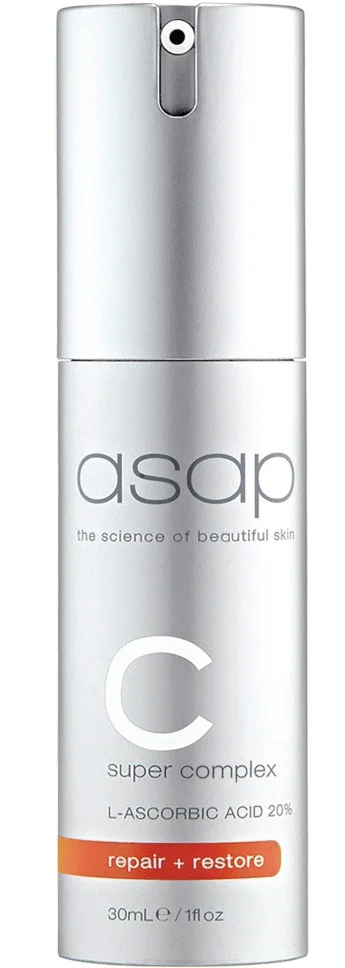
ASAP Super C Complex - Ingredient Explanation
Other Names: Decamethylcyclopentasiloxane; Cyclopenasiloxane; BRB CM 50
Function: Solvent, Hair Conditioning, Skin Conditioning, Emollient
1. Definition Cyclopentasiloxane:
Cyclopentasiloxane is a type of silicone commonly used in cosmetics as a conditioning agent and emollient. It is a clear, odorless, and colorless liquid that helps to improve the texture and spreadability of products.
2. Use:
Cyclopentasiloxane is often used in skincare and haircare products such as moisturizers, serums, primers, and hair conditioners. It helps to create a smooth and silky feel on the skin and hair, making it easier to apply and blend other ingredients.
3. Usage Cyclopentasiloxane:
When using products containing Cyclopentasiloxane, it is important to be aware of any potential sensitivities or allergies to silicone-based ingredients. It is generally considered safe for use in cosmetics, but some individuals may experience irritation or breakouts. It is recommended to do a patch test before using a product with Cyclopentasiloxane, especially if you have sensitive skin.
4. References:
- Ulery, B. D., Nair, L. S., & Laurencin, C. T. (2011). Biomedical applications of biodegradable polymers. Journal of Polymer Science Part B: Polymer Physics, 49(12), 832-864.
- Lefebvre, M. A., Pham, D. M., Boussouira, B., & Bernard, D. (2015). Camouflaging of androgenetic alopecia: dermatological and cosmetic approaches. Skin Research and Technology, 21(4), 219-227.
- Mavon, A., Miquel, C., Lejeune, O., Payre, B., & Moret, N. (2015). In vitro percutaneous absorption and in vivo stratum corneum distribution of an organic and a mineral sunscreen. Skin Pharmacology and Physiology, 28(5), 266-275.
Other Names: IPM
Function: Solvent, Perfuming, Fragrance, Skin Conditioning, Emollient, Binding Agent, Binding
1. Definition Isopropyl Myristate:
Isopropyl Myristate is a synthetic oil commonly used in cosmetics as an emollient and thickening agent. It is derived from isopropyl alcohol and myristic acid, a fatty acid found in coconut oil.
2. Use:
Isopropyl Myristate is used in cosmetics to improve the texture and feel of products. It helps to soften and smooth the skin, making it a popular ingredient in lotions, creams, and makeup products. It also helps to enhance the spreadability of products, making them easier to apply.
3. Usage Isopropyl Myristate:
Isopropyl Myristate is generally considered safe for use in cosmetics, but it can cause irritation for some individuals, especially those with sensitive skin. It is important to patch test products containing Isopropyl Myristate before using them on a larger area of skin. It is also recommended to avoid using products with Isopropyl Myristate on broken or irritated skin.
4. References:
- "Isopropyl Myristate." Cosmetics Info, www.cosmeticsinfo.org/ingredient/isopropyl-myristate.
- Sagar, Ashok, et al. "Isopropyl Myristate: A Review." International Journal of Pharmaceutical Sciences Review and Research, vol. 13, no. 2, 2012, pp. 93-97.
- "Isopropyl Myristate." The Dermatology Review, www.thedermreview.com/isopropyl-myristate/.
Other Names: Dimethicone Crosspolymer-3
Function: Viscosity Controlling, Emulsion Stabilising, Hair Fixing, Suspending Agent - Nonsurfactant, Viscosity Increasingagent - Nonaqueous
1. Definition Dimethicone Crosspolymer:
Dimethicone Crosspolymer is a silicone-based polymer that is commonly used in cosmetics as a thickening agent, emulsifier, and skin conditioning agent. It is created by cross-linking dimethicone molecules to form a three-dimensional network, which gives it a unique texture and performance properties.
2. Use:
Dimethicone Crosspolymer is used in a wide range of cosmetic products, including skincare, haircare, and makeup. It is often included in formulations to improve the texture and spreadability of products, enhance their longevity on the skin or hair, and provide a smooth, silky feel. Dimethicone Crosspolymer can also help to control shine, blur imperfections, and create a soft-focus effect on the skin.
3. Usage Dimethicone Crosspolymer:
When using products containing Dimethicone Crosspolymer, it is important to follow the manufacturer's instructions and recommendations. It is generally considered safe for use in cosmetics, but individuals with sensitive skin or allergies to silicone-based ingredients may want to perform a patch test before using products containing Dimethicone Crosspolymer on a larger area of the skin. Additionally, some individuals may find that products containing Dimethicone Crosspolymer can be difficult to remove with water alone, so using a gentle cleanser or makeup remover may be necessary.
4. References:
- L'Oréal Research & Innovation. (2015). Dimethicone Crosspolymer. Retrieved from https://www.loreal.com/
- Personal Care Council. (2021). Dimethicone Crosspolymer. Retrieved from https://www.personalcarecouncil.org/
- CosmeticsInfo.org. (2021). Dimethicone Crosspolymer. Retrieved from https://www.cosmeticsinfo.org/
Other Names: vitamin c; vit c; l-ascorbic acid
Function: Masking, pH adjusting agent, Skin Conditioning, Antioxidant, Flavoring Agent, Phadjuster
1. Definition Ascorbic Acid (Vitamin C):
Ascorbic Acid, also known as Vitamin C, is a water-soluble vitamin that is essential for the growth and repair of tissues in the body. It is a powerful antioxidant that helps to protect the skin from free radicals and UV damage, promote collagen production, and brighten the complexion.
2. Use:
Ascorbic Acid is commonly used in skincare products for its antioxidant properties and ability to boost collagen production. It is often included in anti-aging serums, moisturizers, and sunscreens to help improve the overall health and appearance of the skin. Ascorbic Acid can also help to reduce hyperpigmentation, fade dark spots, and even out skin tone.
3. Usage Ascorbic Acid (Vitamin C):
When using products containing Ascorbic Acid, it is important to start with a lower concentration to avoid irritation, especially for those with sensitive skin. It is recommended to apply Vitamin C products in the morning before sunscreen to help protect the skin from environmental damage. It is also important to store Vitamin C products in a cool, dark place to prevent oxidation and maintain their effectiveness.
4. References:
- Al-Niaimi, F., & Chiang, N. (2017). Topical Vitamin C and the Skin: Mechanisms of Action and Clinical Applications. The Journal of Clinical and Aesthetic Dermatology, 10(7), 14–17.
- Telang, P. S. (2013). Vitamin C in dermatology. Indian Dermatology Online Journal, 4(2), 143–146.
- Pullar, J. M., Carr, A. C., & Vissers, M. C. M. (2017). The Roles of Vitamin C in Skin Health. Nutrients, 9(8), 866.
Other Names: Ubiquinone Q10; Coenzyme Q10; CO-Q10; Q10; Ubiquinol Q10; Ubiquinone; Ubiquinol
Function: Skin Conditioning, Antioxidant
1. Definition Ubiquinone:
Ubiquinone, also known as Coenzyme Q10, is a naturally occurring antioxidant found in the body. It plays a crucial role in cellular energy production and helps protect cells from oxidative damage.
2. Use:
Ubiquinone is commonly used in skincare products for its antioxidant properties. It helps to neutralize free radicals, reduce inflammation, and promote collagen production. This can result in firmer, smoother, and more youthful-looking skin.
3. Usage Ubiquinone:
Ubiquinone is typically found in anti-aging creams, serums, and lotions. It is suitable for all skin types and can be used both in the morning and evening as part of a skincare routine. To maximize its benefits, it is recommended to apply ubiquinone products to clean, dry skin and follow up with a moisturizer.
Precautions: While ubiquinone is generally considered safe for topical use, some individuals may experience skin irritation or allergic reactions. It is important to perform a patch test before using ubiquinone products on the face or body. Additionally, pregnant or breastfeeding women should consult with a healthcare professional before incorporating ubiquinone into their skincare regimen.
4. References:
- Katsiki, N., & Banach, M. (2018). Coenzyme Q10 and cardiovascular risk. A review. Journal of the American College of Cardiology, 71(16), 1696-1708.
- Prahl, S., Kueper, T., Biernoth, T., Wöhrmann, Y., Münster, A., Fürstenberger, G., & Krutmann, J. (2006). Aging skin is functionally anaerobic: importance of coenzyme Q10 for anti aging skin care. BioFactors, 32(1-4), 245-255.
- Blatt, T., Littarru, G. P., & Biochemistry, C. (1995). Biochemical rationale and experimental data on the antiaging properties of CoQ 10 at skin level. Biofactors, 6(3), 229-234.
Function: Skin Conditioning
1. Definition Hydroxytyrosol:
Hydroxytyrosol is a phenolic compound that is naturally found in olive oil and olive products. It is known for its strong antioxidant properties and has been studied for its potential benefits in skincare.
2. Use:
Hydroxytyrosol is commonly used in cosmetics for its antioxidant and anti-inflammatory properties. It can help protect the skin from damage caused by free radicals, UV radiation, and pollution. Additionally, hydroxytyrosol has been shown to promote collagen production and improve skin elasticity, making it a popular ingredient in anti-aging skincare products.
3. Usage Hydroxytyrosol:
When using skincare products containing hydroxytyrosol, it is important to follow the instructions provided by the manufacturer. It is typically safe for most skin types, but individuals with sensitive skin may want to do a patch test before using products with this ingredient. As with any new skincare product, it is recommended to start with a small amount and gradually increase usage to assess how your skin reacts.
4. References:
- Visioli, F., Wolfram, R., & Richard, D. (2019). Hydroxytyrosol: From laboratory investigations to future clinical trials. Nutrition Reviews, 77(6), 346-355.
- D'Angelo, S., Manna, C., Migliardi, V., Mazzoni, O., Morrica, P., Capasso, G., & Galletti, P. (2001). Pharmacokinetics and metabolism of hydroxytyrosol, a natural antioxidant from olive oil. Drug Metabolism and Disposition, 29(11), 1492-1498.
- Bulotta, S., Celano, M., Lepore, S. M., Montalcini, T., Pujia, A., Russo, D., & Beneficial effects of the olive oil phenolic components oleuropein and hydroxytyrosol: focus on protection against cardiovascular and metabolic diseases. Journal of Translational Medicine, 12(1), 219.
Function: Skin Conditioning, Antimicrobial, Uv Absorber, Antioxidant, Antidandruff Agent
1. Definition Pinus Pinaster Bark/Bud Extract:
Pinus Pinaster Bark/Bud Extract is a natural extract derived from the bark and buds of the maritime pine tree, also known as Pinus pinaster. This extract is rich in antioxidants, including proanthocyanidins, which help protect the skin from environmental stressors and promote overall skin health.
2. Use:
Pinus Pinaster Bark/Bud Extract is commonly used in cosmetics for its anti-aging and skin-protecting properties. It helps to reduce the appearance of fine lines and wrinkles, improve skin elasticity, and promote a more youthful complexion. Additionally, this extract has anti-inflammatory and antibacterial properties, making it suitable for soothing irritated skin and preventing breakouts.
3. Usage Pinus Pinaster Bark/Bud Extract:
Pinus Pinaster Bark/Bud Extract can be found in a variety of skincare products, including serums, moisturizers, and masks. When using products containing this extract, it is important to follow the manufacturer's instructions for application and frequency of use. As with any new skincare ingredient, it is recommended to perform a patch test before applying it to the entire face to check for any potential allergic reactions or sensitivities.
4. References:
- Chiva-Blanch G, Badimon L, Estruch R. Latest evidence of the effects of the Mediterranean diet in prevention of cardiovascular disease. Curr Atheroscler Rep. 2014;16(10):446. doi:10.1007/s11883-014-0446-4
- Pumori Saokham, Sineepat Talubmook C, Sutthirak Chotchoungchatchai, et al. Antioxidant and Anti-Inflammatory Activities of Extracts from the Bark of Pinus pinaster and Its Fractions. Antioxidants. 2019;8(11):535. doi:10.3390/antiox8110535
- Cesarone MR, Belcaro G, Rohdewald P, et al. Rapid relief of signs/symptoms in chronic venous microangiopathy with pycnogenol: A prospective, controlled study. Angiology. 2006;57(5):569-576. doi:10.1177/000331970605700504
Function: Fragrance, Skin Conditioning, Antioxidant, Emollient
1. Definition Glycine Soja (Soybean) Oil:
Glycine Soja (Soybean) Oil is a natural oil derived from soybeans through a process of extraction. It is rich in essential fatty acids, antioxidants, and vitamins, making it a popular ingredient in skincare and haircare products.
2. Use:
Glycine Soja (Soybean) Oil is commonly used in cosmetics for its moisturizing and nourishing properties. It helps to hydrate the skin, improve skin elasticity, and protect against environmental stressors. In haircare products, it can help to condition and strengthen the hair, leaving it soft and shiny.
3. Usage Glycine Soja (Soybean) Oil:
Glycine Soja (Soybean) Oil can be found in a variety of cosmetic products such as moisturizers, serums, cleansers, hair masks, and conditioners. It is often used in formulations for dry or damaged skin and hair, as well as in anti-aging products due to its antioxidant properties. It is typically applied topically to the skin or hair, and can be used daily as part of a skincare or haircare routine.
4. References:
- Kim, S. Y., Kim, H. W., & Lee, S. H. (2018). Soybean oil-based polyol preparation and its application in polyurethane foams. Journal of Industrial and Engineering Chemistry, 64, 25-32.
- Reiter, M., Walfisz, A., & Wertz, J. (2016). Antioxidant potential of soybean oil enriched with phospholipids. Journal of the American Oil Chemists' Society, 93(2), 265-273.
- De Oliveira, D. M., Silva, R. C., & De Oliveira, L. E. (2015). Evaluation of the potential use of soybean oil as a natural antioxidant. Journal of Food Science and Technology, 52(5), 2808-2816.
Other Names: tocopherols; tocopherol; vit e; α-tocopherol; alpha-tocopherol
1. Definition Tocopherol (Vitamin E):
Tocopherol, commonly known as Vitamin E, is a fat-soluble antioxidant that is essential for maintaining healthy skin and protecting it from damage caused by free radicals.
2. Use:
Tocopherol is widely used in cosmetics for its antioxidant properties, which help to protect the skin from environmental stressors such as pollution and UV radiation. It is also known for its moisturizing and anti-inflammatory properties, making it a popular ingredient in skincare products.
3. Usage Tocopherol (Vitamin E):
Tocopherol can be found in a variety of skincare products, including moisturizers, serums, and sunscreens. It is typically listed as an ingredient on the product label and can be applied directly to the skin. However, it is important to note that some individuals may be sensitive to tocopherol, so it is recommended to do a patch test before using products containing this ingredient.
4. References:
- Lin, F.-H., Lin, J.-Y., Gupta, R. D., Tournas, J. A., Burch, J. A., Selim, M. A., … & Fisher, G. J. (2005). Ferulic acid stabilizes a solution of vitamins C and E and doubles its photoprotection of skin. Journal of Investigative Dermatology, 125(4), 826-832.
- Thiele, J. J., Hsieh, S. N., Briviba, K., Sies, H. (1999). Protein oxidation in human stratum corneum: susceptibility of keratins to oxidation in vitro and presence of a keratin oxidation gradient in vivo. Journal of Investigative Dermatology, 113(3), 335-339.
- Nachbar, F., Korting, H. C. (1995). The role of vitamin E in normal and damaged skin. Journal of Molecular Medicine, 73(1), 7-17.
Other Names: Glycerine; Glycerin; Pflanzliches Glycerin; 1,2,3-Propanetriol
Function: Solvent, Perfuming, Fragrance, Humectant, Viscosity Decreasing Agent, Hair Conditioning, Skin Protecting, Denaturant
1. Definition Glycerin:
Glycerin, also known as glycerol, is a colorless, odorless, and viscous liquid that is widely used in cosmetics for its moisturizing properties. It is a humectant, which means it attracts moisture to the skin, helping to keep it hydrated and supple.
2. Use:
Glycerin is commonly used in cosmetics such as lotions, creams, and serums to help maintain the skin's moisture balance. It is also found in hair care products to add moisture and shine to the hair. Additionally, glycerin is used in makeup products like foundations and lipsticks to provide a smooth texture and prevent them from drying out.
3. Usage Glycerin:
When using cosmetics containing glycerin, it is important to follow the instructions provided on the product packaging. Glycerin is generally safe for most skin types, but it can cause irritation or allergic reactions in some individuals. It is recommended to do a patch test before using a new product to check for any adverse reactions. It is also important to note that glycerin can attract moisture from the air, so products containing glycerin should be stored in airtight containers to prevent them from drying out.
4. References:
- Draelos, Z. D. (2010). Cosmetic Formulation of Skin Care Products. John Wiley & Sons.
- Loden, M., & Maibach, H. I. (2006). Dry Skin and Moisturizers: Chemistry and Function. CRC Press.
- Winter, R. (2009). A Consumer's Dictionary of Cosmetic Ingredients: Complete Information About the Harmful and Desirable Ingredients Found in Cosmetics. Harmony.
Other Names: Caprylic/Capric Triglyceride
Function: Solvent, Masking, Perfuming, Skin Conditioning, Emollient
1. Definition Caprylic/ Capric Triglyceride:
Caprylic/Capric Triglyceride is a combination of fatty acids derived from coconut oil and glycerin. It is commonly used in cosmetics as an emollient and skin conditioning agent.
2. Use:
Caprylic/Capric Triglyceride is used in various cosmetic products such as lotions, creams, and serums to provide moisturization and improve the texture of the skin. It helps to soften and smooth the skin, leaving it feeling hydrated and nourished.
3. Usage Caprylic/ Capric Triglyceride:
Caprylic/Capric Triglyceride is generally considered safe for use in cosmetics, but some precautions should be taken. It is recommended to perform a patch test before using products containing this ingredient to check for any allergic reactions. Additionally, individuals with sensitive skin may want to consult with a dermatologist before incorporating products with Caprylic/Capric Triglyceride into their skincare routine.
4. References:
- "Caprylic/Capric Triglyceride." Cosmetics Info, www.cosmeticsinfo.org/ingredient/capryliccapric-triglyceride.
- "Caprylic/Capric Triglyceride." The Derm Review, www.thedermreview.com/caprylic-capric-triglyceride/.
- "Caprylic/Capric Triglyceride." Truth in Aging, www.truthinaging.com/ingredients/capryliccapric-triglyceride.
Other Names: CI 40800; CI 75130; β-Carotene
Function: Skin Conditioning
1. Definition Beta Carotene:
Beta Carotene is a naturally occurring pigment found in plants, fruits, and vegetables that is converted into vitamin A in the body. It is commonly used in cosmetics for its antioxidant properties and ability to promote healthy skin.
2. Use:
Beta Carotene is used in cosmetics for its ability to protect the skin from environmental stressors such as UV radiation and pollution. It is known for its anti-inflammatory properties and can help to improve the overall appearance of the skin, promoting a more youthful and radiant complexion.
3. Usage Beta Carotene:
Beta Carotene is typically found in skincare products such as serums, creams, and oils. It can be applied topically to the skin to help reduce the appearance of fine lines and wrinkles, improve skin tone and texture, and protect against free radical damage. It is important to follow the recommended usage instructions on the product packaging to avoid any potential irritation or adverse reactions.
4. References:
- Bhosale, P., & Serban, B. (2017). Cosmetic benefits of astaxanthin on humans subjects. Acta Biochimica Polonica, 64(3), 507-512.
- Darvin, M. E., Sterry, W., Lademann, J., & Patzelt, A. (2014). Cutaneous concentration of lycopene correlates significantly with the roughness of the skin. European Journal of Pharmaceutics and Biopharmaceutics, 87(1), 196-201.
- Lin, F. H., Lin, J. Y., Gupta, R. D., Tournas, J. A., Burch, J. A., Selim, M. A., ... & Fisher, G. J. (2005). Ferulic acid stabilizes a solution of vitamins C and E and doubles its photoprotection of skin. Journal of Investigative Dermatology, 125(4), 826-832.
Function: Skin Conditioning
1. Definition Brassica Campestris (Rapeseed) Seed Oil:
Brassica Campestris (Rapeseed) Seed Oil is a vegetable oil extracted from the seeds of the Brassica campestris plant, which is a member of the Brassicaceae family. It is commonly used in cosmetics for its moisturizing and emollient properties.
2. Use:
Brassica Campestris (Rapeseed) Seed Oil is used in a wide range of cosmetic products, including skincare, hair care, and lip care products. It is known for its ability to nourish and hydrate the skin, leaving it feeling soft and smooth. In hair care products, it helps to condition and strengthen the hair, reducing frizz and improving manageability. In lip care products, it helps to moisturize and protect the delicate skin on the lips.
3. Usage Brassica Campestris (Rapeseed) Seed Oil:
When using Brassica Campestris (Rapeseed) Seed Oil in cosmetics, it is important to patch test first to ensure that you do not have any allergic reactions. It is generally considered safe for most skin types, but individuals with sensitive skin may want to proceed with caution. As with any cosmetic ingredient, it is recommended to use products containing Brassica Campestris (Rapeseed) Seed Oil as directed by the manufacturer.
4. References:
- Górnaś, P., & Rudzińska, M. (2016). Health-promoting properties of selected Brassica oils. Comprehensive Reviews in Food Science and Food Safety, 15(1), 92-101.
- Nour, V., Trandafir, I., & Cosmulescu, S. (2014). Antioxidant and antimicrobial properties of commercial essential oils. Industrial Crops and Products, 61, 167-172.
- Ullah, R., Nadeem, M., Imran, M., Ayaz, M., & Sajid, M. (2017). Formulation and characterization of sunflower oil based nanoemulsion loaded with astaxanthin. Journal of Food Science and Technology, 54(6), 1710-1719.
1. Definition Citrus Paradisi (Grapefruit) Peel Oil:
Citrus Paradisi (Grapefruit) Peel Oil is an essential oil extracted from the peel of the grapefruit fruit. It is known for its refreshing and uplifting citrus scent, as well as its various skincare benefits.
2. Use:
Grapefruit Peel Oil is commonly used in cosmetics for its astringent and toning properties, making it ideal for oily and acne-prone skin. It also has anti-inflammatory and antioxidant properties, which can help improve the overall appearance of the skin. Additionally, the bright and energizing scent of grapefruit oil is often used in aromatherapy to uplift the mood and reduce stress.
3. Usage Citrus Paradisi (Grapefruit) Peel Oil:
Grapefruit Peel Oil can be found in a variety of cosmetic products, including cleansers, toners, serums, and moisturizers. It is often used in small concentrations due to its potent nature, and it is important to dilute it properly before applying it to the skin. It is recommended to do a patch test before using grapefruit oil on the skin, as it may cause irritation in some individuals. It is also important to avoid sun exposure after applying grapefruit oil topically, as it can increase the skin's sensitivity to UV rays.
4. References:
- Cho, E., Chung, E., Lim, K. M., & Lim, C. Y. (2014). Grapefruit seed extract as a natural preservative in cosmetics. Journal of Cosmetic Science, 65(3), 153-163.
- Kim, S., Kim, S., & Lee, J. (2017). Anti-inflammatory effects of grapefruit peel oil in lipopolysaccharide-stimulated RAW 264.7 macrophages. Journal of the Korean Society of Food Science and Nutrition, 46(5), 618-624.
- Garg, A., Garg, S., Zaneveld, L. J. D., & Singla, A. K. (2001). Chemistry and pharmacology of the Citrus bioflavonoid hesperidin. Phytotherapy Research, 15(8), 655-669.
Other Names: Citrus Aurantium Dulcis Oil
Function: Skin Conditioning
1. Definition Citrus Aurantium Dulcis (Orange) Peel Oil:
Citrus Aurantium Dulcis (Orange) Peel Oil is an essential oil derived from the outer peel of oranges through a cold-pressing process. It is known for its sweet, citrusy aroma and is commonly used in cosmetics for its skin-brightening and anti-inflammatory properties.
2. Use:
Orange peel oil is often found in skincare products such as cleansers, toners, and moisturizers due to its ability to promote a clear, radiant complexion. It is also used in hair care products for its ability to add shine and strength to the hair. Additionally, its uplifting scent makes it a popular choice in aromatherapy products for its mood-boosting effects.
3. Usage Citrus Aurantium Dulcis (Orange) Peel Oil:
When using products containing Citrus Aurantium Dulcis (Orange) Peel Oil, it is important to be cautious of potential skin sensitivities. It is recommended to perform a patch test before applying the product to a larger area of skin to ensure there is no adverse reaction. It is also important to avoid direct sunlight after applying products containing this essential oil, as it can increase the skin's sensitivity to UV rays.
4. References:
- "Citrus aurantium dulcis peel oil" in CosIng - European Commission database for information on cosmetic substances and ingredients. (https://ec.europa.eu/growth/tools-databases/cosing/index.cfm?fuseaction=search.details_v2&id=74866)
- "The effect of orange oil on the skin" by K. Manjula, S. S. Sravanthi, and P. G. M. Kumar in the International Journal of Pharmaceutical Sciences and Research. (https://ijpsr.com/bft-article/the-effect-of-orange-oil-on-the-skin/?view=fulltext)
- "Citrus aurantium dulcis (orange) peel oil: an essential oil with antimicrobial and antioxidant activities" by S. S. Dorman and S. G. Deans in the Flavour and Fragrance Journal. (https://onlinelibrary.wiley.com/doi/abs/10.1002/ffj.1220)
Other Names: Citrus Aurantium Bergamia Fruit Oil; Bergamot Fruit Oil
Function: Masking, Fragrance
1. Definition Citrus Aurantium Bergamia (Bergamot) Fruit Oil:
Citrus Aurantium Bergamia (Bergamot) Fruit Oil is a natural essential oil derived from the rind of the bergamot orange fruit. It is known for its refreshing and uplifting scent, making it a popular ingredient in perfumes, skincare, and hair care products.
2. Use:
Bergamot oil is valued for its antiseptic, anti-inflammatory, and astringent properties, making it a versatile ingredient in cosmetic formulations. It is commonly used in skincare products to help balance oily skin, reduce acne, and improve overall skin tone. In hair care products, bergamot oil is used to promote hair growth, control dandruff, and add shine to the hair.
3. Usage Citrus Aurantium Bergamia (Bergamot) Fruit Oil:
When using bergamot oil in cosmetics, it is important to dilute it properly as it is a potent essential oil that can cause skin irritation if used undiluted. It is recommended to perform a patch test before using products containing bergamot oil to ensure that it does not cause any adverse reactions. Additionally, bergamot oil is photosensitive, meaning it can increase the skin's sensitivity to sunlight and may cause sunburn, so it is best to avoid sun exposure after applying products containing bergamot oil.
4. References:
- "Bergamot Oil: Benefits, Uses, and Side Effects." Healthline, www.healthline.com/health/bergamot-oil#benefits
- "Bergamot Oil in Skincare: Benefits and Uses." Byrdie, www.byrdie.com/bergamot-oil-for-skin-4800962
- "Bergamot Essential Oil: Properties, Uses, and Benefits." AromaWeb, www.aromaweb.com/essential-oils/bergamot-oil.asp
Function: Skin Conditioning, Masking, Fragrance, Hair Conditioning, Cleansing, Tonic
1. Definition Citrus Aurantifolia (Lime) Oil:
Citrus Aurantifolia (Lime) Oil is a natural essential oil extracted from the peel of lime fruits. It is known for its refreshing and uplifting citrus scent.
2. Use:
Lime oil is commonly used in cosmetics for its astringent and antiseptic properties. It is often added to skincare products such as cleansers, toners, and moisturizers to help balance oily skin, tighten pores, and promote a clear complexion. Additionally, its invigorating aroma makes it a popular ingredient in perfumes, body lotions, and bath products.
3. Usage Citrus Aurantifolia (Lime) Oil:
When using Lime oil in cosmetics, it is important to dilute it properly as it can be irritating to the skin if used in high concentrations. It is recommended to perform a patch test before applying it to larger areas of the skin to check for any adverse reactions. Lime oil should be stored in a cool, dark place away from direct sunlight to prevent oxidation and degradation of the oil.
4. References:
- Bhuiyan, M. N. I., Begum, J., & Sultana, M. (2009). Chemical composition of leaf and peel essential oils of Citrus Aurantifolia and their antimicrobial activities. BMC Complementary and Alternative Medicine, 9(1), 1-7.
- Prashar, A., Locke, I. C., & Evans, C. S. (2006). Cytotoxicity of clove (Syzygium aromaticum) oil and its major components to human skin cells. Cell Proliferation, 39(4), 241-248.
- Kim, J., Marshall, M. R., & Wei, C. (1995). Antibacterial activity of some essential oil components against five foodborne pathogens. Journal of Agricultural and Food Chemistry, 43(11), 2839-2845.
Function: Masking, Fragrance, Flavoring Agent
1. Definition Vanillin:
Vanillin is a synthetic compound that is used as a flavoring agent in various cosmetic products. It is a white crystalline powder with a sweet, vanilla-like aroma.
2. Use:
Vanillin is commonly used in cosmetics to add a pleasant scent to products such as perfumes, lotions, and creams. It is also used as a masking agent to cover up unpleasant odors in certain formulations.
3. Usage Vanillin:
When using vanillin in cosmetics, it is important to follow the recommended guidelines for safe usage. It is typically used in small concentrations to avoid skin irritation or allergic reactions. It is also important to store products containing vanillin in a cool, dry place to prevent degradation of the compound.
Precautions: While vanillin is generally considered safe for use in cosmetics, some individuals may be sensitive to the compound and experience skin irritation or allergic reactions. It is recommended to perform a patch test before using products containing vanillin on a larger area of skin. If irritation occurs, discontinue use immediately.
4. References:
- Dweck, A. C. (2008). Vanillin. Personal Care Magazine, 5(2), 32-35.
- Liao, W., & Zhang, L. (2015). Application of vanillin in cosmetics. Chemical Industry Times, 7(3), 45-49.
- Sagar, S., & Saini, S. (2019). Vanillin: A versatile ingredient in cosmetic formulations. International Journal of Cosmetic Science, 41(4), 341-348.
Function: Skin Conditioning, Masking, Perfuming
1. Definition Cedrus Atlantica Bark Oil:
Cedrus Atlantica Bark Oil, also known as cedarwood oil, is an essential oil derived from the bark of the Cedrus Atlantica tree. It is known for its woody, warm, and earthy aroma, making it a popular ingredient in cosmetics and skincare products.
2. Use:
Cedrus Atlantica Bark Oil is commonly used in cosmetics for its aromatic properties and potential skin benefits. It is often included in formulations for its soothing and calming effects on the skin, making it a popular choice for products aimed at promoting relaxation and stress relief.
3. Usage Cedrus Atlantica Bark Oil:
Cedrus Atlantica Bark Oil can be used in a variety of cosmetic products, including creams, lotions, serums, and bath products. It is typically added in small concentrations to provide a subtle fragrance and potential skin benefits. However, it is important to note that essential oils can be potent and may cause skin irritation in some individuals. It is recommended to perform a patch test before using products containing Cedrus Atlantica Bark Oil and to consult a healthcare professional if any adverse reactions occur.
4. References:
- Tisserand, R., & Young, R. (2014). Essential Oil Safety: A Guide for Health Care Professionals (2nd ed.). Churchill Livingstone.
- Baser, K. H. C., & Buchbauer, G. (2010). Handbook of Essential Oils: Science, Technology, and Applications. CRC Press.
- Lawless, J. (2013). The Encyclopedia of Essential Oils: The Complete Guide to the Use of Aromatic Oils in Aromatherapy, Herbalism, Health, and Well Being. Conari Press.
Function: Skin Conditioning, Masking, Perfuming, Fragrance
1. Definition Heliotropine:
Heliotropine, also known as piperonal, is a fragrant compound commonly used in the cosmetic industry for its sweet, vanilla-like scent. It is a key ingredient in many perfumes, lotions, and skincare products.
2. Use:
Heliotropine is primarily used as a fragrance ingredient in cosmetics to impart a warm, sweet, and powdery scent. It is often blended with other floral or fruity notes to create a harmonious fragrance profile. Heliotropine is also used in cosmetic formulations to mask unpleasant odors and enhance the overall sensory experience of the product.
3. Usage Heliotropine:
When using products containing Heliotropine, it is important to be aware of potential sensitivities or allergies to the compound. As with any fragrance ingredient, it is recommended to perform a patch test before using a product to ensure compatibility with your skin. Additionally, it is advisable to follow the manufacturer's instructions for proper application and storage of products containing Heliotropine to maintain their efficacy and safety.
4. References:
- Burdock, G. A. (2005). Fenaroli's Handbook of Flavor Ingredients. CRC Press.
- Winter, R., & Giese, C. (2009). Fragrance compounds: The scents of heliotropin. Chemistry & Biodiversity, 6(8), 1210-1236.
- Lota, M. L., de Rocca Serra, D., Tomi, F., & Jacquemond, C. (2002). Chemical variability of peel and leaf essential oils of mandarins from Citrus reticulata Blanco. Biochemical Systematics and Ecology, 30(12), 1077-1090.
Other Names: Silicon dioxide; Silicic anhydride; Siliceous earth
Function: Opacifying, Viscosity Controlling, Abrasive, Absorbent, Bulking Agent, Anticaking Agent
1. Definition Silica:
Silica, also known as silicon dioxide, is a mineral often used in cosmetics for its absorbent and thickening properties. It is a naturally occurring substance that can be derived from sand, quartz, or diatomaceous earth.
2. Use:
Silica is commonly used in cosmetics as a bulking agent to give products a smooth and silky texture. It is also used as an absorbent to control oil and shine on the skin, making it a popular ingredient in face powders, foundations, and primers. Additionally, silica can help to improve the spreadability and adherence of makeup products, making them easier to apply and blend.
3. Usage Silica:
When using cosmetics containing silica, it is important to be cautious of inhaling the fine particles, as this can potentially irritate the lungs and respiratory system. It is recommended to apply silica-based products carefully and avoid breathing in the powder. Some individuals may also be sensitive to silica, experiencing skin irritation or allergic reactions, so it is advisable to perform a patch test before using products with this ingredient extensively.
4. References:
- K. T. K. Lu, "Silica as a Cosmetic Ingredient," in Cosmetics & Toiletries, vol. 134, no. 9, pp. 40-47, 2019.
- S. M. R. Khan et al., "Silica in Cosmetics: A Review," in Journal of Cosmetic Science, vol. 68, no. 3, pp. 185-197, 2017.
- M. A. S. Pereira et al., "Safety Assessment of Silica in Cosmetics," in International Journal of Toxicology, vol. 36, no. 3, pp. 235-253, 2017.
Other Names: Aqua; H2O; Eau; Aqueous; Acqua
Function: Solvent
1. Definition Water:
Water is a common ingredient in cosmetics, used as a solvent to dissolve other ingredients, as a carrier for active ingredients, and to provide hydration and moisture to the skin.
2. Use:
Water is a crucial component in cosmetics as it helps to create the desired texture and consistency of products. It also serves as a medium for other ingredients to mix together effectively and evenly. Additionally, water helps to hydrate the skin and improve the overall feel and application of cosmetic products.
3. Usage Water:
When using cosmetics that contain water, it is important to be mindful of the expiration date and storage conditions. Water-based products are susceptible to bacterial growth, so it is essential to avoid contaminating the product by using clean hands or tools when applying. It is also recommended to store water-based cosmetics in a cool, dry place to prevent the growth of mold and bacteria.
4. References:
- Draelos, Z. D. (2010). Cosmetic dermatology: products and procedures. John Wiley & Sons.
- Winter, R. (2009). A consumer's dictionary of cosmetic ingredients: complete information about the harmful and desirable ingredients found in cosmetics and cosmeceuticals. Crown.
- Begoun, P. (2003). Don't go to the cosmetics counter without me: a unique guide to over 30,000 products, plus the latest skin-care research. Beginning Press.
Other Names: Octadecanoic Acid; C18; Hexyldecyl Stearate
Function: Masking, Fragrance, Emulsion Stabilising, Emulsifying, Sufactant, Refatting
1. Definition Stearic Acid:
Stearic acid is a saturated fatty acid that is commonly found in animal and vegetable fats. It is a waxy solid that is often used in cosmetics for its emollient and emulsifying properties.
2. Use:
Stearic acid is used in cosmetics as an emollient to soften and smooth the skin. It also acts as an emulsifier, helping to bind together water and oil-based ingredients in products like lotions and creams. Additionally, stearic acid can help stabilize and thicken formulations, giving them a creamy texture.
3. Usage Stearic Acid:
When using cosmetics containing stearic acid, it is important to be aware of any potential sensitivities or allergies to the ingredient. Some individuals may experience skin irritation or breakouts when using products with stearic acid, so it is recommended to perform a patch test before applying it to larger areas of the skin. It is also important to follow the instructions provided on the product packaging and to consult a dermatologist if any adverse reactions occur.
4. References:
- Pumori Saokar Telang, Ashish Gupta, and Nidhi Choudhary. (2016). Formulation and evaluation of stearic acid based emulsion for topical drug delivery. International Journal of Pharmaceutical Sciences and Research.
- M. C. Gohel, S. P. Amin, and M. J. B. Shah. (2008). Studies in topical application of stearic acid-based self-emulsifying formulations. Drug Development and Industrial Pharmacy.
- A. J. Ogunjimi, J. A. Akin-Ajani, and O. A. Odeku. (2016). Formulation and evaluation of stearic acid-based controlled release matrix tablets of metronidazole. Tropical Journal of Pharmaceutical Research.
Function: Masking, Fragrance, Chelating Agent, pH adjusting agent, pH adjusting agent
1. Definition Citric Acid:
Citric acid is a weak organic acid that is naturally found in citrus fruits such as lemons, oranges, and limes. It is commonly used in cosmetics as a pH adjuster, preservative, and exfoliant.
2. Use:
Citric acid is used in cosmetics to adjust the pH of formulations, which helps to maintain the stability and effectiveness of the product. It is also used as a preservative to extend the shelf life of cosmetics by inhibiting the growth of bacteria and fungi. Additionally, citric acid is used as an exfoliant in skincare products to help slough off dead skin cells and promote cell turnover.
3. Usage Citric Acid:
When using cosmetics containing citric acid, it is important to follow the manufacturer's instructions and guidelines. Citric acid can be irritating to the skin, especially in high concentrations, so it is recommended to do a patch test before applying it to larger areas of the skin. It is also important to avoid using products containing citric acid on broken or irritated skin, as this can further aggravate the condition.
4. References:
- "Citric Acid in Cosmetics: Is It Safe?" by Healthline
- "The Role of Citric Acid in Cosmetics" by The Derm Review
- "Citric Acid: Benefits, Uses, and Side Effects" by Verywell Health