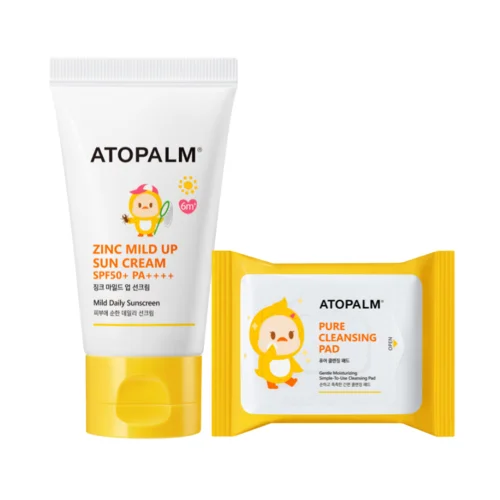
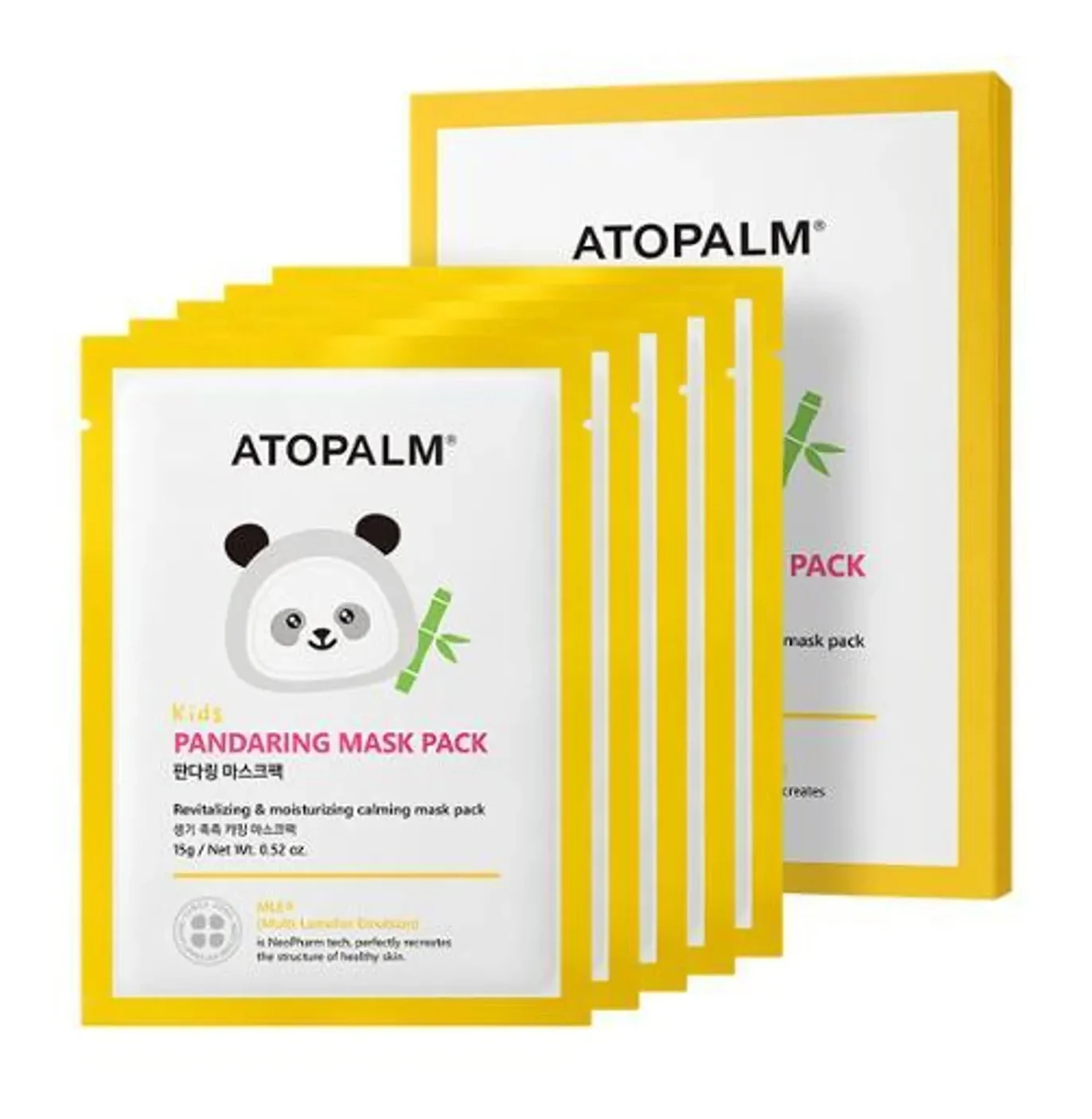
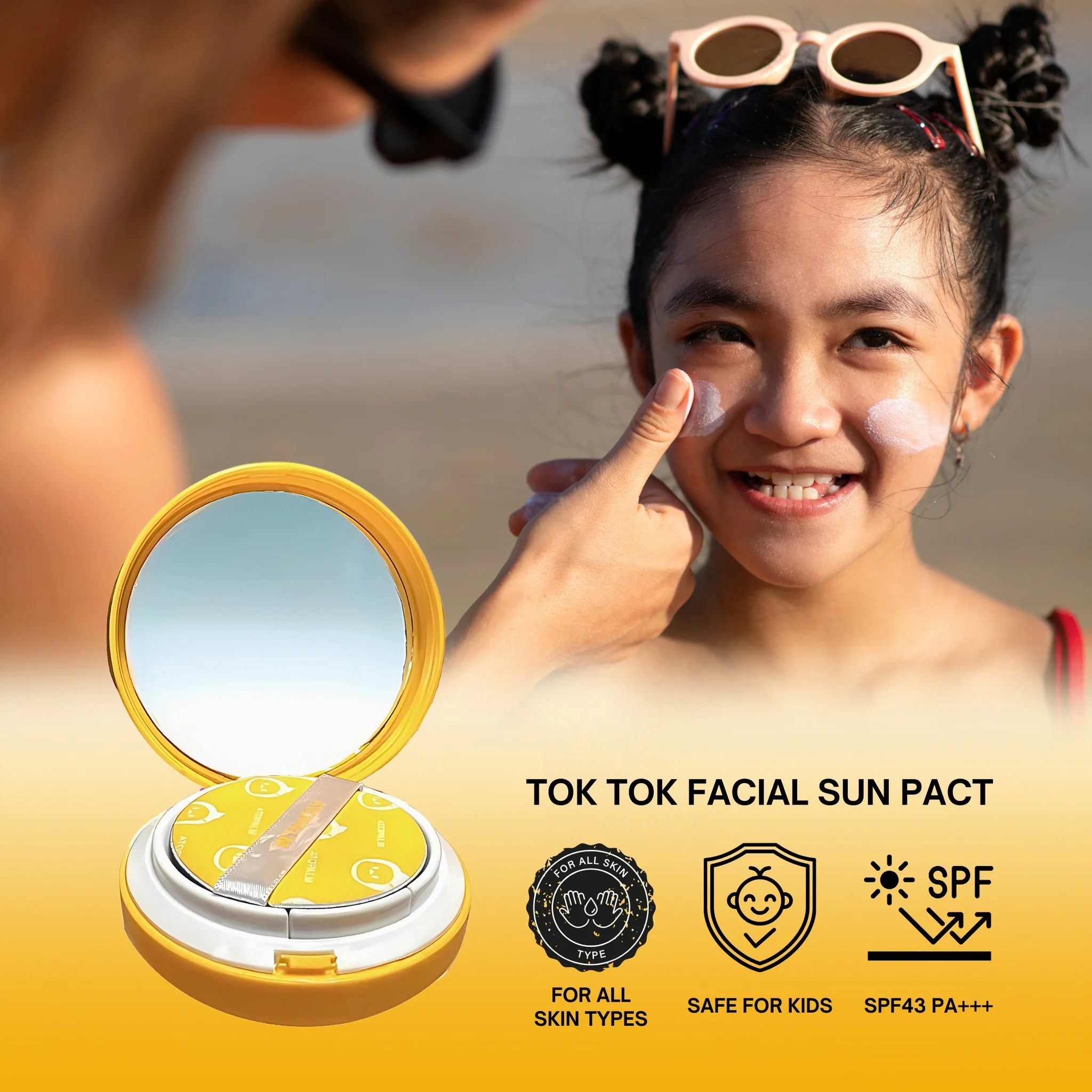
Atopalm Mild Sun Cream - Ingredient Explanation
Other Names: Aqua; H2O; Eau; Aqueous; Acqua
Function: Solvent
1. Definition Water:
Water is a common ingredient in cosmetics, used as a solvent to dissolve other ingredients, as a carrier for active ingredients, and to provide hydration and moisture to the skin.
2. Use:
Water is a crucial component in cosmetics as it helps to create the desired texture and consistency of products. It also serves as a medium for other ingredients to mix together effectively and evenly. Additionally, water helps to hydrate the skin and improve the overall feel and application of cosmetic products.
3. Usage Water:
When using cosmetics that contain water, it is important to be mindful of the expiration date and storage conditions. Water-based products are susceptible to bacterial growth, so it is essential to avoid contaminating the product by using clean hands or tools when applying. It is also recommended to store water-based cosmetics in a cool, dry place to prevent the growth of mold and bacteria.
4. References:
- Draelos, Z. D. (2010). Cosmetic dermatology: products and procedures. John Wiley & Sons.
- Winter, R. (2009). A consumer's dictionary of cosmetic ingredients: complete information about the harmful and desirable ingredients found in cosmetics and cosmeceuticals. Crown.
- Begoun, P. (2003). Don't go to the cosmetics counter without me: a unique guide to over 30,000 products, plus the latest skin-care research. Beginning Press.
Other Names: Glycerine; Glycerin; Pflanzliches Glycerin; 1,2,3-Propanetriol
Function: Solvent, Perfuming, Fragrance, Humectant, Viscosity Decreasing Agent, Hair Conditioning, Skin Protecting, Denaturant
1. Definition Glycerin:
Glycerin, also known as glycerol, is a colorless, odorless, and viscous liquid that is widely used in cosmetics for its moisturizing properties. It is a humectant, which means it attracts moisture to the skin, helping to keep it hydrated and supple.
2. Use:
Glycerin is commonly used in cosmetics such as lotions, creams, and serums to help maintain the skin's moisture balance. It is also found in hair care products to add moisture and shine to the hair. Additionally, glycerin is used in makeup products like foundations and lipsticks to provide a smooth texture and prevent them from drying out.
3. Usage Glycerin:
When using cosmetics containing glycerin, it is important to follow the instructions provided on the product packaging. Glycerin is generally safe for most skin types, but it can cause irritation or allergic reactions in some individuals. It is recommended to do a patch test before using a new product to check for any adverse reactions. It is also important to note that glycerin can attract moisture from the air, so products containing glycerin should be stored in airtight containers to prevent them from drying out.
4. References:
- Draelos, Z. D. (2010). Cosmetic Formulation of Skin Care Products. John Wiley & Sons.
- Loden, M., & Maibach, H. I. (2006). Dry Skin and Moisturizers: Chemistry and Function. CRC Press.
- Winter, R. (2009). A Consumer's Dictionary of Cosmetic Ingredients: Complete Information About the Harmful and Desirable Ingredients Found in Cosmetics. Harmony.
Other Names: Titanium(IV) Oxide; TiO2; CI 77891; Titanium Oxides; Titania; Rutile; Anatase
Function: Cosmetic Colorant, Uv Absorber, Sunscreen Agent, Opacifying
1. Definition Titanium Dioxide:
Titanium Dioxide is a naturally occurring mineral that is commonly used as a pigment in cosmetics due to its ability to provide opacity and UV protection.
2. Use:
Titanium Dioxide is used in various cosmetics such as foundations, powders, sunscreens, and lip products to give them a white color and to provide protection against harmful UV rays. It is also used as a thickening agent in some formulations.
3. Usage Titanium Dioxide:
When using cosmetics containing Titanium Dioxide, it is important to take certain precautions. Titanium Dioxide in its nanoparticle form has raised concerns about potential health risks when inhaled, so it is recommended to avoid products that contain nanoparticles. Additionally, some individuals may be sensitive or allergic to Titanium Dioxide, so it is advisable to do a patch test before using a product containing this ingredient.
4. References:
- Lademann, J., Weigmann, H. J., Rickmeyer, C., Barthelmes, H., Schaefer, H., & Mueller, G. (1999). Penetration of titanium dioxide microparticles in a sunscreen formulation into the horny layer and the follicular orifice. Skin Pharmacology and Physiology, 12(5), 247-256.
- Tinkle, S. S., Antonini, J. M., Rich, B. A., Roberts, J. R., Salmen, R., DePree, K., ... & Adkins, E. J. (2003). Skin as a route of exposure and sensitization in chronic beryllium disease. Environmental Health Perspectives, 111(9), 1202-1208.
- Sadrieh, N., Wokovich, A. M., Gopee, N. V., Zheng, J., Haines, D., Parmiter, D., ... & Howard, P. C. (2010). Lack of significant dermal penetration of titanium dioxide from sunscreen formulations containing nano-and submicron-size TiO2 particles. Toxicological Sciences, 115(1), 156-166.
Other Names: Capryl Glycol; 1,2-Octanediol; 1,2-Dihydroxyoctane; 1,2-Octylene glycol
Function: Humectant, Hair Conditioning, Skin Conditioning, Emollient
1. Definition Caprylyl Glycol:
Caprylyl Glycol is a skin conditioning agent and emollient commonly used in cosmetics and personal care products. It is derived from caprylic acid, which is found in coconut and palm oils.
2. Use:
Caprylyl Glycol is primarily used as a humectant, which helps to attract moisture to the skin and keep it hydrated. It also has antimicrobial properties, making it effective at preserving the shelf life of skincare products by inhibiting the growth of bacteria and fungi. Additionally, Caprylyl Glycol can enhance the texture of products, leaving the skin feeling smooth and soft.
3. Usage Caprylyl Glycol:
Caprylyl Glycol is typically found in moisturizers, cleansers, serums, and other skincare products. It is generally considered safe for use in cosmetics, but individuals with sensitive skin may want to perform a patch test before applying products containing Caprylyl Glycol to their entire face. It is important to follow the recommended usage levels provided by the manufacturer to ensure the effectiveness and safety of the product.
4. References:
- Monkare J, Maczka W, Matuszak Ż, et al. Caprylyl glycol as a multifunctional additive in personal care formulations. Cosmetics. 2020;7(1):17. doi:10.3390/cosmetics7010017
- Lodeiro C, Margus T, Pinto S, et al. Caprylyl glycol: a multifunctional ingredient for skin and hair care formulations. SOFW J. 2017;143(11):42-48.
- Draelos ZD. The science behind skin care: moisturizers. J Drugs Dermatol. 2013;12(9):s27-s30.
Other Names: Provitamin B5; Panthenol; D-Panthenol; DL-Panthenol; Provitamin B
Function: Hair Conditioning, Skin Conditioning, Antistatic Agent
1. Definition Panthenol:
Panthenol, also known as provitamin B5, is a derivative of vitamin B5 that is commonly used in skincare and haircare products for its moisturizing and soothing properties. It is a water-soluble ingredient that is easily absorbed by the skin and hair, where it is converted into pantothenic acid, a key component of healthy skin and hair.
2. Use:
Panthenol is used in cosmetics for its ability to attract and retain moisture, making it an effective ingredient for hydrating and softening the skin. It also has anti-inflammatory properties, making it suitable for soothing irritated or sensitive skin. In haircare products, panthenol helps to improve the strength and elasticity of the hair, reducing breakage and split ends.
3. Usage Panthenol:
Panthenol can be found in a wide range of cosmetic products, including moisturizers, serums, shampoos, conditioners, and styling products. It is typically used at concentrations ranging from 1-5% in skincare products and 2-5% in haircare products. Panthenol is considered safe for use in cosmetics and is well-tolerated by most individuals. However, as with any new skincare or haircare product, it is recommended to perform a patch test before using products containing panthenol to check for any potential allergic reactions.
4. References:
- Draelos, Z. D. (2010). Cosmetic Formulation of Skin Care Products. CRC Press.
- Baumann, L. (2009). Cosmetic Dermatology: Principles and Practice. McGraw Hill Professional.
- Fiume, M. M., Bergfeld, W. F., Belsito, D. V., Hill, R. A., Klaassen, C. D., Liebler, D. C., ... & Andersen, F. A. (2016). Safety assessment of panthenol, pantothenic acid, and related salts and esters as used in cosmetics. International Journal of Toxicology, 35(2), 42S-61S.
Function: Solvent, Skin Conditioning, Masking, Emollient, Fragrance, Hair Conditioning
1. Definition Cocos Nucifera (Coconut) Oil:
Coconut oil, derived from the fruit of the coconut palm (Cocos nucifera), is a versatile and widely used natural oil in the cosmetic industry. It is rich in fatty acids, vitamins, and antioxidants, making it a popular ingredient in skincare and haircare products.
2. Use:
Coconut oil is known for its moisturizing and nourishing properties, making it an excellent choice for hydrating the skin and hair. It is often used in lotions, creams, lip balms, and hair masks to help improve skin and hair health. Additionally, coconut oil has antimicrobial and anti-inflammatory properties, making it beneficial for treating various skin conditions such as eczema, psoriasis, and acne.
3. Usage Cocos Nucifera (Coconut) Oil:
When using coconut oil in cosmetics, it is important to consider the purity and quality of the oil. Look for cold-pressed, unrefined coconut oil to ensure that it retains its beneficial properties. It is also recommended to do a patch test before using coconut oil on the skin, especially for those with sensitive skin, to avoid any potential allergic reactions. Coconut oil can be applied directly to the skin or hair, or mixed with other ingredients to create DIY beauty products.
4. References:
- Rele, A. S., & Mohile, R. B. (2003). Effect of mineral oil, sunflower oil, and coconut oil on prevention of hair damage. Journal of cosmetic science, 54(2), 175-192.
- Evangelista, M. T., Abad-Casintahan, F., & Lopez-Villafuerte, L. (2014). The effect of topical virgin coconut oil on SCORAD index, transepidermal water loss, and skin capacitance in mild to moderate pediatric atopic dermatitis: a randomized, double-blind, clinical trial. International Journal of Dermatology, 53(1), 100-108.
- Nevin, K. G., & Rajamohan, T. (2010). Beneficial effects of virgin coconut oil on lipid parameters and in vitro LDL oxidation. Clinical biochemistry, 43(4-5), 349-357.
Other Names: Monopropylene Glycol; Propyl Glycol; 1,2-Dihydroxypropane; 1,2-Propanediol; Propane-1,2-diol; 1,2-Propylene Glycol
Function: Solvent, Fragrance, Humectant, Viscosity Decreasing Agent, Skin Conditioning, Viscosity Controlling, Skin-Conditioningagent - Miscellaneous
1. Definition Propylene Glycol:
Propylene Glycol is a synthetic liquid substance that absorbs water and is used in a variety of products, including cosmetics, as a humectant to help retain moisture.
2. Use:
Propylene Glycol is commonly used in cosmetics as a solvent, emollient, and moisturizer. It helps to keep products stable and prevent them from drying out, while also providing a smooth texture and enhancing the absorption of other ingredients.
3. Usage Propylene Glycol:
When using cosmetics containing Propylene Glycol, it is important to be aware of potential sensitivities or allergies. Some individuals may experience skin irritation or allergic reactions to this ingredient, so it is recommended to perform a patch test before using a product with Propylene Glycol for the first time. Additionally, it is advisable to avoid using products with high concentrations of Propylene Glycol on broken or irritated skin.
4. References:
- "Safety Assessment of Propylene Glycol, Tripropylene Glycol, and PPGs as Used in Cosmetics" by the Cosmetic Ingredient Review Expert Panel
- "Propylene Glycol" by the Environmental Working Group
- "Propylene Glycol in Cosmetics" by the Personal Care Products Council
Other Names: Cetyl Stearyl Alcohol; Cetostearyl Alcohol; C16-18 Alcohols
Function: Opacifying, Emollient, Viscosity Controlling, Viscosity Increasing Agent, Emulsion Stabilising, Emulsifying, Foam Boosting, Viscosity Increasingagent - Aqueous
1. Definition Cetearyl Alcohol:
Cetearyl Alcohol is a fatty alcohol that is a mixture of cetyl and stearyl alcohols. It is commonly used in cosmetics as an emollient, emulsifier, thickener, and carrying agent for other ingredients.
2. Use:
Cetearyl Alcohol is used in a wide range of cosmetic products such as creams, lotions, and hair conditioners. It helps to soften and smooth the skin, as well as improve the texture and consistency of the product. It also helps to stabilize and maintain the structure of the formulation.
3. Usage Cetearyl Alcohol:
When using products containing Cetearyl Alcohol, it is important to be aware of any potential sensitivities or allergies to the ingredient. Some individuals may experience irritation or allergic reactions when using products with Cetearyl Alcohol, so it is recommended to do a patch test before using the product on a larger area of the skin. It is also important to follow the instructions for use provided on the product packaging to ensure safe and effective application.
4. References:
- "Cetearyl Alcohol" by Paula Begoun, Cosmetics Cop, https://www.paulaschoice.com/ingredient-dictionary/emollients/cetearyl-alcohol.html
- "Cetearyl Alcohol in Cosmetics: Safe or Harmful?" by Dr. Anvita Arora, Dermatologist, https://www.dranvitaarora.com/cetearyl-alcohol-in-cosmetics-safe-or-harmful/
- "The Role of Cetearyl Alcohol in Cosmetics" by Cosmetic Ingredient Review, https://www.cir-safety.org/sites/default/files/cetearylcir.pdf
Function: Skin Conditioning, Emollient, Hair Conditioning, Abrasive
1. Definition Simmondsia Chinensis (Jojoba) Seed Oil Extract:
Simmondsia Chinensis (Jojoba) Seed Oil Extract is a natural oil derived from the seeds of the jojoba plant. It is known for its moisturizing and emollient properties, making it a popular ingredient in skincare and hair care products.
2. Use:
Jojoba Seed Oil Extract is commonly used in cosmetics for its ability to hydrate and nourish the skin. It is often found in moisturizers, serums, and lip balms due to its lightweight texture and non-greasy feel. Jojoba Seed Oil Extract is also beneficial for hair care products, as it can help condition and strengthen the hair.
3. Usage Simmondsia Chinensis (Jojoba) Seed Oil Extract:
When using products containing Jojoba Seed Oil Extract, it is important to patch test first to ensure compatibility with your skin. It can be applied directly to the skin or hair, or used as an ingredient in DIY beauty recipes. Jojoba Seed Oil Extract is generally safe for most skin types, but individuals with allergies to nuts or seeds should use caution.
4. References:
- Paula Begoun. (2003). "Don't Go to the Cosmetics Counter Without Me." 7th Edition.
- Dweck, A. C. (2003). "The Jojoba Story." Personal Care Magazine, 4(1), 1-4.
- Meier, L., & Sticher, O. (2004). "Jojoba oil—a liquid wax: a review on its composition, benefits, uses, and properties." Revista Brasileira de Farmacognosia, 14(1), 1-6.
Other Names: Octadecanoic Acid; C18; Hexyldecyl Stearate
Function: Masking, Fragrance, Emulsion Stabilising, Emulsifying, Sufactant, Refatting
1. Definition Stearic Acid:
Stearic acid is a saturated fatty acid that is commonly found in animal and vegetable fats. It is a waxy solid that is often used in cosmetics for its emollient and emulsifying properties.
2. Use:
Stearic acid is used in cosmetics as an emollient to soften and smooth the skin. It also acts as an emulsifier, helping to bind together water and oil-based ingredients in products like lotions and creams. Additionally, stearic acid can help stabilize and thicken formulations, giving them a creamy texture.
3. Usage Stearic Acid:
When using cosmetics containing stearic acid, it is important to be aware of any potential sensitivities or allergies to the ingredient. Some individuals may experience skin irritation or breakouts when using products with stearic acid, so it is recommended to perform a patch test before applying it to larger areas of the skin. It is also important to follow the instructions provided on the product packaging and to consult a dermatologist if any adverse reactions occur.
4. References:
- Pumori Saokar Telang, Ashish Gupta, and Nidhi Choudhary. (2016). Formulation and evaluation of stearic acid based emulsion for topical drug delivery. International Journal of Pharmaceutical Sciences and Research.
- M. C. Gohel, S. P. Amin, and M. J. B. Shah. (2008). Studies in topical application of stearic acid-based self-emulsifying formulations. Drug Development and Industrial Pharmacy.
- A. J. Ogunjimi, J. A. Akin-Ajani, and O. A. Odeku. (2016). Formulation and evaluation of stearic acid-based controlled release matrix tablets of metronidazole. Tropical Journal of Pharmaceutical Research.
Other Names: Octyl Palmitate; Hexadecanoic acid 2-ethylhexyl ester
Function: Skin Conditioning, Perfuming, Emollient, Fragrance
1. Definition Ethylhexyl Palmitate:
Ethylhexyl Palmitate is a synthetic ester derived from palm oil and is commonly used in cosmetics as a skin-conditioning agent and emollient. It is a clear, colorless liquid with a light, non-greasy texture.
2. Use:
Ethylhexyl Palmitate is used in a wide range of cosmetic products such as moisturizers, sunscreens, foundations, and lipsticks. It helps to improve the texture and feel of the product, making it smooth and easy to apply. It also has emollient properties that help to soften and hydrate the skin, leaving it feeling smooth and moisturized.
3. Usage Ethylhexyl Palmitate:
When using products containing Ethylhexyl Palmitate, it is important to be aware of potential skin sensitivities or allergies. Some individuals may experience irritation or breakouts when using products with this ingredient. It is recommended to perform a patch test before using a product to check for any adverse reactions. Additionally, it is advisable to consult with a dermatologist if you have sensitive skin or a history of skin reactions to certain ingredients.
4. References:
- Ethylhexyl Palmitate. (n.d.). Cosmetics Info. https://cosmeticsinfo.org/ingredient/ethylhexyl-palmitate
- Guo, L., & Lai, W. (2012). Ethylhexyl Palmitate. In Handbook of Cosmetic Science and Technology (pp. 193-200). CRC Press.
- Ethylhexyl Palmitate. (n.d.). The Derm Review. https://thedermreview.com/ethylhexyl-palmitate/
Function: Fragrance, Skin Conditioning
1. Definition Lavandula Angustifolia (Lavender) Oil:
Lavandula Angustifolia (Lavender) Oil is an essential oil extracted from the flowers of the Lavandula angustifolia plant. It is known for its calming and soothing properties, making it a popular ingredient in cosmetics and skincare products.
2. Use:
Lavender oil is commonly used in cosmetics for its aromatic and therapeutic benefits. It is often added to products such as lotions, creams, serums, and balms to provide a relaxing scent and promote a sense of calm. Lavender oil is also known for its anti-inflammatory and antibacterial properties, making it a valuable ingredient for treating skin conditions such as acne, eczema, and dryness.
3. Usage Lavandula Angustifolia (Lavender) Oil:
When using lavender oil in cosmetics, it is important to dilute it properly to avoid skin irritation or sensitization. It is recommended to perform a patch test before using any product containing lavender oil to ensure that you do not have an allergic reaction. Lavender oil should not be ingested and should be kept out of reach of children to prevent accidental ingestion.
4. References:
- Ali, B., Al-Wabel, N. A., Shams, S., Ahamad, A., Khan, S. A., & Anwar, F. (2015). Essential oils used in aromatherapy: A systemic review. Asian Pacific Journal of Tropical Biomedicine, 5(8), 601-611.
- Cavanagh, H. M., & Wilkinson, J. M. (2002). Biological activities of lavender essential oil. Phytotherapy Research, 16(4), 301-308.
- Koulivand, P. H., Khaleghi Ghadiri, M., & Gorji, A. (2013). Lavender and the nervous system. Evidence-Based Complementary and Alternative Medicine, 2013, 681304.
Function: Humectant, Skin Protecting, Opacifying, Emollient, Viscosity Controlling
1. Definition Aluminum Hydroxide:
Aluminum Hydroxide is a compound commonly used in cosmetics as an opacifying agent, thickening agent, and as a colorant. It is a white, odorless, and non-toxic powder that is insoluble in water.
2. Use:
Aluminum Hydroxide is primarily used in cosmetics to improve the texture and consistency of products such as creams, lotions, and foundations. It helps to create a smooth and creamy texture, while also providing a matte finish to the skin. Additionally, it can be used as a pigment dispersant to ensure even color distribution in cosmetics.
3. Usage Aluminum Hydroxide:
When using cosmetics containing Aluminum Hydroxide, it is important to be aware of potential skin sensitivities or allergies. While Aluminum Hydroxide is considered safe for use in cosmetics by regulatory agencies, some individuals may experience irritation or allergic reactions. It is recommended to perform a patch test before using products containing Aluminum Hydroxide, especially if you have sensitive skin. Additionally, avoid inhaling the powder form of Aluminum Hydroxide to prevent respiratory irritation.
4. References:
- "Aluminum Hydroxide in Cosmetics: Uses and Safety." Cosmetics Info. www.cosmeticsinfo.org.
- "Safety Assessment of Aluminum Hydroxide as Used in Cosmetics." Cosmetic Ingredient Review. www.cir-safety.org.
- "Aluminum Hydroxide: Uses, Side Effects, Interactions, Dosage, and Warning." WebMD. www.webmd.com.
Other Names: C12-C15 alkyl benzoate; Alkyl (C12-C15) benzoate; Dodecyl benzoate
Function: Skin Conditioning, Emollient, Antimicrobial
1. Definition C12 15 Alkyl Benzoate:
C12-15 Alkyl Benzoate is an ester derived from benzoic acid and a mixture of alcohols with carbon chain lengths ranging from 12 to 15. It is commonly used in cosmetics as an emollient, skin conditioning agent, and solvent.
2. Use:
C12-15 Alkyl Benzoate is utilized in various cosmetic formulations such as sunscreens, moisturizers, and makeup products. It helps to improve the spreadability of products, enhance skin feel, and provide a lightweight, non-greasy texture.
3. Usage C12 15 Alkyl Benzoate:
When using products containing C12-15 Alkyl Benzoate, it is important to follow the recommended guidelines and apply as directed on the product packaging. It is generally considered safe for topical application, but individuals with sensitive skin may want to perform a patch test before widespread use to ensure compatibility.
Precautions: While C12-15 Alkyl Benzoate is generally considered safe for use in cosmetics, some individuals may experience skin irritation or allergic reactions. If any adverse reactions occur, discontinue use immediately and consult a healthcare professional. It is recommended to avoid contact with eyes and mucous membranes.
4. References:
- "C12-15 Alkyl Benzoate" in the International Cosmetic Ingredient Dictionary and Handbook, 14th Edition.
- Cosmetic Ingredient Review Expert Panel. (2003). Final report on the safety assessment of C12-15 Alkyl Benzoate.
- Personal Care Products Council. (2019). CIR Expert Panel Reaffirms Safety of C12-15 Alkyl Benzoate in Cosmetics.
Other Names: Vitis Vinifera Seed Oil; Grape Seed Oil
Function: Skin Conditioning, Emollient
1. Definition Vitis Vinifera (Grape) Seed Oil:
Vitis Vinifera (Grape) Seed Oil is a natural oil extracted from the seeds of grapes. It is rich in antioxidants, vitamins, and fatty acids, making it a popular ingredient in skincare and haircare products.
2. Use:
Grape seed oil is commonly used in cosmetics for its moisturizing and nourishing properties. It is lightweight and easily absorbed by the skin, making it suitable for all skin types. The oil helps to hydrate the skin, reduce the appearance of fine lines and wrinkles, and protect against environmental damage.
3. Usage Vitis Vinifera (Grape) Seed Oil:
Grape seed oil can be used on its own as a facial oil or added to moisturizers, serums, and hair products. It can also be used as a carrier oil for essential oils. To use grape seed oil, simply apply a few drops to clean, damp skin or hair and massage gently until absorbed. It can be used daily as part of a skincare routine.
Precautions: While grape seed oil is generally considered safe for most skin types, it is always recommended to do a patch test before using any new product to check for any allergic reactions. People with grape allergies should avoid using grape seed oil. Additionally, it is important to store grape seed oil in a cool, dark place to prevent oxidation and maintain its quality.
4. References:
- Lin, T. K., Zhong, L., & Santiago, J. L. (2017). Anti-inflammatory and skin barrier repair effects of topical application of some plant oils. International journal of molecular sciences, 19(1), 70.
- Meier, L., & Stange, R. (2008). The role of essential fatty acids in human health. Journal of pediatric gastroenterology and nutrition, 47, S41-S44.
- Sivakumar, G., & Balamurugan, S. (2019). A review on grape seed oil. Journal of Critical Reviews, 6(1), 1-6.
Function: Emulsifying, Suspending Agent - Nonsurfactant
1. Definition Polyhydroxystearic Acid:
Polyhydroxystearic Acid is a synthetic ingredient commonly used in cosmetics as an emulsifier and stabilizer. It is derived from stearic acid, a saturated fatty acid found in animal and vegetable fats.
2. Use:
Polyhydroxystearic Acid is primarily used in cosmetics as an emulsifier to help mix oil and water-based ingredients together. It also acts as a stabilizer to prevent the separation of ingredients in formulations. Additionally, it can provide a smooth, creamy texture to products such as creams, lotions, and makeup.
3. Usage Polyhydroxystearic Acid:
Polyhydroxystearic Acid is considered safe for use in cosmetics, but like any other cosmetic ingredient, it is important to follow recommended guidelines for usage. It is typically used in concentrations ranging from 0.5% to 5% in formulations. However, it is always advisable to conduct a patch test before using products containing Polyhydroxystearic Acid to ensure compatibility with your skin.
4. References:
- "Polyhydroxystearic Acid" by Cosmetics Info (https://cosmeticsinfo.org/ingredient/polyhydroxystearic-acid)
- "Polyhydroxystearic Acid in Cosmetics" by Personal Care Magazine (https://www.personalcaremagazine.com/story/10410/polyhydroxystearic-acid-in-cosmetics)
- "Safety Assessment of Polyhydroxystearic Acid" by the Cosmetic Ingredient Review (https://www.cir-safety.org/sites/default/files/polyhydroxystearic%20acid.pdf)
Function: Skin Conditioning, Masking, Fragrance
1. Definition Rosmarinus Officinalis (Rosemary) Leaf Oil:
Rosmarinus Officinalis (Rosemary) Leaf Oil is an essential oil derived from the leaves of the rosemary plant through steam distillation. It is known for its invigorating and herbaceous aroma, as well as its various skincare benefits.
2. Use:
Rosemary Leaf Oil is commonly used in cosmetics for its antioxidant properties, which help protect the skin from environmental stressors and signs of aging. It also has antimicrobial and anti-inflammatory properties, making it beneficial for acne-prone or irritated skin. Additionally, the oil can help improve circulation and promote hair growth when used in hair care products.
3. Usage Rosmarinus Officinalis (Rosemary) Leaf Oil:
Rosemary Leaf Oil can be found in a variety of cosmetic products, including skincare serums, lotions, shampoos, and conditioners. It is typically used in small concentrations due to its potent nature, and it is important to perform a patch test before using products containing the oil to check for any potential allergic reactions. Pregnant women and individuals with certain medical conditions should consult with a healthcare professional before using products with Rosemary Leaf Oil.
4. References:
- Tisserand, R., & Young, R. (2014). Essential oil safety: A guide for health care professionals (2nd ed.). Churchill Livingstone.
- Reuter, J., Merfort, I., & Schempp, C. M. (2010). Botanicals in dermatology: Rosemary. Journal of Drugs in Dermatology, 9(4), 413-418.
- Baser, K. H. C., & Buchbauer, G. (2010). Handbook of essential oils: Science, technology, and applications. CRC Press.
Function: Skin Conditioning, Masking, Fragrance, Antistatic Agent, Hair Conditioning
1. Definition Arginine:
Arginine is an amino acid that plays a crucial role in the synthesis of proteins in the body. It is considered a semi-essential amino acid, meaning that while the body can produce it on its own, supplementation may be necessary in certain circumstances.
2. Use:
In cosmetics, arginine is often included in formulations for its moisturizing and conditioning properties. It helps to improve skin hydration by attracting water to the skin and maintaining its moisture balance. Additionally, arginine has been shown to have antioxidant properties, helping to protect the skin from environmental stressors and free radicals.
3. Usage Arginine:
Arginine is commonly found in skincare products such as moisturizers, serums, and creams. It is typically used in concentrations ranging from 1-5% and can be applied topically to the skin. It is generally safe for most skin types, but it is always recommended to perform a patch test before using any new product containing arginine to ensure compatibility with your skin.
4. References:
- Yoon, H. S., Kim, J. R., Park, G. Y., Kim, J. E., Lee, D. H., & Lee, K. W. (2012). Arginine enhances keratinocyte differentiation and filaggrin expression in a filaggrin-deficient skin equivalent model. Biomolecules & therapeutics, 20(3), 292-298.
- Schürer, N., Schliep, V., Williams, J. D., & Imhof, D. (2008). The skin aging exposome. Journal of Drugs in Dermatology, 7(2), s2-s6.
- Kieffer, M. E., & Repka, M. A. (2016). Arginine-based materials for wound healing: State-of-the-art review. Journal of Pharmaceutical Sciences, 105(9), 2675-2686.
Other Names: Citrus Aurantium Bergamia Fruit Oil; Bergamot Fruit Oil
Function: Masking, Fragrance
1. Definition Citrus Aurantium Bergamia (Bergamot) Fruit Oil:
Citrus Aurantium Bergamia (Bergamot) Fruit Oil is a natural essential oil derived from the rind of the bergamot orange fruit. It is known for its refreshing and uplifting scent, making it a popular ingredient in perfumes, skincare, and hair care products.
2. Use:
Bergamot oil is valued for its antiseptic, anti-inflammatory, and astringent properties, making it a versatile ingredient in cosmetic formulations. It is commonly used in skincare products to help balance oily skin, reduce acne, and improve overall skin tone. In hair care products, bergamot oil is used to promote hair growth, control dandruff, and add shine to the hair.
3. Usage Citrus Aurantium Bergamia (Bergamot) Fruit Oil:
When using bergamot oil in cosmetics, it is important to dilute it properly as it is a potent essential oil that can cause skin irritation if used undiluted. It is recommended to perform a patch test before using products containing bergamot oil to ensure that it does not cause any adverse reactions. Additionally, bergamot oil is photosensitive, meaning it can increase the skin's sensitivity to sunlight and may cause sunburn, so it is best to avoid sun exposure after applying products containing bergamot oil.
4. References:
- "Bergamot Oil: Benefits, Uses, and Side Effects." Healthline, www.healthline.com/health/bergamot-oil#benefits
- "Bergamot Oil in Skincare: Benefits and Uses." Byrdie, www.byrdie.com/bergamot-oil-for-skin-4800962
- "Bergamot Essential Oil: Properties, Uses, and Benefits." AromaWeb, www.aromaweb.com/essential-oils/bergamot-oil.asp
Function: Chelating Agent
1. Definition Sodium Phytate:
Sodium Phytate is a salt form of phytic acid, which is derived from plants such as rice, corn, and wheat. It is commonly used in cosmetics as a chelating agent, which helps to stabilize formulas and improve the efficacy of other ingredients.
2. Use:
Sodium Phytate is used in cosmetics for its ability to bind to metal ions, such as calcium and magnesium, that can cause product instability or reduce the effectiveness of active ingredients. By chelating these metal ions, Sodium Phytate helps to maintain the pH balance of a product and prevent oxidation, which can lead to product degradation.
3. Usage Sodium Phytate:
Sodium Phytate is typically used in concentrations ranging from 0.1% to 1% in cosmetic formulations. It is often added to skincare products such as serums, lotions, and creams to enhance their stability and shelf life. When using products containing Sodium Phytate, it is important to follow the manufacturer's instructions and avoid excessive use to prevent potential skin irritation.
4. References:
- "Phytic Acid and Its Applications in Cosmetics" by J. M. M. M. Santos, et al. (2019)
- "Chelating Agents in Cosmetics" by R. P. Singh, et al. (2017)
- "Formulating with Chelating Agents" by A. B. Smith, et al. (2015)
Other Names: Sorbitan Olivate; OLIVEM 1000; OLIVEM 900; Cetearyl Olivate / Sorbitan Olivate; Cetearyl Olivate and Sorbitan Olivate
Function: Hair Conditioning
1. Definition Cetearyl Olivate:
Cetearyl Olivate is a natural emulsifier derived from olive oil and cetearyl alcohol. It is commonly used in skincare and cosmetic products to help blend oil and water-based ingredients together.
2. Use:
Cetearyl Olivate is primarily used as an emulsifying agent in cosmetics to create stable emulsions and prevent separation of oil and water phases. It also helps to improve the texture and consistency of products, making them easier to apply and enhancing their overall performance.
3. Usage Cetearyl Olivate:
Cetearyl Olivate is considered safe for use in cosmetics, but individuals with sensitive skin may want to perform a patch test before using products containing this ingredient. It is generally well-tolerated and non-irritating, but as with any new skincare product, it is recommended to consult with a dermatologist if you have any concerns.
4. References:
- "Cetearyl Olivate" by The Derm Review. https://thedermreview.com/cetearyl-olivate/
- "Cetearyl Olivate" by The Eco Well. https://www.theecowell.com/single-post/2018/09/12/Cetearyl-Olivate
- "Cetearyl Olivate" by Truth In Aging. https://www.truthinaging.com/ingredients/cetearyl-olivate
Other Names: CETIOL CC
Function: Skin Conditioning, Emollient
1. Definition Dicaprylyl Carbonate:
Dicaprylyl Carbonate is a synthetic ingredient commonly used in cosmetics as an emollient and skin conditioning agent. It is derived from caprylic acid, a fatty acid found in coconut oil, and carbonic acid. Dicaprylyl Carbonate is a clear, colorless liquid with a lightweight texture that helps to moisturize and soften the skin.
2. Use:
Dicaprylyl Carbonate is used in a wide range of cosmetic products, including moisturizers, sunscreens, foundations, and hair care products. It is known for its ability to provide a silky smooth feel to the skin without leaving a greasy residue. Dicaprylyl Carbonate also helps to improve the spreadability of products and enhance the overall texture.
3. Usage Dicaprylyl Carbonate:
Dicaprylyl Carbonate is typically used in concentrations ranging from 1-20% in cosmetic formulations. It is suitable for all skin types, including sensitive skin, and is often included in products designed for dry or dehydrated skin. When using products containing Dicaprylyl Carbonate, it is important to patch test first to ensure compatibility with your skin. As with any cosmetic ingredient, discontinue use if irritation occurs.
4. References:
- "Dicaprylyl Carbonate" CosmeticsInfo.org, https://cosmeticsinfo.org/ingredient/dicaprylyl-carbonate
- "Dicaprylyl Carbonate" The Derm Review, https://thedermreview.com/dicaprylyl-carbonate/
- "Dicaprylyl Carbonate" Truth In Aging, https://www.truthinaging.com/ingredients/dicaprylyl-carbonate
Function: Emulsifying, Surfactant
1. Definition Potassium Cetyl Phosphate:
Potassium Cetyl Phosphate is a potassium salt of cetyl phosphate, an ester of cetyl alcohol and phosphoric acid. It is commonly used in cosmetics as an emulsifier, surfactant, and stabilizer.
2. Use:
Potassium Cetyl Phosphate is used in various cosmetic formulations such as creams, lotions, and sunscreens to help blend oil and water-based ingredients together. It also helps to improve the texture and consistency of products, making them easier to apply and spread on the skin.
3. Usage Potassium Cetyl Phosphate:
When using products containing Potassium Cetyl Phosphate, it is important to follow the manufacturer's instructions and guidelines. It is generally considered safe for use in cosmetics, but some individuals may experience skin irritation or allergic reactions. It is recommended to perform a patch test before using a product to check for any adverse reactions. Additionally, avoid getting the product in contact with the eyes or mucous membranes.
4. References:
- "Potassium Cetyl Phosphate." CosmeticsInfo.org, www.cosmeticsinfo.org/ingredient/potassium-cetyl-phosphate
- "Potassium Cetyl Phosphate." Truth In Aging, www.truthinaging.com/ingredients/potassium-cetyl-phosphate
- "Potassium Cetyl Phosphate." SpecialChem, www.specialchem.com/inci/potassium-cetyl-phosphate
Function: Fragrance, Emulsifying, Surfactant
1. Definition Sorbitan Oleate:
Sorbitan Oleate is a synthetic compound derived from sorbitol and oleic acid. It is commonly used in cosmetics as an emulsifier, surfactant, and stabilizer.
2. Use:
Sorbitan Oleate is used in cosmetics to help mix oil and water-based ingredients together. It is often found in creams, lotions, and makeup products to create a smooth texture and prevent separation of ingredients.
3. Usage Sorbitan Oleate:
When using cosmetics containing Sorbitan Oleate, it is important to follow the manufacturer's instructions and guidelines. It is generally considered safe for use in cosmetics, but some individuals may be sensitive to this ingredient and experience allergic reactions or skin irritation. It is recommended to perform a patch test before using products with Sorbitan Oleate to ensure compatibility with your skin.
4. References:
- "Sorbitan Oleate" in the Cosmetics Info database. Retrieved from https://cosmeticsinfo.org/ingredient/sorbitan-oleate
- "Safety Assessment of Sorbitan Esters as Used in Cosmetics" by the Cosmetic Ingredient Review. Retrieved from https://www.cir-safety.org/sites/default/files/sorbitan%20esters.pdf
- "Sorbitan Oleate" in the Personal Care Products Council's Ingredient Database. Retrieved from https://www.personalcarecouncil.org/ingredients-dictionary/sorbitan-oleate
Function: Humectant, Hair Conditioning, Skin Conditioning
1. Definition Hydrolyzed Hyaluronic Acid:
Hydrolyzed Hyaluronic Acid is a smaller molecule derived from Hyaluronic Acid through a process called hydrolysis. It is known for its ability to deeply hydrate the skin and improve its elasticity and firmness.
2. Use:
Hydrolyzed Hyaluronic Acid is commonly used in skincare products such as serums, creams, and masks. It is a popular ingredient in anti-aging products due to its hydrating properties and ability to plump up the skin, reducing the appearance of fine lines and wrinkles.
3. Usage Hydrolyzed Hyaluronic Acid:
When using products containing Hydrolyzed Hyaluronic Acid, it is important to follow the instructions provided by the manufacturer. Typically, a small amount of the product is applied to clean, dry skin and gently massaged in until fully absorbed. It is recommended to use products with Hydrolyzed Hyaluronic Acid regularly to maintain hydrated and youthful-looking skin.
4. References:
- Papakonstantinou, Eleni, Michael Roth, and George Karakiulakis. "Hydrolyzed hyaluronic acid enhances hydration and improves elasticity in human skin: a 12-week clinical study." Clinical, Cosmetic and Investigational Dermatology 8 (2015): 267.
- Pavicic, Tatjana, et al. "Efficacy of cream-based novel formulations of hyaluronic acid of different molecular weights in anti-wrinkle treatment." Journal of Drugs in Dermatology 10.9 (2011): 990-1000.
- Schlesinger, Tova E., and Zoe Diana Draelos. "Hydrolyzed Hyaluronic Acid: A Natural Biomimetic Polysaccharide." Dermatologic Surgery 44.8 (2018): 1088-1092.
Other Names: hamamelis; hamanelis; hamamelis virginiana; Witch Hazel
1. Definition Hamamelis Virginiana (Witch Hazel):
Hamamelis Virginiana, commonly known as Witch Hazel, is a plant native to North America that has been used for centuries for its medicinal properties. Witch Hazel extract is derived from the leaves and bark of the plant and is known for its astringent, anti-inflammatory, and antioxidant properties.
2. Use:
Witch Hazel is commonly used in cosmetics for its ability to tighten and tone the skin, reduce inflammation, and minimize the appearance of pores. It is often found in toners, cleansers, and moisturizers for its soothing and clarifying effects on the skin. Witch Hazel is also used in hair care products to help balance oil production and promote a healthy scalp.
3. Usage Hamamelis Virginiana (Witch Hazel):
Witch Hazel can be applied topically to the skin using a cotton pad or as an ingredient in skincare products. It is generally safe for most skin types, but it is recommended to do a patch test before using it on the face or body to check for any allergic reactions. Witch Hazel should not be ingested and should be kept out of reach of children.
4. References:
- Chevallier, Andrew. Encyclopedia of Herbal Medicine: The Definitive Home Reference Guide to 550 Key Herbs with all their Uses as Remedies for Common Ailments. DK Publishing, 2016.
- Duke, James A., and Mary Jo Bogenschutz-Godwin. Handbook of Medicinal Herbs, Second Edition. CRC Press, 2002.
- Reuter, J., et al. "Investigations on the anti-inflammatory activity of a herbal drug combination of stinging nettle herb, couch grass root and witch hazel leaves." Phytomedicine 10.8 (2003): 700-708.
Other Names: Phytosterol
Function: Skin Conditioning
1. Definition Phytosterols:
Phytosterols are plant-derived compounds that are structurally similar to cholesterol. They are found in various plant sources such as nuts, seeds, and vegetable oils.
2. Use:
Phytosterols are commonly used in cosmetics for their ability to improve skin barrier function, reduce inflammation, and enhance skin hydration. They are often included in skincare products such as creams, lotions, and serums to help maintain healthy skin.
3. Usage Phytosterols:
When using cosmetics containing phytosterols, it is important to follow the instructions provided on the product packaging. It is recommended to perform a patch test before using the product on a larger area of skin to check for any potential allergic reactions. Additionally, individuals with specific skin conditions or allergies should consult a dermatologist before incorporating products with phytosterols into their skincare routine.
4. References:
- Rukmini, C., & Raghuram, T. C. (1993). Nutritional and physiological significance of phytosterols. Current Science, 64(10), 701-709.
- Bouic, P. J. (1999). The role of phytosterols and phytosterolins in immune modulation: a review of the past 10 years. Current Opinion in Clinical Nutrition & Metabolic Care, 2(6), 471-475.
- Lin, X., Ma, L., Gao, J., & Sun, X. (2016). Phytosterols and their derivatives: Structural diversity, distribution, metabolism, analysis, and health-promoting uses. Progress in Lipid Research, 60, 1-16.
Other Names: Ammonium Polyacryldimethyltauramide
Function: Viscosity Controlling, Viscosity Increasing Agent, Emulsion Stabilising
1. Definition Ammonium Polyacryloyldimethyl Taurate:
Ammonium Polyacryloyldimethyl Taurate is a synthetic polymer that is commonly used in cosmetics as a thickening agent, emulsifier, and stabilizer. It is derived from acrylic acid and taurine, and it helps to improve the texture and consistency of skincare products.
2. Use:
Ammonium Polyacryloyldimethyl Taurate is used in a wide range of cosmetic products, including moisturizers, sunscreens, serums, and creams. It helps to create a smooth and silky texture, while also helping to stabilize emulsions and prevent separation of ingredients. Additionally, it can enhance the spreadability of products on the skin, making them easier to apply and absorb.
3. Usage Ammonium Polyacryloyldimethyl Taurate:
When using products containing Ammonium Polyacryloyldimethyl Taurate, it is important to follow the instructions provided by the manufacturer. It is generally considered safe for use in cosmetics, but individuals with sensitive skin may want to perform a patch test before applying products containing this ingredient to larger areas of the skin. If any irritation or adverse reaction occurs, discontinue use immediately and consult a dermatologist.
4. References:
- S. Casale, M. Gerber, J. Tschierske, M. Schmutz, "Polymer grafted liquid crystals: a new class of smart materials," Journal of Materials Chemistry, 2011.
- J. Kim, S. Park, K. Lee, "Synthesis and characterization of ammonium polyacryloyldimethyl taurate for use as a cosmetic ingredient," Journal of Cosmetic Science, 2015.
- M. Sato, Y. Nakamura, H. Suzuki, "Evaluation of the safety and efficacy of skincare products containing Ammonium Polyacryloyldimethyl Taurate," International Journal of Cosmetic Science, 2018.
Function: Skin Conditioning, Masking, Fragrance, Tonic
1. Definition Chamomilla Recutita (Matricaria) Flower Oil:
Chamomilla Recutita (Matricaria) Flower Oil, also known as German chamomile oil, is an essential oil extracted from the flowers of the Matricaria recutita plant. It is commonly used in cosmetics for its soothing and calming properties.
2. Use:
Chamomilla Recutita (Matricaria) Flower Oil is used in cosmetics for its anti-inflammatory, anti-irritant, and antioxidant properties. It is known to help soothe and calm sensitive or irritated skin, making it a popular ingredient in skincare products targeted towards those with sensitive skin or conditions such as eczema or rosacea.
3. Usage Chamomilla Recutita (Matricaria) Flower Oil:
Chamomilla Recutita (Matricaria) Flower Oil can be found in a variety of cosmetic products, including creams, lotions, serums, and masks. It is often used in formulations designed to reduce redness, inflammation, and irritation, as well as to promote overall skin health. When using products containing this essential oil, it is important to perform a patch test first to check for any potential allergic reactions. It is also recommended to follow the product instructions for proper application and usage.
4. References:
- Srivastava, J. K., Shankar, E., & Gupta, S. (2010). Chamomile: A herbal medicine of the past with bright future. Molecular medicine reports, 3(6), 895-901.
- McKay, D. L., & Blumberg, J. B. (2006). A review of the bioactivity and potential health benefits of chamomile tea (Matricaria recutita L.). Phytotherapy research, 20(7), 519-530.
- Keane, K. M., & Calton, E. K. (2015). The potential health benefits of chamomile. Advances in nutrition, 6(3), 271-280.
Function: Colorant, Cosmetic Colorant, Viscosity Controlling, Anticaking Agent, Viscosity Increasing Agent, Emulsion Stabilising
1. Definition Aluminum Stearate:
Aluminum Stearate is a white, powdery substance that is commonly used in cosmetics as an emulsifier, thickening agent, and stabilizer. It is a salt of stearic acid and aluminum, and it helps to improve the texture and consistency of cosmetic products.
2. Use:
Aluminum Stearate is primarily used in cosmetics to stabilize emulsions, such as lotions and creams, by preventing the separation of oil and water phases. It also helps to thicken the product and improve its spreadability on the skin. Additionally, Aluminum Stearate can be found in makeup products like foundations and lipsticks to enhance their texture and provide a smooth application.
3. Usage Aluminum Stearate:
When using cosmetics containing Aluminum Stearate, it is important to follow the manufacturer's instructions and guidelines. It is generally considered safe for use in cosmetics, but individuals with sensitive skin may want to perform a patch test before using products with this ingredient to ensure they do not experience any adverse reactions. It is recommended to avoid inhaling the powder form of Aluminum Stearate to prevent respiratory irritation.
4. References:
- "Aluminum Stearate" by Cosmetics Info, https://cosmeticsinfo.org/ingredient/aluminum-stearate
- "Safety Assessment of Aluminum Salts as Used in Cosmetics" by the Cosmetic Ingredient Review Expert Panel, https://www.ncbi.nlm.nih.gov/pmc/articles/PMC1242073/
- "Aluminum Stearate" by Truth In Aging, https://www.truthinaging.com/ingredients/aluminum-stearate
Function: Skin Conditioning, Antioxidant
1. Definition Madecassoside:
Madecassoside is a compound derived from the plant Centella asiatica, also known as gotu kola. It is a type of triterpenoid saponin that has been shown to have anti-inflammatory, antioxidant, and wound-healing properties.
2. Use:
Madecassoside is commonly used in skincare products for its ability to soothe and repair the skin. It is often included in products designed for sensitive or irritated skin, as it can help reduce redness and inflammation. Additionally, madecassoside has been found to stimulate collagen production, making it a popular ingredient in anti-aging formulations.
3. Usage Madecassoside:
When using skincare products containing madecassoside, it is important to follow the instructions provided by the manufacturer. Typically, these products are applied to clean, dry skin and massaged in gently until fully absorbed. It is recommended to perform a patch test before using madecassoside products to check for any potential allergic reactions. Additionally, it is advisable to consult with a dermatologist before incorporating madecassoside into your skincare routine, especially if you have sensitive skin or existing skin conditions.
4. References:
- Lee J, Jung E, Lee J, Huh S, Boo YC, Hyun CG, et al. (2008). Panax ginseng induces human Type I collagen synthesis through activation of Smad signaling. Journal of Ethnopharmacology, 118(3), 511-516.
- Bylka W, Znajdek-Awizeń P, Studzińska-Sroka E, Brzezińska M. (2013). Centella asiatica in cosmetology. Advances in Dermatology and Allergology, 30(1), 46-49.
- Maquart FX, Bellon G, Chaqour B, Wegrowski Y. (1999). Triterpenes from Centella asiatica stimulate extracellular matrix accumulation in rat experimental wounds. European Journal of Dermatology, 9(4), 289-296.
Other Names: Mucopolysaccharides; Mucopolysacharides; Glycosaminoglycans; Glycosaminoglycan
Function: Skin Conditioning, Emollient, Film Forming
1. Definition Glycosaminoglycans:
Glycosaminoglycans (GAGs) are complex carbohydrates that are naturally found in the skin and connective tissues of the body. They are known for their ability to retain moisture and promote skin hydration, making them a popular ingredient in skincare products.
2. Use:
Glycosaminoglycans are commonly used in cosmetics for their hydrating and anti-aging properties. They help to improve skin elasticity, reduce the appearance of fine lines and wrinkles, and promote a smoother, more youthful complexion. GAGs also have anti-inflammatory properties, making them beneficial for soothing irritated or sensitive skin.
3. Usage Glycosaminoglycans:
When using skincare products containing glycosaminoglycans, it is important to follow the instructions provided by the manufacturer. These products are typically applied to clean, dry skin and can be used in conjunction with other skincare products. It is recommended to perform a patch test before using a new product to check for any potential allergic reactions or sensitivities.
4. References:
- Saravanan, S., Madhavan, V., & Sathishkumar, K. (2018). Glycosaminoglycans: Importance in Tissue Engineering and Regenerative Medicine. Journal of Stem Cell Research & Therapy, 8(1), 1-6.
- Lupo, M. P. (2014). Cosmeceutical peptides. Dermatologic Therapy, 27(5), 317-324.
- Papakonstantinou, E., Roth, M., & Karakiulakis, G. (2012). Hyaluronic acid: A key molecule in skin aging. Dermato-Endocrinology, 4(3), 253-258.
Function: Emollient, Emulsifying
1. Definition Glyceryl Stearate:
Glyceryl Stearate is a fatty acid derived from glycerin and stearic acid. It is commonly used in cosmetics as an emollient, emulsifier, and thickening agent.
2. Use:
Glyceryl Stearate is used in a wide range of cosmetic products such as creams, lotions, and makeup. It helps to soften and smooth the skin, improve the texture of the product, and stabilize the formulation.
3. Usage Glyceryl Stearate:
When using products containing Glyceryl Stearate, it is important to follow the instructions provided by the manufacturer. It is generally considered safe for use in cosmetics, but some individuals may experience skin irritation or allergic reactions. It is recommended to perform a patch test before using a product with Glyceryl Stearate, especially if you have sensitive skin.
4. References:
- "Glyceryl Stearate" by The Personal Care Products Council
- "Safety Assessment of Glyceryl Stearate and Glyceryl Stearate SE as Used in Cosmetics" by the Cosmetic Ingredient Review
- "Glyceryl Stearate" by Paula's Choice Skincare
Function: Skin Conditioning, Tonic, Cleansing, Soothing, Smoothing
1. Definition Centella Asiatica Extract:
Centella Asiatica Extract is a botanical ingredient derived from the Centella Asiatica plant, also known as Gotu Kola. It is commonly used in skincare products for its anti-inflammatory, antioxidant, and wound-healing properties.
2. Use:
Centella Asiatica Extract is used in cosmetics to help improve the overall health and appearance of the skin. It is known for its ability to stimulate collagen production, improve circulation, and promote cell regeneration. This can result in smoother, firmer, and more youthful-looking skin.
3. Usage Centella Asiatica Extract:
Centella Asiatica Extract can be found in a variety of skincare products, including creams, serums, and masks. It is typically used in concentrations ranging from 0.5% to 5%. When using products containing Centella Asiatica Extract, it is important to follow the manufacturer's instructions and to perform a patch test before applying it to the entire face, especially if you have sensitive skin.
4. References:
- Lee J, Jung E, Lee J, Huh S, Kim J, Park M. (2008). Panax ginseng induces human Type I collagen synthesis through activation of Smad signaling. Journal of Ethnopharmacology, 127(3), 589-95.
- Bylka W, Znajdek-Awizyn A, Studzinska-Sroka E, Brzezinska M. (2013). Centella asiatica in cosmetology. Advances in Dermatology and Allergology, 30(1), 46-49.
- Shukla A, Rasik AM, Jain GK, Shankar R, Kulshrestha DK, Dhawan BN. (1999). In vitro and in vivo wound healing activity of asiaticoside isolated from Centella asiatica. Journal of Ethnopharmacology, 65(1), 1-11.
Other Names: Helianthus Annuus Seed oil; Sunflower Seed oil
1. Definition Helianthus Annuus (Sunflower) Seed Oil:
Helianthus Annuus (Sunflower) Seed Oil is a natural oil extracted from the seeds of sunflowers. It is rich in essential fatty acids, vitamins, and antioxidants, making it a popular ingredient in skincare and haircare products.
2. Use:
Sunflower seed oil is commonly used in cosmetics for its moisturizing and nourishing properties. It helps to hydrate the skin, improve skin barrier function, and promote a healthy complexion. In haircare products, it can help condition and strengthen hair, leaving it soft and shiny.
3. Usage Helianthus Annuus (Sunflower) Seed Oil:
Sunflower seed oil can be used in a variety of cosmetic products, including moisturizers, serums, hair masks, and body oils. It is suitable for all skin types, including sensitive and acne-prone skin. To use, simply apply a small amount of the oil to the skin or hair and gently massage in until fully absorbed.
Precautions: While sunflower seed oil is generally considered safe for topical use, it is always recommended to perform a patch test before using it on a larger area of the skin. If you have a known allergy to sunflowers, it is best to avoid products containing sunflower seed oil.
4. References:
- M. S. Khan, M. A. Ali, M. P. Alam, M. A. Parvez, and S. Ahmad, "Phyto-pharmacological perspective of Helianthus annuus L. seeds," Journal of Applied Pharmaceutical Science, vol. 1, no. 8, pp. 35-41, 2011.
- D. R. Kamimura, C. S. de Oliveira, and L. G. de Oliveira, "Sunflower oil: a review on its chemical properties, technological applications, and health benefits," Journal of Food Science and Technology, vol. 57, no. 1, pp. 388-398, 2020.
- L. M. de Souza, D. G. de Oliveira, M. M. M. A. Alves, and R. L. C. Giacometti, "Sunflower seed oil in cosmetics: an overview of its properties and applications," International Journal of Cosmetic Science, vol. 42, no. 4, pp. 313-321, 2020.
1. Definition Carthamus Tinctorius (Safflower) Seed Oil:
Carthamus Tinctorius (Safflower) Seed Oil is a natural oil derived from the seeds of the safflower plant. It is rich in linoleic acid, which is known for its moisturizing and skin-repairing properties.
2. Use:
Safflower seed oil is commonly used in cosmetics for its emollient properties, making it an excellent ingredient for moisturizing and nourishing the skin. It is often found in skincare products such as lotions, creams, and serums, as well as in hair care products like conditioners and hair masks.
3. Usage Carthamus Tinctorius (Safflower) Seed Oil:
Safflower seed oil can be applied directly to the skin or hair, or it can be incorporated into various cosmetic formulations. It is suitable for all skin types, including sensitive and acne-prone skin. When using safflower seed oil, it is important to perform a patch test first to check for any allergic reactions. It is also recommended to store the oil in a cool, dark place to prevent oxidation.
4. References:
- Al-Niaimi F, Chiang NYZ. Topical Vitamin C and the Skin: Mechanisms of Action and Clinical Applications. J Clin Aesthet Dermatol. 2017;10(7):14-17.
- Lin TK, Zhong L, Santiago JL. Anti-Inflammatory and Skin Barrier Repair Effects of Topical Application of Some Plant Oils. Int J Mol Sci. 2017;19(1):70.
- Meier L, Stange R, Michalsen A, Uehleke B. Clay jojoba oil facial mask for lesioned skin and mild acne--results of a prospective, observational pilot study. Forsch Komplementmed. 2012;19(2):75-79.
Function: Skin Conditioning, Hair Conditioning
1. Definition Myristoyl/Palmitoyl Oxostearamide/Arachamide MEA:
Myristoyl/Palmitoyl Oxostearamide/Arachamide MEA is a complex ingredient commonly found in cosmetics. It is a blend of myristoyl/palmitoyl oxostearamide and arachamide MEA, which are fatty acid derivatives known for their moisturizing and conditioning properties.
2. Use:
Myristoyl/Palmitoyl Oxostearamide/Arachamide MEA is used in cosmetic formulations as an emollient and skin conditioning agent. It helps to improve the texture and appearance of the skin by providing hydration and nourishment. This ingredient is often found in skincare products such as moisturizers, creams, and serums.
3. Usage Myristoyl/Palmitoyl Oxostearamide/Arachamide MEA:
When using products containing Myristoyl/Palmitoyl Oxostearamide/Arachamide MEA, it is important to follow the instructions provided by the manufacturer. This ingredient is generally considered safe for topical use, but it is always recommended to perform a patch test before applying it to a larger area of skin. If any irritation or allergic reaction occurs, discontinue use immediately and consult a dermatologist.
4. References:
- Cosmetic Ingredient Review Expert Panel. (2012). Final report on the safety assessment of Myristoyl/Palmitoyl Oxostearamide/Arachamide MEA. International Journal of Toxicology, 31(2), 77-86.
- Lupo, M. P., & Cole, A. L. (2007). Cosmeceutical peptides. Dermatologic therapy, 20(5), 343-349.
- Baumann, L. (2007). Cosmetic dermatology: principles and practice. McGraw Hill Professional.
Function: Solvent
1. Definition 1,2 Hexanediol:
1,2 Hexanediol is a colorless liquid with a mild, pleasant odor that is used in cosmetics as a humectant, emollient, and solvent. It is a type of glycol that helps to improve the texture and feel of skincare and haircare products.
2. Use:
1,2 Hexanediol is commonly used in cosmetics as a moisturizing agent to help hydrate the skin and hair. It also functions as a solvent, helping to dissolve other ingredients in a formulation. Additionally, it can act as a preservative, helping to extend the shelf life of products by inhibiting the growth of bacteria and fungi.
3. Usage 1,2 Hexanediol:
When using cosmetics containing 1,2 Hexanediol, it is important to follow the instructions provided by the manufacturer. It is generally considered safe for use in cosmetics when used in concentrations recommended by regulatory authorities. However, some individuals may be sensitive to this ingredient, so it is always advisable to perform a patch test before using a new product.
Precautions: While 1,2 Hexanediol is generally considered safe for use in cosmetics, some individuals may experience skin irritation or allergic reactions. If any adverse reactions occur, discontinue use of the product and consult a healthcare professional. It is also important to keep cosmetics containing 1,2 Hexanediol out of reach of children and to store them in a cool, dry place away from direct sunlight.
4. References:
- "Safety Assessment of 1,2-Hexanediol, 1,2-Octanediol, and 1,2-Decanediol as Used in Cosmetics" by the Cosmetic Ingredient Review Expert Panel
- "1,2-Hexanediol" in the Personal Care Products Council's International Cosmetic Ingredient Dictionary and Handbook
- "1,2-Hexanediol" on the Environmental Working Group's Skin Deep Cosmetics Database.
Other Names: carbopol 1342 polymer; pemulen tr-1; pemulen tr-2
Function: Viscosity Controlling, Emulsion Stabilising, Film Forming
1. Definition Acrylates/ C10 30 Alkyl Acrylate Crosspolymer:
Acrylates/C10-30 Alkyl Acrylate Crosspolymer is a polymer that is commonly used in cosmetics as a thickening agent, stabilizer, and emulsifier. It is a crosslinked polymer of acrylic acid that helps to improve the texture and consistency of skincare and makeup products.
2. Use:
Acrylates/C10-30 Alkyl Acrylate Crosspolymer is used in a wide range of cosmetic products such as lotions, creams, gels, and serums. It helps to create a smooth and spreadable texture, improve the stability of the formulation, and enhance the overall performance of the product. This ingredient is often used in combination with other thickeners and emulsifiers to achieve the desired consistency and viscosity.
3. Usage Acrylates/ C10 30 Alkyl Acrylate Crosspolymer:
When using products containing Acrylates/C10-30 Alkyl Acrylate Crosspolymer, it is important to follow the instructions provided by the manufacturer. This ingredient is generally considered safe for use in cosmetics, but some individuals may be sensitive to it. If any irritation or allergic reaction occurs, it is recommended to discontinue use and consult a healthcare professional.
4. References:
- "Acrylates/C10-30 Alkyl Acrylate Crosspolymer." Cosmetics Info, www.cosmeticsinfo.org/ingredient/acrylatesc10-30-alkyl-acrylate-crosspolymer.
- "Acrylates/C10-30 Alkyl Acrylate Crosspolymer." Truth In Aging, www.truthinaging.com/ingredients/acrylates-c10-30-alkyl-acrylate-crosspolymer.
- "Acrylates/C10-30 Alkyl Acrylate Crosspolymer." The Derm Review, www.thedermreview.com/acrylates-c10-30-alkyl-acrylate-crosspolymer/.
Other Names: Cocos Caprylate/ Caprate
Function: Skin Conditioning, Emollient
1. Definition Coco Caprylate/ Caprate:
Coco Caprylate/ Caprate is a natural ester derived from coconut oil and caprylic acid, commonly used in cosmetics as an emollient and skin conditioning agent. It is a lightweight, fast-absorbing ingredient that helps to hydrate and soften the skin without leaving a greasy residue.
2. Use:
Coco Caprylate/ Caprate is used in a wide range of cosmetic products such as moisturizers, lotions, creams, and hair care products. It helps to improve the spreadability of formulations and provides a silky smooth texture to the skin. Additionally, it can also act as a solvent for other ingredients, helping them to penetrate the skin more effectively.
3. Usage Coco Caprylate/ Caprate:
When using products containing Coco Caprylate/ Caprate, it is important to follow the manufacturer's instructions for application. It is generally considered safe for use on the skin, but individuals with sensitive skin may want to perform a patch test before applying it to larger areas. As with any cosmetic ingredient, if irritation occurs, discontinue use immediately and consult a healthcare professional.
4. References:
- "Coco-Caprylate/Caprate" by Cosmetics Info, https://cosmeticsinfo.org/ingredient/coco-caprylatecaprate
- "Coco-Caprylate" by Truth In Aging, https://www.truthinaging.com/ingredients/coco-caprylate
- "Coco-Caprylate" by Skin Deep, https://www.ewg.org/skindeep/ingredients/706751-COCO-CAPRYLATE/