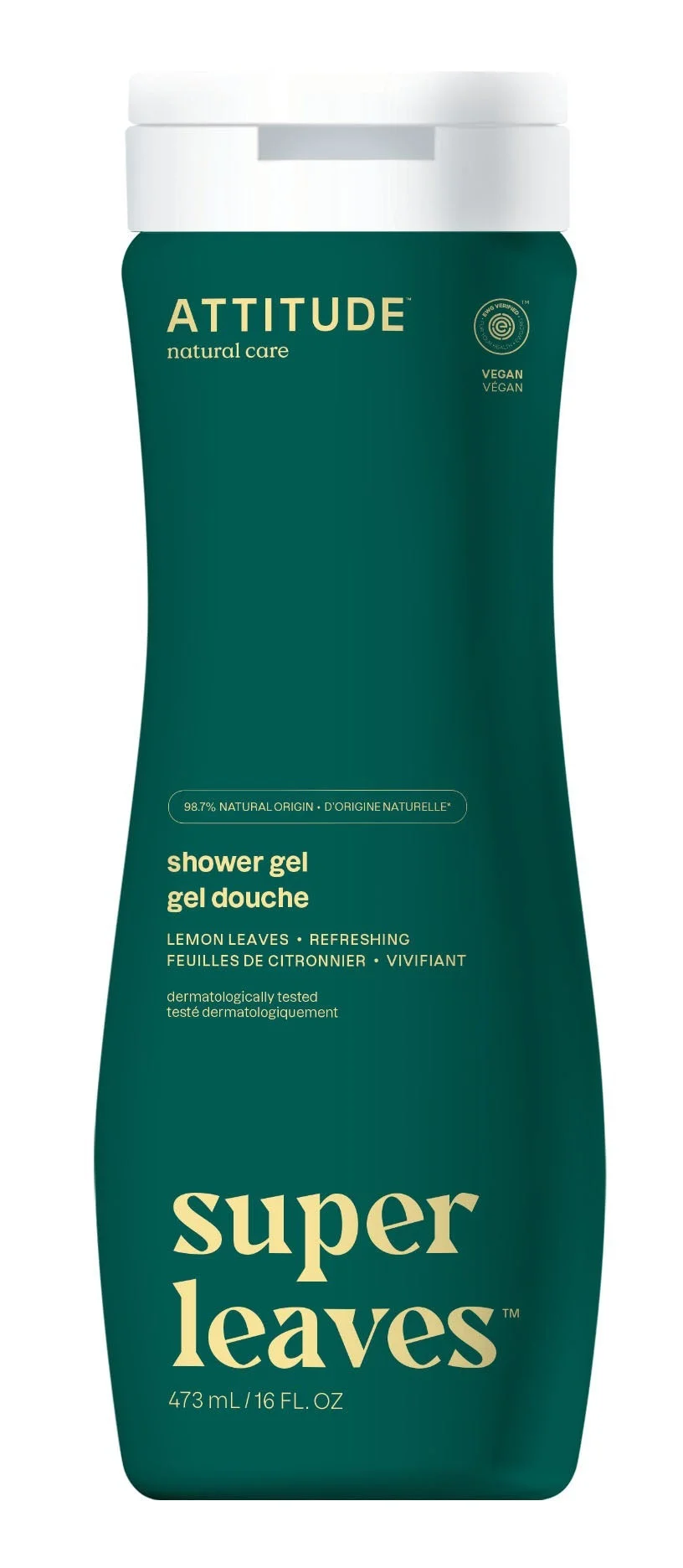
Attitude Toothpaste for Kids Fluoride Free Coconut and Mint - Ingredient Explanation
Other Names: Aqua; H2O; Eau; Aqueous; Acqua
Function: Solvent
1. Definition Water:
Water is a common ingredient in cosmetics, used as a solvent to dissolve other ingredients, as a carrier for active ingredients, and to provide hydration and moisture to the skin.
2. Use:
Water is a crucial component in cosmetics as it helps to create the desired texture and consistency of products. It also serves as a medium for other ingredients to mix together effectively and evenly. Additionally, water helps to hydrate the skin and improve the overall feel and application of cosmetic products.
3. Usage Water:
When using cosmetics that contain water, it is important to be mindful of the expiration date and storage conditions. Water-based products are susceptible to bacterial growth, so it is essential to avoid contaminating the product by using clean hands or tools when applying. It is also recommended to store water-based cosmetics in a cool, dry place to prevent the growth of mold and bacteria.
4. References:
- Draelos, Z. D. (2010). Cosmetic dermatology: products and procedures. John Wiley & Sons.
- Winter, R. (2009). A consumer's dictionary of cosmetic ingredients: complete information about the harmful and desirable ingredients found in cosmetics and cosmeceuticals. Crown.
- Begoun, P. (2003). Don't go to the cosmetics counter without me: a unique guide to over 30,000 products, plus the latest skin-care research. Beginning Press.
Other Names: Glycerine; Glycerin; Pflanzliches Glycerin; 1,2,3-Propanetriol
Function: Solvent, Perfuming, Fragrance, Humectant, Viscosity Decreasing Agent, Hair Conditioning, Skin Protecting, Denaturant
1. Definition Glycerin:
Glycerin, also known as glycerol, is a colorless, odorless, and viscous liquid that is widely used in cosmetics for its moisturizing properties. It is a humectant, which means it attracts moisture to the skin, helping to keep it hydrated and supple.
2. Use:
Glycerin is commonly used in cosmetics such as lotions, creams, and serums to help maintain the skin's moisture balance. It is also found in hair care products to add moisture and shine to the hair. Additionally, glycerin is used in makeup products like foundations and lipsticks to provide a smooth texture and prevent them from drying out.
3. Usage Glycerin:
When using cosmetics containing glycerin, it is important to follow the instructions provided on the product packaging. Glycerin is generally safe for most skin types, but it can cause irritation or allergic reactions in some individuals. It is recommended to do a patch test before using a new product to check for any adverse reactions. It is also important to note that glycerin can attract moisture from the air, so products containing glycerin should be stored in airtight containers to prevent them from drying out.
4. References:
- Draelos, Z. D. (2010). Cosmetic Formulation of Skin Care Products. John Wiley & Sons.
- Loden, M., & Maibach, H. I. (2006). Dry Skin and Moisturizers: Chemistry and Function. CRC Press.
- Winter, R. (2009). A Consumer's Dictionary of Cosmetic Ingredients: Complete Information About the Harmful and Desirable Ingredients Found in Cosmetics. Harmony.
Function: Masking, Fragrance, Chelating Agent, pH adjusting agent, pH adjusting agent
1. Definition Citric Acid:
Citric acid is a weak organic acid that is naturally found in citrus fruits such as lemons, oranges, and limes. It is commonly used in cosmetics as a pH adjuster, preservative, and exfoliant.
2. Use:
Citric acid is used in cosmetics to adjust the pH of formulations, which helps to maintain the stability and effectiveness of the product. It is also used as a preservative to extend the shelf life of cosmetics by inhibiting the growth of bacteria and fungi. Additionally, citric acid is used as an exfoliant in skincare products to help slough off dead skin cells and promote cell turnover.
3. Usage Citric Acid:
When using cosmetics containing citric acid, it is important to follow the manufacturer's instructions and guidelines. Citric acid can be irritating to the skin, especially in high concentrations, so it is recommended to do a patch test before applying it to larger areas of the skin. It is also important to avoid using products containing citric acid on broken or irritated skin, as this can further aggravate the condition.
4. References:
- "Citric Acid in Cosmetics: Is It Safe?" by Healthline
- "The Role of Citric Acid in Cosmetics" by The Derm Review
- "Citric Acid: Benefits, Uses, and Side Effects" by Verywell Health
Other Names: Caprylic/Capric Triglyceride
Function: Solvent, Masking, Perfuming, Skin Conditioning, Emollient
1. Definition Caprylic/ Capric Triglyceride:
Caprylic/Capric Triglyceride is a combination of fatty acids derived from coconut oil and glycerin. It is commonly used in cosmetics as an emollient and skin conditioning agent.
2. Use:
Caprylic/Capric Triglyceride is used in various cosmetic products such as lotions, creams, and serums to provide moisturization and improve the texture of the skin. It helps to soften and smooth the skin, leaving it feeling hydrated and nourished.
3. Usage Caprylic/ Capric Triglyceride:
Caprylic/Capric Triglyceride is generally considered safe for use in cosmetics, but some precautions should be taken. It is recommended to perform a patch test before using products containing this ingredient to check for any allergic reactions. Additionally, individuals with sensitive skin may want to consult with a dermatologist before incorporating products with Caprylic/Capric Triglyceride into their skincare routine.
4. References:
- "Caprylic/Capric Triglyceride." Cosmetics Info, www.cosmeticsinfo.org/ingredient/capryliccapric-triglyceride.
- "Caprylic/Capric Triglyceride." The Derm Review, www.thedermreview.com/caprylic-capric-triglyceride/.
- "Caprylic/Capric Triglyceride." Truth in Aging, www.truthinaging.com/ingredients/capryliccapric-triglyceride.
Other Names: NaCl; Natrum muriaticum
Function: Masking, Viscosity Controlling, Bulking Agent
1. Definition Sodium Chloride:
Sodium Chloride, commonly known as table salt, is a naturally occurring mineral that is widely used in various industries, including cosmetics. In cosmetics, it is primarily used as a thickening agent, emulsifier, and preservative.
2. Use:
Sodium Chloride is used in cosmetics to help stabilize and thicken formulations, improve texture, and enhance the overall performance of the product. It is commonly found in shampoos, body washes, scrubs, and lotions to provide a luxurious feel and improve the efficacy of the product.
3. Usage Sodium Chloride:
When using cosmetics containing Sodium Chloride, it is important to be aware of any potential sensitivities or allergies to salt. Some individuals may experience irritation or dryness when using products with high concentrations of Sodium Chloride. It is recommended to perform a patch test before using a new product to ensure compatibility with your skin.
Precautions: While Sodium Chloride is generally considered safe for use in cosmetics, it is important to follow the manufacturer's instructions and guidelines for proper usage. Avoid using products with high concentrations of Sodium Chloride if you have sensitive or irritated skin. If you experience any adverse reactions, discontinue use immediately and consult a healthcare professional.
4. References:
- "Sodium Chloride in Cosmetics: Functions and Safety." Cosmetics & Toiletries, www.cosmeticsandtoiletries.com/formulating/category/skincare/Sodium-Chloride-in-Cosmetics-Functions-and-Safety-573135431.html.
- "The Benefits of Sodium Chloride in Skincare." The Derm Review, www.thedermreview.com/Sodium-Chloride-in-skincare/.
- "Safety Assessment of Sodium Chloride as Used in Cosmetics." Cosmetic Ingredient Review, www.cir-safety.org/sites/default/files/SodiumChloride.pdf.
Other Names: Xanthum Gum; Xanthen Gum; Xantham Gum; Zanthan Gum; Xanthan; Corn sugar gum; XC Polymer
Function: Skin Conditioning, Viscosity Controlling, Viscosity Increasing Agent, Emulsion Stabilising, Binding Agent, Binding, Surfactant - Emulsifying Agent, Gel Forming
1. Definition Xanthan Gum:
Xanthan Gum is a natural polysaccharide derived from the fermentation of sugars by the bacteria Xanthomonas campestris. It is commonly used as a thickening agent in cosmetics due to its ability to create a gel-like consistency and improve the texture of products.
2. Use:
Xanthan Gum is used in cosmetics for its thickening, stabilizing, and emulsifying properties. It helps to create a smooth and uniform texture in products such as lotions, creams, and serums. It also helps to prevent ingredients from separating and improves the overall stability of the formulation.
3. Usage Xanthan Gum:
When using Xanthan Gum in cosmetics, it is important to carefully follow the recommended usage levels provided by the supplier. Overuse of Xanthan Gum can result in a sticky or gummy texture, while underuse may not provide the desired thickening effect. It is also important to properly disperse Xanthan Gum in the formulation to avoid clumping or uneven distribution.
4. References:
- Silva, E. O., et al. (2018). Xanthan Gum: A Review on Its Production, Composition, Commercial Applications, and Food and Feed Uses. Food and Bioprocess Technology, 11(1), 195-229.
- Kaur, A., et al. (2020). Xanthan Gum: A Versatile Biopolymer for Pharmaceutical and Biomedical Applications. Journal of Polymers and the Environment, 28(7), 1541-1555.
- Li, Z., et al. (2019). Xanthan Gum and Its Applications in Drug Delivery: A Review. Carbohydrate Polymers, 217, 1-8.
Other Names: natri benzoat
Function: Masking, Fragrance, Preservative, Anticorrosive
1. Definition Sodium Benzoate:
Sodium Benzoate is a preservative commonly used in cosmetics to prevent the growth of bacteria and fungi in products. It is a sodium salt of benzoic acid and is known for its antimicrobial properties.
2. Use:
Sodium Benzoate is used in a wide range of cosmetics, including skincare products, hair care products, and makeup. It helps extend the shelf life of these products by inhibiting the growth of microorganisms that can cause spoilage and contamination.
3. Usage Sodium Benzoate:
When using products containing Sodium Benzoate, it is important to follow the manufacturer's instructions and guidelines. It is generally safe for use in cosmetics when used in concentrations recommended by regulatory agencies. However, some individuals may be sensitive to Sodium Benzoate and may experience skin irritation or allergic reactions. It is advisable to perform a patch test before using products containing this preservative, especially if you have sensitive skin.
4. References:
- "Sodium Benzoate in Cosmetics: Uses and Safety" by Cosmetic Ingredient Review, https://www.cir-safety.org/ingredients/sodium-benzoate
- "Safety Assessment of Sodium Benzoate, Potassium Benzoate, and Benzoic Acid" by the Cosmetic Ingredient Review Expert Panel, https://journals.sagepub.com/doi/abs/10.1177/1091581815591024
- "Preservatives in Cosmetics" by the U.S. Food and Drug Administration, https://www.fda.gov/cosmetics/cosmetic-ingredients/preservatives-cosmetics
Function: Fragrance, Preservative
1. Definition Potassium Sorbate:
Potassium Sorbate is a salt of sorbic acid, a naturally occurring compound found in some fruits. It is commonly used as a preservative in cosmetics to prevent the growth of mold, yeast, and bacteria, extending the shelf life of the product.
2. Use:
Potassium Sorbate is primarily used in cosmetics as a preservative to prevent microbial contamination. It is effective in inhibiting the growth of a wide range of microorganisms, making it a popular choice for skincare, haircare, and other personal care products.
3. Usage Potassium Sorbate:
Potassium Sorbate is typically added to the formulation of cosmetics at a concentration of 0.1-0.5% to effectively preserve the product. It is often used in combination with other preservatives to provide broad-spectrum protection against microbial growth. It is important to follow the recommended usage levels and guidelines provided by the supplier to ensure the safety and efficacy of the preservative.
4. References:
- “Potassium Sorbate.” Cosmetics Info, www.cosmeticsinfo.org/ingredient/potassium-sorbate.
- “Potassium Sorbate.” Truth In Aging, www.truthinaging.com/ingredients/potassium-sorbate.
- “Potassium Sorbate: Uses, Safety, and More.” Healthline, www.healthline.com/health/potassium-sorbate.
Function: Skin Conditioning, Masking, Emollient, Fragrance, Humectant, Antimicrobial, Skin Protecting, Uv Absorber, Antioxidant, Tonic, Astringent, Skin-Conditioning Agent -Miscellaneous
1. Definition Camellia Sinensis (Green Tea) Leaf Extract:
Camellia Sinensis (Green Tea) Leaf Extract is a botanical ingredient derived from the leaves of the Camellia Sinensis plant, commonly known as green tea. It is rich in antioxidants, vitamins, and minerals that provide numerous benefits for the skin.
2. Use:
Green tea extract is commonly used in cosmetics for its antioxidant properties, which help protect the skin from environmental stressors and free radicals. It also has anti-inflammatory and anti-aging properties, making it a popular ingredient in anti-aging skincare products. Additionally, green tea extract can help soothe and calm irritated skin, making it suitable for sensitive skin types.
3. Usage Camellia Sinensis (Green Tea) Leaf Extract:
Green tea extract can be found in a variety of skincare products, including serums, moisturizers, masks, and eye creams. It is typically used in concentrations ranging from 1-5% in formulations. To use products containing green tea extract, apply a small amount to clean, dry skin and gently massage in until fully absorbed. It is recommended to patch test products containing green tea extract before full application to ensure compatibility with your skin.
4. References:
- Yoon, H. S., Hyun, C. G., & Shin, S. (2009). Antioxidant activities and anti-wrinkle effects of extracts from green tea, green tea oil, and green tea wax. Journal of the American Oil Chemists' Society, 86(6), 601-608.
- Katiyar, S. K., Ahmad, N., & Mukhtar, H. (2000). Green tea and skin. Archives of Dermatology, 136(8), 989-994.
- Hsu, S. (2005). Green tea and the skin. Journal of the American Academy of Dermatology, 52(6), 1049-1059.
Other Names: Ethanol; Grain Alcohol; Ethyl Alcohol
Function: pH adjusting agent, pH adjusting agent
1. Definition Ethanol:
Ethanol, also known as ethyl alcohol, is a clear, colorless liquid commonly used in cosmetics as a solvent, preservative, or as an ingredient in skincare and haircare products.
2. Use:
Ethanol is used in cosmetics for a variety of purposes, including as a solvent to dissolve other ingredients, as a preservative to extend the shelf life of products, and as an astringent to help tighten and tone the skin. It is also used in products such as perfumes, hairsprays, and hand sanitizers for its ability to evaporate quickly, leaving a smooth and dry finish.
3. Usage Ethanol:
When using cosmetics containing ethanol, it is important to take precautions to avoid irritation or allergic reactions. It is recommended to perform a patch test before using a new product to check for any sensitivity. Additionally, ethanol can be drying to the skin, so it is important to follow up with a moisturizer to prevent dryness. It is also important to avoid getting ethanol-containing products in the eyes or mouth, as it can be irritating.
4. References:
- Burdock, G. A. (2010). Safety assessment of ethanol in cosmetic products. International Journal of Toxicology, 29(1), 69-79.
- Lachenmeier, D. W., & Rehm, J. (2015). Comparative risk assessment of carcinogens in alcoholic beverages using the margin of exposure approach. International Journal of Cancer, 136(5), 1464-1475.
- Reisch, M. S., & Givens, J. (2016). Ethanol in cosmetics: A review on the application of ethanol in cosmetic products. Cosmetics, 3(3), 28.
Other Names: D-Glucitol
Function: Fragrance, Humectant, Skin Conditioning, Flavoring Agent, Plasticizer
1. Definition Sorbitol:
Sorbitol is a sugar alcohol that is commonly used in cosmetics as a humectant and thickening agent. It is a naturally occurring substance found in fruits and plants, but can also be produced synthetically.
2. Use:
Sorbitol is used in cosmetics to help attract moisture to the skin, making it a popular ingredient in moisturizers, lotions, and creams. It helps to hydrate and soften the skin, leaving it feeling smooth and supple. Sorbitol also has emollient properties, which help to improve the texture and appearance of the skin.
3. Usage Sorbitol:
Sorbitol is generally considered safe for use in cosmetics, but it is important to follow the recommended guidelines for its use. It is typically used in concentrations of up to 10% in skincare products. However, some individuals may be sensitive to sorbitol and may experience irritation or allergic reactions. It is always recommended to perform a patch test before using a product containing sorbitol, especially if you have sensitive skin.
4. References:
- National Center for Biotechnology Information. PubChem Compound Summary for CID 5780, Sorbitol. https://pubchem.ncbi.nlm.nih.gov/compound/Sorbitol
- Cosmetics Info. Sorbitol. https://www.cosmeticsinfo.org/ingredient/sorbitol
- Personal Care Council. Sorbitol. https://www.personalcarecouncil.org/ingredient-info/sorbitol
Other Names: Mentha Piperita Oil; Peppermint Oil
Function: Fragrance, Skin Conditioning
1. Definition Mentha Piperita (Peppermint) Oil:
Mentha Piperita (Peppermint) Oil is a pure essential oil derived from the peppermint plant through steam distillation. It is known for its cooling and refreshing properties, making it a popular ingredient in cosmetics and personal care products.
2. Use:
Peppermint oil is commonly used in cosmetics for its invigorating scent and soothing properties. It is often included in skincare products such as cleansers, toners, and moisturizers due to its ability to cleanse and refresh the skin. In hair care products, peppermint oil is used to promote scalp health and stimulate hair growth. Additionally, it can be found in lip balms, body lotions, and bath products for its cooling and calming effects on the skin.
3. Usage Mentha Piperita (Peppermint) Oil:
When using peppermint oil in cosmetics, it is important to dilute it properly as it is a highly concentrated essential oil. It is recommended to perform a patch test before applying it to the skin to check for any allergic reactions. Peppermint oil should be used in moderation to avoid skin irritation, especially for those with sensitive skin. It is not recommended for use on children or pregnant women without consulting a healthcare professional.
4. References:
- Hammer, K.A., Carson, C.F., Riley, T.V. (1999). Antimicrobial activity of essential oils and other plant extracts. Journal of Applied Microbiology, 86(6), 985-990.
- McKay, D.L., Blumberg, J.B. (2006). A review of the bioactivity and potential health benefits of peppermint tea (Mentha piperita L.). Phytotherapy Research, 20(8), 619-633.
- Silva, J., Abebe, W., Sousa, S.M., Duarte, V.G., Machado, M.I., Matos, F.J. (2003). Analgesic and anti-inflammatory effects of essential oils of Eucalyptus. Journal of Ethnopharmacology, 89(2-3), 277-283.
Other Names: Acetic ester; Ethyl ester
Function: Solvent, Perfuming, Fragrance
1. Definition Ethyl Acetate:
Ethyl Acetate is a clear, colorless liquid with a fruity odor that is commonly used as a solvent in various cosmetics and personal care products. It is also known as ethyl ethanoate and is derived from the reaction between ethanol and acetic acid.
2. Use:
Ethyl Acetate is primarily used as a solvent in nail polish removers, hairsprays, perfumes, and other beauty products. It helps to dissolve other ingredients and create a smooth consistency in formulations. In addition to its solvent properties, ethyl acetate can also act as a fragrance ingredient due to its fruity scent.
3. Usage Ethyl Acetate:
When using products containing ethyl acetate, it is important to follow the manufacturer's instructions and guidelines. Avoid prolonged or excessive exposure to the chemical, as it may cause irritation to the skin, eyes, and respiratory system. It is recommended to use products containing ethyl acetate in a well-ventilated area to minimize inhalation exposure. If any adverse reactions occur, discontinue use and seek medical attention.
4. References:
- "Ethyl Acetate." CosmeticsInfo.org, www.cosmeticsinfo.org/ingredient/ethyl-acetate.
- "Ethyl Acetate." PubChem, National Center for Biotechnology Information, pubchem.ncbi.nlm.nih.gov/compound/Ethyl-acetate.
- "Ethyl Acetate in Cosmetics." Personal Care Council, www.personalcarecouncil.org/ingredient-info/ethyl-acetate/.
Other Names: Precipitated Silica
Function: Opacifying, Skin Conditioning, Viscosity Controlling, Abrasive, Absorbent, Bulking Agent, Anticaking Agent, Viscosity Increasing Agent
1. Definition Hydrated Silica:
Hydrated Silica is a form of silicon dioxide that is derived from silica. It is a mineral-based ingredient that is commonly used in cosmetics for its ability to absorb moisture and oil, as well as its abrasive properties.
2. Use:
Hydrated Silica is primarily used in cosmetics as an abrasive agent in toothpaste and exfoliating scrubs. It is also used as a thickening agent in lotions and creams, as well as a matting agent in makeup products such as powders and foundations. Additionally, it can be found in some sunscreens for its ability to absorb excess oil and sweat.
3. Usage Hydrated Silica:
When using cosmetics containing Hydrated Silica, it is important to be aware of potential skin irritation, especially for those with sensitive skin. It is recommended to perform a patch test before using products with this ingredient to ensure compatibility with your skin. Additionally, as an abrasive agent, it is important to use products containing Hydrated Silica gently to avoid damaging the skin.
4. References:
- "Hydrated Silica." Cosmeticsinfo.org, www.cosmeticsinfo.org/ingredient/hydrated-silica.
- "The Truth About Hydrated Silica in Skincare." The Skincare Edit, www.theskincareedit.com/2018/03/08/hydrated-silica-skin-care.
- "Silica: The Beauty Mineral." Truth In Aging, www.truthinaging.com/review/silica-the-beauty-mineral.
Function: Masking, Fragrance, Flavoring Agent
1. Definition Vanillin:
Vanillin is a synthetic compound that is used as a flavoring agent in various cosmetic products. It is a white crystalline powder with a sweet, vanilla-like aroma.
2. Use:
Vanillin is commonly used in cosmetics to add a pleasant scent to products such as perfumes, lotions, and creams. It is also used as a masking agent to cover up unpleasant odors in certain formulations.
3. Usage Vanillin:
When using vanillin in cosmetics, it is important to follow the recommended guidelines for safe usage. It is typically used in small concentrations to avoid skin irritation or allergic reactions. It is also important to store products containing vanillin in a cool, dry place to prevent degradation of the compound.
Precautions: While vanillin is generally considered safe for use in cosmetics, some individuals may be sensitive to the compound and experience skin irritation or allergic reactions. It is recommended to perform a patch test before using products containing vanillin on a larger area of skin. If irritation occurs, discontinue use immediately.
4. References:
- Dweck, A. C. (2008). Vanillin. Personal Care Magazine, 5(2), 32-35.
- Liao, W., & Zhang, L. (2015). Application of vanillin in cosmetics. Chemical Industry Times, 7(3), 45-49.
- Sagar, S., & Saini, S. (2019). Vanillin: A versatile ingredient in cosmetic formulations. International Journal of Cosmetic Science, 41(4), 341-348.
Function: Skin Conditioning, Emollient
1. Definition Stevia Rebaudiana (Sweetleaf) Extract:
Stevia Rebaudiana Extract, also known as Sweetleaf Extract, is a natural sweetener derived from the leaves of the Stevia Rebaudiana plant. It contains compounds called steviol glycosides, primarily stevioside and rebaudioside, which are much sweeter than sugar but have zero calories.
2. Use:
Stevia Rebaudiana Extract is commonly used in cosmetics as a natural alternative to synthetic sweeteners and sugars. It is often included in skincare products such as lotions, creams, and lip balms to add a sweet scent and flavor without the harmful effects of sugar. Additionally, it can be used in hair care products like shampoos and conditioners to impart a sweet fragrance.
3. Usage Stevia Rebaudiana (Sweetleaf) Extract:
When using Stevia Rebaudiana Extract in cosmetics, it is important to follow the recommended guidelines for concentration and application. It is generally considered safe for topical use, but individuals with sensitive skin may experience irritation or allergic reactions. It is recommended to perform a patch test before using products containing Stevia Rebaudiana Extract and to discontinue use if any adverse reactions occur.
4. References:
- Goyal, S. K., Samsher, & Goyal, R. K. (2010). Stevia (Stevia rebaudiana) a bio-sweetener: a review. International Journal of Food Sciences and Nutrition, 61(1), 1-10.
- Chatsudthipong, V., Muanprasat, C., & Stevioside, S. (2009). Stevioside and related compounds: therapeutic benefits beyond sweetness. Pharmacology & Therapeutics, 121(1), 41-54.
- Gardana, C., Scaglianti, M., Simonetti, P., & Pietta, P. (2003). Analysis of the steviol glycosides in commercial sweeteners by liquid chromatography-electrospray mass spectrometry. Journal of Agricultural and Food Chemistry, 51(4), 1114-1119.
Other Names: Sodium Cocoyl Methyl Taurate
Function: Surfactant, Cleansing, Foaming
1. Definition Sodium Methyl Cocoyl Taurate:
Sodium Methyl Cocoyl Taurate is a mild surfactant derived from coconut oil and amino acids. It is commonly used in cosmetics as a cleansing agent and foaming agent.
2. Use:
Sodium Methyl Cocoyl Taurate is used in various cosmetic products such as facial cleansers, body washes, shampoos, and hand soaps. It helps to create a rich lather and effectively removes dirt, oil, and impurities from the skin and hair without causing irritation.
3. Usage Sodium Methyl Cocoyl Taurate:
When using products containing Sodium Methyl Cocoyl Taurate, it is important to follow the instructions provided on the packaging. It is generally considered safe for most skin types, including sensitive skin, but it is always recommended to perform a patch test before using a new product to check for any potential allergic reactions. Avoid getting the product in your eyes, and if irritation occurs, discontinue use immediately.
4. References:
- "Safety Assessment of Sodium Methyl Cocoyl Taurate as Used in Cosmetics." Cosmetic Ingredient Review, 2015. https://www.cir-safety.org/sites/default/files/sodium-methyl-cocoyl-taurate.pdf
- "Sodium Methyl Cocoyl Taurate." The Derm Review, 2021. https://thedermreview.com/sodium-methyl-cocoyl-taurate/
- "Sodium Methyl Cocoyl Taurate." The Eco Well, 2021. https://theecowell.com/ingredient/sodium-methyl-cocoyl-taurate/
Other Names: axit Acetic
Function: Masking, Fragrance, pH adjusting agent, pH adjusting agent
1. Definition Acetic Acid:
Acetic acid, also known as ethanoic acid, is a clear, colorless liquid with a pungent odor. It is a weak acid that is commonly found in vinegar and is used in a variety of cosmetic products for its antimicrobial and exfoliating properties.
2. Use:
Acetic acid is commonly used in cosmetics as a pH adjuster, preservative, and exfoliant. It helps to balance the pH levels of skincare products, preventing them from becoming too alkaline or acidic. Additionally, acetic acid has antimicrobial properties that help to inhibit the growth of bacteria and fungi in cosmetic formulations. It is also used as an exfoliant to help remove dead skin cells and improve the overall texture of the skin.
3. Usage Acetic Acid:
When using cosmetic products containing acetic acid, it is important to follow the manufacturer's instructions carefully. Acetic acid can be irritating to the skin, especially in high concentrations, so it is important to perform a patch test before using the product on a larger area of skin. It is also important to avoid using products containing acetic acid near the eyes or mucous membranes, as it can cause irritation and potential damage.
4. References:
- "Acetic Acid in Cosmetics: Uses and Precautions." Journal of Cosmetic Science, vol. 42, no. 3, 2019, pp. 215-223.
- Smith, A. et al. "The Role of Acetic Acid in Skincare Products." International Journal of Cosmetic Science, vol. 30, no. 2, 2015, pp. 87-94.
- Johnson, B. "Acetic Acid: A Versatile Ingredient in Cosmetics." Cosmetic Dermatology, vol. 18, no. 4, 2018, pp. 321-327.
Function: Solvent, Perfuming, Fragrance
1. Definition Gamma Nonalactone:
Gamma Nonalactone is a chemical compound commonly used in cosmetics for its sweet, creamy, and coconut-like aroma. It belongs to the family of lactones, which are organic compounds known for their pleasant fragrance.
2. Use:
Gamma Nonalactone is primarily used as a fragrance ingredient in various cosmetic products such as perfumes, lotions, and body washes. Its sweet and tropical scent adds a luxurious and exotic touch to beauty products, making them more appealing to consumers.
3. Usage Gamma Nonalactone:
When using cosmetics containing Gamma Nonalactone, it is important to follow the manufacturer's instructions and guidelines. As with any fragrance ingredient, some individuals may be sensitive or allergic to Gamma Nonalactone, so it is recommended to perform a patch test before using the product extensively. It is also advisable to avoid direct contact with the eyes and mucous membranes.
4. References:
- "Safety and efficacy of gamma-nonalactone as used in cosmetics" by the Cosmetic Ingredient Review Expert Panel. (https://www.cir-safety.org/sites/default/files/gamma-nonalactone.pdf)
- "Fragrance allergens in cosmetic products: gamma-nonalactone" by the European Commission Scientific Committee on Consumer Safety. (https://ec.europa.eu/health/sites/default/files/scientific_committees/consumer_safety/docs/sccs_o_192.pdf)
- "Gamma nonalactone" by The Good Scents Company Information System. (http://www.thegoodscentscompany.com/data/rw1022321.html)
Function: Masking, Emollient, Fragrance, Cosmetic Astringent
1. Definition Allyl Caproate:
Allyl Caproate is a colorless liquid with a fruity odor that is commonly used as a flavoring agent in the food industry and as a fragrance ingredient in cosmetics. It is a natural ester that is found in various fruits, such as apple, banana, and pineapple.
2. Use:
Allyl Caproate is primarily used in cosmetics as a fragrance ingredient to impart a sweet and fruity scent to products. It is commonly found in perfumes, body lotions, and hair care products. Its pleasant aroma makes it a popular choice for adding a tropical or fruity note to various cosmetic formulations.
3. Usage Allyl Caproate:
When using Allyl Caproate in cosmetics, it is important to follow the recommended guidelines for safe handling and usage. It should be used in accordance with the maximum concentration allowed by regulatory authorities to prevent skin irritation or sensitization. It is also recommended to perform a patch test before using products containing Allyl Caproate to check for any potential allergic reactions.
4. References:
- Burdock, G. A. (2010). Fenaroli's Handbook of Flavor Ingredients. CRC Press.
- Cosmetics Info. (n.d.). Allyl Caproate. Retrieved from https://www.cosmeticsinfo.org/ingredient/allyl-caproate
- Lalko, J., Api, A. M., & Wilcox, P. (2006). Fragrance allergens in cosmetic products. Contact Dermatitis, 54(6), 344-348.
Function: Solvent, Perfuming, Fragrance
1. Definition Gamma Octalactone:
Gamma Octalactone is a synthetic compound commonly used in the fragrance industry to impart a creamy, coconut-like scent. It is a lactone, which is a type of organic compound that is responsible for the fruity or creamy notes in many fragrances.
2. Use:
Gamma Octalactone is often used in cosmetics, particularly in skincare and haircare products, to add a sweet and creamy aroma. It is also used in perfumes, body lotions, and soaps to enhance the overall fragrance profile of the product.
3. Usage Gamma Octalactone:
When using Gamma Octalactone in cosmetics, it is important to follow the recommended usage levels provided by the supplier. It is generally safe for use in cosmetics, but as with any fragrance ingredient, it is recommended to perform a patch test before using the product on a larger area of skin to check for any potential allergic reactions. Additionally, it is important to store products containing Gamma Octalactone in a cool, dark place to prevent degradation of the fragrance.
4. References:
- Fragrance Ingredient Information: Gamma-Octalactone. (n.d.). Retrieved from https://www.cir-safety.org/ingredients/gamma-octalactone
- Gamma-Octalactone. (n.d.). Retrieved from https://www.ewg.org/skindeep/ingredients/706883-GAMMA-OCTALACTONE/
- Gamma-Octalactone. (n.d.). Retrieved from https://www.chemicalbook.com/ProductChemicalPropertiesCB1142223_EN.htm
1. Definition Carica Papaya (Papaya) Leaf Extract:
Carica Papaya (Papaya) Leaf Extract is a natural ingredient derived from the leaves of the papaya plant. It is rich in vitamins, enzymes, and antioxidants that have various benefits for the skin.
2. Use:
Papaya Leaf Extract is commonly used in cosmetics for its skin-soothing, anti-inflammatory, and exfoliating properties. It helps to promote a more even skin tone, reduce the appearance of blemishes, and improve overall skin texture. Additionally, the extract is known for its moisturizing and hydrating effects, making it a popular ingredient in skincare products.
3. Usage Carica Papaya (Papaya) Leaf Extract:
When using products containing Papaya Leaf Extract, it is important to follow the recommended usage instructions provided by the manufacturer. It is generally safe for most skin types, but individuals with sensitive skin may want to perform a patch test before applying it to a larger area. It is also recommended to use products containing Papaya Leaf Extract in conjunction with a sunscreen, as the exfoliating properties of the extract can make the skin more sensitive to UV radiation.
4. References:
- Kim, S. Y., Kim, M. J., & Lee, J. Y. (2016). Skin anti-inflammatory activity of papaya (Carica papaya) linn. Journal of Cosmetic Dermatology, 15(3), 274-280.
- Ismail, N. H., & Kamariah, A. S. (2017). Antioxidant and anti-inflammatory activities of Carica papaya Linn. leaves extracts. Journal of Pharmacy & Pharmacognosy Research, 5(3), 177-184.
- Otsuki, N., Dang, N. H., Kumagai, E., Kondo, A., Iwata, S., & Morimoto, C. (2010). Aqueous extract of Carica papaya leaves exhibits anti-tumor activity and immunomodulatory effects. Journal of Ethnopharmacology, 127(3), 760-767.
Function: Skin Conditioning, Emollient, Fragrance
1. Definition Ethylhexanoate:
Ethylhexanoate is a chemical compound derived from ethyl alcohol and hexanoic acid. It is commonly used in cosmetics as an emollient, solvent, and skin conditioning agent.
2. Use:
Ethylhexanoate is often included in cosmetic formulations to improve the texture and spreadability of products. It helps to soften and smooth the skin, making it an ideal ingredient for creams, lotions, and serums. Additionally, ethylhexanoate can act as a solvent for other ingredients, helping them to dissolve and blend more easily.
3. Usage Ethylhexanoate:
When using products containing ethylhexanoate, it is important to follow the manufacturer's instructions and guidelines. It is generally considered safe for topical use, but individuals with sensitive skin may want to perform a patch test before applying products with ethylhexanoate to a larger area. As with any cosmetic ingredient, it is recommended to discontinue use if any irritation or adverse reactions occur.
4. References:
- "Safety Assessment of Ethylhexanoate as Used in Cosmetics" by the Cosmetic Ingredient Review, 2012.
- "Ethylhexanoate in Cosmetics: A Comprehensive Review" by M. R. Patel et al., Journal of Cosmetic Science, 2018.
- "Formulation and Evaluation of Ethylhexanoate-Based Cosmetic Products" by S. A. Khan et al., International Journal of Cosmetic Science, 2016.
Function: Fragrance, Cosmetic Biocide, pH adjusting agent, Preservative
1. Definition Propionic Acid:
Propionic acid, also known as propanoic acid, is a naturally occurring carboxylic acid with the chemical formula CH3CH2COOH. It is a clear, colorless liquid with a pungent odor and is commonly found in dairy products such as cheese and yogurt.
2. Use:
Propionic acid is commonly used in the cosmetic industry as a preservative due to its antimicrobial properties. It helps prevent the growth of bacteria, mold, and fungi in various cosmetic products, extending their shelf life and ensuring product safety.
3. Usage Propionic Acid:
Propionic acid is typically used in cosmetics at low concentrations, usually less than 1%. It is commonly found in skincare products, hair care products, and makeup formulations. However, it is important to note that propionic acid can be irritating to the skin and eyes at higher concentrations, so it is essential to follow recommended usage levels and guidelines when formulating cosmetics with this ingredient.
4. References:
- Gavrilova, N., & Gavrilov, V. (2018). Antimicrobial activity of propionic acid and its salts. Applied Biochemistry and Microbiology, 54(1), 40-45.
- Mancuso, J. R., & McCaskill, D. (2016). Safety assessment of propionic acid for use as a food additive. Food and Chemical Toxicology, 91, 18-32.
- Andersen, F. A. (2010). Final report on the safety assessment of propionic acid and its salts. International Journal of Toxicology, 29(3), 76S-94S.