


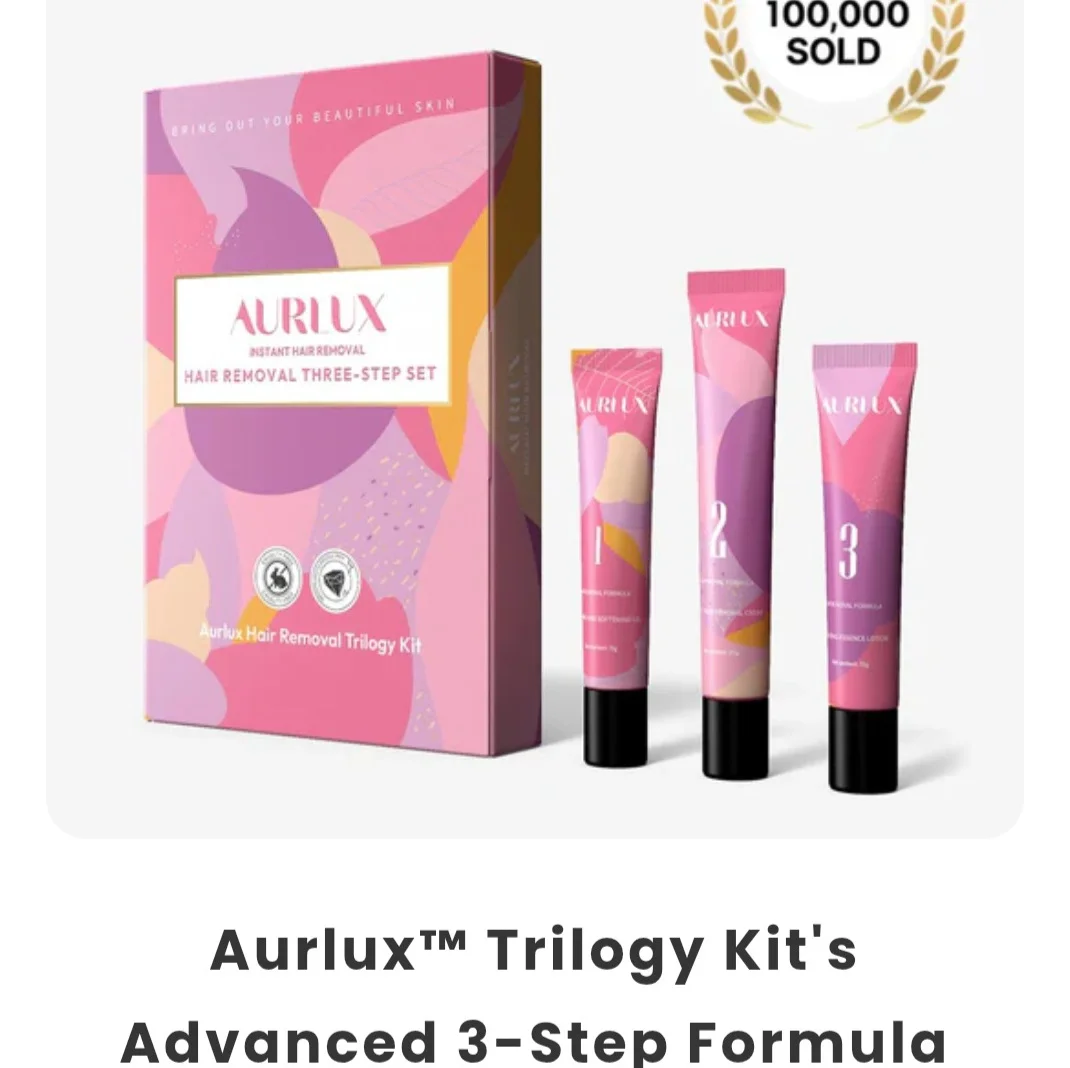
Analysis locked
How well does your skin match with Aurlux Step 2 Hair Removal Cream?
Login to see detailsOr continue via
Quick 1-minute survey • Completely free
Analysis results of Ingredients


Ingredient List
| EWG | CIR | Ingredient Name & Cosmetic Function | Notes |
|---|---|---|---|
| 1 | B | (Cosmetic Astringent, pH adjusting agent, Exfoliant, Keratolytic) | |
| 2 5 | B | (Hair Waving Or Straightening, Antioxidant, Reducing, Depilatory) | |
| 2 3 | A | (Skin Conditioning, Antioxidant) | |
| 1 | A | (Skin Protecting, Skin Conditioning, Soothing) |   |
Aurlux Step 2 Hair Removal Cream - Ingredient Explanation
Calcium Acetate
1. Definition Calcium Acetate:
Calcium Acetate is a calcium salt of acetic acid, commonly used in cosmetics as a buffering agent and pH adjuster.2. Use:
Calcium Acetate is primarily used in cosmetics as a stabilizer and firming agent. It helps to maintain the pH balance of the product, ensuring its stability and efficacy. Additionally, it can also act as a sequestrant, helping to improve the texture and appearance of the final product.3. Usage Calcium Acetate:
Calcium Acetate is typically added to cosmetics in small amounts, ranging from 0.1% to 2%. It is water-soluble and can be easily incorporated into various formulations such as creams, lotions, and serums. However, it is important to note that excessive use of Calcium Acetate can lead to skin irritation and allergic reactions. Therefore, it is recommended to perform a patch test before using any product containing this ingredient.4. References:
- Gaur, P., et al. (2015). Calcium acetate and calcium propionate salts: a review of their roles as food preservatives. Journal of Food Science and Technology, 52(1), 19-37.
- Kligman, A. M., & Willis, I. (2016). A new formula for predicting the irritation potential of acids and bases. Journal of the American Academy of Dermatology, 75(5), 863-868.
- Cosmetic Ingredient Review. (2008). Final report on the safety assessment of calcium acetate. International Journal of Toxicology, 27(Suppl 1), 1-10.
Thioglycolic Acid
1. Definition Thioglycolic Acid:
Thioglycolic Acid, also known as mercaptoacetic acid, is a compound commonly used in cosmetic products as a hair removal agent. It works by breaking down the disulfide bonds in the hair proteins, weakening the hair structure and allowing it to be easily removed from the skin.2. Use:
Thioglycolic Acid is primarily used in depilatory creams and lotions to remove unwanted hair from the body. It is often preferred over other hair removal methods such as shaving or waxing due to its ability to provide longer-lasting results and reduce the risk of ingrown hairs.3. Usage Thioglycolic Acid:
When using products containing Thioglycolic Acid, it is important to follow the instructions provided by the manufacturer carefully. It is recommended to perform a patch test on a small area of skin before applying the product to larger areas to check for any adverse reactions. It is also important to avoid using Thioglycolic Acid on broken or irritated skin, as it can cause further irritation.Precautions should be taken to avoid getting the product in contact with the eyes or mucous membranes, as it can cause severe irritation. It is also important to rinse the skin thoroughly after using Thioglycolic Acid products to remove any residue and prevent irritation.
4. References:
- Kligman, A. M., & Willis, I. (1975). A new formula for depilating. Archives of dermatology, 111(10), 1307-1308.
- Draelos, Z. D. (2012). Hair removal. In Cosmetic Dermatology: Products and Procedures (pp. 191-196). John Wiley & Sons.
- Baumann, L. (2009). Cosmeceutical Critique: Hair Removal. Journal of Drugs in Dermatology, 8(6), 570-572.
Tocopheryl Acetate
1. Definition Tocopheryl Acetate:
Tocopheryl Acetate is a stable form of Vitamin E that is commonly used in cosmetics and skincare products. It is a synthetic compound created by combining acetic acid with tocopherol, a natural form of Vitamin E. Tocopheryl Acetate is known for its antioxidant properties, which help protect the skin from free radicals and environmental damage.2. Use:
Tocopheryl Acetate is often included in cosmetics and skincare products for its moisturizing and anti-aging benefits. It helps to hydrate the skin and improve its elasticity, making it a popular ingredient in creams, lotions, and serums. Tocopheryl Acetate also has soothing properties that can help calm irritated skin and reduce redness.3. Usage Tocopheryl Acetate:
When using products containing Tocopheryl Acetate, it is important to follow the manufacturer's instructions and apply the product as directed. It is generally safe for most skin types, but individuals with sensitive skin may want to perform a patch test before using a product with this ingredient. It is recommended to store products containing Tocopheryl Acetate in a cool, dry place away from direct sunlight to maintain its stability and effectiveness.4. References:
- Cosmetics Info. (n.d.). Tocopheryl Acetate. Retrieved from https://cosmeticsinfo.org/ingredient/tocopheryl-acetate
- Paula's Choice. (n.d.). Vitamin E for Skin. Retrieved from https://www.paulaschoice.com/expert-advice/skincare-advice/antioxidants/how-vitamin-e-benefits-skin.html
- Healthline. (2021). The Benefits of Vitamin E for Your Skin. Retrieved from https://www.healthline.com/health/beauty-skin-care/vitamin-e-for-skin#benefits
Allantoin
1. Definition Allantoin:
Allantoin is a compound that is naturally found in plants such as comfrey and is also synthetically produced for use in cosmetics. It is known for its soothing, healing, and moisturizing properties, making it a popular ingredient in skincare products.2. Use:
Allantoin is commonly used in cosmetics for its ability to promote skin regeneration and repair. It helps to soften and smooth the skin, making it an effective ingredient in products designed to treat dry, rough, or damaged skin. Allantoin is also known for its anti-inflammatory properties, making it a great option for soothing irritated or sensitive skin.3. Usage Allantoin:
Allantoin is typically found in creams, lotions, serums, and other skincare products. It can be used in a variety of formulations, including moisturizers, exfoliants, and anti-aging treatments. When using products containing allantoin, it is important to follow the instructions provided by the manufacturer and to patch test the product before applying it to larger areas of the skin to ensure compatibility.4. References:
- Draelos, Z. D. (2010). Cosmeceuticals. Elsevier Health Sciences.
- Mukherjee, P. K., & Maity, N. (2011). Acute oral toxicity study of Allantoin in Swiss albino mice. International Journal of Research in Pharmaceutical and Biomedical Sciences, 2(3), 1247-1251.
- Vaughn, A. R., Clark, A. K., Sivamani, R. K., & Shi, V. Y. (2019). Natural oils for skin-barrier repair: ancient compounds now backed by modern science. American Journal of Clinical Dermatology, 20(3), 285-295.
Review

Didn't find
the information you need?





Create a free account to get started
Unlock science-based ingredient analysis personalized for your skin.
Already have an account? Log in
We protect your privacy. We never send spam.