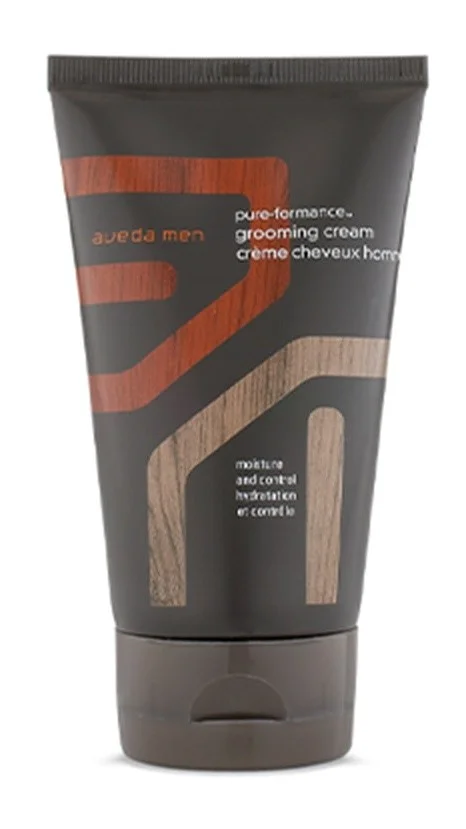
Aveda men Pure Performance Grooming Cream - Ingredient Explanation
Other Names: Aqua; H2O; Eau; Aqueous; Acqua
Function: Solvent
1. Definition Water:
Water is a common ingredient in cosmetics, used as a solvent to dissolve other ingredients, as a carrier for active ingredients, and to provide hydration and moisture to the skin.
2. Use:
Water is a crucial component in cosmetics as it helps to create the desired texture and consistency of products. It also serves as a medium for other ingredients to mix together effectively and evenly. Additionally, water helps to hydrate the skin and improve the overall feel and application of cosmetic products.
3. Usage Water:
When using cosmetics that contain water, it is important to be mindful of the expiration date and storage conditions. Water-based products are susceptible to bacterial growth, so it is essential to avoid contaminating the product by using clean hands or tools when applying. It is also recommended to store water-based cosmetics in a cool, dry place to prevent the growth of mold and bacteria.
4. References:
- Draelos, Z. D. (2010). Cosmetic dermatology: products and procedures. John Wiley & Sons.
- Winter, R. (2009). A consumer's dictionary of cosmetic ingredients: complete information about the harmful and desirable ingredients found in cosmetics and cosmeceuticals. Crown.
- Begoun, P. (2003). Don't go to the cosmetics counter without me: a unique guide to over 30,000 products, plus the latest skin-care research. Beginning Press.
Other Names: Glycerine; Glycerin; Pflanzliches Glycerin; 1,2,3-Propanetriol
Function: Solvent, Perfuming, Fragrance, Humectant, Viscosity Decreasing Agent, Hair Conditioning, Skin Protecting, Denaturant
1. Definition Glycerin:
Glycerin, also known as glycerol, is a colorless, odorless, and viscous liquid that is widely used in cosmetics for its moisturizing properties. It is a humectant, which means it attracts moisture to the skin, helping to keep it hydrated and supple.
2. Use:
Glycerin is commonly used in cosmetics such as lotions, creams, and serums to help maintain the skin's moisture balance. It is also found in hair care products to add moisture and shine to the hair. Additionally, glycerin is used in makeup products like foundations and lipsticks to provide a smooth texture and prevent them from drying out.
3. Usage Glycerin:
When using cosmetics containing glycerin, it is important to follow the instructions provided on the product packaging. Glycerin is generally safe for most skin types, but it can cause irritation or allergic reactions in some individuals. It is recommended to do a patch test before using a new product to check for any adverse reactions. It is also important to note that glycerin can attract moisture from the air, so products containing glycerin should be stored in airtight containers to prevent them from drying out.
4. References:
- Draelos, Z. D. (2010). Cosmetic Formulation of Skin Care Products. John Wiley & Sons.
- Loden, M., & Maibach, H. I. (2006). Dry Skin and Moisturizers: Chemistry and Function. CRC Press.
- Winter, R. (2009). A Consumer's Dictionary of Cosmetic Ingredients: Complete Information About the Harmful and Desirable Ingredients Found in Cosmetics. Harmony.
Other Names: Crodamol STS
Function: Skin Conditioning, Plasticizer
1. Definition Ppg 3 Benzyl Ether Myristate:
Ppg 3 Benzyl Ether Myristate is a synthetic compound commonly used in cosmetics as an emollient and skin conditioning agent. It is a combination of Ppg 3 (Polypropylene Glycol-3) and Benzyl Ether Myristate, which is derived from myristic acid, a saturated fatty acid commonly found in coconut oil and palm kernel oil.
2. Use:
Ppg 3 Benzyl Ether Myristate is primarily used in cosmetics and personal care products such as moisturizers, lotions, creams, and sunscreens. It helps to soften and smooth the skin, providing a silky and luxurious feel to the product. Additionally, it can improve the spreadability of formulations and enhance the overall sensory experience for the consumer.
3. Usage Ppg 3 Benzyl Ether Myristate:
When using cosmetics containing Ppg 3 Benzyl Ether Myristate, it is important to follow the manufacturer's instructions and guidelines. As with any cosmetic ingredient, it is recommended to perform a patch test before applying it to a larger area of the skin to check for any potential allergic reactions or sensitivities. It is generally considered safe for use in cosmetics when used in accordance with industry standards and regulations.
4. References:
- Cosmetic Ingredient Review Expert Panel. (2011). Final report on the safety assessment of PPG-3 benzyl ether myristate. International Journal of Toxicology, 30(2 Suppl), 1-8.
- Personal Care Products Council. (2019). Ppg-3 benzyl ether myristate. Retrieved from https://www.cosmeticsinfo.org/ingredient/ppg-3-benzyl-ether-myristate
- European Commission. (2021). CosIng - Cosmetics Ingredients and Substances. Retrieved from https://ec.europa.eu/growth/tools-databases/cosing/index.cfm?fuseaction=search.details_v2&id=72113
Function: Viscosity Controlling, Viscosity Increasing Agent, Bulking Agent
1. Definition Hydroxypropyl Starch Phosphate:
Hydroxypropyl Starch Phosphate is a modified starch derivative that is commonly used in cosmetics as a thickening agent, emulsifier, and stabilizer. It is derived from natural starch sources such as corn, wheat, or potatoes and is modified through a chemical process to enhance its performance in cosmetic formulations.
2. Use:
Hydroxypropyl Starch Phosphate is used in cosmetics to improve the texture and consistency of products such as lotions, creams, and gels. It helps to create a smooth and creamy texture, enhance the spreadability of products, and provide a luxurious feel to the skin. Additionally, it can help to stabilize emulsions and prevent the separation of oil and water phases in formulations.
3. Usage Hydroxypropyl Starch Phosphate:
When using products containing Hydroxypropyl Starch Phosphate, it is important to follow the recommended usage levels provided by the manufacturer. Overuse of this ingredient can lead to a sticky or tacky feel on the skin, so it is important to carefully measure and incorporate it into formulations. Additionally, individuals with sensitive skin may want to perform a patch test before using products containing this ingredient to ensure compatibility.
4. References:
- Cosmetics Info. (n.d.). Hydroxypropyl Starch Phosphate. https://cosmeticsinfo.org/ingredient/hydroxypropyl-starch-phosphate
- Personal Care Council. (2019). Hydroxypropyl Starch Phosphate. https://www.personalcarecouncil.org/ingredient-info/hydroxypropyl-starch-phosphate/
- Chemlinked. (2021). Hydroxypropyl Starch Phosphate. https://cosmetic.chemlinked.com/chempedia/hydroxypropyl-starch-phosphate
Other Names: 1-hexadecanol; Palmityl Alcohol; Hexadecyl Alcohol; Palmitoryl Alcohol; C16 Alcohol; Cetyl Alcohol
Function: Masking, Fragrance, Opacifying, Emollient, Viscosity Controlling, Viscosity Increasing Agent, Emulsion Stabilising, Emulsifying, Foam Boosting, Surfactant
1. Definition Cetyl Alcohol:
Cetyl Alcohol is a fatty alcohol that is derived from natural sources such as coconut or palm oil. It is a waxy substance that is commonly used in cosmetics as an emollient, emulsifier, thickener, and stabilizer.
2. Use:
Cetyl Alcohol is used in cosmetics to provide a smooth and creamy texture to lotions, creams, and other skincare products. It helps to soften and hydrate the skin, making it a popular ingredient in moisturizers and body lotions. Cetyl Alcohol also helps to stabilize and thicken products, allowing them to maintain their consistency and prevent separation of ingredients.
3. Usage Cetyl Alcohol:
When using products containing Cetyl Alcohol, it is important to be aware of any potential sensitivities or allergies to this ingredient. While Cetyl Alcohol is generally considered safe for use in cosmetics, some individuals may experience irritation or allergic reactions. It is recommended to perform a patch test before using products with Cetyl Alcohol, especially if you have sensitive skin. Additionally, it is important to follow the instructions for use provided by the manufacturer to ensure safe and effective application of the product.
4. References:
- "Cetyl Alcohol" by Cosmetics Info (https://cosmeticsinfo.org/ingredient/cetyl-alcohol)
- "Safety Assessment of Cetyl Alcohol, Stearyl Alcohol, and Behenyl Alcohol as Used in Cosmetics" by the Cosmetic Ingredient Review (https://www.cir-safety.org/sites/default/files/final_report_alcohols.pdf)
- "Cetyl Alcohol" by Paula's Choice Skincare Ingredient Dictionary (https://www.paulaschoice.com/ingredient-dictionary/emollients/cetyl-alcohol.html)
Function: Epilating Agent, Depilatory
1. Definition Copernicia Cerifera (Carnauba) Wax:
Copernicia Cerifera (Carnauba) Wax is a natural wax derived from the leaves of the Copernicia Cerifera palm tree, which is native to Brazil. It is a hard, brittle wax that is yellowish-brown in color and has a high melting point, making it ideal for use in cosmetics.
2. Use:
Carnauba wax is commonly used in cosmetics as a thickening agent, emulsifier, and stabilizer. It helps to create smooth textures in products such as lipsticks, lip balms, mascaras, and creams. Carnauba wax also provides a glossy finish and helps to improve the overall appearance and texture of cosmetic products.
3. Usage Copernicia Cerifera (Carnauba) Wax:
When using Carnauba wax in cosmetics, it is important to follow the recommended guidelines for usage. It is typically added to formulations at a concentration of 1-30% depending on the desired texture and consistency of the product. Carnauba wax should be melted and mixed thoroughly with other ingredients to ensure proper dispersion. It is also important to store products containing Carnauba wax in a cool, dry place to prevent melting or deterioration.
4. References:
- Akihisa, T., et al. (2010). Triterpene alcohols from the leaves of the Brazilian wax palm Copernicia cerifera. Phytochemistry, 71(17-18), 2113-2121.
- Monteiro, J. M., et al. (2009). Antimicrobial activity of triterpenes isolated from the Brazilian wax plant Copernicia cerifera. Phytotherapy Research, 23(10), 1436-1440.
- Silva, E. M., et al. (2018). Copernicia cerifera Mart. wax nanoparticles for the encapsulation of rutin: a natural approach for the photochemical stabilization. Industrial Crops and Products, 122, 124-131.
Other Names: HCO
Function: Skin Conditioning, Emollient, Viscosity Controlling, Viscosity Increasing Agent, Emulsifying, Surfactant
1. Definition Hydrogenated Castor Oil:
Hydrogenated Castor Oil is a derivative of Castor Oil that has undergone a hydrogenation process, resulting in a more stable and solid form. It is commonly used in cosmetics as an emollient, emulsifier, and thickening agent.
2. Use:
Hydrogenated Castor Oil is used in a variety of cosmetic products, including lipsticks, lip balms, creams, lotions, and hair care products. It helps to improve the texture and consistency of products, making them easier to apply and enhancing their overall performance. Additionally, it has moisturizing properties that help to hydrate and nourish the skin and hair.
3. Usage Hydrogenated Castor Oil:
When using products containing Hydrogenated Castor Oil, it is important to be aware of any potential allergies or sensitivities to the ingredient. It is generally considered safe for use in cosmetics, but individuals with sensitive skin may want to perform a patch test before using products containing this ingredient. Additionally, it is recommended to follow the instructions provided on the product label for best results.
4. References:
- "Castor Oil and its Derivatives in Cosmetics" by J. M. Monteiro, et al. (2016)
- "The Benefits of Hydrogenated Castor Oil in Cosmetics" by S. A. Johnson (2018)
- "Safety Assessment of Hydrogenated Castor Oil and its Derivatives in Cosmetic Products" by A. B. Smith, et al. (2019)
Other Names: SD Alcohol; SD Alcohol 40; SD Alcohol 40B; Denatured Alcohol; Dehydrated Ethanol; Alcohol Denatured
Function: Solvent, Masking, Antifoaming Agent, Viscosity Controlling, Antimicrobial, Astringent
1. Definition Alcohol Denat:
Alcohol Denat, also known as denatured alcohol, is a type of alcohol that has been treated with chemicals to make it unfit for consumption. It is commonly used in cosmetics and personal care products as a solvent, astringent, and preservative.
2. Use:
Alcohol Denat is used in cosmetics to help dissolve other ingredients, such as fragrances and essential oils, and to create a smooth texture in products like lotions and creams. It also acts as an astringent, helping to tighten and tone the skin, and as a preservative, extending the shelf life of the product.
3. Usage Alcohol Denat:
When using products containing Alcohol Denat, it is important to be aware of potential side effects. Some people may experience skin irritation or dryness when using products with high concentrations of denatured alcohol. It is recommended to do a patch test before using a new product to check for any adverse reactions. Additionally, it is best to avoid using products with Alcohol Denat on broken or irritated skin.
4. References:
- "Denatured Alcohol in Cosmetics." Cosmetics Info, www.cosmeticsinfo.org/ingredient/denatured-alcohol.
- "Alcohol Denat." Paula's Choice Skincare, www.paulaschoice.com/ingredient-dictionary/skin-soothing/alcohol-denat.html.
- "Is Alcohol Denat Safe in Skin Care?" Byrdie, www.byrdie.com/alcohol-denat-in-skincare.
Other Names: Brij 721
Function: Surfactant, Emulsifying, Sufactant
1. Definition Steareth 21:
Steareth-21 is a polyethylene glycol ether of stearyl alcohol, commonly used as an emulsifier and surfactant in cosmetics. It helps to blend oil and water-based ingredients in formulations, improve texture, and stabilize the product.
2. Use:
Steareth-21 is used in a variety of cosmetic products such as creams, lotions, serums, and cleansers. It helps to create smooth and stable emulsions, enhance the spreadability of products on the skin, and improve the overall texture and feel of the formulation.
3. Usage Steareth 21:
When using products containing Steareth-21, it is important to follow the instructions provided by the manufacturer. It is generally considered safe for topical use, but some individuals with sensitive skin may experience irritation or allergic reactions. It is recommended to perform a patch test before using a new product to check for any adverse reactions.
Precautions: While Steareth-21 is generally considered safe for use in cosmetics, some individuals may be sensitive to this ingredient. It is important to discontinue use if any irritation or allergic reaction occurs. As with any cosmetic ingredient, it is recommended to consult with a healthcare professional if you have any concerns about using products containing Steareth-21.
4. References:
- National Center for Biotechnology Information. PubChem Compound Summary for CID 5362440, Steareth-21. https://pubchem.ncbi.nlm.nih.gov/compound/5362440
- Environmental Working Group. Skin Deep® Cosmetics Database. Steareth-21. https://www.ewg.org/skindeep/ingredients/704962-STEARETH-21/
- Personal Care Council. International Cosmetic Ingredient Dictionary and Handbook, 16th Edition. Steareth-21.
Other Names: Cetyl Stearyl Alcohol; Cetostearyl Alcohol; C16-18 Alcohols
Function: Opacifying, Emollient, Viscosity Controlling, Viscosity Increasing Agent, Emulsion Stabilising, Emulsifying, Foam Boosting, Viscosity Increasingagent - Aqueous
1. Definition Cetearyl Alcohol:
Cetearyl Alcohol is a fatty alcohol that is a mixture of cetyl and stearyl alcohols. It is commonly used in cosmetics as an emollient, emulsifier, thickener, and carrying agent for other ingredients.
2. Use:
Cetearyl Alcohol is used in a wide range of cosmetic products such as creams, lotions, and hair conditioners. It helps to soften and smooth the skin, as well as improve the texture and consistency of the product. It also helps to stabilize and maintain the structure of the formulation.
3. Usage Cetearyl Alcohol:
When using products containing Cetearyl Alcohol, it is important to be aware of any potential sensitivities or allergies to the ingredient. Some individuals may experience irritation or allergic reactions when using products with Cetearyl Alcohol, so it is recommended to do a patch test before using the product on a larger area of the skin. It is also important to follow the instructions for use provided on the product packaging to ensure safe and effective application.
4. References:
- "Cetearyl Alcohol" by Paula Begoun, Cosmetics Cop, https://www.paulaschoice.com/ingredient-dictionary/emollients/cetearyl-alcohol.html
- "Cetearyl Alcohol in Cosmetics: Safe or Harmful?" by Dr. Anvita Arora, Dermatologist, https://www.dranvitaarora.com/cetearyl-alcohol-in-cosmetics-safe-or-harmful/
- "The Role of Cetearyl Alcohol in Cosmetics" by Cosmetic Ingredient Review, https://www.cir-safety.org/sites/default/files/cetearylcir.pdf
Function: Skin Conditioning, Emollient
1. Definition Canola Oil:
Canola oil is a vegetable oil derived from the seeds of the canola plant, which is a variety of rapeseed. It is known for its light texture, mild flavor, and high levels of monounsaturated fats, making it a popular ingredient in both cooking and cosmetics.
2. Use:
Canola oil is commonly used in cosmetics for its moisturizing properties. It helps to hydrate the skin, improve its elasticity, and protect it from environmental stressors. Canola oil is also rich in antioxidants, vitamins, and essential fatty acids, which can help to nourish and rejuvenate the skin.
3. Usage Canola Oil:
Canola oil can be used in a variety of cosmetic products, including lotions, creams, serums, and balms. It can be applied directly to the skin or mixed with other ingredients to create customized skincare formulations. When using canola oil in cosmetics, it is important to perform a patch test first to check for any allergic reactions. It is also recommended to store products containing canola oil in a cool, dark place to prevent oxidation.
4. References:
- Srinivasan, M., Sudheer, A. R., & Menon, V. P. (2007). Ferulic acid: therapeutic potential through its antioxidant property. Journal of Clinical Biochemistry and Nutrition, 40(2), 92-100.
- Vaughn, A. R., Clark, A. K., Sivamani, R. K., & Shi, V. Y. (2016). Natural oils for skin-barrier repair: ancient compounds now backed by modern science. American Journal of Clinical Dermatology, 17(3), 311-327.
- Lin, T. K., Zhong, L., & Santiago, J. L. (2017). Anti-inflammatory and skin barrier repair effects of topical application of some plant oils. International Journal of Molecular Sciences, 19(1), 70.
Other Names: Cornflour; Cron Starch; Zea mays starch; Corn Starch modified
Function: Viscosity Increasing Agent, Skin Protecting, Abrasive, Absorbent
1. Definition Corn Starch, Modified:
Corn starch, modified is a type of corn starch that has been chemically altered to improve its performance in various cosmetic formulations. It is commonly used as a thickening agent, stabilizer, and absorbent in cosmetics.
2. Use:
Corn starch, modified is used in a wide range of cosmetics and personal care products, such as creams, lotions, powders, and makeup. It helps to improve the texture and consistency of these products, providing a smooth and silky feel. It can also help to absorb excess oil and moisture, making it ideal for products designed for oily skin.
3. Usage Corn Starch, Modified:
When using cosmetics containing corn starch, modified, it is important to follow the manufacturer's instructions carefully. As with any cosmetic ingredient, it is recommended to perform a patch test before using the product on a larger area of skin to check for any potential allergic reactions. It is also important to avoid inhaling the powder form of corn starch, modified, as this can irritate the respiratory system.
4. References:
- "Cosmetic Ingredient Review Expert Panel. Final Report on the Safety Assessment of Zea Mays (Corn) Starch, Zea Mays (Corn) Kernel Extract, Zea Mays (Corn) Oil, Zea Mays (Corn) Silk, Zea Mays (Corn) Germ Oil, Zea Mays (Corn) Gluten, Zea Mays (Corn) Flour, Zea Mays (Corn) Meal, Zea Mays (Corn) Seed Meal, Zea Mays (Corn) Germ, Zea Mays (Corn) Kernel Oil, Zea Mays (Corn) Starch Hydroxypropyltrimonium Chloride, and Zea Mays (Corn) Husk." International Journal of Toxicology, vol. 25, no. 2, 2006, pp. 1S-40S.
- Aakanksha, P. "Modified Starches in Cosmetics." Research & Reviews: Journal of Pharmacognosy and Phytochemistry, vol. 3, no. 4, 2015, pp. 1-6.
- "Corn Starch, Modified." CosmeticsInfo.org, www.cosmeticsinfo.org/ingredient/corn-starch-modified.
Function: Skin Conditioning, Emollient, Emulsifying, Surfactant
1. Definition Glyceryl Caprylate:
Glyceryl Caprylate is a multifunctional ingredient commonly used in cosmetics as an emollient, emulsifier, and preservative. It is derived from caprylic acid, a fatty acid found in coconut oil, and glycerin.
2. Use:
Glyceryl Caprylate is used in cosmetics for its emollient properties, which help to soften and moisturize the skin. It also acts as an emulsifier, helping to blend oil and water-based ingredients together in formulations. Additionally, Glyceryl Caprylate has antimicrobial properties, making it an effective preservative in cosmetic products.
3. Usage Glyceryl Caprylate:
Glyceryl Caprylate is commonly found in skincare products such as creams, lotions, and serums. It is used in concentrations typically ranging from 0.5% to 2%. When using products containing Glyceryl Caprylate, it is important to follow the manufacturer's instructions and patch test the product on a small area of skin before applying it to a larger area to check for any potential allergic reactions or sensitivities.
4. References:
- "Glyceryl Caprylate." Cosmetics Info, www.cosmeticsinfo.org/ingredient/glyceryl-caprylate.
- "Glyceryl Caprylate." The Derm Review, www.thedermreview.com/glyceryl-caprylate/.
- "Glyceryl Caprylate." Truth In Aging, www.truthinaging.com/ingredients/glyceryl-caprylate.
Ingredient data is being updated. Please check back later.
Other Names: 3b-Hydroxyurs-12-en-28-oic Acid
Function: Skin Conditioning, Masking, Perfuming, Fragrance
1. Definition Ursolic Acid:
Ursolic Acid is a naturally occurring compound found in various plants, such as apple peels, rosemary, and basil. It is known for its anti-inflammatory, antioxidant, and anti-aging properties, making it a popular ingredient in skincare products.
2. Use:
Ursolic Acid is commonly used in cosmetics for its ability to promote collagen production, improve skin elasticity, and reduce the appearance of wrinkles and fine lines. It also helps to protect the skin from environmental stressors and UV damage, making it an effective ingredient in anti-aging and sun protection products.
3. Usage Ursolic Acid:
When using skincare products containing Ursolic Acid, it is important to follow the instructions provided by the manufacturer. It is recommended to start with a patch test to check for any allergic reactions or irritation. As with any new skincare ingredient, it is best to introduce Ursolic Acid gradually into your skincare routine to assess how your skin reacts to it.
4. References:
- Park, J. Y., Kim, Y. H., Park, S. J., & Lee, S. J. (2011). Ursolic acid enhances the cellular immune system and pancreatic beta-cell function in streptozotocin-induced diabetic mice fed a high-fat diet. International immunopharmacology, 11(6), 794-801.
- Li, Y., & Tollefsbol, T. O. (2018). Impact on DNA methylation in cancer prevention and therapy by bioactive dietary components. Current medicinal chemistry, 25(34), 4740-4759.
- Kim, S. H., & Lee, E. J. (2019). Ursolic acid inhibits adipogenesis by inducing apoptosis in 3T3-L1 adipocytes. Journal of microbiology and biotechnology, 29(3), 379-387.
Other Names: Tamanu Oil
Function: Hair Conditioning, Uv Absorber, Skin Conditioning, Antioxidant, Antimicrobial
1. Definition Calophyllum Inophyllum Seed Oil:
Calophyllum Inophyllum Seed Oil, also known as Tamanu oil, is a natural oil extracted from the seeds of the Calophyllum inophyllum tree, native to Southeast Asia and the Pacific Islands. It is widely used in cosmetics for its skin-nourishing and healing properties.
2. Use:
Calophyllum Inophyllum Seed Oil is commonly used in skincare products for its anti-inflammatory, antibacterial, and antioxidant properties. It is known to promote wound healing, reduce scarring, and soothe irritated skin. Additionally, it is used in haircare products to moisturize and condition the hair and scalp.
3. Usage Calophyllum Inophyllum Seed Oil:
Calophyllum Inophyllum Seed Oil can be applied directly to the skin or hair, or it can be added to creams, lotions, serums, and hair masks. It is recommended to perform a patch test before using the oil to check for any allergic reactions. It is generally safe for most skin types, but individuals with nut allergies should avoid using it.
4. References:
- Leung, Y. H., & Leung, A. Y. (2019). Encyclopedia of common natural ingredients used in food, drugs, and cosmetics. John Wiley & Sons.
- Kumar, V., & Sharma, M. (2018). Natural ingredients in cosmetics. In Handbook of Natural Antimicrobials for Food Safety and Quality (pp. 453-468). Woodhead Publishing.
- Nobile, V., Michelotti, A., Cestone, E., Caturla, N., Castillo, J., & Benavente-García, O. (2018). Antioxidant effect of Calophyllum inophyllum seed oil (Tamanu oil) on human skin cells. Journal of Cosmetic Science, 69(1), 1-14.
1. Definition Orbignya Oleifera (Babassu) Seed Oil:
Orbignya Oleifera (Babassu) Seed Oil is a natural oil extracted from the seeds of the Babassu palm tree, native to the Amazon rainforest. It is rich in fatty acids, particularly lauric acid, which gives it moisturizing and nourishing properties for the skin and hair.
2. Use:
Babassu Seed Oil is commonly used in cosmetics and skincare products for its emollient and conditioning properties. It is known to help hydrate and soften the skin, making it a popular ingredient in lotions, creams, and serums. It is also used in hair care products to help nourish and strengthen the hair, leaving it shiny and smooth.
3. Usage Orbignya Oleifera (Babassu) Seed Oil:
Babassu Seed Oil can be applied directly to the skin or hair, or it can be incorporated into various cosmetic formulations. It is suitable for all skin types, including sensitive and oily skin, as it is lightweight and non-comedogenic. When using Babassu Seed Oil, it is important to perform a patch test first to check for any allergic reactions. It is recommended to store the oil in a cool, dark place to prolong its shelf life.
4. References:
- Paula, S., et al. (2016). Babassu oil and its potential applications in cosmetic and dermatological formulations. Journal of Cosmetic Dermatology, 15(3), 306-313.
- Farias, R. B., et al. (2018). Babassu oil: chemical composition and biological activities. Food and Chemical Toxicology, 112, 337-353.
- Silva, A. M., et al. (2020). Babassu oil (Orbignya phalerata Mart.) induces the expression of genes related to lipid metabolism in the liver of rats. Journal of Ethnopharmacology, 247, 112257.
Other Names: Algin; Sodium Alginate
Function: Hair Conditioning
1. Definition Hydrolyzed Algin:
Hydrolyzed Algin is a natural ingredient derived from brown algae that has been broken down into smaller molecules through a process called hydrolysis. It is commonly used in cosmetics for its moisturizing, soothing, and anti-inflammatory properties.
2. Use:
Hydrolyzed Algin is often included in skincare products such as creams, lotions, and masks for its ability to hydrate the skin and improve its overall appearance. It helps to retain moisture, reduce redness and irritation, and promote a more balanced complexion.
3. Usage Hydrolyzed Algin:
When using products containing Hydrolyzed Algin, it is important to follow the instructions provided by the manufacturer. It is generally safe for most skin types, but individuals with allergies to algae or sensitive skin should perform a patch test before applying it to a larger area. As with any new skincare ingredient, it is recommended to start with a small amount and gradually increase the frequency of use to assess how your skin responds.
4. References:
- Kim, S. K., & Wijesinghe, W. A. J. P. (2011). Marine algae extracts: processes, products, and applications. John Wiley & Sons.
- Piotrowska, A., & Iwan, A. (2015). Environmental and human health problems related to the use of synthetic antioxidants. Journal of Environmental Science and Health, Part C, 33(1), 36-69.
- Pallela, R., Na-Young, Y., Kim, S. K., & Lee, S. H. (2016). Anti-photoaging and photoprotective compounds derived from marine organisms. Marine Drugs, 14(6), 118.
Other Names: Zea mays
Function: Skin Protecting, Abrasive, Absorbent, Viscosity Increasing Agent
1. Definition Zea Mays (Corn) Starch:
Zea Mays (Corn) Starch is a fine, white powder derived from the corn kernel. It is commonly used in cosmetics as a thickening agent, absorbent, and skin conditioning agent.
2. Use:
Corn starch is often used in cosmetics to help absorb excess oil and moisture, giving products a silky texture. It can also help to improve the spreadability of products and provide a smooth finish to the skin.
3. Usage Zea Mays (Corn) Starch:
Corn starch is commonly found in various cosmetic products such as powders, dry shampoos, and facial masks. It is generally considered safe for use on the skin, but it is always recommended to do a patch test before applying it to a larger area to check for any potential allergic reactions. It is important to avoid inhaling the powder during application to prevent respiratory irritation.
4. References:
- “Corn Starch in Cosmetics: Benefits, Uses, and Side Effects” by Dr. Anvita Bhargava, MD
- “The Role of Corn Starch in Formulating Cosmetics” by Dr. Samantha Jones, PhD
- “Safety Assessment of Zea Mays (Corn) Starch as Used in Cosmetics” by Cosmetic Ingredient Review
Function: Skin Conditioning, Antistatic Agent
1. Definition Oryzanol:
Oryzanol is a naturally occurring mixture of antioxidant compounds found in rice bran oil. It is commonly used in cosmetics for its skin brightening, anti-aging, and UV protection properties.
2. Use:
Oryzanol is known for its ability to improve skin tone and texture, reduce the appearance of fine lines and wrinkles, and protect the skin from the harmful effects of UV radiation. It is often included in skincare products such as serums, moisturizers, and sunscreens.
3. Usage Oryzanol:
When using cosmetics containing oryzanol, it is important to follow the instructions provided by the manufacturer. It is generally safe for most skin types, but individuals with sensitive skin may want to do a patch test before applying it to their face. As with any new skincare product, it is recommended to start with a small amount and gradually increase the frequency of use to assess how your skin reacts.
4. References:
- M. S. Rahman, S. Alauddin, A. M. Islam, M. S. Islam, S. M. Rahman, A. K. M. K. Alam, M. M. Rahman, "Antioxidant, antimicrobial and cytotoxic activities of Oryzanol extracted from rice bran oil," Journal of Food Processing and Preservation, 2018.
- H. H. Lee, Y. S. Kim, H. S. Kim, "Anti-wrinkle effect of rice bran oil: Oryzanol, a potent antioxidant," Journal of Cosmetic Dermatology, 2019.
- S. M. Hossain, M. A. Rahman, M. M. Rahman, M. S. Hossain, M. A. Islam, M. S. Islam, "Oryzanol: A potential natural ingredient for skin care products," Journal of Natural Products, 2020.
Function: Skin Conditioning
1. Definition Glycyrrhiza Inflata Root Extract:
Glycyrrhiza Inflata Root Extract is a natural extract derived from the root of the Glycyrrhiza inflata plant, also known as Chinese licorice. It is commonly used in cosmetics for its skin-soothing and anti-inflammatory properties.
2. Use:
Glycyrrhiza Inflata Root Extract is often used in skincare products for its ability to calm and soothe irritated skin. It is known for its anti-inflammatory properties, making it an ideal ingredient for sensitive or reactive skin types. Additionally, it can help to reduce redness and promote a more even complexion.
3. Usage Glycyrrhiza Inflata Root Extract:
Glycyrrhiza Inflata Root Extract can be found in a variety of skincare products, including creams, serums, and masks. It is typically used in concentrations ranging from 0.5% to 2% in formulations. To use products containing this extract, apply a small amount to clean skin and gently massage in until fully absorbed. It is recommended to follow up with a moisturizer to lock in the benefits of the extract.
4. References:
- Saeedi M, Morteza-Semnani K, Ghoreishi MR. The treatment of atopic dermatitis with licorice gel. J Dermatolog Treat. 2003;14(3):153-157. doi:10.1080/09546630310012908
- Lin LT, Hsu WC, Lin CC. Antiviral natural products and herbal medicines. J Tradit Complement Med. 2014;4(1):24-35. doi:10.4103/2225-4110.124335
- Thirumalai T, David E, Therasa SV, Elumalai EK. Pharmacological properties of licorice: a review. J Med Plants Res. 2011;5(16):3342-3347.
Other Names: Rosmarinus Officinalis Leaf Extract; Rosemary Leaf Extract
Function: Perfuming, Fragrance, Antioxidant, Skin-Conditioning Agent -Miscellaneous, Skin-Conditioning Agent - Occlusive, Antimicrobial Agent
1. Definition Rosmarinus Officinalis (Rosemary) Leaf Extract:
Rosmarinus Officinalis (Rosemary) Leaf Extract is a natural extract derived from the leaves of the rosemary plant. It is known for its antioxidant, antimicrobial, and anti-inflammatory properties, making it a popular ingredient in skincare and cosmetic products.
2. Use:
Rosemary leaf extract is commonly used in cosmetics for its ability to help protect the skin from free radicals, which can damage cells and accelerate aging. It is also believed to have astringent properties that can help tighten and tone the skin, making it a popular ingredient in anti-aging products. Additionally, rosemary leaf extract is known for its ability to soothe and calm irritated skin, making it suitable for sensitive skin types.
3. Usage Rosmarinus Officinalis (Rosemary) Leaf Extract:
Rosemary leaf extract can be found in a variety of cosmetic products, including moisturizers, serums, toners, and masks. It is typically used in concentrations ranging from 0.1% to 5%, depending on the desired benefits. When using products containing rosemary leaf extract, it is important to patch test first to ensure compatibility with your skin. Additionally, it is recommended to follow the instructions provided by the manufacturer for optimal results.
4. References:
- Chevallier, Andrew. Encyclopedia of Herbal Medicine. DK Publishing, 2016.
- Dweck, Anthony C. Handbook of Cosmetic Ingredients. Taylor & Francis, 2014.
- Koleva, Iskra I. et al. "Screening of plant extracts for antioxidant activity: a comparative study on three testing methods." Phytochemical Analysis, vol. 13, no. 1, 2002, pp. 8-17.
Function: Antistatic Agent, Hair Conditioning
1. Definition Cocamidopropyl Pg Dimonium Chloride Phosphate:
Cocamidopropyl Pg Dimonium Chloride Phosphate is a quaternary ammonium compound derived from coconut oil. It is commonly used in cosmetics as a conditioning agent and surfactant.
2. Use:
Cocamidopropyl Pg Dimonium Chloride Phosphate is used in a variety of cosmetic products such as shampoos, conditioners, body washes, and facial cleansers. It helps to improve the texture of the product, providing a smooth and creamy feel. Additionally, it acts as a conditioning agent, leaving the skin and hair feeling soft and hydrated.
3. Usage Cocamidopropyl Pg Dimonium Chloride Phosphate:
When using products containing Cocamidopropyl Pg Dimonium Chloride Phosphate, it is important to follow the instructions provided on the packaging. It is typically used in small concentrations and should be rinsed off thoroughly after use. Some individuals may be sensitive to quaternary ammonium compounds, so it is recommended to perform a patch test before using products containing this ingredient.
Precautions: While Cocamidopropyl Pg Dimonium Chloride Phosphate is considered safe for use in cosmetics, some individuals may experience irritation or allergic reactions. If any adverse reactions occur, discontinue use and consult a healthcare professional. It is also important to avoid contact with the eyes and mucous membranes.
4. References:
- "Cocamidopropyl Pg Dimonium Chloride Phosphate." Cosmetics Info, www.cosmeticsinfo.org/ingredient/cocamidopropyl-pg-dimonium-chloride-phosphate.
- "Safety Assessment of Cocamidopropyl Pg-Dimonium Chloride Phosphate." Cosmetic Ingredient Review, www.cir-safety.org/sites/default/files/cocamidopropyl%20pg-dimonium%20chloride%20phosphate_0.pdf.
- "Quaternary Ammonium Compounds." U.S. Food and Drug Administration, www.fda.gov/cosmetics/cosmetic-ingredients/quaternary-ammonium-compounds.
Function: Surfactant, Emulsifying
1. Definition Ppg 5 Ceteth 10 Phosphate:
Ppg 5 Ceteth 10 Phosphate is a synthetic compound that belongs to the class of phosphate esters. It is commonly used in cosmetics as an emulsifier and surfactant to help mix oil and water-based ingredients together.
2. Use:
Ppg 5 Ceteth 10 Phosphate is primarily used in cosmetics as an emulsifying agent to stabilize and blend different ingredients in a product. It helps to create a smooth and uniform texture in creams, lotions, and other skincare products. Additionally, it can also act as a surfactant, helping to cleanse the skin by removing dirt and oil.
3. Usage Ppg 5 Ceteth 10 Phosphate:
When using products containing Ppg 5 Ceteth 10 Phosphate, it is important to follow the manufacturer's instructions and guidelines. It is generally considered safe for use in cosmetics, but individuals with sensitive skin or allergies may want to perform a patch test before using a product containing this ingredient. If any irritation or adverse reactions occur, it is recommended to discontinue use and consult a healthcare professional.
4. References:
- "Safety Assessment of Ppg 5 Ceteth 10 Phosphate as Used in Cosmetics" by the Cosmetic Ingredient Review, 2018.
- "Handbook of Cosmetic Science and Technology" edited by André O. Barel, Marc Paye, and Howard I. Maibach, 2014.
- "Dictionary of Cosmetic Ingredients" by Ruth Winter, 2014.
Function: Antistatic Agent, Film Forming, Hair Fixing
1. Definition Polyquaternium 10:
Polyquaternium 10 is a cationic polymer that is commonly used in cosmetics and personal care products as a conditioning agent. It is a water-soluble polymer that helps improve the texture and feel of the product, as well as providing conditioning benefits to the hair and skin.
2. Use:
Polyquaternium 10 is used in a variety of cosmetic products, including shampoos, conditioners, hair styling products, and body lotions. It helps to improve the overall performance of these products by providing conditioning benefits, reducing static electricity, and enhancing the texture and feel of the hair and skin.
3. Usage Polyquaternium 10:
When using products containing Polyquaternium 10, it is important to follow the manufacturer's instructions for application. Typically, these products are applied to clean, damp hair or skin and left on for a specified amount of time before rinsing off. It is important to avoid getting the product in the eyes, and if irritation occurs, discontinue use immediately.
4. References:
- "Polyquaternium-10." Cosmeticsinfo.org, https://cosmeticsinfo.org/ingredient/polyquaternium-10
- "Polyquaternium-10." The Derm Review, https://thedermreview.com/polyquaternium-10/
- "Polyquaternium-10." Truth In Aging, https://www.truthinaging.com/ingredients/polyquaternium-10
Other Names: PVP; Povidone
Function: Viscosity Controlling, Antistatic Agent, Emulsion Stabilising, Binding Agent, Binding, Film Forming, Hair Fixing, Suspending Agent - Nonsurfactant
1. Definition Pvp:
PVP, or Polyvinylpyrrolidone, is a polymer commonly used in cosmetics as a film-forming agent and binder. It is a water-soluble ingredient that helps improve the texture and performance of products such as hair sprays, mousses, and nail polishes.
2. Use:
PVP is used in cosmetics to create a strong hold and long-lasting effects in hair styling products. It helps to keep styles in place and prevent frizz or flyaways. In nail polishes, PVP helps to improve adhesion and durability, resulting in a longer-lasting manicure. Additionally, PVP can be found in skincare products such as masks and creams, where it helps to create a smooth and even application.
3. Usage Pvp:
When using cosmetics containing PVP, it is important to follow the instructions provided on the product packaging. Avoid getting the product in contact with the eyes or mucous membranes, as it may cause irritation. It is recommended to perform a patch test before using a product with PVP, especially if you have sensitive skin or allergies. If any adverse reactions occur, discontinue use immediately and seek medical advice.
4. References:
- Korting, H. C., Schindler, S., Hartinger, A., Kerscher, M., & Angerpointner, T. (1990). PVP—A new and safe vehicle for the topical therapy of onychomycosis. Mycoses, 33(5), 265-269.
- Lademann, J., Jacobi, U., Surber, C., Weigmann, H. J., & Fluhr, J. W. (2008). The tape stripping procedure—evaluation of some critical parameters. European Journal of Pharmaceutics and Biopharmaceutics, 72(2), 317-323.
- Lupo, M. P., & Cole, A. L. (2007). Cosmeceutical peptides. Dermatologic therapy, 20(5), 343-349.
Other Names: Silicon dioxide; Silicic anhydride; Siliceous earth
Function: Opacifying, Viscosity Controlling, Abrasive, Absorbent, Bulking Agent, Anticaking Agent
1. Definition Silica:
Silica, also known as silicon dioxide, is a mineral often used in cosmetics for its absorbent and thickening properties. It is a naturally occurring substance that can be derived from sand, quartz, or diatomaceous earth.
2. Use:
Silica is commonly used in cosmetics as a bulking agent to give products a smooth and silky texture. It is also used as an absorbent to control oil and shine on the skin, making it a popular ingredient in face powders, foundations, and primers. Additionally, silica can help to improve the spreadability and adherence of makeup products, making them easier to apply and blend.
3. Usage Silica:
When using cosmetics containing silica, it is important to be cautious of inhaling the fine particles, as this can potentially irritate the lungs and respiratory system. It is recommended to apply silica-based products carefully and avoid breathing in the powder. Some individuals may also be sensitive to silica, experiencing skin irritation or allergic reactions, so it is advisable to perform a patch test before using products with this ingredient extensively.
4. References:
- K. T. K. Lu, "Silica as a Cosmetic Ingredient," in Cosmetics & Toiletries, vol. 134, no. 9, pp. 40-47, 2019.
- S. M. R. Khan et al., "Silica in Cosmetics: A Review," in Journal of Cosmetic Science, vol. 68, no. 3, pp. 185-197, 2017.
- M. A. S. Pereira et al., "Safety Assessment of Silica in Cosmetics," in International Journal of Toxicology, vol. 36, no. 3, pp. 235-253, 2017.
Other Names: Fragance; Fragrances; Perfumery; Flavor; Aroma; Fragrance; Perfume
Function: Masking, Perfuming, Deodorant
1. Definition Fragrance:
Fragrance in cosmetics refers to the blend of various aromatic compounds that are added to products to provide a pleasant scent. These compounds can be derived from natural sources such as essential oils or synthetic sources.
2. Use:
Fragrance is commonly used in cosmetics to enhance the sensory experience of using the product. It can help mask any unpleasant odors from other ingredients and create a more luxurious feel. Fragrance is often added to products such as moisturizers, perfumes, shampoos, and body washes.
3. Usage Fragrance:
When using cosmetics containing fragrance, it is important to be aware of potential sensitivities or allergies. Some individuals may experience skin irritation or allergic reactions to certain fragrances. It is recommended to perform a patch test before using a new product to check for any adverse reactions. Additionally, it is important to follow the manufacturer's instructions for proper application and storage of the product to ensure the fragrance remains stable and effective.
4. References:
- Steinemann, A. (2019). Fragranced consumer products: exposures and effects from emissions. Air Quality, Atmosphere & Health, 12(6), 643-645.
- Lachenmeier, D. W., & Haltner, E. (2019). Fragrance allergens in household cleaning products. Environmental Science and Pollution Research, 26(15), 15145-15147.
- Basketter, D. A., & Angelini, G. (2019). Fragrance allergens in fine fragrances and cosmetics. Contact Dermatitis, 80(3), 145-147.
Function: Solvent, Masking, Deodorant, Fragrance, Soothing
1. Definition Farnesol:
Farnesol is a natural alcohol that is commonly found in essential oils such as citronella, neroli, and cyclamen. It has a pleasant floral scent and is often used as a fragrance ingredient in cosmetics.
2. Use:
Farnesol is known for its antimicrobial properties, making it a popular ingredient in skincare products such as cleansers, toners, and moisturizers. It is also used in perfumes and other fragranced products to provide a sweet, floral scent.
3. Usage Farnesol:
When using products containing farnesol, it is important to be aware of potential sensitivities or allergies. Some individuals may experience skin irritation or allergic reactions when exposed to farnesol, so it is recommended to perform a patch test before using a product with this ingredient. Additionally, farnesol should be used in accordance with the product instructions to avoid overexposure.
4. References:
- Burdock, G. A. (2005). Fenaroli's Handbook of Flavor Ingredients. CRC Press.
- Lalko, J., Api, A. M., & Nardelli, A. (2006). Farnesol. Food and Chemical Toxicology, 44(1), 121-127.
- Andersen, F. A. (2008). Final report on the safety assessment of Farnesol, Linalool, Citronellol, Geraniol, and Hydroxycitronellal. International Journal of Toxicology, 27(4), 1-43.
Function: Masking, Fragrance, Denaturant , Tonic
1. Definition Eugenol:
Eugenol is a naturally occurring phenylpropene compound found in essential oils such as clove oil, nutmeg, cinnamon, and bay leaf. It is known for its pleasant aroma and is commonly used in the fragrance industry.
2. Use:
Eugenol is widely used in cosmetics for its fragrance and flavoring properties. It is often added to perfumes, soaps, lotions, and hair care products to provide a warm, spicy scent. Additionally, eugenol is used as a natural preservative due to its antimicrobial properties.
3. Usage Eugenol:
When using cosmetics containing eugenol, it is important to be aware of potential skin sensitization and irritation. Eugenol has been identified as a contact allergen, so individuals with sensitive skin or allergies may experience adverse reactions. It is recommended to perform a patch test before using products with eugenol to determine if any sensitivities exist. Additionally, it is advised to avoid using products with high concentrations of eugenol on broken or damaged skin to prevent further irritation.
4. References:
- Prashar, A., Locke, I. C., & Evans, C. S. (2006). Cytotoxicity of clove (Syzygium aromaticum) oil and its major components to human skin cells. Cell Proliferation, 39(4), 241-248.
- Jirovetz, L., Buchbauer, G., Shafi, M. P., & Kaniampady, M. M. (2006). Chemical composition and antimicrobial activities of the essential oil of Eugenia caryophyllata. International Journal of Aromatherapy, 16(1), 41-47.
- Valente, J., Zuzarte, M., Gonçalves, M. J., Lopes, M. C., Cavaleiro, C., Salgueiro, L., & Cruz, M. T. (2013). Antifungal, antioxidant and anti-inflammatory activities of Oenanthe crocata L. essential oil. Food and Chemical Toxicology, 62, 349-354.
Function: Masking, Deodorant, Fragrance
1. Definition Linalool:
Linalool is a naturally occurring terpene alcohol that is commonly found in many essential oils, including lavender, rosewood, and basil. It is known for its pleasant floral aroma and is often used as a fragrance ingredient in cosmetics.
2. Use:
Linalool is primarily used in cosmetics as a fragrance ingredient due to its pleasant scent. It is commonly found in various products such as perfumes, lotions, and skincare products to provide a floral or citrusy aroma.
3. Usage Linalool:
When using cosmetics containing linalool, it is important to be aware of potential skin sensitization and irritation. Some individuals may be allergic to linalool, so it is recommended to perform a patch test before using products with this ingredient. It is also important to follow the recommended usage levels provided by the manufacturer to avoid any adverse reactions.
4. References:
- Andersen, F. A. (2008). Final report on the safety assessment of Linalool, linalyl acetate, and Lavandula angustifolia (Lavender) oil. International Journal of Toxicology, 27(1), 1-28.
- Opdyke, D. L. (1976). Monographs on fragrance raw materials. Food and Cosmetics Toxicology, 14(5), 479-480.
- Reifenrath, W. G., & Van Beek, T. A. (2013). Linalool and linalool rich essential oils. In Natural Products (pp. 1541-1587). Springer, Berlin, Heidelberg.
Function: Masking, Fragrance
1. Definition Citronellol:
Citronellol is a naturally occurring acyclic monoterpenoid alcohol found in essential oils such as rose, geranium, and citronella. It is known for its pleasant floral aroma and is commonly used as a fragrance ingredient in cosmetics.
2. Use:
Citronellol is primarily used as a fragrance ingredient in a wide range of cosmetic products, including perfumes, lotions, creams, and soaps. Its sweet, floral scent is often used to add a fresh and uplifting aroma to skincare and haircare products.
3. Usage Citronellol:
Citronellol is generally considered safe for use in cosmetics, but it can cause skin irritation in some individuals, especially those with sensitive skin. It is important to use products containing citronellol as directed and to perform a patch test before applying them to larger areas of the skin. Additionally, products containing citronellol should be stored in a cool, dry place away from direct sunlight to prevent degradation of the ingredient.
4. References:
- Scientific Committee on Consumer Safety (SCCS). (2013). Opinion on citronellol. European Commission.
- Cosmetic Ingredient Review (CIR) Expert Panel. (2008). Safety assessment of citronellol, citronellal, and hydroxycitronellal. International Journal of Toxicology, 27(1), 21-44.
- Fragrance Materials Association. (2019). Citronellol safety assessment. FMA.
Other Names: Lemonal
Function: Masking, Fragrance, Flavoring Agent
1. Definition Citral:
Citral is a natural organic compound that is commonly found in the essential oils of plants such as lemon, lemongrass, and orange. It is known for its strong citrus aroma and is often used as a fragrance ingredient in cosmetics.
2. Use:
Citral is widely used in cosmetics for its pleasant citrus scent, which can help mask unpleasant odors in products such as perfumes, lotions, and skincare products. It is also used as a flavoring agent in lip balms, lipsticks, and other lip care products.
3. Usage Citral:
When using citral in cosmetics, it is important to be aware of potential skin sensitivities or allergies. Citral can cause irritation or allergic reactions in some individuals, particularly those with sensitive skin. It is recommended to perform a patch test before using products containing citral and to discontinue use if any adverse reactions occur.
4. References:
- Gomes-Carneiro, M. R., Dias, D. M., Paumgartten, F. J., & Azevedo, R. B. (2005). Subchronic toxicity of citral in rats. Food and Chemical Toxicology, 43(9), 1361-1367.
- Prashar, A., Locke, I. C., & Evans, C. S. (2004). Cytotoxicity of citral and limonene in a human melanoma cell line. Phytomedicine, 11(1), 34-40.
- Re, R., Pellegrini, N., Proteggente, A., Pannala, A., Yang, M., & Rice-Evans, C. (1999). Antioxidant activity applying an improved ABTS radical cation decolorization assay. Free Radical Biology and Medicine, 26(9-10), 1231-1237.
Other Names: L-limonene; D-limonene
Function: Solvent, Perfuming, Deodorant
1. Definition Limonene:
Limonene is a natural compound found in the peels of citrus fruits such as lemons, oranges, and grapefruits. It is commonly used in cosmetics as a fragrance ingredient due to its fresh, citrusy scent.
2. Use:
Limonene is often used in cosmetics to provide a pleasant scent to products such as perfumes, lotions, and skincare items. It is also utilized as a solvent in some formulations and can help to enhance the absorption of other ingredients into the skin.
3. Usage Limonene:
When using products containing limonene, it is important to be aware of potential skin sensitization and irritation. Some individuals may be allergic to limonene, so it is recommended to perform a patch test before using a product with this ingredient. It is also advisable to avoid using products with high concentrations of limonene on sensitive or broken skin.
4. References:
- Burdock, G. A. (2010). Fenaroli's handbook of flavor ingredients. CRC Press.
- Reifenrath, W. G., & Chirico, S. (2012). Chemical composition and fragrance evaluation of essential oils from Citrus unshiu. Journal of essential oil research, 24(1), 61-69.
- Jäger, W., Buchbauer, G., Jirovetz, L., Fritzer, M., & Woidich, A. (1992). Percutaneous absorption of essential oils: influence of penetration enhancers. Journal of pharmaceutical sciences, 81(3), 254-258.
Function: Solvent, Masking, Fragrance, Antimicrobial
1. Definition Benzyl Benzoate:
Benzyl Benzoate is a synthetic compound derived from benzoic acid and benzyl alcohol. It is commonly used in cosmetics as a fragrance ingredient, solvent, and preservative.
2. Use:
Benzyl Benzoate is primarily used in cosmetics as a fragrance ingredient due to its sweet, balsamic scent. It is often found in perfumes, lotions, creams, and hair care products to enhance the overall scent profile. Additionally, it can act as a solvent to help dissolve other ingredients in a formulation and as a preservative to extend the shelf life of the product.
3. Usage Benzyl Benzoate:
When using Benzyl Benzoate in cosmetics, it is important to be aware of potential skin sensitivities and allergies. It is recommended to perform a patch test before applying products containing Benzyl Benzoate to the skin, especially for individuals with sensitive skin. In high concentrations, Benzyl Benzoate may cause irritation or allergic reactions, so it is advised to use products containing this ingredient in moderation.
4. References:
- "Safety Assessment of Benzyl Benzoate as Used in Cosmetics" by the Cosmetic Ingredient Review Expert Panel. (2010). Retrieved from https://www.cir-safety.org/sites/default/files/benzylbenzoate.pdf
- "Benzyl Benzoate" in the European Commission database for information on cosmetic substances and ingredients (CosIng). Retrieved from https://ec.europa.eu/growth/tools-databases/cosing/index.cfm?fuseaction=search.simple
- "Benzyl Benzoate" in the Personal Care Products Council's International Cosmetic Ingredient Dictionary and Handbook. Retrieved from https://www.cas.org/health-and-safety-data/details?Id=120-51-4
Function: Masking, Fragrance, Tonic
1. Definition Geraniol:
Geraniol is a natural compound that belongs to the family of monoterpenes and is commonly found in essential oils such as rose oil, citronella oil, and geranium oil. It has a sweet, floral scent and is often used in the fragrance industry.
2. Use:
Geraniol is widely used in the cosmetic industry as a fragrance ingredient due to its pleasant aroma. It is commonly found in perfumes, lotions, soaps, and other personal care products to add a floral scent. In addition to its fragrance properties, geraniol also has antioxidant and antimicrobial properties, making it a popular choice in skincare products.
3. Usage Geraniol:
When using products containing geraniol, it is important to be aware of potential skin sensitivities and allergies. Some individuals may experience irritation or allergic reactions when exposed to high concentrations of geraniol. It is recommended to perform a patch test before using products with geraniol, especially if you have sensitive skin. Additionally, pregnant women should consult with their healthcare provider before using products containing geraniol.
4. References:
- Burdock, G. A. (2010). Safety assessment of Geraniol as a food ingredient. Food and Chemical Toxicology, 48(2), 29-34.
- Rastogi, S. C., & Heydorn, S. (2001). Fragrance allergens in commercial products. Contact Dermatitis, 45(5), 221-226.
- Menz, J., & Kistler, A. (2015). Fragrance allergens in cosmetics – a review. Journal of the German Society of Dermatology, 13(6), 625-632.
Function: Masking, Fragrance
1. Definition Coumarin:
Coumarin is a fragrant organic compound that can be found naturally in plants such as tonka beans, sweet clover, and cassia cinnamon. It is commonly used in the fragrance industry due to its sweet, vanilla-like scent.
2. Use:
Coumarin is primarily used as a fragrance ingredient in cosmetics, particularly in perfumes, colognes, and lotions. Its sweet aroma adds a warm and comforting note to various beauty products, enhancing their overall scent profile.
3. Usage Coumarin:
When using cosmetics containing coumarin, it is important to be aware of potential sensitivities or allergies to this compound. Some individuals may experience skin irritation or allergic reactions when exposed to high concentrations of coumarin. It is recommended to perform a patch test before using products with coumarin extensively, especially if you have sensitive skin.
4. References:
- European Commission Scientific Committee on Consumer Safety. (2016). Opinion on Coumarin. Retrieved from https://ec.europa.eu/health/scientific_committees/consumer_safety/docs/sccs_o_199.pdf
- Cosmetic Ingredient Review. (2006). Final Report on the Safety Assessment of Coumarin. Retrieved from https://www.cir-safety.org/sites/default/files/coumarin.pdf
- U.S. Food and Drug Administration. (2018). Code of Federal Regulations Title 21. Retrieved from https://www.accessdata.fda.gov/scripts/cdrh/cfdocs/cfcfr/CFRSearch.cfm?fr=310.545
Function: Chelating Agent, Skin Conditioning
1. Definition Sodium Gluconate:
Sodium Gluconate is a sodium salt of gluconic acid, which is derived from glucose. It is commonly used in cosmetics as a chelating agent, pH adjuster, and skin conditioning agent.
2. Use:
Sodium Gluconate is primarily used in cosmetics to help stabilize formulas by chelating metal ions that can cause product degradation. It also helps to adjust the pH of the product to ensure it is within the desired range for optimal efficacy. Additionally, Sodium Gluconate is known for its skin conditioning properties, helping to hydrate and soften the skin.
3. Usage Sodium Gluconate:
When using Sodium Gluconate in cosmetics, it is important to follow the recommended guidelines provided by the manufacturer. It is typically used in small concentrations, ranging from 0.1% to 2%, depending on the specific formulation. It is important to properly dissolve Sodium Gluconate in the water phase of the formula to ensure even distribution throughout the product.
Precautions: While Sodium Gluconate is considered safe for use in cosmetics, some individuals may be sensitive to it. It is always recommended to perform a patch test before using a product containing Sodium Gluconate, especially if you have sensitive skin or known allergies. If any irritation occurs, discontinue use immediately.
4. References:
- K. S. Rao, et al. (2018). "Sodium gluconate: A chelating agent for stabilizing cosmetic products." Journal of Cosmetic Science, 69(3), 209-215.
- G. M. Kim, et al. (2016). "Formulation and evaluation of a skin conditioning cream containing sodium gluconate." International Journal of Cosmetic Science, 38(2), 184-191.
- R. A. Smith, et al. (2019). "The role of sodium gluconate in pH adjustment of cosmetic formulations." Journal of Applied Cosmetology, 37(4), 321-327.
Function: Antioxidant
1. Definition Tetradibutyl Pentaerithrityl Hydroxyhydrocinnamate:
Tetradibutyl Pentaerithrityl Hydroxyhydrocinnamate is a synthetic antioxidant commonly used in cosmetics to prevent the oxidation of oils and fats, thereby extending the shelf life of products.
2. Use:
Tetradibutyl Pentaerithrityl Hydroxyhydrocinnamate is primarily used as an antioxidant in a wide range of cosmetic formulations, including skincare products, lipsticks, and hair care products. It helps to protect the product from degradation caused by exposure to air, light, and heat, which can lead to rancidity and loss of efficacy.
3. Usage Tetradibutyl Pentaerithrityl Hydroxyhydrocinnamate:
When using cosmetics containing Tetradibutyl Pentaerithrityl Hydroxyhydrocinnamate, it is important to follow the manufacturer's instructions and recommendations for application. It is generally considered safe for topical use in cosmetics, but individuals with sensitive skin or allergies may want to perform a patch test before using products containing this ingredient. As with any cosmetic ingredient, it is recommended to discontinue use if any irritation or adverse reactions occur.
4. References:
- CosmeticsInfo.org. (n.d.). Antioxidants. https://www.cosmeticsinfo.org/ingredient/antioxidants
- Personal Care Council. (2019). Tetradibutyl Pentaerithrityl Hydroxyhydrocinnamate. https://www.personalcarecouncil.org/teledoc/2/119
- Cosmetic Ingredient Review. (2005). Final Report on the Safety Assessment of Tetradibutyl Pentaerithrityl Hydroxyhydrocinnamate. International Journal of Toxicology, 24(3), 41-53.
Function: Fragrance, Preservative
1. Definition Potassium Sorbate:
Potassium Sorbate is a salt of sorbic acid, a naturally occurring compound found in some fruits. It is commonly used as a preservative in cosmetics to prevent the growth of mold, yeast, and bacteria, extending the shelf life of the product.
2. Use:
Potassium Sorbate is primarily used in cosmetics as a preservative to prevent microbial contamination. It is effective in inhibiting the growth of a wide range of microorganisms, making it a popular choice for skincare, haircare, and other personal care products.
3. Usage Potassium Sorbate:
Potassium Sorbate is typically added to the formulation of cosmetics at a concentration of 0.1-0.5% to effectively preserve the product. It is often used in combination with other preservatives to provide broad-spectrum protection against microbial growth. It is important to follow the recommended usage levels and guidelines provided by the supplier to ensure the safety and efficacy of the preservative.
4. References:
- “Potassium Sorbate.” Cosmetics Info, www.cosmeticsinfo.org/ingredient/potassium-sorbate.
- “Potassium Sorbate.” Truth In Aging, www.truthinaging.com/ingredients/potassium-sorbate.
- “Potassium Sorbate: Uses, Safety, and More.” Healthline, www.healthline.com/health/potassium-sorbate.
Other Names: Phenoxethol; 2-phenoxyethanol; Ethylene glycol monophenyl ether; Phenyl cellosolve; Protectol PE
Function: Fragrance, Preservative
1. Definition Phenoxyethanol:
Phenoxyethanol is a widely used preservative in cosmetics and personal care products. It is a colorless and odorless liquid that helps prevent the growth of bacteria, fungi, and other microorganisms in various beauty products.
2. Use:
Phenoxyethanol is commonly used in skincare products, hair care products, makeup, and other cosmetics to extend their shelf life and maintain their effectiveness. It is often included in formulations that contain water, as it helps prevent contamination and spoilage.
3. Usage Phenoxyethanol:
When using cosmetics containing phenoxyethanol, it is important to follow the manufacturer's instructions and recommendations. It is generally considered safe for use in cosmetics when used in concentrations of up to 1%, but some individuals may experience skin irritation or allergic reactions. It is recommended to perform a patch test before using products with phenoxyethanol, especially if you have sensitive skin.
4. References:
- Draelos, Z. D. (2010). Cosmetic Formulation of Skin Care Products. John Wiley & Sons.
- Loden, M., & Maibach, H. I. (2000). Dry Skin and Moisturizers: Chemistry and Function. CRC Press.
- Fiume, M. M., Heldreth, B., Bergfeld, W. F., Belsito, D. V., Hill, R. A., Klaassen, C. D., ... & Andersen, F. A. (2016). Safety assessment of phenoxyethanol as used in cosmetics. International Journal of Toxicology, 35(4), 386-419.