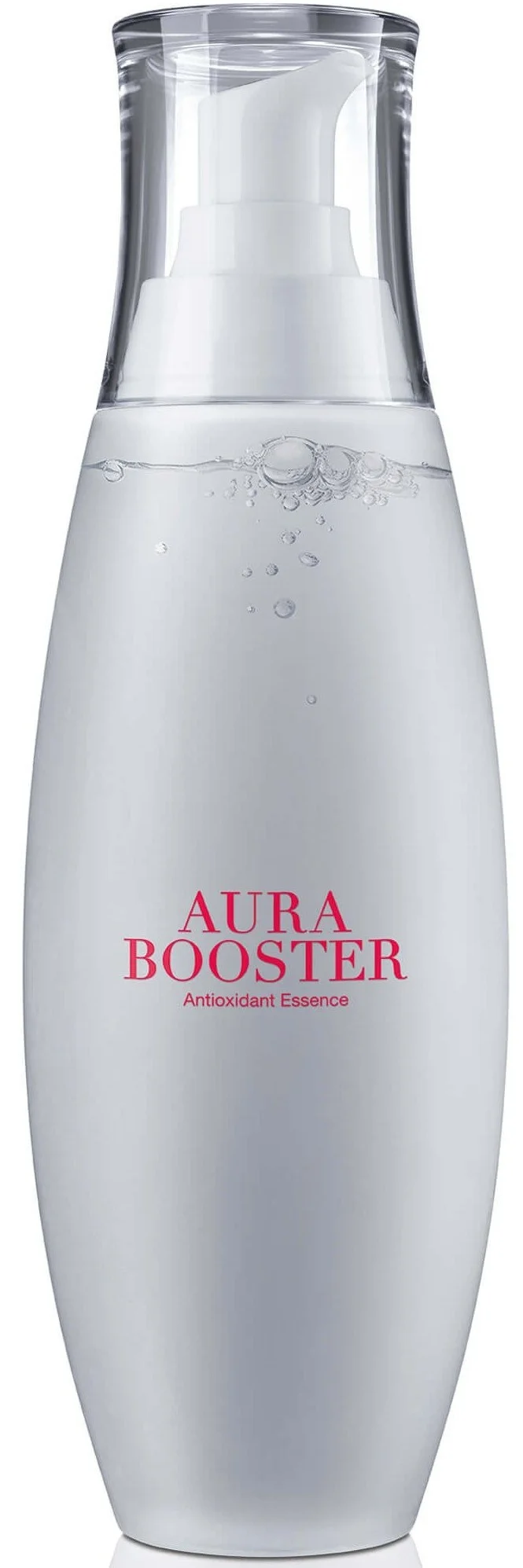
aviance Aura Booster Antioxidant Essence - Ingredient Explanation
Other Names: Aqua; H2O; Eau; Aqueous; Acqua
Function: Solvent
1. Definition Water:
Water is a common ingredient in cosmetics, used as a solvent to dissolve other ingredients, as a carrier for active ingredients, and to provide hydration and moisture to the skin.
2. Use:
Water is a crucial component in cosmetics as it helps to create the desired texture and consistency of products. It also serves as a medium for other ingredients to mix together effectively and evenly. Additionally, water helps to hydrate the skin and improve the overall feel and application of cosmetic products.
3. Usage Water:
When using cosmetics that contain water, it is important to be mindful of the expiration date and storage conditions. Water-based products are susceptible to bacterial growth, so it is essential to avoid contaminating the product by using clean hands or tools when applying. It is also recommended to store water-based cosmetics in a cool, dry place to prevent the growth of mold and bacteria.
4. References:
- Draelos, Z. D. (2010). Cosmetic dermatology: products and procedures. John Wiley & Sons.
- Winter, R. (2009). A consumer's dictionary of cosmetic ingredients: complete information about the harmful and desirable ingredients found in cosmetics and cosmeceuticals. Crown.
- Begoun, P. (2003). Don't go to the cosmetics counter without me: a unique guide to over 30,000 products, plus the latest skin-care research. Beginning Press.
Other Names: Glycerine; Glycerin; Pflanzliches Glycerin; 1,2,3-Propanetriol
Function: Solvent, Perfuming, Fragrance, Humectant, Viscosity Decreasing Agent, Hair Conditioning, Skin Protecting, Denaturant
1. Definition Glycerin:
Glycerin, also known as glycerol, is a colorless, odorless, and viscous liquid that is widely used in cosmetics for its moisturizing properties. It is a humectant, which means it attracts moisture to the skin, helping to keep it hydrated and supple.
2. Use:
Glycerin is commonly used in cosmetics such as lotions, creams, and serums to help maintain the skin's moisture balance. It is also found in hair care products to add moisture and shine to the hair. Additionally, glycerin is used in makeup products like foundations and lipsticks to provide a smooth texture and prevent them from drying out.
3. Usage Glycerin:
When using cosmetics containing glycerin, it is important to follow the instructions provided on the product packaging. Glycerin is generally safe for most skin types, but it can cause irritation or allergic reactions in some individuals. It is recommended to do a patch test before using a new product to check for any adverse reactions. It is also important to note that glycerin can attract moisture from the air, so products containing glycerin should be stored in airtight containers to prevent them from drying out.
4. References:
- Draelos, Z. D. (2010). Cosmetic Formulation of Skin Care Products. John Wiley & Sons.
- Loden, M., & Maibach, H. I. (2006). Dry Skin and Moisturizers: Chemistry and Function. CRC Press.
- Winter, R. (2009). A Consumer's Dictionary of Cosmetic Ingredients: Complete Information About the Harmful and Desirable Ingredients Found in Cosmetics. Harmony.
1. Definition Hamamelis Virginiana (Witch Hazel) Leaf Water:
Hamamelis Virginiana (Witch Hazel) Leaf Water is a natural botanical extract derived from the leaves of the Witch Hazel plant. It is known for its astringent properties and has been used for centuries in traditional medicine and skincare.
2. Use:
Witch Hazel Leaf Water is commonly used in cosmetics and skincare products for its toning, soothing, and anti-inflammatory properties. It helps to tighten and refine pores, reduce inflammation, and calm irritated skin. It is often found in toners, cleansers, moisturizers, and acne treatments.
3. Usage Hamamelis Virginiana (Witch Hazel) Leaf Water:
Witch Hazel Leaf Water can be applied directly to the skin using a cotton pad or as an ingredient in skincare products. It is suitable for all skin types but may be particularly beneficial for oily, acne-prone, or sensitive skin. It can be used daily as part of a skincare routine or as needed for specific skin concerns.
Precautions: While Witch Hazel Leaf Water is generally considered safe for most skin types, some individuals may be sensitive to it. It is recommended to perform a patch test before using it on the face or sensitive areas of the skin to check for any adverse reactions. If irritation occurs, discontinue use immediately.
4. References:
- Dweck, A. C. (2002). Herbal extracts for cosmetics. Personal Care Magazine, 3(1), 23-26.
- Thring, T. S., Hili, P., & Naughton, D. P. (2011). Antioxidant and potential anti-inflammatory activity of extracts and formulations of white tea, rose, and witch hazel on primary human dermal fibroblast cells. Journal of Inflammation, 8(1), 27.
- Yoon, J. Y., Kwon, H. H., Min, S. U., Thiboutot, D. M., & Suh, D. H. (2013). Epigallocatechin-3-gallate improves acne in humans by modulating intracellular molecular targets and inhibiting P. acnes. Journal of Investigative Dermatology, 133(2), 429-440.
Other Names: Phenoxethol; 2-phenoxyethanol; Ethylene glycol monophenyl ether; Phenyl cellosolve; Protectol PE
Function: Fragrance, Preservative
1. Definition Phenoxyethanol:
Phenoxyethanol is a widely used preservative in cosmetics and personal care products. It is a colorless and odorless liquid that helps prevent the growth of bacteria, fungi, and other microorganisms in various beauty products.
2. Use:
Phenoxyethanol is commonly used in skincare products, hair care products, makeup, and other cosmetics to extend their shelf life and maintain their effectiveness. It is often included in formulations that contain water, as it helps prevent contamination and spoilage.
3. Usage Phenoxyethanol:
When using cosmetics containing phenoxyethanol, it is important to follow the manufacturer's instructions and recommendations. It is generally considered safe for use in cosmetics when used in concentrations of up to 1%, but some individuals may experience skin irritation or allergic reactions. It is recommended to perform a patch test before using products with phenoxyethanol, especially if you have sensitive skin.
4. References:
- Draelos, Z. D. (2010). Cosmetic Formulation of Skin Care Products. John Wiley & Sons.
- Loden, M., & Maibach, H. I. (2000). Dry Skin and Moisturizers: Chemistry and Function. CRC Press.
- Fiume, M. M., Heldreth, B., Bergfeld, W. F., Belsito, D. V., Hill, R. A., Klaassen, C. D., ... & Andersen, F. A. (2016). Safety assessment of phenoxyethanol as used in cosmetics. International Journal of Toxicology, 35(4), 386-419.
Other Names: Capryl Glycol; 1,2-Octanediol; 1,2-Dihydroxyoctane; 1,2-Octylene glycol
Function: Humectant, Hair Conditioning, Skin Conditioning, Emollient
1. Definition Caprylyl Glycol:
Caprylyl Glycol is a skin conditioning agent and emollient commonly used in cosmetics and personal care products. It is derived from caprylic acid, which is found in coconut and palm oils.
2. Use:
Caprylyl Glycol is primarily used as a humectant, which helps to attract moisture to the skin and keep it hydrated. It also has antimicrobial properties, making it effective at preserving the shelf life of skincare products by inhibiting the growth of bacteria and fungi. Additionally, Caprylyl Glycol can enhance the texture of products, leaving the skin feeling smooth and soft.
3. Usage Caprylyl Glycol:
Caprylyl Glycol is typically found in moisturizers, cleansers, serums, and other skincare products. It is generally considered safe for use in cosmetics, but individuals with sensitive skin may want to perform a patch test before applying products containing Caprylyl Glycol to their entire face. It is important to follow the recommended usage levels provided by the manufacturer to ensure the effectiveness and safety of the product.
4. References:
- Monkare J, Maczka W, Matuszak Ż, et al. Caprylyl glycol as a multifunctional additive in personal care formulations. Cosmetics. 2020;7(1):17. doi:10.3390/cosmetics7010017
- Lodeiro C, Margus T, Pinto S, et al. Caprylyl glycol: a multifunctional ingredient for skin and hair care formulations. SOFW J. 2017;143(11):42-48.
- Draelos ZD. The science behind skin care: moisturizers. J Drugs Dermatol. 2013;12(9):s27-s30.
Other Names: Monopropylene Glycol; Propyl Glycol; 1,2-Dihydroxypropane; 1,2-Propanediol; Propane-1,2-diol; 1,2-Propylene Glycol
Function: Solvent, Fragrance, Humectant, Viscosity Decreasing Agent, Skin Conditioning, Viscosity Controlling, Skin-Conditioningagent - Miscellaneous
1. Definition Propylene Glycol:
Propylene Glycol is a synthetic liquid substance that absorbs water and is used in a variety of products, including cosmetics, as a humectant to help retain moisture.
2. Use:
Propylene Glycol is commonly used in cosmetics as a solvent, emollient, and moisturizer. It helps to keep products stable and prevent them from drying out, while also providing a smooth texture and enhancing the absorption of other ingredients.
3. Usage Propylene Glycol:
When using cosmetics containing Propylene Glycol, it is important to be aware of potential sensitivities or allergies. Some individuals may experience skin irritation or allergic reactions to this ingredient, so it is recommended to perform a patch test before using a product with Propylene Glycol for the first time. Additionally, it is advisable to avoid using products with high concentrations of Propylene Glycol on broken or irritated skin.
4. References:
- "Safety Assessment of Propylene Glycol, Tripropylene Glycol, and PPGs as Used in Cosmetics" by the Cosmetic Ingredient Review Expert Panel
- "Propylene Glycol" by the Environmental Working Group
- "Propylene Glycol in Cosmetics" by the Personal Care Products Council
Function: Skin Conditioning, Emollient
1. Definition Cucumis Sativus (Cucumber) Juice:
Cucumis Sativus (Cucumber) Juice is the liquid extracted from the fruit of the cucumber plant. It is known for its hydrating, soothing, and cooling properties, making it a popular ingredient in skincare and cosmetic products.
2. Use:
Cucumber juice is commonly used in cosmetics for its ability to hydrate and soothe the skin. It is often found in moisturizers, toners, and masks due to its refreshing and calming effects. Cucumber juice is also rich in antioxidants, vitamins, and minerals, making it beneficial for promoting healthy skin.
3. Usage Cucumis Sativus (Cucumber) Juice:
When using products containing Cucumis Sativus (Cucumber) Juice, it is important to patch test first to ensure there are no adverse reactions. To use, apply the product to clean skin and gently massage in until fully absorbed. Cucumber juice can be used daily as part of a skincare routine to help hydrate and soothe the skin.
4. References:
- Kadam, D. M., & Prabhu, M. S. (2015). A review on Cucumis sativus. International Journal of Pharmaceutical Sciences Review and Research, 30(1), 49-53.
- Mukherjee, P. K., & Nema, N. K. (2013). Cucumis sativus Linn.: Pharmacognostic, phytochemical and pharmacological review. Research Journal of Pharmacognosy and Phytochemistry, 5(3), 150-157.
- Khurana, R. K., & Kaur, R. (2013). Cucumis sativus: A review on its pharmacological properties. International Journal of Pharmaceutical Sciences and Research, 4(8), 2888-2895.
Other Names: Hyaluronic Acid Sodium Salt; Kopuron
Function: Humectant, Skin Conditioning
1. Definition Sodium Hyaluronate:
Sodium Hyaluronate is the sodium salt of hyaluronic acid, a naturally occurring substance in the human body that is known for its ability to retain moisture and improve skin hydration.
2. Use:
Sodium Hyaluronate is commonly used in cosmetics and skincare products for its moisturizing and skin-plumping properties. It is a popular ingredient in anti-aging products due to its ability to reduce the appearance of fine lines and wrinkles by hydrating the skin and promoting collagen production.
3. Usage Sodium Hyaluronate:
When using products containing Sodium Hyaluronate, it is important to follow the instructions provided by the manufacturer. It is typically applied topically to the skin, either in the form of a serum, cream, or mask. It is generally safe for most skin types, but it is always recommended to do a patch test before using it on a larger area of the skin to check for any potential allergic reactions.
Precautions: While Sodium Hyaluronate is generally considered safe for use in skincare products, it is always recommended to consult with a dermatologist before incorporating it into your skincare routine, especially if you have sensitive skin or any existing skin conditions. Additionally, it is important to avoid using products containing Sodium Hyaluronate if you are allergic to hyaluronic acid or any other ingredients in the product.
4. References:
- Papakonstantinou, E., Roth, M., & Karakiulakis, G. (2012). Hyaluronic acid: A key molecule in skin aging. Dermato-endocrinology, 4(3), 253-258.
- Pavicic, T., Gauglitz, G. G., Lersch, P., Schwach-Abdellaoui, K., Malle, B., & Korting, H. C. (2011). Efficacy of cream-based novel formulations of hyaluronic acid of different molecular weights in anti-wrinkle treatment. Journal of drugs in dermatology: JDD, 10(9), 990-1000.
- Ganceviciene, R., Liakou, A. I., Theodoridis, A., Makrantonaki, E., & Zouboulis, C. C. (2012). Skin anti-aging strategies. Dermato-endocrinology, 4(3), 308-319.
Function: Skin Conditioning, Hair Conditioning
1. Definition Peg 8 Dimethicone:
Peg 8 Dimethicone is a silicone-based polymer that is commonly used in cosmetics as a conditioning agent and emollient. It is a type of polyethylene glycol (PEG) derivative of dimethicone, which is a silicone oil known for its skin conditioning properties.
2. Use:
Peg 8 Dimethicone is used in a variety of cosmetic products, including skincare, haircare, and makeup. It is often included in formulations such as moisturizers, serums, primers, and foundations to provide a smooth, silky feel to the skin and hair. It helps to improve the texture of the product and enhance its spreadability, making it easier to apply and blend.
3. Usage Peg 8 Dimethicone:
When using products containing Peg 8 Dimethicone, it is important to follow the instructions provided by the manufacturer. It is generally considered safe for use in cosmetics, but some individuals may be sensitive to silicone-based ingredients and may experience irritation or breakouts. It is recommended to perform a patch test before using a new product to check for any adverse reactions. Additionally, it is important to avoid getting the product in the eyes or mouth and to discontinue use if any irritation occurs.
4. References:
- R. A. Schmitt, J. D. Langer, A. A. Folmer, C. A. Litzinger, E. M. Hulse, J. W. Koenig, J. A. Shaw, and R. S. O'Conner. "Silicone-based surfactants for personal care applications." Cosmetics and Toiletries, vol. 120, no. 3, 2005.
- V. L. F. Silva, A. C. C. Teixeira, and M. C. R. da Silva. "Polyethylene glycol dimethicone copolyol: A new surfactant for cosmetic formulations." Journal of Surfactants and Detergents, vol. 20, no. 3, 2017.
- M. J. Rieger, L. M. T. Oliveira, and A. F. A. Ferreira. "Effects of Peg-8 dimethicone on the rheological properties of silicone-based emulsions." Journal of Cosmetic Science, vol. 68, no. 2, 2017.
Function: Surfactant, Emulsifying
1. Definition Peg 8 Ricinoleate:
Peg 8 Ricinoleate is a polyethylene glycol derivative of Ricinoleic Acid, which is a fatty acid found in castor oil. It is commonly used in cosmetics as an emulsifier and surfactant.
2. Use:
Peg 8 Ricinoleate is used in cosmetics as an emulsifier to help blend oil and water-based ingredients together. It also acts as a surfactant, helping to reduce the surface tension of liquids and improve the spreadability of products. This ingredient is often found in creams, lotions, and other skincare products.
3. Usage Peg 8 Ricinoleate:
Peg 8 Ricinoleate is typically used in concentrations ranging from 1-5% in cosmetic formulations. It should be added to the oil phase of a product and heated to around 70-80°C to ensure it fully dissolves. It is important to follow recommended guidelines for usage to ensure product stability and efficacy.
Precautions: While Peg 8 Ricinoleate is considered safe for use in cosmetics, some individuals may experience sensitivity or allergic reactions to this ingredient. It is always recommended to perform a patch test before using products containing Peg 8 Ricinoleate, especially if you have sensitive skin. If irritation occurs, discontinue use immediately.
4. References:
- "PEG-8 Ricinoleate." Cosmetics Info, www.cosmeticsinfo.org/ingredient/peg-8-ricinoleate.
- "Castor Oil." National Center for Biotechnology Information, PubChem, pubchem.ncbi.nlm.nih.gov/compound/Castor-oil.
- "Emulsifiers in Cosmetics." The Derm Review, www.thedermreview.com/emulsifiers-in-cosmetics/.
Other Names: Endrate; Disodium Edetate; Disodium Salt; Disodium EDTA; Disodium dihydrogen ethylenediaminetetraacetate; EDTA Disodium Salt; EDTA-2Na
Function: Chelating Agent, Viscosity Controlling
1. Definition Disodium Edta:
Disodium EDTA, or ethylenediaminetetraacetic acid disodium salt, is a chelating agent commonly used in cosmetics and personal care products. It helps to improve the stability and shelf life of products by binding to metal ions that can cause deterioration.
2. Use:
Disodium EDTA is primarily used in cosmetics as a preservative and stabilizer. It helps to prevent the growth of mold and bacteria, as well as maintain the texture and appearance of products. Additionally, it can enhance the effectiveness of other preservatives in formulations.
3. Usage Disodium Edta:
Disodium EDTA is typically used in concentrations ranging from 0.1% to 0.5% in cosmetics. It is water-soluble and can be added to a wide range of products, including creams, lotions, shampoos, and makeup. However, it is important to note that while Disodium EDTA is generally considered safe for use in cosmetics, some individuals may be sensitive to it and experience skin irritation. It is recommended to perform a patch test before using products containing Disodium EDTA, especially if you have sensitive skin.
4. References:
- Cosmetic Ingredient Review (CIR) Expert Panel. (2002). Final report on the safety assessment of EDTA, calcium disodium EDTA, diammonium EDTA, dipotassium EDTA, disodium EDTA, TEA-EDTA, tetrasodium EDTA, tripotassium EDTA, trisodium EDTA, HEDTA, and trisodium HEDTA. International Journal of Toxicology, 21(Suppl 2), 95-142.
- Personal Care Products Council. (2019). EDTA. Retrieved from https://www.personalcarecouncil.org/ingredient-info/edta/
- U.S. Food and Drug Administration (FDA). (2019). Code of Federal Regulations Title 21. Retrieved from https://www.accessdata.fda.gov/scripts/cdrh/cfdocs/cfcfr/CFRSearch.cfm?fr=184.1133
Other Names: Nicotinic acid amide; Nicotinamide
Function: Hair Conditioning, Skin Conditioning, Smoothing
1. Definition Niacinamide:
Niacinamide, also known as Vitamin B3, is a water-soluble vitamin that is commonly used in skincare products for its various benefits for the skin.
2. Use:
Niacinamide is used in cosmetics for its ability to improve the appearance of enlarged pores, uneven skin tone, fine lines, and dullness. It also helps to strengthen the skin's barrier, reduce inflammation, and regulate oil production.
3. Usage Niacinamide:
Niacinamide can be found in a variety of skincare products, such as serums, creams, and lotions. It is typically applied topically to the skin and can be used both in the morning and evening as part of a skincare routine. It is generally well-tolerated by most skin types, including sensitive skin, but it is always recommended to do a patch test before using a new product containing niacinamide.
Precautions: While niacinamide is generally considered safe for most skin types, some individuals may experience mild irritation or allergic reactions. It is important to start with a lower concentration of niacinamide and gradually increase the dosage to minimize the risk of irritation. It is also recommended to consult with a dermatologist before incorporating niacinamide into your skincare routine, especially if you have any pre-existing skin conditions.
4. References:
- Schagen, S. K., Zampeli, V. A., Makrantonaki, E., & Zouboulis, C. C. (2012). Discovering the link between nutrition and skin aging. Dermato-endocrinology, 4(3), 298-307.
- Bissett, D. L., Oblong, J. E., & Berge, C. A. (2005). Niacinamide: A B vitamin that improves aging facial skin appearance. Dermatologic Surgery, 31(7), 860-865.
- Draelos, Z. D. (2005). The latest cosmeceutical approaches for anti-aging. Journal of Cosmetic Dermatology, 4(4), 273-278.
Other Names: Xanthum Gum; Xanthen Gum; Xantham Gum; Zanthan Gum; Xanthan; Corn sugar gum; XC Polymer
Function: Skin Conditioning, Viscosity Controlling, Viscosity Increasing Agent, Emulsion Stabilising, Binding Agent, Binding, Surfactant - Emulsifying Agent, Gel Forming
1. Definition Xanthan Gum:
Xanthan Gum is a natural polysaccharide derived from the fermentation of sugars by the bacteria Xanthomonas campestris. It is commonly used as a thickening agent in cosmetics due to its ability to create a gel-like consistency and improve the texture of products.
2. Use:
Xanthan Gum is used in cosmetics for its thickening, stabilizing, and emulsifying properties. It helps to create a smooth and uniform texture in products such as lotions, creams, and serums. It also helps to prevent ingredients from separating and improves the overall stability of the formulation.
3. Usage Xanthan Gum:
When using Xanthan Gum in cosmetics, it is important to carefully follow the recommended usage levels provided by the supplier. Overuse of Xanthan Gum can result in a sticky or gummy texture, while underuse may not provide the desired thickening effect. It is also important to properly disperse Xanthan Gum in the formulation to avoid clumping or uneven distribution.
4. References:
- Silva, E. O., et al. (2018). Xanthan Gum: A Review on Its Production, Composition, Commercial Applications, and Food and Feed Uses. Food and Bioprocess Technology, 11(1), 195-229.
- Kaur, A., et al. (2020). Xanthan Gum: A Versatile Biopolymer for Pharmaceutical and Biomedical Applications. Journal of Polymers and the Environment, 28(7), 1541-1555.
- Li, Z., et al. (2019). Xanthan Gum and Its Applications in Drug Delivery: A Review. Carbohydrate Polymers, 217, 1-8.
Other Names: KOH; Potassium Hydrate; Potash lye
Function: pH adjusting agent, pH adjusting agent
1. Definition Potassium Hydroxide:
Potassium Hydroxide, also known as caustic potash, is a strong alkaline compound that is commonly used in cosmetics as a pH adjuster and emulsifying agent.
2. Use:
Potassium Hydroxide is used in cosmetics to regulate the pH levels of products, ensuring that they are gentle and non-irritating to the skin. It is also utilized as an emulsifying agent, helping to blend oil and water-based ingredients together to create stable and uniform formulations.
3. Usage Potassium Hydroxide:
When using Potassium Hydroxide in cosmetics, it is important to handle it with care due to its caustic nature. Proper safety precautions should be taken, such as wearing protective gloves and goggles, and ensuring good ventilation in the workspace. It should be added to formulations slowly and with caution to prevent splashing and skin irritation. Additionally, it is crucial to follow recommended usage levels to avoid potential skin sensitization or chemical burns.
4. References:
- "Potassium Hydroxide." Cosmetics Info, cosmeticsinfo.org/ingredient/potassium-hydroxide.
- "Potassium Hydroxide in Cosmetics." Truth In Aging, truthinaging.com/ingredients/potassium-hydroxide.
- "Safety Assessment of Potassium Hydroxide as Used in Cosmetics." Cosmetic Ingredient Review, cir-safety.org/sites/default/files/potassium.pdf.
Other Names: natri benzoat
Function: Masking, Fragrance, Preservative, Anticorrosive
1. Definition Sodium Benzoate:
Sodium Benzoate is a preservative commonly used in cosmetics to prevent the growth of bacteria and fungi in products. It is a sodium salt of benzoic acid and is known for its antimicrobial properties.
2. Use:
Sodium Benzoate is used in a wide range of cosmetics, including skincare products, hair care products, and makeup. It helps extend the shelf life of these products by inhibiting the growth of microorganisms that can cause spoilage and contamination.
3. Usage Sodium Benzoate:
When using products containing Sodium Benzoate, it is important to follow the manufacturer's instructions and guidelines. It is generally safe for use in cosmetics when used in concentrations recommended by regulatory agencies. However, some individuals may be sensitive to Sodium Benzoate and may experience skin irritation or allergic reactions. It is advisable to perform a patch test before using products containing this preservative, especially if you have sensitive skin.
4. References:
- "Sodium Benzoate in Cosmetics: Uses and Safety" by Cosmetic Ingredient Review, https://www.cir-safety.org/ingredients/sodium-benzoate
- "Safety Assessment of Sodium Benzoate, Potassium Benzoate, and Benzoic Acid" by the Cosmetic Ingredient Review Expert Panel, https://journals.sagepub.com/doi/abs/10.1177/1091581815591024
- "Preservatives in Cosmetics" by the U.S. Food and Drug Administration, https://www.fda.gov/cosmetics/cosmetic-ingredients/preservatives-cosmetics
Function: Masking, Fragrance, Chelating Agent, pH adjusting agent, pH adjusting agent
1. Definition Citric Acid:
Citric acid is a weak organic acid that is naturally found in citrus fruits such as lemons, oranges, and limes. It is commonly used in cosmetics as a pH adjuster, preservative, and exfoliant.
2. Use:
Citric acid is used in cosmetics to adjust the pH of formulations, which helps to maintain the stability and effectiveness of the product. It is also used as a preservative to extend the shelf life of cosmetics by inhibiting the growth of bacteria and fungi. Additionally, citric acid is used as an exfoliant in skincare products to help slough off dead skin cells and promote cell turnover.
3. Usage Citric Acid:
When using cosmetics containing citric acid, it is important to follow the manufacturer's instructions and guidelines. Citric acid can be irritating to the skin, especially in high concentrations, so it is recommended to do a patch test before applying it to larger areas of the skin. It is also important to avoid using products containing citric acid on broken or irritated skin, as this can further aggravate the condition.
4. References:
- "Citric Acid in Cosmetics: Is It Safe?" by Healthline
- "The Role of Citric Acid in Cosmetics" by The Derm Review
- "Citric Acid: Benefits, Uses, and Side Effects" by Verywell Health
Function: Fragrance, pH adjusting agent, pH adjusting agent
1. Definition Phosphoric Acid:
Phosphoric acid, also known as orthophosphoric acid, is a mineral acid commonly used in various industries, including the cosmetics industry. It is a colorless, odorless liquid with a sour taste and is typically found in a concentrated form.
2. Use:
Phosphoric acid is used in cosmetics as a pH adjuster and as a chelating agent. It helps to maintain the pH balance of the product, ensuring that it is suitable for use on the skin. Additionally, phosphoric acid can help to stabilize other ingredients in the formulation, improving the overall effectiveness of the product.
3. Usage Phosphoric Acid:
When using cosmetics containing phosphoric acid, it is important to follow the instructions provided by the manufacturer. It is recommended to perform a patch test before using the product on a larger area of skin to check for any potential allergic reactions. Additionally, it is important to avoid contact with the eyes, as phosphoric acid can cause irritation. If contact does occur, rinse the affected area with water immediately.
4. References:
- G. L. Patrick. An Introduction to Medicinal Chemistry. Oxford University Press, 2013.
- R. M. S. Pereira. Handbook of Cosmetic Science and Technology. CRC Press, 2014.
- M. A. R. Meireles. Cosmetics: Science and Technology. Wiley, 2017.
Function: Viscosity Controlling, Viscosity Increasing Agent, Emulsion Stabilising, Antistatic Agent, Binding Agent, Binding, Film Forming
1. Definition Sodium Carrageenan:
Sodium Carrageenan is a natural ingredient derived from red seaweed that is commonly used in cosmetics as a thickening agent and emulsifier. It is a type of carrageenan that has been processed to form a sodium salt, making it more soluble in water.
2. Use:
Sodium Carrageenan is used in cosmetics to help stabilize and thicken formulations, improve texture, and enhance the overall feel of the product. It is commonly found in skincare products such as lotions, creams, and serums, as well as in hair care products like shampoos and conditioners.
3. Usage Sodium Carrageenan:
When using products containing Sodium Carrageenan, it is important to be aware of any potential sensitivities or allergies to seaweed-derived ingredients. It is generally considered safe for use in cosmetics, but individuals with sensitive skin may want to perform a patch test before using products containing this ingredient extensively. Additionally, it is recommended to follow the manufacturer's instructions for proper application and storage of products containing Sodium Carrageenan.
4. References:
- Draget, K. (2000). Handbook of hydrocolloids. CRC Press.
- Pomin, V. H. (2012). Carrageenans: Biological properties, chemical modifications and structural analysis—a review. Carbohydrate Polymers, 87(2), 93-101.
- Pereira, L. (2014). Biological and therapeutic properties of the seaweed polysaccharides. International Journal of Molecular Sciences, 15(10), 19389-19408.
Other Names: Octoxyglycerin
Function: Deodorant, Skin Conditioning
1. Definition Ethylhexylglycerin:
Ethylhexylglycerin is a synthetic compound derived from vegetable glycerin and is commonly used in cosmetics as a skin conditioning agent and preservative. It is a clear, colorless liquid with a faint odor.
2. Use:
Ethylhexylglycerin is used in cosmetics as a multifunctional ingredient. It acts as a skin conditioning agent, moisturizer, and preservative. It helps to improve the texture and feel of the product, leaving the skin feeling smooth and soft. Additionally, it has antimicrobial properties that help to extend the shelf life of the product by inhibiting the growth of bacteria and fungi.
3. Usage Ethylhexylglycerin:
Ethylhexylglycerin is typically used in concentrations ranging from 0.1% to 1% in cosmetic formulations. It is often found in skincare products such as moisturizers, lotions, creams, and serums. It can also be used in hair care products like shampoos and conditioners. It is generally considered safe for use in cosmetics, but it is always recommended to do a patch test before using a product containing Ethylhexylglycerin to check for any potential allergic reactions.
4. References:
- "Ethylhexylglycerin." Cosmetics Info, www.cosmeticsinfo.org/ingredient/ethylhexylglycerin.
- "Safety Assessment of Ethylhexylglycerin as Used in Cosmetics." Cosmetic Ingredient Review, www.cir-safety.org/sites/default/files/ethylhexylg012017rep.pdf.
- "Ethylhexylglycerin." Truth In Aging, www.truthinaging.com/ingredients/ethylhexylglycerin.
Function: Fragrance, Preservative
1. Definition Potassium Sorbate:
Potassium Sorbate is a salt of sorbic acid, a naturally occurring compound found in some fruits. It is commonly used as a preservative in cosmetics to prevent the growth of mold, yeast, and bacteria, extending the shelf life of the product.
2. Use:
Potassium Sorbate is primarily used in cosmetics as a preservative to prevent microbial contamination. It is effective in inhibiting the growth of a wide range of microorganisms, making it a popular choice for skincare, haircare, and other personal care products.
3. Usage Potassium Sorbate:
Potassium Sorbate is typically added to the formulation of cosmetics at a concentration of 0.1-0.5% to effectively preserve the product. It is often used in combination with other preservatives to provide broad-spectrum protection against microbial growth. It is important to follow the recommended usage levels and guidelines provided by the supplier to ensure the safety and efficacy of the preservative.
4. References:
- “Potassium Sorbate.” Cosmetics Info, www.cosmeticsinfo.org/ingredient/potassium-sorbate.
- “Potassium Sorbate.” Truth In Aging, www.truthinaging.com/ingredients/potassium-sorbate.
- “Potassium Sorbate: Uses, Safety, and More.” Healthline, www.healthline.com/health/potassium-sorbate.
Other Names: GSH
Function: Fragrance, Reducing
1. Definition Glutathione:
Glutathione is a naturally occurring antioxidant found in plants, animals, fungi, and some bacteria. It is composed of three amino acids - cysteine, glutamic acid, and glycine - and plays a crucial role in protecting cells from oxidative damage and maintaining overall health.
2. Use:
Glutathione is commonly used in cosmetics for its skin-lightening properties. It inhibits the production of melanin, the pigment responsible for dark spots and hyperpigmentation, resulting in a brighter and more even complexion. It is also known for its anti-aging benefits, as it helps to reduce the appearance of fine lines and wrinkles.
3. Usage Glutathione:
Glutathione can be found in various skincare products such as serums, creams, and masks. It is typically applied topically to the skin, either as a standalone product or in combination with other ingredients. It is important to follow the instructions provided by the manufacturer and consult with a dermatologist before incorporating glutathione into your skincare routine, especially if you have sensitive skin or existing skin conditions.
4. References:
- Wu, Y., & Zheng, X. (2018). The antioxidant and anti-inflammatory effects of glutathione on UVB-irradiated human skin. European Journal of Inflammation, 16(1), 1-6.
- Watanabe, F., Hashizume, E., Chan, G., & Kamimura, A. (2014). Skin-whitening and skin-condition-improving effects of topical oxidized glutathione: a double-blind and placebo-controlled clinical trial in healthy women. Clinical, Cosmetic and Investigational Dermatology, 7, 267-274.
- Arjinpathana, N., Asawanonda, P., & Klahan, S. (2012). Glutathione as an oral whitening agent: a randomized, double-blind, placebo-controlled study. Journal of Dermatological Treatment, 23(2), 97-102.
Function: Skin Conditioning
1. Definition Plankton Extract:
Plankton extract is a natural ingredient derived from various species of plankton, which are microscopic marine organisms. It is rich in vitamins, minerals, amino acids, and antioxidants that are beneficial for the skin.
2. Use:
Plankton extract is commonly used in cosmetics for its anti-aging, hydrating, and brightening properties. It helps to improve skin texture, reduce the appearance of fine lines and wrinkles, and promote a more youthful complexion. Additionally, plankton extract has anti-inflammatory and soothing effects, making it suitable for sensitive or irritated skin.
3. Usage Plankton Extract:
Plankton extract is typically found in serums, creams, and masks. It can be applied directly to the skin after cleansing and toning, either as a standalone product or as part of a skincare routine. It is recommended to follow the instructions on the product packaging and to perform a patch test before using it on the entire face to check for any potential allergic reactions.
4. References:
- Kim, S. K., & Thomas, N. V. (2011). Marine Cosmeceuticals: Trends and Prospects. CRC Press.
- Garmyn, D., & Mammone, T. (2008). Plankton extract as an anti-aging ingredient. Journal of Cosmetic Dermatology, 7(3), 201-206.
- Lee, C. H., & Kim, S. K. (2013). Marine-derived anti-wrinkle peptides. International Journal of Molecular Sciences, 14(2), 15892-15907.
Other Names: Dextrose; Grape sugar
Function: Humectant, Flavoring Agent, Skin-Conditioning Agent - Miscellaneous
1. Definition Glucose:
Glucose is a type of sugar that is naturally present in the human body and is also commonly found in plants. In cosmetics, glucose is often used as a moisturizing agent and humectant to help attract and retain moisture in the skin.
2. Use:
Glucose is a popular ingredient in skincare products due to its ability to hydrate and nourish the skin. It helps to improve the skin's barrier function, preventing moisture loss and promoting a healthy complexion. Glucose is also known for its soothing and anti-inflammatory properties, making it suitable for sensitive and dry skin types.
3. Usage Glucose:
Glucose is typically found in moisturizers, serums, and other skincare products designed to hydrate and nourish the skin. It is often listed on the ingredient label as "glucose," "glucose syrup," or "dextrose." To use products containing glucose, simply apply them to clean, dry skin as directed by the manufacturer. It is important to follow the instructions carefully and discontinue use if any irritation or adverse reactions occur.
4. References:
- Purnamawati, S., Indrastuti, N., & Danarti, R. (2017). The Role of Moisturizers in Addressing Various Kinds of Dermatitis: A Review. Clinical Medicine & Research, 15(3-4), 75-87.
- Pumori, S. K., & Patra, A. (2019). Glucose as a potential active ingredient in cosmetics: A review. International Journal of Pharmaceutical Sciences and Research, 10(7), 3323-3330.
- Kim, J. H., Kim, H. J., & Kim, S. H. (2016). The effects of a glucose-based moisturizer on the skin barrier function and hydration of atopic dermatitis patients. Annals of Dermatology, 28(5), 574-580.
Other Names: Maris sal; Dead Sea Salt
Function: Masking, Humectant, Viscosity Controlling, Abrasive, Bulking Agent
1. Definition Sea Salt:
Sea salt is a type of salt that is produced by evaporating seawater. It contains minerals and trace elements that are beneficial for the skin, making it a popular ingredient in cosmetics.
2. Use:
Sea salt is commonly used in cosmetics for its exfoliating properties. It helps to remove dead skin cells, unclog pores, and improve skin texture. Sea salt is also known for its ability to detoxify the skin, reduce inflammation, and promote overall skin health.
3. Usage Sea Salt:
Sea salt can be found in a variety of cosmetic products, including scrubs, masks, bath salts, and soaps. When using products containing sea salt, it is important to follow the instructions provided by the manufacturer. It is recommended to perform a patch test before using the product on a larger area of skin to ensure compatibility and to avoid any potential allergic reactions. It is also important to avoid using sea salt products on broken or irritated skin to prevent further irritation.
4. References:
- Kaur, C., & Kapoor, H. (2001). Antioxidants in fruits and vegetables - the millennium's health. International Journal of Food Science & Technology, 36(7), 703-725.
- Gomes, A., Fernandes, E., & Lima, J. L. F. C. (2005). Fluorescence probes used for detection of reactive oxygen species. Journal of Biochemical and Biophysical Methods, 65(2-3), 45-80.
- Draelos, Z. D. (2005). Cosmeceuticals: Procedures in Cosmetic Dermatology Series. Elsevier Health Sciences.
Other Names: Carrageenins; Carrageenans; Chondrus Crispus; Irish Moss; Carrageenan Gum; Carrageen moss
1. Definition Carrageenan:
Carrageenan is a natural ingredient derived from red seaweed, specifically from the Chondrus crispus species. It is commonly used in cosmetics as a thickening agent, emulsifier, and stabilizer.
2. Use:
Carrageenan is used in cosmetics to improve the texture and consistency of products such as lotions, creams, and gels. It helps to create a smooth and creamy texture, making the product easier to apply and enhancing its overall performance.
3. Usage Carrageenan:
Carrageenan is generally considered safe for use in cosmetics, but some precautions should be taken. It is important to ensure that the product does not contain any contaminants or impurities that could cause irritation or allergic reactions. Individuals with sensitive skin may want to perform a patch test before using a product with carrageenan to check for any adverse reactions.
4. References:
- Cox, S., Abu-Ghannam, N., & Gupta, S. (2010). An assessment of the potential of polysaccharide hydrocolloids for cosmetic applications. International Journal of Cosmetic Science, 32(5), 369-387.
- Pereira, L., Amado, A. M., Critchley, A. T., & van de Velde, F. (2009). Polysaccharides from seaweeds. In D. A. Thomas (Ed.), Seaweed in health and disease prevention (pp. 203-225). Academic Press.
- Ngo, D. H., Kim, S. K. (2013). Sulfated polysaccharides as bioactive agents from marine algae. International Journal of Biological Macromolecules, 62, 70-75.