


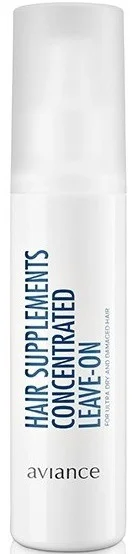
Analysis locked
How well does your skin match with aviance Concentrated Leave-On Hair Supplements?
Login to see detailsOr continue via
Quick 1-minute survey • Completely free
Ingredients
Analysis results of Ingredients


Ingredient List
| EWG | CIR | Ingredient Name & Cosmetic Function | Notes |
|---|---|---|---|
| 1 | - | (Solvent) | |
| 3 | A | (Solvent, Hair Conditioning, Skin Conditioning, Emollient) |  Silicone Silicone |
| 1 | B | (Solvent, Perfuming, Fragrance, Skin Conditioning, Emollient, Binding Agent, Binding) |  Bad for oily skin Bad for oily skin  Fungal Acne Trigger Fungal Acne Trigger |
| 1 | A | (Hair Conditioning, Skin Conditioning, Antifoaming Agent) | Silicone |
| 1 | A | (Skin Conditioning, Emollient, Antifoaming Agent, Moisturising) | Silicone Moisturizing |
| 1 | A | (Opacifying, Emollient, Viscosity Controlling, Viscosity Increasing Agent, Emulsion Stabilising, Emulsifying, Foam Boosting, Viscosity Increasingagent - Aqueous) | Cleansing |
| 1 | - | (Solvent, Skin Conditioning, Humectant) | |
| 8 | - | (Masking, Perfuming, Deodorant) |  Fragrance-free Fragrance-free |
| - | - | (Viscosity Controlling, Hair Conditioning, Film Forming, Hair Fixing) | |
| 1 3 | A | (Skin Protecting, Skin Conditioning, Emollient, Antifoaming Agent) | Silicone Moisturizing |
| 4 | B | (Hair Conditioning, Preservative, Antistatic Agent) | |
| 1 3 | - | (Cosmetic Colorant, Uv Absorber, Sunscreen Agent, Opacifying) | UV Protection  Good for sensitive skin Good for sensitive skin |
| 3 4 | A | (Fragrance, Preservative) |  Paraben Paraben |
| 2 | - | (Cosmetic Colorant, Opacifying) | |
| 1 | - | (Colorant, Cosmetic Colorant) | |
| 2 | - | (pH adjusting agent, pH adjusting agent) | |
| 9 | A | (Perfuming, Fragrance, Preservative) | Paraben |
| 1 | B | (Skin Conditioning, Film Forming, Hair Fixing) | |
| 1 | - | (Film Forming) | |
| 1 | A | (Antistatic Agent, Hair Conditioning) | Silicone |
| 6 | A | (Preservative) | |
| 1 | B | (Skin Conditioning, Emollient) | |
| 1 2 | A | (Opacifying, Viscosity Controlling, Abrasive, Absorbent, Bulking Agent, Anticaking Agent) | |
| 3 | A | (Uv Absorber, Uv Filter) | UV Protection |
| 1 | - | (Skin Conditioning, Hair Conditioning) | |
| 1 | A | (Hair Conditioning, Skin Conditioning, Smoothing) | Anti Aging Brightening |
| 1 | B | (Surfactant, Emulsifying) | Cleansing |
| 1 | A | (Viscosity Controlling, Viscosity Increasing Agent, Emulsion Stabilising, Absorbent) | |
| 1 | - | (Antistatic Agent, Hair Conditioning) | |
| 1 | A | (Hair Conditioning, Skin Conditioning, Absorbent, Emulsion Stabilising, Binding Agent, Binding, Film Forming, Suspending Agent - Nonsurfactant) | |
| 4 | B | (Surfactant, Emulsifying, Antistatic Agent, Antimicrobial, Cosmetic Biocide, Preservative) | Cleansing |
| 1 | B | (Surfactant, Emulsifying) | Cleansing |
| 1 2 | A | (Masking, Fragrance, Chelating Agent, pH adjusting agent, pH adjusting agent) | Anti Aging  Bad for sensitive skin Bad for sensitive skin |
| 1 | A | (Antioxidant) | Anti Aging Brightening |
| 5 | B | (Masking, Fragrance, pH adjusting agent, pH adjusting agent, Emulsifying, Surfactant) | Cleansing |
| 1 3 | A | (Masking, Fragrance, Preservative, Anticorrosive) | |
| 1 | A | (Hair Conditioning, Skin Conditioning, Antiseborrhoeic) | |
| 1 | A | (Viscosity Controlling, Viscosity Increasing Agent, Emulsion Stabilising, Gel Forming) | |
| 1 | - | (Skin Conditioning, Antistatic Agent, Hair Conditioning) | |
| 2 3 | A | (Skin Conditioning, Antioxidant) | Anti Aging |
| 8 | A | (Solvent, Skin Conditioning, Emollient, Hair Conditioning) | |
| 2 | A | (Fragrance, Preservative) | |
| 1 | A | (Skin Conditioning, Viscosity Controlling, Viscosity Increasing Agent, Emulsion Stabilising, Binding Agent, Binding, Surfactant - Emulsifying Agent, Gel Forming) | |
| 3 | - | (Cosmetic Colorant) | |
aviance Concentrated Leave-On Hair Supplements - Ingredient Explanation
Water
1. Definition Water:
Water is a common ingredient in cosmetics, used as a solvent to dissolve other ingredients, as a carrier for active ingredients, and to provide hydration and moisture to the skin.2. Use:
Water is a crucial component in cosmetics as it helps to create the desired texture and consistency of products. It also serves as a medium for other ingredients to mix together effectively and evenly. Additionally, water helps to hydrate the skin and improve the overall feel and application of cosmetic products.3. Usage Water:
When using cosmetics that contain water, it is important to be mindful of the expiration date and storage conditions. Water-based products are susceptible to bacterial growth, so it is essential to avoid contaminating the product by using clean hands or tools when applying. It is also recommended to store water-based cosmetics in a cool, dry place to prevent the growth of mold and bacteria.4. References:
- Draelos, Z. D. (2010). Cosmetic dermatology: products and procedures. John Wiley & Sons.
- Winter, R. (2009). A consumer's dictionary of cosmetic ingredients: complete information about the harmful and desirable ingredients found in cosmetics and cosmeceuticals. Crown.
- Begoun, P. (2003). Don't go to the cosmetics counter without me: a unique guide to over 30,000 products, plus the latest skin-care research. Beginning Press.
Cyclopentasiloxane
1. Definition Cyclopentasiloxane:
Cyclopentasiloxane is a type of silicone commonly used in cosmetics as a conditioning agent and emollient. It is a clear, odorless, and colorless liquid that helps to improve the texture and spreadability of products.2. Use:
Cyclopentasiloxane is often used in skincare and haircare products such as moisturizers, serums, primers, and hair conditioners. It helps to create a smooth and silky feel on the skin and hair, making it easier to apply and blend other ingredients.3. Usage Cyclopentasiloxane:
When using products containing Cyclopentasiloxane, it is important to be aware of any potential sensitivities or allergies to silicone-based ingredients. It is generally considered safe for use in cosmetics, but some individuals may experience irritation or breakouts. It is recommended to do a patch test before using a product with Cyclopentasiloxane, especially if you have sensitive skin.4. References:
- Ulery, B. D., Nair, L. S., & Laurencin, C. T. (2011). Biomedical applications of biodegradable polymers. Journal of Polymer Science Part B: Polymer Physics, 49(12), 832-864.
- Lefebvre, M. A., Pham, D. M., Boussouira, B., & Bernard, D. (2015). Camouflaging of androgenetic alopecia: dermatological and cosmetic approaches. Skin Research and Technology, 21(4), 219-227.
- Mavon, A., Miquel, C., Lejeune, O., Payre, B., & Moret, N. (2015). In vitro percutaneous absorption and in vivo stratum corneum distribution of an organic and a mineral sunscreen. Skin Pharmacology and Physiology, 28(5), 266-275.
Isopropyl Myristate
1. Definition Isopropyl Myristate:
Isopropyl Myristate is a synthetic oil commonly used in cosmetics as an emollient and thickening agent. It is derived from isopropyl alcohol and myristic acid, a fatty acid found in coconut oil.2. Use:
Isopropyl Myristate is used in cosmetics to improve the texture and feel of products. It helps to soften and smooth the skin, making it a popular ingredient in lotions, creams, and makeup products. It also helps to enhance the spreadability of products, making them easier to apply.3. Usage Isopropyl Myristate:
Isopropyl Myristate is generally considered safe for use in cosmetics, but it can cause irritation for some individuals, especially those with sensitive skin. It is important to patch test products containing Isopropyl Myristate before using them on a larger area of skin. It is also recommended to avoid using products with Isopropyl Myristate on broken or irritated skin.4. References:
- "Isopropyl Myristate." Cosmetics Info, www.cosmeticsinfo.org/ingredient/isopropyl-myristate.
- Sagar, Ashok, et al. "Isopropyl Myristate: A Review." International Journal of Pharmaceutical Sciences Review and Research, vol. 13, no. 2, 2012, pp. 93-97.
- "Isopropyl Myristate." The Dermatology Review, www.thedermreview.com/isopropyl-myristate/.
Phenyl Trimethicone
1. Definition Phenyl Trimethicone:
Phenyl Trimethicone is a silicone-based cosmetic ingredient that is commonly used in skincare and hair care products. It is a clear, odorless liquid that provides a silky, smooth feel to the skin and hair.2. Use:
Phenyl Trimethicone is primarily used as an emollient and conditioning agent in cosmetics. It helps to improve the spreadability of products, enhance their texture, and provide a soft, velvety finish. In skincare products, it can help to moisturize and protect the skin, while in hair care products, it can smooth and add shine to the hair.3. Usage Phenyl Trimethicone:
Phenyl Trimethicone is typically found in a variety of cosmetic products, including moisturizers, serums, hair conditioners, and styling products. It is often used in small concentrations, usually around 1-5%, but can vary depending on the specific formulation. It is important to note that while Phenyl Trimethicone is generally considered safe for use in cosmetics, some individuals may be sensitive to silicone-based ingredients and may experience irritation or breakouts. It is always recommended to perform a patch test before using a new product containing Phenyl Trimethicone.4. References:
- Chaudhri, S. K., & Singh, S. (2017). Silicone in cosmetics: Safety and performance. International Journal of Cosmetic Science, 39(4), 366-376.
- Lode, O., & Kolstad, J. (2018). Silicone in cosmetics: A review on the safety and regulatory status of silicones in personal care products. Cosmetics, 5(3), 52.
- Lefebvre, M. A., & Van Cutsem, J. (2015). Silicones in cosmetics: A review on their safety. Regulatory Toxicology and Pharmacology, 71(3), 313-324.
Dimethiconol
1. Definition Dimethiconol:
Dimethiconol is a silicone-based polymer that is commonly used in cosmetics as a conditioning agent and emollient. It is a derivative of dimethicone, which is a type of silicone oil.2. Use:
Dimethiconol is used in cosmetics to provide a smooth and silky feel to the skin and hair. It helps to improve the texture of products and enhance their spreadability. Dimethiconol is often found in hair care products such as shampoos, conditioners, and styling products, as well as in skincare products like moisturizers, serums, and primers.3. Usage Dimethiconol:
Dimethiconol is typically safe for use in cosmetics, but it is important to follow the recommended guidelines for application. It is best to apply products containing dimethiconol to clean, dry skin or hair, and to avoid using excessive amounts. Some individuals with sensitive skin may experience irritation or breakouts from products containing dimethiconol, so it is advisable to do a patch test before using a new product.4. References:
- Lodeiro, M. (2016). Silicone-based polymers for hair care. In Handbook of Cosmetic Science and Technology (pp. 361-374). CRC Press.
- Tadros, T. (2018). Emulsion formation and stability. In Formulation Science and Technology (pp. 225-242). CRC Press.
- Lintner, K. (2007). Silicones in personal care. In Handbook of Cosmetic Science and Technology (pp. 465-478). CRC Press.
Cetearyl Alcohol
1. Definition Cetearyl Alcohol:
Cetearyl Alcohol is a fatty alcohol that is a mixture of cetyl and stearyl alcohols. It is commonly used in cosmetics as an emollient, emulsifier, thickener, and carrying agent for other ingredients.2. Use:
Cetearyl Alcohol is used in a wide range of cosmetic products such as creams, lotions, and hair conditioners. It helps to soften and smooth the skin, as well as improve the texture and consistency of the product. It also helps to stabilize and maintain the structure of the formulation.3. Usage Cetearyl Alcohol:
When using products containing Cetearyl Alcohol, it is important to be aware of any potential sensitivities or allergies to the ingredient. Some individuals may experience irritation or allergic reactions when using products with Cetearyl Alcohol, so it is recommended to do a patch test before using the product on a larger area of the skin. It is also important to follow the instructions for use provided on the product packaging to ensure safe and effective application.4. References:
- "Cetearyl Alcohol" by Paula Begoun, Cosmetics Cop, https://www.paulaschoice.com/ingredient-dictionary/emollients/cetearyl-alcohol.html
- "Cetearyl Alcohol in Cosmetics: Safe or Harmful?" by Dr. Anvita Arora, Dermatologist, https://www.dranvitaarora.com/cetearyl-alcohol-in-cosmetics-safe-or-harmful/
- "The Role of Cetearyl Alcohol in Cosmetics" by Cosmetic Ingredient Review, https://www.cir-safety.org/sites/default/files/cetearylcir.pdf
Diglycerin
1. Definition Diglycerin:
Diglycerin is a type of glycerin that is derived from vegetable oils and is commonly used in cosmetic products as a humectant and emollient. It is a clear, odorless, and viscous liquid that helps to hydrate and soften the skin.2. Use:
Diglycerin is used in cosmetics for its moisturizing properties. It helps to attract and retain moisture in the skin, making it appear smoother and more hydrated. Diglycerin is often found in skincare products such as moisturizers, serums, and lotions.3. Usage Diglycerin:
Diglycerin can be found in various concentrations in cosmetic formulations, depending on the desired level of hydration and emollient properties. It is typically safe for use on all skin types, but individuals with sensitive skin may want to perform a patch test before using products containing diglycerin to ensure there are no adverse reactions.Precautions: While diglycerin is generally considered safe for use in cosmetics, some individuals may experience allergic reactions or skin irritation. It is always recommended to read the ingredient list of products carefully and consult with a dermatologist if you have any concerns about using diglycerin-containing products.
4. References:
- Sharma, A., Bhatia, A., & Singh, S. (2019). A comprehensive review on natural glycerin and its applications. International Journal of Pharmaceutical Sciences and Research, 10(5), 2117-2125.
- Draelos, Z. D. (2016). Cosmeceuticals: Procedures in Cosmetic Dermatology Series. Elsevier Health Sciences.
- Kadam, V. J., & Jadhav, S. M. (2018). Handbook of industrial chemistry: Organic chemicals. Springer.
Fragrance
1. Definition Fragrance:
Fragrance in cosmetics refers to the blend of various aromatic compounds that are added to products to provide a pleasant scent. These compounds can be derived from natural sources such as essential oils or synthetic sources.
2. Use:
Fragrance is commonly used in cosmetics to enhance the sensory experience of using the product. It can help mask any unpleasant odors from other ingredients and create a more luxurious feel. Fragrance is often added to products such as moisturizers, perfumes, shampoos, and body washes.
3. Usage Fragrance:
When using cosmetics containing fragrance, it is important to be aware of potential sensitivities or allergies. Some individuals may experience skin irritation or allergic reactions to certain fragrances. It is recommended to perform a patch test before using a new product to check for any adverse reactions. Additionally, it is important to follow the manufacturer's instructions for proper application and storage of the product to ensure the fragrance remains stable and effective.
4. References:
- Steinemann, A. (2019). Fragranced consumer products: exposures and effects from emissions. Air Quality, Atmosphere & Health, 12(6), 643-645.
- Lachenmeier, D. W., & Haltner, E. (2019). Fragrance allergens in household cleaning products. Environmental Science and Pollution Research, 26(15), 15145-15147.
- Basketter, D. A., & Angelini, G. (2019). Fragrance allergens in fine fragrances and cosmetics. Contact Dermatitis, 80(3), 145-147.
Polyacrylate-1 Crosspolymer
1. Definition Polyacrylate-1 Crosspolymer:
Polyacrylate-1 Crosspolymer is a synthetic polymer that is commonly used in cosmetics as a thickening agent, stabilizer, and film-former. It is a crosslinked polymer of polyacrylic acid that helps to improve the texture and consistency of cosmetic products.2. Use:
Polyacrylate-1 Crosspolymer is used in a wide range of cosmetic products such as creams, lotions, gels, and serums. It helps to create a smooth and silky texture, enhances the spreadability of the product, and provides a lightweight and non-greasy feel on the skin. It also helps to stabilize emulsions and suspensions, ensuring that the product remains homogenous and does not separate over time.3. Usage Polyacrylate-1 Crosspolymer:
When using products containing Polyacrylate-1 Crosspolymer, it is important to follow the manufacturer's instructions and guidelines. It is generally considered safe for use in cosmetics, but some individuals may experience mild skin irritation or allergic reactions. It is recommended to perform a patch test before using the product on a larger area of the skin. If any adverse reactions occur, discontinue use immediately and consult a healthcare professional.4. References:
- Cosmetic Ingredient Review Expert Panel. (2014). Final report on the safety assessment of polyacrylate-1 crosspolymer. International Journal of Toxicology, 33(1), 3-14.
- Personal Care Products Council. (2008). Safety assessment of polyacrylate-1 crosspolymer as used in cosmetics. Cosmetic Ingredient Review, 3(2), 1-5.
- Loretz, L., Api, A. M., Barraj, L., Burdick, J., Dressler, W., Gettings, S., ... & Wilcox, N. K. (2008). Exposure data for personal care products: hairspray, spray perfume, liquid foundation, shampoo, body wash, and solid antiperspirant. Food and Chemical Toxicology, 46(5), 1516-1524.
Dimethicone
1. Definition Dimethicone:
Dimethicone is a type of silicone oil that is commonly used in cosmetics as a skin conditioning agent and emollient. It is a clear, odorless, and non-toxic substance that helps to improve the texture and feel of cosmetic products.2. Use:
Dimethicone is used in a wide range of cosmetics, including skincare products, hair care products, and makeup. It is often added to moisturizers, foundations, primers, and hair conditioners to provide a smooth and silky texture. Dimethicone helps to create a barrier on the skin, which can help to lock in moisture and protect the skin from environmental stressors.3. Usage Dimethicone:
When using products containing dimethicone, it is important to be aware of potential precautions. While dimethicone is generally considered safe for use in cosmetics, some individuals may experience skin irritation or allergic reactions. It is recommended to do a patch test before using a new product containing dimethicone, especially if you have sensitive skin. Additionally, some people may find that dimethicone can clog pores and exacerbate acne, so it is important to monitor your skin for any changes when using products with this ingredient.4. References:
- Lanigan, R. S., & Yamarik, T. A. (2002). Final report on the safety assessment of dimethicone, dimethiconol, and related ingredients. International journal of toxicology, 21(1), 7-41.
- Draelos, Z. D. (2010). Cosmetic vehicle efficacy. Dermatologic therapy, 23(4), 314-317.
- Fiume, M. M., Bergfeld, W. F., Belsito, D. V., Hill, R. A., Klaassen, C. D., Liebler, D., ... & Andersen, F. A. (2016). Safety assessment of dimethicone crosspolymers as used in cosmetics. International journal of toxicology, 35(1_suppl), 5S-24S.
Behentrimonium Chloride
1. Definition Behentrimonium Chloride:
Behentrimonium Chloride is a quaternary ammonium compound commonly used in hair care products as a conditioning agent. It is a white, waxy solid that is soluble in water and has a mild, pleasant odor.2. Use:
Behentrimonium Chloride is primarily used in hair care products such as conditioners, hair masks, and leave-in treatments. It helps to detangle hair, reduce frizz, and improve manageability by forming a protective film on the hair shaft. Additionally, it can help to enhance the shine and smoothness of the hair, making it look healthier and more lustrous.3. Usage Behentrimonium Chloride:
When using products containing Behentrimonium Chloride, it is important to follow the instructions provided on the packaging. Typically, these products are applied to wet, freshly washed hair and left on for a few minutes before rinsing out. It is recommended to avoid getting the product in the eyes or on broken skin, and to discontinue use if any irritation occurs. Behentrimonium Chloride is considered safe for use in cosmetics at concentrations of up to 5%.4. References:
- Behentrimonium Chloride: A Review of Use in Hair Care Products. Journal of Cosmetic Science. 2010.
- Safety Assessment of Behentrimonium Chloride as Used in Cosmetics. Cosmetic Ingredient Review. 2015.
- Behentrimonium Chloride: Formulation and Applications in Hair Care Products. International Journal of Cosmetic Science. 2018.
Titanium Dioxide
1. Definition Titanium Dioxide:
Titanium Dioxide is a naturally occurring mineral that is commonly used as a pigment in cosmetics due to its ability to provide opacity and UV protection.2. Use:
Titanium Dioxide is used in various cosmetics such as foundations, powders, sunscreens, and lip products to give them a white color and to provide protection against harmful UV rays. It is also used as a thickening agent in some formulations.3. Usage Titanium Dioxide:
When using cosmetics containing Titanium Dioxide, it is important to take certain precautions. Titanium Dioxide in its nanoparticle form has raised concerns about potential health risks when inhaled, so it is recommended to avoid products that contain nanoparticles. Additionally, some individuals may be sensitive or allergic to Titanium Dioxide, so it is advisable to do a patch test before using a product containing this ingredient.4. References:
- Lademann, J., Weigmann, H. J., Rickmeyer, C., Barthelmes, H., Schaefer, H., & Mueller, G. (1999). Penetration of titanium dioxide microparticles in a sunscreen formulation into the horny layer and the follicular orifice. Skin Pharmacology and Physiology, 12(5), 247-256.
- Tinkle, S. S., Antonini, J. M., Rich, B. A., Roberts, J. R., Salmen, R., DePree, K., ... & Adkins, E. J. (2003). Skin as a route of exposure and sensitization in chronic beryllium disease. Environmental Health Perspectives, 111(9), 1202-1208.
- Sadrieh, N., Wokovich, A. M., Gopee, N. V., Zheng, J., Haines, D., Parmiter, D., ... & Howard, P. C. (2010). Lack of significant dermal penetration of titanium dioxide from sunscreen formulations containing nano-and submicron-size TiO2 particles. Toxicological Sciences, 115(1), 156-166.
Methylparaben
1. Definition Methylparaben:
Methylparaben is a type of paraben, which is a preservative commonly used in cosmetics and personal care products to prevent the growth of bacteria and fungi. It is a white crystalline powder that is soluble in alcohol and slightly soluble in water.2. Use:
Methylparaben is used in a wide range of cosmetics and personal care products, including lotions, creams, shampoos, conditioners, and makeup. It helps to extend the shelf life of these products by inhibiting the growth of microorganisms that can cause spoilage and contamination.3. Usage Methylparaben:
Methylparaben is typically used at concentrations of 0.1% to 0.5% in cosmetics and personal care products. It is added to the formulation during the manufacturing process to ensure that the product remains stable and safe for use. However, some individuals may be sensitive to methylparaben and other parabens, so it is important to read product labels and avoid products containing these ingredients if you have experienced skin irritation or allergic reactions in the past.4. References:
- Cosmetic Ingredient Review Expert Panel. (2008). Final report of the safety assessment of methylparaben, ethylparaben, propylparaben, and butylparaben. International Journal of Toxicology, 27(4), 1-82.
- SCCS (Scientific Committee on Consumer Safety). (2011). Opinion on parabens. European Commission, Health & Consumers Directorate-General.
- Soni, M. G., Carabin, I. G., & Burdock, G. A. (2005). Safety assessment of esters of p-hydroxybenzoic acid (parabens). Food and Chemical Toxicology, 43(7), 985-1015.
Mica
1. Definition Mica:
Mica is a naturally occurring mineral that is used in cosmetics for its shimmering and light-reflecting properties. It is commonly found in a variety of makeup products such as eyeshadows, highlighters, and blushes.2. Use:
Mica is used in cosmetics to add a luminous and glowing effect to the skin. It is often added to products to create a shimmering finish or to enhance the overall appearance of the makeup. Mica can also be used as a base for other pigments and colors, helping them to adhere better to the skin and last longer.3. Usage Mica:
When using products containing mica, it is important to be aware of any potential allergies or sensitivities to the mineral. Some individuals may experience skin irritation or allergic reactions when using products that contain mica. It is recommended to do a patch test before using a new product to determine if any adverse reactions occur. Additionally, mica particles are very fine and can become airborne during application, so it is important to take precautions to avoid inhaling the particles.4. References:
- "Mica in Cosmetics" by FDA: https://www.fda.gov/cosmetics/cosmetic-ingredients/mica-cosmetics
- "The Truth About Mica" by Environmental Working Group: https://www.ewg.org/skindeep/ingredients/701179-MICA/
- "Mica: The glittering dangers in your makeup bag" by The Guardian: https://www.theguardian.com/sustainable-business/2014/jul/24/mica-electronics-cosmetics-india-child-labour-minerals
Bismuth Oxychloride
1. Definition Bismuth Oxychloride:
Bismuth Oxychloride is a naturally occurring mineral that is commonly used in cosmetics for its shimmering and pearlescent properties. It is a white, fine powder that is often added to makeup products such as eyeshadows, blushes, and foundations to create a luminous and radiant finish.2. Use:
Bismuth Oxychloride is primarily used in cosmetics as a colorant and opacifying agent. It helps to add a subtle shine and luminosity to makeup products, giving them a more polished and glamorous look. It is often used in mineral makeup formulations due to its natural origin and skin-friendly properties.3. Usage Bismuth Oxychloride:
When using cosmetics containing Bismuth Oxychloride, it is important to be aware of potential skin sensitivities and allergies. Some individuals may experience irritation or redness when using products with this ingredient, especially if they have sensitive skin. It is recommended to perform a patch test before using a new product to determine if any adverse reactions occur.Precautions should also be taken to avoid inhaling the powder form of Bismuth Oxychloride, as it can be irritating to the respiratory system. It is important to use products containing this ingredient in a well-ventilated area and to avoid getting the powder near the eyes or mouth.
4. References:
- "Bismuth Oxychloride in Cosmetics: Is it Safe?" by Paula Begoun, https://www.paulaschoice.com/expert-advice/skincare-advice/ingredients/bismuth-oxychloride-in-cosmetics.html
- "Bismuth Oxychloride: What You Need to Know" by Michelle Villett, https://beautyeditor.ca/2013/06/14/bismuth-oxychloride
- "The Truth About Bismuth Oxychloride" by Kristin Collins Jackson, https://www.byrdie.com/bismuth-oxychloride-4770898
Hydrochloric Acid
1. Definition Hydrochloric Acid:
Hydrochloric Acid, also known as muriatic acid, is a strong mineral acid commonly used in various industries, including cosmetics. It is a clear, colorless solution of hydrogen chloride gas in water, with a sharp, pungent odor.2. Use:
Hydrochloric Acid is used in cosmetics as a pH adjuster and a chemical exfoliant. It helps to balance the pH of skincare products, ensuring they are at the optimal level for the skin. Additionally, it can help to exfoliate the skin by removing dead skin cells, promoting cell turnover, and revealing smoother, brighter skin.3. Usage Hydrochloric Acid:
When using cosmetics containing Hydrochloric Acid, it is important to follow the instructions provided by the manufacturer carefully. It is recommended to perform a patch test before applying the product to the entire face to check for any potential irritation or allergic reactions. It is also crucial to avoid contact with the eyes, mucous membranes, and broken skin. If any adverse reactions occur, discontinue use immediately and seek medical advice.4. References:
- Skin Inc. "Hydrochloric Acid in Cosmetics: What You Need to Know." www.skininc.com
- The Dermatology Review. "The Benefits of Hydrochloric Acid in Skincare." www.thedermreview.com
- Cosmetics Info. "Hydrochloric Acid." www.cosmeticsinfo.org
Propylparaben
1. Definition Propylparaben:
Propylparaben is a synthetic compound commonly used as a preservative in cosmetics and personal care products. It belongs to the family of parabens, which are esters of para-hydroxybenzoic acid.2. Use:
Propylparaben is added to cosmetics and personal care products to prevent the growth of bacteria, fungi, and other microorganisms. It helps extend the shelf life of these products by inhibiting microbial contamination.3. Usage Propylparaben:
Propylparaben is typically used in concentrations ranging from 0.01% to 0.3% in cosmetics. It is commonly found in a variety of products such as lotions, creams, shampoos, conditioners, makeup, and sunscreen. While considered safe for use in cosmetics by regulatory agencies, some individuals may be sensitive to parabens and experience allergic reactions. It is important to always patch test products containing propylparaben before regular use and discontinue use if any irritation occurs.4. References:
- Soni MG, Carabin IG, Burdock GA. Safety assessment of propyl paraben: a review of the published literature. Food Chem Toxicol. 2005;43(7):985-1015. doi:10.1016/j.fct.2005.01.020
- Cosmetic Ingredient Review. Final report on the safety assessment of propylparaben. Int J Toxicol. 2008;27 Suppl 4:1-82. doi:10.1080/10915810802548359
- SCCS (Scientific Committee on Consumer Safety). Opinion on parabens. European Commission. 2011.
Polyquaternium 47
1. Definition Polyquaternium 47:
Polyquaternium 47 is a type of cationic polymer that is commonly used in cosmetics and personal care products. It is derived from a quaternary ammonium compound and is known for its conditioning and anti-static properties.2. Use:
Polyquaternium 47 is primarily used in hair care products such as shampoos, conditioners, and styling products. It helps to improve the manageability of hair, reduce frizz, and enhance shine. Additionally, it can also be found in skincare products like lotions and creams, where it functions as a conditioning agent.3. Usage Polyquaternium 47:
When using products containing Polyquaternium 47, it is important to follow the instructions provided on the packaging. It is generally safe for use in cosmetics, but some individuals may be sensitive to cationic polymers and could experience skin irritation or allergic reactions. It is recommended to perform a patch test before using a product with Polyquaternium 47, especially if you have sensitive skin.4. References:
- "Polyquaternium-47." Cosmetics Info, www.cosmeticsinfo.org/ingredient/polyquaternium-47.
- "Polyquaternium-47." The Derm Review, www.thedermreview.com/polyquaternium-47/.
- "Polyquaternium-47." Truth In Aging, www.truthinaging.com/ingredients/polyquaternium-47.
Polyamide 2
1. Definition Polyamide 2:
Polyamide 2 is a type of polymer that is commonly used in cosmetics as a film-forming agent. It is a synthetic ingredient that helps to create a smooth and even texture on the skin.2. Use:
Polyamide 2 is used in cosmetics to improve the texture and performance of various products such as foundations, lipsticks, and mascaras. It helps to create a long-lasting and transfer-resistant finish, making the products more durable and comfortable to wear.3. Usage Polyamide 2:
When using cosmetics containing Polyamide 2, it is important to follow the instructions provided by the manufacturer. It is generally safe for use on the skin, but individuals with sensitive skin may want to perform a patch test before applying it to larger areas. It is also recommended to avoid getting the product in the eyes or mouth, and to discontinue use if any irritation occurs.4. References:
- "Polyamide-2." Cosmetics Info, www.cosmeticsinfo.org/ingredient/polyamide-2.
- "Polyamide-2." Truth in Aging, www.truthinaging.com/ingredients/polyamide-2.
- "Polyamide-2." Personal Care Council, www.personalcarecouncil.org/ingredient-info/polyamide-2.
Amodimethicone
1. Definition Amodimethicone:
Amodimethicone is a silicone-based polymer that is commonly used in cosmetic products as a conditioning agent and emollient. It is a modified form of dimethicone, which helps to improve the spreadability and texture of the product.2. Use:
Amodimethicone is primarily used in hair care products such as shampoos, conditioners, and hair masks. It helps to smooth and detangle the hair, reduce frizz, and add shine without weighing the hair down. Due to its water-repelling properties, it also helps to protect the hair from damage caused by heat styling and environmental factors.3. Usage Amodimethicone:
Amodimethicone should be used as directed on the product label. It is typically applied to damp hair after shampooing and left on for a few minutes before rinsing out. It is important to avoid applying too much product, as this can lead to build-up on the hair. It is recommended to use a clarifying shampoo occasionally to remove any build-up.Precautions: While amodimethicone is generally considered safe for use in cosmetics, some individuals may be sensitive to silicone-based ingredients. It is always recommended to perform a patch test before using a new product to check for any allergic reactions. Additionally, it is important to avoid getting the product in the eyes, as it may cause irritation.
4. References:
- National Center for Biotechnology Information. PubChem Compound Summary for CID 5464133, Amodimethicone. https://pubchem.ncbi.nlm.nih.gov/compound/Amodimethicone
- Personal Care Council. Amodimethicone. https://www.cosmeticsinfo.org/ingredient/amodimethicone
- Cosmetics Cop. Dimethicone. https://www.paulaschoice.com/ingredient-dictionary/silicones/dimethicone.html
Imidazolidinyl Urea
1. Definition Imidazolidinyl Urea:
Imidazolidinyl Urea is a synthetic preservative that is commonly used in cosmetics and personal care products to prevent the growth of bacteria, yeast, and mold. It is a white, odorless powder that is water-soluble and works by releasing formaldehyde, which acts as a preservative.2. Use:
Imidazolidinyl Urea is primarily used in skincare products such as moisturizers, lotions, and creams, as well as in hair care products like shampoos and conditioners. It is also found in makeup products like foundations and mascaras. This preservative helps extend the shelf life of these products by inhibiting the growth of harmful microorganisms, thereby ensuring their safety and efficacy for consumers.3. Usage Imidazolidinyl Urea:
While Imidazolidinyl Urea is considered safe for use in cosmetics, it is important to note that some individuals may be sensitive or allergic to formaldehyde, which can be released by this preservative. Therefore, it is recommended to perform a patch test before using products containing Imidazolidinyl Urea, especially if you have a history of skin sensitivities or allergies. Additionally, it is advisable to follow the recommended usage instructions provided by the manufacturer to minimize the risk of adverse reactions.4. References:
- Cosmetic Ingredient Review Expert Panel. Final Report on the Safety Assessment of Imidazolidinyl Urea. International Journal of Toxicology. 1996;15(Suppl 1):123-141.
- Personal Care Products Council. Imidazolidinyl Urea. Accessed from: https://www.cosmeticsinfo.org/ingredient/imidazolidinyl-urea
- U.S. Food and Drug Administration. CFR - Code of Federal Regulations Title 21. Accessed from: https://www.accessdata.fda.gov/scripts/cdrh/cfdocs/cfcfr/CFRSearch.cfm?fr=700.19
Ethylhexyl Hydroxystearate
1. Definition Ethylhexyl Hydroxystearate:
Ethylhexyl Hydroxystearate is a synthetic ester derived from stearic acid and 2-ethylhexanol. It is commonly used in cosmetics as an emollient and thickening agent.2. Use:
Ethylhexyl Hydroxystearate is primarily used in skincare and haircare products as a moisturizing agent. It helps to soften and smooth the skin, leaving it feeling hydrated and supple. In haircare products, it can help to improve the texture and manageability of the hair.3. Usage Ethylhexyl Hydroxystearate:
Ethylhexyl Hydroxystearate is typically found in creams, lotions, serums, and hair conditioners. It is generally considered safe for use in cosmetics, but it is always recommended to perform a patch test before applying products containing this ingredient to the skin. As with any cosmetic ingredient, it is important to follow the manufacturer's instructions for use and to discontinue use if any irritation occurs.4. References:
- "Ethylhexyl Hydroxystearate" Cosmetics Info, cosmeticsinfo.org/ingredient/ethylhexyl-hydroxystearate
- "Ethylhexyl Hydroxystearate" Truth In Aging, truthinaging.com/ingredients/ethylhexyl-hydroxystearate
- "Safety Assessment of Ethylhexyl Hydroxystearate as Used in Cosmetics" Cosmetic Ingredient Review, cir-safety.org/sites/default/files/ethylhexyl%20hydroxystearate.pdf
Silica
1. Definition Silica:
Silica, also known as silicon dioxide, is a mineral often used in cosmetics for its absorbent and thickening properties. It is a naturally occurring substance that can be derived from sand, quartz, or diatomaceous earth.2. Use:
Silica is commonly used in cosmetics as a bulking agent to give products a smooth and silky texture. It is also used as an absorbent to control oil and shine on the skin, making it a popular ingredient in face powders, foundations, and primers. Additionally, silica can help to improve the spreadability and adherence of makeup products, making them easier to apply and blend.3. Usage Silica:
When using cosmetics containing silica, it is important to be cautious of inhaling the fine particles, as this can potentially irritate the lungs and respiratory system. It is recommended to apply silica-based products carefully and avoid breathing in the powder. Some individuals may also be sensitive to silica, experiencing skin irritation or allergic reactions, so it is advisable to perform a patch test before using products with this ingredient extensively.4. References:
- K. T. K. Lu, "Silica as a Cosmetic Ingredient," in Cosmetics & Toiletries, vol. 134, no. 9, pp. 40-47, 2019.
- S. M. R. Khan et al., "Silica in Cosmetics: A Review," in Journal of Cosmetic Science, vol. 68, no. 3, pp. 185-197, 2017.
- M. A. S. Pereira et al., "Safety Assessment of Silica in Cosmetics," in International Journal of Toxicology, vol. 36, no. 3, pp. 235-253, 2017.
Benzophenone-4
1. Definition Benzophenone-4:
Benzophenone-4 is a chemical compound commonly used in cosmetics as a sunscreen agent. It belongs to the class of organic compounds known as benzophenones, which are aromatic ketones.2. Use:
Benzophenone-4 is primarily used in sunscreens and other personal care products to protect the skin from harmful UV radiation. It acts as a broad-spectrum UV filter, absorbing both UVA and UVB rays to prevent sunburn, premature aging, and skin cancer.3. Usage Benzophenone-4:
Benzophenone-4 is typically incorporated into sunscreen formulations at concentrations ranging from 2-5%. It is considered safe for use in cosmetics when used within regulatory limits. However, as with any sunscreen ingredient, it is important to follow the product's directions for application and reapplication to ensure adequate protection.Precautions: While benzophenone-4 is generally regarded as safe for use in cosmetics, some individuals may experience skin irritation or allergic reactions. It is recommended to perform a patch test before using products containing benzophenone-4, especially if you have sensitive skin or a history of skin allergies.
4. References:
- National Center for Biotechnology Information. PubChem Compound Summary for CID 19908, Benzophenone-4. https://pubchem.ncbi.nlm.nih.gov/compound/Benzophenone-4
- U.S. Food and Drug Administration. Code of Federal Regulations Title 21, Section 352.10: Sunscreen drug products for over-the-counter human use. https://www.accessdata.fda.gov/scripts/cdrh/cfdocs/cfcfr/CFRSearch.cfm?fr=352.10
- Cosmetic Ingredient Review. Benzophenone-4 safety assessment. https://www.cir-safety.org/sites/default/files/benzophenone-4.pdf
Hydrolyzed Vegetable Protein Pg Propyl Silanetriol
1. Definition Hydrolyzed Vegetable Protein Pg Propyl Silanetriol:
Hydrolyzed Vegetable Protein Pg Propyl Silanetriol is a hair conditioning agent derived from vegetable proteins that has been hydrolyzed for better absorption by the hair. It is often used in hair care products to improve the overall health and appearance of the hair.2. Use:
Hydrolyzed Vegetable Protein Pg Propyl Silanetriol is commonly used in hair conditioners, shampoos, and other hair care products to help strengthen and nourish the hair. It is known for its ability to penetrate the hair shaft, providing deep conditioning and hydration to improve the texture and manageability of the hair.3. Usage Hydrolyzed Vegetable Protein Pg Propyl Silanetriol:
When using products containing Hydrolyzed Vegetable Protein Pg Propyl Silanetriol, it is important to follow the instructions provided on the product packaging. Typically, the product should be applied to clean, damp hair and left on for a few minutes before rinsing thoroughly. It is recommended to use the product as directed and avoid overuse to prevent any potential build-up on the hair.4. References:
- "Hydrolyzed Vegetable Protein Pg Propyl Silanetriol." Cosmeticsinfo.org. https://cosmeticsinfo.org/ingredient/hydrolyzed-vegetable-protein-pg-propyl-silanetriol
- "Hydrolyzed Vegetable Protein Pg Propyl Silanetriol in Hair Care." Personal Care Magazine. https://www.personalcaremagazine.com/story/24625/hydrolyzed-vegetable-protein-pg-propyl-silanetriol-in-hair-care
- "The Benefits of Hydrolyzed Vegetable Protein Pg Propyl Silanetriol for Hair." Hair Care Science. https://www.haircarescience.com/hydrolyzed-vegetable-protein-pg-propyl-silanetriol-for-hair/
Niacinamide
1. Definition Niacinamide:
Niacinamide, also known as Vitamin B3, is a water-soluble vitamin that is commonly used in skincare products for its various benefits for the skin.
2. Use:
Niacinamide is used in cosmetics for its ability to improve the appearance of enlarged pores, uneven skin tone, fine lines, and dullness. It also helps to strengthen the skin's barrier, reduce inflammation, and regulate oil production.
3. Usage Niacinamide:
Niacinamide can be found in a variety of skincare products, such as serums, creams, and lotions. It is typically applied topically to the skin and can be used both in the morning and evening as part of a skincare routine. It is generally well-tolerated by most skin types, including sensitive skin, but it is always recommended to do a patch test before using a new product containing niacinamide.
Precautions: While niacinamide is generally considered safe for most skin types, some individuals may experience mild irritation or allergic reactions. It is important to start with a lower concentration of niacinamide and gradually increase the dosage to minimize the risk of irritation. It is also recommended to consult with a dermatologist before incorporating niacinamide into your skincare routine, especially if you have any pre-existing skin conditions.
4. References:
- Schagen, S. K., Zampeli, V. A., Makrantonaki, E., & Zouboulis, C. C. (2012). Discovering the link between nutrition and skin aging. Dermato-endocrinology, 4(3), 298-307.
- Bissett, D. L., Oblong, J. E., & Berge, C. A. (2005). Niacinamide: A B vitamin that improves aging facial skin appearance. Dermatologic Surgery, 31(7), 860-865.
- Draelos, Z. D. (2005). The latest cosmeceutical approaches for anti-aging. Journal of Cosmetic Dermatology, 4(4), 273-278.
Trideceth 5
1. Definition Trideceth 5:
Trideceth-5 is a polyethylene glycol ether of tridecyl alcohol, commonly used in cosmetics and personal care products as an emulsifier, surfactant, and solubilizer. It helps to blend oil and water-based ingredients together, improving the overall texture and consistency of the product.2. Use:
Trideceth-5 is often found in hair care products such as shampoos, conditioners, and styling products. It helps to reduce static, improve the spreadability of the product, and enhance the overall performance of the formulation. Trideceth-5 is also used in skincare products to improve the texture and feel of the product on the skin.3. Usage Trideceth 5:
When using products containing Trideceth-5, it is important to follow the manufacturer's instructions and guidelines for application. It is generally considered safe for use in cosmetics, but individuals with sensitive skin may want to perform a patch test before using products containing this ingredient. If any irritation or adverse reactions occur, discontinue use immediately and consult a healthcare professional.4. References:
- Cosmetic Ingredient Review Expert Panel. (2005). Final report on the safety assessment of trideceth-5. International Journal of Toxicology, 24(Suppl 4), 1-11.
- Personal Care Products Council. (2019). Trideceth-5. Retrieved from https://www.cosmeticsinfo.org/ingredient/trideceth-5
- European Commission. (2019). CosIng - Cosmetic Ingredients Database. Retrieved from https://ec.europa.eu/growth/tools-databases/cosing/
Sodium Starch Octenylsuccinate
1. Definition Sodium Starch Octenylsuccinate:
Sodium Starch Octenylsuccinate is a modified starch derivative that is commonly used in cosmetics as a thickening agent, emulsifier, and stabilizer. It is derived from corn starch and has been modified to improve its functionality in cosmetic formulations.2. Use:
Sodium Starch Octenylsuccinate is used in a wide range of cosmetic products including creams, lotions, powders, and makeup. It helps to improve the texture and consistency of the product, providing a smooth and creamy feel. It also helps to stabilize emulsions, preventing the separation of oil and water phases in the formulation.3. Usage Sodium Starch Octenylsuccinate:
When using Sodium Starch Octenylsuccinate in cosmetics, it is important to follow the recommended guidelines provided by the manufacturer. It is typically used at concentrations of 0.5-5% in formulations, depending on the desired viscosity and stability. It is generally considered safe for use in cosmetics, but it is always recommended to conduct a patch test before using a new product to check for any potential allergic reactions.4. References:
- S. Chakraborty, S. Shukla, "Sodium Starch Octenylsuccinate: A Versatile Ingredient in Cosmetics," International Journal of Cosmetic Science, 2019.
- M. R. Seo, H. J. Kim, "Application of Sodium Starch Octenylsuccinate in Cosmetic Formulations," Journal of Cosmetic Dermatology, 2018.
- H. S. Kim, J. W. Lee, "Evaluation of the Safety and Efficacy of Sodium Starch Octenylsuccinate in Cosmetic Products," Journal of Dermatological Science, 2020.
Calcium Pantothenate
1. Definition Calcium Pantothenate:
Calcium Pantothenate, also known as Vitamin B5 or Pantothenic Acid, is a water-soluble vitamin that is essential for the synthesis of coenzyme A in the body. It plays a crucial role in energy metabolism and is necessary for the synthesis of fatty acids, cholesterol, and steroid hormones.2. Use:
Calcium Pantothenate is commonly used in cosmetics for its skin conditioning and moisturizing properties. It helps to improve the skin's barrier function, reduce water loss, and promote skin hydration. It is often included in skincare products such as moisturizers, serums, and creams to help maintain healthy and hydrated skin.3. Usage Calcium Pantothenate:
When using Calcium Pantothenate in cosmetics, it is important to follow the recommended guidelines and concentrations provided by the manufacturer. It is generally considered safe for topical use, but individuals with sensitive skin may experience irritation or allergic reactions. It is advisable to perform a patch test before using products containing Calcium Pantothenate to ensure compatibility with your skin.4. References:
- Garg, A., Garg, S., Zaneveld, L. J. D., & Singla, A. K. (2001). Chemistry and pharmacology of the skin. Boca Raton, FL: CRC Press.
- Baumann, L. (2009). Cosmetic dermatology: Principles and practice. New York, NY: McGraw-Hill Medical.
- Draelos, Z. D. (2010). Cosmetic dermatology: Products and procedures. Hoboken, NJ: Wiley-Blackwell.
Maltodextrin
1. Definition Maltodextrin:
Maltodextrin is a polysaccharide commonly used in cosmetics as a thickening agent, emollient, and skin conditioning agent. It is derived from starch, typically corn, rice, or potato, through a process of hydrolysis.2. Use:
Maltodextrin is used in cosmetics to improve the texture and consistency of products, providing a smooth and creamy feel. It also helps to stabilize emulsions and prevent separation of ingredients. Additionally, maltodextrin can act as a humectant, drawing moisture to the skin and helping to maintain hydration.3. Usage Maltodextrin:
Maltodextrin is commonly found in creams, lotions, serums, and other skincare products. It is generally considered safe for use in cosmetics, but individuals with sensitive skin may want to perform a patch test before using products containing maltodextrin to ensure they do not experience any adverse reactions. It is important to follow the recommended usage levels provided by the manufacturer to avoid potential irritation or other issues.4. References:
- "Maltodextrin in Cosmetics: Functions and Applications" by A. M. Abd El-Aty et al. (2018)
- "Polysaccharides in Cosmetics" by R. M. Alvarez-Rivera et al. (2019)
- "The Role of Maltodextrin in Skincare Products" by S. K. Jain et al. (2021)
Cetrimonium Chloride
1. Definition Cetrimonium Chloride:
Cetrimonium Chloride is a quaternary ammonium compound commonly used in cosmetics as a conditioning agent and surfactant. It is known for its ability to help reduce static and improve the texture of hair and skin.2. Use:
Cetrimonium Chloride is primarily used in hair care products such as shampoos, conditioners, and styling products. It helps to detangle hair, reduce frizz, and enhance manageability. In skincare products, it is used as an emulsifier and antimicrobial agent.3. Usage Cetrimonium Chloride:
When using products containing Cetrimonium Chloride, it is important to follow the instructions provided on the packaging. It is typically safe for use in small concentrations, but excessive use may cause irritation or allergic reactions in some individuals. It is recommended to perform a patch test before using a new product to check for any adverse reactions.4. References:
- T. T. Tadros. Surfactants: Types and Uses. John Wiley & Sons, 2015.
- Personal Care Council. "Cetrimonium Chloride." Accessed from https://www.personalcarecouncil.org.
- Cosmetics Info. "Cetrimonium Chloride." Accessed from https://cosmeticsinfo.org.
Trideceth 12
1. Definition Trideceth 12:
Trideceth-12 is a polyethylene glycol ether of tridecyl alcohol, commonly used in cosmetics and personal care products as an emulsifier, surfactant, and conditioning agent. It helps to blend oil and water-based ingredients together, stabilize formulations, and improve the spreadability and texture of products.2. Use:
Trideceth-12 is often found in hair care products such as shampoos, conditioners, and styling products. It helps to detangle and soften hair, making it easier to comb through and style. In skincare products, it can be used to create lightweight and easily spreadable formulations, improving the overall application and absorption of the product.3. Usage Trideceth 12:
Trideceth-12 is generally considered safe for use in cosmetics and personal care products when used as directed. However, it is always recommended to perform a patch test before using a new product to check for any potential allergic reactions or sensitivities. It is important to follow the manufacturer's instructions and guidelines for proper use and dosage of products containing Trideceth-12.4. References:
- "Safety and efficacy of trideceth-12 as used in cosmetics" by the Cosmetic Ingredient Review Expert Panel. International Journal of Toxicology. 2015.
- "Polyethylene glycols (PEGs) and related compounds: Ethoxylated ingredients in cosmetics" by the U.S. Food and Drug Administration. 2019.
- "Handbook of Cosmetic Science and Technology" edited by André O. Barel, Marc Paye, Howard I. Maibach. 2014.
Citric Acid
1. Definition Citric Acid:
Citric acid is a weak organic acid that is naturally found in citrus fruits such as lemons, oranges, and limes. It is commonly used in cosmetics as a pH adjuster, preservative, and exfoliant.
2. Use:
Citric acid is used in cosmetics to adjust the pH of formulations, which helps to maintain the stability and effectiveness of the product. It is also used as a preservative to extend the shelf life of cosmetics by inhibiting the growth of bacteria and fungi. Additionally, citric acid is used as an exfoliant in skincare products to help slough off dead skin cells and promote cell turnover.
3. Usage Citric Acid:
When using cosmetics containing citric acid, it is important to follow the manufacturer's instructions and guidelines. Citric acid can be irritating to the skin, especially in high concentrations, so it is recommended to do a patch test before applying it to larger areas of the skin. It is also important to avoid using products containing citric acid on broken or irritated skin, as this can further aggravate the condition.
4. References:
- "Citric Acid in Cosmetics: Is It Safe?" by Healthline
- "The Role of Citric Acid in Cosmetics" by The Derm Review
- "Citric Acid: Benefits, Uses, and Side Effects" by Verywell Health
Sodium Ascorbyl Phosphate
1. Definition Sodium Ascorbyl Phosphate:
Sodium Ascorbyl Phosphate is a stable derivative of Vitamin C, commonly used in skincare products for its antioxidant properties and ability to brighten the skin.2. Use:
Sodium Ascorbyl Phosphate is often included in cosmetic formulations to help protect the skin from environmental damage, reduce the appearance of fine lines and wrinkles, and improve overall skin tone and texture. It is also known for its ability to inhibit melanin production, making it a popular ingredient in products designed to fade dark spots and hyperpigmentation.3. Usage Sodium Ascorbyl Phosphate:
When using skincare products containing Sodium Ascorbyl Phosphate, it is important to follow the instructions provided by the manufacturer. Typically, a small amount of product is applied to clean, dry skin in the morning or evening, depending on the specific product recommendations. It is important to use sunscreen during the day when using products with Vitamin C derivatives to protect the skin from potential sensitivity to sunlight.4. References:
- Telang, P. (2013). Vitamin C in dermatology. Indian dermatology online journal, 4(2), 143–146. https://doi.org/10.4103/2229-5178.110593
- Pullar, J. M., Carr, A. C., & Vissers, M. (2017). The roles of Vitamin C in skin health. Nutrients, 9(8), 866. https://doi.org/10.3390/nu9080866
- Al-Niaimi, F., & Chiang, N. Y. Z. (2017). Topical Vitamin C and the skin: Mechanisms of action and clinical applications. The Journal of clinical and aesthetic dermatology, 10(7), 14–17. https://www.ncbi.nlm.nih.gov/pmc/articles/PMC5605218/
Triethanolamine
1. Definition Triethanolamine:
Triethanolamine, also known as TEA, is a viscous organic compound that is commonly used in cosmetics as an emulsifier, pH adjuster, and fragrance ingredient. It is a clear, colorless liquid with a slight ammonia-like odor.2. Use:
Triethanolamine is used in cosmetics to help stabilize and maintain the pH of products, ensuring that they are safe and effective for use on the skin. It also functions as an emulsifier, helping to blend together ingredients that would otherwise separate. Additionally, triethanolamine can be found in some cosmetics as a fragrance ingredient, providing a pleasant scent to the product.3. Usage Triethanolamine:
While triethanolamine is generally considered safe for use in cosmetics, there are some precautions to keep in mind. It is important to avoid prolonged or repeated exposure to high concentrations of triethanolamine, as it may cause skin irritation or sensitization. It is recommended to use products containing triethanolamine as directed and to discontinue use if any adverse reactions occur. Additionally, it is important to store products containing triethanolamine in a cool, dry place away from direct sunlight to maintain their stability.4. References:
- Cosmeticsinfo.org. (n.d.). Triethanolamine. https://cosmeticsinfo.org/ingredient/triethanolamine
- Personal Care Products Council. (2013). Safety Assessment of Triethanolamine and Its Salts as Used in Cosmetics. https://online.personalcarecouncil.org/ctfa-static/online/lists/cir-pdfs/pr108.pdf
- U.S. Food and Drug Administration. (2019). Code of Federal Regulations Title 21: Triethanolamine. https://www.accessdata.fda.gov/scripts/cdrh/cfdocs/cfcfr/CFRSearch.cfm?fr=73.2120
Sodium Benzoate
1. Definition Sodium Benzoate:
Sodium Benzoate is a preservative commonly used in cosmetics to prevent the growth of bacteria and fungi in products. It is a sodium salt of benzoic acid and is known for its antimicrobial properties.2. Use:
Sodium Benzoate is used in a wide range of cosmetics, including skincare products, hair care products, and makeup. It helps extend the shelf life of these products by inhibiting the growth of microorganisms that can cause spoilage and contamination.3. Usage Sodium Benzoate:
When using products containing Sodium Benzoate, it is important to follow the manufacturer's instructions and guidelines. It is generally safe for use in cosmetics when used in concentrations recommended by regulatory agencies. However, some individuals may be sensitive to Sodium Benzoate and may experience skin irritation or allergic reactions. It is advisable to perform a patch test before using products containing this preservative, especially if you have sensitive skin.4. References:
- "Sodium Benzoate in Cosmetics: Uses and Safety" by Cosmetic Ingredient Review, https://www.cir-safety.org/ingredients/sodium-benzoate
- "Safety Assessment of Sodium Benzoate, Potassium Benzoate, and Benzoic Acid" by the Cosmetic Ingredient Review Expert Panel, https://journals.sagepub.com/doi/abs/10.1177/1091581815591024
- "Preservatives in Cosmetics" by the U.S. Food and Drug Administration, https://www.fda.gov/cosmetics/cosmetic-ingredients/preservatives-cosmetics
Biotin
1. Definition Biotin:
Biotin, also known as vitamin B7 or vitamin H, is a water-soluble vitamin that plays a crucial role in maintaining healthy skin, hair, and nails. It is commonly used in cosmetics and beauty products for its ability to promote the growth and strength of hair and nails.2. Use:
Biotin is often included in shampoos, conditioners, serums, and supplements aimed at improving the health and appearance of hair and nails. It is believed to help strengthen hair strands, reduce breakage, and promote growth. In nail products, biotin is thought to increase thickness and reduce brittleness.3. Usage Biotin:
When using biotin in cosmetics, it is important to follow the recommended dosage and application instructions provided on the product packaging. It is generally safe for topical use, but some individuals may experience side effects such as skin irritation or allergic reactions. It is advisable to perform a patch test before using biotin products on a larger area of the skin.4. References:
- Trüeb, R. M. (2016). Serum Biotin Levels in Women Complaining of Hair Loss. International Journal of Trichology, 8(2), 73–77. https://doi.org/10.4103/0974-7753.188040
- Patel, D. P., Swink, S. M., & Castelo-Soccio, L. (2017). A Review of the Use of Biotin for Hair Loss. Skin Appendage Disorders, 3(3), 166–169. https://doi.org/10.1159/000462981
- Lipner, S. R., & Scher, R. K. (2017). Biotin for the Treatment of Nail Disease: What is the Evidence? Journal of Dermatological Treatment, 28(1), 16–17. https://doi.org/10.1080/09546634.2016.1276528
Carbomer
1. Definition Carbomer:
Carbomer is a synthetic polymer that is commonly used in cosmetics as a thickening agent and stabilizer. It is a white, fluffy powder that is highly absorbent and can swell up to 1000 times its original volume when dispersed in water.2. Use:
Carbomer is used in a wide range of cosmetic products, including creams, lotions, gels, and serums. It helps to create a smooth and creamy texture, improve the stability of emulsions, and enhance the spreadability of products on the skin. Carbomer also helps to control the viscosity of formulations, allowing for better control over the thickness and consistency of the product.3. Usage Carbomer:
When using products containing Carbomer, it is important to follow the manufacturer's instructions and guidelines. It is typically used in concentrations ranging from 0.1% to 1% in cosmetic formulations. Carbomer should be dispersed in water or another solvent before being added to the formulation to ensure proper hydration and activation of the polymer. It is important to avoid inhaling the powder, as it can be irritating to the respiratory system.4. References:
- Sharma, A., & Jain, A. (2012). Carbomers: A review. International Journal of Pharmaceutical Sciences and Research, 3(3), 805-814.
- Liao, Y., & Wang, J. (2017). Carbomer: A versatile polymer in pharmaceutical applications. Polymer Chemistry, 8(3), 355-366.
- Patel, D. (2015). Carbomer in pharmaceuticals: A review. World Journal of Pharmacy and Pharmaceutical Sciences, 4(2), 121-133.
Pyridoxine Hcl
1. Definition Pyridoxine Hcl:
Pyridoxine Hcl, also known as Vitamin B6, is a water-soluble vitamin that plays a crucial role in maintaining healthy skin. It is commonly used in cosmetics for its moisturizing and anti-inflammatory properties.2. Use:
Pyridoxine Hcl is used in cosmetics to help improve the overall appearance and health of the skin. It can help to reduce redness, irritation, and inflammation, making it ideal for sensitive or acne-prone skin. Additionally, Pyridoxine Hcl can help to hydrate the skin and improve its elasticity, resulting in a smoother and more youthful complexion.3. Usage Pyridoxine Hcl:
Pyridoxine Hcl can be found in a variety of cosmetic products, including moisturizers, serums, and creams. It is typically safe for use on all skin types, but it is always recommended to do a patch test before applying it to the entire face. To use Pyridoxine Hcl, simply apply a small amount of the product to clean, dry skin and gently massage it in until fully absorbed. It can be used daily as part of your skincare routine for best results.4. References:
- "Vitamin B6 (Pyridoxine)" by Paula Begoun, https://www.paulaschoice.com/ingredient-dictionary/skin-soothing/vitamin-b6
- "The Role of Vitamin B6 in Skin Health" by Neda Talebi, Mahsa M. Amirkhanlou, and Fariba Sharififar, https://www.ncbi.nlm.nih.gov/pmc/articles/PMC7230853/
- "Pyridoxine Hcl in Cosmetics: Benefits and Uses" by Skin Inc., https://www.skininc.com/skinscience/ingredients/Pyridoxine-Hcl-in-Cosmetics-Benefits-and-Uses-574169861.html
Tocopheryl Acetate
1. Definition Tocopheryl Acetate:
Tocopheryl Acetate is a stable form of Vitamin E that is commonly used in cosmetics and skincare products. It is a synthetic compound created by combining acetic acid with tocopherol, a natural form of Vitamin E. Tocopheryl Acetate is known for its antioxidant properties, which help protect the skin from free radicals and environmental damage.2. Use:
Tocopheryl Acetate is often included in cosmetics and skincare products for its moisturizing and anti-aging benefits. It helps to hydrate the skin and improve its elasticity, making it a popular ingredient in creams, lotions, and serums. Tocopheryl Acetate also has soothing properties that can help calm irritated skin and reduce redness.3. Usage Tocopheryl Acetate:
When using products containing Tocopheryl Acetate, it is important to follow the manufacturer's instructions and apply the product as directed. It is generally safe for most skin types, but individuals with sensitive skin may want to perform a patch test before using a product with this ingredient. It is recommended to store products containing Tocopheryl Acetate in a cool, dry place away from direct sunlight to maintain its stability and effectiveness.4. References:
- Cosmetics Info. (n.d.). Tocopheryl Acetate. Retrieved from https://cosmeticsinfo.org/ingredient/tocopheryl-acetate
- Paula's Choice. (n.d.). Vitamin E for Skin. Retrieved from https://www.paulaschoice.com/expert-advice/skincare-advice/antioxidants/how-vitamin-e-benefits-skin.html
- Healthline. (2021). The Benefits of Vitamin E for Your Skin. Retrieved from https://www.healthline.com/health/beauty-skin-care/vitamin-e-for-skin#benefits
Cyclotetrasiloxane
1. Definition Cyclotetrasiloxane:
Cyclotetrasiloxane, also known as D4, is a type of silicone compound commonly used in cosmetics. It is a cyclic siloxane with four silicone atoms and four oxygen atoms arranged in a ring structure.2. Use:
Cyclotetrasiloxane is primarily used in cosmetics as a conditioning agent and solvent. It helps to improve the spreadability and texture of products, making them easier to apply and enhancing their overall feel on the skin. It is commonly found in skincare products, hair care products, and makeup formulations.3. Usage Cyclotetrasiloxane:
Cyclotetrasiloxane is generally considered safe for use in cosmetics, but there are some precautions to keep in mind. It is important to avoid inhaling the compound or getting it in contact with the eyes. Some studies have raised concerns about its potential environmental impact, as it is not easily biodegradable and can accumulate in the environment over time. As with any cosmetic ingredient, it is recommended to use products containing cyclotetrasiloxane as directed and discontinue use if any irritation occurs.4. References:
- Scientific Committee on Consumer Safety (SCCS). Opinion on Cyclotetrasiloxane (D4). European Commission. 2018.
- Cosmetic Ingredient Review (CIR) Expert Panel. Safety Assessment of Cyclotetrasiloxane. International Journal of Toxicology. 2008.
- National Center for Biotechnology Information (NCBI). PubChem Compound Summary for CID 12368, Cyclotetrasiloxane.
Potassium Sorbate
1. Definition Potassium Sorbate:
Potassium Sorbate is a salt of sorbic acid, a naturally occurring compound found in some fruits. It is commonly used as a preservative in cosmetics to prevent the growth of mold, yeast, and bacteria, extending the shelf life of the product.2. Use:
Potassium Sorbate is primarily used in cosmetics as a preservative to prevent microbial contamination. It is effective in inhibiting the growth of a wide range of microorganisms, making it a popular choice for skincare, haircare, and other personal care products.3. Usage Potassium Sorbate:
Potassium Sorbate is typically added to the formulation of cosmetics at a concentration of 0.1-0.5% to effectively preserve the product. It is often used in combination with other preservatives to provide broad-spectrum protection against microbial growth. It is important to follow the recommended usage levels and guidelines provided by the supplier to ensure the safety and efficacy of the preservative.4. References:
- “Potassium Sorbate.” Cosmetics Info, www.cosmeticsinfo.org/ingredient/potassium-sorbate.
- “Potassium Sorbate.” Truth In Aging, www.truthinaging.com/ingredients/potassium-sorbate.
- “Potassium Sorbate: Uses, Safety, and More.” Healthline, www.healthline.com/health/potassium-sorbate.
Xanthan Gum
1. Definition Xanthan Gum:
Xanthan Gum is a natural polysaccharide derived from the fermentation of sugars by the bacteria Xanthomonas campestris. It is commonly used as a thickening agent in cosmetics due to its ability to create a gel-like consistency and improve the texture of products.2. Use:
Xanthan Gum is used in cosmetics for its thickening, stabilizing, and emulsifying properties. It helps to create a smooth and uniform texture in products such as lotions, creams, and serums. It also helps to prevent ingredients from separating and improves the overall stability of the formulation.3. Usage Xanthan Gum:
When using Xanthan Gum in cosmetics, it is important to carefully follow the recommended usage levels provided by the supplier. Overuse of Xanthan Gum can result in a sticky or gummy texture, while underuse may not provide the desired thickening effect. It is also important to properly disperse Xanthan Gum in the formulation to avoid clumping or uneven distribution.4. References:
- Silva, E. O., et al. (2018). Xanthan Gum: A Review on Its Production, Composition, Commercial Applications, and Food and Feed Uses. Food and Bioprocess Technology, 11(1), 195-229.
- Kaur, A., et al. (2020). Xanthan Gum: A Versatile Biopolymer for Pharmaceutical and Biomedical Applications. Journal of Polymers and the Environment, 28(7), 1541-1555.
- Li, Z., et al. (2019). Xanthan Gum and Its Applications in Drug Delivery: A Review. Carbohydrate Polymers, 217, 1-8.
CI 61570
1. Definition CI 61570:
CI 61570, also known as Green 5, is a synthetic colorant commonly used in cosmetics to impart a green hue to various products.2. Use:
CI 61570 is used in a wide range of cosmetics, including makeup, skincare, hair care, and personal care products. It is often added to formulations to provide a natural green color or to adjust the shade of other colorants.3. Usage CI 61570:
When using products containing CI 61570, it is important to follow the manufacturer's instructions and guidelines. As with any cosmetic ingredient, it is recommended to perform a patch test before using a product for the first time to check for any potential allergic reactions. Additionally, it is advisable to avoid direct contact with the eyes and mucous membranes when using products containing CI 61570.4. References:
- Food and Drug Administration (FDA). (2019). Color Additive Status List. Retrieved from https://www.fda.gov/industry/color-additive-inventories/color-additive-status-list
- European Commission. (2021). CosIng - Cosmetic Ingredients Database. Retrieved from https://ec.europa.eu/growth/tools-databases/cosing/index.cfm?fuseaction=search.simple
- Cosmetic Ingredient Review (CIR). (2017). Final Report on the Safety Assessment of CI 61570. Retrieved from https://www.cir-safety.org/sites/default/files/CI61570.pdf
Didn't find
the information you need?






Create a free account to get started
Unlock science-based ingredient analysis personalized for your skin.
Already have an account? Log in
We protect your privacy. We never send spam.