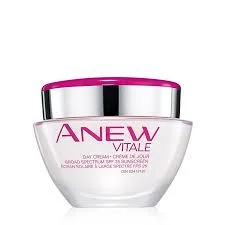
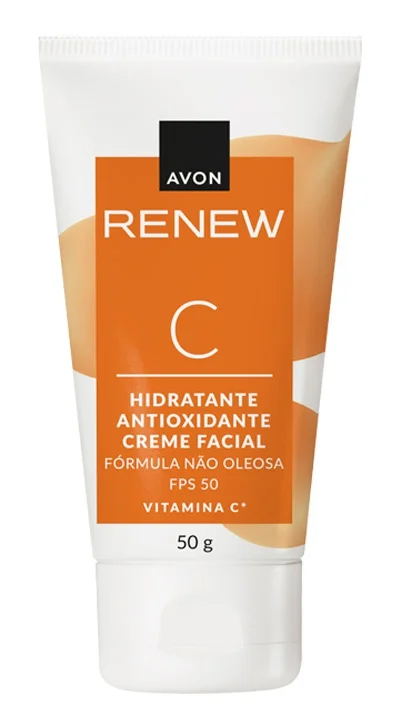
Avon Anew Vitale Day Cream Broad Spectrum SPF 25 - Ingredient Explanation
Other Names: Fragance; Fragrances; Perfumery; Flavor; Aroma; Fragrance; Perfume
Function: Masking, Perfuming, Deodorant
1. Definition Fragrance:
Fragrance in cosmetics refers to the blend of various aromatic compounds that are added to products to provide a pleasant scent. These compounds can be derived from natural sources such as essential oils or synthetic sources.
2. Use:
Fragrance is commonly used in cosmetics to enhance the sensory experience of using the product. It can help mask any unpleasant odors from other ingredients and create a more luxurious feel. Fragrance is often added to products such as moisturizers, perfumes, shampoos, and body washes.
3. Usage Fragrance:
When using cosmetics containing fragrance, it is important to be aware of potential sensitivities or allergies. Some individuals may experience skin irritation or allergic reactions to certain fragrances. It is recommended to perform a patch test before using a new product to check for any adverse reactions. Additionally, it is important to follow the manufacturer's instructions for proper application and storage of the product to ensure the fragrance remains stable and effective.
4. References:
- Steinemann, A. (2019). Fragranced consumer products: exposures and effects from emissions. Air Quality, Atmosphere & Health, 12(6), 643-645.
- Lachenmeier, D. W., & Haltner, E. (2019). Fragrance allergens in household cleaning products. Environmental Science and Pollution Research, 26(15), 15145-15147.
- Basketter, D. A., & Angelini, G. (2019). Fragrance allergens in fine fragrances and cosmetics. Contact Dermatitis, 80(3), 145-147.
Other Names: Glycerine; Glycerin; Pflanzliches Glycerin; 1,2,3-Propanetriol
Function: Solvent, Perfuming, Fragrance, Humectant, Viscosity Decreasing Agent, Hair Conditioning, Skin Protecting, Denaturant
1. Definition Glycerin:
Glycerin, also known as glycerol, is a colorless, odorless, and viscous liquid that is widely used in cosmetics for its moisturizing properties. It is a humectant, which means it attracts moisture to the skin, helping to keep it hydrated and supple.
2. Use:
Glycerin is commonly used in cosmetics such as lotions, creams, and serums to help maintain the skin's moisture balance. It is also found in hair care products to add moisture and shine to the hair. Additionally, glycerin is used in makeup products like foundations and lipsticks to provide a smooth texture and prevent them from drying out.
3. Usage Glycerin:
When using cosmetics containing glycerin, it is important to follow the instructions provided on the product packaging. Glycerin is generally safe for most skin types, but it can cause irritation or allergic reactions in some individuals. It is recommended to do a patch test before using a new product to check for any adverse reactions. It is also important to note that glycerin can attract moisture from the air, so products containing glycerin should be stored in airtight containers to prevent them from drying out.
4. References:
- Draelos, Z. D. (2010). Cosmetic Formulation of Skin Care Products. John Wiley & Sons.
- Loden, M., & Maibach, H. I. (2006). Dry Skin and Moisturizers: Chemistry and Function. CRC Press.
- Winter, R. (2009). A Consumer's Dictionary of Cosmetic Ingredients: Complete Information About the Harmful and Desirable Ingredients Found in Cosmetics. Harmony.
Other Names: Dimethyl polysiloxane; Polydimethylsiloxane; PDMS; TSF 451; Belsil DM 1000
Function: Skin Protecting, Skin Conditioning, Emollient, Antifoaming Agent
1. Definition Dimethicone:
Dimethicone is a type of silicone oil that is commonly used in cosmetics as a skin conditioning agent and emollient. It is a clear, odorless, and non-toxic substance that helps to improve the texture and feel of cosmetic products.
2. Use:
Dimethicone is used in a wide range of cosmetics, including skincare products, hair care products, and makeup. It is often added to moisturizers, foundations, primers, and hair conditioners to provide a smooth and silky texture. Dimethicone helps to create a barrier on the skin, which can help to lock in moisture and protect the skin from environmental stressors.
3. Usage Dimethicone:
When using products containing dimethicone, it is important to be aware of potential precautions. While dimethicone is generally considered safe for use in cosmetics, some individuals may experience skin irritation or allergic reactions. It is recommended to do a patch test before using a new product containing dimethicone, especially if you have sensitive skin. Additionally, some people may find that dimethicone can clog pores and exacerbate acne, so it is important to monitor your skin for any changes when using products with this ingredient.
4. References:
- Lanigan, R. S., & Yamarik, T. A. (2002). Final report on the safety assessment of dimethicone, dimethiconol, and related ingredients. International journal of toxicology, 21(1), 7-41.
- Draelos, Z. D. (2010). Cosmetic vehicle efficacy. Dermatologic therapy, 23(4), 314-317.
- Fiume, M. M., Bergfeld, W. F., Belsito, D. V., Hill, R. A., Klaassen, C. D., Liebler, D., ... & Andersen, F. A. (2016). Safety assessment of dimethicone crosspolymers as used in cosmetics. International journal of toxicology, 35(1_suppl), 5S-24S.
Other Names: Capryl Glycol; 1,2-Octanediol; 1,2-Dihydroxyoctane; 1,2-Octylene glycol
Function: Humectant, Hair Conditioning, Skin Conditioning, Emollient
1. Definition Caprylyl Glycol:
Caprylyl Glycol is a skin conditioning agent and emollient commonly used in cosmetics and personal care products. It is derived from caprylic acid, which is found in coconut and palm oils.
2. Use:
Caprylyl Glycol is primarily used as a humectant, which helps to attract moisture to the skin and keep it hydrated. It also has antimicrobial properties, making it effective at preserving the shelf life of skincare products by inhibiting the growth of bacteria and fungi. Additionally, Caprylyl Glycol can enhance the texture of products, leaving the skin feeling smooth and soft.
3. Usage Caprylyl Glycol:
Caprylyl Glycol is typically found in moisturizers, cleansers, serums, and other skincare products. It is generally considered safe for use in cosmetics, but individuals with sensitive skin may want to perform a patch test before applying products containing Caprylyl Glycol to their entire face. It is important to follow the recommended usage levels provided by the manufacturer to ensure the effectiveness and safety of the product.
4. References:
- Monkare J, Maczka W, Matuszak Ż, et al. Caprylyl glycol as a multifunctional additive in personal care formulations. Cosmetics. 2020;7(1):17. doi:10.3390/cosmetics7010017
- Lodeiro C, Margus T, Pinto S, et al. Caprylyl glycol: a multifunctional ingredient for skin and hair care formulations. SOFW J. 2017;143(11):42-48.
- Draelos ZD. The science behind skin care: moisturizers. J Drugs Dermatol. 2013;12(9):s27-s30.
Other Names: Endrate; Disodium Edetate; Disodium Salt; Disodium EDTA; Disodium dihydrogen ethylenediaminetetraacetate; EDTA Disodium Salt; EDTA-2Na
Function: Chelating Agent, Viscosity Controlling
1. Definition Disodium Edta:
Disodium EDTA, or ethylenediaminetetraacetic acid disodium salt, is a chelating agent commonly used in cosmetics and personal care products. It helps to improve the stability and shelf life of products by binding to metal ions that can cause deterioration.
2. Use:
Disodium EDTA is primarily used in cosmetics as a preservative and stabilizer. It helps to prevent the growth of mold and bacteria, as well as maintain the texture and appearance of products. Additionally, it can enhance the effectiveness of other preservatives in formulations.
3. Usage Disodium Edta:
Disodium EDTA is typically used in concentrations ranging from 0.1% to 0.5% in cosmetics. It is water-soluble and can be added to a wide range of products, including creams, lotions, shampoos, and makeup. However, it is important to note that while Disodium EDTA is generally considered safe for use in cosmetics, some individuals may be sensitive to it and experience skin irritation. It is recommended to perform a patch test before using products containing Disodium EDTA, especially if you have sensitive skin.
4. References:
- Cosmetic Ingredient Review (CIR) Expert Panel. (2002). Final report on the safety assessment of EDTA, calcium disodium EDTA, diammonium EDTA, dipotassium EDTA, disodium EDTA, TEA-EDTA, tetrasodium EDTA, tripotassium EDTA, trisodium EDTA, HEDTA, and trisodium HEDTA. International Journal of Toxicology, 21(Suppl 2), 95-142.
- Personal Care Products Council. (2019). EDTA. Retrieved from https://www.personalcarecouncil.org/ingredient-info/edta/
- U.S. Food and Drug Administration (FDA). (2019). Code of Federal Regulations Title 21. Retrieved from https://www.accessdata.fda.gov/scripts/cdrh/cfdocs/cfcfr/CFRSearch.cfm?fr=184.1133
Other Names: Provitamin B5; Panthenol; D-Panthenol; DL-Panthenol; Provitamin B
Function: Hair Conditioning, Skin Conditioning, Antistatic Agent
1. Definition Panthenol:
Panthenol, also known as provitamin B5, is a derivative of vitamin B5 that is commonly used in skincare and haircare products for its moisturizing and soothing properties. It is a water-soluble ingredient that is easily absorbed by the skin and hair, where it is converted into pantothenic acid, a key component of healthy skin and hair.
2. Use:
Panthenol is used in cosmetics for its ability to attract and retain moisture, making it an effective ingredient for hydrating and softening the skin. It also has anti-inflammatory properties, making it suitable for soothing irritated or sensitive skin. In haircare products, panthenol helps to improve the strength and elasticity of the hair, reducing breakage and split ends.
3. Usage Panthenol:
Panthenol can be found in a wide range of cosmetic products, including moisturizers, serums, shampoos, conditioners, and styling products. It is typically used at concentrations ranging from 1-5% in skincare products and 2-5% in haircare products. Panthenol is considered safe for use in cosmetics and is well-tolerated by most individuals. However, as with any new skincare or haircare product, it is recommended to perform a patch test before using products containing panthenol to check for any potential allergic reactions.
4. References:
- Draelos, Z. D. (2010). Cosmetic Formulation of Skin Care Products. CRC Press.
- Baumann, L. (2009). Cosmetic Dermatology: Principles and Practice. McGraw Hill Professional.
- Fiume, M. M., Bergfeld, W. F., Belsito, D. V., Hill, R. A., Klaassen, C. D., Liebler, D. C., ... & Andersen, F. A. (2016). Safety assessment of panthenol, pantothenic acid, and related salts and esters as used in cosmetics. International Journal of Toxicology, 35(2), 42S-61S.
Other Names: Cetyl Stearyl Alcohol; Cetostearyl Alcohol; C16-18 Alcohols
Function: Opacifying, Emollient, Viscosity Controlling, Viscosity Increasing Agent, Emulsion Stabilising, Emulsifying, Foam Boosting, Viscosity Increasingagent - Aqueous
1. Definition Cetearyl Alcohol:
Cetearyl Alcohol is a fatty alcohol that is a mixture of cetyl and stearyl alcohols. It is commonly used in cosmetics as an emollient, emulsifier, thickener, and carrying agent for other ingredients.
2. Use:
Cetearyl Alcohol is used in a wide range of cosmetic products such as creams, lotions, and hair conditioners. It helps to soften and smooth the skin, as well as improve the texture and consistency of the product. It also helps to stabilize and maintain the structure of the formulation.
3. Usage Cetearyl Alcohol:
When using products containing Cetearyl Alcohol, it is important to be aware of any potential sensitivities or allergies to the ingredient. Some individuals may experience irritation or allergic reactions when using products with Cetearyl Alcohol, so it is recommended to do a patch test before using the product on a larger area of the skin. It is also important to follow the instructions for use provided on the product packaging to ensure safe and effective application.
4. References:
- "Cetearyl Alcohol" by Paula Begoun, Cosmetics Cop, https://www.paulaschoice.com/ingredient-dictionary/emollients/cetearyl-alcohol.html
- "Cetearyl Alcohol in Cosmetics: Safe or Harmful?" by Dr. Anvita Arora, Dermatologist, https://www.dranvitaarora.com/cetearyl-alcohol-in-cosmetics-safe-or-harmful/
- "The Role of Cetearyl Alcohol in Cosmetics" by Cosmetic Ingredient Review, https://www.cir-safety.org/sites/default/files/cetearylcir.pdf
Other Names: NaOH
Function: Denaturant , pH adjusting agent, pH adjusting agent
1. Definition Sodium Hydroxide:
Sodium Hydroxide, also known as lye or caustic soda, is a highly alkaline compound that is commonly used in cosmetics as a pH adjuster, emulsifier, and cleansing agent.
2. Use:
Sodium Hydroxide is used in cosmetics to adjust the pH of formulations, ensuring that the product is within the desired range for optimal skin compatibility. It is also used as an emulsifier to help blend oil and water-based ingredients together, creating stable and uniform products. Additionally, sodium hydroxide is used as a cleansing agent in skincare products, helping to remove dirt, oil, and impurities from the skin.
3. Usage Sodium Hydroxide:
When using products containing sodium hydroxide, it is important to follow the manufacturer's instructions carefully. Avoid direct contact with the eyes, as it can cause irritation or burns. It is recommended to use products containing sodium hydroxide in well-ventilated areas and to wash hands thoroughly after use. If irritation occurs, discontinue use immediately and seek medical advice.
4. References:
- Cosmetic Ingredient Review Expert Panel. (2013). Final report on the safety assessment of sodium hydroxide. International Journal of Toxicology, 32(1), 59S-80S.
- Personal Care Products Council. (2020). Sodium Hydroxide. Retrieved from https://www.personalcarecouncil.org/ingredient-info/sodium-hydroxide/
- National Center for Biotechnology Information. (2021). Sodium Hydroxide. Retrieved from https://pubchem.ncbi.nlm.nih.gov/compound/Sodium-hydroxide
Other Names: Carboxypolymethylene; Carbopol; Cabomer
Function: Viscosity Controlling, Viscosity Increasing Agent, Emulsion Stabilising, Gel Forming
1. Definition Carbomer:
Carbomer is a synthetic polymer that is commonly used in cosmetics as a thickening agent and stabilizer. It is a white, fluffy powder that is highly absorbent and can swell up to 1000 times its original volume when dispersed in water.
2. Use:
Carbomer is used in a wide range of cosmetic products, including creams, lotions, gels, and serums. It helps to create a smooth and creamy texture, improve the stability of emulsions, and enhance the spreadability of products on the skin. Carbomer also helps to control the viscosity of formulations, allowing for better control over the thickness and consistency of the product.
3. Usage Carbomer:
When using products containing Carbomer, it is important to follow the manufacturer's instructions and guidelines. It is typically used in concentrations ranging from 0.1% to 1% in cosmetic formulations. Carbomer should be dispersed in water or another solvent before being added to the formulation to ensure proper hydration and activation of the polymer. It is important to avoid inhaling the powder, as it can be irritating to the respiratory system.
4. References:
- Sharma, A., & Jain, A. (2012). Carbomers: A review. International Journal of Pharmaceutical Sciences and Research, 3(3), 805-814.
- Liao, Y., & Wang, J. (2017). Carbomer: A versatile polymer in pharmaceutical applications. Polymer Chemistry, 8(3), 355-366.
- Patel, D. (2015). Carbomer in pharmaceuticals: A review. World Journal of Pharmacy and Pharmaceutical Sciences, 4(2), 121-133.
Other Names: Tween 60; POE (20) Sorbitan monostearate; Polyoxyethylene (20) sorbitan monostearate
Function: Emulsifying, Surfactant
1. Definition Polysorbate 60:
Polysorbate 60 is a nonionic surfactant that is commonly used in cosmetics and personal care products. It is a yellowish liquid that is derived from sorbitol and oleic acid.
2. Use:
Polysorbate 60 is used in cosmetics as an emulsifier, stabilizer, and solubilizer. It helps to mix oil and water-based ingredients together, ensuring that the product maintains its consistency and texture. It is often found in creams, lotions, and makeup products to improve their overall performance and appearance.
3. Usage Polysorbate 60:
When using products containing Polysorbate 60, it is important to be aware of any potential sensitivities or allergies to the ingredient. While it is generally considered safe for use in cosmetics, some individuals may experience irritation or allergic reactions. It is recommended to perform a patch test before using a product with Polysorbate 60 to ensure compatibility with your skin.
4. References:
- "Polysorbate 60." Cosmetics Info, www.cosmeticsinfo.org/ingredient/polysorbate-60.
- "Polysorbate 60." Truth In Aging, www.truthinaging.com/ingredients/polysorbate-60.
- "Polysorbate 60." The Derm Review, www.thedermreview.com/polysorbate-60/.
Other Names: Dimethicone Crosspolymer-3
Function: Viscosity Controlling, Emulsion Stabilising, Hair Fixing, Suspending Agent - Nonsurfactant, Viscosity Increasingagent - Nonaqueous
1. Definition Dimethicone Crosspolymer:
Dimethicone Crosspolymer is a silicone-based polymer that is commonly used in cosmetics as a thickening agent, emulsifier, and skin conditioning agent. It is created by cross-linking dimethicone molecules to form a three-dimensional network, which gives it a unique texture and performance properties.
2. Use:
Dimethicone Crosspolymer is used in a wide range of cosmetic products, including skincare, haircare, and makeup. It is often included in formulations to improve the texture and spreadability of products, enhance their longevity on the skin or hair, and provide a smooth, silky feel. Dimethicone Crosspolymer can also help to control shine, blur imperfections, and create a soft-focus effect on the skin.
3. Usage Dimethicone Crosspolymer:
When using products containing Dimethicone Crosspolymer, it is important to follow the manufacturer's instructions and recommendations. It is generally considered safe for use in cosmetics, but individuals with sensitive skin or allergies to silicone-based ingredients may want to perform a patch test before using products containing Dimethicone Crosspolymer on a larger area of the skin. Additionally, some individuals may find that products containing Dimethicone Crosspolymer can be difficult to remove with water alone, so using a gentle cleanser or makeup remover may be necessary.
4. References:
- L'Oréal Research & Innovation. (2015). Dimethicone Crosspolymer. Retrieved from https://www.loreal.com/
- Personal Care Council. (2021). Dimethicone Crosspolymer. Retrieved from https://www.personalcarecouncil.org/
- CosmeticsInfo.org. (2021). Dimethicone Crosspolymer. Retrieved from https://www.cosmeticsinfo.org/
Function: Solvent, Skin Conditioning, Emollient
1. Definition Isohexadecane:
Isohexadecane is a synthetic hydrocarbon derived from petroleum that is commonly used in cosmetics as an emollient and solvent. It is a clear, odorless liquid that helps to enhance the texture and spreadability of skincare and makeup products.
2. Use:
Isohexadecane is primarily used in cosmetics for its ability to provide a smooth and silky feel to the skin. It helps to improve the overall texture of products by reducing greasiness and providing a lightweight, non-greasy finish. Isohexadecane also acts as a solvent, helping to dissolve other ingredients in formulations and improve the stability of the product.
3. Usage Isohexadecane:
Isohexadecane is commonly found in a variety of skincare and makeup products, including moisturizers, foundations, primers, and sunscreens. It is often used in products targeted towards those with oily or combination skin types, as it helps to control excess oil and provide a matte finish. Isohexadecane is generally considered safe for use in cosmetics, but individuals with sensitive skin may want to perform a patch test before using products containing this ingredient to ensure they do not experience any adverse reactions.
4. References:
- "Isohexadecane." Cosmetics Info, www.cosmeticsinfo.org/ingredient/isohexadecane.
- "Isohexadecane." The Derm Review, www.thedermreview.com/isohexadecane/.
- "Isohexadecane." Truth in Aging, www.truthinaging.com/ingredients/isohexadecane.
Function: Emulsifying, Surfactant, Cleansing
1. Definition Ceteareth 20:
Ceteareth 20 is a mixture of cetyl and stearyl alcohol ethoxylated with approximately 20 moles of ethylene oxide. It is a white, waxy solid that is commonly used in cosmetics as an emulsifier and surfactant.
2. Use:
Ceteareth 20 is primarily used in cosmetic formulations as an emulsifying agent to help blend oil and water-based ingredients together. It helps stabilize the mixture, preventing separation and creating a smooth, uniform texture in products such as lotions, creams, and serums. Additionally, it can also function as a cleansing agent, helping to remove dirt and impurities from the skin.
3. Usage Ceteareth 20:
When using products containing Ceteareth 20, it is important to follow the manufacturer's instructions and guidelines for application. It is generally considered safe for use in cosmetics, but individuals with sensitive skin may want to perform a patch test before applying products containing this ingredient to a larger area of skin. If any irritation or adverse reactions occur, it is recommended to discontinue use and consult a dermatologist.
4. References:
- "Ceteareth-20." Cosmeticsinfo.org, www.cosmeticsinfo.org/ingredient/ceteareth-20.
- "Ceteareth-20." Truth In Aging, www.truthinaging.com/ingredients/ceteareth-20.
- "Ceteareth-20." Personal Care Council, www.personalcarecouncil.org/inci-name/ceteareth-20.
Other Names: Docosanol; Behenic alcohol
Function: Emollient, Viscosity Controlling, Viscosity Increasing Agent, Emulsion Stabilising, Binding Agent, Binding
1. Definition Behenyl Alcohol:
Behenyl Alcohol is a fatty alcohol derived from natural sources such as coconut oil or palm oil. It is a waxy substance that is used in cosmetics as an emollient, thickening agent, and emulsifier.
2. Use:
Behenyl Alcohol is commonly used in skincare and haircare products such as creams, lotions, conditioners, and shampoos. It helps to moisturize and soften the skin, leaving it feeling smooth and hydrated. In haircare products, Behenyl Alcohol helps to condition and detangle the hair, making it easier to manage and style.
3. Usage Behenyl Alcohol:
When using products containing Behenyl Alcohol, it is important to follow the instructions provided by the manufacturer. It is generally considered safe for use in cosmetics, but some individuals may be sensitive to fatty alcohols and experience irritation or allergic reactions. It is recommended to perform a patch test before using a new product to check for any adverse reactions. If irritation occurs, discontinue use and consult a healthcare professional.
4. References:
- "Behenyl Alcohol" Cosmeticsinfo.org, https://cosmeticsinfo.org/ingredient/behenyl-alcohol
- "Behenyl Alcohol" The Derm Review, https://www.thedermreview.com/behenyl-alcohol/
- "Behenyl Alcohol" Truth In Aging, https://www.truthinaging.com/ingredients/behenyl-alcohol
Function: Solvent, Humectant
1. Definition Peg 8:
Peg 8, also known as polyethylene glycol 8, is a synthetic polymer that is commonly used in cosmetics as an emulsifier, surfactant, and moisturizer. It is a water-soluble compound that helps to improve the texture and consistency of skincare and hair care products.
2. Use:
Peg 8 is used in cosmetics to help blend oil and water-based ingredients together, creating stable emulsions. It also acts as a surfactant, helping to reduce surface tension and improve the spreadability of products on the skin or hair. Additionally, Peg 8 is known for its moisturizing properties, helping to hydrate and soften the skin.
3. Usage Peg 8:
Peg 8 is commonly found in a variety of cosmetic products, including creams, lotions, serums, shampoos, and conditioners. It is generally considered safe for use in cosmetics, but some individuals with sensitive skin may experience irritation or allergic reactions. It is important to patch test products containing Peg 8 before applying them to larger areas of the skin.
4. References:
- S. H. Yoon, H. J. Lee, S. J. Yoon, S. M. Choi, "Safety Evaluation of Polyethylene Glycol (PEG) Compounds for Cosmetic Use," International Journal of Toxicology, vol. 29, no. 1, 2010.
- A. L. Silva, J. F. L. Gomes, M. A. S. Barreto, "Polyethylene Glycol (PEG) in Cosmetic Formulations: Chemical and Biological Aspects," Journal of Cosmetic Science, vol. 69, no. 1, 2018.
- M. S. Roberts, K. Y. Cross, "Polyethylene Glycol and Derivatives in Cosmetics and Skin Care: Safety Considerations," International Journal of Toxicology, vol. 31, no. 1, 2012.
Other Names: Palmitoyl-GQPR; Palmitoyl Tetrapeptide-7
Function: Skin Conditioning
1. Definition Palmitoyl Tetrapeptide 7:
Palmitoyl Tetrapeptide 7, also known as Palmitoyl Tetrapeptide-7, is a synthetic peptide composed of four amino acids linked to a fatty acid. It is commonly used in skincare products for its anti-aging properties.
2. Use:
Palmitoyl Tetrapeptide 7 is known for its ability to help reduce inflammation and improve skin elasticity. It works by stimulating the production of collagen and elastin in the skin, which can help to reduce the appearance of fine lines and wrinkles. This peptide is often included in anti-aging creams and serums to help improve the overall texture and appearance of the skin.
3. Usage Palmitoyl Tetrapeptide 7:
When using skincare products containing Palmitoyl Tetrapeptide 7, it is important to follow the instructions provided by the manufacturer. Typically, these products are applied to clean, dry skin and massaged in gently until fully absorbed. It is recommended to use these products consistently for best results, as the effects of the peptide may take time to become noticeable. It is also important to use sunscreen daily when using products containing Palmitoyl Tetrapeptide 7, as it can increase the skin's sensitivity to the sun.
4. References:
- Srinivas, R., & Srinivas, G. (2018). Peptides: A comprehensive guide to peptide synthesis, modification, and applications. CRC Press.
- Lintner, K., & Peschard, O. (2012). Biologically active peptides: from a laboratory bench curiosity to a functional skin care product. International Journal of Cosmetic Science, 34(4), 299-306.
- Kim, S. H., & Kim, K. H. (2014). Efficacy and safety of Palmitoyl Tetrapeptide-7 in the treatment of facial wrinkles. Journal of Dermatological Science, 76(1), 8-14.
Function: Solvent, Hair Conditioning, Skin Conditioning
1. Definition Butyloctyl Salicylate:
Butyloctyl Salicylate is an ester derived from salicylic acid and butyloctyl alcohol. It is commonly used in cosmetics as a sunscreen agent and emollient.
2. Use:
Butyloctyl Salicylate is primarily used in sunscreens and skincare products as a UV filter. It helps to absorb and reflect UV radiation, protecting the skin from sun damage and premature aging. Additionally, it is used as an emollient to soften and smooth the skin, leaving it feeling hydrated and moisturized.
3. Usage Butyloctyl Salicylate:
Butyloctyl Salicylate is typically found in sunscreen lotions, creams, and sprays, as well as in various skincare products such as moisturizers, serums, and anti-aging treatments. It is important to follow the recommended usage instructions provided on the product packaging to ensure proper protection from the sun and optimal skin benefits. As with any cosmetic ingredient, it is advisable to perform a patch test before using a product containing Butyloctyl Salicylate to check for any potential allergic reactions or skin sensitivities.
4. References:
- Cosmetic Ingredient Review (CIR). (2010). Safety Assessment of Butyloctyl Salicylate as Used in Cosmetics. Retrieved from https://www.cir-safety.org/sites/default/files/butyloctyl%20salicylate.pdf
- Personal Care Products Council. (2017). Butyloctyl Salicylate. Retrieved from https://www.cosmeticsinfo.org/ingredient/butyloctyl-salicylate
- U.S. National Library of Medicine. (2021). Butyloctyl Salicylate. Retrieved from https://pubchem.ncbi.nlm.nih.gov/compound/Butyloctyl-salicylate
Function: Skin Conditioning, Antifoaming Agent
1. Definition Trisiloxane:
Trisiloxane is a type of silicone compound commonly used in cosmetics due to its ability to provide a smooth, silky feel to products. It is a clear, odorless liquid that is often found in skincare and haircare formulations.
2. Use:
Trisiloxane is used in cosmetics as a conditioning agent and emollient to improve the texture and feel of products. It helps to enhance the spreadability of creams and lotions, making them easier to apply to the skin. Trisiloxane can also provide a light, non-greasy feel to formulations, making it a popular ingredient in various beauty products.
3. Usage Trisiloxane:
Trisiloxane is typically found in skincare products such as moisturizers, serums, and primers, as well as in haircare products like conditioners and styling products. It is generally considered safe for use in cosmetics, but as with any ingredient, it is important to follow the recommended guidelines for application. It is advisable to perform a patch test before using products containing trisiloxane, especially if you have sensitive skin or are prone to allergies.
4. References:
- Lodeiro, C., et al. (2017). Formulating with Silicones in Cosmetics. Cosmetics & Toiletries.
- Rigolet, D., et al. (2019). Trisiloxane: A Versatile Ingredient in Personal Care Formulations. SOFW Journal.
- CIR (Cosmetic Ingredient Review). (2008). Safety Assessment of Trisiloxane and Related Siloxane Compounds. International Journal of Toxicology.
Function: Skin Conditioning, Masking, Emollient, Fragrance
1. Definition Phytol:
Phytol is a natural compound that is derived from chlorophyll, the pigment responsible for the green color in plants. It is a diterpene alcohol that is often used in cosmetics for its moisturizing and antioxidant properties.
2. Use:
Phytol is commonly used in skincare products for its ability to hydrate and nourish the skin. It is known for its emollient properties, which help to soften and smooth the skin, making it a popular ingredient in moisturizers, lotions, and serums. Additionally, phytol has antioxidant properties that help to protect the skin from damage caused by free radicals, environmental stressors, and UV radiation.
3. Usage Phytol:
When using skincare products containing phytol, it is important to follow the instructions provided by the manufacturer. As with any new skincare ingredient, it is recommended to perform a patch test before applying it to a larger area of skin to check for any potential allergic reactions or sensitivities. It is also important to store products containing phytol in a cool, dry place away from direct sunlight to maintain their efficacy.
4. References:
- Kim, S. K., Karadeniz, F., & Kim, Y. T. (2013). Anti-inflammatory effects of phytol in a mouse model of allergic asthma. International immunopharmacology, 15(2), 505-510.
- Yoo, J. S., Kim, T. S., & Park, D. (2018). Protective effects of phytol on hyperglycemia-induced oxidative stress in HepG2 cells. Pharmacognosy Magazine, 14(57), 250.
- Lee, J. Y., Kim, Y. R., & Park, H. R. (2018). Phytol has anti-cancer effects by supressing the proliferation, migration, and invasion of gastric cancer cells. Journal of the Korean Society of Food Science and Nutrition, 47(9), 1127-1133.
Function: Antioxidant
1. Definition Dilauryl Thiodipropionate:
Dilauryl Thiodipropionate is a synthetic antioxidant commonly used in cosmetics to prevent the oxidation of ingredients and extend the shelf life of products. It is a white, waxy solid that is soluble in oils and fats.
2. Use:
Dilauryl Thiodipropionate is primarily used as an antioxidant in skincare and haircare products. It helps to protect the formulations from degradation caused by exposure to air, light, and heat. This ingredient is often added to creams, lotions, serums, and other cosmetic products to maintain their efficacy and stability.
3. Usage Dilauryl Thiodipropionate:
When using products containing Dilauryl Thiodipropionate, it is important to follow the manufacturer's instructions for application. This antioxidant is generally considered safe for topical use, but individuals with sensitive skin may want to perform a patch test before using products with this ingredient. It is recommended to store products containing Dilauryl Thiodipropionate in a cool, dry place away from direct sunlight to maintain their potency.
4. References:
- "Cosmetic Ingredient Review Expert Panel. Final report on the safety assessment of Dilauryl Thiodipropionate." International Journal of Toxicology 25.S2 (2006): 1-10.
- "Dilauryl Thiodipropionate." Cosmetics Info, www.cosmeticsinfo.org/ingredient/dilauryl-thiodipropionate.
- "Antioxidants in Cosmetics." Personal Care Magazine, www.personalcaremagazine.com/story/28585/antioxidants-in-cosmetics.
Function: Skin Conditioning, Uv Absorber
1. Definition Kaempferia Galanga Root Extract:
Kaempferia Galanga Root Extract is a natural ingredient derived from the Kaempferia Galanga plant, also known as aromatic ginger. It is commonly used in cosmetics for its skin-brightening, anti-inflammatory, and antioxidant properties.
2. Use:
Kaempferia Galanga Root Extract is often included in skincare products such as serums, creams, and masks to help improve skin tone, reduce inflammation, and protect against environmental damage. It is also known for its ability to promote collagen production, resulting in firmer and more youthful-looking skin.
3. Usage Kaempferia Galanga Root Extract:
When using products containing Kaempferia Galanga Root Extract, it is important to follow the instructions provided by the manufacturer. It is typically recommended to apply a small amount of the product to clean, dry skin and gently massage it in until fully absorbed. It is advisable to perform a patch test before using the product regularly to check for any potential skin sensitivities or allergies.
4. References:
- Hema, R., Kumar, K. P., & Kumar, S. R. (2011). Anti-inflammatory and antioxidant activities of Kaempferia galanga Linn. Asian Pacific Journal of Tropical Biomedicine, 1(6), 468-471.
- Kaur, R., Thind, T. S., & Singh, S. (2018). Kaempferia galanga: A medicinal plant with diverse biological activities. Pharmaceutical Biology, 56(1), 285-298.
- Maenthaisong, R., Chaiyakunapruk, N., & Tiyaboonchai, W. (2007). Efficacy and safety of turmeric and curcumin in lowering blood lipid levels in patients with cardiovascular risk factors: a meta-analysis of randomized controlled trials. Journal of Ethnopharmacology, 111(2), 241-245.
Function: Skin Conditioning
1. Definition Saccharomyces Ferment Lysate Filtrate:
Saccharomyces Ferment Lysate Filtrate is a bioactive ingredient derived from the fermentation of yeast, specifically Saccharomyces cerevisiae. This filtrate is rich in essential amino acids, vitamins, minerals, and antioxidants that can provide numerous benefits to the skin.
2. Use:
Saccharomyces Ferment Lysate Filtrate is commonly used in skincare products for its ability to hydrate, brighten, and improve the overall health and appearance of the skin. It can help to promote collagen production, reduce inflammation, and protect the skin from environmental stressors. Additionally, this ingredient has been shown to enhance the skin's natural barrier function, leading to improved moisture retention and a more youthful complexion.
3. Usage Saccharomyces Ferment Lysate Filtrate:
When incorporating products containing Saccharomyces Ferment Lysate Filtrate into your skincare routine, it is important to follow the manufacturer's instructions for application. This ingredient is generally well-tolerated by most skin types, but it is always recommended to perform a patch test before using a new product to ensure compatibility with your skin. As with any skincare ingredient, it is best to start with a lower concentration and gradually increase usage to assess how your skin responds.
4. References:
- Kim, B., & Kim, J. (2016). An update on the regulation of type I collagen synthesis. Journal of the Korean Society for Applied Biological Chemistry, 59(4), 543-549.
- Lee, S. Y., & Baek, J. S. (2019). Antioxidant and anti-inflammatory activities of Saccharomyces cerevisiae lysate. Journal of the Korean Society of Food Science and Nutrition, 48(12), 1355-1361.
- Park, J. H., & Lee, H. J. (2017). Effects of Saccharomyces cerevisiae lysate on skin hydration and barrier function. Journal of the Society of Cosmetic Scientists of Korea, 43(2), 117-123.
Function: Fragrance, Cosmetic Biocide, pH adjusting agent, Preservative
1. Definition Propionic Acid:
Propionic acid, also known as propanoic acid, is a naturally occurring carboxylic acid with the chemical formula CH3CH2COOH. It is a clear, colorless liquid with a pungent odor and is commonly found in dairy products such as cheese and yogurt.
2. Use:
Propionic acid is commonly used in the cosmetic industry as a preservative due to its antimicrobial properties. It helps prevent the growth of bacteria, mold, and fungi in various cosmetic products, extending their shelf life and ensuring product safety.
3. Usage Propionic Acid:
Propionic acid is typically used in cosmetics at low concentrations, usually less than 1%. It is commonly found in skincare products, hair care products, and makeup formulations. However, it is important to note that propionic acid can be irritating to the skin and eyes at higher concentrations, so it is essential to follow recommended usage levels and guidelines when formulating cosmetics with this ingredient.
4. References:
- Gavrilova, N., & Gavrilov, V. (2018). Antimicrobial activity of propionic acid and its salts. Applied Biochemistry and Microbiology, 54(1), 40-45.
- Mancuso, J. R., & McCaskill, D. (2016). Safety assessment of propionic acid for use as a food additive. Food and Chemical Toxicology, 91, 18-32.
- Andersen, F. A. (2010). Final report on the safety assessment of propionic acid and its salts. International Journal of Toxicology, 29(3), 76S-94S.
Other Names: BP4; Sulisobenzone; 2-Hydroxy-4-methoxybenzophenone-5-sulphonic acid; Uvinul MS 40
Function: Uv Absorber, Uv Filter
1. Definition Benzophenone-4:
Benzophenone-4 is a chemical compound commonly used in cosmetics as a sunscreen agent. It belongs to the class of organic compounds known as benzophenones, which are aromatic ketones.
2. Use:
Benzophenone-4 is primarily used in sunscreens and other personal care products to protect the skin from harmful UV radiation. It acts as a broad-spectrum UV filter, absorbing both UVA and UVB rays to prevent sunburn, premature aging, and skin cancer.
3. Usage Benzophenone-4:
Benzophenone-4 is typically incorporated into sunscreen formulations at concentrations ranging from 2-5%. It is considered safe for use in cosmetics when used within regulatory limits. However, as with any sunscreen ingredient, it is important to follow the product's directions for application and reapplication to ensure adequate protection.
Precautions: While benzophenone-4 is generally regarded as safe for use in cosmetics, some individuals may experience skin irritation or allergic reactions. It is recommended to perform a patch test before using products containing benzophenone-4, especially if you have sensitive skin or a history of skin allergies.
4. References:
- National Center for Biotechnology Information. PubChem Compound Summary for CID 19908, Benzophenone-4. https://pubchem.ncbi.nlm.nih.gov/compound/Benzophenone-4
- U.S. Food and Drug Administration. Code of Federal Regulations Title 21, Section 352.10: Sunscreen drug products for over-the-counter human use. https://www.accessdata.fda.gov/scripts/cdrh/cfdocs/cfcfr/CFRSearch.cfm?fr=352.10
- Cosmetic Ingredient Review. Benzophenone-4 safety assessment. https://www.cir-safety.org/sites/default/files/benzophenone-4.pdf
Other Names: Avobenzone; Eusolex 9020; Parsol 1789; Avobenzene; Avobezone
Function: Uv Absorber, Uv Filter
1. Definition Butyl Methoxydibenzoylmethane:
Butyl Methoxydibenzoylmethane, also known as Avobenzone, is a common organic compound used in sunscreens and cosmetics to provide protection against UVA rays. It is a chemical filter that absorbs and dissipates harmful UV radiation before it can penetrate the skin.
2. Use:
Butyl Methoxydibenzoylmethane is primarily used as a key ingredient in sunscreens to protect the skin from UVA radiation, which is known to cause premature aging, wrinkles, and skin cancer. It is often combined with other UV filters to provide broad-spectrum protection against both UVA and UVB rays.
3. Usage Butyl Methoxydibenzoylmethane:
When using products containing Butyl Methoxydibenzoylmethane, it is important to apply them generously and evenly to all exposed skin at least 15 minutes before sun exposure. Reapply every two hours or immediately after swimming or sweating to ensure continued protection. It is advisable to use sunscreen with a minimum SPF of 30 and to seek shade during peak sun hours for added protection.
4. References:
- Kullavanijaya, P., & Lim, H. W. (2005). Photoprotection. Journal of the American Academy of Dermatology, 52(6), 937-958.
- Matta, M. K., Florian, J., Zusterzeel, R., Pilli, N. R., Patel, V., Volpe, D. A., ... & Stratman, E. J. (2019). Effect of sunscreen application under maximal use conditions on plasma concentration of sunscreen active ingredients: a randomized clinical trial. JAMA, 321(21), 2082-2091.
- Autier, P., Boniol, M., Dore, J. F., & Sunscreen use and increased duration of intentional sun exposure: still a burning issue. International Journal of Cancer, 121(1), 1-5.
Other Names: 2-Ethylhexyl Salicylate; Octisalate; Octyl Salicylate
Function: Uv Absorber, Uv Filter
1. Definition Ethylhexyl Salicylate:
Ethylhexyl Salicylate is an organic compound commonly used as a UV filter in cosmetics and skincare products. It is a clear liquid with a faint odor and is derived from salicylic acid.
2. Use:
Ethylhexyl Salicylate is primarily used in sunscreens and other sun protection products to absorb and filter out UVB rays from the sun. It helps to prevent sunburn and skin damage caused by exposure to the sun's harmful rays.
3. Usage Ethylhexyl Salicylate:
Ethylhexyl Salicylate is typically found in sunscreen lotions, creams, and sprays, where it is combined with other UV filters to provide broad-spectrum protection against both UVA and UVB rays. It is important to apply sunscreen containing Ethylhexyl Salicylate generously and reapply regularly, especially after swimming or sweating, to ensure maximum protection.
4. References:
- Cosmetic Ingredient Review Expert Panel. (2003). Final report of the safety assessment of ethylhexyl salicylate. International Journal of Toxicology, 22(Suppl 3), 1-35.
- Food and Drug Administration. (2018). Code of Federal Regulations Title 21: Ethylhexyl Salicylate. Retrieved from https://www.accessdata.fda.gov/scripts/cdrh/cfdocs/cfcfr/CFRSearch.cfm?fr=352.10
- National Center for Biotechnology Information. (2021). PubChem Compound Summary for CID 5352327, Ethylhexyl salicylate. Retrieved from https://pubchem.ncbi.nlm.nih.gov/compound/Ethylhexyl-salicylate
Function: Uv Absorber, Sunscreen Agent
1. Definition Cinoxate:
Cinoxate is an organic compound that is commonly used in sunscreens and cosmetics as a UV filter. It is a clear, yellowish liquid that helps to protect the skin from the harmful effects of UVB rays by absorbing and reflecting them.
2. Use:
Cinoxate is primarily used in sunscreen products to provide protection against sunburn and skin damage caused by UV radiation. It is often combined with other UV filters to create broad-spectrum protection against both UVA and UVB rays. Additionally, cinoxate is used in various cosmetic products such as moisturizers, lip balms, and foundations to provide added sun protection.
3. Usage Cinoxate:
When using cosmetics containing cinoxate, it is important to follow the directions provided on the product packaging. Apply the product evenly to all exposed skin areas before sun exposure and reapply as directed, especially after swimming or sweating. It is recommended to use sunscreen with an SPF of 30 or higher and to seek shade during peak sun hours for maximum protection.
4. References:
- https://pubchem.ncbi.nlm.nih.gov/compound/Cinoxate
- https://www.ewg.org/skindeep/ingredients/701538-CINOXATE/
- https://www.ewg.org/sunscreen/report/the-trouble-with-sunscreen-chemicals/
Other Names: Sodium Hydroxyethyl Acrylate/Acryloyldimethyl Taurate Copolymer; (Eau D'Hamamelis) Hydroxyethyl Acrylate/Sodium Acryloyldimethyl Taurate Copolymer
Function: Viscosity Controlling, Emulsion Stabilising
1. Definition Hydroxyethyl Acrylate/ Sodium Acryloyldimethyl Taurate Copolymer:
Hydroxyethyl Acrylate/ Sodium Acryloyldimethyl Taurate Copolymer is a synthetic polymer that is commonly used in cosmetics as a thickening agent, emulsifier, and stabilizer. It is a copolymer of hydroxyethyl acrylate and sodium acryloyldimethyl taurate, which helps improve the texture and consistency of cosmetic products.
2. Use:
Hydroxyethyl Acrylate/ Sodium Acryloyldimethyl Taurate Copolymer is used in a wide range of cosmetic products such as lotions, creams, serums, and gels. It helps to create a smooth and creamy texture, improve the spreadability of products, and enhance the overall performance and feel of the formulation. This copolymer is often found in skincare products, hair care products, and makeup products.
3. Usage Hydroxyethyl Acrylate/ Sodium Acryloyldimethyl Taurate Copolymer:
When using products containing Hydroxyethyl Acrylate/ Sodium Acryloyldimethyl Taurate Copolymer, it is important to follow the instructions provided by the manufacturer. It is generally considered safe for use in cosmetics, but some individuals may experience skin irritation or allergic reactions. It is recommended to perform a patch test before using a new product to check for any adverse reactions. If irritation occurs, discontinue use immediately and consult a healthcare professional.
4. References:
- Cosmetic Ingredient Review Expert Panel. Final report on the safety assessment of acrylates copolymer and 33 related cosmetic ingredients. International Journal of Toxicology. 2001;20 Suppl 1:1-50.
- Personal Care Products Council. Hydroxyethyl Acrylate/Sodium Acryloyldimethyl Taurate Copolymer. Accessed from: https://www.cosmeticsinfo.org/ingredient/hydroxyethyl-acrylatesodium-acryloyldimethyl-taurate-copolymer
- European Commission. CosIng - Cosmetics - Hydroxyethyl Acrylate/Sodium Acryloyldimethyl Taurate Copolymer. Accessed from: https://ec.europa.eu/growth/tools-databases/cosing/index.cfm?fuseaction=search.details_v2&id=76317
Function: Skin Conditioning
1. Definition Lactobacillus Ferment Lysate Filtrate:
Lactobacillus Ferment Lysate Filtrate is a probiotic ingredient derived from the fermentation of Lactobacillus, a type of beneficial bacteria. It is commonly used in skincare products for its potential to improve the skin's microbiome and overall health.
2. Use:
Lactobacillus Ferment Lysate Filtrate is often included in cosmetic formulations for its ability to promote a balanced and healthy skin microbiome. It is believed to help strengthen the skin's natural defenses, reduce inflammation, and improve overall skin health. Additionally, it may also have moisturizing and anti-aging properties.
3. Usage Lactobacillus Ferment Lysate Filtrate:
When using products containing Lactobacillus Ferment Lysate Filtrate, it is important to follow the instructions provided by the manufacturer. It is typically recommended to apply the product to clean, dry skin and to allow it to fully absorb before applying additional products. As with any new skincare ingredient, it is advisable to perform a patch test before using it on larger areas of the skin to check for any potential allergic reactions.
4. References:
- Kim, H. J., Li, H., Collins, J. J., & Ingber, D. E. (2016). Contributions of microbiome and mechanical deformation to intestinal bacterial overgrowth and inflammation in a human gut-on-a-chip. Proceedings of the National Academy of Sciences, 113(1), E7-E15.
- Deng, D. M., ten Cate, J. M., Crielaard, W., & de Vos, W. M. (2009). The influence of the oral microflora on mucosal immunity and host defense mechanisms in relation to oral health. Oral Microbiology and Immunology, 24(2), 181-194.
- Sánchez, B., Delgado, S., Blanco-Míguez, A., Lourenço, A., Gueimonde, M., & Margolles, A. (2017). Probiotics, gut microbiota, and their influence on host health and disease. Molecular Nutrition & Food Research, 61(1), 1600240.
Function: Solvent
1. Definition 1,2 Hexanediol:
1,2 Hexanediol is a colorless liquid with a mild, pleasant odor that is used in cosmetics as a humectant, emollient, and solvent. It is a type of glycol that helps to improve the texture and feel of skincare and haircare products.
2. Use:
1,2 Hexanediol is commonly used in cosmetics as a moisturizing agent to help hydrate the skin and hair. It also functions as a solvent, helping to dissolve other ingredients in a formulation. Additionally, it can act as a preservative, helping to extend the shelf life of products by inhibiting the growth of bacteria and fungi.
3. Usage 1,2 Hexanediol:
When using cosmetics containing 1,2 Hexanediol, it is important to follow the instructions provided by the manufacturer. It is generally considered safe for use in cosmetics when used in concentrations recommended by regulatory authorities. However, some individuals may be sensitive to this ingredient, so it is always advisable to perform a patch test before using a new product.
Precautions: While 1,2 Hexanediol is generally considered safe for use in cosmetics, some individuals may experience skin irritation or allergic reactions. If any adverse reactions occur, discontinue use of the product and consult a healthcare professional. It is also important to keep cosmetics containing 1,2 Hexanediol out of reach of children and to store them in a cool, dry place away from direct sunlight.
4. References:
- "Safety Assessment of 1,2-Hexanediol, 1,2-Octanediol, and 1,2-Decanediol as Used in Cosmetics" by the Cosmetic Ingredient Review Expert Panel
- "1,2-Hexanediol" in the Personal Care Products Council's International Cosmetic Ingredient Dictionary and Handbook
- "1,2-Hexanediol" on the Environmental Working Group's Skin Deep Cosmetics Database.