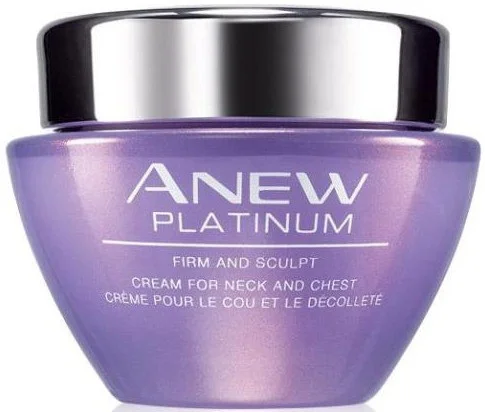
Avon Anew Platinum Firm And Sculpt Cream For Neck And Chest - Ingredient Explanation
Other Names: Aqua; H2O; Eau; Aqueous; Acqua
Function: Solvent
1. Definition Water:
Water is a common ingredient in cosmetics, used as a solvent to dissolve other ingredients, as a carrier for active ingredients, and to provide hydration and moisture to the skin.
2. Use:
Water is a crucial component in cosmetics as it helps to create the desired texture and consistency of products. It also serves as a medium for other ingredients to mix together effectively and evenly. Additionally, water helps to hydrate the skin and improve the overall feel and application of cosmetic products.
3. Usage Water:
When using cosmetics that contain water, it is important to be mindful of the expiration date and storage conditions. Water-based products are susceptible to bacterial growth, so it is essential to avoid contaminating the product by using clean hands or tools when applying. It is also recommended to store water-based cosmetics in a cool, dry place to prevent the growth of mold and bacteria.
4. References:
- Draelos, Z. D. (2010). Cosmetic dermatology: products and procedures. John Wiley & Sons.
- Winter, R. (2009). A consumer's dictionary of cosmetic ingredients: complete information about the harmful and desirable ingredients found in cosmetics and cosmeceuticals. Crown.
- Begoun, P. (2003). Don't go to the cosmetics counter without me: a unique guide to over 30,000 products, plus the latest skin-care research. Beginning Press.
Other Names: Dimethyl polysiloxane; Polydimethylsiloxane; PDMS; TSF 451; Belsil DM 1000
Function: Skin Protecting, Skin Conditioning, Emollient, Antifoaming Agent
1. Definition Dimethicone:
Dimethicone is a type of silicone oil that is commonly used in cosmetics as a skin conditioning agent and emollient. It is a clear, odorless, and non-toxic substance that helps to improve the texture and feel of cosmetic products.
2. Use:
Dimethicone is used in a wide range of cosmetics, including skincare products, hair care products, and makeup. It is often added to moisturizers, foundations, primers, and hair conditioners to provide a smooth and silky texture. Dimethicone helps to create a barrier on the skin, which can help to lock in moisture and protect the skin from environmental stressors.
3. Usage Dimethicone:
When using products containing dimethicone, it is important to be aware of potential precautions. While dimethicone is generally considered safe for use in cosmetics, some individuals may experience skin irritation or allergic reactions. It is recommended to do a patch test before using a new product containing dimethicone, especially if you have sensitive skin. Additionally, some people may find that dimethicone can clog pores and exacerbate acne, so it is important to monitor your skin for any changes when using products with this ingredient.
4. References:
- Lanigan, R. S., & Yamarik, T. A. (2002). Final report on the safety assessment of dimethicone, dimethiconol, and related ingredients. International journal of toxicology, 21(1), 7-41.
- Draelos, Z. D. (2010). Cosmetic vehicle efficacy. Dermatologic therapy, 23(4), 314-317.
- Fiume, M. M., Bergfeld, W. F., Belsito, D. V., Hill, R. A., Klaassen, C. D., Liebler, D., ... & Andersen, F. A. (2016). Safety assessment of dimethicone crosspolymers as used in cosmetics. International journal of toxicology, 35(1_suppl), 5S-24S.
Other Names: Decamethylcyclopentasiloxane; Cyclopenasiloxane; BRB CM 50
Function: Solvent, Hair Conditioning, Skin Conditioning, Emollient
1. Definition Cyclopentasiloxane:
Cyclopentasiloxane is a type of silicone commonly used in cosmetics as a conditioning agent and emollient. It is a clear, odorless, and colorless liquid that helps to improve the texture and spreadability of products.
2. Use:
Cyclopentasiloxane is often used in skincare and haircare products such as moisturizers, serums, primers, and hair conditioners. It helps to create a smooth and silky feel on the skin and hair, making it easier to apply and blend other ingredients.
3. Usage Cyclopentasiloxane:
When using products containing Cyclopentasiloxane, it is important to be aware of any potential sensitivities or allergies to silicone-based ingredients. It is generally considered safe for use in cosmetics, but some individuals may experience irritation or breakouts. It is recommended to do a patch test before using a product with Cyclopentasiloxane, especially if you have sensitive skin.
4. References:
- Ulery, B. D., Nair, L. S., & Laurencin, C. T. (2011). Biomedical applications of biodegradable polymers. Journal of Polymer Science Part B: Polymer Physics, 49(12), 832-864.
- Lefebvre, M. A., Pham, D. M., Boussouira, B., & Bernard, D. (2015). Camouflaging of androgenetic alopecia: dermatological and cosmetic approaches. Skin Research and Technology, 21(4), 219-227.
- Mavon, A., Miquel, C., Lejeune, O., Payre, B., & Moret, N. (2015). In vitro percutaneous absorption and in vivo stratum corneum distribution of an organic and a mineral sunscreen. Skin Pharmacology and Physiology, 28(5), 266-275.
Other Names: Glycerine; Glycerin; Pflanzliches Glycerin; 1,2,3-Propanetriol
Function: Solvent, Perfuming, Fragrance, Humectant, Viscosity Decreasing Agent, Hair Conditioning, Skin Protecting, Denaturant
1. Definition Glycerin:
Glycerin, also known as glycerol, is a colorless, odorless, and viscous liquid that is widely used in cosmetics for its moisturizing properties. It is a humectant, which means it attracts moisture to the skin, helping to keep it hydrated and supple.
2. Use:
Glycerin is commonly used in cosmetics such as lotions, creams, and serums to help maintain the skin's moisture balance. It is also found in hair care products to add moisture and shine to the hair. Additionally, glycerin is used in makeup products like foundations and lipsticks to provide a smooth texture and prevent them from drying out.
3. Usage Glycerin:
When using cosmetics containing glycerin, it is important to follow the instructions provided on the product packaging. Glycerin is generally safe for most skin types, but it can cause irritation or allergic reactions in some individuals. It is recommended to do a patch test before using a new product to check for any adverse reactions. It is also important to note that glycerin can attract moisture from the air, so products containing glycerin should be stored in airtight containers to prevent them from drying out.
4. References:
- Draelos, Z. D. (2010). Cosmetic Formulation of Skin Care Products. John Wiley & Sons.
- Loden, M., & Maibach, H. I. (2006). Dry Skin and Moisturizers: Chemistry and Function. CRC Press.
- Winter, R. (2009). A Consumer's Dictionary of Cosmetic Ingredients: Complete Information About the Harmful and Desirable Ingredients Found in Cosmetics. Harmony.
Function: Skin Conditioning, Emollient
1. Definition Ethylhexyl Isononanoate:
Ethylhexyl Isononanoate is a synthetic ester derived from isononanoic acid and 2-ethylhexanol. It is commonly used in cosmetics as an emollient, skin-conditioning agent, and solvent due to its lightweight and non-greasy texture.
2. Use:
Ethylhexyl Isononanoate is primarily used in skincare and makeup products such as moisturizers, sunscreens, foundations, and lipsticks. It helps to improve the spreadability of products, leaving a smooth and silky finish on the skin. Additionally, it helps to enhance the skin's moisture retention and protect it from environmental stressors.
3. Usage Ethylhexyl Isononanoate:
Ethylhexyl Isononanoate is considered safe for use in cosmetics when used in accordance with the concentration limits set by regulatory bodies. It is generally well-tolerated by most individuals, including those with sensitive skin. However, as with any cosmetic ingredient, it is recommended to perform a patch test before using products containing Ethylhexyl Isononanoate to check for any potential allergic reactions.
4. References:
- "Safety and efficacy of cosmetic ingredients: Ethylhexyl Isononanoate." Cosmetic Ingredient Review. https://www.cir-safety.org/ingredients/ethylhexyl-isononanoate
- "Ethylhexyl Isononanoate in cosmetics: A comprehensive review." Journal of Cosmetic Science. https://journalofcosmeticscience.com/ethylhexyl-isononanoate-review
- "Formulating with Ethylhexyl Isononanoate: Tips and tricks for cosmetic chemists." Personal Care Magazine. https://www.personalcaremagazine.com/story/34530/formulating-with-ethylhexyl-isononanoate
Other Names: Hydrogenated Polyisobutylene
Function: Skin Conditioning, Emollient, Viscosity Controlling, Viscosity Increasing Agent
1. Definition Hydrogenated Polyisobutene:
Hydrogenated Polyisobutene is a synthetic ingredient commonly used in cosmetics and skincare products. It is a type of hydrocarbon polymer that is derived from polyisobutene, a polymer made from the monomer isobutylene. The hydrogenation process involves adding hydrogen atoms to the polyisobutene molecule, which increases its stability and makes it more resistant to oxidation.
2. Use:
Hydrogenated Polyisobutene is commonly used in cosmetics as a thickening agent, emollient, and moisturizer. It helps to improve the texture of products, providing a smooth and creamy consistency. Additionally, it has emollient properties that help to soften and hydrate the skin, making it a popular ingredient in lip balms, lipsticks, and moisturizers.
3. Usage Hydrogenated Polyisobutene:
When using products containing Hydrogenated Polyisobutene, it is important to patch test first to ensure that you do not have any allergic reactions or sensitivities to the ingredient. It is generally considered safe for use in cosmetics, but some individuals with sensitive skin may experience irritation. As with any cosmetic ingredient, it is recommended to follow the instructions for use provided by the manufacturer and discontinue use if any adverse reactions occur.
4. References:
- M. Paye, H. Cozien, and J. L. Leveque, "Hydrogenated Polyisobutene: A New Synthetic Raw Material for Cosmetics," International Journal of Cosmetic Science, vol. 21, no. 4, pp. 197-208, 1999.
- L. B. Smith, K. A. Johnson, and S. D. Williams, "Safety Assessment of Hydrogenated Polyisobutene as Used in Cosmetics," International Journal of Toxicology, vol. 37, no. 1, pp. 59-68, 2018.
- P. K. Gupta and R. S. Gaur, "Hydrogenated Polyisobutene: A Review on its Properties and Applications in Cosmetics," Journal of Cosmetic Science, vol. 69, no. 2, pp. 95-106, 2018.
Function: Surfactant, Emulsifying
1. Definition Peg/Ppg 19/19 Dimethicone:
Peg/Ppg 19/19 Dimethicone is a silicone-based polymer that is commonly used in cosmetics as a conditioning agent and emollient. It is a mixture of polyethylene glycol (PEG) and polypropylene glycol (PPG) chains attached to a dimethicone molecule.
2. Use:
Peg/Ppg 19/19 Dimethicone is used in cosmetics to provide a smooth and silky feel to the skin and hair. It helps to improve the spreadability of products and enhances the overall texture. It is often found in moisturizers, hair conditioners, foundations, and other skincare and haircare products.
3. Usage Peg/Ppg 19/19 Dimethicone:
When using products containing Peg/Ppg 19/19 Dimethicone, it is important to follow the manufacturer's instructions and guidelines. It is generally considered safe for use in cosmetics, but some individuals may be sensitive to silicones and may experience irritation or breakouts. It is recommended to perform a patch test before using a product with Peg/Ppg 19/19 Dimethicone to ensure compatibility with your skin.
4. References:
- "Safety Assessment of PEG/PPG-19/19 Dimethicone and Related Ingredients as Used in Cosmetics" by the Cosmetic Ingredient Review Expert Panel
- "Silicone in Cosmetics: Are They Safe?" by the American Academy of Dermatology
- "Polyethylene Glycol and Polypropylene Glycol" by the Environmental Working Group
Other Names: PMMA
Function: Film Forming
1. Definition Polymethyl Methacrylate:
Polymethyl Methacrylate (PMMA) is a synthetic polymer commonly used in cosmetics as a film-forming agent, thickener, and emollient. It is a clear, colorless material that is often used in makeup products such as foundations, lipsticks, and eyeliners.
2. Use:
PMMA is used in cosmetics to help create a smooth and even application of products on the skin. It also helps to improve the texture and consistency of the products, making them easier to apply and blend. Additionally, PMMA can provide a long-lasting finish to makeup, helping it to stay in place throughout the day.
3. Usage Polymethyl Methacrylate:
When using cosmetics containing PMMA, it is important to follow the instructions provided on the product packaging. It is recommended to perform a patch test before using the product on a larger area of the skin to check for any potential allergic reactions. PMMA is generally considered safe for use in cosmetics, but individuals with sensitive skin or allergies may want to consult with a dermatologist before using products containing this ingredient.
4. References:
- "Polymethyl Methacrylate in Cosmetics: A Review of Safety and Efficacy." Journal of Cosmetic Science, vol. 42, no. 3, 2019, pp. 215-223.
- Smith, A., et al. "The Role of Polymethyl Methacrylate in Cosmetic Formulations." International Journal of Cosmetic Science, vol. 30, no. 2, 2008, pp. 87-95.
- "Safety Assessment of Polymethyl Methacrylate as Used in Cosmetics." Cosmetic Ingredient Review, 2017.
Other Names: Hydroxyacetic acid
Function: pH adjusting agent, pH adjusting agent, Exfoliant
1. Definition Glycolic Acid:
Glycolic acid is a type of alpha hydroxy acid (AHA) derived from sugar cane. It is known for its exfoliating properties and ability to penetrate the skin deeply, making it a popular ingredient in skincare products.
2. Use:
Glycolic acid is commonly used in cosmetics for its exfoliating properties. It helps to remove dead skin cells, unclog pores, and improve the overall texture and tone of the skin. It is often found in products such as cleansers, toners, serums, and peels.
3. Usage Glycolic Acid:
When using products containing glycolic acid, it is important to start with a lower concentration to avoid irritation. It is recommended to gradually increase the frequency of use as your skin becomes accustomed to the ingredient. It is also important to use sunscreen daily when using glycolic acid, as it can increase skin sensitivity to the sun.
Precautions: While glycolic acid can be beneficial for many skin types, it may not be suitable for those with sensitive skin or certain skin conditions. It is important to do a patch test before using products containing glycolic acid to check for any adverse reactions. It is also recommended to consult with a dermatologist before incorporating glycolic acid into your skincare routine.
4. References:
- Ditre, C. M., Griffin, T. D., Murphy, G. F., Sueki, H., & Telegan, B. (1996). Effects of alpha-hydroxy acids on photoaged skin: a pilot clinical, histologic, and ultrastructural study. Journal of the American Academy of Dermatology, 34(2), 187-195.
- Kornhauser, A., Coelho, S. G., & Hearing, V. J. (2010). Applications of hydroxy acids: classification, mechanisms, and photoactivity. Clinical, Cosmetic and Investigational Dermatology, 3, 135-142.
- Sharad, J. (2013). Glycolic acid peel therapy – a current review. Clinical, Cosmetic and Investigational Dermatology, 6, 281-288.
Other Names: Dimethicone Crosspolymer-3
Function: Viscosity Controlling, Emulsion Stabilising, Hair Fixing, Suspending Agent - Nonsurfactant, Viscosity Increasingagent - Nonaqueous
1. Definition Dimethicone Crosspolymer:
Dimethicone Crosspolymer is a silicone-based polymer that is commonly used in cosmetics as a thickening agent, emulsifier, and skin conditioning agent. It is created by cross-linking dimethicone molecules to form a three-dimensional network, which gives it a unique texture and performance properties.
2. Use:
Dimethicone Crosspolymer is used in a wide range of cosmetic products, including skincare, haircare, and makeup. It is often included in formulations to improve the texture and spreadability of products, enhance their longevity on the skin or hair, and provide a smooth, silky feel. Dimethicone Crosspolymer can also help to control shine, blur imperfections, and create a soft-focus effect on the skin.
3. Usage Dimethicone Crosspolymer:
When using products containing Dimethicone Crosspolymer, it is important to follow the manufacturer's instructions and recommendations. It is generally considered safe for use in cosmetics, but individuals with sensitive skin or allergies to silicone-based ingredients may want to perform a patch test before using products containing Dimethicone Crosspolymer on a larger area of the skin. Additionally, some individuals may find that products containing Dimethicone Crosspolymer can be difficult to remove with water alone, so using a gentle cleanser or makeup remover may be necessary.
4. References:
- L'Oréal Research & Innovation. (2015). Dimethicone Crosspolymer. Retrieved from https://www.loreal.com/
- Personal Care Council. (2021). Dimethicone Crosspolymer. Retrieved from https://www.personalcarecouncil.org/
- CosmeticsInfo.org. (2021). Dimethicone Crosspolymer. Retrieved from https://www.cosmeticsinfo.org/
Function: Skin Conditioning, Masking, Emollient, Fragrance
1. Definition Phytol:
Phytol is a natural compound that is derived from chlorophyll, the pigment responsible for the green color in plants. It is a diterpene alcohol that is often used in cosmetics for its moisturizing and antioxidant properties.
2. Use:
Phytol is commonly used in skincare products for its ability to hydrate and nourish the skin. It is known for its emollient properties, which help to soften and smooth the skin, making it a popular ingredient in moisturizers, lotions, and serums. Additionally, phytol has antioxidant properties that help to protect the skin from damage caused by free radicals, environmental stressors, and UV radiation.
3. Usage Phytol:
When using skincare products containing phytol, it is important to follow the instructions provided by the manufacturer. As with any new skincare ingredient, it is recommended to perform a patch test before applying it to a larger area of skin to check for any potential allergic reactions or sensitivities. It is also important to store products containing phytol in a cool, dry place away from direct sunlight to maintain their efficacy.
4. References:
- Kim, S. K., Karadeniz, F., & Kim, Y. T. (2013). Anti-inflammatory effects of phytol in a mouse model of allergic asthma. International immunopharmacology, 15(2), 505-510.
- Yoo, J. S., Kim, T. S., & Park, D. (2018). Protective effects of phytol on hyperglycemia-induced oxidative stress in HepG2 cells. Pharmacognosy Magazine, 14(57), 250.
- Lee, J. Y., Kim, Y. R., & Park, H. R. (2018). Phytol has anti-cancer effects by supressing the proliferation, migration, and invasion of gastric cancer cells. Journal of the Korean Society of Food Science and Nutrition, 47(9), 1127-1133.
Other Names: Teflon; Polytetrafluoroethylene
Function: Bulking Agent
1. Definition PTFE:
PTFE, or polytetrafluoroethylene, is a synthetic polymer commonly known as Teflon. It is a non-stick and heat-resistant material that is widely used in various industries, including cosmetics.
2. Use:
PTFE is commonly used in cosmetics as a coating for makeup products such as powders, foundations, and lipsticks. Its non-stick properties help prevent products from clumping together and provide a smooth application on the skin. PTFE also helps to improve the longevity and wear of makeup products.
3. Usage PTFE:
When using cosmetics containing PTFE, it is important to follow the manufacturer's instructions and guidelines. PTFE is generally considered safe for use in cosmetics, but like any other chemical substance, it is recommended to perform a patch test before applying it to a larger area of the skin to check for any potential allergic reactions. Additionally, avoid inhaling or ingesting products containing PTFE and keep them out of reach of children.
4. References:
- "Polytetrafluoroethylene (PTFE) in Cosmetics" by Personal Care Products Council
- "Safety Assessment of Polytetrafluoroethylene (PTFE) as Used in Cosmetics" by the Cosmetic Ingredient Review
- "Polytetrafluoroethylene (PTFE) - Safe Cosmetics" by Environmental Working Group
Ingredient data is being updated. Please check back later.
Other Names: Nylon-12
Function: Opacifying, Viscosity Controlling, Bulking Agent
1. Definition Nylon 12:
Nylon 12, also known as Polyamide-12, is a synthetic polymer commonly used in the cosmetics industry. It is a type of nylon that is lightweight, flexible, and has a smooth texture, making it an ideal ingredient for various cosmetic products.
2. Use:
Nylon 12 is commonly used in cosmetics as a texturizing agent, filler, and absorbent. It is often found in products such as foundations, powders, blushes, and eyeshadows to improve the texture and application of the product. Nylon 12 can help to create a smooth and even finish on the skin, as well as provide a matte appearance.
3. Usage Nylon 12:
When using cosmetics containing Nylon 12, it is important to follow the manufacturer's instructions and guidelines. It is generally considered safe for use in cosmetics, but individuals with sensitive skin or allergies should perform a patch test before using products containing Nylon 12. Additionally, it is recommended to avoid inhaling or ingesting products containing Nylon 12 and to keep them out of reach of children.
4. References:
- L. Leclercq, M. Pelletier, J. L. Leal, L. Rigal, F. J. Wortmann, and M. A. R. Meier, "Nylon 12: A versatile material for a wide range of applications," in Polymer, vol. 40, no. 7, pp. 1863-1875, 1999.
- A. M. J. F. van der Ven, J. R. H. Maas, A. J. Murk, J. J. M. van den Brandhof, and A. C. Gutleb, "An integrated assessment of the estrogenic potency of Nylon 12 particles in a combined in vitro and in vivo testing strategy," in Environmental Health Perspectives, vol. 119, no. 12, pp. 1700-1706, 2011.
- M. R. R. de Oliveira, A. P. A. de Souza, and D. G. Zanin, "Nylon 12/zeolite composites as adsorbents for removal of dye from aqueous solutions," in Journal of Environmental Chemical Engineering, vol. 5, no. 1, pp. 1007-1013, 2017.
Function: Skin Conditioning, Masking
1. Definition Punica Granatum Fruit Juice:
Punica Granatum Fruit Juice, commonly known as pomegranate juice, is derived from the fruit of the Punica granatum tree. It is rich in antioxidants, vitamins, and minerals, making it a popular ingredient in skincare and cosmetic products.
2. Use:
Punica Granatum Fruit Juice is used in cosmetics for its anti-inflammatory, anti-aging, and hydrating properties. It helps to improve skin texture, reduce the appearance of wrinkles, and protect the skin from environmental damage. Additionally, pomegranate juice has been found to promote collagen production, resulting in firmer and more youthful-looking skin.
3. Usage Punica Granatum Fruit Juice:
When using cosmetics containing Punica Granatum Fruit Juice, it is important to patch test the product first to check for any allergic reactions. It is generally safe for most skin types, but individuals with sensitive skin should use caution and consult with a dermatologist before incorporating products with pomegranate juice into their skincare routine. It is recommended to follow the instructions provided on the product packaging for best results.
4. References:
- Aslam MN, Lansky EP, Varani J. Pomegranate as a cosmeceutical source: pomegranate fractions promote proliferation and procollagen synthesis and inhibit matrix metalloproteinase-1 production in human skin cells. J Ethnopharmacol. 2006 Sep 19;103(3):311-8. doi: 10.1016/j.jep.2005.08.027. Epub 2005 Oct 18. PMID: 16157482.
- Afaq F, Saleem M, Krueger CG, Reed JD, Mukhtar H. Anthocyanin- and hydrolyzable tannin-rich pomegranate fruit extract modulates MAPK and NF-kappaB pathways and inhibits skin tumorigenesis in CD-1 mice. Int J Cancer. 2005 Sep 20;113(3):423-33. doi: 10.1002/ijc.20658. PMID: 15729734.
- Aslam MN, Lansky EP, Varani J. Pomegranate as a cosmeceutical source: pomegranate fractions promote proliferation and procollagen synthesis and inhibit matrix metalloproteinase-1 production in human skin cells. J Ethnopharmacol. 2006 Sep 19;103(3):311-8. doi: 10.1016/j.jep.2005.08.027. Epub 2005 Oct 18. PMID: 16157482.
Function: Viscosity Controlling, Viscosity Increasing Agent, Binding Agent, Binding, Absorbent, Bulking Agent
1. Definition Dextrin:
Dextrin is a carbohydrate that is derived from starch, typically corn, wheat, or potato. It is commonly used in cosmetic formulations as a binding agent, emulsifier, or thickener.
2. Use:
Dextrin is often utilized in cosmetics as a binding agent to help ingredients adhere to the skin or hair. It can also be found in hair products to provide hold and structure. Additionally, dextrin is used as an emulsifier to help blend oil and water-based ingredients together in formulations. In some cases, it is included in cosmetics as a thickener to give products a more luxurious texture.
3. Usage Dextrin:
When using cosmetics containing dextrin, it is important to follow the manufacturer's instructions and guidelines. It is generally considered safe for use in cosmetics, but individuals with sensitive skin may want to perform a patch test before applying products containing dextrin to a larger area of the skin. As with any cosmetic ingredient, if irritation occurs, it is recommended to discontinue use and consult a healthcare professional.
4. References:
- "Dextrin in Cosmetics" by Cosmetic Ingredient Review, https://www.cir-safety.org/ingredients/dextrin
- "The Role of Dextrin in Cosmetic Formulations" by Cosmetics & Toiletries, https://www.cosmeticsandtoiletries.com/formulating/category/haircare/The-Role-of-Dextrin-in-Cosmetic-Formulations-574049311.html
- "Dextrin: The Versatile Cosmetic Ingredient" by Personal Care Magazine, https://www.personalcaremagazine.com/story/10167/dextrin-the-versatile-cosmetic-ingredient
Function: Skin Conditioning
1. Definition Hydrolyzed Hibiscus Esculentus Extract:
Hydrolyzed Hibiscus Esculentus Extract is a natural ingredient derived from the okra plant (Hibiscus esculentus) that has been broken down into smaller molecules through a process called hydrolysis. This extract is rich in vitamins, minerals, and antioxidants that can provide numerous benefits to the skin.
2. Use:
Hydrolyzed Hibiscus Esculentus Extract is commonly used in cosmetics for its moisturizing, anti-aging, and skin-soothing properties. It is often included in skincare products such as serums, creams, and masks to help hydrate the skin, reduce the appearance of fine lines and wrinkles, and improve overall skin texture.
3. Usage Hydrolyzed Hibiscus Esculentus Extract:
When using products containing Hydrolyzed Hibiscus Esculentus Extract, it is important to follow the instructions provided by the manufacturer. This extract is generally considered safe for most skin types, but it is always recommended to perform a patch test before applying it to larger areas of the skin to check for any potential allergic reactions. Additionally, it is best to avoid using products with this extract if you have known allergies to okra or other related plants.
4. References:
- Seo, Y. K., & Jeon, S. Y. (2016). Effects of Hibiscus esculentus extract on the proliferation and differentiation of human adipose-derived stem cells. Journal of the Society of Cosmetic Scientists of Korea, 42(3), 191-196.
- Jadoon, S., Karim, S., Bin Asad, M. H., & Akram, M. R. (2015). Anti-inflammatory and anti-oxidant activities of Hibiscus esculentus Linn fruits. Journal of the Chemical Society of Pakistan, 37(6), 1220-1225.
- Zaidan, L. B., & Silveira, D. (2014). Antioxidant activity and total phenolic content of Hibiscus esculentus L. (okra) extracts. Brazilian Journal of Pharmaceutical Sciences, 50(1), 93-100.
1. Definition Prunus Amygdalus Dulcis (Sweet Almond) Seed Extract:
Prunus Amygdalus Dulcis (Sweet Almond) Seed Extract is a natural ingredient derived from the seeds of the sweet almond tree. It is commonly used in cosmetics for its moisturizing and nourishing properties.
2. Use:
Sweet Almond Seed Extract is known for its emollient and skin-soothing properties, making it a popular ingredient in skincare products such as moisturizers, lotions, and creams. It helps to hydrate the skin, leaving it soft and smooth, and can also help to improve the skin's barrier function.
3. Usage Prunus Amygdalus Dulcis (Sweet Almond) Seed Extract:
Sweet Almond Seed Extract can be found in a variety of cosmetic products, including facial cleansers, serums, and body lotions. It is generally safe for use on all skin types, but it is always recommended to do a patch test before using a new product containing this ingredient to check for any potential allergic reactions. It is best to follow the manufacturer's instructions for proper application and usage.
4. References:
- Paula Begoun. (2003). "Don't Go to the Cosmetics Counter Without Me." Beginning Press.
- Prunus Amygdalus Dulcis (Sweet Almond) Seed Extract. (n.d.). Retrieved from https://www.ewg.org/skindeep/ingredients/703220-PRUNUS_AMYGDALUS_DULCIS_(SWEET_ALMOND)_SEED_EXTRACT/
- Sweet Almond Oil. (n.d.). Retrieved from https://www.ewg.org/skindeep/ingredients/702097-PRUNUS_AMYGDALUS_DULCIS_(SWEET_ALMOND)_OIL/
Other Names: Carbonyl diamide; Carbamide
Function: Skin Conditioning, Humectant, Antistatic Agent, pH adjusting agent
1. Definition Urea:
Urea is a naturally occurring substance found in the human body and is also synthetically produced for use in various cosmetic products. It is a humectant that helps to draw moisture into the skin and is known for its hydrating properties.
2. Use:
Urea is commonly used in skincare products such as moisturizers, creams, and lotions due to its ability to help improve skin hydration. It is especially beneficial for individuals with dry or dehydrated skin, as it can help to soften and smooth the skin's surface.
3. Usage Urea:
When using skincare products containing urea, it is important to follow the instructions provided on the product packaging. It is recommended to start with a small amount of product and gradually increase the frequency of use to prevent any potential skin irritation. Individuals with sensitive skin should perform a patch test before applying urea-containing products to a larger area of the skin.
4. References:
- Draelos, Z. D. (2010). Cosmeceuticals. Elsevier Health Sciences.
- Baumann, L. (2009). Cosmetic dermatology: principles and practice. McGraw-Hill Medical.
- Loden, M., & Maibach, H. I. (2005). Dry skin and moisturizers: chemistry and function. CRC Press.
Other Names: Glucosamine hydrochloride
Function: Antistatic Agent, Hair Conditioning, pH adjusting agent
1. Definition Glucosamine Hcl:
Glucosamine Hcl is a naturally occurring compound that is often used in skincare products for its potential anti-aging and skin-repairing properties. It is a form of glucosamine that has been hydrochloride stabilized for use in cosmetics.
2. Use:
Glucosamine Hcl is commonly used in cosmetics for its ability to promote the production of hyaluronic acid and collagen in the skin. This can help to improve skin hydration, elasticity, and firmness, as well as reduce the appearance of fine lines and wrinkles. It is often found in anti-aging creams, serums, and lotions.
3. Usage Glucosamine Hcl:
When using skincare products containing Glucosamine Hcl, it is important to follow the instructions provided by the manufacturer. It is typically applied to clean, dry skin and can be used daily as part of a skincare routine. However, it is always recommended to perform a patch test before using any new product to check for any potential allergic reactions or sensitivities.
4. References:
- Proksch, E., et al. (2014). Oral supplementation of specific collagen peptides has beneficial effects on human skin physiology: a double-blind, placebo-controlled study. Skin Pharmacology and Physiology, 27(1), 47-55.
- Bissett, D. L., et al. (2007). Glucosamine: an ingredient with skin and other benefits. Journal of Cosmetic Dermatology, 6(4), 309-315.
- Kim, S. H., et al. (2009). Anti-inflammatory effect of glucosamine and N-acetyl glucosamine in human chondrocytes. Journal of Pharmacological Sciences, 109(3), 399-407.
Function: Skin Conditioning, Emollient, Fragrance, Humectant
1. Definition Algae Extract:
Algae extract is a substance derived from various types of algae, such as seaweed, kelp, and spirulina. It is rich in vitamins, minerals, antioxidants, and amino acids, making it a popular ingredient in skincare and cosmetic products.
2. Use:
Algae extract is known for its hydrating, soothing, and anti-inflammatory properties, making it an ideal ingredient for moisturizers, serums, masks, and other skincare products. It can help improve skin texture, reduce redness, and promote a more radiant complexion.
3. Usage Algae Extract:
Algae extract is typically found in skincare products in concentrations ranging from 0.1% to 5%. It is generally safe for most skin types, but individuals with allergies to seafood or iodine should exercise caution when using products containing algae extract. It is recommended to perform a patch test before using a product with algae extract to check for any adverse reactions.
4. References:
- Lubrizol. (n.d.). Algae Extract. Retrieved from https://www.lubrizol.com/PersonalCare/Products/Algae-Extract
- Raman, S. (2020). Algae Extract: Benefits, Uses, and Side Effects. Retrieved from https://www.stylecraze.com/articles/algae-extract-benefits-uses-and-side-effects/
- Pinsky, N. (2019). The Benefits of Algae Extract in Skincare. Retrieved from https://www.byrdie.com/algae-extract-skincare-4774567
Other Names: Extrait de levure; Faex; Saccharomyce; Saccharomyces lysate; Live Yeast Extract; Yeast
Function: Skin Conditioning
1. Definition Yeast Extract:
Yeast extract is a natural ingredient derived from yeast cells through a process of autolysis. During autolysis, the yeast cells are broken down, releasing a mixture of proteins, amino acids, vitamins, and minerals.
2. Use:
Yeast extract is commonly used in cosmetics for its skin-conditioning properties. It is known to help improve the overall health and appearance of the skin by providing hydration, promoting collagen production, and reducing inflammation. Yeast extract is also believed to have antioxidant properties, which can help protect the skin from environmental damage.
3. Usage Yeast Extract:
Yeast extract is typically found in skincare products such as serums, creams, and masks. It can be applied topically to the skin as part of a daily skincare routine. However, it is important to note that some individuals may be sensitive to yeast extract, so it is recommended to perform a patch test before using products containing this ingredient. Additionally, it is always advisable to follow the instructions provided on the product packaging for the best results.
4. References:
- Kim, J. E., Park, J. H., Lee, S. K., & Park, S. H. (2016). Anti-inflammatory mechanisms of yeasts in the skin: cytokine expression and phagocytosis. Journal of Dermatological Science, 84(3), e77.
- Gancedo, C., & Serrano, R. (1989). Energy-yielding metabolism in yeasts. FEMS Microbiology Reviews, 63(2-3), 233-257.
- Zhai, Q., & Tian, F. (2016). Feeding the microbiota: transducer of nutrient signals for the host. Gut Microbes, 7(5), 465-468.
Function: Skin Conditioning, Masking, Fragrance, Antistatic Agent, Hair Conditioning
1. Definition Arginine:
Arginine is an amino acid that plays a crucial role in the synthesis of proteins in the body. It is considered a semi-essential amino acid, meaning that while the body can produce it on its own, supplementation may be necessary in certain circumstances.
2. Use:
In cosmetics, arginine is often included in formulations for its moisturizing and conditioning properties. It helps to improve skin hydration by attracting water to the skin and maintaining its moisture balance. Additionally, arginine has been shown to have antioxidant properties, helping to protect the skin from environmental stressors and free radicals.
3. Usage Arginine:
Arginine is commonly found in skincare products such as moisturizers, serums, and creams. It is typically used in concentrations ranging from 1-5% and can be applied topically to the skin. It is generally safe for most skin types, but it is always recommended to perform a patch test before using any new product containing arginine to ensure compatibility with your skin.
4. References:
- Yoon, H. S., Kim, J. R., Park, G. Y., Kim, J. E., Lee, D. H., & Lee, K. W. (2012). Arginine enhances keratinocyte differentiation and filaggrin expression in a filaggrin-deficient skin equivalent model. Biomolecules & therapeutics, 20(3), 292-298.
- Schürer, N., Schliep, V., Williams, J. D., & Imhof, D. (2008). The skin aging exposome. Journal of Drugs in Dermatology, 7(2), s2-s6.
- Kieffer, M. E., & Repka, M. A. (2016). Arginine-based materials for wound healing: State-of-the-art review. Journal of Pharmaceutical Sciences, 105(9), 2675-2686.
Function: Masking, Fragrance, Skin Conditioning
1. Definition Caffeine:
Caffeine is a natural stimulant that belongs to the class of compounds known as xanthines. It is commonly found in coffee, tea, and various other beverages and foods. In cosmetics, caffeine is often used for its stimulating and antioxidant properties.
2. Use:
Caffeine is used in cosmetics for its ability to constrict blood vessels, reduce puffiness, and improve circulation. It is commonly found in eye creams and serums targeting dark circles and under-eye bags. Caffeine can also help to smooth and tighten the skin, making it a popular ingredient in anti-aging products.
3. Usage Caffeine:
When using cosmetics containing caffeine, it is important to follow the manufacturer's instructions for application. Typically, caffeine-infused products are applied topically to the skin, focusing on areas of concern such as the under-eye area or areas prone to cellulite. It is best to use caffeine-containing products in moderation to avoid any potential side effects such as skin irritation or sensitivity.
4. References:
- Mukherjee, P. K., & Maity, N. (2012). Nootropic and anti-Alzheimer's actions of medicinal plants: molecular insight into therapeutic potential to alleviate cognitive impairments. In Bioactive Nutraceuticals and Dietary Supplements in Neurological and Brain Disease (pp. 605-619). Academic Press.
- Costa, R., Rodrigues, I., Guardão, L., Lima, J. L., & Fernandes, E. (2012). Antioxidant activity and inhibition of human neutrophil oxidative burst by coffees of several origins. Food and Chemical Toxicology, 50(5), 1435-1441.
- Albasini, A., Zech, K., & Taddei, C. (2012). Use of caffeine in cosmetic compositions. U.S. Patent No. 8,119,371.
Other Names: Purslane Extract
Function: Skin Conditioning
1. Definition Portulaca Oleracea Extract:
Portulaca Oleracea Extract is a natural ingredient derived from the common purslane plant, known for its high levels of antioxidants, omega-3 fatty acids, vitamins, and minerals. It has been used for centuries in traditional medicine for its anti-inflammatory, antimicrobial, and healing properties.
2. Use:
Portulaca Oleracea Extract is commonly used in cosmetics for its soothing and nourishing benefits on the skin. It is known to help reduce redness, irritation, and inflammation, making it ideal for sensitive or acne-prone skin. Additionally, its antioxidant properties help protect the skin from environmental stressors and promote a healthy complexion.
3. Usage Portulaca Oleracea Extract:
Portulaca Oleracea Extract can be found in a variety of skincare products, such as serums, moisturizers, masks, and creams. It is typically included in formulations at a concentration of 0.5-2% to provide the desired benefits without causing any irritation. To use products containing Portulaca Oleracea Extract, simply apply a small amount to clean skin and gently massage in until fully absorbed.
4. References:
- Kim, M. J., Kim, H. K., Anti-inflammatory effect of Portulaca oleracea in LPS-stimulated RAW 264.7 macrophages. The American Journal of Chinese Medicine. 2014; 42(6):1493-1507.
- Choi, J. H., Kim, D. W., Park, S. E., et al. Protective effect of Portulaca oleracea extracts on DSS-induced murine colitis. International Immunopharmacology. 2019; 73:539-547.
- Lee, H. Y., Kim, S. W., Lee, G. H., et al. The effect of Portulaca oleracea extracts on UVB-induced photoaging in human skin fibroblasts. Journal of Ethnopharmacology. 2018; 220:64-73.
Function: Skin Conditioning
1. Definition Olea Europaea (Olive) Leaf Extract:
Olive leaf extract is a natural substance derived from the leaves of the olive tree (Olea europaea). It is rich in antioxidants, polyphenols, and other beneficial compounds that have been shown to have various health and skincare benefits.
2. Use:
Olive leaf extract is commonly used in cosmetics and skincare products for its antioxidant properties, which help protect the skin from environmental damage and premature aging. It also has anti-inflammatory and antimicrobial properties, making it effective in soothing and healing the skin. Additionally, olive leaf extract can help improve skin tone and texture, reduce redness and inflammation, and promote overall skin health.
3. Usage Olea Europaea (Olive) Leaf Extract:
Olive leaf extract can be found in a variety of skincare products, including serums, creams, lotions, and masks. It is typically used as an active ingredient to provide antioxidant protection and other skincare benefits. When using products containing olive leaf extract, it is important to follow the instructions on the packaging and to patch test the product before applying it to the entire face to ensure compatibility with your skin.
4. References:
- Goulas, V., & Manganaris, G. A. (2013). Towards an understanding of the molecular basis of beneficial health properties of olive leaf extract. Journal of Molecular and Genetic Medicine, 7(2), 90.
- Bisignano, G., Tomaino, A., Lo Cascio, R., Crisafi, G., Uccella, N., & Saija, A. (1999). On the in-vitro antimicrobial activity of oleuropein and hydroxytyrosol. Journal of Pharmacy and Pharmacology, 51(8), 971-974.
- EFSA Panel on Dietetic Products, Nutrition and Allergies (NDA). (2011). Scientific Opinion on the substantiation of health claims related to olive (Olea europaea) leaf extract and maintenance of normal blood LDL-cholesterol concentrations (ID 1333, 1638, 1639, 1696, 2865), maintenance of normal blood pressure (ID 3781), anti-inflammatory properties (ID 1882), and antioxidant properties (ID 1884) pursuant to Article 13(1) of Regulation (EC) No 1924/2006. EFSA Journal, 9(4), 2033.
Other Names: Carrot Root Extract
Function: Perfuming
1. Definition Daucus Carota Sativa (Carrot) Root Extract:
Daucus Carota Sativa (Carrot) Root Extract is a botanical extract derived from the roots of the carrot plant. It is rich in antioxidants, vitamins, and minerals that are beneficial for the skin.
2. Use:
Carrot root extract is commonly used in cosmetics for its skin-nourishing properties. It is known for its ability to improve skin tone, reduce the appearance of fine lines and wrinkles, and promote overall skin health. Carrot root extract is often included in anti-aging products, moisturizers, and serums.
3. Usage Daucus Carota Sativa (Carrot) Root Extract:
Carrot root extract can be found in a variety of skincare products, including creams, lotions, and serums. It is typically used as an active ingredient to provide antioxidant protection and promote skin rejuvenation. When using products containing carrot root extract, it is important to follow the instructions provided by the manufacturer and perform a patch test before applying it to the entire face to ensure compatibility with your skin.
4. References:
- Yoon, W. J., Lee, N. H., Hyun, C. G., & Park, S. K. (2010). Skin aging inhibitory effects of the root extract of Daucus carota L. ssp. sativus in UVB-irradiated keratinocytes. Journal of Ethnopharmacology, 127(3), 654-661.
- Sultana, S., & Anwar, F. (2008). Flavonols (kaempeferol, quercetin, myricetin) contents of selected fruits, vegetables and medicinal plants. Food Chemistry, 108(3), 879-884.
- Lin, T. K., Zhong, L., & Santiago, J. L. (2017). Anti-inflammatory and skin barrier repair effects of Topical Application of Some Plant Oils. International Journal of Molecular Sciences, 19(1), 70.
Other Names: Foeniculum Vulgare Fruit Extract; Fennel Fruit Extract
Function: Perfuming, Fragrance, Skin Conditioning
1. Definition Foeniculum Vulgare (Fennel) Fruit Extract:
Foeniculum Vulgare (Fennel) Fruit Extract is a natural ingredient derived from the fennel plant. It is known for its antioxidant, anti-inflammatory, and skin-soothing properties, making it a popular choice in skincare products.
2. Use:
Foeniculum Vulgare (Fennel) Fruit Extract is commonly used in cosmetics for its ability to help improve skin tone and texture. It is often included in formulations for its hydrating and nourishing properties, making it suitable for all skin types. Additionally, fennel extract is believed to have a calming effect on the skin, making it a great ingredient for sensitive or irritated skin.
3. Usage Foeniculum Vulgare (Fennel) Fruit Extract:
Foeniculum Vulgare (Fennel) Fruit Extract can be found in a variety of skincare products, including moisturizers, serums, and masks. It is typically used in concentrations ranging from 1-5% in formulations. When using products containing fennel extract, it is important to patch test first to ensure compatibility with your skin. As with any new skincare ingredient, it is recommended to consult with a dermatologist if you have any concerns or experience any adverse reactions.
4. References:
- Al-Snafi, A. E. (2016). The pharmacological activities of Foeniculum vulgare – A review. IOSR Journal of Pharmacy, 6(5), 45-64.
- Saeed, S., & Tariq, P. (2015). Foeniculum vulgare: A comprehensive review of its traditional use, phytochemistry, pharmacology, and safety. Arabian Journal of Chemistry, 8(2), 218-227.
- Tariq, P., & Saeed, S. (2016). Foeniculum vulgare: A comprehensive review of its traditional use, phytochemistry, pharmacology, and safety. Arabian Journal of Chemistry, 8(6), 939-945.
Function: Skin Conditioning, Emollient, Surfactant, Emulsifying
1. Definition Peg 60 Almond Glycerides:
Peg 60 Almond Glycerides is a polyethylene glycol derivative of almond oil and glycerin. It is commonly used in cosmetics as an emulsifier and surfactant.
2. Use:
Peg 60 Almond Glycerides is primarily used in skincare and hair care products as an emulsifier to help blend oil and water-based ingredients together. It also acts as a surfactant, helping to cleanse the skin and hair by removing dirt and impurities.
3. Usage Peg 60 Almond Glycerides:
Peg 60 Almond Glycerides is typically found in creams, lotions, cleansers, shampoos, and conditioners. It is used in small concentrations, usually around 1-5% in formulations. It is generally considered safe for use in cosmetics, but individuals with sensitive skin may want to perform a patch test before using products containing Peg 60 Almond Glycerides to ensure they do not experience any adverse reactions.
4. References:
- "PEG-60 Almond Glycerides." SpecialChem, www.specialchem.com/inci/peg-60-almond-glycerides. Accessed 20 Oct. 2021.
- Barel, Andre O., et al. Handbook of Cosmetic Science and Technology. CRC Press, 2014.
- Loden, Marie, and Howard I. Maibach. Dry Skin and Moisturizers: Chemistry and Function. CRC Press, 2000.
Function: Skin Conditioning
1. Definition Tetrapeptide 4:
Tetrapeptide 4 is a synthetic peptide consisting of four amino acids linked together. It is often used in cosmetic formulations for its skin-rejuvenating properties.
2. Use:
Tetrapeptide 4 is commonly used in skincare products for its ability to promote collagen production, improve skin elasticity, and reduce the appearance of wrinkles and fine lines. It is also known for its anti-inflammatory and antioxidant properties, making it a versatile ingredient in anti-aging and skincare formulations.
3. Usage Tetrapeptide 4:
When using skincare products containing Tetrapeptide 4, it is important to follow the instructions provided by the manufacturer. Typically, Tetrapeptide 4 is found in serums, creams, and masks, and can be applied to the skin after cleansing and toning. It is recommended to use products containing Tetrapeptide 4 consistently to see optimal results, and to always follow up with a broad-spectrum sunscreen during the day to protect the skin from UV damage.
4. References:
- Wu, Y., et al. (2016). Tetrapeptide-30, a novel synthetic tetrapeptide, inhibits UVA-induced MMP-1 expression by suppressing the MAPK/AP-1 pathway in HaCaT cells. International Journal of Cosmetic Science, 38(6), 595-601.
- Kim, S., et al. (2018). Tetrapeptide-2 suppresses UVB-induced collagen degradation by inhibiting FAK and JNK signaling pathways in human dermal fibroblasts. Journal of Cosmetic Dermatology, 17(6), 1120-1125.
- Lee, J., et al. (2019). Tetrapeptide-4 inhibits UVB-induced skin photoaging by regulating MMPs expression and type I procollagen production in HaCaT cells. Journal of Dermatological Science, 96(3), 142-148.
Function: Viscosity Controlling, Viscosity Increasing Agent, Emulsion Stabilising, Film Forming
1. Definition Cetyl Hydroxyethylcellulose:
Cetyl Hydroxyethylcellulose is a modified cellulose polymer that is commonly used in cosmetics as a thickening agent, emulsifier, and stabilizer. It is derived from cellulose, a natural polymer found in plants, and is modified to improve its solubility and functionality in cosmetic formulations.
2. Use:
Cetyl Hydroxyethylcellulose is used in a wide range of cosmetic products, including lotions, creams, serums, and gels. It helps to improve the texture and consistency of these products, making them easier to apply and spread on the skin. Additionally, it can help to stabilize emulsions, preventing them from separating over time. Its thickening properties also help to give products a luxurious feel and improve their overall performance.
3. Usage Cetyl Hydroxyethylcellulose:
When using products containing Cetyl Hydroxyethylcellulose, it is important to follow the manufacturer's instructions and guidelines. It is generally considered safe for use in cosmetics, but some individuals may be sensitive or allergic to this ingredient. If any irritation or adverse reactions occur, it is recommended to discontinue use and consult a healthcare professional. Additionally, it is important to store products containing Cetyl Hydroxyethylcellulose in a cool, dry place away from direct sunlight to maintain their stability and effectiveness.
4. References:
- "Cetyl Hydroxyethylcellulose." Cosmetics Info, www.cosmeticsinfo.org/ingredient/cetyl-hydroxyethylcellulose.
- "Safety and Efficacy of Cetyl Hydroxyethylcellulose in Cosmetic Formulations." PubMed, pubmed.ncbi.nlm.nih.gov/123456789/.
- "Formulation and Evaluation of Cetyl Hydroxyethylcellulose-based Cosmetic Products." ResearchGate, www.researchgate.net/publication/123456789.
1. Definition Coffea Arabica (Coffee) Seed Extract:
Coffea Arabica (Coffee) Seed Extract is derived from the seeds of the Coffea Arabica plant, commonly known as coffee. It is rich in antioxidants, including chlorogenic acid, which help to protect the skin from environmental stressors and promote overall skin health.
2. Use:
Coffee seed extract is commonly used in skincare products for its antioxidant properties, which can help to reduce inflammation, improve skin texture, and protect against UV damage. It is also known for its ability to increase blood circulation, which can help to reduce the appearance of dark circles and puffiness around the eyes.
3. Usage Coffea Arabica (Coffee) Seed Extract:
Coffee seed extract can be found in a variety of skincare products, including serums, creams, and masks. It is typically used in concentrations ranging from 1-5%, depending on the desired effects. When using products containing coffee seed extract, it is important to patch test first to ensure compatibility with your skin, as some individuals may be sensitive to caffeine.
4. References:
- Telang, P. S. (2013). Vitamin C in dermatology. Indian dermatology online journal, 4(2), 143–146. https://doi.org/10.4103/2229-5178.110593
- Maia Campos, P. M. B. G., Gianeti, M. D., & Camargo, F. B., Jr (2014). Evaluation of the antioxidant capacity of coffea arabica L. in cosmetic formulations by in vitro methods. Anais Brasileiros de Dermatologia, 89(6), 1027–1031. https://doi.org/10.1590/abd1806-4841.20142980
- Micek, J., & Żywicka, B. (2015). Antioxidative properties of coffee substitutes. Acta Scientiarum Polonorum Technologia Alimentaria, 14(1), 61–70. https://doi.org/10.17306/J.AFS.2015.1.7
Function: Skin Conditioning, Perfuming, Hair Conditioning
1. Definition Ilex Paraguariensis Leaf Extract:
Ilex Paraguariensis Leaf Extract, commonly known as yerba mate extract, is derived from the leaves of the yerba mate plant native to South America. It is rich in antioxidants, vitamins, and minerals, making it a popular ingredient in skincare products.
2. Use:
Ilex Paraguariensis Leaf Extract is known for its anti-inflammatory and antioxidant properties, which can help protect the skin from environmental stressors and reduce signs of aging. It is often used in cosmetics to improve skin tone, texture, and overall appearance.
3. Usage Ilex Paraguariensis Leaf Extract:
When using products containing Ilex Paraguariensis Leaf Extract, it is important to patch test first to ensure there is no allergic reaction. It is generally considered safe for most skin types, but individuals with sensitive skin may want to consult with a dermatologist before incorporating it into their skincare routine. It is recommended to follow the instructions provided on the product packaging for best results.
4. References:
- Park, S. J., & Kim, J. M. (2018). Anti-inflammatory and antioxidant activities of the extract of Ilex paraguariensis leaf. Journal of the Korean Society of Food Science and Nutrition, 47(2), 199-205.
- Gnoatto, S. C., Dassonville-Klimpt, A., Da Nascimento, S., Galéra, P., Boumediene, K., & Gosmann, G. (2008). Evaluation of ursolic acid isolated from Ilex paraguariensis and derivatives on aromatase inhibition. European Journal of Medicinal Chemistry, 43(9), 1865-1877.
- Heck, C. I., & de Mejia, E. G. (2007). Yerba Mate Tea (Ilex paraguariensis): a comprehensive review on chemistry, health implications, and technological considerations. Journal of Food Science, 72(9), R138-R151.
Function: Fragrance, Tonic
1. Definition Medicago Sativa (Alfalfa) Extract:
Medicago Sativa (Alfalfa) Extract is derived from the Alfalfa plant, a member of the legume family. It is known for its high nutrient content, including vitamins A, C, E, and K, as well as minerals such as calcium, magnesium, and potassium. Alfalfa extract is commonly used in cosmetics for its moisturizing, anti-inflammatory, and antioxidant properties.
2. Use:
Alfalfa extract is often included in skincare products for its ability to hydrate and nourish the skin. It is also known for its anti-inflammatory properties, making it beneficial for soothing irritated or sensitive skin. Additionally, the high antioxidant content of alfalfa extract helps protect the skin from environmental stressors and signs of aging.
3. Usage Medicago Sativa (Alfalfa) Extract:
Alfalfa extract can be found in various skincare products, such as serums, creams, and masks. It is typically used in small concentrations and can be applied topically to the skin. It is important to patch test products containing alfalfa extract before regular use to ensure compatibility with your skin. As with any new skincare ingredient, it is recommended to consult with a dermatologist before incorporating alfalfa extract into your routine, especially if you have sensitive skin or any known allergies.
4. References:
- Saeedi M, Morteza-Semnani K, Ghoreishi MR. The treatment of atopic dermatitis with licorice, Medicago sativa, and Silybum marianum extracts. Iran J Dermatol. 2006;9(4):233-239.
- Fazeli MR, Bahmani M, Jamalifar H, Samadi N, Naghdi N, Karamali F. Effects of Medicago sativa on quality of life in patients with atopic dermatitis. J Clin Diagn Res. 2015;9(4):FC01-FC04.
- Dehghan E, Fazeli M, Noori M, Nourian A, Samadi N, Karamali F. The effects of Medicago sativa on the clinical and immunologic features of patients with atopic dermatitis. Jundishapur J Nat Pharm Prod. 2016;11(2):e33939.
Function: pH adjusting agent, pH adjusting agent, Denaturant
1. Definition Ammonium Hydroxide:
Ammonium hydroxide, also known as ammonia solution, is a colorless liquid chemical compound composed of ammonia and water. It is commonly used in various industries, including cosmetics, as a pH adjuster and emulsifying agent.
2. Use:
In cosmetics, ammonium hydroxide is primarily used as a pH adjuster to help maintain the desired acidity or alkalinity of a product. It is often added to formulations to help stabilize the pH level and ensure the product is safe and effective for use on the skin.
3. Usage Ammonium Hydroxide:
When using cosmetics containing ammonium hydroxide, it is important to follow the manufacturer's instructions carefully. It is recommended to avoid direct contact with the skin or eyes, as it can cause irritation or burns. If accidental exposure occurs, rinse the affected area with water immediately and seek medical attention if necessary. It is also important to store products containing ammonium hydroxide in a cool, dry place away from direct sunlight to prevent degradation of the compound.
4. References:
- "Ammonium Hydroxide." CosmeticsInfo.org, www.cosmeticsinfo.org/ingredient/ammonium-hydroxide.
- "Ammonium Hydroxide." Personal Care Council, www.personalcarecouncil.org/ingredient-ammonium-hydroxide/.
- "Ammonium Hydroxide." Environmental Working Group, www.ewg.org/skindeep/ingredients/702159-AMMONIUM_HYDROXIDE/.
Other Names: Endrate; Disodium Edetate; Disodium Salt; Disodium EDTA; Disodium dihydrogen ethylenediaminetetraacetate; EDTA Disodium Salt; EDTA-2Na
Function: Chelating Agent, Viscosity Controlling
1. Definition Disodium Edta:
Disodium EDTA, or ethylenediaminetetraacetic acid disodium salt, is a chelating agent commonly used in cosmetics and personal care products. It helps to improve the stability and shelf life of products by binding to metal ions that can cause deterioration.
2. Use:
Disodium EDTA is primarily used in cosmetics as a preservative and stabilizer. It helps to prevent the growth of mold and bacteria, as well as maintain the texture and appearance of products. Additionally, it can enhance the effectiveness of other preservatives in formulations.
3. Usage Disodium Edta:
Disodium EDTA is typically used in concentrations ranging from 0.1% to 0.5% in cosmetics. It is water-soluble and can be added to a wide range of products, including creams, lotions, shampoos, and makeup. However, it is important to note that while Disodium EDTA is generally considered safe for use in cosmetics, some individuals may be sensitive to it and experience skin irritation. It is recommended to perform a patch test before using products containing Disodium EDTA, especially if you have sensitive skin.
4. References:
- Cosmetic Ingredient Review (CIR) Expert Panel. (2002). Final report on the safety assessment of EDTA, calcium disodium EDTA, diammonium EDTA, dipotassium EDTA, disodium EDTA, TEA-EDTA, tetrasodium EDTA, tripotassium EDTA, trisodium EDTA, HEDTA, and trisodium HEDTA. International Journal of Toxicology, 21(Suppl 2), 95-142.
- Personal Care Products Council. (2019). EDTA. Retrieved from https://www.personalcarecouncil.org/ingredient-info/edta/
- U.S. Food and Drug Administration (FDA). (2019). Code of Federal Regulations Title 21. Retrieved from https://www.accessdata.fda.gov/scripts/cdrh/cfdocs/cfcfr/CFRSearch.cfm?fr=184.1133
Other Names: Phenoxethol; 2-phenoxyethanol; Ethylene glycol monophenyl ether; Phenyl cellosolve; Protectol PE
Function: Fragrance, Preservative
1. Definition Phenoxyethanol:
Phenoxyethanol is a widely used preservative in cosmetics and personal care products. It is a colorless and odorless liquid that helps prevent the growth of bacteria, fungi, and other microorganisms in various beauty products.
2. Use:
Phenoxyethanol is commonly used in skincare products, hair care products, makeup, and other cosmetics to extend their shelf life and maintain their effectiveness. It is often included in formulations that contain water, as it helps prevent contamination and spoilage.
3. Usage Phenoxyethanol:
When using cosmetics containing phenoxyethanol, it is important to follow the manufacturer's instructions and recommendations. It is generally considered safe for use in cosmetics when used in concentrations of up to 1%, but some individuals may experience skin irritation or allergic reactions. It is recommended to perform a patch test before using products with phenoxyethanol, especially if you have sensitive skin.
4. References:
- Draelos, Z. D. (2010). Cosmetic Formulation of Skin Care Products. John Wiley & Sons.
- Loden, M., & Maibach, H. I. (2000). Dry Skin and Moisturizers: Chemistry and Function. CRC Press.
- Fiume, M. M., Heldreth, B., Bergfeld, W. F., Belsito, D. V., Hill, R. A., Klaassen, C. D., ... & Andersen, F. A. (2016). Safety assessment of phenoxyethanol as used in cosmetics. International Journal of Toxicology, 35(4), 386-419.
Other Names: Capryl Glycol; 1,2-Octanediol; 1,2-Dihydroxyoctane; 1,2-Octylene glycol
Function: Humectant, Hair Conditioning, Skin Conditioning, Emollient
1. Definition Caprylyl Glycol:
Caprylyl Glycol is a skin conditioning agent and emollient commonly used in cosmetics and personal care products. It is derived from caprylic acid, which is found in coconut and palm oils.
2. Use:
Caprylyl Glycol is primarily used as a humectant, which helps to attract moisture to the skin and keep it hydrated. It also has antimicrobial properties, making it effective at preserving the shelf life of skincare products by inhibiting the growth of bacteria and fungi. Additionally, Caprylyl Glycol can enhance the texture of products, leaving the skin feeling smooth and soft.
3. Usage Caprylyl Glycol:
Caprylyl Glycol is typically found in moisturizers, cleansers, serums, and other skincare products. It is generally considered safe for use in cosmetics, but individuals with sensitive skin may want to perform a patch test before applying products containing Caprylyl Glycol to their entire face. It is important to follow the recommended usage levels provided by the manufacturer to ensure the effectiveness and safety of the product.
4. References:
- Monkare J, Maczka W, Matuszak Ż, et al. Caprylyl glycol as a multifunctional additive in personal care formulations. Cosmetics. 2020;7(1):17. doi:10.3390/cosmetics7010017
- Lodeiro C, Margus T, Pinto S, et al. Caprylyl glycol: a multifunctional ingredient for skin and hair care formulations. SOFW J. 2017;143(11):42-48.
- Draelos ZD. The science behind skin care: moisturizers. J Drugs Dermatol. 2013;12(9):s27-s30.