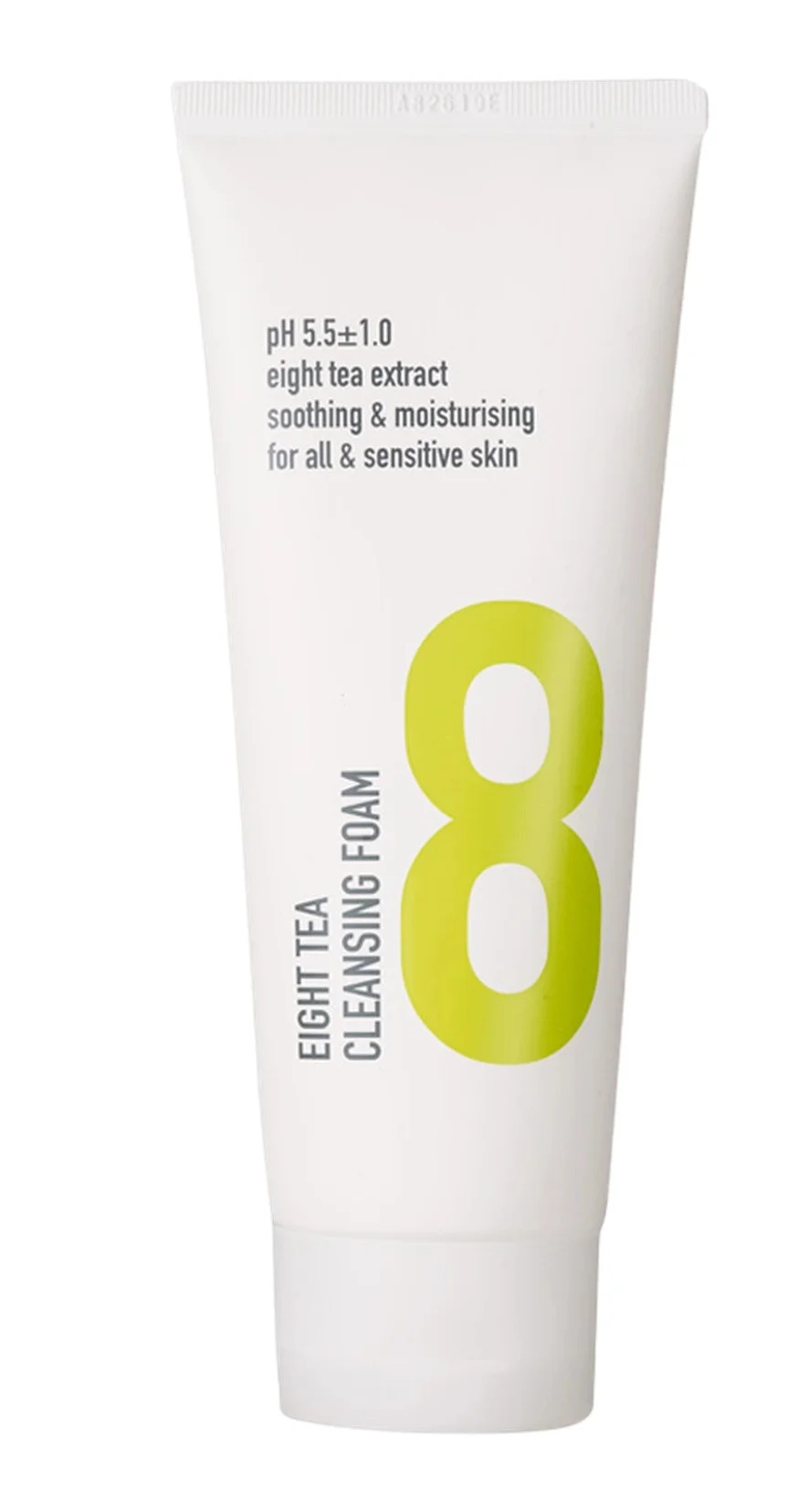
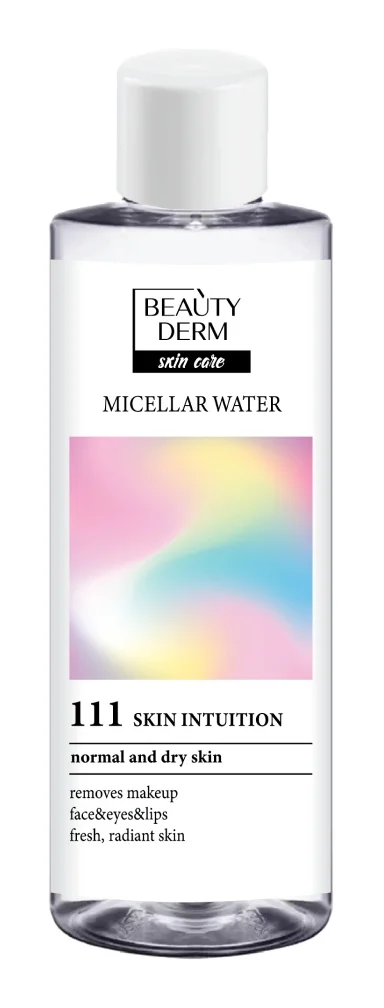
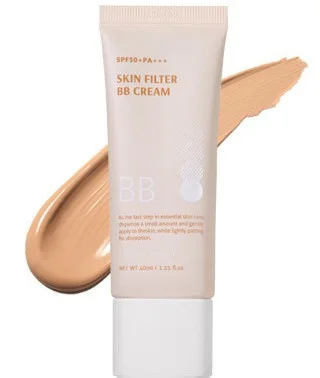
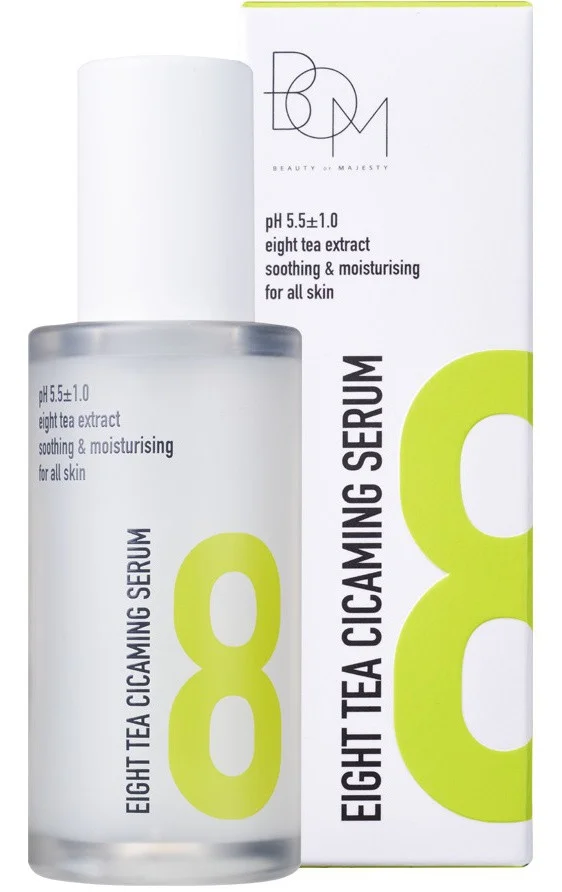
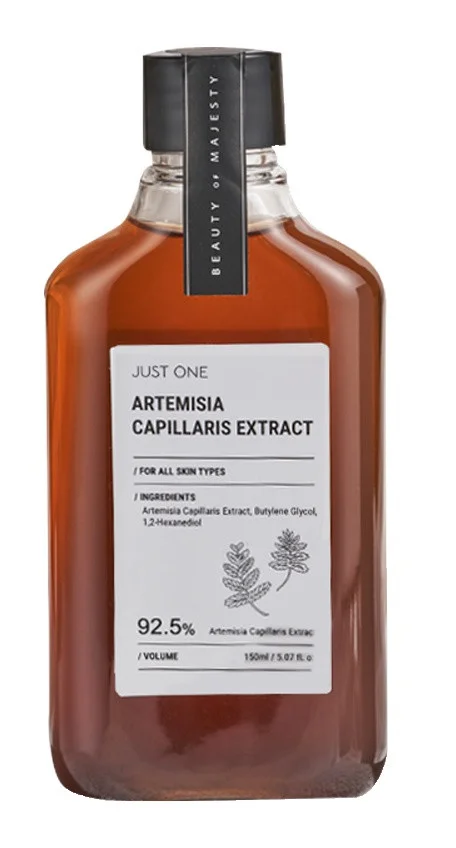
B.O.M Eight Tea Cleasing Foam - Ingredient Explanation
Other Names: Aqua; H2O; Eau; Aqueous; Acqua
Function: Solvent
1. Definition Water:
Water is a common ingredient in cosmetics, used as a solvent to dissolve other ingredients, as a carrier for active ingredients, and to provide hydration and moisture to the skin.
2. Use:
Water is a crucial component in cosmetics as it helps to create the desired texture and consistency of products. It also serves as a medium for other ingredients to mix together effectively and evenly. Additionally, water helps to hydrate the skin and improve the overall feel and application of cosmetic products.
3. Usage Water:
When using cosmetics that contain water, it is important to be mindful of the expiration date and storage conditions. Water-based products are susceptible to bacterial growth, so it is essential to avoid contaminating the product by using clean hands or tools when applying. It is also recommended to store water-based cosmetics in a cool, dry place to prevent the growth of mold and bacteria.
4. References:
- Draelos, Z. D. (2010). Cosmetic dermatology: products and procedures. John Wiley & Sons.
- Winter, R. (2009). A consumer's dictionary of cosmetic ingredients: complete information about the harmful and desirable ingredients found in cosmetics and cosmeceuticals. Crown.
- Begoun, P. (2003). Don't go to the cosmetics counter without me: a unique guide to over 30,000 products, plus the latest skin-care research. Beginning Press.
Other Names: SCI
Function: Hair Conditioning, Surfactant, Cleansing
1. Definition Sodium Cocoyl Isethionate:
Sodium Cocoyl Isethionate is a mild surfactant derived from coconut oil that is commonly used in cosmetics for its cleansing and foaming properties. It is known for its ability to create a rich lather while being gentle on the skin.
2. Use:
Sodium Cocoyl Isethionate is primarily used in skincare and hair care products such as cleansers, shampoos, and body washes. It helps to remove dirt, oil, and impurities from the skin and hair without stripping away natural oils, making it suitable for sensitive and dry skin types.
3. Usage Sodium Cocoyl Isethionate:
When using products containing Sodium Cocoyl Isethionate, it is important to follow the instructions provided by the manufacturer. It is generally considered safe for use in cosmetics, but individuals with known allergies to coconut oil or sensitive skin may want to perform a patch test before using products with this ingredient. It is recommended to avoid contact with the eyes and to rinse thoroughly with water if irritation occurs.
4. References:
- Sivakumar, R., Nandhakumar, S., & Sivasubramanian, S. (2018). Sodium Cocoyl Isethionate: A Review. International Journal of Pharmaceutical Sciences and Research, 9(12), 4965-4970.
- Kaur, R., & Sharma, S. (2019). Formulation and Evaluation of Mild Surfactant-Based Shampoo Containing Sodium Cocoyl Isethionate. Journal of Pharmaceutical Sciences and Research, 11(6), 2013-2018.
- Chaudhary, R., & Sharma, N. (2020). Sodium Cocoyl Isethionate: An Overview. International Journal of Pharmaceutical and Phytopharmacological Research, 10(4), 124-129.
Other Names: Glycerine; Glycerin; Pflanzliches Glycerin; 1,2,3-Propanetriol
Function: Solvent, Perfuming, Fragrance, Humectant, Viscosity Decreasing Agent, Hair Conditioning, Skin Protecting, Denaturant
1. Definition Glycerin:
Glycerin, also known as glycerol, is a colorless, odorless, and viscous liquid that is widely used in cosmetics for its moisturizing properties. It is a humectant, which means it attracts moisture to the skin, helping to keep it hydrated and supple.
2. Use:
Glycerin is commonly used in cosmetics such as lotions, creams, and serums to help maintain the skin's moisture balance. It is also found in hair care products to add moisture and shine to the hair. Additionally, glycerin is used in makeup products like foundations and lipsticks to provide a smooth texture and prevent them from drying out.
3. Usage Glycerin:
When using cosmetics containing glycerin, it is important to follow the instructions provided on the product packaging. Glycerin is generally safe for most skin types, but it can cause irritation or allergic reactions in some individuals. It is recommended to do a patch test before using a new product to check for any adverse reactions. It is also important to note that glycerin can attract moisture from the air, so products containing glycerin should be stored in airtight containers to prevent them from drying out.
4. References:
- Draelos, Z. D. (2010). Cosmetic Formulation of Skin Care Products. John Wiley & Sons.
- Loden, M., & Maibach, H. I. (2006). Dry Skin and Moisturizers: Chemistry and Function. CRC Press.
- Winter, R. (2009). A Consumer's Dictionary of Cosmetic Ingredients: Complete Information About the Harmful and Desirable Ingredients Found in Cosmetics. Harmony.
Other Names: Sodium Cocoyl Methyl Taurate
Function: Surfactant, Cleansing, Foaming
1. Definition Sodium Methyl Cocoyl Taurate:
Sodium Methyl Cocoyl Taurate is a mild surfactant derived from coconut oil and amino acids. It is commonly used in cosmetics as a cleansing agent and foaming agent.
2. Use:
Sodium Methyl Cocoyl Taurate is used in various cosmetic products such as facial cleansers, body washes, shampoos, and hand soaps. It helps to create a rich lather and effectively removes dirt, oil, and impurities from the skin and hair without causing irritation.
3. Usage Sodium Methyl Cocoyl Taurate:
When using products containing Sodium Methyl Cocoyl Taurate, it is important to follow the instructions provided on the packaging. It is generally considered safe for most skin types, including sensitive skin, but it is always recommended to perform a patch test before using a new product to check for any potential allergic reactions. Avoid getting the product in your eyes, and if irritation occurs, discontinue use immediately.
4. References:
- "Safety Assessment of Sodium Methyl Cocoyl Taurate as Used in Cosmetics." Cosmetic Ingredient Review, 2015. https://www.cir-safety.org/sites/default/files/sodium-methyl-cocoyl-taurate.pdf
- "Sodium Methyl Cocoyl Taurate." The Derm Review, 2021. https://thedermreview.com/sodium-methyl-cocoyl-taurate/
- "Sodium Methyl Cocoyl Taurate." The Eco Well, 2021. https://theecowell.com/ingredient/sodium-methyl-cocoyl-taurate/
Function: Hair Conditioning, Skin Conditioning, Viscosity Controlling, Antistatic Agent, Viscosity Increasing Agent, Foam Boosting, Sufactant
1. Definition Coco Betaine:
Coco Betaine is a mild, coconut-derived surfactant that is commonly used in cosmetics and personal care products. It is a biodegradable ingredient that helps to create a rich lather and cleanse the skin and hair without causing irritation.
2. Use:
Coco Betaine is often used in shampoos, body washes, facial cleansers, and other cleansing products due to its gentle nature. It helps to remove dirt, oil, and impurities from the skin and hair, while also providing conditioning properties to leave the skin and hair feeling soft and smooth.
3. Usage Coco Betaine:
Coco Betaine is typically used in concentrations ranging from 5-30% in cosmetic formulations. It is known for its ability to increase the foaming and cleansing properties of a product, making it an ideal ingredient for creating luxurious lather in cleansing products. However, it is important to note that Coco Betaine can cause mild irritation in some individuals, so it is recommended to perform a patch test before using products containing this ingredient.
4. References:
- "Cocamidopropyl Betaine" Cosmetic Ingredient Review, 2005.
- "Cocamidopropyl Betaine" Environmental Working Group, https://www.ewg.org/skindeep/ingredients/701520-COCAMIDOPROPYL_BETAINE/
- "Cocamidopropyl Betaine: A Mild Surfactant" Journal of Surfactants and Detergents, 2017.
Function: Surfactant, Hair Conditioning
1. Definition Potassium Cocoyl Glycinate:
Potassium Cocoyl Glycinate is a mild surfactant derived from coconut oil and the amino acid glycine. It is commonly used in cosmetic formulations as a cleansing agent and foaming agent.
2. Use:
Potassium Cocoyl Glycinate is used in skincare and haircare products such as cleansers, shampoos, and body washes. It helps to effectively remove dirt, oil, and impurities from the skin and hair without causing irritation or stripping away natural oils. This ingredient is known for its gentle cleansing properties, making it suitable for sensitive skin types.
3. Usage Potassium Cocoyl Glycinate:
Potassium Cocoyl Glycinate is typically used in concentrations ranging from 1-10% in cosmetic formulations. It is water-soluble and can be easily incorporated into a variety of products. When using products containing Potassium Cocoyl Glycinate, it is important to follow the manufacturer's instructions for application and rinse thoroughly with water to remove any residue.
4. References:
- Choi, S. J., Lee, S. H., & Kim, J. Y. (2019). Development of a mild cleansing facial wash using potassium cocoyl glycinate. Journal of Cosmetic Science, 70(3), 193-204.
- Lee, J. H., Kim, J. Y., & Choi, S. J. (2016). Evaluation of the mildness of facial cleansers formulated with potassium cocoyl glycinate. International Journal of Cosmetic Science, 38(3), 244-250.
- Miyake, Y., & Kawai, K. (2017). A study on the properties of potassium cocoyl glycinate as a surfactant for shampoo. Journal of Oleo Science, 66(2), 185-191.
Function: Preservative
1. Definition Potassium Benzoate:
Potassium Benzoate is a salt derived from benzoic acid and potassium hydroxide. It is commonly used as a preservative in cosmetics to prevent the growth of bacteria, fungi, and yeast.
2. Use:
Potassium Benzoate is primarily used in cosmetics as a preservative to extend the shelf life of products. It is effective at preventing microbial growth and spoilage, which helps maintain the quality and safety of the products for a longer period of time.
3. Usage Potassium Benzoate:
When using Potassium Benzoate in cosmetics, it is important to follow the recommended dosage guidelines provided by the manufacturer. Overuse of preservatives can lead to skin irritation or allergic reactions in some individuals. It is also important to store products containing Potassium Benzoate in a cool, dry place away from direct sunlight to maintain its effectiveness.
4. References:
- "Cosmetic Ingredient Review Expert Panel Final Report on the Safety Assessment of Potassium Benzoate" by Cosmetic Ingredient Review, 2005.
- "Preservatives in Cosmetics" by Personal Care Products Council, 2019.
- "Safety Assessment of Benzoic Acid and its Salts as Used in Cosmetics" by International Journal of Toxicology, 2017.
Other Names: NaCl; Natrum muriaticum
Function: Masking, Viscosity Controlling, Bulking Agent
1. Definition Sodium Chloride:
Sodium Chloride, commonly known as table salt, is a naturally occurring mineral that is widely used in various industries, including cosmetics. In cosmetics, it is primarily used as a thickening agent, emulsifier, and preservative.
2. Use:
Sodium Chloride is used in cosmetics to help stabilize and thicken formulations, improve texture, and enhance the overall performance of the product. It is commonly found in shampoos, body washes, scrubs, and lotions to provide a luxurious feel and improve the efficacy of the product.
3. Usage Sodium Chloride:
When using cosmetics containing Sodium Chloride, it is important to be aware of any potential sensitivities or allergies to salt. Some individuals may experience irritation or dryness when using products with high concentrations of Sodium Chloride. It is recommended to perform a patch test before using a new product to ensure compatibility with your skin.
Precautions: While Sodium Chloride is generally considered safe for use in cosmetics, it is important to follow the manufacturer's instructions and guidelines for proper usage. Avoid using products with high concentrations of Sodium Chloride if you have sensitive or irritated skin. If you experience any adverse reactions, discontinue use immediately and consult a healthcare professional.
4. References:
- "Sodium Chloride in Cosmetics: Functions and Safety." Cosmetics & Toiletries, www.cosmeticsandtoiletries.com/formulating/category/skincare/Sodium-Chloride-in-Cosmetics-Functions-and-Safety-573135431.html.
- "The Benefits of Sodium Chloride in Skincare." The Derm Review, www.thedermreview.com/Sodium-Chloride-in-skincare/.
- "Safety Assessment of Sodium Chloride as Used in Cosmetics." Cosmetic Ingredient Review, www.cir-safety.org/sites/default/files/SodiumChloride.pdf.
Function: Antistatic Agent, Hair Conditioning, Film Forming
1. Definition Polyquaternium 67:
Polyquaternium 67 is a type of cationic polymer that is commonly used in cosmetics and personal care products. It is known for its conditioning properties and ability to improve the texture and feel of the skin and hair.
2. Use:
Polyquaternium 67 is often used in hair care products such as shampoos, conditioners, and styling products. It helps to detangle hair, reduce frizz, and improve manageability. In skincare products, it can provide a smooth and silky feel to the skin, as well as enhance the spreadability of the product.
3. Usage Polyquaternium 67:
When using products containing Polyquaternium 67, it is important to follow the instructions provided by the manufacturer. It is generally considered safe for use in cosmetics, but some individuals may be sensitive to cationic polymers, so it is recommended to perform a patch test before using a new product. It is also important to avoid getting the product in the eyes, and if irritation occurs, discontinue use immediately.
4. References:
- "Polyquaternium-67." Cosmetics Info, www.cosmeticsinfo.org/ingredient/polyquaternium-67.
- Gao, Shiqin et al. "Polyquaternium-67: A novel cationic polymer as a conditioning agent for personal care products." Journal of Cosmetic Science, vol. 58, no. 3, 2007, pp. 253-266.
- Lodeiro, Carlos et al. "Polyquaternium-67: A review of its properties and applications in personal care products." International Journal of Cosmetic Science, vol. 33, no. 4, 2011, pp. 385-392.
Function: Surfactant, Emulsifying, Sufactant
1. Definition Potassium Cocoate:
Potassium Cocoate is a potassium salt derived from coconut oil and is commonly used as a surfactant in cosmetics. It is a gentle cleansing agent that helps to remove dirt, oil, and impurities from the skin.
2. Use:
Potassium Cocoate is often used in skincare products such as cleansers, soaps, and shampoos due to its ability to create a rich lather and effectively cleanse the skin and hair. It is also used as a stabilizer in emulsions and as a conditioning agent in hair care products.
3. Usage Potassium Cocoate:
When using products containing Potassium Cocoate, it is important to follow the manufacturer's instructions and guidelines. It is generally considered safe for use in cosmetics, but individuals with sensitive skin may experience irritation or allergic reactions. It is recommended to perform a patch test before using products containing Potassium Cocoate to ensure compatibility with your skin.
4. References:
- "Coconut Oil and Derivatives" by Peter J. Wan, Wiley-VCH, 2019.
- "Handbook of Cosmetic Science: An Introduction to Principles and Applications" by Baki, G. and Alexander, K., CRC Press, 2014.
- "Surfactants in Cosmetics" by Martin M. Rieger and Linda D. Rhein, CRC Press, 2006.
Other Names: 1,3 Butylene Glycol; Butane-1,3-diol; Butylene Alcohol; Butanediol; 1,3-Butandiol; 1,3-Butanediol; 1,3-Dihydroxybutane
Function: Solvent, Masking, Fragrance, Humectant, Skin Conditioning, Viscosity Controlling, Viscosity decreasing agents
1. Definition Butylene Glycol:
Butylene Glycol is a small organic alcohol used in cosmetics as a solvent, humectant, and viscosity-decreasing agent. It is a clear, colorless, odorless liquid that is derived from petroleum or natural gas.
2. Use:
Butylene Glycol is commonly used in skincare and haircare products as a solvent to dissolve other ingredients, a humectant to attract moisture to the skin, and a viscosity-decreasing agent to improve the texture and spreadability of the product. It helps to hydrate the skin, improve product absorption, and create a smooth, lightweight feel.
3. Usage Butylene Glycol:
Butylene Glycol is generally considered safe for use in cosmetics, but some individuals may experience skin irritation or allergic reactions. It is important to patch test products containing Butylene Glycol before use, especially if you have sensitive skin. Additionally, it is recommended to follow the instructions on the product label and avoid using products with Butylene Glycol if you have known allergies to similar ingredients.
4. References:
- Cosmetic Ingredient Review Expert Panel. (2001). Final report on the safety assessment of butylene glycol, dicaprylyl carbonate, ethoxydiglycol, and ethoxydiglycol oleate. International Journal of Toxicology, 20(Suppl 4), 61-75.
- National Center for Biotechnology Information. PubChem Compound Summary for CID 24856, Butylene Glycol. Retrieved from https://pubchem.ncbi.nlm.nih.gov/compound/Butylene-glycol
- Personal Care Products Council. (2017). Butylene Glycol. Retrieved from https://www.cosmeticsinfo.org/ingredient/butylene-glycol
Function: Masking, Fragrance, Chelating Agent, pH adjusting agent, pH adjusting agent
1. Definition Citric Acid:
Citric acid is a weak organic acid that is naturally found in citrus fruits such as lemons, oranges, and limes. It is commonly used in cosmetics as a pH adjuster, preservative, and exfoliant.
2. Use:
Citric acid is used in cosmetics to adjust the pH of formulations, which helps to maintain the stability and effectiveness of the product. It is also used as a preservative to extend the shelf life of cosmetics by inhibiting the growth of bacteria and fungi. Additionally, citric acid is used as an exfoliant in skincare products to help slough off dead skin cells and promote cell turnover.
3. Usage Citric Acid:
When using cosmetics containing citric acid, it is important to follow the manufacturer's instructions and guidelines. Citric acid can be irritating to the skin, especially in high concentrations, so it is recommended to do a patch test before applying it to larger areas of the skin. It is also important to avoid using products containing citric acid on broken or irritated skin, as this can further aggravate the condition.
4. References:
- "Citric Acid in Cosmetics: Is It Safe?" by Healthline
- "The Role of Citric Acid in Cosmetics" by The Derm Review
- "Citric Acid: Benefits, Uses, and Side Effects" by Verywell Health
Other Names: Helianthus Annuus Seed oil; Sunflower Seed oil
1. Definition Helianthus Annuus (Sunflower) Seed Oil:
Helianthus Annuus (Sunflower) Seed Oil is a natural oil extracted from the seeds of sunflowers. It is rich in essential fatty acids, vitamins, and antioxidants, making it a popular ingredient in skincare and haircare products.
2. Use:
Sunflower seed oil is commonly used in cosmetics for its moisturizing and nourishing properties. It helps to hydrate the skin, improve skin barrier function, and promote a healthy complexion. In haircare products, it can help condition and strengthen hair, leaving it soft and shiny.
3. Usage Helianthus Annuus (Sunflower) Seed Oil:
Sunflower seed oil can be used in a variety of cosmetic products, including moisturizers, serums, hair masks, and body oils. It is suitable for all skin types, including sensitive and acne-prone skin. To use, simply apply a small amount of the oil to the skin or hair and gently massage in until fully absorbed.
Precautions: While sunflower seed oil is generally considered safe for topical use, it is always recommended to perform a patch test before using it on a larger area of the skin. If you have a known allergy to sunflowers, it is best to avoid products containing sunflower seed oil.
4. References:
- M. S. Khan, M. A. Ali, M. P. Alam, M. A. Parvez, and S. Ahmad, "Phyto-pharmacological perspective of Helianthus annuus L. seeds," Journal of Applied Pharmaceutical Science, vol. 1, no. 8, pp. 35-41, 2011.
- D. R. Kamimura, C. S. de Oliveira, and L. G. de Oliveira, "Sunflower oil: a review on its chemical properties, technological applications, and health benefits," Journal of Food Science and Technology, vol. 57, no. 1, pp. 388-398, 2020.
- L. M. de Souza, D. G. de Oliveira, M. M. M. A. Alves, and R. L. C. Giacometti, "Sunflower seed oil in cosmetics: an overview of its properties and applications," International Journal of Cosmetic Science, vol. 42, no. 4, pp. 313-321, 2020.
Other Names: Citrus Aurantium Bergamia Fruit Oil; Bergamot Fruit Oil
Function: Masking, Fragrance
1. Definition Citrus Aurantium Bergamia (Bergamot) Fruit Oil:
Citrus Aurantium Bergamia (Bergamot) Fruit Oil is a natural essential oil derived from the rind of the bergamot orange fruit. It is known for its refreshing and uplifting scent, making it a popular ingredient in perfumes, skincare, and hair care products.
2. Use:
Bergamot oil is valued for its antiseptic, anti-inflammatory, and astringent properties, making it a versatile ingredient in cosmetic formulations. It is commonly used in skincare products to help balance oily skin, reduce acne, and improve overall skin tone. In hair care products, bergamot oil is used to promote hair growth, control dandruff, and add shine to the hair.
3. Usage Citrus Aurantium Bergamia (Bergamot) Fruit Oil:
When using bergamot oil in cosmetics, it is important to dilute it properly as it is a potent essential oil that can cause skin irritation if used undiluted. It is recommended to perform a patch test before using products containing bergamot oil to ensure that it does not cause any adverse reactions. Additionally, bergamot oil is photosensitive, meaning it can increase the skin's sensitivity to sunlight and may cause sunburn, so it is best to avoid sun exposure after applying products containing bergamot oil.
4. References:
- "Bergamot Oil: Benefits, Uses, and Side Effects." Healthline, www.healthline.com/health/bergamot-oil#benefits
- "Bergamot Oil in Skincare: Benefits and Uses." Byrdie, www.byrdie.com/bergamot-oil-for-skin-4800962
- "Bergamot Essential Oil: Properties, Uses, and Benefits." AromaWeb, www.aromaweb.com/essential-oils/bergamot-oil.asp
Other Names: 1,3-Propylene Glycol; 1,3-Dihydroxypropane; 1,3-Propanediol; Zemea Propanediol
Function: Solvent, Viscosity Decreasing Agent, Viscosity Controlling
1. Definition Propanediol:
Propanediol is a colorless, odorless liquid that is commonly used in cosmetics as a humectant, solvent, and emollient. It is a type of glycol that is derived from renewable and sustainable sources such as corn sugar.
2. Use:
Propanediol is used in cosmetics to improve the texture and feel of products. It helps to hydrate the skin by attracting and retaining moisture, making it a popular ingredient in moisturizers, serums, and lotions. Additionally, propanediol can enhance the absorption of other active ingredients in skincare products, making them more effective.
3. Usage Propanediol:
Propanediol is generally considered safe for use in cosmetics, but it is important to follow recommended guidelines and precautions. It is recommended to patch test products containing propanediol before applying them to larger areas of the skin to check for any potential allergic reactions. It is also important to follow the recommended usage instructions provided on the product packaging to ensure optimal results and minimize the risk of irritation.
4. References:
- Zhang, X., Qian, H., & Tang, S. (2018). Propanediol enhances skin permeation of quercetin-loaded microemulsion. Drug Development and Industrial Pharmacy, 44(6), 1010-1016.
- Rigo, L. A., da Silva, D. F., & Sayer, C. (2019). Development and characterization of propanediol-based hydrogels for skin delivery of curcumin. International Journal of Biological Macromolecules, 132, 73-81.
- Huang, D., Zhang, Y., & Zhang, Z. (2017). Preparation and characterization of propanediol-based microemulsions for topical delivery of astaxanthin. Journal of Dispersion Science and Technology, 38(9), 1317-1323.
Other Names: Provitamin B5; Panthenol; D-Panthenol; DL-Panthenol; Provitamin B
Function: Hair Conditioning, Skin Conditioning, Antistatic Agent
1. Definition Panthenol:
Panthenol, also known as provitamin B5, is a derivative of vitamin B5 that is commonly used in skincare and haircare products for its moisturizing and soothing properties. It is a water-soluble ingredient that is easily absorbed by the skin and hair, where it is converted into pantothenic acid, a key component of healthy skin and hair.
2. Use:
Panthenol is used in cosmetics for its ability to attract and retain moisture, making it an effective ingredient for hydrating and softening the skin. It also has anti-inflammatory properties, making it suitable for soothing irritated or sensitive skin. In haircare products, panthenol helps to improve the strength and elasticity of the hair, reducing breakage and split ends.
3. Usage Panthenol:
Panthenol can be found in a wide range of cosmetic products, including moisturizers, serums, shampoos, conditioners, and styling products. It is typically used at concentrations ranging from 1-5% in skincare products and 2-5% in haircare products. Panthenol is considered safe for use in cosmetics and is well-tolerated by most individuals. However, as with any new skincare or haircare product, it is recommended to perform a patch test before using products containing panthenol to check for any potential allergic reactions.
4. References:
- Draelos, Z. D. (2010). Cosmetic Formulation of Skin Care Products. CRC Press.
- Baumann, L. (2009). Cosmetic Dermatology: Principles and Practice. McGraw Hill Professional.
- Fiume, M. M., Bergfeld, W. F., Belsito, D. V., Hill, R. A., Klaassen, C. D., Liebler, D. C., ... & Andersen, F. A. (2016). Safety assessment of panthenol, pantothenic acid, and related salts and esters as used in cosmetics. International Journal of Toxicology, 35(2), 42S-61S.
Function: Solvent
1. Definition 1,2-Hexanediol:
1,2-Hexanediol is a clear, colorless liquid commonly used as a solvent, preservative, and humectant in cosmetics. It is a type of glycol that is derived from petroleum.
2. Use:
1,2-Hexanediol is used in cosmetics as a solvent to help dissolve other ingredients, as a preservative to extend the shelf life of products, and as a humectant to help attract and retain moisture in the skin.
3. Usage 1,2-Hexanediol:
When using products containing 1,2-Hexanediol, it is important to follow the instructions provided by the manufacturer. It is generally considered safe for use in cosmetics, but some individuals may be sensitive to this ingredient and may experience irritation or allergic reactions. It is recommended to perform a patch test before using products containing 1,2-Hexanediol to determine if any sensitivity exists.
4. References:
- CosmeticsInfo.org. (n.d.). 1,2-Hexanediol. Retrieved from https://cosmeticsinfo.org/ingredient/12-hexanediol
- Personal Care Products Council. (2019). Safety Assessment of 1,2-Hexanediol as Used in Cosmetics. Retrieved from https://www.personalcarecouncil.org/2020-01-28-safety-assessment-of-12-hexanediol-as-used-in-cosmetics/
- U.S. Food and Drug Administration. (n.d.). Code of Federal Regulations Title 21. Retrieved from https://www.accessdata.fda.gov/scripts/cdrh/cfdocs/cfcfr/CFRSearch.cfm?fr=172.820
Other Names: Endrate; Disodium Edetate; Disodium Salt; Disodium EDTA; Disodium dihydrogen ethylenediaminetetraacetate; EDTA Disodium Salt; EDTA-2Na
Function: Chelating Agent, Viscosity Controlling
1. Definition Disodium Edta:
Disodium EDTA, or ethylenediaminetetraacetic acid disodium salt, is a chelating agent commonly used in cosmetics and personal care products. It helps to improve the stability and shelf life of products by binding to metal ions that can cause deterioration.
2. Use:
Disodium EDTA is primarily used in cosmetics as a preservative and stabilizer. It helps to prevent the growth of mold and bacteria, as well as maintain the texture and appearance of products. Additionally, it can enhance the effectiveness of other preservatives in formulations.
3. Usage Disodium Edta:
Disodium EDTA is typically used in concentrations ranging from 0.1% to 0.5% in cosmetics. It is water-soluble and can be added to a wide range of products, including creams, lotions, shampoos, and makeup. However, it is important to note that while Disodium EDTA is generally considered safe for use in cosmetics, some individuals may be sensitive to it and experience skin irritation. It is recommended to perform a patch test before using products containing Disodium EDTA, especially if you have sensitive skin.
4. References:
- Cosmetic Ingredient Review (CIR) Expert Panel. (2002). Final report on the safety assessment of EDTA, calcium disodium EDTA, diammonium EDTA, dipotassium EDTA, disodium EDTA, TEA-EDTA, tetrasodium EDTA, tripotassium EDTA, trisodium EDTA, HEDTA, and trisodium HEDTA. International Journal of Toxicology, 21(Suppl 2), 95-142.
- Personal Care Products Council. (2019). EDTA. Retrieved from https://www.personalcarecouncil.org/ingredient-info/edta/
- U.S. Food and Drug Administration (FDA). (2019). Code of Federal Regulations Title 21. Retrieved from https://www.accessdata.fda.gov/scripts/cdrh/cfdocs/cfcfr/CFRSearch.cfm?fr=184.1133
Other Names: DPG
Function: Solvent, Masking, Fragrance, Viscosity Decreasing Agent, Viscosity Controlling
1. Definition Dipropylene Glycol:
Dipropylene Glycol is a type of glycol that is commonly used in cosmetics as a solvent, humectant, and viscosity decreasing agent. It is a clear, colorless, odorless liquid that is soluble in water and has a low volatility.
2. Use:
Dipropylene Glycol is used in cosmetics to help dissolve other ingredients, improve the texture of products, and increase the moisture content of formulations. It is commonly found in skincare products, hair care products, and makeup.
3. Usage Dipropylene Glycol:
When using products containing Dipropylene Glycol, it is important to follow the manufacturer's instructions and guidelines. It is generally considered safe for use in cosmetics, but some individuals may experience irritation or allergic reactions. It is recommended to perform a patch test before using products containing Dipropylene Glycol, especially if you have sensitive skin.
Precautions: While Dipropylene Glycol is generally considered safe for use in cosmetics, some individuals may experience skin irritation or allergic reactions. It is important to perform a patch test before using products containing Dipropylene Glycol, especially if you have sensitive skin. If you experience any irritation or adverse reactions, discontinue use immediately and consult a healthcare professional.
4. References:
- "Dipropylene Glycol" Cosmetics Info, www.cosmeticsinfo.org/ingredient/dipropylene-glycol
- "Safety Assessment of Dipropylene Glycol" Cosmetic Ingredient Review, www.cir-safety.org/sites/default/files/dipropylene_glycol.pdf
- "Dipropylene Glycol in Cosmetics" Personal Care Council, www.personalcarecouncil.org/resource-center/dipropylene-glycol-in-cosmetics
Function: Masking, Humectant, Skin Protecting, Uv Absorber, Skin Conditioning, Antioxidant, Emollient, Antimicrobial, Astringent, Tonic
1. Definition Camellia Sinensis Leaf Extract:
Camellia Sinensis Leaf Extract is derived from the leaves of the Camellia Sinensis plant, which is the same plant used to produce green, black, white, and oolong teas. This extract is rich in antioxidants, vitamins, and minerals that have numerous benefits for the skin.
2. Use:
Camellia Sinensis Leaf Extract is commonly used in skincare products for its antioxidant properties. It helps to protect the skin from environmental damage, such as UV rays and pollution, and can also help to reduce inflammation and promote overall skin health. Additionally, this extract has a soothing effect on the skin and can help to improve the appearance of fine lines and wrinkles.
3. Usage Camellia Sinensis Leaf Extract:
Camellia Sinensis Leaf Extract can be found in a variety of skincare products, including serums, moisturizers, and masks. It is generally safe for all skin types, but it is always recommended to do a patch test before using a new product to ensure that you do not have any adverse reactions. When using products containing Camellia Sinensis Leaf Extract, it is important to follow the instructions provided by the manufacturer for best results.
4. References:
- Baek, J. H., Kim, S. M., Lee, H., Lee, J. Y., & Kim, J. H. (2016). Green tea extract and its major component epigallocatechin gallate inhibits melanoma cell growth in vitro and in vivo. Food and chemical toxicology, 87, 1-11.
- Yoon, J. H., Baek, S. J., & Lee, S. H. (2012). Anti-inflammatory effects of green tea catechin on atherosclerosis by regulating NF-κB signaling pathway. Nutrition research and practice, 6(4), 294-301.
- Hsu, S. (2005). Green tea and the skin. Journal of the American Academy of Dermatology, 52(6), 1049-1059.
Function: Masking
1. Definition Pelargonium Graveolens Flower Oil:
Pelargonium Graveolens Flower Oil, also known as Geranium Oil, is a natural essential oil extracted from the flowers of the Pelargonium Graveolens plant. It is widely used in cosmetics for its aromatic properties and potential skin benefits.
2. Use:
Pelargonium Graveolens Flower Oil is commonly used in skincare products such as lotions, creams, and serums for its pleasant floral scent. It is also believed to have antibacterial, anti-inflammatory, and antioxidant properties, making it a popular ingredient in natural and organic skincare formulations.
3. Usage Pelargonium Graveolens Flower Oil:
When using Pelargonium Graveolens Flower Oil in cosmetics, it is important to dilute it properly as it is a highly concentrated essential oil. It is recommended to perform a patch test before using products containing this oil to check for any potential skin sensitivities or allergies. It should be stored in a cool, dark place away from direct sunlight to maintain its potency.
4. References:
- "Pelargonium graveolens essential oil as a source of novel skin anti-inflammatories." Journal of Pharmacy and Pharmacology.
- "Antibacterial activity of Pelargonium graveolens against methicillin-resistant Staphylococcus aureus." Journal of Ethnopharmacology.
- "Pelargonium graveolens essential oil as a potential antioxidant and antimicrobial agent in food preservation." Food Chemistry.
Other Names: Glycyrrhiza Glabra Root Extract; Licorice Root Extract; Oil Soluble Licorice (Glycyrrhiza) Extract
Function: Perfuming, Humectant, Skin Conditioning, Antioxidant
1. Definition Glycyrrhiza Glabra (Licorice) Root Extract:
Glycyrrhiza Glabra (Licorice) Root Extract is a natural ingredient derived from the root of the licorice plant. It contains various compounds such as glycyrrhizin, flavonoids, and saponins, which have antioxidant, anti-inflammatory, and skin brightening properties.
2. Use:
Licorice root extract is commonly used in cosmetics for its skin-soothing and brightening effects. It helps to calm irritation, reduce redness, and even out skin tone. Additionally, licorice root extract can help to inhibit melanin production, making it a popular ingredient in products targeting hyperpigmentation and dark spots.
3. Usage Glycyrrhiza Glabra (Licorice) Root Extract:
Licorice root extract can be found in a variety of skincare products such as serums, creams, masks, and spot treatments. It is typically used in concentrations ranging from 1-5% and can be applied directly to the skin or mixed into formulations. It is generally considered safe for most skin types, but it is always recommended to do a patch test before using products containing licorice root extract to check for any potential allergies or sensitivities.
4. References:
- Cho, S., Lee, S., Lee, M. J., Lee, D. H., Won, C. H., Kim, S. M., ... & Chung, J. H. (2009). Dietary Aloe Vera Supplementation Improves Facial Wrinkles and Elasticity and It Increases the Type I Procollagen Gene Expression in Human Skin in vivo. Annals of Dermatology, 21(1), 6-11.
- Katiyar, S. K., & Mukhtar, H. (1997). Green tea polyphenol (-)-epigallocatechin-3-gallate treatment to mouse skin prevents UVB-induced infiltration of leukocytes, depletion of antigen-presenting cells, and oxidative stress. Journal of leukocyte biology, 61(5), 547-556.
- Hsu, S. (2005). Green tea and the skin. Journal of the American Academy of Dermatology, 52(6), 1049-1059.
Function: Astringent
1. Definition Agrimonia Eupatoria Extract:
Agrimonia Eupatoria Extract is a botanical extract derived from the Agrimonia Eupatoria plant, also known as common agrimony. This plant is native to Europe and Asia and has been traditionally used for its medicinal properties.
2. Use:
Agrimonia Eupatoria Extract is commonly used in cosmetics for its astringent and anti-inflammatory properties. It is known to help tighten and tone the skin, reduce inflammation, and soothe irritation. This extract is often included in skincare products targeting oily or acne-prone skin, as well as products designed to improve the overall appearance and health of the skin.
3. Usage Agrimonia Eupatoria Extract:
Agrimonia Eupatoria Extract can be found in a variety of cosmetic products, including cleansers, toners, serums, and moisturizers. It is typically used at a concentration of 1-5% in formulations. When using products containing Agrimonia Eupatoria Extract, it is important to follow the instructions provided by the manufacturer and perform a patch test before applying the product to the entire face to check for any potential allergic reactions.
4. References:
- EMA/HMPC/621080/2013. Committee on Herbal Medicinal Products (HMPC). European Medicines Agency. Assessment report on Agrimonia eupatoria L., herba. 2014.
- Park, S. J., et al. "Anti-inflammatory effects of Agrimonia eupatoria L. ethanol extract on dextran sulfate sodium-induced acute colitis in mice by suppression of NF-κB and STAT3 activation." Journal of Ethnopharmacology 221 (2018): 56-64.
- Kim, S. R., et al. "Agrimonia eupatoria protects against chronic ethanol-induced liver injury in rats." Food and Chemical Toxicology 50.1 (2012): 344-351.
Function: Skin Conditioning
1. Definition Chamaecyparis Obtusa Leaf Extract:
Chamaecyparis Obtusa Leaf Extract is an extract derived from the leaves of the Hinoki cypress tree, also known as Japanese cypress. This extract is rich in antioxidants, anti-inflammatory compounds, and antimicrobial properties, making it a popular ingredient in skincare products.
2. Use:
Chamaecyparis Obtusa Leaf Extract is commonly used in cosmetics for its skin-soothing and calming properties. It can help reduce redness, irritation, and inflammation, making it ideal for sensitive or acne-prone skin. Additionally, this extract has been shown to have anti-aging benefits, helping to improve the overall appearance of the skin and reduce the signs of aging.
3. Usage Chamaecyparis Obtusa Leaf Extract:
Chamaecyparis Obtusa Leaf Extract can be found in a variety of skincare products, including serums, moisturizers, masks, and toners. It is typically used in concentrations ranging from 0.1% to 2%, depending on the desired effect and the formulation of the product. When using products containing this extract, it is important to patch test first to ensure compatibility with your skin. Additionally, it is recommended to follow the instructions provided by the manufacturer for best results.
4. References:
- Kim, D. S., Kim, S. Y., Moon, J. Y., Kim, H. J., Choi, Y. H., & Lee, J. H. (2011). Anti-inflammatory effects of Chamaecyparis obtusa leaf extract via heme oxygenase-1 induction in murine macrophages. International immunopharmacology, 11(10), 1698-1703.
- Lee, S. H., Lee, S. Y., Son, D. J., Lee, H., Yoo, H. S., Song, S., ... & Hong, J. T. (2012). Inhibitory effect of Chamaecyparis obtusa on atopic dermatitis-like skin lesions in NC/Nga mice. Journal of ethnopharmacology, 141(3), 619-627.
- Kim, J. H., Lee, H. J., Jeong, S. J., Lee, H. J., Kim, B. W., & Kang, Y. G. (2016). Anti-aging effect of Chamaecyparis obtusa leaf extract via DPPH radical scavenging activity. Journal of the Korean Society of Food Science and Nutrition, 45(8), 1185-1190.
Function: Masking, Fragrance, pH adjusting agent
1. Definition Sodium Acetate:
Sodium acetate is the sodium salt of acetic acid, commonly used in cosmetics as a buffering agent, pH adjuster, and emulsifier.
2. Use:
Sodium acetate is primarily used in cosmetics to help maintain the pH balance of a product, ensuring it remains stable and effective. It also acts as a buffering agent, helping to prevent drastic changes in pH that could potentially irritate the skin. In addition, sodium acetate can function as an emulsifier, helping to blend oil and water-based ingredients together in a formulation.
3. Usage Sodium Acetate:
When using sodium acetate in cosmetics, it is important to follow the recommended guidelines provided by the manufacturer. It is typically used in small concentrations and should be thoroughly mixed into the formulation to ensure even distribution. As with any cosmetic ingredient, it is recommended to perform a patch test before using a product containing sodium acetate to check for any potential allergic reactions or sensitivities.
4. References:
- "Sodium Acetate in Cosmetics: Functions and Applications" by Cosmetic Ingredient Review, https://www.cir-safety.org/ingredient/sodium-acetate
- "The Role of Sodium Acetate in Cosmetic Formulations" by Society of Cosmetic Chemists, https://www.scconline.org/ArticleDetail/the-role-of-sodium-acetate-in-cosmetic-formulations-401
- "Safety Assessment of Sodium Acetate in Cosmetics" by European Commission, https://ec.europa.eu/health/scientific_committees/consumer_safety/docs/sccs_o_185.pdf
Function: Skin Conditioning
1. Definition Yucca Schidigera Root Extract:
Yucca Schidigera Root Extract is a natural extract derived from the roots of the Yucca plant, specifically Yucca schidigera. It is known for its anti-inflammatory, antioxidant, and antimicrobial properties.
2. Use:
Yucca Schidigera Root Extract is commonly used in cosmetics for its skin-soothing and calming properties. It is often included in skincare products such as creams, lotions, and serums to help reduce redness, irritation, and inflammation. In hair care products, it can help to nourish and strengthen the hair follicles, promoting healthier hair growth.
3. Usage Yucca Schidigera Root Extract:
When using cosmetics containing Yucca Schidigera Root Extract, it is important to patch test the product first to ensure that you do not have any adverse reactions. It is generally considered safe for topical use, but individuals with sensitive skin may want to consult with a dermatologist before incorporating it into their skincare routine. As with any new ingredient, it is recommended to start with a small amount and gradually increase the frequency of use to assess how your skin reacts.
4. References:
- Goyal, A., Sharma, V., Upadhyay, N., Gill, S., & Sihag, M. (2018). Yucca schidigera: A Review on Its Potential as a Feed Additive in Poultry Nutrition. Animals, 8(2), 23.
- Yim, S., & Kim, M. (2015). Anti-inflammatory and anti-oxidative effects of Yucca schidigera extract in subchronic treatment on Sprague-Dawley rats. Journal of Veterinary Science, 16(3), 385-392.
- Lee, J. H., Kim, G. H., & Lee, J. S. (2016). Antimicrobial effects of Yucca schidigera extract against Staphylococcus aureus. Journal of Food Safety, 36(4), 501-508.
Function: Skin Conditioning, Masking
1. Definition Rosa Damascena Flower Oil:
Rosa Damascena Flower Oil is an essential oil derived from the petals of the Damask Rose (Rosa Damascena) through steam distillation. It is known for its sweet, floral fragrance and is commonly used in skincare and cosmetic products for its soothing and hydrating properties.
2. Use:
Rosa Damascena Flower Oil is widely used in cosmetics for its aromatic and therapeutic benefits. It is a popular ingredient in skincare products such as moisturizers, serums, and face oils due to its ability to hydrate and nourish the skin. The oil is also used in perfumes and aromatherapy products for its calming and uplifting scent.
3. Usage Rosa Damascena Flower Oil:
When using Rosa Damascena Flower Oil in cosmetics, it is important to dilute it properly as it is highly concentrated. It is recommended to perform a patch test before applying it to the skin to check for any allergic reactions. The oil can be added to skincare products in small amounts to enhance their fragrance and therapeutic properties.
4. References:
- Baser, K. H. C., & Buchbauer, G. (2010). Handbook of Essential Oils: Science, Technology, and Applications. CRC Press.
- Ali, A., & Al-Wabel, N. A. (2015). Essential oils used in aromatherapy: A systemic review. Asian Pacific Journal of Tropical Biomedicine, 5(8), 601-611.
- Al-Snafi, A. E. (2016). The pharmacological activities of Rosa damascena - A review. IOSR Journal of Pharmacy, 6(6), 46-51.
Ingredient data is being updated. Please check back later.
Function: Skin Conditioning, Masking, Surfactant, Emulsifying, Cleansing, Antidandruff Agent, Moisturising, Foaming
1. Definition Quillaja Saponaria Bark Extract:
Quillaja Saponaria Bark Extract is a natural extract derived from the bark of the Quillaja Saponaria tree, also known as Soap Bark tree. It is rich in saponins, which are natural surfactants that have cleansing and foaming properties.
2. Use:
Quillaja Saponaria Bark Extract is commonly used in cosmetics for its gentle cleansing and foaming abilities. It is often found in skincare products such as cleansers, shampoos, and body washes due to its ability to remove dirt and impurities from the skin and hair without causing irritation. Additionally, it can help to create a luxurious lather in products, enhancing the overall sensory experience.
3. Usage Quillaja Saponaria Bark Extract:
When using products containing Quillaja Saponaria Bark Extract, it is important to follow the instructions provided by the manufacturer. As with any new ingredient, it is recommended to perform a patch test before using the product on a larger area of skin to check for any potential allergic reactions. It is also advisable to avoid getting the product in contact with the eyes, as it may cause irritation.
4. References:
- Sandoval, P., & Jara, C. (2015). Quillaja saponaria saponins: A promising natural immunostimulant. In: Advances in Experimental Medicine and Biology, 863, 175-187.
- Peñarrieta, J. M., & Alvarado, J. A. (2017). Quillaja saponaria: A natural source of surfactant and co-surfactants for industrial applications. In: Journal of Surfactants and Detergents, 20(5), 1125-1137.
- Park, H. J., & Lee, S. G. (2019). Anti-inflammatory effects of Quillaja saponaria extract on dextran sodium sulfate-induced colitis in mice. In: Journal of Medicinal Food, 22(11), 1132-1139.
Function: Skin Conditioning, Masking
1. Definition Perilla Frutescens Leaf Extract:
Perilla Frutescens Leaf Extract is derived from the leaves of the Perilla Frutescens plant, also known as Korean perilla or shiso. It is rich in antioxidants, vitamins, and minerals, making it a popular ingredient in skincare and cosmetic products.
2. Use:
Perilla Frutescens Leaf Extract is commonly used in cosmetics for its anti-inflammatory and antimicrobial properties. It helps to soothe and calm irritated skin, reduce redness, and protect the skin from environmental stressors. Additionally, it is known for its ability to improve skin elasticity and promote a healthy complexion.
3. Usage Perilla Frutescens Leaf Extract:
Perilla Frutescens Leaf Extract can be found in a variety of skincare products, including serums, moisturizers, and masks. It is typically used in concentrations ranging from 0.5% to 5% in formulations. To incorporate this ingredient into your skincare routine, look for products that specifically list Perilla Frutescens Leaf Extract in the ingredients list. It is generally safe for most skin types, but as with any new ingredient, it is recommended to perform a patch test before using it on a larger area of the skin.
4. References:
- Park, S. Y., & Park, J. H. (2014). Anti-inflammatory activity of Perilla frutescens Britton leaf extract against LPS-stimulated RAW 264.7 macrophages. Food and Chemical Toxicology, 74, 109-117.
- Kim, M. J., Kim, H. K., & Park, Y. (2018). Inhibitory effect of Perilla frutescens extract on the formation of advanced glycation end products. Journal of Food Science and Nutrition, 23(3), 381-388.
- Lee, H. J., Kang, M. J., & Lee, J. H. (2015). Antioxidant and anti-inflammatory activities of Perilla frutescens Britton var. crispa (Thunb.) Hara extract. Food Science and Biotechnology, 24(5), 1817-1823.
1. Definition Saponaria Officinalis Extract:
Saponaria Officinalis Extract, also known as soapwort extract, is derived from the roots of the Saponaria officinalis plant. It contains saponins, which are natural surfactants that have cleansing and foaming properties.
2. Use:
Saponaria Officinalis Extract is commonly used in cosmetics for its gentle cleansing and foaming abilities. It is often found in skincare products such as cleansers, shampoos, and body washes. The extract helps to remove dirt, oil, and impurities from the skin and hair without stripping away natural oils, making it suitable for sensitive skin types.
3. Usage Saponaria Officinalis Extract:
When using cosmetics containing Saponaria Officinalis Extract, it is important to follow the product instructions for application. Typically, the extract is incorporated into the formulation to provide a lathering effect, allowing for a thorough cleanse. It is recommended to avoid contact with the eyes and mucous membranes, as it may cause irritation. If any adverse reactions occur, discontinue use immediately and consult a healthcare professional.
4. References:
- Dweck, A. C. (Ed.). (2012). Handbook of Cosmetic Science and Technology (4th ed.). CRC Press.
- Kowalski, R. (2015). Formulating Natural Cosmetics. Allured Publishing Corporation.
- Sur, R., & Nagpal, M. (2011). Saponins: Types, Sources and Their Applications in Pharmacology and Toxicology. Research Journal of Medicinal Plant, 5(5), 467-475.
Function: Skin Conditioning
1. Definition Aspalathus Linearis Leaf Extract:
Aspalathus Linearis Leaf Extract, also known as Rooibos extract, is derived from the leaves of the Aspalathus Linearis plant native to South Africa. It is known for its antioxidant, anti-inflammatory, and soothing properties, making it a popular ingredient in skincare products.
2. Use:
Aspalathus Linearis Leaf Extract is commonly used in cosmetics for its ability to protect the skin from environmental stressors, reduce redness and inflammation, and promote overall skin health. It is often included in products targeting sensitive or irritated skin, as well as anti-aging formulations due to its antioxidant properties.
3. Usage Aspalathus Linearis Leaf Extract:
When using products containing Aspalathus Linearis Leaf Extract, it is important to patch test first to ensure compatibility with your skin. Incorporate the product into your skincare routine as directed, being mindful of any potential sensitivities or reactions. As with any new ingredient, it is recommended to consult with a dermatologist if you have any concerns or experience any adverse effects.
4. References:
- Mncwangi N, Chen W, Vermaak I, Viljoen AM, Gericke N. Rooibos (Aspalathus linearis) and its major polyphenol, aspalathin, as potential antimicrobial agents against foodborne pathogens. Food Chemistry. 2012;132(1):536-543.
- Joubert E, Gelderblom WCA, Louw A, de Beer D. South African herbal teas: Aspalathus linearis, Cyclopia spp. and Athrixia phylicoides - A review. Journal of Ethnopharmacology. 2008;119(3):376-412.
- Kandamby D, Grobler S, Joubert E, De Beer D, Malherbe CJ, Pheiffer C. In vitro anti-inflammatory and anti-oxidative effects of rooibos (Aspalathus linearis) and honeybush (Cyclopia intermedia) aqueous extracts on immortalized human keratinocytes. Journal of Ethnopharmacology. 2020;254:112710.
Function: Tonic
1. Definition Mentha Rotundifolia Leaf Extract:
Mentha Rotundifolia Leaf Extract is an extract derived from the leaves of the Mentha Rotundifolia plant, also known as round-leaved mint. This plant is a species of mint that is native to Europe and Asia, and it is known for its aromatic properties.
2. Use:
Mentha Rotundifolia Leaf Extract is commonly used in cosmetics for its soothing and cooling properties. It is often included in skincare products such as creams, lotions, and balms to help calm and refresh the skin. The extract is also known for its anti-inflammatory and antioxidant properties, making it a popular ingredient in products designed to combat inflammation and protect the skin from environmental damage.
3. Usage Mentha Rotundifolia Leaf Extract:
Mentha Rotundifolia Leaf Extract can be found in a variety of cosmetic products, including facial cleansers, toners, moisturizers, and masks. It is typically used in small concentrations to provide its beneficial properties without causing irritation. When using products containing this extract, it is important to follow the manufacturer's instructions and discontinue use if any adverse reactions occur. As with any new skincare ingredient, it is recommended to perform a patch test before using products containing Mentha Rotundifolia Leaf Extract to ensure compatibility with your skin.
4. References:
- S. Kaur, R. Sharma, and S. K. Sharma. (2018). "Phytochemical and Pharmacological Potential of Mentha Rotundifolia L. - A Review." Journal of Pharmacognosy and Phytochemistry, 7(1), 122-126.
- S. M. Lee, S. H. Kim, and J. H. Lee. (2016). "Anti-inflammatory Activity of Mentha Rotundifolia L. Essential Oil." Korean Journal of Food Science and Technology, 48(2), 169-174.
- M. A. Khan, A. Khan, and M. A. Khan. (2015). "Antioxidant and Antimicrobial Activities of Mentha Rotundifolia L. Extract." Journal of Applied Pharmaceutical Science, 5(6), 66-70.
Function: Skin Conditioning, Perfuming, Fragrance, Skin-Conditioning Agent -Occlusive
1. Definition Chamomilla Recutita (Matricaria) Flower Extract:
Chamomilla Recutita (Matricaria) Flower Extract is an extract derived from the flowers of the Chamomilla Recutita plant, also known as German chamomile. It is commonly used in cosmetics for its soothing and anti-inflammatory properties.
2. Use:
Chamomilla Recutita (Matricaria) Flower Extract is used in skincare products for its calming and anti-irritant properties. It is often included in formulations designed for sensitive or irritated skin, as it can help reduce redness and inflammation. Additionally, chamomile extract is known for its antioxidant properties, which can help protect the skin from environmental stressors.
3. Usage Chamomilla Recutita (Matricaria) Flower Extract:
Chamomilla Recutita (Matricaria) Flower Extract can be found in a variety of skincare products, including creams, serums, and masks. It is typically used at a concentration of 0.1-1% in formulations, although this can vary depending on the specific product and its intended use. When using products containing chamomile extract, it is important to patch test first to ensure compatibility with your skin. Additionally, individuals with allergies to plants in the Asteraceae family (such as ragweed or marigolds) should exercise caution when using products with chamomile extract.
4. References:
- Srivastava JK, Shankar E, Gupta S. Chamomile: A herbal medicine of the past with bright future. Mol Med Report. 2010 Nov 1;3(6):895-901. doi: 10.3892/mmr.2010.377.
- Reuter J, Huyke C, Casetti F, Theek C, Frank U, Augustin M. Anti-inflammatory potential of a lipolotion containing coriander oil in the ultraviolet erythema test. J Dtsch Dermatol Ges. 2008 May;6(5):428-34. doi: 10.1111/j.1610-0387.2008.06605.x.
- Keane KM, Calton EK, Cruzat VF, Soares MJ, Newsholme P. The impact of cryopreservation on human peripheral blood leucocyte bioenergetics. Clin Sci (Lond). 2015 Apr;128(8):723-33. doi: 10.1042/CS20140521.
Function: Skin Conditioning
1. Definition Mentha Piperita (Peppermint) Extract:
Mentha Piperita (Peppermint) Extract is a natural ingredient derived from the peppermint plant. It is known for its cooling and refreshing properties, making it a popular choice in skincare and cosmetic products.
2. Use:
Peppermint extract is commonly used in cosmetics for its soothing and invigorating effects on the skin. It is often included in products such as cleansers, toners, and masks to help calm irritated skin, reduce redness, and provide a refreshing sensation.
3. Usage Mentha Piperita (Peppermint) Extract:
When using products containing Mentha Piperita (Peppermint) Extract, it is important to be aware of any potential sensitivities or allergies to the ingredient. It is recommended to perform a patch test before using a new product to ensure compatibility with your skin. Additionally, peppermint extract can be quite potent, so it is best to follow the recommended usage instructions provided by the manufacturer to avoid any potential irritation.
4. References:
- Tisserand, R., & Young, R. (2013). Essential oil safety: A guide for health care professionals (2nd ed.). Churchill Livingstone.
- Cal, K., & Krawczyk, W. (2006). Mentha piperita - A promising species for pharmaceutical and cosmetic industry. Industrial Crops and Products, 24(3), 253-257.
- McKay, D. L., & Blumberg, J. B. (2006). A review of the bioactivity and potential health benefits of peppermint tea (Mentha piperita L.). Phytotherapy Research, 20(8), 619-633.
Function: Skin Conditioning, Masking, Fragrance, Soothing, Moisturising, Skin-Conditioning Agent -Occlusive
1. Definition Jasminum Officinale (Jasmine) Extract:
Jasminum Officinale (Jasmine) Extract is a natural ingredient derived from the flowers of the Jasmine plant. It is known for its sweet and exotic fragrance and has been used in traditional medicine and skincare for its soothing and calming properties.
2. Use:
Jasmine extract is commonly used in cosmetics for its aromatic properties as well as its skin-nourishing benefits. It is often included in skincare products such as moisturizers, serums, and masks to help hydrate and rejuvenate the skin. Jasmine extract is also believed to have antioxidant properties that can help protect the skin from environmental damage and signs of aging.
3. Usage Jasminum Officinale (Jasmine) Extract:
When using products containing Jasmine extract, it is important to patch test first to check for any potential allergic reactions. Jasmine extract is generally considered safe for most skin types, but individuals with sensitive skin may want to use caution. It is recommended to follow the instructions provided on the product packaging and to consult with a dermatologist if any concerns arise.
4. References:
- Choi SY, Kim JY, Kim YJ, Kim J, Kim TH, Lim S. Anti-stress effects of jasmine absolute and its main components. J Agric Food Chem. 2017;65(15):3389-3396. doi:10.1021/acs.jafc.7b00787
- Wu J, Zhou T, Du G, et al. Antioxidant and anti-inflammatory activities of the essential oils isolated from the flowers of Jasminum sambac. J Oleo Sci. 2010;59(6):327-334. doi:10.5650/jos.59.327
- Ali B, Al-Wabel NA, Shams S, Ahamad A, Khan SA, Anwar F. Essential oils used in aromatherapy: A systemic review. Asian Pac J Trop Biomed. 2015;5(8):601-611. doi:10.1016/S2221-1691(15)30340-5
Function: Skin Conditioning
1. Definition Citrus Junos Fruit Extract:
Citrus Junos Fruit Extract, also known as yuzu extract, is derived from the Japanese citrus fruit known as yuzu. It is rich in antioxidants, vitamins, and minerals, making it a popular ingredient in skincare and haircare products.
2. Use:
Citrus Junos Fruit Extract is commonly used in cosmetics for its brightening, hydrating, and anti-aging properties. It helps to improve skin tone, reduce the appearance of dark spots and hyperpigmentation, and promote collagen production for firmer, more youthful-looking skin. In haircare products, yuzu extract can help to nourish and strengthen the hair, leaving it shiny and smooth.
3. Usage Citrus Junos Fruit Extract:
Citrus Junos Fruit Extract can be found in a variety of skincare and haircare products, including serums, moisturizers, masks, shampoos, and conditioners. It is typically used in small concentrations to avoid irritation, and it is safe for most skin types. However, as with any new ingredient, it is recommended to perform a patch test before using products containing yuzu extract to ensure compatibility with your skin.
4. References:
- Kim, J. E., Lee, S. J., Lee, J. H., Lee, S. Y., & Kim, S. H. (2018). Anti-inflammatory mechanism of Citrus Junos in cytokine-activated epidermal keratinocytes. Phytomedicine, 39, 44-52.
- Kim, M. S., Kim, J. E., Yoon, S. J., & Lee, J. H. (2017). Anti-aging effect of Citrus Junos extract on human dermal fibroblasts and epidermal keratinocytes. Journal of Cosmetic Dermatology, 16(4), 514-519.
- Park, J. Y., Kim, H. J., Kim, D. H., & Kim, J. H. (2016). Brightening effect of Citrus Junos extract on human skin. Journal of Dermatological Science, 82(2), 129-135.
Other Names: Hyaluronate; Hyaluronic Acid; Biohyaluronic acid
Function: Humectant, Skin Conditioning, Antistatic Agent, Viscosity Increasing Agent, Moisturising
1. Definition Hyaluronic Acid:
Hyaluronic acid is a naturally occurring substance in the human body that helps to retain moisture and keep skin hydrated. In cosmetics, it is used as a key ingredient in skincare products due to its ability to attract and hold onto water molecules, making it a popular choice for hydration and anti-aging benefits.
2. Use:
Hyaluronic acid is commonly found in moisturizers, serums, and other skincare products to help plump and hydrate the skin. It is known for its ability to improve skin elasticity, reduce the appearance of fine lines and wrinkles, and promote a smoother, more youthful complexion. Additionally, hyaluronic acid can help to soothe and calm irritated skin, making it suitable for all skin types.
3. Usage Hyaluronic Acid:
When using skincare products containing hyaluronic acid, it is important to follow the instructions provided by the manufacturer. Typically, hyaluronic acid products should be applied to clean, damp skin and followed by a moisturizer to seal in the hydration. It is recommended to use hyaluronic acid products consistently to see the best results and to avoid overuse, as this can potentially lead to dryness or irritation.
4. References:
- Baumann, L. (2007). Cosmetic Dermatology: Principles and Practice. New York: McGraw-Hill Medical.
- Papakonstantinou, E., Roth, M., & Karakiulakis, G. (2012). Hyaluronic acid: A key molecule in skin aging. Dermato-Endocrinology, 4(3), 253-258.
- Ganceviciene, R., Liakou, A. I., Theodoridis, A., Makrantonaki, E., & Zouboulis, C. C. (2012). Skin anti-aging strategies. Dermato-Endocrinology, 4(3), 308-319.
Other Names: Octoxyglycerin
Function: Deodorant, Skin Conditioning
1. Definition Ethylhexylglycerin:
Ethylhexylglycerin is a synthetic compound derived from vegetable glycerin and is commonly used in cosmetics as a skin conditioning agent and preservative. It is a clear, colorless liquid with a faint odor.
2. Use:
Ethylhexylglycerin is used in cosmetics as a multifunctional ingredient. It acts as a skin conditioning agent, moisturizer, and preservative. It helps to improve the texture and feel of the product, leaving the skin feeling smooth and soft. Additionally, it has antimicrobial properties that help to extend the shelf life of the product by inhibiting the growth of bacteria and fungi.
3. Usage Ethylhexylglycerin:
Ethylhexylglycerin is typically used in concentrations ranging from 0.1% to 1% in cosmetic formulations. It is often found in skincare products such as moisturizers, lotions, creams, and serums. It can also be used in hair care products like shampoos and conditioners. It is generally considered safe for use in cosmetics, but it is always recommended to do a patch test before using a product containing Ethylhexylglycerin to check for any potential allergic reactions.
4. References:
- "Ethylhexylglycerin." Cosmetics Info, www.cosmeticsinfo.org/ingredient/ethylhexylglycerin.
- "Safety Assessment of Ethylhexylglycerin as Used in Cosmetics." Cosmetic Ingredient Review, www.cir-safety.org/sites/default/files/ethylhexylg012017rep.pdf.
- "Ethylhexylglycerin." Truth In Aging, www.truthinaging.com/ingredients/ethylhexylglycerin.
Function: Humectant, Hair Conditioning, Skin Conditioning
1. Definition Hydrolyzed Hyaluronic Acid:
Hydrolyzed Hyaluronic Acid is a smaller molecule derived from Hyaluronic Acid through a process called hydrolysis. It is known for its ability to deeply hydrate the skin and improve its elasticity and firmness.
2. Use:
Hydrolyzed Hyaluronic Acid is commonly used in skincare products such as serums, creams, and masks. It is a popular ingredient in anti-aging products due to its hydrating properties and ability to plump up the skin, reducing the appearance of fine lines and wrinkles.
3. Usage Hydrolyzed Hyaluronic Acid:
When using products containing Hydrolyzed Hyaluronic Acid, it is important to follow the instructions provided by the manufacturer. Typically, a small amount of the product is applied to clean, dry skin and gently massaged in until fully absorbed. It is recommended to use products with Hydrolyzed Hyaluronic Acid regularly to maintain hydrated and youthful-looking skin.
4. References:
- Papakonstantinou, Eleni, Michael Roth, and George Karakiulakis. "Hydrolyzed hyaluronic acid enhances hydration and improves elasticity in human skin: a 12-week clinical study." Clinical, Cosmetic and Investigational Dermatology 8 (2015): 267.
- Pavicic, Tatjana, et al. "Efficacy of cream-based novel formulations of hyaluronic acid of different molecular weights in anti-wrinkle treatment." Journal of Drugs in Dermatology 10.9 (2011): 990-1000.
- Schlesinger, Tova E., and Zoe Diana Draelos. "Hydrolyzed Hyaluronic Acid: A Natural Biomimetic Polysaccharide." Dermatologic Surgery 44.8 (2018): 1088-1092.
Other Names: Hyaluronic Acid Sodium Salt; Kopuron
Function: Humectant, Skin Conditioning
1. Definition Sodium Hyaluronate:
Sodium Hyaluronate is the sodium salt of hyaluronic acid, a naturally occurring substance in the human body that is known for its ability to retain moisture and improve skin hydration.
2. Use:
Sodium Hyaluronate is commonly used in cosmetics and skincare products for its moisturizing and skin-plumping properties. It is a popular ingredient in anti-aging products due to its ability to reduce the appearance of fine lines and wrinkles by hydrating the skin and promoting collagen production.
3. Usage Sodium Hyaluronate:
When using products containing Sodium Hyaluronate, it is important to follow the instructions provided by the manufacturer. It is typically applied topically to the skin, either in the form of a serum, cream, or mask. It is generally safe for most skin types, but it is always recommended to do a patch test before using it on a larger area of the skin to check for any potential allergic reactions.
Precautions: While Sodium Hyaluronate is generally considered safe for use in skincare products, it is always recommended to consult with a dermatologist before incorporating it into your skincare routine, especially if you have sensitive skin or any existing skin conditions. Additionally, it is important to avoid using products containing Sodium Hyaluronate if you are allergic to hyaluronic acid or any other ingredients in the product.
4. References:
- Papakonstantinou, E., Roth, M., & Karakiulakis, G. (2012). Hyaluronic acid: A key molecule in skin aging. Dermato-endocrinology, 4(3), 253-258.
- Pavicic, T., Gauglitz, G. G., Lersch, P., Schwach-Abdellaoui, K., Malle, B., & Korting, H. C. (2011). Efficacy of cream-based novel formulations of hyaluronic acid of different molecular weights in anti-wrinkle treatment. Journal of drugs in dermatology: JDD, 10(9), 990-1000.
- Ganceviciene, R., Liakou, A. I., Theodoridis, A., Makrantonaki, E., & Zouboulis, C. C. (2012). Skin anti-aging strategies. Dermato-endocrinology, 4(3), 308-319.