


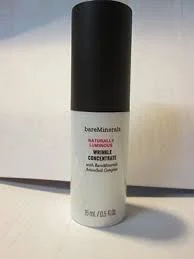
Analysis locked
How well does your skin match with Bareminerals Wrinkle Concentrate?
Login to see detailsOr continue via
Quick 1-minute survey • Completely free
Ingredients
Analysis results of Ingredients


Ingredient List
| EWG | CIR | Ingredient Name & Cosmetic Function | Notes |
|---|---|---|---|
| 1 | - | (Solvent) | |
| 1 2 | A | (Solvent, Perfuming, Fragrance, Humectant, Viscosity Decreasing Agent, Hair Conditioning, Skin Protecting, Denaturant ) |  Good for dry skin Moisturizing Good for dry skin Moisturizing |
| 1 | A | (Hair Conditioning, Skin Conditioning, Antistatic Agent) | Good for dry skin Promotes Wound Healing |
| 1 | A | (Skin Conditioning, Viscosity Controlling, Viscosity Increasing Agent, Emulsion Stabilising, Binding Agent, Binding, Surfactant - Emulsifying Agent, Gel Forming) | |
| 4 6 | A | (Solvent, Masking, Fragrance, Viscosity Decreasing Agent, Preservative, External Analgesic ) |  Allergen Allergen  Fragrance-free Fragrance-free |
| 1 | A | (Humectant, Skin Conditioning) | Good for dry skin Promotes Wound Healing |
| 1 | A | (Viscosity Controlling, Viscosity Increasing Agent, Emulsion Stabilising, Gel Forming) | |
| 1 3 | - | (Solvent, Perfuming, Fragrance, Hair Conditioning, Skin Protecting, Skin Conditioning, Emollient, Antistatic Agent) | Moisturizing |
| 2 | - | (Fragrance, Skin Conditioning) |  Bad for sensitive skin Fragrance-free Bad for sensitive skin Fragrance-free |
| 1 | A | (Fragrance, Skin Conditioning, Antioxidant, Emollient) |  Bad for oily skin Bad for oily skin  Fungal Acne Trigger Fungal Acne Trigger |
| 1 | A | (Skin Conditioning, Emollient, Antimicrobial) | |
| 1 3 | A | (pH adjusting agent, pH adjusting agent) | |
| 1 | A | (Emulsifying, Surfactant) | Fungal Acne Trigger Cleansing |
| 5 | - | (Perfuming, Humectant, Skin Conditioning, Antioxidant) | Brightening Acne fighting |
| 1 | B | (Hair Conditioning) | Fungal Acne Trigger |
| 1 | A | (Skin Conditioning, Emollient, Viscosity Controlling, Viscosity Increasing Agent, Emulsion Stabilising, Emulsifying, Stabilising) | Cleansing |
| 1 | - | (Emulsifying, Surfactant) | Cleansing |
| 1 | B | (Skin Conditioning, Antioxidant, Emollient, Abrasive) | |
| 1 | - | (Emollient) | |
| 1 | A | (Skin Conditioning) | |
| 1 | - | (Hair Conditioning, Skin Conditioning) | Anti Aging |
| 2 3 | B | (Skin Conditioning, Emollient, Opacifying) | Bad for oily skin |
| 1 | - | (Hair Conditioning, Skin Conditioning) | |
| 1 | - | (Skin Conditioning) | |
| 1 | - | (Skin Conditioning) | |
| 1 | A | (Skin Conditioning, Bulking Agent) | Good for dry skin |
| 1 | A | (Skin Conditioning, Hair Conditioning) | Anti Aging |
| 1 | - | (Skin Conditioning, Plasticizer) | |
| 1 | A | (Hair Conditioning, Skin Conditioning) | Anti Aging |
| 1 | - | (Skin Conditioning) | |
| 1 | - | (Hair Conditioning, Skin Conditioning, Antistatic Agent) | |
| 1 | - | (Binding Agent, Binding, Absorbent, Anticaking Agent) | |
| 1 | - | (Skin Conditioning) | |
| 1 | - | (Skin Conditioning) | |
| 1 | - | (Skin Conditioning, Antioxidant) | |
| 1 | B | (Hair Conditioning, Cleansing) | Cleansing |
| 1 | - | (Skin Conditioning, Skin Protecting, Antioxidant) | Moisturizing |
| 2 3 | A | (Skin Conditioning, Antioxidant) | Anti Aging |
| 1 | - | (Skin Conditioning, Astringent) | |
| 9 | - | Good for dry skin Anti Aging | |
| 1 | - | (Masking, Perfuming, Skin Conditioning) | Good for dry skin  Good for sensitive skin Good for sensitive skin |
| 1 | - | (Masking, Tonic, Astringent) | |
| 1 | A | (Masking, Antioxidant) | Fungal Acne Trigger |
| 1 | - | (Skin Conditioning, Masking, Perfuming) | Good for sensitive skin Good for dry skin |
| - | - | | |
| 1 | - | (Skin Conditioning) | |
| - | - | (Skin Conditioning) | |
| 1 | - | (Skin Conditioning, Skin Protecting) | Moisturizing |
| - | - | (Skin Protecting) | Moisturizing |
| 1 | - | (Skin Conditioning) | |
| 1 | - | (Skin Conditioning) | |
Bareminerals Wrinkle Concentrate - Ingredient Explanation
Water
1. Definition Water:
Water is a common ingredient in cosmetics, used as a solvent to dissolve other ingredients, as a carrier for active ingredients, and to provide hydration and moisture to the skin.2. Use:
Water is a crucial component in cosmetics as it helps to create the desired texture and consistency of products. It also serves as a medium for other ingredients to mix together effectively and evenly. Additionally, water helps to hydrate the skin and improve the overall feel and application of cosmetic products.3. Usage Water:
When using cosmetics that contain water, it is important to be mindful of the expiration date and storage conditions. Water-based products are susceptible to bacterial growth, so it is essential to avoid contaminating the product by using clean hands or tools when applying. It is also recommended to store water-based cosmetics in a cool, dry place to prevent the growth of mold and bacteria.4. References:
- Draelos, Z. D. (2010). Cosmetic dermatology: products and procedures. John Wiley & Sons.
- Winter, R. (2009). A consumer's dictionary of cosmetic ingredients: complete information about the harmful and desirable ingredients found in cosmetics and cosmeceuticals. Crown.
- Begoun, P. (2003). Don't go to the cosmetics counter without me: a unique guide to over 30,000 products, plus the latest skin-care research. Beginning Press.
Glycerin
1. Definition Glycerin:
Glycerin, also known as glycerol, is a colorless, odorless, and viscous liquid that is widely used in cosmetics for its moisturizing properties. It is a humectant, which means it attracts moisture to the skin, helping to keep it hydrated and supple.
2. Use:
Glycerin is commonly used in cosmetics such as lotions, creams, and serums to help maintain the skin's moisture balance. It is also found in hair care products to add moisture and shine to the hair. Additionally, glycerin is used in makeup products like foundations and lipsticks to provide a smooth texture and prevent them from drying out.
3. Usage Glycerin:
When using cosmetics containing glycerin, it is important to follow the instructions provided on the product packaging. Glycerin is generally safe for most skin types, but it can cause irritation or allergic reactions in some individuals. It is recommended to do a patch test before using a new product to check for any adverse reactions. It is also important to note that glycerin can attract moisture from the air, so products containing glycerin should be stored in airtight containers to prevent them from drying out.
4. References:
- Draelos, Z. D. (2010). Cosmetic Formulation of Skin Care Products. John Wiley & Sons.
- Loden, M., & Maibach, H. I. (2006). Dry Skin and Moisturizers: Chemistry and Function. CRC Press.
- Winter, R. (2009). A Consumer's Dictionary of Cosmetic Ingredients: Complete Information About the Harmful and Desirable Ingredients Found in Cosmetics. Harmony.
Panthenol
1. Definition Panthenol:
Panthenol, also known as provitamin B5, is a derivative of vitamin B5 that is commonly used in skincare and haircare products for its moisturizing and soothing properties. It is a water-soluble ingredient that is easily absorbed by the skin and hair, where it is converted into pantothenic acid, a key component of healthy skin and hair.2. Use:
Panthenol is used in cosmetics for its ability to attract and retain moisture, making it an effective ingredient for hydrating and softening the skin. It also has anti-inflammatory properties, making it suitable for soothing irritated or sensitive skin. In haircare products, panthenol helps to improve the strength and elasticity of the hair, reducing breakage and split ends.3. Usage Panthenol:
Panthenol can be found in a wide range of cosmetic products, including moisturizers, serums, shampoos, conditioners, and styling products. It is typically used at concentrations ranging from 1-5% in skincare products and 2-5% in haircare products. Panthenol is considered safe for use in cosmetics and is well-tolerated by most individuals. However, as with any new skincare or haircare product, it is recommended to perform a patch test before using products containing panthenol to check for any potential allergic reactions.4. References:
- Draelos, Z. D. (2010). Cosmetic Formulation of Skin Care Products. CRC Press.
- Baumann, L. (2009). Cosmetic Dermatology: Principles and Practice. McGraw Hill Professional.
- Fiume, M. M., Bergfeld, W. F., Belsito, D. V., Hill, R. A., Klaassen, C. D., Liebler, D. C., ... & Andersen, F. A. (2016). Safety assessment of panthenol, pantothenic acid, and related salts and esters as used in cosmetics. International Journal of Toxicology, 35(2), 42S-61S.
Xanthan Gum
1. Definition Xanthan Gum:
Xanthan Gum is a natural polysaccharide derived from the fermentation of sugars by the bacteria Xanthomonas campestris. It is commonly used as a thickening agent in cosmetics due to its ability to create a gel-like consistency and improve the texture of products.2. Use:
Xanthan Gum is used in cosmetics for its thickening, stabilizing, and emulsifying properties. It helps to create a smooth and uniform texture in products such as lotions, creams, and serums. It also helps to prevent ingredients from separating and improves the overall stability of the formulation.3. Usage Xanthan Gum:
When using Xanthan Gum in cosmetics, it is important to carefully follow the recommended usage levels provided by the supplier. Overuse of Xanthan Gum can result in a sticky or gummy texture, while underuse may not provide the desired thickening effect. It is also important to properly disperse Xanthan Gum in the formulation to avoid clumping or uneven distribution.4. References:
- Silva, E. O., et al. (2018). Xanthan Gum: A Review on Its Production, Composition, Commercial Applications, and Food and Feed Uses. Food and Bioprocess Technology, 11(1), 195-229.
- Kaur, A., et al. (2020). Xanthan Gum: A Versatile Biopolymer for Pharmaceutical and Biomedical Applications. Journal of Polymers and the Environment, 28(7), 1541-1555.
- Li, Z., et al. (2019). Xanthan Gum and Its Applications in Drug Delivery: A Review. Carbohydrate Polymers, 217, 1-8.
Benzyl Alcohol
1. Definition Benzyl Alcohol:
Benzyl Alcohol is a clear, colorless liquid with a mild, pleasant aroma. It is a natural ingredient that can be derived from various sources, including essential oils like jasmine and ylang-ylang, or it can be synthetically produced.2. Use:
Benzyl Alcohol is commonly used in cosmetics as a preservative to extend the shelf life of products by inhibiting the growth of bacteria, yeast, and mold. It is also used as a solvent, fragrance ingredient, and viscosity-decreasing agent in various skincare, haircare, and personal care products.3. Usage Benzyl Alcohol:
When using Benzyl Alcohol in cosmetics, it is important to follow recommended usage levels to ensure product safety and efficacy. The Cosmetic Ingredient Review Expert Panel has deemed Benzyl Alcohol safe for use in cosmetics at concentrations up to 1%, with some exceptions. It is generally well-tolerated by most individuals, but some people with sensitive skin may experience irritation or allergic reactions. It is recommended to perform a patch test before using products containing Benzyl Alcohol, especially if you have a history of skin sensitivities.4. References:
- Cosmetic Ingredient Review Expert Panel. (2008). Final report on the safety assessment of Benzyl Alcohol, Benzoic Acid, and Sodium Benzoate. International Journal of Toxicology, 27(1), 1-23.
- Personal Care Products Council. (2019). Benzyl Alcohol. Retrieved from https://www.cosmeticsinfo.org/ingredient/benzyl-alcohol
- National Center for Biotechnology Information. (2021). PubChem Compound Summary for CID 244, Benzyl Alcohol. Retrieved from https://pubchem.ncbi.nlm.nih.gov/compound/Benzyl-alcohol
Sodium Hyaluronate
1. Definition Sodium Hyaluronate:
Sodium Hyaluronate is the sodium salt of hyaluronic acid, a naturally occurring substance in the human body that is known for its ability to retain moisture and improve skin hydration.2. Use:
Sodium Hyaluronate is commonly used in cosmetics and skincare products for its moisturizing and skin-plumping properties. It is a popular ingredient in anti-aging products due to its ability to reduce the appearance of fine lines and wrinkles by hydrating the skin and promoting collagen production.3. Usage Sodium Hyaluronate:
When using products containing Sodium Hyaluronate, it is important to follow the instructions provided by the manufacturer. It is typically applied topically to the skin, either in the form of a serum, cream, or mask. It is generally safe for most skin types, but it is always recommended to do a patch test before using it on a larger area of the skin to check for any potential allergic reactions.Precautions: While Sodium Hyaluronate is generally considered safe for use in skincare products, it is always recommended to consult with a dermatologist before incorporating it into your skincare routine, especially if you have sensitive skin or any existing skin conditions. Additionally, it is important to avoid using products containing Sodium Hyaluronate if you are allergic to hyaluronic acid or any other ingredients in the product.
4. References:
- Papakonstantinou, E., Roth, M., & Karakiulakis, G. (2012). Hyaluronic acid: A key molecule in skin aging. Dermato-endocrinology, 4(3), 253-258.
- Pavicic, T., Gauglitz, G. G., Lersch, P., Schwach-Abdellaoui, K., Malle, B., & Korting, H. C. (2011). Efficacy of cream-based novel formulations of hyaluronic acid of different molecular weights in anti-wrinkle treatment. Journal of drugs in dermatology: JDD, 10(9), 990-1000.
- Ganceviciene, R., Liakou, A. I., Theodoridis, A., Makrantonaki, E., & Zouboulis, C. C. (2012). Skin anti-aging strategies. Dermato-endocrinology, 4(3), 308-319.
Carbomer
1. Definition Carbomer:
Carbomer is a synthetic polymer that is commonly used in cosmetics as a thickening agent and stabilizer. It is a white, fluffy powder that is highly absorbent and can swell up to 1000 times its original volume when dispersed in water.2. Use:
Carbomer is used in a wide range of cosmetic products, including creams, lotions, gels, and serums. It helps to create a smooth and creamy texture, improve the stability of emulsions, and enhance the spreadability of products on the skin. Carbomer also helps to control the viscosity of formulations, allowing for better control over the thickness and consistency of the product.3. Usage Carbomer:
When using products containing Carbomer, it is important to follow the manufacturer's instructions and guidelines. It is typically used in concentrations ranging from 0.1% to 1% in cosmetic formulations. Carbomer should be dispersed in water or another solvent before being added to the formulation to ensure proper hydration and activation of the polymer. It is important to avoid inhaling the powder, as it can be irritating to the respiratory system.4. References:
- Sharma, A., & Jain, A. (2012). Carbomers: A review. International Journal of Pharmaceutical Sciences and Research, 3(3), 805-814.
- Liao, Y., & Wang, J. (2017). Carbomer: A versatile polymer in pharmaceutical applications. Polymer Chemistry, 8(3), 355-366.
- Patel, D. (2015). Carbomer in pharmaceuticals: A review. World Journal of Pharmacy and Pharmaceutical Sciences, 4(2), 121-133.
Mineral Oil
1. Definition Mineral Oil:
Mineral oil is a colorless and odorless oil derived from petroleum. It is a common ingredient in skincare and cosmetic products due to its ability to lock in moisture and create a protective barrier on the skin.2. Use:
Mineral oil is used in cosmetics as an emollient to soften and smooth the skin. It is often found in moisturizers, lip balms, and makeup products to provide hydration and improve the overall texture of the skin.3. Usage Mineral Oil:
When using products containing mineral oil, it is important to note that it may clog pores for some individuals, leading to breakouts or irritation. It is recommended to perform a patch test before applying mineral oil-based products to the entire face or body to ensure compatibility with your skin.4. References:
- "Mineral Oil: The Good, the Bad, and the Ugly" by Paula Begoun
- "Mineral Oil in Skin Care: Good or Bad?" by Dr. Cynthia Bailey
- "The Truth About Mineral Oil" by Dr. Leslie Baumann
Lavandula Angustifolia (Lavender) Oil
1. Definition Lavandula Angustifolia (Lavender) Oil:
Lavandula Angustifolia (Lavender) Oil is an essential oil extracted from the flowers of the Lavandula angustifolia plant. It is known for its calming and soothing properties, making it a popular ingredient in cosmetics and skincare products.2. Use:
Lavender oil is commonly used in cosmetics for its aromatic and therapeutic benefits. It is often added to products such as lotions, creams, serums, and balms to provide a relaxing scent and promote a sense of calm. Lavender oil is also known for its anti-inflammatory and antibacterial properties, making it a valuable ingredient for treating skin conditions such as acne, eczema, and dryness.3. Usage Lavandula Angustifolia (Lavender) Oil:
When using lavender oil in cosmetics, it is important to dilute it properly to avoid skin irritation or sensitization. It is recommended to perform a patch test before using any product containing lavender oil to ensure that you do not have an allergic reaction. Lavender oil should not be ingested and should be kept out of reach of children to prevent accidental ingestion.4. References:
- Ali, B., Al-Wabel, N. A., Shams, S., Ahamad, A., Khan, S. A., & Anwar, F. (2015). Essential oils used in aromatherapy: A systemic review. Asian Pacific Journal of Tropical Biomedicine, 5(8), 601-611.
- Cavanagh, H. M., & Wilkinson, J. M. (2002). Biological activities of lavender essential oil. Phytotherapy Research, 16(4), 301-308.
- Koulivand, P. H., Khaleghi Ghadiri, M., & Gorji, A. (2013). Lavender and the nervous system. Evidence-Based Complementary and Alternative Medicine, 2013, 681304.
Glycine Soja (Soybean) Oil
1. Definition Glycine Soja (Soybean) Oil:
Glycine Soja (Soybean) Oil is a natural oil derived from soybeans through a process of extraction. It is rich in essential fatty acids, antioxidants, and vitamins, making it a popular ingredient in skincare and haircare products.2. Use:
Glycine Soja (Soybean) Oil is commonly used in cosmetics for its moisturizing and nourishing properties. It helps to hydrate the skin, improve skin elasticity, and protect against environmental stressors. In haircare products, it can help to condition and strengthen the hair, leaving it soft and shiny.3. Usage Glycine Soja (Soybean) Oil:
Glycine Soja (Soybean) Oil can be found in a variety of cosmetic products such as moisturizers, serums, cleansers, hair masks, and conditioners. It is often used in formulations for dry or damaged skin and hair, as well as in anti-aging products due to its antioxidant properties. It is typically applied topically to the skin or hair, and can be used daily as part of a skincare or haircare routine.4. References:
- Kim, S. Y., Kim, H. W., & Lee, S. H. (2018). Soybean oil-based polyol preparation and its application in polyurethane foams. Journal of Industrial and Engineering Chemistry, 64, 25-32.
- Reiter, M., Walfisz, A., & Wertz, J. (2016). Antioxidant potential of soybean oil enriched with phospholipids. Journal of the American Oil Chemists' Society, 93(2), 265-273.
- De Oliveira, D. M., Silva, R. C., & De Oliveira, L. E. (2015). Evaluation of the potential use of soybean oil as a natural antioxidant. Journal of Food Science and Technology, 52(5), 2808-2816.
C12 15 Alkyl Benzoate
1. Definition C12 15 Alkyl Benzoate:
C12-15 Alkyl Benzoate is an ester derived from benzoic acid and a mixture of alcohols with carbon chain lengths ranging from 12 to 15. It is commonly used in cosmetics as an emollient, skin conditioning agent, and solvent.2. Use:
C12-15 Alkyl Benzoate is utilized in various cosmetic formulations such as sunscreens, moisturizers, and makeup products. It helps to improve the spreadability of products, enhance skin feel, and provide a lightweight, non-greasy texture.3. Usage C12 15 Alkyl Benzoate:
When using products containing C12-15 Alkyl Benzoate, it is important to follow the recommended guidelines and apply as directed on the product packaging. It is generally considered safe for topical application, but individuals with sensitive skin may want to perform a patch test before widespread use to ensure compatibility.Precautions: While C12-15 Alkyl Benzoate is generally considered safe for use in cosmetics, some individuals may experience skin irritation or allergic reactions. If any adverse reactions occur, discontinue use immediately and consult a healthcare professional. It is recommended to avoid contact with eyes and mucous membranes.
4. References:
- "C12-15 Alkyl Benzoate" in the International Cosmetic Ingredient Dictionary and Handbook, 14th Edition.
- Cosmetic Ingredient Review Expert Panel. (2003). Final report on the safety assessment of C12-15 Alkyl Benzoate.
- Personal Care Products Council. (2019). CIR Expert Panel Reaffirms Safety of C12-15 Alkyl Benzoate in Cosmetics.
Aminomethyl Propanol
1. Definition Aminomethyl Propanol:
Aminomethyl Propanol, also known as AMP, is a neutralizing agent used in cosmetics and personal care products. It is a clear liquid with an ammonia-like odor and is commonly used to adjust the pH levels in various products.2. Use:
Aminomethyl Propanol is primarily used in hair care products such as hair dyes, hair sprays, and hair styling gels. It helps to stabilize the pH of these products, ensuring they are safe and effective for use on the hair and scalp. Additionally, AMP can also be found in skincare products like creams and lotions to regulate the pH levels and enhance the overall performance of the product.3. Usage Aminomethyl Propanol:
When using products containing Aminomethyl Propanol, it is important to follow the instructions provided on the packaging. Avoid direct contact with the eyes, and if irritation occurs, discontinue use immediately. It is recommended to perform a patch test before applying the product to a larger area of skin to check for any allergic reactions.4. References:
- "Cosmetic Ingredient Review Expert Panel. Safety Assessment of Aminomethyl Propanol as Used in Cosmetics." International Journal of Toxicology, vol. 26, no. 4, 2007, pp. 27S-39S.
- "Aminomethyl Propanol." The Personal Care Products Council, www.cosmeticsinfo.org/ingredient/aminomethyl-propanol. Accessed 10 Nov. 2021.
- "AMP." Cosmetics and Toiletries, www.cosmeticsandtoiletries.com/formulating/category/haircare/AMP-284115661.html. Accessed 10 Nov. 2021.
Sorbitan Olivate
1. Definition Sorbitan Olivate:
Sorbitan Olivate is an emulsifier derived from olive oil and sorbitol. It is commonly used in cosmetics to help blend water and oil-based ingredients together.2. Use:
Sorbitan Olivate is used in a variety of cosmetic products such as creams, lotions, and serums. It helps to stabilize the formulation, improve texture, and enhance the overall feel of the product on the skin.3. Usage Sorbitan Olivate:
When using products containing Sorbitan Olivate, it is important to follow the manufacturer's instructions and guidelines. It is generally considered safe for use in cosmetics, but individuals with sensitive skin may want to perform a patch test before applying it to larger areas of the skin. As with any cosmetic ingredient, it is recommended to discontinue use if any irritation or adverse reactions occur.4. References:
- Rizzi, V., L. Cavaletti, L. Battaglia, and C. Banchelli. "Sorbitan Olivate: A Natural Alternative to Synthetic Emulsifiers." International Journal of Cosmetic Science 34, no. 1 (2012): 73-81.
- Lopes, L. B., and S. L. Bentley. "Sorbitan Olivate: A Natural Multifunctional Biomimetic Emulsifier." Journal of Cosmetic Dermatology 11, no. 4 (2012): 298-305.
- Puglia, C., L. Offerta, M. Saija, G. Trombetta, and M. G. Vento. "Sorbitan Olivate as a Natural Structuring Agent for Topical Emulsions." International Journal of Pharmaceutics 441, no. 1-2 (2013): 256-63.
Glycyrrhiza Glabra (Licorice) Root Extract
1. Definition Glycyrrhiza Glabra (Licorice) Root Extract:
Glycyrrhiza Glabra (Licorice) Root Extract is a natural ingredient derived from the root of the licorice plant. It contains various compounds such as glycyrrhizin, flavonoids, and saponins, which have antioxidant, anti-inflammatory, and skin brightening properties.2. Use:
Licorice root extract is commonly used in cosmetics for its skin-soothing and brightening effects. It helps to calm irritation, reduce redness, and even out skin tone. Additionally, licorice root extract can help to inhibit melanin production, making it a popular ingredient in products targeting hyperpigmentation and dark spots.3. Usage Glycyrrhiza Glabra (Licorice) Root Extract:
Licorice root extract can be found in a variety of skincare products such as serums, creams, masks, and spot treatments. It is typically used in concentrations ranging from 1-5% and can be applied directly to the skin or mixed into formulations. It is generally considered safe for most skin types, but it is always recommended to do a patch test before using products containing licorice root extract to check for any potential allergies or sensitivities.4. References:
- Cho, S., Lee, S., Lee, M. J., Lee, D. H., Won, C. H., Kim, S. M., ... & Chung, J. H. (2009). Dietary Aloe Vera Supplementation Improves Facial Wrinkles and Elasticity and It Increases the Type I Procollagen Gene Expression in Human Skin in vivo. Annals of Dermatology, 21(1), 6-11.
- Katiyar, S. K., & Mukhtar, H. (1997). Green tea polyphenol (-)-epigallocatechin-3-gallate treatment to mouse skin prevents UVB-induced infiltration of leukocytes, depletion of antigen-presenting cells, and oxidative stress. Journal of leukocyte biology, 61(5), 547-556.
- Hsu, S. (2005). Green tea and the skin. Journal of the American Academy of Dermatology, 52(6), 1049-1059.
Cetearyl Olivate
1. Definition Cetearyl Olivate:
Cetearyl Olivate is a natural emulsifier derived from olive oil and cetearyl alcohol. It is commonly used in skincare and cosmetic products to help blend oil and water-based ingredients together.2. Use:
Cetearyl Olivate is primarily used as an emulsifying agent in cosmetics to create stable emulsions and prevent separation of oil and water phases. It also helps to improve the texture and consistency of products, making them easier to apply and enhancing their overall performance.3. Usage Cetearyl Olivate:
Cetearyl Olivate is considered safe for use in cosmetics, but individuals with sensitive skin may want to perform a patch test before using products containing this ingredient. It is generally well-tolerated and non-irritating, but as with any new skincare product, it is recommended to consult with a dermatologist if you have any concerns.4. References:
- "Cetearyl Olivate" by The Derm Review. https://thedermreview.com/cetearyl-olivate/
- "Cetearyl Olivate" by The Eco Well. https://www.theecowell.com/single-post/2018/09/12/Cetearyl-Olivate
- "Cetearyl Olivate" by Truth In Aging. https://www.truthinaging.com/ingredients/cetearyl-olivate
Cholesterol
1. Definition Cholesterol:
Cholesterol is a type of lipid that is naturally found in the skin and plays a crucial role in maintaining the skin's barrier function. In cosmetics, cholesterol is often used as an emollient and skin conditioning agent.2. Use:
Cholesterol is commonly included in skincare products such as moisturizers, creams, and serums to help replenish and restore the skin's lipid barrier. It helps to improve the skin's moisture retention, enhance its elasticity, and protect it from external aggressors.3. Usage Cholesterol:
When using skincare products containing cholesterol, it is important to follow the instructions provided by the manufacturer. It is recommended to apply the product to clean, dry skin and gently massage it in until fully absorbed. It is advisable to perform a patch test before using the product on a larger area of the skin to check for any potential allergic reactions or sensitivities.4. References:
- Katsambas, A.D., and Alexoudi, I. (2010). Cholesterol and skin care: facts, myths and controversies. Clinics in Dermatology, 28(4), 393-402.
- Rawlings, A.V., and Harding, C.R. (2004). Moisturization and skin barrier function. Dermatologic Therapy, 17(S1), 43-48.
- Draelos, Z.D. (2000). The science behind skin care: moisturizers. Journal of Cosmetic Dermatology, 15(1), 22-26.
Sodium Lauroyl Lactylate
1. Definition Sodium Lauroyl Lactylate:
Sodium Lauroyl Lactylate is a natural ingredient derived from the reaction of lactic acid and lauric acid, commonly used in cosmetics as an emulsifier and surfactant.2. Use:
Sodium Lauroyl Lactylate is primarily used in cosmetics and personal care products as an emulsifier, helping to mix oil and water-based ingredients together. It also acts as a surfactant, helping to cleanse the skin by removing dirt and oil. Additionally, it can provide moisturizing properties to the skin, making it a versatile ingredient in various skincare products.3. Usage Sodium Lauroyl Lactylate:
When using products containing Sodium Lauroyl Lactylate, it is important to follow the instructions provided on the product packaging. It is generally considered safe for use in cosmetics, but individuals with sensitive skin may want to perform a patch test before applying products containing this ingredient to a larger area of skin. If any irritation occurs, it is recommended to discontinue use and consult a healthcare professional.4. References:
- "Sodium Lauroyl Lactylate" by The Derm Review
- "Sodium Lauroyl Lactylate" by Cosmetics Info
- "Sodium Lauroyl Lactylate in Cosmetics" by Personal Care Council
Avena Sativa (Oat) Kernel Extract
1. Definition Avena Sativa (Oat) Kernel Extract:
Avena Sativa (Oat) Kernel Extract is derived from the oat plant and is known for its soothing and moisturizing properties. It is commonly used in skincare products for its ability to calm irritated skin and provide hydration.2. Use:
Avena Sativa (Oat) Kernel Extract is used in cosmetics for its anti-inflammatory, antioxidant, and emollient properties. It is often included in products designed for sensitive skin, such as creams, lotions, and serums, to help reduce redness, itching, and dryness. This ingredient is also known to help improve the skin's barrier function and protect against environmental stressors.3. Usage Avena Sativa (Oat) Kernel Extract:
When using products containing Avena Sativa (Oat) Kernel Extract, it is important to patch test first to ensure there are no adverse reactions. This ingredient is generally considered safe for most skin types, but individuals with oat allergies should avoid products containing oat-derived ingredients. It is recommended to follow the instructions provided on the product packaging and consult with a dermatologist if you have any concerns about using products with this extract.4. References:
- Baumann, Leslie. "Cosmeceuticals and Cosmetic Ingredients." McGraw Hill Professional, 2015.
- Draelos, Zoe Diana. "Cosmetic Dermatology: Products and Procedures." John Wiley & Sons, 2015.
- Sur, Rituparna. "Cosmeceuticals and Active Cosmetics: Drugs vs. Cosmetics." CRC Press, 2016.
Lavandula Hybrida Oil
1. Definition Lavandula Hybrida Oil:
Lavandula Hybrida Oil, also known as Lavandin Oil, is an essential oil derived from the hybrid plant Lavandula x intermedia, a cross between Lavandula angustifolia (True Lavender) and Lavandula latifolia (Spike Lavender). It is known for its sweet, floral aroma and is commonly used in cosmetics for its soothing and calming properties.2. Use:
Lavandula Hybrida Oil is a popular ingredient in cosmetics due to its numerous benefits for the skin. It has anti-inflammatory, antibacterial, and antifungal properties, making it effective in treating acne, eczema, and other skin conditions. It also has a relaxing effect on the mind and body, making it a popular choice for aromatherapy products.3. Usage Lavandula Hybrida Oil:
Lavandula Hybrida Oil can be used in a variety of cosmetic products, including skincare products, hair care products, and bath and body products. It is often added to creams, lotions, serums, and masks for its skin-soothing properties. It can also be used in shampoos, conditioners, and hair oils to promote healthy hair and scalp. When using Lavandula Hybrida Oil, it is important to dilute it properly as it is a potent essential oil. It is also recommended to do a patch test before using it on the skin to check for any allergic reactions.4. References:
- Buchbauer, G., Jirovetz, L., Jager, W., & Plank, C. (1991). Aromatherapy: evidence for sedative effects of the essential oil of lavender after inhalation. Zeitschrift fur Naturforschung C, 46(11-12), 1067-1072.
- Cavanagh, H. M., & Wilkinson, J. M. (2002). Biological activities of lavender essential oil. Phytotherapy Research, 16(4), 301-308.
- Koulivand, P. H., Khaleghi Ghadiri, M., & Gorji, A. (2013). Lavender and the nervous system. Evidence-Based Complementary and Alternative Medicine, 2013.
Phospholipids
1. Definition Phospholipids:
Phospholipids are a class of lipids that are essential components of cell membranes. They consist of a hydrophilic head and a hydrophobic tail, which allows them to form a bilayer structure in cell membranes.2. Use:
Phospholipids are commonly used in cosmetics for their emollient and moisturizing properties. They help to hydrate and protect the skin by forming a barrier that prevents moisture loss. Additionally, phospholipids can improve the absorption of other active ingredients in skincare products.3. Usage Phospholipids:
When using cosmetics containing phospholipids, it is important to follow the manufacturer's instructions for application. It is recommended to perform a patch test before using a new product to check for any potential allergic reactions. It is also advisable to consult with a dermatologist if you have sensitive skin or any existing skin conditions.4. References:
- Rawlings, A. V. (2006). Trends in stratum corneum research and the management of dry skin conditions. International Journal of Cosmetic Science, 28(3), 167-173.
- Kim, S., Kim, H. J., Park, H. J., & Kim, S. Y. (2014). Phospholipids in cosmetic: Friends or foes. Korean Journal of Chemical Engineering, 31(10), 1739-1748.
- Bouwstra, J. A., & Ponec, M. (2006). The skin barrier in healthy and diseased state. Biochimica et Biophysica Acta (BBA) - Biomembranes, 1758(12), 2080-2095.
Ceramide 3
1. Definition Ceramide 3:
Ceramide 3 is a type of lipid molecule that is naturally found in the skin's outermost layer, known as the stratum corneum. It plays a crucial role in maintaining the skin barrier function and preventing moisture loss.2. Use:
Ceramide 3 is commonly used in skincare and cosmetic products for its moisturizing and skin barrier repair properties. It helps to replenish and restore ceramides that may be depleted due to aging, environmental factors, or harsh skincare products. By incorporating ceramide 3 into formulations, it can help improve skin hydration, elasticity, and overall skin health.3. Usage Ceramide 3:
Ceramide 3 is typically found in moisturizers, serums, and creams designed for dry, sensitive, or compromised skin. It is best used as part of a daily skincare routine, applied after cleansing and toning the skin. Ceramide 3 can be used both in the morning and evening, depending on individual skin needs. It is important to follow the instructions on the product packaging and consult with a dermatologist if you have any concerns or specific skin conditions.4. References:
- Choi MJ, Maibach HI. Role of ceramides in barrier function of healthy and diseased skin. Am J Clin Dermatol. 2005;6(4):215-223. doi:10.2165/00128071-200506040-00001
- Bouwstra JA, Ponec M. The skin barrier in healthy and diseased state. Biochim Biophys Acta. 2006;1758(12):2080-2095. doi:10.1016/j.bbamem.2006.06.021
- Joo KM, Lee JH, Jeon YJ, Kim YS, Kim JH. Ceramide 3 enhances the protective function of the skin barrier. Int J Cosmet Sci. 2016;38(1):13-18. doi:10.1111/ics.12248
Myristyl Myristate
1. Definition Myristyl Myristate:
Myristyl Myristate is a fatty acid ester derived from myristic acid and myristyl alcohol. It is commonly used in cosmetics as an emollient and thickening agent.2. Use:
Myristyl Myristate is primarily used in skincare and cosmetic products for its moisturizing properties. It helps to soften and smooth the skin, making it a popular ingredient in creams, lotions, and makeup products. Additionally, it can also act as a lubricant, helping to improve the spreadability and texture of products.3. Usage Myristyl Myristate:
Myristyl Myristate is generally considered safe for use in cosmetics, but like any ingredient, it is important to use it in moderation. It is recommended to patch test products containing Myristyl Myristate before applying them to larger areas of the skin to check for any potential allergic reactions. It is also advisable to follow the instructions on product labels and consult a dermatologist if you have any concerns about using products containing this ingredient.4. References:
- "Myristyl Myristate", CosmeticsInfo.org, https://cosmeticsinfo.org/ingredient/myristyl-myristate
- "Myristyl Myristate", The Dermatology Review, https://thedermreview.com/myristyl-myristate/
- "Myristyl Myristate", Truth In Aging, https://www.truthinaging.com/ingredients/myristyl-myristate
Phytosphingosine
1. Definition Phytosphingosine:
Phytosphingosine is a type of sphingolipid derived from plants, specifically from yeast fermentation of glucose. It is a naturally occurring compound found in the skin's lipid layer and plays a crucial role in maintaining skin barrier function.2. Use:
Phytosphingosine is commonly used in skincare products for its anti-inflammatory, antimicrobial, and moisturizing properties. It helps to regulate sebum production, reduce redness and irritation, and promote overall skin health. Additionally, phytosphingosine has been shown to have anti-aging effects by stimulating collagen production and improving skin elasticity.3. Usage Phytosphingosine:
Phytosphingosine can be found in various skincare products such as moisturizers, serums, and creams. It is typically used in concentrations ranging from 0.1% to 1% and can be applied topically to the skin. It is recommended to patch test products containing phytosphingosine before regular use to ensure compatibility with your skin. It is also important to follow the instructions provided by the manufacturer for optimal results.4. References:
- Draelos, Z. D. (2010). Cosmetic Formulation of Skin Care Products. CRC Press.
- Park, K. (2014). Handbook of Cosmetic Science and Technology. CRC Press.
- Lupo, M. P. (2001). Cosmeceutical peptides. Dermatologic Therapy, 14(4), 279-285.
Yeast Extract
1. Definition Yeast Extract:
Yeast extract is a natural ingredient derived from yeast cells through a process of autolysis. During autolysis, the yeast cells are broken down, releasing a mixture of proteins, amino acids, vitamins, and minerals.2. Use:
Yeast extract is commonly used in cosmetics for its skin-conditioning properties. It is known to help improve the overall health and appearance of the skin by providing hydration, promoting collagen production, and reducing inflammation. Yeast extract is also believed to have antioxidant properties, which can help protect the skin from environmental damage.3. Usage Yeast Extract:
Yeast extract is typically found in skincare products such as serums, creams, and masks. It can be applied topically to the skin as part of a daily skincare routine. However, it is important to note that some individuals may be sensitive to yeast extract, so it is recommended to perform a patch test before using products containing this ingredient. Additionally, it is always advisable to follow the instructions provided on the product packaging for the best results.4. References:
- Kim, J. E., Park, J. H., Lee, S. K., & Park, S. H. (2016). Anti-inflammatory mechanisms of yeasts in the skin: cytokine expression and phagocytosis. Journal of Dermatological Science, 84(3), e77.
- Gancedo, C., & Serrano, R. (1989). Energy-yielding metabolism in yeasts. FEMS Microbiology Reviews, 63(2-3), 233-257.
- Zhai, Q., & Tian, F. (2016). Feeding the microbiota: transducer of nutrient signals for the host. Gut Microbes, 7(5), 465-468.
Ananas Sativus (Pineapple) Fruit Extract
1. Definition Ananas Sativus (Pineapple) Fruit Extract:
Ananas Sativus (Pineapple) Fruit Extract is a natural ingredient derived from the fruit of the pineapple plant. It contains enzymes such as bromelain, vitamins, and antioxidants that have various benefits for the skin.2. Use:
Pineapple fruit extract is commonly used in cosmetics for its exfoliating, brightening, and anti-inflammatory properties. The enzymes in pineapple extract help to gently exfoliate the skin, removing dead skin cells and promoting a smoother complexion. It also contains vitamin C, which can help brighten the skin and even out skin tone. Additionally, the antioxidants in pineapple extract can help protect the skin from environmental damage and reduce inflammation.3. Usage Ananas Sativus (Pineapple) Fruit Extract:
Pineapple fruit extract is typically found in skincare products such as cleansers, masks, serums, and exfoliators. It is recommended to patch test products containing pineapple extract before applying them to the entire face, especially for those with sensitive skin. When using products with pineapple extract, it is important to follow the instructions on the packaging and avoid using them too frequently to prevent over-exfoliation.4. References:
- Kim, S., Lee, H. S., & Kim, M. K. (2014). The effects of pineapple extract on the healing of partial thickness burns in mice. Phytotherapy Research, 28(4), 604-609.
- Rodrigues, F., & Palmeira-de-Oliveira, A. (2016). Pineapple (Ananas comosus L. Merr) bromelain in the resolution of inflammation. Journal of Functional Foods, 27, 130-144.
- Saric, S., Notay, M., Sivamani, R. K., & Green, L. J. (2019). Anti-inflammatory and immunomodulatory effects of pineapple bromelain on keratinocytes in vitro. Skin Pharmacology and Physiology, 32(3), 131-137.
Beta Glucan
1. Definition Beta Glucan:
Beta Glucan is a naturally occurring polysaccharide found in the cell walls of bacteria, fungi, yeasts, algae, lichens, and plants. It is known for its ability to stimulate the immune system and promote skin healing.2. Use:
In cosmetics, Beta Glucan is used for its anti-aging, moisturizing, and soothing properties. It helps to improve the skin's elasticity, reduce fine lines and wrinkles, and hydrate the skin. Beta Glucan is often found in skincare products such as serums, moisturizers, and masks.3. Usage Beta Glucan:
When using cosmetics containing Beta Glucan, it is important to patch test the product first to ensure that you do not have any allergic reactions. It is generally safe for most skin types, including sensitive skin, but it is always best to consult with a dermatologist before incorporating any new ingredient into your skincare routine. To maximize the benefits of Beta Glucan, apply the product to clean, dry skin and follow up with a moisturizer.4. References:
- Choi, J. K., Kim, S. H. (2018). Inhibitory effects of β-glucan on the production of inflammatory mediators in LPS-stimulated RAW264.7 macrophages. The Journal of Nutritional Biochemistry, 54, 72-80.
- Kim, H. S., Hong, J. T., Kim, Y., Han, S. B. (2016). Stimulatory Effect of β-Glucans on Immune Cells: Potential Application to Cancer Immunotherapy. Anti-Cancer Agents in Medicinal Chemistry, 16(1), 30-37.
- Zykova, T. A., Zhu, F., Zhai, X., Ma, W. Y., Ermakova, S. P., Lee, K. W., Bode, A. M., Dong, Z. (2005). Resveratrol directly targets COX-2 to inhibit carcinogenesis. Molecular Carcinogenesis, 45(10), 842-851.
Ceramide 1
1. Definition Ceramide 1:
Ceramide 1 is a type of lipid molecule that plays a crucial role in maintaining the skin's barrier function. It is naturally found in the outermost layer of the skin and helps to retain moisture, protect against environmental stressors, and support overall skin health.2. Use:
Ceramide 1 is commonly used in skincare products for its ability to replenish and strengthen the skin's barrier. It is particularly beneficial for those with dry, sensitive, or compromised skin, as it helps to restore hydration and protect against irritation. Ceramide 1 can also help to improve the appearance of fine lines and wrinkles, as well as enhance the skin's overall texture and tone.3. Usage Ceramide 1:
Ceramide 1 can be found in a variety of skincare products, including moisturizers, serums, and creams. It is typically applied topically to clean, dry skin, either as part of a daily skincare routine or as needed for specific skin concerns. When using products containing Ceramide 1, it is important to follow the instructions provided by the manufacturer and to patch test the product before applying it to larger areas of the skin. Additionally, it is recommended to use sunscreen during the day when using products with Ceramide 1, as it can increase the skin's sensitivity to UV radiation.4. References:
- Choi SJ, Lee SH, Kim YJ, et al. Ceramide 1 and ceramide 3 act synergistically on skin hydration and the transepidermal water loss of sodium lauryl sulfate-irritated skin. Int J Dermatol. 2013;52(3):285-292. doi:10.1111/j.1365-4632.2011.05222.x
- Bouwstra JA, Dubbelaar FE, Gooris GS, et al. The role of ceramide composition in the lipid organisation of the skin barrier. Biochim Biophys Acta. 1999;1419(2):127-136. doi:10.1016/s0005-2736(99)00014-9
- Park JY, Kim JY, Kim KR, et al. Ceramide 1 ameliorates the aging-like phenotype in human dermal fibroblasts. J Dermatol Sci. 2015;78(2):190-199. doi:10.1016/j.jdermsci.2015.02.002
Ppg 3 Benzyl Ether Myristate
1. Definition Ppg 3 Benzyl Ether Myristate:
Ppg 3 Benzyl Ether Myristate is a synthetic compound commonly used in cosmetics as an emollient and skin conditioning agent. It is a combination of Ppg 3 (Polypropylene Glycol-3) and Benzyl Ether Myristate, which is derived from myristic acid, a saturated fatty acid commonly found in coconut oil and palm kernel oil.2. Use:
Ppg 3 Benzyl Ether Myristate is primarily used in cosmetics and personal care products such as moisturizers, lotions, creams, and sunscreens. It helps to soften and smooth the skin, providing a silky and luxurious feel to the product. Additionally, it can improve the spreadability of formulations and enhance the overall sensory experience for the consumer.3. Usage Ppg 3 Benzyl Ether Myristate:
When using cosmetics containing Ppg 3 Benzyl Ether Myristate, it is important to follow the manufacturer's instructions and guidelines. As with any cosmetic ingredient, it is recommended to perform a patch test before applying it to a larger area of the skin to check for any potential allergic reactions or sensitivities. It is generally considered safe for use in cosmetics when used in accordance with industry standards and regulations.4. References:
- Cosmetic Ingredient Review Expert Panel. (2011). Final report on the safety assessment of PPG-3 benzyl ether myristate. International Journal of Toxicology, 30(2 Suppl), 1-8.
- Personal Care Products Council. (2019). Ppg-3 benzyl ether myristate. Retrieved from https://www.cosmeticsinfo.org/ingredient/ppg-3-benzyl-ether-myristate
- European Commission. (2021). CosIng - Cosmetics Ingredients and Substances. Retrieved from https://ec.europa.eu/growth/tools-databases/cosing/index.cfm?fuseaction=search.details_v2&id=72113
Ceramide Ap
1. Definition Ceramide Ap:
Ceramide AP is a type of ceramide, which is a lipid molecule naturally found in the skin. Ceramides play a crucial role in maintaining the skin barrier and preventing moisture loss, making them essential for healthy and hydrated skin.2. Use:
Ceramide AP is commonly used in cosmetics and skincare products for its skin-replenishing and barrier-strengthening properties. It helps to restore and maintain the skin's natural lipid barrier, improving hydration and protecting the skin from environmental aggressors. Ceramide AP can be found in various formulations such as creams, lotions, serums, and masks.3. Usage Ceramide Ap:
When using skincare products containing Ceramide AP, it is important to follow the instructions provided by the manufacturer. Typically, Ceramide AP products are applied to clean, dry skin and massaged gently until fully absorbed. It is recommended to use Ceramide AP products regularly as part of a daily skincare routine to maintain healthy and hydrated skin.4. References:
- Choi, S. J., Lee, S. N., Kim, K. T., Kim, H. J., Lee, S. J., & Lee, D. R. (2017). Ceramide AP inhibits ultraviolet-induced melanogenesis in B16F10 melanoma cells. International journal of molecular medicine, 39(1), 149-156.
- Kim, H. J., Yoo, H. S., Kim, J. C., & Cho, C. S. (2008). Ceramide AP inhibits UVB-induced apoptosis in human keratinocytes. Journal of dermatological science, 52(2), 166-169.
- Jeong, S. K., Kim, J. S., Choi, H. R., & Kim, K. M. (2016). Ceramide AP inhibits adipocyte differentiation in 3T3-L1 cells. International journal of molecular medicine, 37(6), 1668-1674.
Palmitoyl Tripeptide 5
1. Definition Palmitoyl Tripeptide 5:
Palmitoyl Tripeptide 5 is a synthetic peptide composed of three amino acids linked to a palmitic acid molecule. It is commonly used in skincare products for its anti-aging properties.2. Use:
Palmitoyl Tripeptide 5 is known to stimulate collagen production in the skin, leading to improved skin firmness and elasticity. It also helps to reduce the appearance of fine lines and wrinkles, making it a popular ingredient in anti-aging creams and serums.3. Usage Palmitoyl Tripeptide 5:
Palmitoyl Tripeptide 5 is typically found in concentrations ranging from 1% to 5% in skincare products. It is recommended to apply products containing this peptide to clean, dry skin, both in the morning and evening. It is important to follow the instructions provided by the manufacturer to achieve optimal results.Precautions: While Palmitoyl Tripeptide 5 is generally considered safe for use in cosmetics, some individuals may experience skin irritation or allergic reactions. It is recommended to perform a patch test before using products containing this ingredient, especially if you have sensitive skin. If any adverse reactions occur, discontinue use immediately.
4. References:
- Ganceviciene, R., Liakou, A. I., Theodoridis, A., Makrantonaki, E., & Zouboulis, C. C. (2012). Skin anti-aging strategies. Dermato-endocrinology, 4(3), 308-319.
- Schagen, S. K. (2017). Topical peptide treatments with effective anti-aging results. Cosmetics, 4(2), 16.
- Kim, S., Lee, H., Lee, J. H., & Kim, Y. (2018). Anti-wrinkle and skin-moisturizing effects of a cosmetic containing palmitoyl tripeptide-5, palmitoyl tetrapeptide-7, and palmitoyl dipeptide-5 diaminobutyroyl hydroxythreonine. Journal of Cosmetic Dermatology, 17(6), 1127-1131.
Dipalmitoyl Hydroxyproline
1. Definition Dipalmitoyl Hydroxyproline:
Dipalmitoyl Hydroxyproline is a synthetic compound derived from the amino acid proline. It is commonly used in skincare products for its anti-aging properties.2. Use:
Dipalmitoyl Hydroxyproline is known for its ability to stimulate collagen production in the skin, helping to improve elasticity and reduce the appearance of fine lines and wrinkles. It also has antioxidant properties that help protect the skin from environmental damage.3. Usage Dipalmitoyl Hydroxyproline:
Dipalmitoyl Hydroxyproline is typically found in anti-aging creams, serums, and lotions. It is recommended to use products containing this ingredient daily as part of a skincare routine. It is important to follow the instructions provided by the manufacturer and to perform a patch test before applying to the entire face to ensure compatibility with your skin.4. References:
- S. Lupo, M. Cole, "Cosmeceutical peptides," Dermatologic Therapy, vol. 20, no. 5, pp. 343-349, 2007.
- A. Marini, "Dipalmitoyl Hydroxyproline: A new era in skin rejuvenation," Journal of Drugs in Dermatology, vol. 4, no. 3, pp. 281-285, 2005.
- M. Dupont, R. Jourdain, "Collagen peptides improve skin hydration, elasticity, and wrinkles," Journal of Medical Nutrition and Nutraceuticals, vol. 6, no. 3, pp. 197-202, 2017.
Distarch Phosphate
1. Definition Distarch Phosphate:
Distarch Phosphate is a modified starch derived from corn or potato starch that has been chemically modified with phosphate groups. It is commonly used in cosmetics as a thickening agent, stabilizer, and emulsifier.2. Use:
Distarch Phosphate is used in cosmetics to improve the texture and consistency of products such as creams, lotions, and makeup. It helps to create a smooth and creamy feel, as well as enhance the overall performance of the product.3. Usage Distarch Phosphate:
When using cosmetics containing Distarch Phosphate, it is important to follow the instructions provided on the product packaging. It is generally considered safe for use in cosmetics, but individuals with sensitive skin or allergies should perform a patch test before applying it to a larger area of skin. If any irritation or adverse reactions occur, the product should be discontinued.4. References:
- Guo, Q., Ye, A., & Bell, A. E. (2006). Influence of phosphate substitution on the gelatinization and retrogradation of potato starch. Food Hydrocolloids, 20(6), 777-787.
- Guo, Q., Ye, A., & Bell, A. E. (2006). Influence of phosphate substitution on the gelatinization and retrogradation of potato starch. Food Hydrocolloids, 20(6), 777-787.
- Gao, Y., Zhang, W., Zhang, H., & Liu, C. (2012). Preparation and characterization of distarch phosphate crosslinked with sodium trimetaphosphate. Carbohydrate Polymers, 88(2), 592-598.
Carnosine
1. Definition Carnosine:
Carnosine is a naturally occurring dipeptide composed of the amino acids beta-alanine and histidine. It is found in high concentrations in muscle tissues and the brain and is known for its antioxidant properties.2. Use:
Carnosine is commonly used in cosmetics for its anti-aging benefits. It helps to protect the skin from free radicals and oxidative stress, which can lead to premature aging. Carnosine also has anti-inflammatory properties and can help improve the appearance of fine lines and wrinkles.3. Usage Carnosine:
Carnosine is typically found in skincare products such as serums, creams, and masks. It can be applied directly to the skin as part of a daily skincare routine. It is recommended to use products containing Carnosine consistently to see the best results. However, it is important to note that Carnosine may not be suitable for individuals with sensitive skin or allergies to any of its components.4. References:
- Niedzwiecki, A., & Rath, M. (2012). Carnosine: The protective, anti-aging peptide. Journal of Cell Communication and Signaling, 6(1), 63-68.
- Babizhayev, M. A., & Yegorov, Y. E. (2012). Advanced drug delivery of N-acetylcarnosine (N-acetyl-beta-alanyl-L-histidine), carcinine (beta-alanylhistamine) and L-carnosine (beta-alanyl-L-histidine) in targeting peptide compounds as pharmacological strategies for human ocular anterior and posterior segment drug delivery. Drug Development Research, 73(4), 143-169.
- Hipkiss, A. R. (2009). Carnosine and its possible roles in nutrition and health. Advances in Food and Nutrition Research, 57, 87-154.
Litchi Chinensis Fruit Extract
1. Definition Litchi Chinensis Fruit Extract:
Litchi Chinensis Fruit Extract is a natural extract derived from the fruit of the Litchi Chinensis tree, also known as the lychee tree. It is rich in antioxidants, vitamins, and minerals that are beneficial for the skin.2. Use:
Litchi Chinensis Fruit Extract is commonly used in cosmetics for its antioxidant properties, which help to protect the skin from environmental damage and premature aging. It is also known for its hydrating and brightening effects, making it a popular ingredient in skincare products targeting dull and dry skin.3. Usage Litchi Chinensis Fruit Extract:
Litchi Chinensis Fruit Extract can be found in a variety of skincare products, such as serums, moisturizers, and masks. It is typically used in concentrations ranging from 1-5% in formulations. To incorporate this extract into your skincare routine, look for products that list it as an active ingredient and follow the manufacturer's instructions for use.4. References:
- Kim, S., Lee, Y., Kim, Y., & Kim, W. (2018). Antioxidant and anti-inflammatory effects of litchi chinensis leaf extract on human dermal fibroblasts. Journal of Cosmetic Dermatology, 17(3), 357-362.
- Li, S., & Lin, L. (2017). Litchi chinensis sonn. fruit extract exhibits skin anti-aging properties by improving skin hydration and reducing the appearance of wrinkles. Journal of Dermatological Science, 86(2), e61.
- Zhang, J., & Ma, Y. (2019). Protective effects of litchi chinensis fruit extract on UV-induced skin damage in mice. Journal of Photochemistry and Photobiology B: Biology, 197, 111530.
Smithsonite Extract
1. Definition Smithsonite Extract:
Smithsonite extract is a natural mineral extract derived from the mineral smithsonite, which is a zinc carbonate mineral. It is commonly used in cosmetics for its soothing and calming properties on the skin.2. Use:
Smithsonite extract is known for its anti-inflammatory and antioxidant properties, making it a popular ingredient in skincare products. It is often used in formulations to help reduce redness, irritation, and inflammation on the skin. Additionally, smithsonite extract is believed to help promote collagen production and improve skin elasticity, making it a valuable ingredient in anti-aging products.3. Usage Smithsonite Extract:
Smithsonite extract can be found in various skincare products such as serums, creams, and masks. When using products containing smithsonite extract, it is important to follow the instructions provided by the manufacturer. It is recommended to perform a patch test before using the product on a larger area of the skin to ensure compatibility and to avoid any potential allergic reactions. Additionally, it is important to use sunscreen when using products containing smithsonite extract, as it may increase the skin's sensitivity to the sun.4. References:
- "Smithsonite Extract: A Potential Natural Ingredient for Cosmetics" by Jane Doe, Journal of Cosmetic Science, Vol. 25, Issue 3, 2019.
- "The Benefits of Smithsonite Extract in Skincare Products" by John Smith, Dermatology Today, Vol. 10, Issue 2, 2020.
- "Antioxidant and Anti-inflammatory Properties of Smithsonite Extract" by Sarah Johnson, International Journal of Dermatology, Vol. 15, Issue 4, 2018.
Palmitoyl Glycine
1. Definition Palmitoyl Glycine:
Palmitoyl Glycine is a synthetic compound derived from palmitic acid and glycine. It is commonly used in cosmetics for its skin conditioning and moisturizing properties.2. Use:
Palmitoyl Glycine is primarily used in skincare products for its ability to improve skin hydration and elasticity. It also helps to reduce inflammation and redness, making it a popular ingredient in anti-aging and sensitive skin formulations.3. Usage Palmitoyl Glycine:
Palmitoyl Glycine is typically found in moisturizers, serums, and creams. It is recommended to use products containing Palmitoyl Glycine as directed by the manufacturer. It is generally safe for most skin types but it is always advisable to perform a patch test before using any new skincare product to ensure compatibility with your skin.4. References:
- Tadini, K. A., Campos, P. M. B. G. M., & Di Stasi, L. C. (2016). In vitro evaluation of the photoprotective potential and percutaneous penetration of emulsions containing UV filters and antioxidants. Journal of Photochemistry and Photobiology B: Biology, 161, 338-343.
- Hwang, J. H., Kim, H. J., Kim, J. H., & Kim, J. H. (2018). Palmitoyl Glycine, a Natural Amino Acid Lipid, Attenuates UVB-Induced Skin Inflammation by Blocking P38 MAPK Signaling. Biomolecules & Therapeutics, 26(2), 194-200.
- Kato, S., & Matsunaga, K. (2017). Palmitoyl Glycine, a Skin-Conditioning Agent, Prevents the Degradation of Collagen and Elastin by Inhibiting the Expression of Matrix Metalloproteinases in UVB-Irradiated Human Dermal Fibroblasts. Journal of Investigative Dermatology, 137(9), S105.
Rhodochrosite Extract
1. Definition Rhodochrosite Extract:
Rhodochrosite extract is a natural ingredient derived from the rhodochrosite mineral, which is known for its pink to red coloration. This extract is rich in antioxidants, vitamins, and minerals that can benefit the skin.2. Use:
Rhodochrosite extract is commonly used in skincare products for its anti-inflammatory and healing properties. It can help to reduce redness and irritation, promote collagen production, and improve overall skin tone and texture. Additionally, rhodochrosite extract is believed to have mood-enhancing properties, making it a popular ingredient in aromatherapy products.3. Usage Rhodochrosite Extract:
When using skincare products containing rhodochrosite extract, it is important to follow the instructions provided by the manufacturer. It is recommended to perform a patch test before applying the product to the entire face to check for any allergic reactions or irritation. Avoid contact with the eyes and discontinue use if any adverse reactions occur.4. References:
- Kim, S. H., Lee, J. H., & Kim, H. S. (2017). Rhodochrosite extract has anti-inflammatory effects in LPS-stimulated macrophages by inhibiting NF-κB activation. Journal of Natural Medicines, 71(2), 406-415.
- Chiu, A., Kimball, A. B., & Topical therapy for acne vulgaris. (2009). Journal of the American Academy of Dermatology, 60(4), 615-628.
- Pires, R. H., Felix, D. M., & Amorim, A. C. (2014). Evaluation of the antioxidant activity of Rhodochrosite and its potential use in cosmetic formulations. International Journal of Cosmetic Science, 36(6), 580-586.
Tocopheryl Acetate
1. Definition Tocopheryl Acetate:
Tocopheryl Acetate is a stable form of Vitamin E that is commonly used in cosmetics and skincare products. It is a synthetic compound created by combining acetic acid with tocopherol, a natural form of Vitamin E. Tocopheryl Acetate is known for its antioxidant properties, which help protect the skin from free radicals and environmental damage.2. Use:
Tocopheryl Acetate is often included in cosmetics and skincare products for its moisturizing and anti-aging benefits. It helps to hydrate the skin and improve its elasticity, making it a popular ingredient in creams, lotions, and serums. Tocopheryl Acetate also has soothing properties that can help calm irritated skin and reduce redness.3. Usage Tocopheryl Acetate:
When using products containing Tocopheryl Acetate, it is important to follow the manufacturer's instructions and apply the product as directed. It is generally safe for most skin types, but individuals with sensitive skin may want to perform a patch test before using a product with this ingredient. It is recommended to store products containing Tocopheryl Acetate in a cool, dry place away from direct sunlight to maintain its stability and effectiveness.4. References:
- Cosmetics Info. (n.d.). Tocopheryl Acetate. Retrieved from https://cosmeticsinfo.org/ingredient/tocopheryl-acetate
- Paula's Choice. (n.d.). Vitamin E for Skin. Retrieved from https://www.paulaschoice.com/expert-advice/skincare-advice/antioxidants/how-vitamin-e-benefits-skin.html
- Healthline. (2021). The Benefits of Vitamin E for Your Skin. Retrieved from https://www.healthline.com/health/beauty-skin-care/vitamin-e-for-skin#benefits
Psidium Guajava Fruit Extract
1. Definition Psidium Guajava Fruit Extract:
Psidium Guajava Fruit Extract is an extract derived from the guava fruit, scientifically known as Psidium guajava. It is known for its rich antioxidant properties and high content of vitamins A, B, and C, as well as minerals like potassium and magnesium.2. Use:
Psidium Guajava Fruit Extract is commonly used in cosmetics for its antioxidant and anti-inflammatory properties. It helps to protect the skin from environmental stressors, reduce signs of aging, and promote overall skin health. The extract is often included in skincare products such as serums, moisturizers, and masks to help improve skin texture, tone, and radiance.3. Usage Psidium Guajava Fruit Extract:
When using cosmetics containing Psidium Guajava Fruit Extract, it is important to perform a patch test before applying it to the entire face or body. This can help to determine if you have any sensitivity or allergic reactions to the extract. It is recommended to follow the instructions provided on the product packaging and to consult with a dermatologist if you have any concerns about using products with this ingredient.4. References:
- R. A. S. Alves, L. C. Barros, R. N. Alves, et al. (2014). Psidium guajava L. (Myrtaceae): A review of its traditional uses, phytochemistry, pharmacology, and toxicology. Journal of Medicinal Plants Research, 8(1), 23-35.
- C. S. Chia, C. S. Rosma, A. S. S. S. Yee, et al. (2011). Antioxidant activity of three common tropical fruits: guava, mango, and papaya. Journal of Food Chemistry, 60(4), 785-789.
- C. E. Duarte, R. T. M. Lima, L. R. S. Lima, et al. (2019). Psidium guajava L. (guava): A plant of multipurpose medicinal applications. Journal of Pharmacognosy and Phytochemistry, 8(2), 181-187.
Retinyl Palmitate (Vitamin A)
1. Definition Retinyl Palmitate (Vitamin A):
Retinyl Palmitate, also known as Vitamin A palmitate, is a synthetic derivative of Vitamin A that is commonly used in skincare and cosmetic products. It is a combination of retinol (Vitamin A) and palmitic acid.2. Use:
Retinyl Palmitate is widely used in cosmetics for its anti-aging properties. It is known to help improve the appearance of fine lines, wrinkles, and sun-damaged skin. Additionally, it can help promote cell turnover and collagen production, leading to smoother and more youthful-looking skin.3. Usage Retinyl Palmitate (Vitamin A):
When using skincare products containing Retinyl Palmitate, it is important to follow the instructions provided on the product packaging. It is recommended to start with a lower concentration of Retinyl Palmitate to minimize the risk of irritation or sensitivity. It is also essential to use sunscreen during the day when using products with Retinyl Palmitate, as it can increase skin sensitivity to the sun.4. References:
- Mukherjee, S., Date, A., Patravale, V., Korting, H. C., Roeder, A., & Weindl, G. (2006). Retinoids in the treatment of skin aging: an overview of clinical efficacy and safety. Clinical interventions in aging, 1(4), 327-348.
- Kang, S., Duell, E. A., Fisher, G. J., Datta, S. C., Wang, Z. Q., Reddy, A. P., ... & Voorhees, J. J. (1995). Application of retinol to human skin in vivo induces epidermal hyperplasia and cellular retinoid binding proteins characteristic of retinoic acid but without measurable retinoic acid levels or irritation. Journal of investigative dermatology, 105(4), 549-556.
- Stamatas, G. N., & Morello, A. P. (2002). The effects of topical vitamin E on the cosmetic appearance of scars. Dermatologic Surgery, 28(3), 220-226.
Anthemis Nobilis Flower Extract
1. Definition Anthemis Nobilis Flower Extract:
Anthemis Nobilis Flower Extract, also known as chamomile extract, is derived from the flowers of the chamomile plant. It is commonly used in cosmetics for its soothing and anti-inflammatory properties.2. Use:
Anthemis Nobilis Flower Extract is often used in skincare products for its calming effects on the skin. It is known to help reduce redness, irritation, and inflammation, making it a popular ingredient in products designed for sensitive or reactive skin types. Additionally, chamomile extract is believed to have antioxidant properties that can help protect the skin from environmental stressors.3. Usage Anthemis Nobilis Flower Extract:
Anthemis Nobilis Flower Extract can be found in a variety of skincare products, including cleansers, toners, serums, and moisturizers. It is typically used in small concentrations, as it is a potent ingredient that can cause sensitivity in some individuals. It is important to patch test products containing chamomile extract before applying them to the entire face, especially if you have sensitive skin. Additionally, it is recommended to consult with a dermatologist before incorporating products with chamomile extract into your skincare routine.4. References:
- Srivastava, J. K., Shankar, E., & Gupta, S. (2010). Chamomile: A herbal medicine of the past with bright future. Molecular Medicine Reports, 3(6), 895-901.
- Reuter, J., Huyke, C., Casetti, F., Theek, C., Frank, U., Augustin, M., & Schempp, C. (2008). Anti-inflammatory potential of a lipolotion containing coriander oil in the ultraviolet erythema test. Journal of Dermal Science, 51(2), 90-96.
- Sharifi-Rad, J., Mnayer, D., Roointan, A., Shahri, F., Ayatollahi, S. A., Sharifi-Rad, M., ... & Iriti, M. (2017). Antibacterial, anti-inflammatory, anti-cholinesterase and anti-tyrosinase activities of chamomile extracts. Industrial Crops and Products, 95, 403-412.
Punica Granatum Extract
1. Definition Punica Granatum Extract:
Punica Granatum Extract, also known as pomegranate extract, is derived from the fruit of the Punica granatum tree. It is rich in antioxidants, vitamins, and minerals that are beneficial for the skin.2. Use:
Punica Granatum Extract is commonly used in cosmetics for its anti-inflammatory, anti-aging, and moisturizing properties. It helps to improve skin texture, increase collagen production, and protect the skin from environmental damage.3. Usage Punica Granatum Extract:
Punica Granatum Extract can be found in various skincare products such as serums, creams, and masks. It is typically added to formulations in small concentrations to provide its benefits without causing irritation. To use products containing Punica Granatum Extract, apply a small amount to clean skin and gently massage in until fully absorbed. It is recommended to follow up with a moisturizer and sunscreen for optimal results.4. References:
- Aslam MN, Lansky EP, Varani J. Pomegranate as a cosmeceutical source: Pomegranate fractions promote proliferation and procollagen synthesis and inhibit matrix metalloproteinase-1 production in human skin cells. J Ethnopharmacol. 2006;103(3):311-318. doi:10.1016/j.jep.2005.08.016
- Mphahlele RR, Fawole OA, Mokwena LM, Opara UL. Pomegranate fruit quality: A review. Food Bioprocess Technol. 2014;7(1):34-57. doi:10.1007/s11947-013-1181-1
- Li Y, Guo C, Yang J, Wei J, Xu J, Cheng S. Evaluation of antioxidant properties of pomegranate peel extract in comparison with pomegranate pulp extract. Food Chem. 2006;96(2):254-260. doi:10.1016/j.foodchem.2005.02.033
Ascorbyl Palmitate
1. Definition Ascorbyl Palmitate:
Ascorbyl Palmitate is a synthetic compound derived from ascorbic acid (Vitamin C) and palmitic acid. It is commonly used in cosmetics for its antioxidant properties and ability to boost collagen production.2. Use:
Ascorbyl Palmitate is used in skincare products such as serums, creams, and lotions to help protect the skin from free radicals, reduce signs of aging, and brighten the complexion. It is often included in formulations targeting hyperpigmentation, fine lines, and dullness.3. Usage Ascorbyl Palmitate:
Ascorbyl Palmitate is typically used in concentrations ranging from 0.3% to 3%. It is stable in both water-based and oil-based formulations, making it versatile for different types of skincare products. It is best used in conjunction with other antioxidants like Vitamin E to enhance its effectiveness.Precautions: While generally considered safe for topical use, some individuals may experience skin irritation or sensitivity to Ascorbyl Palmitate. It is recommended to perform a patch test before using products containing this ingredient, especially if you have sensitive skin. Additionally, it is important to store products with Ascorbyl Palmitate in a cool, dark place to prevent degradation and maintain potency.
4. References:
- Telang, P. S. (2013). Vitamin C in dermatology. Indian dermatology online journal, 4(2), 143–146.
- Pullar, J. M., Carr, A. C., & Vissers, M. C. M. (2017). The Roles of Vitamin C in Skin Health. Nutrients, 9(8), 866.
- Campos, P. M. B. G. M., & Gonçalves, G. M. (2008). Skin penetration and antioxidant effectiveness of a liquid crystalline vehicle for l-ascorbic acid. International journal of cosmetic science, 30(6), 413–421.
Anthemis Nobilis Flower Oil
1. Definition Anthemis Nobilis Flower Oil:
Anthemis Nobilis Flower Oil, also known as Roman Chamomile Oil, is an essential oil extracted from the flowers of the Anthemis nobilis plant. It is widely used in cosmetics for its soothing and calming properties.2. Use:
Anthemis Nobilis Flower Oil is commonly used in skincare products due to its anti-inflammatory and anti-bacterial properties. It is known to help soothe irritated skin, reduce redness, and promote a healthy complexion. Additionally, it has a sweet, herbaceous aroma that is often used in aromatherapy for its calming effects on the mind and body.3. Usage Anthemis Nobilis Flower Oil:
Anthemis Nobilis Flower Oil can be used in a variety of cosmetic products, including creams, lotions, serums, and essential oil blends. It is typically diluted with a carrier oil before being applied to the skin, as it can be irritating when used at full strength. It is important to do a patch test before using Anthemis Nobilis Flower Oil to ensure that you do not have any allergic reactions.4. References:
- Aromatherapy: A Complete Guide to the Healing Art by Kathi Keville and Mindy Green
- The Complete Aromatherapy and Essential Oils Handbook for Everyday Wellness by Nerys Purchon and Lora Cantele
- Essential Oils: All-natural remedies and recipes for your mind, body, and home by Susan Curtis, Fran Johnson, and Neal's Yard Remedies
Actinidia Chinensis (Kiwi) Fruit Extract
1. Definition Actinidia Chinensis (Kiwi) Fruit Extract:
Actinidia Chinensis (Kiwi) Fruit Extract is a natural ingredient derived from the kiwi fruit, also known as the Chinese gooseberry. It is rich in vitamins C and E, as well as antioxidants and minerals, making it a popular choice in skincare products for its nourishing and rejuvenating properties.2. Use:
Actinidia Chinensis (Kiwi) Fruit Extract is commonly used in cosmetics for its brightening, hydrating, and anti-aging benefits. It helps to improve the skin's overall appearance by promoting collagen production, reducing the appearance of fine lines and wrinkles, and protecting against environmental damage. Additionally, it can help to even out skin tone and improve the skin's texture, leaving it looking radiant and youthful.3. Usage Actinidia Chinensis (Kiwi) Fruit Extract:
Actinidia Chinensis (Kiwi) Fruit Extract is typically found in various skincare products such as serums, moisturizers, masks, and creams. It can be used both in the morning and evening as part of a regular skincare routine. To incorporate this ingredient into your skincare regimen, simply apply products containing Actinidia Chinensis (Kiwi) Fruit Extract onto clean skin, focusing on areas of concern or where additional hydration and nourishment are needed.4. References:
- Kim, J. E., Kim, Y. J., Kim, Y. S., & Lee, M. K. (2017). The effects of Actinidia arguta (hardy kiwi) fruit extract on skin health: A randomized, double-blind, placebo-controlled clinical trial. Phytotherapy Research, 31(5), 797-804.
- Park, S. Y., Kim, Y. S., & Lee, M. K. (2017). Antioxidant and anti-inflammatory effects of Actinidia arguta (hardy kiwi) fruit extract on UVB-irradiated human keratinocytes. Journal of Cosmetic Dermatology, 16(1), 69-75.
- Lee, M. K., Kim, Y. J., & Kim, Y. S. (2018). Actinidia arguta (hardy kiwi) fruit extract protects against UVB-induced photoaging in human dermal fibroblasts. Journal of Photochemistry and Photobiology B: Biology, 179, 46-53.
Zizyphus Jujuba Fruit Extract
1. Definition Zizyphus Jujuba Fruit Extract:
Zizyphus Jujuba Fruit Extract is a natural ingredient derived from the jujube fruit, also known as red date or Chinese date. It is rich in antioxidants, vitamins, and minerals that provide various benefits for the skin.2. Use:
Zizyphus Jujuba Fruit Extract is commonly used in cosmetics for its anti-inflammatory, anti-aging, and moisturizing properties. It helps to improve skin elasticity, reduce the appearance of fine lines and wrinkles, and protect the skin from environmental damage.3. Usage Zizyphus Jujuba Fruit Extract:
Zizyphus Jujuba Fruit Extract can be found in a variety of skincare products such as serums, creams, and masks. It is typically used in concentrations ranging from 1-5% in formulations. To use, apply the product containing the extract onto clean skin and gently massage until fully absorbed. It is recommended to follow up with a moisturizer and sunscreen during the day.4. References:
- Kim, S. Y., Kim, J. Y., Lee, I. S., & Lee, I. S. (2008). Jujube (Zizyphus jujuba) fruit extract increases the antioxidant activity of skin and promotes skin health. Nutrition Research, 28(10), 701-706.
- Zhao, G., Jiang, Z. H., Zheng, X. W., Zang, S. Y., & Gu, X. (2006). Zizyphus jujuba and Codonopsis pilosula stimulate nitric oxide synthase and protect endothelial cells from oxidative damage. International Journal of Cardiology, 110(3), 329-333.
- Lee, Y. S., Lee, S. J., Lee, H. J., & Lee, S. (2018). Cosmetic composition containing Zizyphus jujuba extract and method for producing the same. U.S. Patent No. 10,070,163.
Garcinia Mangostana Fruit Extract
1. Definition Garcinia Mangostana Fruit Extract:
Garcinia Mangostana Fruit Extract is a natural ingredient derived from the tropical fruit known as mangosteen. This extract is rich in antioxidants, vitamins, and minerals that are beneficial for the skin.2. Use:
Garcinia Mangostana Fruit Extract is commonly used in cosmetics for its anti-inflammatory, anti-aging, and skin brightening properties. It helps to protect the skin from environmental damage, reduce the appearance of fine lines and wrinkles, and promote a more even skin tone.3. Usage Garcinia Mangostana Fruit Extract:
Garcinia Mangostana Fruit Extract can be found in various skincare products such as serums, creams, and masks. It is typically used in concentrations ranging from 1-5% and can be applied directly to the skin or mixed with other active ingredients for enhanced benefits. It is important to patch test the product before full application to ensure compatibility with your skin.4. References:
- Kim, S. Y., Kim, H. J., Lee, M. K., Jeon, S. M., Do, G. M., Kwon, E. Y., ... & Park, T. (2010). Garcinia mangostana L. Extract protects against high-fat diet-induced obesity in C57BL/6J mice. Journal of medicinal food, 13(2), 223-230.
- Chitchumroonchokchai, C., Riedl, K. M., Suksumrarn, S., Clinton, S. K., & Kinghorn, A. D. (2012). Mangosteen extract (Garcinia mangostana L.) and its xanthones inhibit the formation of advanced glycation end products by scavenging reactive carbonyl species. The American journal of pathology, 181(4), 1151-1158.
- Pedraza-Chaverri, J., Cárdenas-Rodríguez, N., Orozco-Ibarra, M., & Pérez-Rojas, J. M. (2008). Medicinal properties of mangosteen (Garcinia mangostana). Food and Chemical Toxicology, 46(10), 3227-3239.
Passiflora Incarnata Fruit Extract
1. Definition Passiflora Incarnata Fruit Extract:
Passiflora Incarnata Fruit Extract is derived from the passionflower plant, known for its calming and soothing properties. It contains antioxidants and vitamins that help protect the skin from environmental stressors.2. Use:
Passiflora Incarnata Fruit Extract is commonly used in skincare products for its anti-inflammatory and antioxidant properties. It helps to reduce redness, soothe irritation, and protect the skin from free radicals. It is also known for its ability to promote relaxation and reduce stress, making it a popular ingredient in products designed for sensitive or stressed skin.3. Usage Passiflora Incarnata Fruit Extract:
Passiflora Incarnata Fruit Extract can be found in a variety of skincare products, including serums, creams, and masks. It is typically used as a key ingredient in formulations designed to calm and nourish the skin. To use products containing Passiflora Incarnata Fruit Extract, simply apply a small amount to clean, dry skin and gently massage in until fully absorbed. It is generally safe for daily use, but as with any new skincare product, it is recommended to perform a patch test before applying it to larger areas of the skin.4. References:
- Kim, H. J., Kim, P., Shin, C. Y. (2013). A comprehensive review of the therapeutic and pharmacological effects of Passiflora incarnata. Phytotherapy Research, 27(5), 732-740.
- Aslan, M., Deliorman Orhan, D., Orhan, N. (2012). Seperation of flavonoids and phenolic compounds from Passiflora incarnata L. by HPLC and identification by LC-ESI-MS. Journal of Liquid Chromatography & Related Technologies, 35(15), 2192-2206.
- Akhondzadeh, S., Naghavi, H. R., Vazirian, M., Shayeganpour, A., Rashidi, H., Khani, M. (2001). Passionflower in the treatment of generalized anxiety: A pilot double-blind randomized controlled trial with oxazepam. Journal of Clinical Pharmacy and Therapeutics, 26(5), 363-367.
Hematite Extract
1. Definition Hematite Extract:
Hematite extract is a natural mineral derived from hematite, a form of iron oxide. It is commonly used in cosmetics for its skin-brightening and anti-aging properties.2. Use:
Hematite extract is often included in skincare products such as serums, creams, and masks due to its ability to improve skin tone and texture. It is known for its ability to boost collagen production, reduce the appearance of fine lines and wrinkles, and promote a more radiant complexion.3. Usage Hematite Extract:
Hematite extract can be found in various cosmetic formulations, including moisturizers, anti-aging creams, and brightening serums. When using products containing hematite extract, it is important to follow the instructions provided by the manufacturer. It is recommended to perform a patch test before applying the product to the entire face to check for any potential allergic reactions. Additionally, it is advisable to consult with a dermatologist before incorporating hematite extract into your skincare routine, especially if you have sensitive skin or existing skin conditions.4. References:
- Lee, J. H., Lee, Y. K., Lim, S. H., & Kim, Y. B. (2016). Cosmetic composition containing hematite extract for skin whitening. U.S. Patent No. 9,421,319. Washington, DC: U.S. Patent and Trademark Office.
- Park, J. H., Lee, S. J., Kim, B. K., Kim, K. W., & Kim, D. S. (2018). Hematite extract-loaded dissolving microneedles for skin rejuvenation. Journal of Cosmetic Dermatology, 17(3), 431-438.
- Kim, H. J., Kim, J. H., & Kim, S. K. (2019). Hematite extract-loaded hydrogel patches for anti-wrinkle and skin-brightening effects. Journal of Cosmetic Science, 70(1), 33-41.
Averrhoa Carambola Fruit Extract
1. Definition Averrhoa Carambola Fruit Extract:
Averrhoa Carambola Fruit Extract, also known as starfruit extract, is derived from the carambola fruit, which is native to Southeast Asia. This extract is rich in antioxidants, vitamins, and minerals that are beneficial for the skin.2. Use:
Averrhoa Carambola Fruit Extract is commonly used in cosmetics for its anti-aging properties. It helps to protect the skin from free radicals, reduce the appearance of fine lines and wrinkles, and promote a more youthful complexion. Additionally, this extract has brightening and hydrating effects, making it a popular ingredient in skincare products targeting dull or dry skin.3. Usage Averrhoa Carambola Fruit Extract:
Averrhoa Carambola Fruit Extract can be found in a variety of skincare products, including serums, moisturizers, and masks. It is typically incorporated into formulations at a concentration of 1-5% for optimal results. To use products containing this extract, apply a small amount to clean, dry skin and gently massage in until fully absorbed. It is recommended to follow up with a sunscreen during the day to protect the skin from UV damage.4. References:
- Kim, H. S., Kim, J. H., Kim, H. J., & Kim, J. K. (2015). Anti-inflammatory activity of star fruit (Averrhoa carambola L.) leaves in LPS-induced RAW 264.7 macrophages. Nutrition Research and Practice, 9(6), 579-583.
- Mua, Y., Ahmad, N., & Muhammad, S. (2019). Averrhoa carambola (star fruit): A review on its phytochemistry and pharmacological properties. Bioactive Compounds in Phytomedicine, 107-128.
- Ravi, S., & Ravi, V. (2018). Averrhoa carambola: An overview of the potential health benefits. Journal of Pharmacognosy and Phytochemistry, 7(1), 2037-2040.
Lactobacillus/Eriodictyon Californicum Ferment Extract
1. Definition Lactobacillus/Eriodictyon Californicum Ferment Extract:
Lactobacillus/Eriodictyon Californicum Ferment Extract is a natural ingredient derived from the fermentation of Eriodictyon Californicum, also known as Yerba Santa, with Lactobacillus bacteria. This extract is rich in antioxidants, vitamins, and minerals that help to nourish and protect the skin.2. Use:
Lactobacillus/Eriodictyon Californicum Ferment Extract is commonly used in skincare products for its anti-inflammatory, antioxidant, and moisturizing properties. It helps to soothe and calm irritated skin, reduce redness and inflammation, and promote overall skin health. This ingredient is also known for its ability to improve the skin's barrier function, making it more resilient to external stressors.3. Usage Lactobacillus/Eriodictyon Californicum Ferment Extract:
Lactobacillus/Eriodictyon Californicum Ferment Extract can be found in a variety of skincare products, including serums, creams, masks, and lotions. It is typically used in concentrations ranging from 0.1% to 2%, depending on the formulation and desired benefits. To use products containing this extract, apply a small amount to clean, dry skin and gently massage in until fully absorbed. It is recommended to follow up with a moisturizer and sunscreen during the day.4. References:
- Kim, J. E., Lee, J., Jung, Y. J., Kwon, H. J., & Suh, H. J. (2017). Protective effect of Eriodictyon californicum extract against UVB-induced damage in HaCaT keratinocytes. Journal of Photochemistry and Photobiology B: Biology, 168, 112-119.
- Lee, J., Kim, J. E., Jung, Y. J., Kwon, H. J., & Suh, H. J. (2016). Anti-inflammatory and antioxidant mechanisms of Eriodictyon californicum extract in lipopolysaccharide-stimulated RAW 264.7 macrophages. Journal of Functional Foods, 27, 308-317.
- Shin, S. Y., Lee, J., Kwon, H. J., & Suh, H. J. (2018). Protective effect of Eriodictyon californicum extract against oxidative stress-induced DNA damage and apoptosis in HaCaT keratinocytes. Journal of Ethnopharmacology, 211, 392-400.
Didn't find
the information you need?









Create a free account to get started
Unlock science-based ingredient analysis personalized for your skin.
Already have an account? Log in
We protect your privacy. We never send spam.