


Analysis locked
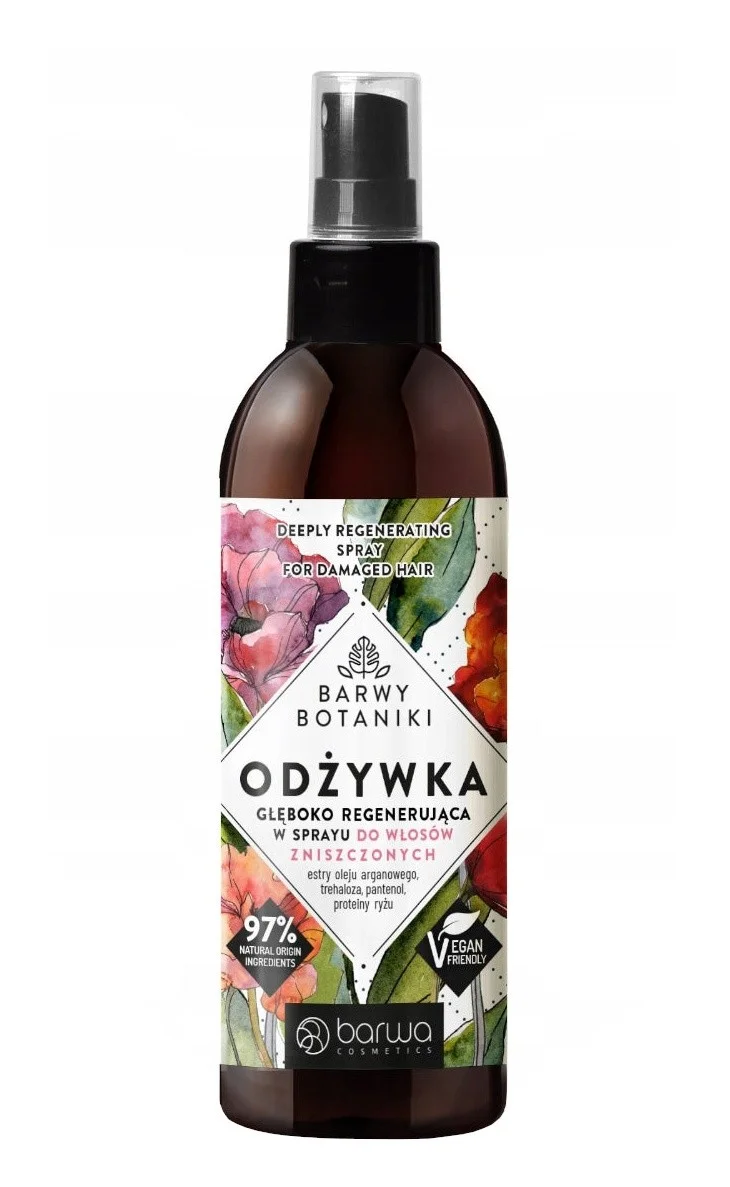
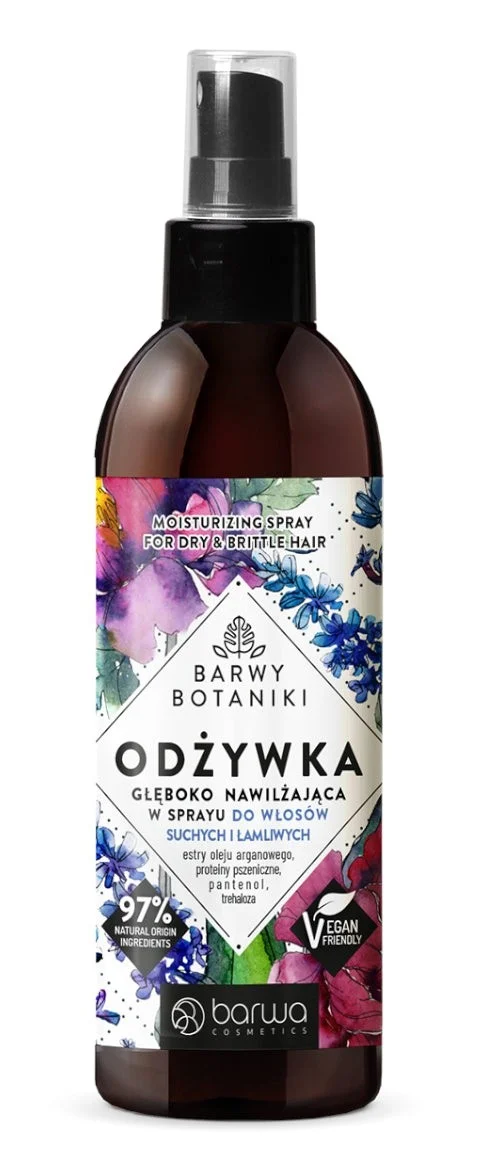
How well does your skin match with BARWA BOTANIC Deeply Regenerating Spray Conditioner?
Login to see detailsOr continue via
Quick 1-minute survey • Completely free
Ingredients
Analysis results of Ingredients


Ingredient List
| EWG | CIR | Ingredient Name & Cosmetic Function | Notes |
|---|---|---|---|
| 1 | - | (Solvent) | |
| 1 | A | (Humectant, Moisturising, Flavoring Agent) | |
| - | - | | |
| - | - | Argan Oil Glycereth-8 Esters | |




BARWA BOTANIC Deeply Regenerating Spray Conditioner - Ingredient Explanation
Aqua
1. Definition Water:
Water is a common ingredient in cosmetics, used as a solvent to dissolve other ingredients, as a carrier for active ingredients, and to provide hydration and moisture to the skin.2. Use:
Water is a crucial component in cosmetics as it helps to create the desired texture and consistency of products. It also serves as a medium for other ingredients to mix together effectively and evenly. Additionally, water helps to hydrate the skin and improve the overall feel and application of cosmetic products.3. Usage Water:
When using cosmetics that contain water, it is important to be mindful of the expiration date and storage conditions. Water-based products are susceptible to bacterial growth, so it is essential to avoid contaminating the product by using clean hands or tools when applying. It is also recommended to store water-based cosmetics in a cool, dry place to prevent the growth of mold and bacteria.4. References:
- Draelos, Z. D. (2010). Cosmetic dermatology: products and procedures. John Wiley & Sons.
- Winter, R. (2009). A consumer's dictionary of cosmetic ingredients: complete information about the harmful and desirable ingredients found in cosmetics and cosmeceuticals. Crown.
- Begoun, P. (2003). Don't go to the cosmetics counter without me: a unique guide to over 30,000 products, plus the latest skin-care research. Beginning Press.
Trehalose
1. Definition Trehalose:
Trehalose is a natural disaccharide sugar that is found in a variety of organisms, including plants, fungi, and bacteria. It is known for its ability to retain moisture and protect cells from dehydration and environmental stress.2. Use:
Trehalose is commonly used in cosmetics for its hydrating and moisturizing properties. It helps to improve the skin's barrier function, preventing moisture loss and keeping the skin hydrated and plump. Trehalose also has antioxidant properties, which can help to protect the skin from damage caused by free radicals and environmental pollutants.3. Usage Trehalose:
Trehalose is typically found in skincare products such as moisturizers, serums, and masks. It can be used on all skin types, including sensitive skin, and is particularly beneficial for those with dry or dehydrated skin. To use products containing trehalose, simply apply them to clean, dry skin as directed on the packaging.4. References:
- Yoon, H. S., Cho, H. H., Kim, M. H., & Lee, S. R. (2019). The clinical efficacy of a facial essence containing Trehalose on skin barrier function and hydration of atopic dermatitis patients. Annals of Dermatology, 31(2), 206-211.
- Chen, L., Zhang, Z., Chen, W., & Zhang, Z. (2018). Trehalose, sucrose and raffinose are novel activators of autophagy in human keratinocytes through an mTOR-independent pathway. Scientific Reports, 8(1), 1-11.
- Kim, J. H., Baek, S. H., Lee, H. J., & Kim, M. R. (2015). Trehalose prevents adipocyte hypertrophy and mitigates insulin resistance. Nutrition Research and Practice, 9(3), 249-256.
Oryza Sativa Seed Protein
1. Definition Oryza Sativa (Rice) Seed Protein:
Oryza Sativa (Rice) Seed Protein is a protein derived from rice seeds that is commonly used in cosmetics for its nourishing and moisturizing properties. It is rich in amino acids and vitamins, making it a popular ingredient in skincare products.2. Use:
Oryza Sativa (Rice) Seed Protein is used in cosmetics to help improve the overall health and appearance of the skin. It is known for its ability to hydrate and nourish the skin, making it an ideal ingredient for moisturizers, serums, and masks. Additionally, it can help to improve the skin's elasticity and firmness, making it a valuable addition to anti-aging products.3. Usage Oryza Sativa (Rice) Seed Protein:
When using products containing Oryza Sativa (Rice) Seed Protein, it is important to follow the instructions provided by the manufacturer. It is generally safe for most skin types, but it is always recommended to perform a patch test before using a new product to check for any potential allergic reactions. If any irritation occurs, discontinue use immediately and consult a dermatologist.4. References:
- Kim, J. Y., Kim, M. S., & Kim, J. (2016). Rice (Oryza sativa L.) extract modulates the UVB-induced expression of matrix metalloproteinases and procollagen in human dermal fibroblasts. Journal of Photochemistry and Photobiology B: Biology, 162, 489-495.
- Kim, D. H., Kim, J. Y., & Kim, M. S. (2017). Rice (Oryza sativa) extract modulates the production of pro-inflammatory mediators in activated microglia. Journal of Functional Foods, 34, 69-75.
- Lee, S. H., Lee, J. H., & Lee, I. S. (2010). Rice (Oryza sativa L.) bran extract inhibits the migration and invasion of human breast cancer cells via suppression of MMP-2 and MMP-9. International Journal of Molecular Medicine, 25(6), 971-976.
Argan Oil Glycereth-8 Esters
Ingredient data is being updated. Please check back later.
Review
Didn't find
the information you need?




Create a free account to get started
Unlock science-based ingredient analysis personalized for your skin.
Already have an account? Log in
We protect your privacy. We never send spam.