


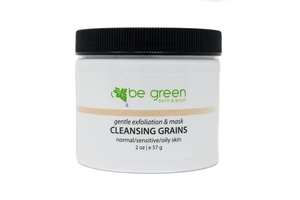
Analysis locked
How well does your skin match with Be Green Bath & Body Cleansing Grains?
Login to see detailsOr continue via
Quick 1-minute survey • Completely free
Ingredients
Analysis results of Ingredients


Ingredient List
| EWG | CIR | Ingredient Name & Cosmetic Function | Notes |
|---|---|---|---|
| 1 | A | (Skin Protecting, Opacifying, Abrasive, Absorbent, Bulking Agent, Anticaking Agent, Slip Modifier) |  |
| 1 | - | (Viscosity Controlling, Viscosity Increasing Agent, Abrasive, Absorbent, Bulking Agent) |  |
| 1 | - | (Masking, Fragrance) | |
| 1 | - | |
Be Green Bath & Body Cleansing Grains - Ingredient Explanation
Kaolin
1. Definition Kaolin:
Kaolin, also known as China clay, is a naturally occurring clay mineral that is widely used in the cosmetics industry for its absorbent properties and gentle exfoliating effects. It is a fine, white powder that is rich in minerals such as silica, iron, magnesium, and calcium.2. Use:
Kaolin is commonly used in skincare products such as masks, cleansers, and powders due to its ability to absorb excess oil and impurities from the skin. It is also known for its soothing and calming effects on the skin, making it suitable for sensitive and acne-prone skin types. Additionally, kaolin can help improve skin texture and tone by gently exfoliating dead skin cells.3. Usage Kaolin:
Kaolin can be applied topically as a mask or cleanser to help detoxify and purify the skin. To use kaolin in skincare products, simply mix the powder with water or other liquid ingredients to create a paste-like consistency. Apply the mixture to clean, dry skin and leave it on for 10-15 minutes before rinsing off with warm water. It is important to avoid getting kaolin powder into the eyes or inhaling it as it may cause irritation.4. References:
- Dweck, A. C. (2012). Formulating with kaolin. Personal Care Magazine, 9(3), 25-28.
- Williams, L. B., & Haydel, S. E. (2010). Evaluation of the medicinal use of clay minerals as antibacterial agents. International Geology Review, 52(7/8), 745-770.
- Lin, Y. C., & Lin, J. H. (2008). Kaolin and its industrial uses. Journal of the Chinese Ceramic Society, 36(6), 805-811.
Avena Sativa (Oat) Kernel Flour
1. Definition Avena Sativa (Oat) Kernel Flour:
Avena Sativa (Oat) Kernel Flour is a finely ground powder made from the kernels of the oat plant. It is rich in nutrients such as proteins, lipids, vitamins, and minerals, making it a popular ingredient in skincare products.2. Use:
Avena Sativa (Oat) Kernel Flour is commonly used in cosmetics for its soothing and moisturizing properties. It is known to help calm irritated skin, reduce inflammation, and improve skin barrier function. Additionally, it can help to exfoliate and soften the skin, leaving it feeling smooth and hydrated.3. Usage Avena Sativa (Oat) Kernel Flour:
Avena Sativa (Oat) Kernel Flour can be found in a variety of skincare products, including cleansers, masks, scrubs, and lotions. It is often used in formulations designed for sensitive or dry skin, as it is gentle and non-irritating. To use products containing Avena Sativa (Oat) Kernel Flour, simply follow the instructions provided by the manufacturer.4. References:
- Bae, J. Y., & Park, S. N. (2012). Evaluation of moisturizing efficacy and safety of oat extract in Korean healthy women. Journal of Cosmetic Dermatology, 11(1), 39-45.
- Sur, R., & Nigam, A. (2011). Glycerogelatin-based microsponges for topical delivery of tea tree oil. Journal of Microencapsulation, 28(6), 560-568.
- Reynertson, K. A., Garay, M., Nebus, J., Chon, S., Kaur, S., Mahmood, K., ... & Southall, M. D. (2015). Anti-inflammatory activities of colloidal oatmeal (Avena sativa) contribute to the effectiveness of oats in treatment of itch associated with dry, irritated skin. Journal of Drugs in Dermatology, 14(1), 43-48.
Lavandula Angustifolia (Lavender) Flower Powder
1. Definition Lavandula Angustifolia (Lavender) Flower Powder:
Lavandula Angustifolia (Lavender) Flower Powder is a finely ground powder made from the dried flowers of the Lavandula Angustifolia plant, commonly known as lavender. Lavender is a fragrant herb that is widely used in cosmetics and skincare products for its soothing and calming properties.2. Use:
Lavender Flower Powder is commonly used in cosmetics for its aromatic and therapeutic benefits. It is known for its calming and relaxing properties, making it a popular ingredient in products designed to promote relaxation and stress relief. Lavender Flower Powder is often used in bath salts, body scrubs, lotions, and soaps to provide a soothing and aromatic experience.3. Usage Lavandula Angustifolia (Lavender) Flower Powder:
When using Lavender Flower Powder in cosmetics, it is important to be aware of any potential allergies or sensitivities to lavender. It is recommended to perform a patch test before using products containing Lavender Flower Powder to ensure that it does not cause any adverse reactions. Additionally, it is important to follow the recommended usage guidelines provided by the manufacturer to avoid any potential skin irritation or sensitization.4. References:
- Ali, B., Al-Wabel, N. A., Shams, S., Ahamad, A., Khan, S. A., & Anwar, F. (2015). Essential oils used in aromatherapy: A systemic review. Asian Pacific Journal of Tropical Biomedicine, 5(8), 601-611.
- Cavanagh, H. M. A., & Wilkinson, J. M. (2002). Biological activities of lavender essential oil. Phytotherapy Research, 16(4), 301-308.
- Koulivand, P. H., Khaleghi Ghadiri, M., & Gorji, A. (2013). Lavender and the nervous system. Evidence-Based Complementary and Alternative Medicine, 2013, 681304.
Rosa Centifolia (Cabbage Rose)
1. Definition Rosa Centifolia (Cabbage Rose):
Rosa Centifolia, also known as Cabbage Rose, is a species of rose native to southern and central Europe. It is characterized by its large, fragrant pink flowers and has been cultivated for centuries for its ornamental beauty and aromatic properties.2. Use:
Rosa Centifolia is commonly used in cosmetics for its soothing and hydrating properties. Its natural oils and extracts are known to help calm and nourish the skin, making it a popular ingredient in skincare products such as moisturizers, toners, and serums. The delicate scent of the Cabbage Rose also adds a luxurious touch to perfumes and body care products.3. Usage Rosa Centifolia (Cabbage Rose):
When using products containing Rosa Centifolia, it is important to be aware of any potential allergies or sensitivities to roses. Patch testing is recommended before applying products to the face or body, especially for individuals with sensitive skin. Additionally, it is advised to follow the instructions provided on the product packaging for best results and to avoid overuse, as excessive application may cause irritation.4. References:
- Chevallier, Andrew. Encyclopedia of Herbal Medicine. DK Publishing, 2016.
- Balick, Michael J., and Paul Alan Cox. Plants, People, and Culture: The Science of Ethnobotany. Scientific American Library, 1996.
- Grieve, Maud. A Modern Herbal. Dover Publications, 1971.
Review
Didn't find
the information you need?







Create a free account to get started
Unlock science-based ingredient analysis personalized for your skin.
Already have an account? Log in
We protect your privacy. We never send spam.