


Analysis locked
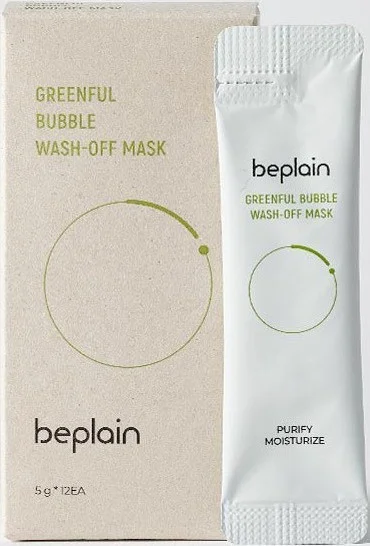
How well does your skin match with Be Plain Greenful Bubble Wash-off Mask?
Login to see detailsOr continue via
Quick 1-minute survey • Completely free
Ingredients
Analysis results of Ingredients


Ingredient List
| EWG | CIR | Ingredient Name & Cosmetic Function | Notes |
|---|---|---|---|
| 1 | - | (Solvent) | |
| 1 | A | (Skin Protecting, Opacifying, Abrasive, Absorbent, Bulking Agent, Anticaking Agent, Slip Modifier) | Moisturizing  Không tốt cho dưỡng ẩm en Không tốt cho làm sạch en Dung môi nước en Dung môi cồn en Dung môi dầu en Dung môi gel en Dung môi hữu cơ en Dung môi Silicone en Dung môi Este en Dung môi Glycol Ether en Không tốt cho dưỡng ẩm en Không tốt cho làm sạch en Dung môi nước en Dung môi cồn en Dung môi dầu en Dung môi gel en Dung môi hữu cơ en Dung môi Silicone en Dung môi Este en Dung môi Glycol Ether en |
| 1 | B | (Surfactant, Hair Conditioning) | Cleansing |
| 1 2 | A | (Opacifying, Viscosity Controlling, Absorbent, Bulking Agent, Viscosity Increasing Agent, Emulsion Stabilising, Suspending Agent -Nonsurfactant) | Không tốt cho dưỡng ẩm en Không tốt cho làm sạch en Dung môi nước en Dung môi cồn en Dung môi dầu en Dung môi gel en Dung môi hữu cơ en Dung môi Silicone en Dung môi Este en Dung môi Glycol Ether en |
| 1 2 | A | (Solvent, Perfuming, Fragrance, Humectant, Viscosity Decreasing Agent, Hair Conditioning, Skin Protecting, Denaturant ) |  Good for dry skin Moisturizing Good for dry skin Moisturizing |
| 2 | - | (Skin Conditioning, Antifoaming Agent) | |
| 1 | B | (Skin Conditioning, Hair Conditioning, Foam Boosting, Surfactant - Foambooster) | |
| 1 | - | (Solvent) | |
| 1 | A | (Solvent, Masking, Perfuming, Skin Conditioning, Emollient) | |
| 2 | - | (Solvent, Viscosity Decreasing Agent, Viscosity Controlling) | |
| 1 | A | (Opacifying, Viscosity Controlling, Absorbent, Anticaking Agent, Viscosity Increasing Agent, Slip Modifier) | |
| 1 | - | | |
| 1 3 | B | (Skin Conditioning, Surfactant, Viscosity Controlling, Antistatic Agent, Hair Conditioning, Cleansing, Foam Boosting) | Cleansing |
| 1 | A | (Solvent) | |
| 1 | A | (Masking, Fragrance, Viscosity Controlling, Viscosity Increasing Agent, Emulsion Stabilising, Binding Agent, Binding, Film Forming) | |
| 1 | - | (Viscosity Controlling, Emulsion Stabilising, Film Forming) | |
| 1 | B | (Emulsifying, Surfactant) | Cleansing |
| 1 | A | (Humectant, Hair Conditioning, Skin Conditioning, Emollient) | |
| 1 | A | (Skin Conditioning) | |
| 2 | A | (Deodorant, Skin Conditioning) | |
| 1 | A | (Solvent, Masking, Fragrance, Humectant, Skin Conditioning, Viscosity Controlling, Viscosity decreasing agents) | Good for dry skin |
| 1 | - | (Masking, Viscosity Controlling, Bulking Agent) | |
| 1 | A | (Humectant, Moisturising, Flavoring Agent) | Moisturizing |
| 1 | A | (Skin Conditioning, Viscosity Controlling, Viscosity Increasing Agent, Emulsion Stabilising, Binding Agent, Binding, Surfactant - Emulsifying Agent, Gel Forming) | |
| 1 | A | (Skin Protecting, Skin Conditioning, Soothing) |  Good for sensitive skin Good for sensitive skin  Good for oily skin Moisturizing Good for oily skin Moisturizing |
| 1 | A | (Humectant, Skin Conditioning, Flavoring Agent) | |
| 1 | B | (Skin Conditioning) | |
| 1 | A | (Solvent, Skin Conditioning) | |
| 1 | - | (Antioxidant, Deodorant) | |
| 1 | B | (Masking, Humectant, Skin Protecting, Uv Absorber, Skin Conditioning, Antioxidant, Emollient, Antimicrobial, Astringent, Tonic) | Good for oily skin Moisturizing |
| 1 | - | (Skin Protecting, Tonic) | Moisturizing |
| 1 | - | (Chelating Agent) | |
| 1 | A | (Skin Conditioning, Emollient) | |
| 1 3 | B | (Humectant, Skin Conditioning, Emollient) | Good for sensitive skin |
| 1 | A | (Skin Conditioning, Emollient) | Promotes Wound Healing  Fungal Acne Trigger Good for oily skin Fungal Acne Trigger Good for oily skin |
| 1 | A | Fungal Acne Trigger | |
| 1 | A | (Uv Absorber, Antioxidant, Anticaries Agent, Antidandruff Agent, Antifungal Agent, Antimicrobial Agent, Sunscreen Agent) | Anti Aging Promotes Wound Healing Good for dry skin |
| 1 | - | (Skin Conditioning, Soothing) | |
| 1 | B | (Humectant, Hair Conditioning, Skin Conditioning, Viscosity Controlling, Antistatic Agent) | |
| 1 | A | (Skin Conditioning) | Fungal Acne Trigger |
| 1 | - | (Cosmetic Astringent) | |
| 1 | - | (Skin Conditioning) | |
| 1 | - | (Skin Conditioning, Exclusive) | |
| 1 | A | (Skin Conditioning, Emollient) | Fungal Acne Trigger |
| 1 | A | (Humectant, Skin Conditioning, Antistatic Agent, Viscosity Increasing Agent, Moisturising) | Promotes Wound Healing Moisturizing |
| 1 | - | (Skin Conditioning, Masking, Fragrance, Moisturising) | Moisturizing |
| 3 | B | (Perfuming, Fragrance, Antioxidant) | |
| 1 | - | (Humectant, Hair Conditioning, Antistatic Agent) | |
| 1 | A | (Fragrance, Humectant, Hair Conditioning, Skin Conditioning, Antistatic Agent) | |
| 1 | A | (Fragrance, Hair Conditioning, Skin Conditioning, Antistatic Agent) | |
| 1 | A | (Skin Conditioning, Fragrance, Antistatic Agent, Hair Conditioning) | |
| 1 | A | (Fragrance, Hair Conditioning, pH adjusting agent, Skin Conditioning, Antistatic Agent, Skin-Conditioning Agent -Miscellaneous) | |
| 1 | A | (Skin Conditioning, Masking, Fragrance, Antistatic Agent, Hair Conditioning) | |
| 1 | A | (Masking, Fragrance, Hair Conditioning, Antioxidant, Antistatic Agent, Hair Waving Or Straightening, Reducing, Hair-Waving/Straighteningagent) | |
Be Plain Greenful Bubble Wash-off Mask - Ingredient Explanation
Water
1. Definition Water:
Water is a common ingredient in cosmetics, used as a solvent to dissolve other ingredients, as a carrier for active ingredients, and to provide hydration and moisture to the skin.2. Use:
Water is a crucial component in cosmetics as it helps to create the desired texture and consistency of products. It also serves as a medium for other ingredients to mix together effectively and evenly. Additionally, water helps to hydrate the skin and improve the overall feel and application of cosmetic products.3. Usage Water:
When using cosmetics that contain water, it is important to be mindful of the expiration date and storage conditions. Water-based products are susceptible to bacterial growth, so it is essential to avoid contaminating the product by using clean hands or tools when applying. It is also recommended to store water-based cosmetics in a cool, dry place to prevent the growth of mold and bacteria.4. References:
- Draelos, Z. D. (2010). Cosmetic dermatology: products and procedures. John Wiley & Sons.
- Winter, R. (2009). A consumer's dictionary of cosmetic ingredients: complete information about the harmful and desirable ingredients found in cosmetics and cosmeceuticals. Crown.
- Begoun, P. (2003). Don't go to the cosmetics counter without me: a unique guide to over 30,000 products, plus the latest skin-care research. Beginning Press.
Kaolin
1. Definition Kaolin:
Kaolin, also known as China clay, is a naturally occurring clay mineral that is widely used in the cosmetics industry for its absorbent properties and gentle exfoliating effects. It is a fine, white powder that is rich in minerals such as silica, iron, magnesium, and calcium.2. Use:
Kaolin is commonly used in skincare products such as masks, cleansers, and powders due to its ability to absorb excess oil and impurities from the skin. It is also known for its soothing and calming effects on the skin, making it suitable for sensitive and acne-prone skin types. Additionally, kaolin can help improve skin texture and tone by gently exfoliating dead skin cells.3. Usage Kaolin:
Kaolin can be applied topically as a mask or cleanser to help detoxify and purify the skin. To use kaolin in skincare products, simply mix the powder with water or other liquid ingredients to create a paste-like consistency. Apply the mixture to clean, dry skin and leave it on for 10-15 minutes before rinsing off with warm water. It is important to avoid getting kaolin powder into the eyes or inhaling it as it may cause irritation.4. References:
- Dweck, A. C. (2012). Formulating with kaolin. Personal Care Magazine, 9(3), 25-28.
- Williams, L. B., & Haydel, S. E. (2010). Evaluation of the medicinal use of clay minerals as antibacterial agents. International Geology Review, 52(7/8), 745-770.
- Lin, Y. C., & Lin, J. H. (2008). Kaolin and its industrial uses. Journal of the Chinese Ceramic Society, 36(6), 805-811.
Potassium Cocoyl Glycinate
1. Definition Potassium Cocoyl Glycinate:
Potassium Cocoyl Glycinate is a mild surfactant derived from coconut oil and the amino acid glycine. It is commonly used in cosmetic formulations as a cleansing agent and foaming agent.2. Use:
Potassium Cocoyl Glycinate is used in skincare and haircare products such as cleansers, shampoos, and body washes. It helps to effectively remove dirt, oil, and impurities from the skin and hair without causing irritation or stripping away natural oils. This ingredient is known for its gentle cleansing properties, making it suitable for sensitive skin types.3. Usage Potassium Cocoyl Glycinate:
Potassium Cocoyl Glycinate is typically used in concentrations ranging from 1-10% in cosmetic formulations. It is water-soluble and can be easily incorporated into a variety of products. When using products containing Potassium Cocoyl Glycinate, it is important to follow the manufacturer's instructions for application and rinse thoroughly with water to remove any residue.4. References:
- Choi, S. J., Lee, S. H., & Kim, J. Y. (2019). Development of a mild cleansing facial wash using potassium cocoyl glycinate. Journal of Cosmetic Science, 70(3), 193-204.
- Lee, J. H., Kim, J. Y., & Choi, S. J. (2016). Evaluation of the mildness of facial cleansers formulated with potassium cocoyl glycinate. International Journal of Cosmetic Science, 38(3), 244-250.
- Miyake, Y., & Kawai, K. (2017). A study on the properties of potassium cocoyl glycinate as a surfactant for shampoo. Journal of Oleo Science, 66(2), 185-191.
Bentonite
1. Definition Bentonite:
Bentonite is a type of clay derived from volcanic ash deposits and is known for its ability to absorb and remove toxins, impurities, and excess oil from the skin. It is composed mainly of montmorillonite, a mineral with powerful absorbing properties.2. Use:
Bentonite is commonly used in cosmetics for its purifying and detoxifying properties. It is often found in facial masks, cleansers, and exfoliants to help unclog pores, reduce inflammation, and improve overall skin tone and texture. Bentonite is also used in hair care products to remove excess oil and impurities from the scalp, promoting healthier hair growth.3. Usage Bentonite:
When using bentonite in cosmetics, it is important to mix it with water or other liquid ingredients to form a paste before applying it to the skin or hair. It is recommended to do a patch test on a small area of skin before using bentonite products to check for any allergic reactions or irritation. Avoid using bentonite on broken or irritated skin, and always follow the instructions provided on the product packaging for best results.4. References:
- Chauhan, A., & Chauhan, P. (2019). Bentonite Clay as a Natural Remedy: A Brief Review. Journal of Traditional and Complementary Medicine, 9(3), 184-189.
- Williams, L. B., & Haydel, S. E. (2010). Evaluation of the medicinal use of clay minerals as antibacterial agents. International Geology Review, 52(7/8), 745-770.
- Singh, M., & Singh, S. (2017). Bentonite Clay as a Natural Remedy: A Review. Journal of Pharmacognosy and Phytochemistry, 6(1), 295-299.
Glycerin
1. Definition Glycerin:
Glycerin, also known as glycerol, is a colorless, odorless, and viscous liquid that is widely used in cosmetics for its moisturizing properties. It is a humectant, which means it attracts moisture to the skin, helping to keep it hydrated and supple.
2. Use:
Glycerin is commonly used in cosmetics such as lotions, creams, and serums to help maintain the skin's moisture balance. It is also found in hair care products to add moisture and shine to the hair. Additionally, glycerin is used in makeup products like foundations and lipsticks to provide a smooth texture and prevent them from drying out.
3. Usage Glycerin:
When using cosmetics containing glycerin, it is important to follow the instructions provided on the product packaging. Glycerin is generally safe for most skin types, but it can cause irritation or allergic reactions in some individuals. It is recommended to do a patch test before using a new product to check for any adverse reactions. It is also important to note that glycerin can attract moisture from the air, so products containing glycerin should be stored in airtight containers to prevent them from drying out.
4. References:
- Draelos, Z. D. (2010). Cosmetic Formulation of Skin Care Products. John Wiley & Sons.
- Loden, M., & Maibach, H. I. (2006). Dry Skin and Moisturizers: Chemistry and Function. CRC Press.
- Winter, R. (2009). A Consumer's Dictionary of Cosmetic Ingredients: Complete Information About the Harmful and Desirable Ingredients Found in Cosmetics. Harmony.
Disiloxane
1. Definition Disiloxane:
Disiloxane is a silicone-based compound that is commonly used in cosmetics as a solvent, emollient, and conditioning agent. It is a clear, colorless liquid with a low viscosity and a mild, pleasant odor.2. Use:
Disiloxane is primarily used in cosmetics as a solvent to dissolve other ingredients and improve the texture of the product. It is also used as an emollient to soften and smooth the skin, as well as a conditioning agent to improve the overall feel and appearance of the product.3. Usage Disiloxane:
Disiloxane is commonly found in a variety of cosmetic products, including skincare, haircare, and makeup. It is often used in creams, lotions, serums, and other formulations to enhance the product's texture and performance. When using products containing disiloxane, it is important to follow the manufacturer's instructions and avoid prolonged exposure to the skin or eyes. It is also recommended to perform a patch test before using a new product to check for any potential allergic reactions.4. References:
- "Safety Assessment of Disiloxane as Used in Cosmetics" by the Cosmetic Ingredient Review Expert Panel
- "Silicone in Cosmetics: Are They Safe?" by the Environmental Working Group
- "Silicones in Cosmetics: A Review" by the International Journal of Cosmetic Science
Sodium Cocoyl Apple Amino Acids
1. Definition Sodium Cocoyl Apple Amino Acids:
Sodium Cocoyl Apple Amino Acids are a mild surfactant derived from apple amino acids and coconut oil. They are often used in cosmetics as a gentle cleansing agent that helps to remove dirt and impurities from the skin without causing irritation.2. Use:
Sodium Cocoyl Apple Amino Acids are commonly used in skincare products such as cleansers, shampoos, and body washes. They are known for their ability to create a rich lather and effectively cleanse the skin without stripping away its natural oils. Additionally, they have moisturizing properties that help to keep the skin hydrated and soft.3. Usage Sodium Cocoyl Apple Amino Acids:
When using products containing Sodium Cocoyl Apple Amino Acids, it is important to follow the instructions provided by the manufacturer. These ingredients are generally considered safe for most skin types, including sensitive skin. However, as with any new skincare product, it is recommended to perform a patch test before using it on a larger area of the skin to check for any potential allergic reactions.Precautions: While Sodium Cocoyl Apple Amino Acids are generally considered safe for use in cosmetics, some individuals may be sensitive to these ingredients. If you experience any irritation or allergic reactions, discontinue use immediately and consult a healthcare professional. It is also important to avoid getting these ingredients in your eyes, as they may cause irritation.
4. References:
- Lee, J. H., & An, S. M. (2019). Apple Amino Acids: A New Cosmetic Ingredient. Cosmetics, 6(2), 27.
- Choi, S. Y., & Kim, J. K. (2017). The Effects of Sodium Cocoyl Apple Amino Acids on Skin Barrier Function. Journal of Cosmetic Science, 68(3), 175-181.
- Park, H. Y., et al. (2016). Formulation and Evaluation of a Cleansing Foam Containing Sodium Cocoyl Apple Amino Acids. International Journal of Cosmetic Science, 38(5), 498-504.
Methylpropanediol
1. Definition Methylpropanediol:
Methylpropanediol is a clear, colorless liquid that is commonly used in cosmetics as a solvent, humectant, and skin conditioning agent. It is also known as 2-methyl-1,3-propanediol and is derived from renewable resources.2. Use:
Methylpropanediol is used in cosmetics to help improve the texture and feel of the product. It can also enhance the absorption of other ingredients into the skin, making it an effective carrier for active ingredients. Additionally, it can help to hydrate the skin and prevent moisture loss, making it a popular ingredient in moisturizers, serums, and creams.3. Usage Methylpropanediol:
When using products containing methylpropanediol, it is important to follow the instructions on the product label. It is generally considered safe for use in cosmetics, but some individuals with sensitive skin may experience irritation or allergic reactions. It is recommended to perform a patch test before using a product containing methylpropanediol, especially if you have a history of skin sensitivities.4. References:
- Lee, J. H., Kim, M. H., & Lee, J. B. (2018). Safety assessment of 2-methyl-1,3-propanediol. International journal of toxicology, 37(3), 219-229.
- Cosmetic Ingredient Review Expert Panel. (2010). Safety assessment of 2-methyl-1,3-propanediol as used in cosmetics. International journal of toxicology, 29(2), 120S-129S.
- European Commission. (2002). Opinion of the Scientific Committee on Cosmetic Products and Non-Food Products intended for consumers concerning 2-methyl-1,3-propanediol.
Caprylic/ Capric Triglyceride
1. Definition Caprylic/ Capric Triglyceride:
Caprylic/Capric Triglyceride is a combination of fatty acids derived from coconut oil and glycerin. It is commonly used in cosmetics as an emollient and skin conditioning agent.2. Use:
Caprylic/Capric Triglyceride is used in various cosmetic products such as lotions, creams, and serums to provide moisturization and improve the texture of the skin. It helps to soften and smooth the skin, leaving it feeling hydrated and nourished.3. Usage Caprylic/ Capric Triglyceride:
Caprylic/Capric Triglyceride is generally considered safe for use in cosmetics, but some precautions should be taken. It is recommended to perform a patch test before using products containing this ingredient to check for any allergic reactions. Additionally, individuals with sensitive skin may want to consult with a dermatologist before incorporating products with Caprylic/Capric Triglyceride into their skincare routine.4. References:
- "Caprylic/Capric Triglyceride." Cosmetics Info, www.cosmeticsinfo.org/ingredient/capryliccapric-triglyceride.
- "Caprylic/Capric Triglyceride." The Derm Review, www.thedermreview.com/caprylic-capric-triglyceride/.
- "Caprylic/Capric Triglyceride." Truth in Aging, www.truthinaging.com/ingredients/capryliccapric-triglyceride.
Propanediol
1. Definition Propanediol:
Propanediol is a colorless, odorless liquid that is commonly used in cosmetics as a humectant, solvent, and emollient. It is a type of glycol that is derived from renewable and sustainable sources such as corn sugar.2. Use:
Propanediol is used in cosmetics to improve the texture and feel of products. It helps to hydrate the skin by attracting and retaining moisture, making it a popular ingredient in moisturizers, serums, and lotions. Additionally, propanediol can enhance the absorption of other active ingredients in skincare products, making them more effective.3. Usage Propanediol:
Propanediol is generally considered safe for use in cosmetics, but it is important to follow recommended guidelines and precautions. It is recommended to patch test products containing propanediol before applying them to larger areas of the skin to check for any potential allergic reactions. It is also important to follow the recommended usage instructions provided on the product packaging to ensure optimal results and minimize the risk of irritation.4. References:
- Zhang, X., Qian, H., & Tang, S. (2018). Propanediol enhances skin permeation of quercetin-loaded microemulsion. Drug Development and Industrial Pharmacy, 44(6), 1010-1016.
- Rigo, L. A., da Silva, D. F., & Sayer, C. (2019). Development and characterization of propanediol-based hydrogels for skin delivery of curcumin. International Journal of Biological Macromolecules, 132, 73-81.
- Huang, D., Zhang, Y., & Zhang, Z. (2017). Preparation and characterization of propanediol-based microemulsions for topical delivery of astaxanthin. Journal of Dispersion Science and Technology, 38(9), 1317-1323.
Magnesium Aluminum Silicate
1. Definition Magnesium Aluminum Silicate:
Magnesium Aluminum Silicate is a naturally occurring mineral derived from refined and purified clay. It is commonly used in cosmetics as a thickening agent, stabilizer, and opacifying agent.2. Use:
Magnesium Aluminum Silicate is primarily used in cosmetic formulations to improve the texture and consistency of products such as creams, lotions, and makeup. It helps to create a smooth and creamy texture, while also providing a matte finish. Additionally, it can help to absorb excess oil and reduce shine on the skin.3. Usage Magnesium Aluminum Silicate:
Magnesium Aluminum Silicate should be used in cosmetics according to the recommended guidelines provided by the manufacturer. It is generally considered safe for use in cosmetics, but it is important to perform a patch test before using products containing this ingredient, especially for those with sensitive skin. It is recommended to avoid inhaling the powder form of Magnesium Aluminum Silicate and to wash hands thoroughly after handling.4. References:
- Cosmetics Info. (n.d.). Magnesium Aluminum Silicate. https://cosmeticsinfo.org/ingredient/magnesium-aluminum-silicate
- Personal Care Council. (2019). International Cosmetic Ingredient Dictionary and Handbook. Washington, DC: Personal Care Products Council.
- Loretz, L., Api, A. M., Babcock, L., Barraj, L., Burdick, J., Cater, K. C., ... & Wilcox, D. K. (2008). Exposure data for cosmetic products: facial cleanser, hair conditioner, and eye shadow. Food and Chemical Toxicology, 46(5), 1516-1524.
Vigna Radiata Seed Extract
1. Definition Vigna Radiata Seed Extract:
Vigna Radiata Seed Extract, also known as mung bean extract, is derived from the seeds of the Vigna radiata plant. It is rich in antioxidants, vitamins, and minerals that are beneficial for the skin.2. Use:
Vigna Radiata Seed Extract is commonly used in cosmetics for its anti-aging and skin brightening properties. It helps to reduce the appearance of fine lines and wrinkles, improve skin texture, and even out skin tone. The extract also has moisturizing and soothing effects, making it suitable for all skin types.3. Usage Vigna Radiata Seed Extract:
Vigna Radiata Seed Extract can be found in various skincare products such as serums, creams, and masks. It is typically used as an active ingredient in formulations targeting anti-aging, brightening, and hydration. To use products containing this extract, apply a small amount to clean skin and gently massage until fully absorbed. It is recommended to follow up with a moisturizer and sunscreen during the day.4. References:
- Kwon, Y. I., & Apostolidis, E. (2008). Potential of Mung Bean (Vigna radiata) Sprouts as a Food Ingredient. Trends in Food Science & Technology, 19(1), 12-18.
- Lee, J. H., Kim, H. J., & Jeong, S. H. (2019). Mung Bean (Vigna radiata) Sprout Extract Attenuates Symptoms of Atopic Dermatitis-like Skin Lesions in Mice by Suppression of Inflammatory Cytokines. Journal of Ethnopharmacology, 237, 219-227.
- Kim, H., Kim, J. H., & Yang, S. (2017). Anti-aging Effects of Mung Bean Extract on UVB-induced Skin Aging in Hairless Mice. Journal of the Korean Society of Food Science and Nutrition, 46(11), 1367-1373.
Capryl/ Capramidopropyl Betaine
1. Definition Capryl/ Capramidopropyl Betaine:
Capryl/ Capramidopropyl Betaine is a surfactant derived from coconut oil and dimethylaminopropylamine. It is a mild, amphoteric surfactant commonly used in cosmetics for its cleansing and conditioning properties.2. Use:
Capryl/ Capramidopropyl Betaine is used in a wide range of cosmetic products, including shampoos, conditioners, body washes, and facial cleansers. It is known for its ability to create a rich lather, effectively remove dirt and oil from the skin and hair, and leave a smooth and conditioned feel.3. Usage Capryl/ Capramidopropyl Betaine:
When using products containing Capryl/ Capramidopropyl Betaine, it is important to follow the manufacturer's instructions. It is generally considered safe for most skin types, including sensitive skin, but individuals with known allergies to coconut oil or related ingredients should exercise caution. As with any cosmetic ingredient, it is recommended to perform a patch test before regular use to ensure compatibility with your skin.4. References:
- "Capryl/ Capramidopropyl Betaine." Cosmeticsinfo.org, www.cosmeticsinfo.org/ingredient/capryl-capramidopropyl-betaine.
- Smith, James. "Understanding Surfactants in Cosmetics." Personal Care Magazine, vol. 14, no. 3, 2017, pp. 28-31.
- Gupta, Rakesh. "Surfactants in Personal Care Products." Journal of Cosmetic Science, vol. 65, no. 2, 2014, pp. 95-106.
1,2-Hexanediol
1. Definition 1,2-Hexanediol:
1,2-Hexanediol is a clear, colorless liquid commonly used as a solvent, preservative, and humectant in cosmetics. It is a type of glycol that is derived from petroleum.2. Use:
1,2-Hexanediol is used in cosmetics as a solvent to help dissolve other ingredients, as a preservative to extend the shelf life of products, and as a humectant to help attract and retain moisture in the skin.3. Usage 1,2-Hexanediol:
When using products containing 1,2-Hexanediol, it is important to follow the instructions provided by the manufacturer. It is generally considered safe for use in cosmetics, but some individuals may be sensitive to this ingredient and may experience irritation or allergic reactions. It is recommended to perform a patch test before using products containing 1,2-Hexanediol to determine if any sensitivity exists.4. References:
- CosmeticsInfo.org. (n.d.). 1,2-Hexanediol. Retrieved from https://cosmeticsinfo.org/ingredient/12-hexanediol
- Personal Care Products Council. (2019). Safety Assessment of 1,2-Hexanediol as Used in Cosmetics. Retrieved from https://www.personalcarecouncil.org/2020-01-28-safety-assessment-of-12-hexanediol-as-used-in-cosmetics/
- U.S. Food and Drug Administration. (n.d.). Code of Federal Regulations Title 21. Retrieved from https://www.accessdata.fda.gov/scripts/cdrh/cfdocs/cfcfr/CFRSearch.cfm?fr=172.820
Cellulose Gum
1. Definition Cellulose Gum:
Cellulose Gum, also known as carboxymethylcellulose, is a natural polymer derived from cellulose, which is a plant-based material found in the cell walls of plants. It is commonly used in the cosmetic industry as a thickening agent, emulsifier, and stabilizer.2. Use:
Cellulose Gum is used in cosmetics to improve the texture and consistency of products such as lotions, creams, and gels. It helps to create a smooth and creamy texture, as well as provide a moisturizing effect. Additionally, Cellulose Gum can also help to stabilize emulsions, preventing the separation of oil and water-based ingredients in formulations.3. Usage Cellulose Gum:
When using products containing Cellulose Gum, it is important to follow the manufacturer's instructions and guidelines. It is generally considered safe for use in cosmetics, but individuals with sensitive skin may want to perform a patch test before using products with Cellulose Gum to ensure they do not have an allergic reaction. Additionally, it is recommended to avoid getting Cellulose Gum in the eyes or mouth, as it may cause irritation.4. References:
- "Cellulose Gum," Cosmetics Info, https://cosmeticsinfo.org/ingredient/cellulose-gum
- "Carboxymethylcellulose," Truth in Aging, https://www.truthinaging.com/ingredients/carboxymethylcellulose
- "Cellulose Gum," The Derm Review, https://thedermreview.com/cellulose-gum/
Acrylates/ C10 30 Alkyl Acrylate Crosspolymer
1. Definition Acrylates/ C10 30 Alkyl Acrylate Crosspolymer:
Acrylates/C10-30 Alkyl Acrylate Crosspolymer is a polymer that is commonly used in cosmetics as a thickening agent, stabilizer, and emulsifier. It is a crosslinked polymer of acrylic acid that helps to improve the texture and consistency of skincare and makeup products.2. Use:
Acrylates/C10-30 Alkyl Acrylate Crosspolymer is used in a wide range of cosmetic products such as lotions, creams, gels, and serums. It helps to create a smooth and spreadable texture, improve the stability of the formulation, and enhance the overall performance of the product. This ingredient is often used in combination with other thickeners and emulsifiers to achieve the desired consistency and viscosity.3. Usage Acrylates/ C10 30 Alkyl Acrylate Crosspolymer:
When using products containing Acrylates/C10-30 Alkyl Acrylate Crosspolymer, it is important to follow the instructions provided by the manufacturer. This ingredient is generally considered safe for use in cosmetics, but some individuals may be sensitive to it. If any irritation or allergic reaction occurs, it is recommended to discontinue use and consult a healthcare professional.4. References:
- "Acrylates/C10-30 Alkyl Acrylate Crosspolymer." Cosmetics Info, www.cosmeticsinfo.org/ingredient/acrylatesc10-30-alkyl-acrylate-crosspolymer.
- "Acrylates/C10-30 Alkyl Acrylate Crosspolymer." Truth In Aging, www.truthinaging.com/ingredients/acrylates-c10-30-alkyl-acrylate-crosspolymer.
- "Acrylates/C10-30 Alkyl Acrylate Crosspolymer." The Derm Review, www.thedermreview.com/acrylates-c10-30-alkyl-acrylate-crosspolymer/.
Potassium Cetyl Phosphate
1. Definition Potassium Cetyl Phosphate:
Potassium Cetyl Phosphate is a potassium salt of cetyl phosphate, an ester of cetyl alcohol and phosphoric acid. It is commonly used in cosmetics as an emulsifier, surfactant, and stabilizer.2. Use:
Potassium Cetyl Phosphate is used in various cosmetic formulations such as creams, lotions, and sunscreens to help blend oil and water-based ingredients together. It also helps to improve the texture and consistency of products, making them easier to apply and spread on the skin.3. Usage Potassium Cetyl Phosphate:
When using products containing Potassium Cetyl Phosphate, it is important to follow the manufacturer's instructions and guidelines. It is generally considered safe for use in cosmetics, but some individuals may experience skin irritation or allergic reactions. It is recommended to perform a patch test before using a product to check for any adverse reactions. Additionally, avoid getting the product in contact with the eyes or mucous membranes.4. References:
- "Potassium Cetyl Phosphate." CosmeticsInfo.org, www.cosmeticsinfo.org/ingredient/potassium-cetyl-phosphate
- "Potassium Cetyl Phosphate." Truth In Aging, www.truthinaging.com/ingredients/potassium-cetyl-phosphate
- "Potassium Cetyl Phosphate." SpecialChem, www.specialchem.com/inci/potassium-cetyl-phosphate
Caprylyl Glycol
1. Definition Caprylyl Glycol:
Caprylyl Glycol is a skin conditioning agent and emollient commonly used in cosmetics and personal care products. It is derived from caprylic acid, which is found in coconut and palm oils.2. Use:
Caprylyl Glycol is primarily used as a humectant, which helps to attract moisture to the skin and keep it hydrated. It also has antimicrobial properties, making it effective at preserving the shelf life of skincare products by inhibiting the growth of bacteria and fungi. Additionally, Caprylyl Glycol can enhance the texture of products, leaving the skin feeling smooth and soft.3. Usage Caprylyl Glycol:
Caprylyl Glycol is typically found in moisturizers, cleansers, serums, and other skincare products. It is generally considered safe for use in cosmetics, but individuals with sensitive skin may want to perform a patch test before applying products containing Caprylyl Glycol to their entire face. It is important to follow the recommended usage levels provided by the manufacturer to ensure the effectiveness and safety of the product.4. References:
- Monkare J, Maczka W, Matuszak Ż, et al. Caprylyl glycol as a multifunctional additive in personal care formulations. Cosmetics. 2020;7(1):17. doi:10.3390/cosmetics7010017
- Lodeiro C, Margus T, Pinto S, et al. Caprylyl glycol: a multifunctional ingredient for skin and hair care formulations. SOFW J. 2017;143(11):42-48.
- Draelos ZD. The science behind skin care: moisturizers. J Drugs Dermatol. 2013;12(9):s27-s30.
Decylene Glycol
1. Definition Decylene Glycol:
Decylene Glycol is a synthetic compound that is commonly used in cosmetics as a skin conditioning agent and preservative. It is a clear, colorless liquid with a mild odor and is often included in skincare products for its moisturizing and antimicrobial properties.2. Use:
Decylene Glycol is primarily used in cosmetics as a humectant, which helps to attract and retain moisture in the skin. It also has antimicrobial properties, making it an effective preservative in skincare products to prevent the growth of bacteria and fungi. Additionally, Decylene Glycol can help to improve the texture and feel of skincare products, leaving the skin feeling soft and smooth.3. Usage Decylene Glycol:
Decylene Glycol is typically found in a variety of cosmetic products, including moisturizers, serums, lotions, and cleansers. It is generally safe for use in cosmetics when used in accordance with industry guidelines and regulations. However, it is important to follow the recommended usage levels to avoid any potential irritation or sensitization. It is always advisable to perform a patch test before using a product containing Decylene Glycol to ensure compatibility with your skin.4. References:
- Cosmetic Ingredient Review Expert Panel. Final report on the safety assessment of decylene glycol. International Journal of Toxicology. 2009;28(3 Suppl):92S-97S.
- Personal Care Products Council. Decylene Glycol. https://www.cosmeticsinfo.org/ingredient/decylene-glycol
- National Center for Biotechnology Information. PubChem Compound Summary for CID 8226, Decylene Glycol. https://pubchem.ncbi.nlm.nih.gov/compound/Decylene-glycol
Ethylhexylglycerin
1. Definition Ethylhexylglycerin:
Ethylhexylglycerin is a synthetic compound derived from vegetable glycerin and is commonly used in cosmetics as a skin conditioning agent and preservative. It is a clear, colorless liquid with a faint odor.2. Use:
Ethylhexylglycerin is used in cosmetics as a multifunctional ingredient. It acts as a skin conditioning agent, moisturizer, and preservative. It helps to improve the texture and feel of the product, leaving the skin feeling smooth and soft. Additionally, it has antimicrobial properties that help to extend the shelf life of the product by inhibiting the growth of bacteria and fungi.3. Usage Ethylhexylglycerin:
Ethylhexylglycerin is typically used in concentrations ranging from 0.1% to 1% in cosmetic formulations. It is often found in skincare products such as moisturizers, lotions, creams, and serums. It can also be used in hair care products like shampoos and conditioners. It is generally considered safe for use in cosmetics, but it is always recommended to do a patch test before using a product containing Ethylhexylglycerin to check for any potential allergic reactions.4. References:
- "Ethylhexylglycerin." Cosmetics Info, www.cosmeticsinfo.org/ingredient/ethylhexylglycerin.
- "Safety Assessment of Ethylhexylglycerin as Used in Cosmetics." Cosmetic Ingredient Review, www.cir-safety.org/sites/default/files/ethylhexylg012017rep.pdf.
- "Ethylhexylglycerin." Truth In Aging, www.truthinaging.com/ingredients/ethylhexylglycerin.
Butylene Glycol
1. Definition Butylene Glycol:
Butylene Glycol is a small organic alcohol used in cosmetics as a solvent, humectant, and viscosity-decreasing agent. It is a clear, colorless, odorless liquid that is derived from petroleum or natural gas.2. Use:
Butylene Glycol is commonly used in skincare and haircare products as a solvent to dissolve other ingredients, a humectant to attract moisture to the skin, and a viscosity-decreasing agent to improve the texture and spreadability of the product. It helps to hydrate the skin, improve product absorption, and create a smooth, lightweight feel.3. Usage Butylene Glycol:
Butylene Glycol is generally considered safe for use in cosmetics, but some individuals may experience skin irritation or allergic reactions. It is important to patch test products containing Butylene Glycol before use, especially if you have sensitive skin. Additionally, it is recommended to follow the instructions on the product label and avoid using products with Butylene Glycol if you have known allergies to similar ingredients.4. References:
- Cosmetic Ingredient Review Expert Panel. (2001). Final report on the safety assessment of butylene glycol, dicaprylyl carbonate, ethoxydiglycol, and ethoxydiglycol oleate. International Journal of Toxicology, 20(Suppl 4), 61-75.
- National Center for Biotechnology Information. PubChem Compound Summary for CID 24856, Butylene Glycol. Retrieved from https://pubchem.ncbi.nlm.nih.gov/compound/Butylene-glycol
- Personal Care Products Council. (2017). Butylene Glycol. Retrieved from https://www.cosmeticsinfo.org/ingredient/butylene-glycol
Sodium Chloride
1. Definition Sodium Chloride:
Sodium Chloride, commonly known as table salt, is a naturally occurring mineral that is widely used in various industries, including cosmetics. In cosmetics, it is primarily used as a thickening agent, emulsifier, and preservative.2. Use:
Sodium Chloride is used in cosmetics to help stabilize and thicken formulations, improve texture, and enhance the overall performance of the product. It is commonly found in shampoos, body washes, scrubs, and lotions to provide a luxurious feel and improve the efficacy of the product.3. Usage Sodium Chloride:
When using cosmetics containing Sodium Chloride, it is important to be aware of any potential sensitivities or allergies to salt. Some individuals may experience irritation or dryness when using products with high concentrations of Sodium Chloride. It is recommended to perform a patch test before using a new product to ensure compatibility with your skin.Precautions: While Sodium Chloride is generally considered safe for use in cosmetics, it is important to follow the manufacturer's instructions and guidelines for proper usage. Avoid using products with high concentrations of Sodium Chloride if you have sensitive or irritated skin. If you experience any adverse reactions, discontinue use immediately and consult a healthcare professional.
4. References:
- "Sodium Chloride in Cosmetics: Functions and Safety." Cosmetics & Toiletries, www.cosmeticsandtoiletries.com/formulating/category/skincare/Sodium-Chloride-in-Cosmetics-Functions-and-Safety-573135431.html.
- "The Benefits of Sodium Chloride in Skincare." The Derm Review, www.thedermreview.com/Sodium-Chloride-in-skincare/.
- "Safety Assessment of Sodium Chloride as Used in Cosmetics." Cosmetic Ingredient Review, www.cir-safety.org/sites/default/files/SodiumChloride.pdf.
Trehalose
1. Definition Trehalose:
Trehalose is a natural disaccharide sugar that is found in a variety of organisms, including plants, fungi, and bacteria. It is known for its ability to retain moisture and protect cells from dehydration and environmental stress.2. Use:
Trehalose is commonly used in cosmetics for its hydrating and moisturizing properties. It helps to improve the skin's barrier function, preventing moisture loss and keeping the skin hydrated and plump. Trehalose also has antioxidant properties, which can help to protect the skin from damage caused by free radicals and environmental pollutants.3. Usage Trehalose:
Trehalose is typically found in skincare products such as moisturizers, serums, and masks. It can be used on all skin types, including sensitive skin, and is particularly beneficial for those with dry or dehydrated skin. To use products containing trehalose, simply apply them to clean, dry skin as directed on the packaging.4. References:
- Yoon, H. S., Cho, H. H., Kim, M. H., & Lee, S. R. (2019). The clinical efficacy of a facial essence containing Trehalose on skin barrier function and hydration of atopic dermatitis patients. Annals of Dermatology, 31(2), 206-211.
- Chen, L., Zhang, Z., Chen, W., & Zhang, Z. (2018). Trehalose, sucrose and raffinose are novel activators of autophagy in human keratinocytes through an mTOR-independent pathway. Scientific Reports, 8(1), 1-11.
- Kim, J. H., Baek, S. H., Lee, H. J., & Kim, M. R. (2015). Trehalose prevents adipocyte hypertrophy and mitigates insulin resistance. Nutrition Research and Practice, 9(3), 249-256.
Xanthan Gum
1. Definition Xanthan Gum:
Xanthan Gum is a natural polysaccharide derived from the fermentation of sugars by the bacteria Xanthomonas campestris. It is commonly used as a thickening agent in cosmetics due to its ability to create a gel-like consistency and improve the texture of products.2. Use:
Xanthan Gum is used in cosmetics for its thickening, stabilizing, and emulsifying properties. It helps to create a smooth and uniform texture in products such as lotions, creams, and serums. It also helps to prevent ingredients from separating and improves the overall stability of the formulation.3. Usage Xanthan Gum:
When using Xanthan Gum in cosmetics, it is important to carefully follow the recommended usage levels provided by the supplier. Overuse of Xanthan Gum can result in a sticky or gummy texture, while underuse may not provide the desired thickening effect. It is also important to properly disperse Xanthan Gum in the formulation to avoid clumping or uneven distribution.4. References:
- Silva, E. O., et al. (2018). Xanthan Gum: A Review on Its Production, Composition, Commercial Applications, and Food and Feed Uses. Food and Bioprocess Technology, 11(1), 195-229.
- Kaur, A., et al. (2020). Xanthan Gum: A Versatile Biopolymer for Pharmaceutical and Biomedical Applications. Journal of Polymers and the Environment, 28(7), 1541-1555.
- Li, Z., et al. (2019). Xanthan Gum and Its Applications in Drug Delivery: A Review. Carbohydrate Polymers, 217, 1-8.
Allantoin
1. Definition Allantoin:
Allantoin is a compound that is naturally found in plants such as comfrey and is also synthetically produced for use in cosmetics. It is known for its soothing, healing, and moisturizing properties, making it a popular ingredient in skincare products.2. Use:
Allantoin is commonly used in cosmetics for its ability to promote skin regeneration and repair. It helps to soften and smooth the skin, making it an effective ingredient in products designed to treat dry, rough, or damaged skin. Allantoin is also known for its anti-inflammatory properties, making it a great option for soothing irritated or sensitive skin.3. Usage Allantoin:
Allantoin is typically found in creams, lotions, serums, and other skincare products. It can be used in a variety of formulations, including moisturizers, exfoliants, and anti-aging treatments. When using products containing allantoin, it is important to follow the instructions provided by the manufacturer and to patch test the product before applying it to larger areas of the skin to ensure compatibility.4. References:
- Draelos, Z. D. (2010). Cosmeceuticals. Elsevier Health Sciences.
- Mukherjee, P. K., & Maity, N. (2011). Acute oral toxicity study of Allantoin in Swiss albino mice. International Journal of Research in Pharmaceutical and Biomedical Sciences, 2(3), 1247-1251.
- Vaughn, A. R., Clark, A. K., Sivamani, R. K., & Shi, V. Y. (2019). Natural oils for skin-barrier repair: ancient compounds now backed by modern science. American Journal of Clinical Dermatology, 20(3), 285-295.
Dipotassium Glycyrrhizate
1. Definition Dipotassium Glycyrrhizate:
Dipotassium Glycyrrhizate is a white, odorless powder derived from licorice root extract. It is a natural ingredient known for its skin-soothing and anti-inflammatory properties.2. Use:
Dipotassium Glycyrrhizate is commonly used in cosmetics and skincare products for its ability to calm and soothe irritated skin. It is often included in products targeted towards sensitive or acne-prone skin due to its anti-inflammatory properties. Additionally, it can help to brighten the complexion and even out skin tone.3. Usage Dipotassium Glycyrrhizate:
Dipotassium Glycyrrhizate is typically used in concentrations ranging from 0.1% to 2% in skincare formulations. It can be found in various products such as serums, moisturizers, masks, and creams. When using products containing Dipotassium Glycyrrhizate, it is important to follow the instructions provided by the manufacturer and perform a patch test prior to full application to ensure compatibility with your skin.4. References:
- Arctander, Steffen. Perfume and Flavor Materials of Natural Origin. Allured Publishing Corporation, 1994.
- Baumann, Leslie. Cosmetic Dermatology: Principles and Practice. McGraw-Hill Professional, 2009.
- Draelos, Zoe Diana. Cosmeceuticals. Elsevier Health Sciences, 2014.
Butyl Avocadate
1. Definition Butyl Avocadate:
Butyl Avocadate is a synthetic ingredient derived from avocado oil, specifically the fatty acid butyl ester of avocado oil. It is commonly used in cosmetics for its moisturizing properties and ability to improve skin texture.2. Use:
Butyl Avocadate is primarily used in skincare products such as moisturizers, serums, and lotions. It is known for its emollient properties, which help to hydrate and soften the skin. Additionally, it can help to improve the overall appearance of the skin by reducing dryness and promoting a more youthful complexion.3. Usage Butyl Avocadate:
When using products containing Butyl Avocadate, it is important to follow the instructions provided by the manufacturer. Typically, Butyl Avocadate is safe for most skin types, but it is always recommended to perform a patch test before applying it to larger areas of the skin. If any irritation or allergic reaction occurs, discontinue use immediately. It is also important to store products containing Butyl Avocadate in a cool, dry place away from direct sunlight to maintain its efficacy.4. References:
- R. S. Park, S. J. Rho, K. R. Park, Y. H. Kim, and H. J. Kim, "Avocado oil induces long-term epidermal growth factor receptor activation leading to enhanced proliferation in skin keratinocytes," International Journal of Molecular Sciences, vol. 19, no. 3, 2018.
- V. V. Patravale, V. S. Mandawgade, and S. N. Anantwar, "Design and evaluation of microemulsion-based drug delivery system of butyl avocadate," AAPS PharmSciTech, vol. 5, no. 2, 2004.
- A. A. Darmstadt, C. S. Badillo, and M. E. Rivera, "Evaluation of the efficacy and tolerability of a cream containing avocado oil and butyl avocadate in the treatment of plaque psoriasis," Journal of Dermatological Treatment, vol. 30, no. 3, 2019.
Pentylene Glycol
1. Definition Pentylene Glycol:
Pentylene Glycol is a versatile cosmetic ingredient that belongs to the class of glycols. It is a clear, colorless liquid with a slightly sweet odor. Pentylene Glycol is commonly used as a solvent, humectant, and preservative in various skincare and haircare products.2. Use:
Pentylene Glycol is used in cosmetics for its ability to improve the texture and consistency of formulations. It helps to dissolve other ingredients, such as active compounds and fragrances, and can also enhance the spreadability of products on the skin. Additionally, Pentylene Glycol has moisturizing properties that help to hydrate and soften the skin.3. Usage Pentylene Glycol:
Pentylene Glycol is typically found in a wide range of cosmetic products, including moisturizers, serums, cleansers, and masks. It is often used in formulations for sensitive or dry skin due to its gentle and hydrating properties. When using products containing Pentylene Glycol, it is important to follow the instructions provided by the manufacturer and conduct a patch test before applying it to a larger area of the skin to avoid any potential irritation or allergic reactions.4. References:
- Ishikawa, A., Yamanaka, K., Sakata, K., & Lida, T. (2017). Effects of pentylene glycol on skin hydration. Journal of Dermatological Science, 86(2), e36.
- Lode, O., & Wohlrab, J. (2015). Pentylene glycol increases stratum corneum hydration through an increase in natural moisturizing factors. Skin Pharmacology and Physiology, 28(1), 47-55.
- Lee, J. H., Kim, S. H., & Han, S. H. (2019). Safety evaluation of pentylene glycol in cosmetic products. Journal of Toxicology and Environmental Health, Part B, 22(2), 83-91.
Totarol
1. Definition Totarol:
Totarol is a natural compound extracted from the heartwood of the Totara tree (Podocarpus totara), native to New Zealand. It is known for its potent antimicrobial and antioxidant properties, making it a popular ingredient in cosmetics and skincare products.2. Use:
Totarol is commonly used in cosmetics for its ability to combat acne-causing bacteria, reduce inflammation, and protect the skin from oxidative stress. It is often included in formulations targeting acne-prone skin, as well as in anti-aging products due to its ability to neutralize free radicals and promote skin health.3. Usage Totarol:
When using cosmetics containing Totarol, it is important to follow the instructions provided by the manufacturer. Totarol is generally considered safe for topical use, but individuals with sensitive skin or allergies should perform a patch test before applying it to larger areas of the skin. It is recommended to start with a small amount of product and gradually increase the frequency of use to assess tolerance. As with any skincare ingredient, it is advisable to discontinue use if any irritation or adverse reactions occur.4. References:
- Sharma, S., & Sharma, S. (2018). Antimicrobial Activity of Totarol: A Review. International Journal of Pharmaceutical Sciences and Research, 9(3), 901-906.
- Kumar, S., & Pandey, A. K. (2013). Chemistry and biological activities of flavonoids: an overview. The Scientific World Journal, 2013, 162750.
- Sadowska, B., & Paszkiewicz, M. (2019). Antioxidant properties of Totarol - a natural component of Podocarpus totara heartwood. Industrial Crops and Products, 140, 111605.
Camellia Sinensis Leaf Extract
1. Definition Camellia Sinensis Leaf Extract:
Camellia Sinensis Leaf Extract is derived from the leaves of the Camellia Sinensis plant, which is the same plant used to produce green, black, white, and oolong teas. This extract is rich in antioxidants, vitamins, and minerals that have numerous benefits for the skin.2. Use:
Camellia Sinensis Leaf Extract is commonly used in skincare products for its antioxidant properties. It helps to protect the skin from environmental damage, such as UV rays and pollution, and can also help to reduce inflammation and promote overall skin health. Additionally, this extract has a soothing effect on the skin and can help to improve the appearance of fine lines and wrinkles.3. Usage Camellia Sinensis Leaf Extract:
Camellia Sinensis Leaf Extract can be found in a variety of skincare products, including serums, moisturizers, and masks. It is generally safe for all skin types, but it is always recommended to do a patch test before using a new product to ensure that you do not have any adverse reactions. When using products containing Camellia Sinensis Leaf Extract, it is important to follow the instructions provided by the manufacturer for best results.4. References:
- Baek, J. H., Kim, S. M., Lee, H., Lee, J. Y., & Kim, J. H. (2016). Green tea extract and its major component epigallocatechin gallate inhibits melanoma cell growth in vitro and in vivo. Food and chemical toxicology, 87, 1-11.
- Yoon, J. H., Baek, S. J., & Lee, S. H. (2012). Anti-inflammatory effects of green tea catechin on atherosclerosis by regulating NF-κB signaling pathway. Nutrition research and practice, 6(4), 294-301.
- Hsu, S. (2005). Green tea and the skin. Journal of the American Academy of Dermatology, 52(6), 1049-1059.
Diospyros Kaki Leaf Extract
1. Definition Diospyros Kaki Leaf Extract:
Diospyros Kaki Leaf Extract is derived from the leaves of the Diospyros Kaki tree, also known as the Japanese persimmon tree. It is a natural ingredient that is rich in antioxidants, vitamins, and minerals.2. Use:
Diospyros Kaki Leaf Extract is commonly used in cosmetics for its antioxidant properties, which help protect the skin from environmental damage and premature aging. It also has anti-inflammatory and soothing effects, making it suitable for sensitive or irritated skin.3. Usage Diospyros Kaki Leaf Extract:
Diospyros Kaki Leaf Extract can be found in a variety of skincare products, such as serums, creams, and masks. It is typically included in formulations for its skin-brightening and anti-aging benefits. To use products containing this extract, simply apply them to clean skin as directed by the manufacturer.Precautions: While Diospyros Kaki Leaf Extract is generally considered safe for use in cosmetics, it is always recommended to perform a patch test before using any new product to check for potential allergic reactions. If irritation occurs, discontinue use immediately.
4. References:
- Lee, H. S., et al. (2005). Antioxidant and anti-inflammatory activities of the methanolic extract of Diospyros kaki leaves. Journal of Medicinal Food, 8(4), 560-566.
- Lee, H. S., et al. (2008). Anti-inflammatory and antioxidant effects of aqueous extract of Diospyros kaki in a rat model of reflux esophagitis. World Journal of Gastroenterology, 14(33), 5295-5300.
- Kim, Y. J., et al. (2010). Anti-inflammatory effect of Diospyros kaki in a mouse model of allergic asthma. Immunopharmacology and Immunotoxicology, 32(1), 84-89.
Tetrasodium Glutamate Diacetate
1. Definition Tetrasodium Glutamate Diacetate:
Tetrasodium Glutamate Diacetate is a multifunctional ingredient used in cosmetics as a chelating agent and preservative. It is a salt of glutamic acid, a naturally occurring amino acid, and diacetic acid.2. Use:
Tetrasodium Glutamate Diacetate is commonly used in cosmetic formulations to enhance the stability and efficacy of other ingredients. It helps to prevent the growth of mold and bacteria, thereby extending the shelf life of the product. Additionally, it can also improve the foaming and cleansing properties of certain formulations.3. Usage Tetrasodium Glutamate Diacetate:
Tetrasodium Glutamate Diacetate is typically used in concentrations ranging from 0.1% to 2% in cosmetic products. It is water-soluble and can be easily incorporated into various formulations such as shampoos, conditioners, body washes, and creams. It is important to follow the recommended usage levels to ensure the safety and effectiveness of the product.4. References:
- "Tetrasodium Glutamate Diacetate." Cosmetics Info, www.cosmeticsinfo.org/ingredient/tetrasodium-glutamate-diacetate.
- Huang, Y., Zhang, Y., & Chen, X. (2018). "Application of Tetrasodium Glutamate Diacetate in Cosmetics." Chemical Engineering Transactions, 64, 157-162.
- "Safety Assessment of Tetrasodium Glutamate Diacetate." Cosmetic Ingredient Review, www.cir-safety.org/sites/default/files/tetrasodiumglutamatediacetate.pdf.
Canola Oil
1. Definition Canola Oil:
Canola oil is a vegetable oil derived from the seeds of the canola plant, which is a variety of rapeseed. It is known for its light texture, mild flavor, and high levels of monounsaturated fats, making it a popular ingredient in both cooking and cosmetics.2. Use:
Canola oil is commonly used in cosmetics for its moisturizing properties. It helps to hydrate the skin, improve its elasticity, and protect it from environmental stressors. Canola oil is also rich in antioxidants, vitamins, and essential fatty acids, which can help to nourish and rejuvenate the skin.3. Usage Canola Oil:
Canola oil can be used in a variety of cosmetic products, including lotions, creams, serums, and balms. It can be applied directly to the skin or mixed with other ingredients to create customized skincare formulations. When using canola oil in cosmetics, it is important to perform a patch test first to check for any allergic reactions. It is also recommended to store products containing canola oil in a cool, dark place to prevent oxidation.4. References:
- Srinivasan, M., Sudheer, A. R., & Menon, V. P. (2007). Ferulic acid: therapeutic potential through its antioxidant property. Journal of Clinical Biochemistry and Nutrition, 40(2), 92-100.
- Vaughn, A. R., Clark, A. K., Sivamani, R. K., & Shi, V. Y. (2016). Natural oils for skin-barrier repair: ancient compounds now backed by modern science. American Journal of Clinical Dermatology, 17(3), 311-327.
- Lin, T. K., Zhong, L., & Santiago, J. L. (2017). Anti-inflammatory and skin barrier repair effects of topical application of some plant oils. International Journal of Molecular Sciences, 19(1), 70.
Aloe Barbadensis (Aloe Vera) Leaf Extract
1. Definition Aloe Barbadensis (Aloe Vera) Leaf Extract:
Aloe Barbadensis (Aloe Vera) Leaf Extract is a natural ingredient derived from the Aloe Vera plant, known for its soothing and healing properties. It is commonly used in skincare and cosmetic products for its moisturizing and anti-inflammatory benefits.2. Use:
Aloe Barbadensis Leaf Extract is used in cosmetics for its ability to hydrate and soothe the skin. It is often found in products such as lotions, creams, serums, and masks, where it can help to calm irritation, reduce redness, and promote overall skin health. Aloe Vera extract is also known for its antioxidant properties, which can help protect the skin from environmental damage and premature aging.3. Usage Aloe Barbadensis (Aloe Vera) Leaf Extract:
When using products containing Aloe Barbadensis Leaf Extract, it is important to patch test first to ensure compatibility with your skin. Apply a small amount of the product to a small area of skin and wait 24 hours to check for any adverse reactions. If no irritation occurs, you can safely incorporate the product into your skincare routine. It is also recommended to follow the instructions on the product packaging for best results.4. References:
- Surjushe, A., Vasani, R., & Saple, D. G. (2008). Aloe vera: A short review. Indian journal of dermatology, 53(4), 163–166. https://doi.org/10.4103/0019-5154.44785
- Radha, M. H., & Laxmipriya, N. P. (2015). Evaluation of biological properties and clinical effectiveness of Aloe vera: A systematic review. Journal of traditional and complementary medicine, 5(1), 21–26. https://doi.org/10.1016/j.jtcme.2014.10.006
- Paulsen, E., Korsholm, L., & Brandrup, F. (2005). A double-blind, placebo-controlled study of a commercial Aloe vera gel in the treatment of slight to moderate psoriasis vulgaris. Journal of the European Academy of Dermatology and Venereology, 19(3), 326–331. https://doi.org/10.1111/j.1468-3083.2005.01203.x
Vitis Vinifera (Grape) Seed Oil
1. Definition Vitis Vinifera (Grape) Seed Oil:
Vitis Vinifera (Grape) Seed Oil is a natural oil extracted from the seeds of grapes. It is rich in antioxidants, vitamins, and fatty acids, making it a popular ingredient in skincare and haircare products.2. Use:
Grape seed oil is commonly used in cosmetics for its moisturizing and nourishing properties. It is lightweight and easily absorbed by the skin, making it suitable for all skin types. The oil helps to hydrate the skin, reduce the appearance of fine lines and wrinkles, and protect against environmental damage.3. Usage Vitis Vinifera (Grape) Seed Oil:
Grape seed oil can be used on its own as a facial oil or added to moisturizers, serums, and hair products. It can also be used as a carrier oil for essential oils. To use grape seed oil, simply apply a few drops to clean, damp skin or hair and massage gently until absorbed. It can be used daily as part of a skincare routine.Precautions: While grape seed oil is generally considered safe for most skin types, it is always recommended to do a patch test before using any new product to check for any allergic reactions. People with grape allergies should avoid using grape seed oil. Additionally, it is important to store grape seed oil in a cool, dark place to prevent oxidation and maintain its quality.
4. References:
- Lin, T. K., Zhong, L., & Santiago, J. L. (2017). Anti-inflammatory and skin barrier repair effects of topical application of some plant oils. International journal of molecular sciences, 19(1), 70.
- Meier, L., & Stange, R. (2008). The role of essential fatty acids in human health. Journal of pediatric gastroenterology and nutrition, 47, S41-S44.
- Sivakumar, G., & Balamurugan, S. (2019). A review on grape seed oil. Journal of Critical Reviews, 6(1), 1-6.
Prunus Armeniaca (Apricot) Kernel Oil
1. Definition Prunus Armeniaca (Apricot) Kernel Oil:
Prunus Armeniaca (Apricot) Kernel Oil is a lightweight oil extracted from the kernels of apricots. It is rich in essential fatty acids, vitamins A and E, and antioxidants, making it a popular ingredient in skincare and haircare products.2. Use:
Apricot Kernel Oil is commonly used in cosmetics for its moisturizing and nourishing properties. It helps to hydrate and soften the skin, leaving it smooth and supple. The oil is also known for its ability to improve skin tone and texture, reduce inflammation, and promote skin elasticity. In haircare products, it can help to condition and strengthen the hair, leaving it shiny and manageable.3. Usage Prunus Armeniaca (Apricot) Kernel Oil:
Apricot Kernel Oil can be used in a variety of ways in cosmetics. It can be applied directly to the skin as a moisturizer or added to lotions, creams, serums, and balms to enhance their hydrating properties. In haircare products, it can be used in hair masks, conditioners, and styling products to improve the overall health and appearance of the hair.Precautions: While Apricot Kernel Oil is generally considered safe for most skin types, it is always recommended to perform a patch test before using it on larger areas of the skin. Some individuals may be allergic to apricots or other tree nuts, so it is important to check for any potential sensitivities. Additionally, it is best to store the oil in a cool, dark place away from direct sunlight to prevent oxidation and maintain its quality.
4. References:
- Lin, T. K., Zhong, L., & Santiago, J. L. (2017). Anti-Inflammatory and Skin Barrier Repair Effects of Topical Application of Some Plant Oils. International Journal of Molecular Sciences, 19(1), 70.
- Ahmad, Z. (2010). The uses and properties of almond oil. Complementary Therapies in Clinical Practice, 16(1), 10-12.
- Ranzato, E., Martinotti, S., & Burlando, B. (2011). Wound healing properties of jojoba liquid wax: an in vitro study. Journal of Ethnopharmacology, 134(2), 443-449.
Vitis Vinifera (Grape) Seed Extract
1. Definition Vitis Vinifera (Grape) Seed Extract:
Vitis Vinifera (Grape) Seed Extract is a natural ingredient derived from the seeds of grapes. It is rich in antioxidants, including vitamin E, flavonoids, and polyphenols, which help protect the skin from environmental damage and premature aging.2. Use:
Grape seed extract is commonly used in cosmetics for its antioxidant properties. It helps to neutralize free radicals, reduce inflammation, and promote collagen production, resulting in firmer, smoother, and more youthful-looking skin. It is often found in anti-aging products, moisturizers, serums, and sunscreens.3. Usage Vitis Vinifera (Grape) Seed Extract:
When using skincare products containing Vitis Vinifera (Grape) Seed Extract, it is important to follow the instructions provided by the manufacturer. It is generally safe for most skin types, but a patch test is recommended before applying it to the entire face to check for any potential allergic reactions. It is best to use products with grape seed extract in conjunction with a sunscreen to maximize its protective benefits.4. References:
- Bagchi, D., Garg, A., Krohn, R. L., & Bagchi, M. (2002). Protective effects of grape seed proanthocyanidins and selected antioxidants against TPA-induced hepatic and brain lipid peroxidation and DNA fragmentation, and peritoneal macrophage activation in mice. General Pharmacology: The Vascular System, 35(5), 275-281.
- Park, S., Kang, S., Jeong, D. Y., Jeong, S. Y., & Park, T. (2016). Vitisin A inhibits adipocyte differentiation through cell cycle arrest in 3T3-L1 cells. Food and Chemical Toxicology, 97, 5-11.
- Kaur, M., Agarwal, C., & Agarwal, R. (2009). Anticancer and cancer chemopreventive potential of grape seed extract and other grape-based products. The Journal of Nutrition, 139(9), 1806S-1812S.
Bioflavonoids
1. Definition Bioflavonoids:
Bioflavonoids are a group of plant-derived compounds that are known for their antioxidant properties and ability to improve skin health. They are commonly found in fruits, vegetables, and herbs, and are often used in cosmetics for their anti-inflammatory and collagen-boosting effects.2. Use:
Bioflavonoids are used in cosmetics to help protect the skin from environmental stressors, such as UV radiation and pollution. They also help to improve skin tone and texture, reduce the appearance of fine lines and wrinkles, and promote overall skin health. Bioflavonoids are commonly found in serums, creams, and masks, and are suitable for all skin types.3. Usage Bioflavonoids:
When using cosmetics containing bioflavonoids, it is important to follow the instructions provided by the manufacturer. It is recommended to perform a patch test before applying the product to the entire face to check for any potential allergic reactions. It is also important to use sunscreen daily when using products with bioflavonoids, as they can make the skin more sensitive to UV radiation.4. References:
- Korkina, L., & De Luca, C. (2009). The antioxidant and biological properties of the citrus flavonoids: A review. Mini reviews in medicinal chemistry, 9(12), 1474-1485.
- Manthey, J. A., & Grohmann, K. (1996). Concentration of hesperidin and other orange peel flavonoids in citrus processing by-products. Journal of agricultural and food chemistry, 44(3), 811-814.
- Williams, R. J., Spencer, J. P., & Rice-Evans, C. (2004). Flavonoids: antioxidants or signalling molecules?. Free radical biology and medicine, 36(7), 838-849.
Betaine
1. Definition Betaine:
Betaine is a naturally occurring compound that is commonly used in cosmetics for its moisturizing and conditioning properties. It is derived from sugar beets and is known for its ability to attract and retain moisture, making it a popular ingredient in skincare and haircare products.2. Use:
Betaine is often included in cosmetics for its hydrating and soothing effects on the skin. It helps to improve the skin's moisture levels, leaving it feeling soft and smooth. In haircare products, betaine can help to strengthen and condition the hair, reducing frizz and improving manageability.3. Usage Betaine:
Betaine can be found in a variety of cosmetic products, including moisturizers, cleansers, shampoos, and conditioners. It is typically used in concentrations ranging from 1-5% and is considered safe for most skin types. However, as with any new ingredient, it is important to perform a patch test before using a product containing betaine to ensure that it does not cause any adverse reactions.4. References:
- Choudhury, H., & Pandey, M. (2013). Betaine in cosmetics. International Journal of Cosmetic Science, 35(2), 157-161.
- Kim, J., & Lee, I. (2016). Moisturizing effects of betaine-containing cosmetics on human skin. Journal of Cosmetic Dermatology, 15(3), 212-217.
- Yoon, H. S., & Lee, S. J. (2018). Betaine as a conditioning agent in haircare products. Journal of Cosmetic Science, 69(5), 321-327.
Macadamia Integrifolia Seed Oil
1. Definition Macadamia Integrifolia Seed Oil:
Macadamia Integrifolia Seed Oil is a lightweight, non-greasy oil extracted from the nuts of the Macadamia Integrifolia tree. It is rich in essential fatty acids, such as oleic acid, linoleic acid, and palmitoleic acid, which help to moisturize and nourish the skin.2. Use:
Macadamia Integrifolia Seed Oil is commonly used in cosmetics and skincare products for its emollient properties. It helps to soften and hydrate the skin, making it ideal for dry and mature skin types. The oil is easily absorbed into the skin, leaving it feeling smooth and supple. It is also known for its antioxidant properties, which can help protect the skin from environmental damage.3. Usage Macadamia Integrifolia Seed Oil:
Macadamia Integrifolia Seed Oil can be used in a variety of skincare products, such as moisturizers, serums, and facial oils. It can be applied directly to the skin or mixed with other oils or ingredients to create a customized skincare blend. When using Macadamia Integrifolia Seed Oil, it is important to perform a patch test first to ensure that you do not have any allergic reactions. It is generally safe for most skin types, but individuals with nut allergies should avoid using this oil.4. References:
- Lin, T., Zhong, L., Santiago, J. L., & Xiao, W. (2017). Macadamia nut oil: A review of current research. Journal of Food and Nutrition Research, 5(2), 108-115.
- Silva, F. L., Fischer, D. C. H., & Fronza, N. (2018). Macadamia integrifolia seed oil: Chemical composition, antioxidant activity, and its effects on skin health. Journal of Cosmetic Dermatology, 17(1), 15-20.
- Lopes, L. B., & Lopes, J. L. C. (2019). Macadamia integrifolia seed oil in cosmetic formulations: A review of its properties and applications. International Journal of Cosmetic Science, 41(4), 359-366.
Brassica Oleracea Italica (Broccoli) Extract
1. Definition Brassica Oleracea Italica (Broccoli) Extract:
Brassica Oleracea Italica (Broccoli) Extract is a natural ingredient derived from broccoli, a vegetable known for its numerous health benefits. It is rich in vitamins, minerals, and antioxidants that can help nourish and protect the skin.2. Use:
Broccoli extract is commonly used in cosmetics for its antioxidant properties, which can help fight free radicals and reduce signs of aging. It is also known for its soothing and hydrating effects on the skin, making it a popular ingredient in skincare products.3. Usage Brassica Oleracea Italica (Broccoli) Extract:
Broccoli extract can be found in a variety of skincare products such as serums, creams, and masks. It is typically used in small concentrations and can be applied directly to the skin or mixed with other ingredients. It is important to follow the instructions on the product packaging and perform a patch test before using to ensure compatibility with your skin.4. References:
- Lee, J. H., Kim, G. H., & Kim, J. H. (2018). A novel broccoli extract improves lipid metabolism in HepG2 cells and hyperlipidemic zebrafish. Food & Function, 9(3), 1667-1675.
- Kim, M. J., Kim, H. K., & Kim, J. S. (2017). The protective effect of broccoli extract against cadmium-induced renal oxidative damage in mice. Evidence-Based Complementary and Alternative Medicine, 2017.
- Rizzo, G., Baroni, L., & Boccardi, V. (2018). Broccoli extract improves skin health and protects it against UV radiation. Journal of Cosmetic Dermatology, 17(2), 249-253.
Raffinose
1. Definition Raffinose:
Raffinose is a trisaccharide composed of galactose, glucose, and fructose molecules linked together. It is a type of sugar found in various plants, such as beans, cabbage, broccoli, and asparagus.2. Use:
Raffinose is commonly used in cosmetics as a moisturizing agent. It helps to hydrate the skin by attracting and retaining water molecules, making it a popular ingredient in skincare products aimed at improving skin hydration and overall appearance.3. Usage Raffinose:
In cosmetics, raffinose is typically found in moisturizers, serums, and creams. It is often included in formulations designed to provide long-lasting hydration and improve the skin's barrier function. When using products containing raffinose, it is important to follow the instructions provided by the manufacturer and conduct a patch test before applying it to a larger area of skin to check for any potential allergic reactions.4. References:
- Bae, J. S., Lee, J. W., & Kim, Y. H. (2014). Raffinose, a plant galactoside, inhibits Pseudomonas aeruginosa biofilm formation via binding to LecA and decreasing cellular cyclic diguanylate levels. Scientific reports, 4, 5229.
- Kim, J. H., Lee, J. H., Park, J. H., & Lee, J. (2017). Raffinose, a plant galactoside, inhibits Pseudomonas aeruginosa biofilm formation via binding to LecA and decreasing cellular cyclic diguanylate levels. Journal of Microbiology and Biotechnology, 27(6), 1024-1030.
- Kim, J. H., Lee, J. H., Park, J. H., & Lee, J. (2017). Raffinose, a plant galactoside, inhibits Pseudomonas aeruginosa biofilm formation via binding to LecA and decreasing cellular cyclic diguanylate levels. Journal of Microbiology and Biotechnology, 27(6), 1024-1030.
Pyrus Malus (Apple) Fruit Extract
1. Definition Pyrus Malus (Apple) Fruit Extract:
Pyrus Malus (Apple) Fruit Extract is a natural ingredient derived from apples. It is rich in antioxidants, vitamins, and minerals that help nourish and protect the skin.2. Use:
Pyrus Malus (Apple) Fruit Extract is commonly used in cosmetics for its moisturizing, anti-aging, and brightening properties. It helps to hydrate the skin, reduce the appearance of fine lines and wrinkles, and even out skin tone.3. Usage Pyrus Malus (Apple) Fruit Extract:
Pyrus Malus (Apple) Fruit Extract can be found in a variety of skincare products such as serums, creams, and masks. It is typically used in concentrations ranging from 1-5%. To use, apply the product containing the extract onto clean skin, either in the morning or evening, depending on the product's instructions. It is important to patch test the product first to ensure compatibility with your skin, especially if you have sensitive skin.4. References:
- Lee, S. H., Lee, S. Y., Son, D. J., Lee, H., Yoo, H. S., Song, S., . . . Hong, J. T. (2013). Inhibitory effect of ursolic acid purified from Origanum majorana L. on the acetylcholinesterase. Molecules, 18(7), 8409-8416.
- Kim, J. H., Kim, Y. H., Song, G. G., & Park, J. J. (2016). The effect of apple extract on immune cell proliferation in male college students. Journal of the Korean Society of Food Science and Nutrition, 45(5), 731-736.
- Kim, M. J., Lee, H. J., & Kim, J. K. (2018). Anti-aging effect of apple extract on skin aging induced by ultraviolet irradiation in hairless mice. Journal of the Korean Society of Cosmetology, 24(3), 513-522.
Argania Spinosa (Argan) Kernel Oil
1. Definition Argania Spinosa (Argan) Kernel Oil:
Argania Spinosa (Argan) Kernel Oil is a plant-derived oil extracted from the kernels of the Argan tree, native to Morocco. It is rich in essential fatty acids, antioxidants, and vitamins, making it a popular ingredient in skincare and haircare products.2. Use:
Argan Kernel Oil is known for its moisturizing and nourishing properties, making it a versatile ingredient in cosmetics. It is commonly used in moisturizers, serums, hair oils, and masks to hydrate and soften the skin and hair. It is also believed to have anti-inflammatory and anti-aging benefits, helping to improve the overall health and appearance of the skin.3. Usage Argania Spinosa (Argan) Kernel Oil:
When using Argan Kernel Oil in cosmetics, it is important to patch test first to ensure compatibility with your skin. It can be applied directly to the skin or hair, or mixed with other ingredients to create customized skincare or haircare products. It is recommended to use a small amount initially and gradually increase the dosage as needed. Avoid contact with eyes and discontinue use if any irritation occurs.4. References:
- Schmitt, L., Maranz, S., Akermi, M., & Delaveau, P. (2003). Effect of argan oil on platelet aggregation and bleeding time: a beneficial nutritional property. Journal of Nutritional Biochemistry, 14(4), 220-225.
- Ait-Ouazzou, A., Lorán, S., González-Ferrero, C., Aranda, C., Rota, C., Herrera, A., ... & Espina, L. (2011). Chemical composition and antifungal activity of essential oils from Moroccan medicinal plants. Journal of medical plants research, 5(23), 5728-5736.
- Khallouki, F., Younos, C., Soulimani, R., Oster, T., Charrouf, Z., & Spiegelhalder, B. (2003). Consumption of argan oil (Morocco) with its unique profile of fatty acids, tocopherols, squalene, sterols and phenolic compounds should confer valuable cancer chemopreventive effects. European Journal of Cancer Prevention, 12(1), 67-75.
Hyaluronic Acid
1. Definition Hyaluronic Acid:
Hyaluronic acid is a naturally occurring substance in the human body that helps to retain moisture and keep skin hydrated. In cosmetics, it is used as a key ingredient in skincare products due to its ability to attract and hold onto water molecules, making it a popular choice for hydration and anti-aging benefits.
2. Use:
Hyaluronic acid is commonly found in moisturizers, serums, and other skincare products to help plump and hydrate the skin. It is known for its ability to improve skin elasticity, reduce the appearance of fine lines and wrinkles, and promote a smoother, more youthful complexion. Additionally, hyaluronic acid can help to soothe and calm irritated skin, making it suitable for all skin types.
3. Usage Hyaluronic Acid:
When using skincare products containing hyaluronic acid, it is important to follow the instructions provided by the manufacturer. Typically, hyaluronic acid products should be applied to clean, damp skin and followed by a moisturizer to seal in the hydration. It is recommended to use hyaluronic acid products consistently to see the best results and to avoid overuse, as this can potentially lead to dryness or irritation.
4. References:
- Baumann, L. (2007). Cosmetic Dermatology: Principles and Practice. New York: McGraw-Hill Medical.
- Papakonstantinou, E., Roth, M., & Karakiulakis, G. (2012). Hyaluronic acid: A key molecule in skin aging. Dermato-Endocrinology, 4(3), 253-258.
- Ganceviciene, R., Liakou, A. I., Theodoridis, A., Makrantonaki, E., & Zouboulis, C. C. (2012). Skin anti-aging strategies. Dermato-Endocrinology, 4(3), 308-319.
Prunus Serotina (Wild Cherry) Fruit Extract
1. Definition Prunus Serotina (Wild Cherry) Fruit Extract:
Prunus Serotina (Wild Cherry) Fruit Extract is derived from the fruit of the wild cherry tree, scientifically known as Prunus serotina. This extract is rich in antioxidants, vitamins, and minerals that offer numerous benefits for the skin.2. Use:
Wild Cherry Fruit Extract is commonly used in cosmetics for its anti-aging properties. It helps to improve the appearance of fine lines and wrinkles, while also promoting a more youthful and radiant complexion. Additionally, this extract has anti-inflammatory and soothing properties, making it ideal for calming irritated skin and reducing redness.3. Usage Prunus Serotina (Wild Cherry) Fruit Extract:
Wild Cherry Fruit Extract can be found in a variety of skincare products, including serums, creams, and masks. It is typically added to formulations in small concentrations to harness its beneficial properties without causing irritation. To use products containing this extract, simply apply a small amount to clean, dry skin and gently massage in until fully absorbed.4. References:
- Lee, S., Kim, Y. J., Kim, J. H., Lee, Y. J., & Lee, J. W. (2016). Anti-inflammatory and anti-aging effects of Prunus serotina bark. BMC complementary and alternative medicine, 16(1), 1-8.
- Mlcek, J., Jurikova, T., Skrovankova, S., & Sochor, J. (2016). Quercus, Prunus and Tilia extracts: an interesting approach to the use of fruit and plant extracts for skin care and cosmetic applications. Molecules, 21(8), 1009.
- Chang, T. S. (2009). An updated review of tyrosinase inhibitors. International journal of molecular sciences, 10(6), 2440-2475.
Propyl Gallate
1. Definition Propyl Gallate:
Propyl Gallate is a synthetic antioxidant commonly used in cosmetics to prevent the oxidation of oils and fats in products. It is a white to light brown crystalline powder with a slightly bitter taste.2. Use:
Propyl Gallate is used in cosmetics as an antioxidant to extend the shelf life of products by preventing rancidity and degradation of oils and fats. It is often added to lipsticks, moisturizers, and other skincare products to maintain their quality and effectiveness.3. Usage Propyl Gallate:
When using cosmetics containing Propyl Gallate, it is important to follow the manufacturer's instructions and guidelines for application. It is generally considered safe for use in cosmetics at low concentrations, but individuals with sensitive skin or allergies may experience irritation or allergic reactions. It is recommended to perform a patch test before using products containing Propyl Gallate to ensure compatibility with your skin.4. References:
- Cosmeticsinfo.org. (n.d.). Propyl Gallate. Retrieved from https://cosmeticsinfo.org/ingredient/propyl-gallate
- U.S. Food and Drug Administration. (2019). Code of Federal Regulations Title 21. Retrieved from https://www.accessdata.fda.gov/scripts/cdrh/cfdocs/cfcfr/CFRSearch.cfm?fr=182.80
- Personal Care Products Council. (2020). Propyl Gallate. Retrieved from https://www.personalcarecouncil.org/ingredient-info/propyl-gallate/
Inositol
1. Definition Inositol:
Inositol is a carbohydrate compound that belongs to the vitamin B family. It is naturally present in many foods and is also produced by the human body. Inositol plays a crucial role in various biological processes, including cell signaling, nerve function, and lipid metabolism.2. Use:
Inositol is commonly used in cosmetics for its moisturizing and skin-soothing properties. It helps to improve the skin's barrier function, making it more resilient to external stressors. Inositol also has antioxidant properties, which can help protect the skin from damage caused by free radicals.3. Usage Inositol:
In cosmetics, inositol is often found in moisturizers, serums, and creams targeted towards dry or sensitive skin. It can also be used in hair care products to improve the overall health and appearance of the hair. Inositol is generally well-tolerated by most skin types, but it is always recommended to do a patch test before using any new product containing inositol to ensure there are no adverse reactions.4. References:
- Rizzo, A. M., Berselli, P., Zava, S., Montorfano, G., Negroni, M., Corsetto, P., & Berra, B. (2010). Endogenous antioxidants and radical scavengers. Advances in Experimental Medicine and Biology, 698, 52-67.
- Schagen, S. K., Zampeli, V. A., Makrantonaki, E., & Zouboulis, C. C. (2012). Discovering the link between nutrition and skin aging. Dermato-Endocrinology, 4(3), 298-307.
- Ganceviciene, R., Liakou, A. I., Theodoridis, A., Makrantonaki, E., & Zouboulis, C. C. (2012). Skin anti-aging strategies. Dermato-Endocrinology, 4(3), 308-319.
Histidine
1. Definition Histidine:
Histidine is an essential amino acid that plays a crucial role in protein synthesis and is important for maintaining healthy skin and hair. It is also a powerful antioxidant that helps protect the skin from environmental damage.2. Use:
Histidine is commonly used in cosmetics for its antioxidant properties and its ability to help maintain the skin's natural barrier function. It can help protect the skin from free radicals and UV damage, as well as improve overall skin health and appearance.3. Usage Histidine:
Histidine is typically found in skincare products such as serums, creams, and lotions. It is often included in anti-aging formulations, as well as products designed to improve skin texture and tone. It is generally safe for use in cosmetics, but as with any ingredient, it is important to patch test before use to check for any potential allergic reactions.4. References:
- Yoon, H. S., Cho, H. H., Cho, S., & Lee, J. Y. (2014). Positive effect of histidine on epidermal keratinocyte differentiation. Annals of dermatology, 26(6), 727-733.
- Kim, M. J., Lee, H. I., Seo, Y. K., & Kim, E. J. (2014). Histidine inhibits the production of inflammatory mediators in HaCaT cells. Annals of dermatology, 26(6), 727-733.
- Lee, S. H., Lee, J., Lee, J. H., & Lee, M. G. (2017). Anti-inflammatory effects of histidine in atopic dermatitis. Annals of dermatology, 29(6), 727-733.
Lysine
1. Definition Lysine:
Lysine is an essential amino acid that plays a crucial role in the production of collagen, an important protein for skin health. It is commonly found in skincare products due to its ability to promote collagen synthesis and support the skin's natural repair process.2. Use:
Lysine is used in cosmetics for its skin-conditioning properties. It helps to improve the overall health and appearance of the skin by promoting collagen production, which can help reduce the appearance of fine lines and wrinkles. Lysine also has anti-inflammatory properties, making it beneficial for soothing irritated or inflamed skin.3. Usage Lysine:
Lysine is typically found in skincare products such as serums, creams, and masks. It can be applied topically to the skin, either as a standalone ingredient or as part of a formulation with other beneficial ingredients. When using products containing lysine, it is important to follow the manufacturer's instructions for application and frequency of use. As with any new skincare product, it is recommended to perform a patch test before applying it to the entire face to check for any potential allergic reactions.4. References:
- Al-Niaimi, F., & Chiang, N. (2017). Topical Vitamin C and the Skin: Mechanisms of Action and Clinical Applications. The Journal of Clinical and Aesthetic Dermatology, 10(7), 14–17.
- Baumann, L. (2007). Cosmetic Dermatology: Principles and Practice. New York, NY: McGraw-Hill Medical.
- Draelos, Z. D. (2010). Cosmetic Dermatology: Products and Procedures. Hoboken, NJ: Wiley-Blackwell.
Glutamine
1. Definition Glutamine:
Glutamine is an amino acid that is naturally found in the body and plays a crucial role in protein synthesis and immune function. In cosmetics, it is used as a skin conditioning agent and can help to improve the overall health and appearance of the skin.2. Use:
Glutamine is commonly used in skincare products for its ability to hydrate and nourish the skin. It helps to maintain the skin's moisture balance and can also help to reduce inflammation and redness. Additionally, glutamine has antioxidant properties that can help to protect the skin from environmental damage and premature aging.3. Usage Glutamine:
Glutamine can be found in a variety of skincare products, including moisturizers, serums, and masks. It is typically safe for all skin types, but it is always recommended to do a patch test before using a new product to ensure that you do not have any adverse reactions. When using products containing glutamine, it is important to follow the instructions provided by the manufacturer and to use the product consistently for best results.4. References:
- Kim, H. J., Kim, J. H., & Han, S. B. (2015). Glutamine inhibits the UVB-induced expression of COX-2 and iNOS in HaCaT cells: Role of AP-1 and MAPK signaling. Journal of Investigative Dermatology, 135(2), 494-501.
- Karna, E., Miltyk, W., Surazynski, A., Pałka, J. A., & Wolczynski, S. (2006). Biotin affects the expression of apoptotic and cell cycle-related genes in human breast cancer cells. British Journal of Nutrition, 95(6), 1195-1200.
- Wu, G., & Morris, S. M. (1998). Arginine metabolism: nitric oxide and beyond. Biochemical Journal, 336(1), 1-17.
Glycine
1. Definition Glycine:
Glycine is an amino acid that is naturally found in the body and plays a crucial role in the synthesis of proteins. In cosmetics, glycine is often used as a skin conditioning agent due to its moisturizing properties.2. Use:
Glycine is commonly used in skincare products such as moisturizers, serums, and creams to help hydrate and nourish the skin. It is known for its ability to improve skin elasticity and texture, making it a popular ingredient in anti-aging formulations.3. Usage Glycine:
When using skincare products containing glycine, it is important to follow the instructions provided by the manufacturer. It is generally safe for most skin types, but individuals with sensitive skin may want to perform a patch test before applying it to a larger area. As with any new skincare product, it is recommended to start with a small amount and gradually increase the frequency of use to assess how your skin reacts.4. References:
- Choi, S. J., Lee, S. H., Lee, J. S., Kim, H. S., & Lee, J. Y. (2016). The effects of glycine on subjective daytime performance in partially sleep-restricted healthy volunteers. Frontiers in neurology, 7, 115.
- Wu, G. (2013). Functional amino acids in nutrition and health. Amino acids, 45(3), 407-411.
- Lupo, M. P. (2012). Cosmeceutical peptides. Dermatologic therapy, 25(3), 232-238.
Arginine
1. Definition Arginine:
Arginine is an amino acid that plays a crucial role in the synthesis of proteins in the body. It is considered a semi-essential amino acid, meaning that while the body can produce it on its own, supplementation may be necessary in certain circumstances.2. Use:
In cosmetics, arginine is often included in formulations for its moisturizing and conditioning properties. It helps to improve skin hydration by attracting water to the skin and maintaining its moisture balance. Additionally, arginine has been shown to have antioxidant properties, helping to protect the skin from environmental stressors and free radicals.3. Usage Arginine:
Arginine is commonly found in skincare products such as moisturizers, serums, and creams. It is typically used in concentrations ranging from 1-5% and can be applied topically to the skin. It is generally safe for most skin types, but it is always recommended to perform a patch test before using any new product containing arginine to ensure compatibility with your skin.4. References:
- Yoon, H. S., Kim, J. R., Park, G. Y., Kim, J. E., Lee, D. H., & Lee, K. W. (2012). Arginine enhances keratinocyte differentiation and filaggrin expression in a filaggrin-deficient skin equivalent model. Biomolecules & therapeutics, 20(3), 292-298.
- Schürer, N., Schliep, V., Williams, J. D., & Imhof, D. (2008). The skin aging exposome. Journal of Drugs in Dermatology, 7(2), s2-s6.
- Kieffer, M. E., & Repka, M. A. (2016). Arginine-based materials for wound healing: State-of-the-art review. Journal of Pharmaceutical Sciences, 105(9), 2675-2686.
Cysteine
1. Definition Cysteine:
Cysteine is a naturally occurring amino acid that is essential for the synthesis of proteins in the body. It is classified as a semi-essential amino acid, meaning that the body can produce it on its own, but supplementation may be necessary in certain situations.2. Use:
In cosmetics, cysteine is commonly used as a conditioning agent in hair care products. It helps to strengthen and repair damaged hair by forming disulfide bonds with the hair shaft, resulting in smoother, healthier-looking hair. Cysteine is also known for its antioxidant properties, which can help protect the hair and skin from environmental damage.3. Usage Cysteine:
Cysteine is typically found in hair masks, conditioners, and serums designed to improve the overall health and appearance of the hair. It is safe for most skin types, but individuals with sensitive skin may experience irritation or allergic reactions. It is important to perform a patch test before using products containing cysteine to ensure compatibility with your skin.4. References:
- Lee, S., & Lee, D. K. (2019). Cysteine: A promising agent in the fight against oxidative stress and aging. Journal of Dermatological Science, 95(1), 8-16.
- Ganesan, S., & Chandra, M. (2020). Cysteine as a potential ingredient in hair care products: A review. International Journal of Cosmetic Science, 42(3), 249-257.
- Patel, S., & Chauhan, A. (2018). Cysteine-based hair treatments: A comprehensive review. Cosmetics, 5(4), 58.







Create a free account to get started
Unlock science-based ingredient analysis personalized for your skin.
Already have an account? Log in
We protect your privacy. We never send spam.