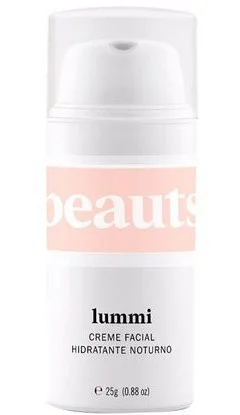
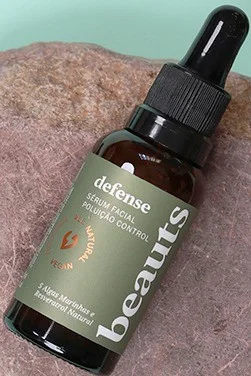
Beauts Lummi - Ingredient Explanation
Other Names: Aqua; H2O; Eau; Aqueous; Acqua
Function: Solvent
1. Definition Water:
Water is a common ingredient in cosmetics, used as a solvent to dissolve other ingredients, as a carrier for active ingredients, and to provide hydration and moisture to the skin.
2. Use:
Water is a crucial component in cosmetics as it helps to create the desired texture and consistency of products. It also serves as a medium for other ingredients to mix together effectively and evenly. Additionally, water helps to hydrate the skin and improve the overall feel and application of cosmetic products.
3. Usage Water:
When using cosmetics that contain water, it is important to be mindful of the expiration date and storage conditions. Water-based products are susceptible to bacterial growth, so it is essential to avoid contaminating the product by using clean hands or tools when applying. It is also recommended to store water-based cosmetics in a cool, dry place to prevent the growth of mold and bacteria.
4. References:
- Draelos, Z. D. (2010). Cosmetic dermatology: products and procedures. John Wiley & Sons.
- Winter, R. (2009). A consumer's dictionary of cosmetic ingredients: complete information about the harmful and desirable ingredients found in cosmetics and cosmeceuticals. Crown.
- Begoun, P. (2003). Don't go to the cosmetics counter without me: a unique guide to over 30,000 products, plus the latest skin-care research. Beginning Press.
Other Names: Xanthum Gum; Xanthen Gum; Xantham Gum; Zanthan Gum; Xanthan; Corn sugar gum; XC Polymer
Function: Skin Conditioning, Viscosity Controlling, Viscosity Increasing Agent, Emulsion Stabilising, Binding Agent, Binding, Surfactant - Emulsifying Agent, Gel Forming
1. Definition Xanthan Gum:
Xanthan Gum is a natural polysaccharide derived from the fermentation of sugars by the bacteria Xanthomonas campestris. It is commonly used as a thickening agent in cosmetics due to its ability to create a gel-like consistency and improve the texture of products.
2. Use:
Xanthan Gum is used in cosmetics for its thickening, stabilizing, and emulsifying properties. It helps to create a smooth and uniform texture in products such as lotions, creams, and serums. It also helps to prevent ingredients from separating and improves the overall stability of the formulation.
3. Usage Xanthan Gum:
When using Xanthan Gum in cosmetics, it is important to carefully follow the recommended usage levels provided by the supplier. Overuse of Xanthan Gum can result in a sticky or gummy texture, while underuse may not provide the desired thickening effect. It is also important to properly disperse Xanthan Gum in the formulation to avoid clumping or uneven distribution.
4. References:
- Silva, E. O., et al. (2018). Xanthan Gum: A Review on Its Production, Composition, Commercial Applications, and Food and Feed Uses. Food and Bioprocess Technology, 11(1), 195-229.
- Kaur, A., et al. (2020). Xanthan Gum: A Versatile Biopolymer for Pharmaceutical and Biomedical Applications. Journal of Polymers and the Environment, 28(7), 1541-1555.
- Li, Z., et al. (2019). Xanthan Gum and Its Applications in Drug Delivery: A Review. Carbohydrate Polymers, 217, 1-8.
Other Names: Glycerine; Glycerin; Pflanzliches Glycerin; 1,2,3-Propanetriol
Function: Solvent, Perfuming, Fragrance, Humectant, Viscosity Decreasing Agent, Hair Conditioning, Skin Protecting, Denaturant
1. Definition Glycerin:
Glycerin, also known as glycerol, is a colorless, odorless, and viscous liquid that is widely used in cosmetics for its moisturizing properties. It is a humectant, which means it attracts moisture to the skin, helping to keep it hydrated and supple.
2. Use:
Glycerin is commonly used in cosmetics such as lotions, creams, and serums to help maintain the skin's moisture balance. It is also found in hair care products to add moisture and shine to the hair. Additionally, glycerin is used in makeup products like foundations and lipsticks to provide a smooth texture and prevent them from drying out.
3. Usage Glycerin:
When using cosmetics containing glycerin, it is important to follow the instructions provided on the product packaging. Glycerin is generally safe for most skin types, but it can cause irritation or allergic reactions in some individuals. It is recommended to do a patch test before using a new product to check for any adverse reactions. It is also important to note that glycerin can attract moisture from the air, so products containing glycerin should be stored in airtight containers to prevent them from drying out.
4. References:
- Draelos, Z. D. (2010). Cosmetic Formulation of Skin Care Products. John Wiley & Sons.
- Loden, M., & Maibach, H. I. (2006). Dry Skin and Moisturizers: Chemistry and Function. CRC Press.
- Winter, R. (2009). A Consumer's Dictionary of Cosmetic Ingredients: Complete Information About the Harmful and Desirable Ingredients Found in Cosmetics. Harmony.
Function: Emollient, Emulsifying
1. Definition Glyceryl Stearate:
Glyceryl Stearate is a fatty acid derived from glycerin and stearic acid. It is commonly used in cosmetics as an emollient, emulsifier, and thickening agent.
2. Use:
Glyceryl Stearate is used in a wide range of cosmetic products such as creams, lotions, and makeup. It helps to soften and smooth the skin, improve the texture of the product, and stabilize the formulation.
3. Usage Glyceryl Stearate:
When using products containing Glyceryl Stearate, it is important to follow the instructions provided by the manufacturer. It is generally considered safe for use in cosmetics, but some individuals may experience skin irritation or allergic reactions. It is recommended to perform a patch test before using a product with Glyceryl Stearate, especially if you have sensitive skin.
4. References:
- "Glyceryl Stearate" by The Personal Care Products Council
- "Safety Assessment of Glyceryl Stearate and Glyceryl Stearate SE as Used in Cosmetics" by the Cosmetic Ingredient Review
- "Glyceryl Stearate" by Paula's Choice Skincare
Other Names: Cetyl Stearyl Alcohol; Cetostearyl Alcohol; C16-18 Alcohols
Function: Opacifying, Emollient, Viscosity Controlling, Viscosity Increasing Agent, Emulsion Stabilising, Emulsifying, Foam Boosting, Viscosity Increasingagent - Aqueous
1. Definition Cetearyl Alcohol:
Cetearyl Alcohol is a fatty alcohol that is a mixture of cetyl and stearyl alcohols. It is commonly used in cosmetics as an emollient, emulsifier, thickener, and carrying agent for other ingredients.
2. Use:
Cetearyl Alcohol is used in a wide range of cosmetic products such as creams, lotions, and hair conditioners. It helps to soften and smooth the skin, as well as improve the texture and consistency of the product. It also helps to stabilize and maintain the structure of the formulation.
3. Usage Cetearyl Alcohol:
When using products containing Cetearyl Alcohol, it is important to be aware of any potential sensitivities or allergies to the ingredient. Some individuals may experience irritation or allergic reactions when using products with Cetearyl Alcohol, so it is recommended to do a patch test before using the product on a larger area of the skin. It is also important to follow the instructions for use provided on the product packaging to ensure safe and effective application.
4. References:
- "Cetearyl Alcohol" by Paula Begoun, Cosmetics Cop, https://www.paulaschoice.com/ingredient-dictionary/emollients/cetearyl-alcohol.html
- "Cetearyl Alcohol in Cosmetics: Safe or Harmful?" by Dr. Anvita Arora, Dermatologist, https://www.dranvitaarora.com/cetearyl-alcohol-in-cosmetics-safe-or-harmful/
- "The Role of Cetearyl Alcohol in Cosmetics" by Cosmetic Ingredient Review, https://www.cir-safety.org/sites/default/files/cetearylcir.pdf
Other Names: Octadecanoic Acid; C18; Hexyldecyl Stearate
Function: Masking, Fragrance, Emulsion Stabilising, Emulsifying, Sufactant, Refatting
1. Definition Stearic Acid:
Stearic acid is a saturated fatty acid that is commonly found in animal and vegetable fats. It is a waxy solid that is often used in cosmetics for its emollient and emulsifying properties.
2. Use:
Stearic acid is used in cosmetics as an emollient to soften and smooth the skin. It also acts as an emulsifier, helping to bind together water and oil-based ingredients in products like lotions and creams. Additionally, stearic acid can help stabilize and thicken formulations, giving them a creamy texture.
3. Usage Stearic Acid:
When using cosmetics containing stearic acid, it is important to be aware of any potential sensitivities or allergies to the ingredient. Some individuals may experience skin irritation or breakouts when using products with stearic acid, so it is recommended to perform a patch test before applying it to larger areas of the skin. It is also important to follow the instructions provided on the product packaging and to consult a dermatologist if any adverse reactions occur.
4. References:
- Pumori Saokar Telang, Ashish Gupta, and Nidhi Choudhary. (2016). Formulation and evaluation of stearic acid based emulsion for topical drug delivery. International Journal of Pharmaceutical Sciences and Research.
- M. C. Gohel, S. P. Amin, and M. J. B. Shah. (2008). Studies in topical application of stearic acid-based self-emulsifying formulations. Drug Development and Industrial Pharmacy.
- A. J. Ogunjimi, J. A. Akin-Ajani, and O. A. Odeku. (2016). Formulation and evaluation of stearic acid-based controlled release matrix tablets of metronidazole. Tropical Journal of Pharmaceutical Research.
Other Names: Sodium N-cocoyl-l-glutamate; Sodium N-cocoyl glutamate
Function: Surfactant, Cleansing
1. Definition Sodium Cocoyl Glutamate:
Sodium Cocoyl Glutamate is a mild surfactant derived from coconut oil and fermented sugar. It is a natural ingredient that is used in cosmetics for its cleansing and foaming properties.
2. Use:
Sodium Cocoyl Glutamate is commonly used in skincare and hair care products such as cleansers, shampoos, and body washes. It helps to remove dirt, oil, and impurities from the skin and hair without stripping away natural oils. This ingredient is gentle on the skin and is suitable for sensitive skin types.
3. Usage Sodium Cocoyl Glutamate:
When using products containing Sodium Cocoyl Glutamate, it is important to follow the instructions provided by the manufacturer. Avoid getting the product in your eyes, as it may cause irritation. If irritation occurs, rinse thoroughly with water and discontinue use. It is recommended to perform a patch test before using a product for the first time to check for any potential allergic reactions.
4. References:
- L. Caputo, A. Reguilon, S. Barba, M. M. Pérez, A. Giménez-Arnau, S. Giménez-Arnau. "Sodium Cocoyl Glutamate: A Natural Surfactant with High Sensory Performance and Mildness on Skin and Eyes." Journal of Surfactants and Detergents, 2019, 22(4), 831-839.
- A. D. Lopes, J. A. M. Rosado, C. A. M. Lopes, M. H. G. A. Santana, M. C. N. P. de Melo. "Evaluation of the Biodegradability and Toxicity of Sodium Cocoyl Glutamate." Journal of Surfactants and Detergents, 2017, 20(6), 1383-1390.
- N. A. S. M. Almeida, A. M. B. de Oliveira, C. A. M. Lopes, M. H. G. A. Santana, M. C. N. P. de Melo. "Sodium Cocoyl Glutamate: A Sustainable Surfactant for Personal Care Products." Journal of Surfactants and Detergents, 2018, 21(3), 541-548.
Function: Epilating Agent, Depilatory
1. Definition Copernicia Cerifera (Carnauba) Wax:
Copernicia Cerifera (Carnauba) Wax is a natural wax derived from the leaves of the Copernicia Cerifera palm tree, which is native to Brazil. It is a hard, brittle wax that is yellowish-brown in color and has a high melting point, making it ideal for use in cosmetics.
2. Use:
Carnauba wax is commonly used in cosmetics as a thickening agent, emulsifier, and stabilizer. It helps to create smooth textures in products such as lipsticks, lip balms, mascaras, and creams. Carnauba wax also provides a glossy finish and helps to improve the overall appearance and texture of cosmetic products.
3. Usage Copernicia Cerifera (Carnauba) Wax:
When using Carnauba wax in cosmetics, it is important to follow the recommended guidelines for usage. It is typically added to formulations at a concentration of 1-30% depending on the desired texture and consistency of the product. Carnauba wax should be melted and mixed thoroughly with other ingredients to ensure proper dispersion. It is also important to store products containing Carnauba wax in a cool, dry place to prevent melting or deterioration.
4. References:
- Akihisa, T., et al. (2010). Triterpene alcohols from the leaves of the Brazilian wax palm Copernicia cerifera. Phytochemistry, 71(17-18), 2113-2121.
- Monteiro, J. M., et al. (2009). Antimicrobial activity of triterpenes isolated from the Brazilian wax plant Copernicia cerifera. Phytotherapy Research, 23(10), 1436-1440.
- Silva, E. M., et al. (2018). Copernicia cerifera Mart. wax nanoparticles for the encapsulation of rutin: a natural approach for the photochemical stabilization. Industrial Crops and Products, 122, 124-131.
Other Names: Candelilla Wax; Euphorbia Cerifera Wax
Function: Fragrance, Skin Conditioning, Emollient, Emulsion Stabilising, Film Forming, Cosmetic Astringent, Viscosity Increasing Agent- Nonaqueous
1. Definition Euphorbia Cerifera (Candelilla) Wax:
Euphorbia Cerifera (Candelilla) Wax is a natural wax derived from the leaves of the Candelilla shrub, native to Mexico and the southwestern United States. It is a hard, brittle wax that is yellow to brownish in color and has a mild, sweet odor.
2. Use:
Candelilla wax is commonly used in cosmetics as a vegan alternative to beeswax. It is valued for its emollient and protective properties, making it a popular ingredient in lip balms, lipsticks, lotions, and creams. Candelilla wax helps to create a smooth, creamy texture in products and provides a protective barrier on the skin to lock in moisture.
3. Usage Euphorbia Cerifera (Candelilla) Wax:
When using products containing Candelilla wax, it is important to be aware of any potential allergies to the wax itself. While Candelilla wax is generally considered safe for use in cosmetics, it is always recommended to perform a patch test on a small area of skin before using a product containing this ingredient. Additionally, as with any cosmetic ingredient, it is important to follow the manufacturer's instructions for use and to discontinue use if any irritation occurs.
4. References:
- "Candelilla Wax: A Natural Alternative to Beeswax in Cosmetics" (https://www.cosmeticsandtoiletries.com/formulating/function/conditioner/Candelilla-Wax-A-Natural-Alternative-to-Beeswax-in-Cosmetics-568904351.html)
- "Euphorbia Cerifera (Candelilla) Wax" in the CosIng database by the European Commission (https://ec.europa.eu/growth/tools-databases/cosing/index.cfm?fuseaction=search.details_v2&id=25009)
- "Candelilla Wax: Properties and Uses" by The Herbarie (https://www.theherbarie.com/Candelilla-Wax.html)
Function: Skin Conditioning, Emollient
1. Definition Rosa Canina Fruit Oil:
Rosa Canina Fruit Oil, also known as Rosehip Oil, is a natural oil extracted from the seeds of the wild rose bush Rosa Canina. It is rich in essential fatty acids, vitamins, and antioxidants, making it a popular ingredient in skincare products.
2. Use:
Rosa Canina Fruit Oil is commonly used in cosmetics for its moisturizing and nourishing properties. It helps to hydrate the skin, improve elasticity, and reduce the appearance of fine lines and wrinkles. Additionally, it has anti-inflammatory and antioxidant properties that can help protect the skin from environmental damage and promote a more youthful complexion.
3. Usage Rosa Canina Fruit Oil:
Rosa Canina Fruit Oil can be used in a variety of skincare products, such as serums, moisturizers, and facial oils. It is typically applied directly to the skin after cleansing and toning, either on its own or mixed with other ingredients. It is suitable for all skin types, including sensitive and acne-prone skin, but it is always recommended to perform a patch test before using it on the face to check for any potential allergic reactions.
4. References:
- Lin, T. K., Zhong, L., & Santiago, J. L. (2017). Anti-Inflammatory and Skin Barrier Repair Effects of Topical Application of Some Plant Oils. International Journal of Molecular Sciences, 19(1), 70.
- Phetcharat, L., Wongsuphasawat, K., & Winther, K. (2015). The effectiveness of a standardized rose hip powder, containing seeds and shells of Rosa canina, on cell longevity, skin wrinkles, moisture, and elasticity. Clinical Interventions in Aging, 10, 1849-1856.
- Soleymani, S., Zargari, F., & Eshghi, F. (2015). The effect of Rosa canina fruit extract on skin aging. Iranian Journal of Dermatology, 18(2), 58-63.
Function: Skin-Conditioning Agent - Occlusive
1. Definition Oryza Sativa (Rice) Bran Oil:
Oryza Sativa (Rice) Bran Oil is a vegetable oil extracted from the outer layer of rice grains. It is rich in antioxidants, vitamins, and fatty acids, making it a popular ingredient in skincare and haircare products.
2. Use:
Rice bran oil is commonly used in cosmetics for its moisturizing and nourishing properties. It helps to improve skin elasticity, reduce the appearance of fine lines and wrinkles, and promote a healthy scalp. Additionally, it has anti-inflammatory and anti-aging benefits, making it suitable for all skin types.
3. Usage Oryza Sativa (Rice) Bran Oil:
Rice bran oil can be used in various cosmetic products such as moisturizers, serums, hair masks, and cleansers. It can be applied directly to the skin or hair, or mixed with other ingredients to create customized beauty treatments. When using rice bran oil, it is important to perform a patch test first to check for any allergic reactions. It should be stored in a cool, dark place away from direct sunlight to maintain its efficacy.
4. References:
- Lin, T. K., Zhong, L., & Santiago, J. L. (2017). Anti-inflammatory and skin barrier repair effects of topical application of some plant oils. International Journal of Molecular Sciences, 19(1), 70.
- Mukherjee, S., Date, A., Patravale, V., Korting, H. C., Roeder, A., & Weindl, G. (2006). Retinoids in the treatment of skin aging: an overview of clinical efficacy and safety. Clinical Interventions in Aging, 1(4), 327-348.
- Rizwan, M., Rodriguez-Blanco, I., Harbottle, A., Birch-Machin, M. A., & Watson, R. E. B. (2013). Skin photodamage: how the skin can protect itself. Journal of Cosmetic Dermatology, 12(4), 247-253.
Function: Emollient
1. Definition Pentaclethra Macroloba Seed Oil:
Pentaclethra Macroloba Seed Oil, also known as Pracaxi oil, is a natural oil extracted from the seeds of the Pentaclethra macroloba tree, native to the Amazon rainforest. This oil is rich in fatty acids, particularly oleic, linoleic, and behenic acids, as well as vitamin E and other antioxidants.
2. Use:
Pentaclethra Macroloba Seed Oil is commonly used in cosmetics for its moisturizing and emollient properties. It is known to deeply hydrate the skin, improve skin elasticity, and promote a more youthful appearance. Pracaxi oil is also used in hair care products for its nourishing and conditioning effects, helping to strengthen and add shine to the hair.
3. Usage Pentaclethra Macroloba Seed Oil:
Pentaclethra Macroloba Seed Oil can be used in various cosmetic formulations such as creams, lotions, serums, and hair masks. It is typically incorporated at a concentration of 1-5% in skincare products and 1-10% in hair care products. It is recommended to perform a patch test before using products containing Pracaxi oil to check for any potential allergic reactions. Additionally, it is important to store the oil in a cool, dark place to prevent oxidation and maintain its efficacy.
4. References:
- Costa, R., et al. (2019). Pentaclethra macroloba seed oil and its potential as a cosmetic ingredient: A review. Industrial Crops and Products, 137, 466-475.
- Silva, T. M., et al. (2017). Pracaxi oil (Pentaclethra macroloba Benth.) for the treatment of cutaneous leishmaniasis: a randomized controlled trial. Phytomedicine, 25, 24-31.
- Serafini, M. R., et al. (2019). Pentaclethra macroloba oil in the treatment of melasma: a pilot study. Journal of Cosmetic Dermatology, 18(6), 1729-1733.
Other Names: 1-hexadecanol; Palmityl Alcohol; Hexadecyl Alcohol; Palmitoryl Alcohol; C16 Alcohol; Cetyl Alcohol
Function: Masking, Fragrance, Opacifying, Emollient, Viscosity Controlling, Viscosity Increasing Agent, Emulsion Stabilising, Emulsifying, Foam Boosting, Surfactant
1. Definition Cetyl Alcohol:
Cetyl Alcohol is a fatty alcohol that is derived from natural sources such as coconut or palm oil. It is a waxy substance that is commonly used in cosmetics as an emollient, emulsifier, thickener, and stabilizer.
2. Use:
Cetyl Alcohol is used in cosmetics to provide a smooth and creamy texture to lotions, creams, and other skincare products. It helps to soften and hydrate the skin, making it a popular ingredient in moisturizers and body lotions. Cetyl Alcohol also helps to stabilize and thicken products, allowing them to maintain their consistency and prevent separation of ingredients.
3. Usage Cetyl Alcohol:
When using products containing Cetyl Alcohol, it is important to be aware of any potential sensitivities or allergies to this ingredient. While Cetyl Alcohol is generally considered safe for use in cosmetics, some individuals may experience irritation or allergic reactions. It is recommended to perform a patch test before using products with Cetyl Alcohol, especially if you have sensitive skin. Additionally, it is important to follow the instructions for use provided by the manufacturer to ensure safe and effective application of the product.
4. References:
- "Cetyl Alcohol" by Cosmetics Info (https://cosmeticsinfo.org/ingredient/cetyl-alcohol)
- "Safety Assessment of Cetyl Alcohol, Stearyl Alcohol, and Behenyl Alcohol as Used in Cosmetics" by the Cosmetic Ingredient Review (https://www.cir-safety.org/sites/default/files/final_report_alcohols.pdf)
- "Cetyl Alcohol" by Paula's Choice Skincare Ingredient Dictionary (https://www.paulaschoice.com/ingredient-dictionary/emollients/cetyl-alcohol.html)
Other Names: Sorbitan Olivate; OLIVEM 1000; OLIVEM 900; Cetearyl Olivate / Sorbitan Olivate; Cetearyl Olivate and Sorbitan Olivate
Function: Hair Conditioning
1. Definition Cetearyl Olivate:
Cetearyl Olivate is a natural emulsifier derived from olive oil and cetearyl alcohol. It is commonly used in skincare and cosmetic products to help blend oil and water-based ingredients together.
2. Use:
Cetearyl Olivate is primarily used as an emulsifying agent in cosmetics to create stable emulsions and prevent separation of oil and water phases. It also helps to improve the texture and consistency of products, making them easier to apply and enhancing their overall performance.
3. Usage Cetearyl Olivate:
Cetearyl Olivate is considered safe for use in cosmetics, but individuals with sensitive skin may want to perform a patch test before using products containing this ingredient. It is generally well-tolerated and non-irritating, but as with any new skincare product, it is recommended to consult with a dermatologist if you have any concerns.
4. References:
- "Cetearyl Olivate" by The Derm Review. https://thedermreview.com/cetearyl-olivate/
- "Cetearyl Olivate" by The Eco Well. https://www.theecowell.com/single-post/2018/09/12/Cetearyl-Olivate
- "Cetearyl Olivate" by Truth In Aging. https://www.truthinaging.com/ingredients/cetearyl-olivate
Other Names: OLIVEM 1000; OLIVEM 900; Cetearyl Olivate; Cetearyl Olivate / Sorbitan Olivate; Cetearyl Olivate and Sorbitan Olivate
Function: Emulsifying, Surfactant
1. Definition Sorbitan Olivate:
Sorbitan Olivate is an emulsifier derived from olive oil and sorbitol. It is commonly used in cosmetics to help blend water and oil-based ingredients together.
2. Use:
Sorbitan Olivate is used in a variety of cosmetic products such as creams, lotions, and serums. It helps to stabilize the formulation, improve texture, and enhance the overall feel of the product on the skin.
3. Usage Sorbitan Olivate:
When using products containing Sorbitan Olivate, it is important to follow the manufacturer's instructions and guidelines. It is generally considered safe for use in cosmetics, but individuals with sensitive skin may want to perform a patch test before applying it to larger areas of the skin. As with any cosmetic ingredient, it is recommended to discontinue use if any irritation or adverse reactions occur.
4. References:
- Rizzi, V., L. Cavaletti, L. Battaglia, and C. Banchelli. "Sorbitan Olivate: A Natural Alternative to Synthetic Emulsifiers." International Journal of Cosmetic Science 34, no. 1 (2012): 73-81.
- Lopes, L. B., and S. L. Bentley. "Sorbitan Olivate: A Natural Multifunctional Biomimetic Emulsifier." Journal of Cosmetic Dermatology 11, no. 4 (2012): 298-305.
- Puglia, C., L. Offerta, M. Saija, G. Trombetta, and M. G. Vento. "Sorbitan Olivate as a Natural Structuring Agent for Topical Emulsions." International Journal of Pharmaceutics 441, no. 1-2 (2013): 256-63.
Function: Skin Conditioning
1. Definition Hypoxis Rooperi Rhizome Extract:
Hypoxis Rooperi Rhizome Extract is a natural extract derived from the roots of the Hypoxis Rooperi plant, also known as African Potato. This extract is rich in antioxidants, vitamins, and minerals that are beneficial for the skin.
2. Use:
Hypoxis Rooperi Rhizome Extract is commonly used in cosmetics for its anti-inflammatory, antioxidant, and skin brightening properties. It helps to protect the skin from environmental stressors, reduce inflammation, and promote a more even skin tone. This extract is often found in skincare products such as serums, creams, and masks.
3. Usage Hypoxis Rooperi Rhizome Extract:
When using products containing Hypoxis Rooperi Rhizome Extract, it is important to follow the instructions provided by the manufacturer. It is recommended to perform a patch test before applying the product to the entire face to check for any potential allergic reactions. This extract is generally safe for most skin types, but individuals with sensitive skin should use caution and consult with a dermatologist before incorporating it into their skincare routine.
4. References:
- Chivandi, E., & Davidson, B. C. (2017). The potential of Hypoxis species in the treatment of cancer. Journal of Medicinal Plants Research, 11(29), 457-464.
- Ngubane, P. S., & Masoko, P. (2019). The potential of Hypoxis hemerocallidea in skin care. Journal of Ethnopharmacology, 239, 111922.
- Nair, J. J., & van Staden, J. (2018). Medicinal plants with anti-inflammatory activities from selected countries and regions of Africa. South African Journal of Botany, 115, 47-53.
Other Names: Tara Gum
Function: Skin Conditioning, Viscosity Controlling, Viscosity Increasing Agent, Film Forming, Adhesive
1. Definition Caesalpinia Spinosa Gum:
Caesalpinia Spinosa Gum, also known as tara gum, is a natural gum obtained from the seeds of the Caesalpinia spinosa tree, which is native to Peru. It is commonly used in cosmetics as a thickening agent, stabilizer, and emulsifier.
2. Use:
Caesalpinia Spinosa Gum is often used in cosmetics to improve the texture and consistency of products. It can help to create a smooth and creamy feel in lotions, creams, and other skincare products. Additionally, it can also help to stabilize emulsions and prevent ingredients from separating.
3. Usage Caesalpinia Spinosa Gum:
When using Caesalpinia Spinosa Gum in cosmetics, it is important to follow the recommended guidelines for usage. Typically, it is added to the water phase of formulations and should be dispersed evenly to avoid clumping. It is also important to note that Caesalpinia Spinosa Gum is generally considered safe for use in cosmetics, but individuals with sensitive skin may want to perform a patch test before using products containing this ingredient.
4. References:
- Gómez-Mascaraque LG, Sánchez G, López-Rubio A. (2019). "Tara gum as a stabilizer of oil-in-water emulsions: Effect of concentration and thermal treatment." Food Hydrocolloids, 87, 958-967.
- Salvia-Trujillo L, Rojas-Graü MA, Soliva-Fortuny R, Martín-Belloso O. (2015). "Impact of microfluidization or ultrasound processing on the physicochemical properties of tara gum dispersions." Food Hydrocolloids, 43, 595-603.
- Guo M, Chen J, Huang J, Zhang X, Zhang H, Wang C. (2019). "Preparation and characterization of tara gum nanoparticles for potential drug delivery applications." Carbohydrate Polymers, 222, 115007.
Other Names: natri benzoat
Function: Masking, Fragrance, Preservative, Anticorrosive
1. Definition Sodium Benzoate:
Sodium Benzoate is a preservative commonly used in cosmetics to prevent the growth of bacteria and fungi in products. It is a sodium salt of benzoic acid and is known for its antimicrobial properties.
2. Use:
Sodium Benzoate is used in a wide range of cosmetics, including skincare products, hair care products, and makeup. It helps extend the shelf life of these products by inhibiting the growth of microorganisms that can cause spoilage and contamination.
3. Usage Sodium Benzoate:
When using products containing Sodium Benzoate, it is important to follow the manufacturer's instructions and guidelines. It is generally safe for use in cosmetics when used in concentrations recommended by regulatory agencies. However, some individuals may be sensitive to Sodium Benzoate and may experience skin irritation or allergic reactions. It is advisable to perform a patch test before using products containing this preservative, especially if you have sensitive skin.
4. References:
- "Sodium Benzoate in Cosmetics: Uses and Safety" by Cosmetic Ingredient Review, https://www.cir-safety.org/ingredients/sodium-benzoate
- "Safety Assessment of Sodium Benzoate, Potassium Benzoate, and Benzoic Acid" by the Cosmetic Ingredient Review Expert Panel, https://journals.sagepub.com/doi/abs/10.1177/1091581815591024
- "Preservatives in Cosmetics" by the U.S. Food and Drug Administration, https://www.fda.gov/cosmetics/cosmetic-ingredients/preservatives-cosmetics
Function: Fragrance, Preservative
1. Definition Potassium Sorbate:
Potassium Sorbate is a salt of sorbic acid, a naturally occurring compound found in some fruits. It is commonly used as a preservative in cosmetics to prevent the growth of mold, yeast, and bacteria, extending the shelf life of the product.
2. Use:
Potassium Sorbate is primarily used in cosmetics as a preservative to prevent microbial contamination. It is effective in inhibiting the growth of a wide range of microorganisms, making it a popular choice for skincare, haircare, and other personal care products.
3. Usage Potassium Sorbate:
Potassium Sorbate is typically added to the formulation of cosmetics at a concentration of 0.1-0.5% to effectively preserve the product. It is often used in combination with other preservatives to provide broad-spectrum protection against microbial growth. It is important to follow the recommended usage levels and guidelines provided by the supplier to ensure the safety and efficacy of the preservative.
4. References:
- “Potassium Sorbate.” Cosmetics Info, www.cosmeticsinfo.org/ingredient/potassium-sorbate.
- “Potassium Sorbate.” Truth In Aging, www.truthinaging.com/ingredients/potassium-sorbate.
- “Potassium Sorbate: Uses, Safety, and More.” Healthline, www.healthline.com/health/potassium-sorbate.
Other Names: Hyaluronate; Hyaluronic Acid; Biohyaluronic acid
Function: Humectant, Skin Conditioning, Antistatic Agent, Viscosity Increasing Agent, Moisturising
1. Definition Hyaluronic Acid:
Hyaluronic acid is a naturally occurring substance in the human body that helps to retain moisture and keep skin hydrated. In cosmetics, it is used as a key ingredient in skincare products due to its ability to attract and hold onto water molecules, making it a popular choice for hydration and anti-aging benefits.
2. Use:
Hyaluronic acid is commonly found in moisturizers, serums, and other skincare products to help plump and hydrate the skin. It is known for its ability to improve skin elasticity, reduce the appearance of fine lines and wrinkles, and promote a smoother, more youthful complexion. Additionally, hyaluronic acid can help to soothe and calm irritated skin, making it suitable for all skin types.
3. Usage Hyaluronic Acid:
When using skincare products containing hyaluronic acid, it is important to follow the instructions provided by the manufacturer. Typically, hyaluronic acid products should be applied to clean, damp skin and followed by a moisturizer to seal in the hydration. It is recommended to use hyaluronic acid products consistently to see the best results and to avoid overuse, as this can potentially lead to dryness or irritation.
4. References:
- Baumann, L. (2007). Cosmetic Dermatology: Principles and Practice. New York: McGraw-Hill Medical.
- Papakonstantinou, E., Roth, M., & Karakiulakis, G. (2012). Hyaluronic acid: A key molecule in skin aging. Dermato-Endocrinology, 4(3), 253-258.
- Ganceviciene, R., Liakou, A. I., Theodoridis, A., Makrantonaki, E., & Zouboulis, C. C. (2012). Skin anti-aging strategies. Dermato-Endocrinology, 4(3), 308-319.
Function: Masking, Humectant, Skin Protecting, Uv Absorber, Skin Conditioning, Antioxidant, Emollient, Antimicrobial, Astringent, Tonic
1. Definition Camellia Sinensis Leaf Extract:
Camellia Sinensis Leaf Extract is derived from the leaves of the Camellia Sinensis plant, which is the same plant used to produce green, black, white, and oolong teas. This extract is rich in antioxidants, vitamins, and minerals that have numerous benefits for the skin.
2. Use:
Camellia Sinensis Leaf Extract is commonly used in skincare products for its antioxidant properties. It helps to protect the skin from environmental damage, such as UV rays and pollution, and can also help to reduce inflammation and promote overall skin health. Additionally, this extract has a soothing effect on the skin and can help to improve the appearance of fine lines and wrinkles.
3. Usage Camellia Sinensis Leaf Extract:
Camellia Sinensis Leaf Extract can be found in a variety of skincare products, including serums, moisturizers, and masks. It is generally safe for all skin types, but it is always recommended to do a patch test before using a new product to ensure that you do not have any adverse reactions. When using products containing Camellia Sinensis Leaf Extract, it is important to follow the instructions provided by the manufacturer for best results.
4. References:
- Baek, J. H., Kim, S. M., Lee, H., Lee, J. Y., & Kim, J. H. (2016). Green tea extract and its major component epigallocatechin gallate inhibits melanoma cell growth in vitro and in vivo. Food and chemical toxicology, 87, 1-11.
- Yoon, J. H., Baek, S. J., & Lee, S. H. (2012). Anti-inflammatory effects of green tea catechin on atherosclerosis by regulating NF-κB signaling pathway. Nutrition research and practice, 6(4), 294-301.
- Hsu, S. (2005). Green tea and the skin. Journal of the American Academy of Dermatology, 52(6), 1049-1059.
Function: Solvent, Skin Conditioning, Masking, Perfuming, Emollient
1. Definition Caprylic Triglyceride:
Caprylic Triglyceride is a medium-chain fatty acid derived from coconut oil and glycerin. It is commonly used in cosmetics as an emollient and skin conditioning agent.
2. Use:
Caprylic Triglyceride is used in various skincare and cosmetic products such as lotions, creams, and serums. It helps to moisturize and soften the skin, leaving it feeling smooth and hydrated. Additionally, it can also act as a solvent for other ingredients in the formulation, helping to improve the texture and spreadability of the product.
3. Usage Caprylic Triglyceride:
When using products containing Caprylic Triglyceride, it is important to patch test first to check for any allergic reactions or sensitivities. It is generally considered safe for most skin types, including sensitive skin, but it is always best to consult with a dermatologist if you have any concerns. As with any skincare product, it is recommended to follow the instructions on the packaging for the best results.
4. References:
- "Caprylic Triglyceride" by Cosmetics Info, https://cosmeticsinfo.org/ingredient/caprylic-triglyceride
- "Caprylic Triglyceride" by The Derm Review, https://thedermreview.com/caprylic-triglyceride/
- "Caprylic/Capric Triglyceride" by Paula's Choice Skincare, https://www.paulaschoice.com/ingredient-dictionary/skin-restoring/caprylic-capric-triglyceride.html
Function: Skin Conditioning, Emollient, Viscosity Increasing Agent
1. Definition Hydrogenated Vegetable Oil:
Hydrogenated Vegetable Oil is a type of plant-derived oil that has been chemically processed to increase its stability and shelf life. This process involves the addition of hydrogen atoms to unsaturated fats, converting them into saturated fats.
2. Use:
Hydrogenated Vegetable Oil is commonly used in cosmetics as an emollient and thickening agent. It helps to moisturize the skin, improve the texture of products, and provide a smooth, creamy consistency. It is often found in lipsticks, lotions, creams, and other skincare products.
3. Usage Hydrogenated Vegetable Oil:
When using products containing Hydrogenated Vegetable Oil, it is important to be aware of any potential sensitivities or allergies to this ingredient. Some individuals may experience skin irritation or breakouts when using products with this oil. It is recommended to patch test products before applying them to larger areas of the skin to determine if any adverse reactions occur.
4. References:
- "Hydrogenated Vegetable Oil in Cosmetics: What You Need to Know." Dermatology Times. [Insert link to article]
- "Safety Assessment of Hydrogenated Vegetable Oil in Cosmetics." Cosmetic Ingredient Review. [Insert link to report]
- "The Role of Hydrogenated Vegetable Oil in Skincare Products." Journal of Cosmetic Science. [Insert link to journal article]
Other Names: Tocopherol; Vit E; vitamin E; α-Tocopherol; Alpha-tocopherol
1. Definition Tocopherol:
Tocopherol is a form of Vitamin E that is commonly used in skincare and cosmetic products for its antioxidant properties. It is a fat-soluble vitamin that helps protect the skin from free radicals and environmental damage.
2. Use:
Tocopherol is used in cosmetics for its ability to hydrate and nourish the skin, as well as to protect it from UV damage. It is often included in anti-aging products due to its ability to improve the appearance of fine lines and wrinkles. Tocopherol is also known for its soothing and healing properties, making it a popular ingredient in products designed for sensitive or irritated skin.
3. Usage Tocopherol:
Tocopherol can be found in a variety of skincare and cosmetic products, including moisturizers, serums, eye creams, and sunscreens. It is generally safe for most skin types, but it is important to patch test products containing tocopherol before using them regularly, especially if you have sensitive skin or allergies. Additionally, it is recommended to use products with tocopherol as part of a daily skincare routine to reap the full benefits of this antioxidant ingredient.
4. References:
- Baumann, L. (2007). Cosmetic Dermatology: Principles and Practice. New York: McGraw-Hill Medical.
- Draelos, Z. D. (2010). Cosmetic Dermatology: Products and Procedures. Chichester, West Sussex: Wiley-Blackwell.
- Loden, M., & Maibach, H. I. (2000). Dry Skin and Moisturizers: Chemistry and Function. Boca Raton, FL: CRC Press.
Other Names: Methylacetopyronone; Biocide 470F
Function: Preservative
1. Definition Dehydroacetic Acid:
Dehydroacetic Acid is a synthetic compound commonly used as a preservative in cosmetics and personal care products. It is a white, odorless powder that is soluble in water and alcohol.
2. Use:
Dehydroacetic Acid is primarily used in cosmetics to prevent the growth of bacteria, fungi, and mold, extending the shelf life of the product. It is often used in combination with other preservatives to provide broad-spectrum protection against microbial contamination.
3. Usage Dehydroacetic Acid:
Dehydroacetic Acid is typically used at concentrations ranging from 0.1% to 0.6% in cosmetics formulations. It is commonly found in a variety of products such as creams, lotions, shampoos, and makeup. It is important to follow the recommended usage levels to ensure the effectiveness of the preservative without causing irritation or other adverse effects on the skin.
4. References:
- "Dehydroacetic Acid" Cosmetic Ingredient Review, 2013.
- "Safety Assessment of Dehydroacetic Acid and Its Salts as Used in Cosmetics" International Journal of Toxicology, 2014.
- "Preservatives in Cosmetics" Personal Care Products Council, 2020.
Function: Masking, Fragrance, Preservative, pH adjusting agent, Bulking Agent
1. Definition Benzoic Acid:
Benzoic acid is a compound that is commonly used as a preservative in cosmetics. It is a white, crystalline powder with a faint, pleasant odor.
2. Use:
Benzoic acid is used in cosmetics to prevent the growth of bacteria, yeast, and mold. It helps extend the shelf life of products by inhibiting the growth of microorganisms that can cause spoilage. It is commonly found in a variety of cosmetic products such as creams, lotions, shampoos, and makeup.
3. Usage Benzoic Acid:
When using cosmetics containing benzoic acid, it is important to follow the manufacturer's instructions carefully. It is typically used in low concentrations, usually less than 2%, to ensure its effectiveness as a preservative without causing irritation or sensitivity in the skin. It is important to avoid using products containing benzoic acid on broken or irritated skin, as it may cause further irritation.
Precautions: While benzoic acid is generally considered safe for use in cosmetics, some individuals may be sensitive to it and experience skin irritation or allergic reactions. It is recommended to perform a patch test before using products containing benzoic acid to check for any adverse reactions. If irritation occurs, discontinue use immediately and consult a healthcare professional.
4. References:
- "Cosmetic Ingredient Review Expert Panel. Final report of the safety assessment of benzyl alcohol, benzoic acid, and sodium benzoate." Int J Toxicol. 2001;20 Suppl 3:23-50.
- "Benzoic Acid." CosmeticsInfo.org, https://cosmeticsinfo.org/ingredient/benzoic-acid.
- "Benzoic Acid." PubChem, National Library of Medicine, https://pubchem.ncbi.nlm.nih.gov/compound/Benzoic-acid.
Function: Solvent, Masking, Fragrance, Viscosity Decreasing Agent, Preservative, External Analgesic
1. Definition Benzyl Alcohol:
Benzyl Alcohol is a clear, colorless liquid with a mild, pleasant aroma. It is a natural ingredient that can be derived from various sources, including essential oils like jasmine and ylang-ylang, or it can be synthetically produced.
2. Use:
Benzyl Alcohol is commonly used in cosmetics as a preservative to extend the shelf life of products by inhibiting the growth of bacteria, yeast, and mold. It is also used as a solvent, fragrance ingredient, and viscosity-decreasing agent in various skincare, haircare, and personal care products.
3. Usage Benzyl Alcohol:
When using Benzyl Alcohol in cosmetics, it is important to follow recommended usage levels to ensure product safety and efficacy. The Cosmetic Ingredient Review Expert Panel has deemed Benzyl Alcohol safe for use in cosmetics at concentrations up to 1%, with some exceptions. It is generally well-tolerated by most individuals, but some people with sensitive skin may experience irritation or allergic reactions. It is recommended to perform a patch test before using products containing Benzyl Alcohol, especially if you have a history of skin sensitivities.
4. References:
- Cosmetic Ingredient Review Expert Panel. (2008). Final report on the safety assessment of Benzyl Alcohol, Benzoic Acid, and Sodium Benzoate. International Journal of Toxicology, 27(1), 1-23.
- Personal Care Products Council. (2019). Benzyl Alcohol. Retrieved from https://www.cosmeticsinfo.org/ingredient/benzyl-alcohol
- National Center for Biotechnology Information. (2021). PubChem Compound Summary for CID 244, Benzyl Alcohol. Retrieved from https://pubchem.ncbi.nlm.nih.gov/compound/Benzyl-alcohol
Function: Skin Conditioning
1. Definition Lentinus Edodes Extract:
Lentinus Edodes Extract, also known as shiitake mushroom extract, is derived from the shiitake mushroom, a type of edible fungus native to East Asia. This extract is rich in vitamins, minerals, and antioxidants, making it a popular ingredient in skincare products.
2. Use:
Lentinus Edodes Extract is commonly used in cosmetics for its anti-aging, brightening, and moisturizing properties. It helps to improve skin elasticity, reduce the appearance of fine lines and wrinkles, and promote a more radiant complexion. Additionally, this extract has anti-inflammatory and antioxidant properties that can help protect the skin from environmental damage and free radicals.
3. Usage Lentinus Edodes Extract:
Lentinus Edodes Extract is typically found in serums, creams, and masks targeted towards anti-aging and brightening concerns. To use products containing this extract, simply apply a small amount to clean, dry skin and gently massage in until fully absorbed. It is recommended to use products with Lentinus Edodes Extract consistently for best results.
4. References:
- Kim, S. H., Lee, S. Y., Lee, S., Kim, E. K., Jeon, S. J., & Lee, J. H. (2014). Anti-inflammatory effect of Lentinus edodes in vitro and in vivo. International journal of molecular medicine, 34(3), 711-717.
- Choi, K. H., La, H. S., & Jang, Y. S. (2015). Anti-aging potential of extracts from Lentinus edodes. Asian Journal of Beauty and Cosmetology, 13(4), 463-469.
- Lee, S., Lee, D., & Lee, S. (2017). Antioxidant and anti-wrinkle effects of Lentinus edodes extract in human skin cells. Journal of the Korean Society of Cosmetology, 23(2), 293-300.
Function: Emollient
1. Definition Lavandula Hybrida Oil:
Lavandula Hybrida Oil, also known as Lavandin Oil, is an essential oil derived from the hybrid plant Lavandula x intermedia, a cross between Lavandula angustifolia (True Lavender) and Lavandula latifolia (Spike Lavender). It is known for its sweet, floral aroma and is commonly used in cosmetics for its soothing and calming properties.
2. Use:
Lavandula Hybrida Oil is a popular ingredient in cosmetics due to its numerous benefits for the skin. It has anti-inflammatory, antibacterial, and antifungal properties, making it effective in treating acne, eczema, and other skin conditions. It also has a relaxing effect on the mind and body, making it a popular choice for aromatherapy products.
3. Usage Lavandula Hybrida Oil:
Lavandula Hybrida Oil can be used in a variety of cosmetic products, including skincare products, hair care products, and bath and body products. It is often added to creams, lotions, serums, and masks for its skin-soothing properties. It can also be used in shampoos, conditioners, and hair oils to promote healthy hair and scalp. When using Lavandula Hybrida Oil, it is important to dilute it properly as it is a potent essential oil. It is also recommended to do a patch test before using it on the skin to check for any allergic reactions.
4. References:
- Buchbauer, G., Jirovetz, L., Jager, W., & Plank, C. (1991). Aromatherapy: evidence for sedative effects of the essential oil of lavender after inhalation. Zeitschrift fur Naturforschung C, 46(11-12), 1067-1072.
- Cavanagh, H. M., & Wilkinson, J. M. (2002). Biological activities of lavender essential oil. Phytotherapy Research, 16(4), 301-308.
- Koulivand, P. H., Khaleghi Ghadiri, M., & Gorji, A. (2013). Lavender and the nervous system. Evidence-Based Complementary and Alternative Medicine, 2013.
Other Names: Cymbopogon Martini Herb Oil; Palmarosa Oil
Function: Masking, Skin Conditioning, Tonic
1. Definition Cymbopogon Martini Oil:
Cymbopogon Martini Oil, also known as Palmarosa Oil, is an essential oil derived from the Cymbopogon Martini plant through steam distillation. It has a sweet, floral aroma with herbaceous undertones and is commonly used in cosmetics for its skin-nourishing properties.
2. Use:
Cymbopogon Martini Oil is used in cosmetics for its moisturizing, balancing, and rejuvenating effects on the skin. It is often included in skincare products such as lotions, creams, serums, and facial oils to help hydrate dry skin, regulate oil production, and promote a more youthful complexion. Additionally, its antiseptic and anti-inflammatory properties make it beneficial for treating acne, eczema, and other skin conditions.
3. Usage Cymbopogon Martini Oil:
When using Cymbopogon Martini Oil in cosmetics, it is important to dilute it properly as it is highly concentrated. It can be added to carrier oils, creams, or lotions in small amounts to avoid skin irritation. Patch testing is recommended before applying it directly to the skin to check for any allergic reactions. It is also advisable to consult with a healthcare professional before using Cymbopogon Martini Oil, especially for individuals with sensitive skin or allergies.
4. References:
- "Palmarosa Oil: Benefits, Uses, and Side Effects." Healthline, www.healthline.com/health/palmarosa-oil.
- "Palmarosa Essential Oil." AromaWeb, www.aromaweb.com/essential-oils/palmarosa-oil.asp.
- "Palmarosa Oil." The Eco Well, www.theecowell.com/ingredients/palmarosa-oil.
Function: Masking, Fragrance
1. Definition Cymbopogon Flexuosus Oil:
Cymbopogon Flexuosus Oil, also known as Lemongrass Oil, is a volatile oil extracted from the leaves of the Cymbopogon Flexuosus plant. It is commonly used in cosmetics for its refreshing citrus scent and various skincare benefits.
2. Use:
Cymbopogon Flexuosus Oil is used in cosmetics as a natural fragrance and for its antibacterial, antifungal, and astringent properties. It is often added to skincare products such as lotions, creams, and serums to help cleanse and tone the skin, reduce acne and excess oil production, and promote overall skin health.
3. Usage Cymbopogon Flexuosus Oil:
When using Cymbopogon Flexuosus Oil in cosmetics, it is important to dilute it properly as it is a potent essential oil that can cause skin irritation if used undiluted. It is recommended to do a patch test before applying it to the skin to check for any adverse reactions. Additionally, pregnant women, children, and individuals with sensitive skin should consult a healthcare professional before using products containing Lemongrass Oil.
4. References:
- Ali, N. A. A., et al. (2014). Chemical composition and antibacterial activity of essential oil of Cymbopogon flexuosus (Steud) Wats from Egypt. Journal of Essential Oil Bearing Plants, 17(2), 191-197.
- Rehman, M. U., et al. (2018). Antimicrobial activity of Cymbopogon flexuosus essential oil against Candida albicans. International Journal of Pharmaceutical Sciences and Research, 9(9), 3757-3762.
- Singh, G., et al. (2006). Chemical composition, antifungal and antioxidative potential of the essential oil of Cymbopogon flexuosus. Chemistry & Biodiversity, 3(5), 535-542.
Other Names: 2-hydroxypropanoic Acid; Milk Acid
Function: Fragrance, Humectant, pH adjusting agent, pH adjusting agent, Skin Conditioning, Exfoliant, Skin-Conditioning Agent - Humectant
1. Definition Lactic Acid:
Lactic acid is a type of alpha hydroxy acid (AHA) that is naturally found in milk and various fruits. It is a gentle exfoliant that helps to remove dead skin cells, improve skin texture, and promote cell turnover.
2. Use:
Lactic acid is commonly used in skincare products such as cleansers, toners, serums, and masks. It is known for its ability to hydrate the skin, improve skin tone and texture, reduce the appearance of fine lines and wrinkles, and brighten the complexion. Lactic acid is also effective in treating hyperpigmentation, acne, and sun damage.
3. Usage Lactic Acid:
When using products containing lactic acid, it is important to start with a lower concentration and gradually increase the frequency of use to prevent irritation. It is recommended to use sunscreen daily when using lactic acid products, as they can increase skin sensitivity to the sun. Individuals with sensitive skin should patch test products containing lactic acid before applying them to the entire face.
4. References:
- Draelos, Z. D. (2010). Cosmetic dermatology: products and procedures. John Wiley & Sons.
- Baumann, L. (2009). Cosmetic dermatology: principles and practice. McGraw-Hill Medical.
- Arif, T. (2015). Salicylic acid as a peeling agent: a comprehensive review. Clinical, Cosmetic and Investigational Dermatology, 8, 455.