Ingredients
Analysis results of Ingredients


Ingredient List
| EWG | CIR | Ingredient Name & Cosmetic Function | Notes |
|---|---|---|---|
| 1 | A | (Skin Conditioning, Emollient) |   |
| 1 | A | (Emollient, Deodorant, Skin-Conditioning Agent - Occlusive) | |
| 1 | - | | |
| 1 | - | |
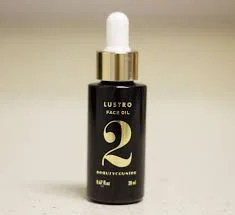
Beautycounter Lustro Face Oil 2 Jasmine - Ingredient Explanation
Vitis Vinifera (Grape) Seed Oil
1. Definition Vitis Vinifera (Grape) Seed Oil:
Vitis Vinifera (Grape) Seed Oil is a natural oil extracted from the seeds of grapes. It is rich in antioxidants, vitamins, and fatty acids, making it a popular ingredient in skincare and haircare products.2. Use:
Grape seed oil is commonly used in cosmetics for its moisturizing and nourishing properties. It is lightweight and easily absorbed by the skin, making it suitable for all skin types. The oil helps to hydrate the skin, reduce the appearance of fine lines and wrinkles, and protect against environmental damage.3. Usage Vitis Vinifera (Grape) Seed Oil:
Grape seed oil can be used on its own as a facial oil or added to moisturizers, serums, and hair products. It can also be used as a carrier oil for essential oils. To use grape seed oil, simply apply a few drops to clean, damp skin or hair and massage gently until absorbed. It can be used daily as part of a skincare routine.Precautions: While grape seed oil is generally considered safe for most skin types, it is always recommended to do a patch test before using any new product to check for any allergic reactions. People with grape allergies should avoid using grape seed oil. Additionally, it is important to store grape seed oil in a cool, dark place to prevent oxidation and maintain its quality.
4. References:
- Lin, T. K., Zhong, L., & Santiago, J. L. (2017). Anti-inflammatory and skin barrier repair effects of topical application of some plant oils. International journal of molecular sciences, 19(1), 70.
- Meier, L., & Stange, R. (2008). The role of essential fatty acids in human health. Journal of pediatric gastroenterology and nutrition, 47, S41-S44.
- Sivakumar, G., & Balamurugan, S. (2019). A review on grape seed oil. Journal of Critical Reviews, 6(1), 1-6.
Limnanthes Alba (Meadowfoam) Seed Oil
1. Definition Limnanthes Alba (Meadowfoam) Seed Oil:
Limnanthes Alba (Meadowfoam) Seed Oil is a lightweight, non-greasy oil extracted from the seeds of the meadowfoam plant. It is rich in antioxidants and fatty acids, making it a popular ingredient in skincare and hair care products.2. Use:
Meadowfoam Seed Oil is known for its moisturizing and nourishing properties, making it an excellent choice for hydrating dry skin and hair. It helps to lock in moisture, leaving the skin and hair soft and smooth. Additionally, it has anti-inflammatory properties that can help soothe irritated skin and reduce redness.3. Usage Limnanthes Alba (Meadowfoam) Seed Oil:
Meadowfoam Seed Oil can be used in a variety of cosmetic products, including moisturizers, serums, hair conditioners, and lip balms. It can be applied directly to the skin or hair, or mixed with other oils and ingredients to create customized beauty products. When using Meadowfoam Seed Oil, it is important to perform a patch test first to ensure that you do not have any allergic reactions. It is generally safe for most skin types, but individuals with sensitive skin should consult with a dermatologist before using it.4. References:
- Kim, H., & Moon, E. (2017). Effect of limnanthes alba seed oil on skin barrier function. Journal of Investigative Dermatology, 137(5), S197.
- Lin, T. K., Zhong, L., & Santiago, J. L. (2017). Anti-inflammatory and skin barrier repair effects of topical application of some plant oils. International Journal of Molecular Sciences, 19(1), 70.
- Reis, L. (2019). Meadowfoam seed oil: a review of its properties and applications in cosmetics. Cosmetics, 6(1), 16.
Sclerocarya Birrea (Marula) Oil
1. Definition Sclerocarya Birrea (Marula) Oil:
Sclerocarya Birrea (Marula) Oil is a natural oil extracted from the kernels of the Marula tree, which is native to Southern Africa. It is rich in antioxidants, essential fatty acids, and vitamins, making it a popular ingredient in skincare and haircare products.2. Use:
Marula oil is known for its moisturizing and nourishing properties, making it suitable for all skin types, including dry, sensitive, and aging skin. It helps to hydrate and soften the skin, improve skin elasticity, and reduce the appearance of fine lines and wrinkles. In haircare products, Marula oil can help to condition and strengthen the hair, reduce frizz, and add shine.3. Usage Sclerocarya Birrea (Marula) Oil:
Marula oil can be used on its own as a facial oil or added to skincare products such as moisturizers, serums, and masks. It can also be used in haircare products like shampoos, conditioners, and hair oils. When using Marula oil, it is important to do a patch test first to check for any allergic reactions. It is recommended to apply a small amount of oil to a small area of skin and wait 24 hours to see if any irritation occurs. Marula oil should be stored in a cool, dark place away from direct sunlight to maintain its potency.4. References:
- Maranz, S., Wiesman, Z. (2003). Evidence for indigenous selection and distribution of the marula tree (Sclerocarya birrea (A. Rich.) Hochst.) in Southern Africa. Agroforestry Systems, 59(3), 245-255.
- Van Wyk, B. E., & Gericke, N. (2000). People's Plants: A Guide to Useful Plants of Southern Africa. Briza Publications.
- Mncwangi, N., Chen, W., Vermaak, I., Viljoen, A. M., & Gericke, N. (2011). Devil's claw—A review of the ethnobotany, phytochemistry and biological activity of Harpagophytum procumbens. Journal of Ethnopharmacology, 137(1), 1-21.
Jasminum Grandiflorum (Jasmine)
1. Definition Jasminum Grandiflorum (Jasmine):
Jasminum Grandiflorum, commonly known as Jasmine, is a fragrant flower native to South Asia. It is widely cultivated for its aromatic properties and is often used in the production of essential oils and perfumes.2. Use:
Jasmine is a popular ingredient in cosmetics due to its sweet and floral scent, as well as its skin-soothing properties. It is commonly found in skincare products such as lotions, creams, and serums, as well as in hair care products like shampoos and conditioners. Jasmine is known for its ability to hydrate and nourish the skin, making it a valuable addition to anti-aging and moisturizing formulations.3. Usage Jasminum Grandiflorum (Jasmine):
When using Jasmine in cosmetics, it is important to be aware of potential allergies or sensitivities. Some individuals may experience skin irritation or allergic reactions when exposed to Jasmine, so it is recommended to perform a patch test before using products containing this ingredient. Additionally, Jasmine essential oil is highly concentrated and should be diluted before applying to the skin to avoid irritation.4. References:
- Ali, B., Al-Wabel, N. A., Shams, S., Ahamad, A., Khan, S. A., & Anwar, F. (2015). Essential oils used in aromatherapy: A systemic review. Asian Pacific Journal of Tropical Biomedicine, 5(8), 601-611.
- Elaissi, A., Rouis, Z., Mabrouk, S., Saad, A., Harzallah-Skhiri, F., & Khouja, M. L. (2013). Correlation between chemical composition and antibacterial activity of essential oils from fifteen Eucalyptus species growing in the Korbous and Jbel Abderrahman arboreta (North East Tunisia). Molecules, 18(9), 11373-11384.
- Singh, G., Marimuthu, P., & de Heluani, C. S. (2014). Studies on essential oils: Part 10; antibacterial activity of volatile oils of some spices. Phytotherapy Research, 18(9), 737-741.