


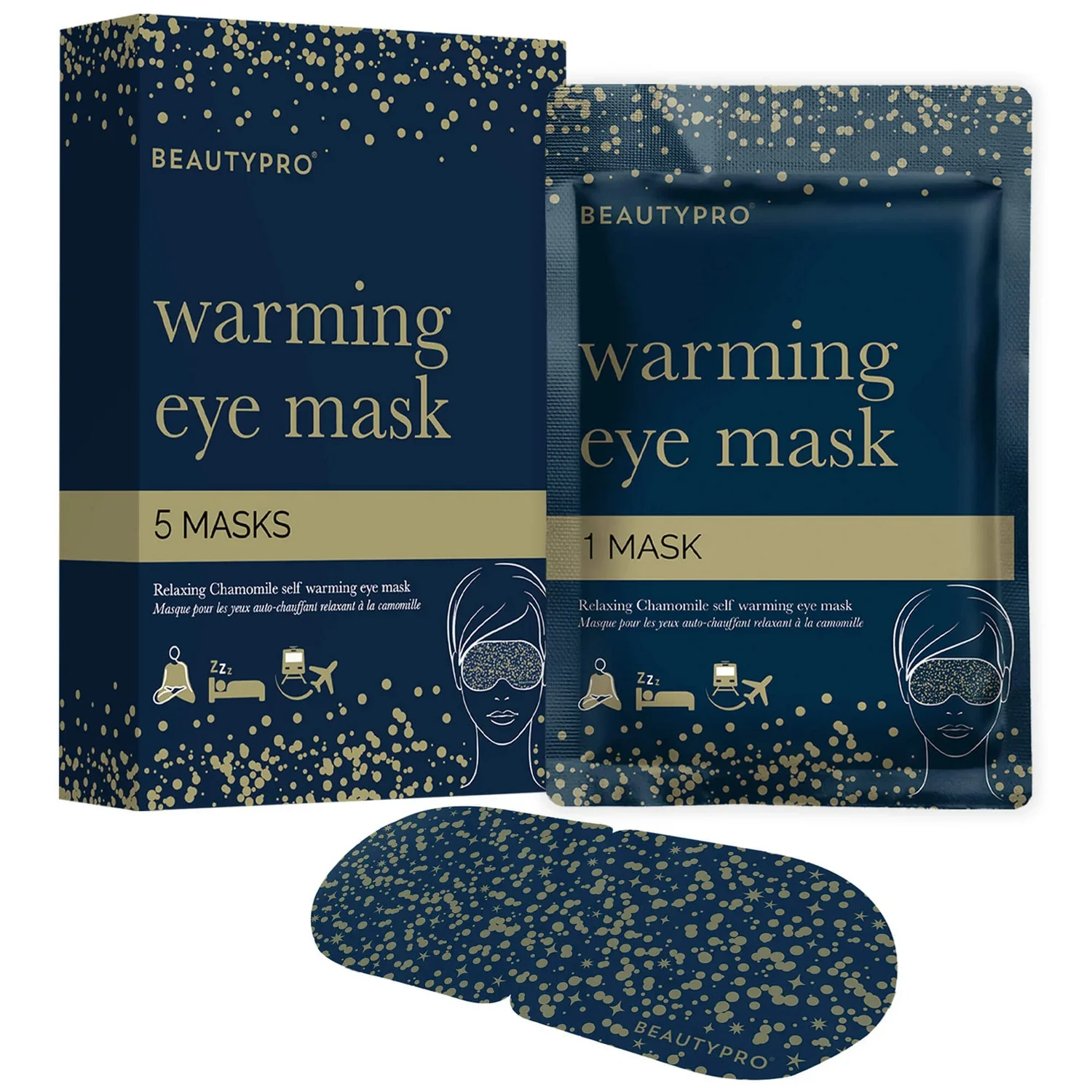
Analysis locked
How well does your skin match with BeautyPro Warming Eye Mask?
Login to see detailsOr continue via
Quick 1-minute survey • Completely free
Ingredients
Analysis results of Ingredients


Ingredient List
| EWG | CIR | Ingredient Name & Cosmetic Function | Notes |
|---|---|---|---|
| - | - | *Chamomile | |
| - | - | Activated Carbon Powder | |
| - | - | (Opacifying, Reducing) | |
| 1 | - | (Masking, Viscosity Controlling, Bulking Agent) | |
BeautyPro Warming Eye Mask - Ingredient Explanation
*Chamomile
Ingredient data is being updated. Please check back later.
Activated Carbon Powder
Ingredient data is being updated. Please check back later.
Iron Powder
1. Definition Iron Powder:
Iron powder is a metallic powder derived from iron that is commonly used in cosmetics for its colorant properties. It is typically a fine powder with a metallic sheen that can range in color from silver to black, depending on the specific formulation.2. Use:
Iron powder is primarily used in cosmetics as a pigment to add color and shimmer to various products such as eyeshadows, lipsticks, and nail polishes. It is known for its ability to create a wide range of shades and effects, from subtle highlights to bold metallic finishes. Iron powder is often preferred over other colorants for its intense pigmentation and long-lasting wear.3. Usage Iron Powder:
When using cosmetics containing iron powder, it is important to take certain precautions to ensure safe application. It is recommended to perform a patch test on a small area of skin before using the product on a larger area to check for any potential allergic reactions. Additionally, care should be taken to avoid inhaling the powder, as it can be irritating to the respiratory system. It is also advisable to avoid getting the powder in the eyes, as it may cause irritation or discomfort.4. References:
- "Iron Oxides in Cosmetics." Cosmetics Info, www.cosmeticsinfo.org/ingredient/iron-oxides.
- "The Use of Iron Oxides in Cosmetics." Personal Care Magazine, www.personalcaremagazine.com/story/22582/the-use-of-iron-oxides-in-cosmetics.
- "Iron Powder in Cosmetics: Benefits and Precautions." Beautylish, www.beautylish.com/a/vxiqz/iron-powder-in-cosmetics-benefits-and-precautions.
Sodium Chloride
1. Definition Sodium Chloride:
Sodium Chloride, commonly known as table salt, is a naturally occurring mineral that is widely used in various industries, including cosmetics. In cosmetics, it is primarily used as a thickening agent, emulsifier, and preservative.2. Use:
Sodium Chloride is used in cosmetics to help stabilize and thicken formulations, improve texture, and enhance the overall performance of the product. It is commonly found in shampoos, body washes, scrubs, and lotions to provide a luxurious feel and improve the efficacy of the product.3. Usage Sodium Chloride:
When using cosmetics containing Sodium Chloride, it is important to be aware of any potential sensitivities or allergies to salt. Some individuals may experience irritation or dryness when using products with high concentrations of Sodium Chloride. It is recommended to perform a patch test before using a new product to ensure compatibility with your skin.Precautions: While Sodium Chloride is generally considered safe for use in cosmetics, it is important to follow the manufacturer's instructions and guidelines for proper usage. Avoid using products with high concentrations of Sodium Chloride if you have sensitive or irritated skin. If you experience any adverse reactions, discontinue use immediately and consult a healthcare professional.
4. References:
- "Sodium Chloride in Cosmetics: Functions and Safety." Cosmetics & Toiletries, www.cosmeticsandtoiletries.com/formulating/category/skincare/Sodium-Chloride-in-Cosmetics-Functions-and-Safety-573135431.html.
- "The Benefits of Sodium Chloride in Skincare." The Derm Review, www.thedermreview.com/Sodium-Chloride-in-skincare/.
- "Safety Assessment of Sodium Chloride as Used in Cosmetics." Cosmetic Ingredient Review, www.cir-safety.org/sites/default/files/SodiumChloride.pdf.
Review

Didn't find
the information you need?






Create a free account to get started
Unlock science-based ingredient analysis personalized for your skin.
Already have an account? Log in
We protect your privacy. We never send spam.