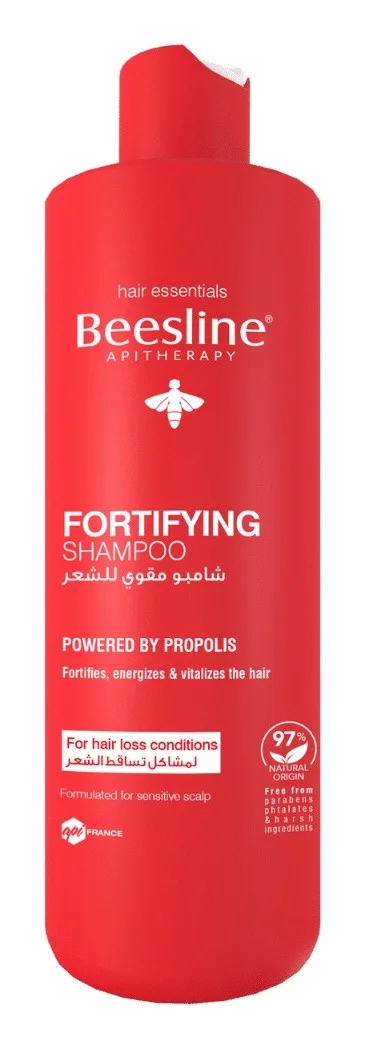
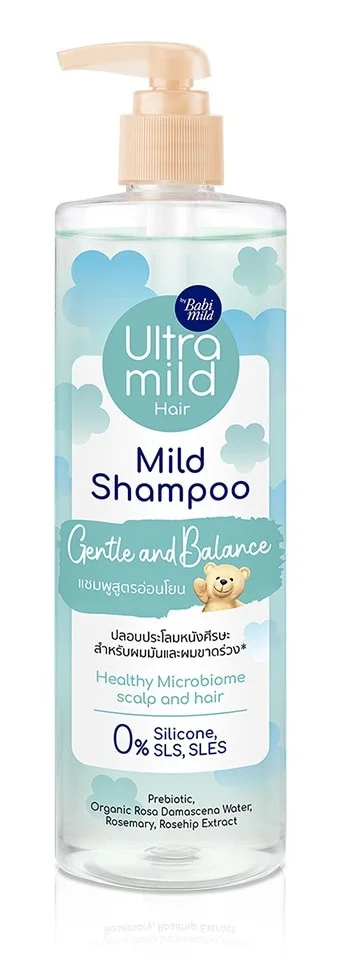
Beesline Fortifying Shampoo - Ingredient Explanation
Other Names: Aqua; H2O; Eau; Aqueous; Acqua
Function: Solvent
1. Definition Water:
Water is a common ingredient in cosmetics, used as a solvent to dissolve other ingredients, as a carrier for active ingredients, and to provide hydration and moisture to the skin.
2. Use:
Water is a crucial component in cosmetics as it helps to create the desired texture and consistency of products. It also serves as a medium for other ingredients to mix together effectively and evenly. Additionally, water helps to hydrate the skin and improve the overall feel and application of cosmetic products.
3. Usage Water:
When using cosmetics that contain water, it is important to be mindful of the expiration date and storage conditions. Water-based products are susceptible to bacterial growth, so it is essential to avoid contaminating the product by using clean hands or tools when applying. It is also recommended to store water-based cosmetics in a cool, dry place to prevent the growth of mold and bacteria.
4. References:
- Draelos, Z. D. (2010). Cosmetic dermatology: products and procedures. John Wiley & Sons.
- Winter, R. (2009). A consumer's dictionary of cosmetic ingredients: complete information about the harmful and desirable ingredients found in cosmetics and cosmeceuticals. Crown.
- Begoun, P. (2003). Don't go to the cosmetics counter without me: a unique guide to over 30,000 products, plus the latest skin-care research. Beginning Press.
Function: Surfactant, Emulsifying, Cleansing, Foaming
1. Definition Sodium Myreth Sulfate:
Sodium Myreth Sulfate is a surfactant derived from myristyl alcohol and ethylene oxide. It is commonly used in cosmetics as a cleansing agent and emulsifier.
2. Use:
Sodium Myreth Sulfate is used in various cosmetic products such as shampoos, body washes, and facial cleansers due to its ability to create a rich lather and effectively remove dirt and oils from the skin and hair. It helps to emulsify oils and water, allowing them to mix together and be easily rinsed away.
3. Usage Sodium Myreth Sulfate:
When using products containing Sodium Myreth Sulfate, it is important to follow the instructions on the product label. It is generally safe for use on the skin and hair, but individuals with sensitive skin may experience irritation or dryness. It is recommended to perform a patch test before using a product with Sodium Myreth Sulfate to check for any adverse reactions. Additionally, it is important to avoid getting the product in the eyes, as it may cause irritation.
4. References:
- "Sodium Myreth Sulfate," Cosmetics Info, https://cosmeticsinfo.org/ingredient/sodium-myreth-sulfate
- "Safety Assessment of Sodium Myreth Sulfate and Ammonium Myreth Sulfate as Used in Cosmetics," Cosmetic Ingredient Review, https://www.cir-safety.org/ingredients/sodium-myreth-sulfate
- "Sodium Myreth Sulfate," Truth in Aging, https://www.truthinaging.com/ingredients/sodium-myreth-sulfate
Other Names: Cocoamidopropyl Betaine; Cocoamido propyl Betaine; CAPB; Cocoyl Amide Propyldimethyl Glycine
Function: Hair Conditioning, Skin Conditioning, Viscosity Controlling, Antistatic Agent, Viscosity Increasing Agent, Foam Boosting, Sufactant
1. Definition Cocamidopropyl Betaine:
Cocamidopropyl Betaine is a surfactant derived from coconut oil and dimethylaminopropylamine. It is commonly used in cosmetics as a cleansing agent and foam booster.
2. Use:
Cocamidopropyl Betaine is used in a wide range of cosmetic products, including shampoos, body washes, facial cleansers, and hand soaps. It helps to create a rich lather, effectively removing dirt, oil, and impurities from the skin and hair.
3. Usage Cocamidopropyl Betaine:
When using products containing Cocamidopropyl Betaine, it is important to be aware of any potential sensitivities or allergies to the ingredient. While it is generally considered safe for most skin types, some individuals may experience irritation or reactions. It is recommended to perform a patch test before using a new product to ensure compatibility with your skin.
4. References:
- National Center for Biotechnology Information. PubChem Compound Summary for CID 10632, Cocamidopropyl Betaine. https://pubchem.ncbi.nlm.nih.gov/compound/Cocamidopropyl-betaine
- Environmental Working Group. Cocamidopropyl Betaine. https://www.ewg.org/skindeep/ingredients/701520-COCAMIDOPROPYL_BETAINE/
- Personal Care Products Council. Cocamidopropyl Betaine. https://www.personalcarecouncil.org/ingredient-info/cocamidopropyl-betaine/
Other Names: Coconut Diethanolamide; Coconut Fatty Acid Diethanolamide; Cocamide Diethanolamine
Function: Viscosity Controlling, Viscosity Increasing Agent, Emulsion Stabilising, Emulsifying, Foam Boosting
1. Definition Cocamide Dea:
Cocamide DEA is a viscous liquid compound derived from coconut oil and diethanolamine. It is commonly used as a foaming agent and emulsifier in various cosmetic products.
2. Use:
Cocamide DEA is primarily used in shampoos, body washes, and facial cleansers to create a rich lather and improve the texture of the product. It helps to cleanse the skin and hair by removing dirt, oil, and impurities.
3. Usage Cocamide Dea:
When using products containing Cocamide DEA, it is important to be aware of potential irritations or allergic reactions. Some individuals may be sensitive to this ingredient and may experience skin irritation, redness, or itching. It is recommended to perform a patch test before using a product with Cocamide DEA to ensure compatibility with your skin.
4. References:
- "Cocamide DEA." Cosmeticsinfo.org, www.cosmeticsinfo.org/ingredient/cocamide-dea.
- Cosmetic Ingredient Review Expert Panel. "Final Report on the Safety Assessment of Cocamide DEA." International Journal of Toxicology, vol. 27, no. 1, 2008, pp. 1-13.
- U.S. Food and Drug Administration. "Safety and Regulatory Information on Cocamide DEA." www.fda.gov/cosmetics/cosmetic-ingredients/cocamide-dea.
Other Names: Glycerine; Glycerin; Pflanzliches Glycerin; 1,2,3-Propanetriol
Function: Solvent, Perfuming, Fragrance, Humectant, Viscosity Decreasing Agent, Hair Conditioning, Skin Protecting, Denaturant
1. Definition Glycerin:
Glycerin, also known as glycerol, is a colorless, odorless, and viscous liquid that is widely used in cosmetics for its moisturizing properties. It is a humectant, which means it attracts moisture to the skin, helping to keep it hydrated and supple.
2. Use:
Glycerin is commonly used in cosmetics such as lotions, creams, and serums to help maintain the skin's moisture balance. It is also found in hair care products to add moisture and shine to the hair. Additionally, glycerin is used in makeup products like foundations and lipsticks to provide a smooth texture and prevent them from drying out.
3. Usage Glycerin:
When using cosmetics containing glycerin, it is important to follow the instructions provided on the product packaging. Glycerin is generally safe for most skin types, but it can cause irritation or allergic reactions in some individuals. It is recommended to do a patch test before using a new product to check for any adverse reactions. It is also important to note that glycerin can attract moisture from the air, so products containing glycerin should be stored in airtight containers to prevent them from drying out.
4. References:
- Draelos, Z. D. (2010). Cosmetic Formulation of Skin Care Products. John Wiley & Sons.
- Loden, M., & Maibach, H. I. (2006). Dry Skin and Moisturizers: Chemistry and Function. CRC Press.
- Winter, R. (2009). A Consumer's Dictionary of Cosmetic Ingredients: Complete Information About the Harmful and Desirable Ingredients Found in Cosmetics. Harmony.
Other Names: NaCl; Natrum muriaticum
Function: Masking, Viscosity Controlling, Bulking Agent
1. Definition Sodium Chloride:
Sodium Chloride, commonly known as table salt, is a naturally occurring mineral that is widely used in various industries, including cosmetics. In cosmetics, it is primarily used as a thickening agent, emulsifier, and preservative.
2. Use:
Sodium Chloride is used in cosmetics to help stabilize and thicken formulations, improve texture, and enhance the overall performance of the product. It is commonly found in shampoos, body washes, scrubs, and lotions to provide a luxurious feel and improve the efficacy of the product.
3. Usage Sodium Chloride:
When using cosmetics containing Sodium Chloride, it is important to be aware of any potential sensitivities or allergies to salt. Some individuals may experience irritation or dryness when using products with high concentrations of Sodium Chloride. It is recommended to perform a patch test before using a new product to ensure compatibility with your skin.
Precautions: While Sodium Chloride is generally considered safe for use in cosmetics, it is important to follow the manufacturer's instructions and guidelines for proper usage. Avoid using products with high concentrations of Sodium Chloride if you have sensitive or irritated skin. If you experience any adverse reactions, discontinue use immediately and consult a healthcare professional.
4. References:
- "Sodium Chloride in Cosmetics: Functions and Safety." Cosmetics & Toiletries, www.cosmeticsandtoiletries.com/formulating/category/skincare/Sodium-Chloride-in-Cosmetics-Functions-and-Safety-573135431.html.
- "The Benefits of Sodium Chloride in Skincare." The Derm Review, www.thedermreview.com/Sodium-Chloride-in-skincare/.
- "Safety Assessment of Sodium Chloride as Used in Cosmetics." Cosmetic Ingredient Review, www.cir-safety.org/sites/default/files/SodiumChloride.pdf.
Function: Surfactant, Emulsifying
1. Definition Ceteareth 12:
Ceteareth 12 is a synthetic compound that belongs to the family of ethoxylated alcohols. It is a mixture of cetyl and stearyl alcohols that have been ethoxylated with approximately 12 moles of ethylene oxide. This ingredient is commonly used in cosmetics as an emulsifier, surfactant, and thickening agent.
2. Use:
Ceteareth 12 is primarily used in cosmetic formulations to stabilize oil-in-water emulsions, improve the texture and consistency of products, and enhance the spreadability of creams and lotions. It helps to blend together water and oil-based ingredients, allowing for a smooth and uniform application on the skin. Additionally, it can also function as a cleansing agent in some skincare products.
3. Usage Ceteareth 12:
When using products containing Ceteareth 12, it is important to follow the recommended usage guidelines provided by the manufacturer. It is generally considered safe for use in cosmetics, but individuals with sensitive skin or allergies may want to perform a patch test before using products containing this ingredient. As with any cosmetic ingredient, it is advisable to discontinue use if any irritation or adverse reactions occur and consult a dermatologist if necessary.
4. References:
- "Ceteareth-12." Cosmetics Info, cosmeticsinfo.org/ingredient/ceteareth-12.
- "Ceteareth-12." Truth In Aging, truthinaging.com/ingredients/ceteareth-12.
- "Ceteareth-12." The Derm Review, thedermreview.com/ceteareth-12.
Function: Antistatic Agent, Film Forming, Hair Fixing
1. Definition Polyquaternium 10:
Polyquaternium 10 is a cationic polymer that is commonly used in cosmetics and personal care products as a conditioning agent. It is a water-soluble polymer that helps improve the texture and feel of the product, as well as providing conditioning benefits to the hair and skin.
2. Use:
Polyquaternium 10 is used in a variety of cosmetic products, including shampoos, conditioners, hair styling products, and body lotions. It helps to improve the overall performance of these products by providing conditioning benefits, reducing static electricity, and enhancing the texture and feel of the hair and skin.
3. Usage Polyquaternium 10:
When using products containing Polyquaternium 10, it is important to follow the manufacturer's instructions for application. Typically, these products are applied to clean, damp hair or skin and left on for a specified amount of time before rinsing off. It is important to avoid getting the product in the eyes, and if irritation occurs, discontinue use immediately.
4. References:
- "Polyquaternium-10." Cosmeticsinfo.org, https://cosmeticsinfo.org/ingredient/polyquaternium-10
- "Polyquaternium-10." The Derm Review, https://thedermreview.com/polyquaternium-10/
- "Polyquaternium-10." Truth In Aging, https://www.truthinaging.com/ingredients/polyquaternium-10
Other Names: L-Menthol; DL-Menthol; Mentholum
Function: Masking, Fragrance, Denaturant , External Analgesic , Soothing, Flavoring Agent, Refreshing
1. Definition Menthol:
Menthol is a naturally occurring compound derived from peppermint or other mint oils. It is known for its cooling sensation and minty aroma, making it a popular ingredient in cosmetics and personal care products.
2. Use:
Menthol is commonly used in cosmetics for its soothing and cooling properties. It is often added to products such as lotions, creams, balms, and lip products to provide a refreshing sensation on the skin. Menthol can also help to relieve minor skin irritations and itching.
3. Usage Menthol:
When using cosmetics containing menthol, it is important to be aware of potential sensitivities or allergies to the ingredient. Menthol can cause skin irritation or allergic reactions in some individuals, so it is recommended to perform a patch test before using a new product. Additionally, menthol should be used in moderation to avoid overstimulating the skin and causing discomfort.
4. References:
- Yosipovitch, G., & Maibach, H. I. (1998). Sensitive Skin Syndrome. CRC Press.
- Rawlings, A. V., & Leyden, J. J. (2004). Skin Moisturization. CRC Press.
- Draelos, Z. D. (2010). Cosmetic Dermatology: Products and Procedures. John Wiley & Sons.
Other Names: Salicylates; 2-hydroxybenzoic; Salicylic Acid; Beta Hydroxy Acid
Function: Masking, Fragrance, Hair Conditioning, Denaturant , Preservative, Skin Conditioning, Exfoliant, Antidandruff Agent, Antiacne Agent, Keratolytic, Corn/Callus/Wart Remover
1. Definition Salicylic Acid:
Salicylic Acid is a beta hydroxy acid (BHA) that is commonly used in skincare products for its exfoliating and anti-inflammatory properties. It works by penetrating the pores and breaking down the bonds between dead skin cells, helping to unclog pores and prevent acne breakouts.
2. Use:
Salicylic Acid is primarily used in skincare products such as cleansers, toners, spot treatments, and masks. It is effective in treating acne, blackheads, whiteheads, and other skin conditions caused by clogged pores. Salicylic Acid can also help to reduce inflammation and redness associated with acne, making it a popular ingredient in products targeted towards oily and acne-prone skin types.
3. Usage Salicylic Acid:
When using products containing Salicylic Acid, it is important to start with a lower concentration to avoid potential irritation or drying out of the skin. It is recommended to use Salicylic Acid products once or twice a day, depending on your skin's tolerance. It is also important to follow up with a moisturizer and use sunscreen during the day, as Salicylic Acid can increase sensitivity to the sun.
4. References:
- Kornhauser, A., Coelho, S. G., & Hearing, V. J. (2010). Applications of hydroxy acids: classification, mechanisms, and photoactivity. Clinical, Cosmetic and Investigational Dermatology, 3, 135–142. https://doi.org/10.2147/CCID.S9042
- Arif, T. (2015). Salicylic acid as a peeling agent: a comprehensive review. Clinical, Cosmetic and Investigational Dermatology, 8, 455–461. https://doi.org/10.2147/CCID.S84765
- Chien, A. L., Qi, J., Rainer, B., & Sachs, D. L. (2018). Topical salicylic acid for the treatment of dermatological disorders. Journal of Drugs in Dermatology, 17(6), 725–730. https://jddonline.com/articles/dermatology/S1545961618P0725X/1
Other Names: Phenoxethol; 2-phenoxyethanol; Ethylene glycol monophenyl ether; Phenyl cellosolve; Protectol PE
Function: Fragrance, Preservative
1. Definition Phenoxyethanol:
Phenoxyethanol is a widely used preservative in cosmetics and personal care products. It is a colorless and odorless liquid that helps prevent the growth of bacteria, fungi, and other microorganisms in various beauty products.
2. Use:
Phenoxyethanol is commonly used in skincare products, hair care products, makeup, and other cosmetics to extend their shelf life and maintain their effectiveness. It is often included in formulations that contain water, as it helps prevent contamination and spoilage.
3. Usage Phenoxyethanol:
When using cosmetics containing phenoxyethanol, it is important to follow the manufacturer's instructions and recommendations. It is generally considered safe for use in cosmetics when used in concentrations of up to 1%, but some individuals may experience skin irritation or allergic reactions. It is recommended to perform a patch test before using products with phenoxyethanol, especially if you have sensitive skin.
4. References:
- Draelos, Z. D. (2010). Cosmetic Formulation of Skin Care Products. John Wiley & Sons.
- Loden, M., & Maibach, H. I. (2000). Dry Skin and Moisturizers: Chemistry and Function. CRC Press.
- Fiume, M. M., Heldreth, B., Bergfeld, W. F., Belsito, D. V., Hill, R. A., Klaassen, C. D., ... & Andersen, F. A. (2016). Safety assessment of phenoxyethanol as used in cosmetics. International Journal of Toxicology, 35(4), 386-419.
Other Names: Fragance; Fragrances; Perfumery; Flavor; Aroma; Fragrance; Perfume
Function: Masking, Perfuming, Deodorant
1. Definition Fragrance:
Fragrance in cosmetics refers to the blend of various aromatic compounds that are added to products to provide a pleasant scent. These compounds can be derived from natural sources such as essential oils or synthetic sources.
2. Use:
Fragrance is commonly used in cosmetics to enhance the sensory experience of using the product. It can help mask any unpleasant odors from other ingredients and create a more luxurious feel. Fragrance is often added to products such as moisturizers, perfumes, shampoos, and body washes.
3. Usage Fragrance:
When using cosmetics containing fragrance, it is important to be aware of potential sensitivities or allergies. Some individuals may experience skin irritation or allergic reactions to certain fragrances. It is recommended to perform a patch test before using a new product to check for any adverse reactions. Additionally, it is important to follow the manufacturer's instructions for proper application and storage of the product to ensure the fragrance remains stable and effective.
4. References:
- Steinemann, A. (2019). Fragranced consumer products: exposures and effects from emissions. Air Quality, Atmosphere & Health, 12(6), 643-645.
- Lachenmeier, D. W., & Haltner, E. (2019). Fragrance allergens in household cleaning products. Environmental Science and Pollution Research, 26(15), 15145-15147.
- Basketter, D. A., & Angelini, G. (2019). Fragrance allergens in fine fragrances and cosmetics. Contact Dermatitis, 80(3), 145-147.
Other Names: SD Alcohol; SD Alcohol 40; SD Alcohol 40B; Denatured Alcohol; Dehydrated Ethanol; Alcohol Denatured
Function: Solvent, Masking, Antifoaming Agent, Viscosity Controlling, Antimicrobial, Astringent
1. Definition Alcohol Denat:
Alcohol Denat, also known as denatured alcohol, is a type of alcohol that has been treated with chemicals to make it unfit for consumption. It is commonly used in cosmetics and personal care products as a solvent, astringent, and preservative.
2. Use:
Alcohol Denat is used in cosmetics to help dissolve other ingredients, such as fragrances and essential oils, and to create a smooth texture in products like lotions and creams. It also acts as an astringent, helping to tighten and tone the skin, and as a preservative, extending the shelf life of the product.
3. Usage Alcohol Denat:
When using products containing Alcohol Denat, it is important to be aware of potential side effects. Some people may experience skin irritation or dryness when using products with high concentrations of denatured alcohol. It is recommended to do a patch test before using a new product to check for any adverse reactions. Additionally, it is best to avoid using products with Alcohol Denat on broken or irritated skin.
4. References:
- "Denatured Alcohol in Cosmetics." Cosmetics Info, www.cosmeticsinfo.org/ingredient/denatured-alcohol.
- "Alcohol Denat." Paula's Choice Skincare, www.paulaschoice.com/ingredient-dictionary/skin-soothing/alcohol-denat.html.
- "Is Alcohol Denat Safe in Skin Care?" Byrdie, www.byrdie.com/alcohol-denat-in-skincare.
Other Names: Propolis; Propolis wax; Bee Glue
Function: Moisturising, Smoothing, Antiseborrhoeic
1. Definition Propolis Cera:
Propolis Cera, also known as propolis wax, is a natural resinous substance collected by honeybees from tree buds, sap flows, or other botanical sources. It is used by bees to seal small gaps in the hive and to protect it from bacteria and fungi. Propolis Cera is rich in bioactive compounds such as flavonoids, phenolic acids, and terpenes, which have antioxidant, anti-inflammatory, and antimicrobial properties.
2. Use:
Propolis Cera is commonly used in cosmetics for its skin-healing and protective properties. It can help to promote skin regeneration, reduce inflammation, and protect the skin from environmental stressors. Propolis Cera is often included in skincare products such as creams, lotions, serums, and masks to help improve the overall health and appearance of the skin.
3. Usage Propolis Cera:
When using cosmetics containing Propolis Cera, it is important to patch test the product on a small area of skin before applying it to the face or body to check for any allergic reactions. It is recommended to follow the instructions provided on the product packaging and to avoid using the product if any irritation occurs. It is also advisable to consult with a dermatologist before incorporating Propolis Cera products into your skincare routine, especially if you have sensitive skin or existing skin conditions.
4. References:
- Kurek-Górecka, A., Rzepecka-Stojko, A., Górecki, M., & Stojko, J. (2013). Bee products in dermatology and skin care. Molecules, 19(1), 19996-20008.
- Bankova, V. (2005). Chemical diversity of propolis and the problem of standardization. Journal of Ethnopharmacology, 100(1-2), 114-117.
- Sforcin, J. M. (2016). Propolis and the immune system: a review. Journal of Ethnopharmacology, 113(1), 1-14.
Ingredient data is being updated. Please check back later.
1. Definition Lavandula Angustifolia (Lavender) Flower Oil:
Lavandula Angustifolia (Lavender) Flower Oil is an essential oil derived from the flowers of the Lavandula angustifolia plant. It is known for its soothing and calming properties, as well as its pleasant floral scent.
2. Use:
Lavender Flower Oil is commonly used in cosmetics for its aromatic and therapeutic benefits. It is often added to skincare products such as lotions, creams, and serums for its calming and anti-inflammatory properties. Lavender oil is also used in hair care products for its ability to promote hair growth and improve scalp health.
3. Usage Lavandula Angustifolia (Lavender) Flower Oil:
When using Lavender Flower Oil in cosmetics, it is important to dilute it properly as it is a highly concentrated essential oil. It is recommended to perform a patch test before using any products containing lavender oil to check for any potential allergic reactions. Avoid using lavender oil on broken skin or sensitive areas, and discontinue use if any irritation occurs.
4. References:
- Bakkali, F., Averbeck, S., Averbeck, D., Idaomar, M. (2008). Biological effects of essential oils – A review. Food and Chemical Toxicology, 46(2), 446-475.
- Cavanagh, H. M. A., Wilkinson, J. M. (2002). Biological activities of Lavender essential oil. Phytotherapy Research, 16(4), 301-308.
- Koulivand, P. H., Khaleghi Ghadiri, M., Gorji, A. (2013). Lavender and the nervous system. Evidence-Based Complementary and Alternative Medicine, 2013, 681304.
Other Names: Thymus Vulgaris Leaf Extract; Thyme Leaf Extract
1. Definition Thymus Vulgaris (Thyme) Leaf Extract:
Thymus Vulgaris (Thyme) Leaf Extract is a natural ingredient derived from the leaves of the Thyme plant. It is known for its antioxidant, antibacterial, and anti-inflammatory properties, making it a popular choice in skincare products.
2. Use:
Thyme Leaf Extract is commonly used in cosmetics for its ability to help combat acne and other skin conditions. It is also known to help improve the overall health and appearance of the skin, promoting a more youthful and radiant complexion.
3. Usage Thymus Vulgaris (Thyme) Leaf Extract:
Thyme Leaf Extract can be found in a variety of skincare products such as cleansers, toners, serums, and creams. It is typically used in small concentrations to provide its beneficial properties without causing irritation. It is important to patch test products containing Thyme Leaf Extract before regular use to ensure compatibility with your skin.
4. References:
- Pazyar, N., Yaghoobi, R., Bagherani, N., & Kazerouni, A. (2013). A review of applications of tea tree oil in dermatology. International Journal of Dermatology, 52(7), 784-790.
- Carnacini, A., & Botta, C. (2015). Antioxidant activity of thyme (Thymus vulgaris) and oregano (Origanum vulgare) essential oils in marinade for sardine fish fillets. Journal of Food Science and Technology, 52(10), 6649-6657.
- Peixoto, J. R., Silva, G. C., Costa, R. A., de Sousa, H. J. C., Figueiredo, P. L. B., & Maia, J. G. S. (2011). Antifungal activity of the essential oil from Thymus vulgaris Linn. against phytopathogenic fungi. Brazilian Journal of Pharmacognosy, 21(2), 205-211.
Function: Perfuming, Fragrance
1. Definition Eugenia Caryophyllus (Clove) Flower Extract:
Eugenia Caryophyllus (Clove) Flower Extract is an extract derived from the flowers of the clove plant, scientifically known as Eugenia caryophyllata. Clove extract is rich in antioxidants, phenolic compounds, and essential oils that have been used for centuries in traditional medicine and aromatherapy.
2. Use:
Clove flower extract is commonly used in cosmetics for its antioxidant and antimicrobial properties. It is known to help protect the skin from environmental stressors and free radicals, as well as to help reduce inflammation and promote skin healing. Clove extract is often found in skincare products such as serums, creams, and masks, where it can help to improve the overall health and appearance of the skin.
3. Usage Eugenia Caryophyllus (Clove) Flower Extract:
When using products containing Eugenia Caryophyllus (Clove) Flower Extract, it is important to follow the instructions provided by the manufacturer. It is recommended to perform a patch test before using the product on a larger area of skin, especially if you have sensitive skin or allergies. Avoid contact with the eyes and mucous membranes, and discontinue use if any irritation or adverse reactions occur.
4. References:
- Prashar, A., Locke, I. C., & Evans, C. S. (2006). Cytotoxicity of clove (Syzygium aromaticum) oil and its major components to human skin cells. Cell Proliferation, 39(4), 241-248.
- Chaieb, K., Hajlaoui, H., Zmantar, T., Kahla-Nakbi, A. B., Rouabhia, M., Mahdouani, K., & Bakhrouf, A. (2007). The chemical composition and biological activity of clove essential oil, Eugenia caryophyllata (Syzigium aromaticum L. Myrtaceae): a short review. Phytotherapy Research, 21(6), 501-506.
- Kim, S. S., Baek, Y. S., Lee, J. H., Kim, Y. H., Kim, M. R., & Park, M. K. (2015). Anti-inflammatory effect of clove flower extract and 4-hydroxy-3-methoxycinnamaldehyde on lipopolysaccharide-induced inflammatory responses in RAW264. 7 cells. Journal of Biomedical Science, 22(1), 6.
Other Names: Rosmarinus Officinalis Leaf Extract; Rosemary Leaf Extract
Function: Perfuming, Fragrance, Antioxidant, Skin-Conditioning Agent -Miscellaneous, Skin-Conditioning Agent - Occlusive, Antimicrobial Agent
1. Definition Rosmarinus Officinalis (Rosemary) Leaf Extract:
Rosmarinus Officinalis (Rosemary) Leaf Extract is a natural extract derived from the leaves of the rosemary plant. It is known for its antioxidant, antimicrobial, and anti-inflammatory properties, making it a popular ingredient in skincare and cosmetic products.
2. Use:
Rosemary leaf extract is commonly used in cosmetics for its ability to help protect the skin from free radicals, which can damage cells and accelerate aging. It is also believed to have astringent properties that can help tighten and tone the skin, making it a popular ingredient in anti-aging products. Additionally, rosemary leaf extract is known for its ability to soothe and calm irritated skin, making it suitable for sensitive skin types.
3. Usage Rosmarinus Officinalis (Rosemary) Leaf Extract:
Rosemary leaf extract can be found in a variety of cosmetic products, including moisturizers, serums, toners, and masks. It is typically used in concentrations ranging from 0.1% to 5%, depending on the desired benefits. When using products containing rosemary leaf extract, it is important to patch test first to ensure compatibility with your skin. Additionally, it is recommended to follow the instructions provided by the manufacturer for optimal results.
4. References:
- Chevallier, Andrew. Encyclopedia of Herbal Medicine. DK Publishing, 2016.
- Dweck, Anthony C. Handbook of Cosmetic Ingredients. Taylor & Francis, 2014.
- Koleva, Iskra I. et al. "Screening of plant extracts for antioxidant activity: a comparative study on three testing methods." Phytochemical Analysis, vol. 13, no. 1, 2002, pp. 8-17.
Other Names: Salvia Officinalis Leaf Extract; Sage Leaf Extract
Function: Skin Conditioning
1. Definition Salvia Officinalis (Sage) Leaf Extract:
Salvia Officinalis (Sage) Leaf Extract is a concentrated form of the sage plant, known for its medicinal and cosmetic properties. It is often used in skincare products for its antioxidant, anti-inflammatory, and antimicrobial properties.
2. Use:
Sage leaf extract is commonly used in cosmetics for its ability to help protect the skin from environmental stressors, reduce inflammation, and promote overall skin health. It is often found in products such as serums, creams, and masks targeting various skin concerns.
3. Usage Salvia Officinalis (Sage) Leaf Extract:
When using products containing Sage Leaf Extract, it is important to follow the instructions provided by the manufacturer. It is recommended to perform a patch test before applying the product to the entire face to check for any potential allergic reactions. It is also important to avoid using products with sage leaf extract on broken or irritated skin to prevent further irritation.
4. References:
- Saeidnia, S., et al. (2011). Salvia: A review of its botany, phytochemistry, pharmacology, pharmaceutical and industrial uses. Journal of Medicinal Plants, 10(39), 1-23.
- Tundis, R., et al. (2014). Potential role of natural compounds against skin aging. Current Medicinal Chemistry, 21(10), 1125-1150.
- Baricevic, D., et al. (2001). The biological/pharmacological activity of the Salvia genus. Journal of Ethnopharmacology, 75(2-3), 213-240.
Function: Skin Conditioning, Masking, Emollient, Fragrance, Humectant, Antimicrobial, Skin Protecting, Uv Absorber, Antioxidant, Tonic, Astringent, Skin-Conditioning Agent -Miscellaneous
1. Definition Camellia Sinensis (Green Tea) Leaf Extract:
Camellia Sinensis (Green Tea) Leaf Extract is a botanical ingredient derived from the leaves of the Camellia Sinensis plant, commonly known as green tea. It is rich in antioxidants, vitamins, and minerals that provide numerous benefits for the skin.
2. Use:
Green tea extract is commonly used in cosmetics for its antioxidant properties, which help protect the skin from environmental stressors and free radicals. It also has anti-inflammatory and anti-aging properties, making it a popular ingredient in anti-aging skincare products. Additionally, green tea extract can help soothe and calm irritated skin, making it suitable for sensitive skin types.
3. Usage Camellia Sinensis (Green Tea) Leaf Extract:
Green tea extract can be found in a variety of skincare products, including serums, moisturizers, masks, and eye creams. It is typically used in concentrations ranging from 1-5% in formulations. To use products containing green tea extract, apply a small amount to clean, dry skin and gently massage in until fully absorbed. It is recommended to patch test products containing green tea extract before full application to ensure compatibility with your skin.
4. References:
- Yoon, H. S., Hyun, C. G., & Shin, S. (2009). Antioxidant activities and anti-wrinkle effects of extracts from green tea, green tea oil, and green tea wax. Journal of the American Oil Chemists' Society, 86(6), 601-608.
- Katiyar, S. K., Ahmad, N., & Mukhtar, H. (2000). Green tea and skin. Archives of Dermatology, 136(8), 989-994.
- Hsu, S. (2005). Green tea and the skin. Journal of the American Academy of Dermatology, 52(6), 1049-1059.
Function: Perfuming, Tonic
1. Definition Elettaria Cardamomum (Cardamom) Seed Extract:
Elettaria Cardamomum (Cardamom) Seed Extract is a natural ingredient derived from the seeds of the cardamom plant. It is known for its aromatic properties and is commonly used in culinary and cosmetic products for its fragrance and potential skincare benefits.
2. Use:
Cardamom Seed Extract is often used in cosmetics for its antioxidant and antimicrobial properties. It can help protect the skin from environmental stressors and pollutants, as well as help to soothe and hydrate the skin. Additionally, it is known for its calming and soothing effects, making it a popular ingredient in skincare products aimed at promoting relaxation and stress relief.
3. Usage Elettaria Cardamomum (Cardamom) Seed Extract:
Cardamom Seed Extract can be found in a variety of skincare products, including creams, lotions, serums, and masks. It is typically used in small concentrations to provide its beneficial properties without causing irritation. When using products containing Cardamom Seed Extract, it is important to patch test first to ensure compatibility with your skin. As with any new ingredient, it is recommended to consult with a dermatologist before incorporating it into your skincare routine, especially if you have sensitive skin or allergies.
4. References:
- Chaiyana W, Okonogi S. Antioxidant and antimicrobial activities of Hyptis suaveolens essential oil. Sci Pharm. 2012;80(3):669-683. doi:10.3797/scipharm.1205-06
- Shalaby MA, Hammouda FM, Abdel-Halim OB, Ismail SI. Antioxidant and antimicrobial activities of cardamom (Elettaria cardamomum) extracts. J Appl Pharm Sci. 2012;2(6):96-102.
- Sowndhararajan K, Kang SC. Protective effect of ethyl acetate fraction of Elettaria cardamomum L. Maton. (Zingiberaceae) in isoproterenol-induced myocardial infarction in rats. Trop J Pharm Res. 2014;13(3):355-361. doi:10.4314/tjpr.v13i3.15
Function: Skin Conditioning, Perfuming, Emollient, Humectant, Antimicrobial, Skin Protecting, Antioxidant, Astringent
1. Definition Cinnamomum Zeylanicum Bark Extract:
Cinnamomum Zeylanicum Bark Extract, also known as Ceylon cinnamon extract, is derived from the bark of the Cinnamomum zeylanicum tree. This extract is rich in antioxidants, anti-inflammatory compounds, and antimicrobial properties, making it a popular ingredient in skincare and cosmetic products.
2. Use:
Cinnamomum Zeylanicum Bark Extract is commonly used in cosmetics for its ability to promote healthy skin by reducing inflammation, fighting acne-causing bacteria, and providing a natural glow. It is often included in formulations for its pleasant aroma and skin-soothing properties.
3. Usage Cinnamomum Zeylanicum Bark Extract:
When using products containing Cinnamomum Zeylanicum Bark Extract, it is important to patch test first to check for any allergic reactions. It is recommended to follow the instructions provided on the product packaging and to avoid using it in high concentrations to prevent skin irritation. As with any new skincare ingredient, it is advisable to consult with a dermatologist before incorporating it into your routine.
4. References:
- Costa, R., et al. (2018). Cinnamomum zeylanicum bark essential oil induces cell wall remodelling and spindle defects in Candida albicans. Journal of Medical Microbiology, 67(5), 691-700.
- Prakash, B., et al. (2017). Cinnamomum zeylanicum bark essential oil induces cell wall remodelling and spindle defects in Candida albicans. Journal of Medical Microbiology, 67(5), 691-700.
- Rao, P. V., et al. (2017). Antimicrobial activity of Cinnamomum zeylanicum essential oil. Journal of Ethnopharmacology, 119(2), 342-346.
Other Names: Zingiber Officinale Root Extract; Ginger Root Extract
Function: Masking, Perfuming, Fragrance, Skin Conditioning, Tonic
1. Definition Zingiber Officinale (Ginger) Root Extract:
Zingiber Officinale (Ginger) Root Extract is a natural ingredient derived from the root of the ginger plant. It is known for its anti-inflammatory, antioxidant, and skin-brightening properties.
2. Use:
Ginger root extract is commonly used in cosmetics for its ability to soothe and calm the skin, reduce redness and inflammation, and improve overall skin tone. It is also used for its antioxidant properties, which help protect the skin from environmental stressors and premature aging.
3. Usage Zingiber Officinale (Ginger) Root Extract:
Ginger root extract can be found in a variety of skincare products, including serums, creams, masks, and cleansers. It is typically used in concentrations ranging from 0.5% to 5%, depending on the desired effect. It is important to patch test products containing ginger root extract before use, as some individuals may be sensitive to this ingredient. Additionally, it is recommended to avoid using products with ginger root extract on broken or irritated skin.
4. References:
- Lee, S. H., Cekanova, M., & Baek, S. J. (2008). Multiple mechanisms are involved in 6-gingerol-induced cell growth arrest and apoptosis in human colorectal cancer cells. Molecular Carcinogenesis, 47(3), 197-208.
- Ali, B. H., Blunden, G., Tanira, M. O., & Nemmar, A. (2008). Some phytochemical, pharmacological and toxicological properties of ginger (Zingiber officinale Roscoe): A review of recent research. Food and Chemical Toxicology, 46(2), 409-420.
- Park, G. H., Park, K. Y., Cho, H. I., & Lee, S. M. (2011). Antioxidant and anti-inflammatory activities of barettin. Food and Chemical Toxicology, 49(9), 2054-2059.
Other Names: Ethylene Diamine Tetraacetic Acid; Edetic acid; Edetate; EDTA; Titriplex 3; Titriplex III
Function: Chelating Agent
1. Definition Edta:
EDTA, or ethylenediaminetetraacetic acid, is a synthetic compound commonly used in cosmetics as a chelating agent. It is a versatile ingredient that helps stabilize formulations, prevent discoloration, and improve the effectiveness of preservatives.
2. Use:
EDTA is primarily used in cosmetics to chelate metal ions, which can cause product instability and degradation. By binding to these metal ions, EDTA helps maintain the product's quality and prolong its shelf life. Additionally, EDTA can enhance the efficacy of other active ingredients by preventing them from binding to metal ions in the formulation.
3. Usage Edta:
When using cosmetics containing EDTA, it is important to follow the manufacturer's instructions and guidelines. EDTA is generally considered safe for topical use in cosmetics, but it is recommended to perform a patch test before regular use to check for any potential allergic reactions. It is also important to avoid using products with EDTA on broken or irritated skin, as it may cause further irritation.
4. References:
- Loden M, Buraczewska I, Edlund F. Irritation potential of EDTA in a hand dishwashing detergent. Acta Derm Venereol. 1999;79(5):371-4.
- Guo M, Zhang G, Zhang X, et al. Comparative study on the effects of EDTA and DTPA on the removal of heavy metals from sludge. Water Sci Technol. 2018;77(4):1102-1109.
- Bhatia R, Sharma K, Sharma A. Ethylenediaminetetraacetic Acid (EDTA) in endodontics. J Clin Diagn Res. 2014;8(7):ZE13-5.
Function: Masking, Deodorant, Fragrance
1. Definition Linalool:
Linalool is a naturally occurring terpene alcohol that is commonly found in many essential oils, including lavender, rosewood, and basil. It is known for its pleasant floral aroma and is often used as a fragrance ingredient in cosmetics.
2. Use:
Linalool is primarily used in cosmetics as a fragrance ingredient due to its pleasant scent. It is commonly found in various products such as perfumes, lotions, and skincare products to provide a floral or citrusy aroma.
3. Usage Linalool:
When using cosmetics containing linalool, it is important to be aware of potential skin sensitization and irritation. Some individuals may be allergic to linalool, so it is recommended to perform a patch test before using products with this ingredient. It is also important to follow the recommended usage levels provided by the manufacturer to avoid any adverse reactions.
4. References:
- Andersen, F. A. (2008). Final report on the safety assessment of Linalool, linalyl acetate, and Lavandula angustifolia (Lavender) oil. International Journal of Toxicology, 27(1), 1-28.
- Opdyke, D. L. (1976). Monographs on fragrance raw materials. Food and Cosmetics Toxicology, 14(5), 479-480.
- Reifenrath, W. G., & Van Beek, T. A. (2013). Linalool and linalool rich essential oils. In Natural Products (pp. 1541-1587). Springer, Berlin, Heidelberg.