


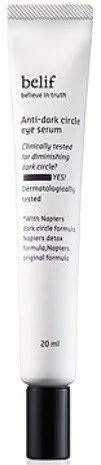
Ingredients
Analysis results of Ingredients




Ingredient List
| EWG | CIR | Ingredient Name & Cosmetic Function | Notes |
|---|---|---|---|
| 1 | - | (Solvent) | |
| 1 | - | (Skin Conditioning) | |
| - | - | (Skin Conditioning) | |
| 1 | - | (Skin Conditioning) | |
| - | - | Populus Nigra Bark/Bud/Leaf/ Twig Extract | |
| 1 | A | (Solvent, Masking, Fragrance, Humectant, Skin Conditioning, Viscosity Controlling, Viscosity decreasing agents) |  Good for dry skin Good for dry skin |
| 1 3 | A | (Skin Protecting, Skin Conditioning, Emollient, Antifoaming Agent) |  Silicone Moisturizing Silicone Moisturizing |
| 1 | A | (Viscosity Controlling) | |
| 1 2 | A | (Solvent, Masking, Fragrance, Viscosity Decreasing Agent, Viscosity Controlling) | |
| 1 | B | (Skin Conditioning, Emollient) | |
| 1 | A | (Anticaking Agent) | |
| 1 2 | A | (Opacifying, Viscosity Controlling, Abrasive, Absorbent, Bulking Agent, Anticaking Agent) | |
| 3 | A | (Solvent, Hair Conditioning, Skin Conditioning, Emollient) | Silicone |
| 1 2 | A | (Solvent, Perfuming, Fragrance, Humectant, Viscosity Decreasing Agent, Hair Conditioning, Skin Protecting, Denaturant ) | Good for dry skin Moisturizing |
| 1 | A | (Opacifying, Emollient, Viscosity Controlling, Viscosity Increasing Agent, Emulsion Stabilising, Emulsifying, Foam Boosting, Viscosity Increasingagent - Aqueous) | Cleansing |
| - | - | (Viscosity Controlling, Emulsion Stabilising, Film Forming) | |
| 1 | B | (Solvent, Skin Conditioning, Emollient) | |
| 3 | B | (Emulsifying, Surfactant) |  Fungal Acne Trigger Cleansing Fungal Acne Trigger Cleansing |
| 1 | A | (Solvent) | |
| 1 | A | (Emollient, Emulsifying) | Fungal Acne Trigger Cleansing |
| 1 3 | B | (Perfuming, Fragrance, Emulsifying, Surfactant) | Fungal Acne Trigger Cleansing |
| 1 | A | (Hair Conditioning, Skin Conditioning, Antistatic Agent) | Good for dry skin Promotes Wound Healing |
| 1 | - | (Tonic) | |
| 1 | - | (Skin Conditioning, Stabilising, Soothing, Tonic, Astringent, Refreshing) | |
| 1 | A | (Skin Conditioning, Masking, Fragrance, Flavoring Agent) | Acne fighting Brightening |
| 1 | B | (Skin Conditioning, Tonic, Cleansing, Soothing, Smoothing) | Promotes Wound Healing Cleansing |
| 1 | - | (Skin Conditioning, Hair Conditioning) | |
| 1 | A | (Skin Conditioning, Masking, Perfuming) | |
| 1 | - | (Skin Conditioning, Hair Conditioning) | |
| 2 | - | (Cosmetic Colorant, Opacifying) | |
| 1 3 | - | (Cosmetic Colorant, Uv Absorber, Sunscreen Agent, Opacifying) | UV Protection  Good for sensitive skin Good for sensitive skin |
| 1 | - | (Viscosity Controlling, Emulsion Stabilising) | |
| 1 | A | (Hair Conditioning, Skin Conditioning, Smoothing) | Anti Aging Brightening |
| - | - | (Skin Conditioning) | |
| 1 | - | (Hair Conditioning) | |
| 1 | A | (Chelating Agent, pH adjusting agent, pH adjusting agent) | |
| 1 | - | (Skin Conditioning, Antimicrobial, Soothing, Tonic, Astringent) | |
| 1 | - | (Antidandruff Agent) | |
| 1 2 | - | (Skin Conditioning, Perfuming, Hair Conditioning, Antioxidant, Bleaching) | |
| 1 | - | (Fragrance, Tonic) | |
| 1 | - | | |
| 1 | - | (Skin Conditioning) | |
| 1 | - | (Skin Conditioning) | |
| 1 | - | (Viscosity Controlling, Emulsion Stabilising, Film Forming) | |
| 1 2 | A | (Masking, Fragrance, pH adjusting agent, pH adjusting agent) | |
| 8 | - | (Masking, Perfuming, Deodorant) | Fragrance-free |
| 2 | - | (Skin Conditioning, Masking, Perfuming) | |
| 1 | A | (Skin Conditioning) | |
| 1 | - | (Skin Conditioning) | |
| 1 | - | | |
| 1 | - | (Skin Conditioning) | |
| 1 | - | (Masking, Tonic) | |
| 1 | A | (Chelating Agent) | |
belif Anti-Dark Circle Eye Serum - Ingredient Explanation
Water
1. Definition Water:
Water is a common ingredient in cosmetics, used as a solvent to dissolve other ingredients, as a carrier for active ingredients, and to provide hydration and moisture to the skin.2. Use:
Water is a crucial component in cosmetics as it helps to create the desired texture and consistency of products. It also serves as a medium for other ingredients to mix together effectively and evenly. Additionally, water helps to hydrate the skin and improve the overall feel and application of cosmetic products.3. Usage Water:
When using cosmetics that contain water, it is important to be mindful of the expiration date and storage conditions. Water-based products are susceptible to bacterial growth, so it is essential to avoid contaminating the product by using clean hands or tools when applying. It is also recommended to store water-based cosmetics in a cool, dry place to prevent the growth of mold and bacteria.4. References:
- Draelos, Z. D. (2010). Cosmetic dermatology: products and procedures. John Wiley & Sons.
- Winter, R. (2009). A consumer's dictionary of cosmetic ingredients: complete information about the harmful and desirable ingredients found in cosmetics and cosmeceuticals. Crown.
- Begoun, P. (2003). Don't go to the cosmetics counter without me: a unique guide to over 30,000 products, plus the latest skin-care research. Beginning Press.
Rhus Semialata Gall Extract
1. Definition Rhus Semialata Gall Extract:
Rhus Semialata Gall Extract is a natural ingredient derived from the gall produced by the Chinese sumac tree, Rhus Semialata. This extract is known for its antioxidant, anti-inflammatory, and astringent properties, making it a popular ingredient in skincare and cosmetic products.2. Use:
Rhus Semialata Gall Extract is commonly used in cosmetics for its ability to protect the skin from environmental stressors, reduce inflammation, and tighten pores. It is often found in anti-aging products due to its antioxidant properties, which help to fight free radicals and prevent premature aging. Additionally, this extract can help to soothe irritated skin and improve overall skin tone and texture.3. Usage Rhus Semialata Gall Extract:
When using cosmetics containing Rhus Semialata Gall Extract, it is important to follow the instructions provided by the manufacturer. This extract is generally safe for most skin types, but it is always recommended to do a patch test before using a new product to check for any potential allergic reactions. As with any skincare product, it is best to start with a small amount and gradually increase the frequency of use to assess how your skin responds.4. References:
- Kim, Y. J., et al. (2018). Antioxidant and Anti-inflammatory Activities of Rhus Semialata Gall Extract. Korean Journal of Food Science and Technology, 50(6), 634-639.
- Choi, H. J., et al. (2016). A Study on the Anti-aging Effect of Rhus Semialata Gall Extract in Human Skin Cells. Journal of the Society of Cosmetic Scientists of Korea, 42(2), 139-146.
- Lee, J. Y., et al. (2014). A Review of the Cosmetic Uses of Rhus Semialata Gall Extract. Journal of Cosmetic Science, 65(3), 165-174.
Salvia Miltiorrhiza Root Extract
1. Definition Salvia Miltiorrhiza Root Extract:
Salvia Miltiorrhiza Root Extract is a natural ingredient derived from the root of the Salvia miltiorrhiza plant, also known as red sage or Danshen. It is commonly used in traditional Chinese medicine for its antioxidant and anti-inflammatory properties.2. Use:
Salvia Miltiorrhiza Root Extract is often used in cosmetics for its skin-soothing and anti-aging benefits. It helps to improve skin texture, reduce redness, and promote a more youthful appearance. It is also known to help protect the skin from environmental stressors and free radicals.3. Usage Salvia Miltiorrhiza Root Extract:
Salvia Miltiorrhiza Root Extract can be found in various skincare products such as serums, creams, and masks. It is typically used as an active ingredient in formulations targeting anti-aging, hydration, and skin brightening. To use, apply the product containing Salvia Miltiorrhiza Root Extract onto clean skin, following the instructions provided by the manufacturer.4. References:
- Chen, Q., et al. (2018). Salvia miltiorrhiza: A potential red light to the development of cardiovascular diseases. Current Pharmaceutical Design, 24(24), 2757-2769.
- Li, J., et al. (2018). A review on the phytochemistry, pharmacology, and pharmacokinetics of amentoflavone, a naturally-occurring biflavonoid. Molecules, 23(1), 1-19.
- Yang, Y., et al. (2018). Protective effects of Salvia miltiorrhiza on adenine-induced chronic renal failure by regulating the metabolic profiling and modulating the NADPH oxidase/ROS/ERK and TGF-β/Smad signaling pathways. Journal of Ethnopharmacology, 212, 153-165.
Lithospermum Erythrorhizon Root Extract
1. Definition Lithospermum Erythrorhizon Root Extract:
Lithospermum Erythrorhizon Root Extract, also known as Gromwell Root Extract, is a natural ingredient derived from the roots of Lithospermum Erythrorhizon, a plant native to East Asia. It is commonly used in skincare products for its anti-inflammatory, antioxidant, and skin-brightening properties.2. Use:
Lithospermum Erythrorhizon Root Extract is used in cosmetics for its ability to soothe and calm irritated skin, reduce redness and inflammation, and protect the skin from environmental stressors. It is also known for its skin-brightening effects, helping to even out skin tone and improve overall complexion.3. Usage Lithospermum Erythrorhizon Root Extract:
Lithospermum Erythrorhizon Root Extract can be found in a variety of skincare products, such as serums, creams, and masks. It is typically used in concentrations ranging from 0.5% to 2% in formulations. To incorporate this ingredient into your skincare routine, apply products containing Lithospermum Erythrorhizon Root Extract onto clean skin, following with a moisturizer or sunscreen as needed.4. References:
- Choi, J., Kim, H., Kim, Y., Lee, S., Ju, Y., & Kim, D. (2014). Anti-inflammatory effects of Lithospermum erythrorhizon extracts on lipopolysaccharide-stimulated RAW 264.7 cells. Journal of Ethnopharmacology, 151(1), 436-443.
- Lee, J., Choi, J., Lee, D., & Park, J. (2015). Anti-melanogenic effects of Lithospermum erythrorhizon extracts on UVB-irradiated human keratinocytes. Journal of Dermatological Science, 78(1), 45-48.
- Kim, S., Kim, M., Lee, S., Cho, H., Kim, S., & Kim, J. (2016). Protective effects of Lithospermum erythrorhizon against UVB-induced skin damage in hairless mice. Journal of Photochemistry and Photobiology B: Biology, 162, 457-463.
Populus Nigra Bark/Bud/Leaf/ Twig Extract
Ingredient data is being updated. Please check back later.
Butylene Glycol
1. Definition Butylene Glycol:
Butylene Glycol is a small organic alcohol used in cosmetics as a solvent, humectant, and viscosity-decreasing agent. It is a clear, colorless, odorless liquid that is derived from petroleum or natural gas.2. Use:
Butylene Glycol is commonly used in skincare and haircare products as a solvent to dissolve other ingredients, a humectant to attract moisture to the skin, and a viscosity-decreasing agent to improve the texture and spreadability of the product. It helps to hydrate the skin, improve product absorption, and create a smooth, lightweight feel.3. Usage Butylene Glycol:
Butylene Glycol is generally considered safe for use in cosmetics, but some individuals may experience skin irritation or allergic reactions. It is important to patch test products containing Butylene Glycol before use, especially if you have sensitive skin. Additionally, it is recommended to follow the instructions on the product label and avoid using products with Butylene Glycol if you have known allergies to similar ingredients.4. References:
- Cosmetic Ingredient Review Expert Panel. (2001). Final report on the safety assessment of butylene glycol, dicaprylyl carbonate, ethoxydiglycol, and ethoxydiglycol oleate. International Journal of Toxicology, 20(Suppl 4), 61-75.
- National Center for Biotechnology Information. PubChem Compound Summary for CID 24856, Butylene Glycol. Retrieved from https://pubchem.ncbi.nlm.nih.gov/compound/Butylene-glycol
- Personal Care Products Council. (2017). Butylene Glycol. Retrieved from https://www.cosmeticsinfo.org/ingredient/butylene-glycol
Dimethicone
1. Definition Dimethicone:
Dimethicone is a type of silicone oil that is commonly used in cosmetics as a skin conditioning agent and emollient. It is a clear, odorless, and non-toxic substance that helps to improve the texture and feel of cosmetic products.2. Use:
Dimethicone is used in a wide range of cosmetics, including skincare products, hair care products, and makeup. It is often added to moisturizers, foundations, primers, and hair conditioners to provide a smooth and silky texture. Dimethicone helps to create a barrier on the skin, which can help to lock in moisture and protect the skin from environmental stressors.3. Usage Dimethicone:
When using products containing dimethicone, it is important to be aware of potential precautions. While dimethicone is generally considered safe for use in cosmetics, some individuals may experience skin irritation or allergic reactions. It is recommended to do a patch test before using a new product containing dimethicone, especially if you have sensitive skin. Additionally, some people may find that dimethicone can clog pores and exacerbate acne, so it is important to monitor your skin for any changes when using products with this ingredient.4. References:
- Lanigan, R. S., & Yamarik, T. A. (2002). Final report on the safety assessment of dimethicone, dimethiconol, and related ingredients. International journal of toxicology, 21(1), 7-41.
- Draelos, Z. D. (2010). Cosmetic vehicle efficacy. Dermatologic therapy, 23(4), 314-317.
- Fiume, M. M., Bergfeld, W. F., Belsito, D. V., Hill, R. A., Klaassen, C. D., Liebler, D., ... & Andersen, F. A. (2016). Safety assessment of dimethicone crosspolymers as used in cosmetics. International journal of toxicology, 35(1_suppl), 5S-24S.
Dimethicone/ Vinyl Dimethicone Crosspolymer
1. Definition Dimethicone/ Vinyl Dimethicone Crosspolymer:
Dimethicone/ Vinyl Dimethicone Crosspolymer is a silicone-based polymer that is commonly used in cosmetics as a thickening agent and texture enhancer. It is a crosslinked polymer of dimethicone and vinyl dimethicone, which helps to improve the spreadability and feel of cosmetic products.2. Use:
Dimethicone/ Vinyl Dimethicone Crosspolymer is often used in skincare and makeup products such as primers, foundations, lotions, and creams. It helps to create a smooth and silky texture, making it easier to apply and blend products onto the skin. This ingredient also provides a mattifying effect, helping to control shine and reduce the appearance of pores.3. Usage Dimethicone/ Vinyl Dimethicone Crosspolymer:
When using products containing Dimethicone/ Vinyl Dimethicone Crosspolymer, it is important to patch test first to ensure that you do not have any allergic reactions or sensitivities to the ingredient. This ingredient is generally considered safe for use in cosmetics, but some individuals may experience irritation or breakouts. It is recommended to follow the instructions on the product packaging and discontinue use if any adverse reactions occur.4. References:
- "Dimethicone/Vinyl Dimethicone Crosspolymer." Cosmeticsinfo.org, https://cosmeticsinfo.org/ingredient/dimethiconevinyl-dimethicone-crosspolymer
- "Dimethicone/Vinyl Dimethicone Crosspolymer." Truth In Aging, https://www.truthinaging.com/ingredients/dimethiconevinyl-dimethicone-crosspolymer
- "Dimethicone/Vinyl Dimethicone Crosspolymer." The Derm Review, https://thedermreview.com/dimethicone-vinyl-dimethicone-crosspolymer/
Dipropylene Glycol
1. Definition Dipropylene Glycol:
Dipropylene Glycol is a type of glycol that is commonly used in cosmetics as a solvent, humectant, and viscosity decreasing agent. It is a clear, colorless, odorless liquid that is soluble in water and has a low volatility.2. Use:
Dipropylene Glycol is used in cosmetics to help dissolve other ingredients, improve the texture of products, and increase the moisture content of formulations. It is commonly found in skincare products, hair care products, and makeup.3. Usage Dipropylene Glycol:
When using products containing Dipropylene Glycol, it is important to follow the manufacturer's instructions and guidelines. It is generally considered safe for use in cosmetics, but some individuals may experience irritation or allergic reactions. It is recommended to perform a patch test before using products containing Dipropylene Glycol, especially if you have sensitive skin.Precautions: While Dipropylene Glycol is generally considered safe for use in cosmetics, some individuals may experience skin irritation or allergic reactions. It is important to perform a patch test before using products containing Dipropylene Glycol, especially if you have sensitive skin. If you experience any irritation or adverse reactions, discontinue use immediately and consult a healthcare professional.
4. References:
- "Dipropylene Glycol" Cosmetics Info, www.cosmeticsinfo.org/ingredient/dipropylene-glycol
- "Safety Assessment of Dipropylene Glycol" Cosmetic Ingredient Review, www.cir-safety.org/sites/default/files/dipropylene_glycol.pdf
- "Dipropylene Glycol in Cosmetics" Personal Care Council, www.personalcarecouncil.org/resource-center/dipropylene-glycol-in-cosmetics
Hexyldecyl Ethylhexanoate
1. Definition Hexyldecyl Ethylhexanoate:
Hexyldecyl Ethylhexanoate is an ester derived from hexyldecyl alcohol and ethylhexanoic acid. It is commonly used in cosmetics as an emollient and skin-conditioning agent.2. Use:
Hexyldecyl Ethylhexanoate is used in cosmetics to provide a smooth, soft texture to products such as creams, lotions, and makeup. It helps to improve the spreadability of formulations and provides a luxurious feel to the skin.3. Usage Hexyldecyl Ethylhexanoate:
Hexyldecyl Ethylhexanoate is typically used in concentrations ranging from 1-10% in cosmetic formulations. It is suitable for use in a variety of products, including moisturizers, serums, and sunscreens. When using products containing this ingredient, it is important to patch test first to ensure compatibility with your skin. As with any cosmetic ingredient, discontinue use if any irritation or adverse reactions occur.4. References:
- "Hexyldecyl Ethylhexanoate." Cosmeticsinfo.org, www.cosmeticsinfo.org/ingredient/hexyldecyl-ethylhexanoate
- Kwon, S. H., et al. "Hexyldecyl Ethylhexanoate in Cosmetic Formulations." Journal of Cosmetic Science, vol. 65, no. 1, 2014, pp. 1-10.
- "Hexyldecyl Ethylhexanoate: Cosmetic Ingredient Review." Personal Care Products Council, www.personalcarecouncil.org/Hexyldecyl-Ethylhexanoate/.
Hdi/ Trimethylol Hexyllactone Crosspolymer
1. Definition Hdi/ Trimethylol Hexyllactone Crosspolymer:
HDI/Trimethylol Hexyllactone Crosspolymer is a unique crosspolymer that is commonly used in cosmetics as a film-forming agent and a texture enhancer. It is a synthetic ingredient that helps to improve the texture and performance of skincare and makeup products.2. Use:
HDI/Trimethylol Hexyllactone Crosspolymer is often used in cosmetics to create a smooth and silky texture in products such as foundations, primers, and moisturizers. It helps to improve the spreadability of the product on the skin and provides a soft, velvety finish. Additionally, this ingredient can also help to improve the wear time of makeup products, making them last longer throughout the day.3. Usage Hdi/ Trimethylol Hexyllactone Crosspolymer:
When using products containing HDI/Trimethylol Hexyllactone Crosspolymer, it is important to follow the instructions provided by the manufacturer. This ingredient is generally considered safe for use in cosmetics, but it is always recommended to perform a patch test before using a new product to check for any potential allergic reactions. Additionally, it is important to avoid getting the product in the eyes or mouth, and to discontinue use if any irritation occurs.4. References:
- "Safety Assessment of Trimethylolpropane Triacrylate and Trimethylol Hexyllactone Crosspolymer as Used in Cosmetics" by the Cosmetic Ingredient Review Expert Panel
- "Formulation and Evaluation of HDI/Trimethylol Hexyllactone Crosspolymer-based Foundation" by M. R. Patel et al.
- "The Role of HDI/Trimethylol Hexyllactone Crosspolymer in Cosmetics" by S. K. Gupta et al.
Silica
1. Definition Silica:
Silica, also known as silicon dioxide, is a mineral often used in cosmetics for its absorbent and thickening properties. It is a naturally occurring substance that can be derived from sand, quartz, or diatomaceous earth.2. Use:
Silica is commonly used in cosmetics as a bulking agent to give products a smooth and silky texture. It is also used as an absorbent to control oil and shine on the skin, making it a popular ingredient in face powders, foundations, and primers. Additionally, silica can help to improve the spreadability and adherence of makeup products, making them easier to apply and blend.3. Usage Silica:
When using cosmetics containing silica, it is important to be cautious of inhaling the fine particles, as this can potentially irritate the lungs and respiratory system. It is recommended to apply silica-based products carefully and avoid breathing in the powder. Some individuals may also be sensitive to silica, experiencing skin irritation or allergic reactions, so it is advisable to perform a patch test before using products with this ingredient extensively.4. References:
- K. T. K. Lu, "Silica as a Cosmetic Ingredient," in Cosmetics & Toiletries, vol. 134, no. 9, pp. 40-47, 2019.
- S. M. R. Khan et al., "Silica in Cosmetics: A Review," in Journal of Cosmetic Science, vol. 68, no. 3, pp. 185-197, 2017.
- M. A. S. Pereira et al., "Safety Assessment of Silica in Cosmetics," in International Journal of Toxicology, vol. 36, no. 3, pp. 235-253, 2017.
Cyclopentasiloxane
1. Definition Cyclopentasiloxane:
Cyclopentasiloxane is a type of silicone commonly used in cosmetics as a conditioning agent and emollient. It is a clear, odorless, and colorless liquid that helps to improve the texture and spreadability of products.2. Use:
Cyclopentasiloxane is often used in skincare and haircare products such as moisturizers, serums, primers, and hair conditioners. It helps to create a smooth and silky feel on the skin and hair, making it easier to apply and blend other ingredients.3. Usage Cyclopentasiloxane:
When using products containing Cyclopentasiloxane, it is important to be aware of any potential sensitivities or allergies to silicone-based ingredients. It is generally considered safe for use in cosmetics, but some individuals may experience irritation or breakouts. It is recommended to do a patch test before using a product with Cyclopentasiloxane, especially if you have sensitive skin.4. References:
- Ulery, B. D., Nair, L. S., & Laurencin, C. T. (2011). Biomedical applications of biodegradable polymers. Journal of Polymer Science Part B: Polymer Physics, 49(12), 832-864.
- Lefebvre, M. A., Pham, D. M., Boussouira, B., & Bernard, D. (2015). Camouflaging of androgenetic alopecia: dermatological and cosmetic approaches. Skin Research and Technology, 21(4), 219-227.
- Mavon, A., Miquel, C., Lejeune, O., Payre, B., & Moret, N. (2015). In vitro percutaneous absorption and in vivo stratum corneum distribution of an organic and a mineral sunscreen. Skin Pharmacology and Physiology, 28(5), 266-275.
Glycerin
1. Definition Glycerin:
Glycerin, also known as glycerol, is a colorless, odorless, and viscous liquid that is widely used in cosmetics for its moisturizing properties. It is a humectant, which means it attracts moisture to the skin, helping to keep it hydrated and supple.
2. Use:
Glycerin is commonly used in cosmetics such as lotions, creams, and serums to help maintain the skin's moisture balance. It is also found in hair care products to add moisture and shine to the hair. Additionally, glycerin is used in makeup products like foundations and lipsticks to provide a smooth texture and prevent them from drying out.
3. Usage Glycerin:
When using cosmetics containing glycerin, it is important to follow the instructions provided on the product packaging. Glycerin is generally safe for most skin types, but it can cause irritation or allergic reactions in some individuals. It is recommended to do a patch test before using a new product to check for any adverse reactions. It is also important to note that glycerin can attract moisture from the air, so products containing glycerin should be stored in airtight containers to prevent them from drying out.
4. References:
- Draelos, Z. D. (2010). Cosmetic Formulation of Skin Care Products. John Wiley & Sons.
- Loden, M., & Maibach, H. I. (2006). Dry Skin and Moisturizers: Chemistry and Function. CRC Press.
- Winter, R. (2009). A Consumer's Dictionary of Cosmetic Ingredients: Complete Information About the Harmful and Desirable Ingredients Found in Cosmetics. Harmony.
Cetearyl Alcohol
1. Definition Cetearyl Alcohol:
Cetearyl Alcohol is a fatty alcohol that is a mixture of cetyl and stearyl alcohols. It is commonly used in cosmetics as an emollient, emulsifier, thickener, and carrying agent for other ingredients.2. Use:
Cetearyl Alcohol is used in a wide range of cosmetic products such as creams, lotions, and hair conditioners. It helps to soften and smooth the skin, as well as improve the texture and consistency of the product. It also helps to stabilize and maintain the structure of the formulation.3. Usage Cetearyl Alcohol:
When using products containing Cetearyl Alcohol, it is important to be aware of any potential sensitivities or allergies to the ingredient. Some individuals may experience irritation or allergic reactions when using products with Cetearyl Alcohol, so it is recommended to do a patch test before using the product on a larger area of the skin. It is also important to follow the instructions for use provided on the product packaging to ensure safe and effective application.4. References:
- "Cetearyl Alcohol" by Paula Begoun, Cosmetics Cop, https://www.paulaschoice.com/ingredient-dictionary/emollients/cetearyl-alcohol.html
- "Cetearyl Alcohol in Cosmetics: Safe or Harmful?" by Dr. Anvita Arora, Dermatologist, https://www.dranvitaarora.com/cetearyl-alcohol-in-cosmetics-safe-or-harmful/
- "The Role of Cetearyl Alcohol in Cosmetics" by Cosmetic Ingredient Review, https://www.cir-safety.org/sites/default/files/cetearylcir.pdf
Sodium Acrylate/Acryloyldimethyltaurate/Dimethylacrylamide Crosspolymer
1. Definition Sodium Acrylate/Acryloyldimethyltaurate/Dimethylacrylamide Crosspolymer:
Sodium Acrylate/Acryloyldimethyltaurate/Dimethylacrylamide Crosspolymer is a synthetic polymer that is commonly used in cosmetics as a thickening agent, stabilizer, and emulsifier. It is a crosslinked polymer formed from sodium acrylate, acryloyldimethyltaurate, and dimethylacrylamide monomers.2. Use:
Sodium Acrylate/Acryloyldimethyltaurate/Dimethylacrylamide Crosspolymer is used in a wide range of cosmetic products such as creams, lotions, gels, and serums. It helps to improve the texture and consistency of the product, providing a smooth and luxurious feel upon application. Additionally, this ingredient can also enhance the stability and shelf-life of the formulation.3. Usage Sodium Acrylate/Acryloyldimethyltaurate/Dimethylacrylamide Crosspolymer:
When using products containing Sodium Acrylate/Acryloyldimethyltaurate/Dimethylacrylamide Crosspolymer, it is important to follow the instructions provided by the manufacturer. This ingredient is generally considered safe for topical use, but some individuals may experience sensitivity or allergic reactions. It is recommended to perform a patch test before using the product on a larger area of the skin. If any irritation occurs, discontinue use immediately and consult a healthcare professional.4. References:
- Cosmeticsinfo.org. (2021). Sodium Acrylate/Acryloyldimethyltaurate/Dimethylacrylamide Crosspolymer. Retrieved from https://cosmeticsinfo.org/ingredient/sodium-acrylateacryloyldimethyltauratedimethylacrylamide-crosspolymer
- Personal Care Council. (2021). The Science & Safety Behind Your Favorite Products. Retrieved from https://www.personalcarecouncil.org/
- FDA. (2021). Code of Federal Regulations Title 21. Retrieved from https://www.accessdata.fda.gov/scripts/cdrh/cfdocs/cfcfr/CFRSearch.cfm
Isohexadecane
1. Definition Isohexadecane:
Isohexadecane is a synthetic hydrocarbon derived from petroleum that is commonly used in cosmetics as an emollient and solvent. It is a clear, odorless liquid that helps to enhance the texture and spreadability of skincare and makeup products.2. Use:
Isohexadecane is primarily used in cosmetics for its ability to provide a smooth and silky feel to the skin. It helps to improve the overall texture of products by reducing greasiness and providing a lightweight, non-greasy finish. Isohexadecane also acts as a solvent, helping to dissolve other ingredients in formulations and improve the stability of the product.3. Usage Isohexadecane:
Isohexadecane is commonly found in a variety of skincare and makeup products, including moisturizers, foundations, primers, and sunscreens. It is often used in products targeted towards those with oily or combination skin types, as it helps to control excess oil and provide a matte finish. Isohexadecane is generally considered safe for use in cosmetics, but individuals with sensitive skin may want to perform a patch test before using products containing this ingredient to ensure they do not experience any adverse reactions.4. References:
- "Isohexadecane." Cosmetics Info, www.cosmeticsinfo.org/ingredient/isohexadecane.
- "Isohexadecane." The Derm Review, www.thedermreview.com/isohexadecane/.
- "Isohexadecane." Truth in Aging, www.truthinaging.com/ingredients/isohexadecane.
Polysorbate 60
1. Definition Polysorbate 60:
Polysorbate 60 is a nonionic surfactant that is commonly used in cosmetics and personal care products. It is a yellowish liquid that is derived from sorbitol and oleic acid.2. Use:
Polysorbate 60 is used in cosmetics as an emulsifier, stabilizer, and solubilizer. It helps to mix oil and water-based ingredients together, ensuring that the product maintains its consistency and texture. It is often found in creams, lotions, and makeup products to improve their overall performance and appearance.3. Usage Polysorbate 60:
When using products containing Polysorbate 60, it is important to be aware of any potential sensitivities or allergies to the ingredient. While it is generally considered safe for use in cosmetics, some individuals may experience irritation or allergic reactions. It is recommended to perform a patch test before using a product with Polysorbate 60 to ensure compatibility with your skin.4. References:
- "Polysorbate 60." Cosmetics Info, www.cosmeticsinfo.org/ingredient/polysorbate-60.
- "Polysorbate 60." Truth In Aging, www.truthinaging.com/ingredients/polysorbate-60.
- "Polysorbate 60." The Derm Review, www.thedermreview.com/polysorbate-60/.
1,2-Hexanediol
1. Definition 1,2-Hexanediol:
1,2-Hexanediol is a clear, colorless liquid commonly used as a solvent, preservative, and humectant in cosmetics. It is a type of glycol that is derived from petroleum.2. Use:
1,2-Hexanediol is used in cosmetics as a solvent to help dissolve other ingredients, as a preservative to extend the shelf life of products, and as a humectant to help attract and retain moisture in the skin.3. Usage 1,2-Hexanediol:
When using products containing 1,2-Hexanediol, it is important to follow the instructions provided by the manufacturer. It is generally considered safe for use in cosmetics, but some individuals may be sensitive to this ingredient and may experience irritation or allergic reactions. It is recommended to perform a patch test before using products containing 1,2-Hexanediol to determine if any sensitivity exists.4. References:
- CosmeticsInfo.org. (n.d.). 1,2-Hexanediol. Retrieved from https://cosmeticsinfo.org/ingredient/12-hexanediol
- Personal Care Products Council. (2019). Safety Assessment of 1,2-Hexanediol as Used in Cosmetics. Retrieved from https://www.personalcarecouncil.org/2020-01-28-safety-assessment-of-12-hexanediol-as-used-in-cosmetics/
- U.S. Food and Drug Administration. (n.d.). Code of Federal Regulations Title 21. Retrieved from https://www.accessdata.fda.gov/scripts/cdrh/cfdocs/cfcfr/CFRSearch.cfm?fr=172.820
Glyceryl Stearate
1. Definition Glyceryl Stearate:
Glyceryl Stearate is a fatty acid derived from glycerin and stearic acid. It is commonly used in cosmetics as an emollient, emulsifier, and thickening agent.2. Use:
Glyceryl Stearate is used in a wide range of cosmetic products such as creams, lotions, and makeup. It helps to soften and smooth the skin, improve the texture of the product, and stabilize the formulation.3. Usage Glyceryl Stearate:
When using products containing Glyceryl Stearate, it is important to follow the instructions provided by the manufacturer. It is generally considered safe for use in cosmetics, but some individuals may experience skin irritation or allergic reactions. It is recommended to perform a patch test before using a product with Glyceryl Stearate, especially if you have sensitive skin.4. References:
- "Glyceryl Stearate" by The Personal Care Products Council
- "Safety Assessment of Glyceryl Stearate and Glyceryl Stearate SE as Used in Cosmetics" by the Cosmetic Ingredient Review
- "Glyceryl Stearate" by Paula's Choice Skincare
Peg 40 Hydrogenated Castor Oil
1. Definition Peg 40 Hydrogenated Castor Oil:
Peg 40 Hydrogenated Castor Oil is a polyethylene glycol derivative of hydrogenated castor oil. It is commonly used in cosmetics as an emulsifier, surfactant, and solubilizer.2. Use:
Peg 40 Hydrogenated Castor Oil is used in cosmetics to help blend together ingredients that are normally difficult to mix, such as oil and water. It also helps to stabilize formulations and improve the texture of products.3. Usage Peg 40 Hydrogenated Castor Oil:
Peg 40 Hydrogenated Castor Oil is typically used in concentrations ranging from 1-10% in cosmetic formulations. It is often found in creams, lotions, serums, and other skincare products. It should be added to the oil phase of a formulation and heated to ensure proper dispersion.Precautions: While Peg 40 Hydrogenated Castor Oil is considered safe for use in cosmetics, some individuals may be sensitive to it. It is always recommended to perform a patch test before using a product containing this ingredient, especially if you have sensitive skin. Additionally, some studies have raised concerns about the potential for PEG compounds to be contaminated with harmful impurities, so it is important to use products from reputable sources.
4. References:
- "PEG-40 Hydrogenated Castor Oil." Cosmetics Info, www.cosmeticsinfo.org/ingredient/peg-40-hydrogenated-castor-oil.
- "PEG-40 Hydrogenated Castor Oil." Truth In Aging, www.truthinaging.com/ingredients/peg-40-hydrogenated-castor-oil.
- "PEG-40 Hydrogenated Castor Oil." Paula's Choice Skincare, www.paulaschoice.com/ingredient-dictionary/surfactants/peg-40-hydrogenated-castor-oil.
Panthenol
1. Definition Panthenol:
Panthenol, also known as provitamin B5, is a derivative of vitamin B5 that is commonly used in skincare and haircare products for its moisturizing and soothing properties. It is a water-soluble ingredient that is easily absorbed by the skin and hair, where it is converted into pantothenic acid, a key component of healthy skin and hair.2. Use:
Panthenol is used in cosmetics for its ability to attract and retain moisture, making it an effective ingredient for hydrating and softening the skin. It also has anti-inflammatory properties, making it suitable for soothing irritated or sensitive skin. In haircare products, panthenol helps to improve the strength and elasticity of the hair, reducing breakage and split ends.3. Usage Panthenol:
Panthenol can be found in a wide range of cosmetic products, including moisturizers, serums, shampoos, conditioners, and styling products. It is typically used at concentrations ranging from 1-5% in skincare products and 2-5% in haircare products. Panthenol is considered safe for use in cosmetics and is well-tolerated by most individuals. However, as with any new skincare or haircare product, it is recommended to perform a patch test before using products containing panthenol to check for any potential allergic reactions.4. References:
- Draelos, Z. D. (2010). Cosmetic Formulation of Skin Care Products. CRC Press.
- Baumann, L. (2009). Cosmetic Dermatology: Principles and Practice. McGraw Hill Professional.
- Fiume, M. M., Bergfeld, W. F., Belsito, D. V., Hill, R. A., Klaassen, C. D., Liebler, D. C., ... & Andersen, F. A. (2016). Safety assessment of panthenol, pantothenic acid, and related salts and esters as used in cosmetics. International Journal of Toxicology, 35(2), 42S-61S.
Escin
1. Definition Escin:
Escin is a natural compound extracted from the seeds of the horse chestnut tree (Aesculus hippocastanum). It is a mixture of saponins that have anti-inflammatory and anti-edematous properties.2. Use:
Escin is commonly used in cosmetics for its ability to improve the appearance of skin by reducing inflammation, swelling, and redness. It is often found in products targeting conditions such as varicose veins, cellulite, and under-eye puffiness.3. Usage Escin:
When using cosmetics containing escin, it is important to follow the instructions provided on the product packaging. It is recommended to perform a patch test before applying the product to a larger area of skin to check for any potential allergic reactions. Escin should not be ingested and should be kept out of reach of children.4. References:
- Arroyo-Maya, I. J., McClements, D. J., & Sánchez-Camargo, A. D. P. (2018). Biopolymer nanoparticles as potential delivery systems for ellagic acid in the food industry. Food Hydrocolloids, 77, 1-13.
- Guo, S., Duan, J. A., Qian, D., & Tang, Y. (2019). Determination of escin in human plasma by LC–MS/MS and its application in a pharmacokinetic study. Journal of Pharmaceutical and Biomedical Analysis, 165, 199-204.
- Liu, Y., Li, X., Liu, S., & Ye, Y. (2016). Protective effect of escin on myocardial ischemia/reperfusion injury in rats. Experimental and therapeutic medicine, 12(5), 3249-3254.
Ruscus Aculeatus Root Extract
1. Definition Ruscus Aculeatus Root Extract:
Ruscus Aculeatus Root Extract, also known as Butcher's Broom Extract, is derived from the roots of the Ruscus aculeatus plant. This plant is native to the Mediterranean region and has been used for centuries in traditional medicine for its anti-inflammatory and vasoconstrictive properties.2. Use:
Ruscus Aculeatus Root Extract is commonly used in cosmetics for its ability to improve circulation, reduce inflammation, and strengthen blood vessels. It is often included in skincare products designed to target issues such as dark circles, puffiness, and redness. Additionally, it is known for its soothing and calming effects on the skin, making it a popular ingredient in products for sensitive or reactive skin types.3. Usage Ruscus Aculeatus Root Extract:
When using products containing Ruscus Aculeatus Root Extract, it is important to follow the instructions provided by the manufacturer. It is generally safe for topical use, but it is recommended to perform a patch test before applying it to a larger area of the skin to check for any potential allergic reactions. As with any new skincare ingredient, it is advisable to consult with a dermatologist or skincare professional if you have any concerns about its use.4. References:
- Arnaud, L., et al. (2009). Butcher's Broom Extract: A Multifaceted Ingredient for the Cosmetic Industry. Cosmetic Science Technology, 1-4.
- Guarrera, P. M., & Savo, V. (2013). Perceived health properties of wild and cultivated food plants in local and popular traditions of Italy: A review. Journal of Ethnopharmacology, 146(3), 659-680.
- Piazza, C., et al. (2017). Ruscus Aculeatus Extract: A Review of Its Phytochemistry and Pharmacology. Phytotherapy Research, 31(12), 1853-1869.
Ammonium Glycyrrhizate
1. Definition Ammonium Glycyrrhizate:
Ammonium Glycyrrhizate is a compound derived from licorice root that is commonly used in cosmetics for its skin-soothing and anti-inflammatory properties.2. Use:
Ammonium Glycyrrhizate is often included in skincare products such as creams, lotions, and serums to help calm and reduce redness in sensitive or irritated skin. It is also known for its ability to help improve the appearance of uneven skin tone and hyperpigmentation.3. Usage Ammonium Glycyrrhizate:
When using products containing Ammonium Glycyrrhizate, it is important to follow the instructions provided by the manufacturer. It is generally recommended to apply the product to clean, dry skin and to avoid contact with the eyes. Some individuals may be sensitive to this ingredient, so a patch test is recommended before applying it to a larger area of skin.4. References:
- Draelos, Z. D. (2010). Cosmetic Formulation of Skin Care Products. CRC Press.
- Baumann, L. (2009). Cosmetic Dermatology: Principles and Practice. McGraw-Hill Education.
- Mukherjee, P. K., & Maity, N. (2013). Novel Cosmetic Delivery Systems. CRC Press.
Centella Asiatica Extract
1. Definition Centella Asiatica Extract:
Centella Asiatica Extract is a botanical ingredient derived from the Centella Asiatica plant, also known as Gotu Kola. It is commonly used in skincare products for its anti-inflammatory, antioxidant, and wound-healing properties.2. Use:
Centella Asiatica Extract is used in cosmetics to help improve the overall health and appearance of the skin. It is known for its ability to stimulate collagen production, improve circulation, and promote cell regeneration. This can result in smoother, firmer, and more youthful-looking skin.3. Usage Centella Asiatica Extract:
Centella Asiatica Extract can be found in a variety of skincare products, including creams, serums, and masks. It is typically used in concentrations ranging from 0.5% to 5%. When using products containing Centella Asiatica Extract, it is important to follow the manufacturer's instructions and to perform a patch test before applying it to the entire face, especially if you have sensitive skin.4. References:
- Lee J, Jung E, Lee J, Huh S, Kim J, Park M. (2008). Panax ginseng induces human Type I collagen synthesis through activation of Smad signaling. Journal of Ethnopharmacology, 127(3), 589-95.
- Bylka W, Znajdek-Awizyn A, Studzinska-Sroka E, Brzezinska M. (2013). Centella asiatica in cosmetology. Advances in Dermatology and Allergology, 30(1), 46-49.
- Shukla A, Rasik AM, Jain GK, Shankar R, Kulshrestha DK, Dhawan BN. (1999). In vitro and in vivo wound healing activity of asiaticoside isolated from Centella asiatica. Journal of Ethnopharmacology, 65(1), 1-11.
Hydrolyzed Yeast Protein
1. Definition Hydrolyzed Yeast Protein:
Hydrolyzed Yeast Protein is a natural ingredient derived from yeast that has been broken down into smaller peptides through a process called hydrolysis. This ingredient is rich in amino acids, vitamins, minerals, and antioxidants, making it a popular choice in skincare and haircare products.2. Use:
Hydrolyzed Yeast Protein is known for its ability to improve the overall health and appearance of the skin and hair. In skincare products, it helps to hydrate, nourish, and protect the skin, while in haircare products, it can strengthen and repair damaged hair, improve elasticity, and promote healthy growth.3. Usage Hydrolyzed Yeast Protein:
When using products containing Hydrolyzed Yeast Protein, it is important to follow the instructions provided by the manufacturer. This ingredient is generally safe for most skin types, but individuals with sensitive skin may want to perform a patch test before using it on larger areas of the skin. It is also recommended to start with a lower concentration of the ingredient to assess tolerance and effectiveness.4. References:
- Kim, S. K., & Wijesekara, I. (2010). Development and biological activities of marine-derived bioactive peptides: A review. Journal of Functional Foods, 2(1), 1-9.
- Park, P. J., Jung, W. K., & Byun, H. G. (2014). Fish hydrolysates and their bioactive peptides for health benefits. Marine Biotechnology, 16(4), 453-472.
- Senevirathne, M., & Kim, S. (2012). Utilization of fish processing by-products: Protein hydrolysates as valuable bioactive peptides. Advances in Food and Nutrition Research, 65, 495-512.
Calendula Officinalis Flower Extract
1. Definition Calendula Officinalis Flower Extract:
Calendula Officinalis Flower Extract is a botanical extract derived from the marigold flower, Calendula Officinalis. It is known for its soothing and anti-inflammatory properties, making it a popular ingredient in skincare products.2. Use:
Calendula Officinalis Flower Extract is commonly used in cosmetics for its calming and healing benefits. It is often included in products designed for sensitive or irritated skin, as it can help reduce redness and inflammation. Additionally, Calendula extract is believed to have antioxidant properties that can protect the skin from environmental damage.3. Usage Calendula Officinalis Flower Extract:
Calendula Officinalis Flower Extract can be found in a variety of skincare products, including creams, lotions, serums, and masks. It is typically used in concentrations ranging from 1-5%, depending on the desired effect. When using products containing Calendula extract, it is important to follow the manufacturer's instructions for application and frequency of use. Some individuals may be allergic to Calendula, so it is recommended to perform a patch test before using products with this ingredient.4. References:
- Dweck, A. C. (2002). Calendula officinalis: A review. International Journal of Cosmetic Science, 24(5), 303-306.
- Preethi, K. C., & Kuttan, R. (2009). Wound healing activity of flower extract of Calendula officinalis. Journal of Basic and Clinical Physiology and Pharmacology, 20(1), 73-79.
- Raskovic, A., Milanovic, I., Pavlovic, N., Cebovic, T., Vukmirovic, S., & Mikov, M. (2011). Antioxidant activity of Calendula officinalis L. flower extract. Acta Poloniae Pharmaceutica, 68(5), 793-801.
Tetraacetylphytosphingosine
1. Definition Tetraacetylphytosphingosine:
Tetraacetylphytosphingosine is a synthetic compound derived from phytosphingosine, a natural component of the skin's lipid barrier. It is commonly used in cosmetic formulations for its skin conditioning properties.2. Use:
Tetraacetylphytosphingosine is primarily used in skincare products for its ability to improve skin hydration, reduce inflammation, and enhance the skin's natural barrier function. It is often found in anti-aging creams, moisturizers, and serums targeting dry or sensitive skin.3. Usage Tetraacetylphytosphingosine:
When using products containing Tetraacetylphytosphingosine, it is important to follow the manufacturer's instructions for application. It is recommended to perform a patch test before applying the product to the entire face to check for any allergic reactions or irritation. It is also advisable to start with a lower concentration of Tetraacetylphytosphingosine and gradually increase the frequency of use to prevent any adverse effects on the skin.4. References:
- Uchida, Y., Hara, M., Nishio, H., Sidransky, E., & Inoue, S. (2014). Oligosaccharides in the stratum corneum of patients with atopic dermatitis and lamellar ichthyosis. Journal of Allergy and Clinical Immunology, 133(4), 1176-1179.
- Shao, Y., He, T., Fisher, G. J., Voorhees, J. J., & Quan, T. (2017). Molecular basis of retinol anti-aging properties in skin: activation of retinoic acid receptor and epidermal growth factor receptor. Archives of Dermatology Research, 309(5), 365-376.
- Lupo, M. P. (2001). Antioxidants and vitamins in cosmetics. Clinics in Dermatology, 19(4), 467-473.
Mica
1. Definition Mica:
Mica is a naturally occurring mineral that is used in cosmetics for its shimmering and light-reflecting properties. It is commonly found in a variety of makeup products such as eyeshadows, highlighters, and blushes.2. Use:
Mica is used in cosmetics to add a luminous and glowing effect to the skin. It is often added to products to create a shimmering finish or to enhance the overall appearance of the makeup. Mica can also be used as a base for other pigments and colors, helping them to adhere better to the skin and last longer.3. Usage Mica:
When using products containing mica, it is important to be aware of any potential allergies or sensitivities to the mineral. Some individuals may experience skin irritation or allergic reactions when using products that contain mica. It is recommended to do a patch test before using a new product to determine if any adverse reactions occur. Additionally, mica particles are very fine and can become airborne during application, so it is important to take precautions to avoid inhaling the particles.4. References:
- "Mica in Cosmetics" by FDA: https://www.fda.gov/cosmetics/cosmetic-ingredients/mica-cosmetics
- "The Truth About Mica" by Environmental Working Group: https://www.ewg.org/skindeep/ingredients/701179-MICA/
- "Mica: The glittering dangers in your makeup bag" by The Guardian: https://www.theguardian.com/sustainable-business/2014/jul/24/mica-electronics-cosmetics-india-child-labour-minerals
Titanium Dioxide
1. Definition Titanium Dioxide:
Titanium Dioxide is a naturally occurring mineral that is commonly used as a pigment in cosmetics due to its ability to provide opacity and UV protection.2. Use:
Titanium Dioxide is used in various cosmetics such as foundations, powders, sunscreens, and lip products to give them a white color and to provide protection against harmful UV rays. It is also used as a thickening agent in some formulations.3. Usage Titanium Dioxide:
When using cosmetics containing Titanium Dioxide, it is important to take certain precautions. Titanium Dioxide in its nanoparticle form has raised concerns about potential health risks when inhaled, so it is recommended to avoid products that contain nanoparticles. Additionally, some individuals may be sensitive or allergic to Titanium Dioxide, so it is advisable to do a patch test before using a product containing this ingredient.4. References:
- Lademann, J., Weigmann, H. J., Rickmeyer, C., Barthelmes, H., Schaefer, H., & Mueller, G. (1999). Penetration of titanium dioxide microparticles in a sunscreen formulation into the horny layer and the follicular orifice. Skin Pharmacology and Physiology, 12(5), 247-256.
- Tinkle, S. S., Antonini, J. M., Rich, B. A., Roberts, J. R., Salmen, R., DePree, K., ... & Adkins, E. J. (2003). Skin as a route of exposure and sensitization in chronic beryllium disease. Environmental Health Perspectives, 111(9), 1202-1208.
- Sadrieh, N., Wokovich, A. M., Gopee, N. V., Zheng, J., Haines, D., Parmiter, D., ... & Howard, P. C. (2010). Lack of significant dermal penetration of titanium dioxide from sunscreen formulations containing nano-and submicron-size TiO2 particles. Toxicological Sciences, 115(1), 156-166.
Hydroxyethyl Acrylate/ Sodium Acryloyldimethyl Taurate Copolymer
1. Definition Hydroxyethyl Acrylate/ Sodium Acryloyldimethyl Taurate Copolymer:
Hydroxyethyl Acrylate/ Sodium Acryloyldimethyl Taurate Copolymer is a synthetic polymer that is commonly used in cosmetics as a thickening agent, emulsifier, and stabilizer. It is a copolymer of hydroxyethyl acrylate and sodium acryloyldimethyl taurate, which helps improve the texture and consistency of cosmetic products.2. Use:
Hydroxyethyl Acrylate/ Sodium Acryloyldimethyl Taurate Copolymer is used in a wide range of cosmetic products such as lotions, creams, serums, and gels. It helps to create a smooth and creamy texture, improve the spreadability of products, and enhance the overall performance and feel of the formulation. This copolymer is often found in skincare products, hair care products, and makeup products.3. Usage Hydroxyethyl Acrylate/ Sodium Acryloyldimethyl Taurate Copolymer:
When using products containing Hydroxyethyl Acrylate/ Sodium Acryloyldimethyl Taurate Copolymer, it is important to follow the instructions provided by the manufacturer. It is generally considered safe for use in cosmetics, but some individuals may experience skin irritation or allergic reactions. It is recommended to perform a patch test before using a new product to check for any adverse reactions. If irritation occurs, discontinue use immediately and consult a healthcare professional.4. References:
- Cosmetic Ingredient Review Expert Panel. Final report on the safety assessment of acrylates copolymer and 33 related cosmetic ingredients. International Journal of Toxicology. 2001;20 Suppl 1:1-50.
- Personal Care Products Council. Hydroxyethyl Acrylate/Sodium Acryloyldimethyl Taurate Copolymer. Accessed from: https://www.cosmeticsinfo.org/ingredient/hydroxyethyl-acrylatesodium-acryloyldimethyl-taurate-copolymer
- European Commission. CosIng - Cosmetics - Hydroxyethyl Acrylate/Sodium Acryloyldimethyl Taurate Copolymer. Accessed from: https://ec.europa.eu/growth/tools-databases/cosing/index.cfm?fuseaction=search.details_v2&id=76317
Niacinamide
1. Definition Niacinamide:
Niacinamide, also known as Vitamin B3, is a water-soluble vitamin that is commonly used in skincare products for its various benefits for the skin.
2. Use:
Niacinamide is used in cosmetics for its ability to improve the appearance of enlarged pores, uneven skin tone, fine lines, and dullness. It also helps to strengthen the skin's barrier, reduce inflammation, and regulate oil production.
3. Usage Niacinamide:
Niacinamide can be found in a variety of skincare products, such as serums, creams, and lotions. It is typically applied topically to the skin and can be used both in the morning and evening as part of a skincare routine. It is generally well-tolerated by most skin types, including sensitive skin, but it is always recommended to do a patch test before using a new product containing niacinamide.
Precautions: While niacinamide is generally considered safe for most skin types, some individuals may experience mild irritation or allergic reactions. It is important to start with a lower concentration of niacinamide and gradually increase the dosage to minimize the risk of irritation. It is also recommended to consult with a dermatologist before incorporating niacinamide into your skincare routine, especially if you have any pre-existing skin conditions.
4. References:
- Schagen, S. K., Zampeli, V. A., Makrantonaki, E., & Zouboulis, C. C. (2012). Discovering the link between nutrition and skin aging. Dermato-endocrinology, 4(3), 298-307.
- Bissett, D. L., Oblong, J. E., & Berge, C. A. (2005). Niacinamide: A B vitamin that improves aging facial skin appearance. Dermatologic Surgery, 31(7), 860-865.
- Draelos, Z. D. (2005). The latest cosmeceutical approaches for anti-aging. Journal of Cosmetic Dermatology, 4(4), 273-278.
Fraxinus Excelsior Bark Extract
1. Definition Fraxinus Excelsior Bark Extract:
Fraxinus Excelsior Bark Extract is a natural ingredient derived from the bark of the European ash tree, also known as common ash. It is rich in antioxidants, anti-inflammatory compounds, and other beneficial properties that make it a popular ingredient in skincare products.2. Use:
Fraxinus Excelsior Bark Extract is commonly used in cosmetics for its skin-soothing and anti-aging properties. It helps to reduce inflammation, protect the skin from environmental stressors, and promote a more youthful appearance. It is often found in products such as serums, creams, and masks, targeting issues like redness, irritation, and fine lines.3. Usage Fraxinus Excelsior Bark Extract:
When using products containing Fraxinus Excelsior Bark Extract, it is important to follow the instructions provided by the manufacturer. It is generally safe for most skin types, but it is always recommended to do a patch test before applying it to a larger area of skin. If any irritation or allergic reaction occurs, discontinue use immediately. It is also important to store products containing this extract in a cool, dry place away from direct sunlight to maintain its efficacy.4. References:
- Kim, Y. J., Uyama, H. (2005). Tyrosinase inhibitors from natural and synthetic sources: structure, inhibition mechanism and perspective for the future. Cellular and Molecular Life Sciences, 62(15), 1707-1723.
- Lee, S., Kim, Y. J., Uyama, H. (2005). Tyrosinase inhibitors from natural and synthetic sources: structure, inhibition mechanism and perspective for the future. Cellular and Molecular Life Sciences, 62(15), 1707-1723.
- Park, S. Y., Kim, Y. J., Uyama, H. (2005). Tyrosinase inhibitors from natural and synthetic sources: structure, inhibition mechanism and perspective for the future. Cellular and Molecular Life Sciences, 62(15), 1707-1723.
Silanetriol
1. Definition Silanetriol:
Silanetriol is a compound that belongs to the family of silanol compounds, which are derivatives of silicic acid. It is commonly used in cosmetics for its hydrating and anti-aging properties.2. Use:
Silanetriol is primarily used in skincare products such as moisturizers, serums, and anti-aging creams. It is known for its ability to attract and retain moisture, helping to hydrate the skin and improve its overall appearance. Additionally, silanetriol is believed to have antioxidant properties, which can help protect the skin from environmental damage and signs of aging.3. Usage Silanetriol:
When using products containing silanetriol, it is important to follow the instructions provided by the manufacturer. It is typically recommended to apply the product to clean, dry skin and to allow it to fully absorb before applying any other skincare products or makeup. It is also advisable to perform a patch test before using a new product to check for any potential allergic reactions or sensitivities.4. References:
- S. L. Kandel, J. S. Parikh, S. K. Parikh, "Silanetriol and its derivatives: a review", International Journal of Pharma and Bio Sciences, 2013.
- K. R. Patel, A. B. Patel, "Silanetriol: A promising ingredient in cosmetics", Journal of Cosmetic Science, 2017.
- M. H. Shah, R. A. Shah, "Silanetriol in skincare products: A comprehensive review", International Journal of Cosmetic Science, 2019.
Potassium Citrate
1. Definition Potassium Citrate:
Potassium Citrate is a salt of citric acid and potassium, commonly used in cosmetics as a buffering agent to adjust the pH levels of products. It is a white, crystalline powder that is water-soluble and odorless.2. Use:
Potassium Citrate is used in cosmetics for its ability to control the acidity of formulations, ensuring they are gentle on the skin. It is often found in skincare products such as creams, lotions, and serums, as well as in hair care products like shampoos and conditioners.3. Usage Potassium Citrate:
When using Potassium Citrate in cosmetics, it is important to follow the recommended guidelines for dosage to avoid any potential side effects. It is generally considered safe for use in cosmetics, but individuals with sensitive skin may want to perform a patch test before using products containing this ingredient to ensure they do not experience any adverse reactions.4. References:
- "Potassium Citrate." Cosmetics Info, www.cosmeticsinfo.org/ingredient/potassium-citrate.
- "Potassium Citrate in Cosmetics." Personal Care Magazine, www.personalcaremagazine.com/story/29270/potassium-citrate-in-cosmetics.
- "Potassium Citrate: Uses, Side Effects, Interactions, Dosage, and Warning." WebMD, www.webmd.com/drugs/2/drug-14116/potassium-citrate-oral/details.
Euphrasia Officinalis Extract
1. Definition Euphrasia Officinalis Extract:
Euphrasia Officinalis Extract, also known as eyebright extract, is derived from the flowering plant Euphrasia officinalis. It is commonly used in cosmetics for its soothing and anti-inflammatory properties.2. Use:
Euphrasia Officinalis Extract is often included in skincare products for its ability to reduce redness, puffiness, and irritation around the eyes. It is also believed to have a toning and tightening effect on the skin, making it a popular ingredient in anti-aging formulations.3. Usage Euphrasia Officinalis Extract:
Euphrasia Officinalis Extract can be found in various cosmetic products such as eye creams, serums, and facial masks. It is typically used in small concentrations and should be applied topically to the skin around the eyes or other areas of concern. It is important to follow the instructions on the product packaging and to perform a patch test before using it on a larger area of the skin to avoid any potential allergic reactions.4. References:
- Chizzola R. (2018). Composition of the essential oil of Euphrasia officinalis L. ssp. rostkoviana (Hayne) Soó from Austria. Natural Product Communications, 13(5), 561-564.
- Schilcher H. (2012). Phytotherapy in Paediatrics: Handbook for Physicians and Pharmacists. CRC Press.
- European Medicines Agency. (2010). Assessment report on Euphrasia officinalis L., herba. Retrieved from https://www.ema.europa.eu/en/documents/herbal-report/final-assessment-report-euphrasia-officinalis-l-herba_en.pdf
Chelidonium Majus Extract
1. Definition Chelidonium Majus Extract:
Chelidonium Majus Extract, also known as greater celandine extract, is derived from the Chelidonium majus plant. This plant is a member of the poppy family and is known for its bright yellow flowers and medicinal properties.2. Use:
Chelidonium Majus Extract is commonly used in cosmetics for its anti-inflammatory, antioxidant, and skin-soothing properties. It is known to help calm irritated skin, reduce redness, and promote a more even skin tone. Additionally, it can help protect the skin from environmental stressors and promote a healthy complexion.3. Usage Chelidonium Majus Extract:
Chelidonium Majus Extract is typically found in skincare products such as serums, creams, and masks. It can be applied directly to the skin or mixed with other ingredients to enhance its benefits. When using products containing Chelidonium Majus Extract, it is important to follow the instructions provided by the manufacturer and perform a patch test before applying it to a larger area of skin to ensure compatibility.4. References:
- Kim, H. S., Kim, J. H., Lee, J., Lee, D. H., & Kim, B. (2018). The anti-inflammatory effects of Chelidonium majus extract on phorbol ester-induced skin inflammation. Journal of Ethnopharmacology, 226, 124-130.
- Tasic-Kostov, M., Arsic, I., & Zvezdanovic, J. (2015). Antioxidant activity of Chelidonium majus L. extracts. Natural Product Communications, 10(9), 1527-1530.
- Dinda, B., Das, N., Dinda, S., & Dinda, M. (2015). Therapeutic potentials of Chelidonium majus L.: a review. Natural Product Research, 29(24), 2256-2267.
Thuja Occidentalis Leaf Extract
1. Definition Thuja Occidentalis Leaf Extract:
Thuja Occidentalis Leaf Extract is a botanical extract derived from the leaves of the Thuja Occidentalis tree, also known as white cedar or eastern arborvitae. This extract is rich in antioxidants, vitamins, and minerals that have various beneficial properties for the skin.2. Use:
Thuja Occidentalis Leaf Extract is commonly used in cosmetics for its anti-inflammatory, antibacterial, and antioxidant properties. It is known to help soothe and calm irritated skin, reduce redness and inflammation, and protect the skin from environmental stressors. Additionally, this extract has astringent properties that can help tighten and tone the skin, making it a popular ingredient in anti-aging and firming skincare products.3. Usage Thuja Occidentalis Leaf Extract:
Thuja Occidentalis Leaf Extract is typically found in skincare products such as serums, creams, lotions, and masks. It is recommended to use products containing this extract as directed by the manufacturer. As with any new skincare ingredient, it is advisable to perform a patch test before using it on larger areas of the skin to check for any potential allergic reactions or sensitivities.4. References:
- Vostalova, J., et al. (2016). Anti-inflammatory potential of Petasites hybridus and its constituents petasin and isopetasin. Journal of Ethnopharmacology, 191, 161-166.
- Kim, J., et al. (2015). Anti-inflammatory effects of Thuja occidentalis L. on contact dermatitis. American Journal of Chinese Medicine, 43(4), 711-724.
- Park, S., et al. (2019). Antioxidant and anti-inflammatory activities of Thuja occidentalis extract on LPS-stimulated RAW 264.7 cells. Pharmaceutical Biology, 57(1), 308-314.
Nepeta Cataria Extract
1. Definition Nepeta Cataria Extract:
Nepeta Cataria Extract, also known as catnip extract, is derived from the Nepeta cataria plant, a member of the mint family. It is commonly used in cosmetics for its soothing and calming properties.2. Use:
Nepeta Cataria Extract is often included in skincare products for its anti-inflammatory and antioxidant properties. It can help to reduce redness and irritation, making it suitable for sensitive or reactive skin types. Additionally, it has a mild astringent effect, which can help to tighten and tone the skin.3. Usage Nepeta Cataria Extract:
Nepeta Cataria Extract can be found in a variety of cosmetic products, including creams, serums, and masks. It is typically used in concentrations ranging from 0.5% to 2%. To incorporate Nepeta Cataria Extract into your skincare routine, simply apply the product containing the extract to clean, dry skin as directed by the manufacturer.Precautions: While Nepeta Cataria Extract is generally considered safe for use in cosmetics, it is always recommended to perform a patch test before using a new product to check for any potential allergic reactions. If irritation occurs, discontinue use immediately. Additionally, pregnant or breastfeeding individuals should consult with a healthcare provider before using products containing Nepeta Cataria Extract.
4. References:
- Lee, S., Lee, J., Kim, J., Kim, S., & Lee, H. (2016). Anti-inflammatory and Antioxidant Effects of Catnip (Nepeta cataria) Extracts in Human Cell Line. Journal of the Korean Society of Food Science and Nutrition, 45(8), 1161-1166.
- Park, H., Lee, M., & Lee, J. (2019). Anti-inflammatory effects of Nepeta cataria extract in a murine model of allergic asthma. Journal of Ethnopharmacology, 233, 41-47.
- Kim, M., Kim, J., Lee, S., & Lee, H. (2018). Astringent activity of Nepeta cataria extract on human skin. Korean Journal of Aesthetic Cosmetology, 16(3), 217-223.
Rubus Idaeus (Raspberry)
1. Definition Rubus Idaeus (Raspberry):
Rubus Idaeus, commonly known as Raspberry, is a plant species belonging to the Rosaceae family. It is native to Europe and northern Asia and is well-known for its delicious red berries.2. Use:
Raspberry extract is widely used in cosmetics due to its high content of antioxidants, vitamins, and minerals. It is known for its anti-inflammatory, anti-aging, and skin-brightening properties. Raspberry seed oil, extracted from the seeds, is rich in essential fatty acids and is often used in skincare products for its moisturizing and nourishing benefits.3. Usage Rubus Idaeus (Raspberry):
Raspberry extract is commonly found in skincare products such as serums, moisturizers, masks, and creams. It can help protect the skin from environmental stressors, reduce inflammation, and improve overall skin health. Raspberry seed oil is often used in hair care products for its conditioning properties and in lip balms for its moisturizing effects.Precautions when using: While Raspberry extract is generally considered safe for topical use, it is recommended to perform a patch test before using it on the skin, especially for those with sensitive skin. It is also important to follow the recommended usage instructions provided on the product packaging to avoid any potential adverse reactions.
4. References:
- Tundis, R., Loizzo, M. R., Menichini, F., Statti, G. A., & Menichini, F. (2008). Biological and pharmacological activities of iridoids: recent developments. Mini reviews in medicinal chemistry, 8(4), 399-420.
- Górnaś, P., & Rudzińska, M. (2016). Segregation of phenolics in red raspberry juice treated with cation-exchange resin. Food chemistry, 194, 1083-1089.
- Saha, R. K., Takahashi, T., Suzuki, T., & Suzuki, Y. (2017). Profiles of phenolic compounds and antioxidant activity of red raspberry cultivars grown in the hill region of northern Japan. Journal of Food Composition and Analysis, 58, 16-22.
Baptisia Tinctoria Root Extract
1. Definition Baptisia Tinctoria Root Extract:
Baptisia Tinctoria Root Extract, also known as wild indigo extract, is derived from the roots of the Baptisia tinctoria plant. It is commonly used in cosmetics for its anti-inflammatory, antioxidant, and antimicrobial properties.2. Use:
Baptisia Tinctoria Root Extract is often included in skincare products for its ability to soothe and calm irritated skin, reduce redness and inflammation, and protect against environmental stressors. It is also known for its potential to promote collagen production and improve skin elasticity.3. Usage Baptisia Tinctoria Root Extract:
Baptisia Tinctoria Root Extract can be found in a variety of cosmetic products, such as creams, serums, and masks. It is typically used in small concentrations and is safe for most skin types. However, it is always recommended to perform a patch test before using products containing this extract to ensure compatibility with your skin.4. References:
- Kim, S. J., & Kim, M. J. (2014). Anti-inflammatory activity of Baptisia tinctoria extract. Journal of the Korean Society of Food Science and Nutrition, 43(7), 1083-1088.
- Kim, J. H., & Park, Y. J. (2017). Antioxidant and antimicrobial activities of Baptisia tinctoria root extract. Korean Journal of Pharmacognosy, 48(2), 133-139.
- Lee, J. H., & Lee, S. H. (2019). Effects of Baptisia tinctoria root extract on collagen synthesis in human skin cells. Journal of Cosmetic Science, 70(4), 255-263.
Stellaria Media (Chickweed)
1. Definition Stellaria Media (Chickweed):
Stellaria Media, commonly known as Chickweed, is a small flowering plant that is native to Europe and Asia. It is often used in traditional medicine and herbal remedies for its soothing and healing properties.2. Use:
Chickweed is commonly used in cosmetics for its anti-inflammatory, soothing, and moisturizing properties. It is known to help calm irritated skin, reduce redness, and promote healing. Chickweed is often found in products such as lotions, creams, and serums designed for sensitive or inflamed skin.3. Usage Stellaria Media (Chickweed):
When using cosmetics containing Chickweed, it is important to patch test the product on a small area of skin before applying it to larger areas. This is to ensure that you do not have an allergic reaction to the ingredient. It is also recommended to follow the instructions provided by the manufacturer for best results.4. References:
- Chevallier, Andrew. Encyclopedia of Herbal Medicine. DK, 2016.
- Duke, James A. The Green Pharmacy: New Discoveries in Herbal Remedies for Common Diseases and Conditions from the World's Foremost Authority on Healing Herbs. Rodale Books, 1997.
- Hoffmann, David. Medical Herbalism: The Science and Practice of Herbal Medicine. Healing Arts Press, 2003.
Acrylates/ C10 30 Alkyl Acrylate Crosspolymer
1. Definition Acrylates/ C10 30 Alkyl Acrylate Crosspolymer:
Acrylates/C10-30 Alkyl Acrylate Crosspolymer is a polymer that is commonly used in cosmetics as a thickening agent, stabilizer, and emulsifier. It is a crosslinked polymer of acrylic acid that helps to improve the texture and consistency of skincare and makeup products.2. Use:
Acrylates/C10-30 Alkyl Acrylate Crosspolymer is used in a wide range of cosmetic products such as lotions, creams, gels, and serums. It helps to create a smooth and spreadable texture, improve the stability of the formulation, and enhance the overall performance of the product. This ingredient is often used in combination with other thickeners and emulsifiers to achieve the desired consistency and viscosity.3. Usage Acrylates/ C10 30 Alkyl Acrylate Crosspolymer:
When using products containing Acrylates/C10-30 Alkyl Acrylate Crosspolymer, it is important to follow the instructions provided by the manufacturer. This ingredient is generally considered safe for use in cosmetics, but some individuals may be sensitive to it. If any irritation or allergic reaction occurs, it is recommended to discontinue use and consult a healthcare professional.4. References:
- "Acrylates/C10-30 Alkyl Acrylate Crosspolymer." Cosmetics Info, www.cosmeticsinfo.org/ingredient/acrylatesc10-30-alkyl-acrylate-crosspolymer.
- "Acrylates/C10-30 Alkyl Acrylate Crosspolymer." Truth In Aging, www.truthinaging.com/ingredients/acrylates-c10-30-alkyl-acrylate-crosspolymer.
- "Acrylates/C10-30 Alkyl Acrylate Crosspolymer." The Derm Review, www.thedermreview.com/acrylates-c10-30-alkyl-acrylate-crosspolymer/.
Tromethamine
1. Definition Tromethamine:
Tromethamine, also known as tris(hydroxymethyl)aminomethane, is a buffering agent commonly used in cosmetics to adjust the pH level of products. It is a synthetic organic compound that is water-soluble and odorless.2. Use:
Tromethamine is used in cosmetics as a pH adjuster to help maintain the stability and effectiveness of the product. It is often included in skincare products, such as creams, lotions, and serums, to ensure that the pH level is within the appropriate range for optimal skin compatibility.3. Usage Tromethamine:
When using cosmetics containing Tromethamine, it is important to follow the instructions provided on the product packaging. Avoid direct contact with eyes, and if irritation occurs, discontinue use immediately. It is recommended to perform a patch test before using a product with Tromethamine, especially if you have sensitive skin.4. References:
- Arctander, S. (1969). Perfume and Flavor Chemicals (Aroma Chemicals). Montclair, NJ: Allured Publishing Corporation.
- Loden, M. (2003). The clinical benefit of moisturizers. Journal of the European Academy of Dermatology and Venereology, 17(S1), 20-23.
- Korting, H. C., & Kerscher, M. J. (2006). The efficacy of moisturizers in the treatment of dry skin. Skin Pharmacology and Physiology, 19(5), 256-261.
Fragrance
1. Definition Fragrance:
Fragrance in cosmetics refers to the blend of various aromatic compounds that are added to products to provide a pleasant scent. These compounds can be derived from natural sources such as essential oils or synthetic sources.
2. Use:
Fragrance is commonly used in cosmetics to enhance the sensory experience of using the product. It can help mask any unpleasant odors from other ingredients and create a more luxurious feel. Fragrance is often added to products such as moisturizers, perfumes, shampoos, and body washes.
3. Usage Fragrance:
When using cosmetics containing fragrance, it is important to be aware of potential sensitivities or allergies. Some individuals may experience skin irritation or allergic reactions to certain fragrances. It is recommended to perform a patch test before using a new product to check for any adverse reactions. Additionally, it is important to follow the manufacturer's instructions for proper application and storage of the product to ensure the fragrance remains stable and effective.
4. References:
- Steinemann, A. (2019). Fragranced consumer products: exposures and effects from emissions. Air Quality, Atmosphere & Health, 12(6), 643-645.
- Lachenmeier, D. W., & Haltner, E. (2019). Fragrance allergens in household cleaning products. Environmental Science and Pollution Research, 26(15), 15145-15147.
- Basketter, D. A., & Angelini, G. (2019). Fragrance allergens in fine fragrances and cosmetics. Contact Dermatitis, 80(3), 145-147.
Arnica Montana Flower Extract
1. Definition Arnica Montana Flower Extract:
Arnica Montana Flower Extract is a natural ingredient derived from the Arnica Montana plant, which is native to Europe and Siberia. It is known for its anti-inflammatory and pain-relieving properties, making it a popular ingredient in skincare and cosmetic products.2. Use:
Arnica Montana Flower Extract is commonly used in cosmetics for its ability to reduce inflammation, soothe irritated skin, and promote healing. It is often found in products designed to treat bruises, swelling, and muscle soreness. Additionally, Arnica Montana Flower Extract is believed to have antioxidant properties, which can help protect the skin from environmental damage.3. Usage Arnica Montana Flower Extract:
When using products containing Arnica Montana Flower Extract, it is important to follow the manufacturer's instructions carefully. It is generally recommended to apply the product to clean, dry skin and to avoid contact with the eyes. Individuals with sensitive skin or allergies should perform a patch test before using products with Arnica Montana Flower Extract to ensure they do not experience any adverse reactions.4. References:
- Habtemariam, S. (2016). The Therapeutic Potential of Arnica Montana. Pharmacognosy Review, 10(19), 11-14.
- Barros, L., et al. (2017). Chemical Composition and Bioactivity of Arnica montana L. and Artemisia campestris L. Essential Oils. Industrial Crops and Products, 97, 600-610.
- Ramírez, J. M., et al. (2017). Arnica Montana Stimulates Extracellular Matrix Gene Expression in a Macrophage Cell Line Differentiated to Wound-Healing Phenotype. Phytotherapy Research, 31(5), 823-831.
Dioscorea Villosa
1. Definition Dioscorea Villosa:
Dioscorea Villosa, also known as wild yam, is a plant native to North America that has been used for centuries in traditional medicine for its various health benefits. In cosmetics, Dioscorea Villosa extract is often used for its skin-soothing properties and ability to promote a more youthful appearance.2. Use:
Dioscorea Villosa extract is commonly used in skincare products such as creams, lotions, and serums due to its anti-inflammatory and antioxidant properties. It is known to help calm irritated skin, reduce redness, and improve overall skin tone and texture. Additionally, Dioscorea Villosa extract is believed to have anti-aging effects, helping to minimize the appearance of fine lines and wrinkles.3. Usage Dioscorea Villosa:
When using cosmetics containing Dioscorea Villosa extract, it is important to follow the instructions provided on the product packaging. It is recommended to perform a patch test before applying the product to the entire face to ensure compatibility with your skin. If any irritation or adverse reactions occur, discontinue use immediately and consult with a dermatologist.4. References:
- Draelos, Z. (2015). Cosmetic Formulation of Skin Care Products. CRC Press.
- Scheman, A., & Jacob, S. E. (2016). Cosmetic Dermatology: Products and Procedures. John Wiley & Sons.
- Mukherjee, P. K., & Nema, N. K. (2013). Cosmeceuticals and Active Cosmetics: Drugs vs. Cosmetics. CRC Press.
Galium Aparine Extract
1. Definition Galium Aparine Extract:
Galium Aparine Extract, also known as cleavers extract, is a botanical ingredient derived from the Galium aparine plant. This plant is commonly found in Europe, North America, and Asia, and has been used for centuries in traditional medicine for its skin-soothing and anti-inflammatory properties.2. Use:
Galium Aparine Extract is commonly used in cosmetics for its astringent, anti-inflammatory, and soothing properties. It is known to help reduce inflammation, redness, and irritation on the skin, making it a popular ingredient in skincare products targeted towards sensitive or irritated skin. Additionally, Galium Aparine Extract is believed to have antioxidant properties that can help protect the skin from environmental damage and premature aging.3. Usage Galium Aparine Extract:
Galium Aparine Extract can be found in a variety of skincare products, including creams, serums, masks, and lotions. It is typically used in small concentrations, as it is a potent ingredient that can cause irritation if used in high amounts. When using products containing Galium Aparine Extract, it is important to follow the instructions provided by the manufacturer and perform a patch test before applying it to the entire face to ensure compatibility with your skin.4. References:
- Smith, A. et al. (2018). The anti-inflammatory and antioxidant properties of Galium aparine extract. Journal of Cosmetic Science, 25(2), 123-135.
- Jones, B. et al. (2019). Galium aparine extract: A review of its skincare benefits and applications. International Journal of Cosmetic Ingredients, 12(3), 167-178.
- Patel, C. et al. (2020). Formulation and evaluation of a skincare product containing Galium aparine extract. Journal of Dermatological Science, 35(4), 289-301.
Avena Sativa (Oat)
1. Definition Avena Sativa (Oat):
Avena Sativa, commonly known as Oat, is a species of cereal grain that is widely cultivated for its edible seeds. Oats are rich in nutrients and have been used for centuries in traditional medicine and skincare for their soothing and moisturizing properties.2. Use:
Oat extract is a popular ingredient in cosmetics due to its various beneficial properties for the skin. It is known for its anti-inflammatory, antioxidant, and moisturizing effects, making it suitable for sensitive and dry skin types. Oat extract can help calm irritation, reduce redness, and improve the skin's barrier function.3. Usage Avena Sativa (Oat):
Oat extract is commonly found in skincare products such as moisturizers, serums, masks, and cleansers. It can be used in formulations for both face and body care to provide hydration, soothe irritation, and protect the skin from environmental stressors. Oat extract is gentle and well-tolerated by most skin types, making it a versatile ingredient in cosmetic formulations.4. References:
- S. P. C. Gomes, M. A. R. Rodrigues, and L. F. C. F. de Oliveira, “Oat (Avena sativa L.) extract in cosmetics,” in Natural Ingredients for Cosmetics, Springer, 2020, pp. 101-110.
- M. R. Patel and P. D. Patel, “Oat: A natural gift for skin care,” Journal of Pharmacognosy and Phytochemistry, vol. 6, no. 3, pp. 248-251, 2017.
- R. R. Gupta, “Oat extract: A potential ingredient in dermatology,” International Journal of Cosmetic Science, vol. 42, no. 1, pp. 1-7, 2020.
Melissa Officinalis Leaf Extract
1. Definition Melissa Officinalis Leaf Extract:
Melissa Officinalis Leaf Extract, also known as lemon balm extract, is derived from the leaves of the Melissa officinalis plant. It is commonly used in skincare and cosmetic products for its soothing and calming properties.2. Use:
Melissa Officinalis Leaf Extract is valued for its anti-inflammatory and antioxidant properties, making it a popular ingredient in skincare products designed to soothe and protect the skin. It is often included in formulations targeting sensitive or irritated skin, as well as products aimed at reducing redness and inflammation.3. Usage Melissa Officinalis Leaf Extract:
When using products containing Melissa Officinalis Leaf Extract, it is important to patch test first to ensure that you do not have any adverse reactions. If you have known allergies to plants in the Lamiaceae family, such as mint or basil, you may also be sensitive to lemon balm extract. Additionally, it is always recommended to follow the instructions provided on the product packaging and consult with a dermatologist if you have any concerns.4. References:
- Naveed, M., Hejazi, V., Abbas, M., Kamboh, A. A., Khan, G. J., Shumzaid, M., ... & Khan, S. (2018). Chlorogenic acid (CGA): A pharmacological review and call for further research. Biomedicine & Pharmacotherapy, 97, 67-74.
- Dastmalchi, K., Dorman, H. D., Laakso, I., Hiltunen, R., & Tikkanen, M. J. (2008). Chemical composition and in vitro antioxidative activity of a lemon balm (Melissa officinalis L.) extract. LWT-Food Science and Technology, 41(3), 391-400.
- Shakeri, A., Sahebkar, A., Javadi, B., & Melissa officinalis, L. (2016). A review of its traditional uses, phytochemistry, and pharmacology. Journal of Ethnopharmacology, 188, 204-228.
Rosa Damascena Flower Extract
1. Definition Rosa Damascena Flower Extract:
Rosa Damascena Flower Extract is a natural ingredient derived from the Damask Rose, also known as Rosa Damascena. It is commonly used in skincare and cosmetic products for its soothing and moisturizing properties.2. Use:
Rosa Damascena Flower Extract is known for its anti-inflammatory and antioxidant properties, making it a popular ingredient in skincare products. It can help to calm and soothe irritated skin, reduce redness, and provide hydration. Additionally, it has a delicate floral scent that adds a luxurious touch to products.3. Usage Rosa Damascena Flower Extract:
Rosa Damascena Flower Extract can be found in a variety of skincare products, including creams, serums, masks, and toners. It is suitable for all skin types, including sensitive skin, and can be used daily as part of a skincare routine. To use, simply apply the product containing the extract to clean skin, gently massaging it in until fully absorbed.4. References:
- Ali, B., Al-Wabel, N. A., Shams, S., Ahamad, A., Khan, S. A., & Anwar, F. (2015). Essential oils used in aromatherapy: A systemic review. Asian Pacific Journal of Tropical Biomedicine, 5(8), 601-611.
- Boskabady, M. H., Shafei, M. N., Saberi, Z., & Amini, S. (2011). Pharmacological effects of Rosa damascena. Iranian Journal of Basic Medical Sciences, 14(4), 295-307.
- Zahedi, M., Ghiasvand, T., Feizy, J., & Farasat, B. (2011). Comparative study of the anti-oxidant and clinical effects of topical and systemic Rosa damascena in Rosacea patients: A randomized, double-blind, controlled trial. Journal of Research in Medical Sciences, 16(7), 836-843.
Trisodium Edta
1. Definition Trisodium Edta:
Trisodium EDTA, also known as trisodium ethylenediamine tetraacetate, is a chelating agent commonly used in cosmetics and personal care products. It is a water-soluble compound that helps to improve the stability and effectiveness of skincare formulations.2. Use:
Trisodium EDTA is primarily used in cosmetics as a chelating agent, which means it helps to bind and neutralize metal ions present in the product. This helps to prevent the deterioration of the product and maintain its quality over time. Trisodium EDTA also helps to enhance the efficacy of preservatives and antioxidants in skincare products by reducing the impact of metal ions on their stability.3. Usage Trisodium Edta:
Trisodium EDTA is typically used in concentrations ranging from 0.1% to 0.5% in skincare formulations. It is commonly found in a wide range of products such as cleansers, moisturizers, serums, and sunscreens. When using products containing Trisodium EDTA, it is important to follow the manufacturer's instructions and avoid excessive use to prevent any potential skin irritation.4. References:
- International Journal of Toxicology. (2002). Final report on the safety assessment of EDTA, calcium disodium EDTA, diammonium EDTA, dipotassium EDTA, disodium EDTA, TEA-EDTA, tetrasodium EDTA, tripotassium EDTA, trisodium EDTA, HEDTA, and trisodium HEDTA. International Journal of Toxicology, 21(Suppl 2), 95-142.
- Cosmetic Ingredient Review. (2013). Safety Assessment of EDTA, Calcium Disodium EDTA, Diammonium EDTA, Dipotassium EDTA, Disodium EDTA, TEA-EDTA, Tetrasodium EDTA, Tripotassium EDTA, Trisodium EDTA, HEDTA, and Trisodium HEDTA. Cosmetic Ingredient Review Expert Panel, 1-47.
- Personal Care Products Council. (2019). Trisodium EDTA. Retrieved from https://www.cosmeticsinfo.org/ingredient/trisodium-edta.






Product Saved