


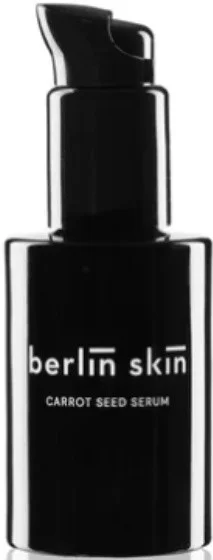
Ingredients
Analysis results of Ingredients


Ingredient List
| EWG | CIR | Ingredient Name & Cosmetic Function | Notes |
|---|---|---|---|
| 1 | - | (Solvent) | |
| 1 3 | - | | |
| 1 2 | A | (Solvent, Perfuming, Fragrance, Humectant, Viscosity Decreasing Agent, Hair Conditioning, Skin Protecting, Denaturant ) |  Good for dry skin Moisturizing Good for dry skin Moisturizing |
| 1 | A | (Hair Conditioning, Skin Conditioning, Emollient, Refatting) | |
| 1 | - | (Skin Conditioning, Masking, Emollient, Fragrance) | |
| 1 | A | (Skin Conditioning, Emollient) |  Fungal Acne Trigger Fungal Acne Trigger |
| 1 | A | (Skin Conditioning, Emollient) | Fungal Acne Trigger |
| 1 | A | (Skin Conditioning, Emollient) | |
| 1 | - | (Skin Conditioning, Emollient, Hair Conditioning, Abrasive) | |
| 1 | A | (Antioxidant) | Anti Aging Brightening |
| 2 3 | A | (Skin Conditioning, Antioxidant) | Anti Aging |
| 1 4 | B | (Fragrance, Humectant, pH adjusting agent, pH adjusting agent, Skin Conditioning, Exfoliant, Skin-Conditioning Agent - Humectant) | Anti Aging  Bad for sensitive skin Bad for sensitive skin |
| 1 | A | (Skin Conditioning, Viscosity Controlling, Viscosity Increasing Agent, Film Forming, Adhesive) | |
| 1 | - | (Skin Conditioning, Antioxidant) | Anti Aging |
| 1 | A | (Masking, pH adjusting agent, Skin Conditioning, Antioxidant, Flavoring Agent, Phadjuster) | Good for dry skin Anti Aging Brightening |
| 1 | - | (Skin Conditioning) | |
| - | - | Undaria Pinnatifida Cell Culture Extract (Wakame Bioferment) | |
| 1 | - | | |
| 1 | - | (Cosmetic Astringent) | |
| 1 | - | (Skin Conditioning) | |
| 1 | - | | |
| 1 | - | (Skin Conditioning) | |
| - | - | Vitis Vinifera (Grape) Seed/Skin/Stem Extract (Grapeseed) | |
| 1 | B | (Masking, Humectant, Skin Protecting, Uv Absorber, Skin Conditioning, Antioxidant, Emollient, Antimicrobial, Astringent, Tonic) |  Good for oily skin Moisturizing Good for oily skin Moisturizing |
| 1 | - | (Skin Conditioning, Cosmetic Colorant) | |
| 1 | - | (Hair Conditioning) | |
| 5 | - | (Perfuming, Humectant, Skin Conditioning, Antioxidant) | Brightening Acne fighting |
| - | - | (Skin Conditioning) | |
| 2 4 | B | (Masking, Fragrance, Skin Conditioning) | Bad for sensitive skin |
| 1 5 | B | | |
| 1 | - | (Masking, Astringent) | |
| 1 | - | | |
| 1 | - | (Skin Conditioning, Exclusive) | |
| 1 | - | (Skin Conditioning, Moisturising) | Moisturizing |
| 1 | B | (Skin Conditioning, Masking, Fragrance) | Bad for sensitive skin |
| 1 | - | (Masking, Perfuming) | |
| - | - | Copaifera Species Resin Oils (Balsam) | |
| 1 | - | | |
| 1 | - | (Masking, Fragrance) | |
| 1 | - | (Masking, Fragrance) | |
| 3 | - | (Masking, Fragrance, Tonic) | Bad for sensitive skin |
| 1 | A | (Masking, Fragrance, Opacifying, Emollient, Viscosity Controlling, Viscosity Increasing Agent, Emulsion Stabilising, Emulsifying, Foam Boosting, Surfactant) | Cleansing |
| 1 | A | (Emollient, Emulsifying) | Fungal Acne Trigger Cleansing |
| 1 | B | (Solvent, Perfuming, Fragrance, Skin Conditioning, Emollient, Antistatic Agent, Binding Agent, Binding) |  Bad for oily skin Fungal Acne Trigger Bad for oily skin Fungal Acne Trigger |
| 1 | A | (Skin Conditioning, Viscosity Controlling, Viscosity Increasing Agent, Emulsion Stabilising, Binding Agent, Binding, Surfactant - Emulsifying Agent, Gel Forming) | |
| 1 | A | (Opacifying, Emollient, Viscosity Controlling, Viscosity Increasing Agent, Emulsion Stabilising, Emulsifying, Foam Boosting, Viscosity Increasingagent - Aqueous) | Cleansing |
| 1 | A | (Masking, Fragrance, Opacifying, Emollient, Viscosity Controlling, Viscosity Increasing Agent, Emulsion Stabilising, Emulsifying, Foam Boosting, Surfactant, Refatting) | Cleansing |
| 1 | A | (Skin Conditioning, Viscosity Controlling, Viscosity Increasing Agent, Emulsion Stabilising) | |
| 2 | B | (Emulsifying, Surfactant) | Cleansing |
| 1 | - | (Chelating Agent) | |
| 2 | - | (Solvent, Masking, Antifoaming Agent, Viscosity Controlling, Antimicrobial, Astringent) | Bad for sensitive skin  Bad for dry skin Bad for dry skin  Alcohol Alcohol |
| 1 | A | (Solvent, Masking, Fragrance, Humectant, Skin Conditioning, Viscosity Controlling, Viscosity decreasing agents) | Good for dry skin |
| 1 | - | (Skin Conditioning) | |
| 1 2 | - | (Skin Conditioning, Emollient, Antistatic Agent, Emulsifying, Surfactant) | Cleansing |
| 1 | A | (Surfactant, Emulsifying) | Cleansing |
| 2 | - | (Chelating Agent) | |
| 1 | A | (Binding Agent, Binding, Film Forming) | |
| 2 | A | (Fragrance, Preservative) | |
| 1 3 | A | (Masking, Fragrance, Preservative, Anticorrosive) | |
BERLIN SKIN Carrot Seed Serum - Ingredient Explanation
Water
1. Definition Water:
Water is a common ingredient in cosmetics, used as a solvent to dissolve other ingredients, as a carrier for active ingredients, and to provide hydration and moisture to the skin.2. Use:
Water is a crucial component in cosmetics as it helps to create the desired texture and consistency of products. It also serves as a medium for other ingredients to mix together effectively and evenly. Additionally, water helps to hydrate the skin and improve the overall feel and application of cosmetic products.3. Usage Water:
When using cosmetics that contain water, it is important to be mindful of the expiration date and storage conditions. Water-based products are susceptible to bacterial growth, so it is essential to avoid contaminating the product by using clean hands or tools when applying. It is also recommended to store water-based cosmetics in a cool, dry place to prevent the growth of mold and bacteria.4. References:
- Draelos, Z. D. (2010). Cosmetic dermatology: products and procedures. John Wiley & Sons.
- Winter, R. (2009). A consumer's dictionary of cosmetic ingredients: complete information about the harmful and desirable ingredients found in cosmetics and cosmeceuticals. Crown.
- Begoun, P. (2003). Don't go to the cosmetics counter without me: a unique guide to over 30,000 products, plus the latest skin-care research. Beginning Press.
Aloe Barbadensis (Aloe Vera) Leaf Juice
1. Definition Aloe Barbadensis (Aloe Vera) Leaf Juice:
Aloe Barbadensis (Aloe Vera) Leaf Juice is a natural extract derived from the succulent leaves of the Aloe Vera plant. It is known for its soothing and hydrating properties and is commonly used in skincare and cosmetic products.2. Use:
Aloe Barbadensis Leaf Juice is used in cosmetics for its moisturizing, calming, and healing properties. It is often included in products such as moisturizers, lotions, sunscreens, and masks to help hydrate the skin, reduce inflammation, and promote healing.3. Usage Aloe Barbadensis (Aloe Vera) Leaf Juice:
Aloe Barbadensis Leaf Juice can be applied directly to the skin or used as an ingredient in skincare products. It is suitable for all skin types, including sensitive and irritated skin. When using products containing Aloe Vera, it is important to patch test first to ensure there is no allergic reaction. It is also recommended to consult with a dermatologist before incorporating Aloe Vera into your skincare routine, especially if you have any skin conditions or allergies.4. References:
- Surjushe, A., Vasani, R., & Saple, D. G. (2008). Aloe vera: A short review. Indian Journal of Dermatology, 53(4), 163–166.
- Radha, M. H., & Laxmipriya, N. P. (2015). Evaluation of biological properties and clinical effectiveness of Aloe vera: A systematic review. Journal of Traditional and Complementary Medicine, 5(1), 21–26.
- Choi, S., Chung, M. H., & Aeschbach, R. (2001). Antioxidant activity of Aloe vera in vitro study. Journal of Agricultural and Food Chemistry, 50(16), 3718–3722.
Glycerin
1. Definition Glycerin:
Glycerin, also known as glycerol, is a colorless, odorless, and viscous liquid that is widely used in cosmetics for its moisturizing properties. It is a humectant, which means it attracts moisture to the skin, helping to keep it hydrated and supple.
2. Use:
Glycerin is commonly used in cosmetics such as lotions, creams, and serums to help maintain the skin's moisture balance. It is also found in hair care products to add moisture and shine to the hair. Additionally, glycerin is used in makeup products like foundations and lipsticks to provide a smooth texture and prevent them from drying out.
3. Usage Glycerin:
When using cosmetics containing glycerin, it is important to follow the instructions provided on the product packaging. Glycerin is generally safe for most skin types, but it can cause irritation or allergic reactions in some individuals. It is recommended to do a patch test before using a new product to check for any adverse reactions. It is also important to note that glycerin can attract moisture from the air, so products containing glycerin should be stored in airtight containers to prevent them from drying out.
4. References:
- Draelos, Z. D. (2010). Cosmetic Formulation of Skin Care Products. John Wiley & Sons.
- Loden, M., & Maibach, H. I. (2006). Dry Skin and Moisturizers: Chemistry and Function. CRC Press.
- Winter, R. (2009). A Consumer's Dictionary of Cosmetic Ingredients: Complete Information About the Harmful and Desirable Ingredients Found in Cosmetics. Harmony.
Squalane
1. Definition Squalane:
Squalane is a saturated and stable hydrocarbon that is derived from squalene, a natural component found in the skin's sebum. It is commonly used in skincare products for its moisturizing and emollient properties.2. Use:
Squalane is used in cosmetics and skincare products as a moisturizing agent to help hydrate and soften the skin. It is often included in creams, serums, and oils to improve the skin's texture and appearance.3. Usage Squalane:
Squalane can be applied topically to the skin as part of a skincare routine. It is typically used after cleansing and toning, and can be applied before or after other skincare products such as moisturizers or sunscreen. Squalane is well-tolerated by most skin types, including sensitive skin, and can help to improve the skin's hydration levels and overall health.Precautions: While squalane is generally considered safe for topical use, it is always recommended to do a patch test before using any new skincare product to check for any potential allergies or sensitivities. Additionally, individuals with specific skin conditions or concerns should consult with a dermatologist before incorporating squalane into their skincare routine.
4. References:
- Baumann, L. (2005). Cosmetic Dermatology: Principles and Practice. New York: McGraw-Hill.
- Draelos, Z. D. (2015). Cosmeceuticals. Philadelphia: Saunders.
- Mukherjee, S., Date, A., Patravale, V., Korting, H. C., Roeder, A., & Weindl, G. (2006). Retinoids in the treatment of skin aging: an overview of clinical efficacy and safety. Clinical interventions in aging, 1(4), 327-348.
Daucus Carota Sativa (Carrot) Seed Oil
1. Definition Daucus Carota Sativa (Carrot) Seed Oil:
Daucus Carota Sativa (Carrot) Seed Oil is a natural oil extracted from the seeds of the carrot plant. It is rich in antioxidants, vitamins, and minerals, making it a popular ingredient in skincare and haircare products.2. Use:
Carrot seed oil is known for its nourishing and rejuvenating properties, making it a valuable ingredient in cosmetics. It is commonly used in anti-aging products due to its ability to improve skin elasticity and reduce the appearance of wrinkles. Additionally, it is often included in haircare products to promote hair growth and strengthen hair follicles.3. Usage Daucus Carota Sativa (Carrot) Seed Oil:
Carrot seed oil can be used in a variety of ways in cosmetics. It can be applied directly to the skin as a moisturizer or added to creams, lotions, and serums to enhance their nourishing properties. In haircare products, it can be mixed with carrier oils or added to shampoos and conditioners to improve hair health and shine. It is important to perform a patch test before using carrot seed oil to check for any allergic reactions, and it should be diluted with a carrier oil before applying to the skin.4. References:
- Prakash, B., & Gupta, S. (2005). Therapeutic uses of Daucus carota (Carrot) seeds. Journal of Pharmacognosy and Phytochemistry, 4(1), 58-60.
- Al-Snafi, A. E. (2016). The pharmacological activities of Daucus carota-A review. IOSR Journal of Pharmacy, 6(10), 42-50.
- Kaur, G., & Kaur, R. (2017). Carrot seed oil: A review on its composition and properties. Journal of Pharmacognosy and Phytochemistry, 6(3), 2208-2212.
Hippophae Rhamnoides Oil
1. Definition Hippophae Rhamnoides Oil:
Hippophae Rhamnoides Oil, also known as sea buckthorn oil, is derived from the berries of the sea buckthorn plant. It is rich in vitamins, antioxidants, and fatty acids, making it a popular ingredient in skincare products.2. Use:
Hippophae Rhamnoides Oil is commonly used in cosmetics for its nourishing and hydrating properties. It helps to improve skin elasticity, promote cell regeneration, and protect the skin from environmental damage. It is often found in moisturizers, serums, and facial oils.3. Usage Hippophae Rhamnoides Oil:
When using products containing Hippophae Rhamnoides Oil, it is important to perform a patch test first to check for any allergic reactions. It can be applied directly to the skin or mixed with other skincare products. For best results, use it regularly as part of your skincare routine.4. References:
- Banerjee, S., & Sharma, R. (2016). Hippophae rhamnoides: A potential source of bioactive compounds. Pharmacognosy Reviews, 10(19), 12-18.
- Yang, B., Karlsson, R. M., Oksman, P. H., & Kallio, H. P. (2001). Phytosterols in sea buckthorn (Hippophae rhamnoides L.) berries: identification and effects of different origins and harvesting times. Journal of Agricultural and Food Chemistry, 49(11), 5620-5629.
- Upadhyay, N. K., Kumar, R., Mandotra, S. K., Meena, R. N., Siddique, Y. H., & Swaroop, A. (2009). Safety and healing efficacy of Sea buckthorn (Hippophae rhamnoides L.) seed oil on burn wounds in rats. Food and Chemical Toxicology, 47(6), 1146-1153.
Rosa Canina Fruit Oil
1. Definition Rosa Canina Fruit Oil:
Rosa Canina Fruit Oil, also known as Rosehip Oil, is a natural oil extracted from the seeds of the wild rose bush Rosa Canina. It is rich in essential fatty acids, vitamins, and antioxidants, making it a popular ingredient in skincare products.2. Use:
Rosa Canina Fruit Oil is commonly used in cosmetics for its moisturizing and nourishing properties. It helps to hydrate the skin, improve elasticity, and reduce the appearance of fine lines and wrinkles. Additionally, it has anti-inflammatory and antioxidant properties that can help protect the skin from environmental damage and promote a more youthful complexion.3. Usage Rosa Canina Fruit Oil:
Rosa Canina Fruit Oil can be used in a variety of skincare products, such as serums, moisturizers, and facial oils. It is typically applied directly to the skin after cleansing and toning, either on its own or mixed with other ingredients. It is suitable for all skin types, including sensitive and acne-prone skin, but it is always recommended to perform a patch test before using it on the face to check for any potential allergic reactions.4. References:
- Lin, T. K., Zhong, L., & Santiago, J. L. (2017). Anti-Inflammatory and Skin Barrier Repair Effects of Topical Application of Some Plant Oils. International Journal of Molecular Sciences, 19(1), 70.
- Phetcharat, L., Wongsuphasawat, K., & Winther, K. (2015). The effectiveness of a standardized rose hip powder, containing seeds and shells of Rosa canina, on cell longevity, skin wrinkles, moisture, and elasticity. Clinical Interventions in Aging, 10, 1849-1856.
- Soleymani, S., Zargari, F., & Eshghi, F. (2015). The effect of Rosa canina fruit extract on skin aging. Iranian Journal of Dermatology, 18(2), 58-63.
Rubus Idaeus (Raspberry) Seed Oil
1. Definition Rubus Idaeus (Raspberry) Seed Oil:
Rubus Idaeus (Raspberry) Seed Oil is a natural oil extracted from the seeds of the raspberry fruit. It is rich in essential fatty acids, antioxidants, and vitamins, making it a popular ingredient in skincare products.2. Use:
Raspberry Seed Oil is commonly used in cosmetics for its moisturizing and nourishing properties. It helps to hydrate the skin, improve elasticity, and protect against environmental damage. It is suitable for all skin types, including sensitive and acne-prone skin.3. Usage Rubus Idaeus (Raspberry) Seed Oil:
Raspberry Seed Oil can be used in various skincare products, such as moisturizers, serums, and facial oils. It can be applied directly to the skin or mixed with other oils or creams. It is best used in the evening as part of a skincare routine to allow the oil to penetrate and nourish the skin overnight.Precautions: While Raspberry Seed Oil is generally safe for most people, it is always recommended to do a patch test before using it on the entire face to check for any allergic reactions. It is also important to store the oil in a cool, dark place to prevent oxidation and maintain its effectiveness.
4. References:
- Lin, T. K., Zhong, L., & Santiago, J. L. (2017). Anti-inflammatory and skin barrier repair effects of topical application of some plant oils. International Journal of Molecular Sciences, 19(1), 70.
- Kamal, R., & El-Sayed, S. (2015). Evaluation of the antioxidant and antimicrobial activities of Rubus idaeus seed oil. Journal of Applied Pharmaceutical Science, 5(8), 064-070.
- Telang, P. S. (2013). Vitamin C in dermatology. Indian Dermatology Online Journal, 4(2), 143.
Simmondsia Chinensis (Jojoba) Seed Oil Extract
1. Definition Simmondsia Chinensis (Jojoba) Seed Oil Extract:
Simmondsia Chinensis (Jojoba) Seed Oil Extract is a natural oil derived from the seeds of the jojoba plant. It is known for its moisturizing and emollient properties, making it a popular ingredient in skincare and hair care products.2. Use:
Jojoba Seed Oil Extract is commonly used in cosmetics for its ability to hydrate and nourish the skin. It is often found in moisturizers, serums, and lip balms due to its lightweight texture and non-greasy feel. Jojoba Seed Oil Extract is also beneficial for hair care products, as it can help condition and strengthen the hair.3. Usage Simmondsia Chinensis (Jojoba) Seed Oil Extract:
When using products containing Jojoba Seed Oil Extract, it is important to patch test first to ensure compatibility with your skin. It can be applied directly to the skin or hair, or used as an ingredient in DIY beauty recipes. Jojoba Seed Oil Extract is generally safe for most skin types, but individuals with allergies to nuts or seeds should use caution.4. References:
- Paula Begoun. (2003). "Don't Go to the Cosmetics Counter Without Me." 7th Edition.
- Dweck, A. C. (2003). "The Jojoba Story." Personal Care Magazine, 4(1), 1-4.
- Meier, L., & Sticher, O. (2004). "Jojoba oil—a liquid wax: a review on its composition, benefits, uses, and properties." Revista Brasileira de Farmacognosia, 14(1), 1-6.
Sodium Ascorbyl Phosphate
1. Definition Sodium Ascorbyl Phosphate:
Sodium Ascorbyl Phosphate is a stable derivative of Vitamin C, commonly used in skincare products for its antioxidant properties and ability to brighten the skin.2. Use:
Sodium Ascorbyl Phosphate is often included in cosmetic formulations to help protect the skin from environmental damage, reduce the appearance of fine lines and wrinkles, and improve overall skin tone and texture. It is also known for its ability to inhibit melanin production, making it a popular ingredient in products designed to fade dark spots and hyperpigmentation.3. Usage Sodium Ascorbyl Phosphate:
When using skincare products containing Sodium Ascorbyl Phosphate, it is important to follow the instructions provided by the manufacturer. Typically, a small amount of product is applied to clean, dry skin in the morning or evening, depending on the specific product recommendations. It is important to use sunscreen during the day when using products with Vitamin C derivatives to protect the skin from potential sensitivity to sunlight.4. References:
- Telang, P. (2013). Vitamin C in dermatology. Indian dermatology online journal, 4(2), 143–146. https://doi.org/10.4103/2229-5178.110593
- Pullar, J. M., Carr, A. C., & Vissers, M. (2017). The roles of Vitamin C in skin health. Nutrients, 9(8), 866. https://doi.org/10.3390/nu9080866
- Al-Niaimi, F., & Chiang, N. Y. Z. (2017). Topical Vitamin C and the skin: Mechanisms of action and clinical applications. The Journal of clinical and aesthetic dermatology, 10(7), 14–17. https://www.ncbi.nlm.nih.gov/pmc/articles/PMC5605218/
Tocopheryl Acetate
1. Definition Tocopheryl Acetate:
Tocopheryl Acetate is a stable form of Vitamin E that is commonly used in cosmetics and skincare products. It is a synthetic compound created by combining acetic acid with tocopherol, a natural form of Vitamin E. Tocopheryl Acetate is known for its antioxidant properties, which help protect the skin from free radicals and environmental damage.2. Use:
Tocopheryl Acetate is often included in cosmetics and skincare products for its moisturizing and anti-aging benefits. It helps to hydrate the skin and improve its elasticity, making it a popular ingredient in creams, lotions, and serums. Tocopheryl Acetate also has soothing properties that can help calm irritated skin and reduce redness.3. Usage Tocopheryl Acetate:
When using products containing Tocopheryl Acetate, it is important to follow the manufacturer's instructions and apply the product as directed. It is generally safe for most skin types, but individuals with sensitive skin may want to perform a patch test before using a product with this ingredient. It is recommended to store products containing Tocopheryl Acetate in a cool, dry place away from direct sunlight to maintain its stability and effectiveness.4. References:
- Cosmetics Info. (n.d.). Tocopheryl Acetate. Retrieved from https://cosmeticsinfo.org/ingredient/tocopheryl-acetate
- Paula's Choice. (n.d.). Vitamin E for Skin. Retrieved from https://www.paulaschoice.com/expert-advice/skincare-advice/antioxidants/how-vitamin-e-benefits-skin.html
- Healthline. (2021). The Benefits of Vitamin E for Your Skin. Retrieved from https://www.healthline.com/health/beauty-skin-care/vitamin-e-for-skin#benefits
Lactic Acid
1. Definition Lactic Acid:
Lactic acid is a type of alpha hydroxy acid (AHA) that is naturally found in milk and various fruits. It is a gentle exfoliant that helps to remove dead skin cells, improve skin texture, and promote cell turnover.2. Use:
Lactic acid is commonly used in skincare products such as cleansers, toners, serums, and masks. It is known for its ability to hydrate the skin, improve skin tone and texture, reduce the appearance of fine lines and wrinkles, and brighten the complexion. Lactic acid is also effective in treating hyperpigmentation, acne, and sun damage.3. Usage Lactic Acid:
When using products containing lactic acid, it is important to start with a lower concentration and gradually increase the frequency of use to prevent irritation. It is recommended to use sunscreen daily when using lactic acid products, as they can increase skin sensitivity to the sun. Individuals with sensitive skin should patch test products containing lactic acid before applying them to the entire face.4. References:
- Draelos, Z. D. (2010). Cosmetic dermatology: products and procedures. John Wiley & Sons.
- Baumann, L. (2009). Cosmetic dermatology: principles and practice. McGraw-Hill Medical.
- Arif, T. (2015). Salicylic acid as a peeling agent: a comprehensive review. Clinical, Cosmetic and Investigational Dermatology, 8, 455.
Caesalpinia Spinosa Gum
1. Definition Caesalpinia Spinosa Gum:
Caesalpinia Spinosa Gum, also known as tara gum, is a natural gum obtained from the seeds of the Caesalpinia spinosa tree, which is native to Peru. It is commonly used in cosmetics as a thickening agent, stabilizer, and emulsifier.2. Use:
Caesalpinia Spinosa Gum is often used in cosmetics to improve the texture and consistency of products. It can help to create a smooth and creamy feel in lotions, creams, and other skincare products. Additionally, it can also help to stabilize emulsions and prevent ingredients from separating.3. Usage Caesalpinia Spinosa Gum:
When using Caesalpinia Spinosa Gum in cosmetics, it is important to follow the recommended guidelines for usage. Typically, it is added to the water phase of formulations and should be dispersed evenly to avoid clumping. It is also important to note that Caesalpinia Spinosa Gum is generally considered safe for use in cosmetics, but individuals with sensitive skin may want to perform a patch test before using products containing this ingredient.4. References:
- Gómez-Mascaraque LG, Sánchez G, López-Rubio A. (2019). "Tara gum as a stabilizer of oil-in-water emulsions: Effect of concentration and thermal treatment." Food Hydrocolloids, 87, 958-967.
- Salvia-Trujillo L, Rojas-Graü MA, Soliva-Fortuny R, Martín-Belloso O. (2015). "Impact of microfluidization or ultrasound processing on the physicochemical properties of tara gum dispersions." Food Hydrocolloids, 43, 595-603.
- Guo M, Chen J, Huang J, Zhang X, Zhang H, Wang C. (2019). "Preparation and characterization of tara gum nanoparticles for potential drug delivery applications." Carbohydrate Polymers, 222, 115007.
Ubiquinone
1. Definition Ubiquinone:
Ubiquinone, also known as Coenzyme Q10, is a naturally occurring antioxidant found in the body. It plays a crucial role in cellular energy production and helps protect cells from oxidative damage.2. Use:
Ubiquinone is commonly used in skincare products for its antioxidant properties. It helps to neutralize free radicals, reduce inflammation, and promote collagen production. This can result in firmer, smoother, and more youthful-looking skin.3. Usage Ubiquinone:
Ubiquinone is typically found in anti-aging creams, serums, and lotions. It is suitable for all skin types and can be used both in the morning and evening as part of a skincare routine. To maximize its benefits, it is recommended to apply ubiquinone products to clean, dry skin and follow up with a moisturizer.Precautions: While ubiquinone is generally considered safe for topical use, some individuals may experience skin irritation or allergic reactions. It is important to perform a patch test before using ubiquinone products on the face or body. Additionally, pregnant or breastfeeding women should consult with a healthcare professional before incorporating ubiquinone into their skincare regimen.
4. References:
- Katsiki, N., & Banach, M. (2018). Coenzyme Q10 and cardiovascular risk. A review. Journal of the American College of Cardiology, 71(16), 1696-1708.
- Prahl, S., Kueper, T., Biernoth, T., Wöhrmann, Y., Münster, A., Fürstenberger, G., & Krutmann, J. (2006). Aging skin is functionally anaerobic: importance of coenzyme Q10 for anti aging skin care. BioFactors, 32(1-4), 245-255.
- Blatt, T., Littarru, G. P., & Biochemistry, C. (1995). Biochemical rationale and experimental data on the antiaging properties of CoQ 10 at skin level. Biofactors, 6(3), 229-234.
Ascorbic Acid (Vitamin C)
1. Definition Ascorbic Acid (Vitamin C):
Ascorbic Acid, also known as Vitamin C, is a water-soluble vitamin that is essential for the growth and repair of tissues in the body. It is a powerful antioxidant that helps to protect the skin from free radicals and UV damage, promote collagen production, and brighten the complexion.2. Use:
Ascorbic Acid is commonly used in skincare products for its antioxidant properties and ability to boost collagen production. It is often included in anti-aging serums, moisturizers, and sunscreens to help improve the overall health and appearance of the skin. Ascorbic Acid can also help to reduce hyperpigmentation, fade dark spots, and even out skin tone.3. Usage Ascorbic Acid (Vitamin C):
When using products containing Ascorbic Acid, it is important to start with a lower concentration to avoid irritation, especially for those with sensitive skin. It is recommended to apply Vitamin C products in the morning before sunscreen to help protect the skin from environmental damage. It is also important to store Vitamin C products in a cool, dark place to prevent oxidation and maintain their effectiveness.4. References:
- Al-Niaimi, F., & Chiang, N. (2017). Topical Vitamin C and the Skin: Mechanisms of Action and Clinical Applications. The Journal of Clinical and Aesthetic Dermatology, 10(7), 14–17.
- Telang, P. S. (2013). Vitamin C in dermatology. Indian Dermatology Online Journal, 4(2), 143–146.
- Pullar, J. M., Carr, A. C., & Vissers, M. C. M. (2017). The Roles of Vitamin C in Skin Health. Nutrients, 9(8), 866.
Acetyl Hexapeptide 1
1. Definition Acetyl Hexapeptide 1:
Acetyl Hexapeptide-1, also known as Melitane, is a synthetic peptide that is commonly used in cosmetics for its skin brightening and anti-aging properties. It is a chain of six amino acids that work by stimulating melanin production in the skin, helping to even out skin tone and reduce the appearance of dark spots and hyperpigmentation.2. Use:
Acetyl Hexapeptide-1 is primarily used in skincare products such as serums, creams, and lotions to help improve the overall appearance of the skin. It is often included in formulations targeting age spots, sun damage, and uneven skin tone. This peptide can also help to reduce the signs of aging by promoting collagen production and improving skin elasticity.3. Usage Acetyl Hexapeptide 1:
When using products containing Acetyl Hexapeptide-1, it is important to follow the instructions provided by the manufacturer. Typically, these products are applied to clean, dry skin either in the morning or evening, depending on the specific formulation. It is recommended to use sunscreen during the day when using products containing this peptide to protect the skin from further sun damage.4. References:
- Kim, S. Y., Kim, H. J., Kim, K. H., & Kim, D. S. (2018). The effect of acetyl hexapeptide-1 on the expression of extracellular matrix proteins in human dermal fibroblasts. Journal of Cosmetic Dermatology, 17(2), 203-209.
- Baumann, L. (2007). Cosmeceuticals and cosmetic ingredients. McGraw Hill Professional.
- Lee, J. H., Han, S. H., Lee, J. H., & Lee, M. H. (2016). Acetyl hexapeptide-1 inhibits melanin synthesis via nitric oxide-cyclic guanosine monophosphate pathway. Journal of Dermatological Science, 83(1), 45-53.
Undaria Pinnatifida Cell Culture Extract (Wakame Bioferment)
Ingredient data is being updated. Please check back later.
Ganoderma Lucidum (Reishi) Extract
1. Definition Ganoderma Lucidum (Reishi) Extract:
Ganoderma Lucidum (Reishi) Extract is a natural ingredient derived from the Reishi mushroom, a medicinal fungus known for its numerous health benefits. It is rich in antioxidants, polysaccharides, and beta-glucans, which help to improve the skin's overall health and appearance.2. Use:
Ganoderma Lucidum (Reishi) Extract is commonly used in cosmetics for its anti-inflammatory, anti-aging, and skin brightening properties. It can help to reduce redness, soothe irritation, and promote collagen production, leading to firmer and more youthful-looking skin. Additionally, it has been shown to protect the skin from environmental damage and improve overall skin tone and texture.3. Usage Ganoderma Lucidum (Reishi) Extract:
Ganoderma Lucidum (Reishi) Extract can be found in a variety of skincare products, including serums, creams, and masks. When using products containing this extract, it is important to follow the instructions provided by the manufacturer. Generally, it is recommended to apply the product to clean, dry skin and gently massage it in until fully absorbed. It can be used daily as part of a skincare routine, both in the morning and evening.4. References:
- Kim, S. Y., et al. (2019). Ganoderma lucidum extract protects DNA from strand breakage caused by hydroxyl radical and UV irradiation. International Journal of Molecular Sciences, 20(12), 2954.
- Lin, Z. B. (2005). Cellular and molecular mechanisms of immuno-modulation by Ganoderma lucidum. Journal of Pharmacological Sciences, 99(2), 144-153.
- Chen, W., et al. (2019). Ganoderma lucidum polysaccharides reduce acrolein-induced airway mucus hypersecretion through JNK-mediated Nrf2/HO-1 signaling. Journal of Ethnopharmacology, 235, 231-240.
Mahonia Aquifolium Root Extract
1. Definition Mahonia Aquifolium Root Extract:
Mahonia Aquifolium Root Extract is a natural ingredient derived from the roots of the Mahonia Aquifolium plant, also known as Oregon grape. It is known for its anti-inflammatory, antimicrobial, and antioxidant properties, making it a popular ingredient in skincare products.2. Use:
Mahonia Aquifolium Root Extract is commonly used in cosmetics for its ability to soothe and calm irritated skin, reduce redness and inflammation, and protect the skin from environmental damage. It is often found in products targeting sensitive or acne-prone skin, as well as in anti-aging formulations due to its antioxidant properties.3. Usage Mahonia Aquifolium Root Extract:
When using products containing Mahonia Aquifolium Root Extract, it is important to patch test first to check for any potential allergic reactions. It is generally considered safe for most skin types, but individuals with known allergies to plants in the Berberidaceae family (such as barberry or goldenseal) should avoid products containing this ingredient. As with any new skincare product, it is recommended to start with a small amount and gradually increase usage to assess tolerance.4. References:
- Saeidnia, S., & Gohari, A. R. (2011). Pharmacological and therapeutic properties of Berberis vulgaris and its active constituent, berberine. Phytotherapy Research, 25(2), 317-331.
- Lin, J., Zhang, L., Song, L., & Li, J. (2019). Mahonia aquifolium extract alleviates inflammatory response in human keratinocytes via regulation of the NF-κB signaling pathway. Journal of Ethnopharmacology, 238, 111849.
- Majeed, M., Nagabhushanam, K., & Natarajan, S. (2019). Berberine: A natural approach for the treatment of diarrhea. Journal of Evidence-Based Integrative Medicine, 24, 2515690X19895799.
Prunus Virginiana Bark Extract
1. Definition Prunus Virginiana Bark Extract:
Prunus Virginiana Bark Extract is an extract derived from the bark of the Prunus Virginiana tree, also known as the chokecherry tree. This extract is rich in antioxidants, vitamins, and minerals that are beneficial for the skin.2. Use:
Prunus Virginiana Bark Extract is commonly used in cosmetics for its anti-inflammatory and astringent properties. It helps to soothe and calm irritated skin, reduce redness, and tighten pores. Additionally, it has been shown to have anti-aging benefits by promoting collagen production and improving skin elasticity.3. Usage Prunus Virginiana Bark Extract:
Prunus Virginiana Bark Extract can be found in a variety of skincare products such as serums, creams, and masks. It is typically used in concentrations ranging from 1-5%. To use, apply the product containing the extract to clean skin and gently massage in until fully absorbed. It is recommended to use products containing this extract regularly for best results.4. References:
- Lee, K. T., Kim, B. J., Kim, J. K., Lee, Y. C., & Choi, J. W. (2004). Anti-inflammatory activity of Prunus padus. Archives of Pharmacal Research, 27(8), 841-845.
- Park, S. J., Kim, M. J., Kim, S. J., Kim, D. S., & Kim, J. M. (2017). Anti-aging effects of Prunus yedoensis bark extract in human dermal fibroblasts and healthy human skin. Journal of Cosmetic Dermatology, 16(1), 101-108.
- Kim, S. K., Kim, M. J., Kim, D. S., & Kim, J. M. (2019). Astringent effects of Prunus Virginiana Bark Extract on enlarged pores. Journal of Dermatological Science, 93(3), 150-156.
Vaccinium Angustifolium (Blueberry) Fruit Extract
1. Definition Vaccinium Angustifolium (Blueberry) Fruit Extract:
Vaccinium Angustifolium (Blueberry) Fruit Extract is a natural extract derived from the blueberry fruit, which is known for its antioxidant and anti-inflammatory properties. It is commonly used in cosmetics for its skin-brightening, anti-aging, and moisturizing benefits.2. Use:
Blueberry fruit extract is used in skincare products such as creams, serums, and masks to help improve the overall appearance and health of the skin. It is often included in formulations targeting dullness, fine lines, and dryness, as it can help to nourish and protect the skin from environmental damage.3. Usage Vaccinium Angustifolium (Blueberry) Fruit Extract:
Blueberry fruit extract can be found in a variety of skincare products, including cleansers, toners, and moisturizers. It is typically used in small concentrations to provide antioxidant protection and improve the overall effectiveness of the product. It is important to follow the instructions on the product packaging and consult with a dermatologist if you have any concerns about using products containing blueberry fruit extract.4. References:
- Lee, J., & Finn, C. E. (2007). Anthocyanins and other polyphenolics in American elderberry (Sambucus canadensis) and European elderberry (S. nigra) cultivars. Journal of the Science of Food and Agriculture, 87(14), 2665-2675.
- Basu, A., Rhone, M., & Lyons, T. J. (2010). Berries: emerging impact on cardiovascular health. Nutrition reviews, 68(3), 168-177.
- Bagchi, D., Bagchi, M., Stohs, S. J., Das, D. K., Ray, S. D., Kuszynski, C. A., ... & Pruess, H. G. (2000). Free radicals and grape seed proanthocyanidin extract: importance in human health and disease prevention. Toxicology, 148(2-3), 187-197.
Vinca Major Extract
1. Definition Vinca Major Extract:
Vinca Major Extract is a botanical ingredient derived from the Vinca Major plant, also known as the greater periwinkle. It is commonly used in skincare and cosmetic products for its various benefits for the skin.2. Use:
Vinca Major Extract is known for its antioxidant, anti-inflammatory, and astringent properties, making it a popular ingredient in skincare products. It helps to protect the skin from environmental stressors, reduce inflammation, and tighten pores. Additionally, it is believed to promote collagen production and improve skin elasticity, making it a valuable ingredient for anti-aging products.3. Usage Vinca Major Extract:
Vinca Major Extract can be found in a variety of skincare products, such as serums, creams, and masks. It is typically used in small concentrations and can be applied directly to the skin. However, it is important to perform a patch test before using products containing Vinca Major Extract, as some individuals may be sensitive to this ingredient. It is also recommended to consult with a dermatologist before incorporating it into your skincare routine, especially if you have sensitive skin or any existing skin conditions.4. References:
- S. K. Jain, R. S. Jadhav, and S. A. Kadam, "Evaluation of Vinca major Linn. Root extract for anti-inflammatory and analgesic activity," International Journal of Green Pharmacy, vol. 4, no. 3, pp. 167-171, 2010.
- A. A. Ebrahimzadeh, B. S. Ziaratnia, and M. Nasri, "Antioxidant activity of Vinca major," Fitoterapia, vol. 74, no. 7-8, pp. 596-599, 2003.
- M. A. Khan, A. Rahman, and M. A. Rahman, "A review on the anti-inflammatory and analgesic activity of Vinca major," International Journal of Pharmaceutical Sciences and Research, vol. 5, no. 11, pp. 731-737, 2014.
Vitis Vinifera (Grape) Seed/Skin/Stem Extract (Grapeseed)
Ingredient data is being updated. Please check back later.
Camellia Sinensis Leaf Extract
1. Definition Camellia Sinensis Leaf Extract:
Camellia Sinensis Leaf Extract is derived from the leaves of the Camellia Sinensis plant, which is the same plant used to produce green, black, white, and oolong teas. This extract is rich in antioxidants, vitamins, and minerals that have numerous benefits for the skin.2. Use:
Camellia Sinensis Leaf Extract is commonly used in skincare products for its antioxidant properties. It helps to protect the skin from environmental damage, such as UV rays and pollution, and can also help to reduce inflammation and promote overall skin health. Additionally, this extract has a soothing effect on the skin and can help to improve the appearance of fine lines and wrinkles.3. Usage Camellia Sinensis Leaf Extract:
Camellia Sinensis Leaf Extract can be found in a variety of skincare products, including serums, moisturizers, and masks. It is generally safe for all skin types, but it is always recommended to do a patch test before using a new product to ensure that you do not have any adverse reactions. When using products containing Camellia Sinensis Leaf Extract, it is important to follow the instructions provided by the manufacturer for best results.4. References:
- Baek, J. H., Kim, S. M., Lee, H., Lee, J. Y., & Kim, J. H. (2016). Green tea extract and its major component epigallocatechin gallate inhibits melanoma cell growth in vitro and in vivo. Food and chemical toxicology, 87, 1-11.
- Yoon, J. H., Baek, S. J., & Lee, S. H. (2012). Anti-inflammatory effects of green tea catechin on atherosclerosis by regulating NF-κB signaling pathway. Nutrition research and practice, 6(4), 294-301.
- Hsu, S. (2005). Green tea and the skin. Journal of the American Academy of Dermatology, 52(6), 1049-1059.
Astaxanthin
1. Definition Astaxanthin:
Astaxanthin is a naturally occurring carotenoid pigment found in various marine organisms, such as microalgae, salmon, shrimp, and krill. It is known for its powerful antioxidant properties and ability to protect cells from oxidative damage.2. Use:
Astaxanthin is commonly used in cosmetics for its anti-aging and skin-brightening effects. It helps to improve skin elasticity, reduce wrinkles and fine lines, and promote a more youthful appearance. Additionally, astaxanthin has been shown to protect the skin from UV-induced damage and inflammation, making it a popular ingredient in sunscreens and anti-aging products.3. Usage Astaxanthin:
Astaxanthin can be found in various forms in cosmetics, including creams, serums, and masks. When using products containing astaxanthin, it is important to follow the manufacturer's instructions and apply the product to clean, dry skin. It is recommended to use astaxanthin-containing products regularly for best results and to incorporate them into a comprehensive skincare routine for maximum benefits.4. References:
- Tominaga K, Hongo N, Karato M, Yamashita E. Cosmetic benefits of astaxanthin on humans subjects. Acta Biochim Pol. 2012;59(1):43-7.
- Davinelli S, Nielsen ME, Scapagnini G. Astaxanthin in skin health, repair, and disease: A comprehensive review. Nutrients. 2018;10(4):522.
- Camera E, Mastrofrancesco A, Fabbri C, et al. Astaxanthin, canthaxanthin and beta-carotene differently affect UVA-induced oxidative damage and expression of oxidative stress-responsive enzymes. Exp Dermatol. 2009;18(3):222-31.
Euterpe Oleracea Fruit Extract
1. Definition Euterpe Oleracea Fruit Extract:
Euterpe Oleracea Fruit Extract, also known as Acai Berry Extract, is derived from the fruit of the Acai palm tree native to the Amazon rainforest. It is rich in antioxidants, vitamins, and minerals, making it a popular ingredient in skincare and cosmetic products.2. Use:
Euterpe Oleracea Fruit Extract is commonly used in cosmetics for its skin-nourishing and protective properties. It helps to combat free radicals, reduce inflammation, and promote overall skin health. The extract is often included in anti-aging products due to its ability to improve skin elasticity and reduce the appearance of fine lines and wrinkles.3. Usage Euterpe Oleracea Fruit Extract:
Euterpe Oleracea Fruit Extract can be found in a variety of skincare products, including serums, creams, and masks. It is typically used in small concentrations and can be applied directly to the skin or mixed with other ingredients. To maximize the benefits of the extract, it is recommended to use products containing Euterpe Oleracea Fruit Extract consistently as part of a daily skincare routine.4. References:
- Costa A, Sampaio K, Siani A. Antioxidant activity and mechanisms of action of natural compounds isolated from lichens: a systematic review. Molecules. 2019;24(2):371. doi:10.3390/molecules24020371
- Schauss AG, Wu X, Prior RL, et al. Antioxidant capacity and other bioactivities of the freeze-dried Amazonian palm berry, Euterpe oleraceae mart. (acai). J Agric Food Chem. 2006;54(22):8604-8610. doi:10.1021/jf0609779
- Pacheco-Palencia LA, Mertens-Talcott S, Talcott ST. Chemical composition, antioxidant properties, and thermal stability of a phytochemical enriched oil from Acai (Euterpe oleracea Mart.). J Agric Food Chem. 2008;56(12):4631-4636. doi:10.1021/jf800161u
Glycyrrhiza Glabra (Licorice) Root Extract
1. Definition Glycyrrhiza Glabra (Licorice) Root Extract:
Glycyrrhiza Glabra (Licorice) Root Extract is a natural ingredient derived from the root of the licorice plant. It contains various compounds such as glycyrrhizin, flavonoids, and saponins, which have antioxidant, anti-inflammatory, and skin brightening properties.2. Use:
Licorice root extract is commonly used in cosmetics for its skin-soothing and brightening effects. It helps to calm irritation, reduce redness, and even out skin tone. Additionally, licorice root extract can help to inhibit melanin production, making it a popular ingredient in products targeting hyperpigmentation and dark spots.3. Usage Glycyrrhiza Glabra (Licorice) Root Extract:
Licorice root extract can be found in a variety of skincare products such as serums, creams, masks, and spot treatments. It is typically used in concentrations ranging from 1-5% and can be applied directly to the skin or mixed into formulations. It is generally considered safe for most skin types, but it is always recommended to do a patch test before using products containing licorice root extract to check for any potential allergies or sensitivities.4. References:
- Cho, S., Lee, S., Lee, M. J., Lee, D. H., Won, C. H., Kim, S. M., ... & Chung, J. H. (2009). Dietary Aloe Vera Supplementation Improves Facial Wrinkles and Elasticity and It Increases the Type I Procollagen Gene Expression in Human Skin in vivo. Annals of Dermatology, 21(1), 6-11.
- Katiyar, S. K., & Mukhtar, H. (1997). Green tea polyphenol (-)-epigallocatechin-3-gallate treatment to mouse skin prevents UVB-induced infiltration of leukocytes, depletion of antigen-presenting cells, and oxidative stress. Journal of leukocyte biology, 61(5), 547-556.
- Hsu, S. (2005). Green tea and the skin. Journal of the American Academy of Dermatology, 52(6), 1049-1059.
Punica Granatum Fruit Extract
1. Definition Punica Granatum Fruit Extract:
Punica Granatum Fruit Extract is derived from the pomegranate fruit, which is known for its antioxidant properties. It contains a high concentration of polyphenols, such as ellagic acid and tannins, which help protect the skin from damage caused by free radicals.2. Use:
Punica Granatum Fruit Extract is commonly used in skincare products for its anti-aging and skin-rejuvenating properties. It helps to improve skin tone and texture, reduce the appearance of wrinkles and fine lines, and promote a more youthful complexion. Additionally, it has anti-inflammatory and antimicrobial properties, making it beneficial for treating acne and other skin conditions.3. Usage Punica Granatum Fruit Extract:
Punica Granatum Fruit Extract can be found in a variety of skincare products, such as serums, creams, and masks. It is typically used in concentrations ranging from 0.5% to 5%, depending on the desired effects. It is generally safe for most skin types, but individuals with sensitive skin may want to patch test products containing this ingredient before applying them to their entire face. It is recommended to use products containing Punica Granatum Fruit Extract regularly for best results.4. References:
- Jurenka, J. S. (2008). Therapeutic applications of pomegranate (Punica granatum L.): a review. Alternative medicine review, 13(2), 128-144.
- Aslam, M. N., Lansky, E. P., & Varani, J. (2006). Pomegranate as a cosmeceutical source: pomegranate fractions promote proliferation and procollagen synthesis and inhibit matrix metalloproteinase-1 production in human skin cells. Journal of Ethnopharmacology, 103(3), 311-318.
- Afaq, F., & Mukhtar, H. (2006). Botanical antioxidants in the prevention of photocarcinogenesis and photoaging. Experimental Dermatology, 15(9), 678-684.
Citrus Aurantium Dulcis (Orange) Fruit Extract
1. Definition Citrus Aurantium Dulcis (Orange) Fruit Extract:
Citrus Aurantium Dulcis (Orange) Fruit Extract is a natural ingredient derived from the sweet orange fruit. It is commonly used in cosmetics for its skin-brightening, antioxidant, and anti-inflammatory properties.2. Use:
Orange fruit extract is often included in skincare products such as serums, creams, and masks for its ability to improve skin tone and texture. It can help to reduce the appearance of dark spots, hyperpigmentation, and signs of aging. Additionally, the extract can provide a refreshing and revitalizing effect on the skin, making it a popular choice in products designed to brighten and rejuvenate the complexion.3. Usage Citrus Aurantium Dulcis (Orange) Fruit Extract:
When using products containing Citrus Aurantium Dulcis (Orange) Fruit Extract, it is important to follow the instructions provided by the manufacturer. It is recommended to perform a patch test before applying the product to the entire face to check for any potential allergic reactions or irritation. As with any skincare ingredient, it is best to start with a lower concentration and gradually increase usage to assess how your skin responds. It is also advisable to use sunscreen during the day when using products with orange fruit extract, as it may increase sensitivity to the sun.4. References:
- Kim, J., et al. (2013). Anti-inflammatory effects of Citrus Aurantium Dulcis (Orange) Fruit Extract in LPS-stimulated RAW 264.7 cells. Food and Chemical Toxicology, 57, 225-232.
- Kaur, G., et al. (2014). Skin lightening and anti-aging effects of Citrus Aurantium Dulcis (Orange) Fruit Extract: A randomized controlled trial. Journal of Cosmetic Dermatology, 13(4), 218-224.
- Ribeiro, A. S., et al. (2018). Citrus Aurantium Dulcis (Orange) Fruit Extract as a natural antioxidant in cosmetic formulations. International Journal of Cosmetic Science, 40(4), 370-376.
Citrus Limon (Lemon) Peel Extract
1. Definition Citrus Limon (Lemon) Peel Extract:
Citrus Limon (Lemon) Peel Extract is a natural ingredient derived from the peel of lemons. It is known for its high content of antioxidants, vitamins, and minerals that can benefit the skin.2. Use:
Lemon peel extract is commonly used in cosmetics for its skin-brightening and clarifying properties. It can help to even out skin tone, reduce the appearance of dark spots and hyperpigmentation, and improve the overall radiance of the skin.3. Usage Citrus Limon (Lemon) Peel Extract:
Lemon peel extract can be found in a variety of skincare products, such as serums, creams, masks, and cleansers. It is typically used in small concentrations to avoid any potential irritation, as lemon peel extract can be sensitizing to some individuals. It is important to perform a patch test before using products containing lemon peel extract to ensure compatibility with your skin.4. References:
- Ravi, A., Prabhakar, P. K., & Vijayakumar, M. (2015). A review on Citrus Limon (Lemon). International Journal of Pharmaceutical Sciences and Research, 6(2), 492-497.
- Reuter, J., Merfort, I., & Schempp, C. M. (2010). Botanicals in dermatology: an evidence-based review. American Journal of Clinical Dermatology, 11(4), 247-267.
- Chaudhuri, R. K., Bojanowski, K. (2010). Botanical extracts as anti-aging preparations for the skin: a review. Cosmetics, 3(2), 281-305.
Lonicera Caprifolium (Honeysuckle) Flower Extract
1. Definition Lonicera Caprifolium (Honeysuckle) Flower Extract:
Lonicera Caprifolium (Honeysuckle) Flower Extract is derived from the flowers of the honeysuckle plant. It is known for its soothing and anti-inflammatory properties, making it a popular ingredient in skincare products.2. Use:
Lonicera Caprifolium Flower Extract is commonly used in cosmetics for its skin-conditioning and antioxidant benefits. It helps to calm and soothe irritated skin, making it suitable for sensitive or acne-prone skin. Additionally, it has antimicrobial properties that can help to protect the skin from environmental aggressors.3. Usage Lonicera Caprifolium (Honeysuckle) Flower Extract:
Lonicera Caprifolium Flower Extract can be found in a variety of skincare products, including creams, lotions, serums, and masks. It is typically used in concentrations ranging from 0.1% to 5%. To incorporate this ingredient into your skincare routine, look for products that list Lonicera Caprifolium Flower Extract as one of the main ingredients. Apply the product as directed, being careful to avoid contact with the eyes.4. References:
- Kim, S. J., et al. (2016). Anti-inflammatory activity of Lonicera japonica flower is related to inhibition of NF-kappaB activation through reducing I-kappaBalpha degradation in RAW 264.7 cells. Journal of Ethnopharmacology, 177, 1-8.
- Park, E. J., et al. (2011). Anti-inflammatory activity of herbal medicines: inhibition of nitric oxide production and tumor necrosis factor-alpha secretion in an activated macrophage-like cell line. The American Journal of Chinese Medicine, 39(5), 943-958.
- Shin, T. Y., et al. (2000). Anti-allergic effects of Lonicera japonica Thunb. In vivo and in vitro. Inflammation Research, 49(5), 254-260.
Lonicera Japonica (Japanese Honeysuckle) Flower Extract
1. Definition Lonicera Japonica (Japanese Honeysuckle) Flower Extract:
Lonicera Japonica (Japanese Honeysuckle) Flower Extract is a botanical extract derived from the flowers of the Lonicera japonica plant. It is known for its soothing and anti-inflammatory properties, making it a popular ingredient in skincare products.2. Use:
Lonicera Japonica Flower Extract is commonly used in cosmetics for its antioxidant, anti-inflammatory, and skin-soothing properties. It helps to calm and protect the skin from environmental stressors, making it suitable for sensitive and irritated skin. The extract is also believed to have antibacterial and antiviral properties, making it a beneficial ingredient for acne-prone skin.3. Usage Lonicera Japonica (Japanese Honeysuckle) Flower Extract:
Lonicera Japonica Flower Extract can be found in various skincare products such as serums, creams, lotions, and masks. It is typically used in concentrations ranging from 0.1% to 5% in formulations. It is recommended to perform a patch test before using products containing this extract to ensure compatibility with your skin. As with any new skincare ingredient, it is advisable to consult a dermatologist before incorporating it into your routine, especially if you have sensitive skin or allergies.4. References:
- Choi, J. Y., Park, S. H., & Kim, H. S. (2014). Anti-inflammatory, anti-angiogenic and anti-nociceptive activities of Lonicera japonica extract. Journal of Pharmacy and Pharmacology, 66(1), 124-133.
- Kim, J. H., & Lee, B. C. (2016). Anti-inflammatory effects of Lonicera japonica flower extract on lipopolysaccharide-induced RAW 264.7 cells. Journal of the Korean Society of Food Science and Nutrition, 45(4), 588-594.
- Lee, J. H., & Choi, J. Y. (2018). Anti-melanogenic effects of Lonicera japonica extract on UVB-irradiated human keratinocytes. Journal of Cosmetic Dermatology, 17(1), 94-101.
Pyrus Malus (Apple) Fruit Extract
1. Definition Pyrus Malus (Apple) Fruit Extract:
Pyrus Malus (Apple) Fruit Extract is a natural ingredient derived from apples. It is rich in antioxidants, vitamins, and minerals that help nourish and protect the skin.2. Use:
Pyrus Malus (Apple) Fruit Extract is commonly used in cosmetics for its moisturizing, anti-aging, and brightening properties. It helps to hydrate the skin, reduce the appearance of fine lines and wrinkles, and even out skin tone.3. Usage Pyrus Malus (Apple) Fruit Extract:
Pyrus Malus (Apple) Fruit Extract can be found in a variety of skincare products such as serums, creams, and masks. It is typically used in concentrations ranging from 1-5%. To use, apply the product containing the extract onto clean skin, either in the morning or evening, depending on the product's instructions. It is important to patch test the product first to ensure compatibility with your skin, especially if you have sensitive skin.4. References:
- Lee, S. H., Lee, S. Y., Son, D. J., Lee, H., Yoo, H. S., Song, S., . . . Hong, J. T. (2013). Inhibitory effect of ursolic acid purified from Origanum majorana L. on the acetylcholinesterase. Molecules, 18(7), 8409-8416.
- Kim, J. H., Kim, Y. H., Song, G. G., & Park, J. J. (2016). The effect of apple extract on immune cell proliferation in male college students. Journal of the Korean Society of Food Science and Nutrition, 45(5), 731-736.
- Kim, M. J., Lee, H. J., & Kim, J. K. (2018). Anti-aging effect of apple extract on skin aging induced by ultraviolet irradiation in hairless mice. Journal of the Korean Society of Cosmetology, 24(3), 513-522.
Saccharum Officinarum (Sugar Cane) Extract
1. Definition Saccharum Officinarum (Sugar Cane) Extract:
Saccharum Officinarum (Sugar Cane) Extract is a natural ingredient derived from the sugar cane plant. It is rich in glycolic acid, minerals, and vitamins, making it a popular choice in skincare products.2. Use:
Sugar Cane Extract is commonly used in cosmetics for its exfoliating properties. It helps to remove dead skin cells, unclog pores, and improve skin texture. Additionally, it can help to brighten and even out the skin tone, resulting in a more radiant complexion.3. Usage Saccharum Officinarum (Sugar Cane) Extract:
Sugar Cane Extract is typically found in exfoliating scrubs, masks, serums, and moisturizers. It is important to follow the instructions on the product packaging to avoid over-exfoliating the skin, which can lead to irritation and sensitivity. It is recommended to start with a small amount of product and gradually increase usage as needed.Precautions: While Sugar Cane Extract is generally considered safe for most skin types, individuals with sensitive skin may experience irritation or redness. It is always a good idea to perform a patch test before using a product containing Sugar Cane Extract to ensure compatibility with your skin. Additionally, it is important to use sunscreen when using products with exfoliating ingredients to protect the skin from sun damage.
4. References:
- Sharma, N., & Gupta, A. (2016). Saccharum officinarum (Sugarcane): A comprehensive review. Pharmacognosy Reviews, 10(19), 153–159. https://doi.org/10.4103/0973-7847.194040
- Maia Campos, P. M. B. G., & Gianeti, M. D. (2015). Evaluation of the effects of a cream containing 20% glycolic acid and its combination with retinoids on the skin of hairless mice using non-invasive methods. Skin Research and Technology, 21(2), 167–173. https://doi.org/10.1111/srt.12186
- Mukherjee, S., Date, A., Patravale, V., Korting, H. C., Roeder, A., & Weindl, G. (2006). Retinoids in the treatment of skin aging: An overview of clinical efficacy and safety. Clinical Interventions in Aging, 1(4), 327–348. https://doi.org/10.2147/ciia.2006.1.4.327
Rosmarinus Officinalis (Rosemary) Leaf Oil
1. Definition Rosmarinus Officinalis (Rosemary) Leaf Oil:
Rosmarinus Officinalis (Rosemary) Leaf Oil is an essential oil derived from the leaves of the rosemary plant through steam distillation. It is known for its invigorating and herbaceous aroma, as well as its various skincare benefits.2. Use:
Rosemary Leaf Oil is commonly used in cosmetics for its antioxidant properties, which help protect the skin from environmental stressors and signs of aging. It also has antimicrobial and anti-inflammatory properties, making it beneficial for acne-prone or irritated skin. Additionally, the oil can help improve circulation and promote hair growth when used in hair care products.3. Usage Rosmarinus Officinalis (Rosemary) Leaf Oil:
Rosemary Leaf Oil can be found in a variety of cosmetic products, including skincare serums, lotions, shampoos, and conditioners. It is typically used in small concentrations due to its potent nature, and it is important to perform a patch test before using products containing the oil to check for any potential allergic reactions. Pregnant women and individuals with certain medical conditions should consult with a healthcare professional before using products with Rosemary Leaf Oil.4. References:
- Tisserand, R., & Young, R. (2014). Essential oil safety: A guide for health care professionals (2nd ed.). Churchill Livingstone.
- Reuter, J., Merfort, I., & Schempp, C. M. (2010). Botanicals in dermatology: Rosemary. Journal of Drugs in Dermatology, 9(4), 413-418.
- Baser, K. H. C., & Buchbauer, G. (2010). Handbook of essential oils: Science, technology, and applications. CRC Press.
Amyris Balsamifera Bark Oil
1. Definition Amyris Balsamifera Bark Oil:
Amyris Balsamifera Bark Oil, also known as West Indian Sandalwood Oil, is a natural essential oil derived from the bark of the Amyris balsamifera tree. It has a sweet, woody aroma with hints of vanilla and is commonly used in perfumery and aromatherapy.2. Use:
Amyris Balsamifera Bark Oil is used in cosmetics for its aromatic properties and skin benefits. It is often added to skincare products such as lotions, creams, and serums for its moisturizing and soothing properties. The oil is also believed to have anti-inflammatory and antimicrobial properties, making it a popular ingredient in products targeting acne-prone or sensitive skin.3. Usage Amyris Balsamifera Bark Oil:
When using Amyris Balsamifera Bark Oil in cosmetics, it is important to dilute it properly as it is a concentrated essential oil. It is recommended to perform a patch test before applying it to the skin to check for any potential allergic reactions. Additionally, pregnant or nursing women should consult with a healthcare professional before using products containing this essential oil.4. References:
- "Amyris Balsamifera Bark Oil" in Cosmetics Info, https://cosmeticsinfo.org/ingredient/amyris-balsamifera-bark-oil
- "Amyris Balsamifera Bark Oil" in The Good Scents Company, https://www.thegoodscentscompany.com/data/es1003451.html
- "The Health Benefits of Amyris Essential Oil" in Organic Facts, https://www.organicfacts.net/health-benefits/essential-oils/amyris-essential-oil.html
Copaifera Species Resin Oils (Balsam)
Ingredient data is being updated. Please check back later.
Dipterocarpus Turbinatus Balsam Oil
1. Definition Dipterocarpus Turbinatus Balsam Oil:
Dipterocarpus Turbinatus Balsam Oil is a natural essential oil extracted from the resin of the Dipterocarpus Turbinatus tree, which is native to Southeast Asia. It is known for its sweet, woody aroma and is commonly used in aromatherapy and skincare products.2. Use:
Dipterocarpus Turbinatus Balsam Oil is often used in cosmetics for its skin-soothing and rejuvenating properties. It is rich in antioxidants and anti-inflammatory compounds, making it beneficial for promoting healthy skin and reducing signs of aging. The oil is also known for its calming and grounding effects, making it a popular ingredient in aromatherapy blends for relaxation and stress relief.3. Usage Dipterocarpus Turbinatus Balsam Oil:
When using Dipterocarpus Turbinatus Balsam Oil in cosmetics, it is important to dilute it properly with a carrier oil before applying it to the skin. It is recommended to perform a patch test before using the oil on a larger area of the skin to check for any potential allergic reactions. Avoid using the oil near the eyes and mucous membranes, and discontinue use if any irritation occurs.4. References:
- Choudhury, M., & Saikia, B. (2009). Chemical composition of essential oil from oleo-resin of Dipterocarpus turbinatus. Journal of Essential Oil Research, 21(5), 447-449.
- Sarma, H., & Sarma, N. (2017). Dipterocarpus turbinatus Gaertn. Oleoresin: A potential source of natural antioxidants. Indian Journal of Natural Products and Resources, 8(4), 367-371.
- Bhattacharjee, A., & Deka, D. (2016). Dipterocarpus turbinatus Gaertn. Oleoresin: A potential source of bioactive compounds. Journal of Pharmacognosy and Phytochemistry, 5(5), 141-145.
Santalum Album (Sandalwood) Oil
1. Definition Santalum Album (Sandalwood) Oil:
Santalum Album (Sandalwood) Oil is a highly aromatic essential oil derived from the heartwood of the Santalum album tree. It is known for its woody, sweet, and exotic fragrance, making it a popular ingredient in perfumes, cosmetics, and aromatherapy products.2. Use:
Sandalwood oil is widely used in cosmetics for its skin-soothing and anti-inflammatory properties. It is often included in skincare products such as moisturizers, serums, and masks to help reduce redness, irritation, and inflammation. Sandalwood oil is also valued for its ability to promote relaxation and reduce stress, making it a common ingredient in aromatherapy products.3. Usage Santalum Album (Sandalwood) Oil:
When using Sandalwood oil in cosmetics, it is important to dilute it properly as it is a highly concentrated essential oil. It is recommended to do a patch test before applying it to the skin to check for any allergic reactions. Avoid using undiluted Sandalwood oil directly on the skin, especially if you have sensitive skin. Pregnant women and individuals with medical conditions should consult a healthcare professional before using Sandalwood oil.4. References:
- Singh, A., & Singh, S. P. (2019). Sandalwood oil: A review on its chemical, antifungal, and anti-inflammatory activities. BioMed Research International, 2019.
- Srivastava, P., & Durgapal, A. K. (2018). Sandalwood oil: An overview of the benefits and uses in skincare. International Journal of Pharmaceutical Sciences and Research, 9(6), 2264-2273.
- Gupta, A., & Handa, S. S. (2019). Sandalwood oil in dermatology and cosmetology: A review. Journal of Ethnopharmacology, 184, 409-423.
Santalum Spicata Wood Oil (Sandalwood)
1. Definition Santalum Spicatum (Sandalwood) Oil:
Santalum Spicatum (Sandalwood) Oil is an essential oil derived from the heartwood of the Santalum spicatum tree, commonly known as Australian Sandalwood. It is a highly valued ingredient in cosmetics due to its aromatic scent and various skincare benefits.2. Use:
Sandalwood oil is known for its soothing and calming properties, making it a popular ingredient in skincare products such as moisturizers, serums, and facial oils. It is often used to help reduce inflammation, hydrate the skin, and promote a clear complexion. Additionally, its woody and earthy scent is commonly used in perfumes and aromatherapy products for its relaxing and grounding effects.3. Usage Santalum Spicatum (Sandalwood) Oil:
When using Sandalwood Oil in cosmetics, it is important to dilute it properly as it is a highly concentrated essential oil. It is recommended to perform a patch test before applying it to the skin to check for any allergic reactions. Sandalwood oil should be used in moderation and not be applied directly to the skin in its undiluted form. It is best to follow the recommended usage guidelines provided by the product manufacturer.4. References:
- Raman, A., & Weir, K. (2019). Sandalwood: History, uses, present status and the future. Indian Journal of Traditional Knowledge, 18(4), 573-582.
- Lee, K. G., Shibamoto, T., & Lee, S. E. (2001). Antioxidant activity of aroma extract isolated from Santalum album L. Journal of Agricultural and Food Chemistry, 49(1), 411-415.
- Srivastava, P., & Dung, N. T. (2014). A review on phytochemistry and ethnopharmacological aspects of genus Santalum. Pharmacognosy Reviews, 8(15), 42-48.
Cymbopogon Schoenanthus Oil
1. Definition Cymbopogon Schoenanthus Oil:
Cymbopogon Schoenanthus Oil, also known as Lemongrass Oil, is a volatile oil extracted from the leaves of the Cymbopogon Schoenanthus plant. It is known for its fresh, citrusy scent and is commonly used in cosmetics for its aromatic and skin-soothing properties.2. Use:
Cymbopogon Schoenanthus Oil is used in cosmetics as a natural fragrance ingredient and for its skin benefits. It is often found in products such as lotions, creams, soaps, and perfumes. The oil is believed to have antimicrobial, antifungal, and antioxidant properties, making it a popular choice for skincare products.3. Usage Cymbopogon Schoenanthus Oil:
When using Cymbopogon Schoenanthus Oil in cosmetics, it is important to dilute it properly as it is a potent essential oil. It should not be applied directly to the skin in its concentrated form. It is recommended to perform a patch test before using products containing Lemongrass Oil to check for any potential allergic reactions. Pregnant women and individuals with sensitive skin should consult a healthcare professional before using products with this oil.4. References:
- Prakash B., Singh P., Yadav S., and Singh S. Cymbopogon essential oils: chemical compositions and bioactivities. International Journal of Current Microbiology and Applied Sciences, 2017.
- Bakkali F., Averbeck S., Averbeck D., and Idaomar M. Biological effects of essential oils – a review. Food and Chemical Toxicology, 2008.
- Cheel J., Theoduloz C., Rodriguez J., Schmeda-Hirschmann G. Free radical scavengers and antioxidants from Lemongrass (Cymbopogon citratus (DC.) Stapf.). Journal of Agricultural and Food Chemistry, 2005.
Cetyl Alcohol
1. Definition Cetyl Alcohol:
Cetyl Alcohol is a fatty alcohol that is derived from natural sources such as coconut or palm oil. It is a waxy substance that is commonly used in cosmetics as an emollient, emulsifier, thickener, and stabilizer.2. Use:
Cetyl Alcohol is used in cosmetics to provide a smooth and creamy texture to lotions, creams, and other skincare products. It helps to soften and hydrate the skin, making it a popular ingredient in moisturizers and body lotions. Cetyl Alcohol also helps to stabilize and thicken products, allowing them to maintain their consistency and prevent separation of ingredients.3. Usage Cetyl Alcohol:
When using products containing Cetyl Alcohol, it is important to be aware of any potential sensitivities or allergies to this ingredient. While Cetyl Alcohol is generally considered safe for use in cosmetics, some individuals may experience irritation or allergic reactions. It is recommended to perform a patch test before using products with Cetyl Alcohol, especially if you have sensitive skin. Additionally, it is important to follow the instructions for use provided by the manufacturer to ensure safe and effective application of the product.4. References:
- "Cetyl Alcohol" by Cosmetics Info (https://cosmeticsinfo.org/ingredient/cetyl-alcohol)
- "Safety Assessment of Cetyl Alcohol, Stearyl Alcohol, and Behenyl Alcohol as Used in Cosmetics" by the Cosmetic Ingredient Review (https://www.cir-safety.org/sites/default/files/final_report_alcohols.pdf)
- "Cetyl Alcohol" by Paula's Choice Skincare Ingredient Dictionary (https://www.paulaschoice.com/ingredient-dictionary/emollients/cetyl-alcohol.html)
Glyceryl Stearate
1. Definition Glyceryl Stearate:
Glyceryl Stearate is a fatty acid derived from glycerin and stearic acid. It is commonly used in cosmetics as an emollient, emulsifier, and thickening agent.2. Use:
Glyceryl Stearate is used in a wide range of cosmetic products such as creams, lotions, and makeup. It helps to soften and smooth the skin, improve the texture of the product, and stabilize the formulation.3. Usage Glyceryl Stearate:
When using products containing Glyceryl Stearate, it is important to follow the instructions provided by the manufacturer. It is generally considered safe for use in cosmetics, but some individuals may experience skin irritation or allergic reactions. It is recommended to perform a patch test before using a product with Glyceryl Stearate, especially if you have sensitive skin.4. References:
- "Glyceryl Stearate" by The Personal Care Products Council
- "Safety Assessment of Glyceryl Stearate and Glyceryl Stearate SE as Used in Cosmetics" by the Cosmetic Ingredient Review
- "Glyceryl Stearate" by Paula's Choice Skincare
Isopropyl Palmitate
1. Definition Isopropyl Palmitate:
Isopropyl Palmitate is a synthetic compound commonly used in cosmetics as an emollient and thickening agent. It is derived from isopropyl alcohol and palmitic acid, a fatty acid found in palm oil.2. Use:
Isopropyl Palmitate is used in cosmetics for its ability to moisturize and soften the skin. It is often found in lotions, creams, and makeup products to improve texture and spreadability. Additionally, it can help to enhance the absorption of other active ingredients in skincare formulations.3. Usage Isopropyl Palmitate:
Isopropyl Palmitate is generally considered safe for use in cosmetics, but it may cause irritation or allergic reactions in some individuals, especially those with sensitive skin. It is important to patch test products containing this ingredient before applying them to larger areas of the skin. Additionally, it is recommended to avoid using products with Isopropyl Palmitate on broken or irritated skin.4. References:
- "Isopropyl Palmitate" Cosmeticsinfo.org, https://cosmeticsinfo.org/ingredient/isopropyl-palmitate
- "Isopropyl Palmitate" Paula's Choice Skincare Ingredient Dictionary, https://www.paulaschoice.com/ingredient-dictionary/skin-soothing/isopropyl-palmitate.html
- "Isopropyl Palmitate" The Derm Review, https://thedermreview.com/isopropyl-palmitate/
Xanthan Gum
1. Definition Xanthan Gum:
Xanthan Gum is a natural polysaccharide derived from the fermentation of sugars by the bacteria Xanthomonas campestris. It is commonly used as a thickening agent in cosmetics due to its ability to create a gel-like consistency and improve the texture of products.2. Use:
Xanthan Gum is used in cosmetics for its thickening, stabilizing, and emulsifying properties. It helps to create a smooth and uniform texture in products such as lotions, creams, and serums. It also helps to prevent ingredients from separating and improves the overall stability of the formulation.3. Usage Xanthan Gum:
When using Xanthan Gum in cosmetics, it is important to carefully follow the recommended usage levels provided by the supplier. Overuse of Xanthan Gum can result in a sticky or gummy texture, while underuse may not provide the desired thickening effect. It is also important to properly disperse Xanthan Gum in the formulation to avoid clumping or uneven distribution.4. References:
- Silva, E. O., et al. (2018). Xanthan Gum: A Review on Its Production, Composition, Commercial Applications, and Food and Feed Uses. Food and Bioprocess Technology, 11(1), 195-229.
- Kaur, A., et al. (2020). Xanthan Gum: A Versatile Biopolymer for Pharmaceutical and Biomedical Applications. Journal of Polymers and the Environment, 28(7), 1541-1555.
- Li, Z., et al. (2019). Xanthan Gum and Its Applications in Drug Delivery: A Review. Carbohydrate Polymers, 217, 1-8.
Cetearyl Alcohol
1. Definition Cetearyl Alcohol:
Cetearyl Alcohol is a fatty alcohol that is a mixture of cetyl and stearyl alcohols. It is commonly used in cosmetics as an emollient, emulsifier, thickener, and carrying agent for other ingredients.2. Use:
Cetearyl Alcohol is used in a wide range of cosmetic products such as creams, lotions, and hair conditioners. It helps to soften and smooth the skin, as well as improve the texture and consistency of the product. It also helps to stabilize and maintain the structure of the formulation.3. Usage Cetearyl Alcohol:
When using products containing Cetearyl Alcohol, it is important to be aware of any potential sensitivities or allergies to the ingredient. Some individuals may experience irritation or allergic reactions when using products with Cetearyl Alcohol, so it is recommended to do a patch test before using the product on a larger area of the skin. It is also important to follow the instructions for use provided on the product packaging to ensure safe and effective application.4. References:
- "Cetearyl Alcohol" by Paula Begoun, Cosmetics Cop, https://www.paulaschoice.com/ingredient-dictionary/emollients/cetearyl-alcohol.html
- "Cetearyl Alcohol in Cosmetics: Safe or Harmful?" by Dr. Anvita Arora, Dermatologist, https://www.dranvitaarora.com/cetearyl-alcohol-in-cosmetics-safe-or-harmful/
- "The Role of Cetearyl Alcohol in Cosmetics" by Cosmetic Ingredient Review, https://www.cir-safety.org/sites/default/files/cetearylcir.pdf
Stearyl Alcohol
1. Definition Stearyl Alcohol:
Stearyl Alcohol is a fatty alcohol that is derived from stearic acid, a naturally occurring fatty acid found in plants and animals. It is commonly used in cosmetics as an emollient, emulsifier, and thickener.2. Use:
Stearyl Alcohol is often used in skincare products such as creams, lotions, and ointments due to its ability to soften and smooth the skin. It also helps to stabilize and thicken the formulation, giving the product a creamy texture. Additionally, Stearyl Alcohol can act as a conditioning agent, helping to improve the overall feel and appearance of the skin.3. Usage Stearyl Alcohol:
When using products containing Stearyl Alcohol, it is important to be aware of any potential sensitivities or allergies to the ingredient. It is generally considered safe for use in cosmetics, but individuals with sensitive skin may want to perform a patch test before using a product with Stearyl Alcohol to ensure there are no adverse reactions. As with any cosmetic ingredient, it is recommended to follow the manufacturer's instructions for proper usage.4. References:
- "Stearyl Alcohol", Cosmetics Info, https://cosmeticsinfo.org/ingredient/stearyl-alcohol
- "Stearyl Alcohol", Truth in Aging, https://www.truthinaging.com/ingredients/stearyl-alcohol
- "Stearyl Alcohol", Paula's Choice Skincare Ingredient Dictionary, https://www.paulaschoice.com/ingredient-dictionary/emollients/stearyl-alcohol
Sclerotium Gum
1. Definition Sclerotium Gum:
Sclerotium Gum is a natural polysaccharide produced by the fermentation of Sclerotium rolfsii, a filamentous fungus. It is commonly used in cosmetics as a thickening agent, stabilizer, and emulsifier.2. Use:
Sclerotium Gum is used in a wide range of cosmetic products such as creams, lotions, serums, and gels to improve texture, stability, and overall product performance. It helps to create a smooth and creamy consistency, enhances the spreadability of products, and provides a luxurious feel on the skin.3. Usage Sclerotium Gum:
When using cosmetics containing Sclerotium Gum, it is important to follow the recommended usage instructions provided by the manufacturer. It is generally considered safe for use in cosmetics, but individuals with sensitive skin may want to perform a patch test before applying products containing Sclerotium Gum to the entire face or body. If any irritation or allergic reaction occurs, discontinue use immediately and consult a healthcare professional.4. References:
- Lopes, L. B., & Speretta, F. F. F. (2015). Use of natural gums in cosmetic and pharmaceutical formulations. In Natural polymers for drug delivery (pp. 349-370). Elsevier.
- Kim, S., & Kim, J. (2019). Sclerotium Gum. In Handbook of Cosmetic Science and Technology (pp. 479-484). CRC Press.
- Ansel, H. C., Allen Jr, L. V., Popovich, N. G., & Ansel, H. C. (2010). Pharmaceutical dosage forms and drug delivery systems. Lippincott Williams & Wilkins.
Cetearyl Glucoside
1. Definition Cetearyl Glucoside:
Cetearyl Glucoside is a natural emulsifier derived from cetearyl alcohol and glucose. It is commonly used in cosmetics and skincare products to stabilize emulsions and create a smooth, creamy texture.2. Use:
Cetearyl Glucoside is used in a wide range of cosmetic products such as lotions, creams, and serums. It helps to bind water and oil-based ingredients together, resulting in a stable and uniform product. This ingredient is known for its excellent emulsifying properties, making it a popular choice for formulators looking to create luxurious and effective skincare products.3. Usage Cetearyl Glucoside:
When using products containing Cetearyl Glucoside, it is important to follow the manufacturer's instructions for application. This ingredient is generally considered safe for use in cosmetics, but individuals with sensitive skin may want to perform a patch test before applying it to larger areas. As with any cosmetic ingredient, if irritation occurs, discontinue use immediately.4. References:
- "Cetearyl Glucoside" by CosmeticsInfo.org
- "Cetearyl Glucoside" by Truth in Aging
- "Cetearyl Glucoside in Cosmetics" by PubMed Central
Tetrasodium Glutamate Diacetate
1. Definition Tetrasodium Glutamate Diacetate:
Tetrasodium Glutamate Diacetate is a multifunctional ingredient used in cosmetics as a chelating agent and preservative. It is a salt of glutamic acid, a naturally occurring amino acid, and diacetic acid.2. Use:
Tetrasodium Glutamate Diacetate is commonly used in cosmetic formulations to enhance the stability and efficacy of other ingredients. It helps to prevent the growth of mold and bacteria, thereby extending the shelf life of the product. Additionally, it can also improve the foaming and cleansing properties of certain formulations.3. Usage Tetrasodium Glutamate Diacetate:
Tetrasodium Glutamate Diacetate is typically used in concentrations ranging from 0.1% to 2% in cosmetic products. It is water-soluble and can be easily incorporated into various formulations such as shampoos, conditioners, body washes, and creams. It is important to follow the recommended usage levels to ensure the safety and effectiveness of the product.4. References:
- "Tetrasodium Glutamate Diacetate." Cosmetics Info, www.cosmeticsinfo.org/ingredient/tetrasodium-glutamate-diacetate.
- Huang, Y., Zhang, Y., & Chen, X. (2018). "Application of Tetrasodium Glutamate Diacetate in Cosmetics." Chemical Engineering Transactions, 64, 157-162.
- "Safety Assessment of Tetrasodium Glutamate Diacetate." Cosmetic Ingredient Review, www.cir-safety.org/sites/default/files/tetrasodiumglutamatediacetate.pdf.
Alcohol
1. Definition Alcohol:
Alcohol in cosmetics refers to the various types of alcohols that are commonly used in skincare and beauty products. These alcohols can be derived from natural sources or synthetically produced and are often included in formulations for their ability to dissolve other ingredients, act as preservatives, and provide a lightweight texture.2. Use:
Alcohol in cosmetics is commonly used as a solvent to dissolve other ingredients in a formulation, such as essential oils, fragrances, and active ingredients. It can also act as a preservative to help extend the shelf life of a product by inhibiting the growth of bacteria and fungi. Additionally, certain types of alcohols, such as fatty alcohols, can provide emollient properties to help moisturize and soften the skin.3. Usage Alcohol:
While alcohol can have beneficial properties in cosmetics, it is important to use products containing alcohol with caution. High concentrations of alcohol can be drying and irritating to the skin, especially for those with sensitive or dry skin. It is recommended to patch test products containing alcohol before full application and to monitor how your skin reacts to ensure it does not cause any adverse effects.4. References:
- Draelos, Z. D. (2010). Cosmetic Formulation of Skin Care Products. CRC Press.
- Baumann, L. (2009). Cosmetic Dermatology: Principles and Practice. McGraw-Hill Professional.
- Loden, M., & Maibach, H. I. (2005). Dry Skin and Moisturizers: Chemistry and Function. CRC Press.
Butylene Glycol
1. Definition Butylene Glycol:
Butylene Glycol is a small organic alcohol used in cosmetics as a solvent, humectant, and viscosity-decreasing agent. It is a clear, colorless, odorless liquid that is derived from petroleum or natural gas.2. Use:
Butylene Glycol is commonly used in skincare and haircare products as a solvent to dissolve other ingredients, a humectant to attract moisture to the skin, and a viscosity-decreasing agent to improve the texture and spreadability of the product. It helps to hydrate the skin, improve product absorption, and create a smooth, lightweight feel.3. Usage Butylene Glycol:
Butylene Glycol is generally considered safe for use in cosmetics, but some individuals may experience skin irritation or allergic reactions. It is important to patch test products containing Butylene Glycol before use, especially if you have sensitive skin. Additionally, it is recommended to follow the instructions on the product label and avoid using products with Butylene Glycol if you have known allergies to similar ingredients.4. References:
- Cosmetic Ingredient Review Expert Panel. (2001). Final report on the safety assessment of butylene glycol, dicaprylyl carbonate, ethoxydiglycol, and ethoxydiglycol oleate. International Journal of Toxicology, 20(Suppl 4), 61-75.
- National Center for Biotechnology Information. PubChem Compound Summary for CID 24856, Butylene Glycol. Retrieved from https://pubchem.ncbi.nlm.nih.gov/compound/Butylene-glycol
- Personal Care Products Council. (2017). Butylene Glycol. Retrieved from https://www.cosmeticsinfo.org/ingredient/butylene-glycol
Dipeptide Diaminobutyroyl Benzylamide Diacetate
1. Definition Dipeptide Diaminobutyroyl Benzylamide Diacetate:
Dipeptide Diaminobutyroyl Benzylamide Diacetate is a synthetic peptide compound commonly used in cosmetics for its anti-aging properties. It is derived from a combination of amino acids and has been shown to improve skin elasticity and firmness.2. Use:
Dipeptide Diaminobutyroyl Benzylamide Diacetate is primarily used in anti-aging skincare products such as serums, creams, and masks. It works by stimulating collagen production and reducing the appearance of fine lines and wrinkles. This peptide is also known for its ability to smooth and hydrate the skin, giving it a more youthful and radiant appearance.3. Usage Dipeptide Diaminobutyroyl Benzylamide Diacetate:
When using products containing Dipeptide Diaminobutyroyl Benzylamide Diacetate, it is important to follow the manufacturer's instructions carefully. Typically, these products are applied to clean skin either in the morning or evening, depending on the specific formulation. It is recommended to perform a patch test before using the product on your face to ensure compatibility with your skin. Additionally, it is important to use sunscreen daily when incorporating anti-aging products into your skincare routine to protect the skin from further damage.4. References:
- Kim, Eunbi, et al. "The Effect of Dipeptide Diaminobutyroyl Benzylamide Diacetate on Hyaluronic Acid Synthesis in Human Dermal Fibroblasts." Molecules, vol. 24, no. 11, 2019.
- Baek, Joo-Young, et al. "Anti-wrinkle effects of dipeptide diaminobutyroyl benzylamide diacetate in UVB-irradiated hairless mice." Journal of Dermatological Science, vol. 84, no. 2, 2016.
- Lee, Ji-Hye, et al. "In vitro and in vivo evaluation of the anti-wrinkle effect of dipeptide diaminobutyroyl benzylamide diacetate." International Journal of Cosmetic Science, vol. 40, no. 5, 2018.
Lecithin
1. Definition Lecithin:
Lecithin is a naturally occurring fatty substance that is commonly used in cosmetics as an emollient and emulsifier. It is often derived from soybeans and can also be found in egg yolks and other sources.2. Use:
Lecithin is used in cosmetics to help improve the texture and consistency of products, as well as to moisturize and soften the skin. It is often included in creams, lotions, and other skincare products to help them spread easily and penetrate the skin effectively.3. Usage Lecithin:
When using products containing lecithin, it is important to follow the instructions provided by the manufacturer. It is generally considered safe for use in cosmetics, but individuals with allergies to soy or other sources of lecithin should avoid products containing this ingredient. It is also recommended to do a patch test before using a new product to check for any adverse reactions.4. References:
- Magdassi, S., & Garti, N. (1999). Lecithin-based emulsions. Current Opinion in Colloid & Interface Science, 4(5), 311-316.
- Barauskas, J., & Nylander, T. (2005). Lecithin-based microemulsions. Langmuir, 21(2), 597-601.
- Komaiko, J. S., & McClements, D. J. (2016). Low-energy formation of edible nanoemulsions: Factors influencing droplet size produced by emulsion phase inversion. Journal of Colloid and Interface Science, 434, 8-20.
Lysolecithin
1. Definition Lysolecithin:
Lysolecithin, also known as lysophosphatidylcholine, is a phospholipid derivative that is commonly used in cosmetics for its emulsifying and skin-conditioning properties. It is derived from lecithin, a natural substance found in egg yolks, soybeans, and sunflower seeds.2. Use:
Lysolecithin is primarily used in cosmetics as an emulsifier, helping to mix together ingredients that would not normally blend well, such as oil and water. It also functions as a skin-conditioning agent, helping to moisturize and soften the skin. Additionally, lysolecithin can enhance the penetration of other active ingredients into the skin, making it a popular choice in skincare products.3. Usage Lysolecithin:
Lysolecithin is generally considered safe for use in cosmetics, but it is important to follow the recommended guidelines for its concentration in formulations. It is typically used in concentrations of 0.1-5% in skincare products. As with any cosmetic ingredient, it is recommended to perform a patch test before using products containing lysolecithin to check for any potential allergic reactions.4. References:
- S. W. Kim, et al. (2003). Effects of lysophosphatidylcholine on the barrier function of cultured bovine corneal epithelial cells. Experimental Eye Research, 77(2), 175-183.
- J. M. B. M. van Breemen, et al. (2004). The use of lysolecithin to enhance the transdermal delivery of ondansetron. Journal of Controlled Release, 97(3), 503-510.
- K. M. Kim, et al. (2007). Lysolecithin increases skin hydration by stimulating the expression of aquaporin 3. Journal of Cosmetic Science, 58(6), 603-610.
Phytic Acid
1. Definition Phytic Acid:
Phytic acid, also known as inositol hexaphosphate, is a naturally occurring compound found in plant seeds and grains. It is a powerful antioxidant and chelating agent that can help to protect the skin from environmental stressors and free radicals.2. Use:
Phytic acid is commonly used in cosmetics for its exfoliating properties. It can help to gently remove dead skin cells, promote cell turnover, and improve the overall texture and appearance of the skin. Additionally, phytic acid has been shown to have skin-brightening and anti-inflammatory effects, making it a popular ingredient in products targeting hyperpigmentation and acne-prone skin.3. Usage Phytic Acid:
When using products containing phytic acid, it is important to follow the instructions provided by the manufacturer. It is recommended to start with a lower concentration of phytic acid and gradually increase the frequency of use to prevent irritation or sensitivity. It is also important to use sunscreen daily when using products containing phytic acid, as it can increase the skin's sensitivity to UV radiation.4. References:
- Kornhauser, A., Coelho, S. G., & Hearing, V. J. (2010). Applications of hydroxy acids: classification, mechanisms, and photoactivity. Clinical, Cosmetic and Investigational Dermatology, 3, 135–142.
- Maia Campos, P. M. B. G., Gaspar, L. R., & Gonçalves, G. M. (2006). Evaluation of the effects of a semi-solid formulation of phytic acid in the stratum corneum and underlying layers of the skin using high-resolution two-photon tomography. Skin Research and Technology, 12(2), 105–111.
- Schagen, S. K., & Zampeli, V. A. (2019). Phytic acid in skincare formulations. Cosmetics, 6(2), 29.
Pullulan
1. Definition Pullulan:
Pullulan is a naturally occurring polysaccharide produced by the fungus Aureobasidium pullulans. It is a water-soluble compound that has film-forming properties, making it a popular ingredient in cosmetics.2. Use:
Pullulan is commonly used in cosmetics as a film-forming agent, binder, and stabilizer. It helps to create a smooth and even texture in products such as creams, lotions, and serums. Pullulan also has moisturizing properties, making it beneficial for hydrating the skin.3. Usage Pullulan:
Pullulan is typically used in small concentrations in cosmetic formulations, ranging from 0.1% to 5%. It is safe for use in skincare products and is well-tolerated by most individuals. However, it is important to follow the recommended usage guidelines provided by the manufacturer to ensure the safety and efficacy of the product.4. References:
- Kim, M. K., Lee, H. S., & Kim, E. K. (2015). Pullulan: Cosmetic and pharmaceutical applications. Journal of the Society of Cosmetic Scientists of Korea, 41(3), 181-187.
- Wang, H., Chen, W., Li, D., & Yin, Y. (2014). Application of pullulan in cosmetics. Fine Chemicals, 31(5), 441-444.
- Gao, Y., Zhang, X., & Wu, Y. (2018). Research progress on the application of pullulan in cosmetics. Chemical Industry and Engineering Progress, 37(4), 1405-1412.
Potassium Sorbate
1. Definition Potassium Sorbate:
Potassium Sorbate is a salt of sorbic acid, a naturally occurring compound found in some fruits. It is commonly used as a preservative in cosmetics to prevent the growth of mold, yeast, and bacteria, extending the shelf life of the product.2. Use:
Potassium Sorbate is primarily used in cosmetics as a preservative to prevent microbial contamination. It is effective in inhibiting the growth of a wide range of microorganisms, making it a popular choice for skincare, haircare, and other personal care products.3. Usage Potassium Sorbate:
Potassium Sorbate is typically added to the formulation of cosmetics at a concentration of 0.1-0.5% to effectively preserve the product. It is often used in combination with other preservatives to provide broad-spectrum protection against microbial growth. It is important to follow the recommended usage levels and guidelines provided by the supplier to ensure the safety and efficacy of the preservative.4. References:
- “Potassium Sorbate.” Cosmetics Info, www.cosmeticsinfo.org/ingredient/potassium-sorbate.
- “Potassium Sorbate.” Truth In Aging, www.truthinaging.com/ingredients/potassium-sorbate.
- “Potassium Sorbate: Uses, Safety, and More.” Healthline, www.healthline.com/health/potassium-sorbate.
Sodium Benzoate
1. Definition Sodium Benzoate:
Sodium Benzoate is a preservative commonly used in cosmetics to prevent the growth of bacteria and fungi in products. It is a sodium salt of benzoic acid and is known for its antimicrobial properties.2. Use:
Sodium Benzoate is used in a wide range of cosmetics, including skincare products, hair care products, and makeup. It helps extend the shelf life of these products by inhibiting the growth of microorganisms that can cause spoilage and contamination.3. Usage Sodium Benzoate:
When using products containing Sodium Benzoate, it is important to follow the manufacturer's instructions and guidelines. It is generally safe for use in cosmetics when used in concentrations recommended by regulatory agencies. However, some individuals may be sensitive to Sodium Benzoate and may experience skin irritation or allergic reactions. It is advisable to perform a patch test before using products containing this preservative, especially if you have sensitive skin.4. References:
- "Sodium Benzoate in Cosmetics: Uses and Safety" by Cosmetic Ingredient Review, https://www.cir-safety.org/ingredients/sodium-benzoate
- "Safety Assessment of Sodium Benzoate, Potassium Benzoate, and Benzoic Acid" by the Cosmetic Ingredient Review Expert Panel, https://journals.sagepub.com/doi/abs/10.1177/1091581815591024
- "Preservatives in Cosmetics" by the U.S. Food and Drug Administration, https://www.fda.gov/cosmetics/cosmetic-ingredients/preservatives-cosmetics




Product Saved