


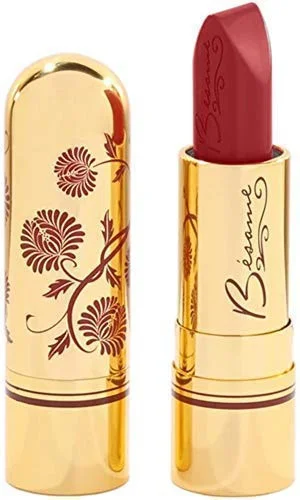
Analysis locked
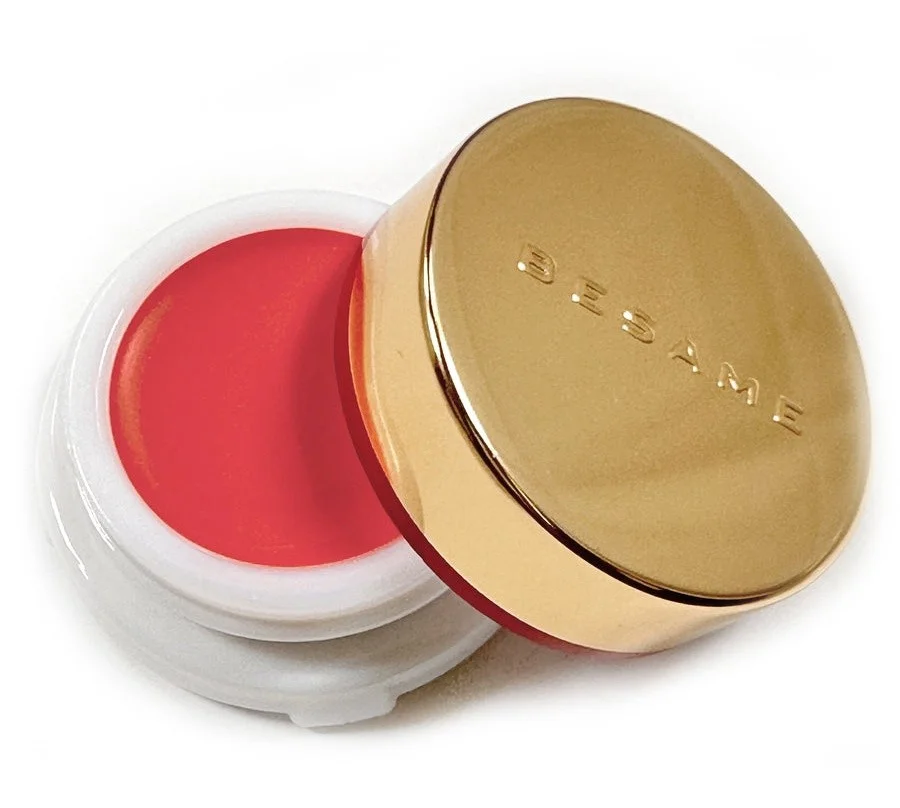
How well does your skin match with Besame Cosmetics Classic Color Lipstick?
Login to see detailsOr continue via
Quick 1-minute survey • Completely free
Ingredients
Analysis results of Ingredients


Ingredient List
| EWG | CIR | Ingredient Name & Cosmetic Function | Notes |
|---|---|---|---|
| 1 | A | (Solvent, Masking, Perfuming, Skin Conditioning, Emollient) | |
| 1 | A | (Skin Conditioning, Emollient) | |
| 1 | A | (Viscosity Controlling, Viscosity Increasing Agent, Emulsion Stabilising, Binding Agent, Binding, Opacifying) | |
| 1 | A | (Solvent, Perfuming, Fragrance, Skin Conditioning, Emollient) | |




Besame Cosmetics Classic Color Lipstick - Ingredient Explanation
Caprylic/ Capric Triglyceride
1. Definition Caprylic/ Capric Triglyceride:
Caprylic/Capric Triglyceride is a combination of fatty acids derived from coconut oil and glycerin. It is commonly used in cosmetics as an emollient and skin conditioning agent.2. Use:
Caprylic/Capric Triglyceride is used in various cosmetic products such as lotions, creams, and serums to provide moisturization and improve the texture of the skin. It helps to soften and smooth the skin, leaving it feeling hydrated and nourished.3. Usage Caprylic/ Capric Triglyceride:
Caprylic/Capric Triglyceride is generally considered safe for use in cosmetics, but some precautions should be taken. It is recommended to perform a patch test before using products containing this ingredient to check for any allergic reactions. Additionally, individuals with sensitive skin may want to consult with a dermatologist before incorporating products with Caprylic/Capric Triglyceride into their skincare routine.4. References:
- "Caprylic/Capric Triglyceride." Cosmetics Info, www.cosmeticsinfo.org/ingredient/capryliccapric-triglyceride.
- "Caprylic/Capric Triglyceride." The Derm Review, www.thedermreview.com/caprylic-capric-triglyceride/.
- "Caprylic/Capric Triglyceride." Truth in Aging, www.truthinaging.com/ingredients/capryliccapric-triglyceride.
Trioctyldodecyl Citrate
1. Definition Trioctyldodecyl Citrate:
Trioctyldodecyl Citrate is a synthetic ingredient commonly used in cosmetics as an emollient and skin conditioning agent. It is derived from citric acid and octyldodecanol, and is known for its ability to improve the texture and feel of skincare products.2. Use:
Trioctyldodecyl Citrate is primarily used in cosmetics as a moisturizing agent, helping to hydrate and soften the skin. It is often found in lipsticks, foundations, and skincare products due to its emollient properties. Additionally, it can help to improve the spreadability of products and enhance the overall performance of formulations.3. Usage Trioctyldodecyl Citrate:
When using cosmetics containing Trioctyldodecyl Citrate, it is important to follow the instructions provided by the manufacturer. As with any skincare product, it is recommended to perform a patch test before applying it to a larger area of skin to check for any potential allergic reactions. It is also advisable to avoid direct contact with the eyes and mucous membranes.4. References:
- "Cosmetic Ingredient Review Expert Panel. Final report on the safety assessment of Citrus-derived cosmetic ingredients." International Journal of Toxicology 21.S2 (2002): 1-24.
- "Safety Assessment of Citrus-Derived Ingredients as Used in Cosmetics." International Journal of Toxicology 31.1_suppl (2012): 221S-262S.
- "Chemical Information Review Document for Citrate Esters." (2008): 1-43.
Ozokerite Wax
1. Definition Ozokerite Wax:
Ozokerite wax is a naturally occurring mineral wax derived from coal and shale deposits. It is a complex mixture of hydrocarbons, primarily consisting of paraffin and microcrystalline wax.2. Use:
Ozokerite wax is commonly used in cosmetics as a thickening agent, emollient, and binder. It helps to stabilize emulsions, improve texture, and provide a smooth, creamy consistency to products such as lipsticks, balms, creams, and lotions.3. Usage Ozokerite Wax:
When using ozokerite wax in cosmetics, it is important to follow recommended guidelines and precautions. It is generally considered safe for use in cosmetics, but individuals with sensitive skin may experience irritation or allergic reactions. It is advisable to perform a patch test before using products containing ozokerite wax and discontinue use if any adverse reactions occur.4. References:
- "Ozokerite Wax" by Cosmetics Info, https://cosmeticsinfo.org/ingredient/ozokerite-wax
- "Ozokerite" by Truth in Aging, https://www.truthinaging.com/ingredients/ozokerite
- "Ozokerite" by The Derm Review, https://www.thedermreview.com/ozokerite/
Octyldodecanol
1. Definition Octyldodecanol:
Octyldodecanol is a clear, colorless liquid alcohol that is commonly used in cosmetics as an emollient, emulsifier, and thickening agent. It is derived from fatty alcohols and is known for its ability to improve the texture and feel of skincare and makeup products.2. Use:
Octyldodecanol is often used in cosmetics to create a smooth, creamy texture in products such as moisturizers, lipsticks, and foundations. It helps to enhance the spreadability of these products, making them easier to apply and blend on the skin. Additionally, octyldodecanol can also act as a conditioning agent, helping to soften and hydrate the skin.3. Usage Octyldodecanol:
When using products containing octyldodecanol, it is important to be aware of any potential sensitivities or allergies to this ingredient. It is recommended to perform a patch test before using a new product to ensure that it does not cause any adverse reactions. Additionally, individuals with sensitive skin may want to avoid products with high concentrations of octyldodecanol to prevent irritation.4. References:
- "Octyldodecanol." Cosmetics Info, www.cosmeticsinfo.org/ingredient/octyldodecanol.
- "Octyldodecanol." The Derm Review, www.thedermreview.com/octyldodecanol/.
- "Octyldodecanol." Truth In Aging, www.truthinaging.com/ingredients/octyldodecanol.
Review





Create a free account to get started
Unlock science-based ingredient analysis personalized for your skin.
Already have an account? Log in
We protect your privacy. We never send spam.