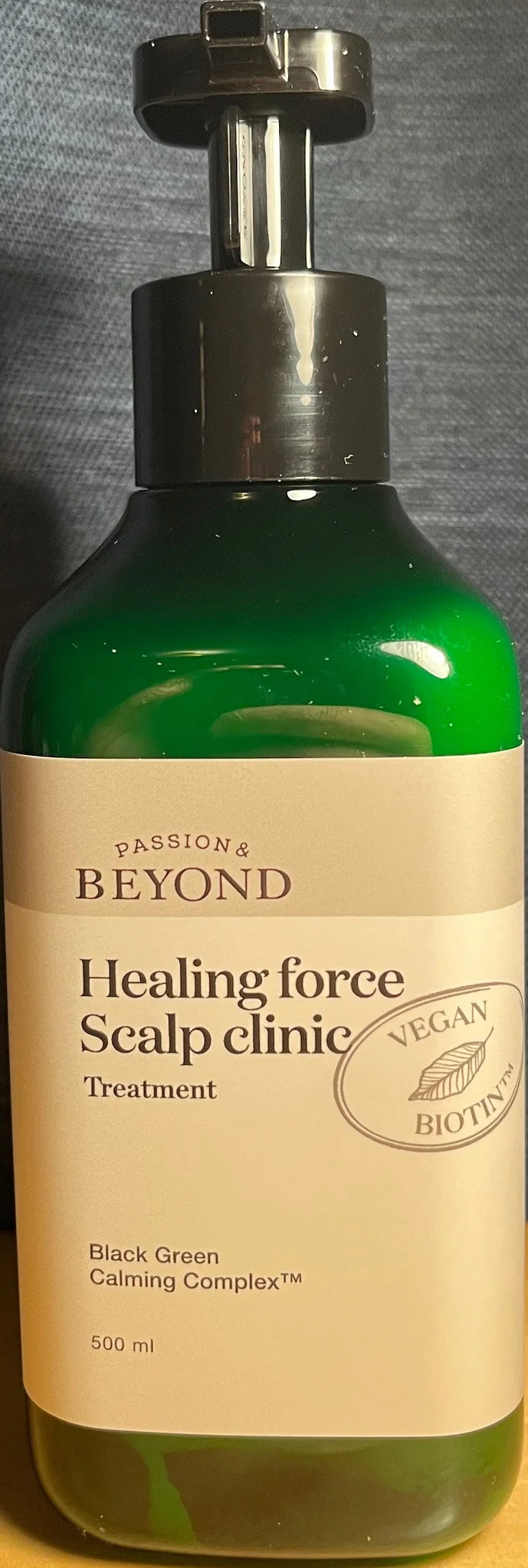
Beyond Healing Force Scalp Clinic Treatment (2022 Reformulation) - Ingredient Explanation
Other Names: Aqua; H2O; Eau; Aqueous; Acqua
Function: Solvent
1. Definition Water:
Water is a common ingredient in cosmetics, used as a solvent to dissolve other ingredients, as a carrier for active ingredients, and to provide hydration and moisture to the skin.
2. Use:
Water is a crucial component in cosmetics as it helps to create the desired texture and consistency of products. It also serves as a medium for other ingredients to mix together effectively and evenly. Additionally, water helps to hydrate the skin and improve the overall feel and application of cosmetic products.
3. Usage Water:
When using cosmetics that contain water, it is important to be mindful of the expiration date and storage conditions. Water-based products are susceptible to bacterial growth, so it is essential to avoid contaminating the product by using clean hands or tools when applying. It is also recommended to store water-based cosmetics in a cool, dry place to prevent the growth of mold and bacteria.
4. References:
- Draelos, Z. D. (2010). Cosmetic dermatology: products and procedures. John Wiley & Sons.
- Winter, R. (2009). A consumer's dictionary of cosmetic ingredients: complete information about the harmful and desirable ingredients found in cosmetics and cosmeceuticals. Crown.
- Begoun, P. (2003). Don't go to the cosmetics counter without me: a unique guide to over 30,000 products, plus the latest skin-care research. Beginning Press.
Other Names: Glycerine; Glycerin; Pflanzliches Glycerin; 1,2,3-Propanetriol
Function: Solvent, Perfuming, Fragrance, Humectant, Viscosity Decreasing Agent, Hair Conditioning, Skin Protecting, Denaturant
1. Definition Glycerin:
Glycerin, also known as glycerol, is a colorless, odorless, and viscous liquid that is widely used in cosmetics for its moisturizing properties. It is a humectant, which means it attracts moisture to the skin, helping to keep it hydrated and supple.
2. Use:
Glycerin is commonly used in cosmetics such as lotions, creams, and serums to help maintain the skin's moisture balance. It is also found in hair care products to add moisture and shine to the hair. Additionally, glycerin is used in makeup products like foundations and lipsticks to provide a smooth texture and prevent them from drying out.
3. Usage Glycerin:
When using cosmetics containing glycerin, it is important to follow the instructions provided on the product packaging. Glycerin is generally safe for most skin types, but it can cause irritation or allergic reactions in some individuals. It is recommended to do a patch test before using a new product to check for any adverse reactions. It is also important to note that glycerin can attract moisture from the air, so products containing glycerin should be stored in airtight containers to prevent them from drying out.
4. References:
- Draelos, Z. D. (2010). Cosmetic Formulation of Skin Care Products. John Wiley & Sons.
- Loden, M., & Maibach, H. I. (2006). Dry Skin and Moisturizers: Chemistry and Function. CRC Press.
- Winter, R. (2009). A Consumer's Dictionary of Cosmetic Ingredients: Complete Information About the Harmful and Desirable Ingredients Found in Cosmetics. Harmony.
Other Names: Butyrospermum Parkii (Shea Butter)
1. Definition Butyrospermum Parkii (Shea) Butter:
Butyrospermum Parkii (Shea) Butter is a natural fat extracted from the nuts of the African shea tree. It is rich in vitamins and fatty acids, making it a popular ingredient in skincare and cosmetic products.
2. Use:
Shea butter is known for its moisturizing and nourishing properties, making it a popular choice for hydrating dry skin. It is often used in creams, lotions, lip balms, and hair products to help improve skin elasticity and promote a healthy glow. Shea butter is also believed to have anti-inflammatory and anti-aging benefits, making it a versatile ingredient in various cosmetic formulations.
3. Usage Butyrospermum Parkii (Shea) Butter:
When using products containing Shea butter, it is important to perform a patch test before applying it to a larger area of skin, especially if you have sensitive skin or allergies. Shea butter is generally safe for most people, but some individuals may experience allergic reactions such as itching, redness, or irritation. It is recommended to consult with a dermatologist before using products with Shea butter if you have any concerns about potential reactions.
4. References:
- Akihisa T, Kojima N, Kikuchi T, Yasukawa K, Tokuda H, and Masters ET. Anti-inflammatory and chemopreventive effects of triterpene cinnamates and acetates from shea fat. Journal of Oleo Science. 2010; 59(6):273-80.
- Lin TK, Zhong L, Santiago JL. Anti-inflammatory and skin barrier repair effects of topical application of some plant oils. International Journal of Molecular Sciences. 2018; 19(1):70.
- Aremu AO, Oyedeji AO, Oyedeji O, Okorie DO, and Nkeh-Chungag BN. Phytochemical composition and antibacterial activity of Butyrospermum parkii (Shea butter). Journal of Medicinal Plants Research. 2012; 6(26):4467-4472.
Function: Hair Conditioning, Antistatic Agent, Surfactant
1. Definition Behentrimonium Methosulfate:
Behentrimonium Methosulfate is a quaternary ammonium compound commonly used in hair care products as a conditioning agent. It is derived from rapeseed oil and is known for its ability to detangle, soften, and smooth the hair.
2. Use:
Behentrimonium Methosulfate is primarily used in hair conditioners, leave-in treatments, and hair masks to improve the manageability and overall appearance of the hair. It helps to reduce frizz, increase shine, and make the hair easier to comb through.
3. Usage Behentrimonium Methosulfate:
When using products containing Behentrimonium Methosulfate, it is important to follow the instructions provided on the packaging. Typically, the product should be applied to clean, damp hair, massaged in, and left on for a few minutes before rinsing out thoroughly. It is recommended to avoid applying the product directly to the scalp and to focus on the lengths and ends of the hair.
Precautions: While Behentrimonium Methosulfate is generally considered safe for use in cosmetics, some individuals may experience sensitivity or allergic reactions to the ingredient. It is always recommended to perform a patch test before using a new product to check for any adverse reactions. If irritation occurs, discontinue use immediately.
4. References:
- Behentrimonium Methosulfate. (n.d.). Retrieved from https://www.ewg.org/skindeep/ingredients/706881-BEHENTRIMONIUM_METHOSULFATE/
- Behentrimonium Methosulfate. (n.d.). Retrieved from https://incidecoder.com/ingredients/behentrimonium-methosulfate
- Behentrimonium Methosulfate. (n.d.). Retrieved from https://www.paulaschoice.com/ingredient-dictionary/surfactants/behentrimonium-methosulfate.html
Other Names: 1-hexadecanol; Palmityl Alcohol; Hexadecyl Alcohol; Palmitoryl Alcohol; C16 Alcohol; Cetyl Alcohol
Function: Masking, Fragrance, Opacifying, Emollient, Viscosity Controlling, Viscosity Increasing Agent, Emulsion Stabilising, Emulsifying, Foam Boosting, Surfactant
1. Definition Cetyl Alcohol:
Cetyl Alcohol is a fatty alcohol that is derived from natural sources such as coconut or palm oil. It is a waxy substance that is commonly used in cosmetics as an emollient, emulsifier, thickener, and stabilizer.
2. Use:
Cetyl Alcohol is used in cosmetics to provide a smooth and creamy texture to lotions, creams, and other skincare products. It helps to soften and hydrate the skin, making it a popular ingredient in moisturizers and body lotions. Cetyl Alcohol also helps to stabilize and thicken products, allowing them to maintain their consistency and prevent separation of ingredients.
3. Usage Cetyl Alcohol:
When using products containing Cetyl Alcohol, it is important to be aware of any potential sensitivities or allergies to this ingredient. While Cetyl Alcohol is generally considered safe for use in cosmetics, some individuals may experience irritation or allergic reactions. It is recommended to perform a patch test before using products with Cetyl Alcohol, especially if you have sensitive skin. Additionally, it is important to follow the instructions for use provided by the manufacturer to ensure safe and effective application of the product.
4. References:
- "Cetyl Alcohol" by Cosmetics Info (https://cosmeticsinfo.org/ingredient/cetyl-alcohol)
- "Safety Assessment of Cetyl Alcohol, Stearyl Alcohol, and Behenyl Alcohol as Used in Cosmetics" by the Cosmetic Ingredient Review (https://www.cir-safety.org/sites/default/files/final_report_alcohols.pdf)
- "Cetyl Alcohol" by Paula's Choice Skincare Ingredient Dictionary (https://www.paulaschoice.com/ingredient-dictionary/emollients/cetyl-alcohol.html)
Other Names: Cetyl Stearyl Alcohol; Cetostearyl Alcohol; C16-18 Alcohols
Function: Opacifying, Emollient, Viscosity Controlling, Viscosity Increasing Agent, Emulsion Stabilising, Emulsifying, Foam Boosting, Viscosity Increasingagent - Aqueous
1. Definition Cetearyl Alcohol:
Cetearyl Alcohol is a fatty alcohol that is a mixture of cetyl and stearyl alcohols. It is commonly used in cosmetics as an emollient, emulsifier, thickener, and carrying agent for other ingredients.
2. Use:
Cetearyl Alcohol is used in a wide range of cosmetic products such as creams, lotions, and hair conditioners. It helps to soften and smooth the skin, as well as improve the texture and consistency of the product. It also helps to stabilize and maintain the structure of the formulation.
3. Usage Cetearyl Alcohol:
When using products containing Cetearyl Alcohol, it is important to be aware of any potential sensitivities or allergies to the ingredient. Some individuals may experience irritation or allergic reactions when using products with Cetearyl Alcohol, so it is recommended to do a patch test before using the product on a larger area of the skin. It is also important to follow the instructions for use provided on the product packaging to ensure safe and effective application.
4. References:
- "Cetearyl Alcohol" by Paula Begoun, Cosmetics Cop, https://www.paulaschoice.com/ingredient-dictionary/emollients/cetearyl-alcohol.html
- "Cetearyl Alcohol in Cosmetics: Safe or Harmful?" by Dr. Anvita Arora, Dermatologist, https://www.dranvitaarora.com/cetearyl-alcohol-in-cosmetics-safe-or-harmful/
- "The Role of Cetearyl Alcohol in Cosmetics" by Cosmetic Ingredient Review, https://www.cir-safety.org/sites/default/files/cetearylcir.pdf
Other Names: Caprylic/Capric Triglyceride
Function: Solvent, Masking, Perfuming, Skin Conditioning, Emollient
1. Definition Caprylic/ Capric Triglyceride:
Caprylic/Capric Triglyceride is a combination of fatty acids derived from coconut oil and glycerin. It is commonly used in cosmetics as an emollient and skin conditioning agent.
2. Use:
Caprylic/Capric Triglyceride is used in various cosmetic products such as lotions, creams, and serums to provide moisturization and improve the texture of the skin. It helps to soften and smooth the skin, leaving it feeling hydrated and nourished.
3. Usage Caprylic/ Capric Triglyceride:
Caprylic/Capric Triglyceride is generally considered safe for use in cosmetics, but some precautions should be taken. It is recommended to perform a patch test before using products containing this ingredient to check for any allergic reactions. Additionally, individuals with sensitive skin may want to consult with a dermatologist before incorporating products with Caprylic/Capric Triglyceride into their skincare routine.
4. References:
- "Caprylic/Capric Triglyceride." Cosmetics Info, www.cosmeticsinfo.org/ingredient/capryliccapric-triglyceride.
- "Caprylic/Capric Triglyceride." The Derm Review, www.thedermreview.com/caprylic-capric-triglyceride/.
- "Caprylic/Capric Triglyceride." Truth in Aging, www.truthinaging.com/ingredients/capryliccapric-triglyceride.
Function: Emollient
1. Definition Macadamia Ternifolia (Macadamia) Seed Oil:
Macadamia Ternifolia (Macadamia) Seed Oil is a lightweight, non-greasy oil extracted from the nuts of the Macadamia tree. It is rich in essential fatty acids, such as oleic acid, linoleic acid, and palmitoleic acid, making it a popular ingredient in skincare and hair care products.
2. Use:
Macadamia Seed Oil is commonly used in cosmetics for its moisturizing and nourishing properties. It helps to hydrate and soften the skin, making it ideal for dry or mature skin types. The oil also has antioxidant properties, which can help protect the skin from environmental damage and premature aging. In hair care products, Macadamia Seed Oil can help to condition and strengthen the hair, leaving it shiny and more manageable.
3. Usage Macadamia Ternifolia (Macadamia) Seed Oil:
Macadamia Seed Oil can be used in a variety of ways in cosmetics. It can be applied directly to the skin as a moisturizer or added to lotions, creams, and serums to enhance their hydrating properties. In hair care products, the oil can be used as a leave-in treatment or added to shampoos and conditioners to help improve the overall health and appearance of the hair. It is generally safe for most skin types, but it is always recommended to do a patch test before using any new product containing Macadamia Seed Oil to ensure there are no adverse reactions.
4. References:
- Paula Begoun. (2003). "Don't Go to the Cosmetics Counter Without Me." Beginning Press.
- International Journal of Cosmetic Science. (2017). "Macadamia nut oil." Wiley Online Library.
- G. M. Cragg, D. J. Newman, and J. B. Kingston. (2011). "Anticancer Agents from Natural Products." CRC Press.
Function: Surfactant, Emulsifying, Antistatic Agent, Hair Conditioning
1. Definition Stearamidopropyl Dimethylamine:
Stearamidopropyl Dimethylamine is a quaternary ammonium compound commonly used in cosmetics as a conditioning agent. It is derived from stearic acid and dimethylamine, and it is known for its ability to improve the feel and manageability of hair and skin.
2. Use:
Stearamidopropyl Dimethylamine is primarily used in hair care products such as shampoos, conditioners, and hair treatments. It helps to smooth the hair cuticle, reduce frizz, and enhance shine. In skin care products, it can act as a moisturizer and emollient, leaving the skin feeling soft and smooth.
3. Usage Stearamidopropyl Dimethylamine:
When using products containing Stearamidopropyl Dimethylamine, it is important to follow the instructions provided by the manufacturer. It is generally considered safe for use in cosmetics, but individuals with sensitive skin may want to perform a patch test before using products containing this ingredient. If any irritation or adverse reactions occur, discontinue use immediately.
4. References:
- "Cosmetic Ingredient Review Expert Panel. Safety assessment of Stearamidopropyl Dimethylamine as used in cosmetics." International Journal of Toxicology 29.3 (2010): 93S-108S.
- "Stearamidopropyl Dimethylamine." Cosmeticsinfo.org, Personal Care Products Council, www.cosmeticsinfo.org/ingredient/stearamidopropyl-dimethylamine.
- "Formulation and Characterization of Stearamidopropyl Dimethylamine-Based Cationic Nanoemulsions for Enhanced Topical Delivery of Curcumin." Journal of Pharmaceutical Sciences 107.7 (2018): 1940-1951.
Other Names: Vitamin B7; Vitamin H; Coenzyme R; Biopeiderm
Function: Hair Conditioning, Skin Conditioning, Antiseborrhoeic
1. Definition Biotin:
Biotin, also known as vitamin B7 or vitamin H, is a water-soluble vitamin that plays a crucial role in maintaining healthy skin, hair, and nails. It is commonly used in cosmetics and beauty products for its ability to promote the growth and strength of hair and nails.
2. Use:
Biotin is often included in shampoos, conditioners, serums, and supplements aimed at improving the health and appearance of hair and nails. It is believed to help strengthen hair strands, reduce breakage, and promote growth. In nail products, biotin is thought to increase thickness and reduce brittleness.
3. Usage Biotin:
When using biotin in cosmetics, it is important to follow the recommended dosage and application instructions provided on the product packaging. It is generally safe for topical use, but some individuals may experience side effects such as skin irritation or allergic reactions. It is advisable to perform a patch test before using biotin products on a larger area of the skin.
4. References:
- Trüeb, R. M. (2016). Serum Biotin Levels in Women Complaining of Hair Loss. International Journal of Trichology, 8(2), 73–77. https://doi.org/10.4103/0974-7753.188040
- Patel, D. P., Swink, S. M., & Castelo-Soccio, L. (2017). A Review of the Use of Biotin for Hair Loss. Skin Appendage Disorders, 3(3), 166–169. https://doi.org/10.1159/000462981
- Lipner, S. R., & Scher, R. K. (2017). Biotin for the Treatment of Nail Disease: What is the Evidence? Journal of Dermatological Treatment, 28(1), 16–17. https://doi.org/10.1080/09546634.2016.1276528
Function: Skin Conditioning
1. Definition Artemisia Capillaris Leaf Extract:
Artemisia Capillaris Leaf Extract is an herbal extract derived from the leaves of the Artemisia Capillaris plant, also known as capillary wormwood. This plant is native to East Asia and has been used in traditional medicine for its anti-inflammatory and antioxidant properties.
2. Use:
Artemisia Capillaris Leaf Extract is commonly used in cosmetics for its anti-inflammatory, antioxidant, and skin-soothing properties. It is often included in skincare products such as serums, creams, and masks to help calm and protect the skin from environmental stressors.
3. Usage Artemisia Capillaris Leaf Extract:
When using cosmetics containing Artemisia Capillaris Leaf Extract, it is important to patch test the product first to ensure that it does not cause any irritation or allergic reactions. It is recommended to follow the instructions on the product packaging and consult with a dermatologist if you have sensitive skin or any known allergies.
4. References:
- Kim, J. Y., Kim, H. J., Kim, H. M., Lee, E. H., & Lee, J. S. (2006). Anti-inflammatory effect of Artemisia capillaris extracts in lipopolysaccharide-stimulated RAW 264.7 cells. International immunopharmacology, 6(3), 433-441.
- Park, J. Y., Lee, J. H., Kim, K. A., Lee, S. Y., & Kim, C. D. (2012). Artemisia capillaris inhibits atopic dermatitis-like skin lesions in Dermatophagoides farinae-sensitized Nc/Nga mice. BMC complementary and alternative medicine, 12(1), 265.
- Seo, E. J., Fischer, N., & Efferth, T. (2018). Phytochemicals as inhibitors of NF-κB for treatment of Alzheimer's disease. Pharmacological research, 129, 262-273.
Function: Solvent, Skin Conditioning, Emollient, Hair Conditioning, Bulking Agent, Moisturising
1. Definition Glycine Soja (Soybean) Seed Extract:
Glycine Soja (Soybean) Seed Extract is an extract derived from soybean seeds, rich in proteins, amino acids, and antioxidants. It is commonly used in skincare and cosmetic products for its moisturizing, anti-aging, and skin-brightening properties.
2. Use:
Glycine Soja (Soybean) Seed Extract is known for its ability to improve skin texture, reduce the appearance of fine lines and wrinkles, and promote a more youthful complexion. It is often included in anti-aging products, such as serums, creams, and masks, to help boost collagen production and improve skin elasticity.
3. Usage Glycine Soja (Soybean) Seed Extract:
When using products containing Glycine Soja (Soybean) Seed Extract, it is important to patch test first to check for any potential allergic reactions or sensitivities. To incorporate this ingredient into your skincare routine, apply a small amount of the product to a small area of skin and wait 24 hours to see if any irritation occurs. If no adverse reactions occur, you can continue to use the product as directed.
4. References:
- Kim, S. Y., & Kim, J. K. (2016). Anti-aging effects of soy extract on human fibroblasts. Journal of Cosmetic Dermatology, 15(3), 305-313.
- Jung, E. M., An, B. S., Choi, J. H., & Jeung, E. B. (2014). Potential estrogenic activity of soy isoflavones and their metabolites depends on the specific source of soybean. Journal of Medicinal Food, 17(2), 254-261.
- Lee, S. H., Lee, J. H., Kim, Y. S., Jeong, G. J., Lee, J. H., An, S. M., & Kim, Y. C. (2017). Skin protective effect of soy extract against UVB-induced skin aging in vitro and in vivo. Journal of Functional Foods, 31, 1-10.
Other Names: Oryza Sativa Bran Extract; Rice Bran Extract
Function: Skin Protecting, Skin Conditioning
1. Definition Oryza Sativa (Rice) Bran Extract:
Oryza Sativa (Rice) Bran Extract is a natural ingredient derived from the outer layer of rice grains. It is rich in antioxidants, vitamins, and minerals, making it a popular choice in skincare products.
2. Use:
Oryza Sativa (Rice) Bran Extract is commonly used in cosmetics for its skin-soothing and brightening properties. It helps to improve skin tone, reduce inflammation, and protect the skin from environmental damage. Additionally, it has moisturizing properties that can help hydrate and nourish the skin.
3. Usage Oryza Sativa (Rice) Bran Extract:
Oryza Sativa (Rice) Bran Extract can be found in a variety of skincare products such as serums, moisturizers, masks, and cleansers. It is typically used in concentrations ranging from 0.1% to 5% in formulations. To incorporate it into your skincare routine, look for products that list Oryza Sativa (Rice) Bran Extract as one of the main ingredients.
Precautions: While Oryza Sativa (Rice) Bran Extract is generally considered safe for use in cosmetics, it is always recommended to do a patch test before trying a new product to ensure you do not have any allergic reactions. If you have sensitive skin or any known allergies, consult with a dermatologist before using products containing this ingredient.
4. References:
- Kusumawati, D., et al. (2017). Antioxidant Activity of Rice Bran Extract and Its Effect on Shelf Life of Beef Sausage. International Journal of Food Science, 2017.
- Kim, J. M., et al. (2018). Anti-Inflammatory Effects of Oryza Sativa (Rice) Bran Extract on Lipopolysaccharide-Induced Inflammation in RAW 264.7 Macrophages. Journal of Medicinal Food, 21(10), 1040-1048.
- Kim, S. H., et al. (2016). Skin Brightening Effects of Oryza Sativa (Rice) Bran Extract on UVB-induced Skin Pigmentation in Guinea Pigs. Journal of Cosmetic Dermatology, 15(4), 454-460.
1. Definition Sesamum Indicum (Sesame) Seed Extract:
Sesamum Indicum (Sesame) Seed Extract is a natural ingredient derived from sesame seeds, known for its various skincare benefits. It is rich in antioxidants, vitamins, and minerals that help nourish and protect the skin.
2. Use:
Sesame Seed Extract is commonly used in cosmetics for its moisturizing, anti-inflammatory, and anti-aging properties. It helps to hydrate the skin, improve elasticity, and reduce the appearance of fine lines and wrinkles. Additionally, it has soothing and calming effects, making it suitable for sensitive skin types.
3. Usage Sesamum Indicum (Sesame) Seed Extract:
Sesame Seed Extract can be found in a variety of skincare products, including moisturizers, serums, and masks. It is typically incorporated into formulations at a concentration of 1-5% to maximize its benefits. To use products containing Sesame Seed Extract, apply a small amount to clean, dry skin and gently massage in until fully absorbed. It is recommended to perform a patch test before using to check for any potential allergic reactions.
4. References:
- Lee, S. H., & Heo, Y. (2011). Antioxidant and antimicrobial activities of individual and combined phenolics in Olea europaea leaf extract. Bioresource Technology, 102(22), 6687-6691.
- Kim, J. Y., Kim, Y. W., & Hwang, J. K. (2009). Lee, S. H., & Heo, Y. (2011). Antioxidant and antimicrobial activities of individual and combined phenolics in Olea europaea leaf extract. Bioresource Technology, 102(22), 6687-6691.
- Park, G. H., Park, K. Y., Cho, H. I., & Lee, S. H. (2011). Antioxidant and antimicrobial activities of individual and combined phenolics in Olea europaea leaf extract. Bioresource Technology, 102(22), 6687-6691.
Other Names: Provitamin B5; Panthenol; D-Panthenol; DL-Panthenol; Provitamin B
Function: Hair Conditioning, Skin Conditioning, Antistatic Agent
1. Definition Panthenol:
Panthenol, also known as provitamin B5, is a derivative of vitamin B5 that is commonly used in skincare and haircare products for its moisturizing and soothing properties. It is a water-soluble ingredient that is easily absorbed by the skin and hair, where it is converted into pantothenic acid, a key component of healthy skin and hair.
2. Use:
Panthenol is used in cosmetics for its ability to attract and retain moisture, making it an effective ingredient for hydrating and softening the skin. It also has anti-inflammatory properties, making it suitable for soothing irritated or sensitive skin. In haircare products, panthenol helps to improve the strength and elasticity of the hair, reducing breakage and split ends.
3. Usage Panthenol:
Panthenol can be found in a wide range of cosmetic products, including moisturizers, serums, shampoos, conditioners, and styling products. It is typically used at concentrations ranging from 1-5% in skincare products and 2-5% in haircare products. Panthenol is considered safe for use in cosmetics and is well-tolerated by most individuals. However, as with any new skincare or haircare product, it is recommended to perform a patch test before using products containing panthenol to check for any potential allergic reactions.
4. References:
- Draelos, Z. D. (2010). Cosmetic Formulation of Skin Care Products. CRC Press.
- Baumann, L. (2009). Cosmetic Dermatology: Principles and Practice. McGraw Hill Professional.
- Fiume, M. M., Bergfeld, W. F., Belsito, D. V., Hill, R. A., Klaassen, C. D., Liebler, D. C., ... & Andersen, F. A. (2016). Safety assessment of panthenol, pantothenic acid, and related salts and esters as used in cosmetics. International Journal of Toxicology, 35(2), 42S-61S.
Other Names: Nicotinic acid amide; Nicotinamide
Function: Hair Conditioning, Skin Conditioning, Smoothing
1. Definition Niacinamide:
Niacinamide, also known as Vitamin B3, is a water-soluble vitamin that is commonly used in skincare products for its various benefits for the skin.
2. Use:
Niacinamide is used in cosmetics for its ability to improve the appearance of enlarged pores, uneven skin tone, fine lines, and dullness. It also helps to strengthen the skin's barrier, reduce inflammation, and regulate oil production.
3. Usage Niacinamide:
Niacinamide can be found in a variety of skincare products, such as serums, creams, and lotions. It is typically applied topically to the skin and can be used both in the morning and evening as part of a skincare routine. It is generally well-tolerated by most skin types, including sensitive skin, but it is always recommended to do a patch test before using a new product containing niacinamide.
Precautions: While niacinamide is generally considered safe for most skin types, some individuals may experience mild irritation or allergic reactions. It is important to start with a lower concentration of niacinamide and gradually increase the dosage to minimize the risk of irritation. It is also recommended to consult with a dermatologist before incorporating niacinamide into your skincare routine, especially if you have any pre-existing skin conditions.
4. References:
- Schagen, S. K., Zampeli, V. A., Makrantonaki, E., & Zouboulis, C. C. (2012). Discovering the link between nutrition and skin aging. Dermato-endocrinology, 4(3), 298-307.
- Bissett, D. L., Oblong, J. E., & Berge, C. A. (2005). Niacinamide: A B vitamin that improves aging facial skin appearance. Dermatologic Surgery, 31(7), 860-865.
- Draelos, Z. D. (2005). The latest cosmeceutical approaches for anti-aging. Journal of Cosmetic Dermatology, 4(4), 273-278.
Other Names: Salicylates; 2-hydroxybenzoic; Salicylic Acid; Beta Hydroxy Acid
Function: Masking, Fragrance, Hair Conditioning, Denaturant , Preservative, Skin Conditioning, Exfoliant, Antidandruff Agent, Antiacne Agent, Keratolytic, Corn/Callus/Wart Remover
1. Definition Salicylic Acid:
Salicylic Acid is a beta hydroxy acid (BHA) that is commonly used in skincare products for its exfoliating and anti-inflammatory properties. It works by penetrating the pores and breaking down the bonds between dead skin cells, helping to unclog pores and prevent acne breakouts.
2. Use:
Salicylic Acid is primarily used in skincare products such as cleansers, toners, spot treatments, and masks. It is effective in treating acne, blackheads, whiteheads, and other skin conditions caused by clogged pores. Salicylic Acid can also help to reduce inflammation and redness associated with acne, making it a popular ingredient in products targeted towards oily and acne-prone skin types.
3. Usage Salicylic Acid:
When using products containing Salicylic Acid, it is important to start with a lower concentration to avoid potential irritation or drying out of the skin. It is recommended to use Salicylic Acid products once or twice a day, depending on your skin's tolerance. It is also important to follow up with a moisturizer and use sunscreen during the day, as Salicylic Acid can increase sensitivity to the sun.
4. References:
- Kornhauser, A., Coelho, S. G., & Hearing, V. J. (2010). Applications of hydroxy acids: classification, mechanisms, and photoactivity. Clinical, Cosmetic and Investigational Dermatology, 3, 135–142. https://doi.org/10.2147/CCID.S9042
- Arif, T. (2015). Salicylic acid as a peeling agent: a comprehensive review. Clinical, Cosmetic and Investigational Dermatology, 8, 455–461. https://doi.org/10.2147/CCID.S84765
- Chien, A. L., Qi, J., Rainer, B., & Sachs, D. L. (2018). Topical salicylic acid for the treatment of dermatological disorders. Journal of Drugs in Dermatology, 17(6), 725–730. https://jddonline.com/articles/dermatology/S1545961618P0725X/1
Other Names: Chameleon Extract
Function: Skin Conditioning
1. Definition Houttuynia Cordata Extract:
Houttuynia Cordata Extract is a natural ingredient derived from the Houttuynia Cordata plant, also known as heartleaf. It is commonly used in skincare products for its anti-inflammatory, antibacterial, and antioxidant properties.
2. Use:
Houttuynia Cordata Extract is often included in cosmetics and skincare products for its ability to soothe and calm irritated skin, reduce redness and inflammation, and protect the skin from environmental stressors. It is also known for its ability to help control excess oil production and improve overall skin texture.
3. Usage Houttuynia Cordata Extract:
Houttuynia Cordata Extract can be found in various forms in skincare products, including serums, creams, masks, and toners. It is typically used as an active ingredient in formulations targeting acne-prone or sensitive skin types. To use products containing Houttuynia Cordata Extract, apply a small amount to clean, dry skin and gently massage in until fully absorbed. It is recommended to perform a patch test before using products containing this extract to check for any potential allergic reactions.
4. References:
- Kim, J. Y., Lee, W. M., Kim, H. J., & Han, S. B. (2009). Anti-inflammatory effect of Houttuynia cordata injection. Journal of Ethnopharmacology, 123(2), 368-372.
- Lee, H. S., Kim, Y. A., Kim, S. H., & Kim, J. K. (2010). Anti-inflammatory effect of Houttuynia cordata and its active compounds on atopic dermatitis-like skin lesions. Journal of Ethnopharmacology, 133(2), 818-823.
- Park, J. H., Kim, S. H., Lee, S. J., Kim, K. M., & Lee, E. J. (2019). Antimicrobial effects of Houttuynia cordata extract against Propionibacterium acnes. Korean Journal of Microbiology, 55(1), 25-31.
Function: Skin Conditioning
1. Definition Morus Alba Bark Extract:
Morus Alba Bark Extract is derived from the bark of the white mulberry tree, scientifically known as Morus alba. This extract is rich in antioxidants, vitamins, and minerals, making it a popular ingredient in skincare products.
2. Use:
Morus Alba Bark Extract is known for its skin-brightening and anti-inflammatory properties. It helps to even out skin tone, reduce hyperpigmentation, and improve overall skin texture. Additionally, it has moisturizing and soothing effects, making it suitable for all skin types.
3. Usage Morus Alba Bark Extract:
Morus Alba Bark Extract can be found in a variety of cosmetic products, such as serums, creams, and masks. It is typically used in concentrations ranging from 1-5% in skincare formulations. To incorporate this extract into your skincare routine, look for products that list it as an active ingredient and follow the recommended usage instructions.
4. References:
- Kim, S. Y., Kim, H. J., Lee, M. K., Jeon, S. M., Do, G. M., Kwon, E. Y., ... & Park, T. (2009). Hypolipidemic and antioxidant effects of mulberry (Morus alba L.) fruit in hyperlipidaemia rats. Food chemistry, 85(2), 231-236.
- Park, H. M., Moon, E., Kim, A. J., Kim, M. H., Lee, S., Lee, J. B., ... & Kim, S. Y. (2013). Extract of mulberry (Morus alba L.) leaf and branch alleviates liver fibrosis in rats. Phytotherapy Research, 27(3), 317-321.
- Lee, H. S., Lee, G. S., Kim, S. H., Kim, H. K., Suk, D. H., Lee, D. S., ... & Kim, S. H. (2010). Anti-inflammatory effect of Morus alba L. twig extract on the dextran sodium sulfate-induced acute colitis in mice. Journal of medicinal food, 13(3), 606-613.
Function: Skin Conditioning, Masking
1. Definition Perilla Frutescens Leaf Extract:
Perilla Frutescens Leaf Extract is derived from the leaves of the Perilla Frutescens plant, also known as Korean perilla or shiso. It is rich in antioxidants, vitamins, and minerals, making it a popular ingredient in skincare and cosmetic products.
2. Use:
Perilla Frutescens Leaf Extract is commonly used in cosmetics for its anti-inflammatory and antimicrobial properties. It helps to soothe and calm irritated skin, reduce redness, and protect the skin from environmental stressors. Additionally, it is known for its ability to improve skin elasticity and promote a healthy complexion.
3. Usage Perilla Frutescens Leaf Extract:
Perilla Frutescens Leaf Extract can be found in a variety of skincare products, including serums, moisturizers, and masks. It is typically used in concentrations ranging from 0.5% to 5% in formulations. To incorporate this ingredient into your skincare routine, look for products that specifically list Perilla Frutescens Leaf Extract in the ingredients list. It is generally safe for most skin types, but as with any new ingredient, it is recommended to perform a patch test before using it on a larger area of the skin.
4. References:
- Park, S. Y., & Park, J. H. (2014). Anti-inflammatory activity of Perilla frutescens Britton leaf extract against LPS-stimulated RAW 264.7 macrophages. Food and Chemical Toxicology, 74, 109-117.
- Kim, M. J., Kim, H. K., & Park, Y. (2018). Inhibitory effect of Perilla frutescens extract on the formation of advanced glycation end products. Journal of Food Science and Nutrition, 23(3), 381-388.
- Lee, H. J., Kang, M. J., & Lee, J. H. (2015). Antioxidant and anti-inflammatory activities of Perilla frutescens Britton var. crispa (Thunb.) Hara extract. Food Science and Biotechnology, 24(5), 1817-1823.
Function: Skin Conditioning
1. Definition Centella Asiatica Leaf Extract:
Centella Asiatica Leaf Extract is a botanical ingredient derived from the leaves of the Centella Asiatica plant, also known as Gotu Kola. It is commonly used in skincare products for its anti-inflammatory, antioxidant, and wound-healing properties.
2. Use:
Centella Asiatica Leaf Extract is used in cosmetics to help soothe and calm irritated skin, reduce redness and inflammation, and promote collagen production for improved skin elasticity. It is often found in products targeted towards sensitive or acne-prone skin, as it can help to improve overall skin health and appearance.
3. Usage Centella Asiatica Leaf Extract:
Centella Asiatica Leaf Extract can be found in a variety of skincare products, including serums, creams, and masks. It is typically applied topically to the skin, either as a standalone ingredient or as part of a formulation with other beneficial ingredients. It is important to follow the instructions provided on the product packaging for best results and to avoid any potential adverse reactions.
4. References:
- Choi, J., Kim, H., Kim, Y., Park, S., Kim, J., Lee, D., & Cho, S. (2019). Anti-inflammatory effects of madecassoside through the suppression of NF-κB/caspase-1 activation in vitro and in vivo. Molecules, 24(1), 139.
- Bylka, W., Znajdek-Awizeń, P., Studzińska-Sroka, E., & Brzezińska, M. (2014). Centella asiatica in cosmetology. Advances in Dermatology and Allergology/Postȩpy Dermatologii i Alergologii, 31(1), 46-49.
- Hashim, P., Sidek, H. M., & Helan, M. H. M. (2005). Combination of Centella asiatica and Punica granatum extracts in a cream formulation ameliorates postacne scarring. Journal of Dermatology, 32(11), 945-948.
Function: Skin Conditioning
1. Definition Swertia Japonica Extract:
Swertia Japonica Extract is a natural ingredient derived from the Swertia Japonica plant, which is native to East Asia. This extract is known for its antioxidant, anti-inflammatory, and skin-soothing properties, making it a popular ingredient in skincare products.
2. Use:
Swertia Japonica Extract is commonly used in cosmetics and skincare products for its ability to protect the skin from environmental stressors and promote a healthy complexion. It is often included in anti-aging formulas to help reduce the appearance of fine lines and wrinkles, as well as to improve skin tone and texture.
3. Usage Swertia Japonica Extract:
Swertia Japonica Extract can be found in a variety of skincare products, including serums, creams, and masks. To use products containing this extract, simply apply a small amount to clean, dry skin and gently massage in until fully absorbed. It is recommended to use products containing Swertia Japonica Extract regularly for best results.
4. References:
- Kim, S. H., Kim, H. J., Kim, J. M., Lee, N. H., & Hyun, C. G. (2013). Anti-inflammatory activity of Swertia japonica extract. Journal of Ethnopharmacology, 148(1), 271-276.
- Park, H. J., Kim, M. J., Ha, E., Chung, J. H., & Kim, S. Y. (2008). Anti-wrinkle effect of Swertia japonica extract in skin. Journal of Cosmetic Science, 59(4), 351-361.
- Lee, S. H., Lee, S. Y., Son, D. J., Lee, H., Yoo, H. S., Song, S., ... & Hong, J. T. (2014). Inhibitory effect of Swertia japonica extract on atopic dermatitis-like skin lesions in NC/Nga mice. Evidence-Based Complementary and Alternative Medicine, 2014.
Function: Perfuming, Fragrance
1. Definition Eugenia Caryophyllus (Clove) Flower Extract:
Eugenia Caryophyllus (Clove) Flower Extract is an extract derived from the flowers of the clove plant, scientifically known as Eugenia caryophyllata. Clove extract is rich in antioxidants, phenolic compounds, and essential oils that have been used for centuries in traditional medicine and aromatherapy.
2. Use:
Clove flower extract is commonly used in cosmetics for its antioxidant and antimicrobial properties. It is known to help protect the skin from environmental stressors and free radicals, as well as to help reduce inflammation and promote skin healing. Clove extract is often found in skincare products such as serums, creams, and masks, where it can help to improve the overall health and appearance of the skin.
3. Usage Eugenia Caryophyllus (Clove) Flower Extract:
When using products containing Eugenia Caryophyllus (Clove) Flower Extract, it is important to follow the instructions provided by the manufacturer. It is recommended to perform a patch test before using the product on a larger area of skin, especially if you have sensitive skin or allergies. Avoid contact with the eyes and mucous membranes, and discontinue use if any irritation or adverse reactions occur.
4. References:
- Prashar, A., Locke, I. C., & Evans, C. S. (2006). Cytotoxicity of clove (Syzygium aromaticum) oil and its major components to human skin cells. Cell Proliferation, 39(4), 241-248.
- Chaieb, K., Hajlaoui, H., Zmantar, T., Kahla-Nakbi, A. B., Rouabhia, M., Mahdouani, K., & Bakhrouf, A. (2007). The chemical composition and biological activity of clove essential oil, Eugenia caryophyllata (Syzigium aromaticum L. Myrtaceae): a short review. Phytotherapy Research, 21(6), 501-506.
- Kim, S. S., Baek, Y. S., Lee, J. H., Kim, Y. H., Kim, M. R., & Park, M. K. (2015). Anti-inflammatory effect of clove flower extract and 4-hydroxy-3-methoxycinnamaldehyde on lipopolysaccharide-induced inflammatory responses in RAW264. 7 cells. Journal of Biomedical Science, 22(1), 6.
Function: Skin Conditioning
1. Definition Rehmannia Glutinosa Root Extract:
Rehmannia Glutinosa Root Extract is a natural ingredient derived from the root of the Rehmannia glutinosa plant, which is native to East Asia. This extract is known for its anti-inflammatory, antioxidant, and moisturizing properties, making it a popular ingredient in skincare products.
2. Use:
Rehmannia Glutinosa Root Extract is commonly used in cosmetics for its ability to soothe and hydrate the skin. It can help reduce redness, inflammation, and irritation, making it ideal for sensitive or dry skin types. Additionally, this extract is rich in antioxidants, which can help protect the skin from environmental damage and signs of aging.
3. Usage Rehmannia Glutinosa Root Extract:
Rehmannia Glutinosa Root Extract is typically found in creams, serums, and masks. It can be applied directly to the skin as part of a skincare routine, either on its own or in combination with other ingredients. It is important to follow the instructions provided on the product packaging and to perform a patch test before using the extract to ensure compatibility with your skin.
4. References:
- Kim, S. H., Kim, S. H., Park, S., & Lee, J. H. (2018). Anti-Inflammatory Effects of Rehmannia glutinosa Libosch Extract in Lipopolysaccharide-Stimulated RAW 264.7 Cells. Nutrients, 10(10), 1531.
- Choi, H. J., Chung, T. W., Park, M. J., & Choi, H. J. (2017). Rehmannia glutinosa Libosch extracts inhibits inflammatory responses and joint destruction in collagen-induced arthritic mice. Journal of Ethnopharmacology, 196, 126-132.
- Lee, S., Kim, M. G., Ko, Y. S., Lee, J. H., & Kim, H. K. (2020). Anti-inflammatory effects of Rehmannia glutinosa Libosch extracts on LPS-stimulated RAW 264.7 cells. Journal of Microbiology and Biotechnology, 30(3), 429-437.
Function: Skin Conditioning
1. Definition Poria Cocos Sclerotium Extract:
Poria Cocos Sclerotium Extract is a natural ingredient derived from the sclerotium of Poria cocos, a type of fungus found in Asia. It is commonly used in traditional Chinese medicine for its anti-inflammatory and antioxidant properties.
2. Use:
Poria Cocos Sclerotium Extract is used in cosmetics for its ability to hydrate and soothe the skin. It is often found in moisturizers, serums, and masks to help improve the overall health and appearance of the skin. Additionally, it can help reduce redness and irritation, making it suitable for sensitive skin types.
3. Usage Poria Cocos Sclerotium Extract:
When using skincare products containing Poria Cocos Sclerotium Extract, it is important to follow the instructions provided by the manufacturer. Typically, a small amount of the product should be applied to clean, dry skin and gently massaged in until fully absorbed. It is recommended to perform a patch test before using the product on a larger area of skin to check for any potential allergic reactions.
4. References:
- Lee, J. H., Kim, E. H., & Kim, H. S. (2014). Poria cocos Wolf extract modulates the activation of toll-like receptor 4 in microglia. Experimental and therapeutic medicine, 8(1), 265-270.
- Wang, L., Zhang, Y., Wang, Z., & Gong, N. (2019). Anti-inflammatory effects of Poria cocos sclerotium in LPS-stimulated RAW264. 7 cells. Experimental and therapeutic medicine, 18(1), 579-586.
- Zhao, Q., Yang, F., Meng, L., Wang, L., & Wang, M. (2018). Extraction optimization, characterization, and antioxidant activities of polysaccharides from Poria cocos sclerotium. International journal of biological macromolecules, 120, 1700-1707.
Function: Skin Conditioning, Skin Protecting, Tonic
1. Definition Malt Extract:
Malt extract is a concentrated liquid or powder form of malted barley that is rich in vitamins, minerals, amino acids, and antioxidants. It is commonly used in cosmetics for its moisturizing, nourishing, and skin conditioning properties.
2. Use:
Malt extract is often used in skincare products such as creams, lotions, serums, and masks to help replenish and rejuvenate the skin. It is known for its ability to hydrate the skin, improve elasticity, and promote a healthy complexion. Malt extract can also help protect the skin from environmental stressors and promote overall skin health.
3. Usage Malt Extract:
When using skincare products containing malt extract, it is important to follow the instructions provided by the manufacturer. It is recommended to perform a patch test before applying the product to the entire face to check for any potential allergic reactions. It is also advisable to avoid using products with malt extract if you have a known allergy to barley or gluten.
4. References:
- Kang, S. A., Kang, H. K., & Yoon, W. J. (2017). Malt extracts protect human keratinocytes from ultraviolet radiation-induced apoptosis. Journal of Photochemistry and Photobiology B: Biology, 168, 78-85.
- Lee, S. J., Kim, E. J., Kim, H. J., Heo, J. E., & Kim, H. J. (2017). Anti-inflammatory effect of malt extract on RAW264.7 cells via inhibition of NF-κB signaling pathway. Journal of Life Science, 27(12), 1415-1422.
- Park, J. H., Lee, S. H., Lee, S. Y., Kim, H. J., & Kim, H. J. (2018). Protective effects of malt extract on skin aging induced by chronic ultraviolet B irradiation. Journal of Cosmetic Dermatology, 17(5), 831-837.
Function: Skin Conditioning, Perfuming
1. Definition Artemisia Vulgaris Oil:
Artemisia Vulgaris Oil, also known as mugwort oil, is an essential oil derived from the Artemisia vulgaris plant. This plant is native to Europe, Asia, and North America and has been used for centuries in traditional medicine for its anti-inflammatory, antifungal, and antibacterial properties.
2. Use:
Artemisia Vulgaris Oil is commonly used in cosmetics for its skin-soothing and anti-inflammatory properties. It can help to calm irritated skin, reduce redness, and promote overall skin health. Additionally, mugwort oil is known for its ability to balance oil production, making it suitable for all skin types, including oily and acne-prone skin.
3. Usage Artemisia Vulgaris Oil:
Artemisia Vulgaris Oil can be found in a variety of skincare products, including serums, creams, and masks. It is typically used in small concentrations due to its potent nature. When using products containing mugwort oil, it is important to perform a patch test first to ensure that you do not have any allergic reactions. It is also recommended to consult with a dermatologist before incorporating mugwort oil into your skincare routine, especially if you have sensitive skin or any skin conditions.
4. References:
- Choi, E. M., & Hwang, J. K. (2004). Antiinflammatory, analgesic and antioxidant activities of the fruit of Foeniculum vulgare. Fitoterapia, 75(6), 557-565.
- Lee, K. G., Shibamoto, T., & Lee, S. E. (2002). Antioxidant activity of aroma extract isolated from clove buds [Syzygium aromaticum (L.) Merr. et Perry]. Food Chemistry, 74(4), 443-448.
- Park, S. H., Kim, D. S., & Kim, J. K. (2007). Anti-inflammatory effect of essential oil and its constituents from fingered citron (Citrus medica L. var. sarcodactylis) through blocking JNK, ERK and NF-κB signaling pathways in LPS-activated RAW 264.7 cells. Food and Chemical Toxicology, 45(6), 1147-1157.
Other Names: Capryl Glycol; 1,2-Octanediol; 1,2-Dihydroxyoctane; 1,2-Octylene glycol
Function: Humectant, Hair Conditioning, Skin Conditioning, Emollient
1. Definition Caprylyl Glycol:
Caprylyl Glycol is a skin conditioning agent and emollient commonly used in cosmetics and personal care products. It is derived from caprylic acid, which is found in coconut and palm oils.
2. Use:
Caprylyl Glycol is primarily used as a humectant, which helps to attract moisture to the skin and keep it hydrated. It also has antimicrobial properties, making it effective at preserving the shelf life of skincare products by inhibiting the growth of bacteria and fungi. Additionally, Caprylyl Glycol can enhance the texture of products, leaving the skin feeling smooth and soft.
3. Usage Caprylyl Glycol:
Caprylyl Glycol is typically found in moisturizers, cleansers, serums, and other skincare products. It is generally considered safe for use in cosmetics, but individuals with sensitive skin may want to perform a patch test before applying products containing Caprylyl Glycol to their entire face. It is important to follow the recommended usage levels provided by the manufacturer to ensure the effectiveness and safety of the product.
4. References:
- Monkare J, Maczka W, Matuszak Ż, et al. Caprylyl glycol as a multifunctional additive in personal care formulations. Cosmetics. 2020;7(1):17. doi:10.3390/cosmetics7010017
- Lodeiro C, Margus T, Pinto S, et al. Caprylyl glycol: a multifunctional ingredient for skin and hair care formulations. SOFW J. 2017;143(11):42-48.
- Draelos ZD. The science behind skin care: moisturizers. J Drugs Dermatol. 2013;12(9):s27-s30.
Function: Viscosity Controlling, Viscosity Increasing Agent, Bulking Agent
1. Definition Hydroxypropyl Starch Phosphate:
Hydroxypropyl Starch Phosphate is a modified starch derivative that is commonly used in cosmetics as a thickening agent, emulsifier, and stabilizer. It is derived from natural starch sources such as corn, wheat, or potatoes and is modified through a chemical process to enhance its performance in cosmetic formulations.
2. Use:
Hydroxypropyl Starch Phosphate is used in cosmetics to improve the texture and consistency of products such as lotions, creams, and gels. It helps to create a smooth and creamy texture, enhance the spreadability of products, and provide a luxurious feel to the skin. Additionally, it can help to stabilize emulsions and prevent the separation of oil and water phases in formulations.
3. Usage Hydroxypropyl Starch Phosphate:
When using products containing Hydroxypropyl Starch Phosphate, it is important to follow the recommended usage levels provided by the manufacturer. Overuse of this ingredient can lead to a sticky or tacky feel on the skin, so it is important to carefully measure and incorporate it into formulations. Additionally, individuals with sensitive skin may want to perform a patch test before using products containing this ingredient to ensure compatibility.
4. References:
- Cosmetics Info. (n.d.). Hydroxypropyl Starch Phosphate. https://cosmeticsinfo.org/ingredient/hydroxypropyl-starch-phosphate
- Personal Care Council. (2019). Hydroxypropyl Starch Phosphate. https://www.personalcarecouncil.org/ingredient-info/hydroxypropyl-starch-phosphate/
- Chemlinked. (2021). Hydroxypropyl Starch Phosphate. https://cosmetic.chemlinked.com/chempedia/hydroxypropyl-starch-phosphate
Function: Emollient, Emulsifying
1. Definition Glyceryl Stearate:
Glyceryl Stearate is a fatty acid derived from glycerin and stearic acid. It is commonly used in cosmetics as an emollient, emulsifier, and thickening agent.
2. Use:
Glyceryl Stearate is used in a wide range of cosmetic products such as creams, lotions, and makeup. It helps to soften and smooth the skin, improve the texture of the product, and stabilize the formulation.
3. Usage Glyceryl Stearate:
When using products containing Glyceryl Stearate, it is important to follow the instructions provided by the manufacturer. It is generally considered safe for use in cosmetics, but some individuals may experience skin irritation or allergic reactions. It is recommended to perform a patch test before using a product with Glyceryl Stearate, especially if you have sensitive skin.
4. References:
- "Glyceryl Stearate" by The Personal Care Products Council
- "Safety Assessment of Glyceryl Stearate and Glyceryl Stearate SE as Used in Cosmetics" by the Cosmetic Ingredient Review
- "Glyceryl Stearate" by Paula's Choice Skincare
Function: Skin Conditioning, Emollient, Surfactant, Emulsifying
1. Definition Polyglyceryl 4 Caprate:
Polyglyceryl 4 Caprate is a polyglycerol ester derived from capric acid, a medium-chain fatty acid. It is commonly used in cosmetics as an emulsifier and surfactant.
2. Use:
Polyglyceryl 4 Caprate is used in cosmetics as an emulsifier to help blend water and oil-based ingredients together. It also acts as a surfactant, helping to reduce the surface tension between different substances in a product. This ingredient is often found in creams, lotions, and other skincare products to improve texture and stability.
3. Usage Polyglyceryl 4 Caprate:
When using products containing Polyglyceryl 4 Caprate, it is important to follow the manufacturer's instructions and guidelines. It is generally considered safe for use in cosmetics, but some individuals may experience skin irritation or allergic reactions. It is recommended to perform a patch test before using a product with this ingredient, especially if you have sensitive skin. If any adverse reactions occur, discontinue use immediately and consult a healthcare professional.
4. References:
- "Polyglyceryl-4 Caprate." Cosmetics Info, www.cosmeticsinfo.org/ingredient/polyglyceryl-4-caprate.
- Yoon, Juyoung, et al. "Safety assessment of polyglyceryl fatty acid esters as used in cosmetics." International Journal of Toxicology, vol. 34, no. 5, 2015, pp. 463-482.
- "Polyglyceryl-4 Caprate." Truth In Aging, www.truthinaging.com/ingredients/polyglyceryl-4-caprate.
Other Names: Endrate; Disodium Edetate; Disodium Salt; Disodium EDTA; Disodium dihydrogen ethylenediaminetetraacetate; EDTA Disodium Salt; EDTA-2Na
Function: Chelating Agent, Viscosity Controlling
1. Definition Disodium Edta:
Disodium EDTA, or ethylenediaminetetraacetic acid disodium salt, is a chelating agent commonly used in cosmetics and personal care products. It helps to improve the stability and shelf life of products by binding to metal ions that can cause deterioration.
2. Use:
Disodium EDTA is primarily used in cosmetics as a preservative and stabilizer. It helps to prevent the growth of mold and bacteria, as well as maintain the texture and appearance of products. Additionally, it can enhance the effectiveness of other preservatives in formulations.
3. Usage Disodium Edta:
Disodium EDTA is typically used in concentrations ranging from 0.1% to 0.5% in cosmetics. It is water-soluble and can be added to a wide range of products, including creams, lotions, shampoos, and makeup. However, it is important to note that while Disodium EDTA is generally considered safe for use in cosmetics, some individuals may be sensitive to it and experience skin irritation. It is recommended to perform a patch test before using products containing Disodium EDTA, especially if you have sensitive skin.
4. References:
- Cosmetic Ingredient Review (CIR) Expert Panel. (2002). Final report on the safety assessment of EDTA, calcium disodium EDTA, diammonium EDTA, dipotassium EDTA, disodium EDTA, TEA-EDTA, tetrasodium EDTA, tripotassium EDTA, trisodium EDTA, HEDTA, and trisodium HEDTA. International Journal of Toxicology, 21(Suppl 2), 95-142.
- Personal Care Products Council. (2019). EDTA. Retrieved from https://www.personalcarecouncil.org/ingredient-info/edta/
- U.S. Food and Drug Administration (FDA). (2019). Code of Federal Regulations Title 21. Retrieved from https://www.accessdata.fda.gov/scripts/cdrh/cfdocs/cfcfr/CFRSearch.cfm?fr=184.1133
Other Names: 1,3 Butylene Glycol; Butane-1,3-diol; Butylene Alcohol; Butanediol; 1,3-Butandiol; 1,3-Butanediol; 1,3-Dihydroxybutane
Function: Solvent, Masking, Fragrance, Humectant, Skin Conditioning, Viscosity Controlling, Viscosity decreasing agents
1. Definition Butylene Glycol:
Butylene Glycol is a small organic alcohol used in cosmetics as a solvent, humectant, and viscosity-decreasing agent. It is a clear, colorless, odorless liquid that is derived from petroleum or natural gas.
2. Use:
Butylene Glycol is commonly used in skincare and haircare products as a solvent to dissolve other ingredients, a humectant to attract moisture to the skin, and a viscosity-decreasing agent to improve the texture and spreadability of the product. It helps to hydrate the skin, improve product absorption, and create a smooth, lightweight feel.
3. Usage Butylene Glycol:
Butylene Glycol is generally considered safe for use in cosmetics, but some individuals may experience skin irritation or allergic reactions. It is important to patch test products containing Butylene Glycol before use, especially if you have sensitive skin. Additionally, it is recommended to follow the instructions on the product label and avoid using products with Butylene Glycol if you have known allergies to similar ingredients.
4. References:
- Cosmetic Ingredient Review Expert Panel. (2001). Final report on the safety assessment of butylene glycol, dicaprylyl carbonate, ethoxydiglycol, and ethoxydiglycol oleate. International Journal of Toxicology, 20(Suppl 4), 61-75.
- National Center for Biotechnology Information. PubChem Compound Summary for CID 24856, Butylene Glycol. Retrieved from https://pubchem.ncbi.nlm.nih.gov/compound/Butylene-glycol
- Personal Care Products Council. (2017). Butylene Glycol. Retrieved from https://www.cosmeticsinfo.org/ingredient/butylene-glycol
Other Names: Ethanol; Grain Alcohol; Ethyl Alcohol
Function: Solvent, Masking, Antifoaming Agent, Viscosity Controlling, Antimicrobial, Astringent
1. Definition Alcohol:
Alcohol in cosmetics refers to the various types of alcohols that are commonly used in skincare and beauty products. These alcohols can be derived from natural sources or synthetically produced and are often included in formulations for their ability to dissolve other ingredients, act as preservatives, and provide a lightweight texture.
2. Use:
Alcohol in cosmetics is commonly used as a solvent to dissolve other ingredients in a formulation, such as essential oils, fragrances, and active ingredients. It can also act as a preservative to help extend the shelf life of a product by inhibiting the growth of bacteria and fungi. Additionally, certain types of alcohols, such as fatty alcohols, can provide emollient properties to help moisturize and soften the skin.
3. Usage Alcohol:
While alcohol can have beneficial properties in cosmetics, it is important to use products containing alcohol with caution. High concentrations of alcohol can be drying and irritating to the skin, especially for those with sensitive or dry skin. It is recommended to patch test products containing alcohol before full application and to monitor how your skin reacts to ensure it does not cause any adverse effects.
4. References:
- Draelos, Z. D. (2010). Cosmetic Formulation of Skin Care Products. CRC Press.
- Baumann, L. (2009). Cosmetic Dermatology: Principles and Practice. McGraw-Hill Professional.
- Loden, M., & Maibach, H. I. (2005). Dry Skin and Moisturizers: Chemistry and Function. CRC Press.
Function: pH adjusting agent, pH adjusting agent
1. Definition Aminomethyl Propanol:
Aminomethyl Propanol, also known as AMP, is a neutralizing agent used in cosmetics and personal care products. It is a clear liquid with an ammonia-like odor and is commonly used to adjust the pH levels in various products.
2. Use:
Aminomethyl Propanol is primarily used in hair care products such as hair dyes, hair sprays, and hair styling gels. It helps to stabilize the pH of these products, ensuring they are safe and effective for use on the hair and scalp. Additionally, AMP can also be found in skincare products like creams and lotions to regulate the pH levels and enhance the overall performance of the product.
3. Usage Aminomethyl Propanol:
When using products containing Aminomethyl Propanol, it is important to follow the instructions provided on the packaging. Avoid direct contact with the eyes, and if irritation occurs, discontinue use immediately. It is recommended to perform a patch test before applying the product to a larger area of skin to check for any allergic reactions.
4. References:
- "Cosmetic Ingredient Review Expert Panel. Safety Assessment of Aminomethyl Propanol as Used in Cosmetics." International Journal of Toxicology, vol. 26, no. 4, 2007, pp. 27S-39S.
- "Aminomethyl Propanol." The Personal Care Products Council, www.cosmeticsinfo.org/ingredient/aminomethyl-propanol. Accessed 10 Nov. 2021.
- "AMP." Cosmetics and Toiletries, www.cosmeticsandtoiletries.com/formulating/category/haircare/AMP-284115661.html. Accessed 10 Nov. 2021.
Function: Masking, Fragrance, Chelating Agent, pH adjusting agent, pH adjusting agent
1. Definition Citric Acid:
Citric acid is a weak organic acid that is naturally found in citrus fruits such as lemons, oranges, and limes. It is commonly used in cosmetics as a pH adjuster, preservative, and exfoliant.
2. Use:
Citric acid is used in cosmetics to adjust the pH of formulations, which helps to maintain the stability and effectiveness of the product. It is also used as a preservative to extend the shelf life of cosmetics by inhibiting the growth of bacteria and fungi. Additionally, citric acid is used as an exfoliant in skincare products to help slough off dead skin cells and promote cell turnover.
3. Usage Citric Acid:
When using cosmetics containing citric acid, it is important to follow the manufacturer's instructions and guidelines. Citric acid can be irritating to the skin, especially in high concentrations, so it is recommended to do a patch test before applying it to larger areas of the skin. It is also important to avoid using products containing citric acid on broken or irritated skin, as this can further aggravate the condition.
4. References:
- "Citric Acid in Cosmetics: Is It Safe?" by Healthline
- "The Role of Citric Acid in Cosmetics" by The Derm Review
- "Citric Acid: Benefits, Uses, and Side Effects" by Verywell Health