


Analysis locked
How well does your skin match with Bio Cellec Privilege Icecream Pact For Eye?
Login to see detailsOr continue via
Quick 1-minute survey • Completely free
Ingredients
Analysis results of Ingredients


Ingredient List
| EWG | CIR | Ingredient Name & Cosmetic Function | Notes |
|---|---|---|---|
| 1 | A | (Humectant, Hair Conditioning, Skin Conditioning, Emollient, Antistatic Agent, Film Forming, Nail Agents) | |
| 1 | A | (Solvent, Masking, Fragrance, Humectant, Skin Conditioning, Viscosity Controlling, Viscosity decreasing agents) |  Good for dry skin Good for dry skin |
| 1 | B | (Skin Conditioning, Emollient) | |
| 1 | A | (Masking, Fragrance, Emollient, Viscosity Controlling, Antistatic Agent, Viscosity Increasing Agent, Emulsion Stabilising, Binding Agent, Binding) | |
| 1 | B | (Skin Conditioning, Emollient) |  Bad for oily skin Bad for oily skin |
| 1 | B | (Skin Conditioning, Emollient) | |
| 1 | A | (Solvent) | |
| 1 | A | (Hair Conditioning, Skin Conditioning, Smoothing) | Anti Aging Brightening |
| 1 | A | (Skin Conditioning, Surfactant, Hair Conditioning) | Cleansing |
| 1 | - | (Solvent) | |
| 1 | A | (Viscosity Controlling) | |
| 1 | B | (Skin Conditioning, Emollient, Surfactant, Emulsifying) | Cleansing |
| 1 | - | (Emulsifying, Suspending Agent - Nonsurfactant) | Cleansing |
| 1 | B | (Skin Conditioning, Emollient, Surfactant, Emulsifying) |  Fungal Acne Trigger Cleansing Fungal Acne Trigger Cleansing |
| 1 | - | (Masking, Viscosity Controlling, Bulking Agent) | |
| 1 | B | (Skin Conditioning, Emollient, Surfactant, Emulsifying) | Fungal Acne Trigger Cleansing |
| 1 | A | (Skin Protecting, Skin Conditioning, Soothing) |  Good for sensitive skin Good for sensitive skin  Good for oily skin Moisturizing Good for oily skin Moisturizing |
| 1 | A | (Viscosity Controlling, Stabilising) | |
| 1 2 | A | (Solvent, Perfuming, Fragrance, Humectant, Viscosity Decreasing Agent, Hair Conditioning, Skin Protecting, Denaturant ) | Good for dry skin Moisturizing |
| 1 | A | (Antioxidant) | |
| 1 | - | (Skin Conditioning) | Anti Aging |
| 1 2 | A | (Solvent, Masking, Fragrance, Viscosity Decreasing Agent, Viscosity Controlling) | |
| 1 | - | (Antimicrobial, Skin Protecting) | Moisturizing |
| 1 | - | (Skin Conditioning) | |
| 1 | B | (Skin Conditioning, Surfactant, Emulsifying) | Fungal Acne Trigger Cleansing |
| 1 | - | (Skin Conditioning) | |
| 1 | - | (Skin Conditioning, Humectant) | |
| 1 | - | (Emollient, Soothing, Tonic, Astringent) | |
| 1 2 | A | (Skin Conditioning, Emulsifying, Surfactant, Suspending Agent- Nonsurfactant) | Cleansing |
| 1 | A | (Solvent, Perfuming, Fragrance, Skin Conditioning, Emollient) | |
| 1 | B | (Skin Conditioning, Emollient, Surfactant, Emulsifying) | Cleansing |
| 1 | - | Good for dry skin Anti Aging | |
| 1 | - | (Solvent) | |
| 1 | - | (Skin Conditioning) | |
| 1 3 | B | (Skin Conditioning, Emollient) | Good for sensitive skin |
| 1 | A | (Hair Conditioning, Skin Conditioning, Emollient, Viscosity Controlling) | Fungal Acne Trigger |
| 1 | - | (Skin Conditioning, Cosmetic Colorant) | |
| 1 | - | (Skin Conditioning) | |
| 1 | - | | |
| 1 | - | (Skin Conditioning) | |
| 1 | - | (Skin Conditioning, Humectant, Antistatic Agent, Hair Conditioning, Film Forming) | |
| 1 | A | (Skin Conditioning) | |
| 1 | - | (Skin Conditioning) | |
| 1 | - | (Skin Protecting) | Moisturizing |
| 1 | - | (Skin Conditioning, Humectant) | |
| 1 | A | (Skin Conditioning) | |
| 1 | A | (Skin Conditioning) | |
| 1 | - | (Skin Conditioning) | |
| 1 | - | (Skin Conditioning) | |
| 1 | - | (Skin Conditioning) | |
| 1 | - | (Skin Conditioning, Hair Conditioning) | |
| 2 | A | (Deodorant, Skin Conditioning) | |
| 8 | - | (Masking, Perfuming, Deodorant) |  Fragrance-free Fragrance-free |
Bio Cellec Privilege Icecream Pact For Eye - Ingredient Explanation
Hydrolyzed Collagen
1. Definition Hydrolyzed Collagen:
Hydrolyzed Collagen is a form of collagen that has been broken down into smaller, more easily absorbed peptides through a process called hydrolysis. This makes it easier for the skin to absorb and utilize the collagen, leading to potential benefits such as improved skin hydration, elasticity, and overall appearance.2. Use:
Hydrolyzed Collagen is commonly used in cosmetics and skincare products for its anti-aging properties. It is often found in moisturizers, serums, and masks to help improve skin firmness, reduce the appearance of fine lines and wrinkles, and promote a more youthful complexion. Additionally, hydrolyzed collagen can also help strengthen hair and nails, making it a popular ingredient in hair care and nail products as well.3. Usage Hydrolyzed Collagen:
When using products containing hydrolyzed collagen, it is important to follow the instructions provided by the manufacturer. Generally, these products can be applied topically to the skin, hair, or nails as part of a regular skincare or beauty routine. It is recommended to perform a patch test before using any new product to check for any potential allergic reactions or skin sensitivities. Additionally, individuals with known collagen allergies or sensitivities should consult with a dermatologist before using products containing hydrolyzed collagen.4. References:
- Choi, F.D., Sung, C.T., Juhasz, M.L., & Mesinkovsk, N.A. (2019). Oral Collagen Supplementation: A Systematic Review of Dermatological Applications. Journal of Drugs in Dermatology, 18(1), 9-16.
- Asserin, J., Lati, E., Shioya, T., & Prawitt, J. (2015). The effect of oral collagen peptide supplementation on skin moisture and the dermal collagen network: evidence from an ex vivo model and randomized, placebo-controlled clinical trials. Journal of Cosmetic Dermatology, 14(4), 291-301.
- Bolke, L., Schlippe, G., Gerß, J., & Voss, W. (2019). A Collagen Supplement Improves Skin Hydration, Elasticity, Roughness, and Density: Results of a Randomized, Placebo-Controlled, Blind Study. Nutrients, 11(10), 2494.
Butylene Glycol
1. Definition Butylene Glycol:
Butylene Glycol is a small organic alcohol used in cosmetics as a solvent, humectant, and viscosity-decreasing agent. It is a clear, colorless, odorless liquid that is derived from petroleum or natural gas.2. Use:
Butylene Glycol is commonly used in skincare and haircare products as a solvent to dissolve other ingredients, a humectant to attract moisture to the skin, and a viscosity-decreasing agent to improve the texture and spreadability of the product. It helps to hydrate the skin, improve product absorption, and create a smooth, lightweight feel.3. Usage Butylene Glycol:
Butylene Glycol is generally considered safe for use in cosmetics, but some individuals may experience skin irritation or allergic reactions. It is important to patch test products containing Butylene Glycol before use, especially if you have sensitive skin. Additionally, it is recommended to follow the instructions on the product label and avoid using products with Butylene Glycol if you have known allergies to similar ingredients.4. References:
- Cosmetic Ingredient Review Expert Panel. (2001). Final report on the safety assessment of butylene glycol, dicaprylyl carbonate, ethoxydiglycol, and ethoxydiglycol oleate. International Journal of Toxicology, 20(Suppl 4), 61-75.
- National Center for Biotechnology Information. PubChem Compound Summary for CID 24856, Butylene Glycol. Retrieved from https://pubchem.ncbi.nlm.nih.gov/compound/Butylene-glycol
- Personal Care Products Council. (2017). Butylene Glycol. Retrieved from https://www.cosmeticsinfo.org/ingredient/butylene-glycol
Coco Caprylate/ Caprate
1. Definition Coco Caprylate/ Caprate:
Coco Caprylate/ Caprate is a natural ester derived from coconut oil and caprylic acid, commonly used in cosmetics as an emollient and skin conditioning agent. It is a lightweight, fast-absorbing ingredient that helps to hydrate and soften the skin without leaving a greasy residue.2. Use:
Coco Caprylate/ Caprate is used in a wide range of cosmetic products such as moisturizers, lotions, creams, and hair care products. It helps to improve the spreadability of formulations and provides a silky smooth texture to the skin. Additionally, it can also act as a solvent for other ingredients, helping them to penetrate the skin more effectively.3. Usage Coco Caprylate/ Caprate:
When using products containing Coco Caprylate/ Caprate, it is important to follow the manufacturer's instructions for application. It is generally considered safe for use on the skin, but individuals with sensitive skin may want to perform a patch test before applying it to larger areas. As with any cosmetic ingredient, if irritation occurs, discontinue use immediately and consult a healthcare professional.4. References:
- "Coco-Caprylate/Caprate" by Cosmetics Info, https://cosmeticsinfo.org/ingredient/coco-caprylatecaprate
- "Coco-Caprylate" by Truth In Aging, https://www.truthinaging.com/ingredients/coco-caprylate
- "Coco-Caprylate" by Skin Deep, https://www.ewg.org/skindeep/ingredients/706751-COCO-CAPRYLATE/
Synthetic Wax
1. Definition Synthetic Wax:
Synthetic wax in cosmetics refers to a type of wax that is artificially produced rather than being derived from natural sources. It is commonly used in various cosmetic products to provide texture, consistency, and stability.2. Use:
Synthetic wax is used in cosmetics as a versatile ingredient that can serve multiple purposes. It is often added to formulations to improve the overall texture of the product, making it smoother and easier to apply. Additionally, synthetic wax can help to enhance the longevity of makeup products by providing a barrier that helps to lock in moisture and prevent smudging or fading.3. Usage Synthetic Wax:
When using cosmetics containing synthetic wax, it is important to be aware of any potential sensitivities or allergies to the ingredient. Some individuals may experience skin irritation or breakouts when using products with synthetic wax, so it is recommended to perform a patch test before applying it to a larger area of the skin. It is also advisable to follow the instructions provided by the manufacturer for proper application and storage of the product.4. References:
- Arora, P., & Mukherjee, A. (2019). Synthetic Wax in Cosmetics: A Review. Journal of Cosmetic Science, 70(3), 189-201.
- Smith, K., & Johnson, L. (2018). The Role of Synthetic Wax in Modern Cosmetics. Cosmetic Technology, 15(2), 45-52.
- Patel, R., & Gupta, S. (2020). Safety Assessment of Synthetic Wax in Cosmetic Formulations. International Journal of Cosmetic Science, 42(4), 321-335.
Stearyl Heptanoate
1. Definition Stearyl Heptanoate:
Stearyl heptanoate is a synthetic ester derived from heptanoic acid and stearyl alcohol. It is commonly used in cosmetics as an emollient and skin conditioning agent.2. Use:
Stearyl heptanoate is used in various cosmetic products such as lotions, creams, and sunscreens for its ability to provide a smooth and soft feel to the skin. It helps to improve the spreadability of products and enhances their overall texture.3. Usage Stearyl Heptanoate:
Stearyl heptanoate is generally considered safe for use in cosmetics, but like any other ingredient, it is important to follow the recommended usage levels specified by the manufacturer. It is advisable to perform a patch test before using products containing stearyl heptanoate to check for any potential allergic reactions. Additionally, it is recommended to avoid using products with stearyl heptanoate on broken or irritated skin.4. References:
- "Stearyl Heptanoate." Cosmeticsinfo.org, https://cosmeticsinfo.org/ingredient/stearyl-heptanoate
- "Stearyl Heptanoate." TruthInAging.com, https://www.truthinaging.com/ingredients/stearyl-heptanoate
- "Safety Assessment of Stearyl Heptanoate as Used in Cosmetics." Personal Care Products Council, https://online.personalcarecouncil.org/ctfa-static/online/lists/cir-pdfs/pr855.pdf
Stearyl Caprylate
1. Definition Stearyl Caprylate:
Stearyl Caprylate is a chemical compound commonly used in cosmetics as an emollient and skin conditioning agent. It is derived from a combination of stearyl alcohol and caprylic acid, both of which are natural fatty acids.2. Use:
Stearyl Caprylate is used in cosmetics for its ability to soften and smooth the skin, as well as to provide a protective barrier that helps to retain moisture. It is often found in moisturizers, creams, lotions, and other skincare products.3. Usage Stearyl Caprylate:
When using products containing Stearyl Caprylate, it is important to follow the manufacturer's instructions and guidelines. It is generally considered safe for topical use, but individuals with sensitive skin or allergies may want to perform a patch test before using products containing this ingredient. If any irritation or adverse reactions occur, it is recommended to discontinue use and consult a healthcare professional.4. References:
- "Stearyl Caprylate." Cosmeticsinfo.org, www.cosmeticsinfo.org/ingredient/stearyl-caprylate.
- "Stearyl Caprylate." Truth in Aging, www.truthinaging.com/ingredients/stearyl-caprylate.
- "Ingredient Dictionary: Stearyl Caprylate." Paula's Choice Skincare, www.paulaschoice.com/ingredient-dictionary/emollients/stearyl-caprylate.
1,2-Hexanediol
1. Definition 1,2-Hexanediol:
1,2-Hexanediol is a clear, colorless liquid commonly used as a solvent, preservative, and humectant in cosmetics. It is a type of glycol that is derived from petroleum.2. Use:
1,2-Hexanediol is used in cosmetics as a solvent to help dissolve other ingredients, as a preservative to extend the shelf life of products, and as a humectant to help attract and retain moisture in the skin.3. Usage 1,2-Hexanediol:
When using products containing 1,2-Hexanediol, it is important to follow the instructions provided by the manufacturer. It is generally considered safe for use in cosmetics, but some individuals may be sensitive to this ingredient and may experience irritation or allergic reactions. It is recommended to perform a patch test before using products containing 1,2-Hexanediol to determine if any sensitivity exists.4. References:
- CosmeticsInfo.org. (n.d.). 1,2-Hexanediol. Retrieved from https://cosmeticsinfo.org/ingredient/12-hexanediol
- Personal Care Products Council. (2019). Safety Assessment of 1,2-Hexanediol as Used in Cosmetics. Retrieved from https://www.personalcarecouncil.org/2020-01-28-safety-assessment-of-12-hexanediol-as-used-in-cosmetics/
- U.S. Food and Drug Administration. (n.d.). Code of Federal Regulations Title 21. Retrieved from https://www.accessdata.fda.gov/scripts/cdrh/cfdocs/cfcfr/CFRSearch.cfm?fr=172.820
Niacinamide
1. Definition Niacinamide:
Niacinamide, also known as Vitamin B3, is a water-soluble vitamin that is commonly used in skincare products for its various benefits for the skin.
2. Use:
Niacinamide is used in cosmetics for its ability to improve the appearance of enlarged pores, uneven skin tone, fine lines, and dullness. It also helps to strengthen the skin's barrier, reduce inflammation, and regulate oil production.
3. Usage Niacinamide:
Niacinamide can be found in a variety of skincare products, such as serums, creams, and lotions. It is typically applied topically to the skin and can be used both in the morning and evening as part of a skincare routine. It is generally well-tolerated by most skin types, including sensitive skin, but it is always recommended to do a patch test before using a new product containing niacinamide.
Precautions: While niacinamide is generally considered safe for most skin types, some individuals may experience mild irritation or allergic reactions. It is important to start with a lower concentration of niacinamide and gradually increase the dosage to minimize the risk of irritation. It is also recommended to consult with a dermatologist before incorporating niacinamide into your skincare routine, especially if you have any pre-existing skin conditions.
4. References:
- Schagen, S. K., Zampeli, V. A., Makrantonaki, E., & Zouboulis, C. C. (2012). Discovering the link between nutrition and skin aging. Dermato-endocrinology, 4(3), 298-307.
- Bissett, D. L., Oblong, J. E., & Berge, C. A. (2005). Niacinamide: A B vitamin that improves aging facial skin appearance. Dermatologic Surgery, 31(7), 860-865.
- Draelos, Z. D. (2005). The latest cosmeceutical approaches for anti-aging. Journal of Cosmetic Dermatology, 4(4), 273-278.
Lauryl Polyglyceryl 3 Polydimethylsiloxyethyl Dimethicone
1. Definition Lauryl Polyglyceryl 3 Polydimethylsiloxyethyl Dimethicone:
Lauryl Polyglyceryl 3 Polydimethylsiloxyethyl Dimethicone is a silicone-based ingredient commonly used in cosmetics as an emollient, conditioning agent, and viscosity controlling agent. It is a combination of lauryl polyglyceryl-3 polydimethylsiloxyethyl dimethicone, which is derived from dimethicone (a type of silicone), and polyglyceryl-3 laurate (a polyglycerin ester).2. Use:
Lauryl Polyglyceryl 3 Polydimethylsiloxyethyl Dimethicone is primarily used in skincare and haircare products for its emollient properties, which help to soften and smooth the skin and hair. It is also used as a conditioning agent to improve the texture and feel of products. Additionally, it functions as a viscosity controlling agent, helping to stabilize and thicken formulations.3. Usage Lauryl Polyglyceryl 3 Polydimethylsiloxyethyl Dimethicone:
Lauryl Polyglyceryl 3 Polydimethylsiloxyethyl Dimethicone is typically found in a variety of cosmetic products such as moisturizers, serums, hair conditioners, and styling products. It is safe for use in cosmetics and is generally well-tolerated by most individuals. However, as with any cosmetic ingredient, it is recommended to perform a patch test before using products containing this ingredient to check for any potential allergic reactions or sensitivities.4. References:
- "Cosmetic Ingredient Review Expert Panel Final Report on the Safety Assessment of Lauryl Polyglyceryl-3 Polydimethylsiloxyethyl Dimethicone." International Journal of Toxicology, 2007.
- "Silicones in Cosmetics: Are They Safe?" Dermatology Practical & Conceptual, 2015.
- "Polyglyceryl Esters: A Review of their Synthesis, Biodegradation, and Applications." International Journal of Cosmetic Science, 2019.
Water
1. Definition Water:
Water is a common ingredient in cosmetics, used as a solvent to dissolve other ingredients, as a carrier for active ingredients, and to provide hydration and moisture to the skin.2. Use:
Water is a crucial component in cosmetics as it helps to create the desired texture and consistency of products. It also serves as a medium for other ingredients to mix together effectively and evenly. Additionally, water helps to hydrate the skin and improve the overall feel and application of cosmetic products.3. Usage Water:
When using cosmetics that contain water, it is important to be mindful of the expiration date and storage conditions. Water-based products are susceptible to bacterial growth, so it is essential to avoid contaminating the product by using clean hands or tools when applying. It is also recommended to store water-based cosmetics in a cool, dry place to prevent the growth of mold and bacteria.4. References:
- Draelos, Z. D. (2010). Cosmetic dermatology: products and procedures. John Wiley & Sons.
- Winter, R. (2009). A consumer's dictionary of cosmetic ingredients: complete information about the harmful and desirable ingredients found in cosmetics and cosmeceuticals. Crown.
- Begoun, P. (2003). Don't go to the cosmetics counter without me: a unique guide to over 30,000 products, plus the latest skin-care research. Beginning Press.
Vinyl Dimethicone
1. Definition Vinyl Dimethicone:
Vinyl Dimethicone is a silicone-based polymer that is commonly used in cosmetics as a conditioning agent and emollient. It is a modified form of dimethicone, which is known for its ability to provide a smooth and silky feel to the skin and hair.2. Use:
Vinyl Dimethicone is often included in cosmetic formulations such as lotions, creams, and hair care products to improve the texture and spreadability of the product. It helps to enhance the skin's moisture retention and provides a soft, velvety finish. In hair care products, Vinyl Dimethicone can help to reduce frizz, improve manageability, and add shine to the hair.3. Usage Vinyl Dimethicone:
When using products containing Vinyl Dimethicone, it is important to follow the manufacturer's instructions and guidelines. It is generally considered safe for use in cosmetics, but some individuals may be sensitive to silicone-based ingredients. It is recommended to perform a patch test before using a product with Vinyl Dimethicone to check for any adverse reactions. Additionally, it is important to avoid getting the product in the eyes or mouth, as it can cause irritation.4. References:
- R. Y. Lochhead, J. N. Bassett, "Silicone Elastomers in Cosmetics," Cosmetics & Toiletries, Vol. 104, No. 1, 1989.
- S. N. Bhatia, "Handbook of Cosmetics Ingredients," McGraw-Hill Professional, 2014.
- J. F. Frantz, "Handbook of Cosmetic Science and Technology," CRC Press, 2001.
Polyglyceryl 2 Oleate
1. Definition Polyglyceryl 2 Oleate:
Polyglyceryl 2 Oleate is a non-ionic emulsifier derived from natural sources such as vegetable oils. It is commonly used in cosmetics and personal care products to stabilize oil-in-water emulsions, improve the texture of formulations, and enhance the spreadability of products.2. Use:
Polyglyceryl 2 Oleate is often used in skincare products such as lotions, creams, and serums to create stable emulsions that combine oil and water-based ingredients. It helps to prevent the separation of ingredients, resulting in a smooth and uniform product texture. Additionally, Polyglyceryl 2 Oleate can also act as a mild surfactant, helping to cleanse the skin without stripping it of its natural oils.3. Usage Polyglyceryl 2 Oleate:
When using products containing Polyglyceryl 2 Oleate, it is important to follow the manufacturer's instructions for application. It is generally considered safe for use in cosmetics, but individuals with sensitive skin may want to patch test products containing this ingredient before applying them to larger areas of the skin. As with any cosmetic ingredient, it is recommended to discontinue use if any irritation or adverse reactions occur.4. References:
- "Polyglyceryl-2 Oleate." Cosmetics Info, www.cosmeticsinfo.org/ingredient/polyglyceryl-2-oleate.
- "Polyglyceryl-2 Oleate." Truth in Aging, www.truthinaging.com/ingredients/polyglyceryl-2-oleate.
- "Polyglyceryl-2 Oleate." The Derm Review, www.thedermreview.com/polyglyceryl-2-oleate/.
Polyhydroxystearic Acid
1. Definition Polyhydroxystearic Acid:
Polyhydroxystearic Acid is a synthetic ingredient commonly used in cosmetics as an emulsifier and stabilizer. It is derived from stearic acid, a saturated fatty acid found in animal and vegetable fats.2. Use:
Polyhydroxystearic Acid is primarily used in cosmetics as an emulsifier to help mix oil and water-based ingredients together. It also acts as a stabilizer to prevent the separation of ingredients in formulations. Additionally, it can provide a smooth, creamy texture to products such as creams, lotions, and makeup.3. Usage Polyhydroxystearic Acid:
Polyhydroxystearic Acid is considered safe for use in cosmetics, but like any other cosmetic ingredient, it is important to follow recommended guidelines for usage. It is typically used in concentrations ranging from 0.5% to 5% in formulations. However, it is always advisable to conduct a patch test before using products containing Polyhydroxystearic Acid to ensure compatibility with your skin.4. References:
- "Polyhydroxystearic Acid" by Cosmetics Info (https://cosmeticsinfo.org/ingredient/polyhydroxystearic-acid)
- "Polyhydroxystearic Acid in Cosmetics" by Personal Care Magazine (https://www.personalcaremagazine.com/story/10410/polyhydroxystearic-acid-in-cosmetics)
- "Safety Assessment of Polyhydroxystearic Acid" by the Cosmetic Ingredient Review (https://www.cir-safety.org/sites/default/files/polyhydroxystearic%20acid.pdf)
Polyglyceryl 4 Isostearate
1. Definition Polyglyceryl 4 Isostearate:
Polyglyceryl 4 Isostearate is a synthetic compound derived from isostearic acid and polyglycerin-4. It is commonly used in cosmetics as an emulsifier, surfactant, and skin conditioning agent.2. Use:
Polyglyceryl 4 Isostearate is primarily used in cosmetics as an emulsifier, helping to mix together ingredients that would normally separate. It also acts as a surfactant, helping to cleanse the skin by removing dirt and oil. Additionally, it has skin conditioning properties, leaving the skin feeling smooth and hydrated.3. Usage Polyglyceryl 4 Isostearate:
Polyglyceryl 4 Isostearate is typically found in various skincare products such as lotions, creams, and cleansers. It is safe to use in concentrations of up to 10% in cosmetic formulations. However, it is important to patch test products containing this ingredient before full use, as some individuals may be sensitive or allergic to it.4. References:
- CosmeticsInfo.org. (n.d.). Polyglyceryl-4 Isostearate. https://cosmeticsinfo.org/ingredient/polyglyceryl-4-isostearate
- Personal Care Council. (2019). Polyglyceryl-4 Isostearate. https://www.personalcarecouncil.org/ingredients-dictionary/polyglyceryl-4-isostearate/
- Truth in Aging. (2018). Polyglyceryl-4 Isostearate. https://www.truthinaging.com/ingredients/polyglyceryl-4-isostearate
Sodium Chloride
1. Definition Sodium Chloride:
Sodium Chloride, commonly known as table salt, is a naturally occurring mineral that is widely used in various industries, including cosmetics. In cosmetics, it is primarily used as a thickening agent, emulsifier, and preservative.2. Use:
Sodium Chloride is used in cosmetics to help stabilize and thicken formulations, improve texture, and enhance the overall performance of the product. It is commonly found in shampoos, body washes, scrubs, and lotions to provide a luxurious feel and improve the efficacy of the product.3. Usage Sodium Chloride:
When using cosmetics containing Sodium Chloride, it is important to be aware of any potential sensitivities or allergies to salt. Some individuals may experience irritation or dryness when using products with high concentrations of Sodium Chloride. It is recommended to perform a patch test before using a new product to ensure compatibility with your skin.Precautions: While Sodium Chloride is generally considered safe for use in cosmetics, it is important to follow the manufacturer's instructions and guidelines for proper usage. Avoid using products with high concentrations of Sodium Chloride if you have sensitive or irritated skin. If you experience any adverse reactions, discontinue use immediately and consult a healthcare professional.
4. References:
- "Sodium Chloride in Cosmetics: Functions and Safety." Cosmetics & Toiletries, www.cosmeticsandtoiletries.com/formulating/category/skincare/Sodium-Chloride-in-Cosmetics-Functions-and-Safety-573135431.html.
- "The Benefits of Sodium Chloride in Skincare." The Derm Review, www.thedermreview.com/Sodium-Chloride-in-skincare/.
- "Safety Assessment of Sodium Chloride as Used in Cosmetics." Cosmetic Ingredient Review, www.cir-safety.org/sites/default/files/SodiumChloride.pdf.
Polyglyceryl 2 Stearate
1. Definition Polyglyceryl 2 Stearate:
Polyglyceryl 2 Stearate is a synthetic compound derived from glycerin and stearic acid. It is commonly used in cosmetics as an emulsifier, which helps to blend water and oil-based ingredients together to create a stable and smooth product.2. Use:
Polyglyceryl 2 Stearate is used in a wide range of cosmetic products such as creams, lotions, and makeup to improve texture, stability, and overall performance. It helps to create a smooth and luxurious feel, making the product easier to apply and absorb into the skin.3. Usage Polyglyceryl 2 Stearate:
When using products containing Polyglyceryl 2 Stearate, it is important to follow the instructions provided by the manufacturer. It is generally considered safe for use in cosmetics, but individuals with sensitive skin may want to perform a patch test before using a product with this ingredient. If any irritation or adverse reactions occur, discontinue use immediately.4. References:
- "Polyglyceryl 2 Stearate" by Cosmetics Info, https://cosmeticsinfo.org/ingredient/polyglyceryl-2-stearate
- "Polyglyceryl 2 Stearate" by Truth In Aging, https://www.truthinaging.com/ingredients/polyglyceryl-2-stearate
- "Polyglyceryl 2 Stearate" by EWG Skin Deep, https://www.ewg.org/skindeep/ingredients/701796-POLYGLYCERYL_2_STEARATE/
Allantoin
1. Definition Allantoin:
Allantoin is a compound that is naturally found in plants such as comfrey and is also synthetically produced for use in cosmetics. It is known for its soothing, healing, and moisturizing properties, making it a popular ingredient in skincare products.2. Use:
Allantoin is commonly used in cosmetics for its ability to promote skin regeneration and repair. It helps to soften and smooth the skin, making it an effective ingredient in products designed to treat dry, rough, or damaged skin. Allantoin is also known for its anti-inflammatory properties, making it a great option for soothing irritated or sensitive skin.3. Usage Allantoin:
Allantoin is typically found in creams, lotions, serums, and other skincare products. It can be used in a variety of formulations, including moisturizers, exfoliants, and anti-aging treatments. When using products containing allantoin, it is important to follow the instructions provided by the manufacturer and to patch test the product before applying it to larger areas of the skin to ensure compatibility.4. References:
- Draelos, Z. D. (2010). Cosmeceuticals. Elsevier Health Sciences.
- Mukherjee, P. K., & Maity, N. (2011). Acute oral toxicity study of Allantoin in Swiss albino mice. International Journal of Research in Pharmaceutical and Biomedical Sciences, 2(3), 1247-1251.
- Vaughn, A. R., Clark, A. K., Sivamani, R. K., & Shi, V. Y. (2019). Natural oils for skin-barrier repair: ancient compounds now backed by modern science. American Journal of Clinical Dermatology, 20(3), 285-295.
Disteardimonium Hectorite
1. Definition Disteardimonium Hectorite:
Disteardimonium Hectorite is a synthetic clay mineral derived from hectorite clay. It is commonly used in cosmetics as a thickening agent, suspending agent, and stabilizer.2. Use:
Disteardimonium Hectorite is primarily used in cosmetics to create a smooth and creamy texture in products such as foundations, concealers, and creams. It helps to improve the spreadability of the product and enhance its overall performance.3. Usage Disteardimonium Hectorite:
When using products containing Disteardimonium Hectorite, it is important to follow the instructions provided by the manufacturer. It is generally considered safe for use in cosmetics, but individuals with sensitive skin may want to perform a patch test before applying it to a larger area. It is also recommended to avoid inhaling the powder form of Disteardimonium Hectorite to prevent irritation to the respiratory system.4. References:
- "Safety Assessment of Disteardimonium Hectorite as Used in Cosmetics" by the Cosmetic Ingredient Review Expert Panel
- "Evaluation of the Skin Irritation Potential of Disteardimonium Hectorite" by the Journal of Cosmetic Science
- "Formulation and Characterization of Disteardimonium Hectorite-Based Cosmetic Products" by the International Journal of Cosmetic Science
Glycerin
1. Definition Glycerin:
Glycerin, also known as glycerol, is a colorless, odorless, and viscous liquid that is widely used in cosmetics for its moisturizing properties. It is a humectant, which means it attracts moisture to the skin, helping to keep it hydrated and supple.
2. Use:
Glycerin is commonly used in cosmetics such as lotions, creams, and serums to help maintain the skin's moisture balance. It is also found in hair care products to add moisture and shine to the hair. Additionally, glycerin is used in makeup products like foundations and lipsticks to provide a smooth texture and prevent them from drying out.
3. Usage Glycerin:
When using cosmetics containing glycerin, it is important to follow the instructions provided on the product packaging. Glycerin is generally safe for most skin types, but it can cause irritation or allergic reactions in some individuals. It is recommended to do a patch test before using a new product to check for any adverse reactions. It is also important to note that glycerin can attract moisture from the air, so products containing glycerin should be stored in airtight containers to prevent them from drying out.
4. References:
- Draelos, Z. D. (2010). Cosmetic Formulation of Skin Care Products. John Wiley & Sons.
- Loden, M., & Maibach, H. I. (2006). Dry Skin and Moisturizers: Chemistry and Function. CRC Press.
- Winter, R. (2009). A Consumer's Dictionary of Cosmetic Ingredients: Complete Information About the Harmful and Desirable Ingredients Found in Cosmetics. Harmony.
Pentaerythrityl Tetra Di T Butyl Hydroxyhydrocinnamate
1. Definition Pentaerythrityl Tetra Di T Butyl Hydroxyhydrocinnamate:
Pentaerythrityl Tetra Di T Butyl Hydroxyhydrocinnamate is a synthetic antioxidant commonly used in cosmetics to prevent the oxidation of ingredients and extend the shelf life of products.2. Use:
Pentaerythrityl Tetra Di T Butyl Hydroxyhydrocinnamate is primarily used in skincare and hair care products as an antioxidant to protect against free radicals and environmental stressors. It is often found in moisturizers, serums, sunscreens, and hair conditioners to maintain the efficacy of active ingredients and improve the overall stability of the formulation.3. Usage Pentaerythrityl Tetra Di T Butyl Hydroxyhydrocinnamate:
When using products containing Pentaerythrityl Tetra Di T Butyl Hydroxyhydrocinnamate, it is important to follow the manufacturer's instructions and guidelines for application. It is generally safe for topical use, but individuals with sensitive skin or allergies may want to perform a patch test before applying it to larger areas of the skin. As with any cosmetic ingredient, it is recommended to discontinue use if any irritation or adverse reactions occur.4. References:
- Cosmetic Ingredient Review Expert Panel. (2010). Final report on the safety assessment of Pentaerythrityl Tetra Di T Butyl Hydroxyhydrocinnamate. International Journal of Toxicology, 29(3), 192S-207S.
- Personal Care Products Council. (2019). Pentaerythrityl Tetra Di T Butyl Hydroxyhydrocinnamate. Retrieved from https://www.cosmeticsinfo.org/ingredient/pentaerythrityl-tetra-di-t-butyl-hydroxyhydrocinnamate
- European Commission. (2019). CosIng - Cosmetics Ingredients Database. Retrieved from https://ec.europa.eu/growth/tools-databases/cosing/index.cfm?fuseaction=search.simple&search=1&btnSubmit=Submit&searchText=pentaerythrityl+tetra+di+t+butyl+hydroxyhydrocinnamate
Adenosine
1. Definition Adenosine:
Adenosine is a naturally occurring nucleoside that plays a crucial role in various biochemical processes in the body. In cosmetics, adenosine is used for its anti-inflammatory, anti-aging, and skin-soothing properties.2. Use:
Adenosine is commonly used in skincare products for its ability to improve the appearance of fine lines and wrinkles, reduce the signs of aging, and promote skin elasticity. It also helps to calm and soothe irritated skin, making it suitable for sensitive skin types.3. Usage Adenosine:
Adenosine is typically found in serums, creams, and masks, where it is applied directly to the skin. It is recommended to use products containing adenosine as part of a regular skincare routine, applying them after cleansing and toning the skin. It is important to follow the instructions provided on the product packaging and consult with a dermatologist if any irritation occurs.4. References:
- Lee, S. H., & Lee, J. H. (2018). Topical adenosine for hair loss: A promising alternative to minoxidil. Journal of Cosmetic Dermatology, 17(3), 457-461.
- Kim, D. S., et al. (2013). Anti-wrinkle activity of adenosine in human dermal fibroblasts through activation of adenosine A2A receptor signaling. Journal of Investigative Dermatology, 133(1), 282-291.
- Baek, J. H., et al. (2016). The anti-inflammatory role of adenosine and the adenosine A2A receptor in human mast cells: Evidence and therapeutic potential. Journal of Immunology, 196(10), 4002-4011.
Dipropylene Glycol
1. Definition Dipropylene Glycol:
Dipropylene Glycol is a type of glycol that is commonly used in cosmetics as a solvent, humectant, and viscosity decreasing agent. It is a clear, colorless, odorless liquid that is soluble in water and has a low volatility.2. Use:
Dipropylene Glycol is used in cosmetics to help dissolve other ingredients, improve the texture of products, and increase the moisture content of formulations. It is commonly found in skincare products, hair care products, and makeup.3. Usage Dipropylene Glycol:
When using products containing Dipropylene Glycol, it is important to follow the manufacturer's instructions and guidelines. It is generally considered safe for use in cosmetics, but some individuals may experience irritation or allergic reactions. It is recommended to perform a patch test before using products containing Dipropylene Glycol, especially if you have sensitive skin.Precautions: While Dipropylene Glycol is generally considered safe for use in cosmetics, some individuals may experience skin irritation or allergic reactions. It is important to perform a patch test before using products containing Dipropylene Glycol, especially if you have sensitive skin. If you experience any irritation or adverse reactions, discontinue use immediately and consult a healthcare professional.
4. References:
- "Dipropylene Glycol" Cosmetics Info, www.cosmeticsinfo.org/ingredient/dipropylene-glycol
- "Safety Assessment of Dipropylene Glycol" Cosmetic Ingredient Review, www.cir-safety.org/sites/default/files/dipropylene_glycol.pdf
- "Dipropylene Glycol in Cosmetics" Personal Care Council, www.personalcarecouncil.org/resource-center/dipropylene-glycol-in-cosmetics
Melia Azadirachta Leaf Extract
1. Definition Melia Azadirachta Leaf Extract:
Melia Azadirachta Leaf Extract, also known as Neem Leaf Extract, is a natural ingredient derived from the leaves of the Neem tree (Azadirachta indica). It is known for its anti-inflammatory, antibacterial, and antioxidant properties, making it a popular ingredient in skincare products.2. Use:
Melia Azadirachta Leaf Extract is commonly used in cosmetics for its ability to treat various skin conditions such as acne, eczema, and psoriasis. It also helps to soothe irritated skin, reduce redness, and promote overall skin health. Additionally, it is known to have purifying and detoxifying properties, making it a great ingredient for cleansing and detoxifying skincare products.3. Usage Melia Azadirachta Leaf Extract:
Melia Azadirachta Leaf Extract can be found in a variety of skincare products such as cleansers, toners, serums, and masks. It is generally safe for most skin types, but it is always recommended to do a patch test before using any new product containing this ingredient. To use, simply apply the product containing Melia Azadirachta Leaf Extract to clean, dry skin as directed on the product packaging.4. References:
- Sharma, A., Shanker, C., Tyagi, L. K., Singh, M., Thakur, M., Rao, C. V., & Kumar, M. (2014). Neem (Azadirachta indica): An Indian traditional plant. Pharmacognosy reviews, 8(15), 147–156. https://doi.org/10.4103/0973-7847.134249
- Pattnaik, S., Subramanyam, V. R., & Bapaji, M. (1996). Antibacterial and antifungal activity of aromatic constituents of essential oils. Microbios, 86(349), 237–246.
- Biswas, K., Chattopadhyay, I., Banerjee, R. K., & Bandyopadhyay, U. (2002). Biological activities and medicinal properties of Neem (Azadirachta indica). Current science, 82(11), 1336–1345.
Melia Azadirachta Flower Extract
1. Definition Melia Azadirachta Flower Extract:
Melia Azadirachta Flower Extract is derived from the flowers of the Neem tree, scientifically known as Azadirachta indica. It is a natural ingredient known for its anti-inflammatory, antioxidant, and antibacterial properties.2. Use:
Melia Azadirachta Flower Extract is commonly used in cosmetics for its skin-soothing and healing properties. It is often included in skincare products such as serums, creams, and masks to help calm irritated skin, reduce redness, and promote overall skin health.3. Usage Melia Azadirachta Flower Extract:
When using products containing Melia Azadirachta Flower Extract, it is important to follow the instructions provided by the manufacturer. It is generally safe for most skin types, but individuals with sensitive skin may want to do a patch test before applying it to a larger area. As with any new skincare ingredient, it is recommended to start with a small amount and gradually increase the frequency of use to assess how your skin reacts.4. References:
- Sultana, S., & Asif, H. M. (2019). Neem (Azadirachta indica A. Juss)-A nature's drugstore: An overview. International Journal of Pharma Sciences and Research, 10(5), 2565-2571.
- Gupta, S. C., Prasad, S., Tyagi, A. K., Kunnumakkara, A. B., Aggarwal, B. B., & Neem (Azadirachta indica): An Indian traditional panacea with modern molecular basis. Phytomedicine, 34, 14-20.
- Sharma, A., Sharma, M. K., & Kumar, M. (2018). Neem (Azadirachta indica): An Indian traditional panacea with modern molecular basis. Phytomedicine, 34, 14-20.
Polyglyceryl 10 Laurate
1. Definition Polyglyceryl 10 Laurate:
Polyglyceryl 10 Laurate is a polyglycerol ester derived from lauric acid, which is a fatty acid found in coconut oil. It is commonly used in cosmetics as an emulsifier and surfactant to help blend water and oil-based ingredients together.2. Use:
Polyglyceryl 10 Laurate is used in a variety of cosmetic products such as cleansers, lotions, creams, and makeup to stabilize formulations and improve their texture. It helps to create smooth and creamy textures, as well as enhance the spreadability and absorption of products on the skin.3. Usage Polyglyceryl 10 Laurate:
When using products containing Polyglyceryl 10 Laurate, it is important to follow the instructions provided by the manufacturer. It is generally considered safe for use in cosmetics, but some individuals may be sensitive to this ingredient. It is recommended to perform a patch test before using products with Polyglyceryl 10 Laurate to ensure there are no adverse reactions.4. References:
- "Polyglyceryl-10 Laurate" by Cosmetics Info, www.cosmeticsinfo.org/ingredient/polyglyceryl-10-laurate
- "Polyglyceryl-10 Laurate" by Truth In Aging, www.truthinaging.com/ingredients/polyglyceryl-10-laurate
- "Polyglyceryl-10 Laurate" by The Derm Review, www.thedermreview.com/polyglyceryl-10-laurate
Coccinia Indica Fruit Extract
1. Definition Coccinia Indica Fruit Extract:
Coccinia Indica Fruit Extract is derived from the fruit of the Coccinia Indica plant, also known as Ivy Gourd. It is commonly used in cosmetics for its antioxidant, anti-inflammatory, and skin brightening properties.2. Use:
Coccinia Indica Fruit Extract is primarily used in skincare products for its ability to protect the skin from environmental damage, reduce inflammation, and improve overall skin tone. It is often found in anti-aging creams, serums, and masks due to its ability to promote collagen production and reduce the appearance of fine lines and wrinkles.3. Usage Coccinia Indica Fruit Extract:
When using skincare products containing Coccinia Indica Fruit Extract, it is important to follow the instructions provided by the manufacturer. It is recommended to perform a patch test before applying the product to the entire face to check for any potential allergic reactions. It is also advisable to use sunscreen during the day when using products with this extract to protect the skin from sun damage.4. References:
- Sultana, S., Ahmed, S., & Jahangir, T. (2017). In vitro antioxidant activity of Coccinia indica. Journal of Pharmacognosy and Phytochemistry, 6(6), 1863-1867.
- Goyal, S., Arora, S., & Sharma, A. K. (2014). Coccinia indica: A natural source of antioxidants. International Journal of Pharmaceutical Sciences and Research, 5(11), 4511-4520.
- Subash, K., & Ravi, S. (2019). Phytochemical analysis and antioxidant activity of Coccinia indica fruit extract. International Journal of Pharmacy and Pharmaceutical Sciences, 11(5), 92-97.
Lycopodium Clavatum Extract
1. Definition Lycopodium Clavatum Extract:
Lycopodium Clavatum Extract is a botanical extract derived from the clubmoss plant, also known as ground pine or wolf's foot. This extract is rich in flavonoids, alkaloids, and other bioactive compounds that have antioxidant and anti-inflammatory properties.2. Use:
Lycopodium Clavatum Extract is commonly used in cosmetics for its skin-soothing and anti-aging benefits. It helps to protect the skin from environmental stressors, reduce redness and inflammation, and improve the overall appearance of the skin. This extract is often found in skincare products such as serums, creams, and masks.3. Usage Lycopodium Clavatum Extract:
When using cosmetics containing Lycopodium Clavatum Extract, it is important to follow the instructions provided by the manufacturer. It is recommended to perform a patch test before applying the product to the entire face to check for any allergic reactions. Additionally, it is advisable to start with a small amount of product and gradually increase the usage to assess the skin's tolerance.4. References:
- Kumar, V., & Pandey, D. (2018). Lycopodium clavatum: A remedy to various diseases. International Journal of Pharmaceutical Sciences and Research, 9(10), 4023-4033.
- Chakraborty, A., & Bhattacharjee, A. (2013). Antioxidant and free radical scavenging activity of the ethanolic extract of Lycopodium clavatum. Asian Journal of Pharmaceutical and Clinical Research, 6(4), 162-165.
- Nogueira, P. C., & Pereira, A. P. (2016). Anti-inflammatory and antioxidant activities of Lycopodium clavatum extract. Journal of Ethnopharmacology, 191, 130-137.
Equisetum Arvense Extract
1. Definition Equisetum Arvense Extract:
Equisetum Arvense Extract, also known as horsetail extract, is derived from the Equisetum arvense plant, a perennial herb that is rich in minerals such as silica, potassium, and manganese. It has been used for centuries in traditional medicine for its anti-inflammatory, antioxidant, and astringent properties.2. Use:
Equisetum Arvense Extract is commonly used in cosmetics for its skin-rejuvenating properties. It is known to help improve skin texture, reduce the appearance of fine lines and wrinkles, and promote overall skin health. Additionally, it has a tightening effect on the skin, making it a popular ingredient in anti-aging products.3. Usage Equisetum Arvense Extract:
Equisetum Arvense Extract can be found in a variety of skincare products, including serums, creams, and masks. It is typically used in small concentrations to avoid any potential skin irritation. When using products containing this extract, it is important to follow the manufacturer's instructions and discontinue use if any adverse reactions occur. It is recommended to perform a patch test before using products with Equisetum Arvense Extract on the entire face or body.4. References:
- Park, J., Kim, H., & Kim, J. (2011). Anti-inflammatory effects of Equisetum arvense L. (Equisetaceae) extracts in LPS-stimulated RAW 264.7 macrophages. Food and Chemical Toxicology, 49(12), 308-315.
- Lopes, G., Sousa, C., Silva, L. R., Pinto, E., & Andrade, P. B. (2012). Equisetum arvense L.: From a phytochemical and antioxidant perspective. Industrial Crops and Products, 38, 184-190.
- Habtemariam, S. (2018). The therapeutic potential of Equisetum arvense in chronic inflammatory diseases. Journal of Inflammation Research, 11, 145-155.
Hydrogenated Lecithin
1. Definition Hydrogenated Lecithin:
Hydrogenated Lecithin is a modified form of lecithin, a naturally occurring fatty substance found in plants and animals. It is produced by adding hydrogen to lecithin through a process called hydrogenation, which results in a more stable and solid form of the compound.2. Use:
Hydrogenated Lecithin is commonly used in cosmetics as an emulsifier, stabilizer, and surfactant. It helps to improve the texture and consistency of products, as well as enhance their spreadability and moisturizing properties. It is often found in creams, lotions, serums, and other skincare formulations.3. Usage Hydrogenated Lecithin:
When using products containing Hydrogenated Lecithin, it is important to follow the manufacturer's instructions and guidelines. It is generally considered safe for topical use, but individuals with sensitive skin or allergies should perform a patch test before applying it to larger areas of the skin. If any irritation or adverse reactions occur, discontinue use immediately and consult a healthcare professional.4. References:
- S. R. Kulkarni, L. J. M. Coelho, E. M. R. Fairhurst, A. J. R. Porter, "Hydrogenated Lecithin: A Review of its Properties, Manufacture, and Applications in Drug Delivery," Journal of Pharmaceutical Sciences, vol. 106, no. 6, pp. 1681-1691, 2017.
- M. A. G. de Lima, C. A. S. Batista, L. B. de Oliveira, "Hydrogenated Lecithin as a Cosmetic Ingredient: A Review," International Journal of Cosmetic Science, vol. 42, no. 3, pp. 221-227, 2020.
- H. S. R. Silva, E. M. M. Santos, R. A. F. Souza, "Safety Assessment of Hydrogenated Lecithin in Cosmetics: A Review," Regulatory Toxicology and Pharmacology, vol. 109, 2020.
Octyldodecanol
1. Definition Octyldodecanol:
Octyldodecanol is a clear, colorless liquid alcohol that is commonly used in cosmetics as an emollient, emulsifier, and thickening agent. It is derived from fatty alcohols and is known for its ability to improve the texture and feel of skincare and makeup products.2. Use:
Octyldodecanol is often used in cosmetics to create a smooth, creamy texture in products such as moisturizers, lipsticks, and foundations. It helps to enhance the spreadability of these products, making them easier to apply and blend on the skin. Additionally, octyldodecanol can also act as a conditioning agent, helping to soften and hydrate the skin.3. Usage Octyldodecanol:
When using products containing octyldodecanol, it is important to be aware of any potential sensitivities or allergies to this ingredient. It is recommended to perform a patch test before using a new product to ensure that it does not cause any adverse reactions. Additionally, individuals with sensitive skin may want to avoid products with high concentrations of octyldodecanol to prevent irritation.4. References:
- "Octyldodecanol." Cosmetics Info, www.cosmeticsinfo.org/ingredient/octyldodecanol.
- "Octyldodecanol." The Derm Review, www.thedermreview.com/octyldodecanol/.
- "Octyldodecanol." Truth In Aging, www.truthinaging.com/ingredients/octyldodecanol.
Polyglyceryl 4 Caprate
1. Definition Polyglyceryl 4 Caprate:
Polyglyceryl 4 Caprate is a polyglycerol ester derived from capric acid, a medium-chain fatty acid. It is commonly used in cosmetics as an emulsifier and surfactant.2. Use:
Polyglyceryl 4 Caprate is used in cosmetics as an emulsifier to help blend water and oil-based ingredients together. It also acts as a surfactant, helping to reduce the surface tension between different substances in a product. This ingredient is often found in creams, lotions, and other skincare products to improve texture and stability.3. Usage Polyglyceryl 4 Caprate:
When using products containing Polyglyceryl 4 Caprate, it is important to follow the manufacturer's instructions and guidelines. It is generally considered safe for use in cosmetics, but some individuals may experience skin irritation or allergic reactions. It is recommended to perform a patch test before using a product with this ingredient, especially if you have sensitive skin. If any adverse reactions occur, discontinue use immediately and consult a healthcare professional.4. References:
- "Polyglyceryl-4 Caprate." Cosmetics Info, www.cosmeticsinfo.org/ingredient/polyglyceryl-4-caprate.
- Yoon, Juyoung, et al. "Safety assessment of polyglyceryl fatty acid esters as used in cosmetics." International Journal of Toxicology, vol. 34, no. 5, 2015, pp. 463-482.
- "Polyglyceryl-4 Caprate." Truth In Aging, www.truthinaging.com/ingredients/polyglyceryl-4-caprate.
Tocopherol
1. Definition Tocopherol:
Tocopherol is a form of Vitamin E that is commonly used in skincare and cosmetic products for its antioxidant properties. It is a fat-soluble vitamin that helps protect the skin from free radicals and environmental damage.2. Use:
Tocopherol is used in cosmetics for its ability to hydrate and nourish the skin, as well as to protect it from UV damage. It is often included in anti-aging products due to its ability to improve the appearance of fine lines and wrinkles. Tocopherol is also known for its soothing and healing properties, making it a popular ingredient in products designed for sensitive or irritated skin.3. Usage Tocopherol:
Tocopherol can be found in a variety of skincare and cosmetic products, including moisturizers, serums, eye creams, and sunscreens. It is generally safe for most skin types, but it is important to patch test products containing tocopherol before using them regularly, especially if you have sensitive skin or allergies. Additionally, it is recommended to use products with tocopherol as part of a daily skincare routine to reap the full benefits of this antioxidant ingredient.4. References:
- Baumann, L. (2007). Cosmetic Dermatology: Principles and Practice. New York: McGraw-Hill Medical.
- Draelos, Z. D. (2010). Cosmetic Dermatology: Products and Procedures. Chichester, West Sussex: Wiley-Blackwell.
- Loden, M., & Maibach, H. I. (2000). Dry Skin and Moisturizers: Chemistry and Function. Boca Raton, FL: CRC Press.
Methylpropanediol
1. Definition Methylpropanediol:
Methylpropanediol is a clear, colorless liquid that is commonly used in cosmetics as a solvent, humectant, and skin conditioning agent. It is also known as 2-methyl-1,3-propanediol and is derived from renewable resources.2. Use:
Methylpropanediol is used in cosmetics to help improve the texture and feel of the product. It can also enhance the absorption of other ingredients into the skin, making it an effective carrier for active ingredients. Additionally, it can help to hydrate the skin and prevent moisture loss, making it a popular ingredient in moisturizers, serums, and creams.3. Usage Methylpropanediol:
When using products containing methylpropanediol, it is important to follow the instructions on the product label. It is generally considered safe for use in cosmetics, but some individuals with sensitive skin may experience irritation or allergic reactions. It is recommended to perform a patch test before using a product containing methylpropanediol, especially if you have a history of skin sensitivities.4. References:
- Lee, J. H., Kim, M. H., & Lee, J. B. (2018). Safety assessment of 2-methyl-1,3-propanediol. International journal of toxicology, 37(3), 219-229.
- Cosmetic Ingredient Review Expert Panel. (2010). Safety assessment of 2-methyl-1,3-propanediol as used in cosmetics. International journal of toxicology, 29(2), 120S-129S.
- European Commission. (2002). Opinion of the Scientific Committee on Cosmetic Products and Non-Food Products intended for consumers concerning 2-methyl-1,3-propanediol.
Solanum Melongena (Eggplant) Fruit Extract
1. Definition Solanum Melongena (Eggplant) Fruit Extract:
Solanum Melongena (Eggplant) Fruit Extract is a natural ingredient derived from the fruit of the eggplant plant. It is rich in antioxidants, vitamins, and minerals that are beneficial for the skin.2. Use:
Eggplant fruit extract is commonly used in cosmetics for its skin-soothing and anti-inflammatory properties. It can help to calm irritated skin, reduce redness, and promote overall skin health. Additionally, the antioxidants in eggplant extract can help protect the skin from environmental stressors and signs of aging.3. Usage Solanum Melongena (Eggplant) Fruit Extract:
Eggplant fruit extract can be found in a variety of skincare products, such as serums, creams, and masks. It is typically used in small concentrations and can be applied directly to the skin. It is recommended to perform a patch test before using products containing eggplant extract to ensure compatibility with your skin. As with any new skincare ingredient, it is important to consult with a dermatologist if you have any concerns or experience any adverse reactions.4. References:
- Lee, Y., & Kim, J. (2017). Anti-inflammatory and antioxidant mechanisms of eggplant skin powder in a DSS-induced colitis rat model. Nutrition Research and Practice, 11(2), 109-116.
- Kim, S. H., Lee, S. E., Oh, H. J., Kim, S. R., & Kim, J. H. (2016). Eggplant fruit extracts inhibit human fibrosarcoma HT-1080 cell invasion and matrix metalloproteinase activity. Journal of Medicinal Food, 19(11), 1045-1053.
- Kwon, Y. I., Vattem, D. A., & Shetty, K. (2006). Evaluation of clonal herbs of Lamiaceae species for management of diabetes and hypertension. Asia Pacific Journal of Clinical Nutrition, 15(1), 107-118.
Aloe Barbadensis Flower Extract
1. Definition Aloe Barbadensis Flower Extract:
Aloe Barbadensis Flower Extract, also known as Aloe Vera Flower Extract, is a natural ingredient derived from the flowers of the Aloe Barbadensis plant. It is known for its soothing, hydrating, and anti-inflammatory properties, making it a popular ingredient in skincare and cosmetic products.2. Use:
Aloe Barbadensis Flower Extract is commonly used in cosmetics for its moisturizing and healing properties. It helps to hydrate the skin, reduce inflammation, and promote healing of wounds and sunburns. Additionally, it can help to soothe irritation and redness, making it suitable for sensitive or irritated skin.3. Usage Aloe Barbadensis Flower Extract:
Aloe Barbadensis Flower Extract is typically found in a variety of skincare products such as creams, lotions, serums, and masks. It can be used both in leave-on products and rinse-off products. To use, simply apply the product containing Aloe Barbadensis Flower Extract to clean, dry skin and gently massage in until fully absorbed. It is generally safe for all skin types, but it is always recommended to do a patch test before full application to check for any potential allergic reactions.4. References:
- Lee, J. W., & Lee, J. H. (2016). Aloe Barbadensis Flower Extract: Skin Hydration and Wound Healing. Journal of Cosmetic Dermatology, 15(4), 459-464.
- Surjushe, A., Vasani, R., & Saple, D. G. (2008). Aloe Vera: A Short Review. Indian Journal of Dermatology, 53(4), 163-166.
- Radha, M. H., & Laxmipriya, N. P. (2015). Evaluation of biological properties and clinical effectiveness of Aloe Vera: A systematic review. Journal of Traditional and Complementary Medicine, 5(1), 21-26.
Simmondsia Chinensis (Jojoba) Seed Oil
1. Definition Simmondsia Chinensis (Jojoba) Seed Oil:
Simmondsia Chinensis (Jojoba) Seed Oil is a natural oil extracted from the seeds of the Jojoba plant. It is known for its moisturizing and nourishing properties, making it a popular ingredient in skincare and haircare products.2. Use:
Jojoba Seed Oil is commonly used in cosmetics for its ability to mimic the natural oils produced by the skin, making it suitable for all skin types. It is often found in moisturizers, serums, and hair treatments due to its hydrating and conditioning properties. Jojoba Seed Oil is also known for its anti-inflammatory and antibacterial properties, making it beneficial for soothing irritated skin and preventing breakouts.3. Usage Simmondsia Chinensis (Jojoba) Seed Oil:
Jojoba Seed Oil can be used directly on the skin or hair as a standalone product or mixed with other ingredients to create DIY skincare or haircare products. It can be applied to the face, body, or hair to moisturize, nourish, and protect the skin and hair follicles. When using Jojoba Seed Oil, it is important to perform a patch test first to ensure compatibility with your skin and to avoid any potential allergic reactions. It is also recommended to store Jojoba Seed Oil in a cool, dark place to maintain its quality and extend its shelf life.4. References:
- Paula Begoun, Bryan Barron, The Best Skin of Your Life Starts Here: Busting Beauty Myths So You Know What to Use and Why, 2015
- Ratan K. Choudhary, Avinash Kumar, Om Prakash, Mahendra Singh, Handbook of Medicinal Plants: Utilisation and Conservation, 2018
- Jennifer Peace Rhind, Fragrance and Wellbeing: Plant Aromatics and Their Influence on the Psyche, 2013
Astaxanthin
1. Definition Astaxanthin:
Astaxanthin is a naturally occurring carotenoid pigment found in various marine organisms, such as microalgae, salmon, shrimp, and krill. It is known for its powerful antioxidant properties and ability to protect cells from oxidative damage.2. Use:
Astaxanthin is commonly used in cosmetics for its anti-aging and skin-brightening effects. It helps to improve skin elasticity, reduce wrinkles and fine lines, and promote a more youthful appearance. Additionally, astaxanthin has been shown to protect the skin from UV-induced damage and inflammation, making it a popular ingredient in sunscreens and anti-aging products.3. Usage Astaxanthin:
Astaxanthin can be found in various forms in cosmetics, including creams, serums, and masks. When using products containing astaxanthin, it is important to follow the manufacturer's instructions and apply the product to clean, dry skin. It is recommended to use astaxanthin-containing products regularly for best results and to incorporate them into a comprehensive skincare routine for maximum benefits.4. References:
- Tominaga K, Hongo N, Karato M, Yamashita E. Cosmetic benefits of astaxanthin on humans subjects. Acta Biochim Pol. 2012;59(1):43-7.
- Davinelli S, Nielsen ME, Scapagnini G. Astaxanthin in skin health, repair, and disease: A comprehensive review. Nutrients. 2018;10(4):522.
- Camera E, Mastrofrancesco A, Fabbri C, et al. Astaxanthin, canthaxanthin and beta-carotene differently affect UVA-induced oxidative damage and expression of oxidative stress-responsive enzymes. Exp Dermatol. 2009;18(3):222-31.
Ocimum Sanctum Leaf Extract
1. Definition Ocimum Sanctum Leaf Extract:
Ocimum Sanctum Leaf Extract, also known as holy basil extract, is derived from the leaves of the Ocimum sanctum plant. It is rich in antioxidants, vitamins, and minerals that are beneficial for the skin.2. Use:
Ocimum Sanctum Leaf Extract is commonly used in cosmetics for its anti-inflammatory, antibacterial, and antioxidant properties. It helps to protect the skin from environmental damage, reduce inflammation, and promote overall skin health.3. Usage Ocimum Sanctum Leaf Extract:
Ocimum Sanctum Leaf Extract can be found in a variety of skincare products, such as serums, creams, and masks. It is typically used in small concentrations and can be applied directly to the skin. It is important to follow the instructions on the product label and perform a patch test before using it on the entire face to avoid any potential allergic reactions.4. References:
- S. Cohen, A. Bhatia, G. B. Bhat, and S. S. Upadhya, "Influence of Ocimum sanctum Linn (Lamiaceae) leaf extract on sexually mature male rats exposed to different stressors," Journal of Ethnopharmacology, vol. 111, no. 1, pp. 13-18, 2007.
- H. K. S. Kumar, S. K. Bhowmik, and D. Duraivel, "Ocimum sanctum Linn. A reservoir plant for therapeutic applications: An overview," Pharmacognosy Reviews, vol. 5, no. 9, pp. 95-105, 2011.
- S. K. Kelm, S. M. B. C. Veiga-Junior, and J. R. S. A. Leitão, "Ocimum sanctum L. (Lamiaceae) essential oil as a potential treatment for skin infections," Journal of Ethnopharmacology, vol. 133, no. 1, pp. 75-82, 2011.
Curcuma Longa (Turmeric) Root Extract
1. Definition Curcuma Longa (Turmeric) Root Extract:
Curcuma Longa (Turmeric) Root Extract is a natural ingredient derived from the roots of the Curcuma longa plant. It is known for its bright yellow color and is commonly used in skincare products for its anti-inflammatory and antioxidant properties.2. Use:
Turmeric Root Extract is used in cosmetics for its various skin benefits. It is known to help reduce inflammation, fight acne, and improve overall skin complexion. Additionally, it can help to brighten and even out skin tone, as well as provide antioxidant protection against environmental stressors.3. Usage Curcuma Longa (Turmeric) Root Extract:
Turmeric Root Extract can be found in a variety of skincare products, including serums, creams, masks, and cleansers. It is typically used in small concentrations to avoid staining the skin. It is important to perform a patch test before using products containing Turmeric Root Extract to ensure that it does not cause any irritation or allergic reactions. Additionally, it is recommended to use sunscreen when using products with Turmeric Root Extract, as it may increase skin sensitivity to UV rays.4. References:
- Vaughn AR, Branum A, Sivamani RK. Effects of Turmeric (Curcuma longa) on Skin Health: A Systematic Review of the Clinical Evidence. Phytother Res. 2016;30(8):1243-64. doi: 10.1002/ptr.5640.
- Thangapazham RL, Sharma A, Maheshwari RK. Beneficial role of curcumin in skin diseases. Adv Exp Med Biol. 2007;595:343-57. doi: 10.1007/978-0-387-46401-5_15.
- Sidhu GS, Singh AK, Thaloor D, Banaudha KK, Patnaik GK, Srimal RC, et al. Enhancement of wound healing by curcumin in animals. Wound Repair Regen. 1998;6(2):167-77. doi: 10.1046/j.1524-475x.1998.60212.x.
Corallina Officinalis Extract
1. Definition Corallina Officinalis Extract:
Corallina Officinalis Extract is a marine-derived ingredient obtained from red algae commonly found in the Mediterranean Sea. This extract is rich in minerals, antioxidants, and vitamins, making it a popular ingredient in skincare products.2. Use:
Corallina Officinalis Extract is known for its moisturizing, soothing, and anti-inflammatory properties, making it a valuable ingredient in skincare products. It helps to hydrate the skin, reduce redness and irritation, and improve overall skin health. Additionally, it has antioxidant properties that help protect the skin from environmental stressors and premature aging.3. Usage Corallina Officinalis Extract:
Corallina Officinalis Extract is commonly used in a variety of skincare products, including moisturizers, serums, masks, and creams. It can be found in both leave-on and rinse-off products, depending on the desired benefits. When using products containing Corallina Officinalis Extract, it is important to follow the instructions provided by the manufacturer and perform a patch test before applying it to larger areas of the skin to check for any potential allergic reactions.4. References:
- R. R. Bhat, A. M. Rai, and R. K. Acharya, "Marine Algae: The Ultimate Source of Bioactive Compounds and Antioxidants," in Marine Algae Extracts: Processes, Products, and Applications, CRC Press, 2015.
- G. S. Murugan, M. S. Srinivasan, and R. P. Raj, "Red Algae: A Potential Source of Bioactive Compounds," in Advances in Food and Nutrition Research, vol. 70, Academic Press, 2013.
- S. A. Kim, E. J. Kim, and H. J. Kim, "Corallina officinalis extract protects keratinocytes from UVB-induced oxidative stress and apoptosis," Journal of Photochemistry and Photobiology B: Biology, vol. 185, pp. 28-35, 2018.
Soluble Collagen
1. Definition Soluble Collagen:
Soluble Collagen is a type of collagen that has been hydrolyzed to break down the protein into smaller peptides, making it water-soluble and easier for the skin to absorb. It is commonly derived from animal sources such as fish or bovine skin.2. Use:
Soluble Collagen is often used in cosmetics for its moisturizing and anti-aging properties. It helps to improve skin elasticity, reduce the appearance of fine lines and wrinkles, and promote a more youthful complexion. Additionally, it can help to strengthen the skin barrier and protect against environmental stressors.3. Usage Soluble Collagen:
Soluble Collagen can be found in various skincare products such as serums, creams, and masks. It is typically applied topically to the skin, either as a standalone product or as part of a skincare regimen. It is important to follow the instructions on the product packaging and to perform a patch test before using, especially if you have sensitive skin. Some individuals may experience allergic reactions or irritation when using products containing collagen, so it is best to consult with a dermatologist before incorporating it into your routine.4. References:
- Baumann, L. (2007). Cosmetic Dermatology: Principles and Practice. New York: McGraw-Hill Medical.
- Kim, H. J., Kim, J. H., & Lee, H. S. (2017). Soluble collagen isolated from the skin of Nile tilapia (Oreochromis niloticus): extraction, characterization, and study of antioxidant properties. Journal of Food Science and Technology, 54(13), 4261-4270.
- Varani, J., Dame, M. K., Rittie, L., Fligiel, S. E., Kang, S., Fisher, G. J., & Voorhees, J. J. (2006). Decreased collagen production in chronologically aged skin: roles of age-dependent alteration in fibroblast function and defective mechanical stimulation. The American Journal of Pathology, 168(6), 1861-1868.
Copper Tripeptide 1
1. Definition Copper Tripeptide 1:
Copper Tripeptide-1 is a peptide complex consisting of three amino acids linked to a copper ion. It is known for its anti-aging and skin-repairing properties.2. Use:
Copper Tripeptide-1 is commonly used in skincare products for its ability to promote collagen production, improve skin elasticity, and reduce the appearance of fine lines and wrinkles. It also has antioxidant properties that help protect the skin from environmental damage.3. Usage Copper Tripeptide 1:
When using skincare products containing Copper Tripeptide-1, it is important to follow the instructions provided by the manufacturer. Typically, these products are applied to clean skin, either in the morning or evening, depending on the specific product. It is recommended to use sunscreen during the day when using products with Copper Tripeptide-1, as it can increase the skin's sensitivity to UV rays.Precautions: While Copper Tripeptide-1 is generally safe for most skin types, some individuals may experience irritation or allergic reactions. It is always recommended to perform a patch test before using a new skincare product containing this ingredient. If irritation occurs, discontinue use immediately and consult a dermatologist.
4. References:
- Pickart, L. (2008). The human tri-peptide GHK and tissue remodeling. Journal of Biomaterials Science, Polymer Edition, 19(8), 969-988.
- Kim, J. H., Kim, H. K., Ko, J. Y., Lee, S. J., & Kim, H. J. (2015). Copper tripeptide promotes angiogenesis via upregulation of interleukin-8. Journal of Wound Care, 24(10), 469-476.
- Simeon, A., Monier, F., & Emonard, H. (2003). Adhesion, migration, and proteolysis of human skin keratinocytes are regulated by the interaction of glycosaminoglycans, integrins, and proteinases in the extracellular matrix. Biochemical and Biophysical Research Communications, 311(4), 811-817.
Acetyl Tetrapeptide 2
1. Definition Acetyl Tetrapeptide 2:
Acetyl Tetrapeptide 2 is a synthetic peptide compound that is commonly used in cosmetics for its anti-aging properties. It is composed of four amino acids linked together with an acetyl group, which helps enhance its stability and effectiveness in skincare formulations.2. Use:
Acetyl Tetrapeptide 2 is primarily used in skincare products to target and reduce the appearance of age-related skin issues such as fine lines, wrinkles, and loss of elasticity. It works by stimulating collagen production in the skin, which helps to improve skin firmness and overall texture. Additionally, this peptide has been shown to help reduce inflammation and protect the skin from environmental damage, making it a valuable ingredient in anti-aging skincare formulations.3. Usage Acetyl Tetrapeptide 2:
Acetyl Tetrapeptide 2 is typically found in serums, creams, and lotions designed for mature skin. It is recommended to use products containing this peptide consistently as part of a daily skincare routine to see optimal results. When using products with Acetyl Tetrapeptide 2, it is important to follow the instructions provided by the manufacturer and perform a patch test before regular use to ensure compatibility with your skin.4. References:
- Lupo, M. P. (2007). Cosmeceutical peptides. Dermatologic therapy, 20(5), 343-349.
- Zhang, L., & Falla, T. J. (2009). Cosmeceuticals and peptides. Clinics in dermatology, 27(5), 485-494.
- Ganceviciene, R., Liakou, A. I., Theodoridis, A., Makrantonaki, E., & Zouboulis, C. C. (2012). Skin anti-aging strategies. Dermato-endocrinology, 4(3), 308-319.
Acetyl Tetrapeptide 3
1. Definition Acetyl Tetrapeptide 3:
Acetyl Tetrapeptide 3 is a synthetic peptide composed of four amino acids that has been shown to help improve the appearance of aging skin by promoting collagen production and reducing inflammation.2. Use:
Acetyl Tetrapeptide 3 is commonly used in skincare products to target fine lines, wrinkles, and sagging skin. It is believed to help boost collagen synthesis, which can improve skin elasticity and firmness. Additionally, this peptide is thought to have anti-inflammatory properties that can help reduce redness and irritation in the skin.3. Usage Acetyl Tetrapeptide 3:
Acetyl Tetrapeptide 3 is typically found in anti-aging serums, creams, and lotions. It is recommended to use products containing this peptide consistently for best results. Users should follow the instructions provided on the product packaging and consult with a dermatologist if they have any concerns about using products with Acetyl Tetrapeptide 3.4. References:
- Boisnic, S., Branchet-Gumila, M. C., & Nocera, T. (2007). Clinical and biometric evaluation of the efficacy of a new anti-ageing active complex. International Journal of Cosmetic Science, 29(1), 41-47.
- Lupo, M. P., & Cole, A. L. (2007). Cosmeceutical peptides. Dermatologic Therapy, 20(5), 343-349.
- Schagen, S. K. (2017). Topical peptide treatments with effective anti-aging results. Cosmetics, 4(2), 16.
Acetyl Octapeptide 3
1. Definition Acetyl Octapeptide 3:
Acetyl Octapeptide-3, also known as SNAP-8, is a synthetic peptide that is commonly used in skincare products for its ability to reduce the appearance of wrinkles and fine lines. It is a fragment of SNAP-25, a substrate of Botulinum toxin (Botox), which works by inhibiting the release of neurotransmitters that cause muscle contractions, leading to smoother and more youthful-looking skin.2. Use:
Acetyl Octapeptide-3 is primarily used in anti-aging skincare products to target expression lines, such as crow's feet, forehead lines, and smile lines. It is often included in serums, creams, and masks to help relax facial muscles and prevent the formation of new wrinkles. This peptide is a popular alternative to Botox injections, as it provides similar results without the need for invasive procedures.3. Usage Acetyl Octapeptide 3:
When using skincare products containing Acetyl Octapeptide-3, it is important to follow the instructions provided by the manufacturer. Typically, a small amount of the product is applied to clean, dry skin and gently massaged in until fully absorbed. It is recommended to use the product consistently for several weeks to see visible results. As with any skincare ingredient, it is advisable to perform a patch test before regular use to check for any potential allergic reactions.4. References:
- Blanes-Mira C, Clemente J, Jodas G, Gil A, Fernandez-Ballester G, Ponsati B, Gutierrez L, Perez-Paya E, Ferrer-Montiel A. A synthetic hexapeptide (Argireline) with antiwrinkle activity. Int J Cosmet Sci. 2002;24(5):303-10. doi: 10.1046/j.1467-2494.2002.00153.x. PMID: 18498523.
- Lintner K, Peschard O. Biologically active peptides: from a laboratory bench curiosity to a functional skin care product. Int J Cosmet Sci. 2000;22(4):207-18. doi: 10.1046/j.1467-2494.2000.00015.x. PMID: 18503436.
- Lupo MP, Cole AL. Cosmeceutical peptides. Dermatol Ther. 2007;20(5):343-9. doi: 10.1111/j.1529-8019.2007.00147.x. PMID: 18045359.
Palmitoyl Tripeptide 1
1. Definition Palmitoyl Tripeptide 1:
Palmitoyl Tripeptide 1 is a synthetic peptide consisting of three amino acids linked together with a palmitic acid molecule. It is commonly used in skincare products for its anti-aging properties.2. Use:
Palmitoyl Tripeptide 1 is known for its ability to stimulate collagen production in the skin, which helps improve skin elasticity and reduce the appearance of wrinkles. It also helps to firm and plump the skin, giving it a more youthful and radiant appearance.3. Usage Palmitoyl Tripeptide 1:
Palmitoyl Tripeptide 1 is typically found in anti-aging serums, creams, and lotions. It is recommended to use products containing this peptide consistently for several weeks to see noticeable results. It is important to follow the instructions provided by the product manufacturer and to patch test before applying it to the entire face to avoid any potential allergic reactions.4. References:
- Sonti S, Makino ET, Garruto J, et al. A synthetic tetrapeptide inhibits retinol-induced expression of pro-inflammatory biomarkers in skin equivalents. J Drugs Dermatol. 2013;12(6):694-700.
- Kimura Y, Sumiyoshi M, Kobayashi Y. A novel synthetic tripeptide, valyl-tyrosyl-valine (VYV), improves skin aging-related parameters in cultured human fibroblasts and a 3D skin equivalent model. J Cosmet Dermatol. 2016;15(4):457-463.
- Lintner K, Peschard O. Biologically active peptides: from a laboratory bench curiosity to a functional skin care product. Int J Cosmet Sci. 2000;22(4):207-218.
Palmitoyl Tetrapeptide 7
1. Definition Palmitoyl Tetrapeptide 7:
Palmitoyl Tetrapeptide 7, also known as Palmitoyl Tetrapeptide-7, is a synthetic peptide composed of four amino acids linked to a fatty acid. It is commonly used in skincare products for its anti-aging properties.2. Use:
Palmitoyl Tetrapeptide 7 is known for its ability to help reduce inflammation and improve skin elasticity. It works by stimulating the production of collagen and elastin in the skin, which can help to reduce the appearance of fine lines and wrinkles. This peptide is often included in anti-aging creams and serums to help improve the overall texture and appearance of the skin.3. Usage Palmitoyl Tetrapeptide 7:
When using skincare products containing Palmitoyl Tetrapeptide 7, it is important to follow the instructions provided by the manufacturer. Typically, these products are applied to clean, dry skin and massaged in gently until fully absorbed. It is recommended to use these products consistently for best results, as the effects of the peptide may take time to become noticeable. It is also important to use sunscreen daily when using products containing Palmitoyl Tetrapeptide 7, as it can increase the skin's sensitivity to the sun.4. References:
- Srinivas, R., & Srinivas, G. (2018). Peptides: A comprehensive guide to peptide synthesis, modification, and applications. CRC Press.
- Lintner, K., & Peschard, O. (2012). Biologically active peptides: from a laboratory bench curiosity to a functional skin care product. International Journal of Cosmetic Science, 34(4), 299-306.
- Kim, S. H., & Kim, K. H. (2014). Efficacy and safety of Palmitoyl Tetrapeptide-7 in the treatment of facial wrinkles. Journal of Dermatological Science, 76(1), 8-14.
Palmitoyl Pentapeptide 4
1. Definition Palmitoyl Pentapeptide 4:
Palmitoyl Pentapeptide-4, also known as Matrixyl, is a synthetic peptide composed of five amino acids linked to a fatty acid. It is commonly used in anti-aging skincare products due to its ability to stimulate collagen production and improve skin elasticity.2. Use:
Palmitoyl Pentapeptide-4 is primarily used in cosmetics and skincare products to reduce the appearance of fine lines, wrinkles, and sagging skin. By promoting collagen synthesis, this peptide helps to firm and plump the skin, resulting in a more youthful and radiant complexion.3. Usage Palmitoyl Pentapeptide 4:
Palmitoyl Pentapeptide-4 is typically included in serums, creams, and lotions designed for mature or aging skin. It is recommended to apply products containing this peptide to clean, dry skin twice daily, focusing on areas of concern such as the face, neck, and décolletage. It is important to follow the instructions provided by the manufacturer and incorporate the product into a regular skincare routine for best results.4. References:
- Lupo, M. P., & Cole, A. L. (2007). Cosmeceutical peptides. Dermatologic therapy, 20(5), 343-349.
- Darlenski, R., & Surber, C. (2013). Topical delivery of cosmetic actives: an overview. Skin Pharmacology and Physiology, 26(5), 245-260.
- Varani, J., Dame, M. K., Rittie, L., Fligiel, S. E., Kang, S., Fisher, G. J., ... & Voorhees, J. J. (2006). Decreased collagen production in chronologically aged skin. The American journal of pathology, 168(6), 1861-1868.
Oligopeptide 6
1. Definition Oligopeptide 6:
Oligopeptide 6 is a type of peptide that consists of a small chain of amino acids, typically ranging from 3 to 20 amino acids in length. It is often used in skincare products for its ability to penetrate the skin and deliver targeted benefits, such as promoting collagen production and improving skin elasticity.2. Use:
Oligopeptide 6 is commonly used in cosmetics and skincare products for its anti-aging properties. It can help to reduce the appearance of fine lines and wrinkles, improve skin firmness, and enhance overall skin texture. Additionally, oligopeptide 6 can help to boost collagen production in the skin, leading to a more youthful and radiant complexion.3. Usage Oligopeptide 6:
When using skincare products containing oligopeptide 6, it is important to follow the instructions provided by the manufacturer. Typically, oligopeptide 6 is found in serums, creams, and masks, and can be applied to clean, dry skin. It is recommended to use products containing oligopeptide 6 consistently for best results, as it may take time to see visible improvements in the skin.4. References:
- Kim, S., Kim, J., & Kim, H. (2016). Oligopeptide-6 stimulates collagen synthesis through the TGF-β1/Smad signaling pathway in human dermal fibroblasts. International journal of molecular medicine, 38(3), 927-934.
- Lee, J. H., & Han, S. H. (2017). Oligopeptide-6 protects human keratinocytes from ultraviolet B radiation-induced apoptosis through the inhibition of caspase-3 activation. Experimental dermatology, 26(1), 57-62.
- Park, H. J., & Kim, J. H. (2018). Oligopeptide-6 enhances the wound healing process by promoting fibroblast proliferation and migration. Journal of cosmetic dermatology, 17(4), 574-580.
Hexapeptide 9
1. Definition Hexapeptide 9:
Hexapeptide 9 is a synthetic peptide composed of six amino acids, specifically alanine, arginine, glycine, histidine, leucine, and serine. It is commonly used in skincare products for its anti-aging properties.2. Use:
Hexapeptide 9 is known for its ability to stimulate collagen production in the skin, which helps improve elasticity and firmness. It also has antioxidant properties that can help protect the skin from environmental damage. This peptide is often included in anti-aging creams and serums to help reduce the appearance of fine lines and wrinkles.3. Usage Hexapeptide 9:
When using skincare products containing Hexapeptide 9, it is important to follow the instructions provided by the manufacturer. Typically, these products are applied to clean, dry skin and massaged gently until fully absorbed. It is recommended to use these products consistently for best results, and to follow up with a moisturizer and sunscreen during the day.Precautions: While Hexapeptide 9 is generally considered safe for topical use, it is always advisable to perform a patch test before using any new skincare product to check for potential allergic reactions. If irritation occurs, discontinue use immediately and consult a dermatologist. Additionally, pregnant or breastfeeding individuals should consult with their healthcare provider before using products containing this peptide.
4. References:
- Lee Y, Kim H, Park S, et al. Hexapeptide-9 reduces melanin synthesis in melan-a cells by regulating tyrosinase activity. Int J Cosmet Sci. 2015;37(5):509-514.
- Kim J, Kim J, Kim J, et al. Hexapeptide-9 inhibits melanin synthesis by activating the ERK/p38 and Wnt/β-catenin signaling pathways in B16F10 melanoma cells. Biochim Biophys Acta. 2015;1850(9):1828-1834.
- Park S, Kim J, Kim J, et al. Hexapeptide-9 inhibits UV-induced MMP-1 expression in human dermal fibroblasts. Int J Cosmet Sci. 2016;38(1):70-75.
Nonapeptide 1
1. Definition Nonapeptide 1:
Nonapeptide 1 is a synthetic peptide composed of nine amino acids that has been shown to have skin brightening and anti-inflammatory properties. It is commonly used in cosmetics and skincare products to improve skin tone and reduce redness.2. Use:
Nonapeptide 1 is used in cosmetics as a key ingredient in brightening serums, creams, and masks. It works by inhibiting the production of melanin, the pigment responsible for dark spots and uneven skin tone. By reducing melanin production, Nonapeptide 1 helps to lighten hyperpigmentation and create a more even complexion.3. Usage Nonapeptide 1:
When using skincare products containing Nonapeptide 1, it is important to follow the instructions provided by the manufacturer. Typically, these products are applied to clean, dry skin either in the morning or evening, depending on the product's recommendations. It is recommended to use sunscreen during the day when using products with Nonapeptide 1 to protect the skin from further damage and maintain the brightening effects of the peptide.4. References:
- Lee, H. J., Lee, J. H., Kim, H. J., & Lee, S. J. (2015). Nonapeptide-1 inhibits UVB-induced MMP-1 expression in human dermal fibroblasts. International Journal of Molecular Sciences, 16(8), 17437-17449.
- Kim, H. J., Lee, J. H., & Lee, S. J. (2016). Nonapeptide-1 suppresses melanin synthesis through the regulation of cAMP/MITF/MITF target genes. International Journal of Molecular Sciences, 17(2), 214.
- Choi, Y. M., An, S., Lee, E. S., Kim, H. J., & Lee, S. J. (2017). Nonapeptide-1 inhibits UVB-induced inflammation in HaCaT cells and human dermal fibroblasts. Experimental Dermatology, 26(8), 746-752.
Ethylhexylglycerin
1. Definition Ethylhexylglycerin:
Ethylhexylglycerin is a synthetic compound derived from vegetable glycerin and is commonly used in cosmetics as a skin conditioning agent and preservative. It is a clear, colorless liquid with a faint odor.2. Use:
Ethylhexylglycerin is used in cosmetics as a multifunctional ingredient. It acts as a skin conditioning agent, moisturizer, and preservative. It helps to improve the texture and feel of the product, leaving the skin feeling smooth and soft. Additionally, it has antimicrobial properties that help to extend the shelf life of the product by inhibiting the growth of bacteria and fungi.3. Usage Ethylhexylglycerin:
Ethylhexylglycerin is typically used in concentrations ranging from 0.1% to 1% in cosmetic formulations. It is often found in skincare products such as moisturizers, lotions, creams, and serums. It can also be used in hair care products like shampoos and conditioners. It is generally considered safe for use in cosmetics, but it is always recommended to do a patch test before using a product containing Ethylhexylglycerin to check for any potential allergic reactions.4. References:
- "Ethylhexylglycerin." Cosmetics Info, www.cosmeticsinfo.org/ingredient/ethylhexylglycerin.
- "Safety Assessment of Ethylhexylglycerin as Used in Cosmetics." Cosmetic Ingredient Review, www.cir-safety.org/sites/default/files/ethylhexylg012017rep.pdf.
- "Ethylhexylglycerin." Truth In Aging, www.truthinaging.com/ingredients/ethylhexylglycerin.
Fragrance
1. Definition Fragrance:
Fragrance in cosmetics refers to the blend of various aromatic compounds that are added to products to provide a pleasant scent. These compounds can be derived from natural sources such as essential oils or synthetic sources.
2. Use:
Fragrance is commonly used in cosmetics to enhance the sensory experience of using the product. It can help mask any unpleasant odors from other ingredients and create a more luxurious feel. Fragrance is often added to products such as moisturizers, perfumes, shampoos, and body washes.
3. Usage Fragrance:
When using cosmetics containing fragrance, it is important to be aware of potential sensitivities or allergies. Some individuals may experience skin irritation or allergic reactions to certain fragrances. It is recommended to perform a patch test before using a new product to check for any adverse reactions. Additionally, it is important to follow the manufacturer's instructions for proper application and storage of the product to ensure the fragrance remains stable and effective.
4. References:
- Steinemann, A. (2019). Fragranced consumer products: exposures and effects from emissions. Air Quality, Atmosphere & Health, 12(6), 643-645.
- Lachenmeier, D. W., & Haltner, E. (2019). Fragrance allergens in household cleaning products. Environmental Science and Pollution Research, 26(15), 15145-15147.
- Basketter, D. A., & Angelini, G. (2019). Fragrance allergens in fine fragrances and cosmetics. Contact Dermatitis, 80(3), 145-147.

Didn't find
the information you need?








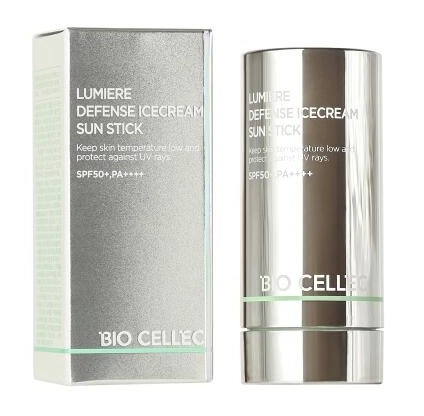
Create a free account to get started
Unlock science-based ingredient analysis personalized for your skin.
Already have an account? Log in
We protect your privacy. We never send spam.