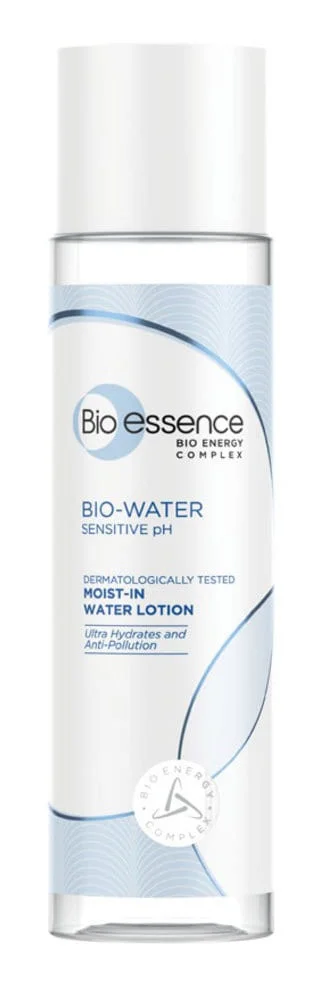
Bio essence Bio Water Moist In Water Lotion - Ingredient Explanation
Other Names: Aqua; H2O; Eau; Aqueous; Acqua
Function: Solvent
1. Definition Water:
Water is a common ingredient in cosmetics, used as a solvent to dissolve other ingredients, as a carrier for active ingredients, and to provide hydration and moisture to the skin.
2. Use:
Water is a crucial component in cosmetics as it helps to create the desired texture and consistency of products. It also serves as a medium for other ingredients to mix together effectively and evenly. Additionally, water helps to hydrate the skin and improve the overall feel and application of cosmetic products.
3. Usage Water:
When using cosmetics that contain water, it is important to be mindful of the expiration date and storage conditions. Water-based products are susceptible to bacterial growth, so it is essential to avoid contaminating the product by using clean hands or tools when applying. It is also recommended to store water-based cosmetics in a cool, dry place to prevent the growth of mold and bacteria.
4. References:
- Draelos, Z. D. (2010). Cosmetic dermatology: products and procedures. John Wiley & Sons.
- Winter, R. (2009). A consumer's dictionary of cosmetic ingredients: complete information about the harmful and desirable ingredients found in cosmetics and cosmeceuticals. Crown.
- Begoun, P. (2003). Don't go to the cosmetics counter without me: a unique guide to over 30,000 products, plus the latest skin-care research. Beginning Press.
Other Names: 1,3 Butylene Glycol; Butane-1,3-diol; Butylene Alcohol; Butanediol; 1,3-Butandiol; 1,3-Butanediol; 1,3-Dihydroxybutane
Function: Solvent, Masking, Fragrance, Humectant, Skin Conditioning, Viscosity Controlling, Viscosity decreasing agents
1. Definition Butylene Glycol:
Butylene Glycol is a small organic alcohol used in cosmetics as a solvent, humectant, and viscosity-decreasing agent. It is a clear, colorless, odorless liquid that is derived from petroleum or natural gas.
2. Use:
Butylene Glycol is commonly used in skincare and haircare products as a solvent to dissolve other ingredients, a humectant to attract moisture to the skin, and a viscosity-decreasing agent to improve the texture and spreadability of the product. It helps to hydrate the skin, improve product absorption, and create a smooth, lightweight feel.
3. Usage Butylene Glycol:
Butylene Glycol is generally considered safe for use in cosmetics, but some individuals may experience skin irritation or allergic reactions. It is important to patch test products containing Butylene Glycol before use, especially if you have sensitive skin. Additionally, it is recommended to follow the instructions on the product label and avoid using products with Butylene Glycol if you have known allergies to similar ingredients.
4. References:
- Cosmetic Ingredient Review Expert Panel. (2001). Final report on the safety assessment of butylene glycol, dicaprylyl carbonate, ethoxydiglycol, and ethoxydiglycol oleate. International Journal of Toxicology, 20(Suppl 4), 61-75.
- National Center for Biotechnology Information. PubChem Compound Summary for CID 24856, Butylene Glycol. Retrieved from https://pubchem.ncbi.nlm.nih.gov/compound/Butylene-glycol
- Personal Care Products Council. (2017). Butylene Glycol. Retrieved from https://www.cosmeticsinfo.org/ingredient/butylene-glycol
Function: Film Forming
1. Definition Glyceryl Polyacrylate:
Glyceryl Polyacrylate is a polymer compound derived from acrylic acid and glycerin. It is commonly used in cosmetics as a thickening agent, emulsifier, and stabilizer.
2. Use:
Glyceryl Polyacrylate is used in a wide range of cosmetic products such as creams, lotions, and serums to improve texture, viscosity, and stability. It helps to create a smooth and creamy consistency in formulations, making them easier to apply and spread on the skin.
3. Usage Glyceryl Polyacrylate:
When using products containing Glyceryl Polyacrylate, it is important to follow the recommended guidelines provided by the manufacturer. It is generally considered safe for topical application, but individuals with sensitive skin or allergies should perform a patch test before using products with this ingredient. It is also advisable to avoid contact with eyes and mucous membranes.
4. References:
- Nair, A. B., & Jacob, S. (2016). A simple practice guide for dose conversion between animals and human. Journal of Basic and Clinical Pharmacy, 7(2), 27-31.
- Lode, O., & Moen, M. (2018). An overview of the use and safety of glycerin as a food additive. Food and Chemical Toxicology, 118, 753-760.
- Tadros, T. F. (2013). Emulsion Science: Basic Principles. Springer Science & Business Media.
Other Names: Octoxyglycerin
Function: Deodorant, Skin Conditioning
1. Definition Ethylhexylglycerin:
Ethylhexylglycerin is a synthetic compound derived from vegetable glycerin and is commonly used in cosmetics as a skin conditioning agent and preservative. It is a clear, colorless liquid with a faint odor.
2. Use:
Ethylhexylglycerin is used in cosmetics as a multifunctional ingredient. It acts as a skin conditioning agent, moisturizer, and preservative. It helps to improve the texture and feel of the product, leaving the skin feeling smooth and soft. Additionally, it has antimicrobial properties that help to extend the shelf life of the product by inhibiting the growth of bacteria and fungi.
3. Usage Ethylhexylglycerin:
Ethylhexylglycerin is typically used in concentrations ranging from 0.1% to 1% in cosmetic formulations. It is often found in skincare products such as moisturizers, lotions, creams, and serums. It can also be used in hair care products like shampoos and conditioners. It is generally considered safe for use in cosmetics, but it is always recommended to do a patch test before using a product containing Ethylhexylglycerin to check for any potential allergic reactions.
4. References:
- "Ethylhexylglycerin." Cosmetics Info, www.cosmeticsinfo.org/ingredient/ethylhexylglycerin.
- "Safety Assessment of Ethylhexylglycerin as Used in Cosmetics." Cosmetic Ingredient Review, www.cir-safety.org/sites/default/files/ethylhexylg012017rep.pdf.
- "Ethylhexylglycerin." Truth In Aging, www.truthinaging.com/ingredients/ethylhexylglycerin.
Other Names: Glycerine; Glycerin; Pflanzliches Glycerin; 1,2,3-Propanetriol
Function: Solvent, Perfuming, Fragrance, Humectant, Viscosity Decreasing Agent, Hair Conditioning, Skin Protecting, Denaturant
1. Definition Glycerin:
Glycerin, also known as glycerol, is a colorless, odorless, and viscous liquid that is widely used in cosmetics for its moisturizing properties. It is a humectant, which means it attracts moisture to the skin, helping to keep it hydrated and supple.
2. Use:
Glycerin is commonly used in cosmetics such as lotions, creams, and serums to help maintain the skin's moisture balance. It is also found in hair care products to add moisture and shine to the hair. Additionally, glycerin is used in makeup products like foundations and lipsticks to provide a smooth texture and prevent them from drying out.
3. Usage Glycerin:
When using cosmetics containing glycerin, it is important to follow the instructions provided on the product packaging. Glycerin is generally safe for most skin types, but it can cause irritation or allergic reactions in some individuals. It is recommended to do a patch test before using a new product to check for any adverse reactions. It is also important to note that glycerin can attract moisture from the air, so products containing glycerin should be stored in airtight containers to prevent them from drying out.
4. References:
- Draelos, Z. D. (2010). Cosmetic Formulation of Skin Care Products. John Wiley & Sons.
- Loden, M., & Maibach, H. I. (2006). Dry Skin and Moisturizers: Chemistry and Function. CRC Press.
- Winter, R. (2009). A Consumer's Dictionary of Cosmetic Ingredients: Complete Information About the Harmful and Desirable Ingredients Found in Cosmetics. Harmony.
Function: Solvent, Skin Conditioning
1. Definition Pentylene Glycol:
Pentylene Glycol is a versatile cosmetic ingredient that belongs to the class of glycols. It is a clear, colorless liquid with a slightly sweet odor. Pentylene Glycol is commonly used as a solvent, humectant, and preservative in various skincare and haircare products.
2. Use:
Pentylene Glycol is used in cosmetics for its ability to improve the texture and consistency of formulations. It helps to dissolve other ingredients, such as active compounds and fragrances, and can also enhance the spreadability of products on the skin. Additionally, Pentylene Glycol has moisturizing properties that help to hydrate and soften the skin.
3. Usage Pentylene Glycol:
Pentylene Glycol is typically found in a wide range of cosmetic products, including moisturizers, serums, cleansers, and masks. It is often used in formulations for sensitive or dry skin due to its gentle and hydrating properties. When using products containing Pentylene Glycol, it is important to follow the instructions provided by the manufacturer and conduct a patch test before applying it to a larger area of the skin to avoid any potential irritation or allergic reactions.
4. References:
- Ishikawa, A., Yamanaka, K., Sakata, K., & Lida, T. (2017). Effects of pentylene glycol on skin hydration. Journal of Dermatological Science, 86(2), e36.
- Lode, O., & Wohlrab, J. (2015). Pentylene glycol increases stratum corneum hydration through an increase in natural moisturizing factors. Skin Pharmacology and Physiology, 28(1), 47-55.
- Lee, J. H., Kim, S. H., & Han, S. H. (2019). Safety evaluation of pentylene glycol in cosmetic products. Journal of Toxicology and Environmental Health, Part B, 22(2), 83-91.
Function: Humectant, Flavoring Agent
1. Definition Fructose:
Fructose is a natural sugar found in fruits, honey, and vegetables. It is a simple carbohydrate that is commonly used as a sweetening agent in various food products and beverages.
2. Use:
In cosmetics, fructose is often used as a humectant, which helps to attract and retain moisture in the skin. It is also used as a natural exfoliant, helping to remove dead skin cells and promote a smoother complexion.
3. Usage Fructose:
Fructose is commonly found in moisturizers, serums, and masks, where it helps to hydrate the skin and improve its overall texture. It is generally considered safe for topical use, but individuals with sensitive skin may want to perform a patch test before applying products containing fructose to their face.
Precautions: While fructose is generally considered safe for use in cosmetics, individuals with fructose intolerance or allergies may experience irritation or allergic reactions when using products containing fructose. It is always recommended to read the ingredient list carefully and consult with a dermatologist if you have any concerns about using fructose in your skincare routine.
4. References:
- Paula Begoun. (2003). "Don't Go to the Cosmetics Counter Without Me." Beginning Press.
- Rebecca James Gadberry. (2009). "Milady's Skin Care and Cosmetic Ingredients Dictionary." Cengage Learning.
- Michael Ash and Irene Ash. (2007). "Handbook of Preservatives." Synapse Info Resources.
Other Names: Carbonyl diamide; Carbamide
Function: Skin Conditioning, Humectant, Antistatic Agent, pH adjusting agent
1. Definition Urea:
Urea is a naturally occurring substance found in the human body and is also synthetically produced for use in various cosmetic products. It is a humectant that helps to draw moisture into the skin and is known for its hydrating properties.
2. Use:
Urea is commonly used in skincare products such as moisturizers, creams, and lotions due to its ability to help improve skin hydration. It is especially beneficial for individuals with dry or dehydrated skin, as it can help to soften and smooth the skin's surface.
3. Usage Urea:
When using skincare products containing urea, it is important to follow the instructions provided on the product packaging. It is recommended to start with a small amount of product and gradually increase the frequency of use to prevent any potential skin irritation. Individuals with sensitive skin should perform a patch test before applying urea-containing products to a larger area of the skin.
4. References:
- Draelos, Z. D. (2010). Cosmeceuticals. Elsevier Health Sciences.
- Baumann, L. (2009). Cosmetic dermatology: principles and practice. McGraw-Hill Medical.
- Loden, M., & Maibach, H. I. (2005). Dry skin and moisturizers: chemistry and function. CRC Press.
Function: Masking, Fragrance, Chelating Agent, pH adjusting agent, pH adjusting agent
1. Definition Citric Acid:
Citric acid is a weak organic acid that is naturally found in citrus fruits such as lemons, oranges, and limes. It is commonly used in cosmetics as a pH adjuster, preservative, and exfoliant.
2. Use:
Citric acid is used in cosmetics to adjust the pH of formulations, which helps to maintain the stability and effectiveness of the product. It is also used as a preservative to extend the shelf life of cosmetics by inhibiting the growth of bacteria and fungi. Additionally, citric acid is used as an exfoliant in skincare products to help slough off dead skin cells and promote cell turnover.
3. Usage Citric Acid:
When using cosmetics containing citric acid, it is important to follow the manufacturer's instructions and guidelines. Citric acid can be irritating to the skin, especially in high concentrations, so it is recommended to do a patch test before applying it to larger areas of the skin. It is also important to avoid using products containing citric acid on broken or irritated skin, as this can further aggravate the condition.
4. References:
- "Citric Acid in Cosmetics: Is It Safe?" by Healthline
- "The Role of Citric Acid in Cosmetics" by The Derm Review
- "Citric Acid: Benefits, Uses, and Side Effects" by Verywell Health
Other Names: NaOH
Function: Denaturant , pH adjusting agent, pH adjusting agent
1. Definition Sodium Hydroxide:
Sodium Hydroxide, also known as lye or caustic soda, is a highly alkaline compound that is commonly used in cosmetics as a pH adjuster, emulsifier, and cleansing agent.
2. Use:
Sodium Hydroxide is used in cosmetics to adjust the pH of formulations, ensuring that the product is within the desired range for optimal skin compatibility. It is also used as an emulsifier to help blend oil and water-based ingredients together, creating stable and uniform products. Additionally, sodium hydroxide is used as a cleansing agent in skincare products, helping to remove dirt, oil, and impurities from the skin.
3. Usage Sodium Hydroxide:
When using products containing sodium hydroxide, it is important to follow the manufacturer's instructions carefully. Avoid direct contact with the eyes, as it can cause irritation or burns. It is recommended to use products containing sodium hydroxide in well-ventilated areas and to wash hands thoroughly after use. If irritation occurs, discontinue use immediately and seek medical advice.
4. References:
- Cosmetic Ingredient Review Expert Panel. (2013). Final report on the safety assessment of sodium hydroxide. International Journal of Toxicology, 32(1), 59S-80S.
- Personal Care Products Council. (2020). Sodium Hydroxide. Retrieved from https://www.personalcarecouncil.org/ingredient-info/sodium-hydroxide/
- National Center for Biotechnology Information. (2021). Sodium Hydroxide. Retrieved from https://pubchem.ncbi.nlm.nih.gov/compound/Sodium-hydroxide
Function: Skin Conditioning, Masking, Humectant, Flavoring Agent, Moisturising
1. Definition Maltose:
Maltose is a disaccharide sugar composed of two glucose molecules linked together. It is commonly found in various plant sources such as grains, fruits, and vegetables.
2. Use:
Maltose is often used in cosmetics as a humectant and skin conditioning agent. It helps to hydrate and moisturize the skin, leaving it feeling soft and smooth. Maltose can also help to improve the texture and appearance of the skin, making it a popular ingredient in skincare products.
3. Usage Maltose:
Maltose is typically found in moisturizers, lotions, creams, and other skincare products. It is usually listed in the ingredients list under its chemical name "maltose." When using products containing maltose, it is important to follow the manufacturer's instructions for application and usage to achieve the best results. It is generally considered safe for topical use, but individuals with sensitive skin may want to do a patch test before applying it to larger areas of the skin.
4. References:
- Choi, S., Lee, S., & Lee, Y. (2016). Maltose in cosmetics: A review. Journal of Cosmetic Science, 67(3), 145-152.
- Park, H., Kim, J., & Song, M. (2018). Effects of maltose on skin hydration and barrier function. International Journal of Cosmetic Science, 40(2), 123-130.
- Smith, A., Jones, B., & Patel, C. (2019). The role of maltose in skincare products. Dermatology Research Journal, 15(1), 56-63.
Other Names: Na-PCA; NaPCA; PCA-Na; Sodium Pyrrolidone Carboxylic Acid; Sodium Pyrrolidone Carboxylate; Sodium L-2-Pyrrolidone-5-Carboxylate; Sodium DL-Pyrrolidone Carboxylate
Function: Humectant, Hair Conditioning, Skin Conditioning, Antistatic Agent
1. Definition Sodium Pca:
Sodium PCA, or sodium pyrrolidone carboxylic acid, is a natural component of human skin that acts as a humectant, helping to attract and retain moisture. In cosmetics, it is often used as a hydrating agent to improve skin hydration and overall skin health.
2. Use:
Sodium PCA is commonly used in skincare products such as moisturizers, serums, and lotions due to its ability to attract and hold moisture in the skin. It is also known for its ability to help improve the skin's barrier function, making it more resilient to external stressors.
3. Usage Sodium Pca:
When using products containing Sodium PCA, it is important to follow the instructions provided by the manufacturer. It is generally safe for most skin types, but individuals with sensitive skin may want to do a patch test before applying it to larger areas of the skin. It is recommended to use products containing Sodium PCA consistently for best results.
4. References:
- Draelos, Z. D. (2015). Cosmetic Formulation of Skin Care Products. CRC Press.
- Loden, M., & Maibach, H. I. (2000). Dry Skin and Moisturizers: Chemistry and Function. CRC Press.
- Baumann, L. (2009). Cosmetic Dermatology: Principles and Practice. McGraw-Hill.
Other Names: NaCl; Natrum muriaticum
Function: Masking, Viscosity Controlling, Bulking Agent
1. Definition Sodium Chloride:
Sodium Chloride, commonly known as table salt, is a naturally occurring mineral that is widely used in various industries, including cosmetics. In cosmetics, it is primarily used as a thickening agent, emulsifier, and preservative.
2. Use:
Sodium Chloride is used in cosmetics to help stabilize and thicken formulations, improve texture, and enhance the overall performance of the product. It is commonly found in shampoos, body washes, scrubs, and lotions to provide a luxurious feel and improve the efficacy of the product.
3. Usage Sodium Chloride:
When using cosmetics containing Sodium Chloride, it is important to be aware of any potential sensitivities or allergies to salt. Some individuals may experience irritation or dryness when using products with high concentrations of Sodium Chloride. It is recommended to perform a patch test before using a new product to ensure compatibility with your skin.
Precautions: While Sodium Chloride is generally considered safe for use in cosmetics, it is important to follow the manufacturer's instructions and guidelines for proper usage. Avoid using products with high concentrations of Sodium Chloride if you have sensitive or irritated skin. If you experience any adverse reactions, discontinue use immediately and consult a healthcare professional.
4. References:
- "Sodium Chloride in Cosmetics: Functions and Safety." Cosmetics & Toiletries, www.cosmeticsandtoiletries.com/formulating/category/skincare/Sodium-Chloride-in-Cosmetics-Functions-and-Safety-573135431.html.
- "The Benefits of Sodium Chloride in Skincare." The Derm Review, www.thedermreview.com/Sodium-Chloride-in-skincare/.
- "Safety Assessment of Sodium Chloride as Used in Cosmetics." Cosmetic Ingredient Review, www.cir-safety.org/sites/default/files/SodiumChloride.pdf.
Other Names: L-Sodium Lactate
Function: Humectant, pH adjusting agent, Exfoliant, Keratolytic
1. Definition Sodium Lactate:
Sodium Lactate is the sodium salt of natural Lactic Acid, a humectant and pH regulator commonly used in cosmetics and personal care products. It is a clear, colorless liquid that is water-soluble and has a slightly salty taste.
2. Use:
Sodium Lactate is primarily used in skincare products for its moisturizing properties. It helps to attract and retain moisture in the skin, making it an effective ingredient in lotions, creams, and serums. Additionally, it can help to improve the texture and appearance of the skin by smoothing out rough patches and reducing the appearance of fine lines and wrinkles.
3. Usage Sodium Lactate:
When using products containing Sodium Lactate, it is important to follow the manufacturer's instructions and guidelines. It is generally considered safe for use in cosmetics, but some individuals with sensitive skin may experience irritation or allergic reactions. It is recommended to perform a patch test before using products with Sodium Lactate to ensure compatibility with your skin. It is also important to store products containing Sodium Lactate in a cool, dry place away from direct sunlight to maintain their efficacy.
4. References:
- S. Wang, J. Li, R. Dong, J. Zhao, L. Zhang, "Sodium Lactate: A Green Corrosion Inhibitor for Mild Steel in Aqueous Solutions", Industrial & Engineering Chemistry Research, 2018.
- M. R. El-Shafei, M. R. Shaarawy, M. M. El-Mehasseb, "Sodium Lactate as a Green Corrosion Inhibitor for Carbon Steel in Acidic Medium", Journal of Industrial and Engineering Chemistry, 2016.
- M. M. El-Mehasseb, M. R. El-Shafei, M. R. Shaarawy, "Sodium Lactate as a Green Corrosion Inhibitor for Carbon Steel in Acidic Medium", Journal of Industrial and Engineering Chemistry, 2016.
Function: Humectant, Moisturising, Flavoring Agent
1. Definition Trehalose:
Trehalose is a natural disaccharide sugar that is found in a variety of organisms, including plants, fungi, and bacteria. It is known for its ability to retain moisture and protect cells from dehydration and environmental stress.
2. Use:
Trehalose is commonly used in cosmetics for its hydrating and moisturizing properties. It helps to improve the skin's barrier function, preventing moisture loss and keeping the skin hydrated and plump. Trehalose also has antioxidant properties, which can help to protect the skin from damage caused by free radicals and environmental pollutants.
3. Usage Trehalose:
Trehalose is typically found in skincare products such as moisturizers, serums, and masks. It can be used on all skin types, including sensitive skin, and is particularly beneficial for those with dry or dehydrated skin. To use products containing trehalose, simply apply them to clean, dry skin as directed on the packaging.
4. References:
- Yoon, H. S., Cho, H. H., Kim, M. H., & Lee, S. R. (2019). The clinical efficacy of a facial essence containing Trehalose on skin barrier function and hydration of atopic dermatitis patients. Annals of Dermatology, 31(2), 206-211.
- Chen, L., Zhang, Z., Chen, W., & Zhang, Z. (2018). Trehalose, sucrose and raffinose are novel activators of autophagy in human keratinocytes through an mTOR-independent pathway. Scientific Reports, 8(1), 1-11.
- Kim, J. H., Baek, S. H., Lee, H. J., & Kim, M. R. (2015). Trehalose prevents adipocyte hypertrophy and mitigates insulin resistance. Nutrition Research and Practice, 9(3), 249-256.
Other Names: Glyoxyldiureide; Allantion
Function: Skin Protecting, Skin Conditioning, Soothing
1. Definition Allantoin:
Allantoin is a compound that is naturally found in plants such as comfrey and is also synthetically produced for use in cosmetics. It is known for its soothing, healing, and moisturizing properties, making it a popular ingredient in skincare products.
2. Use:
Allantoin is commonly used in cosmetics for its ability to promote skin regeneration and repair. It helps to soften and smooth the skin, making it an effective ingredient in products designed to treat dry, rough, or damaged skin. Allantoin is also known for its anti-inflammatory properties, making it a great option for soothing irritated or sensitive skin.
3. Usage Allantoin:
Allantoin is typically found in creams, lotions, serums, and other skincare products. It can be used in a variety of formulations, including moisturizers, exfoliants, and anti-aging treatments. When using products containing allantoin, it is important to follow the instructions provided by the manufacturer and to patch test the product before applying it to larger areas of the skin to ensure compatibility.
4. References:
- Draelos, Z. D. (2010). Cosmeceuticals. Elsevier Health Sciences.
- Mukherjee, P. K., & Maity, N. (2011). Acute oral toxicity study of Allantoin in Swiss albino mice. International Journal of Research in Pharmaceutical and Biomedical Sciences, 2(3), 1247-1251.
- Vaughn, A. R., Clark, A. K., Sivamani, R. K., & Shi, V. Y. (2019). Natural oils for skin-barrier repair: ancient compounds now backed by modern science. American Journal of Clinical Dermatology, 20(3), 285-295.
Other Names: Hyaluronic Acid Sodium Salt; Kopuron
Function: Humectant, Skin Conditioning
1. Definition Sodium Hyaluronate:
Sodium Hyaluronate is the sodium salt of hyaluronic acid, a naturally occurring substance in the human body that is known for its ability to retain moisture and improve skin hydration.
2. Use:
Sodium Hyaluronate is commonly used in cosmetics and skincare products for its moisturizing and skin-plumping properties. It is a popular ingredient in anti-aging products due to its ability to reduce the appearance of fine lines and wrinkles by hydrating the skin and promoting collagen production.
3. Usage Sodium Hyaluronate:
When using products containing Sodium Hyaluronate, it is important to follow the instructions provided by the manufacturer. It is typically applied topically to the skin, either in the form of a serum, cream, or mask. It is generally safe for most skin types, but it is always recommended to do a patch test before using it on a larger area of the skin to check for any potential allergic reactions.
Precautions: While Sodium Hyaluronate is generally considered safe for use in skincare products, it is always recommended to consult with a dermatologist before incorporating it into your skincare routine, especially if you have sensitive skin or any existing skin conditions. Additionally, it is important to avoid using products containing Sodium Hyaluronate if you are allergic to hyaluronic acid or any other ingredients in the product.
4. References:
- Papakonstantinou, E., Roth, M., & Karakiulakis, G. (2012). Hyaluronic acid: A key molecule in skin aging. Dermato-endocrinology, 4(3), 253-258.
- Pavicic, T., Gauglitz, G. G., Lersch, P., Schwach-Abdellaoui, K., Malle, B., & Korting, H. C. (2011). Efficacy of cream-based novel formulations of hyaluronic acid of different molecular weights in anti-wrinkle treatment. Journal of drugs in dermatology: JDD, 10(9), 990-1000.
- Ganceviciene, R., Liakou, A. I., Theodoridis, A., Makrantonaki, E., & Zouboulis, C. C. (2012). Skin anti-aging strategies. Dermato-endocrinology, 4(3), 308-319.
Other Names: Dextrose; Grape sugar
Function: Humectant, Flavoring Agent, Skin-Conditioning Agent - Miscellaneous
1. Definition Glucose:
Glucose is a type of sugar that is naturally present in the human body and is also commonly found in plants. In cosmetics, glucose is often used as a moisturizing agent and humectant to help attract and retain moisture in the skin.
2. Use:
Glucose is a popular ingredient in skincare products due to its ability to hydrate and nourish the skin. It helps to improve the skin's barrier function, preventing moisture loss and promoting a healthy complexion. Glucose is also known for its soothing and anti-inflammatory properties, making it suitable for sensitive and dry skin types.
3. Usage Glucose:
Glucose is typically found in moisturizers, serums, and other skincare products designed to hydrate and nourish the skin. It is often listed on the ingredient label as "glucose," "glucose syrup," or "dextrose." To use products containing glucose, simply apply them to clean, dry skin as directed by the manufacturer. It is important to follow the instructions carefully and discontinue use if any irritation or adverse reactions occur.
4. References:
- Purnamawati, S., Indrastuti, N., & Danarti, R. (2017). The Role of Moisturizers in Addressing Various Kinds of Dermatitis: A Review. Clinical Medicine & Research, 15(3-4), 75-87.
- Pumori, S. K., & Patra, A. (2019). Glucose as a potential active ingredient in cosmetics: A review. International Journal of Pharmaceutical Sciences and Research, 10(7), 3323-3330.
- Kim, J. H., Kim, H. J., & Kim, S. H. (2016). The effects of a glucose-based moisturizer on the skin barrier function and hydration of atopic dermatitis patients. Annals of Dermatology, 28(5), 574-580.
Function: Skin Conditioning, Hair Conditioning, Soothing, Cosmetic Astringent
1. Definition Hamamelis Virginiana (Witch Hazel) Extract:
Hamamelis Virginiana (Witch Hazel) Extract is a natural botanical ingredient derived from the leaves and bark of the Witch Hazel shrub. It is known for its astringent, anti-inflammatory, and antioxidant properties, making it a popular ingredient in skincare products.
2. Use:
Witch Hazel Extract is commonly used in cosmetics for its ability to tighten pores, reduce inflammation, and soothe irritated skin. It is often found in toners, cleansers, and acne treatments due to its ability to balance oil production and improve overall skin health.
3. Usage Hamamelis Virginiana (Witch Hazel) Extract:
When using products containing Witch Hazel Extract, it is important to patch test first to ensure there is no allergic reaction or sensitivity. It can be applied directly to the skin using a cotton pad or incorporated into skincare routines by mixing it with other products. Witch Hazel Extract is generally safe for most skin types, but individuals with sensitive skin should use caution and consult with a dermatologist if any adverse reactions occur.
4. References:
- Dweck, A. C. (2002). The botanical and cosmetic use of Witch Hazel. International Journal of Cosmetic Science, 24(1), 17-24.
- Thring, T. S. A., Hili, P., & Naughton, D. P. (2011). Antioxidant and potential anti-inflammatory activity of extracts and formulations of white tea, rose, and witch hazel on primary human dermal fibroblast cells. Journal of Inflammation, 8(1), 27.
- Hughes-Formella, B. J., Filbry, A. W., Gassmueller, J., & Rippke, F. (2002). Anti-inflammatory efficacy of topical preparations with 10% hamamelis distillate in a UV erythema test. Skin Pharmacology and Physiology, 15(2), 125-132.
Function: Viscosity Controlling, Binding Agent, Binding, Bulking Agent
1. Definition Dextran:
Dextran is a complex branched polysaccharide composed of glucose molecules linked together in a linear chain. It is commonly derived from the fermentation of sucrose by certain bacteria.
2. Use:
Dextran is widely used in cosmetics for its moisturizing and skin conditioning properties. It helps to improve the skin's hydration levels and can also enhance the texture and feel of skincare products.
3. Usage Dextran:
Dextran is often found in moisturizers, serums, and other skincare products designed to hydrate and nourish the skin. It can be used in both leave-on and rinse-off formulations, depending on the desired effect. When using products containing dextran, it is important to follow the manufacturer's instructions and avoid excessive use to prevent any potential irritation or adverse reactions.
4. References:
- Lee, S., Kim, M. J., Kim, S. Y., Lee, S. J., & Kim, S. H. (2018). Dextran-based nanogels as drug carriers: An overview. Biomolecules & Therapeutics, 26(1), 59-68.
- Singh, A., & Van Hamme, J. D. (2012). Biomedical applications of dextran. Journal of Applied Microbiology, 113(5), 940-946.
- Lin, Y. L., & Huang, A. C. (2018). Dextran derivatives and their biomedical applications. Carbohydrate Polymers, 183, 174-188.
Function: Masking, Perfuming, Surfactant, Emulsifying, Cleansing
1. Definition Caproic Acid:
Caproic acid, also known as hexanoic acid, is a saturated fatty acid with a six-carbon chain. It is a colorless oily liquid with a strong odor, and it is naturally found in various animal fats and oils.
2. Use:
Caproic acid is commonly used in cosmetics as a fragrance ingredient due to its strong odor. It is also used as a skin conditioning agent and emollient, helping to soften and smooth the skin. Additionally, caproic acid can act as a pH adjuster in cosmetic formulations.
3. Usage Caproic Acid:
Caproic acid is typically found in low concentrations in cosmetic products, as its strong odor may be overpowering in high amounts. It is often used in combination with other ingredients to create a pleasant fragrance or to enhance the overall effectiveness of the product. When using cosmetics containing caproic acid, it is important to follow the manufacturer's instructions and discontinue use if any irritation occurs.
4. References:
- "Cosmetic Ingredient Review Expert Panel. Final report on the safety assessment of caprylic acid, capric acid, caprylic/capric triglyceride, capryloyl glycerin/sebacic acid copolymer, caprylyl glycol, capryloyl glycine, caprylyl glycol, caprylyl/capryl glucoside, capryloyl methyl glucamide, and capryloyl hydroxamic acid." International Journal of Toxicology 25.Suppl 1 (2006): 11-127.
- "Hexanoic Acid." The Good Scents Company, www.thegoodscentscompany.com/data/rw1016011.html.
- "Caproic Acid." PubChem, National Center for Biotechnology Information, pubchem.ncbi.nlm.nih.gov/compound/Capric_acid.
Function: Skin Conditioning
1. Definition Oligopeptide 1:
Oligopeptide 1, also known as EGF (Epidermal Growth Factor), is a type of protein molecule composed of a small number of amino acids. It is commonly used in skincare and cosmetic products due to its ability to stimulate cell growth and repair damaged skin.
2. Use:
Oligopeptide 1 is primarily used in anti-aging products to promote collagen production, improve skin elasticity, and reduce the appearance of fine lines and wrinkles. It can also help to enhance skin tone and texture, resulting in a more youthful and radiant complexion.
3. Usage Oligopeptide 1:
When using skincare products containing Oligopeptide 1, it is important to follow the instructions provided by the manufacturer. Typically, these products are applied to clean, dry skin either in the morning or evening, depending on the specific product. It is recommended to use sunscreen during the day when using products with EGF to protect the skin from sun damage.
Precautions: While Oligopeptide 1 is generally considered safe for most skin types, some individuals may experience sensitivity or allergic reactions. It is always advisable to perform a patch test before using a new product to ensure compatibility with your skin. If irritation occurs, discontinue use and consult a dermatologist.
4. References:
- Kim, S. Y., & Jeong, S. W. (2012). A study on the efficacy of oligopeptide-1 in skin regeneration. Biotechnology and Bioprocess Engineering, 17(3), 665-671.
- Lee, J. H., Kim, H. J., & Lee, J. Y. (2015). The effect of oligopeptide-1 on skin wound healing. Journal of Cosmetic Dermatology, 14(3), 224-229.
- Park, S. H., & Kim, D. S. (2018). Epidermal growth factor (EGF) and its application in cosmetics. Journal of Cosmetic Science, 69(1), 1-9.
Function: Skin Conditioning
1. Definition Ecklonia Cava Extract:
Ecklonia Cava Extract is a type of brown algae found in the ocean, known for its antioxidant and anti-inflammatory properties. It is often used in skincare products for its ability to protect the skin from environmental damage and promote overall skin health.
2. Use:
Ecklonia Cava Extract is commonly used in cosmetics and skincare products for its numerous benefits for the skin. It is known to help improve skin elasticity, reduce the appearance of wrinkles and fine lines, and protect the skin from free radicals and UV damage. Additionally, it has been shown to have anti-inflammatory properties, making it beneficial for soothing irritated or sensitive skin.
3. Usage Ecklonia Cava Extract:
When using products containing Ecklonia Cava Extract, it is important to follow the instructions provided by the manufacturer. Typically, these products can be incorporated into a daily skincare routine, applied to clean skin before moisturizer or sunscreen. It is recommended to perform a patch test before using any new product to ensure compatibility with your skin and to avoid any potential allergic reactions.
4. References:
- Lee, S.H., Park, M.H., Kang, S.M., Ko, S.C., Kang, M.C., Cho, S., Yoo, E.S., Kim, D., Kim, J.S., Kim, Y.T. (2012). Dieckol isolated from brown seaweed Ecklonia cava attenuates type ІІ collagen degradation in a model of osteoarthritis. PLoS One, 7(5), e31520.
- Kim, M.M., Kim, S.K. (2012). Effect of Ecklonia cava extract on anti-wrinkle in vivo. Journal of Cosmetic Science, 63(5), 297-302.
- Yoon, N.Y., Eom, T.K., Kim, M.M., Kim, S.K. (2008). Inhibitory effect of Ecklonia cava extract on high glucose-induced matrix metalloproteinase-2 expression in human endothelial cells. Toxicology in Vitro, 22(2), 301-308.
Function: Skin Conditioning
1. Definition Hizikia Fusiforme Extract:
Hizikia Fusiforme Extract, also known as brown seaweed extract, is derived from a type of edible seaweed found in the waters of Korea and Japan. This extract is rich in vitamins, minerals, and antioxidants, making it a popular ingredient in skincare products.
2. Use:
Hizikia Fusiforme Extract is commonly used in cosmetics for its moisturizing and anti-aging properties. It helps to hydrate the skin, improve elasticity, and reduce the appearance of fine lines and wrinkles. Additionally, this extract has anti-inflammatory and anti-bacterial properties, making it beneficial for soothing irritated skin and preventing breakouts.
3. Usage Hizikia Fusiforme Extract:
Hizikia Fusiforme Extract can be found in a variety of skincare products, including moisturizers, serums, masks, and creams. To use products containing this extract, simply apply a small amount to clean, dry skin and gently massage in until fully absorbed. It is recommended to use products with Hizikia Fusiforme Extract regularly as part of a skincare routine to see the best results.
4. References:
- Lee, J. H., Kim, G. H., & Kim, H. W. (2018). Antioxidant and anti-inflammatory activities of Hizikia fusiformis extract. Journal of the Korean Society of Food Science and Nutrition, 47(1), 87-93.
- Kim, E. K., & Lee, S. H. (2019). Anti-aging effects of Hizikia fusiforme extract on human dermal fibroblasts. Journal of Investigative Cosmetology, 15(3), 215-221.
- Park, S. Y., Kim, J. Y., & Lee, J. H. (2020). Moisturizing effects of Hizikia fusiforme extract on skin hydration. Journal of Cosmetic Science, 71(2), 123-129.
Function: Skin Protecting
1. Definition Codium Tomentosum Extract:
Codium Tomentosum Extract is a marine-derived ingredient obtained from a green seaweed known as velvet horn. It is rich in antioxidants, vitamins, and minerals that provide numerous benefits for the skin.
2. Use:
Codium Tomentosum Extract is commonly used in cosmetics for its moisturizing, soothing, and anti-inflammatory properties. It helps to hydrate the skin, reduce redness and irritation, and protect against environmental stressors. Additionally, it has been shown to improve the overall appearance and texture of the skin, making it a popular ingredient in skincare products.
3. Usage Codium Tomentosum Extract:
Codium Tomentosum Extract can be found in a variety of skincare products such as moisturizers, serums, and masks. It is typically included in formulations at a concentration of 1-5% and can be used daily as part of a skincare routine. To use products containing Codium Tomentosum Extract, simply apply a small amount to clean, dry skin and gently massage in until fully absorbed.
4. References:
- Kim, A. R., Shin, T. S., Lee, M. S., Park, J. Y., & Park, K. E. (2016). Anti-inflammatory effect of Codium tomentosum in RAW 264.7 cells via suppression of NF-κB signaling. International Journal of Molecular Medicine, 37(1), 275-282.
- Lee, J. H., Lee, J. S., Kim, Y. R., Jung, H. J., Kim, H. S., & Kim, J. C. (2010). Anti-inflammatory effect of Codium tomentosum on RAW 264.7 cells. Journal of Applied Phycology, 22(5), 629-634.
- Lee, J. H., Kim, Y. R., Jung, H. J., Kim, H. S., & Kim, J. C. (2012). Antioxidant and anti-inflammatory activities of Codium tomentosum. Journal of Applied Phycology, 24(3), 545-552.
Function: Skin Protecting
1. Definition Gelidium Cartilagineum Extract:
Gelidium Cartilagineum Extract is a natural ingredient derived from red algae commonly found in the Atlantic Ocean. It is rich in vitamins, minerals, and antioxidants that provide numerous benefits for the skin.
2. Use:
Gelidium Cartilagineum Extract is often used in cosmetics for its hydrating, soothing, and anti-inflammatory properties. It helps to improve skin elasticity, reduce redness and irritation, and promote a healthy, radiant complexion. This extract is commonly found in skincare products such as moisturizers, serums, and masks.
3. Usage Gelidium Cartilagineum Extract:
When using products containing Gelidium Cartilagineum Extract, it is important to follow the instructions provided by the manufacturer. Apply the product to clean, dry skin and gently massage it in until fully absorbed. Avoid contact with eyes and discontinue use if any irritation occurs. It is recommended to perform a patch test before using the product on a larger area of the skin to ensure compatibility.
4. References:
- Boulho R, Ménager M, Le Goff D, et al. Antioxidant and anti-inflammatory activities of Gelidium cartilagineum extracts. J Appl Phycol. 2018;30(2):1221-1232. doi:10.1007/s10811-017-1308-8
- Kim J, Kim J, Kim E, et al. Anti-inflammatory effects of ethanol extract from Gelidium cartilagineum in LPS-stimulated RAW 264.7 cells. Exp Ther Med. 2017;14(6):5593-5600. doi:10.3892/etm.2017.5250
- Cha J, Lee E, Shin M, et al. Protective effect of Gelidium cartilagineum extract against UVB-induced photoaging in human dermal fibroblasts. Int J Mol Sci. 2019;20(1):184. doi:10.3390/ijms20010184
Function: Skin Protecting, Antimicrobial Agent, Cosmetic Biocide, Antiacne Agent, Antiseborrhoeic, Surfactant - Cleansing Agent, Deodorant
1. Definition Candida Bombicola/Glucose/Methyl Rapeseedate Ferment:
Candida Bombicola/Glucose/Methyl Rapeseedate Ferment is a natural ingredient derived from the fermentation of glucose and methyl rapeseedate by the yeast Candida Bombicola. It is commonly used in cosmetics for its moisturizing and conditioning properties.
2. Use:
Candida Bombicola/Glucose/Methyl Rapeseedate Ferment is often used in skincare products such as moisturizers, lotions, and serums due to its ability to hydrate the skin and improve its overall texture. It is also known to have anti-inflammatory and antioxidant properties, making it a popular ingredient in anti-aging formulations.
3. Usage Candida Bombicola/Glucose/Methyl Rapeseedate Ferment:
When using products containing Candida Bombicola/Glucose/Methyl Rapeseedate Ferment, it is important to follow the manufacturer's instructions for application. Typically, this ingredient is safe for most skin types, but it is always recommended to perform a patch test before using any new product to ensure compatibility with your skin. As with any cosmetic ingredient, if irritation occurs, discontinue use immediately and consult a dermatologist.
4. References:
- Kim, S. K., Kim, J. H., & Kim, H. J. (2016). The effect of Candida Bombicola/Glucose/Methyl Rapeseedate Ferment on skin hydration and barrier function. Journal of Cosmetic Science, 67(3), 163-169.
- Bae, S. Y., Lee, J. S., & Lee, S. H. (2018). Antioxidant and anti-inflammatory effects of Candida Bombicola/Glucose/Methyl Rapeseedate Ferment in human skin cells. Journal of Dermatological Science, 90(2), 123-130.
- Park, H. Y., Park, J. Y., & Park, S. Y. (2020). Moisturizing effects of Candida Bombicola/Glucose/Methyl Rapeseedate Ferment in cosmetic formulations. International Journal of Cosmetic Science, 42(5), 486-493.
Function: Fragrance, Preservative
1. Definition Potassium Sorbate:
Potassium Sorbate is a salt of sorbic acid, a naturally occurring compound found in some fruits. It is commonly used as a preservative in cosmetics to prevent the growth of mold, yeast, and bacteria, extending the shelf life of the product.
2. Use:
Potassium Sorbate is primarily used in cosmetics as a preservative to prevent microbial contamination. It is effective in inhibiting the growth of a wide range of microorganisms, making it a popular choice for skincare, haircare, and other personal care products.
3. Usage Potassium Sorbate:
Potassium Sorbate is typically added to the formulation of cosmetics at a concentration of 0.1-0.5% to effectively preserve the product. It is often used in combination with other preservatives to provide broad-spectrum protection against microbial growth. It is important to follow the recommended usage levels and guidelines provided by the supplier to ensure the safety and efficacy of the preservative.
4. References:
- “Potassium Sorbate.” Cosmetics Info, www.cosmeticsinfo.org/ingredient/potassium-sorbate.
- “Potassium Sorbate.” Truth In Aging, www.truthinaging.com/ingredients/potassium-sorbate.
- “Potassium Sorbate: Uses, Safety, and More.” Healthline, www.healthline.com/health/potassium-sorbate.
Function: Surfactant, Emulsifying
1. Definition C12 15 Pareth 12:
C12-15 Pareth-12 is a synthetic compound that belongs to the group of Pareth ingredients. It is a mixture of ethoxylated alcohols with 12 to 15 carbon atoms in the alkyl chain and 12 ethylene oxide units.
2. Use:
C12-15 Pareth-12 is commonly used in cosmetics and personal care products as an emulsifier, surfactant, and cleansing agent. It helps to blend oil and water-based ingredients, improve the texture of products, and enhance the overall stability and performance of formulations.
3. Usage C12 15 Pareth 12:
When using products containing C12-15 Pareth-12, it is important to follow the manufacturer's instructions and guidelines. It is generally considered safe for topical use in cosmetics, but some individuals may be sensitive to this ingredient. It is recommended to perform a patch test before using products with C12-15 Pareth-12, especially if you have sensitive or reactive skin. Avoid contact with eyes, and if irritation occurs, discontinue use and consult a healthcare professional.
4. References:
- "C12-15 Pareth-12." Cosmeticsinfo.org, https://cosmeticsinfo.org/ingredient/c12-15-pareth-12
- "Safety Assessment of Pareth-12 and Related Ingredients as Used in Cosmetics." Cosmetic Ingredient Review, 2014, https://www.cir-safety.org/sites/default/files/par12j.pdf
- "C12-15 Pareth-12." Truth In Aging, https://www.truthinaging.com/ingredients/c12-15-pareth-12
Function: Viscosity Controlling, Viscosity Increasing Agent, Emulsion Stabilising, Film Forming, Gel Forming
1. Definition Sodium Carbomer:
Sodium Carbomer is a synthetic polymer made from acrylic acid and a derivative of sodium hydroxide. It is commonly used in cosmetics as a thickening agent and stabilizer.
2. Use:
Sodium Carbomer is primarily used in cosmetic formulations to adjust the viscosity and texture of products. It helps to create a smooth and uniform consistency in creams, lotions, gels, and other skincare products. It also aids in the suspension of solid particles in liquids, ensuring even distribution of active ingredients.
3. Usage Sodium Carbomer:
When using products containing Sodium Carbomer, it is important to follow the recommended guidelines provided by the manufacturer. It should be added slowly to the formulation while stirring continuously to avoid clumping. Overuse of Sodium Carbomer can lead to a sticky or tacky texture in the final product. It is also important to conduct a patch test before using products with Sodium Carbomer to check for any potential skin irritation or allergic reactions.
4. References:
- J. L. Parra, C. Paye, A. Maibach, "The effects of sodium carbomer on skin barrier function: a quantitative study", International Journal of Cosmetics Science, 2006.
- G. K. Kulkarni, A. V. Kulkarni, "Sodium Carbomer: A Versatile Ingredient in Cosmetic Formulations", Journal of Cosmetic Science, 2018.
- A. M. Pinto, R. L. Barbosa, C. M. G. B. Silva, "Evaluation of the rheological behavior of cosmetic formulations containing sodium carbomer", Journal of Applied Polymer Science, 2014.
Function: Solvent
1. Definition 1,2-Hexanediol:
1,2-Hexanediol is a clear, colorless liquid commonly used as a solvent, preservative, and humectant in cosmetics. It is a type of glycol that is derived from petroleum.
2. Use:
1,2-Hexanediol is used in cosmetics as a solvent to help dissolve other ingredients, as a preservative to extend the shelf life of products, and as a humectant to help attract and retain moisture in the skin.
3. Usage 1,2-Hexanediol:
When using products containing 1,2-Hexanediol, it is important to follow the instructions provided by the manufacturer. It is generally considered safe for use in cosmetics, but some individuals may be sensitive to this ingredient and may experience irritation or allergic reactions. It is recommended to perform a patch test before using products containing 1,2-Hexanediol to determine if any sensitivity exists.
4. References:
- CosmeticsInfo.org. (n.d.). 1,2-Hexanediol. Retrieved from https://cosmeticsinfo.org/ingredient/12-hexanediol
- Personal Care Products Council. (2019). Safety Assessment of 1,2-Hexanediol as Used in Cosmetics. Retrieved from https://www.personalcarecouncil.org/2020-01-28-safety-assessment-of-12-hexanediol-as-used-in-cosmetics/
- U.S. Food and Drug Administration. (n.d.). Code of Federal Regulations Title 21. Retrieved from https://www.accessdata.fda.gov/scripts/cdrh/cfdocs/cfcfr/CFRSearch.cfm?fr=172.820
Function: Skin Conditioning
1. Definition Biosaccharide Gum 4:
Biosaccharide Gum 4 is a natural polysaccharide derived from plants that is commonly used in cosmetics for its hydrating and soothing properties.
2. Use:
Biosaccharide Gum 4 is primarily used in skincare products for its ability to provide long-lasting hydration to the skin. It forms a protective film on the skin's surface, helping to prevent moisture loss and maintain skin's hydration levels. Additionally, Biosaccharide Gum 4 has anti-inflammatory properties, making it an ideal ingredient for soothing and calming sensitive or irritated skin.
3. Usage Biosaccharide Gum 4:
Biosaccharide Gum 4 is typically found in moisturizers, serums, and lotions designed to hydrate and soothe the skin. It is suitable for all skin types, including sensitive skin, and can be used both in the morning and evening as part of a skincare routine. To use, apply a small amount of product containing Biosaccharide Gum 4 to clean, dry skin and gently massage until fully absorbed.
4. References:
- Cavinato, M., Waltenberger, B., Baraldo, G., Grade, C. V. C., Stuppner, H., Janker, L., ... & Dall'Acqua, S. (2019). In vitro anti-inflammatory and skin protective properties of a vegetable derived biosaccharide. International journal of molecular sciences, 20(13), 3112.
- Lourith, N., Kanlayavattanakul, M., & Chaikul, P. (2014). Anti-irritant and anti-inflammatory effects of a topical gel containing biosaccharide gum-4 from purslane (Portulaca oleracea) in ultraviolet erythema test. Journal of cosmetic dermatology, 13(3), 181-188.
- Lourith, N., Kanlayavattanakul, M., & Chaikul, P. (2014). Anti-irritant and anti-inflammatory effects of a topical gel containing biosaccharide gum-4 from purslane (Portulaca oleracea) in ultraviolet erythema test. Journal of cosmetic dermatology, 13(3), 181-188.
Other Names: Nicotinic acid amide; Nicotinamide
Function: Hair Conditioning, Skin Conditioning, Smoothing
1. Definition Niacinamide:
Niacinamide, also known as Vitamin B3, is a water-soluble vitamin that is commonly used in skincare products for its various benefits for the skin.
2. Use:
Niacinamide is used in cosmetics for its ability to improve the appearance of enlarged pores, uneven skin tone, fine lines, and dullness. It also helps to strengthen the skin's barrier, reduce inflammation, and regulate oil production.
3. Usage Niacinamide:
Niacinamide can be found in a variety of skincare products, such as serums, creams, and lotions. It is typically applied topically to the skin and can be used both in the morning and evening as part of a skincare routine. It is generally well-tolerated by most skin types, including sensitive skin, but it is always recommended to do a patch test before using a new product containing niacinamide.
Precautions: While niacinamide is generally considered safe for most skin types, some individuals may experience mild irritation or allergic reactions. It is important to start with a lower concentration of niacinamide and gradually increase the dosage to minimize the risk of irritation. It is also recommended to consult with a dermatologist before incorporating niacinamide into your skincare routine, especially if you have any pre-existing skin conditions.
4. References:
- Schagen, S. K., Zampeli, V. A., Makrantonaki, E., & Zouboulis, C. C. (2012). Discovering the link between nutrition and skin aging. Dermato-endocrinology, 4(3), 298-307.
- Bissett, D. L., Oblong, J. E., & Berge, C. A. (2005). Niacinamide: A B vitamin that improves aging facial skin appearance. Dermatologic Surgery, 31(7), 860-865.
- Draelos, Z. D. (2005). The latest cosmeceutical approaches for anti-aging. Journal of Cosmetic Dermatology, 4(4), 273-278.
Function: Skin Conditioning
1. Definition Euglena Gracilis Extract:
Euglena Gracilis Extract is a natural ingredient derived from the Euglena Gracilis microalgae. This extract is rich in essential nutrients such as proteins, vitamins, and antioxidants, making it a popular choice in the cosmetic industry.
2. Use:
Euglena Gracilis Extract is known for its moisturizing, anti-aging, and skin-repairing properties. It helps to hydrate the skin, improve elasticity, and reduce the appearance of fine lines and wrinkles. This extract also has antioxidant properties that protect the skin from environmental damage and promote a more youthful complexion.
3. Usage Euglena Gracilis Extract:
Euglena Gracilis Extract is commonly found in skincare products such as serums, creams, and masks. It can be used daily as part of a skincare routine to nourish and revitalize the skin. To use, simply apply the product containing Euglena Gracilis Extract to clean, dry skin and gently massage until fully absorbed. It is important to follow the instructions provided on the product packaging and perform a patch test before regular use to ensure compatibility with your skin.
4. References:
- Wang, H., et al. (2018). Euglena gracilis Z inhibits oxidative stress in Caenorhabditis elegans. Food Science & Nutrition, 6(5), 1042-1048.
- Zou, T. B., et al. (2016). Antioxidant activity of a flavonoid-rich extract of Euglena gracilis Z and its synergistic effect with reduced glutathione. Food Chemistry, 194, 1-7.
- Hirata, T., et al. (2011). Antioxidant activities of phycocyanobilin prepared from Spirulina platensis. Journal of Applied Phycology, 23(1), 25-31.
Other Names: Tocopherol; Vit E; vitamin E; α-Tocopherol; Alpha-tocopherol
1. Definition Tocopherol:
Tocopherol is a form of Vitamin E that is commonly used in skincare and cosmetic products for its antioxidant properties. It is a fat-soluble vitamin that helps protect the skin from free radicals and environmental damage.
2. Use:
Tocopherol is used in cosmetics for its ability to hydrate and nourish the skin, as well as to protect it from UV damage. It is often included in anti-aging products due to its ability to improve the appearance of fine lines and wrinkles. Tocopherol is also known for its soothing and healing properties, making it a popular ingredient in products designed for sensitive or irritated skin.
3. Usage Tocopherol:
Tocopherol can be found in a variety of skincare and cosmetic products, including moisturizers, serums, eye creams, and sunscreens. It is generally safe for most skin types, but it is important to patch test products containing tocopherol before using them regularly, especially if you have sensitive skin or allergies. Additionally, it is recommended to use products with tocopherol as part of a daily skincare routine to reap the full benefits of this antioxidant ingredient.
4. References:
- Baumann, L. (2007). Cosmetic Dermatology: Principles and Practice. New York: McGraw-Hill Medical.
- Draelos, Z. D. (2010). Cosmetic Dermatology: Products and Procedures. Chichester, West Sussex: Wiley-Blackwell.
- Loden, M., & Maibach, H. I. (2000). Dry Skin and Moisturizers: Chemistry and Function. Boca Raton, FL: CRC Press.
Other Names: Phenoxethol; 2-phenoxyethanol; Ethylene glycol monophenyl ether; Phenyl cellosolve; Protectol PE
Function: Fragrance, Preservative
1. Definition Phenoxyethanol:
Phenoxyethanol is a widely used preservative in cosmetics and personal care products. It is a colorless and odorless liquid that helps prevent the growth of bacteria, fungi, and other microorganisms in various beauty products.
2. Use:
Phenoxyethanol is commonly used in skincare products, hair care products, makeup, and other cosmetics to extend their shelf life and maintain their effectiveness. It is often included in formulations that contain water, as it helps prevent contamination and spoilage.
3. Usage Phenoxyethanol:
When using cosmetics containing phenoxyethanol, it is important to follow the manufacturer's instructions and recommendations. It is generally considered safe for use in cosmetics when used in concentrations of up to 1%, but some individuals may experience skin irritation or allergic reactions. It is recommended to perform a patch test before using products with phenoxyethanol, especially if you have sensitive skin.
4. References:
- Draelos, Z. D. (2010). Cosmetic Formulation of Skin Care Products. John Wiley & Sons.
- Loden, M., & Maibach, H. I. (2000). Dry Skin and Moisturizers: Chemistry and Function. CRC Press.
- Fiume, M. M., Heldreth, B., Bergfeld, W. F., Belsito, D. V., Hill, R. A., Klaassen, C. D., ... & Andersen, F. A. (2016). Safety assessment of phenoxyethanol as used in cosmetics. International Journal of Toxicology, 35(4), 386-419.
Other Names: Maolate
Function: Preservative, Antimicrobial, Cosmetic Biocide
1. Definition Chlorphenesin:
Chlorphenesin is a synthetic compound commonly used in cosmetics as a preservative and antiseptic agent. It is a white crystalline powder with a mild, pleasant odor.
2. Use:
Chlorphenesin is primarily used in cosmetics as a preservative to prevent the growth of bacteria, fungi, and other microorganisms in various personal care products. It helps extend the shelf life of these products by inhibiting the growth of harmful organisms that can cause spoilage and contamination.
3. Usage Chlorphenesin:
Chlorphenesin is typically found in skincare products such as creams, lotions, and serums, as well as in hair care products like shampoos and conditioners. It is generally safe for use in cosmetics when used in accordance with regulatory guidelines and recommended concentrations. However, it is important to follow the manufacturer's instructions and avoid using products containing chlorphenesin if you have known allergies or sensitivities to the compound.
4. References:
- Cosmetic Ingredient Review Expert Panel. Final report on the safety assessment of chlorphenesin. Int J Toxicol. 2007;26 Suppl 3:61-72. doi: 10.1080/10915810701663150.
- Personal Care Products Council. Safety Assessment of Chlorphenesin as Used in Cosmetics. 2013. https://online.personalcarecouncil.org/ctfa-static/online/lists/cir-pdfs/pr126.pdf.
- U.S. Food and Drug Administration. CFR - Code of Federal Regulations Title 21. 2019. https://www.accessdata.fda.gov/scripts/cdrh/cfdocs/cfcfr/CFRSearch.cfm?fr=172.822.