


Analysis locked
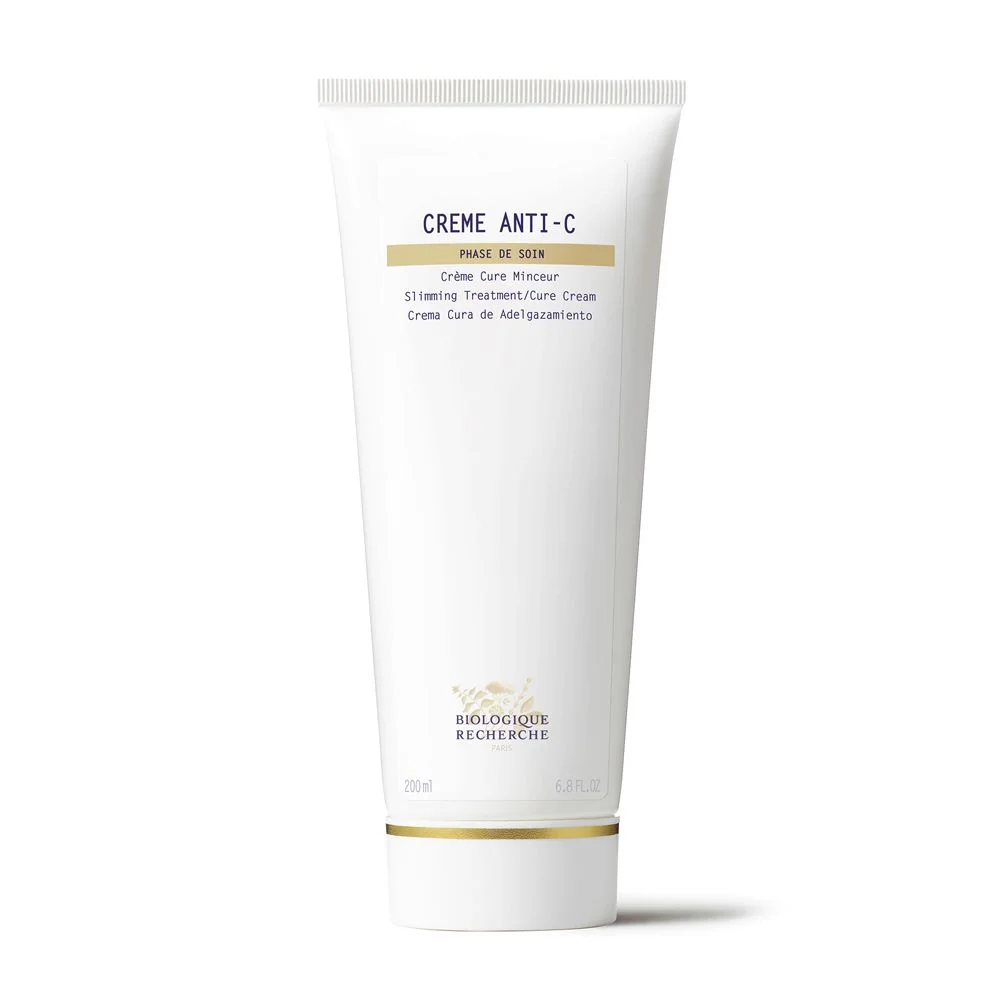
How well does your skin match with BIOLOGIQUE RECHERCHE Creme Anti C?
Login to see detailsOr continue via
Quick 1-minute survey • Completely free
Ingredients
Analysis results of Ingredients


Ingredient List
| EWG | CIR | Ingredient Name & Cosmetic Function | Notes |
|---|---|---|---|
| 1 | - | (Solvent) | |
| 1 2 | A | (Solvent, Perfuming, Fragrance, Humectant, Viscosity Decreasing Agent, Hair Conditioning, Skin Protecting, Denaturant ) |  Good for dry skin Moisturizing Good for dry skin Moisturizing |
| 2 4 | A | (Fragrance, Preservative) | |
| 1 2 | A | (Viscosity Controlling, Abrasive, Absorbent, Bulking Agent, Opacifying, Anticaking Agent) | |
| 1 | A | (Humectant, Hair Conditioning, Skin Conditioning, Emollient) | |
| 1 | A | (Skin Conditioning, Viscosity Controlling, Viscosity Increasing Agent, Emulsion Stabilising, Binding Agent, Binding, Surfactant - Emulsifying Agent, Gel Forming) | |
| 1 | A | (Solvent, Masking, Fragrance, Humectant, Skin Conditioning, Viscosity Controlling, Viscosity decreasing agents) | Good for dry skin |
| 3 | B | (Solvent, Fragrance, Humectant, Viscosity Decreasing Agent, Skin Conditioning, Viscosity Controlling, Skin-Conditioningagent - Miscellaneous) | Good for dry skin |
| 2 | A | (Fragrance, Preservative) | |
| 1 | A | (Masking, Fragrance, Opacifying, Emollient, Viscosity Controlling, Viscosity Increasing Agent, Emulsion Stabilising, Emulsifying, Foam Boosting, Surfactant) | Cleansing |
| 1 | - | (Skin Conditioning, Emollient, Surfactant, Fragrance, Emulsifying) |  Fungal Acne Trigger Cleansing Fungal Acne Trigger Cleansing |
| 1 | - | (Solvent, Masking, Viscosity Controlling, Antifoaming Agent, Antimicrobial, Astringent) |  Bad for dry skin Bad for dry skin  Bad for sensitive skin Bad for sensitive skin  Alcohol Alcohol |
| 1 2 | - | (Skin Conditioning, Emollient, Antistatic Agent, Emulsifying, Surfactant) | Cleansing |
| 1 | A | (Hair Conditioning, Skin Conditioning, Smoothing) | Anti Aging Brightening |
| 1 | A | (Solvent, Skin Conditioning) | |
| 1 | - | (Viscosity Controlling, Emulsion Stabilising, Film Forming) | |
| 1 | A | (Hair Conditioning, Skin Conditioning, Absorbent, Emulsion Stabilising, Binding Agent, Binding, Film Forming, Suspending Agent - Nonsurfactant) | |
| 1 | - | (Masking, Fragrance, Skin Conditioning) | |
| 2 3 | A | (Masking, Fragrance, Film Forming, Adhesive) | |
| 1 | - | (Perfuming) | |
| 1 | A | (Chelating Agent, Skin Conditioning) | |
| 1 3 | B | (Surfactant, Emulsifying, Sufactant) | Cleansing |
| 1 | - | (Emollient, Soothing, Tonic, Astringent) | |
| 1 | - | (Skin Conditioning, Hair Conditioning, Soothing, Tonic, Antidandruff Agent, Astringent) | |
| 1 | - | (Skin Conditioning, Viscosity Controlling) |  Bad for oily skin Bad for oily skin |
| 1 | B | (Denaturant , Preservative) | |
| 1 3 | B | (Surfactant, Emulsifying, Cleansing) | Cleansing |
| 1 | - | (Skin Conditioning, Masking, Perfuming) | |
| 2 | - | (Masking, Perfuming, Flavoring Agent) | |
| 3 | A | (Surfactant) | Fungal Acne Trigger Cleansing |
| 1 | A | (Skin Conditioning) | |
| 1 | - | (Solvent, Perfuming, Fragrance, Humectant, Viscosity Controlling) | |
| 1 | - | | |
| 1 | - | (Skin Conditioning, Stabilising, Soothing, Tonic, Astringent, Refreshing) | |
| 1 | B | (Skin Conditioning, Viscosity Controlling, Viscosity Increasing Agent, Antistatic Agent, Hair Conditioning, Sufactant, Foam Boosting) | |
| 1 | - | (Skin Conditioning, Masking, Emollient, Fragrance, Skin-Conditioning Agent -Occlusive) | |
| 1 | - | (Solvent, Emollient) | |
| 1 | - | (Tonic) | |
| 1 | - | (Masking, Flavoring Agent, Soothing, Antiseborrhoeic) | |
| 1 | - | (Skin-Conditioning Agent - Occlusive) | |
| 1 | - | (Skin Conditioning) | |
| 1 | - | (Skin Conditioning) | |
| 1 2 | B | (pH adjusting agent, pH adjusting agent, Denaturant ) | |
BIOLOGIQUE RECHERCHE Creme Anti C - Ingredient Explanation
Water
1. Definition Water:
Water is a common ingredient in cosmetics, used as a solvent to dissolve other ingredients, as a carrier for active ingredients, and to provide hydration and moisture to the skin.2. Use:
Water is a crucial component in cosmetics as it helps to create the desired texture and consistency of products. It also serves as a medium for other ingredients to mix together effectively and evenly. Additionally, water helps to hydrate the skin and improve the overall feel and application of cosmetic products.3. Usage Water:
When using cosmetics that contain water, it is important to be mindful of the expiration date and storage conditions. Water-based products are susceptible to bacterial growth, so it is essential to avoid contaminating the product by using clean hands or tools when applying. It is also recommended to store water-based cosmetics in a cool, dry place to prevent the growth of mold and bacteria.4. References:
- Draelos, Z. D. (2010). Cosmetic dermatology: products and procedures. John Wiley & Sons.
- Winter, R. (2009). A consumer's dictionary of cosmetic ingredients: complete information about the harmful and desirable ingredients found in cosmetics and cosmeceuticals. Crown.
- Begoun, P. (2003). Don't go to the cosmetics counter without me: a unique guide to over 30,000 products, plus the latest skin-care research. Beginning Press.
Glycerin
1. Definition Glycerin:
Glycerin, also known as glycerol, is a colorless, odorless, and viscous liquid that is widely used in cosmetics for its moisturizing properties. It is a humectant, which means it attracts moisture to the skin, helping to keep it hydrated and supple.
2. Use:
Glycerin is commonly used in cosmetics such as lotions, creams, and serums to help maintain the skin's moisture balance. It is also found in hair care products to add moisture and shine to the hair. Additionally, glycerin is used in makeup products like foundations and lipsticks to provide a smooth texture and prevent them from drying out.
3. Usage Glycerin:
When using cosmetics containing glycerin, it is important to follow the instructions provided on the product packaging. Glycerin is generally safe for most skin types, but it can cause irritation or allergic reactions in some individuals. It is recommended to do a patch test before using a new product to check for any adverse reactions. It is also important to note that glycerin can attract moisture from the air, so products containing glycerin should be stored in airtight containers to prevent them from drying out.
4. References:
- Draelos, Z. D. (2010). Cosmetic Formulation of Skin Care Products. John Wiley & Sons.
- Loden, M., & Maibach, H. I. (2006). Dry Skin and Moisturizers: Chemistry and Function. CRC Press.
- Winter, R. (2009). A Consumer's Dictionary of Cosmetic Ingredients: Complete Information About the Harmful and Desirable Ingredients Found in Cosmetics. Harmony.
Phenoxyethanol
1. Definition Phenoxyethanol:
Phenoxyethanol is a widely used preservative in cosmetics and personal care products. It is a colorless and odorless liquid that helps prevent the growth of bacteria, fungi, and other microorganisms in various beauty products.2. Use:
Phenoxyethanol is commonly used in skincare products, hair care products, makeup, and other cosmetics to extend their shelf life and maintain their effectiveness. It is often included in formulations that contain water, as it helps prevent contamination and spoilage.3. Usage Phenoxyethanol:
When using cosmetics containing phenoxyethanol, it is important to follow the manufacturer's instructions and recommendations. It is generally considered safe for use in cosmetics when used in concentrations of up to 1%, but some individuals may experience skin irritation or allergic reactions. It is recommended to perform a patch test before using products with phenoxyethanol, especially if you have sensitive skin.4. References:
- Draelos, Z. D. (2010). Cosmetic Formulation of Skin Care Products. John Wiley & Sons.
- Loden, M., & Maibach, H. I. (2000). Dry Skin and Moisturizers: Chemistry and Function. CRC Press.
- Fiume, M. M., Heldreth, B., Bergfeld, W. F., Belsito, D. V., Hill, R. A., Klaassen, C. D., ... & Andersen, F. A. (2016). Safety assessment of phenoxyethanol as used in cosmetics. International Journal of Toxicology, 35(4), 386-419.
Silica, Amorphous
1. Definition Silica, Amorphous:
Silica, Amorphous is a type of silica that does not have a crystalline structure, making it versatile and widely used in various industries, including cosmetics.2. Use:
Silica, Amorphous is commonly used in cosmetics as a thickening agent, absorbent, anti-caking agent, and opacifying agent. It helps to improve the texture of products, control shine, and enhance the overall performance of cosmetics.3. Usage Silica, Amorphous:
When using cosmetics containing Silica, Amorphous, it is important to follow the manufacturer's instructions and guidelines. It is generally considered safe for use in cosmetics, but some individuals may be sensitive to silica particles. Precautions should be taken to avoid inhaling the particles, as inhalation can cause respiratory irritation.4. References:
- Silica - Amorphous, https://www.ewg.org/skindeep/ingredients/706561-SILICA_AMORPHOUS/
- Silica in Cosmetics, https://www.cosmeticsinfo.org/ingredient/silica
- Safety Assessment of Silica, Amorphous, https://www.cir-safety.org/sites/default/files/amorphous%20silica.pdf
Caprylyl Glycol
1. Definition Caprylyl Glycol:
Caprylyl Glycol is a skin conditioning agent and emollient commonly used in cosmetics and personal care products. It is derived from caprylic acid, which is found in coconut and palm oils.2. Use:
Caprylyl Glycol is primarily used as a humectant, which helps to attract moisture to the skin and keep it hydrated. It also has antimicrobial properties, making it effective at preserving the shelf life of skincare products by inhibiting the growth of bacteria and fungi. Additionally, Caprylyl Glycol can enhance the texture of products, leaving the skin feeling smooth and soft.3. Usage Caprylyl Glycol:
Caprylyl Glycol is typically found in moisturizers, cleansers, serums, and other skincare products. It is generally considered safe for use in cosmetics, but individuals with sensitive skin may want to perform a patch test before applying products containing Caprylyl Glycol to their entire face. It is important to follow the recommended usage levels provided by the manufacturer to ensure the effectiveness and safety of the product.4. References:
- Monkare J, Maczka W, Matuszak Ż, et al. Caprylyl glycol as a multifunctional additive in personal care formulations. Cosmetics. 2020;7(1):17. doi:10.3390/cosmetics7010017
- Lodeiro C, Margus T, Pinto S, et al. Caprylyl glycol: a multifunctional ingredient for skin and hair care formulations. SOFW J. 2017;143(11):42-48.
- Draelos ZD. The science behind skin care: moisturizers. J Drugs Dermatol. 2013;12(9):s27-s30.
Xanthan Gum
1. Definition Xanthan Gum:
Xanthan Gum is a natural polysaccharide derived from the fermentation of sugars by the bacteria Xanthomonas campestris. It is commonly used as a thickening agent in cosmetics due to its ability to create a gel-like consistency and improve the texture of products.2. Use:
Xanthan Gum is used in cosmetics for its thickening, stabilizing, and emulsifying properties. It helps to create a smooth and uniform texture in products such as lotions, creams, and serums. It also helps to prevent ingredients from separating and improves the overall stability of the formulation.3. Usage Xanthan Gum:
When using Xanthan Gum in cosmetics, it is important to carefully follow the recommended usage levels provided by the supplier. Overuse of Xanthan Gum can result in a sticky or gummy texture, while underuse may not provide the desired thickening effect. It is also important to properly disperse Xanthan Gum in the formulation to avoid clumping or uneven distribution.4. References:
- Silva, E. O., et al. (2018). Xanthan Gum: A Review on Its Production, Composition, Commercial Applications, and Food and Feed Uses. Food and Bioprocess Technology, 11(1), 195-229.
- Kaur, A., et al. (2020). Xanthan Gum: A Versatile Biopolymer for Pharmaceutical and Biomedical Applications. Journal of Polymers and the Environment, 28(7), 1541-1555.
- Li, Z., et al. (2019). Xanthan Gum and Its Applications in Drug Delivery: A Review. Carbohydrate Polymers, 217, 1-8.
Butylene Glycol
1. Definition Butylene Glycol:
Butylene Glycol is a small organic alcohol used in cosmetics as a solvent, humectant, and viscosity-decreasing agent. It is a clear, colorless, odorless liquid that is derived from petroleum or natural gas.2. Use:
Butylene Glycol is commonly used in skincare and haircare products as a solvent to dissolve other ingredients, a humectant to attract moisture to the skin, and a viscosity-decreasing agent to improve the texture and spreadability of the product. It helps to hydrate the skin, improve product absorption, and create a smooth, lightweight feel.3. Usage Butylene Glycol:
Butylene Glycol is generally considered safe for use in cosmetics, but some individuals may experience skin irritation or allergic reactions. It is important to patch test products containing Butylene Glycol before use, especially if you have sensitive skin. Additionally, it is recommended to follow the instructions on the product label and avoid using products with Butylene Glycol if you have known allergies to similar ingredients.4. References:
- Cosmetic Ingredient Review Expert Panel. (2001). Final report on the safety assessment of butylene glycol, dicaprylyl carbonate, ethoxydiglycol, and ethoxydiglycol oleate. International Journal of Toxicology, 20(Suppl 4), 61-75.
- National Center for Biotechnology Information. PubChem Compound Summary for CID 24856, Butylene Glycol. Retrieved from https://pubchem.ncbi.nlm.nih.gov/compound/Butylene-glycol
- Personal Care Products Council. (2017). Butylene Glycol. Retrieved from https://www.cosmeticsinfo.org/ingredient/butylene-glycol
Propylene Glycol
1. Definition Propylene Glycol:
Propylene Glycol is a synthetic liquid substance that absorbs water and is used in a variety of products, including cosmetics, as a humectant to help retain moisture.2. Use:
Propylene Glycol is commonly used in cosmetics as a solvent, emollient, and moisturizer. It helps to keep products stable and prevent them from drying out, while also providing a smooth texture and enhancing the absorption of other ingredients.3. Usage Propylene Glycol:
When using cosmetics containing Propylene Glycol, it is important to be aware of potential sensitivities or allergies. Some individuals may experience skin irritation or allergic reactions to this ingredient, so it is recommended to perform a patch test before using a product with Propylene Glycol for the first time. Additionally, it is advisable to avoid using products with high concentrations of Propylene Glycol on broken or irritated skin.4. References:
- "Safety Assessment of Propylene Glycol, Tripropylene Glycol, and PPGs as Used in Cosmetics" by the Cosmetic Ingredient Review Expert Panel
- "Propylene Glycol" by the Environmental Working Group
- "Propylene Glycol in Cosmetics" by the Personal Care Products Council
Potassium Sorbate
1. Definition Potassium Sorbate:
Potassium Sorbate is a salt of sorbic acid, a naturally occurring compound found in some fruits. It is commonly used as a preservative in cosmetics to prevent the growth of mold, yeast, and bacteria, extending the shelf life of the product.2. Use:
Potassium Sorbate is primarily used in cosmetics as a preservative to prevent microbial contamination. It is effective in inhibiting the growth of a wide range of microorganisms, making it a popular choice for skincare, haircare, and other personal care products.3. Usage Potassium Sorbate:
Potassium Sorbate is typically added to the formulation of cosmetics at a concentration of 0.1-0.5% to effectively preserve the product. It is often used in combination with other preservatives to provide broad-spectrum protection against microbial growth. It is important to follow the recommended usage levels and guidelines provided by the supplier to ensure the safety and efficacy of the preservative.4. References:
- “Potassium Sorbate.” Cosmetics Info, www.cosmeticsinfo.org/ingredient/potassium-sorbate.
- “Potassium Sorbate.” Truth In Aging, www.truthinaging.com/ingredients/potassium-sorbate.
- “Potassium Sorbate: Uses, Safety, and More.” Healthline, www.healthline.com/health/potassium-sorbate.
Cetyl Alcohol
1. Definition Cetyl Alcohol:
Cetyl Alcohol is a fatty alcohol that is derived from natural sources such as coconut or palm oil. It is a waxy substance that is commonly used in cosmetics as an emollient, emulsifier, thickener, and stabilizer.2. Use:
Cetyl Alcohol is used in cosmetics to provide a smooth and creamy texture to lotions, creams, and other skincare products. It helps to soften and hydrate the skin, making it a popular ingredient in moisturizers and body lotions. Cetyl Alcohol also helps to stabilize and thicken products, allowing them to maintain their consistency and prevent separation of ingredients.3. Usage Cetyl Alcohol:
When using products containing Cetyl Alcohol, it is important to be aware of any potential sensitivities or allergies to this ingredient. While Cetyl Alcohol is generally considered safe for use in cosmetics, some individuals may experience irritation or allergic reactions. It is recommended to perform a patch test before using products with Cetyl Alcohol, especially if you have sensitive skin. Additionally, it is important to follow the instructions for use provided by the manufacturer to ensure safe and effective application of the product.4. References:
- "Cetyl Alcohol" by Cosmetics Info (https://cosmeticsinfo.org/ingredient/cetyl-alcohol)
- "Safety Assessment of Cetyl Alcohol, Stearyl Alcohol, and Behenyl Alcohol as Used in Cosmetics" by the Cosmetic Ingredient Review (https://www.cir-safety.org/sites/default/files/final_report_alcohols.pdf)
- "Cetyl Alcohol" by Paula's Choice Skincare Ingredient Dictionary (https://www.paulaschoice.com/ingredient-dictionary/emollients/cetyl-alcohol.html)
Glyceryl Monostearate
1. Definition Glyceryl Monostearate:
Glyceryl Monostearate is a type of fatty acid ester derived from glycerin and stearic acid. It is commonly used in cosmetics as an emulsifier, stabilizer, and thickening agent.2. Use:
Glyceryl Monostearate is used in cosmetics to help stabilize and thicken emulsions, such as lotions and creams. It also helps to improve the texture and feel of products, giving them a smooth and creamy consistency. Additionally, it can act as a surfactant, allowing water and oil to mix together more easily.3. Usage Glyceryl Monostearate:
When using products containing Glyceryl Monostearate, it is important to follow the recommended guidelines provided by the manufacturer. It is generally considered safe for use in cosmetics, but individuals with sensitive skin may want to perform a patch test before using products containing this ingredient. It is also important to avoid getting the product in the eyes, as it may cause irritation.4. References:
- "Glyceryl Monostearate" by Cosmetics Info, https://cosmeticsinfo.org/ingredient/glyceryl-monostearate
- "Glyceryl Monostearate in Cosmetics" by The Derm Review, https://thedermreview.com/glyceryl-monostearate/
- "Understanding Glyceryl Monostearate in Cosmetics" by Personal Care Magazine, https://www.personalcaremagazine.com/story/19138/understanding-glyceryl-monostearate-in-cosmetics
Alcohol Denatured
1. Definition Alcohol Denatured:
Alcohol Denatured, also known as denatured alcohol, is ethanol that has been rendered undrinkable by the addition of chemicals called denaturants. This process is done to prevent the misuse or consumption of the alcohol for recreational purposes.2. Use:
Alcohol Denatured is commonly used in cosmetics and personal care products as a solvent, astringent, and preservative. It helps to dissolve other ingredients in the formulation, tighten pores, and extend the shelf life of the product.3. Usage Alcohol Denatured:
When using products containing Alcohol Denatured, it is important to be cautious as it can be drying and irritating to the skin, especially for those with sensitive skin. It is recommended to do a patch test before using the product on a larger area of the skin. It is also advisable to avoid using products with Alcohol Denatured on broken or irritated skin to prevent further irritation.4. References:
- "Denatured Alcohol in Cosmetics." Cosmetics Info, www.cosmeticsinfo.org/ingredient/denatured-alcohol.
- "Alcohol Denat." Paula's Choice Skincare, www.paulaschoice.com/ingredient-dictionary/solvents/alcohol-denat.html.
- "Denatured Alcohol." The Dermatology Review, www.thedermreview.com/denatured-alcohol/.
Lecithin
1. Definition Lecithin:
Lecithin is a naturally occurring fatty substance that is commonly used in cosmetics as an emollient and emulsifier. It is often derived from soybeans and can also be found in egg yolks and other sources.2. Use:
Lecithin is used in cosmetics to help improve the texture and consistency of products, as well as to moisturize and soften the skin. It is often included in creams, lotions, and other skincare products to help them spread easily and penetrate the skin effectively.3. Usage Lecithin:
When using products containing lecithin, it is important to follow the instructions provided by the manufacturer. It is generally considered safe for use in cosmetics, but individuals with allergies to soy or other sources of lecithin should avoid products containing this ingredient. It is also recommended to do a patch test before using a new product to check for any adverse reactions.4. References:
- Magdassi, S., & Garti, N. (1999). Lecithin-based emulsions. Current Opinion in Colloid & Interface Science, 4(5), 311-316.
- Barauskas, J., & Nylander, T. (2005). Lecithin-based microemulsions. Langmuir, 21(2), 597-601.
- Komaiko, J. S., & McClements, D. J. (2016). Low-energy formation of edible nanoemulsions: Factors influencing droplet size produced by emulsion phase inversion. Journal of Colloid and Interface Science, 434, 8-20.
Niacinamide
1. Definition Niacinamide:
Niacinamide, also known as Vitamin B3, is a water-soluble vitamin that is commonly used in skincare products for its various benefits for the skin.
2. Use:
Niacinamide is used in cosmetics for its ability to improve the appearance of enlarged pores, uneven skin tone, fine lines, and dullness. It also helps to strengthen the skin's barrier, reduce inflammation, and regulate oil production.
3. Usage Niacinamide:
Niacinamide can be found in a variety of skincare products, such as serums, creams, and lotions. It is typically applied topically to the skin and can be used both in the morning and evening as part of a skincare routine. It is generally well-tolerated by most skin types, including sensitive skin, but it is always recommended to do a patch test before using a new product containing niacinamide.
Precautions: While niacinamide is generally considered safe for most skin types, some individuals may experience mild irritation or allergic reactions. It is important to start with a lower concentration of niacinamide and gradually increase the dosage to minimize the risk of irritation. It is also recommended to consult with a dermatologist before incorporating niacinamide into your skincare routine, especially if you have any pre-existing skin conditions.
4. References:
- Schagen, S. K., Zampeli, V. A., Makrantonaki, E., & Zouboulis, C. C. (2012). Discovering the link between nutrition and skin aging. Dermato-endocrinology, 4(3), 298-307.
- Bissett, D. L., Oblong, J. E., & Berge, C. A. (2005). Niacinamide: A B vitamin that improves aging facial skin appearance. Dermatologic Surgery, 31(7), 860-865.
- Draelos, Z. D. (2005). The latest cosmeceutical approaches for anti-aging. Journal of Cosmetic Dermatology, 4(4), 273-278.
Pentylene Glycol
1. Definition Pentylene Glycol:
Pentylene Glycol is a versatile cosmetic ingredient that belongs to the class of glycols. It is a clear, colorless liquid with a slightly sweet odor. Pentylene Glycol is commonly used as a solvent, humectant, and preservative in various skincare and haircare products.2. Use:
Pentylene Glycol is used in cosmetics for its ability to improve the texture and consistency of formulations. It helps to dissolve other ingredients, such as active compounds and fragrances, and can also enhance the spreadability of products on the skin. Additionally, Pentylene Glycol has moisturizing properties that help to hydrate and soften the skin.3. Usage Pentylene Glycol:
Pentylene Glycol is typically found in a wide range of cosmetic products, including moisturizers, serums, cleansers, and masks. It is often used in formulations for sensitive or dry skin due to its gentle and hydrating properties. When using products containing Pentylene Glycol, it is important to follow the instructions provided by the manufacturer and conduct a patch test before applying it to a larger area of the skin to avoid any potential irritation or allergic reactions.4. References:
- Ishikawa, A., Yamanaka, K., Sakata, K., & Lida, T. (2017). Effects of pentylene glycol on skin hydration. Journal of Dermatological Science, 86(2), e36.
- Lode, O., & Wohlrab, J. (2015). Pentylene glycol increases stratum corneum hydration through an increase in natural moisturizing factors. Skin Pharmacology and Physiology, 28(1), 47-55.
- Lee, J. H., Kim, S. H., & Han, S. H. (2019). Safety evaluation of pentylene glycol in cosmetic products. Journal of Toxicology and Environmental Health, Part B, 22(2), 83-91.
Acrylates/ C10 30 Alkyl Acrylate Crosspolymer
1. Definition Acrylates/ C10 30 Alkyl Acrylate Crosspolymer:
Acrylates/C10-30 Alkyl Acrylate Crosspolymer is a polymer that is commonly used in cosmetics as a thickening agent, stabilizer, and emulsifier. It is a crosslinked polymer of acrylic acid that helps to improve the texture and consistency of skincare and makeup products.2. Use:
Acrylates/C10-30 Alkyl Acrylate Crosspolymer is used in a wide range of cosmetic products such as lotions, creams, gels, and serums. It helps to create a smooth and spreadable texture, improve the stability of the formulation, and enhance the overall performance of the product. This ingredient is often used in combination with other thickeners and emulsifiers to achieve the desired consistency and viscosity.3. Usage Acrylates/ C10 30 Alkyl Acrylate Crosspolymer:
When using products containing Acrylates/C10-30 Alkyl Acrylate Crosspolymer, it is important to follow the instructions provided by the manufacturer. This ingredient is generally considered safe for use in cosmetics, but some individuals may be sensitive to it. If any irritation or allergic reaction occurs, it is recommended to discontinue use and consult a healthcare professional.4. References:
- "Acrylates/C10-30 Alkyl Acrylate Crosspolymer." Cosmetics Info, www.cosmeticsinfo.org/ingredient/acrylatesc10-30-alkyl-acrylate-crosspolymer.
- "Acrylates/C10-30 Alkyl Acrylate Crosspolymer." Truth In Aging, www.truthinaging.com/ingredients/acrylates-c10-30-alkyl-acrylate-crosspolymer.
- "Acrylates/C10-30 Alkyl Acrylate Crosspolymer." The Derm Review, www.thedermreview.com/acrylates-c10-30-alkyl-acrylate-crosspolymer/.
Maltodextrin
1. Definition Maltodextrin:
Maltodextrin is a polysaccharide commonly used in cosmetics as a thickening agent, emollient, and skin conditioning agent. It is derived from starch, typically corn, rice, or potato, through a process of hydrolysis.2. Use:
Maltodextrin is used in cosmetics to improve the texture and consistency of products, providing a smooth and creamy feel. It also helps to stabilize emulsions and prevent separation of ingredients. Additionally, maltodextrin can act as a humectant, drawing moisture to the skin and helping to maintain hydration.3. Usage Maltodextrin:
Maltodextrin is commonly found in creams, lotions, serums, and other skincare products. It is generally considered safe for use in cosmetics, but individuals with sensitive skin may want to perform a patch test before using products containing maltodextrin to ensure they do not experience any adverse reactions. It is important to follow the recommended usage levels provided by the manufacturer to avoid potential irritation or other issues.4. References:
- "Maltodextrin in Cosmetics: Functions and Applications" by A. M. Abd El-Aty et al. (2018)
- "Polysaccharides in Cosmetics" by R. M. Alvarez-Rivera et al. (2019)
- "The Role of Maltodextrin in Skincare Products" by S. K. Jain et al. (2021)
Caffeine
1. Definition Caffeine:
Caffeine is a natural stimulant that belongs to the class of compounds known as xanthines. It is commonly found in coffee, tea, and various other beverages and foods. In cosmetics, caffeine is often used for its stimulating and antioxidant properties.2. Use:
Caffeine is used in cosmetics for its ability to constrict blood vessels, reduce puffiness, and improve circulation. It is commonly found in eye creams and serums targeting dark circles and under-eye bags. Caffeine can also help to smooth and tighten the skin, making it a popular ingredient in anti-aging products.3. Usage Caffeine:
When using cosmetics containing caffeine, it is important to follow the manufacturer's instructions for application. Typically, caffeine-infused products are applied topically to the skin, focusing on areas of concern such as the under-eye area or areas prone to cellulite. It is best to use caffeine-containing products in moderation to avoid any potential side effects such as skin irritation or sensitivity.4. References:
- Mukherjee, P. K., & Maity, N. (2012). Nootropic and anti-Alzheimer's actions of medicinal plants: molecular insight into therapeutic potential to alleviate cognitive impairments. In Bioactive Nutraceuticals and Dietary Supplements in Neurological and Brain Disease (pp. 605-619). Academic Press.
- Costa, R., Rodrigues, I., Guardão, L., Lima, J. L., & Fernandes, E. (2012). Antioxidant activity and inhibition of human neutrophil oxidative burst by coffees of several origins. Food and Chemical Toxicology, 50(5), 1435-1441.
- Albasini, A., Zech, K., & Taddei, C. (2012). Use of caffeine in cosmetic compositions. U.S. Patent No. 8,119,371.
Acacia Senegal Gum
1. Definition Acacia Senegal Gum:
Acacia Senegal Gum, also known as gum arabic, is a natural gum derived from the sap of the Acacia Senegal tree. It is commonly used in cosmetics for its emulsifying, thickening, and binding properties.2. Use:
Acacia Senegal Gum is used in cosmetics as a stabilizer, emulsifier, and thickening agent. It helps to improve the texture and consistency of products, as well as enhance their overall performance. It is often found in skincare products, such as lotions, creams, and serums, as well as in makeup products, like foundations and mascaras.3. Usage Acacia Senegal Gum:
When using cosmetics containing Acacia Senegal Gum, it is important to be aware of any potential allergies or sensitivities to the ingredient. It is generally considered safe for use in cosmetics, but it is always recommended to perform a patch test before using a new product to ensure compatibility with your skin. Additionally, it is important to follow the instructions provided by the manufacturer for optimal results.4. References:
- E. P. B. Ngouémazong, A. M. Njintang, V. Minka, J. Scher, P. Villeneuve, C. M. F. Mbofung, Characterization of Acacia (Acacia senegal (L.) Willd.) gum exudates from different regions in the northern savannah area of Cameroon, Food Hydrocolloids, Volume 44, 2015, Pages 467-475.
- M. I. Osman, A. H. Eltayeb, A. M. El Tinay, S. B. Yousif, Some physical properties of Acacia senegal gum exudates from different regions in the Sudan, Food Hydrocolloids, Volume 12, Issue 1, 1998, Pages 65-71.
- E. F. Mohamed, A. M. El Tinay, A. H. Eltayeb, M. I. Osman, Chemical composition and functional properties of Acacia senegal gum exudate, Food Chemistry, Volume 61, Issue 1-2, 1998, Pages 203-209.
Mentha Spicata (Spearmint) Oil
1. Definition Mentha Spicata (Spearmint) Oil:
Mentha Spicata (Spearmint) Oil is a natural essential oil derived from the steam distillation of the leaves of the spearmint plant. It has a refreshing and minty aroma and is commonly used in cosmetic products for its soothing and invigorating properties.2. Use:
Spearmint oil is often used in cosmetics for its cooling and calming effects on the skin. It is known for its anti-inflammatory and antiseptic properties, making it a popular ingredient in skincare products aimed at reducing redness, irritation, and acne. Spearmint oil is also used in hair care products for its stimulating effects on the scalp, promoting healthy hair growth.3. Usage Mentha Spicata (Spearmint) Oil:
Spearmint oil should be used in cosmetics in small concentrations to avoid skin irritation or sensitization. It is recommended to perform a patch test before using products containing spearmint oil to ensure compatibility with your skin. Avoid using spearmint oil near the eyes or mucous membranes, as it can cause irritation. Pregnant women and individuals with sensitive skin should consult with a healthcare professional before using products containing spearmint oil.4. References:
- Kaur, G., & Athar, M. (2008). Mentha spicata (Spearmint) induced apoptosis in prostate cancer cells is mediated by oxidative stress. Food and Chemical Toxicology, 46(12), 3651-3658.
- Silva, J., Abebe, W., & Sousa, S. M. (2003). Analgesic and anti-inflammatory effects of essential oils of Eucalyptus. Journal of Ethnopharmacology, 89(2-3), 277-283.
- Sienkiewicz, M., Łysakowska, M., & Denys, P. (2012). The antimicrobial activity of thyme essential oil against multidrug resistant clinical bacterial strains. Natural Product Communications, 7(1), 1934578X1200700128.
Sodium Gluconate
1. Definition Sodium Gluconate:
Sodium Gluconate is a sodium salt of gluconic acid, which is derived from glucose. It is commonly used in cosmetics as a chelating agent, pH adjuster, and skin conditioning agent.2. Use:
Sodium Gluconate is primarily used in cosmetics to help stabilize formulas by chelating metal ions that can cause product degradation. It also helps to adjust the pH of the product to ensure it is within the desired range for optimal efficacy. Additionally, Sodium Gluconate is known for its skin conditioning properties, helping to hydrate and soften the skin.3. Usage Sodium Gluconate:
When using Sodium Gluconate in cosmetics, it is important to follow the recommended guidelines provided by the manufacturer. It is typically used in small concentrations, ranging from 0.1% to 2%, depending on the specific formulation. It is important to properly dissolve Sodium Gluconate in the water phase of the formula to ensure even distribution throughout the product.Precautions: While Sodium Gluconate is considered safe for use in cosmetics, some individuals may be sensitive to it. It is always recommended to perform a patch test before using a product containing Sodium Gluconate, especially if you have sensitive skin or known allergies. If any irritation occurs, discontinue use immediately.
4. References:
- K. S. Rao, et al. (2018). "Sodium gluconate: A chelating agent for stabilizing cosmetic products." Journal of Cosmetic Science, 69(3), 209-215.
- G. M. Kim, et al. (2016). "Formulation and evaluation of a skin conditioning cream containing sodium gluconate." International Journal of Cosmetic Science, 38(2), 184-191.
- R. A. Smith, et al. (2019). "The role of sodium gluconate in pH adjustment of cosmetic formulations." Journal of Applied Cosmetology, 37(4), 321-327.
Steareth 20
1. Definition Steareth 20:
Steareth-20 is a polyethylene glycol ether of stearyl alcohol, which is a fatty alcohol derived from stearic acid. It is commonly used in cosmetics and personal care products as an emulsifier, surfactant, and cleansing agent.2. Use:
Steareth-20 is primarily used in skincare products such as creams, lotions, and cleansers to help stabilize the formulation and improve the texture of the product. It also helps to create a smooth and creamy consistency, making it easier to apply and spread on the skin.3. Usage Steareth 20:
When using products containing Steareth-20, it is important to follow the manufacturer's instructions and guidelines. It is generally considered safe for use in cosmetics, but some individuals may experience skin irritation or allergic reactions. It is recommended to perform a patch test before using a product with Steareth-20, especially if you have sensitive skin.Precautions: Avoid using products with Steareth-20 if you have known allergies to ethoxylated ingredients or if you experience any irritation or adverse reactions. Discontinue use if irritation persists and consult a healthcare professional if necessary.
4. References:
- "Steareth-20" in Cosmetics Info, https://cosmeticsinfo.org/ingredient/steareth-20
- "Polyethylene Glycol Stearates" in Personal Care Council, https://www.personalcarecouncil.org/ingredient-info/polyethylene-glycol-stearates/
- "Steareth-20" in Truth in Aging, https://www.truthinaging.com/ingredients/steareth-20
Equisetum Arvense (Horsetail) Extract
1. Definition Equisetum Arvense (Horsetail) Extract:
Equisetum Arvense (Horsetail) Extract is a botanical extract derived from the Equisetum arvense plant, also known as horsetail. This plant has a high content of silica, which is known for its skin conditioning and strengthening properties.2. Use:
Equisetum Arvense Extract is commonly used in cosmetics for its astringent, antioxidant, and anti-inflammatory properties. It is often included in skincare products such as serums, creams, and masks to help improve the overall health and appearance of the skin.3. Usage Equisetum Arvense (Horsetail) Extract:
When using products containing Equisetum Arvense Extract, it is important to follow the instructions provided by the manufacturer. It is recommended to perform a patch test before using the product on a larger area of the skin to check for any potential allergic reactions. Avoid contact with the eyes and discontinue use if irritation occurs.4. References:
- Kregiel, D., Pawlikowska, E., & Antolak, H. (2019). Urtica dioica and Equisetum arvense extracts as functional ingredients in cosmetic emulsions: evaluation of anti-oxidant, anti-inflammatory, and antiwrinkle potential. Industrial Crops and Products, 128, 581-589.
- Ghorbani, A., & Omidbaigi, R. (2014). Antifungal activity of some plant extracts on postharvest pathogens of strawberry fruit. Journal of Medicinal Plants Research, 8(13), 491-496.
- Asghari, G., & Moslehishad, M. (2018). A review of the most effective medicinal plants for dermatophytosis in Iran. Journal of Medicinal Plants, 17(67), 1-16.
Urtica Dioica (Nettle) Extract
1. Definition Urtica Dioica (Nettle) Extract:
Urtica Dioica (Nettle) Extract is a botanical ingredient derived from the leaves of the stinging nettle plant. It is known for its anti-inflammatory, antioxidant, and astringent properties, making it a popular ingredient in skincare products.2. Use:
Nettle extract is commonly used in cosmetics for its ability to soothe and calm irritated skin, reduce inflammation, and improve overall skin health. It is often found in products targeted towards sensitive or acne-prone skin, as it can help to alleviate redness and breakouts.3. Usage Urtica Dioica (Nettle) Extract:
Nettle extract can be found in a variety of skincare products, including creams, serums, masks, and cleansers. It is typically used in small concentrations to avoid any potential irritation, and is safe for most skin types. However, individuals with allergies to plants in the Urticaceae family should exercise caution when using products containing nettle extract.4. References:
- Kregiel, D., Pawlikowska, E., & Antolak, H. (2018). Urtica spp.: Ordinary plants with extraordinary properties. Molecules, 23(7), 1664.
- Kaur, G. J., & Arora, D. S. (2009). Antibacterial and phytochemical screening of Anethum graveolens, Foeniculum vulgare and Trachyspermum ammi. BMC Complementary and Alternative Medicine, 9(1), 30.
- Schütz, K., Carle, R., & Schieber, A. (2006). Taraxacum—a review on its phytochemical and pharmacological profile. Journal of Ethnopharmacology, 107(3), 313-323.
Chondrus Crispus (Carrageenan) Extract
1. Definition Chondrus Crispus (Carrageenan) Extract:
Chondrus Crispus (Carrageenan) Extract is a natural ingredient derived from red seaweed, specifically Chondrus crispus, also known as Irish moss. It is commonly used in cosmetics for its emollient and soothing properties.2. Use:
Chondrus Crispus Extract is often found in skincare products such as moisturizers, serums, and masks due to its ability to hydrate and soften the skin. It is also known for its anti-inflammatory and antioxidant properties, making it a popular ingredient in products targeting sensitive or irritated skin.3. Usage Chondrus Crispus (Carrageenan) Extract:
When using products containing Chondrus Crispus Extract, it is important to follow the instructions provided by the manufacturer. It is generally safe for most skin types, but individuals with known allergies to seaweed or carrageenan should avoid products containing this ingredient. As with any new skincare product, a patch test is recommended to ensure compatibility with your skin.4. References:
- Wang, T., Jonsdottir, R., Ólafsdóttir, G., Hreggviðsson, G. Ó., & Jónsdóttir, R. (2012). Total phenolic compounds, radical scavenging and metal chelation of extracts from Icelandic seaweeds. Food Chemistry, 126(3), 948-953.
- Moroney, N. C., O'Hare, T. J., & O'Brien, N. M. (2015). Marine bioactives as functional food ingredients: potential to reduce the incidence of chronic diseases. Marine Drugs, 13(11), 1070-1083.
- Bajpai, V. K., & Baek, K. H. (2018). Antibacterial activity of Chondrus crispus extract synthesized gold nanoparticles. Journal of Photochemistry and Photobiology B: Biology, 183, 349-355.
Sodium Salicylate
1. Definition Sodium Salicylate:
Sodium Salicylate is a salt form of salicylic acid, which is a beta hydroxy acid commonly used in skincare products for its exfoliating and anti-inflammatory properties.2. Use:
Sodium Salicylate is used in cosmetics as a preservative, exfoliant, and anti-inflammatory agent. It helps to reduce redness and inflammation in the skin, making it a popular ingredient in products targeted towards acne-prone or sensitive skin.3. Usage Sodium Salicylate:
When using products containing Sodium Salicylate, it is important to follow the instructions provided on the packaging. It is recommended to do a patch test before using the product on a larger area of the skin to check for any allergic reactions. Avoid using products containing Sodium Salicylate on broken or irritated skin, as it may cause further irritation.4. References:
- Sharma, V., Nanda, A., & Sharma, A. (2016). Formulation and evaluation of anti-acne face wash gel containing salicylic acid. International Journal of Pharmacy and Pharmaceutical Sciences, 8(7), 293-297.
- Draelos, Z. D. (2019). Cosmetic Formulation of Skin Care Products. CRC Press.
- Korting, H. C., Schöllmann, C., & White, R. J. (2011). Management of minor acute cutaneous wounds: importance of wound healing in a moist environment. Journal of the European Academy of Dermatology and Venereology, 25(2), 130-137.
Ceteth 20
1. Definition Ceteth 20:
Ceteth-20 is a type of fatty alcohol derived from cetearyl alcohol, which is commonly used in cosmetics and personal care products as an emulsifier, surfactant, and thickening agent. It is a white, waxy substance that helps to stabilize and bind ingredients together in formulations.2. Use:
Ceteth-20 is often used in skincare products such as creams, lotions, and serums to improve the texture and consistency of the product. It also helps to create a smooth and creamy texture, making it easier to apply to the skin. Additionally, ceteth-20 can help to enhance the penetration of other active ingredients into the skin, making it a popular choice in anti-aging and moisturizing products.3. Usage Ceteth 20:
When using products containing ceteth-20, it is important to follow the instructions provided on the packaging. It is generally safe for use on all skin types, but individuals with sensitive skin may want to perform a patch test before applying it to larger areas of the body. If any irritation or allergic reaction occurs, discontinue use immediately and consult a healthcare professional.4. References:
- "Ceteth-20" Cosmetics Info, www.cosmeticsinfo.org/ingredient/ceteth-20
- "Ceteth-20" Truth In Aging, www.truthinaging.com/ingredients/ceteth-20
- "Ceteth-20" The Derm Review, www.thedermreview.com/ceteth-20
Cedarwood Bark Oil
1. Definition Cedarwood Bark Oil:
Cedarwood Bark Oil is an essential oil derived from the bark of the cedarwood tree, specifically the Cedrus atlantica species. It is known for its warm, woody aroma and is commonly used in cosmetics for its skin-soothing and anti-inflammatory properties.2. Use:
Cedarwood Bark Oil is often used in cosmetics for its astringent and antiseptic properties, making it beneficial for treating acne and other skin conditions. It is also known to help improve circulation and promote hair growth, making it a popular ingredient in hair care products.3. Usage Cedarwood Bark Oil:
Cedarwood Bark Oil can be used in a variety of cosmetic products, including facial cleansers, toners, moisturizers, and hair care products. It is typically used in small concentrations to avoid skin irritation. It is important to perform a patch test before using products containing Cedarwood Bark Oil to ensure there are no adverse reactions.4. References:
- Tisserand, R., & Young, R. (2014). Essential Oil Safety: A Guide for Health Care Professionals (2nd ed.). Churchill Livingstone.
- Lawless, J. (2013). The Encyclopedia of Essential Oils: The Complete Guide to the Use of Aromatic Oils in Aromatherapy, Herbalism, Health, and Well Being. Conari Press.
- Worwood, V. A. (2016). The Complete Book of Essential Oils and Aromatherapy: Over 800 Natural, Nontoxic, and Fragrant Recipes to Create Health, Beauty, and Safe Home and Work Environments. New World Library.
Betula Alba (Birch) Bark Extract
1. Definition Betula Alba (Birch) Bark Extract:
Betula Alba (Birch) Bark Extract is a natural ingredient derived from the bark of the Betula Alba tree, commonly known as the white birch tree. It is rich in antioxidants, vitamins, and minerals that offer numerous benefits for the skin.2. Use:
Birch bark extract is commonly used in cosmetics for its anti-inflammatory, anti-aging, and skin brightening properties. It helps to soothe irritated skin, reduce redness, and improve overall skin tone and texture. Additionally, it has astringent properties that help to tighten pores and reduce excess oil production.3. Usage Betula Alba (Birch) Bark Extract:
Birch bark extract can be found in a variety of skincare products, including cleansers, toners, serums, and moisturizers. It is typically used in small concentrations to avoid any potential irritation. When using products containing birch bark extract, it is important to patch test first to ensure compatibility with your skin. It is generally safe for most skin types, but those with sensitive skin should proceed with caution.4. References:
- Chularojanamontri L, Tuchinda P, Kulthanan K, Pongparit K. Moisturizers for Acne: What are their Constituents? J Clin Aesthet Dermatol. 2014;7(5):36-44.
- Choi YH, Kim EK, Lee JH, Kim YC. Betulinic acid suppresses TGF-β1-induced fibrotic responses in human dermal fibroblasts. Exp Dermatol. 2014;23(4):260-2.
- Park JH, Lee WR, Kim HS, et al. Birch bark extract protects skin from UV-induced oxidative stress and inflammation. Arch Dermatol Res. 2017;309(4):277-84.
Peg 75 Stearate
1. Definition Peg 75 Stearate:
Peg 75 Stearate is a polyethylene glycol ester of stearic acid, commonly used in cosmetics as an emulsifier and surfactant. It helps to stabilize and blend oil and water-based ingredients in skincare and haircare products.2. Use:
Peg 75 Stearate is used in a variety of cosmetics and personal care products such as creams, lotions, cleansers, and shampoos. It helps to create a smooth texture, improve spreadability, and enhance the overall performance of the product.3. Usage Peg 75 Stearate:
When using products containing Peg 75 Stearate, it is important to follow the manufacturer's instructions and guidelines. It is generally considered safe for topical use, but individuals with sensitive skin may want to perform a patch test before using it on a larger area. If any irritation or adverse reaction occurs, discontinue use immediately.4. References:
- "PEG-75 Stearate." Cosmetics Info, www.cosmeticsinfo.org/ingredient/peg-75-stearate.
- "PEG-75 Stearate." Truth In Aging, www.truthinaging.com/ingredients/peg-75-stearate.
- "Safety Assessment of PEG-75 Stearate and PEG-150 Stearate as Used in Cosmetics." Cosmetic Ingredient Review, www.cir-safety.org/sites/default/files/PEG-75%20Stearate%20and%20PEG-150%20Stearate.pdf.
Tripeptide 1
1. Definition Tripeptide 1:
Tripeptide 1 is a synthetic peptide composed of three amino acids linked together. It is commonly used in skincare products for its anti-aging properties.2. Use:
Tripeptide 1 is known for its ability to stimulate collagen production in the skin, which helps to improve skin elasticity and reduce the appearance of fine lines and wrinkles. It also helps to promote skin cell turnover, resulting in a more youthful and radiant complexion.3. Usage Tripeptide 1:
Tripeptide 1 is typically found in anti-aging serums, creams, and masks. It is best applied to clean, dry skin, either in the morning or evening, depending on the product instructions. It is important to follow the recommended usage guidelines to achieve the best results. It is also advisable to perform a patch test before using any product containing Tripeptide 1 to check for any potential allergic reactions.4. References:
- Kim, S. Y., Kim, S. J., Lee, J. Y., Kim, W. G., & Park, Y. C. (2010). Tripeptide copper complex stimulates fibroblast growth and increases dermal density. International journal of cosmetic science, 32(6), 431-438.
- Lee, S. H., Jeong, S. K., Ahn, S. K., & An, I. S. (2013). Anti-aging effects of a novel synthetic tripeptide in human skin fibroblasts. Journal of cosmetic dermatology, 12(2), 95-102.
- Hsu, C. H., Yang, M. H., Hsu, C. T., Lin, Y. J., & Yang, S. H. (2017). The effect of tripeptide copper complex on human skin fibroblasts. Journal of cosmetic dermatology, 16(3), 384-390.
3 Hexenol
1. Definition 3 Hexenol:
3-Hexenol, also known as leaf alcohol, is a colorless liquid with a grassy, green aroma. It is a natural compound found in various fruits, vegetables, and plants, such as green tea, apples, and cucumbers. In cosmetics, 3-Hexenol is commonly used as a fragrance ingredient due to its fresh and natural scent.2. Use:
3-Hexenol is used in cosmetics to provide a green, leafy note to fragrances. It is often added to perfumes, body sprays, and skincare products to create a refreshing and natural scent. The aroma of 3-Hexenol is reminiscent of freshly cut grass or a walk through a lush garden, making it a popular choice for products that aim to evoke feelings of freshness and nature.3. Usage 3 Hexenol:
When using cosmetics containing 3-Hexenol, it is important to be aware of any potential sensitivities or allergies to fragrance ingredients. Some individuals may be sensitive to certain fragrances, including 3-Hexenol, and may experience skin irritation or allergic reactions. It is recommended to perform a patch test before using a product with 3-Hexenol to ensure compatibility with your skin.4. References:
- Tisserand, R., & Young, R. (2014). Essential Oil Safety: A Guide for Health Care Professionals (2nd ed.). Churchill Livingstone.
- Burdock, G. A. (2010). Fenaroli's Handbook of Flavor Ingredients (6th ed.). CRC Press.
- Poucher, W. A. (1991). Perfumes, Cosmetics and Soaps: Volume II The Production, Manufacture and Application of Perfumes. Springer.
Hedera Helix (Ivy) Leaf/Stem Extract
1. Definition Hedera Helix (Ivy) Leaf/Stem Extract:
Hedera Helix (Ivy) Leaf/Stem Extract is a botanical extract derived from the leaves and stems of the common ivy plant. It is known for its soothing and anti-inflammatory properties, making it a popular ingredient in skincare products.2. Use:
Hedera Helix (Ivy) Leaf/Stem Extract is commonly used in cosmetics for its skin-conditioning and antioxidant benefits. It can help to calm irritated skin, reduce redness, and improve the overall appearance of the skin. Additionally, it has astringent properties that can help to tighten and tone the skin, making it a popular ingredient in anti-aging products.3. Usage Hedera Helix (Ivy) Leaf/Stem Extract:
Hedera Helix (Ivy) Leaf/Stem Extract is typically found in various skincare products such as creams, lotions, serums, and masks. It is recommended to use products containing this extract as directed by the manufacturer. It is important to perform a patch test before using any new skincare product to ensure that it does not cause any adverse reactions.4. References:
- Park, S. Y., Kim, D. S., & Kang, S. (2012). A study on the antioxidant and whitening effects of Hedera helix leaf extracts. Journal of the Korean Society of Food Science and Nutrition, 41(5), 625-632.
- Kim, J. H., Kim, H. J., Lee, J. W., Kim, Y. S., Kim, S. K., & Kim, J. H. (2014). Anti-inflammatory effect of Hedera helix L. extract in a mouse model of allergic asthma. Journal of Ethnopharmacology, 151(1), 412-420.
- Choi, J. Y., Kim, H. S., & Kim, K. H. (2017). Anti-aging effect of Hedera helix L. extract on human dermal fibroblasts. Journal of Cosmetic Science, 68(3), 161-168.
Ruscus Aculeatus (Box Holly) Root Extract
1. Definition Ruscus Aculeatus (Box Holly) Root Extract:
Ruscus Aculeatus (Box Holly) Root Extract is a botanical extract derived from the roots of the Ruscus Aculeatus plant, also known as Butcher's Broom. This plant extract is commonly used in cosmetics for its anti-inflammatory, soothing, and antioxidant properties.2. Use:
Ruscus Aculeatus Root Extract is often included in skincare products such as creams, serums, and lotions due to its ability to improve skin tone and texture. It is also known for its vasoconstrictive properties, which can help reduce the appearance of puffiness and dark circles around the eyes. Additionally, this extract is believed to strengthen blood vessel walls, making it a popular ingredient in products targeting conditions such as rosacea and broken capillaries.3. Usage Ruscus Aculeatus (Box Holly) Root Extract:
When using cosmetics containing Ruscus Aculeatus Root Extract, it is important to follow the manufacturer's instructions for application. Typically, products with this extract can be applied topically to the skin once or twice daily, depending on the formulation. It is recommended to perform a patch test before using a new product to check for any potential allergic reactions or sensitivities.4. References:
- Dall'Acqua, S., Cervellati, R., Speroni, E., Costa, S., & Guzzo, F. (2006). Anti-inflammatory and vascularprotective properties of Ruscus aculeatus L. extracts. Journal of Ethnopharmacology, 103(3), 401-406.
- Alonso, D., Lazarus, M. C., & Baumann, L. (2003). Effects of topical Ruscus aculeatus on microcirculation in patients with chronic venous insufficiency: a double-blind, placebo-controlled study. Phytomedicine, 10(4), 286-293.
- Misra, M. C., & Parida, D. K. (2017). Butcher's broom (Ruscus aculeatus): An overview. Pharmacognosy Reviews, 11(22), 90-94.
Carnitine
1. Definition Carnitine:
Carnitine is a naturally occurring amino acid derivative that plays a crucial role in the transportation of fatty acids into the mitochondria to be used as energy. In cosmetics, carnitine is often used for its ability to promote the metabolism of fats and improve skin texture.2. Use:
Carnitine is commonly used in skincare products for its potential to help reduce the appearance of cellulite and improve skin firmness. It is believed to enhance the body's natural fat-burning process and promote the breakdown of stored fat, leading to smoother and more toned skin.3. Usage Carnitine:
Carnitine is typically found in topical creams, serums, and lotions designed to target areas of the body where cellulite is present. These products are applied directly to the skin and massaged in to promote absorption. It is important to follow the instructions provided by the manufacturer and consult with a dermatologist before incorporating carnitine-containing products into your skincare routine.4. References:
- Schunck M, Zague V, Oesser S, Proksch E. Dietary Supplementation with Specific Collagen Peptides Has a Body Mass Index-Dependent Beneficial Effect on Cellulite Morphology. J Med Food. 2015 Dec;18(12):1340-8. doi: 10.1089/jmf.2015.0022. Epub 2015 Nov 13. PMID: 26561784.
- Hexsel D, Orlandi C, Zechmeister do Prado D. Botanical extracts used in the treatment of cellulite. Dermatol Ther. 2019 May;32(3):e12976. doi: 10.1111/dth.12976. Epub 2019 Apr 23. PMID: 31016804.
- Bertin C, Zunino H, Pittet JC, Beau P, Descomps B, Goua M. Study of the effect of L-carnitine in the treatment of cellulite. Med Cutan Ibero Lat Am. 1988;16(3):237-41. PMID: 3263781.
Cedrol
1. Definition Cedrol:
Cedrol is a natural organic compound that is derived from cedarwood oil. It is commonly used in cosmetics for its woody and earthy scent, as well as for its skin-soothing properties.2. Use:
Cedrol is often used in cosmetics as a fragrance ingredient, adding a warm and comforting aroma to various products such as perfumes, lotions, and creams. It is also known for its calming and relaxing effects, making it a popular choice for aromatherapy products.3. Usage Cedrol:
When using cosmetics containing Cedrol, it is important to be aware of any potential sensitivities or allergies to the ingredient. It is recommended to perform a patch test before using a product with Cedrol to ensure there are no adverse reactions. Additionally, it is best to follow the recommended usage instructions provided by the manufacturer to avoid any potential skin irritations.4. References:
- "Cedrol: A Natural Sesquiterpene Alcohol with Anticancer Activity." Journal of Enzyme Inhibition and Medicinal Chemistry, 2019.
- "Cedrol: A Review of Antifungal, Antitumor, and Antioxidant Properties." Molecules, 2016.
- "Cedrol: A Potential Natural Insecticide for Pest Control." Journal of Economic Entomology, 2017.
Propanediol Dicaprylate
1. Definition Propanediol Dicaprylate:
Propanediol Dicaprylate is an ester derived from propanediol and caprylic acid, commonly used in cosmetics as an emollient and skin conditioning agent.2. Use:
Propanediol Dicaprylate is used in skincare and haircare products for its ability to moisturize and soften the skin and hair. It is often included in formulations such as lotions, creams, serums, and hair conditioners to improve the texture and feel of the product.3. Usage Propanediol Dicaprylate:
Propanediol Dicaprylate is typically used in concentrations ranging from 1-10% in cosmetic formulations. It is recommended to be used as directed by the manufacturer and to conduct a patch test before widespread use to ensure compatibility with individual skin types. As with any cosmetic ingredient, it is important to discontinue use if any irritation or adverse reactions occur.4. References:
- "Propanediol Dicaprylate" in CosmeticsInfo.org, https://cosmeticsinfo.org/ingredient/propanediol-dicaprylate
- "Propanediol Dicaprylate" in The Derm Review, https://thedermreview.com/propanediol-dicaprylate/
- "Propanediol Dicaprylate" in Truth In Aging, https://www.truthinaging.com/ingredients/propanediol-dicaprylate
Escin
1. Definition Escin:
Escin is a natural compound extracted from the seeds of the horse chestnut tree (Aesculus hippocastanum). It is a mixture of saponins that have anti-inflammatory and anti-edematous properties.2. Use:
Escin is commonly used in cosmetics for its ability to improve the appearance of skin by reducing inflammation, swelling, and redness. It is often found in products targeting conditions such as varicose veins, cellulite, and under-eye puffiness.3. Usage Escin:
When using cosmetics containing escin, it is important to follow the instructions provided on the product packaging. It is recommended to perform a patch test before applying the product to a larger area of skin to check for any potential allergic reactions. Escin should not be ingested and should be kept out of reach of children.4. References:
- Arroyo-Maya, I. J., McClements, D. J., & Sánchez-Camargo, A. D. P. (2018). Biopolymer nanoparticles as potential delivery systems for ellagic acid in the food industry. Food Hydrocolloids, 77, 1-13.
- Guo, S., Duan, J. A., Qian, D., & Tang, Y. (2019). Determination of escin in human plasma by LC–MS/MS and its application in a pharmacokinetic study. Journal of Pharmaceutical and Biomedical Analysis, 165, 199-204.
- Liu, Y., Li, X., Liu, S., & Ye, Y. (2016). Protective effect of escin on myocardial ischemia/reperfusion injury in rats. Experimental and therapeutic medicine, 12(5), 3249-3254.
Helichrysum Angustifolium Flower Extract
1. Definition Helichrysum Angustifolium Flower Extract:
Helichrysum Angustifolium Flower Extract is a botanical extract derived from the flowers of the Helichrysum angustifolium plant, also known as Immortelle or Everlasting. This extract is rich in antioxidants, anti-inflammatory compounds, and skin-rejuvenating properties.2. Use:
Helichrysum Angustifolium Flower Extract is commonly used in cosmetics and skincare products for its anti-aging, anti-inflammatory, and skin-soothing benefits. It helps to promote skin regeneration, reduce the appearance of fine lines and wrinkles, and improve overall skin tone and texture. This extract is also known for its ability to calm and soothe irritated skin, making it suitable for sensitive and reactive skin types.3. Usage Helichrysum Angustifolium Flower Extract:
Helichrysum Angustifolium Flower Extract can be found in a variety of skincare products, including serums, creams, lotions, and masks. It is typically used in small concentrations and can be applied directly to the skin or mixed into existing skincare formulations. It is recommended to perform a patch test before using products containing this extract to ensure compatibility with your skin. As with any new skincare ingredient, it is advisable to consult with a dermatologist or skincare professional before incorporating it into your routine.4. References:
- Choi, E. H., et al. (2010). Anti-inflammatory effects of methanol extract of Helichrysum arenarium subsp. arenarium in LPS-stimulated RAW 264.7 and HaCaT cells. Journal of Ethnopharmacology, 127(3), 768-775.
- Rashed, K., et al. (2017). Chemical composition and antioxidant activity of Helichrysum angustifolium flowers essential oil. Journal of Pharmacognosy and Phytochemistry, 6(5), 1164-1168.
- Kwon, Y. S., et al. (2013). Anti-inflammatory effects of Helichrysum arenarium extract on LPS-stimulated RAW 264.7 cells. Korean Journal of Food Science and Technology, 45(1), 1-6.
Anise Extract
1. Definition Anise Extract:
Anise extract is a natural ingredient derived from the seeds of the anise plant (Pimpinella anisum). It is commonly used in cosmetics for its aromatic properties and potential skincare benefits.2. Use:
Anise extract is known for its sweet, licorice-like scent, which can add a pleasant fragrance to cosmetic products. In addition to its fragrance, anise extract is also believed to have antioxidant and antimicrobial properties, making it a popular ingredient in skincare products.3. Usage Anise Extract:
Anise extract can be found in a variety of cosmetic products, including lotions, creams, serums, and masks. It is often used to add fragrance to products, as well as to provide potential skincare benefits such as antioxidant protection and antimicrobial properties. When using products containing anise extract, it is important to follow the manufacturer's instructions and discontinue use if any irritation occurs.4. References:
- Chee, H. Y., Oh, J. I., Kim, H. J., Kim, Y. J., & Kim, J. Y. (2015). Antioxidant and antimicrobial activities of ethanol extract from the root of Pimpinella anisum (Anise). Journal of the Korean Society of Food Science and Nutrition, 44(5), 697-703.
- Saeedi, M., Morteza-Semnani, K., Ghoreishi, M. R., & Goodarzi, S. (2011). Ethnopharmacological studies of indigenous medicinal plants of Saravan region, Baluchistan, Iran. Journal of Ethnopharmacology, 135(1), 208-217.
- Fathiazad, F., Mazandarani, M., & Fathiazad, F. (2013). Antimicrobial activity of Pimpinella anisum L. extract. Iranian Journal of Pharmaceutical Research, 12(4), 573-581.
Empetrum Nigrum Fruit Juice
1. Definition Empetrum Nigrum Fruit Juice:
Empetrum nigrum fruit juice, also known as crowberry juice, is a natural extract derived from the small, dark berries of the Empetrum nigrum plant. This plant is native to northern regions such as Scandinavia, North America, and Siberia.2. Use:
Empetrum nigrum fruit juice is commonly used in cosmetics for its antioxidant properties. It is known to help protect the skin from environmental stressors and free radicals, which can cause premature aging. Additionally, the juice is believed to have anti-inflammatory and soothing effects on the skin, making it a popular ingredient in skincare products.3. Usage Empetrum Nigrum Fruit Juice:
Empetrum nigrum fruit juice can be found in various cosmetic products such as serums, creams, and masks. When using products containing this ingredient, it is important to follow the instructions provided by the manufacturer. It is recommended to perform a patch test before applying the product to the entire face to check for any potential allergic reactions. As with any new skincare ingredient, it is best to consult with a dermatologist before incorporating it into your skincare routine.4. References:
- Kallio, H., Yang, B., & Peippo, P. (2002). Effects of different origins and harvesting time on vitamin C, tocopherols, and tocotrienols in crowberry (Empetrum nigrum Vahl) Journal of Agricultural and Food Chemistry, 50(21), 6136-6140.
- Lätti, A. K., Riihinen, K. R., & Kainulainen, P. S. (2008). Analysis of anthocyanin variation in wild populations of bilberry (Vaccinium myrtillus L.) in Finland. Journal of Agricultural and Food Chemistry, 56(1), 190-196.
- Jaakola, L., Hohtola, A., & Haggman, H. (2010). Plant-derived edible vaccine against hepatitis B with a viral envelope protein epitope. Biotechnology Advances, 28(1), 1-10.
Ziziphus Jujuba (Jujube) Extract
1. Definition Ziziphus Jujuba (Jujube) Extract:
Ziziphus Jujuba (Jujube) Extract is derived from the fruit of the jujube tree, a species native to China and commonly used in traditional medicine. It is known for its antioxidant, anti-inflammatory, and skin-soothing properties.2. Use:
Jujube extract is often used in cosmetics for its ability to help protect the skin from environmental stressors, reduce signs of aging, and promote overall skin health. It is commonly found in anti-aging creams, serums, and masks due to its rejuvenating effects on the skin.3. Usage Ziziphus Jujuba (Jujube) Extract:
When using cosmetics containing Jujube Extract, it is important to follow the manufacturer's instructions for application. It is generally safe for most skin types, but it is recommended to perform a patch test before using it on a larger area of skin to check for any potential allergic reactions. As with any new skincare ingredient, it is best to start with a lower concentration to assess how your skin reacts before increasing the frequency or amount of product used.4. References:
- Lin, L. T., Liu, L. T., & Chiang, L. C. (2013). In vitro anti-hepatoma activity of fifteen natural medicines from Canada. Phytotherapy Research, 27(4), 631-636.
- Kim, T. H., Kim, J. K., Kang, Y. H., & Lee, N. H. (2016). Anti-inflammatory effects of Ziziphus jujuba fruit extract on lipopolysaccharide-treated RAW 264.7 cells. Food Science and Biotechnology, 25(3), 921-926.
- Lee, H. J., Lee, Y. J., & Park, S. K. (2014). Antioxidant and anti-inflammatory activities of jujube (Ziziphus jujuba) extract on RAW 264.7 macrophage cells. Food Science and Biotechnology, 23(1), 203-209.
Tea Hydroiodide
1. Definition Tea Hydroiodide:
Tea Hydroiodide is a compound derived from the combination of tea extract and iodine. It is commonly used in cosmetic products for its antiseptic and antimicrobial properties.2. Use:
Tea Hydroiodide is primarily used in skincare products such as creams, lotions, and serums to help treat acne, reduce inflammation, and promote overall skin health. It is known for its ability to effectively kill bacteria on the skin's surface, making it a popular ingredient in products targeted towards acne-prone skin.3. Usage Tea Hydroiodide:
When using cosmetics containing Tea Hydroiodide, it is important to follow the instructions provided on the product packaging. It is recommended to perform a patch test before applying the product to the entire face to check for any potential allergic reactions or skin sensitivities. Additionally, Tea Hydroiodide should be used as directed and not applied in excessive amounts to avoid any adverse effects on the skin.4. References:
- Zengin, G., & Cakmak, Y. S. (2019). The antimicrobial activity of tea tree oil, iodine, and chlorhexidine against the most common pathogens of skin infections. Journal of Herbal Medicine, 16, 100235.
- Kaur, G., & Kaur, J. (2016). Tea tree oil: A potential skin and wound healer. International Journal of Current Microbiology and Applied Sciences, 5(6), 632-643.
- Carson, C. F., Hammer, K. A., & Riley, T. V. (2006). Melaleuca alternifolia (Tea Tree) oil: a review of antimicrobial and other medicinal properties. Clinical Microbiology Reviews, 19(1), 50-62.

Didn't find
the information you need?









Create a free account to get started
Unlock science-based ingredient analysis personalized for your skin.
Already have an account? Log in
We protect your privacy. We never send spam.