


Analysis locked
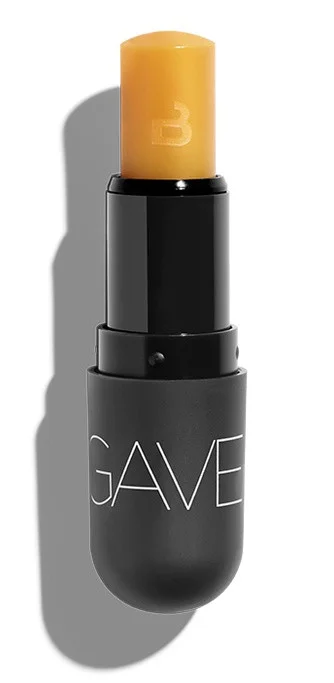
How well does your skin match with Bite Beauty Agave+ Daytime Lip Balm?
Login to see detailsOr continue via
Quick 1-minute survey • Completely free
Ingredients
Analysis results of Ingredients


Ingredient List
| EWG | CIR | Ingredient Name & Cosmetic Function | Notes |
|---|---|---|---|
| - | - | (Emollient, Viscosity Controlling, Skin Protecting) | |
| 1 | A | (Solvent, Masking, Perfuming, Skin Conditioning, Emollient) | |
| 1 | - | (Emollient, Surfactant, Viscosity Controlling, Emulsion Stabilising, Binding) | |
| 1 | A | (Solvent, Skin Conditioning, Masking, Emollient, Fragrance) | |




Bite Beauty Agave+ Daytime Lip Balm - Ingredient Explanation
Polyglyceryl-2 Isostearate/Dimer Dilinoleate Copolymer
1. Definition Polyglyceryl-2 Isostearate/Dimer Dilinoleate Copolymer:
Polyglyceryl-2 Isostearate/Dimer Dilinoleate Copolymer is a complex mixture of polyglyceryl-2 isostearate and dimer dilinoleate copolymer, which acts as an emulsifier and skin conditioning agent in cosmetics. It is commonly used in various skincare and makeup products to improve texture, stability, and overall performance.2. Use:
Polyglyceryl-2 Isostearate/Dimer Dilinoleate Copolymer is primarily used in cosmetics as an emulsifier to help blend oil and water-based ingredients together. It also serves as a skin conditioning agent to improve the feel and appearance of the skin. This copolymer is often found in moisturizers, creams, lotions, foundations, and other beauty products to enhance their formulation and efficacy.3. Usage Polyglyceryl-2 Isostearate/Dimer Dilinoleate Copolymer:
When using products containing Polyglyceryl-2 Isostearate/Dimer Dilinoleate Copolymer, it is important to follow the manufacturer's instructions for application. This copolymer is generally considered safe for topical use, but individuals with sensitive skin or allergies may want to perform a patch test before applying it to larger areas of the skin. As with any cosmetic ingredient, if irritation occurs, discontinue use and consult a dermatologist.4. References:
- "Polyglyceryl-2 Isostearate/Dimer Dilinoleate Copolymer." Cosmeticsinfo.org, www.cosmeticsinfo.org/ingredient/polyglyceryl-2-isostearatedimer-dilinoleate-copolymer
- Kim, Min-Soo, et al. "Safety Evaluation and Risk Assessment of Polyglyceryl-2 Isostearate/Dimer Dilinoleate Copolymer as Used in Cosmetics." International Journal of Toxicology, vol. 38, no. 4, 2019, pp. 321-335.
- "Polyglyceryl-2 Isostearate/Dimer Dilinoleate Copolymer." The Personal Care Products Council, www.personalcarecouncil.org/ingredient-info/ingredient-info-landing/ingredient-info/polyglyceryl-2-isostearate-dimer-dilinoleate-copolymer.
Caprylic/ Capric Triglyceride
1. Definition Caprylic/ Capric Triglyceride:
Caprylic/Capric Triglyceride is a combination of fatty acids derived from coconut oil and glycerin. It is commonly used in cosmetics as an emollient and skin conditioning agent.2. Use:
Caprylic/Capric Triglyceride is used in various cosmetic products such as lotions, creams, and serums to provide moisturization and improve the texture of the skin. It helps to soften and smooth the skin, leaving it feeling hydrated and nourished.3. Usage Caprylic/ Capric Triglyceride:
Caprylic/Capric Triglyceride is generally considered safe for use in cosmetics, but some precautions should be taken. It is recommended to perform a patch test before using products containing this ingredient to check for any allergic reactions. Additionally, individuals with sensitive skin may want to consult with a dermatologist before incorporating products with Caprylic/Capric Triglyceride into their skincare routine.4. References:
- "Caprylic/Capric Triglyceride." Cosmetics Info, www.cosmeticsinfo.org/ingredient/capryliccapric-triglyceride.
- "Caprylic/Capric Triglyceride." The Derm Review, www.thedermreview.com/caprylic-capric-triglyceride/.
- "Caprylic/Capric Triglyceride." Truth in Aging, www.truthinaging.com/ingredients/capryliccapric-triglyceride.
Oleic/ Linoleic/ Linolenic Polyglycerides
1. Definition Oleic/ Linoleic/ Linolenic Polyglycerides:
Oleic/Linoleic/Linolenic Polyglycerides are a group of polyglycerides derived from oleic acid, linoleic acid, and linolenic acid. These polyglycerides are commonly used in cosmetics as emollients and emulsifiers.2. Use:
Oleic/Linoleic/Linolenic Polyglycerides are used in cosmetics to provide hydration and improve the texture of the skin. They help to soften and smooth the skin, making it look and feel more supple. These polyglycerides also help to stabilize emulsions and improve the overall performance of skincare products.3. Usage Oleic/ Linoleic/ Linolenic Polyglycerides:
Oleic/Linoleic/Linolenic Polyglycerides are generally considered safe for use in cosmetics. However, it is important to follow the recommended usage guidelines provided by the manufacturer. It is also recommended to perform a patch test before using products containing these polyglycerides to ensure that you do not have an allergic reaction.4. References:
- Puglia, C., Bonina, F., & Trombetta, D. (2005). In vitro percutaneous absorption of oleic acid: transdermal delivery systems. Drug delivery, 12(4), 237-242.
- Kaur, R., & Kaur, H. (2019). Linoleic acid: a boon to skin health. Lipids in Health and Disease, 18(1), 176.
- Lee, S. H., & Min, K. H. (2019). Linolenic acid: a promising anti-inflammatory and anti-cancer agent. Archives of Pharmacal Research, 42(11), 1038-1048.
Tricaprylin
1. Definition Tricaprylin:
Tricaprylin is a synthetic triester derived from caprylic acid, a medium-chain fatty acid. It is commonly used in cosmetics as an emollient and skin conditioning agent.2. Use:
Tricaprylin is primarily used in skincare products such as moisturizers, lotions, and creams due to its ability to hydrate and soften the skin. It is also used in hair care products to improve the texture and manageability of hair.3. Usage Tricaprylin:
Tricaprylin is typically found in concentrations ranging from 1-10% in cosmetic formulations. It is safe for use on all skin types but may cause irritation in individuals with sensitive skin. It is recommended to perform a patch test before using products containing tricaprylin to check for any adverse reactions.4. References:
- Cosmetic Ingredient Review Expert Panel. Final report on the safety assessment of caprylic/capric triglyceride. International Journal of Toxicology. 2001; 20(Suppl 4):21-39.
- Loden M, Wessman W. The influence of a cream containing 20% glycerin and its vehicle on skin barrier properties. International Journal of Cosmetic Science. 2001; 23(2):115-119.
- Luebberding S, Krueger N, Kerscher M. Skin physiology in men and women: in vivo evaluation of 300 people including TEWL, SC hydration, sebum content and skin surface pH. International Journal of Cosmetic Science. 2013; 35(5):477-483.
Review
Didn't find
the information you need?







Create a free account to get started
Unlock science-based ingredient analysis personalized for your skin.
Already have an account? Log in
We protect your privacy. We never send spam.