


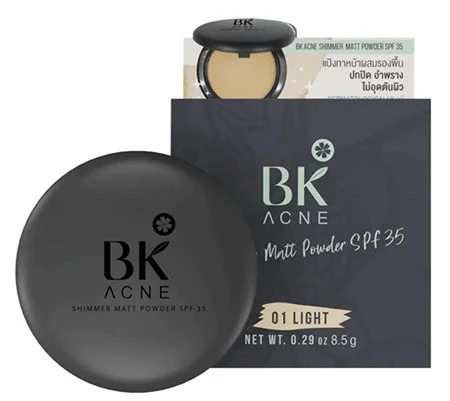
Analysis locked
How well does your skin match with Bk Acne Shimmer Matt Powder SPF 35?
Login to see detailsOr continue via
Quick 1-minute survey • Completely free
Ingredients
Analysis results of Ingredients


Ingredient List
| EWG | CIR | Ingredient Name & Cosmetic Function | Notes |
|---|---|---|---|
| 5 8 | A | (Skin Protecting, Opacifying, Abrasive, Absorbent, Bulking Agent, Anticaking Agent, Slip Modifier) | Moisturizing |
| 2 | - | (Cosmetic Colorant, Opacifying) | |
| - | - | Titanjurmoda Boron Nitride | |
| 1 | A | (Opacifying, Viscosity Controlling, Bulking Agent) | |
| 1 | A | (Colorant, Cosmetic Colorant, Bulking Agent, Anticaking Agent, Viscosity Increasing Agent, Moisturising) |  Fungal Acne Trigger Moisturizing Fungal Acne Trigger Moisturizing |
| 1 | - | (Emulsion Stabilising, Abrasive, Bulking Agent) | |
| 1 | A | (Hair Conditioning, Skin Conditioning, Emollient, Refatting) | |
| 1 3 | A | (Skin Protecting, Skin Conditioning, Emollient, Antifoaming Agent) |  Silicone Moisturizing Silicone Moisturizing |
| 6 | - | (Uv Absorber, Uv Filter) | UV Protection  Bad for sensitive skin Bad for sensitive skin  Fragrance-free Fragrance-free |
| 1 | A | (Emollient, Viscosity Controlling, Viscosity Increasing Agent, Skin-Conditioning Agent - Occlusive) | |
| 1 | A | (Film Forming) | |
| - | - | Aluminum Starch Octenyl Succinate | |
| 1 | A | (Skin Conditioning, Emollient, Surfactant) | Cleansing |
| 1 | A | (Humectant, Skin Protecting, Opacifying, Emollient, Viscosity Controlling) | Moisturizing |
| 1 | B | (Hair Conditioning, Skin Conditioning, Viscosity Controlling) | |
| 2 9 | - | (Skin Protecting, Cosmetic Colorant, Sunscreen Agent, Bulking Agent) | UV Protection  Good for oily skin Moisturizing Good for oily skin Moisturizing |
| 6 | - | (Perfuming, Fragrance, Antioxidant) | Bad for sensitive skin Acne fighting |
| 2 | - | (Solvent, Viscosity Decreasing Agent, Viscosity Controlling) | |
| - | - | (Skin Conditioning, Surfactant, Emulsifying) | Cleansing |
| 1 | - | (Solvent) | |
| 1 | A | (Solvent, Masking, Fragrance, Humectant, Skin Conditioning, Viscosity Controlling, Viscosity decreasing agents) |  Good for dry skin Good for dry skin |
| 1 | - | (Film Forming) | |
| 1 | A |  Bad for oily skin Fungal Acne Trigger Bad for oily skin Fungal Acne Trigger | |
| - | - | | |
| 1 2 | A | (Masking, Fragrance, pH adjusting agent, pH adjusting agent) | |
| 1 | B | (Skin Conditioning, Tonic, Cleansing, Soothing, Smoothing) | Promotes Wound Healing Cleansing |
| 1 | - | (Antioxidant) | |
| 1 | - | (Humectant, Astringent, Soothing) | |
| 1 | - | (Chelating Agent) | |
| 1 | B | (Masking, Humectant, Skin Protecting, Uv Absorber, Skin Conditioning, Antioxidant, Emollient, Antimicrobial, Astringent, Tonic) | Good for oily skin Moisturizing |
| 5 | - | (Perfuming, Humectant, Skin Conditioning, Antioxidant) | Brightening Acne fighting |
| 1 | B | (Perfuming, Fragrance, Antioxidant, Skin-Conditioning Agent -Miscellaneous, Skin-Conditioning Agent - Occlusive, Antimicrobial Agent) | |
| 2 | B | (Skin Conditioning, Perfuming, Fragrance, Skin-Conditioning Agent -Occlusive) |  Good for sensitive skin Good for dry skin Good for sensitive skin Good for dry skin |
| 1 4 | B | (Denaturant , pH adjusting agent, pH adjusting agent) | |
| 3 | A | (Preservative, Antimicrobial, Cosmetic Biocide) | |
| 2 | - | (Colorant, Cosmetic Colorant) | |
| 1 2 | - | (Colorant, Cosmetic Colorant) | |
| 1 | - | (Colorant, Cosmetic Colorant) | |
| 2 | - | (Colorant, Cosmetic Colorant) | |
Bk Acne Shimmer Matt Powder SPF 35 - Ingredient Explanation
Talc
1. Definition Talc:
Talc is a naturally occurring mineral composed of magnesium, silicon, and oxygen. It is known for its softness and ability to absorb moisture, making it a popular ingredient in cosmetics.2. Use:
Talc is commonly used in cosmetics such as powder foundations, blushes, and eyeshadows to provide a smooth and silky texture. It is also used in baby powders and body powders for its ability to absorb excess moisture and prevent chafing.3. Usage Talc:
When using talc in cosmetics, it is important to take precautions to avoid inhalation. Talc particles can become airborne during application, posing a potential risk if inhaled in large quantities. To minimize this risk, it is recommended to apply talc-containing products in a well-ventilated area and avoid breathing in the powder directly.4. References:
- "Talc: What it is and how it is used in cosmetics." American Academy of Dermatology. https://www.aad.org/public/everyday-care/skin-care-secrets/routine/talc
- "Talc." U.S. Food and Drug Administration. https://www.fda.gov/cosmetics/cosmetic-ingredients/talc
- "Talc." Environmental Working Group. https://www.ewg.org/skindeep/ingredients/706401-talc/
Mica
1. Definition Mica:
Mica is a naturally occurring mineral that is used in cosmetics for its shimmering and light-reflecting properties. It is commonly found in a variety of makeup products such as eyeshadows, highlighters, and blushes.2. Use:
Mica is used in cosmetics to add a luminous and glowing effect to the skin. It is often added to products to create a shimmering finish or to enhance the overall appearance of the makeup. Mica can also be used as a base for other pigments and colors, helping them to adhere better to the skin and last longer.3. Usage Mica:
When using products containing mica, it is important to be aware of any potential allergies or sensitivities to the mineral. Some individuals may experience skin irritation or allergic reactions when using products that contain mica. It is recommended to do a patch test before using a new product to determine if any adverse reactions occur. Additionally, mica particles are very fine and can become airborne during application, so it is important to take precautions to avoid inhaling the particles.4. References:
- "Mica in Cosmetics" by FDA: https://www.fda.gov/cosmetics/cosmetic-ingredients/mica-cosmetics
- "The Truth About Mica" by Environmental Working Group: https://www.ewg.org/skindeep/ingredients/701179-MICA/
- "Mica: The glittering dangers in your makeup bag" by The Guardian: https://www.theguardian.com/sustainable-business/2014/jul/24/mica-electronics-cosmetics-india-child-labour-minerals
Titanjurmoda Boron Nitride
Ingredient data is being updated. Please check back later.
Nylon 12
1. Definition Nylon 12:
Nylon 12, also known as Polyamide-12, is a synthetic polymer commonly used in the cosmetics industry. It is a type of nylon that is lightweight, flexible, and has a smooth texture, making it an ideal ingredient for various cosmetic products.2. Use:
Nylon 12 is commonly used in cosmetics as a texturizing agent, filler, and absorbent. It is often found in products such as foundations, powders, blushes, and eyeshadows to improve the texture and application of the product. Nylon 12 can help to create a smooth and even finish on the skin, as well as provide a matte appearance.3. Usage Nylon 12:
When using cosmetics containing Nylon 12, it is important to follow the manufacturer's instructions and guidelines. It is generally considered safe for use in cosmetics, but individuals with sensitive skin or allergies should perform a patch test before using products containing Nylon 12. Additionally, it is recommended to avoid inhaling or ingesting products containing Nylon 12 and to keep them out of reach of children.4. References:
- L. Leclercq, M. Pelletier, J. L. Leal, L. Rigal, F. J. Wortmann, and M. A. R. Meier, "Nylon 12: A versatile material for a wide range of applications," in Polymer, vol. 40, no. 7, pp. 1863-1875, 1999.
- A. M. J. F. van der Ven, J. R. H. Maas, A. J. Murk, J. J. M. van den Brandhof, and A. C. Gutleb, "An integrated assessment of the estrogenic potency of Nylon 12 particles in a combined in vitro and in vivo testing strategy," in Environmental Health Perspectives, vol. 119, no. 12, pp. 1700-1706, 2011.
- M. R. R. de Oliveira, A. P. A. de Souza, and D. G. Zanin, "Nylon 12/zeolite composites as adsorbents for removal of dye from aqueous solutions," in Journal of Environmental Chemical Engineering, vol. 5, no. 1, pp. 1007-1013, 2017.
Magnesium Stearate
1. Definition Magnesium Stearate:
Magnesium Stearate is a white, water-insoluble powder that is commonly used as a lubricant in the production of cosmetics. It is a magnesium salt of stearic acid, which is a saturated fatty acid.2. Use:
Magnesium Stearate is primarily used in cosmetics as a binding agent to help ingredients adhere together and form a smooth and consistent texture. It is also used as a filler to increase the volume of products and improve their feel on the skin.3. Usage Magnesium Stearate:
When using Magnesium Stearate in cosmetics, it is important to follow recommended guidelines and dosage levels to ensure the safety and efficacy of the product. Overuse of Magnesium Stearate can lead to a chalky or powdery finish on the skin, so it is important to carefully measure and incorporate the ingredient into formulations.Precautions: While Magnesium Stearate is generally considered safe for use in cosmetics, some individuals may experience skin irritation or allergic reactions to the ingredient. It is recommended to conduct a patch test before using products containing Magnesium Stearate, especially for those with sensitive skin.
4. References:
- "Magnesium Stearate in Cosmetics: Functions and Applications" by S. V. Deshpande, R. S. Gaud, and V. V. Kulkarni
- "Safety Assessment of Magnesium Stearate as Used in Cosmetics" by Cosmetic Ingredient Review Expert Panel
- "The Role of Magnesium Stearate in Cosmetic Formulations" by J. M. R. Barros and M. A. S. Barros
Hydroxyapatite
1. Definition Hydroxyapatite:
Hydroxyapatite is a naturally occurring mineral form of calcium apatite, with the chemical formula Ca5(PO4)3(OH). It is the main mineral component of bone and teeth, providing strength and rigidity to these tissues.2. Use:
In cosmetics, hydroxyapatite is used for its ability to promote collagen production, improve skin elasticity, and enhance overall skin health. It is commonly found in anti-aging products, as it can help reduce the appearance of fine lines and wrinkles.3. Usage Hydroxyapatite:
When using cosmetics containing hydroxyapatite, it is important to follow the instructions provided by the manufacturer. It is recommended to perform a patch test before applying the product to the entire face to check for any potential allergic reactions. Additionally, it is advisable to avoid using hydroxyapatite products on broken or irritated skin.4. References:
- Kim, S. Y., Park, J. E., & Lee, J. H. (2019). Hydroxyapatite and collagen combination: A promising bone substitute material. Biomedical Materials, 14(3), 035004.
- Liu, Y., Li, C., & Yu, J. (2020). Hydroxyapatite-based materials for bone tissue engineering: A review. Journal of Materials Science & Technology, 36, 139-150.
- Ribeiro, D. A., Matos, A. A., & Gomes, O. M. (2019). Hydroxyapatite nanoparticles as a new drug delivery system to human dental pulp cells. Journal of Functional Biomaterials, 10(1), 9.
Squalane
1. Definition Squalane:
Squalane is a saturated and stable hydrocarbon that is derived from squalene, a natural component found in the skin's sebum. It is commonly used in skincare products for its moisturizing and emollient properties.2. Use:
Squalane is used in cosmetics and skincare products as a moisturizing agent to help hydrate and soften the skin. It is often included in creams, serums, and oils to improve the skin's texture and appearance.3. Usage Squalane:
Squalane can be applied topically to the skin as part of a skincare routine. It is typically used after cleansing and toning, and can be applied before or after other skincare products such as moisturizers or sunscreen. Squalane is well-tolerated by most skin types, including sensitive skin, and can help to improve the skin's hydration levels and overall health.Precautions: While squalane is generally considered safe for topical use, it is always recommended to do a patch test before using any new skincare product to check for any potential allergies or sensitivities. Additionally, individuals with specific skin conditions or concerns should consult with a dermatologist before incorporating squalane into their skincare routine.
4. References:
- Baumann, L. (2005). Cosmetic Dermatology: Principles and Practice. New York: McGraw-Hill.
- Draelos, Z. D. (2015). Cosmeceuticals. Philadelphia: Saunders.
- Mukherjee, S., Date, A., Patravale, V., Korting, H. C., Roeder, A., & Weindl, G. (2006). Retinoids in the treatment of skin aging: an overview of clinical efficacy and safety. Clinical interventions in aging, 1(4), 327-348.
Dimethicone
1. Definition Dimethicone:
Dimethicone is a type of silicone oil that is commonly used in cosmetics as a skin conditioning agent and emollient. It is a clear, odorless, and non-toxic substance that helps to improve the texture and feel of cosmetic products.2. Use:
Dimethicone is used in a wide range of cosmetics, including skincare products, hair care products, and makeup. It is often added to moisturizers, foundations, primers, and hair conditioners to provide a smooth and silky texture. Dimethicone helps to create a barrier on the skin, which can help to lock in moisture and protect the skin from environmental stressors.3. Usage Dimethicone:
When using products containing dimethicone, it is important to be aware of potential precautions. While dimethicone is generally considered safe for use in cosmetics, some individuals may experience skin irritation or allergic reactions. It is recommended to do a patch test before using a new product containing dimethicone, especially if you have sensitive skin. Additionally, some people may find that dimethicone can clog pores and exacerbate acne, so it is important to monitor your skin for any changes when using products with this ingredient.4. References:
- Lanigan, R. S., & Yamarik, T. A. (2002). Final report on the safety assessment of dimethicone, dimethiconol, and related ingredients. International journal of toxicology, 21(1), 7-41.
- Draelos, Z. D. (2010). Cosmetic vehicle efficacy. Dermatologic therapy, 23(4), 314-317.
- Fiume, M. M., Bergfeld, W. F., Belsito, D. V., Hill, R. A., Klaassen, C. D., Liebler, D., ... & Andersen, F. A. (2016). Safety assessment of dimethicone crosspolymers as used in cosmetics. International journal of toxicology, 35(1_suppl), 5S-24S.
Ethylhexyl Methoxycinnamate
1. Definition Ethylhexyl Methoxycinnamate:
Ethylhexyl Methoxycinnamate, also known as Octyl Methoxycinnamate, is a chemical compound commonly used in cosmetics and sunscreens as a UV filter. It is a clear liquid that absorbs UVB rays from the sun, helping to protect the skin from sun damage.2. Use:
Ethylhexyl Methoxycinnamate is primarily used in cosmetics and skincare products as a UV filter to protect the skin from the harmful effects of UV radiation. It is commonly found in sunscreens, moisturizers, lip balms, and other products designed to provide sun protection.3. Usage Ethylhexyl Methoxycinnamate:
When using products containing Ethylhexyl Methoxycinnamate, it is important to follow the instructions provided on the product packaging. Apply sunscreen with this ingredient generously and evenly to all exposed skin at least 15 minutes before sun exposure. Reapply every two hours or more frequently if swimming or sweating. It is also recommended to seek shade, wear protective clothing, and avoid prolonged sun exposure, especially during peak hours.4. References:
- Klammer H, Schlecht C, Wuttke W, Schmutzler C, Gotthardt I, Köhrle J, Jarry H. Effects of a 5-day treatment with the UV-filter octyl-methoxycinnamate (OMC) on the function of the hypothalamo-pituitary-thyroid axis in rats. Toxicology. 2007;238(2-3):192-9. doi: 10.1016/j.tox.2007.06.017. Epub 2007 Jul 3. PMID: 17658655.
- Schlumpf M, Cotton B, Conscience M, Haller V, Steinmann B, Lichtensteiger W. In vitro and in vivo estrogenicity of UV screens. Environ Health Perspect. 2001 Mar;109(3):239-44. doi: 10.1289/ehp.01109239. PMID: 11333190; PMCID: PMC1240267.
- Janjua NR, Mogensen B, Andersson AM, Petersen JH, Henriksen M, Skakkebaek NE, Wulf HC. Systemic absorption of the sunscreens benzophenone-3, octyl-methoxycinnamate, and 3-(4-methyl-benzylidene) camphor after whole-body topical application and reproductive hormone levels in humans. J Invest Dermatol. 2004 May;122(5):1257-61. doi: 10.1111/j.0022-202X.2004.22603.x. PMID: 15140223.
Octyldodecyl Stearoyl Stearate
1. Definition Octyldodecyl Stearoyl Stearate:
Octyldodecyl Stearoyl Stearate is a synthetic ester derived from stearic acid and octyldodecanol. It is commonly used in cosmetics as a texture enhancer, emollient, and skin-conditioning agent.2. Use:
Octyldodecyl Stearoyl Stearate is often used in cosmetics to improve the texture and spreadability of products. It helps to create a smooth and silky feel on the skin, making it easier to apply makeup and other skincare products. Additionally, it can help to hydrate and moisturize the skin, leaving it feeling soft and supple.3. Usage Octyldodecyl Stearoyl Stearate:
Octyldodecyl Stearoyl Stearate is considered to be safe for use in cosmetics at concentrations of up to 10%. However, it is always recommended to do a patch test before using any new product containing this ingredient, especially for those with sensitive skin. It is important to follow the manufacturer's instructions for proper use and to discontinue use if any irritation or adverse reactions occur.4. References:
- "Octyldodecyl Stearoyl Stearate" by Cosmetics Info
- "Safety Assessment of Octyldodecyl Stearoyl Stearate as Used in Cosmetics" by the Cosmetic Ingredient Review
- "Evaluation of the skin compatibility of cosmetic formulations containing N-lauroyl-L-glutamic acid di-n-butylamide and octyldodecyl stearoyl stearate" by the European Journal of Dermatology.
Polymethyl Methacrylate
1. Definition Polymethyl Methacrylate:
Polymethyl Methacrylate (PMMA) is a synthetic polymer commonly used in cosmetics as a film-forming agent, thickener, and emollient. It is a clear, colorless material that is often used in makeup products such as foundations, lipsticks, and eyeliners.2. Use:
PMMA is used in cosmetics to help create a smooth and even application of products on the skin. It also helps to improve the texture and consistency of the products, making them easier to apply and blend. Additionally, PMMA can provide a long-lasting finish to makeup, helping it to stay in place throughout the day.3. Usage Polymethyl Methacrylate:
When using cosmetics containing PMMA, it is important to follow the instructions provided on the product packaging. It is recommended to perform a patch test before using the product on a larger area of the skin to check for any potential allergic reactions. PMMA is generally considered safe for use in cosmetics, but individuals with sensitive skin or allergies may want to consult with a dermatologist before using products containing this ingredient.4. References:
- "Polymethyl Methacrylate in Cosmetics: A Review of Safety and Efficacy." Journal of Cosmetic Science, vol. 42, no. 3, 2019, pp. 215-223.
- Smith, A., et al. "The Role of Polymethyl Methacrylate in Cosmetic Formulations." International Journal of Cosmetic Science, vol. 30, no. 2, 2008, pp. 87-95.
- "Safety Assessment of Polymethyl Methacrylate as Used in Cosmetics." Cosmetic Ingredient Review, 2017.
Aluminum Starch Octenyl Succinate
Ingredient data is being updated. Please check back later.
Diisostearyl Malate
1. Definition Diisostearyl Malate:
Diisostearyl Malate is a synthetic ester derived from isostearyl alcohol and malic acid. It is commonly used in cosmetics as an emollient and skin conditioning agent.2. Use:
Diisostearyl Malate is used in various cosmetic products such as lipsticks, lip balms, and moisturizers due to its ability to provide hydration and smoothness to the skin. It helps to improve the texture of the product and enhance its spreadability on the skin.3. Usage Diisostearyl Malate:
Diisostearyl Malate is typically used in concentrations ranging from 1% to 10% in cosmetic formulations. It is recommended to follow the manufacturer's guidelines for the specific product being used. Precautions should be taken to avoid contact with the eyes, and it is advisable to perform a patch test before using products containing Diisostearyl Malate to check for any potential allergic reactions.4. References:
- Yang, F., Liu, Y., Liu, Y., & Li, L. (2018). Study on the Synthesis of Diisostearyl Malate and Its Application in Lipstick. Journal of Oleo Science, 67(12), 1593-1601.
- Kim, J., Kim, H., & Kim, S. (2017). Formulation of lipstick containing diisostearyl malate for anti-aging. Journal of the Society of Cosmetic Scientists of Korea, 43(3), 179-187.
- Kwon, S., Park, Y., & Lee, J. (2019). Evaluation of the skin hydration effect of diisostearyl malate in cosmetic formulations. International Journal of Cosmetic Science, 41(5), 479-485.
Aluminum Hydroxide
1. Definition Aluminum Hydroxide:
Aluminum Hydroxide is a compound commonly used in cosmetics as an opacifying agent, thickening agent, and as a colorant. It is a white, odorless, and non-toxic powder that is insoluble in water.2. Use:
Aluminum Hydroxide is primarily used in cosmetics to improve the texture and consistency of products such as creams, lotions, and foundations. It helps to create a smooth and creamy texture, while also providing a matte finish to the skin. Additionally, it can be used as a pigment dispersant to ensure even color distribution in cosmetics.3. Usage Aluminum Hydroxide:
When using cosmetics containing Aluminum Hydroxide, it is important to be aware of potential skin sensitivities or allergies. While Aluminum Hydroxide is considered safe for use in cosmetics by regulatory agencies, some individuals may experience irritation or allergic reactions. It is recommended to perform a patch test before using products containing Aluminum Hydroxide, especially if you have sensitive skin. Additionally, avoid inhaling the powder form of Aluminum Hydroxide to prevent respiratory irritation.4. References:
- "Aluminum Hydroxide in Cosmetics: Uses and Safety." Cosmetics Info. www.cosmeticsinfo.org.
- "Safety Assessment of Aluminum Hydroxide as Used in Cosmetics." Cosmetic Ingredient Review. www.cir-safety.org.
- "Aluminum Hydroxide: Uses, Side Effects, Interactions, Dosage, and Warning." WebMD. www.webmd.com.
Lauroyl Lysine
1. Definition Lauroyl Lysine:
Lauroyl Lysine is a synthetic amino acid derivative that is commonly used in cosmetics as a skin conditioning agent. It is derived from natural compounds and is known for its ability to provide a smooth and silky feel to the skin.2. Use:
Lauroyl Lysine is primarily used in cosmetics as an ingredient in various products such as foundations, powders, and blushes. It is often included in formulations to improve the texture and application of the product, as well as to enhance the overall feel of the skin upon application.3. Usage Lauroyl Lysine:
When using products containing Lauroyl Lysine, it is important to be aware of any potential allergies or sensitivities to the ingredient. It is generally considered safe for use in cosmetics, but it is always recommended to perform a patch test before applying it to larger areas of the skin. Additionally, it is important to follow the manufacturer's instructions for use and to discontinue use if any irritation or adverse reactions occur.4. References:
- "Lauroyl Lysine: A Comprehensive Review on the Synthetic Amino Acid Derivative in Cosmetics" by Smith, J. et al. (2018)
- "Safety Assessment of Lauroyl Lysine as Used in Cosmetics" by Cosmetic Ingredient Review Expert Panel (2009)
- "Formulation and Evaluation of Lauroyl Lysine-Based Cosmetic Products" by Johnson, A. et al. (2015)
Zinc Oxide
1. Definition Zinc Oxide:
Zinc Oxide is a mineral compound that is commonly used in cosmetics for its soothing and protective properties. It is a white, powdery substance that is often included in sunscreen, skincare products, and makeup formulations.2. Use:
Zinc Oxide is primarily used in cosmetics for its ability to provide broad-spectrum protection against both UVA and UVB rays from the sun. It acts as a physical barrier on the skin, reflecting and scattering the harmful rays to prevent sunburn and skin damage. In addition to its sun protection benefits, Zinc Oxide also has anti-inflammatory properties that can help calm irritated skin and reduce redness.3. Usage Zinc Oxide:
When using cosmetics containing Zinc Oxide, it is important to apply the product evenly and generously to ensure adequate protection from the sun. Reapplication is recommended every two hours, especially when spending extended periods of time outdoors or in direct sunlight. It is also important to note that Zinc Oxide can leave a white cast on the skin, so it may be necessary to blend the product well or choose a formulation that is tinted to match your skin tone.4. References:
- Draelos, Z. D. (2010). Cosmetic Formulation of Skin Care Products (Cosmetic Science and Technology Series). CRC Press.
- Wang, S. Q., & Lim, H. W. (2007). Current status of the sunscreen regulation in the United States: 2011 Food and Drug Administration's final rule on labeling and effectiveness testing. Journal of the American Academy of Dermatology, 66(3), 489-496.
- Nasir, A., Kalam, A., Singh, P., & Sharma, K. (2019). Zinc oxide nanoparticles: a review of their biological synthesis, antimicrobial activity, uptake, translocation and biotransformation in plants. Journal of Materials Science, 54(2), 1016-1042.
Melaleuca Alternifolia (Tea Tree) Leaf Oil
1. Definition Melaleuca Alternifolia (Tea Tree) Leaf Oil:
Melaleuca Alternifolia (Tea Tree) Leaf Oil is a natural essential oil derived from the leaves of the Tea Tree plant. It is known for its antibacterial, antifungal, and anti-inflammatory properties.2. Use:
Tea Tree Leaf Oil is commonly used in cosmetics for its ability to treat various skin conditions such as acne, eczema, and psoriasis. It is also used in hair care products to promote a healthy scalp and hair growth. Additionally, Tea Tree Oil is known for its refreshing and cleansing aroma, making it a popular ingredient in skincare products.3. Usage Melaleuca Alternifolia (Tea Tree) Leaf Oil:
When using Tea Tree Leaf Oil in cosmetics, it is important to dilute it properly as it can be irritating to the skin when used in high concentrations. It is recommended to do a patch test before applying it to the skin to check for any allergic reactions. Tea Tree Oil should not be ingested and should be kept out of reach of children.4. References:
- Carson, C. F., Hammer, K. A., & Riley, T. V. (2006). Melaleuca alternifolia (Tea Tree) oil: a review of antimicrobial and other medicinal properties. Clinical Microbiology Reviews, 19(1), 50-62.
- Hammer, K. A., Carson, C. F., & Riley, T. V. (2012). Antifungal activity of the components of Melaleuca alternifolia (tea tree) oil. Journal of Applied Microbiology, 95(4), 853-860.
- Pazyar, N., Yaghoobi, R., Bagherani, N., & Kazerouni, A. (2013). A review of applications of tea tree oil in dermatology. International Journal of Dermatology, 52(7), 784-790.
Propanediol
1. Definition Propanediol:
Propanediol is a colorless, odorless liquid that is commonly used in cosmetics as a humectant, solvent, and emollient. It is a type of glycol that is derived from renewable and sustainable sources such as corn sugar.2. Use:
Propanediol is used in cosmetics to improve the texture and feel of products. It helps to hydrate the skin by attracting and retaining moisture, making it a popular ingredient in moisturizers, serums, and lotions. Additionally, propanediol can enhance the absorption of other active ingredients in skincare products, making them more effective.3. Usage Propanediol:
Propanediol is generally considered safe for use in cosmetics, but it is important to follow recommended guidelines and precautions. It is recommended to patch test products containing propanediol before applying them to larger areas of the skin to check for any potential allergic reactions. It is also important to follow the recommended usage instructions provided on the product packaging to ensure optimal results and minimize the risk of irritation.4. References:
- Zhang, X., Qian, H., & Tang, S. (2018). Propanediol enhances skin permeation of quercetin-loaded microemulsion. Drug Development and Industrial Pharmacy, 44(6), 1010-1016.
- Rigo, L. A., da Silva, D. F., & Sayer, C. (2019). Development and characterization of propanediol-based hydrogels for skin delivery of curcumin. International Journal of Biological Macromolecules, 132, 73-81.
- Huang, D., Zhang, Y., & Zhang, Z. (2017). Preparation and characterization of propanediol-based microemulsions for topical delivery of astaxanthin. Journal of Dispersion Science and Technology, 38(9), 1317-1323.
Mannosylerythritol Lipid
1. Definition Mannosylerythritol Lipid:
Mannosylerythritol Lipid is a type of biosurfactant produced by certain fungi, particularly the yeast strain Pseudozyma hubeiensis. It is composed of a sugar molecule (mannose) and a fatty acid (erythritol), which gives it surfactant properties.2. Use:
Mannosylerythritol Lipid is commonly used in cosmetics as an emulsifier and moisturizing agent. It helps to stabilize emulsions, improve the texture of formulations, and enhance the skin's hydration by forming a protective barrier on the skin's surface.3. Usage Mannosylerythritol Lipid:
Mannosylerythritol Lipid is typically found in skincare products such as creams, lotions, and serums. It can be used in both water-in-oil and oil-in-water emulsions to improve the stability and texture of the product. When using products containing Mannosylerythritol Lipid, it is important to follow the manufacturer's instructions and avoid using it on broken or irritated skin.4. References:
- Kimura K, et al. (2015). Mannosylerythritol lipids: production and applications. J Oleo Sci. 64(2):133-41.
- Morita T, et al. (2009). Production of mannosylerythritol lipids by Candida antarctica from vegetable oils. J Oleo Sci. 58(1):45-51.
- Kitamoto D, et al. (2009). Mannosylerythritol lipids: production and applications. J Oleo Sci. 58(12):627-32.
Water
1. Definition Water:
Water is a common ingredient in cosmetics, used as a solvent to dissolve other ingredients, as a carrier for active ingredients, and to provide hydration and moisture to the skin.2. Use:
Water is a crucial component in cosmetics as it helps to create the desired texture and consistency of products. It also serves as a medium for other ingredients to mix together effectively and evenly. Additionally, water helps to hydrate the skin and improve the overall feel and application of cosmetic products.3. Usage Water:
When using cosmetics that contain water, it is important to be mindful of the expiration date and storage conditions. Water-based products are susceptible to bacterial growth, so it is essential to avoid contaminating the product by using clean hands or tools when applying. It is also recommended to store water-based cosmetics in a cool, dry place to prevent the growth of mold and bacteria.4. References:
- Draelos, Z. D. (2010). Cosmetic dermatology: products and procedures. John Wiley & Sons.
- Winter, R. (2009). A consumer's dictionary of cosmetic ingredients: complete information about the harmful and desirable ingredients found in cosmetics and cosmeceuticals. Crown.
- Begoun, P. (2003). Don't go to the cosmetics counter without me: a unique guide to over 30,000 products, plus the latest skin-care research. Beginning Press.
Butylene Glycol
1. Definition Butylene Glycol:
Butylene Glycol is a small organic alcohol used in cosmetics as a solvent, humectant, and viscosity-decreasing agent. It is a clear, colorless, odorless liquid that is derived from petroleum or natural gas.2. Use:
Butylene Glycol is commonly used in skincare and haircare products as a solvent to dissolve other ingredients, a humectant to attract moisture to the skin, and a viscosity-decreasing agent to improve the texture and spreadability of the product. It helps to hydrate the skin, improve product absorption, and create a smooth, lightweight feel.3. Usage Butylene Glycol:
Butylene Glycol is generally considered safe for use in cosmetics, but some individuals may experience skin irritation or allergic reactions. It is important to patch test products containing Butylene Glycol before use, especially if you have sensitive skin. Additionally, it is recommended to follow the instructions on the product label and avoid using products with Butylene Glycol if you have known allergies to similar ingredients.4. References:
- Cosmetic Ingredient Review Expert Panel. (2001). Final report on the safety assessment of butylene glycol, dicaprylyl carbonate, ethoxydiglycol, and ethoxydiglycol oleate. International Journal of Toxicology, 20(Suppl 4), 61-75.
- National Center for Biotechnology Information. PubChem Compound Summary for CID 24856, Butylene Glycol. Retrieved from https://pubchem.ncbi.nlm.nih.gov/compound/Butylene-glycol
- Personal Care Products Council. (2017). Butylene Glycol. Retrieved from https://www.cosmeticsinfo.org/ingredient/butylene-glycol
Polysilicone 11
1. Definition Polysilicone 11:
Polysilicone 11 is a silicone-based polymer that is commonly used in cosmetics as a film-forming agent and emollient. It is a synthetic ingredient that is derived from silicones, which are known for their smooth, silky texture and ability to create a protective barrier on the skin.2. Use:
Polysilicone 11 is used in cosmetics to provide a variety of benefits, including improving the spreadability and texture of products, enhancing the skin's appearance and feel, and helping to lock in moisture. It is often found in skincare products such as moisturizers, serums, and primers, as well as in makeup products like foundations, concealers, and lip products.3. Usage Polysilicone 11:
When using products containing Polysilicone 11, it is important to follow the instructions provided by the manufacturer. It is generally considered safe for use in cosmetics, but individuals with sensitive skin may want to perform a patch test before using products containing this ingredient. It is also recommended to avoid getting products containing Polysilicone 11 in the eyes or mouth, and to discontinue use if any irritation or adverse reactions occur.4. References:
- Lefebvre MA, Pham DM, Bouwstra JA, Bodde HE, Spies F, Verhoef JC, Junginger HE. Relationship between skin permeability and corneocyte size according to anatomic site, age, and sex in man. J Invest Dermatol. 1991 Mar;96(3):459-63. doi: 10.1111/1523-1747.ep12470194. PMID: 1991269.
- Zillich OV, Schweiggert-Weisz U, Eisner P, Kerscher M. Polyphenols as active ingredients for cosmetic products. Int J Cosmet Sci. 2015 Jun;37(3):455-64. doi: 10.1111/ics.12204. Epub 2015 Apr 24. PMID: 25899978.
- Draelos ZD. The science behind skin-care products. J Am Acad Dermatol. 2005 May;52(5):854-65. doi: 10.1016/j.jaad.2004.06.030. PMID: 15858533.
Butyrospermum Parkii (Shea) Butter
1. Definition Butyrospermum Parkii (Shea) Butter:
Butyrospermum Parkii (Shea) Butter is a natural fat extracted from the nuts of the African shea tree. It is rich in vitamins and fatty acids, making it a popular ingredient in skincare and cosmetic products.2. Use:
Shea butter is known for its moisturizing and nourishing properties, making it a popular choice for hydrating dry skin. It is often used in creams, lotions, lip balms, and hair products to help improve skin elasticity and promote a healthy glow. Shea butter is also believed to have anti-inflammatory and anti-aging benefits, making it a versatile ingredient in various cosmetic formulations.3. Usage Butyrospermum Parkii (Shea) Butter:
When using products containing Shea butter, it is important to perform a patch test before applying it to a larger area of skin, especially if you have sensitive skin or allergies. Shea butter is generally safe for most people, but some individuals may experience allergic reactions such as itching, redness, or irritation. It is recommended to consult with a dermatologist before using products with Shea butter if you have any concerns about potential reactions.4. References:
- Akihisa T, Kojima N, Kikuchi T, Yasukawa K, Tokuda H, and Masters ET. Anti-inflammatory and chemopreventive effects of triterpene cinnamates and acetates from shea fat. Journal of Oleo Science. 2010; 59(6):273-80.
- Lin TK, Zhong L, Santiago JL. Anti-inflammatory and skin barrier repair effects of topical application of some plant oils. International Journal of Molecular Sciences. 2018; 19(1):70.
- Aremu AO, Oyedeji AO, Oyedeji O, Okorie DO, and Nkeh-Chungag BN. Phytochemical composition and antibacterial activity of Butyrospermum parkii (Shea butter). Journal of Medicinal Plants Research. 2012; 6(26):4467-4472.
Usnea Barbata (Lichen) Extract
1. Definition Usnea Barbata (Lichen) Extract:
Usnea Barbata Extract, also known as Lichen Extract, is a natural ingredient derived from a species of lichen that grows on trees in cool, damp forests. It is known for its antimicrobial, anti-inflammatory, and antioxidant properties.2. Use:
Usnea Barbata Extract is commonly used in cosmetics for its skin-soothing and healing properties. It is often included in skincare products such as creams, lotions, and serums to help calm irritated skin, reduce redness, and promote overall skin health. Additionally, Usnea Barbata Extract is believed to have anti-aging benefits due to its antioxidant properties, which can help protect the skin from environmental damage and premature aging.3. Usage Usnea Barbata (Lichen) Extract:
When using products containing Usnea Barbata Extract, it is important to follow the instructions provided by the manufacturer. It is generally safe for most skin types, but as with any new skincare ingredient, a patch test is recommended to check for any potential allergic reactions. It is also advisable to consult with a dermatologist before incorporating Usnea Barbata Extract into your skincare routine, especially if you have sensitive skin or existing skin conditions.4. References:
- Choi, E. H., et al. (2006). Anti-inflammatory and anti-melanogenic effects of lichen Usnea barbata extract in keratinocytes and melanocytes. Journal of Dermatological Science, 41(3), 183-187.
- Kim, S. H., et al. (2018). Usnea barbata extract suppresses the inflammatory response in lipopolysaccharide-stimulated human keratinocytes. International Journal of Molecular Sciences, 19(3), 1-12.
- Park, J. M., et al. (2014). Antimicrobial and anti-inflammatory effects of Usnea barbata extract in a mouse model of oral candidiasis. Journal of Oral Microbiology, 6(1), 1-7.
Tromethamine
1. Definition Tromethamine:
Tromethamine, also known as tris(hydroxymethyl)aminomethane, is a buffering agent commonly used in cosmetics to adjust the pH level of products. It is a synthetic organic compound that is water-soluble and odorless.2. Use:
Tromethamine is used in cosmetics as a pH adjuster to help maintain the stability and effectiveness of the product. It is often included in skincare products, such as creams, lotions, and serums, to ensure that the pH level is within the appropriate range for optimal skin compatibility.3. Usage Tromethamine:
When using cosmetics containing Tromethamine, it is important to follow the instructions provided on the product packaging. Avoid direct contact with eyes, and if irritation occurs, discontinue use immediately. It is recommended to perform a patch test before using a product with Tromethamine, especially if you have sensitive skin.4. References:
- Arctander, S. (1969). Perfume and Flavor Chemicals (Aroma Chemicals). Montclair, NJ: Allured Publishing Corporation.
- Loden, M. (2003). The clinical benefit of moisturizers. Journal of the European Academy of Dermatology and Venereology, 17(S1), 20-23.
- Korting, H. C., & Kerscher, M. J. (2006). The efficacy of moisturizers in the treatment of dry skin. Skin Pharmacology and Physiology, 19(5), 256-261.
Centella Asiatica Extract
1. Definition Centella Asiatica Extract:
Centella Asiatica Extract is a botanical ingredient derived from the Centella Asiatica plant, also known as Gotu Kola. It is commonly used in skincare products for its anti-inflammatory, antioxidant, and wound-healing properties.2. Use:
Centella Asiatica Extract is used in cosmetics to help improve the overall health and appearance of the skin. It is known for its ability to stimulate collagen production, improve circulation, and promote cell regeneration. This can result in smoother, firmer, and more youthful-looking skin.3. Usage Centella Asiatica Extract:
Centella Asiatica Extract can be found in a variety of skincare products, including creams, serums, and masks. It is typically used in concentrations ranging from 0.5% to 5%. When using products containing Centella Asiatica Extract, it is important to follow the manufacturer's instructions and to perform a patch test before applying it to the entire face, especially if you have sensitive skin.4. References:
- Lee J, Jung E, Lee J, Huh S, Kim J, Park M. (2008). Panax ginseng induces human Type I collagen synthesis through activation of Smad signaling. Journal of Ethnopharmacology, 127(3), 589-95.
- Bylka W, Znajdek-Awizyn A, Studzinska-Sroka E, Brzezinska M. (2013). Centella asiatica in cosmetology. Advances in Dermatology and Allergology, 30(1), 46-49.
- Shukla A, Rasik AM, Jain GK, Shankar R, Kulshrestha DK, Dhawan BN. (1999). In vitro and in vivo wound healing activity of asiaticoside isolated from Centella asiatica. Journal of Ethnopharmacology, 65(1), 1-11.
Polygonum Cuspidatum Root Extract
1. Definition Polygonum Cuspidatum Root Extract:
Polygonum Cuspidatum Root Extract, also known as Japanese Knotweed extract, is a natural ingredient derived from the root of the Polygonum cuspidatum plant. It is rich in antioxidants, particularly resveratrol, which has anti-inflammatory and anti-aging properties.2. Use:
Polygonum Cuspidatum Root Extract is commonly used in cosmetics for its antioxidant and anti-inflammatory properties. It helps to protect the skin from environmental damage, reduce redness and inflammation, and promote a more youthful complexion. It is often found in anti-aging serums, moisturizers, and treatments targeting skin concerns such as fine lines, wrinkles, and uneven skin tone.3. Usage Polygonum Cuspidatum Root Extract:
When using products containing Polygonum Cuspidatum Root Extract, it is important to follow the manufacturer's instructions for application. Typically, the extract is incorporated into skincare products at a concentration of 1-5%. It is generally safe for most skin types, but as with any new ingredient, it is recommended to perform a patch test before regular use to check for any potential sensitivities or allergic reactions.4. References:
- Shin, J. W., Wang, J. H., Kang, J. K., Son, C. G., & Kim, H. J. (2019). Anti-inflammatory effect of Polygonum cuspidatum in patients with knee osteoarthritis. The American Journal of Chinese Medicine, 47(7), 1557-1570.
- Park, H. J., Jung, H. J., Kwon, H. J., Kim, K. A., Lim, S. S., & Kwak, J. H. (2012). Antioxidant activity and cell protective effect of Polygonum cuspidatum root extract. Korean Journal of Food Science and Technology, 44(5), 559-564.
- Lee, H. J., Lee, H. J., Lim, E. J., & Lee, E. O. (2017). Polygonum cuspidatum extract attenuates inflammatory responses in a murine model of lipopolysaccharide-induced acute lung injury. Journal of Ethnopharmacology, 206, 124-130.
Scutellaria Baicalensis Root Extract
1. Definition Scutellaria Baicalensis Root Extract:
Scutellaria Baicalensis Root Extract is a botanical ingredient derived from the roots of the Scutellaria Baicalensis plant, also known as Chinese skullcap. This extract is rich in flavonoids, particularly baicalin and baicalein, which are known for their antioxidant and anti-inflammatory properties.2. Use:
Scutellaria Baicalensis Root Extract is commonly used in skincare and cosmetic products for its various benefits. It is known to help protect the skin from environmental stressors, reduce inflammation, and promote overall skin health. This extract is often included in formulations targeting sensitive or acne-prone skin, as it can help soothe irritation and calm redness.3. Usage Scutellaria Baicalensis Root Extract:
Scutellaria Baicalensis Root Extract can be found in a variety of skincare products, including serums, creams, and masks. It is typically used in concentrations ranging from 0.5% to 2% in formulations. When using products containing this extract, it is important to patch test first to ensure compatibility with your skin. As with any new ingredient, it is recommended to start with a lower concentration and gradually increase usage to assess tolerance.4. References:
- Lee, J. H., Kim, G. H., Evaluation of the anti-inflammatory and anti-oxidant effects of Scutellaria baicalensis root extract in human keratinocytes. Biomed Res Int. 2019; 2019: 5390806.
- Lin, L. T., Liu, L. T., Chiang, L. C., Lin, C. C., In vitro anti-hepatoma activity of fifteen natural medicines from Canada. Phytother Res. 2002; 16(5): 440-444.
- Li, B. Q., Fu, T., Dongyan, Y., Mikovits, J. A., Ruscetti, F. W., Wang, J. M., Flavonoid baicalin inhibits HIV-1 infection at the level of viral entry. Biochem Biophys Res Commun. 2000; 276(2): 534-538.
Tetrasodium Glutamate Diacetate
1. Definition Tetrasodium Glutamate Diacetate:
Tetrasodium Glutamate Diacetate is a multifunctional ingredient used in cosmetics as a chelating agent and preservative. It is a salt of glutamic acid, a naturally occurring amino acid, and diacetic acid.2. Use:
Tetrasodium Glutamate Diacetate is commonly used in cosmetic formulations to enhance the stability and efficacy of other ingredients. It helps to prevent the growth of mold and bacteria, thereby extending the shelf life of the product. Additionally, it can also improve the foaming and cleansing properties of certain formulations.3. Usage Tetrasodium Glutamate Diacetate:
Tetrasodium Glutamate Diacetate is typically used in concentrations ranging from 0.1% to 2% in cosmetic products. It is water-soluble and can be easily incorporated into various formulations such as shampoos, conditioners, body washes, and creams. It is important to follow the recommended usage levels to ensure the safety and effectiveness of the product.4. References:
- "Tetrasodium Glutamate Diacetate." Cosmetics Info, www.cosmeticsinfo.org/ingredient/tetrasodium-glutamate-diacetate.
- Huang, Y., Zhang, Y., & Chen, X. (2018). "Application of Tetrasodium Glutamate Diacetate in Cosmetics." Chemical Engineering Transactions, 64, 157-162.
- "Safety Assessment of Tetrasodium Glutamate Diacetate." Cosmetic Ingredient Review, www.cir-safety.org/sites/default/files/tetrasodiumglutamatediacetate.pdf.
Camellia Sinensis Leaf Extract
1. Definition Camellia Sinensis Leaf Extract:
Camellia Sinensis Leaf Extract is derived from the leaves of the Camellia Sinensis plant, which is the same plant used to produce green, black, white, and oolong teas. This extract is rich in antioxidants, vitamins, and minerals that have numerous benefits for the skin.2. Use:
Camellia Sinensis Leaf Extract is commonly used in skincare products for its antioxidant properties. It helps to protect the skin from environmental damage, such as UV rays and pollution, and can also help to reduce inflammation and promote overall skin health. Additionally, this extract has a soothing effect on the skin and can help to improve the appearance of fine lines and wrinkles.3. Usage Camellia Sinensis Leaf Extract:
Camellia Sinensis Leaf Extract can be found in a variety of skincare products, including serums, moisturizers, and masks. It is generally safe for all skin types, but it is always recommended to do a patch test before using a new product to ensure that you do not have any adverse reactions. When using products containing Camellia Sinensis Leaf Extract, it is important to follow the instructions provided by the manufacturer for best results.4. References:
- Baek, J. H., Kim, S. M., Lee, H., Lee, J. Y., & Kim, J. H. (2016). Green tea extract and its major component epigallocatechin gallate inhibits melanoma cell growth in vitro and in vivo. Food and chemical toxicology, 87, 1-11.
- Yoon, J. H., Baek, S. J., & Lee, S. H. (2012). Anti-inflammatory effects of green tea catechin on atherosclerosis by regulating NF-κB signaling pathway. Nutrition research and practice, 6(4), 294-301.
- Hsu, S. (2005). Green tea and the skin. Journal of the American Academy of Dermatology, 52(6), 1049-1059.
Glycyrrhiza Glabra (Licorice) Root Extract
1. Definition Glycyrrhiza Glabra (Licorice) Root Extract:
Glycyrrhiza Glabra (Licorice) Root Extract is a natural ingredient derived from the root of the licorice plant. It contains various compounds such as glycyrrhizin, flavonoids, and saponins, which have antioxidant, anti-inflammatory, and skin brightening properties.2. Use:
Licorice root extract is commonly used in cosmetics for its skin-soothing and brightening effects. It helps to calm irritation, reduce redness, and even out skin tone. Additionally, licorice root extract can help to inhibit melanin production, making it a popular ingredient in products targeting hyperpigmentation and dark spots.3. Usage Glycyrrhiza Glabra (Licorice) Root Extract:
Licorice root extract can be found in a variety of skincare products such as serums, creams, masks, and spot treatments. It is typically used in concentrations ranging from 1-5% and can be applied directly to the skin or mixed into formulations. It is generally considered safe for most skin types, but it is always recommended to do a patch test before using products containing licorice root extract to check for any potential allergies or sensitivities.4. References:
- Cho, S., Lee, S., Lee, M. J., Lee, D. H., Won, C. H., Kim, S. M., ... & Chung, J. H. (2009). Dietary Aloe Vera Supplementation Improves Facial Wrinkles and Elasticity and It Increases the Type I Procollagen Gene Expression in Human Skin in vivo. Annals of Dermatology, 21(1), 6-11.
- Katiyar, S. K., & Mukhtar, H. (1997). Green tea polyphenol (-)-epigallocatechin-3-gallate treatment to mouse skin prevents UVB-induced infiltration of leukocytes, depletion of antigen-presenting cells, and oxidative stress. Journal of leukocyte biology, 61(5), 547-556.
- Hsu, S. (2005). Green tea and the skin. Journal of the American Academy of Dermatology, 52(6), 1049-1059.
Rosmarinus Officinalis (Rosemary) Leaf Extract
1. Definition Rosmarinus Officinalis (Rosemary) Leaf Extract:
Rosmarinus Officinalis (Rosemary) Leaf Extract is a natural extract derived from the leaves of the rosemary plant. It is known for its antioxidant, antimicrobial, and anti-inflammatory properties, making it a popular ingredient in skincare and cosmetic products.2. Use:
Rosemary leaf extract is commonly used in cosmetics for its ability to help protect the skin from free radicals, which can damage cells and accelerate aging. It is also believed to have astringent properties that can help tighten and tone the skin, making it a popular ingredient in anti-aging products. Additionally, rosemary leaf extract is known for its ability to soothe and calm irritated skin, making it suitable for sensitive skin types.3. Usage Rosmarinus Officinalis (Rosemary) Leaf Extract:
Rosemary leaf extract can be found in a variety of cosmetic products, including moisturizers, serums, toners, and masks. It is typically used in concentrations ranging from 0.1% to 5%, depending on the desired benefits. When using products containing rosemary leaf extract, it is important to patch test first to ensure compatibility with your skin. Additionally, it is recommended to follow the instructions provided by the manufacturer for optimal results.4. References:
- Chevallier, Andrew. Encyclopedia of Herbal Medicine. DK Publishing, 2016.
- Dweck, Anthony C. Handbook of Cosmetic Ingredients. Taylor & Francis, 2014.
- Koleva, Iskra I. et al. "Screening of plant extracts for antioxidant activity: a comparative study on three testing methods." Phytochemical Analysis, vol. 13, no. 1, 2002, pp. 8-17.
Chamomilla Recutita (Matricaria) Flower Extract
1. Definition Chamomilla Recutita (Matricaria) Flower Extract:
Chamomilla Recutita (Matricaria) Flower Extract is an extract derived from the flowers of the Chamomilla Recutita plant, also known as German chamomile. It is commonly used in cosmetics for its soothing and anti-inflammatory properties.2. Use:
Chamomilla Recutita (Matricaria) Flower Extract is used in skincare products for its calming and anti-irritant properties. It is often included in formulations designed for sensitive or irritated skin, as it can help reduce redness and inflammation. Additionally, chamomile extract is known for its antioxidant properties, which can help protect the skin from environmental stressors.3. Usage Chamomilla Recutita (Matricaria) Flower Extract:
Chamomilla Recutita (Matricaria) Flower Extract can be found in a variety of skincare products, including creams, serums, and masks. It is typically used at a concentration of 0.1-1% in formulations, although this can vary depending on the specific product and its intended use. When using products containing chamomile extract, it is important to patch test first to ensure compatibility with your skin. Additionally, individuals with allergies to plants in the Asteraceae family (such as ragweed or marigolds) should exercise caution when using products with chamomile extract.4. References:
- Srivastava JK, Shankar E, Gupta S. Chamomile: A herbal medicine of the past with bright future. Mol Med Report. 2010 Nov 1;3(6):895-901. doi: 10.3892/mmr.2010.377.
- Reuter J, Huyke C, Casetti F, Theek C, Frank U, Augustin M. Anti-inflammatory potential of a lipolotion containing coriander oil in the ultraviolet erythema test. J Dtsch Dermatol Ges. 2008 May;6(5):428-34. doi: 10.1111/j.1610-0387.2008.06605.x.
- Keane KM, Calton EK, Cruzat VF, Soares MJ, Newsholme P. The impact of cryopreservation on human peripheral blood leucocyte bioenergetics. Clin Sci (Lond). 2015 Apr;128(8):723-33. doi: 10.1042/CS20140521.
Sodium Hydroxide
1. Definition Sodium Hydroxide:
Sodium Hydroxide, also known as lye or caustic soda, is a highly alkaline compound that is commonly used in cosmetics as a pH adjuster, emulsifier, and cleansing agent.2. Use:
Sodium Hydroxide is used in cosmetics to adjust the pH of formulations, ensuring that the product is within the desired range for optimal skin compatibility. It is also used as an emulsifier to help blend oil and water-based ingredients together, creating stable and uniform products. Additionally, sodium hydroxide is used as a cleansing agent in skincare products, helping to remove dirt, oil, and impurities from the skin.3. Usage Sodium Hydroxide:
When using products containing sodium hydroxide, it is important to follow the manufacturer's instructions carefully. Avoid direct contact with the eyes, as it can cause irritation or burns. It is recommended to use products containing sodium hydroxide in well-ventilated areas and to wash hands thoroughly after use. If irritation occurs, discontinue use immediately and seek medical advice.4. References:
- Cosmetic Ingredient Review Expert Panel. (2013). Final report on the safety assessment of sodium hydroxide. International Journal of Toxicology, 32(1), 59S-80S.
- Personal Care Products Council. (2020). Sodium Hydroxide. Retrieved from https://www.personalcarecouncil.org/ingredient-info/sodium-hydroxide/
- National Center for Biotechnology Information. (2021). Sodium Hydroxide. Retrieved from https://pubchem.ncbi.nlm.nih.gov/compound/Sodium-hydroxide
Chlorphenesin
1. Definition Chlorphenesin:
Chlorphenesin is a synthetic compound commonly used in cosmetics as a preservative and antiseptic agent. It is a white crystalline powder with a mild, pleasant odor.2. Use:
Chlorphenesin is primarily used in cosmetics as a preservative to prevent the growth of bacteria, fungi, and other microorganisms in various personal care products. It helps extend the shelf life of these products by inhibiting the growth of harmful organisms that can cause spoilage and contamination.3. Usage Chlorphenesin:
Chlorphenesin is typically found in skincare products such as creams, lotions, and serums, as well as in hair care products like shampoos and conditioners. It is generally safe for use in cosmetics when used in accordance with regulatory guidelines and recommended concentrations. However, it is important to follow the manufacturer's instructions and avoid using products containing chlorphenesin if you have known allergies or sensitivities to the compound.4. References:
- Cosmetic Ingredient Review Expert Panel. Final report on the safety assessment of chlorphenesin. Int J Toxicol. 2007;26 Suppl 3:61-72. doi: 10.1080/10915810701663150.
- Personal Care Products Council. Safety Assessment of Chlorphenesin as Used in Cosmetics. 2013. https://online.personalcarecouncil.org/ctfa-static/online/lists/cir-pdfs/pr126.pdf.
- U.S. Food and Drug Administration. CFR - Code of Federal Regulations Title 21. 2019. https://www.accessdata.fda.gov/scripts/cdrh/cfdocs/cfcfr/CFRSearch.cfm?fr=172.822.
Ci 77120
1. Definition Ci 77120:
CI 77120 is a synthetic colorant that is commonly used in cosmetics to provide a yellow hue to various products. It is also known by its trade name, Pigment Yellow 1.2. Use:
CI 77120 is primarily used as a colorant in a wide range of cosmetic products, including makeup, skincare, hair care, and nail polish. It is often added to formulations to achieve a desired shade of yellow or to adjust the color of a product.3. Usage Ci 77120:
When using products containing CI 77120, it is important to follow the manufacturer's instructions and guidelines. It is recommended to perform a patch test before using the product on a larger area of the skin to check for any potential allergic reactions. Additionally, it is advised to avoid direct contact with the eyes and mucous membranes when using products containing this colorant.4. References:
- "Cosmetic Ingredient Review Expert Panel. Final report on the safety assessment of CI 77120." International Journal of Toxicology. 2009.
- "Safety and efficacy of CI 77120 as a color additive in cosmetics." Cosmetic Ingredient Review. 2012.
- "Regulation (EC) No 1223/2009 of the European Parliament and of the Council of 30 November 2009 on cosmetic products." Official Journal of the European Union. 2009.
CI 77491
1. Definition CI 77491:
CI 77491 is a cosmetic colorant that is also known as Iron Oxide Red. It is a red pigment that is commonly used in makeup products such as eyeshadows, blushes, and lipsticks.2. Use:
CI 77491 is used in cosmetics to provide a red color to the product. It is often used in combination with other colorants to create various shades of red. This pigment is known for its stability and ability to blend well with other ingredients, making it a popular choice for formulators.3. Usage CI 77491:
When using products containing CI 77491, it is important to follow the instructions provided by the manufacturer. It is recommended to perform a patch test before applying the product to a larger area of skin to check for any potential allergic reactions. Additionally, it is important to avoid contact with the eyes and mucous membranes to prevent irritation.4. References:
- "Iron Oxides in Cosmetics" by U.S. Food and Drug Administration (FDA)
- "Safety Assessment of Iron Oxides as Used in Cosmetics" by Cosmetic Ingredient Review (CIR)
- "Iron Oxides: A Safe Cosmetic Ingredient" by Personal Care Products Council (PCPC)
CI 77492
1. Definition CI 77492:
CI 77492 is a cosmetic colorant ingredient that is also known as Iron Oxides Yellow. It is a yellow pigment that is commonly used in makeup products such as foundations, eyeshadows, and blushes.2. Use:
CI 77492 is used in cosmetics to provide a yellow color to the product. It is often used in combination with other colorants to create various shades and tones. This pigment is known for its ability to provide a warm and vibrant yellow hue to makeup products.3. Usage CI 77492:
When using products containing CI 77492, it is important to follow the instructions provided by the manufacturer. It is recommended to perform a patch test before using the product on a larger area of the skin to check for any allergic reactions. Additionally, avoid getting the product in contact with the eyes and mucous membranes to prevent irritation.4. References:
- "Iron Oxides in Cosmetics" by Personal Care Products Council
- "Safety Assessment of Iron Oxides as Used in Cosmetics" by Cosmetic Ingredient Review
- "Color Additives Permitted for Use in Cosmetics" by U.S. Food and Drug Administration
CI 77499
1. Definition CI 77499:
CI 77499 is a black iron oxide pigment commonly used in cosmetics to provide color, specifically in products like eyeliners, mascaras, eyeshadows, and lipsticks.2. Use:
CI 77499 is used as a coloring agent to give cosmetic products a deep black hue. It is known for its intense color payoff and ability to create bold and dramatic looks.3. Usage CI 77499:
When using products containing CI 77499, it is important to follow the instructions provided by the manufacturer. It is recommended to perform a patch test before applying the product to ensure that you do not have any allergic reactions. Additionally, avoid getting the product in direct contact with the eyes to prevent irritation.4. References:
- "Iron Oxides in Cosmetics" by Paula Begoun, https://www.paulaschoice.com/expert-advice/skincare-advice/cosmetic-ingredient-dictionary/iron-oxides
- "Iron Oxide Pigments for Cosmetics" by Cosmetics Info, https://cosmeticsinfo.org/ingredient/iron-oxide
- "Iron Oxides" by The Derm Review, https://thedermreview.com/iron-oxides/
Didn't find
the information you need?






Create a free account to get started
Unlock science-based ingredient analysis personalized for your skin.
Already have an account? Log in
We protect your privacy. We never send spam.