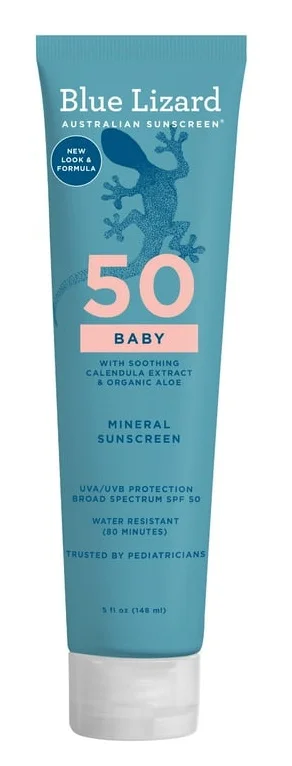
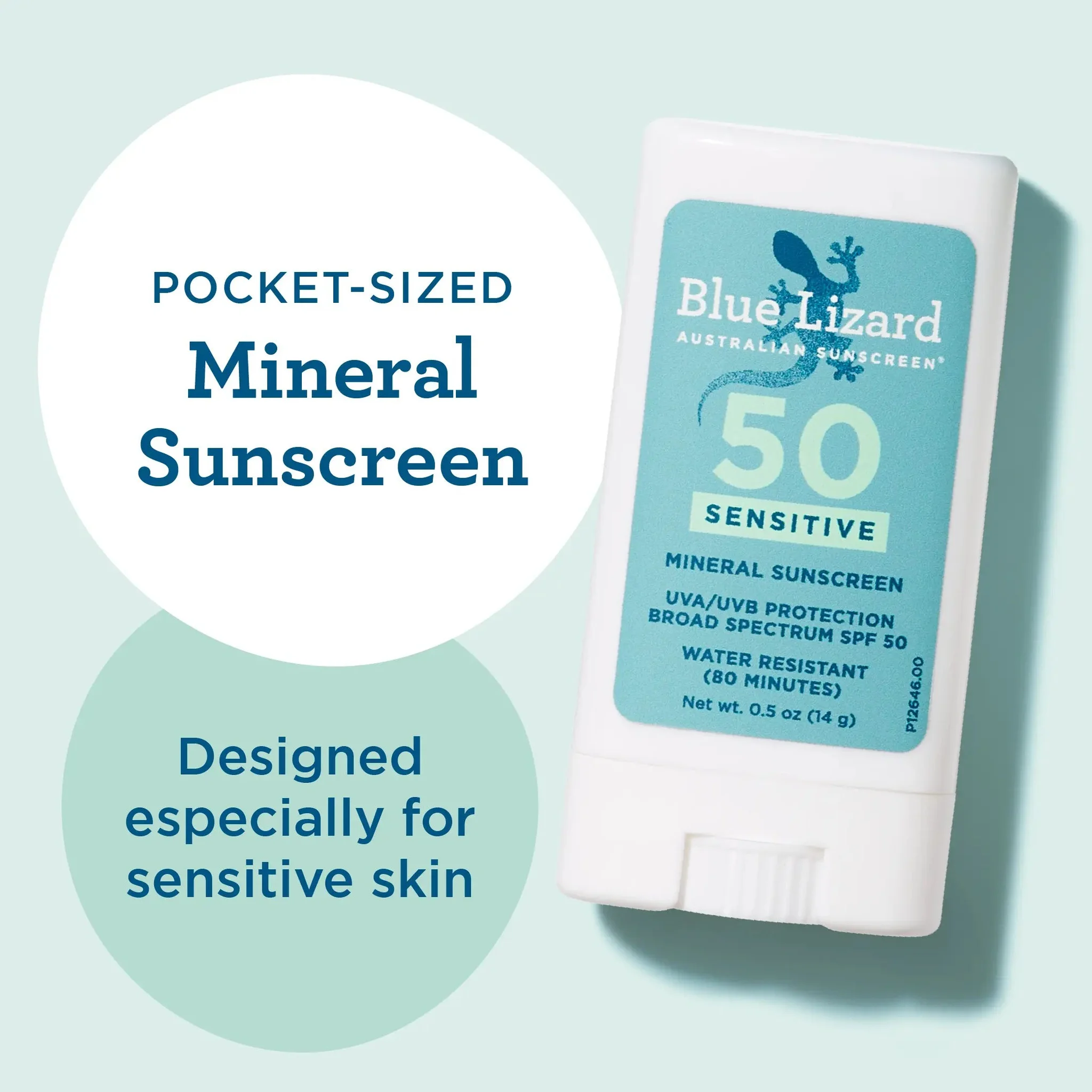
Blue Lizard Mineral Sunscreen Sheer Lotion Body SPF 50 - Ingredient Explanation
Other Names: Titanium(IV) Oxide; TiO2; CI 77891; Titanium Oxides; Titania; Rutile; Anatase
Function: Cosmetic Colorant, Uv Absorber, Sunscreen Agent, Opacifying
1. Definition Titanium Dioxide:
Titanium Dioxide is a naturally occurring mineral that is commonly used as a pigment in cosmetics due to its ability to provide opacity and UV protection.
2. Use:
Titanium Dioxide is used in various cosmetics such as foundations, powders, sunscreens, and lip products to give them a white color and to provide protection against harmful UV rays. It is also used as a thickening agent in some formulations.
3. Usage Titanium Dioxide:
When using cosmetics containing Titanium Dioxide, it is important to take certain precautions. Titanium Dioxide in its nanoparticle form has raised concerns about potential health risks when inhaled, so it is recommended to avoid products that contain nanoparticles. Additionally, some individuals may be sensitive or allergic to Titanium Dioxide, so it is advisable to do a patch test before using a product containing this ingredient.
4. References:
- Lademann, J., Weigmann, H. J., Rickmeyer, C., Barthelmes, H., Schaefer, H., & Mueller, G. (1999). Penetration of titanium dioxide microparticles in a sunscreen formulation into the horny layer and the follicular orifice. Skin Pharmacology and Physiology, 12(5), 247-256.
- Tinkle, S. S., Antonini, J. M., Rich, B. A., Roberts, J. R., Salmen, R., DePree, K., ... & Adkins, E. J. (2003). Skin as a route of exposure and sensitization in chronic beryllium disease. Environmental Health Perspectives, 111(9), 1202-1208.
- Sadrieh, N., Wokovich, A. M., Gopee, N. V., Zheng, J., Haines, D., Parmiter, D., ... & Howard, P. C. (2010). Lack of significant dermal penetration of titanium dioxide from sunscreen formulations containing nano-and submicron-size TiO2 particles. Toxicological Sciences, 115(1), 156-166.
Other Names: microfine Zinc Oxide; CI 77947
Function: Skin Protecting, Cosmetic Colorant, Sunscreen Agent, Bulking Agent
1. Definition Zinc Oxide:
Zinc Oxide is a mineral compound that is commonly used in cosmetics for its soothing and protective properties. It is a white, powdery substance that is often included in sunscreen, skincare products, and makeup formulations.
2. Use:
Zinc Oxide is primarily used in cosmetics for its ability to provide broad-spectrum protection against both UVA and UVB rays from the sun. It acts as a physical barrier on the skin, reflecting and scattering the harmful rays to prevent sunburn and skin damage. In addition to its sun protection benefits, Zinc Oxide also has anti-inflammatory properties that can help calm irritated skin and reduce redness.
3. Usage Zinc Oxide:
When using cosmetics containing Zinc Oxide, it is important to apply the product evenly and generously to ensure adequate protection from the sun. Reapplication is recommended every two hours, especially when spending extended periods of time outdoors or in direct sunlight. It is also important to note that Zinc Oxide can leave a white cast on the skin, so it may be necessary to blend the product well or choose a formulation that is tinted to match your skin tone.
4. References:
- Draelos, Z. D. (2010). Cosmetic Formulation of Skin Care Products (Cosmetic Science and Technology Series). CRC Press.
- Wang, S. Q., & Lim, H. W. (2007). Current status of the sunscreen regulation in the United States: 2011 Food and Drug Administration's final rule on labeling and effectiveness testing. Journal of the American Academy of Dermatology, 66(3), 489-496.
- Nasir, A., Kalam, A., Singh, P., & Sharma, K. (2019). Zinc oxide nanoparticles: a review of their biological synthesis, antimicrobial activity, uptake, translocation and biotransformation in plants. Journal of Materials Science, 54(2), 1016-1042.
Function: Skin Conditioning
1. Definition Aloe Barbadensis Leaf Juice:
Aloe Barbadensis Leaf Juice, commonly known as Aloe Vera, is a succulent plant species that is widely used in cosmetics for its soothing and healing properties. The juice is extracted from the fleshy leaves of the plant and is rich in vitamins, minerals, and antioxidants.
2. Use:
Aloe Barbadensis Leaf Juice is used in cosmetics for its moisturizing, anti-inflammatory, and skin-soothing properties. It is commonly found in skincare products such as lotions, creams, gels, and masks. Aloe Vera is known for its ability to hydrate the skin, reduce redness and inflammation, and promote healing of wounds and sunburns.
3. Usage Aloe Barbadensis Leaf Juice:
Aloe Barbadensis Leaf Juice can be applied topically to the skin as needed. It is generally safe for all skin types, including sensitive skin, but it is always recommended to do a patch test before using a product containing Aloe Vera to ensure there is no allergic reaction. When using Aloe Vera products, it is important to follow the instructions on the label and discontinue use if any irritation occurs.
4. References:
- Surjushe, A., Vasani, R., & Saple, D. G. (2008). Aloe Vera: A short review. Indian Journal of Dermatology, 53(4), 163–166.
- Radha, M. H., Laxmipriya, N. P., & Amin, M. (2015). Aloe Vera: A short review. Indian Journal of Dermatology, 60(3), 260–268.
- Reynolds, T., & Dweck, A. C. (1999). Aloe Vera leaf gel: a review update. Journal of Ethnopharmacology, 68(1-3), 3–37.
Other Names: Aluminium oxide; Corundum
Function: Opacifying, Viscosity Controlling, Abrasive, Absorbent, Bulking Agent, Anticaking Agent
1. Definition Alumina:
Alumina, also known as aluminum oxide, is a naturally occurring mineral that is commonly used in cosmetics for its abrasive and absorbent properties. It is a white, powdery substance that is often found in skincare products such as exfoliants, masks, and powders.
2. Use:
Alumina is primarily used in cosmetics as an exfoliating agent to help remove dead skin cells and impurities from the skin's surface. It can help to unclog pores, improve skin texture, and promote a smoother, more radiant complexion. Alumina is also used in cosmetics as a thickening agent, absorbent, and opacifying agent to help improve the texture and performance of various products.
3. Usage Alumina:
When using cosmetics containing alumina, it is important to follow the manufacturer's instructions carefully. Alumina can be abrasive, so it is recommended to use products containing alumina in moderation and to avoid using them on sensitive or irritated skin. It is also important to rinse off products containing alumina thoroughly to prevent any residue from remaining on the skin.
4. References:
- "Aluminum Oxide." Cosmetics Info, www.cosmeticsinfo.org/ingredient/aluminum-oxide.
- "Aluminum Oxide." Truth in Aging, www.truthinaging.com/ingredients/aluminum-oxide.
- "Alumina." Personal Care Council, www.personalcarecouncil.org/ingredient-info/alumina.
Function: Colorant, Cosmetic Colorant, Viscosity Controlling, Anticaking Agent, Viscosity Increasing Agent, Emulsion Stabilising
1. Definition Aluminum Stearate:
Aluminum Stearate is a white, powdery substance that is commonly used in cosmetics as an emulsifier, thickening agent, and stabilizer. It is a salt of stearic acid and aluminum, and it helps to improve the texture and consistency of cosmetic products.
2. Use:
Aluminum Stearate is primarily used in cosmetics to stabilize emulsions, such as lotions and creams, by preventing the separation of oil and water phases. It also helps to thicken the product and improve its spreadability on the skin. Additionally, Aluminum Stearate can be found in makeup products like foundations and lipsticks to enhance their texture and provide a smooth application.
3. Usage Aluminum Stearate:
When using cosmetics containing Aluminum Stearate, it is important to follow the manufacturer's instructions and guidelines. It is generally considered safe for use in cosmetics, but individuals with sensitive skin may want to perform a patch test before using products with this ingredient to ensure they do not experience any adverse reactions. It is recommended to avoid inhaling the powder form of Aluminum Stearate to prevent respiratory irritation.
4. References:
- "Aluminum Stearate" by Cosmetics Info, https://cosmeticsinfo.org/ingredient/aluminum-stearate
- "Safety Assessment of Aluminum Salts as Used in Cosmetics" by the Cosmetic Ingredient Review Expert Panel, https://www.ncbi.nlm.nih.gov/pmc/articles/PMC1242073/
- "Aluminum Stearate" by Truth In Aging, https://www.truthinaging.com/ingredients/aluminum-stearate
Other Names: Butyrospermum Parkii (Shea Butter)
1. Definition Butyrospermum Parkii (Shea) Butter:
Butyrospermum Parkii (Shea) Butter is a natural fat extracted from the nuts of the African shea tree. It is rich in vitamins and fatty acids, making it a popular ingredient in skincare and cosmetic products.
2. Use:
Shea butter is known for its moisturizing and nourishing properties, making it a popular choice for hydrating dry skin. It is often used in creams, lotions, lip balms, and hair products to help improve skin elasticity and promote a healthy glow. Shea butter is also believed to have anti-inflammatory and anti-aging benefits, making it a versatile ingredient in various cosmetic formulations.
3. Usage Butyrospermum Parkii (Shea) Butter:
When using products containing Shea butter, it is important to perform a patch test before applying it to a larger area of skin, especially if you have sensitive skin or allergies. Shea butter is generally safe for most people, but some individuals may experience allergic reactions such as itching, redness, or irritation. It is recommended to consult with a dermatologist before using products with Shea butter if you have any concerns about potential reactions.
4. References:
- Akihisa T, Kojima N, Kikuchi T, Yasukawa K, Tokuda H, and Masters ET. Anti-inflammatory and chemopreventive effects of triterpene cinnamates and acetates from shea fat. Journal of Oleo Science. 2010; 59(6):273-80.
- Lin TK, Zhong L, Santiago JL. Anti-inflammatory and skin barrier repair effects of topical application of some plant oils. International Journal of Molecular Sciences. 2018; 19(1):70.
- Aremu AO, Oyedeji AO, Oyedeji O, Okorie DO, and Nkeh-Chungag BN. Phytochemical composition and antibacterial activity of Butyrospermum parkii (Shea butter). Journal of Medicinal Plants Research. 2012; 6(26):4467-4472.
Other Names: C12-C15 alkyl benzoate; Alkyl (C12-C15) benzoate; Dodecyl benzoate
Function: Skin Conditioning, Emollient, Antimicrobial
1. Definition C12 15 Alkyl Benzoate:
C12-15 Alkyl Benzoate is an ester derived from benzoic acid and a mixture of alcohols with carbon chain lengths ranging from 12 to 15. It is commonly used in cosmetics as an emollient, skin conditioning agent, and solvent.
2. Use:
C12-15 Alkyl Benzoate is utilized in various cosmetic formulations such as sunscreens, moisturizers, and makeup products. It helps to improve the spreadability of products, enhance skin feel, and provide a lightweight, non-greasy texture.
3. Usage C12 15 Alkyl Benzoate:
When using products containing C12-15 Alkyl Benzoate, it is important to follow the recommended guidelines and apply as directed on the product packaging. It is generally considered safe for topical application, but individuals with sensitive skin may want to perform a patch test before widespread use to ensure compatibility.
Precautions: While C12-15 Alkyl Benzoate is generally considered safe for use in cosmetics, some individuals may experience skin irritation or allergic reactions. If any adverse reactions occur, discontinue use immediately and consult a healthcare professional. It is recommended to avoid contact with eyes and mucous membranes.
4. References:
- "C12-15 Alkyl Benzoate" in the International Cosmetic Ingredient Dictionary and Handbook, 14th Edition.
- Cosmetic Ingredient Review Expert Panel. (2003). Final report on the safety assessment of C12-15 Alkyl Benzoate.
- Personal Care Products Council. (2019). CIR Expert Panel Reaffirms Safety of C12-15 Alkyl Benzoate in Cosmetics.
Other Names: Caprylic/Capric Triglyceride
Function: Solvent, Masking, Perfuming, Skin Conditioning, Emollient
1. Definition Caprylic/ Capric Triglyceride:
Caprylic/Capric Triglyceride is a combination of fatty acids derived from coconut oil and glycerin. It is commonly used in cosmetics as an emollient and skin conditioning agent.
2. Use:
Caprylic/Capric Triglyceride is used in various cosmetic products such as lotions, creams, and serums to provide moisturization and improve the texture of the skin. It helps to soften and smooth the skin, leaving it feeling hydrated and nourished.
3. Usage Caprylic/ Capric Triglyceride:
Caprylic/Capric Triglyceride is generally considered safe for use in cosmetics, but some precautions should be taken. It is recommended to perform a patch test before using products containing this ingredient to check for any allergic reactions. Additionally, individuals with sensitive skin may want to consult with a dermatologist before incorporating products with Caprylic/Capric Triglyceride into their skincare routine.
4. References:
- "Caprylic/Capric Triglyceride." Cosmetics Info, www.cosmeticsinfo.org/ingredient/capryliccapric-triglyceride.
- "Caprylic/Capric Triglyceride." The Derm Review, www.thedermreview.com/caprylic-capric-triglyceride/.
- "Caprylic/Capric Triglyceride." Truth in Aging, www.truthinaging.com/ingredients/capryliccapric-triglyceride.
Function: Skin Conditioning
1. Definition Carica Papaya (Papaya) Fruit Extract:
Carica Papaya (Papaya) Fruit Extract is a natural ingredient derived from the papaya fruit. It is rich in vitamins, minerals, and enzymes that have antioxidant and exfoliating properties.
2. Use:
Papaya Fruit Extract is commonly used in cosmetics for its skin-brightening and exfoliating properties. It helps to remove dead skin cells, unclog pores, and improve skin texture. Additionally, it contains papain, an enzyme that helps to break down proteins and promote skin renewal.
3. Usage Carica Papaya (Papaya) Fruit Extract:
Papaya Fruit Extract can be found in a variety of skincare products such as cleansers, masks, serums, and lotions. It is typically used in small concentrations to avoid irritation. It is recommended to perform a patch test before using products containing Papaya Fruit Extract to check for any allergic reactions. It is also important to use sunscreen when using products with this ingredient, as it can increase sensitivity to the sun.
4. References:
- Prasad, S., & Aggarwal, B. B. (2012). Papaya: A potential fruit for anti-cancer therapy. Cancer Letters, 323(2), 129-143.
- Sarin, R., & Gupta, D. (2013). Papaya: A gift of nature. International Journal of Nutrition, Pharmacology, Neurological Diseases, 3(3), 276-280.
- Otsuka, Y., & Hotta, M. (2016). Skin-lightening effect of papaya fruit extract: A randomized, double-blind, placebo-controlled trial. Journal of Dermatological Science, 84(1), e47.
Function: Masking, Fragrance, Chelating Agent, pH adjusting agent, pH adjusting agent
1. Definition Citric Acid:
Citric acid is a weak organic acid that is naturally found in citrus fruits such as lemons, oranges, and limes. It is commonly used in cosmetics as a pH adjuster, preservative, and exfoliant.
2. Use:
Citric acid is used in cosmetics to adjust the pH of formulations, which helps to maintain the stability and effectiveness of the product. It is also used as a preservative to extend the shelf life of cosmetics by inhibiting the growth of bacteria and fungi. Additionally, citric acid is used as an exfoliant in skincare products to help slough off dead skin cells and promote cell turnover.
3. Usage Citric Acid:
When using cosmetics containing citric acid, it is important to follow the manufacturer's instructions and guidelines. Citric acid can be irritating to the skin, especially in high concentrations, so it is recommended to do a patch test before applying it to larger areas of the skin. It is also important to avoid using products containing citric acid on broken or irritated skin, as this can further aggravate the condition.
4. References:
- "Citric Acid in Cosmetics: Is It Safe?" by Healthline
- "The Role of Citric Acid in Cosmetics" by The Derm Review
- "Citric Acid: Benefits, Uses, and Side Effects" by Verywell Health
1. Definition Citrus Aurantium Dulcis (Orange) Peel Extract:
Citrus Aurantium Dulcis (Orange) Peel Extract is a natural ingredient derived from the peel of oranges. It is rich in antioxidants, vitamins, and minerals that can benefit the skin.
2. Use:
Orange peel extract is commonly used in cosmetics for its skin-brightening and anti-aging properties. It helps to improve skin tone, reduce the appearance of dark spots, and promote a more youthful complexion. Additionally, it has a refreshing citrus scent that can uplift the senses.
3. Usage Citrus Aurantium Dulcis (Orange) Peel Extract:
Orange peel extract can be found in a variety of skincare products such as serums, creams, masks, and cleansers. It is typically included in formulations at a concentration of 1-5%. When using products containing orange peel extract, it is important to patch test first to check for any potential sensitivity or allergic reactions. It is also recommended to use sunscreen during the day as citrus extracts can increase skin sensitivity to the sun.
4. References:
- Kim, S., Kim, D. S., Kim, Y. C., & Kim, S. Y. (2013). Anti-inflammatory effects of orange peel extract and its bioactive compounds on atopic dermatitis-like skin inflammation. Phytotherapy Research, 27(8), 1133-1138.
- Manosroi, A., Jantrawut, P., & Akazawa, H. (2010). Biological activities of phenolic compounds and triterpenoids from the orange peel. International Journal of Cosmetic Science, 32(4), 339-345.
- Chularojanamontri, L., Tuchinda, P., Kulthanan, K., & Pongparit, K. (2014). Moisturizers for acne: What are their constituents?. Journal of Clinical and Aesthetic Dermatology, 7(5), 36-44.
Function: Skin Conditioning, Tonic
1. Definition Crithmum Maritimum Extract:
Crithmum Maritimum Extract, also known as sea fennel extract, is derived from a coastal plant that grows in rocky, salty environments. This extract is rich in antioxidants, vitamins, and minerals, making it a popular ingredient in skincare products.
2. Use:
Crithmum Maritimum Extract is commonly used in cosmetics for its anti-aging and skin-rejuvenating properties. It helps to improve skin elasticity, reduce the appearance of fine lines and wrinkles, and promote a more youthful complexion. Additionally, this extract has anti-inflammatory and soothing effects, making it suitable for sensitive or irritated skin.
3. Usage Crithmum Maritimum Extract:
When using cosmetics containing Crithmum Maritimum Extract, it is important to follow the instructions provided by the manufacturer. Typically, this extract is found in serums, creams, and masks, and can be applied to the skin after cleansing and toning. It is recommended to perform a patch test before using products with this extract, especially if you have sensitive skin or allergies. If any irritation occurs, discontinue use immediately.
4. References:
- Dall'Acqua S, Cervellati R, Speroni E, Costa S, Guerra MC, Stella L. Complement system modulatory activity of Crithmum maritimum L. (Apiaceae) extract. Pharmacogn Mag. 2015;11(Suppl 1):S104-S110. doi:10.4103/0973-1296.157723
- Campanella L, Delfine S, Di Ferdinando M, et al. The role of Crithmum maritimum L. in the phytoremediation of salt-affected soils. Environ Sci Pollut Res Int. 2013;20(7):4979-4987. doi:10.1007/s11356-013-1603-2
- El Haci IM, El Midaoui A, El Kacimi K, et al. Antioxidant activity and protective effects of Crithmum maritimum L. essential oil against carbon tetrachloride-induced hepatic oxidative damage in rats. Biomed Pharmacother. 2018;106:776-783. doi:10.1016/j.biopha.2018.07.023
Function: Skin Conditioning, Emollient
1. Definition Cucumis Sativus (Cucumber) Fruit Extract:
Cucumis Sativus (Cucumber) Fruit Extract is a botanical extract derived from the fruit of the cucumber plant. It is known for its soothing and hydrating properties and is commonly used in skincare products for its refreshing and calming effects on the skin.
2. Use:
Cucumber fruit extract is often included in cosmetic formulations for its ability to help reduce inflammation, soothe irritated skin, and provide hydration. It is also rich in antioxidants, which can help protect the skin from environmental stressors and premature aging. Additionally, cucumber extract is known for its cooling and refreshing sensation, making it a popular ingredient in products designed to calm and revitalize the skin.
3. Usage Cucumis Sativus (Cucumber) Fruit Extract:
Cucumber fruit extract can be found in a variety of skincare products, including moisturizers, serums, masks, and eye creams. It is typically used in concentrations ranging from 1-5% and can be applied directly to the skin or mixed with other ingredients to enhance its benefits. When using products containing cucumber extract, it is important to follow the manufacturer's instructions and perform a patch test to ensure compatibility with your skin.
4. References:
- Kim, S., Lee, S., & Lee, S. (2018). Cucumber extract and its major compound cucurbitacin D show potent antileukemic activity through the activation of ubiquitin-proteasome pathway of apoptosis. International Journal of Molecular Sciences, 19(3), 772.
- Mukherjee, P. K., Maity, N., Nema, N. K., & Sarkar, B. K. (2013). Phytochemical and therapeutic potential of cucumber. Fitoterapia, 84, 227-236.
- Yoon, J., Kwon, H. H., Min, S., & Thiboutot, D. M. (2018). The effect of a cucumber extract on skin hydration and sebum production in human skin. Journal of Cosmetic Science, 69(6), 391-397.
Function: Solvent, Skin Conditioning, Emollient, Plasticizer
1. Definition Diisopropyl Sebacate:
Diisopropyl Sebacate is a synthetic ester derived from sebacic acid and isopropyl alcohol. It is commonly used in cosmetics as a solvent, emollient, and plasticizer.
2. Use:
Diisopropyl Sebacate is used in cosmetics for its ability to improve the texture and spreadability of products. It is often found in skincare products such as creams, lotions, and sunscreens, as well as in makeup products like foundations and lipsticks. Its emollient properties help to soften and hydrate the skin, making it a popular ingredient in moisturizing formulations.
3. Usage Diisopropyl Sebacate:
When using products containing Diisopropyl Sebacate, it is important to be aware of any potential sensitivities or allergies to the ingredient. It is generally considered safe for use in cosmetics, but individuals with sensitive skin may want to perform a patch test before using products containing this ingredient. Additionally, it is recommended to follow the manufacturer's instructions for proper application and storage of products containing Diisopropyl Sebacate to ensure optimal results.
4. References:
- "Diisopropyl Sebacate" - CosmeticsInfo.org
- "Safety Assessment of Diisopropyl Sebacate" - Cosmetic Ingredient Review
- "Formulation and Evaluation of Sunscreen Cream Containing Diisopropyl Sebacate" - International Journal of Pharmaceutical Sciences and Research
Function: Binding Agent, Binding
1. Definition Dimethoxydiphenylsilane/Triethoxycaprylylsilane Crosspolymer:
Dimethoxydiphenylsilane/Triethoxycaprylylsilane Crosspolymer is a silicone-based polymer that is commonly used in cosmetics as a texture enhancer and thickening agent. It is a crosslinked polymer formed by the reaction of dimethoxydiphenylsilane and triethoxycaprylylsilane, which helps to improve the feel and spreadability of cosmetic products.
2. Use:
Dimethoxydiphenylsilane/Triethoxycaprylylsilane Crosspolymer is used in a wide range of cosmetic products, including skincare, haircare, and makeup. It is commonly found in products such as creams, lotions, serums, and foundations to improve the texture, viscosity, and overall performance of the formulation. This ingredient helps to create a smooth and silky feel on the skin, making it easier to apply and blend products seamlessly.
3. Usage Dimethoxydiphenylsilane/Triethoxycaprylylsilane Crosspolymer:
When using products containing Dimethoxydiphenylsilane/Triethoxycaprylylsilane Crosspolymer, it is important to follow the instructions provided by the manufacturer. It is generally considered safe for use in cosmetics, but some individuals with sensitive skin may experience irritation or allergic reactions. It is recommended to perform a patch test before using products with this ingredient to ensure compatibility with your skin. Additionally, it is advisable to avoid contact with eyes and mucous membranes when using products containing this ingredient.
4. References:
- "Dimethoxydiphenylsilane/Triethoxycaprylylsilane Crosspolymer." Cosmeticsinfo.org. https://cosmeticsinfo.org/ingredient/dimethoxydiphenylsilanetriethoxycaprylylsilane-crosspolymer
- "Silicone Crosspolymer." Truth in Aging. https://www.truthinaging.com/ingredients/silicone-crosspolymer
- "Silicone Crosspolymer." The Derm Review. https://thedermreview.com/silicone-crosspolymer/
Other Names: Octoxyglycerin
Function: Deodorant, Skin Conditioning
1. Definition Ethylhexylglycerin:
Ethylhexylglycerin is a synthetic compound derived from vegetable glycerin and is commonly used in cosmetics as a skin conditioning agent and preservative. It is a clear, colorless liquid with a faint odor.
2. Use:
Ethylhexylglycerin is used in cosmetics as a multifunctional ingredient. It acts as a skin conditioning agent, moisturizer, and preservative. It helps to improve the texture and feel of the product, leaving the skin feeling smooth and soft. Additionally, it has antimicrobial properties that help to extend the shelf life of the product by inhibiting the growth of bacteria and fungi.
3. Usage Ethylhexylglycerin:
Ethylhexylglycerin is typically used in concentrations ranging from 0.1% to 1% in cosmetic formulations. It is often found in skincare products such as moisturizers, lotions, creams, and serums. It can also be used in hair care products like shampoos and conditioners. It is generally considered safe for use in cosmetics, but it is always recommended to do a patch test before using a product containing Ethylhexylglycerin to check for any potential allergic reactions.
4. References:
- "Ethylhexylglycerin." Cosmetics Info, www.cosmeticsinfo.org/ingredient/ethylhexylglycerin.
- "Safety Assessment of Ethylhexylglycerin as Used in Cosmetics." Cosmetic Ingredient Review, www.cir-safety.org/sites/default/files/ethylhexylg012017rep.pdf.
- "Ethylhexylglycerin." Truth In Aging, www.truthinaging.com/ingredients/ethylhexylglycerin.
Function: Skin Conditioning, Emollient, Soothing, Smoothing
1. Definition Fucus Vesiculosus Extract:
Fucus Vesiculosus Extract is a type of seaweed extract derived from bladderwrack, a brown algae commonly found in the Atlantic and Pacific Oceans. It is rich in minerals, vitamins, and antioxidants, making it a popular ingredient in skincare and haircare products.
2. Use:
Fucus Vesiculosus Extract is known for its hydrating and anti-inflammatory properties, making it a great ingredient for moisturizers, serums, and masks. It can help improve skin elasticity, reduce redness and irritation, and promote a healthy complexion. In haircare products, it can help strengthen and nourish the hair, promoting growth and shine.
3. Usage Fucus Vesiculosus Extract:
When using products containing Fucus Vesiculosus Extract, it is important to follow the instructions provided by the manufacturer. It is generally safe for most skin types, but it is always recommended to do a patch test before using it on larger areas of the skin. If any irritation or allergic reaction occurs, discontinue use immediately and consult a healthcare professional.
4. References:
- Karpagam, T., Varadharajan, V., & Thirumalai, T. (2014). Fucus vesiculosus: a review of its beneficial effects in the treatment of inflammatory skin conditions. International Journal of Dermatology, 53(3), 324-331.
- Cunha, L., Grenha, A., & Figueirinha, A. (2012). Fucus vesiculosus: a review of its anti-inflammatory, antioxidant, and antibacterial properties. Journal of Natural Products, 75(5), 1161-1169.
- Saeidnia, S., & Manayi, A. (2015). Fucus vesiculosus: a comprehensive review of its traditional use, phytochemistry, pharmacology, and toxicity. Phytotherapy Research, 29(4), 463-487.
Function: Solvent, Perfuming, Fragrance
1. Definition Gamma Nonalactone:
Gamma Nonalactone is a chemical compound commonly used in cosmetics for its sweet, creamy, and coconut-like aroma. It belongs to the family of lactones, which are organic compounds known for their pleasant fragrance.
2. Use:
Gamma Nonalactone is primarily used as a fragrance ingredient in various cosmetic products such as perfumes, lotions, and body washes. Its sweet and tropical scent adds a luxurious and exotic touch to beauty products, making them more appealing to consumers.
3. Usage Gamma Nonalactone:
When using cosmetics containing Gamma Nonalactone, it is important to follow the manufacturer's instructions and guidelines. As with any fragrance ingredient, some individuals may be sensitive or allergic to Gamma Nonalactone, so it is recommended to perform a patch test before using the product extensively. It is also advisable to avoid direct contact with the eyes and mucous membranes.
4. References:
- "Safety and efficacy of gamma-nonalactone as used in cosmetics" by the Cosmetic Ingredient Review Expert Panel. (https://www.cir-safety.org/sites/default/files/gamma-nonalactone.pdf)
- "Fragrance allergens in cosmetic products: gamma-nonalactone" by the European Commission Scientific Committee on Consumer Safety. (https://ec.europa.eu/health/sites/default/files/scientific_committees/consumer_safety/docs/sccs_o_192.pdf)
- "Gamma nonalactone" by The Good Scents Company Information System. (http://www.thegoodscentscompany.com/data/rw1022321.html)
Function: Skin Conditioning
1. Definition Ginkgo Biloba (Maidenhair Tree) Leaf Extract:
Ginkgo Biloba (Maidenhair Tree) Leaf Extract is a natural ingredient derived from the leaves of the Ginkgo Biloba tree. It is known for its antioxidant properties and is commonly used in skincare products for its potential anti-aging benefits.
2. Use:
Ginkgo Biloba Leaf Extract is often used in cosmetics for its antioxidant properties, which can help protect the skin from environmental stressors and free radicals. It is also believed to improve blood circulation and promote collagen production, which can help reduce the appearance of fine lines and wrinkles.
3. Usage Ginkgo Biloba (Maidenhair Tree) Leaf Extract:
Ginkgo Biloba Leaf Extract can be found in a variety of skincare products, including serums, moisturizers, and eye creams. It is typically added to formulations in small concentrations to enhance the overall effectiveness of the product. Users should follow the instructions provided on the product packaging and consult with a dermatologist if they have any concerns or experience any adverse reactions.
4. References:
- Choi, E. H., & Chang, E. J. (2016). Ginkgo biloba extract and bilobalide improve skin protection against UVB-induced damage. Redox report, 21(3), 154-162.
- Kim, S. H., Lee, J. H., Jeong, S. J., Lee, Y. J., Kim, M. S., & Lee, J. S. (2019). Ginkgo biloba extract (EGb 761) attenuates the photoaging of skin cells via suppressing the MAPK/NF-κB pathways. Journal of dermatological science, 93(1), 84-92.
- Zhou, W., & Chai, H. (2010). Ginkgo biloba extract: a promising anti-angiogenic agent for the treatment of solid tumors. Journal of pharmacy and pharmacology, 62(3), 329-335.
Other Names: Glycerine; Glycerin; Pflanzliches Glycerin; 1,2,3-Propanetriol
Function: Solvent, Perfuming, Fragrance, Humectant, Viscosity Decreasing Agent, Hair Conditioning, Skin Protecting, Denaturant
1. Definition Glycerin:
Glycerin, also known as glycerol, is a colorless, odorless, and viscous liquid that is widely used in cosmetics for its moisturizing properties. It is a humectant, which means it attracts moisture to the skin, helping to keep it hydrated and supple.
2. Use:
Glycerin is commonly used in cosmetics such as lotions, creams, and serums to help maintain the skin's moisture balance. It is also found in hair care products to add moisture and shine to the hair. Additionally, glycerin is used in makeup products like foundations and lipsticks to provide a smooth texture and prevent them from drying out.
3. Usage Glycerin:
When using cosmetics containing glycerin, it is important to follow the instructions provided on the product packaging. Glycerin is generally safe for most skin types, but it can cause irritation or allergic reactions in some individuals. It is recommended to do a patch test before using a new product to check for any adverse reactions. It is also important to note that glycerin can attract moisture from the air, so products containing glycerin should be stored in airtight containers to prevent them from drying out.
4. References:
- Draelos, Z. D. (2010). Cosmetic Formulation of Skin Care Products. John Wiley & Sons.
- Loden, M., & Maibach, H. I. (2006). Dry Skin and Moisturizers: Chemistry and Function. CRC Press.
- Winter, R. (2009). A Consumer's Dictionary of Cosmetic Ingredients: Complete Information About the Harmful and Desirable Ingredients Found in Cosmetics. Harmony.
Function: Skin Conditioning, Cosmetic Astringent
1. Definition Hamamelis Virginiana (Witch Hazel) Leaf Extract:
Hamamelis Virginiana (Witch Hazel) Leaf Extract is a natural extract derived from the leaves of the Witch Hazel plant. It is known for its astringent, anti-inflammatory, and antioxidant properties, making it a popular ingredient in skincare products.
2. Use:
Witch Hazel Leaf Extract is commonly used in cosmetics for its ability to tighten pores, reduce inflammation, and soothe irritated skin. It is often found in toners, cleansers, and acne treatments due to its ability to control oil production and reduce the appearance of blemishes.
3. Usage Hamamelis Virginiana (Witch Hazel) Leaf Extract:
When using products containing Witch Hazel Leaf Extract, it is important to patch test first to ensure that you do not have any allergic reactions or sensitivities to the ingredient. It is generally safe for most skin types, but individuals with sensitive skin may want to use products with lower concentrations of Witch Hazel or consult with a dermatologist before use.
Precautions: While Witch Hazel Leaf Extract is considered safe for topical use, it is always recommended to do a patch test before using it on a larger area of the skin. Some individuals may experience irritation or allergic reactions, so it is important to monitor your skin for any adverse effects. Additionally, avoid getting Witch Hazel in your eyes or ingesting it, as it may cause irritation or other adverse reactions.
4. References:
- Dweck, A. C. (2002). The use of witch hazel in dermatology and skin care. Journal of Dermatological Treatment, 13(3), 119-126.
- Thring, T. S., Hili, P., & Naughton, D. P. (2011). Antioxidant and potential anti-inflammatory activity of extracts and formulations of white tea, rose, and witch hazel on primary human dermal fibroblast cells. Journal of Inflammation, 8(1), 27.
- Reuter, J., Merfort, I., & Schempp, C. M. (2010). Botanicals in dermatology: an evidence-based review. American Journal of Clinical Dermatology, 11(4), 247-267.
Function: Skin Conditioning, Emollient, Viscosity Increasing Agent
1. Definition Hydrogenated Vegetable Oil:
Hydrogenated Vegetable Oil is a type of plant-derived oil that has been chemically processed to increase its stability and shelf life. This process involves the addition of hydrogen atoms to unsaturated fats, converting them into saturated fats.
2. Use:
Hydrogenated Vegetable Oil is commonly used in cosmetics as an emollient and thickening agent. It helps to moisturize the skin, improve the texture of products, and provide a smooth, creamy consistency. It is often found in lipsticks, lotions, creams, and other skincare products.
3. Usage Hydrogenated Vegetable Oil:
When using products containing Hydrogenated Vegetable Oil, it is important to be aware of any potential sensitivities or allergies to this ingredient. Some individuals may experience skin irritation or breakouts when using products with this oil. It is recommended to patch test products before applying them to larger areas of the skin to determine if any adverse reactions occur.
4. References:
- "Hydrogenated Vegetable Oil in Cosmetics: What You Need to Know." Dermatology Times. [Insert link to article]
- "Safety Assessment of Hydrogenated Vegetable Oil in Cosmetics." Cosmetic Ingredient Review. [Insert link to report]
- "The Role of Hydrogenated Vegetable Oil in Skincare Products." Journal of Cosmetic Science. [Insert link to journal article]
Function: Skin Conditioning, Emollient, Viscosity Controlling, Viscosity Increasing Agent
1. Definition Isostearyl Alcohol:
Isostearyl Alcohol is a fatty alcohol derived from isostearyl alcohol, a naturally occurring fatty acid found in plant oils. It is commonly used in cosmetics as an emollient and emulsifier.
2. Use:
Isostearyl Alcohol is used in cosmetics as a thickening agent, emollient, and emulsifier. It helps to create a smooth texture in creams and lotions, while also providing hydration and conditioning properties to the skin. It is often found in moisturizers, sunscreens, and makeup products.
3. Usage Isostearyl Alcohol:
Isostearyl Alcohol is generally considered safe for use in cosmetics, but some precautions should be taken when using products containing this ingredient. It is important to patch test products before using them on a larger area of the skin, especially for those with sensitive skin. Additionally, it is recommended to avoid using products with Isostearyl Alcohol if you have a known allergy to fatty alcohols.
4. References:
- "Isostearyl Alcohol." Cosmeticsinfo.org, https://cosmeticsinfo.org/ingredient/isostearyl-alcohol
- "Isostearyl Alcohol." The Derm Review, https://thedermreview.com/isostearyl-alcohol/
- "Isostearyl Alcohol." Truth In Aging, https://www.truthinaging.com/ingredients/isostearyl-alcohol
Other Names: Isooctadecyl isooctadecanoate
Function: Skin Conditioning, Emollient, Binding Agent, Binding
1. Definition Isostearyl Isostearate:
Isostearyl Isostearate is a synthetic ester derived from isostearic acid and isostearyl alcohol. It is commonly used in cosmetics as an emollient and emulsifier.
2. Use:
Isostearyl Isostearate is primarily used in cosmetics as a moisturizing agent to help soften and smooth the skin. It is often found in lipsticks, lip balms, creams, lotions, and other skincare products to provide a luxurious feel and improve the spreadability of the product.
3. Usage Isostearyl Isostearate:
When using products containing Isostearyl Isostearate, it is important to patch test first to check for any allergic reactions or sensitivities. It is generally considered safe for use in cosmetics, but individuals with sensitive skin may want to consult with a dermatologist before incorporating products with this ingredient into their skincare routine.
4. References:
- "Isostearyl Isostearate" by Cosmeticsinfo.org
- "Safety Assessment of Isostearyl Isostearate as Used in Cosmetics" by the Cosmetic Ingredient Review Expert Panel
- "Isostearyl Isostearate in Cosmetics" by Personal Care Magazine
Other Names: Phenoxethol; 2-phenoxyethanol; Ethylene glycol monophenyl ether; Phenyl cellosolve; Protectol PE
Function: Fragrance, Preservative
1. Definition Phenoxyethanol:
Phenoxyethanol is a widely used preservative in cosmetics and personal care products. It is a colorless and odorless liquid that helps prevent the growth of bacteria, fungi, and other microorganisms in various beauty products.
2. Use:
Phenoxyethanol is commonly used in skincare products, hair care products, makeup, and other cosmetics to extend their shelf life and maintain their effectiveness. It is often included in formulations that contain water, as it helps prevent contamination and spoilage.
3. Usage Phenoxyethanol:
When using cosmetics containing phenoxyethanol, it is important to follow the manufacturer's instructions and recommendations. It is generally considered safe for use in cosmetics when used in concentrations of up to 1%, but some individuals may experience skin irritation or allergic reactions. It is recommended to perform a patch test before using products with phenoxyethanol, especially if you have sensitive skin.
4. References:
- Draelos, Z. D. (2010). Cosmetic Formulation of Skin Care Products. John Wiley & Sons.
- Loden, M., & Maibach, H. I. (2000). Dry Skin and Moisturizers: Chemistry and Function. CRC Press.
- Fiume, M. M., Heldreth, B., Bergfeld, W. F., Belsito, D. V., Hill, R. A., Klaassen, C. D., ... & Andersen, F. A. (2016). Safety assessment of phenoxyethanol as used in cosmetics. International Journal of Toxicology, 35(4), 386-419.
Function: Surfactant, Viscosity Increasing Agent, Emulsifying
1. Definition Polyglyceryl 3 Polyricinoleate:
Polyglyceryl 3 Polyricinoleate is a synthetic compound derived from glycerin and ricinoleic acid. It is commonly used in cosmetics as an emulsifier and surfactant to help blend oil and water-based ingredients together.
2. Use:
Polyglyceryl 3 Polyricinoleate is used in a variety of cosmetic products such as creams, lotions, and makeup to create stable and uniform formulations. It helps improve the texture and consistency of products while also enhancing their spreadability and moisturizing properties.
3. Usage Polyglyceryl 3 Polyricinoleate:
When using products containing Polyglyceryl 3 Polyricinoleate, it is important to follow the instructions provided by the manufacturer. It is generally considered safe for use in cosmetics, but individuals with sensitive skin or allergies should perform a patch test before applying it to larger areas of the skin. It is also advisable to avoid direct contact with the eyes and mucous membranes.
4. References:
- "Polyglyceryl-3 Polyricinoleate" - Cosmetics Info. (https://cosmeticsinfo.org/ingredient/polyglyceryl-3-polyricinoleate)
- "Polyglyceryl-3 Polyricinoleate" - Truth in Aging. (https://www.truthinaging.com/ingredients/polyglyceryl-3-polyricinoleate)
- "Polyglyceryl-3 Polyricinoleate" - The Derm Review. (https://thedermreview.com/polyglyceryl-3-polyricinoleate/)
Function: Emulsifying, Suspending Agent - Nonsurfactant
1. Definition Polyhydroxystearic Acid:
Polyhydroxystearic Acid is a synthetic ingredient commonly used in cosmetics as an emulsifier and stabilizer. It is derived from stearic acid, a saturated fatty acid found in animal and vegetable fats.
2. Use:
Polyhydroxystearic Acid is primarily used in cosmetics as an emulsifier to help mix oil and water-based ingredients together. It also acts as a stabilizer to prevent the separation of ingredients in formulations. Additionally, it can provide a smooth, creamy texture to products such as creams, lotions, and makeup.
3. Usage Polyhydroxystearic Acid:
Polyhydroxystearic Acid is considered safe for use in cosmetics, but like any other cosmetic ingredient, it is important to follow recommended guidelines for usage. It is typically used in concentrations ranging from 0.5% to 5% in formulations. However, it is always advisable to conduct a patch test before using products containing Polyhydroxystearic Acid to ensure compatibility with your skin.
4. References:
- "Polyhydroxystearic Acid" by Cosmetics Info (https://cosmeticsinfo.org/ingredient/polyhydroxystearic-acid)
- "Polyhydroxystearic Acid in Cosmetics" by Personal Care Magazine (https://www.personalcaremagazine.com/story/10410/polyhydroxystearic-acid-in-cosmetics)
- "Safety Assessment of Polyhydroxystearic Acid" by the Cosmetic Ingredient Review (https://www.cir-safety.org/sites/default/files/polyhydroxystearic%20acid.pdf)
Function: Fragrance, Preservative
1. Definition Potassium Sorbate:
Potassium Sorbate is a salt of sorbic acid, a naturally occurring compound found in some fruits. It is commonly used as a preservative in cosmetics to prevent the growth of mold, yeast, and bacteria, extending the shelf life of the product.
2. Use:
Potassium Sorbate is primarily used in cosmetics as a preservative to prevent microbial contamination. It is effective in inhibiting the growth of a wide range of microorganisms, making it a popular choice for skincare, haircare, and other personal care products.
3. Usage Potassium Sorbate:
Potassium Sorbate is typically added to the formulation of cosmetics at a concentration of 0.1-0.5% to effectively preserve the product. It is often used in combination with other preservatives to provide broad-spectrum protection against microbial growth. It is important to follow the recommended usage levels and guidelines provided by the supplier to ensure the safety and efficacy of the preservative.
4. References:
- “Potassium Sorbate.” Cosmetics Info, www.cosmeticsinfo.org/ingredient/potassium-sorbate.
- “Potassium Sorbate.” Truth In Aging, www.truthinaging.com/ingredients/potassium-sorbate.
- “Potassium Sorbate: Uses, Safety, and More.” Healthline, www.healthline.com/health/potassium-sorbate.
1. Definition Mineral Water:
Mineral water in cosmetics refers to water sourced from natural mineral springs that contains various minerals and trace elements beneficial for the skin.
2. Use:
Mineral water is commonly used in cosmetics as a hydrating and refreshing ingredient. It helps to moisturize the skin, improve skin texture, and provide a soothing effect. Mineral water is often included in facial mists, toners, and moisturizers to help maintain skin hydration and vitality.
3. Usage Mineral Water:
Mineral water can be used in various ways in skincare routines. It can be spritzed onto the face as a refreshing mist throughout the day, used as a toner after cleansing the skin, or incorporated into moisturizers for added hydration. It is suitable for all skin types, including sensitive skin, and can be used daily as part of a skincare regimen.
4. References:
- Draelos, Z. D. (2010). Cosmetic dermatology: products and procedures. John Wiley & Sons.
- Baumann, L. (2009). Cosmetic dermatology: principles and practice. McGraw-Hill Medical.
- Loden, M., & Maibach, H. I. (2012). Dry skin and moisturizers: chemistry and function. CRC Press.
Other Names: Castor Oil; Ricinus Communis Oil; Ricinus Communis Seed Oil
1. Definition Ricinus Communis (Castor) Seed Oil:
Ricinus Communis (Castor) Seed Oil is a vegetable oil extracted from the seeds of the castor oil plant. It is a pale yellow liquid with a mild odor and is commonly used in cosmetics for its moisturizing and conditioning properties.
2. Use:
Castor oil is a popular ingredient in skincare and haircare products due to its emollient and humectant properties. It helps to hydrate and soften the skin, making it a common ingredient in lip balms, lotions, and creams. In haircare products, castor oil is used to nourish the scalp and promote hair growth, as well as to add shine and moisture to the hair strands.
3. Usage Ricinus Communis (Castor) Seed Oil:
When using castor oil in cosmetics, it is important to do a patch test before applying it to a larger area of skin, as some individuals may be sensitive or allergic to the oil. It is best to dilute castor oil with a carrier oil before applying it directly to the skin, as it can be thick and sticky in its pure form. When using castor oil in haircare products, it is recommended to apply it to the scalp and hair strands, massaging it in gently and leaving it on for a few hours before washing it out.
4. References:
- Park, H. M., & Cho, J. H. (2018). Ricinus communis L. (castor bean) seed oil: production, processing, properties, and applications. Journal of the American Oil Chemists' Society, 95(11), 1377-1388.
- Vieira, C., et al. (2018). Ricinus communis L. (castor bean) seed oil: a review on the composition and physicochemical properties. Journal of the American Oil Chemists' Society, 95(1), 1-10.
- Reis, F. S., et al. (2016). Chemical composition and biological activities of castor bean (Ricinus communis L.) seed oil: a review. Journal of the American Oil Chemists' Society, 93(3), 291-303.
Function: Skin Conditioning, Emollient
1. Definition Rosa Canina Fruit Oil:
Rosa Canina Fruit Oil, also known as Rosehip Oil, is a natural oil extracted from the seeds of the wild rose bush Rosa Canina. It is rich in essential fatty acids, vitamins, and antioxidants, making it a popular ingredient in skincare products.
2. Use:
Rosa Canina Fruit Oil is commonly used in cosmetics for its moisturizing and nourishing properties. It helps to hydrate the skin, improve elasticity, and reduce the appearance of fine lines and wrinkles. Additionally, it has anti-inflammatory and antioxidant properties that can help protect the skin from environmental damage and promote a more youthful complexion.
3. Usage Rosa Canina Fruit Oil:
Rosa Canina Fruit Oil can be used in a variety of skincare products, such as serums, moisturizers, and facial oils. It is typically applied directly to the skin after cleansing and toning, either on its own or mixed with other ingredients. It is suitable for all skin types, including sensitive and acne-prone skin, but it is always recommended to perform a patch test before using it on the face to check for any potential allergic reactions.
4. References:
- Lin, T. K., Zhong, L., & Santiago, J. L. (2017). Anti-Inflammatory and Skin Barrier Repair Effects of Topical Application of Some Plant Oils. International Journal of Molecular Sciences, 19(1), 70.
- Phetcharat, L., Wongsuphasawat, K., & Winther, K. (2015). The effectiveness of a standardized rose hip powder, containing seeds and shells of Rosa canina, on cell longevity, skin wrinkles, moisture, and elasticity. Clinical Interventions in Aging, 10, 1849-1856.
- Soleymani, S., Zargari, F., & Eshghi, F. (2015). The effect of Rosa canina fruit extract on skin aging. Iranian Journal of Dermatology, 18(2), 58-63.
Function: Humectant, Hair Conditioning
1. Definition Sclerocarya Birrea Seed Oil:
Sclerocarya Birrea Seed Oil, also known as Marula oil, is a natural oil extracted from the kernels of the Marula fruit, which is native to Southern Africa. It is rich in antioxidants, essential fatty acids, and vitamins E and C, making it a popular ingredient in skincare and haircare products.
2. Use:
Sclerocarya Birrea Seed Oil is commonly used in cosmetics for its moisturizing, nourishing, and anti-aging properties. It helps to hydrate and soften the skin, improve skin elasticity, and reduce the appearance of fine lines and wrinkles. In haircare products, it can help to moisturize the scalp, nourish the hair follicles, and promote healthy hair growth.
3. Usage Sclerocarya Birrea Seed Oil:
Sclerocarya Birrea Seed Oil can be used in a variety of skincare and haircare products, including face creams, serums, body lotions, hair masks, and hair oils. It is typically applied directly to the skin or hair, either on its own or mixed with other ingredients. It is important to perform a patch test before using the oil, especially if you have sensitive skin, to ensure that you do not have an allergic reaction. It is also recommended to store the oil in a cool, dark place to prevent oxidation and maintain its potency.
4. References:
- Maranz, S., & Wiesman, Z. (2003). Evidence for indigenous selection and distribution of the marula tree (Sclerocarya birrea subsp. caffra) in Southern Africa. Agroforestry Systems, 59(3), 217-228.
- Van Wyk, B. E., & Gericke, N. (2000). People's plants: A guide to useful plants of southern Africa. Briza Publications.
- Franz, C., & Novak, J. (2003). Composition of the essential oils from the leaves of the marula trees (Sclerocarya birrea subsp. caffra). Journal of Essential Oil Research, 15(5), 335-337.
Function: Solvent, Humectant
1. Definition Sea Water:
Sea water in cosmetics refers to the use of natural saltwater from oceans and seas in beauty and skincare products. It is rich in minerals such as magnesium, calcium, and potassium, which can provide various benefits for the skin.
2. Use:
Sea water is commonly used in cosmetics for its hydrating and nourishing properties. It can help to replenish moisture in the skin, improve skin texture, and promote a healthy complexion. Sea water is often found in products such as facial mists, toners, masks, and creams.
3. Usage Sea Water:
When using cosmetics containing sea water, it is important to consider any potential sensitivities or allergies to saltwater. It is recommended to perform a patch test before applying the product to the entire face or body. Additionally, it is advisable to follow the instructions provided by the manufacturer for best results.
4. References:
- Choudhury, M., & Kumar, V. (2018). Seawater as a source of minerals for cosmetics and pharmaceuticals. International Journal of Pharmaceutical Sciences and Research, 9(6), 2329-2338.
- Kim, S., Kim, B., & Kim, J. (2019). Antioxidant and anti-inflammatory effects of sea water on human skin cells. Journal of Cosmetic Dermatology, 18(3), 789-795.
- Lee, H., Lee, J., & Lee, S. (2020). Effects of sea water on skin hydration and barrier function. Journal of Dermatological Science, 98(2), 123-129.
Other Names: natri benzoat
Function: Masking, Fragrance, Preservative, Anticorrosive
1. Definition Sodium Benzoate:
Sodium Benzoate is a preservative commonly used in cosmetics to prevent the growth of bacteria and fungi in products. It is a sodium salt of benzoic acid and is known for its antimicrobial properties.
2. Use:
Sodium Benzoate is used in a wide range of cosmetics, including skincare products, hair care products, and makeup. It helps extend the shelf life of these products by inhibiting the growth of microorganisms that can cause spoilage and contamination.
3. Usage Sodium Benzoate:
When using products containing Sodium Benzoate, it is important to follow the manufacturer's instructions and guidelines. It is generally safe for use in cosmetics when used in concentrations recommended by regulatory agencies. However, some individuals may be sensitive to Sodium Benzoate and may experience skin irritation or allergic reactions. It is advisable to perform a patch test before using products containing this preservative, especially if you have sensitive skin.
4. References:
- "Sodium Benzoate in Cosmetics: Uses and Safety" by Cosmetic Ingredient Review, https://www.cir-safety.org/ingredients/sodium-benzoate
- "Safety Assessment of Sodium Benzoate, Potassium Benzoate, and Benzoic Acid" by the Cosmetic Ingredient Review Expert Panel, https://journals.sagepub.com/doi/abs/10.1177/1091581815591024
- "Preservatives in Cosmetics" by the U.S. Food and Drug Administration, https://www.fda.gov/cosmetics/cosmetic-ingredients/preservatives-cosmetics
Other Names: NaCl; Natrum muriaticum
Function: Masking, Viscosity Controlling, Bulking Agent
1. Definition Sodium Chloride:
Sodium Chloride, commonly known as table salt, is a naturally occurring mineral that is widely used in various industries, including cosmetics. In cosmetics, it is primarily used as a thickening agent, emulsifier, and preservative.
2. Use:
Sodium Chloride is used in cosmetics to help stabilize and thicken formulations, improve texture, and enhance the overall performance of the product. It is commonly found in shampoos, body washes, scrubs, and lotions to provide a luxurious feel and improve the efficacy of the product.
3. Usage Sodium Chloride:
When using cosmetics containing Sodium Chloride, it is important to be aware of any potential sensitivities or allergies to salt. Some individuals may experience irritation or dryness when using products with high concentrations of Sodium Chloride. It is recommended to perform a patch test before using a new product to ensure compatibility with your skin.
Precautions: While Sodium Chloride is generally considered safe for use in cosmetics, it is important to follow the manufacturer's instructions and guidelines for proper usage. Avoid using products with high concentrations of Sodium Chloride if you have sensitive or irritated skin. If you experience any adverse reactions, discontinue use immediately and consult a healthcare professional.
4. References:
- "Sodium Chloride in Cosmetics: Functions and Safety." Cosmetics & Toiletries, www.cosmeticsandtoiletries.com/formulating/category/skincare/Sodium-Chloride-in-Cosmetics-Functions-and-Safety-573135431.html.
- "The Benefits of Sodium Chloride in Skincare." The Derm Review, www.thedermreview.com/Sodium-Chloride-in-skincare/.
- "Safety Assessment of Sodium Chloride as Used in Cosmetics." Cosmetic Ingredient Review, www.cir-safety.org/sites/default/files/SodiumChloride.pdf.
Function: Emulsifying, Surfactant
1. Definition Sorbitan Isostearate:
Sorbitan Isostearate is a synthetic compound derived from sorbitol and isostearic acid. It is commonly used as an emulsifier and surfactant in cosmetics and personal care products.
2. Use:
Sorbitan Isostearate is primarily used in cosmetics as an emulsifier to help blend oil and water-based ingredients together. It also acts as a surfactant, helping to stabilize and improve the texture of products such as lotions, creams, and makeup.
3. Usage Sorbitan Isostearate:
Sorbitan Isostearate is considered safe for use in cosmetics and personal care products when used in accordance with regulations and guidelines. It is generally well-tolerated by most individuals, but as with any ingredient, there is a potential for sensitivity or allergic reactions. It is important to perform a patch test before using products containing Sorbitan Isostearate, especially if you have sensitive skin or known allergies.
4. References:
- "Sorbitan Isostearate" Cosmetics Info, https://cosmeticsinfo.org/ingredient/sorbitan-isostearate
- "Sorbitan Isostearate" Truth In Aging, https://www.truthinaging.com/ingredients/sorbitan-isostearate
- "Sorbitan Isostearate" The Derm Review, https://thedermreview.com/sorbitan-isostearate/
Other Names: Perhydrosqualene; Pripure 3759
Function: Hair Conditioning, Skin Conditioning, Emollient, Refatting
1. Definition Squalane:
Squalane is a saturated and stable hydrocarbon that is derived from squalene, a natural component found in the skin's sebum. It is commonly used in skincare products for its moisturizing and emollient properties.
2. Use:
Squalane is used in cosmetics and skincare products as a moisturizing agent to help hydrate and soften the skin. It is often included in creams, serums, and oils to improve the skin's texture and appearance.
3. Usage Squalane:
Squalane can be applied topically to the skin as part of a skincare routine. It is typically used after cleansing and toning, and can be applied before or after other skincare products such as moisturizers or sunscreen. Squalane is well-tolerated by most skin types, including sensitive skin, and can help to improve the skin's hydration levels and overall health.
Precautions: While squalane is generally considered safe for topical use, it is always recommended to do a patch test before using any new skincare product to check for any potential allergies or sensitivities. Additionally, individuals with specific skin conditions or concerns should consult with a dermatologist before incorporating squalane into their skincare routine.
4. References:
- Baumann, L. (2005). Cosmetic Dermatology: Principles and Practice. New York: McGraw-Hill.
- Draelos, Z. D. (2015). Cosmeceuticals. Philadelphia: Saunders.
- Mukherjee, S., Date, A., Patravale, V., Korting, H. C., Roeder, A., & Weindl, G. (2006). Retinoids in the treatment of skin aging: an overview of clinical efficacy and safety. Clinical interventions in aging, 1(4), 327-348.
Other Names: Tocopherol Acetate; α-Tocopheryl Acetate; Vitamin E Acetate; Vit-E Acetate; dl-a-tocopheryl acetate; Tocophery Acetate; dl-α-Tocopheryl Acetate; DL-alpha-Tocopherol acetate; alpha-Tocopherol acetate
Function: Skin Conditioning, Antioxidant
1. Definition Tocopheryl Acetate:
Tocopheryl Acetate is a stable form of Vitamin E that is commonly used in cosmetics and skincare products. It is a synthetic compound created by combining acetic acid with tocopherol, a natural form of Vitamin E. Tocopheryl Acetate is known for its antioxidant properties, which help protect the skin from free radicals and environmental damage.
2. Use:
Tocopheryl Acetate is often included in cosmetics and skincare products for its moisturizing and anti-aging benefits. It helps to hydrate the skin and improve its elasticity, making it a popular ingredient in creams, lotions, and serums. Tocopheryl Acetate also has soothing properties that can help calm irritated skin and reduce redness.
3. Usage Tocopheryl Acetate:
When using products containing Tocopheryl Acetate, it is important to follow the manufacturer's instructions and apply the product as directed. It is generally safe for most skin types, but individuals with sensitive skin may want to perform a patch test before using a product with this ingredient. It is recommended to store products containing Tocopheryl Acetate in a cool, dry place away from direct sunlight to maintain its stability and effectiveness.
4. References:
- Cosmetics Info. (n.d.). Tocopheryl Acetate. Retrieved from https://cosmeticsinfo.org/ingredient/tocopheryl-acetate
- Paula's Choice. (n.d.). Vitamin E for Skin. Retrieved from https://www.paulaschoice.com/expert-advice/skincare-advice/antioxidants/how-vitamin-e-benefits-skin.html
- Healthline. (2021). The Benefits of Vitamin E for Your Skin. Retrieved from https://www.healthline.com/health/beauty-skin-care/vitamin-e-for-skin#benefits
Function: Solvent, Masking, Fragrance, Antioxidant, Plasticizer, Deodorant
1. Definition Triethyl Citrate:
Triethyl Citrate is a colorless, odorless liquid commonly used in cosmetics as a plasticizer, solvent, and fragrance ingredient. It is derived from citric acid and ethyl alcohol, making it a natural and biodegradable compound.
2. Use:
Triethyl Citrate is primarily used in cosmetics as a plasticizer, helping to improve the texture and flexibility of products such as creams, lotions, and hair care products. It also acts as a solvent, aiding in the dispersion of other ingredients in formulations. Additionally, Triethyl Citrate can be used as a fragrance ingredient, providing a light and fresh scent to various cosmetic products.
3. Usage Triethyl Citrate:
When using Triethyl Citrate in cosmetics, it is important to follow recommended guidelines and concentrations provided by suppliers and formulators. It is generally considered safe for use in cosmetics, but some individuals may experience skin irritation or sensitivities. Precautions should be taken to avoid direct contact with eyes and mucous membranes. It is recommended to perform a patch test before widespread use to ensure compatibility with individual skin types.
4. References:
- "Triethyl Citrate" by Cosmetics Info, https://cosmeticsinfo.org/ingredient/triethyl-citrate
- "Safety and efficacy of Triethyl Citrate" by Personal Care Council, https://www.personalcarecouncil.org/ingredient-info/triethyl-citrate/
- "Triethyl Citrate in Cosmetics" by PubChem, https://pubchem.ncbi.nlm.nih.gov/compound/Triethyl-citrate
Other Names: Xanthum Gum; Xanthen Gum; Xantham Gum; Zanthan Gum; Xanthan; Corn sugar gum; XC Polymer
Function: Skin Conditioning, Viscosity Controlling, Viscosity Increasing Agent, Emulsion Stabilising, Binding Agent, Binding, Surfactant - Emulsifying Agent, Gel Forming
1. Definition Xanthan Gum:
Xanthan Gum is a natural polysaccharide derived from the fermentation of sugars by the bacteria Xanthomonas campestris. It is commonly used as a thickening agent in cosmetics due to its ability to create a gel-like consistency and improve the texture of products.
2. Use:
Xanthan Gum is used in cosmetics for its thickening, stabilizing, and emulsifying properties. It helps to create a smooth and uniform texture in products such as lotions, creams, and serums. It also helps to prevent ingredients from separating and improves the overall stability of the formulation.
3. Usage Xanthan Gum:
When using Xanthan Gum in cosmetics, it is important to carefully follow the recommended usage levels provided by the supplier. Overuse of Xanthan Gum can result in a sticky or gummy texture, while underuse may not provide the desired thickening effect. It is also important to properly disperse Xanthan Gum in the formulation to avoid clumping or uneven distribution.
4. References:
- Silva, E. O., et al. (2018). Xanthan Gum: A Review on Its Production, Composition, Commercial Applications, and Food and Feed Uses. Food and Bioprocess Technology, 11(1), 195-229.
- Kaur, A., et al. (2020). Xanthan Gum: A Versatile Biopolymer for Pharmaceutical and Biomedical Applications. Journal of Polymers and the Environment, 28(7), 1541-1555.
- Li, Z., et al. (2019). Xanthan Gum and Its Applications in Drug Delivery: A Review. Carbohydrate Polymers, 217, 1-8.