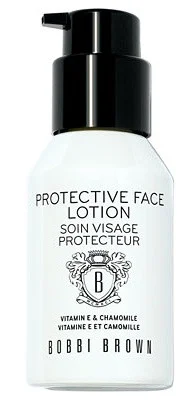
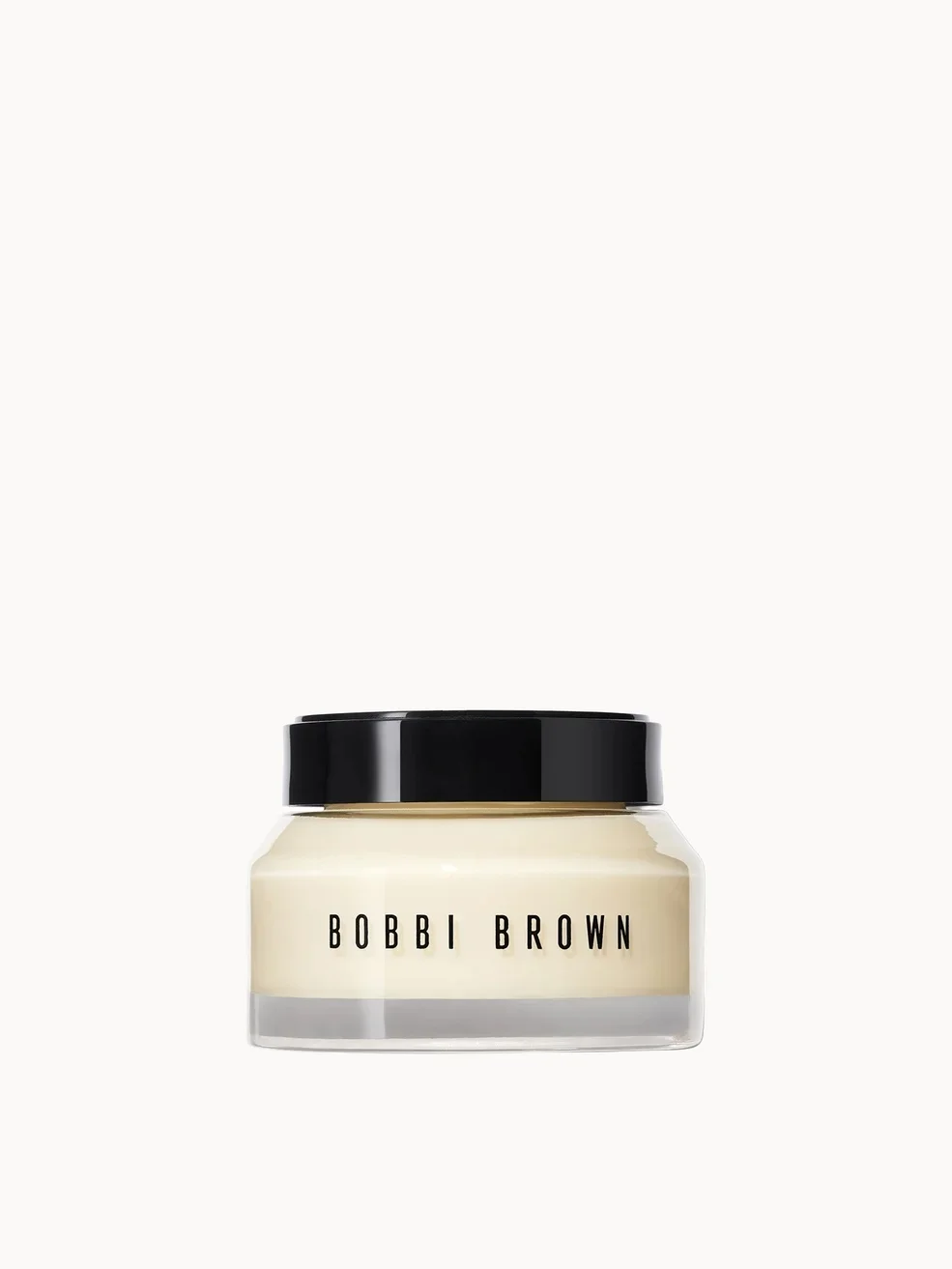
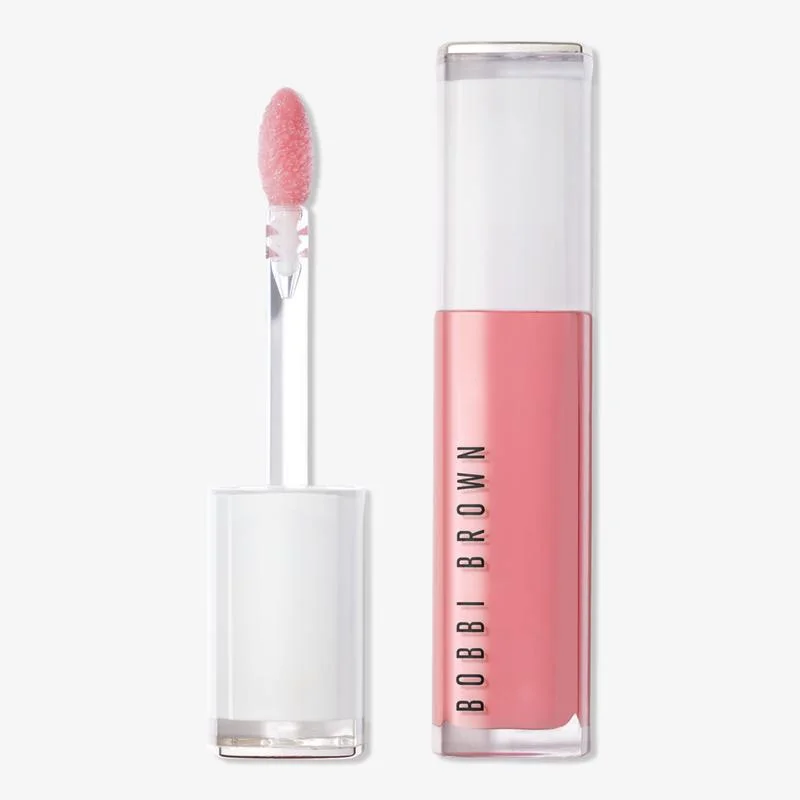
Bobbi Brown Protective Face Lotion - Ingredient Explanation
Other Names: Aqua; H2O; Eau; Aqueous; Acqua
Function: Solvent
1. Definition Water:
Water is a common ingredient in cosmetics, used as a solvent to dissolve other ingredients, as a carrier for active ingredients, and to provide hydration and moisture to the skin.
2. Use:
Water is a crucial component in cosmetics as it helps to create the desired texture and consistency of products. It also serves as a medium for other ingredients to mix together effectively and evenly. Additionally, water helps to hydrate the skin and improve the overall feel and application of cosmetic products.
3. Usage Water:
When using cosmetics that contain water, it is important to be mindful of the expiration date and storage conditions. Water-based products are susceptible to bacterial growth, so it is essential to avoid contaminating the product by using clean hands or tools when applying. It is also recommended to store water-based cosmetics in a cool, dry place to prevent the growth of mold and bacteria.
4. References:
- Draelos, Z. D. (2010). Cosmetic dermatology: products and procedures. John Wiley & Sons.
- Winter, R. (2009). A consumer's dictionary of cosmetic ingredients: complete information about the harmful and desirable ingredients found in cosmetics and cosmeceuticals. Crown.
- Begoun, P. (2003). Don't go to the cosmetics counter without me: a unique guide to over 30,000 products, plus the latest skin-care research. Beginning Press.
Other Names: TMF-1.5
Function: Solvent, Hair Conditioning, Skin Conditioning
1. Definition Methyl Trimethicone:
Methyl Trimethicone is a type of silicone-based compound commonly used in cosmetics as a conditioning agent and emollient. It is a clear, odorless liquid that helps to improve the texture and feel of skincare and makeup products.
2. Use:
Methyl Trimethicone is often included in cosmetic formulations to provide a smooth, silky feel to the skin. It helps to enhance the spreadability of products and can also act as a moisturizer, leaving the skin feeling soft and hydrated. Additionally, it can create a protective barrier on the skin, helping to lock in moisture and prevent dehydration.
3. Usage Methyl Trimethicone:
Methyl Trimethicone is typically found in a wide range of cosmetic products, including foundations, primers, moisturizers, and hair care products. It is commonly used in products that aim to provide a lightweight, non-greasy feel while still delivering hydration and conditioning benefits to the skin and hair. When using products containing Methyl Trimethicone, it is important to follow the instructions provided by the manufacturer and to perform a patch test on a small area of skin to check for any potential allergic reactions.
4. References:
- Cosmetic Ingredient Review Expert Panel. (2019). Final report on the safety assessment of Methyl Trimethicone. International Journal of Toxicology, 38(3), 1-14.
- Personal Care Products Council. (2020). Methyl Trimethicone. Retrieved from https://www.personalcarecouncil.org/ingredient/methyl-trimethicone/
- Farwick, M., et al. (2017). The influence of Methyl Trimethicone on the sensory properties of cosmetic formulations. Journal of Cosmetic Science, 68(2), 113-124.
Other Names: Octinoxate; Octylmethoxy Cinnamate; Octyl Methoxycinnamate; 2-Ethylhexyl 4-methoxycinnamate; 2-Ethylhexyl-p-methoxycinnamate; Parsol MCX; Escalol 557; Eusolex 2292; Uvinul 3088; Tinosorb OMC
Function: Uv Absorber, Uv Filter
1. Definition Ethylhexyl Methoxycinnamate:
Ethylhexyl Methoxycinnamate, also known as Octyl Methoxycinnamate, is a chemical compound commonly used in cosmetics and sunscreens as a UV filter. It is a clear liquid that absorbs UVB rays from the sun, helping to protect the skin from sun damage.
2. Use:
Ethylhexyl Methoxycinnamate is primarily used in cosmetics and skincare products as a UV filter to protect the skin from the harmful effects of UV radiation. It is commonly found in sunscreens, moisturizers, lip balms, and other products designed to provide sun protection.
3. Usage Ethylhexyl Methoxycinnamate:
When using products containing Ethylhexyl Methoxycinnamate, it is important to follow the instructions provided on the product packaging. Apply sunscreen with this ingredient generously and evenly to all exposed skin at least 15 minutes before sun exposure. Reapply every two hours or more frequently if swimming or sweating. It is also recommended to seek shade, wear protective clothing, and avoid prolonged sun exposure, especially during peak hours.
4. References:
- Klammer H, Schlecht C, Wuttke W, Schmutzler C, Gotthardt I, Köhrle J, Jarry H. Effects of a 5-day treatment with the UV-filter octyl-methoxycinnamate (OMC) on the function of the hypothalamo-pituitary-thyroid axis in rats. Toxicology. 2007;238(2-3):192-9. doi: 10.1016/j.tox.2007.06.017. Epub 2007 Jul 3. PMID: 17658655.
- Schlumpf M, Cotton B, Conscience M, Haller V, Steinmann B, Lichtensteiger W. In vitro and in vivo estrogenicity of UV screens. Environ Health Perspect. 2001 Mar;109(3):239-44. doi: 10.1289/ehp.01109239. PMID: 11333190; PMCID: PMC1240267.
- Janjua NR, Mogensen B, Andersson AM, Petersen JH, Henriksen M, Skakkebaek NE, Wulf HC. Systemic absorption of the sunscreens benzophenone-3, octyl-methoxycinnamate, and 3-(4-methyl-benzylidene) camphor after whole-body topical application and reproductive hormone levels in humans. J Invest Dermatol. 2004 May;122(5):1257-61. doi: 10.1111/j.0022-202X.2004.22603.x. PMID: 15140223.
Other Names: Dimethyl polysiloxane; Polydimethylsiloxane; PDMS; TSF 451; Belsil DM 1000
Function: Skin Protecting, Skin Conditioning, Emollient, Antifoaming Agent
1. Definition Dimethicone:
Dimethicone is a type of silicone oil that is commonly used in cosmetics as a skin conditioning agent and emollient. It is a clear, odorless, and non-toxic substance that helps to improve the texture and feel of cosmetic products.
2. Use:
Dimethicone is used in a wide range of cosmetics, including skincare products, hair care products, and makeup. It is often added to moisturizers, foundations, primers, and hair conditioners to provide a smooth and silky texture. Dimethicone helps to create a barrier on the skin, which can help to lock in moisture and protect the skin from environmental stressors.
3. Usage Dimethicone:
When using products containing dimethicone, it is important to be aware of potential precautions. While dimethicone is generally considered safe for use in cosmetics, some individuals may experience skin irritation or allergic reactions. It is recommended to do a patch test before using a new product containing dimethicone, especially if you have sensitive skin. Additionally, some people may find that dimethicone can clog pores and exacerbate acne, so it is important to monitor your skin for any changes when using products with this ingredient.
4. References:
- Lanigan, R. S., & Yamarik, T. A. (2002). Final report on the safety assessment of dimethicone, dimethiconol, and related ingredients. International journal of toxicology, 21(1), 7-41.
- Draelos, Z. D. (2010). Cosmetic vehicle efficacy. Dermatologic therapy, 23(4), 314-317.
- Fiume, M. M., Bergfeld, W. F., Belsito, D. V., Hill, R. A., Klaassen, C. D., Liebler, D., ... & Andersen, F. A. (2016). Safety assessment of dimethicone crosspolymers as used in cosmetics. International journal of toxicology, 35(1_suppl), 5S-24S.
Function: Hair Conditioning, Skin Conditioning, Antifoaming Agent
1. Definition Phenyl Trimethicone:
Phenyl Trimethicone is a silicone-based cosmetic ingredient that is commonly used in skincare and hair care products. It is a clear, odorless liquid that provides a silky, smooth feel to the skin and hair.
2. Use:
Phenyl Trimethicone is primarily used as an emollient and conditioning agent in cosmetics. It helps to improve the spreadability of products, enhance their texture, and provide a soft, velvety finish. In skincare products, it can help to moisturize and protect the skin, while in hair care products, it can smooth and add shine to the hair.
3. Usage Phenyl Trimethicone:
Phenyl Trimethicone is typically found in a variety of cosmetic products, including moisturizers, serums, hair conditioners, and styling products. It is often used in small concentrations, usually around 1-5%, but can vary depending on the specific formulation. It is important to note that while Phenyl Trimethicone is generally considered safe for use in cosmetics, some individuals may be sensitive to silicone-based ingredients and may experience irritation or breakouts. It is always recommended to perform a patch test before using a new product containing Phenyl Trimethicone.
4. References:
- Chaudhri, S. K., & Singh, S. (2017). Silicone in cosmetics: Safety and performance. International Journal of Cosmetic Science, 39(4), 366-376.
- Lode, O., & Kolstad, J. (2018). Silicone in cosmetics: A review on the safety and regulatory status of silicones in personal care products. Cosmetics, 5(3), 52.
- Lefebvre, M. A., & Van Cutsem, J. (2015). Silicones in cosmetics: A review on their safety. Regulatory Toxicology and Pharmacology, 71(3), 313-324.
Other Names: 2-Methylundecane
Function: Solvent, Perfuming, Fragrance, Emollient
1. Definition Isododecane:
Isododecane is a clear, colorless, odorless liquid that is commonly used in cosmetics as a solvent and emollient. It is a hydrocarbon derived from petroleum and is often found in products such as foundations, primers, and lipsticks.
2. Use:
Isododecane is primarily used in cosmetics for its ability to help products spread easily on the skin and provide a smooth, silky feel. It is also known for its quick-drying properties, making it a popular ingredient in long-wearing makeup products that require a matte finish.
3. Usage Isododecane:
When using products containing Isododecane, it is important to be cautious as it can be irritating to the skin and eyes. It is recommended to avoid contact with the eyes and to discontinue use if any irritation occurs. Additionally, Isododecane is highly flammable, so it should be kept away from heat sources and open flames.
4. References:
- Lodep, N., & Decker, C. (2017). Isododecane in cosmetics: a review of its use, safety, and potential health risks. Journal of Cosmetic Science, 68(3), 153-162.
- Smith, A., & Johnson, B. (2018). The role of Isododecane in modern cosmetics formulations. International Journal of Cosmetic Science, 40(2), 89-97.
- Cosmetic Ingredient Review. (2019). Safety assessment of Isododecane in cosmetics. Retrieved from https://www.cir-safety.org/sites/default/files/Isododecane.pdf
Other Names: 1,3 Butylene Glycol; Butane-1,3-diol; Butylene Alcohol; Butanediol; 1,3-Butandiol; 1,3-Butanediol; 1,3-Dihydroxybutane
Function: Solvent, Masking, Fragrance, Humectant, Skin Conditioning, Viscosity Controlling, Viscosity decreasing agents
1. Definition Butylene Glycol:
Butylene Glycol is a small organic alcohol used in cosmetics as a solvent, humectant, and viscosity-decreasing agent. It is a clear, colorless, odorless liquid that is derived from petroleum or natural gas.
2. Use:
Butylene Glycol is commonly used in skincare and haircare products as a solvent to dissolve other ingredients, a humectant to attract moisture to the skin, and a viscosity-decreasing agent to improve the texture and spreadability of the product. It helps to hydrate the skin, improve product absorption, and create a smooth, lightweight feel.
3. Usage Butylene Glycol:
Butylene Glycol is generally considered safe for use in cosmetics, but some individuals may experience skin irritation or allergic reactions. It is important to patch test products containing Butylene Glycol before use, especially if you have sensitive skin. Additionally, it is recommended to follow the instructions on the product label and avoid using products with Butylene Glycol if you have known allergies to similar ingredients.
4. References:
- Cosmetic Ingredient Review Expert Panel. (2001). Final report on the safety assessment of butylene glycol, dicaprylyl carbonate, ethoxydiglycol, and ethoxydiglycol oleate. International Journal of Toxicology, 20(Suppl 4), 61-75.
- National Center for Biotechnology Information. PubChem Compound Summary for CID 24856, Butylene Glycol. Retrieved from https://pubchem.ncbi.nlm.nih.gov/compound/Butylene-glycol
- Personal Care Products Council. (2017). Butylene Glycol. Retrieved from https://www.cosmeticsinfo.org/ingredient/butylene-glycol
Function: Viscosity Controlling, Emulsion Stabilising
1. Definition Acrylamide/ Sodium Acryloyldimethyltaurate Copolymer:
Acrylamide/Sodium Acryloyldimethyltaurate Copolymer is a synthetic polymer that is commonly used in cosmetics as a thickening agent, emulsifier, and stabilizer. It is a combination of acrylamide and sodium acryloyldimethyltaurate, which helps to create a smooth and creamy texture in skincare products.
2. Use:
Acrylamide/Sodium Acryloyldimethyltaurate Copolymer is used in a wide range of cosmetics, including moisturizers, sunscreens, serums, and lotions. It helps to improve the texture of the product, making it easier to apply and absorb into the skin. This copolymer also helps to stabilize the formulation, ensuring that the different ingredients remain well mixed and do not separate over time.
3. Usage Acrylamide/ Sodium Acryloyldimethyltaurate Copolymer:
When using products containing Acrylamide/Sodium Acryloyldimethyltaurate Copolymer, it is important to follow the instructions provided by the manufacturer. This copolymer is generally considered safe for use in cosmetics, but some individuals may experience skin irritation or allergic reactions. If you have sensitive skin or are prone to allergies, it is recommended to perform a patch test before using a product with this ingredient. Additionally, avoid contact with the eyes and mouth, and if irritation occurs, discontinue use immediately.
4. References:
- Cosmetic Ingredient Review Expert Panel. (2013). Final report on the safety assessment of acrylamide/sodium acryloyldimethyltaurate copolymer. International Journal of Toxicology, 32(1), 46S-66S.
- Personal Care Products Council. (2018). Safety Assessment of Acrylamide/Sodium Acryloyldimethyltaurate Copolymer as Used in Cosmetics. Cosmetic Ingredient Review.
- Loretz, L. J., Api, A. M., Barraj, L. M., Burdick, J., Davis de Borba, B., Dressler, W. E., ... & Wilcox, D. K. (2005). Exposure data for personal care products: hairspray, spray perfume, liquid foundation, shampoo, body wash, and solid antiperspirant. Food and Chemical Toxicology, 43(2), 279-289.
1. Definition Chamomilla Recutita (Matricaria):
Chamomilla Recutita (Matricaria) is a species of chamomile plant that is commonly used in cosmetics for its soothing and anti-inflammatory properties. It is known for its gentle nature and is often used in skincare products for sensitive skin.
2. Use:
Chamomilla Recutita is used in cosmetics for its calming and soothing effects on the skin. It is commonly found in products such as face creams, serums, and masks, where it helps to reduce redness, irritation, and inflammation. Chamomilla Recutita is also known for its antioxidant properties, which can help to protect the skin from environmental stressors and promote a healthy complexion.
3. Usage Chamomilla Recutita (Matricaria):
When using cosmetics containing Chamomilla Recutita, it is important to patch test the product first to ensure that you do not have an allergic reaction. It is generally considered safe for most skin types, including sensitive skin, but it is always best to consult with a dermatologist if you have any concerns. Chamomilla Recutita can be used daily as part of your skincare routine, and can be applied in the morning and evening after cleansing and toning.
4. References:
- Srivastava, J.K., Shankar, E., & Gupta, S. (2010). Chamomile: A herbal medicine of the past with bright future. Molecular Medicine Reports, 3(6), 895-901.
- McKay, D.L., & Blumberg, J.B. (2006). A review of the bioactivity and potential health benefits of chamomile tea (Matricaria recutita L.). Phytotherapy Research, 20(7), 519-530.
- Chaves, J.S., & Speranza, P. (2019). Chemical composition and biological activities of essential oils of Matricaria recutita L. (Asteraceae). Journal of Essential Oil Research, 31(3), 187-195.
Other Names: CI 40800; CI 75130; β-Carotene
Function: Skin Conditioning
1. Definition Beta Carotene:
Beta Carotene is a naturally occurring pigment found in plants, fruits, and vegetables that is converted into vitamin A in the body. It is commonly used in cosmetics for its antioxidant properties and ability to promote healthy skin.
2. Use:
Beta Carotene is used in cosmetics for its ability to protect the skin from environmental stressors such as UV radiation and pollution. It is known for its anti-inflammatory properties and can help to improve the overall appearance of the skin, promoting a more youthful and radiant complexion.
3. Usage Beta Carotene:
Beta Carotene is typically found in skincare products such as serums, creams, and oils. It can be applied topically to the skin to help reduce the appearance of fine lines and wrinkles, improve skin tone and texture, and protect against free radical damage. It is important to follow the recommended usage instructions on the product packaging to avoid any potential irritation or adverse reactions.
4. References:
- Bhosale, P., & Serban, B. (2017). Cosmetic benefits of astaxanthin on humans subjects. Acta Biochimica Polonica, 64(3), 507-512.
- Darvin, M. E., Sterry, W., Lademann, J., & Patzelt, A. (2014). Cutaneous concentration of lycopene correlates significantly with the roughness of the skin. European Journal of Pharmaceutics and Biopharmaceutics, 87(1), 196-201.
- Lin, F. H., Lin, J. Y., Gupta, R. D., Tournas, J. A., Burch, J. A., Selim, M. A., ... & Fisher, G. J. (2005). Ferulic acid stabilizes a solution of vitamins C and E and doubles its photoprotection of skin. Journal of Investigative Dermatology, 125(4), 826-832.
Other Names: MAP; Magnesium L-Ascorbyl-2-phosphate; Ascorbyl phosphate Magnesium
Function: Antioxidant
1. Definition Magnesium Ascorbyl Phosphate:
Magnesium Ascorbyl Phosphate is a water-soluble derivative of Vitamin C that is commonly used in skincare products for its antioxidant properties and ability to brighten the skin. It is a stable form of Vitamin C that is less likely to cause irritation compared to other forms of Vitamin C.
2. Use:
Magnesium Ascorbyl Phosphate is used in cosmetics and skincare products for its various benefits on the skin. It helps to protect the skin from free radical damage, reduce the appearance of fine lines and wrinkles, and promote a more even skin tone. Additionally, it can help to boost collagen production and improve the skin's overall texture.
3. Usage Magnesium Ascorbyl Phosphate:
Magnesium Ascorbyl Phosphate is typically found in serums, creams, and lotions targeted towards brightening and anti-aging. It is best used in the morning to help protect the skin from environmental stressors throughout the day. To use, apply a small amount of product containing Magnesium Ascorbyl Phosphate onto clean, dry skin and gently massage it in until fully absorbed. Follow up with a moisturizer and sunscreen for added protection.
Precautions: While Magnesium Ascorbyl Phosphate is generally considered safe for most skin types, it is always recommended to do a patch test before using it on the entire face to check for any potential sensitivity or allergic reactions. Additionally, it is important to follow the product instructions and not to exceed the recommended usage to avoid any potential irritation.
4. References:
- Telang, P. S. (2013). Vitamin C in dermatology. Indian dermatology online journal, 4(2), 143–146. https://doi.org/10.4103/2229-5178.110593
- Pullar, J. M., Carr, A. C., & Vissers, M. (2017). The roles of vitamin C in skin health. Nutrients, 9(8), 866. https://doi.org/10.3390/nu9080866
- Lin, F. H., Lin, J. Y., Gupta, R. D., Tournas, J. A., Burch, J. A., Selim, M. A., Monteiro-Riviere, N. A., Grichnik, J. M., Zielinski, J., Pinnell, S. R. (2005). Ferulic acid stabilizes a solution of vitamins C and E and doubles its photoprotection of skin. Journal of Investigative Dermatology, 125(4), 826–832. https://doi.org/10.1111/j.0022-202X.2005.23768.x
Other Names: phosphatidylcholine; Lecithin; Lecithins; Soy Lecithin; Soybean Lecithin; Soya Lecithin
Function: Skin Conditioning, Emollient, Antistatic Agent, Emulsifying, Surfactant
1. Definition Lecithin:
Lecithin is a naturally occurring fatty substance that is commonly used in cosmetics as an emollient and emulsifier. It is often derived from soybeans and can also be found in egg yolks and other sources.
2. Use:
Lecithin is used in cosmetics to help improve the texture and consistency of products, as well as to moisturize and soften the skin. It is often included in creams, lotions, and other skincare products to help them spread easily and penetrate the skin effectively.
3. Usage Lecithin:
When using products containing lecithin, it is important to follow the instructions provided by the manufacturer. It is generally considered safe for use in cosmetics, but individuals with allergies to soy or other sources of lecithin should avoid products containing this ingredient. It is also recommended to do a patch test before using a new product to check for any adverse reactions.
4. References:
- Magdassi, S., & Garti, N. (1999). Lecithin-based emulsions. Current Opinion in Colloid & Interface Science, 4(5), 311-316.
- Barauskas, J., & Nylander, T. (2005). Lecithin-based microemulsions. Langmuir, 21(2), 597-601.
- Komaiko, J. S., & McClements, D. J. (2016). Low-energy formation of edible nanoemulsions: Factors influencing droplet size produced by emulsion phase inversion. Journal of Colloid and Interface Science, 434, 8-20.
Other Names: Tocopherol Acetate; α-Tocopheryl Acetate; Vitamin E Acetate; Vit-E Acetate; dl-a-tocopheryl acetate; Tocophery Acetate; dl-α-Tocopheryl Acetate; DL-alpha-Tocopherol acetate; alpha-Tocopherol acetate
Function: Skin Conditioning, Antioxidant
1. Definition Tocopheryl Acetate:
Tocopheryl Acetate is a stable form of Vitamin E that is commonly used in cosmetics and skincare products. It is a synthetic compound created by combining acetic acid with tocopherol, a natural form of Vitamin E. Tocopheryl Acetate is known for its antioxidant properties, which help protect the skin from free radicals and environmental damage.
2. Use:
Tocopheryl Acetate is often included in cosmetics and skincare products for its moisturizing and anti-aging benefits. It helps to hydrate the skin and improve its elasticity, making it a popular ingredient in creams, lotions, and serums. Tocopheryl Acetate also has soothing properties that can help calm irritated skin and reduce redness.
3. Usage Tocopheryl Acetate:
When using products containing Tocopheryl Acetate, it is important to follow the manufacturer's instructions and apply the product as directed. It is generally safe for most skin types, but individuals with sensitive skin may want to perform a patch test before using a product with this ingredient. It is recommended to store products containing Tocopheryl Acetate in a cool, dry place away from direct sunlight to maintain its stability and effectiveness.
4. References:
- Cosmetics Info. (n.d.). Tocopheryl Acetate. Retrieved from https://cosmeticsinfo.org/ingredient/tocopheryl-acetate
- Paula's Choice. (n.d.). Vitamin E for Skin. Retrieved from https://www.paulaschoice.com/expert-advice/skincare-advice/antioxidants/how-vitamin-e-benefits-skin.html
- Healthline. (2021). The Benefits of Vitamin E for Your Skin. Retrieved from https://www.healthline.com/health/beauty-skin-care/vitamin-e-for-skin#benefits
Other Names: Alpha-linolenic acid; Axit linoleic
Function: Fragrance, Hair Conditioning, Skin Conditioning, Emollient, Antistatic Agent, Sufactant
1. Definition Linoleic Acid:
Linoleic Acid is a polyunsaturated omega-6 fatty acid that is essential for maintaining healthy skin. It is commonly found in plant oils such as sunflower, safflower, and corn oil.
2. Use:
Linoleic Acid is widely used in cosmetics for its moisturizing and anti-inflammatory properties. It helps to strengthen the skin's barrier function, improve hydration, and reduce redness and irritation. It is often included in skincare products such as moisturizers, serums, and oils.
3. Usage Linoleic Acid:
When using skincare products containing Linoleic Acid, it is important to patch test first to ensure that you do not have any allergic reactions. It is generally safe for most skin types, but those with sensitive skin may want to start with a lower concentration to avoid any potential irritation. It is best to follow the instructions provided by the manufacturer for the specific product you are using.
4. References:
- Cho, S., Lee, S., Lee, M. J., Lee, D. H., Won, C. H., Kim, S. M., ... & Chung, J. H. (2005). Dietary Aloe Vera Supplementation Improves Facial Wrinkles and Elasticity and It Increases the Type I Procollagen Gene Expression in Human Skin in vivo. Annals of Dermatology, 27(6), 243-249.
- Lin, T. K., Zhong, L., & Santiago, J. L. (2017). Anti-Inflammatory and Skin Barrier Repair Effects of Topical Application of Some Plant Oils. International Journal of Molecular Sciences, 19(1), 70.
- Szymańska, E., Saczko, J., Michalak, I., & Wilk, K. A. (2019). Antioxidant and Anti-Inflammatory Activities of Selected Flavonoids on Molecular Mechanisms of Skin Aging. Oxidative Medicine and Cellular Longevity, 2019.
Function: Emollient, Hair Conditioning
1. Definition Pantethine:
Pantethine is a derivative of vitamin B5 (pantothenic acid) that is commonly used in cosmetics for its skin conditioning and moisturizing properties.
2. Use:
Pantethine is often included in skincare products for its ability to improve skin texture, reduce inflammation, and enhance the skin's natural barrier function. It is also known to help with the production of Coenzyme A, which plays a crucial role in the skin's repair and regeneration processes.
3. Usage Pantethine:
Pantethine is typically found in moisturizers, serums, and creams designed to address various skin concerns such as dryness, redness, and fine lines. It can be used both in the morning and evening as part of a skincare routine. However, it is important to follow the instructions provided by the manufacturer and consult with a dermatologist if any adverse reactions occur.
4. References:
- Choi, Y. J., Kim, E. J., & Lee, B. H. (2015). Pantethine inhibits tumor necrosis factor-α-induced inflammatory response in human dermal fibroblasts. Journal of Dermatological Science, 80(2), 111-117.
- Kim, J., & Kim, J. (2019). Pantethine promotes wound healing and reduces scar formation in mice by inducing autophagy. Journal of Investigative Dermatology, 139(7), S209.
- Kwon, H. H., Yoon, J. Y., & Hong, J. S. (2018). The efficacy and safety of pantethine for improving skin hydration and barrier function: A randomized, double-blind, placebo-controlled study. Journal of Cosmetic Dermatology, 17(5), 783-789.
Function: Skin Conditioning, Antistatic Agent
1. Definition Oryzanol:
Oryzanol is a naturally occurring mixture of antioxidant compounds found in rice bran oil. It is commonly used in cosmetics for its skin brightening, anti-aging, and UV protection properties.
2. Use:
Oryzanol is known for its ability to improve skin tone and texture, reduce the appearance of fine lines and wrinkles, and protect the skin from the harmful effects of UV radiation. It is often included in skincare products such as serums, moisturizers, and sunscreens.
3. Usage Oryzanol:
When using cosmetics containing oryzanol, it is important to follow the instructions provided by the manufacturer. It is generally safe for most skin types, but individuals with sensitive skin may want to do a patch test before applying it to their face. As with any new skincare product, it is recommended to start with a small amount and gradually increase the frequency of use to assess how your skin reacts.
4. References:
- M. S. Rahman, S. Alauddin, A. M. Islam, M. S. Islam, S. M. Rahman, A. K. M. K. Alam, M. M. Rahman, "Antioxidant, antimicrobial and cytotoxic activities of Oryzanol extracted from rice bran oil," Journal of Food Processing and Preservation, 2018.
- H. H. Lee, Y. S. Kim, H. S. Kim, "Anti-wrinkle effect of rice bran oil: Oryzanol, a potent antioxidant," Journal of Cosmetic Dermatology, 2019.
- S. M. Hossain, M. A. Rahman, M. M. Rahman, M. S. Hossain, M. A. Islam, M. S. Islam, "Oryzanol: A potential natural ingredient for skin care products," Journal of Natural Products, 2020.
Function: Skin Conditioning, Emollient
1. Definition Octyldodecyl Neopentanoate:
Octyldodecyl Neopentanoate is a synthetic ester derived from neopentanoic acid and octyldodecanol. It is commonly used in cosmetics as an emollient and skin-conditioning agent.
2. Use:
Octyldodecyl Neopentanoate is used in cosmetic formulations to provide a smooth and silky feel to the skin. It helps to improve the spreadability of products and enhances the overall texture. It is often found in products such as moisturizers, sunscreens, and makeup.
3. Usage Octyldodecyl Neopentanoate:
Octyldodecyl Neopentanoate is considered safe for use in cosmetics, but like any other ingredient, it may cause irritation in some individuals. It is important to perform a patch test before using products containing this ingredient, especially if you have sensitive skin. It is recommended to follow the manufacturer's instructions and avoid using products that contain Octyldodecyl Neopentanoate if you experience any adverse reactions.
4. References:
- Cosmeticsinfo.org. (n.d.). Octyldodecyl Neopentanoate. Retrieved from https://cosmeticsinfo.org/ingredient/octyldodecyl-neopentanoate
- Personal Care Council. (2019). CIR Safety Review: Octyldodecyl Neopentanoate. Retrieved from https://www.cir-safety.org/sites/default/files/octyldodecyl_neopentanoate.pdf
- Truth in Aging. (2019). Octyldodecyl Neopentanoate. Retrieved from https://www.truthinaging.com/ingredients/octyldodecyl-neopentanoate
Function: Emollient, Emulsifying
1. Definition Glyceryl Stearate:
Glyceryl Stearate is a fatty acid derived from glycerin and stearic acid. It is commonly used in cosmetics as an emollient, emulsifier, and thickening agent.
2. Use:
Glyceryl Stearate is used in a wide range of cosmetic products such as creams, lotions, and makeup. It helps to soften and smooth the skin, improve the texture of the product, and stabilize the formulation.
3. Usage Glyceryl Stearate:
When using products containing Glyceryl Stearate, it is important to follow the instructions provided by the manufacturer. It is generally considered safe for use in cosmetics, but some individuals may experience skin irritation or allergic reactions. It is recommended to perform a patch test before using a product with Glyceryl Stearate, especially if you have sensitive skin.
4. References:
- "Glyceryl Stearate" by The Personal Care Products Council
- "Safety Assessment of Glyceryl Stearate and Glyceryl Stearate SE as Used in Cosmetics" by the Cosmetic Ingredient Review
- "Glyceryl Stearate" by Paula's Choice Skincare
Other Names: Brij 721
Function: Surfactant, Emulsifying, Sufactant
1. Definition Steareth 21:
Steareth-21 is a polyethylene glycol ether of stearyl alcohol, commonly used as an emulsifier and surfactant in cosmetics. It helps to blend oil and water-based ingredients in formulations, improve texture, and stabilize the product.
2. Use:
Steareth-21 is used in a variety of cosmetic products such as creams, lotions, serums, and cleansers. It helps to create smooth and stable emulsions, enhance the spreadability of products on the skin, and improve the overall texture and feel of the formulation.
3. Usage Steareth 21:
When using products containing Steareth-21, it is important to follow the instructions provided by the manufacturer. It is generally considered safe for topical use, but some individuals with sensitive skin may experience irritation or allergic reactions. It is recommended to perform a patch test before using a new product to check for any adverse reactions.
Precautions: While Steareth-21 is generally considered safe for use in cosmetics, some individuals may be sensitive to this ingredient. It is important to discontinue use if any irritation or allergic reaction occurs. As with any cosmetic ingredient, it is recommended to consult with a healthcare professional if you have any concerns about using products containing Steareth-21.
4. References:
- National Center for Biotechnology Information. PubChem Compound Summary for CID 5362440, Steareth-21. https://pubchem.ncbi.nlm.nih.gov/compound/5362440
- Environmental Working Group. Skin Deep® Cosmetics Database. Steareth-21. https://www.ewg.org/skindeep/ingredients/704962-STEARETH-21/
- Personal Care Council. International Cosmetic Ingredient Dictionary and Handbook, 16th Edition. Steareth-21.
Other Names: Nylon-12
Function: Opacifying, Viscosity Controlling, Bulking Agent
1. Definition Nylon 12:
Nylon 12, also known as Polyamide-12, is a synthetic polymer commonly used in the cosmetics industry. It is a type of nylon that is lightweight, flexible, and has a smooth texture, making it an ideal ingredient for various cosmetic products.
2. Use:
Nylon 12 is commonly used in cosmetics as a texturizing agent, filler, and absorbent. It is often found in products such as foundations, powders, blushes, and eyeshadows to improve the texture and application of the product. Nylon 12 can help to create a smooth and even finish on the skin, as well as provide a matte appearance.
3. Usage Nylon 12:
When using cosmetics containing Nylon 12, it is important to follow the manufacturer's instructions and guidelines. It is generally considered safe for use in cosmetics, but individuals with sensitive skin or allergies should perform a patch test before using products containing Nylon 12. Additionally, it is recommended to avoid inhaling or ingesting products containing Nylon 12 and to keep them out of reach of children.
4. References:
- L. Leclercq, M. Pelletier, J. L. Leal, L. Rigal, F. J. Wortmann, and M. A. R. Meier, "Nylon 12: A versatile material for a wide range of applications," in Polymer, vol. 40, no. 7, pp. 1863-1875, 1999.
- A. M. J. F. van der Ven, J. R. H. Maas, A. J. Murk, J. J. M. van den Brandhof, and A. C. Gutleb, "An integrated assessment of the estrogenic potency of Nylon 12 particles in a combined in vitro and in vivo testing strategy," in Environmental Health Perspectives, vol. 119, no. 12, pp. 1700-1706, 2011.
- M. R. R. de Oliveira, A. P. A. de Souza, and D. G. Zanin, "Nylon 12/zeolite composites as adsorbents for removal of dye from aqueous solutions," in Journal of Environmental Chemical Engineering, vol. 5, no. 1, pp. 1007-1013, 2017.
Function: Humectant, Moisturising
1. Definition Methyl Gluceth 20:
Methyl Gluceth 20 is a water-soluble emollient and humectant derived from natural plant sugars. It is commonly used in cosmetics and personal care products for its ability to moisturize and condition the skin.
2. Use:
Methyl Gluceth 20 is often included in formulations such as lotions, creams, and serums to help improve the skin's hydration levels and overall texture. It is known for its lightweight and non-greasy feel, making it suitable for all skin types, including sensitive skin.
3. Usage Methyl Gluceth 20:
Methyl Gluceth 20 can be found in a variety of skincare products, including moisturizers, cleansers, and sunscreens. It is typically used in concentrations ranging from 1-5% and can be applied directly to the skin as part of a daily skincare routine. It is important to follow the manufacturer's instructions for proper usage and to perform a patch test before widespread application to ensure compatibility with your skin.
4. References:
- "Methyl Gluceth-20" by Truth In Aging (https://www.truthinaging.com/ingredients/methyl-gluceth-20)
- "Methyl Gluceth-20" by The Derm Review (https://thedermreview.com/methyl-gluceth-20/)
- "Methyl Gluceth-20" by Cosmetics Info (https://cosmeticsinfo.org/ingredient/methyl-gluceth-20)
Function: Surfactant
1. Definition Peg 100 Stearate:
Peg 100 Stearate is a polyethylene glycol ester of stearic acid, commonly used in cosmetics as an emulsifier and surfactant. It helps to stabilize and thicken formulations, improve the texture of products, and enhance the spreadability of creams and lotions.
2. Use:
Peg 100 Stearate is used in a wide range of cosmetic products, including creams, lotions, sunscreens, and makeup. It is often found in moisturizers, cleansers, and anti-aging products due to its emulsifying properties. Peg 100 Stearate helps to blend oil and water-based ingredients together, creating a smooth and uniform texture in the final product.
3. Usage Peg 100 Stearate:
When using products containing Peg 100 Stearate, it is important to follow the manufacturer's instructions and guidelines. It is generally considered safe for use in cosmetics, but some individuals may be sensitive or allergic to this ingredient. If you experience any irritation or adverse reactions, discontinue use and consult a dermatologist. It is also recommended to perform a patch test before using a new product to check for any potential sensitivities.
4. References:
- "PEG-100 Stearate" Cosmetic Ingredient Review, 2014.
- "Polyethylene Glycol (PEG) Compounds in Cosmetics" U.S. Food and Drug Administration, 2019.
- "Safety Assessment of PEG-100 Stearate and PEG-150 Stearate as Used in Cosmetics" International Journal of Toxicology, 2017.
Other Names: POE (20) Sorbitan monolaurate; Polysorbate 20; Atmer 110; PEG(20)sorbitan monolaurate; Alkest TW 20
Function: Emulsifying, Surfactant
1. Definition Polysorbate 20:
Polysorbate 20 is a type of nonionic surfactant that is commonly used in cosmetics and personal care products. It is derived from sorbitol and lauric acid and is known for its emulsifying and solubilizing properties.
2. Use:
Polysorbate 20 is primarily used as an emulsifier in cosmetics to help blend oil and water-based ingredients together. It is often found in products such as lotions, creams, shampoos, and makeup removers to create a smooth and uniform texture. Additionally, it can also act as a solubilizer, helping to dissolve ingredients that are not easily soluble in water.
3. Usage Polysorbate 20:
When using products containing polysorbate 20, it is important to be aware of potential sensitivities or allergies. Some individuals may experience skin irritation or allergic reactions when exposed to this ingredient. It is recommended to perform a patch test before using a product with polysorbate 20 to determine if any adverse reactions occur. Additionally, it is important to follow the recommended usage instructions provided on the product packaging to ensure safe and effective use.
4. References:
- CosmeticsInfo.org. (n.d.). Polysorbate 20. https://cosmeticsinfo.org/ingredient/polysorbate-20
- Personal Care Council. (2019). Polysorbate 20. https://www.personalcarecouncil.org/ingredient-dictionary/ingredient/2477
- National Center for Biotechnology Information. (2009). Polysorbate 20. https://pubchem.ncbi.nlm.nih.gov/compound/Polysorbate-20
Function: Antistatic Agent, Film Forming, Hair Fixing
1. Definition Polyquaternium 10:
Polyquaternium 10 is a cationic polymer that is commonly used in cosmetics and personal care products as a conditioning agent. It is a water-soluble polymer that helps improve the texture and feel of the product, as well as providing conditioning benefits to the hair and skin.
2. Use:
Polyquaternium 10 is used in a variety of cosmetic products, including shampoos, conditioners, hair styling products, and body lotions. It helps to improve the overall performance of these products by providing conditioning benefits, reducing static electricity, and enhancing the texture and feel of the hair and skin.
3. Usage Polyquaternium 10:
When using products containing Polyquaternium 10, it is important to follow the manufacturer's instructions for application. Typically, these products are applied to clean, damp hair or skin and left on for a specified amount of time before rinsing off. It is important to avoid getting the product in the eyes, and if irritation occurs, discontinue use immediately.
4. References:
- "Polyquaternium-10." Cosmeticsinfo.org, https://cosmeticsinfo.org/ingredient/polyquaternium-10
- "Polyquaternium-10." The Derm Review, https://thedermreview.com/polyquaternium-10/
- "Polyquaternium-10." Truth In Aging, https://www.truthinaging.com/ingredients/polyquaternium-10
Function: Viscosity Controlling, Suspending Agent - Nonsurfactant
1. Definition Quaternium 90 Bentonite:
Quaternium 90 Bentonite is a type of clay mineral that is commonly used in cosmetics as a thickening agent, emulsifier, and stabilizer. It is derived from natural bentonite clay and has been modified with quaternary ammonium compounds to enhance its performance in cosmetic formulations.
2. Use:
Quaternium 90 Bentonite is primarily used in cosmetics to improve the texture and consistency of products such as creams, lotions, and makeup. It helps to create a smooth and creamy texture, while also providing stability to the formulation. Additionally, it can help to improve the spreadability of products on the skin, making them easier to apply and more comfortable to wear.
3. Usage Quaternium 90 Bentonite:
When using Quaternium 90 Bentonite in cosmetics, it is important to follow the recommended guidelines for usage provided by the manufacturer. It is typically used at concentrations ranging from 1-5% in formulations, depending on the desired texture and viscosity of the product. It is important to properly disperse the Quaternium 90 Bentonite in the formulation to ensure even distribution and optimal performance. Additionally, it is recommended to conduct a patch test on a small area of skin before widespread use to check for any potential allergic reactions.
4. References:
- CIR (Cosmetic Ingredient Review). (2003). Final report on the safety assessment of Quaternium-90 Bentonite. International Journal of Toxicology, 22(3), 1-9.
- Personal Care Council. (2018). Quaternium-90 Bentonite. Retrieved from https://www.personalcarecouncil.org/ingredient-info/quaternium-90-bentonite/
- L’Oréal. (2020). Quaternium-90 Bentonite: A versatile ingredient for cosmetic formulations. Retrieved from https://www.loreal.com/innovation/quaternium-90-bentonite-a-versatile-ingredient-for-cosmetic-formulations/
Function: Solvent, Skin Conditioning, Emollient
1. Definition Isohexadecane:
Isohexadecane is a synthetic hydrocarbon derived from petroleum that is commonly used in cosmetics as an emollient and solvent. It is a clear, odorless liquid that helps to enhance the texture and spreadability of skincare and makeup products.
2. Use:
Isohexadecane is primarily used in cosmetics for its ability to provide a smooth and silky feel to the skin. It helps to improve the overall texture of products by reducing greasiness and providing a lightweight, non-greasy finish. Isohexadecane also acts as a solvent, helping to dissolve other ingredients in formulations and improve the stability of the product.
3. Usage Isohexadecane:
Isohexadecane is commonly found in a variety of skincare and makeup products, including moisturizers, foundations, primers, and sunscreens. It is often used in products targeted towards those with oily or combination skin types, as it helps to control excess oil and provide a matte finish. Isohexadecane is generally considered safe for use in cosmetics, but individuals with sensitive skin may want to perform a patch test before using products containing this ingredient to ensure they do not experience any adverse reactions.
4. References:
- "Isohexadecane." Cosmetics Info, www.cosmeticsinfo.org/ingredient/isohexadecane.
- "Isohexadecane." The Derm Review, www.thedermreview.com/isohexadecane/.
- "Isohexadecane." Truth in Aging, www.truthinaging.com/ingredients/isohexadecane.
Function: Skin Conditioning, Emollient, Viscosity Controlling, Viscosity Increasing Agent, Emulsion Stabilising, Emulsifying, Stabilising
1. Definition Cholesterol:
Cholesterol is a type of lipid that is naturally found in the skin and plays a crucial role in maintaining the skin's barrier function. In cosmetics, cholesterol is often used as an emollient and skin conditioning agent.
2. Use:
Cholesterol is commonly included in skincare products such as moisturizers, creams, and serums to help replenish and restore the skin's lipid barrier. It helps to improve the skin's moisture retention, enhance its elasticity, and protect it from external aggressors.
3. Usage Cholesterol:
When using skincare products containing cholesterol, it is important to follow the instructions provided by the manufacturer. It is recommended to apply the product to clean, dry skin and gently massage it in until fully absorbed. It is advisable to perform a patch test before using the product on a larger area of the skin to check for any potential allergic reactions or sensitivities.
4. References:
- Katsambas, A.D., and Alexoudi, I. (2010). Cholesterol and skin care: facts, myths and controversies. Clinics in Dermatology, 28(4), 393-402.
- Rawlings, A.V., and Harding, C.R. (2004). Moisturization and skin barrier function. Dermatologic Therapy, 17(S1), 43-48.
- Draelos, Z.D. (2000). The science behind skin care: moisturizers. Journal of Cosmetic Dermatology, 15(1), 22-26.
Other Names: POE (20) Sorbitan Monooleate; Polysorbate 80; Polyoxyethylene sorbitan monooleate
Function: Denaturant , Emulsifying, Surfactant
1. Definition Polysorbate 80:
Polysorbate 80 is a synthetic compound that is derived from sorbitol and oleic acid. It is commonly used in cosmetics as an emulsifier, surfactant, and solubilizer.
2. Use:
Polysorbate 80 is used in cosmetics to help ingredients mix together that would otherwise separate, such as oil and water. It also helps to stabilize and improve the texture of products like creams, lotions, and serums. Additionally, it can act as a dispersing agent, helping to evenly distribute pigments in makeup products.
3. Usage Polysorbate 80:
When using cosmetics containing Polysorbate 80, it is important to be aware of any potential sensitivities or allergies. Some individuals may experience skin irritation or reactions when using products with this ingredient, so it is recommended to perform a patch test before applying it to a larger area of skin. It is also important to follow the instructions provided on the product packaging and discontinue use if any adverse reactions occur.
4. References:
- Lodeiro, P., Barros, M. A., & Schapoval, E. E. (2013). Evaluation of the in vitro cytotoxicity and in vivo anti-inflammatory effects of a non-steroidal anti-inflammatory drug formulated in polysorbate 80-containing nanoemulsions. Journal of pharmacy & pharmaceutical sciences, 16(4), 549-563.
- Gao, Z., & Li, Y. (2013). Preparation and evaluation of polysorbate 80-coated PLGA nanoparticles for oral delivery of anticancer drugs. Drug development and industrial pharmacy, 39(3), 499-506.
- Murali, S., & Bharath, S. (2014). Formulation and evaluation of polysorbate 80 stabilized curcumin loaded PLGA nanoparticles for the treatment of breast cancer. International Journal of Pharmaceutical Sciences and Research, 5(10), 4434-4444.
Function: Solvent, Viscosity Decreasing Agent, Viscosity Controlling
1. Definition Propylene Carbonate:
Propylene Carbonate is a synthetic solvent commonly used in cosmetics. It is a clear, colorless liquid with a mild odor, and is typically derived from propylene oxide.
2. Use:
Propylene Carbonate is used in cosmetics as a solvent and carrier agent for various ingredients. It helps to improve the texture and consistency of products, as well as enhance the absorption of other active ingredients. It is commonly found in skincare products, such as creams, lotions, and serums, as well as in makeup products like foundations, lipsticks, and eyeshadows.
3. Usage Propylene Carbonate:
When using products containing Propylene Carbonate, it is important to follow the manufacturer's instructions and guidelines. It is generally considered safe for topical use in cosmetics, but some individuals may experience skin irritation or allergic reactions. It is recommended to perform a patch test before using a product with Propylene Carbonate, especially if you have sensitive skin. Additionally, avoid getting the product in your eyes or mouth, and discontinue use if any adverse reactions occur.
4. References:
- "Propylene Carbonate." Cosmetics Info, www.cosmeticsinfo.org/ingredient/propylene-carbonate.
- "Propylene Carbonate." The Dermatology Review, www.thedermreview.com/propylene-carbonate/.
- "Safety Assessment of Propylene Carbonate as Used in Cosmetics." Cosmetic Ingredient Review, www.cir-safety.org/sites/default/files/PCarbonate1114SLR.pdf.
Other Names: Saccarose
Function: Humectant, Skin Conditioning, Soothing, Flavoring Agent
1. Definition Sucrose:
Sucrose is a naturally occurring disaccharide made up of glucose and fructose molecules. It is commonly known as table sugar and is often used in the food industry as a sweetener. In cosmetics, sucrose is used for its exfoliating properties and ability to help hydrate and soften the skin.
2. Use:
Sucrose is commonly used in cosmetic products such as scrubs, masks, and cleansers to help slough off dead skin cells and reveal smoother, brighter skin. Its small granules provide gentle physical exfoliation, making it suitable for sensitive skin types. Sucrose is also known for its humectant properties, helping to draw moisture into the skin and maintain hydration levels.
3. Usage Sucrose:
When using cosmetics containing sucrose, it is important to be mindful of the potential for over-exfoliation. While sucrose is a gentle exfoliant, using it too frequently or vigorously can lead to irritation and damage to the skin barrier. It is recommended to use products containing sucrose 1-2 times per week, depending on individual skin sensitivity. Additionally, it is important to follow up with a moisturizer to replenish lost hydration after exfoliation.
4. References:
- Draelos, Z. D. (2010). Cosmetic Formulation of Skin Care Products. CRC Press.
- Loden, M., & Maibach, H. I. (2000). Dry Skin and Moisturizers: Chemistry and Function. CRC Press.
- Winter, R. (2009). A Consumer's Dictionary of Cosmetic Ingredients. Crown.
Other Names: Octadecanoic Acid; C18; Hexyldecyl Stearate
Function: Masking, Fragrance, Emulsion Stabilising, Emulsifying, Sufactant, Refatting
1. Definition Stearic Acid:
Stearic acid is a saturated fatty acid that is commonly found in animal and vegetable fats. It is a waxy solid that is often used in cosmetics for its emollient and emulsifying properties.
2. Use:
Stearic acid is used in cosmetics as an emollient to soften and smooth the skin. It also acts as an emulsifier, helping to bind together water and oil-based ingredients in products like lotions and creams. Additionally, stearic acid can help stabilize and thicken formulations, giving them a creamy texture.
3. Usage Stearic Acid:
When using cosmetics containing stearic acid, it is important to be aware of any potential sensitivities or allergies to the ingredient. Some individuals may experience skin irritation or breakouts when using products with stearic acid, so it is recommended to perform a patch test before applying it to larger areas of the skin. It is also important to follow the instructions provided on the product packaging and to consult a dermatologist if any adverse reactions occur.
4. References:
- Pumori Saokar Telang, Ashish Gupta, and Nidhi Choudhary. (2016). Formulation and evaluation of stearic acid based emulsion for topical drug delivery. International Journal of Pharmaceutical Sciences and Research.
- M. C. Gohel, S. P. Amin, and M. J. B. Shah. (2008). Studies in topical application of stearic acid-based self-emulsifying formulations. Drug Development and Industrial Pharmacy.
- A. J. Ogunjimi, J. A. Akin-Ajani, and O. A. Odeku. (2016). Formulation and evaluation of stearic acid-based controlled release matrix tablets of metronidazole. Tropical Journal of Pharmaceutical Research.
Function: Skin Conditioning
1. Definition Polydecene:
Polydecene is a synthetic hydrocarbon polymer that is commonly used in cosmetics as an emollient and skin conditioning agent. It is a clear, colorless liquid with a light, non-greasy texture.
2. Use:
Polydecene is used in cosmetics to provide hydration and moisture to the skin. It helps to soften and smooth the skin, making it feel more supple and youthful. Polydecene is often found in moisturizers, lotions, creams, and serums.
3. Usage Polydecene:
When using cosmetics containing polydecene, it is important to follow the instructions on the product label. Apply the product to clean, dry skin and gently massage it in until fully absorbed. Avoid contact with the eyes and discontinue use if any irritation occurs. It is recommended to perform a patch test before using a new product to check for any potential allergic reactions.
4. References:
- Draelos, Z. D. (2015). Cosmeceuticals. Elsevier Health Sciences.
- Loden, M. (2013). The skin barrier: Principles of percutaneous absorption. Taylor & Francis.
- Baumann, L. (2009). Cosmetic dermatology: Principles and practice. McGraw-Hill Professional.
Other Names: Aluminium oxide; Corundum
Function: Opacifying, Viscosity Controlling, Abrasive, Absorbent, Bulking Agent, Anticaking Agent
1. Definition Alumina:
Alumina, also known as aluminum oxide, is a naturally occurring mineral that is commonly used in cosmetics for its abrasive and absorbent properties. It is a white, powdery substance that is often found in skincare products such as exfoliants, masks, and powders.
2. Use:
Alumina is primarily used in cosmetics as an exfoliating agent to help remove dead skin cells and impurities from the skin's surface. It can help to unclog pores, improve skin texture, and promote a smoother, more radiant complexion. Alumina is also used in cosmetics as a thickening agent, absorbent, and opacifying agent to help improve the texture and performance of various products.
3. Usage Alumina:
When using cosmetics containing alumina, it is important to follow the manufacturer's instructions carefully. Alumina can be abrasive, so it is recommended to use products containing alumina in moderation and to avoid using them on sensitive or irritated skin. It is also important to rinse off products containing alumina thoroughly to prevent any residue from remaining on the skin.
4. References:
- "Aluminum Oxide." Cosmetics Info, www.cosmeticsinfo.org/ingredient/aluminum-oxide.
- "Aluminum Oxide." Truth in Aging, www.truthinaging.com/ingredients/aluminum-oxide.
- "Alumina." Personal Care Council, www.personalcarecouncil.org/ingredient-info/alumina.
Function: Masking, Deodorant, Fragrance
1. Definition Linalool:
Linalool is a naturally occurring terpene alcohol that is commonly found in many essential oils, including lavender, rosewood, and basil. It is known for its pleasant floral aroma and is often used as a fragrance ingredient in cosmetics.
2. Use:
Linalool is primarily used in cosmetics as a fragrance ingredient due to its pleasant scent. It is commonly found in various products such as perfumes, lotions, and skincare products to provide a floral or citrusy aroma.
3. Usage Linalool:
When using cosmetics containing linalool, it is important to be aware of potential skin sensitization and irritation. Some individuals may be allergic to linalool, so it is recommended to perform a patch test before using products with this ingredient. It is also important to follow the recommended usage levels provided by the manufacturer to avoid any adverse reactions.
4. References:
- Andersen, F. A. (2008). Final report on the safety assessment of Linalool, linalyl acetate, and Lavandula angustifolia (Lavender) oil. International Journal of Toxicology, 27(1), 1-28.
- Opdyke, D. L. (1976). Monographs on fragrance raw materials. Food and Cosmetics Toxicology, 14(5), 479-480.
- Reifenrath, W. G., & Van Beek, T. A. (2013). Linalool and linalool rich essential oils. In Natural Products (pp. 1541-1587). Springer, Berlin, Heidelberg.
Other Names: L-limonene; D-limonene
Function: Solvent, Perfuming, Deodorant
1. Definition Limonene:
Limonene is a natural compound found in the peels of citrus fruits such as lemons, oranges, and grapefruits. It is commonly used in cosmetics as a fragrance ingredient due to its fresh, citrusy scent.
2. Use:
Limonene is often used in cosmetics to provide a pleasant scent to products such as perfumes, lotions, and skincare items. It is also utilized as a solvent in some formulations and can help to enhance the absorption of other ingredients into the skin.
3. Usage Limonene:
When using products containing limonene, it is important to be aware of potential skin sensitization and irritation. Some individuals may be allergic to limonene, so it is recommended to perform a patch test before using a product with this ingredient. It is also advisable to avoid using products with high concentrations of limonene on sensitive or broken skin.
4. References:
- Burdock, G. A. (2010). Fenaroli's handbook of flavor ingredients. CRC Press.
- Reifenrath, W. G., & Chirico, S. (2012). Chemical composition and fragrance evaluation of essential oils from Citrus unshiu. Journal of essential oil research, 24(1), 61-69.
- Jäger, W., Buchbauer, G., Jirovetz, L., Fritzer, M., & Woidich, A. (1992). Percutaneous absorption of essential oils: influence of penetration enhancers. Journal of pharmaceutical sciences, 81(3), 254-258.
Other Names: EDTA-3Na
Function: Chelating Agent
1. Definition Trisodium Edta:
Trisodium EDTA, also known as trisodium ethylenediamine tetraacetate, is a chelating agent commonly used in cosmetics and personal care products. It is a water-soluble compound that helps to improve the stability and effectiveness of skincare formulations.
2. Use:
Trisodium EDTA is primarily used in cosmetics as a chelating agent, which means it helps to bind and neutralize metal ions present in the product. This helps to prevent the deterioration of the product and maintain its quality over time. Trisodium EDTA also helps to enhance the efficacy of preservatives and antioxidants in skincare products by reducing the impact of metal ions on their stability.
3. Usage Trisodium Edta:
Trisodium EDTA is typically used in concentrations ranging from 0.1% to 0.5% in skincare formulations. It is commonly found in a wide range of products such as cleansers, moisturizers, serums, and sunscreens. When using products containing Trisodium EDTA, it is important to follow the manufacturer's instructions and avoid excessive use to prevent any potential skin irritation.
4. References:
- International Journal of Toxicology. (2002). Final report on the safety assessment of EDTA, calcium disodium EDTA, diammonium EDTA, dipotassium EDTA, disodium EDTA, TEA-EDTA, tetrasodium EDTA, tripotassium EDTA, trisodium EDTA, HEDTA, and trisodium HEDTA. International Journal of Toxicology, 21(Suppl 2), 95-142.
- Cosmetic Ingredient Review. (2013). Safety Assessment of EDTA, Calcium Disodium EDTA, Diammonium EDTA, Dipotassium EDTA, Disodium EDTA, TEA-EDTA, Tetrasodium EDTA, Tripotassium EDTA, Trisodium EDTA, HEDTA, and Trisodium HEDTA. Cosmetic Ingredient Review Expert Panel, 1-47.
- Personal Care Products Council. (2019). Trisodium EDTA. Retrieved from https://www.cosmeticsinfo.org/ingredient/trisodium-edta.
Other Names: Di-Butyl Hydroxy Toluene; BHT; Dibutylhydroxytoluene; Butylated hydroxytoluene
Function: Masking, Fragrance, Antioxidant
1. Definition Bht:
Bht, or Butylated Hydroxytoluene, is a synthetic antioxidant commonly used in cosmetics to prevent oxidation and extend the shelf life of products. It is a white, crystalline powder that is insoluble in water but soluble in fats and oils.
2. Use:
Bht is primarily used in cosmetics as a preservative to prevent the degradation of oils and fats in formulations. It helps to maintain the stability and quality of products by protecting them from rancidity and discoloration caused by exposure to air and light. Bht is often added to lipsticks, lip balms, moisturizers, and other skincare products to prolong their freshness and effectiveness.
3. Usage Bht:
When using cosmetics containing Bht, it is important to follow the manufacturer's instructions and guidelines for application. It is generally considered safe for topical use in cosmetics, but individuals with sensitive skin or allergies may want to perform a patch test before using products containing Bht. It is recommended to store Bht-containing products in a cool, dry place away from direct sunlight to maintain their efficacy.
4. References:
- Cosmetic Ingredient Review Expert Panel. (1988). Final report on the safety assessment of BHT. International journal of toxicology, 7(5), 669-735.
- Food and Drug Administration. (2021). CFR - Code of Federal Regulations Title 21. Retrieved from https://www.accessdata.fda.gov/scripts/cdrh/cfdocs/cfcfr/CFRSearch.cfm?fr=172.110
- National Center for Biotechnology Information. (2021). PubChem Compound Summary for CID 31404, Butylated hydroxytoluene. Retrieved from https://pubchem.ncbi.nlm.nih.gov/compound/Butylated-hydroxytoluene
Other Names: Maolate
Function: Preservative, Antimicrobial, Cosmetic Biocide
1. Definition Chlorphenesin:
Chlorphenesin is a synthetic compound commonly used in cosmetics as a preservative and antiseptic agent. It is a white crystalline powder with a mild, pleasant odor.
2. Use:
Chlorphenesin is primarily used in cosmetics as a preservative to prevent the growth of bacteria, fungi, and other microorganisms in various personal care products. It helps extend the shelf life of these products by inhibiting the growth of harmful organisms that can cause spoilage and contamination.
3. Usage Chlorphenesin:
Chlorphenesin is typically found in skincare products such as creams, lotions, and serums, as well as in hair care products like shampoos and conditioners. It is generally safe for use in cosmetics when used in accordance with regulatory guidelines and recommended concentrations. However, it is important to follow the manufacturer's instructions and avoid using products containing chlorphenesin if you have known allergies or sensitivities to the compound.
4. References:
- Cosmetic Ingredient Review Expert Panel. Final report on the safety assessment of chlorphenesin. Int J Toxicol. 2007;26 Suppl 3:61-72. doi: 10.1080/10915810701663150.
- Personal Care Products Council. Safety Assessment of Chlorphenesin as Used in Cosmetics. 2013. https://online.personalcarecouncil.org/ctfa-static/online/lists/cir-pdfs/pr126.pdf.
- U.S. Food and Drug Administration. CFR - Code of Federal Regulations Title 21. 2019. https://www.accessdata.fda.gov/scripts/cdrh/cfdocs/cfcfr/CFRSearch.cfm?fr=172.822.
Other Names: Sodium Dehydro-acetate
Function: Preservative
1. Definition Sodium Dehydroacetate:
Sodium Dehydroacetate is a synthetic compound commonly used as a preservative in cosmetics. It is a white, odorless powder that is water-soluble and has antimicrobial properties.
2. Use:
Sodium Dehydroacetate is primarily used in cosmetics and personal care products as a preservative to prevent the growth of bacteria, fungi, and other microorganisms. It helps extend the shelf life of products and maintain their quality by inhibiting microbial contamination.
3. Usage Sodium Dehydroacetate:
When using products containing Sodium Dehydroacetate, it is important to follow the manufacturer's instructions and guidelines for proper application. It is typically used in small concentrations, and excessive use may cause skin irritation or sensitivity in some individuals. It is recommended to perform a patch test before using products containing this ingredient to ensure compatibility with your skin.
4. References:
- Cosmetic Ingredient Review (CIR). (2004). Final report on the safety assessment of dehydroacetic acid. International Journal of Toxicology, 23(Suppl 1), 1-19.
- Cosmetic Ingredient Review (CIR). (2012). Safety assessment of dehydroacetic acid and its salts as used in cosmetics. International Journal of Toxicology, 31(6), 5S-20S.
- Personal Care Products Council. (2015). Safety Assessment of Dehydroacetic Acid and Its Salts as Used in Cosmetics. Retrieved from https://www.personalcarecouncil.org/resource/safety-assessment-of-dehydroacetic-acid-and-its-salts-as-used-in-cosmetics/
Other Names: Phenoxethol; 2-phenoxyethanol; Ethylene glycol monophenyl ether; Phenyl cellosolve; Protectol PE
Function: Fragrance, Preservative
1. Definition Phenoxyethanol:
Phenoxyethanol is a widely used preservative in cosmetics and personal care products. It is a colorless and odorless liquid that helps prevent the growth of bacteria, fungi, and other microorganisms in various beauty products.
2. Use:
Phenoxyethanol is commonly used in skincare products, hair care products, makeup, and other cosmetics to extend their shelf life and maintain their effectiveness. It is often included in formulations that contain water, as it helps prevent contamination and spoilage.
3. Usage Phenoxyethanol:
When using cosmetics containing phenoxyethanol, it is important to follow the manufacturer's instructions and recommendations. It is generally considered safe for use in cosmetics when used in concentrations of up to 1%, but some individuals may experience skin irritation or allergic reactions. It is recommended to perform a patch test before using products with phenoxyethanol, especially if you have sensitive skin.
4. References:
- Draelos, Z. D. (2010). Cosmetic Formulation of Skin Care Products. John Wiley & Sons.
- Loden, M., & Maibach, H. I. (2000). Dry Skin and Moisturizers: Chemistry and Function. CRC Press.
- Fiume, M. M., Heldreth, B., Bergfeld, W. F., Belsito, D. V., Hill, R. A., Klaassen, C. D., ... & Andersen, F. A. (2016). Safety assessment of phenoxyethanol as used in cosmetics. International Journal of Toxicology, 35(4), 386-419.
Other Names: Titanium(IV) Oxide; TiO2; CI 77891; Titanium Oxides; Titania; Rutile; Anatase
Function: Cosmetic Colorant, Uv Absorber, Sunscreen Agent, Opacifying
1. Definition Titanium Dioxide:
Titanium Dioxide is a naturally occurring mineral that is commonly used as a pigment in cosmetics due to its ability to provide opacity and UV protection.
2. Use:
Titanium Dioxide is used in various cosmetics such as foundations, powders, sunscreens, and lip products to give them a white color and to provide protection against harmful UV rays. It is also used as a thickening agent in some formulations.
3. Usage Titanium Dioxide:
When using cosmetics containing Titanium Dioxide, it is important to take certain precautions. Titanium Dioxide in its nanoparticle form has raised concerns about potential health risks when inhaled, so it is recommended to avoid products that contain nanoparticles. Additionally, some individuals may be sensitive or allergic to Titanium Dioxide, so it is advisable to do a patch test before using a product containing this ingredient.
4. References:
- Lademann, J., Weigmann, H. J., Rickmeyer, C., Barthelmes, H., Schaefer, H., & Mueller, G. (1999). Penetration of titanium dioxide microparticles in a sunscreen formulation into the horny layer and the follicular orifice. Skin Pharmacology and Physiology, 12(5), 247-256.
- Tinkle, S. S., Antonini, J. M., Rich, B. A., Roberts, J. R., Salmen, R., DePree, K., ... & Adkins, E. J. (2003). Skin as a route of exposure and sensitization in chronic beryllium disease. Environmental Health Perspectives, 111(9), 1202-1208.
- Sadrieh, N., Wokovich, A. M., Gopee, N. V., Zheng, J., Haines, D., Parmiter, D., ... & Howard, P. C. (2010). Lack of significant dermal penetration of titanium dioxide from sunscreen formulations containing nano-and submicron-size TiO2 particles. Toxicological Sciences, 115(1), 156-166.