


Analysis locked
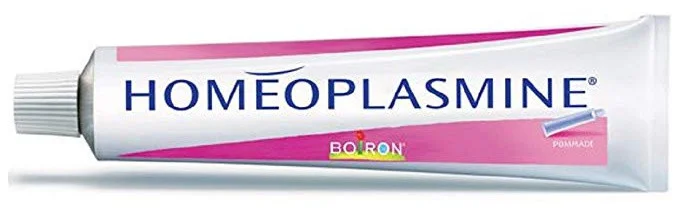
How well does your skin match with Boiron Laboratories HOMEOPLASMINE?
Login to see detailsOr continue via
Quick 1-minute survey • Completely free
Ingredients
Analysis results of Ingredients


Ingredient List
| EWG | CIR | Ingredient Name & Cosmetic Function | Notes |
|---|---|---|---|
| 1 | - | | |
| - | - | Phytolacca Officinalis | |
| - | - | Bryonia | |
| 1 | - | (Skin Conditioning, Masking, Perfuming, Film Forming) | |
Boiron Laboratories HOMEOPLASMINE - Ingredient Explanation
Calendula Officinalis (Pot Marigold)
1. Definition Calendula Officinalis (Pot Marigold):
Calendula Officinalis, also known as Pot Marigold, is a flowering plant that belongs to the daisy family. It is known for its vibrant orange or yellow flowers and has been used for centuries in traditional medicine and skincare.2. Use:
Calendula Officinalis is commonly used in cosmetics for its soothing and anti-inflammatory properties. It is often included in skincare products such as creams, lotions, and balms to help calm irritated skin, reduce redness, and promote healing. Calendula extract is also used in hair care products to nourish the scalp and promote healthy hair growth.3. Usage Calendula Officinalis (Pot Marigold):
When using products containing Calendula Officinalis, it is important to patch test first to ensure that you do not have any allergic reactions. Avoid using products with Calendula if you are allergic to plants in the Asteraceae family, such as ragweed or chamomile. If you experience any adverse reactions, discontinue use immediately and consult a healthcare professional.4. References:
- Gupta, D., & Jain, N. (2010). Herbal cosmetics: used for skin and hair. International Journal of Pharma and Bio Sciences, 1(1), 1-21.
- Dweck, A. C. (2002). Calendula officinalis. International Journal of Cosmetic Science, 24(5), 297-306.
- Preethi, K. C., & Kuttan, R. (2009). Wound healing activity of flower extract of Calendula Officinalis. Journal of Basic and Clinical Physiology and Pharmacology, 20(1), 73-79.
Phytolacca Officinalis
Ingredient data is being updated. Please check back later.
Bryonia
Ingredient data is being updated. Please check back later.
Benzoin
1. Definition Benzoin:
Benzoin is a resin extracted from the Styrax tree, commonly found in Southeast Asia. It has a sweet, vanilla-like scent and is often used in cosmetics for its aromatic properties and skin-soothing benefits.2. Use:
Benzoin is commonly used in cosmetics as a natural fragrance and fixative agent. It is also known for its antiseptic and anti-inflammatory properties, making it a popular ingredient in skincare products. Benzoin can help to calm and soothe irritated skin, making it suitable for sensitive skin types.3. Usage Benzoin:
Benzoin can be found in various cosmetic products such as lotions, creams, balms, and perfumes. It is often used in small concentrations due to its potent aroma and skin sensitizing potential. When using products containing benzoin, it is important to perform a patch test first to check for any allergic reactions. It is recommended to consult with a dermatologist before using products with benzoin, especially for individuals with sensitive skin.4. References:
- Ali, B., Al-Wabel, N.A., Shams, S., Ahamad, A., & Khan, S.A. (2015). Essential oils used in aromatherapy: A systemic review. Asian Pacific Journal of Tropical Biomedicine, 5(8), 601-611.
- Grieve, M. (1971). A Modern Herbal. New York: Dover Publications.
- Tisserand, R., & Young, R. (2014). Essential Oil Safety: A Guide for Health Care Professionals (2nd ed.). London: Churchill Livingstone.
Review

Didn't find
the information you need?








Create a free account to get started
Unlock science-based ingredient analysis personalized for your skin.
Already have an account? Log in
We protect your privacy. We never send spam.