


Analysis locked
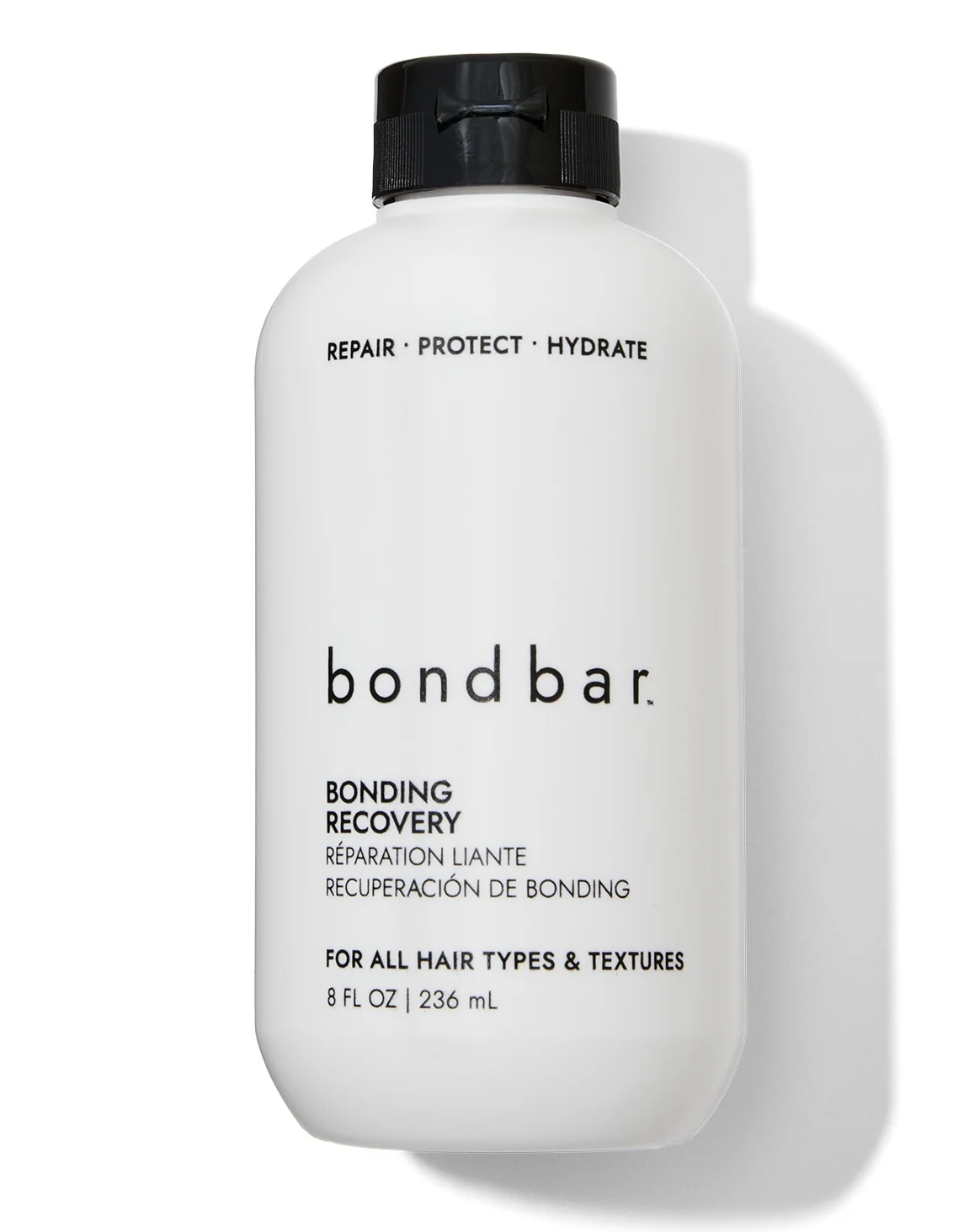
How well does your skin match with Bond bar Bonding Technology Lightener?
Login to see detailsOr continue via
Quick 1-minute survey • Completely free
Ingredients
Analysis results of Ingredients


Ingredient List
| EWG | CIR | Ingredient Name & Cosmetic Function | Notes |
|---|---|---|---|
| 3 6 | B | (Oxidising Agent) | |
| 2 3 | B | (pH adjusting agent, pH adjusting agent, Anticorrosive) | |
| 4 7 | B | (Bleaching, Oxidising Agent) | |
| 1 | - | (Opacifying, pH adjusting agent, Absorbent, Bulking Agent, Binding) | |

Bond bar Bonding Technology Lightener - Ingredient Explanation
Potassium Persulfate
1. Definition Potassium Persulfate:
Potassium Persulfate is a white, crystalline salt that is commonly used as an oxidizing agent in various cosmetic products. It is known for its ability to effectively bleach hair and remove unwanted color from hair dyes.2. Use:
Potassium Persulfate is primarily used in hair bleaching products, such as hair lighteners and color removers. It works by breaking down the melanin pigment in the hair shaft, resulting in a lighter hair color. Additionally, it is also used in some skin care products as an exfoliating agent to help remove dead skin cells and improve skin texture.3. Usage Potassium Persulfate:
When using products containing Potassium Persulfate, it is important to follow the instructions provided on the packaging carefully. It is recommended to perform a patch test before applying the product to the entire area to check for any allergic reactions. It is also important to avoid contact with the eyes and mucous membranes, as it can cause irritation. Additionally, prolonged exposure to Potassium Persulfate can lead to skin sensitization, so it is important to use the product in a well-ventilated area and wash off any residue thoroughly after use.4. References:
- Sivakumar, V., & Anandan, S. (2018). Oxidative hair dyeing using potassium persulfate as an oxidant. Journal of Cosmetic Science, 69(1), 19-27.
- Lupo, M. P. (2015). Chemical peels: Guide to the basics. Journal of Drugs in Dermatology, 14(5), 508-513.
- Rastogi, S. C. (2002). Toxicology of persulfate in hair cosmetics. Contact Dermatitis, 46(4), 207-209.
Sodium Silicate
1. Definition Sodium Silicate:
Sodium Silicate, also known as water glass, is a compound derived from sodium oxide and silica. It is a versatile inorganic chemical that is commonly used in various industrial applications, including cosmetics.2. Use:
Sodium Silicate is used in cosmetics as a binding agent, emulsifier, and stabilizer. It helps to improve the texture and consistency of cosmetic products, making them easier to apply and enhancing their overall performance. Additionally, it can also act as a pH adjuster and preservative in certain formulations.3. Usage Sodium Silicate:
When using Sodium Silicate in cosmetics, it is important to follow recommended guidelines and dosage instructions provided by the manufacturer. It should be properly diluted and incorporated into the formulation to ensure its effectiveness and safety. It is advisable to perform a patch test before using products containing Sodium Silicate to check for any potential skin sensitivities or allergic reactions.4. References:
- Gheisari, H. R., & Zarei, L. (2015). The effect of sodium silicate on the mechanical properties of mortar. Construction and Building Materials, 95, 1-6.
- Kole, P. L., & Banerjee, S. (2015). Sodium silicate from rice husk ash: A review. Journal of Scientific & Industrial Research, 74(3), 137-141.
- Hu, J., Zhang, L., & Li, Y. (2016). Study on the properties of sodium silicate modified asphalt. Construction and Building Materials, 122, 490-497.
Ammonium Persulfate
1. Definition Ammonium Persulfate:
Ammonium Persulfate is a white, crystalline salt that is commonly used as an oxidizing agent in various cosmetic formulations. It is a powerful chemical compound that helps to break down and remove impurities from the skin, making it a popular ingredient in exfoliating and cleansing products.2. Use:
Ammonium Persulfate is primarily used in cosmetic products for its exfoliating properties. It helps to slough off dead skin cells, unclog pores, and promote cell turnover, resulting in smoother, brighter skin. Additionally, it can help to lighten dark spots and improve the overall texture of the skin.3. Usage Ammonium Persulfate:
When using products containing Ammonium Persulfate, it is important to follow the instructions provided by the manufacturer carefully. It is recommended to perform a patch test before using the product on a larger area of skin to ensure that you do not have any adverse reactions. It is also important to avoid using products containing Ammonium Persulfate on broken or irritated skin, as it can cause further irritation.4. References:
- "Safety Assessment of Persulfates as Used in Cosmetics" by the Cosmetic Ingredient Review Expert Panel
- "Ammonium Persulfate" by the Environmental Protection Agency
- "The Use of Ammonium Persulfate in Cosmetic Formulations" by the International Journal of Cosmetic Science
Magnesium Carbonate
1. Definition Magnesium Carbonate:
Magnesium Carbonate is a white, odorless, water-insoluble powder that is commonly used in cosmetics as an absorbent, anti-caking agent, and bulking agent. It is also known as magnesite or hydrated magnesium carbonate.2. Use:
Magnesium Carbonate is primarily used in cosmetic formulations such as powders, foundations, and dry shampoos to improve texture, absorb excess oil, and prevent clumping. It helps to mattify the skin and create a smooth, velvety finish.3. Usage Magnesium Carbonate:
When using Magnesium Carbonate in cosmetics, it is important to follow the recommended guidelines provided by the manufacturer. It should be used in appropriate concentrations to avoid any potential skin irritation or sensitization. It is generally considered safe for use in cosmetics, but individuals with sensitive skin may want to perform a patch test before applying products containing Magnesium Carbonate to the entire face.4. References:
- Cosmetics Info. (n.d.). Magnesium Carbonate. https://cosmeticsinfo.org/ingredient/magnesium-carbonate
- Personal Care Council. (2019). Magnesium Carbonate. https://www.personalcarecouncil.org/ingredient/magnesium-carbonate/
- Truth in Aging. (2021). Ingredient Spotlight: Magnesium Carbonate. https://www.truthinaging.com/ingredients/magnesium-carbonate
Review

Didn't find
the information you need?










Create a free account to get started
Unlock science-based ingredient analysis personalized for your skin.
Already have an account? Log in
We protect your privacy. We never send spam.