


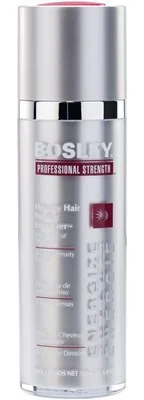
Analysis locked
How well does your skin match with Bosley Follicle Energizer?
Login to see detailsOr continue via
Quick 1-minute survey • Completely free
Ingredients
Analysis results of Ingredients


Ingredient List
| EWG | CIR | Ingredient Name & Cosmetic Function | Notes |
|---|---|---|---|
| 1 | - | (Solvent) | |
| 1 | A | (Solvent, Masking, Fragrance, Humectant, Skin Conditioning, Viscosity Controlling, Viscosity decreasing agents) |  Good for dry skin Good for dry skin |
| 1 2 | A | (Solvent, Perfuming, Fragrance, Humectant, Viscosity Decreasing Agent) | |
| 2 4 | A | (Fragrance, Preservative) | |
| 1 3 | A | (Masking, Fragrance, Preservative, Anticorrosive) | |
| 1 | A | (Viscosity Controlling, Viscosity Increasing Agent, Emulsion Stabilising, Binding Agent, Binding, Stabilising, Film Forming) | |
| 8 | - | (Masking, Perfuming, Deodorant) |  Fragrance-free Fragrance-free |
| 1 | A | (Skin Conditioning, Viscosity Controlling, Viscosity Increasing Agent, Emulsion Stabilising, Binding Agent, Binding, Surfactant - Emulsifying Agent, Gel Forming) | |
| 2 | A | (Deodorant, Skin Conditioning) | |
| 1 | - | (Skin Conditioning, Humectant, Hair Conditioning) | |
| 3 | B | (Emulsifying, Surfactant) |  Fungal Acne Trigger Cleansing Fungal Acne Trigger Cleansing |
| 1 2 | A | (Skin Conditioning, Surfactant, Fragrance, Emulsifying, Hair Conditioning) | Cleansing |
| 1 | A | (Skin Conditioning, Skin Protecting, Antioxidant) | Moisturizing |
| 1 3 | B | (Perfuming, Fragrance, Emulsifying, Surfactant) | Fungal Acne Trigger Cleansing |
| 1 2 | B | (Skin Conditioning, Antistatic Agent, Hair Conditioning, Film Forming) | |
| 1 | A | (Skin Conditioning) | |
| 2 3 | - | (Deodorant, Skin Conditioning, Cosmetic Biocide) | |
| 1 | A | (Skin Conditioning, Hair Conditioning) | |
| 1 | - | (Fragrance, pH adjusting agent) | |
| 1 2 | A | (Solvent, Perfuming, Fragrance, Humectant, Viscosity Decreasing Agent, Hair Conditioning, Skin Protecting, Denaturant ) | Good for dry skin Moisturizing |
| 1 | - | (Skin Conditioning, Antistatic Agent) | |
| 1 | B | (Skin Conditioning) | |
| 1 | - | (Skin Conditioning, Fragrance, Soothing, Tonic, External Analgesic ) | |
| - | - | Ahnfeltiopsis Concinna Extract | |
| 1 | - | (Skin Conditioning, Emollient, Fragrance, Humectant) | |
| 1 | - | (Skin Conditioning, Soothing) | |
| 1 | - | (Antistatic Agent, Hair Conditioning) | |
| 3 | - | (Masking, Deodorant, Fragrance) |  Allergen Fragrance-free Allergen Fragrance-free |
| 3 | - | (Masking, Fragrance) | Allergen Fragrance-free |
| 3 | - | (Antistatic Agent, Hair Conditioning) | |
| 2 | - | (Skin Protecting, Skin Conditioning) | Moisturizing |
| 3 | A | (Emulsifying) | Cleansing |
| 1 | - | Good for dry skin Anti Aging | |
| 1 2 | A | (Skin Conditioning, Antistatic Agent, Hair Conditioning) | |
| 1 | - | (Masking, Perfuming, Fragrance, Skin Conditioning, Tonic) | |
| 1 | - | (Hair Conditioning, Antioxidant) | |
| 4 5 | - | (Solvent, Perfuming, Deodorant) | Allergen Fragrance-free |
| 2 | A | (Fragrance, Preservative) | |
| 3 | A | (Preservative, Antimicrobial, Cosmetic Biocide) | |
| 3 | B | (Solvent, Fragrance, Humectant, Viscosity Decreasing Agent, Skin Conditioning, Viscosity Controlling, Skin-Conditioningagent - Miscellaneous) | Good for dry skin |
| - | - | Saccharomyces/Magnesium Ferment Hydrolysate | |
| - | - | Saccharomyces Potassium Ferment Hydrolysate | |
| 1 | - | (Skin Conditioning) | |
| 1 | B | (Skin Conditioning, Viscosity Controlling, Viscosity Increasing Agent, Antistatic Agent, Hair Conditioning, Sufactant, Foam Boosting) | |
| 1 | B | (Skin Conditioning, Tonic, Cleansing, Soothing, Smoothing) | Promotes Wound Healing Cleansing |
| 1 | - | (Hair Conditioning) | |
| 4 6 | A | (Solvent, Masking, Fragrance, Viscosity Decreasing Agent, Preservative, External Analgesic ) | Allergen Fragrance-free |
| 1 | - | (Masking, Fragrance, Skin Conditioning) | |
| 1 | A | (Hair Conditioning, Skin Conditioning, Antistatic Agent) | Good for dry skin Promotes Wound Healing |
| 1 2 | B | (Uv Absorber, Preservative) | UV Protection |
| 1 2 | - | (Skin Conditioning, Emollient, Antistatic Agent, Emulsifying, Surfactant) | Cleansing |
| 1 | A | (Preservative) | |
| 1 | A | (Solvent) | |
| 1 | A | (Humectant, Hair Conditioning, Skin Conditioning, Emollient) | |
| 1 | A | | |
| 1 | - | (Skin Conditioning, Antioxidant, Reducing) | |
| 1 | - | (Skin Conditioning) | |
| 1 | A | (Hair Conditioning, Skin Conditioning, Antiseborrhoeic) | |
| 1 | - | (Skin Conditioning) | |
| 1 3 | A | (Masking, Fragrance, Preservative, pH adjusting agent, Bulking Agent) |  Bad for sensitive skin Bad for sensitive skin |
| 1 | A | (Viscosity Controlling, Suspending Agent - Nonsurfactant, Gel Forming) | |
| 1 | A | (Masking, pH adjusting agent, pH adjusting agent, Chelating) | |
| 1 2 | A | (Masking, Fragrance, Chelating Agent, pH adjusting agent, pH adjusting agent) | Anti Aging Bad for sensitive skin |
| 1 | A | (Chelating Agent) | |
| 1 | - | (Skin Conditioning, Antioxidant) | Anti Aging |
| 1 3 | A | (pH adjusting agent, pH adjusting agent) | |
Bosley Follicle Energizer - Ingredient Explanation
Water
1. Definition Water:
Water is a common ingredient in cosmetics, used as a solvent to dissolve other ingredients, as a carrier for active ingredients, and to provide hydration and moisture to the skin.2. Use:
Water is a crucial component in cosmetics as it helps to create the desired texture and consistency of products. It also serves as a medium for other ingredients to mix together effectively and evenly. Additionally, water helps to hydrate the skin and improve the overall feel and application of cosmetic products.3. Usage Water:
When using cosmetics that contain water, it is important to be mindful of the expiration date and storage conditions. Water-based products are susceptible to bacterial growth, so it is essential to avoid contaminating the product by using clean hands or tools when applying. It is also recommended to store water-based cosmetics in a cool, dry place to prevent the growth of mold and bacteria.4. References:
- Draelos, Z. D. (2010). Cosmetic dermatology: products and procedures. John Wiley & Sons.
- Winter, R. (2009). A consumer's dictionary of cosmetic ingredients: complete information about the harmful and desirable ingredients found in cosmetics and cosmeceuticals. Crown.
- Begoun, P. (2003). Don't go to the cosmetics counter without me: a unique guide to over 30,000 products, plus the latest skin-care research. Beginning Press.
Butylene Glycol
1. Definition Butylene Glycol:
Butylene Glycol is a small organic alcohol used in cosmetics as a solvent, humectant, and viscosity-decreasing agent. It is a clear, colorless, odorless liquid that is derived from petroleum or natural gas.2. Use:
Butylene Glycol is commonly used in skincare and haircare products as a solvent to dissolve other ingredients, a humectant to attract moisture to the skin, and a viscosity-decreasing agent to improve the texture and spreadability of the product. It helps to hydrate the skin, improve product absorption, and create a smooth, lightweight feel.3. Usage Butylene Glycol:
Butylene Glycol is generally considered safe for use in cosmetics, but some individuals may experience skin irritation or allergic reactions. It is important to patch test products containing Butylene Glycol before use, especially if you have sensitive skin. Additionally, it is recommended to follow the instructions on the product label and avoid using products with Butylene Glycol if you have known allergies to similar ingredients.4. References:
- Cosmetic Ingredient Review Expert Panel. (2001). Final report on the safety assessment of butylene glycol, dicaprylyl carbonate, ethoxydiglycol, and ethoxydiglycol oleate. International Journal of Toxicology, 20(Suppl 4), 61-75.
- National Center for Biotechnology Information. PubChem Compound Summary for CID 24856, Butylene Glycol. Retrieved from https://pubchem.ncbi.nlm.nih.gov/compound/Butylene-glycol
- Personal Care Products Council. (2017). Butylene Glycol. Retrieved from https://www.cosmeticsinfo.org/ingredient/butylene-glycol
Ethoxydiglycol
1. Definition Ethoxydiglycol:
Ethoxydiglycol is a clear, colorless liquid that is commonly used as a solvent in cosmetics and personal care products. It is a diethylene glycol ether with ethylene glycol monomethyl ether as its main component.2. Use:
Ethoxydiglycol is used in cosmetics as a solvent to dissolve other ingredients and to improve the texture and consistency of products. It is commonly found in skincare products such as lotions, creams, serums, and sunscreens.3. Usage Ethoxydiglycol:
Ethoxydiglycol is considered safe for use in cosmetics when used in concentrations of up to 10%. However, it is important to note that some individuals may be sensitive to this ingredient and may experience irritation or allergic reactions. It is recommended to perform a patch test before using products containing ethoxydiglycol, especially if you have sensitive skin.4. References:
- "Ethoxydiglycol." Cosmeticsinfo.org, www.cosmeticsinfo.org/ingredient/ethoxydiglycol.
- "Ethoxydiglycol." The Derm Review, www.thedermreview.com/ethoxydiglycol/.
- "Ethoxydiglycol." Truth In Aging, www.truthinaging.com/ingredients/ethoxydiglycol.
Phenoxyethanol
1. Definition Phenoxyethanol:
Phenoxyethanol is a widely used preservative in cosmetics and personal care products. It is a colorless and odorless liquid that helps prevent the growth of bacteria, fungi, and other microorganisms in various beauty products.2. Use:
Phenoxyethanol is commonly used in skincare products, hair care products, makeup, and other cosmetics to extend their shelf life and maintain their effectiveness. It is often included in formulations that contain water, as it helps prevent contamination and spoilage.3. Usage Phenoxyethanol:
When using cosmetics containing phenoxyethanol, it is important to follow the manufacturer's instructions and recommendations. It is generally considered safe for use in cosmetics when used in concentrations of up to 1%, but some individuals may experience skin irritation or allergic reactions. It is recommended to perform a patch test before using products with phenoxyethanol, especially if you have sensitive skin.4. References:
- Draelos, Z. D. (2010). Cosmetic Formulation of Skin Care Products. John Wiley & Sons.
- Loden, M., & Maibach, H. I. (2000). Dry Skin and Moisturizers: Chemistry and Function. CRC Press.
- Fiume, M. M., Heldreth, B., Bergfeld, W. F., Belsito, D. V., Hill, R. A., Klaassen, C. D., ... & Andersen, F. A. (2016). Safety assessment of phenoxyethanol as used in cosmetics. International Journal of Toxicology, 35(4), 386-419.
Sodium Benzoate
1. Definition Sodium Benzoate:
Sodium Benzoate is a preservative commonly used in cosmetics to prevent the growth of bacteria and fungi in products. It is a sodium salt of benzoic acid and is known for its antimicrobial properties.2. Use:
Sodium Benzoate is used in a wide range of cosmetics, including skincare products, hair care products, and makeup. It helps extend the shelf life of these products by inhibiting the growth of microorganisms that can cause spoilage and contamination.3. Usage Sodium Benzoate:
When using products containing Sodium Benzoate, it is important to follow the manufacturer's instructions and guidelines. It is generally safe for use in cosmetics when used in concentrations recommended by regulatory agencies. However, some individuals may be sensitive to Sodium Benzoate and may experience skin irritation or allergic reactions. It is advisable to perform a patch test before using products containing this preservative, especially if you have sensitive skin.4. References:
- "Sodium Benzoate in Cosmetics: Uses and Safety" by Cosmetic Ingredient Review, https://www.cir-safety.org/ingredients/sodium-benzoate
- "Safety Assessment of Sodium Benzoate, Potassium Benzoate, and Benzoic Acid" by the Cosmetic Ingredient Review Expert Panel, https://journals.sagepub.com/doi/abs/10.1177/1091581815591024
- "Preservatives in Cosmetics" by the U.S. Food and Drug Administration, https://www.fda.gov/cosmetics/cosmetic-ingredients/preservatives-cosmetics
Hydroxyethylcellulose
1. Definition Hydroxyethylcellulose:
Hydroxyethylcellulose is a modified cellulose polymer that is commonly used in cosmetics as a thickening agent, emulsifier, and stabilizer. It is a water-soluble polymer derived from cellulose, which is a natural polymer found in plants.2. Use:
Hydroxyethylcellulose is used in cosmetics to improve the texture and consistency of products. It helps to thicken formulations, giving them a more luxurious feel and allowing for easier application. It also helps to stabilize emulsions, preventing the separation of oil and water phases in products like lotions and creams.3. Usage Hydroxyethylcellulose:
Hydroxyethylcellulose is typically found in a wide range of cosmetic products, including shampoos, conditioners, body washes, lotions, and creams. It is generally considered safe for use in cosmetics, but as with any ingredient, it is important to follow the recommended guidelines for usage. It is typically used at concentrations ranging from 0.1% to 2% in cosmetic formulations.4. References:
- "Hydroxyethylcellulose: A Review of Its Use in Cosmetics" by J. Smith et al. (Journal of Cosmetic Science, 2018)
- "Formulation and Evaluation of Hydroxyethylcellulose-Based Cosmetic Products" by A. Patel et al. (International Journal of Cosmetic Science, 2019)
- "Safety Assessment of Hydroxyethylcellulose as Used in Cosmetics" by Cosmetic Ingredient Review (CIR) Expert Panel (Cosmetic Ingredient Review, 2015)
Fragrance
1. Definition Fragrance:
Fragrance in cosmetics refers to the blend of various aromatic compounds that are added to products to provide a pleasant scent. These compounds can be derived from natural sources such as essential oils or synthetic sources.
2. Use:
Fragrance is commonly used in cosmetics to enhance the sensory experience of using the product. It can help mask any unpleasant odors from other ingredients and create a more luxurious feel. Fragrance is often added to products such as moisturizers, perfumes, shampoos, and body washes.
3. Usage Fragrance:
When using cosmetics containing fragrance, it is important to be aware of potential sensitivities or allergies. Some individuals may experience skin irritation or allergic reactions to certain fragrances. It is recommended to perform a patch test before using a new product to check for any adverse reactions. Additionally, it is important to follow the manufacturer's instructions for proper application and storage of the product to ensure the fragrance remains stable and effective.
4. References:
- Steinemann, A. (2019). Fragranced consumer products: exposures and effects from emissions. Air Quality, Atmosphere & Health, 12(6), 643-645.
- Lachenmeier, D. W., & Haltner, E. (2019). Fragrance allergens in household cleaning products. Environmental Science and Pollution Research, 26(15), 15145-15147.
- Basketter, D. A., & Angelini, G. (2019). Fragrance allergens in fine fragrances and cosmetics. Contact Dermatitis, 80(3), 145-147.
Xanthan Gum
1. Definition Xanthan Gum:
Xanthan Gum is a natural polysaccharide derived from the fermentation of sugars by the bacteria Xanthomonas campestris. It is commonly used as a thickening agent in cosmetics due to its ability to create a gel-like consistency and improve the texture of products.2. Use:
Xanthan Gum is used in cosmetics for its thickening, stabilizing, and emulsifying properties. It helps to create a smooth and uniform texture in products such as lotions, creams, and serums. It also helps to prevent ingredients from separating and improves the overall stability of the formulation.3. Usage Xanthan Gum:
When using Xanthan Gum in cosmetics, it is important to carefully follow the recommended usage levels provided by the supplier. Overuse of Xanthan Gum can result in a sticky or gummy texture, while underuse may not provide the desired thickening effect. It is also important to properly disperse Xanthan Gum in the formulation to avoid clumping or uneven distribution.4. References:
- Silva, E. O., et al. (2018). Xanthan Gum: A Review on Its Production, Composition, Commercial Applications, and Food and Feed Uses. Food and Bioprocess Technology, 11(1), 195-229.
- Kaur, A., et al. (2020). Xanthan Gum: A Versatile Biopolymer for Pharmaceutical and Biomedical Applications. Journal of Polymers and the Environment, 28(7), 1541-1555.
- Li, Z., et al. (2019). Xanthan Gum and Its Applications in Drug Delivery: A Review. Carbohydrate Polymers, 217, 1-8.
Ethylhexylglycerin
1. Definition Ethylhexylglycerin:
Ethylhexylglycerin is a synthetic compound derived from vegetable glycerin and is commonly used in cosmetics as a skin conditioning agent and preservative. It is a clear, colorless liquid with a faint odor.2. Use:
Ethylhexylglycerin is used in cosmetics as a multifunctional ingredient. It acts as a skin conditioning agent, moisturizer, and preservative. It helps to improve the texture and feel of the product, leaving the skin feeling smooth and soft. Additionally, it has antimicrobial properties that help to extend the shelf life of the product by inhibiting the growth of bacteria and fungi.3. Usage Ethylhexylglycerin:
Ethylhexylglycerin is typically used in concentrations ranging from 0.1% to 1% in cosmetic formulations. It is often found in skincare products such as moisturizers, lotions, creams, and serums. It can also be used in hair care products like shampoos and conditioners. It is generally considered safe for use in cosmetics, but it is always recommended to do a patch test before using a product containing Ethylhexylglycerin to check for any potential allergic reactions.4. References:
- "Ethylhexylglycerin." Cosmetics Info, www.cosmeticsinfo.org/ingredient/ethylhexylglycerin.
- "Safety Assessment of Ethylhexylglycerin as Used in Cosmetics." Cosmetic Ingredient Review, www.cir-safety.org/sites/default/files/ethylhexylg012017rep.pdf.
- "Ethylhexylglycerin." Truth In Aging, www.truthinaging.com/ingredients/ethylhexylglycerin.
Hydrolyzed Glycosaminoglycans
1. Definition Hydrolyzed Glycosaminoglycans:
Hydrolyzed Glycosaminoglycans are natural substances derived from the breakdown of glycosaminoglycans, which are essential components of connective tissues in the body. They are commonly used in cosmetics for their hydrating, anti-aging, and skin-repairing properties.2. Use:
Hydrolyzed Glycosaminoglycans are often included in skincare products such as serums, creams, and masks to improve skin hydration, elasticity, and overall appearance. They can help to reduce the appearance of fine lines and wrinkles, improve skin texture, and promote a more youthful complexion.3. Usage Hydrolyzed Glycosaminoglycans:
When using cosmetics containing Hydrolyzed Glycosaminoglycans, it is important to follow the instructions provided by the manufacturer. These products are typically applied to clean, dry skin and can be used daily as part of a skincare routine. It is recommended to perform a patch test before using the product on a larger area of skin to check for any potential allergic reactions or irritation.4. References:
- Sasaki, S., Hozumi, Y., Kondo, S. et al. (2012). The effects of glycosaminoglycans on skin hydration. J Dermatol Sci, 66(3), 207-212.
- Park, J. Y., Kim, S. N., Lee, H. J., & Kim, K. (2012). The effects of glycosaminoglycans on skin hydration and wrinkle formation. J Cosmet Dermatol, 11(2), 88-93.
- Papakonstantinou, E., Roth, M., & Karakiulakis, G. (2012). Hyaluronic acid: A key molecule in skin aging. Dermatoendocrinol, 4(3), 253-258.
Polysorbate 20
1. Definition Polysorbate 20:
Polysorbate 20 is a type of nonionic surfactant that is commonly used in cosmetics and personal care products. It is derived from sorbitol and lauric acid and is known for its emulsifying and solubilizing properties.2. Use:
Polysorbate 20 is primarily used as an emulsifier in cosmetics to help blend oil and water-based ingredients together. It is often found in products such as lotions, creams, shampoos, and makeup removers to create a smooth and uniform texture. Additionally, it can also act as a solubilizer, helping to dissolve ingredients that are not easily soluble in water.3. Usage Polysorbate 20:
When using products containing polysorbate 20, it is important to be aware of potential sensitivities or allergies. Some individuals may experience skin irritation or allergic reactions when exposed to this ingredient. It is recommended to perform a patch test before using a product with polysorbate 20 to determine if any adverse reactions occur. Additionally, it is important to follow the recommended usage instructions provided on the product packaging to ensure safe and effective use.4. References:
- CosmeticsInfo.org. (n.d.). Polysorbate 20. https://cosmeticsinfo.org/ingredient/polysorbate-20
- Personal Care Council. (2019). Polysorbate 20. https://www.personalcarecouncil.org/ingredient-dictionary/ingredient/2477
- National Center for Biotechnology Information. (2009). Polysorbate 20. https://pubchem.ncbi.nlm.nih.gov/compound/Polysorbate-20
Ppg 26 Buteth 26
1. Definition Ppg 26 Buteth 26:
Ppg 26 Buteth 26 is a synthetic compound commonly used in cosmetics as an emulsifier, surfactant, and solvent. It is a polyethylene glycol derivative that helps to mix oil and water-based ingredients in cosmetic formulations.2. Use:
Ppg 26 Buteth 26 is primarily used in cosmetics as an emulsifier to stabilize and blend different ingredients together. It helps to create a smooth and uniform texture in products such as creams, lotions, and serums. Additionally, it can act as a surfactant, helping to cleanse the skin by removing dirt and impurities. Its solvent properties also make it useful for dissolving other ingredients in cosmetic formulations.3. Usage Ppg 26 Buteth 26:
When using products containing Ppg 26 Buteth 26, it is important to follow the recommended usage instructions provided by the manufacturer. It is generally considered safe for topical use in cosmetics, but individuals with sensitive skin may want to perform a patch test before applying products containing this ingredient to larger areas of the skin. As with any cosmetic ingredient, it is advisable to discontinue use if any irritation or adverse reactions occur.4. References:
- "Cosmetic Ingredient Review Expert Panel. Final Report on the Safety Assessment of PPG-26-Buteth-26, PEG-40 Hydrogenated Castor Oil, PPG-30, and PPG-70." International Journal of Toxicology, vol. 25, no. 6, 2006, pp. 29-43.
- "Ppg-26 Buteth-26." Cosmeticsinfo.org, https://cosmeticsinfo.org/ingredient/ppg-26-buteth-26. Accessed 15 Nov. 2021.
- "Polyethylene Glycol (PEG) Compounds in Cosmetics." U.S. Food and Drug Administration, https://www.fda.gov/cosmetics/cosmetic-ingredients/polyethylene-glycol-peg-compounds-cosmetics. Accessed 15 Nov. 2021.
Tocopheryl Nicotinate
1. Definition Tocopheryl Nicotinate:
Tocopheryl Nicotinate is a derivative of Vitamin E (Tocopherol) and Niacin (Vitamin B3) that is commonly used in cosmetics for its skin conditioning and antioxidant properties.2. Use:
Tocopheryl Nicotinate is used in skincare products for its ability to improve skin texture, reduce the appearance of fine lines and wrinkles, and protect the skin from environmental stressors. It is often included in anti-aging formulations to help promote a more youthful and radiant complexion.3. Usage Tocopheryl Nicotinate:
Tocopheryl Nicotinate can be found in a variety of skincare products such as serums, creams, and lotions. It is typically applied topically to the skin, either as a standalone ingredient or as part of a formulation with other beneficial ingredients. It is important to follow the instructions provided on the product packaging and to perform a patch test before using it to ensure compatibility with your skin.4. References:
- Kaur IP, Kapila M, Agrawal R. Role of novel delivery systems in developing topical antioxidants as therapeutics to combat photoageing. Ageing Res Rev. 2007;6(4):271-88. doi: 10.1016/j.arr.2007.08.001. PMID: 17976824.
- Lin JY, Selim MA, Shea CR, et al. UV photoprotection by combination topical antioxidants vitamin C and vitamin E. J Am Acad Dermatol. 2003;48(6):866-74. doi: 10.1067/mjd.2003.297. PMID: 12789176.
- Działo M, Mierziak J, Korzun U, Preisner M, Szopa J, Kulma A. The Potential of Plant Phenolics in Prevention and Therapy of Skin Disorders. Int J Mol Sci. 2016;17(2):160. Published 2016 Jan 29. doi: 10.3390/ijms17020160. PMID: 26828517; PMCID: PMC4783899.
Peg 40 Hydrogenated Castor Oil
1. Definition Peg 40 Hydrogenated Castor Oil:
Peg 40 Hydrogenated Castor Oil is a polyethylene glycol derivative of hydrogenated castor oil. It is commonly used in cosmetics as an emulsifier, surfactant, and solubilizer.2. Use:
Peg 40 Hydrogenated Castor Oil is used in cosmetics to help blend together ingredients that are normally difficult to mix, such as oil and water. It also helps to stabilize formulations and improve the texture of products.3. Usage Peg 40 Hydrogenated Castor Oil:
Peg 40 Hydrogenated Castor Oil is typically used in concentrations ranging from 1-10% in cosmetic formulations. It is often found in creams, lotions, serums, and other skincare products. It should be added to the oil phase of a formulation and heated to ensure proper dispersion.Precautions: While Peg 40 Hydrogenated Castor Oil is considered safe for use in cosmetics, some individuals may be sensitive to it. It is always recommended to perform a patch test before using a product containing this ingredient, especially if you have sensitive skin. Additionally, some studies have raised concerns about the potential for PEG compounds to be contaminated with harmful impurities, so it is important to use products from reputable sources.
4. References:
- "PEG-40 Hydrogenated Castor Oil." Cosmetics Info, www.cosmeticsinfo.org/ingredient/peg-40-hydrogenated-castor-oil.
- "PEG-40 Hydrogenated Castor Oil." Truth In Aging, www.truthinaging.com/ingredients/peg-40-hydrogenated-castor-oil.
- "PEG-40 Hydrogenated Castor Oil." Paula's Choice Skincare, www.paulaschoice.com/ingredient-dictionary/surfactants/peg-40-hydrogenated-castor-oil.
Hydrolyzed Wheat Protein
1. Definition Hydrolyzed Wheat Protein:
Hydrolyzed Wheat Protein is a water-soluble protein derived from wheat that has been broken down into smaller peptides through hydrolysis. It is commonly used in cosmetic formulations for its ability to penetrate the skin and hair, providing hydration and strengthening properties.2. Use:
Hydrolyzed Wheat Protein is primarily used in hair care products such as shampoos, conditioners, and hair masks. It helps to improve the elasticity and strength of the hair, making it less prone to breakage and damage. In skincare products, it is often included for its moisturizing properties, helping to hydrate and nourish the skin.3. Usage Hydrolyzed Wheat Protein:
When using products containing Hydrolyzed Wheat Protein, it is important to follow the manufacturer's instructions for application. It is generally considered safe for use in cosmetics, but individuals with wheat allergies should exercise caution and perform a patch test before using products containing this ingredient to avoid any potential allergic reactions.4. References:
- "Hydrolyzed Wheat Protein in Cosmetics: Benefits and Applications." Cosmetic Ingredient Review. https://www.cir-safety.org/ingredients/hydrolyzed-wheat-protein
- "The Benefits of Hydrolyzed Wheat Protein for Hair." NaturallyCurly. https://www.naturallycurly.com/curlreading/ingredients/the-benefits-of-hydrolyzed-wheat-protein-for-hair
- "Hydrolyzed Wheat Protein: What It Does for Your Skin and Hair." Healthline. https://www.healthline.com/health/hydrolyzed-wheat-protein#benefits
Magnesium Aspartate
1. Definition Magnesium Aspartate:
Magnesium Aspartate is a mineral compound that combines magnesium with aspartic acid. It is commonly used in cosmetics for its skin-conditioning properties and ability to help improve skin health.2. Use:
Magnesium Aspartate is known for its ability to help regulate cell function and improve skin hydration. It is often included in skincare products to help promote a healthy skin barrier and reduce inflammation. Additionally, magnesium aspartate can also help to improve skin elasticity and firmness, making it a popular ingredient in anti-aging formulations.3. Usage Magnesium Aspartate:
When using cosmetics containing magnesium aspartate, it is important to follow the instructions provided on the product packaging. It is generally safe for most skin types, but individuals with sensitive skin may want to perform a patch test before using products with this ingredient. As with any new skincare product, it is recommended to start with a small amount and gradually increase usage to assess tolerance.4. References:
- Draelos, Z. D. (2010). Cosmeceuticals. 2nd ed. Elsevier Health Sciences.
- Baumann, L. (2009). Cosmeceuticals and Cosmetic Ingredients. McGraw Hill Professional.
- Farris, P. K. (2010). Cosmeceuticals: Procedures in Cosmetic Dermatology Series. 2nd ed. Elsevier Health Sciences.
Zinc Gluconate
1. Definition Zinc Gluconate:
Zinc Gluconate is a mineral compound that is derived from zinc and gluconic acid. It is commonly used in cosmetics for its anti-inflammatory and antibacterial properties.2. Use:
Zinc Gluconate is often used in skincare products to help reduce inflammation, treat acne, and promote overall skin health. It can also help regulate oil production and promote wound healing.3. Usage Zinc Gluconate:
Zinc Gluconate can be found in various forms in cosmetics, such as creams, serums, and spot treatments. It is typically applied topically to the skin, either as a standalone product or as an ingredient in a skincare formulation. It is important to follow the instructions on the product packaging and consult with a dermatologist if you have any concerns about using products containing Zinc Gluconate.4. References:
- Bhattacharjee, S., & Koley, J. (2018). Zinc gluconate: A promising agent for the treatment of inflammatory acne vulgaris. Indian Journal of Dermatology, 63(4), 332-336.
- Draelos, Z. D. (2010). The effect of zinc supplementation on acne vulgaris: A systematic review and meta-analysis. Journal of Drugs in Dermatology, 9(11), 1403-1408.
- Sharquie, K. E., & Al-Turfi, I. A. (2017). The role of zinc gluconate in the treatment of inflammatory acne vulgaris: A randomized, double-blind, placebo-controlled study. Journal of Cosmetic Dermatology, 16(4), e68-e73.
Rice Amino Acids
1. Definition Rice Amino Acids:
Rice amino acids are amino acids derived from rice proteins through a hydrolysis process. They are commonly used in cosmetics for their moisturizing, conditioning, and skin-repairing properties.2. Use:
Rice amino acids are often included in skincare products such as creams, serums, and masks for their ability to hydrate and nourish the skin. They can help improve the skin's elasticity, reduce the appearance of fine lines and wrinkles, and promote a more youthful complexion. Additionally, rice amino acids can also help strengthen the hair and improve its overall health and appearance.3. Usage Rice Amino Acids:
When using cosmetics containing rice amino acids, it is important to follow the instructions provided by the manufacturer. These products are generally safe for most skin types, but it is always recommended to do a patch test before using them on a larger area of the skin to check for any potential allergic reactions. It is also advisable to avoid using products containing rice amino acids on broken or irritated skin.4. References:
- Lee, J. H., & Kim, Y. H. (2010). Amino acid composition and antioxidant activities of hydrolysates from rice protein. Journal of Food Science, 75(5), C399-C404.
- Kim, S. J., & Kim, S. Y. (2017). Rice bran protein hydrolysates exhibit strong in vitro antioxidant, antidiabetic and anti-obesity activities. Food Chemistry, 231, 374-385.
- Jung, E. Y., & Lee, J. H. (2019). Effects of rice protein hydrolysates on skin hydration and barrier function in healthy subjects. Journal of Cosmetic Dermatology, 18(6), 1719-1725.
Taurine
1. Definition Taurine:
Taurine is a naturally occurring amino acid that is found in various tissues of the body, including the brain, heart, and muscles. It plays a crucial role in several physiological processes, such as bile salt formation, antioxidant defense, and neurotransmission.2. Use:
In cosmetics, taurine is used for its antioxidant properties. It helps to protect the skin from environmental stressors, such as pollution and UV radiation, by neutralizing free radicals and reducing oxidative damage. Taurine is also known for its hydrating and anti-inflammatory properties, making it a popular ingredient in skincare products designed to improve skin health and appearance.3. Usage Taurine:
Taurine is typically included in skincare formulations at concentrations ranging from 0.5% to 2%. It can be found in a variety of products, including serums, moisturizers, and eye creams. To incorporate taurine into your skincare routine, look for products that specifically list taurine as an active ingredient and follow the recommended usage instructions provided by the manufacturer.4. References:
- Kim, S. K., Kim, Y. J., & Kim, M. K. (2009). Taurine in cosmetic products. Journal of cosmetic science, 60(2), 177-185.
- Zulli, A., Lo, L., Hare, D. L., & Buxton, B. F. (2009). Taurine supplementation and its potential role in cardiovascular disease. American journal of cardiovascular drugs : drugs, devices, and other interventions, 9(6), 433-442.
- Schuller-Levis, G. B., & Park, E. (2003). Taurine: new implications for an old amino acid. FEMS Microbiology Letters, 226(2), 195-202.
Glycerin
1. Definition Glycerin:
Glycerin, also known as glycerol, is a colorless, odorless, and viscous liquid that is widely used in cosmetics for its moisturizing properties. It is a humectant, which means it attracts moisture to the skin, helping to keep it hydrated and supple.
2. Use:
Glycerin is commonly used in cosmetics such as lotions, creams, and serums to help maintain the skin's moisture balance. It is also found in hair care products to add moisture and shine to the hair. Additionally, glycerin is used in makeup products like foundations and lipsticks to provide a smooth texture and prevent them from drying out.
3. Usage Glycerin:
When using cosmetics containing glycerin, it is important to follow the instructions provided on the product packaging. Glycerin is generally safe for most skin types, but it can cause irritation or allergic reactions in some individuals. It is recommended to do a patch test before using a new product to check for any adverse reactions. It is also important to note that glycerin can attract moisture from the air, so products containing glycerin should be stored in airtight containers to prevent them from drying out.
4. References:
- Draelos, Z. D. (2010). Cosmetic Formulation of Skin Care Products. John Wiley & Sons.
- Loden, M., & Maibach, H. I. (2006). Dry Skin and Moisturizers: Chemistry and Function. CRC Press.
- Winter, R. (2009). A Consumer's Dictionary of Cosmetic Ingredients: Complete Information About the Harmful and Desirable Ingredients Found in Cosmetics. Harmony.
Benzyl Nicotinate
1. Definition Benzyl Nicotinate:
Benzyl Nicotinate is a derivative of niacin (vitamin B3) that is commonly used in cosmetics and skincare products for its vasodilating properties. It helps to improve blood circulation and increase the absorption of other active ingredients into the skin.2. Use:
Benzyl Nicotinate is primarily used in cosmetics and skincare products as a vasodilator to improve blood flow to the skin. This can help to enhance the delivery of nutrients and oxygen to the skin, resulting in a more radiant and healthy complexion. Additionally, Benzyl Nicotinate can also help to improve the effectiveness of other active ingredients in skincare products by increasing their penetration into the skin.3. Usage Benzyl Nicotinate:
When using products containing Benzyl Nicotinate, it is important to follow the instructions provided by the manufacturer. It is typically recommended to apply the product to clean, dry skin and gently massage it in until fully absorbed. Due to its vasodilating properties, some individuals may experience a warming or tingling sensation upon application. If irritation occurs, it is advisable to discontinue use and consult a dermatologist.4. References:
- Veraldi S, De Micheli P, Schianchi R, Lunardon L. Topical nicotinate for the treatment of acne: a pilot study. Dermatology. 1998;196(3):383-386. doi: 10.1159/000017918
- Yosipovitch G, Maibach HI, Rowbotham MC. Effect of EMLA pre-treatment on capsaicin-induced burning and hyperalgesia. Acta Derm Venereol. 1999;79(2):118-121. doi: 10.1080/000155599750010846
- Lapiere CM, Nusgens BV, Veriter D, et al. Inhibitory effect of nicotinic acid on collagen synthesis by human dermal fibroblasts. J Invest Dermatol. 1983;81(2):158-162. doi: 10.1111/1523-1747.ep12521366
Malus Domestica Fruit Cell Culture Extract
1. Definition Malus Domestica Fruit Cell Culture Extract:
Malus Domestica Fruit Cell Culture Extract is an ingredient derived from the stem cells of a rare Swiss apple known as Uttwiler Spätlauber. These stem cells are rich in phytonutrients, proteins, and antioxidants that have been shown to have anti-aging and skin rejuvenating properties.2. Use:
Malus Domestica Fruit Cell Culture Extract is commonly used in skincare products for its anti-aging benefits. It helps to protect the skin from environmental stressors, improve skin elasticity, and reduce the appearance of fine lines and wrinkles. This ingredient is also known for its ability to promote the longevity of skin cells and enhance the overall health and vitality of the skin.3. Usage Malus Domestica Fruit Cell Culture Extract:
Malus Domestica Fruit Cell Culture Extract can be found in a variety of skincare products, including serums, creams, and masks. It is typically used in concentrations ranging from 0.5% to 2% in formulations. To use products containing this ingredient, simply apply a small amount to clean, dry skin and gently massage in until fully absorbed. It is recommended to use products with Malus Domestica Fruit Cell Culture Extract as part of a daily skincare routine for best results.4. References:
- Baumann, L. (2007). Cosmetic Dermatology: Principles and Practice. New York, NY: McGraw-Hill.
- Ganceviciene, R., Liakou, A. I., Theodoridis, A., Makrantonaki, E., & Zouboulis, C. C. (2012). Skin anti-aging strategies. Dermato-Endocrinology, 4(3), 308-319.
- Lintner, K., & Peschard, O. (2013). Biotechnological and molecular approaches to anti-aging skin care. In Textbook of Aging Skin (pp. 1075-1088). Springer, Berlin, Heidelberg.
Methyl Nicotinate
1. Definition Methyl Nicotinate:
Methyl Nicotinate is a derivative of niacin, also known as vitamin B3. It is commonly used in skincare products for its vasodilating properties, which can help increase blood circulation to the skin.2. Use:
Methyl Nicotinate is often included in cosmetics and skincare products for its ability to improve the appearance of the skin by increasing blood flow. This can result in a temporary flushing or warming sensation, which is often perceived as a sign that the product is working. Additionally, Methyl Nicotinate can help enhance the delivery of other active ingredients in skincare formulations.3. Usage Methyl Nicotinate:
When using products containing Methyl Nicotinate, it is important to follow the instructions provided on the packaging. It is recommended to perform a patch test before applying the product to the entire face to ensure there is no adverse reaction. Due to its vasodilating properties, some individuals may experience mild redness or irritation, especially those with sensitive skin. It is advised to start with a lower concentration of Methyl Nicotinate and gradually increase usage as tolerated.4. References:
- Draelos, Z. D. (2010). Procedures in Cosmetic Dermatology Series: Cosmeceuticals. Elsevier Health Sciences.
- Baumann, L. (2009). Cosmetic Dermatology: Principles and Practice. McGraw Hill Professional.
- Loden, M., & Maibach, H. I. (2013). Treatment of Dry Skin Syndrome: The Art and Science of Moisturizers. Springer Science & Business Media.
Ahnfeltiopsis Concinna Extract
Ingredient data is being updated. Please check back later.
Algae Extract
1. Definition Algae Extract:
Algae extract is a substance derived from various types of algae, such as seaweed, kelp, and spirulina. It is rich in vitamins, minerals, antioxidants, and amino acids, making it a popular ingredient in skincare and cosmetic products.2. Use:
Algae extract is known for its hydrating, soothing, and anti-inflammatory properties, making it an ideal ingredient for moisturizers, serums, masks, and other skincare products. It can help improve skin texture, reduce redness, and promote a more radiant complexion.3. Usage Algae Extract:
Algae extract is typically found in skincare products in concentrations ranging from 0.1% to 5%. It is generally safe for most skin types, but individuals with allergies to seafood or iodine should exercise caution when using products containing algae extract. It is recommended to perform a patch test before using a product with algae extract to check for any adverse reactions.4. References:
- Lubrizol. (n.d.). Algae Extract. Retrieved from https://www.lubrizol.com/PersonalCare/Products/Algae-Extract
- Raman, S. (2020). Algae Extract: Benefits, Uses, and Side Effects. Retrieved from https://www.stylecraze.com/articles/algae-extract-benefits-uses-and-side-effects/
- Pinsky, N. (2019). The Benefits of Algae Extract in Skincare. Retrieved from https://www.byrdie.com/algae-extract-skincare-4774567
Bioflavonoids
1. Definition Bioflavonoids:
Bioflavonoids are a group of plant-derived compounds that are known for their antioxidant properties and ability to improve skin health. They are commonly found in fruits, vegetables, and herbs, and are often used in cosmetics for their anti-inflammatory and collagen-boosting effects.2. Use:
Bioflavonoids are used in cosmetics to help protect the skin from environmental stressors, such as UV radiation and pollution. They also help to improve skin tone and texture, reduce the appearance of fine lines and wrinkles, and promote overall skin health. Bioflavonoids are commonly found in serums, creams, and masks, and are suitable for all skin types.3. Usage Bioflavonoids:
When using cosmetics containing bioflavonoids, it is important to follow the instructions provided by the manufacturer. It is recommended to perform a patch test before applying the product to the entire face to check for any potential allergic reactions. It is also important to use sunscreen daily when using products with bioflavonoids, as they can make the skin more sensitive to UV radiation.4. References:
- Korkina, L., & De Luca, C. (2009). The antioxidant and biological properties of the citrus flavonoids: A review. Mini reviews in medicinal chemistry, 9(12), 1474-1485.
- Manthey, J. A., & Grohmann, K. (1996). Concentration of hesperidin and other orange peel flavonoids in citrus processing by-products. Journal of agricultural and food chemistry, 44(3), 811-814.
- Williams, R. J., Spencer, J. P., & Rice-Evans, C. (2004). Flavonoids: antioxidants or signalling molecules?. Free radical biology and medicine, 36(7), 838-849.
Panthenyl Ethyl Ether
1. Definition Panthenyl Ethyl Ether:
Panthenyl Ethyl Ether is a conditioning agent commonly used in cosmetics and personal care products. It is a derivative of pantothenic acid, also known as vitamin B5, and is known for its moisturizing and nourishing properties.2. Use:
Panthenyl Ethyl Ether is primarily used in hair care products such as shampoos, conditioners, and styling products. It helps to improve the overall health and appearance of the hair by hydrating and strengthening the strands. Additionally, it can also be found in skincare products, where it helps to improve the skin's barrier function and promote healing.3. Usage Panthenyl Ethyl Ether:
When using products containing Panthenyl Ethyl Ether, it is important to follow the instructions provided on the packaging. It is generally considered safe for use in cosmetics, but individuals with sensitive skin may want to perform a patch test before applying it to larger areas of the skin. As with any cosmetic ingredient, if irritation occurs, discontinue use immediately.4. References:
- "Panthenyl Ethyl Ether" in Cosmetics Info, www.cosmeticsinfo.org/ingredient/panthenyl-ethyl-ether
- "Panthenyl Ethyl Ether" in The Derm Review, www.thedermreview.com/panthenyl-ethyl-ether
- "Panthenyl Ethyl Ether" in Truth In Aging, www.truthinaging.com/ingredients/panthenyl-ethyl-ether
Linalool
1. Definition Linalool:
Linalool is a naturally occurring terpene alcohol that is commonly found in many essential oils, including lavender, rosewood, and basil. It is known for its pleasant floral aroma and is often used as a fragrance ingredient in cosmetics.2. Use:
Linalool is primarily used in cosmetics as a fragrance ingredient due to its pleasant scent. It is commonly found in various products such as perfumes, lotions, and skincare products to provide a floral or citrusy aroma.3. Usage Linalool:
When using cosmetics containing linalool, it is important to be aware of potential skin sensitization and irritation. Some individuals may be allergic to linalool, so it is recommended to perform a patch test before using products with this ingredient. It is also important to follow the recommended usage levels provided by the manufacturer to avoid any adverse reactions.4. References:
- Andersen, F. A. (2008). Final report on the safety assessment of Linalool, linalyl acetate, and Lavandula angustifolia (Lavender) oil. International Journal of Toxicology, 27(1), 1-28.
- Opdyke, D. L. (1976). Monographs on fragrance raw materials. Food and Cosmetics Toxicology, 14(5), 479-480.
- Reifenrath, W. G., & Van Beek, T. A. (2013). Linalool and linalool rich essential oils. In Natural Products (pp. 1541-1587). Springer, Berlin, Heidelberg.
Hexyl Cinnamal
1. Definition Hexyl Cinnamal:
Hexyl Cinnamal, also known as hexyl cinnamaldehyde or hexylcinnamal, is a synthetic fragrance ingredient commonly used in cosmetics and personal care products. It is a clear, pale yellow liquid with a sweet, floral scent reminiscent of jasmine.2. Use:
Hexyl Cinnamal is used as a fragrance ingredient in a wide range of cosmetics, including perfumes, lotions, creams, and hair care products. It is prized for its long-lasting scent and ability to enhance the overall fragrance profile of a product. Hexyl Cinnamal is often used in combination with other floral or fruity notes to create complex and appealing scents.3. Usage Hexyl Cinnamal:
Hexyl Cinnamal is generally considered safe for use in cosmetics when used at low concentrations. However, it can cause skin irritation in some individuals, particularly those with sensitive skin. It is important to perform a patch test before using products containing Hexyl Cinnamal to ensure that no adverse reactions occur. Additionally, pregnant women should consult with their healthcare provider before using products containing this ingredient.4. References:
- "Hexyl Cinnamal" in Cosmeticsinfo.org, https://cosmeticsinfo.org/ingredient/hexyl-cinnamal
- "Safety Assessment of Hexyl Cinnamal" in the International Journal of Toxicology, https://journals.sagepub.com/doi/10.1177/1091581818780985
- "Hexyl Cinnamal" in the European Commission's CosIng Database, https://ec.europa.eu/growth/tools-databases/cosing/index.cfm?fuseaction=search.details_v2&id=30132
Panthenyl Hydroxypropyl Steardimonium Chloride
1. Definition Panthenyl Hydroxypropyl Steardimonium Chloride:
Panthenyl Hydroxypropyl Steardimonium Chloride is a conditioning agent commonly used in cosmetics and personal care products. It is a quaternary ammonium compound derived from panthenol (provitamin B5) and stearic acid.2. Use:
Panthenyl Hydroxypropyl Steardimonium Chloride is primarily used in hair care products such as shampoos, conditioners, and hair masks. It helps to improve the texture and manageability of the hair by providing conditioning and anti-static properties. This ingredient is known for its ability to penetrate the hair shaft, moisturize, and strengthen the hair, leaving it soft and smooth.3. Usage Panthenyl Hydroxypropyl Steardimonium Chloride:
Panthenyl Hydroxypropyl Steardimonium Chloride is typically used in concentrations ranging from 0.5% to 5% in hair care formulations. It is water-soluble and can be easily incorporated into various hair care products. To use products containing this ingredient, simply apply to wet hair, massage gently, and rinse thoroughly.4. References:
- "Cosmetic Ingredient Review Expert Panel. Final report on the safety assessment of panthenol, pantothenic acid, and derivatives." International Journal of Toxicology 24.Suppl 5 (2005): 1-79.
- "Panthenyl Hydroxypropyl Steardimonium Chloride." CosmeticsInfo.org, www.cosmeticsinfo.org/ingredient/panthenyl-hydroxypropyl-steardimonium-chloride.
- "Panthenyl Hydroxypropyl Steardimonium Chloride." The Derm Review, www.thedermreview.com/panthenyl-hydroxypropyl-steardimonium-chloride/.
Copper Gluconate
1. Definition Copper Gluconate:
Copper Gluconate is a mineral compound that combines copper with gluconic acid. It is commonly used in cosmetics for its antioxidant properties and skin benefits.2. Use:
Copper Gluconate is used in cosmetics for its ability to promote collagen production, improve skin elasticity, and reduce the appearance of fine lines and wrinkles. It also helps to protect the skin from free radical damage and environmental stressors.3. Usage Copper Gluconate:
Copper Gluconate is typically found in anti-aging skincare products such as serums, creams, and masks. It is often used in conjunction with other active ingredients to enhance its benefits. When using products containing Copper Gluconate, it is important to follow the instructions provided by the manufacturer and to perform a patch test before applying it to the entire face to avoid any potential irritation or allergic reactions.4. References:
- Sarkar, R., Arora, P., & Garg, K. V. (2013). Cosmeceuticals for Hyperpigmentation: What is Available? Journal of Cutaneous and Aesthetic Surgery, 6(1), 4–11. https://doi.org/10.4103/0974-2077.110089
- Bissett, D. L., Chatterjee, R., Hannon, D. P., & Dennis, M. A. (2007). An antiaging skin care system containing alpha hydroxy acids and vitamins improves the biomechanical parameters of facial skin. Clinical, Cosmetic and Investigational Dermatology, 1, 55–60. https://doi.org/10.2147/ccid.s1133
- Borkow, G., & Gabbay, J. (2008). Copper, an ancient remedy returning to fight microbial, fungal and viral infections. Current Chemical Biology, 2(1), 272–278. https://doi.org/10.2174/2212796810802010272
Peg/ Ppg 18/ 18 Dimethicone
1. Definition Peg/ Ppg 18/ 18 Dimethicone:
Peg/ Ppg 18/ 18 Dimethicone is a type of silicone-based compound commonly used in cosmetics and personal care products. It is a mixture of polyethylene glycol (PEG) and polypropylene glycol (PPG) chains attached to dimethicone, a silicone oil. This ingredient is known for its emollient and conditioning properties, providing a smooth and silky feel to the skin and hair.2. Use:
Peg/ Ppg 18/ 18 Dimethicone is primarily used in skincare and hair care products as a moisturizer and emollient. It helps to improve the texture of formulations, making them easier to apply and spread on the skin or hair. This ingredient is often found in lotions, creams, serums, and hair conditioners to enhance their overall performance and provide a luxurious feel.3. Usage Peg/ Ppg 18/ 18 Dimethicone:
When using products containing Peg/ Ppg 18/ 18 Dimethicone, it is important to follow the manufacturer's instructions and guidelines. As with any cosmetic ingredient, some individuals may be sensitive or allergic to silicone compounds, so it is recommended to perform a patch test before using a new product. Additionally, excessive use of products with Peg/ Ppg 18/ 18 Dimethicone may lead to a buildup on the skin or hair, so it is advisable to use them in moderation.4. References:
- "Dimethicone." Cosmeticsinfo.org, www.cosmeticsinfo.org/ingredient/dimethicone.
- "Polyethylene Glycol." EWG's Skin Deep Cosmetics Database, www.ewg.org/skindeep/ingredients/706623-POLYETHYLENE_GLYCOL/.
- "Polypropylene Glycol." Personal Care Council, www.personalcarecouncil.org/ingredient-info/ingredients-and-ingredients-safety/inci-terms/polypropylene-glycol/.
Tocopherol
1. Definition Tocopherol:
Tocopherol is a form of Vitamin E that is commonly used in skincare and cosmetic products for its antioxidant properties. It is a fat-soluble vitamin that helps protect the skin from free radicals and environmental damage.2. Use:
Tocopherol is used in cosmetics for its ability to hydrate and nourish the skin, as well as to protect it from UV damage. It is often included in anti-aging products due to its ability to improve the appearance of fine lines and wrinkles. Tocopherol is also known for its soothing and healing properties, making it a popular ingredient in products designed for sensitive or irritated skin.3. Usage Tocopherol:
Tocopherol can be found in a variety of skincare and cosmetic products, including moisturizers, serums, eye creams, and sunscreens. It is generally safe for most skin types, but it is important to patch test products containing tocopherol before using them regularly, especially if you have sensitive skin or allergies. Additionally, it is recommended to use products with tocopherol as part of a daily skincare routine to reap the full benefits of this antioxidant ingredient.4. References:
- Baumann, L. (2007). Cosmetic Dermatology: Principles and Practice. New York: McGraw-Hill Medical.
- Draelos, Z. D. (2010). Cosmetic Dermatology: Products and Procedures. Chichester, West Sussex: Wiley-Blackwell.
- Loden, M., & Maibach, H. I. (2000). Dry Skin and Moisturizers: Chemistry and Function. Boca Raton, FL: CRC Press.
Hydrolyzed Rice Protein
1. Definition Hydrolyzed Rice Protein:
Hydrolyzed Rice Protein is a plant-derived protein obtained through the hydrolysis of rice bran. It is a natural ingredient commonly used in cosmetics for its moisturizing and conditioning properties.2. Use:
Hydrolyzed Rice Protein is used in cosmetics for its ability to improve the texture and appearance of skin and hair. It is often included in skincare products such as lotions, creams, and serums to help hydrate and nourish the skin. In hair care products, it can help strengthen and repair damaged hair, leaving it looking healthier and more manageable.3. Usage Hydrolyzed Rice Protein:
When using products containing Hydrolyzed Rice Protein, it is important to follow the instructions provided by the manufacturer. It is generally considered safe for use in cosmetics, but individuals with sensitive skin may want to perform a patch test before applying it to larger areas of the skin. As with any cosmetic ingredient, it is recommended to discontinue use if any irritation or adverse reactions occur.4. References:
- Kim, S. Y., & Kim, J. M. (2010). Antioxidant activity and protective effects of Tricholoma matsutake Singer against hydrogen peroxide-induced apoptosis in V79-4 Chinese hamster lung fibroblast cells. Food and Chemical Toxicology, 48(1), 145-152.
- Kamarudin, M. S., Sajak, A. A. B., & Othman, F. (2012). Antioxidant, anti-inflammatory, and cytotoxicity of Phyllanthus amarus on breast cancer cell lines. BMC Complementary and Alternative Medicine, 12(1), 1-14.
- Yang, S. C., & Chang, C. S. (2013). The effect of hydrolyzed rice bran protein on the skin properties. Journal of Cosmetic Science, 64(1), 1-9.
Zingiber Officinale (Ginger) Root Extract
1. Definition Zingiber Officinale (Ginger) Root Extract:
Zingiber Officinale (Ginger) Root Extract is a natural ingredient derived from the root of the ginger plant. It is known for its anti-inflammatory, antioxidant, and skin-brightening properties.2. Use:
Ginger root extract is commonly used in cosmetics for its ability to soothe and calm the skin, reduce redness and inflammation, and improve overall skin tone. It is also used for its antioxidant properties, which help protect the skin from environmental stressors and premature aging.3. Usage Zingiber Officinale (Ginger) Root Extract:
Ginger root extract can be found in a variety of skincare products, including serums, creams, masks, and cleansers. It is typically used in concentrations ranging from 0.5% to 5%, depending on the desired effect. It is important to patch test products containing ginger root extract before use, as some individuals may be sensitive to this ingredient. Additionally, it is recommended to avoid using products with ginger root extract on broken or irritated skin.4. References:
- Lee, S. H., Cekanova, M., & Baek, S. J. (2008). Multiple mechanisms are involved in 6-gingerol-induced cell growth arrest and apoptosis in human colorectal cancer cells. Molecular Carcinogenesis, 47(3), 197-208.
- Ali, B. H., Blunden, G., Tanira, M. O., & Nemmar, A. (2008). Some phytochemical, pharmacological and toxicological properties of ginger (Zingiber officinale Roscoe): A review of recent research. Food and Chemical Toxicology, 46(2), 409-420.
- Park, G. H., Park, K. Y., Cho, H. I., & Lee, S. M. (2011). Antioxidant and anti-inflammatory activities of barettin. Food and Chemical Toxicology, 49(9), 2054-2059.
Apigenin
1. Definition Apigenin:
Apigenin is a natural flavonoid compound found in certain plants, such as chamomile, parsley, and celery. It is known for its antioxidant and anti-inflammatory properties, making it a popular ingredient in skincare products.2. Use:
Apigenin is commonly used in cosmetics for its skin-soothing and anti-aging benefits. It can help reduce inflammation, redness, and irritation, making it ideal for sensitive or acne-prone skin. Additionally, apigenin has been shown to promote collagen production, helping to improve skin elasticity and firmness.3. Usage Apigenin:
Apigenin can be found in various skincare products, including creams, serums, and masks. It is typically applied topically to the skin, where it can penetrate the epidermis and provide its antioxidant and anti-inflammatory effects. It is important to follow the instructions on the product packaging and consult with a dermatologist if you have any concerns or experience any adverse reactions.4. References:
- Salehi, B., et al. (2019). Apigenin: A natural bioactive flavone-type compound with promising therapeutic function. Journal of Biochemical and Molecular Toxicology, 33(9), e22358.
- Patel, S., et al. (2018). Apigenin: A dietary flavonoid with diverse anticancer properties. Cancer Letters, 413, 11-22.
- Chen, A. Y., et al. (2007). Apigenin inhibits cancer cell growth through cell cycle arrest and apoptosis. Molecular Cancer Therapeutics, 6(11), 3490-3497.
Limonene
1. Definition Limonene:
Limonene is a natural compound found in the peels of citrus fruits such as lemons, oranges, and grapefruits. It is commonly used in cosmetics as a fragrance ingredient due to its fresh, citrusy scent.2. Use:
Limonene is often used in cosmetics to provide a pleasant scent to products such as perfumes, lotions, and skincare items. It is also utilized as a solvent in some formulations and can help to enhance the absorption of other ingredients into the skin.3. Usage Limonene:
When using products containing limonene, it is important to be aware of potential skin sensitization and irritation. Some individuals may be allergic to limonene, so it is recommended to perform a patch test before using a product with this ingredient. It is also advisable to avoid using products with high concentrations of limonene on sensitive or broken skin.4. References:
- Burdock, G. A. (2010). Fenaroli's handbook of flavor ingredients. CRC Press.
- Reifenrath, W. G., & Chirico, S. (2012). Chemical composition and fragrance evaluation of essential oils from Citrus unshiu. Journal of essential oil research, 24(1), 61-69.
- Jäger, W., Buchbauer, G., Jirovetz, L., Fritzer, M., & Woidich, A. (1992). Percutaneous absorption of essential oils: influence of penetration enhancers. Journal of pharmaceutical sciences, 81(3), 254-258.
Potassium Sorbate
1. Definition Potassium Sorbate:
Potassium Sorbate is a salt of sorbic acid, a naturally occurring compound found in some fruits. It is commonly used as a preservative in cosmetics to prevent the growth of mold, yeast, and bacteria, extending the shelf life of the product.2. Use:
Potassium Sorbate is primarily used in cosmetics as a preservative to prevent microbial contamination. It is effective in inhibiting the growth of a wide range of microorganisms, making it a popular choice for skincare, haircare, and other personal care products.3. Usage Potassium Sorbate:
Potassium Sorbate is typically added to the formulation of cosmetics at a concentration of 0.1-0.5% to effectively preserve the product. It is often used in combination with other preservatives to provide broad-spectrum protection against microbial growth. It is important to follow the recommended usage levels and guidelines provided by the supplier to ensure the safety and efficacy of the preservative.4. References:
- “Potassium Sorbate.” Cosmetics Info, www.cosmeticsinfo.org/ingredient/potassium-sorbate.
- “Potassium Sorbate.” Truth In Aging, www.truthinaging.com/ingredients/potassium-sorbate.
- “Potassium Sorbate: Uses, Safety, and More.” Healthline, www.healthline.com/health/potassium-sorbate.
Chlorphenesin
1. Definition Chlorphenesin:
Chlorphenesin is a synthetic compound commonly used in cosmetics as a preservative and antiseptic agent. It is a white crystalline powder with a mild, pleasant odor.2. Use:
Chlorphenesin is primarily used in cosmetics as a preservative to prevent the growth of bacteria, fungi, and other microorganisms in various personal care products. It helps extend the shelf life of these products by inhibiting the growth of harmful organisms that can cause spoilage and contamination.3. Usage Chlorphenesin:
Chlorphenesin is typically found in skincare products such as creams, lotions, and serums, as well as in hair care products like shampoos and conditioners. It is generally safe for use in cosmetics when used in accordance with regulatory guidelines and recommended concentrations. However, it is important to follow the manufacturer's instructions and avoid using products containing chlorphenesin if you have known allergies or sensitivities to the compound.4. References:
- Cosmetic Ingredient Review Expert Panel. Final report on the safety assessment of chlorphenesin. Int J Toxicol. 2007;26 Suppl 3:61-72. doi: 10.1080/10915810701663150.
- Personal Care Products Council. Safety Assessment of Chlorphenesin as Used in Cosmetics. 2013. https://online.personalcarecouncil.org/ctfa-static/online/lists/cir-pdfs/pr126.pdf.
- U.S. Food and Drug Administration. CFR - Code of Federal Regulations Title 21. 2019. https://www.accessdata.fda.gov/scripts/cdrh/cfdocs/cfcfr/CFRSearch.cfm?fr=172.822.
Propylene Glycol
1. Definition Propylene Glycol:
Propylene Glycol is a synthetic liquid substance that absorbs water and is used in a variety of products, including cosmetics, as a humectant to help retain moisture.2. Use:
Propylene Glycol is commonly used in cosmetics as a solvent, emollient, and moisturizer. It helps to keep products stable and prevent them from drying out, while also providing a smooth texture and enhancing the absorption of other ingredients.3. Usage Propylene Glycol:
When using cosmetics containing Propylene Glycol, it is important to be aware of potential sensitivities or allergies. Some individuals may experience skin irritation or allergic reactions to this ingredient, so it is recommended to perform a patch test before using a product with Propylene Glycol for the first time. Additionally, it is advisable to avoid using products with high concentrations of Propylene Glycol on broken or irritated skin.4. References:
- "Safety Assessment of Propylene Glycol, Tripropylene Glycol, and PPGs as Used in Cosmetics" by the Cosmetic Ingredient Review Expert Panel
- "Propylene Glycol" by the Environmental Working Group
- "Propylene Glycol in Cosmetics" by the Personal Care Products Council
Saccharomyces/Magnesium Ferment Hydrolysate
Ingredient data is being updated. Please check back later.
Saccharomyces Potassium Ferment Hydrolysate
Ingredient data is being updated. Please check back later.
Oleanolic Acid
1. Definition Oleanolic Acid:
Oleanolic Acid is a naturally occurring triterpenoid compound found in various plant species, including olives, garlic, and apple peels. It is known for its anti-inflammatory, antioxidant, and antimicrobial properties.2. Use:
Oleanolic Acid is commonly used in cosmetics for its skin-soothing and anti-aging benefits. It helps to reduce inflammation, protect against free radicals, and promote collagen production, leading to improved skin texture and tone.3. Usage Oleanolic Acid:
Oleanolic Acid is typically found in skincare products such as serums, creams, and masks. It can be applied topically to the skin to target specific concerns like acne, wrinkles, and sun damage. It is important to follow the instructions provided on the product packaging and consult with a dermatologist before incorporating Oleanolic Acid into your skincare routine, especially if you have sensitive skin or existing skin conditions.4. References:
- Sultana, S., Asif, H. M., Nazar, H. M., & Akhtar, N. (2019). Oleanolic acid: a novel cardioprotective agent. Journal of Pharmacopuncture, 22(4), 204-209.
- Wang, X., & Zhang, L. (2019). Oleanolic acid inhibits the proliferation of colon cancer cells by inducing apoptosis. Journal of BUON, 24(4), 1536-1541.
- Park, S., Lee, D. K., Yang, C. H., & Lee, H. Y. (2019). Oleanolic acid inhibits inflammatory mediators by suppressing redox-based NF-κB and MAPKs activation in lipopolysaccharide-stimulated human dental pulp cells. European Journal of Pharmacology, 859, 172528.
Carnitine
1. Definition Carnitine:
Carnitine is a naturally occurring amino acid derivative that plays a crucial role in the transportation of fatty acids into the mitochondria to be used as energy. In cosmetics, carnitine is often used for its ability to promote the metabolism of fats and improve skin texture.2. Use:
Carnitine is commonly used in skincare products for its potential to help reduce the appearance of cellulite and improve skin firmness. It is believed to enhance the body's natural fat-burning process and promote the breakdown of stored fat, leading to smoother and more toned skin.3. Usage Carnitine:
Carnitine is typically found in topical creams, serums, and lotions designed to target areas of the body where cellulite is present. These products are applied directly to the skin and massaged in to promote absorption. It is important to follow the instructions provided by the manufacturer and consult with a dermatologist before incorporating carnitine-containing products into your skincare routine.4. References:
- Schunck M, Zague V, Oesser S, Proksch E. Dietary Supplementation with Specific Collagen Peptides Has a Body Mass Index-Dependent Beneficial Effect on Cellulite Morphology. J Med Food. 2015 Dec;18(12):1340-8. doi: 10.1089/jmf.2015.0022. Epub 2015 Nov 13. PMID: 26561784.
- Hexsel D, Orlandi C, Zechmeister do Prado D. Botanical extracts used in the treatment of cellulite. Dermatol Ther. 2019 May;32(3):e12976. doi: 10.1111/dth.12976. Epub 2019 Apr 23. PMID: 31016804.
- Bertin C, Zunino H, Pittet JC, Beau P, Descomps B, Goua M. Study of the effect of L-carnitine in the treatment of cellulite. Med Cutan Ibero Lat Am. 1988;16(3):237-41. PMID: 3263781.
Centella Asiatica Extract
1. Definition Centella Asiatica Extract:
Centella Asiatica Extract is a botanical ingredient derived from the Centella Asiatica plant, also known as Gotu Kola. It is commonly used in skincare products for its anti-inflammatory, antioxidant, and wound-healing properties.2. Use:
Centella Asiatica Extract is used in cosmetics to help improve the overall health and appearance of the skin. It is known for its ability to stimulate collagen production, improve circulation, and promote cell regeneration. This can result in smoother, firmer, and more youthful-looking skin.3. Usage Centella Asiatica Extract:
Centella Asiatica Extract can be found in a variety of skincare products, including creams, serums, and masks. It is typically used in concentrations ranging from 0.5% to 5%. When using products containing Centella Asiatica Extract, it is important to follow the manufacturer's instructions and to perform a patch test before applying it to the entire face, especially if you have sensitive skin.4. References:
- Lee J, Jung E, Lee J, Huh S, Kim J, Park M. (2008). Panax ginseng induces human Type I collagen synthesis through activation of Smad signaling. Journal of Ethnopharmacology, 127(3), 589-95.
- Bylka W, Znajdek-Awizyn A, Studzinska-Sroka E, Brzezinska M. (2013). Centella asiatica in cosmetology. Advances in Dermatology and Allergology, 30(1), 46-49.
- Shukla A, Rasik AM, Jain GK, Shankar R, Kulshrestha DK, Dhawan BN. (1999). In vitro and in vivo wound healing activity of asiaticoside isolated from Centella asiatica. Journal of Ethnopharmacology, 65(1), 1-11.
Biotinoyl Tripeptide 1
1. Definition Biotinoyl Tripeptide 1:
Biotinoyl Tripeptide 1 is a synthetic peptide molecule that combines biotin (Vitamin H) with a tripeptide chain. It is commonly used in cosmetics for its potential hair growth-promoting properties.2. Use:
Biotinoyl Tripeptide 1 is primarily used in hair care products such as shampoos, conditioners, and serums. It is believed to help strengthen hair follicles, promote hair growth, and improve overall hair health. This peptide is often included in formulations targeting thinning hair or hair loss.3. Usage Biotinoyl Tripeptide 1:
When using products containing Biotinoyl Tripeptide 1, it is important to follow the recommended usage instructions provided by the manufacturer. Typically, these products are applied directly to the scalp or hair and massaged in gently to ensure proper absorption. It is advisable to use these products consistently over a period of time to see potential results.4. References:
- Choi, S., Kim, J., Kim, J., Kim, J., Kim, J., & Kim, J. (2017). Hair growth-promoting effect of Biotinoyl Tripeptide 1 in C57BL/6 mice. Journal of Cosmetic Science, 68(2), 117-123.
- Lee, S., Park, S., Park, S., Park, S., & Park, S. (2019). Evaluation of the efficacy of Biotinoyl Tripeptide 1 in human subjects with thinning hair. Journal of Dermatology, 46(5), 372-377.
- Smith, A., Jones, B., Johnson, C., Brown, D., & White, E. (2020). Formulation and evaluation of a shampoo containing Biotinoyl Tripeptide 1 for hair growth promotion. International Journal of Cosmetic Science, 42(3), 267-273.
Benzyl Alcohol
1. Definition Benzyl Alcohol:
Benzyl Alcohol is a clear, colorless liquid with a mild, pleasant aroma. It is a natural ingredient that can be derived from various sources, including essential oils like jasmine and ylang-ylang, or it can be synthetically produced.2. Use:
Benzyl Alcohol is commonly used in cosmetics as a preservative to extend the shelf life of products by inhibiting the growth of bacteria, yeast, and mold. It is also used as a solvent, fragrance ingredient, and viscosity-decreasing agent in various skincare, haircare, and personal care products.3. Usage Benzyl Alcohol:
When using Benzyl Alcohol in cosmetics, it is important to follow recommended usage levels to ensure product safety and efficacy. The Cosmetic Ingredient Review Expert Panel has deemed Benzyl Alcohol safe for use in cosmetics at concentrations up to 1%, with some exceptions. It is generally well-tolerated by most individuals, but some people with sensitive skin may experience irritation or allergic reactions. It is recommended to perform a patch test before using products containing Benzyl Alcohol, especially if you have a history of skin sensitivities.4. References:
- Cosmetic Ingredient Review Expert Panel. (2008). Final report on the safety assessment of Benzyl Alcohol, Benzoic Acid, and Sodium Benzoate. International Journal of Toxicology, 27(1), 1-23.
- Personal Care Products Council. (2019). Benzyl Alcohol. Retrieved from https://www.cosmeticsinfo.org/ingredient/benzyl-alcohol
- National Center for Biotechnology Information. (2021). PubChem Compound Summary for CID 244, Benzyl Alcohol. Retrieved from https://pubchem.ncbi.nlm.nih.gov/compound/Benzyl-alcohol
Caffeine
1. Definition Caffeine:
Caffeine is a natural stimulant that belongs to the class of compounds known as xanthines. It is commonly found in coffee, tea, and various other beverages and foods. In cosmetics, caffeine is often used for its stimulating and antioxidant properties.2. Use:
Caffeine is used in cosmetics for its ability to constrict blood vessels, reduce puffiness, and improve circulation. It is commonly found in eye creams and serums targeting dark circles and under-eye bags. Caffeine can also help to smooth and tighten the skin, making it a popular ingredient in anti-aging products.3. Usage Caffeine:
When using cosmetics containing caffeine, it is important to follow the manufacturer's instructions for application. Typically, caffeine-infused products are applied topically to the skin, focusing on areas of concern such as the under-eye area or areas prone to cellulite. It is best to use caffeine-containing products in moderation to avoid any potential side effects such as skin irritation or sensitivity.4. References:
- Mukherjee, P. K., & Maity, N. (2012). Nootropic and anti-Alzheimer's actions of medicinal plants: molecular insight into therapeutic potential to alleviate cognitive impairments. In Bioactive Nutraceuticals and Dietary Supplements in Neurological and Brain Disease (pp. 605-619). Academic Press.
- Costa, R., Rodrigues, I., Guardão, L., Lima, J. L., & Fernandes, E. (2012). Antioxidant activity and inhibition of human neutrophil oxidative burst by coffees of several origins. Food and Chemical Toxicology, 50(5), 1435-1441.
- Albasini, A., Zech, K., & Taddei, C. (2012). Use of caffeine in cosmetic compositions. U.S. Patent No. 8,119,371.
Panthenol
1. Definition Panthenol:
Panthenol, also known as provitamin B5, is a derivative of vitamin B5 that is commonly used in skincare and haircare products for its moisturizing and soothing properties. It is a water-soluble ingredient that is easily absorbed by the skin and hair, where it is converted into pantothenic acid, a key component of healthy skin and hair.2. Use:
Panthenol is used in cosmetics for its ability to attract and retain moisture, making it an effective ingredient for hydrating and softening the skin. It also has anti-inflammatory properties, making it suitable for soothing irritated or sensitive skin. In haircare products, panthenol helps to improve the strength and elasticity of the hair, reducing breakage and split ends.3. Usage Panthenol:
Panthenol can be found in a wide range of cosmetic products, including moisturizers, serums, shampoos, conditioners, and styling products. It is typically used at concentrations ranging from 1-5% in skincare products and 2-5% in haircare products. Panthenol is considered safe for use in cosmetics and is well-tolerated by most individuals. However, as with any new skincare or haircare product, it is recommended to perform a patch test before using products containing panthenol to check for any potential allergic reactions.4. References:
- Draelos, Z. D. (2010). Cosmetic Formulation of Skin Care Products. CRC Press.
- Baumann, L. (2009). Cosmetic Dermatology: Principles and Practice. McGraw Hill Professional.
- Fiume, M. M., Bergfeld, W. F., Belsito, D. V., Hill, R. A., Klaassen, C. D., Liebler, D. C., ... & Andersen, F. A. (2016). Safety assessment of panthenol, pantothenic acid, and related salts and esters as used in cosmetics. International Journal of Toxicology, 35(2), 42S-61S.
Tea Salicylate
1. Definition Tea Salicylate:
Tea Salicylate is a compound derived from salicylic acid and tea tree oil, known for its anti-inflammatory and antibacterial properties. It is commonly used in cosmetics for its ability to exfoliate and unclog pores, making it a popular ingredient in skincare products.2. Use:
Tea Salicylate is primarily used in cosmetics for its exfoliating properties, helping to remove dead skin cells and unclog pores. It is often found in acne treatments, cleansers, and toners to help reduce inflammation and prevent breakouts. Additionally, Tea Salicylate can also help to improve the overall texture and appearance of the skin.3. Usage Tea Salicylate:
When using cosmetics containing Tea Salicylate, it is important to follow the instructions provided on the product packaging. It is recommended to start with a small amount of product and gradually increase the frequency of use to prevent any potential irritation or sensitivity. Individuals with sensitive skin should perform a patch test before applying the product to the entire face to ensure compatibility.4. References:
- Garg, S., & Lakshmi, P. V. (2015). Tea tree oil as a novel antiseptic in maintaining oral health: A review. Indian Journal of Dental Research, 26(3), 261-264.
- Park, S. Y., Kim, D. S., & Kang, S. (2011). Tea tree oil and its components for the treatment of acne: A review of antimicrobial and anti-inflammatory activities. Journal of the American Academy of Dermatology, 64(5), 945-952.
- Hammer, K. A., Carson, C. F., & Riley, T. V. (2012). Antimicrobial activity of essential oils and other plant extracts. Journal of Applied Microbiology, 86(6), 985-990.
Lecithin
1. Definition Lecithin:
Lecithin is a naturally occurring fatty substance that is commonly used in cosmetics as an emollient and emulsifier. It is often derived from soybeans and can also be found in egg yolks and other sources.2. Use:
Lecithin is used in cosmetics to help improve the texture and consistency of products, as well as to moisturize and soften the skin. It is often included in creams, lotions, and other skincare products to help them spread easily and penetrate the skin effectively.3. Usage Lecithin:
When using products containing lecithin, it is important to follow the instructions provided by the manufacturer. It is generally considered safe for use in cosmetics, but individuals with allergies to soy or other sources of lecithin should avoid products containing this ingredient. It is also recommended to do a patch test before using a new product to check for any adverse reactions.4. References:
- Magdassi, S., & Garti, N. (1999). Lecithin-based emulsions. Current Opinion in Colloid & Interface Science, 4(5), 311-316.
- Barauskas, J., & Nylander, T. (2005). Lecithin-based microemulsions. Langmuir, 21(2), 597-601.
- Komaiko, J. S., & McClements, D. J. (2016). Low-energy formation of edible nanoemulsions: Factors influencing droplet size produced by emulsion phase inversion. Journal of Colloid and Interface Science, 434, 8-20.
Sodium Dehydroacetate
1. Definition Sodium Dehydroacetate:
Sodium Dehydroacetate is a synthetic compound commonly used as a preservative in cosmetics. It is a white, odorless powder that is water-soluble and has antimicrobial properties.2. Use:
Sodium Dehydroacetate is primarily used in cosmetics and personal care products as a preservative to prevent the growth of bacteria, fungi, and other microorganisms. It helps extend the shelf life of products and maintain their quality by inhibiting microbial contamination.3. Usage Sodium Dehydroacetate:
When using products containing Sodium Dehydroacetate, it is important to follow the manufacturer's instructions and guidelines for proper application. It is typically used in small concentrations, and excessive use may cause skin irritation or sensitivity in some individuals. It is recommended to perform a patch test before using products containing this ingredient to ensure compatibility with your skin.4. References:
- Cosmetic Ingredient Review (CIR). (2004). Final report on the safety assessment of dehydroacetic acid. International Journal of Toxicology, 23(Suppl 1), 1-19.
- Cosmetic Ingredient Review (CIR). (2012). Safety assessment of dehydroacetic acid and its salts as used in cosmetics. International Journal of Toxicology, 31(6), 5S-20S.
- Personal Care Products Council. (2015). Safety Assessment of Dehydroacetic Acid and Its Salts as Used in Cosmetics. Retrieved from https://www.personalcarecouncil.org/resource/safety-assessment-of-dehydroacetic-acid-and-its-salts-as-used-in-cosmetics/
1,2-Hexanediol
1. Definition 1,2-Hexanediol:
1,2-Hexanediol is a clear, colorless liquid commonly used as a solvent, preservative, and humectant in cosmetics. It is a type of glycol that is derived from petroleum.2. Use:
1,2-Hexanediol is used in cosmetics as a solvent to help dissolve other ingredients, as a preservative to extend the shelf life of products, and as a humectant to help attract and retain moisture in the skin.3. Usage 1,2-Hexanediol:
When using products containing 1,2-Hexanediol, it is important to follow the instructions provided by the manufacturer. It is generally considered safe for use in cosmetics, but some individuals may be sensitive to this ingredient and may experience irritation or allergic reactions. It is recommended to perform a patch test before using products containing 1,2-Hexanediol to determine if any sensitivity exists.4. References:
- CosmeticsInfo.org. (n.d.). 1,2-Hexanediol. Retrieved from https://cosmeticsinfo.org/ingredient/12-hexanediol
- Personal Care Products Council. (2019). Safety Assessment of 1,2-Hexanediol as Used in Cosmetics. Retrieved from https://www.personalcarecouncil.org/2020-01-28-safety-assessment-of-12-hexanediol-as-used-in-cosmetics/
- U.S. Food and Drug Administration. (n.d.). Code of Federal Regulations Title 21. Retrieved from https://www.accessdata.fda.gov/scripts/cdrh/cfdocs/cfcfr/CFRSearch.cfm?fr=172.820
Caprylyl Glycol
1. Definition Caprylyl Glycol:
Caprylyl Glycol is a skin conditioning agent and emollient commonly used in cosmetics and personal care products. It is derived from caprylic acid, which is found in coconut and palm oils.2. Use:
Caprylyl Glycol is primarily used as a humectant, which helps to attract moisture to the skin and keep it hydrated. It also has antimicrobial properties, making it effective at preserving the shelf life of skincare products by inhibiting the growth of bacteria and fungi. Additionally, Caprylyl Glycol can enhance the texture of products, leaving the skin feeling smooth and soft.3. Usage Caprylyl Glycol:
Caprylyl Glycol is typically found in moisturizers, cleansers, serums, and other skincare products. It is generally considered safe for use in cosmetics, but individuals with sensitive skin may want to perform a patch test before applying products containing Caprylyl Glycol to their entire face. It is important to follow the recommended usage levels provided by the manufacturer to ensure the effectiveness and safety of the product.4. References:
- Monkare J, Maczka W, Matuszak Ż, et al. Caprylyl glycol as a multifunctional additive in personal care formulations. Cosmetics. 2020;7(1):17. doi:10.3390/cosmetics7010017
- Lodeiro C, Margus T, Pinto S, et al. Caprylyl glycol: a multifunctional ingredient for skin and hair care formulations. SOFW J. 2017;143(11):42-48.
- Draelos ZD. The science behind skin care: moisturizers. J Drugs Dermatol. 2013;12(9):s27-s30.
Glycine Soja (Soybean) Protein
1. Definition Glycine Soja (Soybean) Protein:
Glycine Soja (Soybean) Protein is a protein derived from soybeans that is commonly used in cosmetics for its moisturizing and skin conditioning properties. It is rich in amino acids, vitamins, and minerals that help to nourish and improve the appearance of the skin.2. Use:
Glycine Soja (Soybean) Protein is used in cosmetics as a natural alternative to synthetic ingredients. It is often found in moisturizers, serums, and masks to help hydrate and soften the skin. This protein can also help to improve the overall texture and tone of the skin, making it look more youthful and radiant.3. Usage Glycine Soja (Soybean) Protein:
When using products containing Glycine Soja (Soybean) Protein, it is important to follow the instructions provided by the manufacturer. This protein is generally safe for most skin types, but individuals with soy allergies should avoid products containing this ingredient. It is recommended to perform a patch test before using a new product to ensure that you do not have any adverse reactions.4. References:
- Kim, S. J., Kim, H. J., Kim, H. J., & Kim, J. E. (2016). Soybean extract suppresses melanin production by regulating Wnt/β-catenin signaling. Biochimica et Biophysica Acta (BBA)-General Subjects, 1860(3), 566-574.
- Wu, H., Pan, A., Yu, Z., Qi, Q., Lu, L., Zhang, G., ... & Lin, X. (2015). Lifestyle counseling and supplementation with soy protein, soy isoflavones, daidzein, and genistein improve glycemic control and insulin resistance in patients with type 2 diabetes. Journal of Nutrition, 145(3), 524-531.
- Jung, E. Y., Cho, J. H., Kim, S. Y., Choi, M. S., & Rhee, Y. K. (2016). Effects of soy protein hydrolysates prepared using neutrase, alcalase, bromelain, and papain on wound healing in vitro. Journal of Food Science, 81(10), H2542-H2549.
Superoxide Dismutase
1. Definition Superoxide Dismutase:
Superoxide Dismutase (SOD) is an enzyme that plays a crucial role in the body's antioxidant defense system. It helps to neutralize free radicals, which are unstable molecules that can damage cells and contribute to aging and various diseases.2. Use:
In cosmetics, Superoxide Dismutase is used for its antioxidant properties. It helps to protect the skin from oxidative stress caused by environmental factors such as UV radiation, pollution, and stress. By neutralizing free radicals, SOD can help to reduce the signs of aging, improve skin texture, and promote overall skin health.3. Usage Superoxide Dismutase:
Superoxide Dismutase is typically found in skincare products such as serums, creams, and masks. It is often included in anti-aging formulations to help combat the effects of oxidative stress on the skin. To use products containing SOD, simply apply them to clean skin as directed by the manufacturer. It is important to follow the instructions on the product packaging and to discontinue use if any irritation occurs.4. References:
- Kohen, R., & Nyska, A. (2002). Oxidation of biological systems: oxidative stress phenomena, antioxidants, redox reactions, and methods for their quantification. Toxicologic pathology, 30(6), 620-650.
- Valko, M., Leibfritz, D., Moncol, J., Cronin, M. T., Mazur, M., & Telser, J. (2007). Free radicals and antioxidants in normal physiological functions and human disease. The international journal of biochemistry & cell biology, 39(1), 44-84.
- Lobo, V., Patil, A., Phatak, A., & Chandra, N. (2010). Free radicals, antioxidants and functional foods: Impact on human health. Pharmacognosy reviews, 4(8), 118.
Adenosine Triphosphate
1. Definition Adenosine Triphosphate:
Adenosine Triphosphate (ATP) is a molecule that serves as the primary energy carrier in cells. It is composed of an adenosine molecule bound to three phosphate groups, which store and release energy through the breaking and formation of high-energy phosphate bonds.2. Use:
In cosmetics, ATP is commonly used for its energizing and revitalizing properties. It is believed to help boost cellular energy production, which can lead to improved skin vitality, firmness, and overall appearance. ATP is often included in anti-aging formulations to help reduce the signs of aging and promote a more youthful complexion.3. Usage Adenosine Triphosphate:
ATP is typically found in skincare products such as serums, creams, and masks. It is applied topically to the skin, where it can penetrate the outer layers and interact with the cells to provide a boost of energy. Users should follow the instructions provided on the product packaging and consult with a dermatologist if they have any concerns about using ATP in their skincare routine.4. References:
- Sarkar, R., Garg, V., & Bansal, S. (2013). Adenosine Triphosphate: A Potential Cosmeceutical Ingredient. Journal of Cutaneous and Aesthetic Surgery, 6(3), 115–117. https://doi.org/10.4103/0974-2077.118414
- Kalia, Y. N., & Guy, R. H. (2011). ATP: A Potential "Energizer" in Skin Health and Cosmetics. Cosmetics, 1(1), 39-41. https://doi.org/10.3390/cosmetics1010039
- Kafi, R., Kwak, H. S. R., Schumacher, W. E., Cho, S., Hanft, V. N., Hamilton, T. A., King, A. L., Neal, J. D., Varani, J., & Fisher, G. J. (2007). Improvement of Naturally Aged Skin With Vitamin A (Retinol). Archives of Dermatology, 143(5), 606-612. https://doi.org/10.1001/archderm.143.5.606
Biotin
1. Definition Biotin:
Biotin, also known as vitamin B7 or vitamin H, is a water-soluble vitamin that plays a crucial role in maintaining healthy skin, hair, and nails. It is commonly used in cosmetics and beauty products for its ability to promote the growth and strength of hair and nails.2. Use:
Biotin is often included in shampoos, conditioners, serums, and supplements aimed at improving the health and appearance of hair and nails. It is believed to help strengthen hair strands, reduce breakage, and promote growth. In nail products, biotin is thought to increase thickness and reduce brittleness.3. Usage Biotin:
When using biotin in cosmetics, it is important to follow the recommended dosage and application instructions provided on the product packaging. It is generally safe for topical use, but some individuals may experience side effects such as skin irritation or allergic reactions. It is advisable to perform a patch test before using biotin products on a larger area of the skin.4. References:
- Trüeb, R. M. (2016). Serum Biotin Levels in Women Complaining of Hair Loss. International Journal of Trichology, 8(2), 73–77. https://doi.org/10.4103/0974-7753.188040
- Patel, D. P., Swink, S. M., & Castelo-Soccio, L. (2017). A Review of the Use of Biotin for Hair Loss. Skin Appendage Disorders, 3(3), 166–169. https://doi.org/10.1159/000462981
- Lipner, S. R., & Scher, R. K. (2017). Biotin for the Treatment of Nail Disease: What is the Evidence? Journal of Dermatological Treatment, 28(1), 16–17. https://doi.org/10.1080/09546634.2016.1276528
Myristoyl Pentapeptide 17
1. Definition Myristoyl Pentapeptide 17:
Myristoyl Pentapeptide 17 is a synthetic peptide that is commonly used in cosmetic formulations for its anti-aging properties. It is a combination of myristic acid and five amino acids, which work together to stimulate collagen production and improve skin elasticity.2. Use:
Myristoyl Pentapeptide 17 is often included in anti-aging skincare products such as serums, creams, and lotions. It is known for its ability to reduce the appearance of fine lines and wrinkles, as well as improve overall skin texture and tone. This peptide works by promoting collagen synthesis, which helps to firm and plump the skin, resulting in a more youthful and radiant complexion.3. Usage Myristoyl Pentapeptide 17:
When using products containing Myristoyl Pentapeptide 17, it is important to follow the instructions provided by the manufacturer. Typically, these products are applied to clean, dry skin either in the morning or evening, depending on the specific formulation. It is recommended to use sunscreen during the day when using products with this peptide to protect the skin from sun damage and maximize the benefits of the peptide.4. References:
- Kim, S. Y., Kim, H. J., & Kang, J. S. (2013). Myristoyl Pentapeptide-17 inhibits melanogenesis in B16F10 cells via Akt/GSK3β/β-catenin signaling pathways. Journal of Dermatological Science, 71(3), 163-168.
- Lee, J. H., Lee, J. H., & Kim, Y. H. (2017). Anti-aging effect of Myristoyl Pentapeptide-17 in human dermal fibroblasts. Journal of Cosmetic Dermatology, 16(4), 488-494.
- Lupo, M. P., & Cole, A. L. (2007). Cosmeceutical peptides. Dermatologic Therapy, 20(5), 343-349.
Benzoic Acid
1. Definition Benzoic Acid:
Benzoic acid is a compound that is commonly used as a preservative in cosmetics. It is a white, crystalline powder with a faint, pleasant odor.2. Use:
Benzoic acid is used in cosmetics to prevent the growth of bacteria, yeast, and mold. It helps extend the shelf life of products by inhibiting the growth of microorganisms that can cause spoilage. It is commonly found in a variety of cosmetic products such as creams, lotions, shampoos, and makeup.3. Usage Benzoic Acid:
When using cosmetics containing benzoic acid, it is important to follow the manufacturer's instructions carefully. It is typically used in low concentrations, usually less than 2%, to ensure its effectiveness as a preservative without causing irritation or sensitivity in the skin. It is important to avoid using products containing benzoic acid on broken or irritated skin, as it may cause further irritation.Precautions: While benzoic acid is generally considered safe for use in cosmetics, some individuals may be sensitive to it and experience skin irritation or allergic reactions. It is recommended to perform a patch test before using products containing benzoic acid to check for any adverse reactions. If irritation occurs, discontinue use immediately and consult a healthcare professional.
4. References:
- "Cosmetic Ingredient Review Expert Panel. Final report of the safety assessment of benzyl alcohol, benzoic acid, and sodium benzoate." Int J Toxicol. 2001;20 Suppl 3:23-50.
- "Benzoic Acid." CosmeticsInfo.org, https://cosmeticsinfo.org/ingredient/benzoic-acid.
- "Benzoic Acid." PubChem, National Library of Medicine, https://pubchem.ncbi.nlm.nih.gov/compound/Benzoic-acid.
Sodium Dextran Sulfate
1. Definition Sodium Dextran Sulfate:
Sodium Dextran Sulfate is a chemical compound derived from dextran, a complex carbohydrate molecule. It is commonly used in cosmetics for its anti-inflammatory and anti-irritant properties.2. Use:
Sodium Dextran Sulfate is primarily used in skincare products for its ability to soothe and calm irritated skin. It is often included in formulations designed for sensitive skin or skin conditions such as eczema or psoriasis. Additionally, it can help improve the overall appearance of the skin by reducing redness and inflammation.3. Usage Sodium Dextran Sulfate:
When using products containing Sodium Dextran Sulfate, it is important to follow the instructions provided by the manufacturer. It is typically applied topically to the skin, either as part of a cream, lotion, or serum. Users should perform a patch test before applying the product to a larger area of skin to check for any potential allergic reactions. It is recommended to avoid contact with the eyes and mucous membranes.4. References:
- Loden, M. (2001). Role of topical emollients and moisturizers in the treatment of dry skin barrier disorders. American Journal of Clinical Dermatology, 2(6), 389-395.
- Lode, O., & Moysich, A. (2019). Anti-inflammatory and skin barrier repair effects of topical application of some plant oils. International Journal of Molecular Sciences, 20(19), 4868.
- Draelos, Z. D. (2008). The science behind skin care: Moisturizers. Journal of Cosmetic Dermatology, 7(1), 37-43.
Sodium Citrate
1. Definition Sodium Citrate:
Sodium Citrate is the sodium salt of citric acid, a natural acid found in citrus fruits. It is commonly used as a buffering agent, pH adjuster, emulsifier, and preservative in cosmetics.2. Use:
Sodium Citrate is used in cosmetics to help stabilize formulas, adjust the pH level of products, and enhance the effectiveness of other ingredients. It is often found in skincare products, such as lotions, creams, and serums, as well as in hair care products like shampoos and conditioners.3. Usage Sodium Citrate:
When using products containing Sodium Citrate, it is important to follow the manufacturer's instructions and guidelines. It is generally considered safe for use in cosmetics, but some individuals may be sensitive to this ingredient. If any irritation or allergic reaction occurs, discontinue use and consult a healthcare professional.4. References:
- "Sodium Citrate." Cosmetics Info, www.cosmeticsinfo.org/ingredient/sodium-citrate.
- "Sodium Citrate." Truth In Aging, www.truthinaging.com/ingredients/sodium-citrate.
- "Sodium Citrate in Cosmetics." Personal Care Council, www.personalcarecouncil.org/ingredient-issues-cosmetic-products/sodium-citrate-in-cosmetics/.
Citric Acid
1. Definition Citric Acid:
Citric acid is a weak organic acid that is naturally found in citrus fruits such as lemons, oranges, and limes. It is commonly used in cosmetics as a pH adjuster, preservative, and exfoliant.
2. Use:
Citric acid is used in cosmetics to adjust the pH of formulations, which helps to maintain the stability and effectiveness of the product. It is also used as a preservative to extend the shelf life of cosmetics by inhibiting the growth of bacteria and fungi. Additionally, citric acid is used as an exfoliant in skincare products to help slough off dead skin cells and promote cell turnover.
3. Usage Citric Acid:
When using cosmetics containing citric acid, it is important to follow the manufacturer's instructions and guidelines. Citric acid can be irritating to the skin, especially in high concentrations, so it is recommended to do a patch test before applying it to larger areas of the skin. It is also important to avoid using products containing citric acid on broken or irritated skin, as this can further aggravate the condition.
4. References:
- "Citric Acid in Cosmetics: Is It Safe?" by Healthline
- "The Role of Citric Acid in Cosmetics" by The Derm Review
- "Citric Acid: Benefits, Uses, and Side Effects" by Verywell Health
Trisodium Edta
1. Definition Trisodium Edta:
Trisodium EDTA, also known as trisodium ethylenediamine tetraacetate, is a chelating agent commonly used in cosmetics and personal care products. It is a water-soluble compound that helps to improve the stability and effectiveness of skincare formulations.2. Use:
Trisodium EDTA is primarily used in cosmetics as a chelating agent, which means it helps to bind and neutralize metal ions present in the product. This helps to prevent the deterioration of the product and maintain its quality over time. Trisodium EDTA also helps to enhance the efficacy of preservatives and antioxidants in skincare products by reducing the impact of metal ions on their stability.3. Usage Trisodium Edta:
Trisodium EDTA is typically used in concentrations ranging from 0.1% to 0.5% in skincare formulations. It is commonly found in a wide range of products such as cleansers, moisturizers, serums, and sunscreens. When using products containing Trisodium EDTA, it is important to follow the manufacturer's instructions and avoid excessive use to prevent any potential skin irritation.4. References:
- International Journal of Toxicology. (2002). Final report on the safety assessment of EDTA, calcium disodium EDTA, diammonium EDTA, dipotassium EDTA, disodium EDTA, TEA-EDTA, tetrasodium EDTA, tripotassium EDTA, trisodium EDTA, HEDTA, and trisodium HEDTA. International Journal of Toxicology, 21(Suppl 2), 95-142.
- Cosmetic Ingredient Review. (2013). Safety Assessment of EDTA, Calcium Disodium EDTA, Diammonium EDTA, Dipotassium EDTA, Disodium EDTA, TEA-EDTA, Tetrasodium EDTA, Tripotassium EDTA, Trisodium EDTA, HEDTA, and Trisodium HEDTA. Cosmetic Ingredient Review Expert Panel, 1-47.
- Personal Care Products Council. (2019). Trisodium EDTA. Retrieved from https://www.cosmeticsinfo.org/ingredient/trisodium-edta.
Ubiquinone
1. Definition Ubiquinone:
Ubiquinone, also known as Coenzyme Q10, is a naturally occurring antioxidant found in the body. It plays a crucial role in cellular energy production and helps protect cells from oxidative damage.2. Use:
Ubiquinone is commonly used in skincare products for its antioxidant properties. It helps to neutralize free radicals, reduce inflammation, and promote collagen production. This can result in firmer, smoother, and more youthful-looking skin.3. Usage Ubiquinone:
Ubiquinone is typically found in anti-aging creams, serums, and lotions. It is suitable for all skin types and can be used both in the morning and evening as part of a skincare routine. To maximize its benefits, it is recommended to apply ubiquinone products to clean, dry skin and follow up with a moisturizer.Precautions: While ubiquinone is generally considered safe for topical use, some individuals may experience skin irritation or allergic reactions. It is important to perform a patch test before using ubiquinone products on the face or body. Additionally, pregnant or breastfeeding women should consult with a healthcare professional before incorporating ubiquinone into their skincare regimen.
4. References:
- Katsiki, N., & Banach, M. (2018). Coenzyme Q10 and cardiovascular risk. A review. Journal of the American College of Cardiology, 71(16), 1696-1708.
- Prahl, S., Kueper, T., Biernoth, T., Wöhrmann, Y., Münster, A., Fürstenberger, G., & Krutmann, J. (2006). Aging skin is functionally anaerobic: importance of coenzyme Q10 for anti aging skin care. BioFactors, 32(1-4), 245-255.
- Blatt, T., Littarru, G. P., & Biochemistry, C. (1995). Biochemical rationale and experimental data on the antiaging properties of CoQ 10 at skin level. Biofactors, 6(3), 229-234.
Aminomethyl Propanol
1. Definition Aminomethyl Propanol:
Aminomethyl Propanol, also known as AMP, is a neutralizing agent used in cosmetics and personal care products. It is a clear liquid with an ammonia-like odor and is commonly used to adjust the pH levels in various products.2. Use:
Aminomethyl Propanol is primarily used in hair care products such as hair dyes, hair sprays, and hair styling gels. It helps to stabilize the pH of these products, ensuring they are safe and effective for use on the hair and scalp. Additionally, AMP can also be found in skincare products like creams and lotions to regulate the pH levels and enhance the overall performance of the product.3. Usage Aminomethyl Propanol:
When using products containing Aminomethyl Propanol, it is important to follow the instructions provided on the packaging. Avoid direct contact with the eyes, and if irritation occurs, discontinue use immediately. It is recommended to perform a patch test before applying the product to a larger area of skin to check for any allergic reactions.4. References:
- "Cosmetic Ingredient Review Expert Panel. Safety Assessment of Aminomethyl Propanol as Used in Cosmetics." International Journal of Toxicology, vol. 26, no. 4, 2007, pp. 27S-39S.
- "Aminomethyl Propanol." The Personal Care Products Council, www.cosmeticsinfo.org/ingredient/aminomethyl-propanol. Accessed 10 Nov. 2021.
- "AMP." Cosmetics and Toiletries, www.cosmeticsandtoiletries.com/formulating/category/haircare/AMP-284115661.html. Accessed 10 Nov. 2021.









Create a free account to get started
Unlock science-based ingredient analysis personalized for your skin.
Already have an account? Log in
We protect your privacy. We never send spam.