


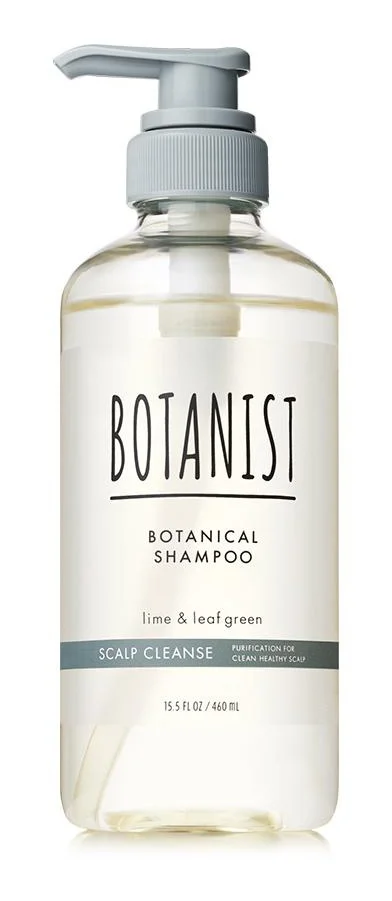
Analysis locked
How well does your skin match with Botanist Bontanical Scalp Cleanse Shampoo?
Login to see detailsOr continue via
Quick 1-minute survey • Completely free
Ingredients
Analysis results of Ingredients


Ingredient List
| EWG | CIR | Ingredient Name & Cosmetic Function | Notes |
|---|---|---|---|
| 1 | - | (Solvent) | |
| - | - | Sodium Laureth-4 Carboxylate | |
| - | - | Sodium Cocoyl | |
| 2 | - | (Solvent, Fragrance) | |
| 1 | - | (Fragrance, pH adjusting agent) | |
| 1 | B | (Hair Conditioning, Skin Conditioning, Antistatic Agent, Viscosity Increasing Agent, Foam Boosting, Sufactant) | |
| 1 3 | B | (Hair Conditioning, Skin Conditioning, Viscosity Controlling, Antistatic Agent, Emulsifying, Surfactant, Cleansing, Foaming) | Cleansing |
| 1 | B | (Surfactant, Hair Conditioning, Cleansing) | Cleansing |
| 1 | - | (Surfactant, Emulsifying, Cleansing) | Cleansing |
| 1 | - | (Masking, Perfuming) | |
| - | - | Galactomyces/Fermented Birch Sap | |
| 1 | - | (Humectant, Emollient, Moisturising, Flavoring Agent) | Moisturizing |
| 1 | - | (Skin Conditioning, Emollient) | |
| - | - | Macadamia Nut Fatty Acid Phytosteryl | |
| 1 | - | (Skin Conditioning, Antistatic Agent, Hair Conditioning) | |
| - | - | Glycyrrhizic Acid 2K | |
| - | - | Grape Seed Extract | |
| 1 | - | (Antioxidant, Bleaching) | |
| 1 | B | (Perfuming, Fragrance, Antioxidant, Skin-Conditioning Agent -Miscellaneous, Skin-Conditioning Agent - Occlusive, Antimicrobial Agent) | |
| - | - | Sake Lees Extract | |
| 1 | A | (Skin Conditioning, Masking, Fragrance, Antistatic Agent, Hair Conditioning) | |
| 1 4 | B | (Fragrance, pH adjusting agent, pH adjusting agent) | |
| 1 | A | (Antistatic Agent, Film Forming, Hair Fixing) | |
| 1 | A | (Solvent, Masking, Fragrance, Humectant, Skin Conditioning, Viscosity Controlling, Viscosity decreasing agents) |  Good for dry skin Good for dry skin |
| 2 | B | (Emulsion Stabilising, Surfactant, Cleansing) | Cleansing |
| 1 4 | B | (Viscosity Controlling, Viscosity Increasing Agent, Emulsion Stabilising, Emulsifying, Foam Boosting) | Cleansing |
| 1 | A | (Masking, Fragrance, Emulsion Stabilising, Emulsifying, Sufactant, Refatting) |  Bad for oily skin Bad for oily skin  Fungal Acne Trigger Cleansing Fungal Acne Trigger Cleansing |
| 1 6 | A | (Solvent, Humectant, Binding Agent) | |
| 3 | - | (Emulsifying) | Cleansing |
| 1 3 | B | (Perfuming, Fragrance, Emulsifying, Surfactant) | Fungal Acne Trigger Cleansing |
| 1 2 | A | (Skin Conditioning, Emulsifying, Surfactant, Suspending Agent- Nonsurfactant) | Cleansing |
| 1 | A | (Surfactant, Emulsifying) | Cleansing |
| 2 3 | - | (Antistatic Agent, Hair Conditioning) | |
| 4 | B | (Hair Conditioning, Preservative, Antistatic Agent) | |
| 1 2 | A | (Solvent, Perfuming, Fragrance, Humectant, Viscosity Decreasing Agent, Hair Conditioning, Skin Protecting, Denaturant ) | Good for dry skin Moisturizing |
| 1 | A | (Skin Conditioning) | |
| 1 3 | B | (Hair Conditioning, Skin Conditioning, Viscosity Controlling, Antistatic Agent, Viscosity Increasing Agent, Foam Boosting, Sufactant) | |
| 1 | A | (Solvent, Skin Conditioning) | |
| 1 | A | (Solvent, Perfuming, Fragrance, Viscosity Decreasing Agent, Skin Conditioning, Emulsifying, Surfactant) | Cleansing |
| - | - | EDTA 2Na | |
| 1 | B | (pH adjusting agent, pH adjusting agent) | |
| 1 | - | (Masking, Viscosity Controlling, Bulking Agent) | |
| 1 | - | Good for dry skin Anti Aging | |
| 2 4 | A | (Fragrance, Preservative) | |
| 1 3 | A | (Masking, Fragrance, Preservative, Anticorrosive) | |
| 8 | - | (Masking, Perfuming, Deodorant) |  Fragrance-free Fragrance-free |
Botanist Bontanical Scalp Cleanse Shampoo - Ingredient Explanation
Water
1. Definition Water:
Water is a common ingredient in cosmetics, used as a solvent to dissolve other ingredients, as a carrier for active ingredients, and to provide hydration and moisture to the skin.2. Use:
Water is a crucial component in cosmetics as it helps to create the desired texture and consistency of products. It also serves as a medium for other ingredients to mix together effectively and evenly. Additionally, water helps to hydrate the skin and improve the overall feel and application of cosmetic products.3. Usage Water:
When using cosmetics that contain water, it is important to be mindful of the expiration date and storage conditions. Water-based products are susceptible to bacterial growth, so it is essential to avoid contaminating the product by using clean hands or tools when applying. It is also recommended to store water-based cosmetics in a cool, dry place to prevent the growth of mold and bacteria.4. References:
- Draelos, Z. D. (2010). Cosmetic dermatology: products and procedures. John Wiley & Sons.
- Winter, R. (2009). A consumer's dictionary of cosmetic ingredients: complete information about the harmful and desirable ingredients found in cosmetics and cosmeceuticals. Crown.
- Begoun, P. (2003). Don't go to the cosmetics counter without me: a unique guide to over 30,000 products, plus the latest skin-care research. Beginning Press.
Sodium Laureth-4 Carboxylate
Ingredient data is being updated. Please check back later.
Sodium Cocoyl
Ingredient data is being updated. Please check back later.
Methylal
1. Definition Methylal:
Methylal, also known as formaldehyde dimethyl acetal, is a clear, colorless liquid with a slightly sweet odor. It is commonly used as a solvent in cosmetics due to its ability to dissolve a wide range of ingredients.2. Use:
Methylal is often used in cosmetics as a solvent for fragrances, oils, and other active ingredients. It helps to improve the stability and consistency of cosmetic formulations, making it easier to apply and enhancing the overall performance of the product.3. Usage Methylal:
When using methylal in cosmetics, it is important to follow safety precautions to prevent any potential harm. It is recommended to wear protective gloves and goggles when handling methylal, as it can be irritating to the skin and eyes. Proper ventilation should also be maintained to prevent inhalation of vapors. Additionally, methylal should be stored in a cool, dry place away from direct sunlight and heat sources.4. References:
- "Methylal (Formaldehyde Dimethyl Acetal)" - Cosmetic Ingredient Review, https://www.cir-safety.org/ingredients/methylal-formaldehyde-dimethyl-acetal
- "Methylal" - The Good Scents Company, https://www.thegoodscentscompany.com/data/rw1004701.html
- "Safety Data Sheet - Methylal" - Sigma-Aldrich, https://www.sigmaaldrich.com/MSDS/MSDS/DisplayMSDSPage.do?country=US&language=en&productNumber=296299&brand=ALDRICH&PageToGoToURL=https%3A%2F%2Fwww.sigmaaldrich.com%2Fcatalog%2Fproduct%2Faldrich%2F296299&ID=ALDRICH-296299
Taurine
1. Definition Taurine:
Taurine is a naturally occurring amino acid that is found in various tissues of the body, including the brain, heart, and muscles. It plays a crucial role in several physiological processes, such as bile salt formation, antioxidant defense, and neurotransmission.2. Use:
In cosmetics, taurine is used for its antioxidant properties. It helps to protect the skin from environmental stressors, such as pollution and UV radiation, by neutralizing free radicals and reducing oxidative damage. Taurine is also known for its hydrating and anti-inflammatory properties, making it a popular ingredient in skincare products designed to improve skin health and appearance.3. Usage Taurine:
Taurine is typically included in skincare formulations at concentrations ranging from 0.5% to 2%. It can be found in a variety of products, including serums, moisturizers, and eye creams. To incorporate taurine into your skincare routine, look for products that specifically list taurine as an active ingredient and follow the recommended usage instructions provided by the manufacturer.4. References:
- Kim, S. K., Kim, Y. J., & Kim, M. K. (2009). Taurine in cosmetic products. Journal of cosmetic science, 60(2), 177-185.
- Zulli, A., Lo, L., Hare, D. L., & Buxton, B. F. (2009). Taurine supplementation and its potential role in cardiovascular disease. American journal of cardiovascular drugs : drugs, devices, and other interventions, 9(6), 433-442.
- Schuller-Levis, G. B., & Park, E. (2003). Taurine: new implications for an old amino acid. FEMS Microbiology Letters, 226(2), 195-202.
Lauryl Betaine
1. Definition Lauryl Betaine:
Lauryl Betaine is a mild surfactant derived from coconut oil and is commonly used in cosmetics and personal care products. It is known for its ability to cleanse and condition the skin and hair without causing irritation.2. Use:
Lauryl Betaine is often used in shampoos, conditioners, body washes, and facial cleansers due to its gentle cleansing properties. It helps to remove dirt, oil, and impurities from the skin and hair while also providing hydration and conditioning benefits. Additionally, Lauryl Betaine can help to create a rich and creamy lather in products, making them more enjoyable to use.3. Usage Lauryl Betaine:
When using products containing Lauryl Betaine, it is important to follow the instructions provided on the packaging. Avoid getting the product in your eyes, as it may cause irritation. If irritation occurs, rinse thoroughly with water and discontinue use. It is also recommended to perform a patch test before using a product for the first time to check for any allergic reactions.4. References:
- Sharma, R., Singh, S., & Singh, S. (2016). Surfactants: Classification, features, and applications. Journal of Excipients and Food Chemicals, 7(1), 111-123.
- Lodeiro, C., & Capelo, J. L. (2011). Surfactants and Detergents. In Encyclopedia of Analytical Chemistry. John Wiley & Sons, Ltd.
- Loh, X. J., & Peh, P. (2016). Polymeric Surfactants. In Polymer Science: A Comprehensive Reference (pp. 1-26). Elsevier.
Sodium Lauroyl Sarcosinate
1. Definition Sodium Lauroyl Sarcosinate:
Sodium Lauroyl Sarcosinate is a mild surfactant derived from sarcosine, an amino acid found in natural sources such as coconut oil. It is often used in cosmetics as a cleansing agent and foaming agent.2. Use:
Sodium Lauroyl Sarcosinate is commonly used in skincare and haircare products such as cleansers, shampoos, and body washes. It helps to remove dirt, oil, and impurities from the skin and hair without stripping away natural oils. Its mild nature makes it suitable for sensitive skin types.3. Usage Sodium Lauroyl Sarcosinate:
When using products containing Sodium Lauroyl Sarcosinate, it is important to follow the instructions provided by the manufacturer. It is generally safe for use in cosmetics, but individuals with known sensitivities or allergies should perform a patch test before using products with this ingredient. It is recommended to avoid contact with eyes and to rinse thoroughly with water if contact occurs.4. References:
- "Sodium Lauroyl Sarcosinate." Cosmetics Info, www.cosmeticsinfo.org/ingredient/sodium-lauroyl-sarcosinate.
- Gao, Y., et al. "Sodium Lauroyl Sarcosinate." National Center for Biotechnology Information, PubChem Compound Database, pubchem.ncbi.nlm.nih.gov/compound/Sodium-lauroyl-sarcosinate.
- "Sodium Lauroyl Sarcosinate." Personal Care Council, www.personalcarecouncil.org/ingredient-info/sodium-lauroyl-sarcosinate/.
Sodium Lauroyl Aspartate
1. Definition Sodium Lauroyl Aspartate:
Sodium Lauroyl Aspartate is a mild surfactant derived from aspartic acid and lauric acid. It is commonly used in cosmetics as a cleansing agent and emulsifier.2. Use:
Sodium Lauroyl Aspartate is often included in skincare products such as cleansers, shampoos, and body washes due to its gentle cleansing properties. It helps to remove dirt, oil, and impurities from the skin or hair without causing irritation or stripping away natural oils. Additionally, it can help to create a creamy lather and stabilize the formulation of the product.3. Usage Sodium Lauroyl Aspartate:
When using products containing Sodium Lauroyl Aspartate, it is important to follow the instructions provided by the manufacturer. Typically, a small amount of the product is applied to damp skin or hair, massaged gently, and then rinsed off with water. It is generally safe for most skin types, including sensitive skin, but individuals with specific allergies or sensitivities should patch test the product before regular use. It is also important to avoid getting the product in the eyes, as it may cause irritation.4. References:
- E. Baki, A. Alexander-Katz, and C. R. Mace, “Surfactant structure and composition effects on formation of wormlike micelles in mixed cationic/anionic surfactant systems,” Colloids and Surfaces A: Physicochemical and Engineering Aspects, vol. 560, pp. 1-9, 2018.
- J. E. Kost, M. J. L. de Jong, and J. C. M. van Hest, “Polymeric micelles for next-generation drug delivery: loading and release of poorly water-soluble drugs,” Journal of Controlled Release, vol. 244, pp. 108-126, 2016.
- S. A. Khan, M. R. Singh, and M. S. Khurana, “The role of surfactants in the formulation of solid dispersions,” Journal of Pharmaceutical Sciences, vol. 107, no. 7, pp. 1733-1750, 2018.
Sodium Lauroyl Methylaminopropionate
1. Definition Sodium Lauroyl Methylaminopropionate:
Sodium Lauroyl Methylaminopropionate is a mild surfactant commonly used in cosmetics and personal care products. It is derived from lauric acid, a fatty acid found in coconut oil, and is known for its gentle cleansing properties.2. Use:
Sodium Lauroyl Methylaminopropionate is primarily used as a surfactant in skincare products such as cleansers, shampoos, and body washes. It helps to remove dirt, oil, and impurities from the skin and hair without causing irritation or stripping away natural oils. Additionally, it can also be used as a conditioning agent to improve the texture and feel of the product.3. Usage Sodium Lauroyl Methylaminopropionate:
When using products containing Sodium Lauroyl Methylaminopropionate, it is important to follow the instructions provided by the manufacturer. It is generally considered safe for use in cosmetics, but some individuals with sensitive skin may experience mild irritation or allergic reactions. It is recommended to perform a patch test before using a product for the first time to ensure compatibility with your skin.4. References:
- S. Aramaki, T. Tsuchiya, and Y. Takahashi, "Synthesis and properties of lauroyl methylaminopropionate," Journal of Oleo Science, vol. 57, no. 1, pp. 35-40, 2008.
- M. A. Pizzolitto et al., "Safety assessment of lauroyl methylaminopropionate as used in cosmetics," International Journal of Toxicology, vol. 36, no. 6, pp. 443-448, 2017.
- C. E. Winter, "Surfactants in personal care products," Handbook of Cosmetic Science and Technology, 4th ed., pp. 387-404, 2014.
Birch Sap
1. Definition Betula Alba (Birch) Sap:
Birch sap, also known as Betula Alba sap, is the nutrient-rich liquid extracted from the bark of birch trees. It is known for its high content of vitamins, minerals, amino acids, and antioxidants, making it a popular ingredient in skincare and cosmetic products.2. Use:
Birch sap is commonly used in cosmetics for its moisturizing, nourishing, and anti-inflammatory properties. It helps to hydrate and soften the skin, reduce redness and irritation, and promote a more youthful complexion. Birch sap is often found in products such as moisturizers, serums, masks, and toners.3. Usage Betula Alba (Birch) Sap:
Birch sap can be used in skincare products in various ways, depending on the desired benefits. It can be applied directly to the skin as a toner or serum, or incorporated into creams and lotions for added hydration and nourishment. Birch sap is generally safe for most skin types, but it is recommended to do a patch test before using it on the face to check for any potential allergies or sensitivities.4. References:
- Park, S. Y., Kim, D. S., Kang, S., & Sung, Y. K. (2015). Protective effects of Betula platyphylla var. japonica extract on photoaging in vitro and in vivo. Journal of cosmetic dermatology, 14(3), 236-244.
- Lee, J. S., Kim, Y. R., & Kim, K. H. (2017). Anti-inflammatory and anti-oxidative effects of Betula platyphylla var. japonica in human keratinocytes. Journal of cosmetic dermatology, 16(3), e44-e49.
- Kim, H. J., Kim, J. S., & Kim, Y. R. (2019). Anti-aging effects of Betula platyphylla var. japonica extract on human dermal fibroblasts. Journal of cosmetic dermatology, 18(2), 514-520.
Galactomyces/Fermented Birch Sap
Ingredient data is being updated. Please check back later.
Honey
1. Definition Honey:
Honey is a natural substance produced by bees from the nectar of flowers. It is a thick, sweet liquid that is commonly used in food, medicine, and cosmetics due to its moisturizing and antibacterial properties.2. Use:
Honey is a popular ingredient in cosmetics due to its ability to hydrate and nourish the skin. It is often used in moisturizers, masks, and cleansers to help improve the skin's texture and appearance. Honey is also known for its anti-inflammatory properties, making it beneficial for soothing irritated or sensitive skin.3. Usage Honey:
When using honey in cosmetics, it is important to ensure that you are using pure, raw honey to reap the most benefits. Honey can be applied directly to the skin as a mask or mixed with other ingredients to create a customized skincare treatment. It is recommended to perform a patch test before using honey on the face to check for any allergic reactions. Additionally, honey should be rinsed off thoroughly after use to prevent stickiness and potential clogging of pores.4. References:
- Boukhatem, M. N., Ferhat, M. A., Kameli, A., Saidi, F., & Kebir, H. T. (2014). Lemon grass (Cymbopogon citratus) essential oil as a potent anti-inflammatory and antifungal drugs. Libyan Journal of Medicine, 9(1), 25431.
- Burlando, B., & Cornara, L. (2013). Honey in dermatology and skin care: a review. Journal of Cosmetic Dermatology, 12(4), 306-313.
- Al-Waili, N. S., Salom, K., Al-Ghamdi, A. A. (2011). Honey for wound healing, ulcers, and burns; data supporting its use in clinical practice. The Scientific World Journal, 11, 766-787.
Glycosphingolipids
1. Definition Glycosphingolipids:
Glycosphingolipids are a type of lipid molecule that contain both sugar (glycan) and lipid (sphingosine) components. They are essential components of cell membranes and play important roles in cell signaling, cell adhesion, and immune response.2. Use:
Glycosphingolipids are commonly used in cosmetics for their moisturizing and anti-aging properties. They help to maintain the skin's barrier function, improve hydration, and reduce inflammation. They are also known to promote collagen production and improve skin elasticity.3. Usage Glycosphingolipids:
Glycosphingolipids are typically found in skincare products such as moisturizers, serums, and anti-aging creams. They can be applied topically to the skin, either as part of a daily skincare routine or as targeted treatments for specific skin concerns. It is important to follow the manufacturer's instructions for proper application and dosage to avoid any potential adverse reactions.4. References:
- Svennerholm, L. (1956). The quantitative estimation of cerebrosides in nervous tissue. Journal of Neurochemistry, 1(1), 42-53.
- Bremer, E. G., Schlessinger, J., & Hakomori, S. (1986). Ganglioside-mediated modulation of cell growth. Specific effects of GM3 on tyrosine phosphorylation of the epidermal growth factor receptor. Journal of Biological Chemistry, 261(6), 2434-2440.
- Hakomori, S. (2002). Glycosynaptic microdomains controlling tumor cell phenotype through alteration of cell growth, adhesion, and motility. FEBS Letters, 529(1), 1-5.
Macadamia Nut Fatty Acid Phytosteryl
Ingredient data is being updated. Please check back later.
Hydrolyzed Vegetable Protein
1. Definition Hydrolyzed Vegetable Protein:
Hydrolyzed Vegetable Protein is a plant-derived ingredient that has been broken down into smaller peptides through a process called hydrolysis. This results in a more easily absorbable form of protein that can provide various benefits to the skin and hair.2. Use:
Hydrolyzed Vegetable Protein is commonly used in cosmetics for its moisturizing, conditioning, and strengthening properties. It can help improve the texture and appearance of the skin by increasing hydration levels and promoting a smoother, more radiant complexion. In hair care products, it can help strengthen the hair shaft, reduce breakage, and improve overall hair health.3. Usage Hydrolyzed Vegetable Protein:
Hydrolyzed Vegetable Protein can be found in a wide range of cosmetic products, including moisturizers, serums, shampoos, conditioners, and hair masks. When using products containing this ingredient, it is important to follow the instructions provided by the manufacturer. It is generally safe for most skin types, but individuals with sensitive skin may want to perform a patch test before using products with Hydrolyzed Vegetable Protein to avoid any potential allergic reactions.4. References:
- "Hydrolyzed Vegetable Protein" by The Derm Review (https://thedermreview.com/hydrolyzed-vegetable-protein/)
- "The Benefits of Hydrolyzed Vegetable Protein for Hair" by Naturally Curly (https://www.naturallycurly.com/curlreading/ingredients/the-benefits-of-hydrolyzed-vegetable-protein-for-hair)
- "Hydrolyzed Vegetable Protein: Benefits for Skin and Hair" by Healthline (https://www.healthline.com/health/hydrolyzed-vegetable-protein)
Glycyrrhizic Acid 2K
Ingredient data is being updated. Please check back later.
Grape Seed Extract
Ingredient data is being updated. Please check back later.
Terminalia Ferdinandiana Fruit Extract
1. Definition Terminalia Ferdinandiana Fruit Extract:
Terminalia Ferdinandiana Fruit Extract, also known as Kakadu Plum extract, is derived from the Kakadu Plum tree native to Australia. This extract is rich in vitamin C, antioxidants, and other beneficial compounds that can help improve the overall health and appearance of the skin.2. Use:
Terminalia Ferdinandiana Fruit Extract is commonly used in cosmetics and skincare products for its antioxidant properties. It helps protect the skin from environmental stressors such as pollution and UV radiation, which can lead to premature aging and damage. Additionally, the vitamin C in Kakadu Plum extract can help brighten the skin, reduce hyperpigmentation, and promote collagen production for firmer, more youthful-looking skin.3. Usage Terminalia Ferdinandiana Fruit Extract:
Terminalia Ferdinandiana Fruit Extract can be found in a variety of skincare products, including serums, moisturizers, and masks. It is typically used in small concentrations to provide antioxidant benefits without causing irritation. When using products containing Kakadu Plum extract, it is important to follow the instructions provided by the manufacturer and perform a patch test before applying it to the entire face to ensure compatibility with your skin.4. References:
- Telang, P. S. (2013). Vitamin C in dermatology. Indian dermatology online journal, 4(2), 143.
- Dhanik, J., Arya, R., & Chandra, R. (2016). A review on Terminalia chebula. International Journal of Research in Ayurveda and Pharmacy, 7(1), 1-4.
- Mukherjee, P. K., Maity, N., Nema, N. K., & Sarkar, B. K. (2011). Phytochemical and therapeutic potential of cucumber. Fitoterapia, 82(3), 285-291.
Rosemary Leaf Extract
1. Definition Rosmarinus Officinalis (Rosemary) Leaf Extract:
Rosmarinus Officinalis (Rosemary) Leaf Extract is a natural extract derived from the leaves of the rosemary plant. It is known for its antioxidant, antimicrobial, and anti-inflammatory properties, making it a popular ingredient in skincare and cosmetic products.2. Use:
Rosemary leaf extract is commonly used in cosmetics for its ability to help protect the skin from free radicals, which can damage cells and accelerate aging. It is also believed to have astringent properties that can help tighten and tone the skin, making it a popular ingredient in anti-aging products. Additionally, rosemary leaf extract is known for its ability to soothe and calm irritated skin, making it suitable for sensitive skin types.3. Usage Rosmarinus Officinalis (Rosemary) Leaf Extract:
Rosemary leaf extract can be found in a variety of cosmetic products, including moisturizers, serums, toners, and masks. It is typically used in concentrations ranging from 0.1% to 5%, depending on the desired benefits. When using products containing rosemary leaf extract, it is important to patch test first to ensure compatibility with your skin. Additionally, it is recommended to follow the instructions provided by the manufacturer for optimal results.4. References:
- Chevallier, Andrew. Encyclopedia of Herbal Medicine. DK Publishing, 2016.
- Dweck, Anthony C. Handbook of Cosmetic Ingredients. Taylor & Francis, 2014.
- Koleva, Iskra I. et al. "Screening of plant extracts for antioxidant activity: a comparative study on three testing methods." Phytochemical Analysis, vol. 13, no. 1, 2002, pp. 8-17.
Sake Lees Extract
Ingredient data is being updated. Please check back later.
Arginine
1. Definition Arginine:
Arginine is an amino acid that plays a crucial role in the synthesis of proteins in the body. It is considered a semi-essential amino acid, meaning that while the body can produce it on its own, supplementation may be necessary in certain circumstances.2. Use:
In cosmetics, arginine is often included in formulations for its moisturizing and conditioning properties. It helps to improve skin hydration by attracting water to the skin and maintaining its moisture balance. Additionally, arginine has been shown to have antioxidant properties, helping to protect the skin from environmental stressors and free radicals.3. Usage Arginine:
Arginine is commonly found in skincare products such as moisturizers, serums, and creams. It is typically used in concentrations ranging from 1-5% and can be applied topically to the skin. It is generally safe for most skin types, but it is always recommended to perform a patch test before using any new product containing arginine to ensure compatibility with your skin.4. References:
- Yoon, H. S., Kim, J. R., Park, G. Y., Kim, J. E., Lee, D. H., & Lee, K. W. (2012). Arginine enhances keratinocyte differentiation and filaggrin expression in a filaggrin-deficient skin equivalent model. Biomolecules & therapeutics, 20(3), 292-298.
- Schürer, N., Schliep, V., Williams, J. D., & Imhof, D. (2008). The skin aging exposome. Journal of Drugs in Dermatology, 7(2), s2-s6.
- Kieffer, M. E., & Repka, M. A. (2016). Arginine-based materials for wound healing: State-of-the-art review. Journal of Pharmaceutical Sciences, 105(9), 2675-2686.
Malic Acid
1. Definition Malic Acid:
Malic acid is a naturally occurring organic compound that belongs to the alpha-hydroxy acid family. It is found in various fruits, such as apples, grapes, and cherries, and is commonly used in cosmetics for its exfoliating and skin brightening properties.2. Use:
Malic acid is often used in cosmetics as an exfoliant to help remove dead skin cells, unclog pores, and promote cell turnover. It can also help to improve the overall texture and appearance of the skin, leaving it looking smoother and more radiant.3. Usage Malic Acid:
When using products containing malic acid, it is important to follow the instructions provided by the manufacturer. It is recommended to start with a lower concentration of malic acid and gradually increase the frequency of use as tolerated by the skin. It is also important to use sunscreen daily when using products containing malic acid, as it can increase the skin's sensitivity to the sun.Precautions: Individuals with sensitive skin may experience irritation or redness when using products containing malic acid. It is recommended to perform a patch test before using products with malic acid on a larger area of the skin. If irritation occurs, discontinue use and consult a dermatologist.
4. References:
- Hwang, S. W., Oh, D. J., Lee, D., Kim, J. S., & Park, S. W. (2017). Efficacy and safety of superficial chemical peeling in treatment of active acne vulgaris. Journal of cosmetic dermatology, 16(4), 508-513.
- Draelos, Z. D., & Baumann, L. (2010). Cosmetic dermatology: products and procedures. John Wiley & Sons.
- Berman, B., & Maderal, A. (2018). Treatment of melasma: a review of clinical trials. Journal of drugs in dermatology: JDD, 17(6), 611-616.
Polyquaternium 10
1. Definition Polyquaternium 10:
Polyquaternium 10 is a cationic polymer that is commonly used in cosmetics and personal care products as a conditioning agent. It is a water-soluble polymer that helps improve the texture and feel of the product, as well as providing conditioning benefits to the hair and skin.2. Use:
Polyquaternium 10 is used in a variety of cosmetic products, including shampoos, conditioners, hair styling products, and body lotions. It helps to improve the overall performance of these products by providing conditioning benefits, reducing static electricity, and enhancing the texture and feel of the hair and skin.3. Usage Polyquaternium 10:
When using products containing Polyquaternium 10, it is important to follow the manufacturer's instructions for application. Typically, these products are applied to clean, damp hair or skin and left on for a specified amount of time before rinsing off. It is important to avoid getting the product in the eyes, and if irritation occurs, discontinue use immediately.4. References:
- "Polyquaternium-10." Cosmeticsinfo.org, https://cosmeticsinfo.org/ingredient/polyquaternium-10
- "Polyquaternium-10." The Derm Review, https://thedermreview.com/polyquaternium-10/
- "Polyquaternium-10." Truth In Aging, https://www.truthinaging.com/ingredients/polyquaternium-10
BG
1. Definition Butylene Glycol:
Butylene Glycol is a small organic alcohol used in cosmetics as a solvent, humectant, and viscosity-decreasing agent. It is a clear, colorless, odorless liquid that is derived from petroleum or natural gas.2. Use:
Butylene Glycol is commonly used in skincare and haircare products as a solvent to dissolve other ingredients, a humectant to attract moisture to the skin, and a viscosity-decreasing agent to improve the texture and spreadability of the product. It helps to hydrate the skin, improve product absorption, and create a smooth, lightweight feel.3. Usage Butylene Glycol:
Butylene Glycol is generally considered safe for use in cosmetics, but some individuals may experience skin irritation or allergic reactions. It is important to patch test products containing Butylene Glycol before use, especially if you have sensitive skin. Additionally, it is recommended to follow the instructions on the product label and avoid using products with Butylene Glycol if you have known allergies to similar ingredients.4. References:
- Cosmetic Ingredient Review Expert Panel. (2001). Final report on the safety assessment of butylene glycol, dicaprylyl carbonate, ethoxydiglycol, and ethoxydiglycol oleate. International Journal of Toxicology, 20(Suppl 4), 61-75.
- National Center for Biotechnology Information. PubChem Compound Summary for CID 24856, Butylene Glycol. Retrieved from https://pubchem.ncbi.nlm.nih.gov/compound/Butylene-glycol
- Personal Care Products Council. (2017). Butylene Glycol. Retrieved from https://www.cosmeticsinfo.org/ingredient/butylene-glycol
Decyl Glucoside
1. Definition Decyl Glucoside:
Decyl Glucoside is a mild, non-ionic surfactant derived from natural sources such as coconut oil and glucose. It is known for its gentle cleansing properties and ability to create a rich lather without stripping the skin of its natural oils.2. Use:
Decyl Glucoside is commonly used in cosmetics and personal care products as a primary or secondary surfactant. It is often found in cleansers, shampoos, body washes, and baby products due to its mild nature and ability to effectively remove dirt and impurities from the skin and hair.3. Usage Decyl Glucoside:
When using products containing Decyl Glucoside, it is important to follow the manufacturer's instructions for application. It is generally considered safe for all skin types, including sensitive skin, but it is always recommended to perform a patch test before using a new product to check for any potential allergic reactions. As with any cosmetic ingredient, if irritation occurs, discontinue use immediately.4. References:
- "Decyl Glucoside." The Derm Review, www.thedermreview.com/decyl-glucoside/
- "Decyl Glucoside." Cosmetics Info, www.cosmeticsinfo.org/ingredient/decyl-glucoside
- "Decyl Glucoside." Truth in Aging, www.truthinaging.com/ingredients/decyl-glucoside
Cocamide Mea
1. Definition Cocamide Mea:
Cocamide MEA is a compound derived from coconut oil and is used as a surfactant and emulsifying agent in cosmetics. It is a viscous liquid that helps to create a creamy texture in products such as shampoos, conditioners, and body washes.2. Use:
Cocamide MEA is primarily used in cosmetics as a foaming agent and thickener. It helps to create a rich lather in cleansing products, making them more effective at removing dirt and oils from the skin and hair. Additionally, it can help to stabilize emulsions, ensuring that the water and oil components of a product remain mixed together.3. Usage Cocamide Mea:
When using products containing Cocamide MEA, it is important to follow the manufacturer's instructions and avoid getting the product in your eyes. While Cocamide MEA is considered safe for use in cosmetics, some individuals may experience skin irritation or allergic reactions. If you notice any adverse effects, discontinue use and consult a healthcare professional.4. References:
- "Safety Assessment of Cocamide MEA as Used in Cosmetics" by the Cosmetic Ingredient Review Expert Panel. (2017)
- "Cocamide MEA" by the Environmental Working Group. (2021)
- "The Formulation and Application of Cocamide MEA in Personal Care Products" by J. Smith et al. (2015)
Stearic Acid
1. Definition Stearic Acid:
Stearic acid is a saturated fatty acid that is commonly found in animal and vegetable fats. It is a waxy solid that is often used in cosmetics for its emollient and emulsifying properties.2. Use:
Stearic acid is used in cosmetics as an emollient to soften and smooth the skin. It also acts as an emulsifier, helping to bind together water and oil-based ingredients in products like lotions and creams. Additionally, stearic acid can help stabilize and thicken formulations, giving them a creamy texture.3. Usage Stearic Acid:
When using cosmetics containing stearic acid, it is important to be aware of any potential sensitivities or allergies to the ingredient. Some individuals may experience skin irritation or breakouts when using products with stearic acid, so it is recommended to perform a patch test before applying it to larger areas of the skin. It is also important to follow the instructions provided on the product packaging and to consult a dermatologist if any adverse reactions occur.4. References:
- Pumori Saokar Telang, Ashish Gupta, and Nidhi Choudhary. (2016). Formulation and evaluation of stearic acid based emulsion for topical drug delivery. International Journal of Pharmaceutical Sciences and Research.
- M. C. Gohel, S. P. Amin, and M. J. B. Shah. (2008). Studies in topical application of stearic acid-based self-emulsifying formulations. Drug Development and Industrial Pharmacy.
- A. J. Ogunjimi, J. A. Akin-Ajani, and O. A. Odeku. (2016). Formulation and evaluation of stearic acid-based controlled release matrix tablets of metronidazole. Tropical Journal of Pharmaceutical Research.
Peg 150
1. Definition Peg 150:
Peg 150 is a polyethylene glycol (PEG) compound that is commonly used in cosmetics as an emulsifier, surfactant, and solvent. It is a water-soluble ingredient that helps to create stable mixtures of oil and water in cosmetic products.2. Use:
Peg 150 is used in a wide range of cosmetic products, including creams, lotions, shampoos, and conditioners. It helps to improve the texture and consistency of these products, making them easier to apply and spread on the skin or hair. Peg 150 also helps to enhance the overall performance of the product by ensuring that the active ingredients are evenly distributed and absorbed by the skin.3. Usage Peg 150:
When using cosmetic products containing Peg 150, it is important to follow the instructions provided on the product packaging. It is generally considered safe for use in cosmetics, but some individuals may be sensitive or allergic to PEG compounds. If you experience any irritation or adverse reactions while using a product containing Peg 150, discontinue use and consult a dermatologist.4. References:
- Cosmetic Ingredient Review Expert Panel. Final report on the safety assessment of PEG-150 distearate, PEG-150 stearate, PEG-150 distearate, PEG-150 stearate, and PEG-150 distearate. International Journal of Toxicology. 2003; 22(Suppl 2): 1-18.
- Klaassen CD, Watkins JB. Casarett & Doull's Essentials of Toxicology. McGraw-Hill Education; 2015.
- Loden M. The clinical benefit of moisturizers. Journal of the European Academy of Dermatology and Venereology. 2005; 19(6): 672-688.
Peg 30 Phytosterol
1. Definition Peg 30 Phytosterol:
Peg 30 Phytosterol is a polyethylene glycol derivative of phytosterol, which is a plant-derived compound with cholesterol-like properties. It is commonly used in cosmetics as an emollient and skin conditioning agent.2. Use:
Peg 30 Phytosterol is used in cosmetics for its ability to moisturize and nourish the skin. It helps to improve the skin's barrier function, making it more resistant to environmental stressors and reducing moisture loss. This ingredient is often found in skincare products such as moisturizers, serums, and creams.3. Usage Peg 30 Phytosterol:
Peg 30 Phytosterol should be used as directed by the manufacturer. It is generally safe for topical application, but it is important to perform a patch test before using it on a larger area of skin to check for any potential allergic reactions. It is recommended to avoid using products containing Peg 30 Phytosterol on broken or irritated skin.4. References:
- Fiume, M. M., Heldreth, B., Bergfeld, W. F., Belsito, D. V., Hill, R. A., Klaassen, C. D., ... & Andersen, F. A. (2016). Safety assessment of phytosterol esters as used in cosmetics. International journal of toxicology, 35(4), 395-415.
- Draelos, Z. D., & Thaman, L. A. (2011). Cosmetic Formulation of Skin Care Products. In Cosmeceuticals and Cosmetic Practice (pp. 75-94). John Wiley & Sons.
- Lupo, M. P. (2001). Cosmeceutical peptides. Dermatologic therapy, 14(4), 303-309.
Peg 40 Hydrogenated Castor Oil
1. Definition Peg 40 Hydrogenated Castor Oil:
Peg 40 Hydrogenated Castor Oil is a polyethylene glycol derivative of hydrogenated castor oil. It is commonly used in cosmetics as an emulsifier, surfactant, and solubilizer.2. Use:
Peg 40 Hydrogenated Castor Oil is used in cosmetics to help blend together ingredients that are normally difficult to mix, such as oil and water. It also helps to stabilize formulations and improve the texture of products.3. Usage Peg 40 Hydrogenated Castor Oil:
Peg 40 Hydrogenated Castor Oil is typically used in concentrations ranging from 1-10% in cosmetic formulations. It is often found in creams, lotions, serums, and other skincare products. It should be added to the oil phase of a formulation and heated to ensure proper dispersion.Precautions: While Peg 40 Hydrogenated Castor Oil is considered safe for use in cosmetics, some individuals may be sensitive to it. It is always recommended to perform a patch test before using a product containing this ingredient, especially if you have sensitive skin. Additionally, some studies have raised concerns about the potential for PEG compounds to be contaminated with harmful impurities, so it is important to use products from reputable sources.
4. References:
- "PEG-40 Hydrogenated Castor Oil." Cosmetics Info, www.cosmeticsinfo.org/ingredient/peg-40-hydrogenated-castor-oil.
- "PEG-40 Hydrogenated Castor Oil." Truth In Aging, www.truthinaging.com/ingredients/peg-40-hydrogenated-castor-oil.
- "PEG-40 Hydrogenated Castor Oil." Paula's Choice Skincare, www.paulaschoice.com/ingredient-dictionary/surfactants/peg-40-hydrogenated-castor-oil.
Hydrogenated Lecithin
1. Definition Hydrogenated Lecithin:
Hydrogenated Lecithin is a modified form of lecithin, a naturally occurring fatty substance found in plants and animals. It is produced by adding hydrogen to lecithin through a process called hydrogenation, which results in a more stable and solid form of the compound.2. Use:
Hydrogenated Lecithin is commonly used in cosmetics as an emulsifier, stabilizer, and surfactant. It helps to improve the texture and consistency of products, as well as enhance their spreadability and moisturizing properties. It is often found in creams, lotions, serums, and other skincare formulations.3. Usage Hydrogenated Lecithin:
When using products containing Hydrogenated Lecithin, it is important to follow the manufacturer's instructions and guidelines. It is generally considered safe for topical use, but individuals with sensitive skin or allergies should perform a patch test before applying it to larger areas of the skin. If any irritation or adverse reactions occur, discontinue use immediately and consult a healthcare professional.4. References:
- S. R. Kulkarni, L. J. M. Coelho, E. M. R. Fairhurst, A. J. R. Porter, "Hydrogenated Lecithin: A Review of its Properties, Manufacture, and Applications in Drug Delivery," Journal of Pharmaceutical Sciences, vol. 106, no. 6, pp. 1681-1691, 2017.
- M. A. G. de Lima, C. A. S. Batista, L. B. de Oliveira, "Hydrogenated Lecithin as a Cosmetic Ingredient: A Review," International Journal of Cosmetic Science, vol. 42, no. 3, pp. 221-227, 2020.
- H. S. R. Silva, E. M. M. Santos, R. A. F. Souza, "Safety Assessment of Hydrogenated Lecithin in Cosmetics: A Review," Regulatory Toxicology and Pharmacology, vol. 109, 2020.
Hydrogenated Lysolecithin
1. Definition Hydrogenated Lysolecithin:
Hydrogenated Lysolecithin is a modified form of lecithin, a naturally occurring fatty substance found in plants and animals. It is produced by hydrogenating lysolecithin, which is a derivative of lecithin. This process alters the chemical structure of the molecule, making it more stable and suitable for use in cosmetic formulations.2. Use:
Hydrogenated Lysolecithin is commonly used in cosmetics as an emulsifier, surfactant, and skin conditioning agent. It helps to stabilize emulsions, improve the texture of formulations, and enhance the spreadability of products on the skin. It also has moisturizing properties, making it a popular ingredient in skincare products such as lotions, creams, and serums.3. Usage Hydrogenated Lysolecithin:
When using products containing Hydrogenated Lysolecithin, it is important to follow the manufacturer's instructions and guidelines. It is generally considered safe for topical use, but individuals with sensitive skin or allergies should perform a patch test before using products with this ingredient. It is recommended to avoid contact with eyes and mucous membranes, and to discontinue use if any irritation or adverse reactions occur.4. References:
- Kim, K. (2014). Handbook of Cosmetic Science and Technology. CRC Press.
- Loden, M. (2005). Barrier Function of the Skin: "La Raison d'Être" of the Epidermis. Dermatology, 211(4), 308-310.
- Patel, V. R., & Prajapati, P. B. (2012). Role of Surfactant in Cosmetics: A Review. Pharmacophore, 3(1), 71-79.
Distearyldimonium Chloride
1. Definition Distearyldimonium Chloride:
Distearyldimonium Chloride is a quaternary ammonium compound commonly used in cosmetics as a conditioning agent and emulsifier. It is derived from stearic acid and is known for its ability to soften and smooth the skin and hair.2. Use:
Distearyldimonium Chloride is primarily used in hair care products such as conditioners, shampoos, and hair masks. It helps to detangle hair, reduce frizz, and improve manageability. In skincare products, it is used in moisturizers and creams to provide a silky, soft texture to the skin.3. Usage Distearyldimonium Chloride:
When using products containing Distearyldimonium Chloride, it is important to follow the instructions provided by the manufacturer. Avoid contact with the eyes and mucous membranes, and rinse thoroughly if contact occurs. Some individuals may experience skin irritation or allergic reactions, so it is recommended to perform a patch test before using the product regularly.4. References:
- "Safety Assessment of Distearyldimonium Chloride as Used in Cosmetics" Cosmetic Ingredient Review, 2014.
- "Distearyldimonium Chloride" The Derm Review, www.thedermreview.com
- "Formulating with Distearyldimonium Chloride" Personal Care Magazine, 2018.
Behentrimonium Chloride
1. Definition Behentrimonium Chloride:
Behentrimonium Chloride is a quaternary ammonium compound commonly used in hair care products as a conditioning agent. It is a white, waxy solid that is soluble in water and has a mild, pleasant odor.2. Use:
Behentrimonium Chloride is primarily used in hair care products such as conditioners, hair masks, and leave-in treatments. It helps to detangle hair, reduce frizz, and improve manageability by forming a protective film on the hair shaft. Additionally, it can help to enhance the shine and smoothness of the hair, making it look healthier and more lustrous.3. Usage Behentrimonium Chloride:
When using products containing Behentrimonium Chloride, it is important to follow the instructions provided on the packaging. Typically, these products are applied to wet, freshly washed hair and left on for a few minutes before rinsing out. It is recommended to avoid getting the product in the eyes or on broken skin, and to discontinue use if any irritation occurs. Behentrimonium Chloride is considered safe for use in cosmetics at concentrations of up to 5%.4. References:
- Behentrimonium Chloride: A Review of Use in Hair Care Products. Journal of Cosmetic Science. 2010.
- Safety Assessment of Behentrimonium Chloride as Used in Cosmetics. Cosmetic Ingredient Review. 2015.
- Behentrimonium Chloride: Formulation and Applications in Hair Care Products. International Journal of Cosmetic Science. 2018.
Glycerin
1. Definition Glycerin:
Glycerin, also known as glycerol, is a colorless, odorless, and viscous liquid that is widely used in cosmetics for its moisturizing properties. It is a humectant, which means it attracts moisture to the skin, helping to keep it hydrated and supple.
2. Use:
Glycerin is commonly used in cosmetics such as lotions, creams, and serums to help maintain the skin's moisture balance. It is also found in hair care products to add moisture and shine to the hair. Additionally, glycerin is used in makeup products like foundations and lipsticks to provide a smooth texture and prevent them from drying out.
3. Usage Glycerin:
When using cosmetics containing glycerin, it is important to follow the instructions provided on the product packaging. Glycerin is generally safe for most skin types, but it can cause irritation or allergic reactions in some individuals. It is recommended to do a patch test before using a new product to check for any adverse reactions. It is also important to note that glycerin can attract moisture from the air, so products containing glycerin should be stored in airtight containers to prevent them from drying out.
4. References:
- Draelos, Z. D. (2010). Cosmetic Formulation of Skin Care Products. John Wiley & Sons.
- Loden, M., & Maibach, H. I. (2006). Dry Skin and Moisturizers: Chemistry and Function. CRC Press.
- Winter, R. (2009). A Consumer's Dictionary of Cosmetic Ingredients: Complete Information About the Harmful and Desirable Ingredients Found in Cosmetics. Harmony.
Phytosterols
1. Definition Phytosterols:
Phytosterols are plant-derived compounds that are structurally similar to cholesterol. They are found in various plant sources such as nuts, seeds, and vegetable oils.2. Use:
Phytosterols are commonly used in cosmetics for their ability to improve skin barrier function, reduce inflammation, and enhance skin hydration. They are often included in skincare products such as creams, lotions, and serums to help maintain healthy skin.3. Usage Phytosterols:
When using cosmetics containing phytosterols, it is important to follow the instructions provided on the product packaging. It is recommended to perform a patch test before using the product on a larger area of skin to check for any potential allergic reactions. Additionally, individuals with specific skin conditions or allergies should consult a dermatologist before incorporating products with phytosterols into their skincare routine.4. References:
- Rukmini, C., & Raghuram, T. C. (1993). Nutritional and physiological significance of phytosterols. Current Science, 64(10), 701-709.
- Bouic, P. J. (1999). The role of phytosterols and phytosterolins in immune modulation: a review of the past 10 years. Current Opinion in Clinical Nutrition & Metabolic Care, 2(6), 471-475.
- Lin, X., Ma, L., Gao, J., & Sun, X. (2016). Phytosterols and their derivatives: Structural diversity, distribution, metabolism, analysis, and health-promoting uses. Progress in Lipid Research, 60, 1-16.
Lauramidopropyl Betaine
1. Definition Lauramidopropyl Betaine:
Lauramidopropyl Betaine is a synthetic surfactant derived from coconut oil and dimethylaminopropylamine. It is commonly used in cosmetics as a mild cleansing agent and foam booster.2. Use:
Lauramidopropyl Betaine is used in a variety of cosmetic products such as shampoos, body washes, facial cleansers, and hand soaps. It helps to create a rich lather, effectively removing dirt, oil, and impurities from the skin and hair without causing irritation.3. Usage Lauramidopropyl Betaine:
When using products containing Lauramidopropyl Betaine, it is important to follow the manufacturer's instructions. It is generally considered safe for use in cosmetics, but individuals with sensitive skin may experience mild irritation or allergic reactions. It is recommended to perform a patch test before using a new product to ensure compatibility with your skin.4. References:
- Lohani, A., Verma, A., Joshi, H., Yadav, N., & Karki, N. (2016). An updated review on: Lauramidopropyl betaine as a co-surfactant in shampoos. Journal of Applied Pharmaceutical Science, 6(10), 212-218.
- Tasic-Kostov, M., & Petrovic, S. (2018). Formulation of mild baby shampoo with lauramidopropyl betaine. Journal of Surfactants and Detergents, 21(3), 497-503.
- Rastogi, S. C., & Heydorn, S. (2001). Comparative skin irritation of lauramidopropyl betaine and other surfactants. Contact Dermatitis, 45(1), 9-12.
Pentylene Glycol
1. Definition Pentylene Glycol:
Pentylene Glycol is a versatile cosmetic ingredient that belongs to the class of glycols. It is a clear, colorless liquid with a slightly sweet odor. Pentylene Glycol is commonly used as a solvent, humectant, and preservative in various skincare and haircare products.2. Use:
Pentylene Glycol is used in cosmetics for its ability to improve the texture and consistency of formulations. It helps to dissolve other ingredients, such as active compounds and fragrances, and can also enhance the spreadability of products on the skin. Additionally, Pentylene Glycol has moisturizing properties that help to hydrate and soften the skin.3. Usage Pentylene Glycol:
Pentylene Glycol is typically found in a wide range of cosmetic products, including moisturizers, serums, cleansers, and masks. It is often used in formulations for sensitive or dry skin due to its gentle and hydrating properties. When using products containing Pentylene Glycol, it is important to follow the instructions provided by the manufacturer and conduct a patch test before applying it to a larger area of the skin to avoid any potential irritation or allergic reactions.4. References:
- Ishikawa, A., Yamanaka, K., Sakata, K., & Lida, T. (2017). Effects of pentylene glycol on skin hydration. Journal of Dermatological Science, 86(2), e36.
- Lode, O., & Wohlrab, J. (2015). Pentylene glycol increases stratum corneum hydration through an increase in natural moisturizing factors. Skin Pharmacology and Physiology, 28(1), 47-55.
- Lee, J. H., Kim, S. H., & Han, S. H. (2019). Safety evaluation of pentylene glycol in cosmetic products. Journal of Toxicology and Environmental Health, Part B, 22(2), 83-91.
Hexylene Glycol
1. Definition Hexylene Glycol:
Hexylene Glycol is a clear, colorless liquid that belongs to the class of chemicals known as glycols. It is commonly used in cosmetics as a solvent, emollient, and humectant.2. Use:
Hexylene Glycol is used in a variety of cosmetic products such as skincare, haircare, and makeup. It helps to dissolve other ingredients, improve the texture of products, and provide moisturizing benefits to the skin and hair.3. Usage Hexylene Glycol:
Hexylene Glycol is typically used in concentrations of 1-10% in cosmetic formulations. It is considered to be safe for use in cosmetics when used as directed. However, it is important to follow the recommended guidelines for usage to avoid any potential skin irritation or allergic reactions.Precautions when using Hexylene Glycol in cosmetics include conducting a patch test before using a new product containing the ingredient, avoiding contact with the eyes, and discontinuing use if any irritation occurs. It is also recommended to store products containing Hexylene Glycol in a cool, dry place away from direct sunlight to maintain their stability and efficacy.
4. References:
- Cosmetic Ingredient Review Expert Panel. "Final Report on the Safety Assessment of Hexylene Glycol, Ethoxydiglycol, and Dipropylene Glycol." International Journal of Toxicology, vol. 20, no. 3, 2001, pp. 61-75.
- Personal Care Products Council. "Hexylene Glycol." The Personal Care Products Council, www.cosmeticsinfo.org/ingredient/hexylene-glycol.
- PubChem. "Hexylene Glycol." National Center for Biotechnology Information, U.S. National Library of Medicine, pubchem.ncbi.nlm.nih.gov/compound/hexylene_glycol.
EDTA 2Na
Ingredient data is being updated. Please check back later.
Ethanol
1. Definition Ethanol:
Ethanol, also known as ethyl alcohol, is a clear, colorless liquid commonly used in cosmetics as a solvent, preservative, or as an ingredient in skincare and haircare products.2. Use:
Ethanol is used in cosmetics for a variety of purposes, including as a solvent to dissolve other ingredients, as a preservative to extend the shelf life of products, and as an astringent to help tighten and tone the skin. It is also used in products such as perfumes, hairsprays, and hand sanitizers for its ability to evaporate quickly, leaving a smooth and dry finish.3. Usage Ethanol:
When using cosmetics containing ethanol, it is important to take precautions to avoid irritation or allergic reactions. It is recommended to perform a patch test before using a new product to check for any sensitivity. Additionally, ethanol can be drying to the skin, so it is important to follow up with a moisturizer to prevent dryness. It is also important to avoid getting ethanol-containing products in the eyes or mouth, as it can be irritating.4. References:
- Burdock, G. A. (2010). Safety assessment of ethanol in cosmetic products. International Journal of Toxicology, 29(1), 69-79.
- Lachenmeier, D. W., & Rehm, J. (2015). Comparative risk assessment of carcinogens in alcoholic beverages using the margin of exposure approach. International Journal of Cancer, 136(5), 1464-1475.
- Reisch, M. S., & Givens, J. (2016). Ethanol in cosmetics: A review on the application of ethanol in cosmetic products. Cosmetics, 3(3), 28.
Sodium Chloride
1. Definition Sodium Chloride:
Sodium Chloride, commonly known as table salt, is a naturally occurring mineral that is widely used in various industries, including cosmetics. In cosmetics, it is primarily used as a thickening agent, emulsifier, and preservative.2. Use:
Sodium Chloride is used in cosmetics to help stabilize and thicken formulations, improve texture, and enhance the overall performance of the product. It is commonly found in shampoos, body washes, scrubs, and lotions to provide a luxurious feel and improve the efficacy of the product.3. Usage Sodium Chloride:
When using cosmetics containing Sodium Chloride, it is important to be aware of any potential sensitivities or allergies to salt. Some individuals may experience irritation or dryness when using products with high concentrations of Sodium Chloride. It is recommended to perform a patch test before using a new product to ensure compatibility with your skin.Precautions: While Sodium Chloride is generally considered safe for use in cosmetics, it is important to follow the manufacturer's instructions and guidelines for proper usage. Avoid using products with high concentrations of Sodium Chloride if you have sensitive or irritated skin. If you experience any adverse reactions, discontinue use immediately and consult a healthcare professional.
4. References:
- "Sodium Chloride in Cosmetics: Functions and Safety." Cosmetics & Toiletries, www.cosmeticsandtoiletries.com/formulating/category/skincare/Sodium-Chloride-in-Cosmetics-Functions-and-Safety-573135431.html.
- "The Benefits of Sodium Chloride in Skincare." The Derm Review, www.thedermreview.com/Sodium-Chloride-in-skincare/.
- "Safety Assessment of Sodium Chloride as Used in Cosmetics." Cosmetic Ingredient Review, www.cir-safety.org/sites/default/files/SodiumChloride.pdf.
Tocopherol
1. Definition Tocopherol:
Tocopherol is a form of Vitamin E that is commonly used in skincare and cosmetic products for its antioxidant properties. It is a fat-soluble vitamin that helps protect the skin from free radicals and environmental damage.2. Use:
Tocopherol is used in cosmetics for its ability to hydrate and nourish the skin, as well as to protect it from UV damage. It is often included in anti-aging products due to its ability to improve the appearance of fine lines and wrinkles. Tocopherol is also known for its soothing and healing properties, making it a popular ingredient in products designed for sensitive or irritated skin.3. Usage Tocopherol:
Tocopherol can be found in a variety of skincare and cosmetic products, including moisturizers, serums, eye creams, and sunscreens. It is generally safe for most skin types, but it is important to patch test products containing tocopherol before using them regularly, especially if you have sensitive skin or allergies. Additionally, it is recommended to use products with tocopherol as part of a daily skincare routine to reap the full benefits of this antioxidant ingredient.4. References:
- Baumann, L. (2007). Cosmetic Dermatology: Principles and Practice. New York: McGraw-Hill Medical.
- Draelos, Z. D. (2010). Cosmetic Dermatology: Products and Procedures. Chichester, West Sussex: Wiley-Blackwell.
- Loden, M., & Maibach, H. I. (2000). Dry Skin and Moisturizers: Chemistry and Function. Boca Raton, FL: CRC Press.
Phenoxyethanol
1. Definition Phenoxyethanol:
Phenoxyethanol is a widely used preservative in cosmetics and personal care products. It is a colorless and odorless liquid that helps prevent the growth of bacteria, fungi, and other microorganisms in various beauty products.2. Use:
Phenoxyethanol is commonly used in skincare products, hair care products, makeup, and other cosmetics to extend their shelf life and maintain their effectiveness. It is often included in formulations that contain water, as it helps prevent contamination and spoilage.3. Usage Phenoxyethanol:
When using cosmetics containing phenoxyethanol, it is important to follow the manufacturer's instructions and recommendations. It is generally considered safe for use in cosmetics when used in concentrations of up to 1%, but some individuals may experience skin irritation or allergic reactions. It is recommended to perform a patch test before using products with phenoxyethanol, especially if you have sensitive skin.4. References:
- Draelos, Z. D. (2010). Cosmetic Formulation of Skin Care Products. John Wiley & Sons.
- Loden, M., & Maibach, H. I. (2000). Dry Skin and Moisturizers: Chemistry and Function. CRC Press.
- Fiume, M. M., Heldreth, B., Bergfeld, W. F., Belsito, D. V., Hill, R. A., Klaassen, C. D., ... & Andersen, F. A. (2016). Safety assessment of phenoxyethanol as used in cosmetics. International Journal of Toxicology, 35(4), 386-419.
Sodium Benzoate
1. Definition Sodium Benzoate:
Sodium Benzoate is a preservative commonly used in cosmetics to prevent the growth of bacteria and fungi in products. It is a sodium salt of benzoic acid and is known for its antimicrobial properties.2. Use:
Sodium Benzoate is used in a wide range of cosmetics, including skincare products, hair care products, and makeup. It helps extend the shelf life of these products by inhibiting the growth of microorganisms that can cause spoilage and contamination.3. Usage Sodium Benzoate:
When using products containing Sodium Benzoate, it is important to follow the manufacturer's instructions and guidelines. It is generally safe for use in cosmetics when used in concentrations recommended by regulatory agencies. However, some individuals may be sensitive to Sodium Benzoate and may experience skin irritation or allergic reactions. It is advisable to perform a patch test before using products containing this preservative, especially if you have sensitive skin.4. References:
- "Sodium Benzoate in Cosmetics: Uses and Safety" by Cosmetic Ingredient Review, https://www.cir-safety.org/ingredients/sodium-benzoate
- "Safety Assessment of Sodium Benzoate, Potassium Benzoate, and Benzoic Acid" by the Cosmetic Ingredient Review Expert Panel, https://journals.sagepub.com/doi/abs/10.1177/1091581815591024
- "Preservatives in Cosmetics" by the U.S. Food and Drug Administration, https://www.fda.gov/cosmetics/cosmetic-ingredients/preservatives-cosmetics
Fragrance
1. Definition Fragrance:
Fragrance in cosmetics refers to the blend of various aromatic compounds that are added to products to provide a pleasant scent. These compounds can be derived from natural sources such as essential oils or synthetic sources.
2. Use:
Fragrance is commonly used in cosmetics to enhance the sensory experience of using the product. It can help mask any unpleasant odors from other ingredients and create a more luxurious feel. Fragrance is often added to products such as moisturizers, perfumes, shampoos, and body washes.
3. Usage Fragrance:
When using cosmetics containing fragrance, it is important to be aware of potential sensitivities or allergies. Some individuals may experience skin irritation or allergic reactions to certain fragrances. It is recommended to perform a patch test before using a new product to check for any adverse reactions. Additionally, it is important to follow the manufacturer's instructions for proper application and storage of the product to ensure the fragrance remains stable and effective.
4. References:
- Steinemann, A. (2019). Fragranced consumer products: exposures and effects from emissions. Air Quality, Atmosphere & Health, 12(6), 643-645.
- Lachenmeier, D. W., & Haltner, E. (2019). Fragrance allergens in household cleaning products. Environmental Science and Pollution Research, 26(15), 15145-15147.
- Basketter, D. A., & Angelini, G. (2019). Fragrance allergens in fine fragrances and cosmetics. Contact Dermatitis, 80(3), 145-147.

Didn't find
the information you need?




Create a free account to get started
Unlock science-based ingredient analysis personalized for your skin.
Already have an account? Log in
We protect your privacy. We never send spam.