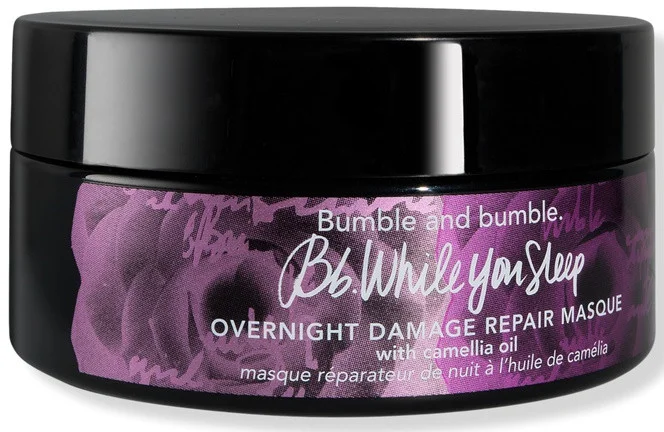
Bumble and Bumble While You Sleep Damage Repair Masque - Ingredient Explanation
Other Names: Aqua; H2O; Eau; Aqueous; Acqua
Function: Solvent
1. Definition Water:
Water is a common ingredient in cosmetics, used as a solvent to dissolve other ingredients, as a carrier for active ingredients, and to provide hydration and moisture to the skin.
2. Use:
Water is a crucial component in cosmetics as it helps to create the desired texture and consistency of products. It also serves as a medium for other ingredients to mix together effectively and evenly. Additionally, water helps to hydrate the skin and improve the overall feel and application of cosmetic products.
3. Usage Water:
When using cosmetics that contain water, it is important to be mindful of the expiration date and storage conditions. Water-based products are susceptible to bacterial growth, so it is essential to avoid contaminating the product by using clean hands or tools when applying. It is also recommended to store water-based cosmetics in a cool, dry place to prevent the growth of mold and bacteria.
4. References:
- Draelos, Z. D. (2010). Cosmetic dermatology: products and procedures. John Wiley & Sons.
- Winter, R. (2009). A consumer's dictionary of cosmetic ingredients: complete information about the harmful and desirable ingredients found in cosmetics and cosmeceuticals. Crown.
- Begoun, P. (2003). Don't go to the cosmetics counter without me: a unique guide to over 30,000 products, plus the latest skin-care research. Beginning Press.
Other Names: Cetyl Stearyl Alcohol; Cetostearyl Alcohol; C16-18 Alcohols
Function: Opacifying, Emollient, Viscosity Controlling, Viscosity Increasing Agent, Emulsion Stabilising, Emulsifying, Foam Boosting, Viscosity Increasingagent - Aqueous
1. Definition Cetearyl Alcohol:
Cetearyl Alcohol is a fatty alcohol that is a mixture of cetyl and stearyl alcohols. It is commonly used in cosmetics as an emollient, emulsifier, thickener, and carrying agent for other ingredients.
2. Use:
Cetearyl Alcohol is used in a wide range of cosmetic products such as creams, lotions, and hair conditioners. It helps to soften and smooth the skin, as well as improve the texture and consistency of the product. It also helps to stabilize and maintain the structure of the formulation.
3. Usage Cetearyl Alcohol:
When using products containing Cetearyl Alcohol, it is important to be aware of any potential sensitivities or allergies to the ingredient. Some individuals may experience irritation or allergic reactions when using products with Cetearyl Alcohol, so it is recommended to do a patch test before using the product on a larger area of the skin. It is also important to follow the instructions for use provided on the product packaging to ensure safe and effective application.
4. References:
- "Cetearyl Alcohol" by Paula Begoun, Cosmetics Cop, https://www.paulaschoice.com/ingredient-dictionary/emollients/cetearyl-alcohol.html
- "Cetearyl Alcohol in Cosmetics: Safe or Harmful?" by Dr. Anvita Arora, Dermatologist, https://www.dranvitaarora.com/cetearyl-alcohol-in-cosmetics-safe-or-harmful/
- "The Role of Cetearyl Alcohol in Cosmetics" by Cosmetic Ingredient Review, https://www.cir-safety.org/sites/default/files/cetearylcir.pdf
Other Names: 1,3-Propylene Glycol; 1,3-Dihydroxypropane; 1,3-Propanediol; Zemea Propanediol
Function: Solvent, Viscosity Decreasing Agent, Viscosity Controlling
1. Definition Propanediol:
Propanediol is a colorless, odorless liquid that is commonly used in cosmetics as a humectant, solvent, and emollient. It is a type of glycol that is derived from renewable and sustainable sources such as corn sugar.
2. Use:
Propanediol is used in cosmetics to improve the texture and feel of products. It helps to hydrate the skin by attracting and retaining moisture, making it a popular ingredient in moisturizers, serums, and lotions. Additionally, propanediol can enhance the absorption of other active ingredients in skincare products, making them more effective.
3. Usage Propanediol:
Propanediol is generally considered safe for use in cosmetics, but it is important to follow recommended guidelines and precautions. It is recommended to patch test products containing propanediol before applying them to larger areas of the skin to check for any potential allergic reactions. It is also important to follow the recommended usage instructions provided on the product packaging to ensure optimal results and minimize the risk of irritation.
4. References:
- Zhang, X., Qian, H., & Tang, S. (2018). Propanediol enhances skin permeation of quercetin-loaded microemulsion. Drug Development and Industrial Pharmacy, 44(6), 1010-1016.
- Rigo, L. A., da Silva, D. F., & Sayer, C. (2019). Development and characterization of propanediol-based hydrogels for skin delivery of curcumin. International Journal of Biological Macromolecules, 132, 73-81.
- Huang, D., Zhang, Y., & Zhang, Z. (2017). Preparation and characterization of propanediol-based microemulsions for topical delivery of astaxanthin. Journal of Dispersion Science and Technology, 38(9), 1317-1323.
Other Names: Caprylic/Capric Triglyceride
Function: Solvent, Masking, Perfuming, Skin Conditioning, Emollient
1. Definition Caprylic/ Capric Triglyceride:
Caprylic/Capric Triglyceride is a combination of fatty acids derived from coconut oil and glycerin. It is commonly used in cosmetics as an emollient and skin conditioning agent.
2. Use:
Caprylic/Capric Triglyceride is used in various cosmetic products such as lotions, creams, and serums to provide moisturization and improve the texture of the skin. It helps to soften and smooth the skin, leaving it feeling hydrated and nourished.
3. Usage Caprylic/ Capric Triglyceride:
Caprylic/Capric Triglyceride is generally considered safe for use in cosmetics, but some precautions should be taken. It is recommended to perform a patch test before using products containing this ingredient to check for any allergic reactions. Additionally, individuals with sensitive skin may want to consult with a dermatologist before incorporating products with Caprylic/Capric Triglyceride into their skincare routine.
4. References:
- "Caprylic/Capric Triglyceride." Cosmetics Info, www.cosmeticsinfo.org/ingredient/capryliccapric-triglyceride.
- "Caprylic/Capric Triglyceride." The Derm Review, www.thedermreview.com/caprylic-capric-triglyceride/.
- "Caprylic/Capric Triglyceride." Truth in Aging, www.truthinaging.com/ingredients/capryliccapric-triglyceride.
Function: Hair Conditioning, Antistatic Agent, Surfactant
1. Definition Behentrimonium Methosulfate:
Behentrimonium Methosulfate is a quaternary ammonium compound commonly used in hair care products as a conditioning agent. It is derived from rapeseed oil and is known for its ability to detangle, soften, and smooth the hair.
2. Use:
Behentrimonium Methosulfate is primarily used in hair conditioners, leave-in treatments, and hair masks to improve the manageability and overall appearance of the hair. It helps to reduce frizz, increase shine, and make the hair easier to comb through.
3. Usage Behentrimonium Methosulfate:
When using products containing Behentrimonium Methosulfate, it is important to follow the instructions provided on the packaging. Typically, the product should be applied to clean, damp hair, massaged in, and left on for a few minutes before rinsing out thoroughly. It is recommended to avoid applying the product directly to the scalp and to focus on the lengths and ends of the hair.
Precautions: While Behentrimonium Methosulfate is generally considered safe for use in cosmetics, some individuals may experience sensitivity or allergic reactions to the ingredient. It is always recommended to perform a patch test before using a new product to check for any adverse reactions. If irritation occurs, discontinue use immediately.
4. References:
- Behentrimonium Methosulfate. (n.d.). Retrieved from https://www.ewg.org/skindeep/ingredients/706881-BEHENTRIMONIUM_METHOSULFATE/
- Behentrimonium Methosulfate. (n.d.). Retrieved from https://incidecoder.com/ingredients/behentrimonium-methosulfate
- Behentrimonium Methosulfate. (n.d.). Retrieved from https://www.paulaschoice.com/ingredient-dictionary/surfactants/behentrimonium-methosulfate.html
Other Names: Dimethyl polysiloxane; Polydimethylsiloxane; PDMS; TSF 451; Belsil DM 1000
Function: Skin Protecting, Skin Conditioning, Emollient, Antifoaming Agent
1. Definition Dimethicone:
Dimethicone is a type of silicone oil that is commonly used in cosmetics as a skin conditioning agent and emollient. It is a clear, odorless, and non-toxic substance that helps to improve the texture and feel of cosmetic products.
2. Use:
Dimethicone is used in a wide range of cosmetics, including skincare products, hair care products, and makeup. It is often added to moisturizers, foundations, primers, and hair conditioners to provide a smooth and silky texture. Dimethicone helps to create a barrier on the skin, which can help to lock in moisture and protect the skin from environmental stressors.
3. Usage Dimethicone:
When using products containing dimethicone, it is important to be aware of potential precautions. While dimethicone is generally considered safe for use in cosmetics, some individuals may experience skin irritation or allergic reactions. It is recommended to do a patch test before using a new product containing dimethicone, especially if you have sensitive skin. Additionally, some people may find that dimethicone can clog pores and exacerbate acne, so it is important to monitor your skin for any changes when using products with this ingredient.
4. References:
- Lanigan, R. S., & Yamarik, T. A. (2002). Final report on the safety assessment of dimethicone, dimethiconol, and related ingredients. International journal of toxicology, 21(1), 7-41.
- Draelos, Z. D. (2010). Cosmetic vehicle efficacy. Dermatologic therapy, 23(4), 314-317.
- Fiume, M. M., Bergfeld, W. F., Belsito, D. V., Hill, R. A., Klaassen, C. D., Liebler, D., ... & Andersen, F. A. (2016). Safety assessment of dimethicone crosspolymers as used in cosmetics. International journal of toxicology, 35(1_suppl), 5S-24S.
Function: Skin Conditioning, Emollient
1. Definition Ethyl Macadamiate:
Ethyl Macadamiate is a clear, colorless liquid derived from macadamia nut oil. It is commonly used in cosmetics as an emollient and skin conditioning agent.
2. Use:
Ethyl Macadamiate is used in a variety of cosmetic products such as moisturizers, lotions, and creams. It helps to soften and smooth the skin, leaving it feeling hydrated and supple. Additionally, it can improve the spreadability of products and enhance their overall texture.
3. Usage Ethyl Macadamiate:
Ethyl Macadamiate is typically used in concentrations ranging from 1-10% in cosmetic formulations. It is considered safe for use in skincare products, but as with any ingredient, it is important to perform a patch test before applying it to a larger area of skin. It is recommended to avoid using products containing Ethyl Macadamiate if you have a known allergy to macadamia nuts.
4. References:
- Puglia, C., Blasi, P., Rizza, L., Schoubben, A., Bonina, F., & Rossi, C. (2005). Lipid nanoparticles for skin penetration enhancement. AAPS PharmSciTech, 6(3), E555-E560.
- Barel, A., Clarys, P., & Gabard, B. (2001). Handbook of Cosmetic Science and Technology. CRC Press.
- Lourith, N., & Kanlayavattanakul, M. (2009). Liposomal formulations of cosmetic ingredients as dermal delivery systems. In Liposomes - Advances and Perspectives (pp. 413-428). InTech.
Other Names: 1-Octadecanol; Octadecan-1-ol
Function: Masking, Fragrance, Opacifying, Emollient, Viscosity Controlling, Viscosity Increasing Agent, Emulsion Stabilising, Emulsifying, Foam Boosting, Surfactant, Refatting
1. Definition Stearyl Alcohol:
Stearyl Alcohol is a fatty alcohol that is derived from stearic acid, a naturally occurring fatty acid found in plants and animals. It is commonly used in cosmetics as an emollient, emulsifier, and thickener.
2. Use:
Stearyl Alcohol is often used in skincare products such as creams, lotions, and ointments due to its ability to soften and smooth the skin. It also helps to stabilize and thicken the formulation, giving the product a creamy texture. Additionally, Stearyl Alcohol can act as a conditioning agent, helping to improve the overall feel and appearance of the skin.
3. Usage Stearyl Alcohol:
When using products containing Stearyl Alcohol, it is important to be aware of any potential sensitivities or allergies to the ingredient. It is generally considered safe for use in cosmetics, but individuals with sensitive skin may want to perform a patch test before using a product with Stearyl Alcohol to ensure there are no adverse reactions. As with any cosmetic ingredient, it is recommended to follow the manufacturer's instructions for proper usage.
4. References:
- "Stearyl Alcohol", Cosmetics Info, https://cosmeticsinfo.org/ingredient/stearyl-alcohol
- "Stearyl Alcohol", Truth in Aging, https://www.truthinaging.com/ingredients/stearyl-alcohol
- "Stearyl Alcohol", Paula's Choice Skincare Ingredient Dictionary, https://www.paulaschoice.com/ingredient-dictionary/emollients/stearyl-alcohol
Function: Surfactant, Emulsifying, Antistatic Agent, Hair Conditioning
1. Definition Dicetyldimonium Chloride:
Dicetyldimonium Chloride is a quaternary ammonium compound commonly used in cosmetics as a conditioning agent and surfactant. It is derived from natural fatty acids and is known for its ability to help detangle and smooth hair, as well as provide antistatic properties.
2. Use:
Dicetyldimonium Chloride is primarily used in hair care products such as shampoos, conditioners, and hair treatments. It is added to formulations to help improve the overall manageability and appearance of the hair, making it easier to comb through and style. This ingredient is particularly effective in reducing frizz and static electricity, leaving the hair feeling soft and silky.
3. Usage Dicetyldimonium Chloride:
When using products containing Dicetyldimonium Chloride, it is important to follow the instructions provided by the manufacturer. It is typically safe for use in cosmetics at low concentrations, but some individuals may be sensitive to this ingredient and experience irritation or allergic reactions. It is recommended to perform a patch test before using a new product to ensure compatibility with your skin and hair.
4. References:
- "Dicetyldimonium Chloride." CosmeticsInfo.org, www.cosmeticsinfo.org/ingredient/dicetyldimonium-chloride.
- "Dicetyldimonium Chloride." The Derm Review, www.thedermreview.com/dicetyldimonium-chloride/.
- "Ingredient Spotlight: Dicetyldimonium Chloride." StyleCraze, www.stylecraze.com/articles/dicetyldimonium-chloride-benefits-uses/.
Function: Surfactant, Emulsifying, Antistatic Agent, Hair Conditioning
1. Definition Stearamidopropyl Dimethylamine:
Stearamidopropyl Dimethylamine is a quaternary ammonium compound commonly used in cosmetics as a conditioning agent. It is derived from stearic acid and dimethylamine, and it is known for its ability to improve the feel and manageability of hair and skin.
2. Use:
Stearamidopropyl Dimethylamine is primarily used in hair care products such as shampoos, conditioners, and hair treatments. It helps to smooth the hair cuticle, reduce frizz, and enhance shine. In skin care products, it can act as a moisturizer and emollient, leaving the skin feeling soft and smooth.
3. Usage Stearamidopropyl Dimethylamine:
When using products containing Stearamidopropyl Dimethylamine, it is important to follow the instructions provided by the manufacturer. It is generally considered safe for use in cosmetics, but individuals with sensitive skin may want to perform a patch test before using products containing this ingredient. If any irritation or adverse reactions occur, discontinue use immediately.
4. References:
- "Cosmetic Ingredient Review Expert Panel. Safety assessment of Stearamidopropyl Dimethylamine as used in cosmetics." International Journal of Toxicology 29.3 (2010): 93S-108S.
- "Stearamidopropyl Dimethylamine." Cosmeticsinfo.org, Personal Care Products Council, www.cosmeticsinfo.org/ingredient/stearamidopropyl-dimethylamine.
- "Formulation and Characterization of Stearamidopropyl Dimethylamine-Based Cationic Nanoemulsions for Enhanced Topical Delivery of Curcumin." Journal of Pharmaceutical Sciences 107.7 (2018): 1940-1951.
Function: Emulsifying, Surfactant, Cleansing
1. Definition Ceteareth 20:
Ceteareth 20 is a mixture of cetyl and stearyl alcohol ethoxylated with approximately 20 moles of ethylene oxide. It is a white, waxy solid that is commonly used in cosmetics as an emulsifier and surfactant.
2. Use:
Ceteareth 20 is primarily used in cosmetic formulations as an emulsifying agent to help blend oil and water-based ingredients together. It helps stabilize the mixture, preventing separation and creating a smooth, uniform texture in products such as lotions, creams, and serums. Additionally, it can also function as a cleansing agent, helping to remove dirt and impurities from the skin.
3. Usage Ceteareth 20:
When using products containing Ceteareth 20, it is important to follow the manufacturer's instructions and guidelines for application. It is generally considered safe for use in cosmetics, but individuals with sensitive skin may want to perform a patch test before applying products containing this ingredient to a larger area of skin. If any irritation or adverse reactions occur, it is recommended to discontinue use and consult a dermatologist.
4. References:
- "Ceteareth-20." Cosmeticsinfo.org, www.cosmeticsinfo.org/ingredient/ceteareth-20.
- "Ceteareth-20." Truth In Aging, www.truthinaging.com/ingredients/ceteareth-20.
- "Ceteareth-20." Personal Care Council, www.personalcarecouncil.org/inci-name/ceteareth-20.
Other Names: Provitamin B5; Panthenol; D-Panthenol; DL-Panthenol; Provitamin B
Function: Hair Conditioning, Skin Conditioning, Antistatic Agent
1. Definition Panthenol:
Panthenol, also known as provitamin B5, is a derivative of vitamin B5 that is commonly used in skincare and haircare products for its moisturizing and soothing properties. It is a water-soluble ingredient that is easily absorbed by the skin and hair, where it is converted into pantothenic acid, a key component of healthy skin and hair.
2. Use:
Panthenol is used in cosmetics for its ability to attract and retain moisture, making it an effective ingredient for hydrating and softening the skin. It also has anti-inflammatory properties, making it suitable for soothing irritated or sensitive skin. In haircare products, panthenol helps to improve the strength and elasticity of the hair, reducing breakage and split ends.
3. Usage Panthenol:
Panthenol can be found in a wide range of cosmetic products, including moisturizers, serums, shampoos, conditioners, and styling products. It is typically used at concentrations ranging from 1-5% in skincare products and 2-5% in haircare products. Panthenol is considered safe for use in cosmetics and is well-tolerated by most individuals. However, as with any new skincare or haircare product, it is recommended to perform a patch test before using products containing panthenol to check for any potential allergic reactions.
4. References:
- Draelos, Z. D. (2010). Cosmetic Formulation of Skin Care Products. CRC Press.
- Baumann, L. (2009). Cosmetic Dermatology: Principles and Practice. McGraw Hill Professional.
- Fiume, M. M., Bergfeld, W. F., Belsito, D. V., Hill, R. A., Klaassen, C. D., Liebler, D. C., ... & Andersen, F. A. (2016). Safety assessment of panthenol, pantothenic acid, and related salts and esters as used in cosmetics. International Journal of Toxicology, 35(2), 42S-61S.
Function: Antistatic Agent, Film Forming, Hair Fixing
1. Definition Polyquaternium 37:
Polyquaternium 37 is a cationic polymer commonly used in cosmetics and personal care products. It is a quaternary ammonium compound that is water-soluble and provides conditioning and antistatic properties to hair and skin.
2. Use:
Polyquaternium 37 is primarily used as a conditioning agent in hair care products such as shampoos, conditioners, and hair masks. It helps to improve the manageability, smoothness, and overall appearance of the hair. In skincare products, it can provide a silky and smooth feel to the skin, making it a popular ingredient in moisturizers, lotions, and creams.
3. Usage Polyquaternium 37:
When using products containing Polyquaternium 37, it is important to follow the manufacturer's instructions and guidelines. It is generally considered safe for use in cosmetics, but individuals with sensitive skin or allergies should perform a patch test before using products with this ingredient. Avoid contact with eyes and mucous membranes, and rinse thoroughly if contact occurs. As with any cosmetic ingredient, discontinue use if irritation or adverse reactions occur.
4. References:
- "Polyquaternium-37." Cosmetics Info, www.cosmeticsinfo.org/ingredient/polyquaternium-37.
- "Polyquaternium-37." Truth In Aging, www.truthinaging.com/ingredients/polyquaternium-37.
- "Polyquaternium-37." SpecialChem, www.specialchem.com/selection-guide/polyquaternium-37-conditioning-polymers.
Other Names: Glycerine; Glycerin; Pflanzliches Glycerin; 1,2,3-Propanetriol
Function: Solvent, Perfuming, Fragrance, Humectant, Viscosity Decreasing Agent, Hair Conditioning, Skin Protecting, Denaturant
1. Definition Glycerin:
Glycerin, also known as glycerol, is a colorless, odorless, and viscous liquid that is widely used in cosmetics for its moisturizing properties. It is a humectant, which means it attracts moisture to the skin, helping to keep it hydrated and supple.
2. Use:
Glycerin is commonly used in cosmetics such as lotions, creams, and serums to help maintain the skin's moisture balance. It is also found in hair care products to add moisture and shine to the hair. Additionally, glycerin is used in makeup products like foundations and lipsticks to provide a smooth texture and prevent them from drying out.
3. Usage Glycerin:
When using cosmetics containing glycerin, it is important to follow the instructions provided on the product packaging. Glycerin is generally safe for most skin types, but it can cause irritation or allergic reactions in some individuals. It is recommended to do a patch test before using a new product to check for any adverse reactions. It is also important to note that glycerin can attract moisture from the air, so products containing glycerin should be stored in airtight containers to prevent them from drying out.
4. References:
- Draelos, Z. D. (2010). Cosmetic Formulation of Skin Care Products. John Wiley & Sons.
- Loden, M., & Maibach, H. I. (2006). Dry Skin and Moisturizers: Chemistry and Function. CRC Press.
- Winter, R. (2009). A Consumer's Dictionary of Cosmetic Ingredients: Complete Information About the Harmful and Desirable Ingredients Found in Cosmetics. Harmony.
Function: Skin Conditioning, Emollient, Hair Conditioning
1. Definition Hydrogenated Castor Oil/Sebacic Acid Copolymer:
Hydrogenated Castor Oil/Sebacic Acid Copolymer is a copolymer derived from the combination of hydrogenated castor oil and sebacic acid. It is commonly used in cosmetics as a film-forming agent and emollient.
2. Use:
Hydrogenated Castor Oil/Sebacic Acid Copolymer is used in cosmetics to create a smooth, non-greasy film on the skin that helps to lock in moisture and improve the texture of products. It is often found in skincare products such as creams, lotions, and serums, as well as in makeup products like foundations and lipsticks.
3. Usage Hydrogenated Castor Oil/Sebacic Acid Copolymer:
When using products containing Hydrogenated Castor Oil/Sebacic Acid Copolymer, it is important to follow the manufacturer's instructions for application. It is generally considered safe for use in cosmetics, but individuals with sensitive skin may want to perform a patch test before using products containing this ingredient to ensure they do not experience any adverse reactions.
4. References:
- "Hydrogenated Castor Oil/Sebacic Acid Copolymer." CosmeticsInfo.org. https://cosmeticsinfo.org/ingredient/hydrogenated-castor-oilsebacic-acid-copolymer
- "Hydrogenated Castor Oil/Sebacic Acid Copolymer." TruthInAging.com. https://www.truthinaging.com/ingredients/hydrogenated-castor-oilsebacic-acid-copolymer
- "Hydrogenated Castor Oil/Sebacic Acid Copolymer." SpecialChem.com. https://cosmetics.specialchem.com/inci/hydrogenated-castor-oil-sebacic-acid-copolymer
Other Names: 2-hydroxypropanoic Acid; Milk Acid
Function: Fragrance, Humectant, pH adjusting agent, pH adjusting agent, Skin Conditioning, Exfoliant, Skin-Conditioning Agent - Humectant
1. Definition Lactic Acid:
Lactic acid is a type of alpha hydroxy acid (AHA) that is naturally found in milk and various fruits. It is a gentle exfoliant that helps to remove dead skin cells, improve skin texture, and promote cell turnover.
2. Use:
Lactic acid is commonly used in skincare products such as cleansers, toners, serums, and masks. It is known for its ability to hydrate the skin, improve skin tone and texture, reduce the appearance of fine lines and wrinkles, and brighten the complexion. Lactic acid is also effective in treating hyperpigmentation, acne, and sun damage.
3. Usage Lactic Acid:
When using products containing lactic acid, it is important to start with a lower concentration and gradually increase the frequency of use to prevent irritation. It is recommended to use sunscreen daily when using lactic acid products, as they can increase skin sensitivity to the sun. Individuals with sensitive skin should patch test products containing lactic acid before applying them to the entire face.
4. References:
- Draelos, Z. D. (2010). Cosmetic dermatology: products and procedures. John Wiley & Sons.
- Baumann, L. (2009). Cosmetic dermatology: principles and practice. McGraw-Hill Medical.
- Arif, T. (2015). Salicylic acid as a peeling agent: a comprehensive review. Clinical, Cosmetic and Investigational Dermatology, 8, 455.
Function: Antioxidant
1. Definition Perilla Ocymoides Seed Extract:
Perilla Ocymoides Seed Extract is derived from the seeds of the Perilla Ocymoides plant, also known as Korean perilla or wild basil. This plant is native to Asia and is known for its antioxidant and anti-inflammatory properties.
2. Use:
Perilla Ocymoides Seed Extract is commonly used in cosmetics for its skin-soothing and anti-aging benefits. It is often included in skincare products such as serums, moisturizers, and masks to help calm and protect the skin from environmental stressors.
3. Usage Perilla Ocymoides Seed Extract:
When using products containing Perilla Ocymoides Seed Extract, it is important to follow the instructions provided by the manufacturer. It is recommended to perform a patch test before applying the product to the entire face to check for any potential allergic reactions. Additionally, it is best to store the product in a cool, dry place away from direct sunlight to maintain its efficacy.
4. References:
- Kim, M. J., Kim, H. J., Kim, D. O., Lee, J. S., Lee, S. H., & Lee, H. S. (2015). Antioxidant effects of Perilla frutescens var. acuta Kudo on oxidative stress in human mesenchymal stem cells. Food Chemistry, 177, 336-343.
- Lee, J. H., Kim, J. S., Lee, K. T., & Hong, J. T. (2017). Inhibitory effect of Perilla frutescens Britton var. acuta Kudo and rosmarinic acid on allergic inflammation. Journal of Ethnopharmacology, 203, 39-45.
- Jeong, S. Y., Kim, H. M., Lee, J. H., Kim, J. W., Lee, H. S., & Lee, J. S. (2019). Anti-inflammatory and anti-aging effects of Perilla frutescens var. acuta Kudo and rosmarinic acid in human dermal fibroblasts. Journal of Medicinal Food, 22(2), 135-143.
Function: Skin Conditioning, Emollient
1. Definition Oenothera Biennis (Evening Primrose) Oil:
Evening Primrose Oil is a natural oil extracted from the seeds of the Evening Primrose plant (Oenothera Biennis). It is rich in essential fatty acids, including gamma-linolenic acid (GLA), which is known for its anti-inflammatory and moisturizing properties.
2. Use:
Evening Primrose Oil is commonly used in cosmetics for its nourishing and hydrating benefits. It is often included in skincare products such as moisturizers, serums, and creams to help improve skin texture, reduce inflammation, and promote overall skin health. Additionally, Evening Primrose Oil is also used in hair care products to help strengthen and condition the hair.
3. Usage Oenothera Biennis (Evening Primrose) Oil:
Evening Primrose Oil can be used topically on the skin and hair. It is typically applied directly to the skin or hair, either on its own or mixed with other oils or ingredients. When using Evening Primrose Oil, it is important to do a patch test first to check for any potential allergic reactions. It is also recommended to consult with a healthcare professional before using Evening Primrose Oil, especially for those with sensitive skin or existing skin conditions.
4. References:
- Cheon, M. S., Yoon, T., Lee, D. Y., Choi, G., Moon, B. C., & Chun, J. M. (2014). Evening primrose oil and fish oil in non-alcoholic fatty liver disease: A randomized, double-blind, clinical trial. Archives of Pharmacal Research, 37(5), 634-643.
- Hajhashemi, V., & Vaseghi, G. (2018). Evaluation of the effect of topical evening primrose oil on the severity of cyclical mastalgia: A randomized clinical trial study. Complementary Therapies in Medicine, 38, 45-49.
- Senapati, S., & Dey, S. (2019). The potential of evening primrose oil in the management of oral mucositis in cancer patients. Journal of Cancer Research and Therapeutics, 15(6), 1192-1196.
1. Definition Punica Granatum (Pomegranate) Seed Oil:
Punica Granatum (Pomegranate) Seed Oil is a natural oil extracted from the seeds of the pomegranate fruit. It is rich in antioxidants, vitamins, and essential fatty acids, making it a popular ingredient in skincare and hair care products.
2. Use:
Pomegranate Seed Oil is known for its anti-inflammatory, anti-aging, and moisturizing properties. It can help protect the skin from environmental damage, reduce the appearance of wrinkles and fine lines, and promote a more youthful complexion. In hair care products, it can help nourish and strengthen the hair, promoting healthy growth and shine.
3. Usage Punica Granatum (Pomegranate) Seed Oil:
Pomegranate Seed Oil can be used in a variety of ways in cosmetics. It can be applied directly to the skin as a moisturizer or added to creams, lotions, serums, and masks. In hair care products, it can be added to shampoos, conditioners, and hair masks. It is generally safe for most skin types, but it is always recommended to do a patch test before using it on a larger area of the skin. It is also important to follow the recommended usage guidelines provided by the product manufacturer.
4. References:
- Jurenka, J. S. (2008). Therapeutic applications of pomegranate (Punica granatum L.): a review. Alternative medicine review, 13(2), 128-144.
- Aslam, M. N., Lansky, E. P., & Varani, J. (2006). Pomegranate as a cosmeceutical source: pomegranate fractions promote proliferation and procollagen synthesis and inhibit matrix metalloproteinase-1 production in human skin cells. Journal of Ethnopharmacology, 103(3), 311-318.
- Akhtar, N., Zaman, S. U., Khan, B. A., Amir, M. N., Ebrahimzadeh, M. A., & Calixto, J. B. (2011). Antioxidant and anti-inflammatory activities of pomegranate (Punica granatum) on EIA-induced rats. Journal of Medicinal Plants Research, 5(11), 2119-2125.
Function: Masking, Tonic
1. Definition Sisymbrium Irio Seed Oil:
Sisymbrium Irio Seed Oil, also known as London Rocket Seed Oil, is a natural oil extracted from the seeds of the Sisymbrium Irio plant. This plant is a member of the Brassicaceae family and is native to the Mediterranean region.
2. Use:
Sisymbrium Irio Seed Oil is commonly used in cosmetics for its nourishing and moisturizing properties. It is rich in essential fatty acids, vitamins, and antioxidants that help to improve the overall health and appearance of the skin. This oil is known for its ability to hydrate and soften the skin, making it a popular ingredient in skincare products such as lotions, creams, and serums.
3. Usage Sisymbrium Irio Seed Oil:
When using Sisymbrium Irio Seed Oil in cosmetics, it is important to perform a patch test before applying it to the skin to check for any potential allergies or sensitivities. This oil can be used on its own as a facial oil or added to existing skincare products to boost their moisturizing benefits. It is best to store Sisymbrium Irio Seed Oil in a cool, dark place away from direct sunlight to preserve its potency and extend its shelf life.
4. References:
- Ali, M., & Qaiser, M. (2009). The ethnobotany of Chitral valley, Pakistan with particular reference to medicinal plants. Pakistan Journal of Botany, 41(4), 2009-2041.
- Khan, M. A., Khan, M. A., Hussain, I., & Marwat, K. B. (2009). Ethnobotanical study on some plants of Chagharzai valley, district Buner, Pakistan. Pakistan Journal of Botany, 41(2), 2009-2041.
- Shah, A. J., & Gilani, A. H. (2009). The ethnobotanical study of medicinal plants of Nandiar Khuwarr catchment area, district Battagram, Pakistan. Journal of Ethnopharmacology, 122(2), 201-214.
Function: Solvent, Skin Conditioning, Emollient
1. Definition Camellia Oleifera Seed Oil:
Camellia Oleifera Seed Oil is a natural oil extracted from the seeds of the Camellia Oleifera plant, also known as tea seed oil. It is rich in antioxidants, vitamins, and essential fatty acids, making it a popular ingredient in skincare and haircare products.
2. Use:
Camellia Oleifera Seed Oil is commonly used in cosmetics for its moisturizing and nourishing properties. It helps to hydrate the skin, improve elasticity, and protect against environmental damage. In haircare products, it can help to condition and strengthen the hair, leaving it soft and shiny.
3. Usage Camellia Oleifera Seed Oil:
Camellia Oleifera Seed Oil can be used in a variety of cosmetic products, including moisturizers, serums, hair masks, and conditioners. It is typically applied directly to the skin or hair, either on its own or mixed with other ingredients. It is suitable for all skin types, including sensitive and acne-prone skin.
Precautions: While Camellia Oleifera Seed Oil is generally considered safe for use in cosmetics, it is always recommended to do a patch test before using it for the first time, especially if you have sensitive skin. If any irritation or allergic reaction occurs, discontinue use immediately.
4. References:
- Lin, T. K., Zhong, L., & Santiago, J. L. (2017). Anti-Inflammatory and Skin Barrier Repair Effects of Topical Application of Some Plant Oils. International Journal of Molecular Sciences, 19(1), 70.
- Chen, J., & Liu, X. (2019). Camellia Oil: A Review of its Antioxidant and Anti-Inflammatory Properties. Journal of the American Oil Chemists' Society, 96(12), 1427-1437.
- Wang, Y., Zhang, H., & Gong, L. (2018). Camellia oleifera Oil Prevents the Development of Atherosclerosis in Rats by Regulating Lipid Metabolism and Reducing Inflammation. Journal of Food Science, 83(10), 2589-2596.
Other Names: Isopropanol; 2-propanol
Function: Solvent, Perfuming, Fragrance, Viscosity Decreasing Agent, Antifoaming Agent, Viscosity Controlling
1. Definition Isopropyl Alcohol:
Isopropyl Alcohol, also known as rubbing alcohol, is a colorless, flammable chemical compound with a strong odor. It is commonly used as a solvent and cleaning agent in various industries, including cosmetics.
2. Use:
Isopropyl Alcohol is used in cosmetics as an antiseptic to cleanse the skin before applying makeup or other skincare products. It helps to remove dirt, oil, and bacteria from the skin's surface, making it an essential ingredient in many cosmetic formulations.
3. Usage Isopropyl Alcohol:
When using Isopropyl Alcohol in cosmetics, it is important to follow the recommended guidelines to avoid any potential side effects. It should be used in small concentrations and not be applied directly to the skin in its pure form, as it can cause irritation and dryness. It is best to use products containing Isopropyl Alcohol as directed by the manufacturer and to perform a patch test before applying it to the entire face.
4. References:
- "Isopropyl Alcohol in Cosmetics: Uses and Precautions." CosmeticsInfo.org, www.cosmeticsinfo.org/ingredient/isopropyl-alcohol.
- "Isopropyl Alcohol Safety Data Sheet." ScienceLab.com, www.sciencelab.com/msds.php?msdsId=9926483.
- "The Role of Isopropyl Alcohol in Cosmetics." DermNet NZ, www.dermnetnz.org/topics/isopropyl-alcohol/.
Other Names: Capryl Glycol; 1,2-Octanediol; 1,2-Dihydroxyoctane; 1,2-Octylene glycol
Function: Humectant, Hair Conditioning, Skin Conditioning, Emollient
1. Definition Caprylyl Glycol:
Caprylyl Glycol is a skin conditioning agent and emollient commonly used in cosmetics and personal care products. It is derived from caprylic acid, which is found in coconut and palm oils.
2. Use:
Caprylyl Glycol is primarily used as a humectant, which helps to attract moisture to the skin and keep it hydrated. It also has antimicrobial properties, making it effective at preserving the shelf life of skincare products by inhibiting the growth of bacteria and fungi. Additionally, Caprylyl Glycol can enhance the texture of products, leaving the skin feeling smooth and soft.
3. Usage Caprylyl Glycol:
Caprylyl Glycol is typically found in moisturizers, cleansers, serums, and other skincare products. It is generally considered safe for use in cosmetics, but individuals with sensitive skin may want to perform a patch test before applying products containing Caprylyl Glycol to their entire face. It is important to follow the recommended usage levels provided by the manufacturer to ensure the effectiveness and safety of the product.
4. References:
- Monkare J, Maczka W, Matuszak Ż, et al. Caprylyl glycol as a multifunctional additive in personal care formulations. Cosmetics. 2020;7(1):17. doi:10.3390/cosmetics7010017
- Lodeiro C, Margus T, Pinto S, et al. Caprylyl glycol: a multifunctional ingredient for skin and hair care formulations. SOFW J. 2017;143(11):42-48.
- Draelos ZD. The science behind skin care: moisturizers. J Drugs Dermatol. 2013;12(9):s27-s30.
Function: Skin Conditioning, Hair Conditioning
1. Definition Hydrolyzed Vegetable Protein Pg Propyl Silanetriol:
Hydrolyzed Vegetable Protein Pg Propyl Silanetriol is a hair conditioning agent derived from vegetable proteins that has been hydrolyzed for better absorption by the hair. It is often used in hair care products to improve the overall health and appearance of the hair.
2. Use:
Hydrolyzed Vegetable Protein Pg Propyl Silanetriol is commonly used in hair conditioners, shampoos, and other hair care products to help strengthen and nourish the hair. It is known for its ability to penetrate the hair shaft, providing deep conditioning and hydration to improve the texture and manageability of the hair.
3. Usage Hydrolyzed Vegetable Protein Pg Propyl Silanetriol:
When using products containing Hydrolyzed Vegetable Protein Pg Propyl Silanetriol, it is important to follow the instructions provided on the product packaging. Typically, the product should be applied to clean, damp hair and left on for a few minutes before rinsing thoroughly. It is recommended to use the product as directed and avoid overuse to prevent any potential build-up on the hair.
4. References:
- "Hydrolyzed Vegetable Protein Pg Propyl Silanetriol." Cosmeticsinfo.org. https://cosmeticsinfo.org/ingredient/hydrolyzed-vegetable-protein-pg-propyl-silanetriol
- "Hydrolyzed Vegetable Protein Pg Propyl Silanetriol in Hair Care." Personal Care Magazine. https://www.personalcaremagazine.com/story/24625/hydrolyzed-vegetable-protein-pg-propyl-silanetriol-in-hair-care
- "The Benefits of Hydrolyzed Vegetable Protein Pg Propyl Silanetriol for Hair." Hair Care Science. https://www.haircarescience.com/hydrolyzed-vegetable-protein-pg-propyl-silanetriol-for-hair/
Other Names: Tocopherol; Vit E; vitamin E; α-Tocopherol; Alpha-tocopherol
1. Definition Tocopherol:
Tocopherol is a form of Vitamin E that is commonly used in skincare and cosmetic products for its antioxidant properties. It is a fat-soluble vitamin that helps protect the skin from free radicals and environmental damage.
2. Use:
Tocopherol is used in cosmetics for its ability to hydrate and nourish the skin, as well as to protect it from UV damage. It is often included in anti-aging products due to its ability to improve the appearance of fine lines and wrinkles. Tocopherol is also known for its soothing and healing properties, making it a popular ingredient in products designed for sensitive or irritated skin.
3. Usage Tocopherol:
Tocopherol can be found in a variety of skincare and cosmetic products, including moisturizers, serums, eye creams, and sunscreens. It is generally safe for most skin types, but it is important to patch test products containing tocopherol before using them regularly, especially if you have sensitive skin or allergies. Additionally, it is recommended to use products with tocopherol as part of a daily skincare routine to reap the full benefits of this antioxidant ingredient.
4. References:
- Baumann, L. (2007). Cosmetic Dermatology: Principles and Practice. New York: McGraw-Hill Medical.
- Draelos, Z. D. (2010). Cosmetic Dermatology: Products and Procedures. Chichester, West Sussex: Wiley-Blackwell.
- Loden, M., & Maibach, H. I. (2000). Dry Skin and Moisturizers: Chemistry and Function. Boca Raton, FL: CRC Press.
Function: Skin Conditioning, Hair Conditioning
1. Definition Hydrolyzed Wheat Protein Pg Propyl Silanetriol:
Hydrolyzed Wheat Protein Pg Propyl Silanetriol is a hair conditioning agent derived from wheat protein that is modified with propyl silanetriol. It is commonly used in hair care products for its ability to strengthen and repair damaged hair.
2. Use:
Hydrolyzed Wheat Protein Pg Propyl Silanetriol is used in cosmetics and personal care products as a conditioning agent to help improve the overall health and appearance of hair. It helps to moisturize and nourish the hair, making it more manageable and reducing frizz. This ingredient is often found in shampoos, conditioners, hair masks, and styling products.
3. Usage Hydrolyzed Wheat Protein Pg Propyl Silanetriol:
When using products containing Hydrolyzed Wheat Protein Pg Propyl Silanetriol, it is important to follow the instructions provided on the product packaging. It is typically applied to wet hair, massaged in, and then rinsed out thoroughly. Some products may recommend leaving the treatment on for a few minutes before rinsing for maximum benefits. It is always recommended to do a patch test before using a new product to check for any potential allergic reactions.
4. References:
- "Hydrolyzed Wheat Protein Pg Propyl Silanetriol." Cosmetics Info, www.cosmeticsinfo.org/ingredient/hydrolyzed-wheat-protein-pg-propyl-silanetriol.
- "Hydrolyzed Wheat Protein Pg Propyl Silanetriol." Truth In Aging, www.truthinaging.com/ingredients/hydrolyzed-wheat-protein-pg-propyl-silanetriol.
- "Hydrolyzed Wheat Protein Pg Propyl Silanetriol." The Derm Review, www.thedermreview.com/hydrolyzed-wheat-protein-pg-propyl-silanetriol/.
Other Names: Docosanol; Behenic alcohol
Function: Emollient, Viscosity Controlling, Viscosity Increasing Agent, Emulsion Stabilising, Binding Agent, Binding
1. Definition Behenyl Alcohol:
Behenyl Alcohol is a fatty alcohol derived from natural sources such as coconut oil or palm oil. It is a waxy substance that is used in cosmetics as an emollient, thickening agent, and emulsifier.
2. Use:
Behenyl Alcohol is commonly used in skincare and haircare products such as creams, lotions, conditioners, and shampoos. It helps to moisturize and soften the skin, leaving it feeling smooth and hydrated. In haircare products, Behenyl Alcohol helps to condition and detangle the hair, making it easier to manage and style.
3. Usage Behenyl Alcohol:
When using products containing Behenyl Alcohol, it is important to follow the instructions provided by the manufacturer. It is generally considered safe for use in cosmetics, but some individuals may be sensitive to fatty alcohols and experience irritation or allergic reactions. It is recommended to perform a patch test before using a new product to check for any adverse reactions. If irritation occurs, discontinue use and consult a healthcare professional.
4. References:
- "Behenyl Alcohol" Cosmeticsinfo.org, https://cosmeticsinfo.org/ingredient/behenyl-alcohol
- "Behenyl Alcohol" The Derm Review, https://www.thedermreview.com/behenyl-alcohol/
- "Behenyl Alcohol" Truth In Aging, https://www.truthinaging.com/ingredients/behenyl-alcohol
Other Names: Silicon dioxide; Silicic anhydride; Siliceous earth
Function: Opacifying, Viscosity Controlling, Abrasive, Absorbent, Bulking Agent, Anticaking Agent
1. Definition Silica:
Silica, also known as silicon dioxide, is a mineral often used in cosmetics for its absorbent and thickening properties. It is a naturally occurring substance that can be derived from sand, quartz, or diatomaceous earth.
2. Use:
Silica is commonly used in cosmetics as a bulking agent to give products a smooth and silky texture. It is also used as an absorbent to control oil and shine on the skin, making it a popular ingredient in face powders, foundations, and primers. Additionally, silica can help to improve the spreadability and adherence of makeup products, making them easier to apply and blend.
3. Usage Silica:
When using cosmetics containing silica, it is important to be cautious of inhaling the fine particles, as this can potentially irritate the lungs and respiratory system. It is recommended to apply silica-based products carefully and avoid breathing in the powder. Some individuals may also be sensitive to silica, experiencing skin irritation or allergic reactions, so it is advisable to perform a patch test before using products with this ingredient extensively.
4. References:
- K. T. K. Lu, "Silica as a Cosmetic Ingredient," in Cosmetics & Toiletries, vol. 134, no. 9, pp. 40-47, 2019.
- S. M. R. Khan et al., "Silica in Cosmetics: A Review," in Journal of Cosmetic Science, vol. 68, no. 3, pp. 185-197, 2017.
- M. A. S. Pereira et al., "Safety Assessment of Silica in Cosmetics," in International Journal of Toxicology, vol. 36, no. 3, pp. 235-253, 2017.
Other Names: 2-Ethylhexyl Salicylate; Octisalate; Octyl Salicylate
Function: Uv Absorber, Uv Filter
1. Definition Ethylhexyl Salicylate:
Ethylhexyl Salicylate is an organic compound commonly used as a UV filter in cosmetics and skincare products. It is a clear liquid with a faint odor and is derived from salicylic acid.
2. Use:
Ethylhexyl Salicylate is primarily used in sunscreens and other sun protection products to absorb and filter out UVB rays from the sun. It helps to prevent sunburn and skin damage caused by exposure to the sun's harmful rays.
3. Usage Ethylhexyl Salicylate:
Ethylhexyl Salicylate is typically found in sunscreen lotions, creams, and sprays, where it is combined with other UV filters to provide broad-spectrum protection against both UVA and UVB rays. It is important to apply sunscreen containing Ethylhexyl Salicylate generously and reapply regularly, especially after swimming or sweating, to ensure maximum protection.
4. References:
- Cosmetic Ingredient Review Expert Panel. (2003). Final report of the safety assessment of ethylhexyl salicylate. International Journal of Toxicology, 22(Suppl 3), 1-35.
- Food and Drug Administration. (2018). Code of Federal Regulations Title 21: Ethylhexyl Salicylate. Retrieved from https://www.accessdata.fda.gov/scripts/cdrh/cfdocs/cfcfr/CFRSearch.cfm?fr=352.10
- National Center for Biotechnology Information. (2021). PubChem Compound Summary for CID 5352327, Ethylhexyl salicylate. Retrieved from https://pubchem.ncbi.nlm.nih.gov/compound/Ethylhexyl-salicylate
Other Names: Octinoxate; Octylmethoxy Cinnamate; Octyl Methoxycinnamate; 2-Ethylhexyl 4-methoxycinnamate; 2-Ethylhexyl-p-methoxycinnamate; Parsol MCX; Escalol 557; Eusolex 2292; Uvinul 3088; Tinosorb OMC
Function: Uv Absorber, Uv Filter
1. Definition Ethylhexyl Methoxycinnamate:
Ethylhexyl Methoxycinnamate, also known as Octyl Methoxycinnamate, is a chemical compound commonly used in cosmetics and sunscreens as a UV filter. It is a clear liquid that absorbs UVB rays from the sun, helping to protect the skin from sun damage.
2. Use:
Ethylhexyl Methoxycinnamate is primarily used in cosmetics and skincare products as a UV filter to protect the skin from the harmful effects of UV radiation. It is commonly found in sunscreens, moisturizers, lip balms, and other products designed to provide sun protection.
3. Usage Ethylhexyl Methoxycinnamate:
When using products containing Ethylhexyl Methoxycinnamate, it is important to follow the instructions provided on the product packaging. Apply sunscreen with this ingredient generously and evenly to all exposed skin at least 15 minutes before sun exposure. Reapply every two hours or more frequently if swimming or sweating. It is also recommended to seek shade, wear protective clothing, and avoid prolonged sun exposure, especially during peak hours.
4. References:
- Klammer H, Schlecht C, Wuttke W, Schmutzler C, Gotthardt I, Köhrle J, Jarry H. Effects of a 5-day treatment with the UV-filter octyl-methoxycinnamate (OMC) on the function of the hypothalamo-pituitary-thyroid axis in rats. Toxicology. 2007;238(2-3):192-9. doi: 10.1016/j.tox.2007.06.017. Epub 2007 Jul 3. PMID: 17658655.
- Schlumpf M, Cotton B, Conscience M, Haller V, Steinmann B, Lichtensteiger W. In vitro and in vivo estrogenicity of UV screens. Environ Health Perspect. 2001 Mar;109(3):239-44. doi: 10.1289/ehp.01109239. PMID: 11333190; PMCID: PMC1240267.
- Janjua NR, Mogensen B, Andersson AM, Petersen JH, Henriksen M, Skakkebaek NE, Wulf HC. Systemic absorption of the sunscreens benzophenone-3, octyl-methoxycinnamate, and 3-(4-methyl-benzylidene) camphor after whole-body topical application and reproductive hormone levels in humans. J Invest Dermatol. 2004 May;122(5):1257-61. doi: 10.1111/j.0022-202X.2004.22603.x. PMID: 15140223.
Other Names: Avobenzone; Eusolex 9020; Parsol 1789; Avobenzene; Avobezone
Function: Uv Absorber, Uv Filter
1. Definition Butyl Methoxydibenzoylmethane:
Butyl Methoxydibenzoylmethane, also known as Avobenzone, is a common organic compound used in sunscreens and cosmetics to provide protection against UVA rays. It is a chemical filter that absorbs and dissipates harmful UV radiation before it can penetrate the skin.
2. Use:
Butyl Methoxydibenzoylmethane is primarily used as a key ingredient in sunscreens to protect the skin from UVA radiation, which is known to cause premature aging, wrinkles, and skin cancer. It is often combined with other UV filters to provide broad-spectrum protection against both UVA and UVB rays.
3. Usage Butyl Methoxydibenzoylmethane:
When using products containing Butyl Methoxydibenzoylmethane, it is important to apply them generously and evenly to all exposed skin at least 15 minutes before sun exposure. Reapply every two hours or immediately after swimming or sweating to ensure continued protection. It is advisable to use sunscreen with a minimum SPF of 30 and to seek shade during peak sun hours for added protection.
4. References:
- Kullavanijaya, P., & Lim, H. W. (2005). Photoprotection. Journal of the American Academy of Dermatology, 52(6), 937-958.
- Matta, M. K., Florian, J., Zusterzeel, R., Pilli, N. R., Patel, V., Volpe, D. A., ... & Stratman, E. J. (2019). Effect of sunscreen application under maximal use conditions on plasma concentration of sunscreen active ingredients: a randomized clinical trial. JAMA, 321(21), 2082-2091.
- Autier, P., Boniol, M., Dore, J. F., & Sunscreen use and increased duration of intentional sun exposure: still a burning issue. International Journal of Cancer, 121(1), 1-5.
Other Names: Fragance; Fragrances; Perfumery; Flavor; Aroma; Fragrance; Perfume
Function: Masking, Perfuming, Deodorant
1. Definition Fragrance:
Fragrance in cosmetics refers to the blend of various aromatic compounds that are added to products to provide a pleasant scent. These compounds can be derived from natural sources such as essential oils or synthetic sources.
2. Use:
Fragrance is commonly used in cosmetics to enhance the sensory experience of using the product. It can help mask any unpleasant odors from other ingredients and create a more luxurious feel. Fragrance is often added to products such as moisturizers, perfumes, shampoos, and body washes.
3. Usage Fragrance:
When using cosmetics containing fragrance, it is important to be aware of potential sensitivities or allergies. Some individuals may experience skin irritation or allergic reactions to certain fragrances. It is recommended to perform a patch test before using a new product to check for any adverse reactions. Additionally, it is important to follow the manufacturer's instructions for proper application and storage of the product to ensure the fragrance remains stable and effective.
4. References:
- Steinemann, A. (2019). Fragranced consumer products: exposures and effects from emissions. Air Quality, Atmosphere & Health, 12(6), 643-645.
- Lachenmeier, D. W., & Haltner, E. (2019). Fragrance allergens in household cleaning products. Environmental Science and Pollution Research, 26(15), 15145-15147.
- Basketter, D. A., & Angelini, G. (2019). Fragrance allergens in fine fragrances and cosmetics. Contact Dermatitis, 80(3), 145-147.
Other Names: Lemonal
Function: Masking, Fragrance, Flavoring Agent
1. Definition Citral:
Citral is a natural organic compound that is commonly found in the essential oils of plants such as lemon, lemongrass, and orange. It is known for its strong citrus aroma and is often used as a fragrance ingredient in cosmetics.
2. Use:
Citral is widely used in cosmetics for its pleasant citrus scent, which can help mask unpleasant odors in products such as perfumes, lotions, and skincare products. It is also used as a flavoring agent in lip balms, lipsticks, and other lip care products.
3. Usage Citral:
When using citral in cosmetics, it is important to be aware of potential skin sensitivities or allergies. Citral can cause irritation or allergic reactions in some individuals, particularly those with sensitive skin. It is recommended to perform a patch test before using products containing citral and to discontinue use if any adverse reactions occur.
4. References:
- Gomes-Carneiro, M. R., Dias, D. M., Paumgartten, F. J., & Azevedo, R. B. (2005). Subchronic toxicity of citral in rats. Food and Chemical Toxicology, 43(9), 1361-1367.
- Prashar, A., Locke, I. C., & Evans, C. S. (2004). Cytotoxicity of citral and limonene in a human melanoma cell line. Phytomedicine, 11(1), 34-40.
- Re, R., Pellegrini, N., Proteggente, A., Pannala, A., Yang, M., & Rice-Evans, C. (1999). Antioxidant activity applying an improved ABTS radical cation decolorization assay. Free Radical Biology and Medicine, 26(9-10), 1231-1237.
Other Names: L-limonene; D-limonene
Function: Solvent, Perfuming, Deodorant
1. Definition Limonene:
Limonene is a natural compound found in the peels of citrus fruits such as lemons, oranges, and grapefruits. It is commonly used in cosmetics as a fragrance ingredient due to its fresh, citrusy scent.
2. Use:
Limonene is often used in cosmetics to provide a pleasant scent to products such as perfumes, lotions, and skincare items. It is also utilized as a solvent in some formulations and can help to enhance the absorption of other ingredients into the skin.
3. Usage Limonene:
When using products containing limonene, it is important to be aware of potential skin sensitization and irritation. Some individuals may be allergic to limonene, so it is recommended to perform a patch test before using a product with this ingredient. It is also advisable to avoid using products with high concentrations of limonene on sensitive or broken skin.
4. References:
- Burdock, G. A. (2010). Fenaroli's handbook of flavor ingredients. CRC Press.
- Reifenrath, W. G., & Chirico, S. (2012). Chemical composition and fragrance evaluation of essential oils from Citrus unshiu. Journal of essential oil research, 24(1), 61-69.
- Jäger, W., Buchbauer, G., Jirovetz, L., Fritzer, M., & Woidich, A. (1992). Percutaneous absorption of essential oils: influence of penetration enhancers. Journal of pharmaceutical sciences, 81(3), 254-258.
Function: Chelating Agent
1. Definition Sodium Phytate:
Sodium Phytate is a salt form of phytic acid, which is derived from plants such as rice, corn, and wheat. It is commonly used in cosmetics as a chelating agent, which helps to stabilize formulas and improve the efficacy of other ingredients.
2. Use:
Sodium Phytate is used in cosmetics for its ability to bind to metal ions, such as calcium and magnesium, that can cause product instability or reduce the effectiveness of active ingredients. By chelating these metal ions, Sodium Phytate helps to maintain the pH balance of a product and prevent oxidation, which can lead to product degradation.
3. Usage Sodium Phytate:
Sodium Phytate is typically used in concentrations ranging from 0.1% to 1% in cosmetic formulations. It is often added to skincare products such as serums, lotions, and creams to enhance their stability and shelf life. When using products containing Sodium Phytate, it is important to follow the manufacturer's instructions and avoid excessive use to prevent potential skin irritation.
4. References:
- "Phytic Acid and Its Applications in Cosmetics" by J. M. M. M. Santos, et al. (2019)
- "Chelating Agents in Cosmetics" by R. P. Singh, et al. (2017)
- "Formulating with Chelating Agents" by A. B. Smith, et al. (2015)
Other Names: Phenoxethol; 2-phenoxyethanol; Ethylene glycol monophenyl ether; Phenyl cellosolve; Protectol PE
Function: Fragrance, Preservative
1. Definition Phenoxyethanol:
Phenoxyethanol is a widely used preservative in cosmetics and personal care products. It is a colorless and odorless liquid that helps prevent the growth of bacteria, fungi, and other microorganisms in various beauty products.
2. Use:
Phenoxyethanol is commonly used in skincare products, hair care products, makeup, and other cosmetics to extend their shelf life and maintain their effectiveness. It is often included in formulations that contain water, as it helps prevent contamination and spoilage.
3. Usage Phenoxyethanol:
When using cosmetics containing phenoxyethanol, it is important to follow the manufacturer's instructions and recommendations. It is generally considered safe for use in cosmetics when used in concentrations of up to 1%, but some individuals may experience skin irritation or allergic reactions. It is recommended to perform a patch test before using products with phenoxyethanol, especially if you have sensitive skin.
4. References:
- Draelos, Z. D. (2010). Cosmetic Formulation of Skin Care Products. John Wiley & Sons.
- Loden, M., & Maibach, H. I. (2000). Dry Skin and Moisturizers: Chemistry and Function. CRC Press.
- Fiume, M. M., Heldreth, B., Bergfeld, W. F., Belsito, D. V., Hill, R. A., Klaassen, C. D., ... & Andersen, F. A. (2016). Safety assessment of phenoxyethanol as used in cosmetics. International Journal of Toxicology, 35(4), 386-419.
Function: Fragrance, Preservative
1. Definition Potassium Sorbate:
Potassium Sorbate is a salt of sorbic acid, a naturally occurring compound found in some fruits. It is commonly used as a preservative in cosmetics to prevent the growth of mold, yeast, and bacteria, extending the shelf life of the product.
2. Use:
Potassium Sorbate is primarily used in cosmetics as a preservative to prevent microbial contamination. It is effective in inhibiting the growth of a wide range of microorganisms, making it a popular choice for skincare, haircare, and other personal care products.
3. Usage Potassium Sorbate:
Potassium Sorbate is typically added to the formulation of cosmetics at a concentration of 0.1-0.5% to effectively preserve the product. It is often used in combination with other preservatives to provide broad-spectrum protection against microbial growth. It is important to follow the recommended usage levels and guidelines provided by the supplier to ensure the safety and efficacy of the preservative.
4. References:
- “Potassium Sorbate.” Cosmetics Info, www.cosmeticsinfo.org/ingredient/potassium-sorbate.
- “Potassium Sorbate.” Truth In Aging, www.truthinaging.com/ingredients/potassium-sorbate.
- “Potassium Sorbate: Uses, Safety, and More.” Healthline, www.healthline.com/health/potassium-sorbate.
Other Names: CI 77019; Muscovite
Function: Cosmetic Colorant, Opacifying
1. Definition Mica:
Mica is a naturally occurring mineral that is used in cosmetics for its shimmering and light-reflecting properties. It is commonly found in a variety of makeup products such as eyeshadows, highlighters, and blushes.
2. Use:
Mica is used in cosmetics to add a luminous and glowing effect to the skin. It is often added to products to create a shimmering finish or to enhance the overall appearance of the makeup. Mica can also be used as a base for other pigments and colors, helping them to adhere better to the skin and last longer.
3. Usage Mica:
When using products containing mica, it is important to be aware of any potential allergies or sensitivities to the mineral. Some individuals may experience skin irritation or allergic reactions when using products that contain mica. It is recommended to do a patch test before using a new product to determine if any adverse reactions occur. Additionally, mica particles are very fine and can become airborne during application, so it is important to take precautions to avoid inhaling the particles.
4. References:
- "Mica in Cosmetics" by FDA: https://www.fda.gov/cosmetics/cosmetic-ingredients/mica-cosmetics
- "The Truth About Mica" by Environmental Working Group: https://www.ewg.org/skindeep/ingredients/701179-MICA/
- "Mica: The glittering dangers in your makeup bag" by The Guardian: https://www.theguardian.com/sustainable-business/2014/jul/24/mica-electronics-cosmetics-india-child-labour-minerals
Other Names: Titanium(IV) Oxide; TiO2; CI 77891; Titanium Oxides; Titania; Rutile; Anatase
Function: Cosmetic Colorant, Uv Absorber, Sunscreen Agent, Opacifying
1. Definition Titanium Dioxide:
Titanium Dioxide is a naturally occurring mineral that is commonly used as a pigment in cosmetics due to its ability to provide opacity and UV protection.
2. Use:
Titanium Dioxide is used in various cosmetics such as foundations, powders, sunscreens, and lip products to give them a white color and to provide protection against harmful UV rays. It is also used as a thickening agent in some formulations.
3. Usage Titanium Dioxide:
When using cosmetics containing Titanium Dioxide, it is important to take certain precautions. Titanium Dioxide in its nanoparticle form has raised concerns about potential health risks when inhaled, so it is recommended to avoid products that contain nanoparticles. Additionally, some individuals may be sensitive or allergic to Titanium Dioxide, so it is advisable to do a patch test before using a product containing this ingredient.
4. References:
- Lademann, J., Weigmann, H. J., Rickmeyer, C., Barthelmes, H., Schaefer, H., & Mueller, G. (1999). Penetration of titanium dioxide microparticles in a sunscreen formulation into the horny layer and the follicular orifice. Skin Pharmacology and Physiology, 12(5), 247-256.
- Tinkle, S. S., Antonini, J. M., Rich, B. A., Roberts, J. R., Salmen, R., DePree, K., ... & Adkins, E. J. (2003). Skin as a route of exposure and sensitization in chronic beryllium disease. Environmental Health Perspectives, 111(9), 1202-1208.
- Sadrieh, N., Wokovich, A. M., Gopee, N. V., Zheng, J., Haines, D., Parmiter, D., ... & Howard, P. C. (2010). Lack of significant dermal penetration of titanium dioxide from sunscreen formulations containing nano-and submicron-size TiO2 particles. Toxicological Sciences, 115(1), 156-166.