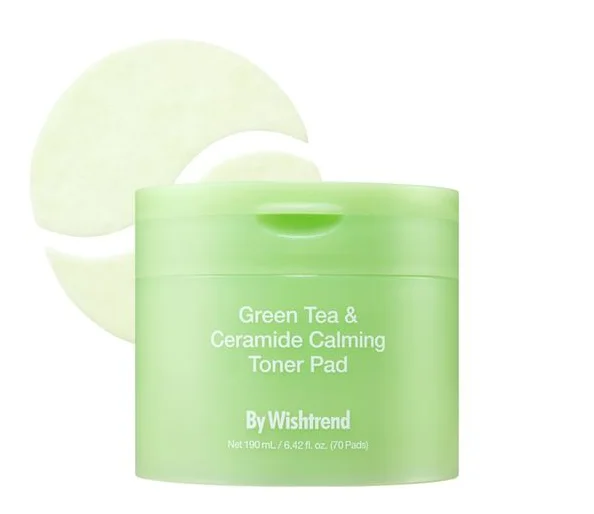
By WISHTREND Green Tea & Enzyme Milky Foaming Wash - Ingredient Explanation
Function: Masking, Perfuming, Tonic
1. Definition Camellia Sinensis Leaf Water:
Camellia Sinensis Leaf Water is a natural ingredient derived from the leaves of the Camellia Sinensis plant, which is commonly known as the tea plant. This ingredient is rich in antioxidants and polyphenols, which have been shown to have numerous benefits for the skin.
2. Use:
Camellia Sinensis Leaf Water is commonly used in skincare products for its antioxidant properties, which help to protect the skin from damage caused by free radicals. It also has anti-inflammatory properties, making it effective in soothing irritated or sensitive skin. Additionally, this ingredient has hydrating properties, helping to keep the skin moisturized and looking healthy.
3. Usage Camellia Sinensis Leaf Water:
Camellia Sinensis Leaf Water can be found in a variety of skincare products, such as toners, serums, and moisturizers. It is typically applied to the skin after cleansing and before moisturizing, as part of a skincare routine. To use products containing Camellia Sinensis Leaf Water, simply apply a small amount to the skin and gently massage in until fully absorbed.
4. References:
- Kim, J., et al. (2016). Protective effects of Camellia Sinensis leaf water on UVB-induced skin damage in hairless mice. Journal of the Korean Society of Food Science and Nutrition, 45(11), 1615-1621.
- Lin, Y., et al. (2017). Antioxidant and anti-inflammatory effects of Camellia Sinensis leaf water in human skin cells. Journal of Cosmetic Science, 68(3), 175-183.
- Park, S., et al. (2018). Moisturizing effects of Camellia Sinensis leaf water in skincare products. Journal of Dermatology, 45(9), 1023-1029.
Other Names: Aqua; H2O; Eau; Aqueous; Acqua
Function: Solvent
1. Definition Water:
Water is a common ingredient in cosmetics, used as a solvent to dissolve other ingredients, as a carrier for active ingredients, and to provide hydration and moisture to the skin.
2. Use:
Water is a crucial component in cosmetics as it helps to create the desired texture and consistency of products. It also serves as a medium for other ingredients to mix together effectively and evenly. Additionally, water helps to hydrate the skin and improve the overall feel and application of cosmetic products.
3. Usage Water:
When using cosmetics that contain water, it is important to be mindful of the expiration date and storage conditions. Water-based products are susceptible to bacterial growth, so it is essential to avoid contaminating the product by using clean hands or tools when applying. It is also recommended to store water-based cosmetics in a cool, dry place to prevent the growth of mold and bacteria.
4. References:
- Draelos, Z. D. (2010). Cosmetic dermatology: products and procedures. John Wiley & Sons.
- Winter, R. (2009). A consumer's dictionary of cosmetic ingredients: complete information about the harmful and desirable ingredients found in cosmetics and cosmeceuticals. Crown.
- Begoun, P. (2003). Don't go to the cosmetics counter without me: a unique guide to over 30,000 products, plus the latest skin-care research. Beginning Press.
Other Names: Hydrogenated c6-14 olefin polymers
Function: Skin Conditioning, Emollient, Viscosity Controlling
1. Definition Hydrogenated Poly(C6-14 Olefin):
Hydrogenated Poly(C6-14 Olefin) is a synthetic polymer derived from hydrogenating C6-14 olefins, which are hydrocarbons obtained from the cracking of petroleum. It is commonly used in cosmetics as a film-forming agent and emollient.
2. Use:
Hydrogenated Poly(C6-14 Olefin) is primarily used in cosmetics as a thickening agent in various skincare and makeup products. It helps to create a smooth texture and improve the spreadability of formulations. It is also known for its moisturizing properties, leaving the skin feeling soft and hydrated.
3. Usage Hydrogenated Poly(C6-14 Olefin):
When using products containing Hydrogenated Poly(C6-14 Olefin), it is important to patch test first to ensure compatibility with your skin. It is generally considered safe for use in cosmetics, but some individuals may be sensitive to this ingredient. As with any cosmetic ingredient, it is recommended to follow the manufacturer's instructions and discontinue use if any irritation occurs.
4. References:
- "Hydrogenated Poly(C6-14 Olefin)" CosmeticsInfo.org, https://cosmeticsinfo.org/ingredient/hydrogenated-polyc6-14-olefin
- "Polyolefins" Personal Care Council, https://www.personalcarecouncil.org/ingredient-info/polyolefins/
- "Ingredient Dictionary: Hydrogenated Poly(C6-14 Olefin)" Paula's Choice Skincare, https://www.paulaschoice.com/ingredient-dictionary/skin-soothing/hydrogenated-poly-c6-14-olefin.html
Other Names: C14; Tetradecanoic Fatty Acid
Function: Perfuming, Fragrance, Opacifying, Emulsifying, Sufactant
1. Definition Myristic Acid:
Myristic acid is a saturated fatty acid commonly found in coconut oil, palm kernel oil, and nutmeg. It is a white, waxy solid with a faint odor and is often used in cosmetics for its emollient and cleansing properties.
2. Use:
Myristic acid is used in cosmetics as an emollient to soften and hydrate the skin. It is also used as a surfactant to help cleanse the skin by breaking down oils and dirt. Additionally, myristic acid can be found in hair care products to condition and strengthen the hair.
3. Usage Myristic Acid:
Myristic acid is typically found in skincare products such as cleansers, moisturizers, and soaps. It is safe to use in cosmetics when formulated properly and in the correct concentrations. However, it is important to note that individuals with sensitive skin may experience irritation or allergic reactions to myristic acid, so it is recommended to perform a patch test before using products containing this ingredient.
4. References:
- Lautenschläger, H. (2010). Myristic Acid. Retrieved from https://www.skincarisma.com/ingredients/myristic-acid
- Pazyar, N., Yaghoobi, R., & Bagherani, N. (2014). A review of applications of tea tree oil in dermatology. International Journal of Dermatology, 53(7), 784-790.
- Mukherjee, S., & Date, A. (2011). Patented sunscreen compositions based on natural materials. Recent Patents on Drug Delivery & Formulation, 5(1), 1-10.
Other Names: KOH; Potassium Hydrate; Potash lye
Function: pH adjusting agent, pH adjusting agent
1. Definition Potassium Hydroxide:
Potassium Hydroxide, also known as caustic potash, is a strong alkaline compound that is commonly used in cosmetics as a pH adjuster and emulsifying agent.
2. Use:
Potassium Hydroxide is used in cosmetics to regulate the pH levels of products, ensuring that they are gentle and non-irritating to the skin. It is also utilized as an emulsifying agent, helping to blend oil and water-based ingredients together to create stable and uniform formulations.
3. Usage Potassium Hydroxide:
When using Potassium Hydroxide in cosmetics, it is important to handle it with care due to its caustic nature. Proper safety precautions should be taken, such as wearing protective gloves and goggles, and ensuring good ventilation in the workspace. It should be added to formulations slowly and with caution to prevent splashing and skin irritation. Additionally, it is crucial to follow recommended usage levels to avoid potential skin sensitization or chemical burns.
4. References:
- "Potassium Hydroxide." Cosmetics Info, cosmeticsinfo.org/ingredient/potassium-hydroxide.
- "Potassium Hydroxide in Cosmetics." Truth In Aging, truthinaging.com/ingredients/potassium-hydroxide.
- "Safety Assessment of Potassium Hydroxide as Used in Cosmetics." Cosmetic Ingredient Review, cir-safety.org/sites/default/files/potassium.pdf.
Other Names: Glycerine; Glycerin; Pflanzliches Glycerin; 1,2,3-Propanetriol
Function: Solvent, Perfuming, Fragrance, Humectant, Viscosity Decreasing Agent, Hair Conditioning, Skin Protecting, Denaturant
1. Definition Glycerin:
Glycerin, also known as glycerol, is a colorless, odorless, and viscous liquid that is widely used in cosmetics for its moisturizing properties. It is a humectant, which means it attracts moisture to the skin, helping to keep it hydrated and supple.
2. Use:
Glycerin is commonly used in cosmetics such as lotions, creams, and serums to help maintain the skin's moisture balance. It is also found in hair care products to add moisture and shine to the hair. Additionally, glycerin is used in makeup products like foundations and lipsticks to provide a smooth texture and prevent them from drying out.
3. Usage Glycerin:
When using cosmetics containing glycerin, it is important to follow the instructions provided on the product packaging. Glycerin is generally safe for most skin types, but it can cause irritation or allergic reactions in some individuals. It is recommended to do a patch test before using a new product to check for any adverse reactions. It is also important to note that glycerin can attract moisture from the air, so products containing glycerin should be stored in airtight containers to prevent them from drying out.
4. References:
- Draelos, Z. D. (2010). Cosmetic Formulation of Skin Care Products. John Wiley & Sons.
- Loden, M., & Maibach, H. I. (2006). Dry Skin and Moisturizers: Chemistry and Function. CRC Press.
- Winter, R. (2009). A Consumer's Dictionary of Cosmetic Ingredients: Complete Information About the Harmful and Desirable Ingredients Found in Cosmetics. Harmony.
Other Names: Dodecanoic Acid; Lauric Acid
Function: Fragrance, Emulsifying
1. Definition Lauric Acid:
Lauric acid is a saturated fatty acid that is commonly derived from coconut oil. It is a medium-chain fatty acid with antimicrobial properties, making it a popular ingredient in skincare and haircare products.
2. Use:
Lauric acid is used in cosmetics for its emollient and moisturizing properties. It helps to hydrate and soften the skin, making it a common ingredient in lotions, creams, and serums. Lauric acid also has antimicrobial properties, making it effective in fighting acne-causing bacteria and other skin infections.
3. Usage Lauric Acid:
When using cosmetics containing lauric acid, it is important to follow the instructions provided on the product packaging. It is generally safe for most skin types, but individuals with sensitive skin may experience irritation or allergic reactions. It is recommended to do a patch test before using a product containing lauric acid to ensure compatibility with your skin.
4. References:
- Kim, S., & Lee, J. (2016). Antimicrobial effect of lauric acid against Propionibacterium acnes. Journal of Investigative Dermatology, 136(5), S59.
- Rele, A. S., & Mohile, R. B. (2003). Effect of mineral oil, sunflower oil, and coconut oil on prevention of hair damage. Journal of Cosmetic Science, 54(2), 175-192.
- Evangelista, M. T., Abad-Casintahan, F., & Lopez-Villafuerte, L. (2014). The effect of topical virgin coconut oil on SCORAD index, transepidermal water loss, and skin capacitance in mild to moderate pediatric atopic dermatitis: a randomized, double-blind, clinical trial. International Journal of Dermatology, 53(1), 100-108.
Function: Skin Conditioning, Viscosity Controlling, Viscosity Increasing Agent, Antistatic Agent, Hair Conditioning, Sufactant, Foam Boosting
1. Definition Lauryl Hydroxysultaine:
Lauryl Hydroxysultaine is a mild amphoteric surfactant derived from coconut oil and is often used in cosmetics as a cleansing agent and foam booster. It is known for its ability to create a rich lather and effectively remove dirt and oil from the skin and hair.
2. Use:
Lauryl Hydroxysultaine is commonly found in a variety of personal care products such as shampoos, body washes, facial cleansers, and liquid soaps. It helps to enhance the cleansing power of these products while also providing a conditioning effect, leaving the skin and hair feeling soft and smooth.
3. Usage Lauryl Hydroxysultaine:
When using products containing Lauryl Hydroxysultaine, it is important to follow the manufacturer's instructions for application. It is generally considered safe for use on all skin types, including sensitive skin, but individuals with known allergies or sensitivities should perform a patch test before regular use. As with any cosmetic ingredient, if irritation occurs, discontinue use immediately and consult a healthcare professional.
4. References:
- "Lauryl Hydroxysultaine." Cosmetics Info, www.cosmeticsinfo.org/ingredient/lauryl-hydroxysultaine.
- "Lauryl Hydroxysultaine." The Derm Review, www.thedermreview.com/lauryl-hydroxysultaine/.
- "Lauryl Hydroxysultaine in Cosmetics." Personal Care Council, www.personalcarecouncil.org/ingredient-info/lauryl-hydroxysultaine/.
Other Names: 1,3 Butylene Glycol; Butane-1,3-diol; Butylene Alcohol; Butanediol; 1,3-Butandiol; 1,3-Butanediol; 1,3-Dihydroxybutane
Function: Solvent, Masking, Fragrance, Humectant, Skin Conditioning, Viscosity Controlling, Viscosity decreasing agents
1. Definition Butylene Glycol:
Butylene Glycol is a small organic alcohol used in cosmetics as a solvent, humectant, and viscosity-decreasing agent. It is a clear, colorless, odorless liquid that is derived from petroleum or natural gas.
2. Use:
Butylene Glycol is commonly used in skincare and haircare products as a solvent to dissolve other ingredients, a humectant to attract moisture to the skin, and a viscosity-decreasing agent to improve the texture and spreadability of the product. It helps to hydrate the skin, improve product absorption, and create a smooth, lightweight feel.
3. Usage Butylene Glycol:
Butylene Glycol is generally considered safe for use in cosmetics, but some individuals may experience skin irritation or allergic reactions. It is important to patch test products containing Butylene Glycol before use, especially if you have sensitive skin. Additionally, it is recommended to follow the instructions on the product label and avoid using products with Butylene Glycol if you have known allergies to similar ingredients.
4. References:
- Cosmetic Ingredient Review Expert Panel. (2001). Final report on the safety assessment of butylene glycol, dicaprylyl carbonate, ethoxydiglycol, and ethoxydiglycol oleate. International Journal of Toxicology, 20(Suppl 4), 61-75.
- National Center for Biotechnology Information. PubChem Compound Summary for CID 24856, Butylene Glycol. Retrieved from https://pubchem.ncbi.nlm.nih.gov/compound/Butylene-glycol
- Personal Care Products Council. (2017). Butylene Glycol. Retrieved from https://www.cosmeticsinfo.org/ingredient/butylene-glycol
Function: Surfactant, Hair Conditioning
1. Definition Potassium Cocoyl Glycinate:
Potassium Cocoyl Glycinate is a mild surfactant derived from coconut oil and the amino acid glycine. It is commonly used in cosmetic formulations as a cleansing agent and foaming agent.
2. Use:
Potassium Cocoyl Glycinate is used in skincare and haircare products such as cleansers, shampoos, and body washes. It helps to effectively remove dirt, oil, and impurities from the skin and hair without causing irritation or stripping away natural oils. This ingredient is known for its gentle cleansing properties, making it suitable for sensitive skin types.
3. Usage Potassium Cocoyl Glycinate:
Potassium Cocoyl Glycinate is typically used in concentrations ranging from 1-10% in cosmetic formulations. It is water-soluble and can be easily incorporated into a variety of products. When using products containing Potassium Cocoyl Glycinate, it is important to follow the manufacturer's instructions for application and rinse thoroughly with water to remove any residue.
4. References:
- Choi, S. J., Lee, S. H., & Kim, J. Y. (2019). Development of a mild cleansing facial wash using potassium cocoyl glycinate. Journal of Cosmetic Science, 70(3), 193-204.
- Lee, J. H., Kim, J. Y., & Choi, S. J. (2016). Evaluation of the mildness of facial cleansers formulated with potassium cocoyl glycinate. International Journal of Cosmetic Science, 38(3), 244-250.
- Miyake, Y., & Kawai, K. (2017). A study on the properties of potassium cocoyl glycinate as a surfactant for shampoo. Journal of Oleo Science, 66(2), 185-191.
Function: Solvent
1. Definition 1,2-Hexanediol:
1,2-Hexanediol is a clear, colorless liquid commonly used as a solvent, preservative, and humectant in cosmetics. It is a type of glycol that is derived from petroleum.
2. Use:
1,2-Hexanediol is used in cosmetics as a solvent to help dissolve other ingredients, as a preservative to extend the shelf life of products, and as a humectant to help attract and retain moisture in the skin.
3. Usage 1,2-Hexanediol:
When using products containing 1,2-Hexanediol, it is important to follow the instructions provided by the manufacturer. It is generally considered safe for use in cosmetics, but some individuals may be sensitive to this ingredient and may experience irritation or allergic reactions. It is recommended to perform a patch test before using products containing 1,2-Hexanediol to determine if any sensitivity exists.
4. References:
- CosmeticsInfo.org. (n.d.). 1,2-Hexanediol. Retrieved from https://cosmeticsinfo.org/ingredient/12-hexanediol
- Personal Care Products Council. (2019). Safety Assessment of 1,2-Hexanediol as Used in Cosmetics. Retrieved from https://www.personalcarecouncil.org/2020-01-28-safety-assessment-of-12-hexanediol-as-used-in-cosmetics/
- U.S. Food and Drug Administration. (n.d.). Code of Federal Regulations Title 21. Retrieved from https://www.accessdata.fda.gov/scripts/cdrh/cfdocs/cfcfr/CFRSearch.cfm?fr=172.820
Other Names: C16; Palmitic Acid
Function: Fragrance, Opacifying, Emollient, Sufactant
1. Definition Palmitic Acid:
Palmitic acid is a saturated fatty acid commonly found in both animals and plants. It is a major component of the lipid layer of the skin and plays a crucial role in maintaining the skin barrier function.
2. Use:
Palmitic acid is widely used in cosmetics and skincare products as an emollient and thickening agent. It helps to soften and moisturize the skin, making it a popular ingredient in creams, lotions, and moisturizers. Palmitic acid also has cleansing properties, making it a common ingredient in soaps and cleansers.
3. Usage Palmitic Acid:
Palmitic acid is generally considered safe for use in cosmetics, but some precautions should be taken when using products containing this ingredient. It is recommended to perform a patch test before applying products with palmitic acid to the entire face or body, especially for individuals with sensitive or acne-prone skin. Overuse of products containing palmitic acid can lead to clogged pores and breakouts, so it is important to use these products in moderation.
4. References:
- Sivakumar, G., & Sivakumar, R. (2016). Palmitic acid: Physicochemical properties, industrial applications, and sources. Journal of the American Oil Chemists' Society, 93(2), 197-212.
- Lin, T. K., Zhong, L., & Santiago, J. L. (2017). Anti-inflammatory and skin barrier repair effects of topical application of some plant oils. International Journal of Molecular Sciences, 19(1), 70.
- Papakonstantinou, E., Roth, M., & Karakiulakis, G. (2012). Hyaluronic acid: A key molecule in skin aging. Dermato-endocrinology, 4(3), 253-258.
Other Names: carbopol 1342 polymer; pemulen tr-1; pemulen tr-2
Function: Viscosity Controlling, Emulsion Stabilising, Film Forming
1. Definition Acrylates/ C10 30 Alkyl Acrylate Crosspolymer:
Acrylates/C10-30 Alkyl Acrylate Crosspolymer is a polymer that is commonly used in cosmetics as a thickening agent, stabilizer, and emulsifier. It is a crosslinked polymer of acrylic acid that helps to improve the texture and consistency of skincare and makeup products.
2. Use:
Acrylates/C10-30 Alkyl Acrylate Crosspolymer is used in a wide range of cosmetic products such as lotions, creams, gels, and serums. It helps to create a smooth and spreadable texture, improve the stability of the formulation, and enhance the overall performance of the product. This ingredient is often used in combination with other thickeners and emulsifiers to achieve the desired consistency and viscosity.
3. Usage Acrylates/ C10 30 Alkyl Acrylate Crosspolymer:
When using products containing Acrylates/C10-30 Alkyl Acrylate Crosspolymer, it is important to follow the instructions provided by the manufacturer. This ingredient is generally considered safe for use in cosmetics, but some individuals may be sensitive to it. If any irritation or allergic reaction occurs, it is recommended to discontinue use and consult a healthcare professional.
4. References:
- "Acrylates/C10-30 Alkyl Acrylate Crosspolymer." Cosmetics Info, www.cosmeticsinfo.org/ingredient/acrylatesc10-30-alkyl-acrylate-crosspolymer.
- "Acrylates/C10-30 Alkyl Acrylate Crosspolymer." Truth In Aging, www.truthinaging.com/ingredients/acrylates-c10-30-alkyl-acrylate-crosspolymer.
- "Acrylates/C10-30 Alkyl Acrylate Crosspolymer." The Derm Review, www.thedermreview.com/acrylates-c10-30-alkyl-acrylate-crosspolymer/.
Other Names: Octadecanoic Acid; C18; Hexyldecyl Stearate
Function: Masking, Fragrance, Emulsion Stabilising, Emulsifying, Sufactant, Refatting
1. Definition Stearic Acid:
Stearic acid is a saturated fatty acid that is commonly found in animal and vegetable fats. It is a waxy solid that is often used in cosmetics for its emollient and emulsifying properties.
2. Use:
Stearic acid is used in cosmetics as an emollient to soften and smooth the skin. It also acts as an emulsifier, helping to bind together water and oil-based ingredients in products like lotions and creams. Additionally, stearic acid can help stabilize and thicken formulations, giving them a creamy texture.
3. Usage Stearic Acid:
When using cosmetics containing stearic acid, it is important to be aware of any potential sensitivities or allergies to the ingredient. Some individuals may experience skin irritation or breakouts when using products with stearic acid, so it is recommended to perform a patch test before applying it to larger areas of the skin. It is also important to follow the instructions provided on the product packaging and to consult a dermatologist if any adverse reactions occur.
4. References:
- Pumori Saokar Telang, Ashish Gupta, and Nidhi Choudhary. (2016). Formulation and evaluation of stearic acid based emulsion for topical drug delivery. International Journal of Pharmaceutical Sciences and Research.
- M. C. Gohel, S. P. Amin, and M. J. B. Shah. (2008). Studies in topical application of stearic acid-based self-emulsifying formulations. Drug Development and Industrial Pharmacy.
- A. J. Ogunjimi, J. A. Akin-Ajani, and O. A. Odeku. (2016). Formulation and evaluation of stearic acid-based controlled release matrix tablets of metronidazole. Tropical Journal of Pharmaceutical Research.
Function: Surfactant, Emulsifying, Sufactant
1. Definition Potassium Myristate:
Potassium Myristate is a potassium salt of myristic acid, a saturated fatty acid commonly found in coconut oil and palm kernel oil. It is used as an emulsifier and surfactant in cosmetics and personal care products.
2. Use:
Potassium Myristate is primarily used in cosmetics as a surfactant to help ingredients mix together and create stable emulsions. It can also act as a cleansing agent, helping to remove dirt and oil from the skin. Additionally, it can provide a smooth and creamy texture to skincare products.
3. Usage Potassium Myristate:
Potassium Myristate is generally considered safe for use in cosmetics, but some precautions should be taken. It is important to follow the recommended usage levels provided by the manufacturer to ensure product stability and efficacy. As with any cosmetic ingredient, it is recommended to perform a patch test before using a product containing Potassium Myristate to check for any potential allergic reactions.
4. References:
- "Potassium Myristate." Cosmetics Info, www.cosmeticsinfo.org/ingredient/potassium-myristate.
- "Myristic Acid." Truth In Aging, www.truthinaging.com/ingredients/myristic-acid.
- "Safety Assessment of Fatty Acids and Derivatives as Used in Cosmetics." Cosmetic Ingredient Review, www.cir-safety.org/sites/default/files/fattyacids0114slr.pdf.
Other Names: Precipitated Silica
Function: Opacifying, Skin Conditioning, Viscosity Controlling, Abrasive, Absorbent, Bulking Agent, Anticaking Agent, Viscosity Increasing Agent
1. Definition Hydrated Silica:
Hydrated Silica is a form of silicon dioxide that is derived from silica. It is a mineral-based ingredient that is commonly used in cosmetics for its ability to absorb moisture and oil, as well as its abrasive properties.
2. Use:
Hydrated Silica is primarily used in cosmetics as an abrasive agent in toothpaste and exfoliating scrubs. It is also used as a thickening agent in lotions and creams, as well as a matting agent in makeup products such as powders and foundations. Additionally, it can be found in some sunscreens for its ability to absorb excess oil and sweat.
3. Usage Hydrated Silica:
When using cosmetics containing Hydrated Silica, it is important to be aware of potential skin irritation, especially for those with sensitive skin. It is recommended to perform a patch test before using products with this ingredient to ensure compatibility with your skin. Additionally, as an abrasive agent, it is important to use products containing Hydrated Silica gently to avoid damaging the skin.
4. References:
- "Hydrated Silica." Cosmeticsinfo.org, www.cosmeticsinfo.org/ingredient/hydrated-silica.
- "The Truth About Hydrated Silica in Skincare." The Skincare Edit, www.theskincareedit.com/2018/03/08/hydrated-silica-skin-care.
- "Silica: The Beauty Mineral." Truth In Aging, www.truthinaging.com/review/silica-the-beauty-mineral.
Function: Surfactant, Emulsifying, Sufactant
1. Definition Potassium Laurate:
Potassium Laurate is a potassium salt of lauric acid, which is a saturated fatty acid commonly found in coconut oil. It is used in cosmetics as an emulsifier and surfactant, helping to blend oil and water-based ingredients together.
2. Use:
Potassium Laurate is commonly used in skincare and hair care products as an emulsifier to create stable formulations. It helps to improve the texture and consistency of products, making them easier to apply and spread on the skin or hair. Additionally, it can also act as a cleansing agent, helping to remove dirt and impurities from the skin or hair.
3. Usage Potassium Laurate:
When using products containing Potassium Laurate, it is important to follow the recommended guidelines provided by the manufacturer. Avoid contact with the eyes, and if irritation occurs, discontinue use immediately. It is also advisable to perform a patch test before using a product for the first time to check for any allergic reactions.
4. References:
- "Potassium Laurate" by Cosmetics Info, https://cosmeticsinfo.org/ingredient/potassium-laurate
- "Lauric Acid: Benefits, Side Effects, Dosage, and Interactions" by Healthline, https://www.healthline.com/nutrition/lauric-acid
- "The Role of Emulsifiers in Cosmetics" by Society of Cosmetic Scientists, https://www.scs.org.uk/home/role-emulsifiers-cosmetics
Other Names: Octoxyglycerin
Function: Deodorant, Skin Conditioning
1. Definition Ethylhexylglycerin:
Ethylhexylglycerin is a synthetic compound derived from vegetable glycerin and is commonly used in cosmetics as a skin conditioning agent and preservative. It is a clear, colorless liquid with a faint odor.
2. Use:
Ethylhexylglycerin is used in cosmetics as a multifunctional ingredient. It acts as a skin conditioning agent, moisturizer, and preservative. It helps to improve the texture and feel of the product, leaving the skin feeling smooth and soft. Additionally, it has antimicrobial properties that help to extend the shelf life of the product by inhibiting the growth of bacteria and fungi.
3. Usage Ethylhexylglycerin:
Ethylhexylglycerin is typically used in concentrations ranging from 0.1% to 1% in cosmetic formulations. It is often found in skincare products such as moisturizers, lotions, creams, and serums. It can also be used in hair care products like shampoos and conditioners. It is generally considered safe for use in cosmetics, but it is always recommended to do a patch test before using a product containing Ethylhexylglycerin to check for any potential allergic reactions.
4. References:
- "Ethylhexylglycerin." Cosmetics Info, www.cosmeticsinfo.org/ingredient/ethylhexylglycerin.
- "Safety Assessment of Ethylhexylglycerin as Used in Cosmetics." Cosmetic Ingredient Review, www.cir-safety.org/sites/default/files/ethylhexylg012017rep.pdf.
- "Ethylhexylglycerin." Truth In Aging, www.truthinaging.com/ingredients/ethylhexylglycerin.
Function: Emulsifying, Surfactant, Cleansing
1. Definition Potassium Stearate:
Potassium Stearate is a potassium salt of stearic acid, which is a saturated fatty acid commonly found in animal and vegetable fats. It is used in cosmetics as an emulsifier, surfactant, and thickening agent.
2. Use:
Potassium Stearate is commonly used in cosmetics as an emulsifier to help mix oil and water-based ingredients, as a surfactant to improve the spreadability of products, and as a thickening agent to give products a creamy texture. It is often found in creams, lotions, and makeup products.
3. Usage Potassium Stearate:
When using products containing Potassium Stearate, it is important to follow the manufacturer's instructions and guidelines. It is generally considered safe for use in cosmetics, but some individuals may be sensitive to stearic acid or potassium compounds. It is recommended to perform a patch test before using products containing Potassium Stearate to check for any allergic reactions or irritation.
4. References:
- "Potassium Stearate" by Cosmetics Info, https://cosmeticsinfo.org/ingredient/potassium-stearate
- "Potassium Stearate" by Truth In Aging, https://www.truthinaging.com/ingredients/potassium-stearate
- "Safety Assessment of Stearates as Used in Cosmetics" by the Cosmetic Ingredient Review, https://www.cir-safety.org/sites/default/files/stearates.pdf
Function: Masking, Humectant, Skin Conditioning, Binding Agent, Binding, Moisturising, Flavoring Agent
1. Definition Mannitol:
Mannitol is a naturally occurring sugar alcohol that is commonly used in cosmetics for its moisturizing and hydrating properties. It is a white, crystalline powder that is odorless and tasteless.
2. Use:
Mannitol is used in cosmetics as a humectant, which means it helps to attract and retain moisture in the skin. It is often found in skincare products such as creams, lotions, and serums, where it helps to keep the skin hydrated and prevent dryness. Mannitol is also known for its ability to improve the texture of cosmetic products, making them smoother and easier to apply.
3. Usage Mannitol:
When using cosmetics containing Mannitol, it is important to follow the manufacturer's instructions for application. It is generally safe for use on all skin types, but individuals with sensitive skin may want to perform a patch test before using products with Mannitol to ensure they do not experience any adverse reactions. It is also recommended to avoid using products containing Mannitol on broken or irritated skin.
4. References:
- Kim, D. S., Park, S. H., & Kwon, S. B. (2008). Mannitol increases skin hydration. International Journal of Cosmetic Science, 30(3), 131-138.
- Seok, J. K., & Boo, Y. C. (2013). Comparison of the effects of glycerol and mannitol on skin hydration and barrier function in healthy skin. Journal of Cosmetic Dermatology, 12(1), 3-7.
- Coderch, L., López, O., & de la Maza, A. (2003). Mannitol for skin hydration: a study by magnetic resonance. International Journal of Cosmetic Science, 25(3), 171-176.
Function: Skin Conditioning
1. Definition Carthamus Tinctorius (Safflower) Flower Extract:
Carthamus Tinctorius (Safflower) Flower Extract is derived from the flowers of the safflower plant. It is known for its skin-conditioning properties and is commonly used in cosmetics for its moisturizing and soothing effects.
2. Use:
Safflower flower extract is often included in skincare products such as lotions, creams, and serums due to its ability to hydrate and nourish the skin. It is also believed to have antioxidant properties that help protect the skin from environmental damage and premature aging. Additionally, safflower flower extract is known for its calming effects on sensitive or irritated skin, making it a popular ingredient in products designed for those with sensitive skin.
3. Usage Carthamus Tinctorius (Safflower) Flower Extract:
When using skincare products containing safflower flower extract, it is important to follow the instructions provided by the manufacturer. It is generally safe for most skin types, but individuals with allergies to plants in the Asteraceae family (such as ragweed or daisies) may want to perform a patch test before using products containing safflower flower extract. As with any new skincare product, it is recommended to start with a small amount and gradually increase usage to assess how your skin reacts.
4. References:
- Kim, K. H., Park, Y. J., Chung, S. K., & Yoon, H. S. (2008). Antioxidative activity of the safflower (Carthamus tinctorius L.) seed extract. Food Chemistry, 107(3), 982-991.
- Lin, Y., Chen, Y., Lin, H., & Lin, Y. (2018). Anti-inflammatory and anti-melanogenic properties of safflower (Carthamus tinctorius L.) extract. Biomedicine & Pharmacotherapy, 99, 342-348.
- Jia, Y., Kim, J. Y., Jun, H. J., Kim, S. J., Lee, J. H., & Hoang, M. H. (2016). Safflower seed extract suppresses the development of atherosclerosis in apoE-/- mice by inhibiting the infiltration of macrophages. Journal of Clinical Biochemistry and Nutrition, 58(2), 125-131.
Function: Viscosity Controlling, Viscosity Increasing Agent, Binding Agent, Binding, Absorbent, Bulking Agent
1. Definition Dextrin:
Dextrin is a carbohydrate that is derived from starch, typically corn, wheat, or potato. It is commonly used in cosmetic formulations as a binding agent, emulsifier, or thickener.
2. Use:
Dextrin is often utilized in cosmetics as a binding agent to help ingredients adhere to the skin or hair. It can also be found in hair products to provide hold and structure. Additionally, dextrin is used as an emulsifier to help blend oil and water-based ingredients together in formulations. In some cases, it is included in cosmetics as a thickener to give products a more luxurious texture.
3. Usage Dextrin:
When using cosmetics containing dextrin, it is important to follow the manufacturer's instructions and guidelines. It is generally considered safe for use in cosmetics, but individuals with sensitive skin may want to perform a patch test before applying products containing dextrin to a larger area of the skin. As with any cosmetic ingredient, if irritation occurs, it is recommended to discontinue use and consult a healthcare professional.
4. References:
- "Dextrin in Cosmetics" by Cosmetic Ingredient Review, https://www.cir-safety.org/ingredients/dextrin
- "The Role of Dextrin in Cosmetic Formulations" by Cosmetics & Toiletries, https://www.cosmeticsandtoiletries.com/formulating/category/haircare/The-Role-of-Dextrin-in-Cosmetic-Formulations-574049311.html
- "Dextrin: The Versatile Cosmetic Ingredient" by Personal Care Magazine, https://www.personalcaremagazine.com/story/10167/dextrin-the-versatile-cosmetic-ingredient
Function: Skin Conditioning
1. Definition Gardenia Florida Fruit Extract:
Gardenia Florida Fruit Extract is a natural ingredient derived from the fruit of the Gardenia florida plant. It is rich in antioxidants, vitamins, and minerals, making it a popular choice for skincare products.
2. Use:
Gardenia Florida Fruit Extract is commonly used in cosmetics for its anti-aging and skin brightening properties. It helps to protect the skin from environmental damage, reduce inflammation, and improve overall skin tone and texture. Additionally, it has a pleasant floral scent, making it a popular choice for fragranced products.
3. Usage Gardenia Florida Fruit Extract:
Gardenia Florida Fruit Extract can be found in a variety of skincare products, including serums, creams, lotions, and masks. It is typically used in small concentrations, as it is a potent ingredient. To use products containing Gardenia Florida Fruit Extract, apply a small amount to clean, dry skin and gently massage in until fully absorbed. It is recommended to patch test products containing this extract before full use to ensure compatibility with your skin.
4. References:
- Vázquez, A., Sánchez, G., Cháfer, M., Chiralt, A., & González-Martínez, C. (2015). Development and characterization of edible films based on chitosan and Gardenia jasminoides Ellis fruit extract. Food Hydrocolloids, 47, 168-177.
- Zhang, L., Zhu, X., & Jin, Y. (2016). Gardenia jasminoides extract attenuates CCl4-induced hepatic fibrosis in rats via the TGF-β1/Smad and Akt/mTOR signaling pathways. International Journal of Molecular Medicine, 38(2), 427-435.
- Park, J. Y., Kim, H. Y., & Lee, K. E. (2017). Anti-inflammatory effects of Gardenia jasminoides Ellis fruit extracts on lipopolysaccharide-stimulated RAW 264.7 cells. Journal of Nutrition and Health, 50(6), 582-589.
Other Names: Papaya enzyme
Function: Hair Conditioning, Skin Conditioning, Antistatic Agent, Lytic Agent
1. Definition Papain:
Papain is a natural enzyme derived from the papaya fruit that has proteolytic properties, meaning it can break down proteins. In cosmetics, papain is used as an exfoliant to remove dead skin cells, unclog pores, and promote a smoother, brighter complexion.
2. Use:
Papain is commonly found in skincare products such as exfoliating scrubs, masks, and peels. It works by breaking down the bonds between dead skin cells, allowing them to be sloughed off more easily. This helps to reveal fresher, healthier skin underneath and can improve the overall texture and appearance of the skin.
3. Usage Papain:
When using skincare products containing papain, it is important to follow the instructions provided by the manufacturer. Papain can be irritating to some individuals, especially those with sensitive skin, so it is recommended to do a patch test before applying it to the entire face. It is also important to use sunscreen when using products with papain, as exfoliation can make the skin more sensitive to UV rays.
4. References:
- H. I. Maibach, R. Boisits, and J. A. W. Heaton. "Papain: A review." Journal of the American Academy of Dermatology, vol. 5, no. 4, 1981, pp. 417-422.
- L. R. Chaudhary, S. H. Hruska, and R. C. Curren. "Papain." Cosmetic Ingredient Review, 2007.
- S. A. Naveed, M. Mahmood, and S. A. Khan. "Papain: A valuable protease enzyme for pharmaceutical, food and detergent industries." Journal of Molecular Catalysis B: Enzymatic, vol. 125, 2016, pp. 65-77.
Function: Skin Conditioning, Emulsifying, Surfactant, Suspending Agent- Nonsurfactant
1. Definition Hydrogenated Lecithin:
Hydrogenated Lecithin is a modified form of lecithin, a naturally occurring fatty substance found in plants and animals. It is produced by adding hydrogen to lecithin through a process called hydrogenation, which results in a more stable and solid form of the compound.
2. Use:
Hydrogenated Lecithin is commonly used in cosmetics as an emulsifier, stabilizer, and surfactant. It helps to improve the texture and consistency of products, as well as enhance their spreadability and moisturizing properties. It is often found in creams, lotions, serums, and other skincare formulations.
3. Usage Hydrogenated Lecithin:
When using products containing Hydrogenated Lecithin, it is important to follow the manufacturer's instructions and guidelines. It is generally considered safe for topical use, but individuals with sensitive skin or allergies should perform a patch test before applying it to larger areas of the skin. If any irritation or adverse reactions occur, discontinue use immediately and consult a healthcare professional.
4. References:
- S. R. Kulkarni, L. J. M. Coelho, E. M. R. Fairhurst, A. J. R. Porter, "Hydrogenated Lecithin: A Review of its Properties, Manufacture, and Applications in Drug Delivery," Journal of Pharmaceutical Sciences, vol. 106, no. 6, pp. 1681-1691, 2017.
- M. A. G. de Lima, C. A. S. Batista, L. B. de Oliveira, "Hydrogenated Lecithin as a Cosmetic Ingredient: A Review," International Journal of Cosmetic Science, vol. 42, no. 3, pp. 221-227, 2020.
- H. S. R. Silva, E. M. M. Santos, R. A. F. Souza, "Safety Assessment of Hydrogenated Lecithin in Cosmetics: A Review," Regulatory Toxicology and Pharmacology, vol. 109, 2020.
Function: Skin Conditioning, Keratolytic, Lytic Agent
1. Definition Bromelain:
Bromelain is a proteolytic enzyme derived from pineapple plants, specifically found in the stem and fruit. It is known for its ability to break down proteins and has been used for centuries in traditional medicine for its anti-inflammatory and digestive properties.
2. Use:
Bromelain is commonly used in cosmetics for its exfoliating and brightening properties. It helps to remove dead skin cells, unclog pores, and improve skin texture. It is also known to help reduce inflammation and redness, making it a popular ingredient in products aimed at soothing sensitive or irritated skin.
3. Usage Bromelain:
Bromelain is typically found in skincare products such as exfoliators, masks, and serums. It is important to follow the instructions on the product packaging and to patch test before using, especially for those with sensitive skin. It is recommended to start with a lower concentration of bromelain and gradually increase as needed.
4. References:
- Chaiyana W, Punyoyai C. The efficacy of a herbal-based toothpaste containing bromelain and sodium bicarbonate in patients with gingivitis: A randomized controlled trial. J Int Soc Prev Community Dent. 2015;5(Suppl 2):S98-S104. doi:10.4103/2231-0762.165818
- Taussig SJ, Batkin S. Bromelain, the enzyme complex of pineapple (Ananas comosus) and its clinical application. An update. J Ethnopharmacol. 1988;22(2):191-203. doi:10.1016/0378-8741(88)90109-6
- Maurer HR. Bromelain: biochemistry, pharmacology and medical use. Cell Mol Life Sci. 2001;58(9):1234-1245. doi:10.1007/PL00000936
Function: Antioxidant
1. Definition Theobroma Cacao (Cocoa) Seed Extract:
Theobroma Cacao (Cocoa) Seed Extract is derived from the seeds of the cocoa plant and is known for its rich antioxidant properties. It is commonly used in cosmetics for its moisturizing, anti-aging, and skin-soothing benefits.
2. Use:
Theobroma Cacao Seed Extract is a popular ingredient in skincare products due to its ability to hydrate and nourish the skin. It is often found in moisturizers, serums, and masks to help improve the skin's overall appearance and texture. Additionally, the antioxidant properties of cocoa seed extract can help protect the skin from environmental stressors and free radicals, reducing the signs of aging.
3. Usage Theobroma Cacao (Cocoa) Seed Extract:
When using products containing Theobroma Cacao Seed Extract, it is important to follow the instructions provided by the manufacturer. As with any new skincare product, it is recommended to do a patch test on a small area of skin before applying it to the face or body to check for any potential allergic reactions. Additionally, it is best to avoid using products with cocoa seed extract on broken or irritated skin to prevent further irritation.
4. References:
- Paula Begoun. (2003). "Don't Go to the Cosmetics Counter Without Me." Beginning Press.
- M. A. Rizzi, G. A. S. Vieira, A. L. Kuskoski, M. F. Rizzi, J. G. D. E. Vanier, and E. F. N. Hertz. (2006). "Antioxidant Activity of Ethanol Extracts of Cocoa (Theobroma cacao L.) Beans and Chemical Composition of its Fractions." Journal of Food Science.
- S. S. Kim, J. H. Baik, and H. S. Oh. (2016). "Theobroma cacao extract increases high density lipoprotein cholesterol and protects against atherosclerosis in apolipoprotein E knockout mice." Journal of Nutrition.
Function: Humectant, Skin Conditioning, Emollient, Plasticizer
1. Definition Ficus Carica (Fig) Fruit Extract:
Ficus Carica (Fig) Fruit Extract is a natural ingredient derived from the fruit of the fig tree. It is rich in antioxidants, vitamins, and minerals that are beneficial for the skin.
2. Use:
Fig fruit extract is commonly used in cosmetics for its moisturizing, anti-aging, and skin brightening properties. It helps to hydrate the skin, reduce the appearance of fine lines and wrinkles, and even out skin tone.
3. Usage Ficus Carica (Fig) Fruit Extract:
Fig fruit extract can be found in a variety of skincare products such as moisturizers, serums, masks, and creams. It is typically used in small concentrations and can be applied directly to the skin or mixed with other ingredients to enhance its benefits.
Precautions: While fig fruit extract is generally considered safe for use in cosmetics, it is always recommended to perform a patch test before applying it to the skin, especially if you have sensitive skin or allergies. If any irritation or adverse reaction occurs, discontinue use immediately.
4. References:
- Park, G. H., Park, K. Y., Cho, H. I., & Lee, M. K. (2010). Ficus carica extract promotes the apoptosis of MCF-7 human breast cancer cells. Molecular Medicine Reports, 3(3), 445-449.
- Diwakar, G., Rana, P., & Bhandari, P. R. (2019). Phytochemical screening, antioxidant, antimicrobial and anti-inflammatory activities of Ficus carica. Journal of Integrative Medicine, 17(1), 57-64.
- Koca, I., & Koca, A. F. (2016). Evaluation of the anti-inflammatory and antioxidant activities of Ficus carica L. leaves. Pharmaceutical Biology, 54(7), 1143-1153.
Function: Skin Conditioning, Tonic, Cleansing, Soothing, Smoothing
1. Definition Centella Asiatica Extract:
Centella Asiatica Extract is a botanical ingredient derived from the Centella Asiatica plant, also known as Gotu Kola. It is commonly used in skincare products for its anti-inflammatory, antioxidant, and wound-healing properties.
2. Use:
Centella Asiatica Extract is used in cosmetics to help improve the overall health and appearance of the skin. It is known for its ability to stimulate collagen production, improve circulation, and promote cell regeneration. This can result in smoother, firmer, and more youthful-looking skin.
3. Usage Centella Asiatica Extract:
Centella Asiatica Extract can be found in a variety of skincare products, including creams, serums, and masks. It is typically used in concentrations ranging from 0.5% to 5%. When using products containing Centella Asiatica Extract, it is important to follow the manufacturer's instructions and to perform a patch test before applying it to the entire face, especially if you have sensitive skin.
4. References:
- Lee J, Jung E, Lee J, Huh S, Kim J, Park M. (2008). Panax ginseng induces human Type I collagen synthesis through activation of Smad signaling. Journal of Ethnopharmacology, 127(3), 589-95.
- Bylka W, Znajdek-Awizyn A, Studzinska-Sroka E, Brzezinska M. (2013). Centella asiatica in cosmetology. Advances in Dermatology and Allergology, 30(1), 46-49.
- Shukla A, Rasik AM, Jain GK, Shankar R, Kulshrestha DK, Dhawan BN. (1999). In vitro and in vivo wound healing activity of asiaticoside isolated from Centella asiatica. Journal of Ethnopharmacology, 65(1), 1-11.
Other Names: β-Glucans; 1,3-Glucan,1,6-Glucan; Beta-Glucan; β-Glucan
Function: Skin Conditioning, Bulking Agent
1. Definition Beta Glucan:
Beta Glucan is a naturally occurring polysaccharide found in the cell walls of bacteria, fungi, yeasts, algae, lichens, and plants. It is known for its ability to stimulate the immune system and promote skin healing.
2. Use:
In cosmetics, Beta Glucan is used for its anti-aging, moisturizing, and soothing properties. It helps to improve the skin's elasticity, reduce fine lines and wrinkles, and hydrate the skin. Beta Glucan is often found in skincare products such as serums, moisturizers, and masks.
3. Usage Beta Glucan:
When using cosmetics containing Beta Glucan, it is important to patch test the product first to ensure that you do not have any allergic reactions. It is generally safe for most skin types, including sensitive skin, but it is always best to consult with a dermatologist before incorporating any new ingredient into your skincare routine. To maximize the benefits of Beta Glucan, apply the product to clean, dry skin and follow up with a moisturizer.
4. References:
- Choi, J. K., Kim, S. H. (2018). Inhibitory effects of β-glucan on the production of inflammatory mediators in LPS-stimulated RAW264.7 macrophages. The Journal of Nutritional Biochemistry, 54, 72-80.
- Kim, H. S., Hong, J. T., Kim, Y., Han, S. B. (2016). Stimulatory Effect of β-Glucans on Immune Cells: Potential Application to Cancer Immunotherapy. Anti-Cancer Agents in Medicinal Chemistry, 16(1), 30-37.
- Zykova, T. A., Zhu, F., Zhai, X., Ma, W. Y., Ermakova, S. P., Lee, K. W., Bode, A. M., Dong, Z. (2005). Resveratrol directly targets COX-2 to inhibit carcinogenesis. Molecular Carcinogenesis, 45(10), 842-851.
Function: Skin Conditioning, Emollient, Hair Conditioning
1. Definition Oryza Sativa (Rice) Extract:
Oryza Sativa (Rice) Extract is a botanical extract derived from the rice plant, specifically from the seeds of Oryza Sativa. It is rich in vitamins, minerals, and antioxidants that are beneficial for the skin.
2. Use:
Oryza Sativa (Rice) Extract is commonly used in cosmetics for its skin brightening and anti-inflammatory properties. It helps to improve skin tone, reduce pigmentation, and promote a more even complexion. Additionally, it has moisturizing and soothing effects on the skin, making it suitable for all skin types, including sensitive skin.
3. Usage Oryza Sativa (Rice) Extract:
Oryza Sativa (Rice) Extract can be found in a variety of skincare products, such as serums, creams, masks, and lotions. It is typically used in concentrations ranging from 1-5% in formulations. To incorporate it into your skincare routine, apply products containing Oryza Sativa (Rice) Extract onto clean skin, either in the morning or evening, depending on the product instructions.
4. References:
- Lee, H. S., Kim, Y. H., & Kim, S. Y. (2011). Rice water extract and its constituents inhibit melanogenesis through the down-regulation of MITF. Bioscience, biotechnology, and biochemistry, 75(3), 489-493.
- Jung, S. H., Kim, S. K., & Kim, Y. K. (2015). Anti-wrinkle and skin-moisturizing effects of rice extract. International journal of cosmetic science, 37(6), 579-585.
- Yoon, H. S., Hyun, C. G., & Kim, S. J. (2009). Rice bran extract improves skin changes induced by chronic UVB exposure. Journal of cosmetic science, 60(3), 321-328.
1. Definition Avena Sativa (Oat) Meal Extract:
Avena Sativa (Oat) Meal Extract is a natural ingredient derived from oats that is commonly used in cosmetics for its soothing and moisturizing properties. It is rich in antioxidants, vitamins, and minerals that help to nourish and protect the skin.
2. Use:
Avena Sativa (Oat) Meal Extract is often used in skincare products such as lotions, creams, and masks due to its ability to calm irritated skin, reduce redness, and hydrate dry skin. It can also help to improve the skin's barrier function, making it ideal for those with sensitive or reactive skin.
3. Usage Avena Sativa (Oat) Meal Extract:
When using products containing Avena Sativa (Oat) Meal Extract, it is important to patch test first to ensure that you do not have any allergies or sensitivities to the ingredient. It can be applied topically to the skin as directed on the product packaging, typically in the morning and evening as part of your skincare routine. Avoid contact with eyes and discontinue use if any irritation occurs.
4. References:
- "Oatmeal in dermatology: A brief review." Journal of Clinical and Aesthetic Dermatology. https://www.ncbi.nlm.nih.gov/pmc/articles/PMC3508548/
- "Anti-inflammatory and Skin Barrier Repair Effects of Topical Application of Some Plant Oils." International Journal of Molecular Sciences. https://www.ncbi.nlm.nih.gov/pmc/articles/PMC5796020/
- "Oat Cosmetics: The Benefits of Oat Extract for Skin." Dermstore. https://www.dermstore.com/blog/oat-cosmetics-benefits/
Other Names: Tocopherol; Vit E; vitamin E; α-Tocopherol; Alpha-tocopherol
1. Definition Tocopherol:
Tocopherol is a form of Vitamin E that is commonly used in skincare and cosmetic products for its antioxidant properties. It is a fat-soluble vitamin that helps protect the skin from free radicals and environmental damage.
2. Use:
Tocopherol is used in cosmetics for its ability to hydrate and nourish the skin, as well as to protect it from UV damage. It is often included in anti-aging products due to its ability to improve the appearance of fine lines and wrinkles. Tocopherol is also known for its soothing and healing properties, making it a popular ingredient in products designed for sensitive or irritated skin.
3. Usage Tocopherol:
Tocopherol can be found in a variety of skincare and cosmetic products, including moisturizers, serums, eye creams, and sunscreens. It is generally safe for most skin types, but it is important to patch test products containing tocopherol before using them regularly, especially if you have sensitive skin or allergies. Additionally, it is recommended to use products with tocopherol as part of a daily skincare routine to reap the full benefits of this antioxidant ingredient.
4. References:
- Baumann, L. (2007). Cosmetic Dermatology: Principles and Practice. New York: McGraw-Hill Medical.
- Draelos, Z. D. (2010). Cosmetic Dermatology: Products and Procedures. Chichester, West Sussex: Wiley-Blackwell.
- Loden, M., & Maibach, H. I. (2000). Dry Skin and Moisturizers: Chemistry and Function. Boca Raton, FL: CRC Press.
Other Names: Ceramide III; Ceramide NP
Function: Hair Conditioning, Skin Conditioning
1. Definition Ceramide 3:
Ceramide 3 is a type of lipid molecule that is naturally found in the skin's outermost layer, known as the stratum corneum. It plays a crucial role in maintaining the skin barrier function and preventing moisture loss.
2. Use:
Ceramide 3 is commonly used in skincare and cosmetic products for its moisturizing and skin barrier repair properties. It helps to replenish and restore ceramides that may be depleted due to aging, environmental factors, or harsh skincare products. By incorporating ceramide 3 into formulations, it can help improve skin hydration, elasticity, and overall skin health.
3. Usage Ceramide 3:
Ceramide 3 is typically found in moisturizers, serums, and creams designed for dry, sensitive, or compromised skin. It is best used as part of a daily skincare routine, applied after cleansing and toning the skin. Ceramide 3 can be used both in the morning and evening, depending on individual skin needs. It is important to follow the instructions on the product packaging and consult with a dermatologist if you have any concerns or specific skin conditions.
4. References:
- Choi MJ, Maibach HI. Role of ceramides in barrier function of healthy and diseased skin. Am J Clin Dermatol. 2005;6(4):215-223. doi:10.2165/00128071-200506040-00001
- Bouwstra JA, Ponec M. The skin barrier in healthy and diseased state. Biochim Biophys Acta. 2006;1758(12):2080-2095. doi:10.1016/j.bbamem.2006.06.021
- Joo KM, Lee JH, Jeon YJ, Kim YS, Kim JH. Ceramide 3 enhances the protective function of the skin barrier. Int J Cosmet Sci. 2016;38(1):13-18. doi:10.1111/ics.12248
1. Definition Glycine Max (Soybean) Seed Extract:
Glycine Max (Soybean) Seed Extract is an extract derived from soybeans, specifically from the seeds of the Glycine Max plant. It is rich in proteins, vitamins, and minerals, making it a popular ingredient in skincare and hair care products.
2. Use:
Glycine Max (Soybean) Seed Extract is commonly used in cosmetics for its moisturizing and nourishing properties. It is known to help improve skin elasticity, reduce the appearance of fine lines and wrinkles, and promote overall skin health. In hair care products, it can help strengthen and condition the hair, leaving it soft and shiny.
3. Usage Glycine Max (Soybean) Seed Extract:
Glycine Max (Soybean) Seed Extract is typically found in moisturizers, serums, masks, and hair conditioners. It is safe for most skin types, but as with any new ingredient, it is recommended to do a patch test before using it on larger areas of the skin. Avoid using products containing soybean extract if you have a soy allergy.
4. References:
- Kim, H. J., Chen, F., Wu, C., Wang, X., Chung, H. Y., Jin, Z., & Zhuang, H. (2008). Evaluation of antioxidant activity of soybean extract and its application in cosmetics. International journal of cosmetic science, 30(5), 345-353.
- Park, J. H., Lee, J. H., Moon, S. S., Lee, S. H., & Kim, S. Y. (2010). Anti-inflammatory effects of Glycine max (L.) Merr. Leaf extract on LPS-stimulated RAW 264.7 cells. Journal of food science, 75(5), H143-H150.
- Lee, J. H., Park, J. H., Moon, S. S., Lee, S. H., & Kim, S. Y. (2010). The effect of Glycine max (L.) Merr. Leaf extract on hair growth promotion in C57BL/6 mice. Journal of cosmetic dermatology, 9(4), 224-229.