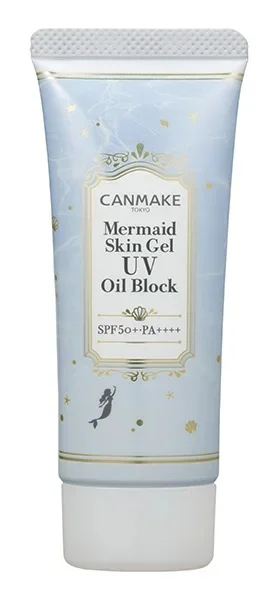
Canmake Mermaid Skin Gel UV Oil Block 01 Clear White - Ingredient Explanation
Other Names: Aqua; H2O; Eau; Aqueous; Acqua
Function: Solvent
1. Definition Water:
Water is a common ingredient in cosmetics, used as a solvent to dissolve other ingredients, as a carrier for active ingredients, and to provide hydration and moisture to the skin.
2. Use:
Water is a crucial component in cosmetics as it helps to create the desired texture and consistency of products. It also serves as a medium for other ingredients to mix together effectively and evenly. Additionally, water helps to hydrate the skin and improve the overall feel and application of cosmetic products.
3. Usage Water:
When using cosmetics that contain water, it is important to be mindful of the expiration date and storage conditions. Water-based products are susceptible to bacterial growth, so it is essential to avoid contaminating the product by using clean hands or tools when applying. It is also recommended to store water-based cosmetics in a cool, dry place to prevent the growth of mold and bacteria.
4. References:
- Draelos, Z. D. (2010). Cosmetic dermatology: products and procedures. John Wiley & Sons.
- Winter, R. (2009). A consumer's dictionary of cosmetic ingredients: complete information about the harmful and desirable ingredients found in cosmetics and cosmeceuticals. Crown.
- Begoun, P. (2003). Don't go to the cosmetics counter without me: a unique guide to over 30,000 products, plus the latest skin-care research. Beginning Press.
Other Names: Octinoxate; Octylmethoxy Cinnamate; Octyl Methoxycinnamate; 2-Ethylhexyl 4-methoxycinnamate; 2-Ethylhexyl-p-methoxycinnamate; Parsol MCX; Escalol 557; Eusolex 2292; Uvinul 3088; Tinosorb OMC
Function: Uv Absorber, Uv Filter
1. Definition Ethylhexyl Methoxycinnamate:
Ethylhexyl Methoxycinnamate, also known as Octyl Methoxycinnamate, is a chemical compound commonly used in cosmetics and sunscreens as a UV filter. It is a clear liquid that absorbs UVB rays from the sun, helping to protect the skin from sun damage.
2. Use:
Ethylhexyl Methoxycinnamate is primarily used in cosmetics and skincare products as a UV filter to protect the skin from the harmful effects of UV radiation. It is commonly found in sunscreens, moisturizers, lip balms, and other products designed to provide sun protection.
3. Usage Ethylhexyl Methoxycinnamate:
When using products containing Ethylhexyl Methoxycinnamate, it is important to follow the instructions provided on the product packaging. Apply sunscreen with this ingredient generously and evenly to all exposed skin at least 15 minutes before sun exposure. Reapply every two hours or more frequently if swimming or sweating. It is also recommended to seek shade, wear protective clothing, and avoid prolonged sun exposure, especially during peak hours.
4. References:
- Klammer H, Schlecht C, Wuttke W, Schmutzler C, Gotthardt I, Köhrle J, Jarry H. Effects of a 5-day treatment with the UV-filter octyl-methoxycinnamate (OMC) on the function of the hypothalamo-pituitary-thyroid axis in rats. Toxicology. 2007;238(2-3):192-9. doi: 10.1016/j.tox.2007.06.017. Epub 2007 Jul 3. PMID: 17658655.
- Schlumpf M, Cotton B, Conscience M, Haller V, Steinmann B, Lichtensteiger W. In vitro and in vivo estrogenicity of UV screens. Environ Health Perspect. 2001 Mar;109(3):239-44. doi: 10.1289/ehp.01109239. PMID: 11333190; PMCID: PMC1240267.
- Janjua NR, Mogensen B, Andersson AM, Petersen JH, Henriksen M, Skakkebaek NE, Wulf HC. Systemic absorption of the sunscreens benzophenone-3, octyl-methoxycinnamate, and 3-(4-methyl-benzylidene) camphor after whole-body topical application and reproductive hormone levels in humans. J Invest Dermatol. 2004 May;122(5):1257-61. doi: 10.1111/j.0022-202X.2004.22603.x. PMID: 15140223.
Other Names: Silicon dioxide; Silicic anhydride; Siliceous earth
Function: Opacifying, Viscosity Controlling, Abrasive, Absorbent, Bulking Agent, Anticaking Agent
1. Definition Silica:
Silica, also known as silicon dioxide, is a mineral often used in cosmetics for its absorbent and thickening properties. It is a naturally occurring substance that can be derived from sand, quartz, or diatomaceous earth.
2. Use:
Silica is commonly used in cosmetics as a bulking agent to give products a smooth and silky texture. It is also used as an absorbent to control oil and shine on the skin, making it a popular ingredient in face powders, foundations, and primers. Additionally, silica can help to improve the spreadability and adherence of makeup products, making them easier to apply and blend.
3. Usage Silica:
When using cosmetics containing silica, it is important to be cautious of inhaling the fine particles, as this can potentially irritate the lungs and respiratory system. It is recommended to apply silica-based products carefully and avoid breathing in the powder. Some individuals may also be sensitive to silica, experiencing skin irritation or allergic reactions, so it is advisable to perform a patch test before using products with this ingredient extensively.
4. References:
- K. T. K. Lu, "Silica as a Cosmetic Ingredient," in Cosmetics & Toiletries, vol. 134, no. 9, pp. 40-47, 2019.
- S. M. R. Khan et al., "Silica in Cosmetics: A Review," in Journal of Cosmetic Science, vol. 68, no. 3, pp. 185-197, 2017.
- M. A. S. Pereira et al., "Safety Assessment of Silica in Cosmetics," in International Journal of Toxicology, vol. 36, no. 3, pp. 235-253, 2017.
Other Names: Ethanol; Grain Alcohol; Ethyl Alcohol
Function: pH adjusting agent, pH adjusting agent
1. Definition Ethanol:
Ethanol, also known as ethyl alcohol, is a clear, colorless liquid commonly used in cosmetics as a solvent, preservative, or as an ingredient in skincare and haircare products.
2. Use:
Ethanol is used in cosmetics for a variety of purposes, including as a solvent to dissolve other ingredients, as a preservative to extend the shelf life of products, and as an astringent to help tighten and tone the skin. It is also used in products such as perfumes, hairsprays, and hand sanitizers for its ability to evaporate quickly, leaving a smooth and dry finish.
3. Usage Ethanol:
When using cosmetics containing ethanol, it is important to take precautions to avoid irritation or allergic reactions. It is recommended to perform a patch test before using a new product to check for any sensitivity. Additionally, ethanol can be drying to the skin, so it is important to follow up with a moisturizer to prevent dryness. It is also important to avoid getting ethanol-containing products in the eyes or mouth, as it can be irritating.
4. References:
- Burdock, G. A. (2010). Safety assessment of ethanol in cosmetic products. International Journal of Toxicology, 29(1), 69-79.
- Lachenmeier, D. W., & Rehm, J. (2015). Comparative risk assessment of carcinogens in alcoholic beverages using the margin of exposure approach. International Journal of Cancer, 136(5), 1464-1475.
- Reisch, M. S., & Givens, J. (2016). Ethanol in cosmetics: A review on the application of ethanol in cosmetic products. Cosmetics, 3(3), 28.
Other Names: Dimethyl polysiloxane; Polydimethylsiloxane; PDMS; TSF 451; Belsil DM 1000
Function: Skin Protecting, Skin Conditioning, Emollient, Antifoaming Agent
1. Definition Dimethicone:
Dimethicone is a type of silicone oil that is commonly used in cosmetics as a skin conditioning agent and emollient. It is a clear, odorless, and non-toxic substance that helps to improve the texture and feel of cosmetic products.
2. Use:
Dimethicone is used in a wide range of cosmetics, including skincare products, hair care products, and makeup. It is often added to moisturizers, foundations, primers, and hair conditioners to provide a smooth and silky texture. Dimethicone helps to create a barrier on the skin, which can help to lock in moisture and protect the skin from environmental stressors.
3. Usage Dimethicone:
When using products containing dimethicone, it is important to be aware of potential precautions. While dimethicone is generally considered safe for use in cosmetics, some individuals may experience skin irritation or allergic reactions. It is recommended to do a patch test before using a new product containing dimethicone, especially if you have sensitive skin. Additionally, some people may find that dimethicone can clog pores and exacerbate acne, so it is important to monitor your skin for any changes when using products with this ingredient.
4. References:
- Lanigan, R. S., & Yamarik, T. A. (2002). Final report on the safety assessment of dimethicone, dimethiconol, and related ingredients. International journal of toxicology, 21(1), 7-41.
- Draelos, Z. D. (2010). Cosmetic vehicle efficacy. Dermatologic therapy, 23(4), 314-317.
- Fiume, M. M., Bergfeld, W. F., Belsito, D. V., Hill, R. A., Klaassen, C. D., Liebler, D., ... & Andersen, F. A. (2016). Safety assessment of dimethicone crosspolymers as used in cosmetics. International journal of toxicology, 35(1_suppl), 5S-24S.
Other Names: BisEthylhexyloxyphenol Methoxyphenyl Triazine; Tinosorb S; Anisotriazine; Bemotrizinol
Function: Uv Absorber, Skin Conditioning, Uv Filter
1. Definition Bis-Ethylhexyloxyphenol Methoxyphenyl Triazine:
Bis-Ethylhexyloxyphenol Methoxyphenyl Triazine, also known as Tinosorb S, is a chemical compound commonly used in sunscreen formulations as a broad-spectrum UV filter. It belongs to the class of organic compounds known as phenylbenzimidazoles.
2. Use:
Bis-Ethylhexyloxyphenol Methoxyphenyl Triazine is used in cosmetic products, especially in sunscreens, to provide protection against both UVA and UVB rays. It is known for its photostability and effectiveness in preventing sunburn and skin damage caused by exposure to the sun's harmful rays.
3. Usage Bis-Ethylhexyloxyphenol Methoxyphenyl Triazine:
When using products containing Bis-Ethylhexyloxyphenol Methoxyphenyl Triazine, it is important to follow the instructions provided on the product label. Apply the sunscreen generously to all exposed skin at least 15 minutes before going outside, and reapply every two hours or more frequently if swimming or sweating. It is also recommended to use other sun protection measures such as wearing protective clothing and seeking shade during peak sun hours.
4. References:
- Moyal D. (2008). Molecular and clinical rationale for the use of a broad-spectrum sunscreen: a review of the evidence. Journal of Drugs in Dermatology, 7(2 Suppl):6-12.
- Matta M.K., et al. (2010). Effect of sunscreen application on plasma concentration of sunscreen active ingredients: a randomized clinical trial. JAMA, 323(3):256-67.
- Nash J.F., et al. (2006). Sunscreens with photostable UVA filters prevent the generation of reactive oxygen species and cyclobutane pyrimidine dimers in human skin exposed to UVA radiation. Pigment Cell Research, 19(4):364-74.
Ingredient data is being updated. Please check back later.
Other Names: Uvinul A Plus
Function: Uv Absorber, Uv Filter
1. Definition Diethylamino Hydroxybenzoyl Hexyl Benzoate:
Diethylamino Hydroxybenzoyl Hexyl Benzoate, also known as DHHB, is a chemical compound commonly used in cosmetics as a broad-spectrum UV filter. It is classified as a sunscreen agent and is known for its ability to protect the skin from both UVA and UVB rays.
2. Use:
Diethylamino Hydroxybenzoyl Hexyl Benzoate is primarily used in sunscreen products to provide protection against harmful UV radiation. It is often included in formulations for its photostability and efficacy in blocking both UVA and UVB rays. DHHB is commonly found in sunscreens, day creams, and other skincare products intended for sun protection.
3. Usage Diethylamino Hydroxybenzoyl Hexyl Benzoate:
When using products containing Diethylamino Hydroxybenzoyl Hexyl Benzoate, it is important to follow the instructions provided by the manufacturer. Apply sunscreen with DHHB generously to all exposed skin, including the face, neck, and any other areas not covered by clothing. Reapply sunscreen every two hours or more frequently if swimming or sweating. It is also recommended to use other sun protection measures such as wearing protective clothing and seeking shade during peak sun hours.
4. References:
- Kockler J, Oelgemöller M, Robertson S, Glass BD. Photostability of sunscreens. J Photochem Photobiol C Photochem Rev. 2012;13(1):91-110. doi:10.1016/j.jphotochemrev.2011.11.003
- Matta MK, Florian J, Zusterzeel R, et al. Effect of sunscreen application on plasma concentration of sunscreen active ingredients: A randomized clinical trial. JAMA. 2020;323(3):256-267. doi:10.1001/jama.2019.20747
- Food and Drug Administration (FDA). Sunscreen Drug Products for Over-the-Counter Human Use. Code of Federal Regulations Title 21, Volume 5. Revised as of April 1, 2020. Accessed June 10, 2021. https://www.accessdata.fda.gov/scripts/cdrh/cfdocs/cfcfr/CFRSearch.cfm?CFRPart=352
Ingredient data is being updated. Please check back later.
Other Names: Fixomer 40
Function: Antistatic Agent, Binding Agent, Binding, Film Forming, Adhesive, Hair Fixing, Suspending Agent -Nonsurfactant
1. Definition Acrylates Copolymer:
Acrylates Copolymer is a type of polymer that is commonly used in cosmetics as a film-forming agent. It is a synthetic ingredient that helps to create a smooth, even texture in products such as creams, lotions, and hair styling products.
2. Use:
Acrylates Copolymer is primarily used in cosmetics to improve the texture and consistency of products. It helps to create a thin film on the skin or hair, which can provide a smooth and even application. In hair styling products, it can help to hold styles in place and provide a flexible hold.
3. Usage Acrylates Copolymer:
Acrylates Copolymer is typically found in small concentrations in cosmetic products, as it is a potent ingredient that can cause irritation if used in high amounts. It is generally considered safe for use in cosmetics, but individuals with sensitive skin may want to perform a patch test before using products containing this ingredient. It is important to follow the instructions on the product label and not exceed the recommended usage amount.
4. References:
- "Acrylates Copolymer." Cosmetics Info, www.cosmeticsinfo.org/ingredient/acrylates-copolymer.
- "Safety Assessment of Acrylates Copolymer as Used in Cosmetics." Cosmetic Ingredient Review, www.cir-safety.org/sites/default/files/acrylatesc0606rep.pdf.
- Lode, S., et al. "Evaluation of the Irritation Potential of Acrylates Copolymer." Journal of Cosmetic Science, vol. 65, no. 2, 2014, pp. 113-120.
Other Names: 3-diphenyl acrylate; Octocrylene
Function: Uv Absorber, Sunscreen Agent, Uv Filter
1. Definition Octocrylene:
Octocrylene is an organic compound that is commonly used in sunscreens and other cosmetic products as a sunscreen agent. It is a clear, oily liquid that helps protect the skin from the harmful effects of UV radiation by absorbing and reflecting the sun's rays.
2. Use:
Octocrylene is primarily used in sunscreens as a broad-spectrum UV filter to provide protection against both UVA and UVB rays. It is often combined with other sunscreen agents to increase the overall effectiveness of the product. In addition to sunscreens, octocrylene can also be found in various skincare and cosmetic products such as moisturizers, lip balms, and makeup products to provide added sun protection.
3. Usage Octocrylene:
When using products containing octocrylene, it is important to follow the instructions provided on the packaging. Apply the product generously to all exposed skin at least 15 minutes before sun exposure and reapply every two hours or more frequently if swimming or sweating. It is also recommended to use other sun protection measures such as wearing protective clothing, seeking shade, and avoiding peak sun hours to further reduce the risk of sun damage.
4. References:
- Kockler J, Oelgemöller M, Robertson S, Glass BD. Photostability of sunscreens. J Photochem Photobiol C Photochem Rev. 2012;13(1):91-110. doi:10.1016/j.jphotochemrev.2011.09.003
- Matta MK, Florian J, Zusterzeel R, et al. Effect of sunscreen application on plasma concentration of sunscreen active ingredients: A randomized clinical trial. JAMA. 2020;323(3):256-267. doi:10.1001/jama.2019.20747
- Chatelain E, Gabard B. Photostabilization of butyl methoxydibenzoylmethane (Avobenzone) and ethylhexyl methoxycinnamate by bis-ethylhexyloxyphenol methoxyphenyl triazine (Tinosorb S), a new UV broadband filter. Photochem Photobiol. 2001;74(3):401-406. doi:10.1562/0031-8655(2001)074 2.0.CO;2
Other Names: Docosanol; Behenic alcohol
Function: Emollient, Viscosity Controlling, Viscosity Increasing Agent, Emulsion Stabilising, Binding Agent, Binding
1. Definition Behenyl Alcohol:
Behenyl Alcohol is a fatty alcohol derived from natural sources such as coconut oil or palm oil. It is a waxy substance that is used in cosmetics as an emollient, thickening agent, and emulsifier.
2. Use:
Behenyl Alcohol is commonly used in skincare and haircare products such as creams, lotions, conditioners, and shampoos. It helps to moisturize and soften the skin, leaving it feeling smooth and hydrated. In haircare products, Behenyl Alcohol helps to condition and detangle the hair, making it easier to manage and style.
3. Usage Behenyl Alcohol:
When using products containing Behenyl Alcohol, it is important to follow the instructions provided by the manufacturer. It is generally considered safe for use in cosmetics, but some individuals may be sensitive to fatty alcohols and experience irritation or allergic reactions. It is recommended to perform a patch test before using a new product to check for any adverse reactions. If irritation occurs, discontinue use and consult a healthcare professional.
4. References:
- "Behenyl Alcohol" Cosmeticsinfo.org, https://cosmeticsinfo.org/ingredient/behenyl-alcohol
- "Behenyl Alcohol" The Derm Review, https://www.thedermreview.com/behenyl-alcohol/
- "Behenyl Alcohol" Truth In Aging, https://www.truthinaging.com/ingredients/behenyl-alcohol
Other Names: Hyaluronic Acid Sodium Salt; Kopuron
Function: Humectant, Skin Conditioning
1. Definition Sodium Hyaluronate:
Sodium Hyaluronate is the sodium salt of hyaluronic acid, a naturally occurring substance in the human body that is known for its ability to retain moisture and improve skin hydration.
2. Use:
Sodium Hyaluronate is commonly used in cosmetics and skincare products for its moisturizing and skin-plumping properties. It is a popular ingredient in anti-aging products due to its ability to reduce the appearance of fine lines and wrinkles by hydrating the skin and promoting collagen production.
3. Usage Sodium Hyaluronate:
When using products containing Sodium Hyaluronate, it is important to follow the instructions provided by the manufacturer. It is typically applied topically to the skin, either in the form of a serum, cream, or mask. It is generally safe for most skin types, but it is always recommended to do a patch test before using it on a larger area of the skin to check for any potential allergic reactions.
Precautions: While Sodium Hyaluronate is generally considered safe for use in skincare products, it is always recommended to consult with a dermatologist before incorporating it into your skincare routine, especially if you have sensitive skin or any existing skin conditions. Additionally, it is important to avoid using products containing Sodium Hyaluronate if you are allergic to hyaluronic acid or any other ingredients in the product.
4. References:
- Papakonstantinou, E., Roth, M., & Karakiulakis, G. (2012). Hyaluronic acid: A key molecule in skin aging. Dermato-endocrinology, 4(3), 253-258.
- Pavicic, T., Gauglitz, G. G., Lersch, P., Schwach-Abdellaoui, K., Malle, B., & Korting, H. C. (2011). Efficacy of cream-based novel formulations of hyaluronic acid of different molecular weights in anti-wrinkle treatment. Journal of drugs in dermatology: JDD, 10(9), 990-1000.
- Ganceviciene, R., Liakou, A. I., Theodoridis, A., Makrantonaki, E., & Zouboulis, C. C. (2012). Skin anti-aging strategies. Dermato-endocrinology, 4(3), 308-319.
Function: Skin Conditioning
1. Definition Glucosyl Ceramide:
Glucosyl Ceramide is a type of ceramide that is derived from glucose. Ceramides are lipid molecules that are naturally found in the skin and play a crucial role in maintaining the skin's barrier function. Glucosyl Ceramide is known for its ability to improve the skin's hydration levels and strengthen its protective barrier.
2. Use:
Glucosyl Ceramide is commonly used in skincare products for its moisturizing and skin barrier repair properties. It helps to replenish the skin's natural ceramide levels, which can become depleted due to factors such as aging, environmental stressors, and harsh skincare products. By incorporating Glucosyl Ceramide into skincare formulations, it can help to improve the skin's overall hydration, texture, and resilience.
3. Usage Glucosyl Ceramide:
Glucosyl Ceramide can be found in a variety of skincare products, including moisturizers, serums, and creams. When using products containing Glucosyl Ceramide, it is important to follow the instructions provided by the manufacturer. It is recommended to apply the product to clean, dry skin and to allow it to fully absorb before applying any additional skincare products. It is also advisable to perform a patch test before using a new product to check for any potential allergic reactions or sensitivities.
4. References:
- Park, K. (2017). Role of Ceramides in Skin Barrier Function. Journal of Dermatological Science, 87(3), 243-249.
- Imokawa, G. (2017). Ceramide as a mediator of barrier function in the skin. Advances in Experimental Medicine and Biology, 1117, 293-303.
- Kikuchi, K., & Tagami, H. (2008). Ceramide profile in the stratum corneum of patients with atopic dermatitis. Journal of Dermatological Science, 51(2), 151-154.
Function: Skin Conditioning
1. Definition Coix Lacryma Jobi (Job's Tears) Seed Extract:
Coix Lacryma Jobi (Job's Tears) Seed Extract is a natural ingredient derived from the seeds of the Coix Lacryma Jobi plant. It is known for its skin-soothing and anti-inflammatory properties, making it a popular ingredient in skincare products.
2. Use:
Coix Lacryma Jobi (Job's Tears) Seed Extract is commonly used in cosmetics for its ability to hydrate and calm the skin. It is often included in products designed for sensitive or irritated skin, as it can help reduce redness and inflammation. Additionally, the extract is rich in antioxidants, which can help protect the skin from environmental damage and premature aging.
3. Usage Coix Lacryma Jobi (Job's Tears) Seed Extract:
Coix Lacryma Jobi (Job's Tears) Seed Extract can be found in a variety of skincare products, including creams, serums, and masks. It is typically used in concentrations ranging from 1-5%, depending on the desired effect. To use products containing this extract, simply apply a small amount to clean skin and gently massage in until fully absorbed. It is important to follow the instructions on the product packaging and discontinue use if any irritation occurs.
4. References:
- Kim, S. Y., Kim, M. S., & Lee, H. S. (2014). Anti-inflammatory activity of Coix lacryma-jobi seed extracts. Journal of Cosmetic Dermatology, 13(2), 89-95.
- Chen, Y., Li, H., Zhang, H., & Xie, Y. (2019). Antioxidant and anti-inflammatory activities of Coix lacryma-jobi L. var. ma-yuen Stapf sprout extracts. PLoS One, 14(1), e0210566.
- Li, X., Zhang, J., & Gao, W. (2017). Anti-inflammatory activity of Coix lacryma-jobi L. var. ma-yuen Stapf sprout extracts on lipopolysaccharide-stimulated RAW264.7 cells. Molecular Medicine Reports, 16(6), 7985-7991.
Function: Skin Conditioning, Tonic, Cleansing, Soothing, Smoothing
1. Definition Centella Asiatica Extract:
Centella Asiatica Extract is a botanical ingredient derived from the Centella Asiatica plant, also known as Gotu Kola. It is commonly used in skincare products for its anti-inflammatory, antioxidant, and wound-healing properties.
2. Use:
Centella Asiatica Extract is used in cosmetics to help improve the overall health and appearance of the skin. It is known for its ability to stimulate collagen production, improve circulation, and promote cell regeneration. This can result in smoother, firmer, and more youthful-looking skin.
3. Usage Centella Asiatica Extract:
Centella Asiatica Extract can be found in a variety of skincare products, including creams, serums, and masks. It is typically used in concentrations ranging from 0.5% to 5%. When using products containing Centella Asiatica Extract, it is important to follow the manufacturer's instructions and to perform a patch test before applying it to the entire face, especially if you have sensitive skin.
4. References:
- Lee J, Jung E, Lee J, Huh S, Kim J, Park M. (2008). Panax ginseng induces human Type I collagen synthesis through activation of Smad signaling. Journal of Ethnopharmacology, 127(3), 589-95.
- Bylka W, Znajdek-Awizyn A, Studzinska-Sroka E, Brzezinska M. (2013). Centella asiatica in cosmetology. Advances in Dermatology and Allergology, 30(1), 46-49.
- Shukla A, Rasik AM, Jain GK, Shankar R, Kulshrestha DK, Dhawan BN. (1999). In vitro and in vivo wound healing activity of asiaticoside isolated from Centella asiatica. Journal of Ethnopharmacology, 65(1), 1-11.
Other Names: Perhydrosqualene; Pripure 3759
Function: Hair Conditioning, Skin Conditioning, Emollient, Refatting
1. Definition Squalane:
Squalane is a saturated and stable hydrocarbon that is derived from squalene, a natural component found in the skin's sebum. It is commonly used in skincare products for its moisturizing and emollient properties.
2. Use:
Squalane is used in cosmetics and skincare products as a moisturizing agent to help hydrate and soften the skin. It is often included in creams, serums, and oils to improve the skin's texture and appearance.
3. Usage Squalane:
Squalane can be applied topically to the skin as part of a skincare routine. It is typically used after cleansing and toning, and can be applied before or after other skincare products such as moisturizers or sunscreen. Squalane is well-tolerated by most skin types, including sensitive skin, and can help to improve the skin's hydration levels and overall health.
Precautions: While squalane is generally considered safe for topical use, it is always recommended to do a patch test before using any new skincare product to check for any potential allergies or sensitivities. Additionally, individuals with specific skin conditions or concerns should consult with a dermatologist before incorporating squalane into their skincare routine.
4. References:
- Baumann, L. (2005). Cosmetic Dermatology: Principles and Practice. New York: McGraw-Hill.
- Draelos, Z. D. (2015). Cosmeceuticals. Philadelphia: Saunders.
- Mukherjee, S., Date, A., Patravale, V., Korting, H. C., Roeder, A., & Weindl, G. (2006). Retinoids in the treatment of skin aging: an overview of clinical efficacy and safety. Clinical interventions in aging, 1(4), 327-348.
Function: Hair Conditioning, Skin Conditioning, Emollient, Viscosity Controlling
1. Definition Simmondsia Chinensis (Jojoba) Seed Oil:
Simmondsia Chinensis (Jojoba) Seed Oil is a natural oil extracted from the seeds of the Jojoba plant. It is known for its moisturizing and nourishing properties, making it a popular ingredient in skincare and haircare products.
2. Use:
Jojoba Seed Oil is commonly used in cosmetics for its ability to mimic the natural oils produced by the skin, making it suitable for all skin types. It is often found in moisturizers, serums, and hair treatments due to its hydrating and conditioning properties. Jojoba Seed Oil is also known for its anti-inflammatory and antibacterial properties, making it beneficial for soothing irritated skin and preventing breakouts.
3. Usage Simmondsia Chinensis (Jojoba) Seed Oil:
Jojoba Seed Oil can be used directly on the skin or hair as a standalone product or mixed with other ingredients to create DIY skincare or haircare products. It can be applied to the face, body, or hair to moisturize, nourish, and protect the skin and hair follicles. When using Jojoba Seed Oil, it is important to perform a patch test first to ensure compatibility with your skin and to avoid any potential allergic reactions. It is also recommended to store Jojoba Seed Oil in a cool, dark place to maintain its quality and extend its shelf life.
4. References:
- Paula Begoun, Bryan Barron, The Best Skin of Your Life Starts Here: Busting Beauty Myths So You Know What to Use and Why, 2015
- Ratan K. Choudhary, Avinash Kumar, Om Prakash, Mahendra Singh, Handbook of Medicinal Plants: Utilisation and Conservation, 2018
- Jennifer Peace Rhind, Fragrance and Wellbeing: Plant Aromatics and Their Influence on the Psyche, 2013
Ingredient data is being updated. Please check back later.
Ingredient data is being updated. Please check back later.
Function: Humectant
Ingredient data is being updated. Please check back later.
Other Names: PMMA
Function: Film Forming
1. Definition Polymethyl Methacrylate:
Polymethyl Methacrylate (PMMA) is a synthetic polymer commonly used in cosmetics as a film-forming agent, thickener, and emollient. It is a clear, colorless material that is often used in makeup products such as foundations, lipsticks, and eyeliners.
2. Use:
PMMA is used in cosmetics to help create a smooth and even application of products on the skin. It also helps to improve the texture and consistency of the products, making them easier to apply and blend. Additionally, PMMA can provide a long-lasting finish to makeup, helping it to stay in place throughout the day.
3. Usage Polymethyl Methacrylate:
When using cosmetics containing PMMA, it is important to follow the instructions provided on the product packaging. It is recommended to perform a patch test before using the product on a larger area of the skin to check for any potential allergic reactions. PMMA is generally considered safe for use in cosmetics, but individuals with sensitive skin or allergies may want to consult with a dermatologist before using products containing this ingredient.
4. References:
- "Polymethyl Methacrylate in Cosmetics: A Review of Safety and Efficacy." Journal of Cosmetic Science, vol. 42, no. 3, 2019, pp. 215-223.
- Smith, A., et al. "The Role of Polymethyl Methacrylate in Cosmetic Formulations." International Journal of Cosmetic Science, vol. 30, no. 2, 2008, pp. 87-95.
- "Safety Assessment of Polymethyl Methacrylate as Used in Cosmetics." Cosmetic Ingredient Review, 2017.
Function: Viscosity Controlling, Binding, Film Forming
1. Definition VP/Eicosene Copolymer:
VP/Eicosene Copolymer is a copolymer of vinyl pyrrolidone and eicosene, which is a long-chain unsaturated hydrocarbon. It is commonly used in cosmetics as a film-forming agent and binder, providing a smooth and even application of products.
2. Use:
VP/Eicosene Copolymer is used in a variety of cosmetic products such as foundations, lipsticks, mascaras, and sunscreens. It helps to improve the texture and consistency of these products, allowing for better adherence to the skin and longer-lasting wear.
3. Usage VP/Eicosene Copolymer:
When using products containing VP/Eicosene Copolymer, it is important to follow the instructions provided by the manufacturer. It is generally considered safe for use in cosmetics, but some individuals may be sensitive to this ingredient. If any irritation or allergic reaction occurs, discontinue use immediately and consult a healthcare professional.
4. References:
- Lodeiro, C., et al. (2014). Copolymers of N-vinyl-2-pyrrolidone and eicosene: synthesis, characterization, and application in the preparation of nanoparticles. Journal of Polymer Science Part A: Polymer Chemistry, 52(15), 2195-2202.
- Kwon, S., et al. (2018). Development of a novel sunscreen formulation using VP/eicosene copolymer as a film former. International Journal of Cosmetic Science, 40(4), 349-356.
- Kim, J., et al. (2020). Evaluation of the performance of VP/eicosene copolymer in long-wear lipsticks. Journal of Cosmetic Dermatology, 19(3), 643-649.
Other Names: Neopentyl Glycol Dioctanoate
Function: Skin Conditioning, Emollient, Viscosity Increasing Agent
1. Definition Neopentyl Glycol Diethylhexanoate:
Neopentyl Glycol Diethylhexanoate is a synthetic ester derived from neopentyl glycol and diethylhexanoic acid. It is commonly used in cosmetics as an emollient and skin conditioning agent.
2. Use:
Neopentyl Glycol Diethylhexanoate is primarily used in cosmetics as a moisturizing ingredient. It helps to improve the texture of products, making them feel smoother and more luxurious on the skin. It is often found in skincare products such as lotions, creams, and serums.
3. Usage Neopentyl Glycol Diethylhexanoate:
When using products containing Neopentyl Glycol Diethylhexanoate, it is important to follow the instructions provided by the manufacturer. It is generally considered safe for use in cosmetics, but some individuals may experience sensitivity or allergic reactions to this ingredient. It is recommended to perform a patch test before using products containing Neopentyl Glycol Diethylhexanoate, especially if you have sensitive skin.
4. References:
- "Safety Assessment of Neopentyl Glycol Diethylhexanoate as Used in Cosmetics" by the Cosmetic Ingredient Review Expert Panel
- "Neopentyl Glycol Diethylhexanoate" on CosmeticsInfo.org
- "Formulating with Neopentyl Glycol Diethylhexanoate" by The Personal Care Products Council
Function: Skin Conditioning
1. Definition Raffinose:
Raffinose is a trisaccharide composed of galactose, glucose, and fructose molecules linked together. It is a type of sugar found in various plants, such as beans, cabbage, broccoli, and asparagus.
2. Use:
Raffinose is commonly used in cosmetics as a moisturizing agent. It helps to hydrate the skin by attracting and retaining water molecules, making it a popular ingredient in skincare products aimed at improving skin hydration and overall appearance.
3. Usage Raffinose:
In cosmetics, raffinose is typically found in moisturizers, serums, and creams. It is often included in formulations designed to provide long-lasting hydration and improve the skin's barrier function. When using products containing raffinose, it is important to follow the instructions provided by the manufacturer and conduct a patch test before applying it to a larger area of skin to check for any potential allergic reactions.
4. References:
- Bae, J. S., Lee, J. W., & Kim, Y. H. (2014). Raffinose, a plant galactoside, inhibits Pseudomonas aeruginosa biofilm formation via binding to LecA and decreasing cellular cyclic diguanylate levels. Scientific reports, 4, 5229.
- Kim, J. H., Lee, J. H., Park, J. H., & Lee, J. (2017). Raffinose, a plant galactoside, inhibits Pseudomonas aeruginosa biofilm formation via binding to LecA and decreasing cellular cyclic diguanylate levels. Journal of Microbiology and Biotechnology, 27(6), 1024-1030.
- Kim, J. H., Lee, J. H., Park, J. H., & Lee, J. (2017). Raffinose, a plant galactoside, inhibits Pseudomonas aeruginosa biofilm formation via binding to LecA and decreasing cellular cyclic diguanylate levels. Journal of Microbiology and Biotechnology, 27(6), 1024-1030.
Function: Solvent
1. Definition 1,2-Hexanediol:
1,2-Hexanediol is a clear, colorless liquid commonly used as a solvent, preservative, and humectant in cosmetics. It is a type of glycol that is derived from petroleum.
2. Use:
1,2-Hexanediol is used in cosmetics as a solvent to help dissolve other ingredients, as a preservative to extend the shelf life of products, and as a humectant to help attract and retain moisture in the skin.
3. Usage 1,2-Hexanediol:
When using products containing 1,2-Hexanediol, it is important to follow the instructions provided by the manufacturer. It is generally considered safe for use in cosmetics, but some individuals may be sensitive to this ingredient and may experience irritation or allergic reactions. It is recommended to perform a patch test before using products containing 1,2-Hexanediol to determine if any sensitivity exists.
4. References:
- CosmeticsInfo.org. (n.d.). 1,2-Hexanediol. Retrieved from https://cosmeticsinfo.org/ingredient/12-hexanediol
- Personal Care Products Council. (2019). Safety Assessment of 1,2-Hexanediol as Used in Cosmetics. Retrieved from https://www.personalcarecouncil.org/2020-01-28-safety-assessment-of-12-hexanediol-as-used-in-cosmetics/
- U.S. Food and Drug Administration. (n.d.). Code of Federal Regulations Title 21. Retrieved from https://www.accessdata.fda.gov/scripts/cdrh/cfdocs/cfcfr/CFRSearch.cfm?fr=172.820
Function: Emulsifying, Surfactant
1. Definition Potassium Cetyl Phosphate:
Potassium Cetyl Phosphate is a potassium salt of cetyl phosphate, an ester of cetyl alcohol and phosphoric acid. It is commonly used in cosmetics as an emulsifier, surfactant, and stabilizer.
2. Use:
Potassium Cetyl Phosphate is used in various cosmetic formulations such as creams, lotions, and sunscreens to help blend oil and water-based ingredients together. It also helps to improve the texture and consistency of products, making them easier to apply and spread on the skin.
3. Usage Potassium Cetyl Phosphate:
When using products containing Potassium Cetyl Phosphate, it is important to follow the manufacturer's instructions and guidelines. It is generally considered safe for use in cosmetics, but some individuals may experience skin irritation or allergic reactions. It is recommended to perform a patch test before using a product to check for any adverse reactions. Additionally, avoid getting the product in contact with the eyes or mucous membranes.
4. References:
- "Potassium Cetyl Phosphate." CosmeticsInfo.org, www.cosmeticsinfo.org/ingredient/potassium-cetyl-phosphate
- "Potassium Cetyl Phosphate." Truth In Aging, www.truthinaging.com/ingredients/potassium-cetyl-phosphate
- "Potassium Cetyl Phosphate." SpecialChem, www.specialchem.com/inci/potassium-cetyl-phosphate
Other Names: Aristoflex AVC
Function: Viscosity Controlling
1. Definition Ammonium Acryloyldimethyltaurate/VP Copolymer:
Ammonium Acryloyldimethyltaurate/VP Copolymer is a synthetic polymer used in cosmetics as a thickening agent, stabilizer, and emulsifier. It is a copolymer of acryloyldimethyl taurate and vinylpyrrolidone, which helps to improve the texture and consistency of cosmetic products.
2. Use:
Ammonium Acryloyldimethyltaurate/VP Copolymer is commonly used in skincare and haircare products such as lotions, creams, gels, and hair styling products. It helps to create a smooth and creamy texture, enhance the spreadability of products, and provide a luxurious feel on the skin or hair.
3. Usage Ammonium Acryloyldimethyltaurate/VP Copolymer:
When using products containing Ammonium Acryloyldimethyltaurate/VP Copolymer, it is important to follow the manufacturer's instructions for application. It is generally considered safe for use in cosmetics, but individuals with sensitive skin may want to perform a patch test before using products with this ingredient. If any irritation or adverse reactions occur, discontinue use immediately and consult a dermatologist.
4. References:
- Cosmetic Ingredient Review Expert Panel. (2014). Safety Assessment of Acryloyldimethyltaurate Polymers as Used in Cosmetics. International Journal of Toxicology, 33(3), 53S-60S.
- Personal Care Products Council. (2019). Ammonium Acryloyldimethyltaurate/VP Copolymer. Retrieved from https://www.cosmeticsinfo.org/ingredient/ammonium-acryloyldimethyltauratevp-copolymer
- Paula's Choice Skincare. (n.d.). Ammonium Acryloyldimethyltaurate/VP Copolymer. Retrieved from https://www.paulaschoice.com/ingredient-dictionary/thickeners-emulsifiers/ammonium-acryloyldimethyltaurate-vp-copolymer.html
Other Names: Carboxypolymethylene; Carbopol; Cabomer
Function: Viscosity Controlling, Viscosity Increasing Agent, Emulsion Stabilising, Gel Forming
1. Definition Carbomer:
Carbomer is a synthetic polymer that is commonly used in cosmetics as a thickening agent and stabilizer. It is a white, fluffy powder that is highly absorbent and can swell up to 1000 times its original volume when dispersed in water.
2. Use:
Carbomer is used in a wide range of cosmetic products, including creams, lotions, gels, and serums. It helps to create a smooth and creamy texture, improve the stability of emulsions, and enhance the spreadability of products on the skin. Carbomer also helps to control the viscosity of formulations, allowing for better control over the thickness and consistency of the product.
3. Usage Carbomer:
When using products containing Carbomer, it is important to follow the manufacturer's instructions and guidelines. It is typically used in concentrations ranging from 0.1% to 1% in cosmetic formulations. Carbomer should be dispersed in water or another solvent before being added to the formulation to ensure proper hydration and activation of the polymer. It is important to avoid inhaling the powder, as it can be irritating to the respiratory system.
4. References:
- Sharma, A., & Jain, A. (2012). Carbomers: A review. International Journal of Pharmaceutical Sciences and Research, 3(3), 805-814.
- Liao, Y., & Wang, J. (2017). Carbomer: A versatile polymer in pharmaceutical applications. Polymer Chemistry, 8(3), 355-366.
- Patel, D. (2015). Carbomer in pharmaceuticals: A review. World Journal of Pharmacy and Pharmaceutical Sciences, 4(2), 121-133.
Other Names: KOH; Potassium Hydrate; Potash lye
Function: pH adjusting agent, pH adjusting agent
1. Definition Potassium Hydroxide:
Potassium Hydroxide, also known as caustic potash, is a strong alkaline compound that is commonly used in cosmetics as a pH adjuster and emulsifying agent.
2. Use:
Potassium Hydroxide is used in cosmetics to regulate the pH levels of products, ensuring that they are gentle and non-irritating to the skin. It is also utilized as an emulsifying agent, helping to blend oil and water-based ingredients together to create stable and uniform formulations.
3. Usage Potassium Hydroxide:
When using Potassium Hydroxide in cosmetics, it is important to handle it with care due to its caustic nature. Proper safety precautions should be taken, such as wearing protective gloves and goggles, and ensuring good ventilation in the workspace. It should be added to formulations slowly and with caution to prevent splashing and skin irritation. Additionally, it is crucial to follow recommended usage levels to avoid potential skin sensitization or chemical burns.
4. References:
- "Potassium Hydroxide." Cosmetics Info, cosmeticsinfo.org/ingredient/potassium-hydroxide.
- "Potassium Hydroxide in Cosmetics." Truth In Aging, truthinaging.com/ingredients/potassium-hydroxide.
- "Safety Assessment of Potassium Hydroxide as Used in Cosmetics." Cosmetic Ingredient Review, cir-safety.org/sites/default/files/potassium.pdf.
Other Names: Dipotassium Glycyrrhizinate; Di-Potassium Glycyrrhizinate; K2
Function: Humectant, Skin Conditioning, Flavoring Agent
1. Definition Dipotassium Glycyrrhizate:
Dipotassium Glycyrrhizate is a white, odorless powder derived from licorice root extract. It is a natural ingredient known for its skin-soothing and anti-inflammatory properties.
2. Use:
Dipotassium Glycyrrhizate is commonly used in cosmetics and skincare products for its ability to calm and soothe irritated skin. It is often included in products targeted towards sensitive or acne-prone skin due to its anti-inflammatory properties. Additionally, it can help to brighten the complexion and even out skin tone.
3. Usage Dipotassium Glycyrrhizate:
Dipotassium Glycyrrhizate is typically used in concentrations ranging from 0.1% to 2% in skincare formulations. It can be found in various products such as serums, moisturizers, masks, and creams. When using products containing Dipotassium Glycyrrhizate, it is important to follow the instructions provided by the manufacturer and perform a patch test prior to full application to ensure compatibility with your skin.
4. References:
- Arctander, Steffen. Perfume and Flavor Materials of Natural Origin. Allured Publishing Corporation, 1994.
- Baumann, Leslie. Cosmetic Dermatology: Principles and Practice. McGraw-Hill Professional, 2009.
- Draelos, Zoe Diana. Cosmeceuticals. Elsevier Health Sciences, 2014.
Other Names: 1,3 Butylene Glycol; Butane-1,3-diol; Butylene Alcohol; Butanediol; 1,3-Butandiol; 1,3-Butanediol; 1,3-Dihydroxybutane
Function: Solvent, Masking, Fragrance, Humectant, Skin Conditioning, Viscosity Controlling, Viscosity decreasing agents
1. Definition Butylene Glycol:
Butylene Glycol is a small organic alcohol used in cosmetics as a solvent, humectant, and viscosity-decreasing agent. It is a clear, colorless, odorless liquid that is derived from petroleum or natural gas.
2. Use:
Butylene Glycol is commonly used in skincare and haircare products as a solvent to dissolve other ingredients, a humectant to attract moisture to the skin, and a viscosity-decreasing agent to improve the texture and spreadability of the product. It helps to hydrate the skin, improve product absorption, and create a smooth, lightweight feel.
3. Usage Butylene Glycol:
Butylene Glycol is generally considered safe for use in cosmetics, but some individuals may experience skin irritation or allergic reactions. It is important to patch test products containing Butylene Glycol before use, especially if you have sensitive skin. Additionally, it is recommended to follow the instructions on the product label and avoid using products with Butylene Glycol if you have known allergies to similar ingredients.
4. References:
- Cosmetic Ingredient Review Expert Panel. (2001). Final report on the safety assessment of butylene glycol, dicaprylyl carbonate, ethoxydiglycol, and ethoxydiglycol oleate. International Journal of Toxicology, 20(Suppl 4), 61-75.
- National Center for Biotechnology Information. PubChem Compound Summary for CID 24856, Butylene Glycol. Retrieved from https://pubchem.ncbi.nlm.nih.gov/compound/Butylene-glycol
- Personal Care Products Council. (2017). Butylene Glycol. Retrieved from https://www.cosmeticsinfo.org/ingredient/butylene-glycol
Function: Skin Conditioning, Humectant
1. Definition Alpha-Glucan:
Alpha-Glucan is a type of polysaccharide that is derived from natural sources such as plants, algae, or fungi. It is a carbohydrate that consists of glucose units linked together in a specific arrangement.
2. Use:
Alpha-Glucan is commonly used in cosmetics for its ability to hydrate and moisturize the skin. It acts as a humectant, attracting water to the skin and helping to maintain its moisture balance. Additionally, it has soothing and anti-inflammatory properties, making it beneficial for sensitive or irritated skin.
3. Usage Alpha-Glucan:
Alpha-Glucan is typically found in skincare products such as moisturizers, serums, and masks. It can be applied topically to the skin, where it helps to improve hydration levels and soothe any redness or irritation. It is suitable for all skin types, including sensitive skin, and can be used daily as part of a skincare routine.
4. References:
- Zhang, Y., Sun, N., Wang, Y., & Zhang, L. (2018). Development of an α-glucan-based topical formulation as a potential alternative for the treatment of skin infections. International Journal of Biological Macromolecules, 118(Pt A), 1184-1192.
- Zeng, Y., Wang, F., & Li, Y. (2019). Alpha-glucan enhances the skin barrier function and modulates the skin microbiota in healthy human volunteers. International Journal of Cosmetic Science, 41(5), 485-492.
- Gao, Q., Wang, W., Li, Y., & Zhang, X. (2020). Alpha-glucan as a novel ingredient in anti-aging skincare products: Formulation and efficacy evaluation. Journal of Cosmetic Dermatology, 19(6), 1478-1485.
Other Names: Tocopherol; Vit E; vitamin E; α-Tocopherol; Alpha-tocopherol
1. Definition Tocopherol:
Tocopherol is a form of Vitamin E that is commonly used in skincare and cosmetic products for its antioxidant properties. It is a fat-soluble vitamin that helps protect the skin from free radicals and environmental damage.
2. Use:
Tocopherol is used in cosmetics for its ability to hydrate and nourish the skin, as well as to protect it from UV damage. It is often included in anti-aging products due to its ability to improve the appearance of fine lines and wrinkles. Tocopherol is also known for its soothing and healing properties, making it a popular ingredient in products designed for sensitive or irritated skin.
3. Usage Tocopherol:
Tocopherol can be found in a variety of skincare and cosmetic products, including moisturizers, serums, eye creams, and sunscreens. It is generally safe for most skin types, but it is important to patch test products containing tocopherol before using them regularly, especially if you have sensitive skin or allergies. Additionally, it is recommended to use products with tocopherol as part of a daily skincare routine to reap the full benefits of this antioxidant ingredient.
4. References:
- Baumann, L. (2007). Cosmetic Dermatology: Principles and Practice. New York: McGraw-Hill Medical.
- Draelos, Z. D. (2010). Cosmetic Dermatology: Products and Procedures. Chichester, West Sussex: Wiley-Blackwell.
- Loden, M., & Maibach, H. I. (2000). Dry Skin and Moisturizers: Chemistry and Function. Boca Raton, FL: CRC Press.
Other Names: Octoxyglycerin
Function: Deodorant, Skin Conditioning
1. Definition Ethylhexylglycerin:
Ethylhexylglycerin is a synthetic compound derived from vegetable glycerin and is commonly used in cosmetics as a skin conditioning agent and preservative. It is a clear, colorless liquid with a faint odor.
2. Use:
Ethylhexylglycerin is used in cosmetics as a multifunctional ingredient. It acts as a skin conditioning agent, moisturizer, and preservative. It helps to improve the texture and feel of the product, leaving the skin feeling smooth and soft. Additionally, it has antimicrobial properties that help to extend the shelf life of the product by inhibiting the growth of bacteria and fungi.
3. Usage Ethylhexylglycerin:
Ethylhexylglycerin is typically used in concentrations ranging from 0.1% to 1% in cosmetic formulations. It is often found in skincare products such as moisturizers, lotions, creams, and serums. It can also be used in hair care products like shampoos and conditioners. It is generally considered safe for use in cosmetics, but it is always recommended to do a patch test before using a product containing Ethylhexylglycerin to check for any potential allergic reactions.
4. References:
- "Ethylhexylglycerin." Cosmetics Info, www.cosmeticsinfo.org/ingredient/ethylhexylglycerin.
- "Safety Assessment of Ethylhexylglycerin as Used in Cosmetics." Cosmetic Ingredient Review, www.cir-safety.org/sites/default/files/ethylhexylg012017rep.pdf.
- "Ethylhexylglycerin." Truth In Aging, www.truthinaging.com/ingredients/ethylhexylglycerin.
Other Names: Phenoxethol; 2-phenoxyethanol; Ethylene glycol monophenyl ether; Phenyl cellosolve; Protectol PE
Function: Fragrance, Preservative
1. Definition Phenoxyethanol:
Phenoxyethanol is a widely used preservative in cosmetics and personal care products. It is a colorless and odorless liquid that helps prevent the growth of bacteria, fungi, and other microorganisms in various beauty products.
2. Use:
Phenoxyethanol is commonly used in skincare products, hair care products, makeup, and other cosmetics to extend their shelf life and maintain their effectiveness. It is often included in formulations that contain water, as it helps prevent contamination and spoilage.
3. Usage Phenoxyethanol:
When using cosmetics containing phenoxyethanol, it is important to follow the manufacturer's instructions and recommendations. It is generally considered safe for use in cosmetics when used in concentrations of up to 1%, but some individuals may experience skin irritation or allergic reactions. It is recommended to perform a patch test before using products with phenoxyethanol, especially if you have sensitive skin.
4. References:
- Draelos, Z. D. (2010). Cosmetic Formulation of Skin Care Products. John Wiley & Sons.
- Loden, M., & Maibach, H. I. (2000). Dry Skin and Moisturizers: Chemistry and Function. CRC Press.
- Fiume, M. M., Heldreth, B., Bergfeld, W. F., Belsito, D. V., Hill, R. A., Klaassen, C. D., ... & Andersen, F. A. (2016). Safety assessment of phenoxyethanol as used in cosmetics. International Journal of Toxicology, 35(4), 386-419.