


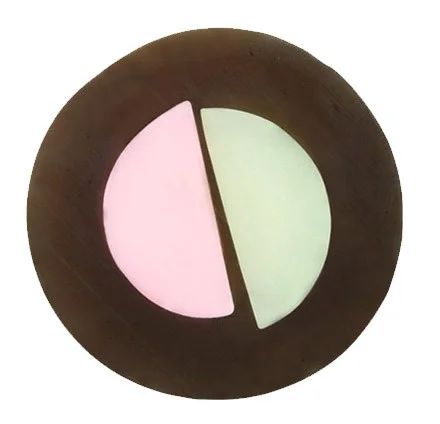
Analysis locked
How well does your skin match with Caolion Blackhead O2 Sparkling Soap?
Login to see detailsOr continue via
Quick 1-minute survey • Completely free
Ingredients
Analysis results of Ingredients


Ingredient List
| EWG | CIR | Ingredient Name & Cosmetic Function | Notes |
|---|---|---|---|
| 1 | - | (Abrasive, Absorbent, Opacifying, Colorant, Cosmetic Colorant) | |
| 2 | - | (Fragrance, Skin Conditioning) |   |
| - | - | | |
| 1 | A | (Solvent, Skin Conditioning, Masking, Emollient, Fragrance, Hair Conditioning) |   |

Caolion Blackhead O2 Sparkling Soap - Ingredient Explanation
Charcoal Powder
1. Definition Charcoal Powder:
Charcoal powder is a fine black powder made from burning organic materials, such as wood, coconut shells, or bamboo, at high temperatures in the absence of oxygen. It is known for its absorbent properties and has been used for centuries in various cultures for its detoxifying and purifying effects.2. Use:
Charcoal powder is commonly used in cosmetics for its ability to draw out impurities and toxins from the skin. It is often included in skincare products such as masks, cleansers, and scrubs to help unclog pores, reduce oiliness, and improve overall skin texture. Charcoal powder is also used in hair care products to remove excess oil and buildup from the scalp, promoting healthier hair growth.3. Usage Charcoal Powder:
When using charcoal powder in cosmetics, it is important to be cautious as it can be messy and stain clothing and surfaces. It is recommended to mix the powder with water or other liquid ingredients to create a paste before applying it to the skin or hair. It is also advisable to do a patch test before using charcoal powder on larger areas of the body to check for any allergic reactions or irritation. Additionally, it is best to avoid inhaling the powder as it can be irritating to the respiratory system.4. References:
- Lee, S. (2017). Charcoal in skincare: What are the benefits? Retrieved from https://www.byrdie.com/charcoal-skincare-benefits-4770337
- Ganceviciene, R., Liakou, A. I., Theodoridis, A., Makrantonaki, E., & Zouboulis, C. C. (2012). Skin anti-aging strategies. Dermato-endocrinology, 4(3), 308-319.
- Singh, M., & Das, R. R. (2016). Zinc for the common cold. Cochrane Database of Systematic Reviews, 2016(6).
Lavandula Angustifolia (Lavender) Oil
1. Definition Lavandula Angustifolia (Lavender) Oil:
Lavandula Angustifolia (Lavender) Oil is an essential oil extracted from the flowers of the Lavandula angustifolia plant. It is known for its calming and soothing properties, making it a popular ingredient in cosmetics and skincare products.2. Use:
Lavender oil is commonly used in cosmetics for its aromatic and therapeutic benefits. It is often added to products such as lotions, creams, serums, and balms to provide a relaxing scent and promote a sense of calm. Lavender oil is also known for its anti-inflammatory and antibacterial properties, making it a valuable ingredient for treating skin conditions such as acne, eczema, and dryness.3. Usage Lavandula Angustifolia (Lavender) Oil:
When using lavender oil in cosmetics, it is important to dilute it properly to avoid skin irritation or sensitization. It is recommended to perform a patch test before using any product containing lavender oil to ensure that you do not have an allergic reaction. Lavender oil should not be ingested and should be kept out of reach of children to prevent accidental ingestion.4. References:
- Ali, B., Al-Wabel, N. A., Shams, S., Ahamad, A., Khan, S. A., & Anwar, F. (2015). Essential oils used in aromatherapy: A systemic review. Asian Pacific Journal of Tropical Biomedicine, 5(8), 601-611.
- Cavanagh, H. M., & Wilkinson, J. M. (2002). Biological activities of lavender essential oil. Phytotherapy Research, 16(4), 301-308.
- Koulivand, P. H., Khaleghi Ghadiri, M., & Gorji, A. (2013). Lavender and the nervous system. Evidence-Based Complementary and Alternative Medicine, 2013, 681304.
Lavandula Angustifolia (Lavender) Leaf Powder
1. Definition Lavandula Angustifolia (Lavender) Leaf Powder:
Lavandula Angustifolia (Lavender) Leaf Powder is a finely ground powder made from the dried leaves of the Lavandula Angustifolia plant. It is known for its soothing and calming properties, as well as its pleasant aroma.2. Use:
Lavender leaf powder is commonly used in cosmetics for its skin-soothing and anti-inflammatory properties. It is often included in skincare products such as creams, lotions, and masks to help calm irritated skin, reduce redness, and promote a healthy complexion. Additionally, the aromatic scent of lavender can provide a relaxing and stress-relieving experience when used in products like bath salts, soaps, and perfumes.3. Usage Lavandula Angustifolia (Lavender) Leaf Powder:
When using products containing Lavandula Angustifolia Leaf Powder, it is important to be aware of any potential allergies or sensitivities to lavender. It is recommended to perform a patch test on a small area of skin before using the product more widely. Additionally, individuals with sensitive skin may want to dilute products containing lavender leaf powder to avoid any potential irritation.4. References:
- Lee, Y. B., Byun, E. J., Kim, H. S., Kim, J. W., Kim, M. B., & Hong, J. H. (2016). Anti-inflammatory effect of Lavandula angustifolia essential oil in a mouse model of allergic asthma. Biological and Pharmaceutical Bulletin, 39(10), 1652-1658.
- Cavanagh, H. M., & Wilkinson, J. M. (2002). Biological activities of lavender essential oil. Phytotherapy research, 16(4), 301-308.
- Koulivand, P. H., Khaleghi Ghadiri, M., & Gorji, A. (2013). Lavender and the nervous system. Evidence-Based Complementary and Alternative Medicine, 2013.
Cocos Nucifera (Coconut) Oil
1. Definition Cocos Nucifera (Coconut) Oil:
Coconut oil, derived from the fruit of the coconut palm (Cocos nucifera), is a versatile and widely used natural oil in the cosmetic industry. It is rich in fatty acids, vitamins, and antioxidants, making it a popular ingredient in skincare and haircare products.2. Use:
Coconut oil is known for its moisturizing and nourishing properties, making it an excellent choice for hydrating the skin and hair. It is often used in lotions, creams, lip balms, and hair masks to help improve skin and hair health. Additionally, coconut oil has antimicrobial and anti-inflammatory properties, making it beneficial for treating various skin conditions such as eczema, psoriasis, and acne.3. Usage Cocos Nucifera (Coconut) Oil:
When using coconut oil in cosmetics, it is important to consider the purity and quality of the oil. Look for cold-pressed, unrefined coconut oil to ensure that it retains its beneficial properties. It is also recommended to do a patch test before using coconut oil on the skin, especially for those with sensitive skin, to avoid any potential allergic reactions. Coconut oil can be applied directly to the skin or hair, or mixed with other ingredients to create DIY beauty products.4. References:
- Rele, A. S., & Mohile, R. B. (2003). Effect of mineral oil, sunflower oil, and coconut oil on prevention of hair damage. Journal of cosmetic science, 54(2), 175-192.
- Evangelista, M. T., Abad-Casintahan, F., & Lopez-Villafuerte, L. (2014). The effect of topical virgin coconut oil on SCORAD index, transepidermal water loss, and skin capacitance in mild to moderate pediatric atopic dermatitis: a randomized, double-blind, clinical trial. International Journal of Dermatology, 53(1), 100-108.
- Nevin, K. G., & Rajamohan, T. (2010). Beneficial effects of virgin coconut oil on lipid parameters and in vitro LDL oxidation. Clinical biochemistry, 43(4-5), 349-357.
Review
Didn't find
the information you need?






Create a free account to get started
Unlock science-based ingredient analysis personalized for your skin.
Already have an account? Log in
We protect your privacy. We never send spam.