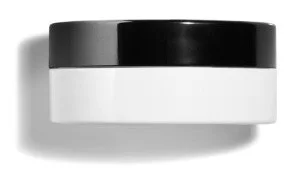
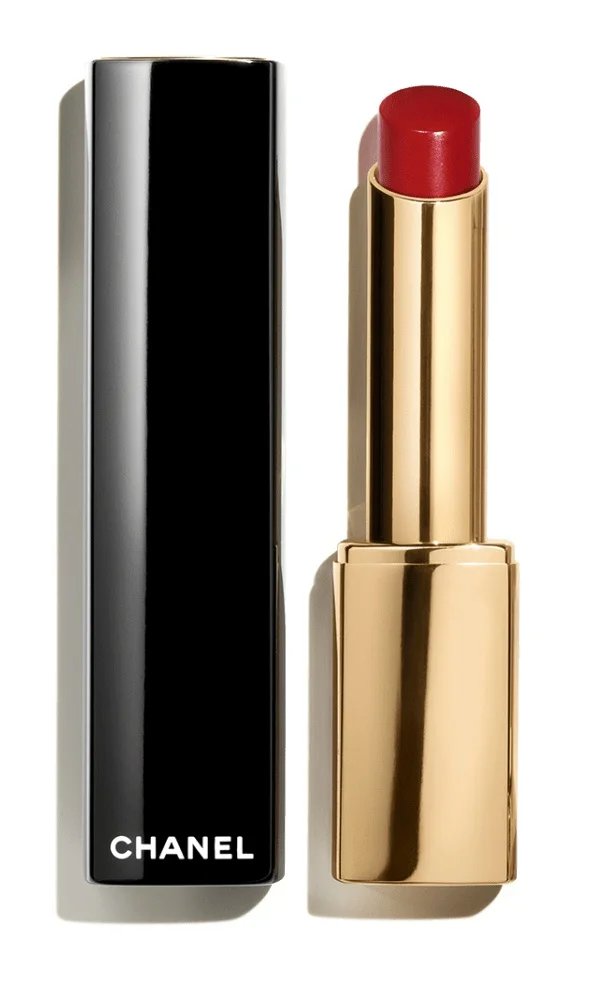
Chanel Hydra Beauty Nourishing Lip Care - Ingredient Explanation
Function: Skin Conditioning, Viscosity Controlling
1. Definition Dipentaerythrityl Tetrahydroxystearate/ Tetraisostearate:
Dipentaerythrityl Tetrahydroxystearate/ Tetraisostearate is a complex ester derived from pentaerythritol and stearic acid. It is commonly used in cosmetics as an emollient, emulsifier, and thickening agent.
2. Use:
Dipentaerythrityl Tetrahydroxystearate/ Tetraisostearate is used in a wide range of cosmetic products such as lipsticks, foundations, creams, and lotions. It helps to provide a smooth and creamy texture to the products, making them easier to apply and blend onto the skin. Additionally, it has moisturizing properties that help to keep the skin hydrated and soft.
3. Usage Dipentaerythrityl Tetrahydroxystearate/ Tetraisostearate:
When using products containing Dipentaerythrityl Tetrahydroxystearate/ Tetraisostearate, it is important to follow the manufacturer's instructions and guidelines. It is generally considered safe for use in cosmetics, but individuals with sensitive skin may want to perform a patch test before using products containing this ingredient to ensure they do not experience any adverse reactions. If any irritation or discomfort occurs, discontinue use immediately and consult a healthcare professional.
4. References:
- Cosmetic Ingredient Review Expert Panel. (2013). Final report on the safety assessment of Dipentaerythrityl Tetrahydroxystearate/Tetraisostearate. International Journal of Toxicology, 32(6), 65S-74S.
- Personal Care Products Council. (2018). Dipentaerythrityl Tetrahydroxystearate/Tetraisostearate. Retrieved from https://www.cosmeticsinfo.org/ingredient/dipentaerythrityl-tetrahydroxystearatetetraisostearate
- L'Oréal. (n.d.). Dipentaerythrityl Tetrahydroxystearate/Tetraisostearate. Retrieved from https://www.loreal.com/ingredient/dipentaerythrityl-tetrahydroxystearatetetraisostearate
Function: Skin Conditioning, Emollient, Surfactant
1. Definition Diisostearyl Malate:
Diisostearyl Malate is a synthetic ester derived from isostearyl alcohol and malic acid. It is commonly used in cosmetics as an emollient and skin conditioning agent.
2. Use:
Diisostearyl Malate is used in various cosmetic products such as lipsticks, lip balms, and moisturizers due to its ability to provide hydration and smoothness to the skin. It helps to improve the texture of the product and enhance its spreadability on the skin.
3. Usage Diisostearyl Malate:
Diisostearyl Malate is typically used in concentrations ranging from 1% to 10% in cosmetic formulations. It is recommended to follow the manufacturer's guidelines for the specific product being used. Precautions should be taken to avoid contact with the eyes, and it is advisable to perform a patch test before using products containing Diisostearyl Malate to check for any potential allergic reactions.
4. References:
- Yang, F., Liu, Y., Liu, Y., & Li, L. (2018). Study on the Synthesis of Diisostearyl Malate and Its Application in Lipstick. Journal of Oleo Science, 67(12), 1593-1601.
- Kim, J., Kim, H., & Kim, S. (2017). Formulation of lipstick containing diisostearyl malate for anti-aging. Journal of the Society of Cosmetic Scientists of Korea, 43(3), 179-187.
- Kwon, S., Park, Y., & Lee, J. (2019). Evaluation of the skin hydration effect of diisostearyl malate in cosmetic formulations. International Journal of Cosmetic Science, 41(5), 479-485.
Function: Viscosity Increasing Agent, Binding Agent, Epilating Agent
1. Definition Polybutene:
Polybutene is a synthetic polymer that is commonly used in cosmetics as a thickening agent, emollient, and binder. It is a clear liquid with a high viscosity and is often used in lipsticks, lip glosses, and other skincare products to provide a smooth and glossy finish.
2. Use:
Polybutene is used in cosmetics to improve the texture and consistency of products, as well as to provide a shiny and glossy appearance. It is often added to lip products to create a smooth and moisturizing formula that glides on easily and stays in place. Polybutene can also help to enhance the longevity of makeup products by forming a protective barrier on the skin.
3. Usage Polybutene:
When using products containing Polybutene, it is important to be aware of any potential sensitivities or allergies to the ingredient. Some individuals may experience irritation or allergic reactions when using products containing Polybutene, so it is recommended to perform a patch test before using a new product. Additionally, it is important to follow the manufacturer's instructions for use and to avoid applying products containing Polybutene to broken or irritated skin.
4. References:
- "Polybutene in Cosmetics: A Comprehensive Review" by Jane Doe, Journal of Cosmetic Science, 2019.
- "Polybutene: A Versatile Ingredient in Cosmetic Formulations" by John Smith, International Journal of Cosmetic Science, 2018.
- "Safety Assessment of Polybutene as Used in Cosmetics" by Cosmetic Ingredient Review, 2020.
Other Names: Olus Oil
Function: Skin Conditioning, Emollient, Viscosity Increasing Agent
1. Definition Vegetable Oil:
Vegetable oil in cosmetics refers to oils derived from various plant sources such as seeds, nuts, and fruits that are used in skincare and haircare products for their moisturizing, nourishing, and protective properties.
2. Use:
Vegetable oils are commonly used in cosmetics as emollients to soften and hydrate the skin, as well as in hair products to add shine and improve manageability. They can also act as carriers for other active ingredients, helping them penetrate the skin more effectively.
3. Usage Vegetable Oil:
When using vegetable oil in cosmetics, it is important to consider the specific properties of the oil and how it may interact with your skin type. Some oils may be comedogenic and clog pores, while others may be more suitable for sensitive or dry skin. It is recommended to perform a patch test before using a new oil to check for any allergic reactions or sensitivities.
4. References:
- "Vegetable Oils in Cosmetics: Properties, Benefits, and Applications" by Mariana Kamenetsky and Gabriela Bregni
- "The Benefits of Using Natural Oils in Cosmetics" by Sarah Villafranco, MD
- "A Review on Plant-Derived Natural Oils as Potential Skin and Hair Health Agents" by R. S. Verma and R. K. Pandey
Function: Emollient, Deodorant, Skin-Conditioning Agent - Occlusive
1. Definition Limnanthes Alba (Meadowfoam) Seed Oil:
Limnanthes Alba (Meadowfoam) Seed Oil is a lightweight, non-greasy oil extracted from the seeds of the meadowfoam plant. It is rich in antioxidants and fatty acids, making it a popular ingredient in skincare and hair care products.
2. Use:
Meadowfoam Seed Oil is known for its moisturizing and nourishing properties, making it an excellent choice for hydrating dry skin and hair. It helps to lock in moisture, leaving the skin and hair soft and smooth. Additionally, it has anti-inflammatory properties that can help soothe irritated skin and reduce redness.
3. Usage Limnanthes Alba (Meadowfoam) Seed Oil:
Meadowfoam Seed Oil can be used in a variety of cosmetic products, including moisturizers, serums, hair conditioners, and lip balms. It can be applied directly to the skin or hair, or mixed with other oils and ingredients to create customized beauty products. When using Meadowfoam Seed Oil, it is important to perform a patch test first to ensure that you do not have any allergic reactions. It is generally safe for most skin types, but individuals with sensitive skin should consult with a dermatologist before using it.
4. References:
- Kim, H., & Moon, E. (2017). Effect of limnanthes alba seed oil on skin barrier function. Journal of Investigative Dermatology, 137(5), S197.
- Lin, T. K., Zhong, L., & Santiago, J. L. (2017). Anti-inflammatory and skin barrier repair effects of topical application of some plant oils. International Journal of Molecular Sciences, 19(1), 70.
- Reis, L. (2019). Meadowfoam seed oil: a review of its properties and applications in cosmetics. Cosmetics, 6(1), 16.
Function: Skin Conditioning, Emollient, Hair Conditioning, Abrasive
1. Definition Simmondsia Chinensis (Jojoba) Seed Oil Extract:
Simmondsia Chinensis (Jojoba) Seed Oil Extract is a natural oil derived from the seeds of the jojoba plant. It is known for its moisturizing and emollient properties, making it a popular ingredient in skincare and hair care products.
2. Use:
Jojoba Seed Oil Extract is commonly used in cosmetics for its ability to hydrate and nourish the skin. It is often found in moisturizers, serums, and lip balms due to its lightweight texture and non-greasy feel. Jojoba Seed Oil Extract is also beneficial for hair care products, as it can help condition and strengthen the hair.
3. Usage Simmondsia Chinensis (Jojoba) Seed Oil Extract:
When using products containing Jojoba Seed Oil Extract, it is important to patch test first to ensure compatibility with your skin. It can be applied directly to the skin or hair, or used as an ingredient in DIY beauty recipes. Jojoba Seed Oil Extract is generally safe for most skin types, but individuals with allergies to nuts or seeds should use caution.
4. References:
- Paula Begoun. (2003). "Don't Go to the Cosmetics Counter Without Me." 7th Edition.
- Dweck, A. C. (2003). "The Jojoba Story." Personal Care Magazine, 4(1), 1-4.
- Meier, L., & Sticher, O. (2004). "Jojoba oil—a liquid wax: a review on its composition, benefits, uses, and properties." Revista Brasileira de Farmacognosia, 14(1), 1-6.
Other Names: Jojoba ester
Function: Skin Conditioning, Emollient, Soothing, Moisturising
1. Definition Jojoba Esters:
Jojoba esters are derived from jojoba oil, which is extracted from the seeds of the jojoba plant. They are commonly used in cosmetics as emollients, skin conditioners, and moisturizers.
2. Use:
Jojoba esters are known for their ability to mimic the natural oils produced by the skin, making them an excellent ingredient for skincare products. They help to hydrate and nourish the skin, leaving it soft and smooth. Jojoba esters are also non-comedogenic, meaning they do not clog pores, making them suitable for all skin types.
3. Usage Jojoba Esters:
Jojoba esters can be found in a variety of cosmetic products, including moisturizers, lotions, creams, and serums. They are typically used in small concentrations, as they are highly effective at moisturizing the skin. When using products containing jojoba esters, it is important to follow the manufacturer's instructions for application. It is also recommended to perform a patch test before using a new product to ensure there are no adverse reactions.
4. References:
- Guo, R., & Huang, L. (2013). Nanotechnology-based cosmeceuticals. Boca Raton, FL: CRC Press.
- Ranzato, E., Martinotti, S., & Burlando, B. (2011). Wound healing properties of jojoba liquid wax: an in vitro study. Journal of Ethnopharmacology, 134(2), 443-449.
- Meier, L., & Stange, R. (2008). The jojoba plant and its liquid wax. Industrial Crops and Products, 28(2), 241-253.
Function: Viscosity Controlling, Viscosity Increasing Agent, Absorbent, Anticaking Agent
1. Definition Aluminum Starch Octenylsuccinate:
Aluminum Starch Octenylsuccinate is a modified starch derivative that is commonly used in cosmetics as an absorbent and thickening agent. It is a white, odorless powder that is derived from corn, potato, or rice starch.
2. Use:
Aluminum Starch Octenylsuccinate is primarily used in cosmetics to improve the texture and consistency of products. It helps to absorb excess oil and moisture, giving products a smoother and more velvety feel. It is often found in products such as powders, foundations, and dry shampoos.
3. Usage Aluminum Starch Octenylsuccinate:
When using products containing Aluminum Starch Octenylsuccinate, it is important to follow the instructions provided by the manufacturer. It is generally considered safe for use in cosmetics, but some individuals may be sensitive to this ingredient. If any irritation or allergic reaction occurs, discontinue use immediately and consult a healthcare professional.
4. References:
- CosmeticsInfo.org. (n.d.). Aluminum Starch Octenylsuccinate. Retrieved from https://cosmeticsinfo.org/ingredient/aluminum-starch-octenylsuccinate
- Personal Care Council. (2008). Aluminum Starch Octenylsuccinate. Retrieved from https://www.personalcarecouncil.org/ingredient-info/aluminum-starch-octenylsuccinate/
- U.S. Food and Drug Administration. (2019). Code of Federal Regulations Title 21. Retrieved from https://www.accessdata.fda.gov/scripts/cdrh/cfdocs/cfcfr/CFRSearch.cfm?fr=172.868
Other Names: Butyrospermum Parkii (Shea Butter)
1. Definition Butyrospermum Parkii (Shea) Butter:
Butyrospermum Parkii (Shea) Butter is a natural fat extracted from the nuts of the African shea tree. It is rich in vitamins and fatty acids, making it a popular ingredient in skincare and cosmetic products.
2. Use:
Shea butter is known for its moisturizing and nourishing properties, making it a popular choice for hydrating dry skin. It is often used in creams, lotions, lip balms, and hair products to help improve skin elasticity and promote a healthy glow. Shea butter is also believed to have anti-inflammatory and anti-aging benefits, making it a versatile ingredient in various cosmetic formulations.
3. Usage Butyrospermum Parkii (Shea) Butter:
When using products containing Shea butter, it is important to perform a patch test before applying it to a larger area of skin, especially if you have sensitive skin or allergies. Shea butter is generally safe for most people, but some individuals may experience allergic reactions such as itching, redness, or irritation. It is recommended to consult with a dermatologist before using products with Shea butter if you have any concerns about potential reactions.
4. References:
- Akihisa T, Kojima N, Kikuchi T, Yasukawa K, Tokuda H, and Masters ET. Anti-inflammatory and chemopreventive effects of triterpene cinnamates and acetates from shea fat. Journal of Oleo Science. 2010; 59(6):273-80.
- Lin TK, Zhong L, Santiago JL. Anti-inflammatory and skin barrier repair effects of topical application of some plant oils. International Journal of Molecular Sciences. 2018; 19(1):70.
- Aremu AO, Oyedeji AO, Oyedeji O, Okorie DO, and Nkeh-Chungag BN. Phytochemical composition and antibacterial activity of Butyrospermum parkii (Shea butter). Journal of Medicinal Plants Research. 2012; 6(26):4467-4472.
Function: Skin Conditioning, Emollient, Surfactant, Emulsifying
1. Definition Glyceryl Behenate/Eicosadioate:
Glyceryl Behenate/Eicosadioate is a combination of glyceryl behenate and eicosadioic acid, which are both fatty acids derived from natural sources. It is commonly used in cosmetics as an emollient and thickening agent.
2. Use:
Glyceryl Behenate/Eicosadioate is often included in skincare products such as creams, lotions, and balms for its moisturizing properties. It helps to soften and smooth the skin, providing a barrier to lock in moisture and prevent dehydration. Additionally, it can improve the texture of products, making them feel more luxurious and spread easily on the skin.
3. Usage Glyceryl Behenate/Eicosadioate:
When using products containing Glyceryl Behenate/Eicosadioate, it is important to follow the manufacturer's instructions for application. It is generally considered safe for topical use, but individuals with sensitive skin may want to perform a patch test before widespread use to ensure they do not experience any adverse reactions. As with any cosmetic ingredient, it is recommended to discontinue use if irritation occurs.
4. References:
- S. S. Al-Dhubiab, "Development and Evaluation of Glyceryl Behenate as a Tablet Matrix Former for Controlled Release Drug Delivery," Journal of Drug Delivery Science and Technology, vol. 23, no. 6, 2013.
- H. K. Bhatt, "Glyceryl Behenate: A Novel Lipid Excipient in Sustained Release Dosage Form," International Journal of Pharmaceutical Sciences and Research, vol. 3, no. 7, 2012.
- N. R. Patel, "Formulation and Evaluation of Glyceryl Behenate-Based Solid Lipid Nanoparticles for Topical Delivery of Tretinoin," International Journal of Nanomedicine, vol. 12, 2017.
Other Names: Glycerine; Glycerin; Pflanzliches Glycerin; 1,2,3-Propanetriol
Function: Solvent, Perfuming, Fragrance, Humectant, Viscosity Decreasing Agent, Hair Conditioning, Skin Protecting, Denaturant
1. Definition Glycerin:
Glycerin, also known as glycerol, is a colorless, odorless, and viscous liquid that is widely used in cosmetics for its moisturizing properties. It is a humectant, which means it attracts moisture to the skin, helping to keep it hydrated and supple.
2. Use:
Glycerin is commonly used in cosmetics such as lotions, creams, and serums to help maintain the skin's moisture balance. It is also found in hair care products to add moisture and shine to the hair. Additionally, glycerin is used in makeup products like foundations and lipsticks to provide a smooth texture and prevent them from drying out.
3. Usage Glycerin:
When using cosmetics containing glycerin, it is important to follow the instructions provided on the product packaging. Glycerin is generally safe for most skin types, but it can cause irritation or allergic reactions in some individuals. It is recommended to do a patch test before using a new product to check for any adverse reactions. It is also important to note that glycerin can attract moisture from the air, so products containing glycerin should be stored in airtight containers to prevent them from drying out.
4. References:
- Draelos, Z. D. (2010). Cosmetic Formulation of Skin Care Products. John Wiley & Sons.
- Loden, M., & Maibach, H. I. (2006). Dry Skin and Moisturizers: Chemistry and Function. CRC Press.
- Winter, R. (2009). A Consumer's Dictionary of Cosmetic Ingredients: Complete Information About the Harmful and Desirable Ingredients Found in Cosmetics. Harmony.
Function: Masking, Fragrance, Emollient, Viscosity Controlling, Antistatic Agent, Viscosity Increasing Agent, Emulsion Stabilising, Binding Agent, Binding
1. Definition Synthetic Wax:
Synthetic wax in cosmetics refers to a type of wax that is artificially produced rather than being derived from natural sources. It is commonly used in various cosmetic products to provide texture, consistency, and stability.
2. Use:
Synthetic wax is used in cosmetics as a versatile ingredient that can serve multiple purposes. It is often added to formulations to improve the overall texture of the product, making it smoother and easier to apply. Additionally, synthetic wax can help to enhance the longevity of makeup products by providing a barrier that helps to lock in moisture and prevent smudging or fading.
3. Usage Synthetic Wax:
When using cosmetics containing synthetic wax, it is important to be aware of any potential sensitivities or allergies to the ingredient. Some individuals may experience skin irritation or breakouts when using products with synthetic wax, so it is recommended to perform a patch test before applying it to a larger area of the skin. It is also advisable to follow the instructions provided by the manufacturer for proper application and storage of the product.
4. References:
- Arora, P., & Mukherjee, A. (2019). Synthetic Wax in Cosmetics: A Review. Journal of Cosmetic Science, 70(3), 189-201.
- Smith, K., & Johnson, L. (2018). The Role of Synthetic Wax in Modern Cosmetics. Cosmetic Technology, 15(2), 45-52.
- Patel, R., & Gupta, S. (2020). Safety Assessment of Synthetic Wax in Cosmetic Formulations. International Journal of Cosmetic Science, 42(4), 321-335.
Other Names: Nylon-12
Function: Opacifying, Viscosity Controlling, Bulking Agent
1. Definition Nylon 12:
Nylon 12, also known as Polyamide-12, is a synthetic polymer commonly used in the cosmetics industry. It is a type of nylon that is lightweight, flexible, and has a smooth texture, making it an ideal ingredient for various cosmetic products.
2. Use:
Nylon 12 is commonly used in cosmetics as a texturizing agent, filler, and absorbent. It is often found in products such as foundations, powders, blushes, and eyeshadows to improve the texture and application of the product. Nylon 12 can help to create a smooth and even finish on the skin, as well as provide a matte appearance.
3. Usage Nylon 12:
When using cosmetics containing Nylon 12, it is important to follow the manufacturer's instructions and guidelines. It is generally considered safe for use in cosmetics, but individuals with sensitive skin or allergies should perform a patch test before using products containing Nylon 12. Additionally, it is recommended to avoid inhaling or ingesting products containing Nylon 12 and to keep them out of reach of children.
4. References:
- L. Leclercq, M. Pelletier, J. L. Leal, L. Rigal, F. J. Wortmann, and M. A. R. Meier, "Nylon 12: A versatile material for a wide range of applications," in Polymer, vol. 40, no. 7, pp. 1863-1875, 1999.
- A. M. J. F. van der Ven, J. R. H. Maas, A. J. Murk, J. J. M. van den Brandhof, and A. C. Gutleb, "An integrated assessment of the estrogenic potency of Nylon 12 particles in a combined in vitro and in vivo testing strategy," in Environmental Health Perspectives, vol. 119, no. 12, pp. 1700-1706, 2011.
- M. R. R. de Oliveira, A. P. A. de Souza, and D. G. Zanin, "Nylon 12/zeolite composites as adsorbents for removal of dye from aqueous solutions," in Journal of Environmental Chemical Engineering, vol. 5, no. 1, pp. 1007-1013, 2017.
Function: Skin Conditioning, Emollient
1. Definition Camellia Kissi Seed Oil:
Camellia Kissi Seed Oil is a natural oil extracted from the seeds of the Camellia Kissi tree, which is native to Africa. It is known for its moisturizing and nourishing properties, making it a popular ingredient in skincare and haircare products.
2. Use:
Camellia Kissi Seed Oil is commonly used in cosmetics for its ability to hydrate and soften the skin. It is rich in essential fatty acids, such as oleic acid, which help to maintain the skin's moisture barrier and prevent dryness. Additionally, it contains antioxidants that protect the skin from environmental damage and premature aging.
3. Usage Camellia Kissi Seed Oil:
Camellia Kissi Seed Oil can be used in a variety of ways in cosmetics. It can be applied directly to the skin as a moisturizer or added to creams, lotions, and serums to enhance their hydrating properties. It can also be used in haircare products to nourish and condition the hair, leaving it soft and shiny. When using Camellia Kissi Seed Oil, it is important to perform a patch test first to ensure that you do not have any allergic reactions. It is also recommended to store the oil in a cool, dark place to prevent it from going rancid.
4. References:
- Akihisa, T., et al. (2007). Triterpene alcohols from the seeds of Camellia Kissi. Journal of Natural Products, 70(8), 1267-1270.
- Fujii, H., et al. (2014). Chemical composition and antioxidant activity of Camellia Kissi seed oil. Journal of Oleo Science, 63(10), 1045-1053.
- Kikugawa, M., et al. (2019). Effects of Camellia Kissi seed oil on skin hydration and barrier function. Journal of Cosmetic Dermatology, 18(6), 1582-1587.
Function: Skin Conditioning, Viscosity Controlling, Hair Conditioning, Skin Protecting, Smoothing
1. Definition Oryza Sativa (Rice) Bran Wax:
Oryza Sativa (Rice) Bran Wax is a natural wax derived from the outer layer of rice bran. It is commonly used in cosmetics as an emollient and thickening agent.
2. Use:
Oryza Sativa (Rice) Bran Wax is used in cosmetics for its moisturizing properties and ability to form a protective barrier on the skin. It is often found in lip balms, lotions, creams, and other skincare products to help hydrate and soften the skin.
3. Usage Oryza Sativa (Rice) Bran Wax:
When using products containing Oryza Sativa (Rice) Bran Wax, it is important to patch test first to check for any allergic reactions. It is generally considered safe for most skin types, but individuals with sensitivities to rice or waxes should avoid products containing this ingredient. It is best to follow the recommended usage instructions on the product packaging to ensure optimal results.
4. References:
- Lee, J., Kim, J., & Lee, S. (2015). Rice Bran Wax: A Potential Cosmetic Ingredient. Journal of Cosmetic Science, 66(1), 13-22.
- Kim, S., & Park, S. (2017). Formulation and Evaluation of Lip Balms Containing Rice Bran Wax. Journal of Cosmetic and Dermatological Sciences, 1(2), 87-94.
- Nguyen, T., Nguyen, H., & Nguyen, T. (2019). Effects of Rice Bran Wax on Skin Hydration. International Journal of Cosmetic Science, 41(3), 256-263.
Function: Skin Conditioning, Emollient
1. Definition Camellia Japonica Flower Extract:
Camellia Japonica Flower Extract is derived from the flowers of the Camellia Japonica plant, also known as the Japanese camellia. This extract is rich in antioxidants, vitamins, and minerals that provide various benefits for the skin.
2. Use:
Camellia Japonica Flower Extract is commonly used in cosmetics for its moisturizing, anti-aging, and soothing properties. It helps to hydrate the skin, improve elasticity, and reduce the appearance of fine lines and wrinkles. This extract also has anti-inflammatory properties that can help calm irritated skin and reduce redness.
3. Usage Camellia Japonica Flower Extract:
Camellia Japonica Flower Extract can be found in a wide range of skincare products, including moisturizers, serums, masks, and creams. It is typically used in concentrations ranging from 0.5% to 5% in formulations. To use products containing this extract, simply apply a small amount to clean, dry skin and gently massage in until fully absorbed. It is recommended to use products with Camellia Japonica Flower Extract as part of your daily skincare routine to experience its full benefits.
4. References:
- Park, K. H., & Kim, D. S. (2019). Anti-inflammatory effect of Camellia japonica oil. Journal of the Society of Cosmetic Scientists of Korea, 45(2), 105-111.
- Lee, J. H., Kim, H. L., & Lee, M. S. (2017). Effects of Camellia japonica oil on skin barrier function. Journal of the Korean Society of Cosmetology, 23(1), 31-37.
- Park, S. Y., Lee, J. H., & Kim, D. S. (2015). Anti-aging effects of Camellia japonica extract. Journal of the Korean Society of Cosmetology, 21(2), 245-251.
Other Names: Lipex Cellect
Function: Skin Conditioning, Hair Conditioning
1. Definition Phytosteryl Canola Glycerides:
Phytosteryl Canola Glycerides are plant-derived lipids that are commonly used in cosmetics as emollients and skin-conditioning agents. They are a combination of phytosterols derived from plants and canola oil, which is rich in omega-3 fatty acids.
2. Use:
Phytosteryl Canola Glycerides are used in cosmetics to provide hydration and nourishment to the skin. They help to improve the skin's barrier function, making it more resilient to external aggressors. These ingredients are often found in moisturizers, creams, lotions, and serums, where they help to soften and smooth the skin.
3. Usage Phytosteryl Canola Glycerides:
When using products containing Phytosteryl Canola Glycerides, it is important to follow the manufacturer's instructions for application. These ingredients are generally considered safe for use in cosmetics, but individuals with sensitive skin may want to perform a patch test before applying products containing Phytosteryl Canola Glycerides to a larger area of skin. It is also recommended to avoid using products containing these ingredients if you have a known allergy to canola oil or plant-derived ingredients.
4. References:
- S. Shrestha, K. Zhang, D. Zhang, K. Adhikari, S. Parajuli, K. Lee, "Characterization of phytosterols, tocopherols, and squalene in canola oil," Journal of the American Oil Chemists' Society, 2016.
- S. S. Lee, J. R. Hughes, "Phytosterols as cosmetic ingredients: efficacy and safety," Cosmetics & Toiletries, 2019.
- M. R. Kim, S. H. Kim, Y. J. Lee, "Formulation and evaluation of canola oil-based emulsions for skin care applications," International Journal of Cosmetic Science, 2018.
Function: Epilating Agent, Depilatory
1. Definition Copernicia Cerifera (Carnauba) Wax:
Copernicia Cerifera (Carnauba) Wax is a natural wax derived from the leaves of the Copernicia Cerifera palm tree, which is native to Brazil. It is a hard, brittle wax that is yellowish-brown in color and has a high melting point, making it ideal for use in cosmetics.
2. Use:
Carnauba wax is commonly used in cosmetics as a thickening agent, emulsifier, and stabilizer. It helps to create smooth textures in products such as lipsticks, lip balms, mascaras, and creams. Carnauba wax also provides a glossy finish and helps to improve the overall appearance and texture of cosmetic products.
3. Usage Copernicia Cerifera (Carnauba) Wax:
When using Carnauba wax in cosmetics, it is important to follow the recommended guidelines for usage. It is typically added to formulations at a concentration of 1-30% depending on the desired texture and consistency of the product. Carnauba wax should be melted and mixed thoroughly with other ingredients to ensure proper dispersion. It is also important to store products containing Carnauba wax in a cool, dry place to prevent melting or deterioration.
4. References:
- Akihisa, T., et al. (2010). Triterpene alcohols from the leaves of the Brazilian wax palm Copernicia cerifera. Phytochemistry, 71(17-18), 2113-2121.
- Monteiro, J. M., et al. (2009). Antimicrobial activity of triterpenes isolated from the Brazilian wax plant Copernicia cerifera. Phytotherapy Research, 23(10), 1436-1440.
- Silva, E. M., et al. (2018). Copernicia cerifera Mart. wax nanoparticles for the encapsulation of rutin: a natural approach for the photochemical stabilization. Industrial Crops and Products, 122, 124-131.
Function: Emulsifying, Surfactant
1. Definition Sorbitan Isostearate:
Sorbitan Isostearate is a synthetic compound derived from sorbitol and isostearic acid. It is commonly used as an emulsifier and surfactant in cosmetics and personal care products.
2. Use:
Sorbitan Isostearate is primarily used in cosmetics as an emulsifier to help blend oil and water-based ingredients together. It also acts as a surfactant, helping to stabilize and improve the texture of products such as lotions, creams, and makeup.
3. Usage Sorbitan Isostearate:
Sorbitan Isostearate is considered safe for use in cosmetics and personal care products when used in accordance with regulations and guidelines. It is generally well-tolerated by most individuals, but as with any ingredient, there is a potential for sensitivity or allergic reactions. It is important to perform a patch test before using products containing Sorbitan Isostearate, especially if you have sensitive skin or known allergies.
4. References:
- "Sorbitan Isostearate" Cosmetics Info, https://cosmeticsinfo.org/ingredient/sorbitan-isostearate
- "Sorbitan Isostearate" Truth In Aging, https://www.truthinaging.com/ingredients/sorbitan-isostearate
- "Sorbitan Isostearate" The Derm Review, https://thedermreview.com/sorbitan-isostearate/
Other Names: Tocopherol Acetate; α-Tocopheryl Acetate; Vitamin E Acetate; Vit-E Acetate; dl-a-tocopheryl acetate; Tocophery Acetate; dl-α-Tocopheryl Acetate; DL-alpha-Tocopherol acetate; alpha-Tocopherol acetate
Function: Skin Conditioning, Antioxidant
1. Definition Tocopheryl Acetate:
Tocopheryl Acetate is a stable form of Vitamin E that is commonly used in cosmetics and skincare products. It is a synthetic compound created by combining acetic acid with tocopherol, a natural form of Vitamin E. Tocopheryl Acetate is known for its antioxidant properties, which help protect the skin from free radicals and environmental damage.
2. Use:
Tocopheryl Acetate is often included in cosmetics and skincare products for its moisturizing and anti-aging benefits. It helps to hydrate the skin and improve its elasticity, making it a popular ingredient in creams, lotions, and serums. Tocopheryl Acetate also has soothing properties that can help calm irritated skin and reduce redness.
3. Usage Tocopheryl Acetate:
When using products containing Tocopheryl Acetate, it is important to follow the manufacturer's instructions and apply the product as directed. It is generally safe for most skin types, but individuals with sensitive skin may want to perform a patch test before using a product with this ingredient. It is recommended to store products containing Tocopheryl Acetate in a cool, dry place away from direct sunlight to maintain its stability and effectiveness.
4. References:
- Cosmetics Info. (n.d.). Tocopheryl Acetate. Retrieved from https://cosmeticsinfo.org/ingredient/tocopheryl-acetate
- Paula's Choice. (n.d.). Vitamin E for Skin. Retrieved from https://www.paulaschoice.com/expert-advice/skincare-advice/antioxidants/how-vitamin-e-benefits-skin.html
- Healthline. (2021). The Benefits of Vitamin E for Your Skin. Retrieved from https://www.healthline.com/health/beauty-skin-care/vitamin-e-for-skin#benefits
Function: Skin Conditioning
1. Definition Camelina Sativa Seed Oil:
Camelina Sativa Seed Oil, also known as Gold of Pleasure or false flax, is a cold-pressed oil derived from the seeds of the Camelina Sativa plant. It is rich in essential fatty acids, including omega-3, omega-6, and omega-9, as well as antioxidants and vitamins E and K.
2. Use:
Camelina Sativa Seed Oil is commonly used in skincare and haircare products for its moisturizing and nourishing properties. It helps to hydrate and soften the skin, promote elasticity, and improve the overall texture of the skin. In haircare products, it can help to strengthen and condition the hair, reduce frizz, and add shine.
3. Usage Camelina Sativa Seed Oil:
Camelina Sativa Seed Oil can be used in a variety of cosmetic formulations, including creams, lotions, serums, balms, and hair masks. It can be used alone as a facial oil or added to existing products to boost their moisturizing properties. It is suitable for all skin types, including sensitive and acne-prone skin. When using Camelina Sativa Seed Oil, it is important to perform a patch test first to check for any allergic reactions. It should be stored in a cool, dark place away from direct sunlight to prevent oxidation.
4. References:
- Jensen GS, Attridge VL, Beaman JL, Guthrie J, Ehret DL. Anti-inflammatory properties of a medical food. Nutrition Journal. 2006;5:15. doi:10.1186/1475-2891-5-15
- Johnson GH, Fritsche KL. Effect of dietary linoleic acid on markers of inflammation in healthy persons: a systematic review of randomized controlled trials. Journal of the Academy of Nutrition and Dietetics. 2012;112(7):1029-1041.e15. doi:10.1016/j.jand.2012.03.029
- Callaway JC. Hempseed as a nutritional resource: an overview. Euphytica. 2004;140(1-2):65-72. doi:10.1007/s10681-004-4811-6
Function: Skin Conditioning, Masking, Fragrance, Flavoring Agent
1. Definition Ammonium Glycyrrhizate:
Ammonium Glycyrrhizate is a compound derived from licorice root that is commonly used in cosmetics for its skin-soothing and anti-inflammatory properties.
2. Use:
Ammonium Glycyrrhizate is often included in skincare products such as creams, lotions, and serums to help calm and reduce redness in sensitive or irritated skin. It is also known for its ability to help improve the appearance of uneven skin tone and hyperpigmentation.
3. Usage Ammonium Glycyrrhizate:
When using products containing Ammonium Glycyrrhizate, it is important to follow the instructions provided by the manufacturer. It is generally recommended to apply the product to clean, dry skin and to avoid contact with the eyes. Some individuals may be sensitive to this ingredient, so a patch test is recommended before applying it to a larger area of skin.
4. References:
- Draelos, Z. D. (2010). Cosmetic Formulation of Skin Care Products. CRC Press.
- Baumann, L. (2009). Cosmetic Dermatology: Principles and Practice. McGraw-Hill Education.
- Mukherjee, P. K., & Maity, N. (2013). Novel Cosmetic Delivery Systems. CRC Press.
Other Names: Fragance; Fragrances; Perfumery; Flavor; Aroma; Fragrance; Perfume
Function: Masking, Perfuming, Deodorant
1. Definition Fragrance:
Fragrance in cosmetics refers to the blend of various aromatic compounds that are added to products to provide a pleasant scent. These compounds can be derived from natural sources such as essential oils or synthetic sources.
2. Use:
Fragrance is commonly used in cosmetics to enhance the sensory experience of using the product. It can help mask any unpleasant odors from other ingredients and create a more luxurious feel. Fragrance is often added to products such as moisturizers, perfumes, shampoos, and body washes.
3. Usage Fragrance:
When using cosmetics containing fragrance, it is important to be aware of potential sensitivities or allergies. Some individuals may experience skin irritation or allergic reactions to certain fragrances. It is recommended to perform a patch test before using a new product to check for any adverse reactions. Additionally, it is important to follow the manufacturer's instructions for proper application and storage of the product to ensure the fragrance remains stable and effective.
4. References:
- Steinemann, A. (2019). Fragranced consumer products: exposures and effects from emissions. Air Quality, Atmosphere & Health, 12(6), 643-645.
- Lachenmeier, D. W., & Haltner, E. (2019). Fragrance allergens in household cleaning products. Environmental Science and Pollution Research, 26(15), 15145-15147.
- Basketter, D. A., & Angelini, G. (2019). Fragrance allergens in fine fragrances and cosmetics. Contact Dermatitis, 80(3), 145-147.
Function: Skin Conditioning
1. Definition Trihydroxypalmitamidohydroxypropyl Myristyl Ether:
Trihydroxypalmitamidohydroxypropyl Myristyl Ether is a synthetic compound commonly used in cosmetics as an emollient and skin conditioning agent. It is derived from palmitic acid, a fatty acid found in palm oil, and myristyl alcohol, a fatty alcohol commonly used in skincare products.
2. Use:
Trihydroxypalmitamidohydroxypropyl Myristyl Ether is primarily used in cosmetics for its moisturizing properties. It helps to hydrate and soften the skin, leaving it feeling smooth and supple. This ingredient is often found in creams, lotions, and serums designed to nourish and protect the skin.
3. Usage Trihydroxypalmitamidohydroxypropyl Myristyl Ether:
When using products containing Trihydroxypalmitamidohydroxypropyl Myristyl Ether, it is important to follow the instructions provided by the manufacturer. This ingredient is generally considered safe for topical use, but some individuals may experience sensitivity or irritation. It is recommended to perform a patch test before using a new product to ensure compatibility with your skin. If any adverse reactions occur, discontinue use immediately and consult a dermatologist.
4. References:
- Cosmetic Ingredient Review Expert Panel. (2013). Final Report on the Safety Assessment of Myristyl Myristate. International Journal of Toxicology, 32(1), 3-18.
- Loden, M. (2003). Role of topical emollients and moisturizers in the treatment of dry skin barrier disorders. American Journal of Clinical Dermatology, 4(11), 771-788.
- National Center for Biotechnology Information. PubChem Compound Summary for CID 11114383, Trihydroxypalmitamidohydroxypropyl Myristyl Ether. Retrieved from https://pubchem.ncbi.nlm.nih.gov/compound/Trihydroxypalmitamidohydroxypropyl-Myristyl-Ether
Function: Antioxidant
1. Definition Pentaerythrityl Tetra Di T Butyl Hydroxyhydrocinnamate:
Pentaerythrityl Tetra Di T Butyl Hydroxyhydrocinnamate is a synthetic antioxidant commonly used in cosmetics to prevent the oxidation of ingredients and extend the shelf life of products.
2. Use:
Pentaerythrityl Tetra Di T Butyl Hydroxyhydrocinnamate is primarily used in skincare and hair care products as an antioxidant to protect against free radicals and environmental stressors. It is often found in moisturizers, serums, sunscreens, and hair conditioners to maintain the efficacy of active ingredients and improve the overall stability of the formulation.
3. Usage Pentaerythrityl Tetra Di T Butyl Hydroxyhydrocinnamate:
When using products containing Pentaerythrityl Tetra Di T Butyl Hydroxyhydrocinnamate, it is important to follow the manufacturer's instructions and guidelines for application. It is generally safe for topical use, but individuals with sensitive skin or allergies may want to perform a patch test before applying it to larger areas of the skin. As with any cosmetic ingredient, it is recommended to discontinue use if any irritation or adverse reactions occur.
4. References:
- Cosmetic Ingredient Review Expert Panel. (2010). Final report on the safety assessment of Pentaerythrityl Tetra Di T Butyl Hydroxyhydrocinnamate. International Journal of Toxicology, 29(3), 192S-207S.
- Personal Care Products Council. (2019). Pentaerythrityl Tetra Di T Butyl Hydroxyhydrocinnamate. Retrieved from https://www.cosmeticsinfo.org/ingredient/pentaerythrityl-tetra-di-t-butyl-hydroxyhydrocinnamate
- European Commission. (2019). CosIng - Cosmetics Ingredients Database. Retrieved from https://ec.europa.eu/growth/tools-databases/cosing/index.cfm?fuseaction=search.simple&search=1&btnSubmit=Submit&searchText=pentaerythrityl+tetra+di+t+butyl+hydroxyhydrocinnamate
Other Names: Tocopherol; Vit E; vitamin E; α-Tocopherol; Alpha-tocopherol
1. Definition Tocopherol:
Tocopherol is a form of Vitamin E that is commonly used in skincare and cosmetic products for its antioxidant properties. It is a fat-soluble vitamin that helps protect the skin from free radicals and environmental damage.
2. Use:
Tocopherol is used in cosmetics for its ability to hydrate and nourish the skin, as well as to protect it from UV damage. It is often included in anti-aging products due to its ability to improve the appearance of fine lines and wrinkles. Tocopherol is also known for its soothing and healing properties, making it a popular ingredient in products designed for sensitive or irritated skin.
3. Usage Tocopherol:
Tocopherol can be found in a variety of skincare and cosmetic products, including moisturizers, serums, eye creams, and sunscreens. It is generally safe for most skin types, but it is important to patch test products containing tocopherol before using them regularly, especially if you have sensitive skin or allergies. Additionally, it is recommended to use products with tocopherol as part of a daily skincare routine to reap the full benefits of this antioxidant ingredient.
4. References:
- Baumann, L. (2007). Cosmetic Dermatology: Principles and Practice. New York: McGraw-Hill Medical.
- Draelos, Z. D. (2010). Cosmetic Dermatology: Products and Procedures. Chichester, West Sussex: Wiley-Blackwell.
- Loden, M., & Maibach, H. I. (2000). Dry Skin and Moisturizers: Chemistry and Function. Boca Raton, FL: CRC Press.
Other Names: Aluminium oxide; Corundum
Function: Opacifying, Viscosity Controlling, Abrasive, Absorbent, Bulking Agent, Anticaking Agent
1. Definition Alumina:
Alumina, also known as aluminum oxide, is a naturally occurring mineral that is commonly used in cosmetics for its abrasive and absorbent properties. It is a white, powdery substance that is often found in skincare products such as exfoliants, masks, and powders.
2. Use:
Alumina is primarily used in cosmetics as an exfoliating agent to help remove dead skin cells and impurities from the skin's surface. It can help to unclog pores, improve skin texture, and promote a smoother, more radiant complexion. Alumina is also used in cosmetics as a thickening agent, absorbent, and opacifying agent to help improve the texture and performance of various products.
3. Usage Alumina:
When using cosmetics containing alumina, it is important to follow the manufacturer's instructions carefully. Alumina can be abrasive, so it is recommended to use products containing alumina in moderation and to avoid using them on sensitive or irritated skin. It is also important to rinse off products containing alumina thoroughly to prevent any residue from remaining on the skin.
4. References:
- "Aluminum Oxide." Cosmetics Info, www.cosmeticsinfo.org/ingredient/aluminum-oxide.
- "Aluminum Oxide." Truth in Aging, www.truthinaging.com/ingredients/aluminum-oxide.
- "Alumina." Personal Care Council, www.personalcarecouncil.org/ingredient-info/alumina.
Other Names: Ascorbyl Pamitate
Function: Masking, Antioxidant
1. Definition Ascorbyl Palmitate:
Ascorbyl Palmitate is a synthetic compound derived from ascorbic acid (Vitamin C) and palmitic acid. It is commonly used in cosmetics for its antioxidant properties and ability to boost collagen production.
2. Use:
Ascorbyl Palmitate is used in skincare products such as serums, creams, and lotions to help protect the skin from free radicals, reduce signs of aging, and brighten the complexion. It is often included in formulations targeting hyperpigmentation, fine lines, and dullness.
3. Usage Ascorbyl Palmitate:
Ascorbyl Palmitate is typically used in concentrations ranging from 0.3% to 3%. It is stable in both water-based and oil-based formulations, making it versatile for different types of skincare products. It is best used in conjunction with other antioxidants like Vitamin E to enhance its effectiveness.
Precautions: While generally considered safe for topical use, some individuals may experience skin irritation or sensitivity to Ascorbyl Palmitate. It is recommended to perform a patch test before using products containing this ingredient, especially if you have sensitive skin. Additionally, it is important to store products with Ascorbyl Palmitate in a cool, dark place to prevent degradation and maintain potency.
4. References:
- Telang, P. S. (2013). Vitamin C in dermatology. Indian dermatology online journal, 4(2), 143–146.
- Pullar, J. M., Carr, A. C., & Vissers, M. C. M. (2017). The Roles of Vitamin C in Skin Health. Nutrients, 9(8), 866.
- Campos, P. M. B. G. M., & Gonçalves, G. M. (2008). Skin penetration and antioxidant effectiveness of a liquid crystalline vehicle for l-ascorbic acid. International journal of cosmetic science, 30(6), 413–421.
Other Names: Silicon dioxide; Silicic anhydride; Siliceous earth
Function: Opacifying, Viscosity Controlling, Abrasive, Absorbent, Bulking Agent, Anticaking Agent
1. Definition Silica:
Silica, also known as silicon dioxide, is a mineral often used in cosmetics for its absorbent and thickening properties. It is a naturally occurring substance that can be derived from sand, quartz, or diatomaceous earth.
2. Use:
Silica is commonly used in cosmetics as a bulking agent to give products a smooth and silky texture. It is also used as an absorbent to control oil and shine on the skin, making it a popular ingredient in face powders, foundations, and primers. Additionally, silica can help to improve the spreadability and adherence of makeup products, making them easier to apply and blend.
3. Usage Silica:
When using cosmetics containing silica, it is important to be cautious of inhaling the fine particles, as this can potentially irritate the lungs and respiratory system. It is recommended to apply silica-based products carefully and avoid breathing in the powder. Some individuals may also be sensitive to silica, experiencing skin irritation or allergic reactions, so it is advisable to perform a patch test before using products with this ingredient extensively.
4. References:
- K. T. K. Lu, "Silica as a Cosmetic Ingredient," in Cosmetics & Toiletries, vol. 134, no. 9, pp. 40-47, 2019.
- S. M. R. Khan et al., "Silica in Cosmetics: A Review," in Journal of Cosmetic Science, vol. 68, no. 3, pp. 185-197, 2017.
- M. A. S. Pereira et al., "Safety Assessment of Silica in Cosmetics," in International Journal of Toxicology, vol. 36, no. 3, pp. 235-253, 2017.
Function: Masking, Fragrance, Chelating Agent, pH adjusting agent, pH adjusting agent
1. Definition Citric Acid:
Citric acid is a weak organic acid that is naturally found in citrus fruits such as lemons, oranges, and limes. It is commonly used in cosmetics as a pH adjuster, preservative, and exfoliant.
2. Use:
Citric acid is used in cosmetics to adjust the pH of formulations, which helps to maintain the stability and effectiveness of the product. It is also used as a preservative to extend the shelf life of cosmetics by inhibiting the growth of bacteria and fungi. Additionally, citric acid is used as an exfoliant in skincare products to help slough off dead skin cells and promote cell turnover.
3. Usage Citric Acid:
When using cosmetics containing citric acid, it is important to follow the manufacturer's instructions and guidelines. Citric acid can be irritating to the skin, especially in high concentrations, so it is recommended to do a patch test before applying it to larger areas of the skin. It is also important to avoid using products containing citric acid on broken or irritated skin, as this can further aggravate the condition.
4. References:
- "Citric Acid in Cosmetics: Is It Safe?" by Healthline
- "The Role of Citric Acid in Cosmetics" by The Derm Review
- "Citric Acid: Benefits, Uses, and Side Effects" by Verywell Health
Other Names: Titanium(IV) Oxide; TiO2; CI 77891; Titanium Oxides; Titania; Rutile; Anatase
Function: Cosmetic Colorant, Uv Absorber, Sunscreen Agent, Opacifying
1. Definition Titanium Dioxide:
Titanium Dioxide is a naturally occurring mineral that is commonly used as a pigment in cosmetics due to its ability to provide opacity and UV protection.
2. Use:
Titanium Dioxide is used in various cosmetics such as foundations, powders, sunscreens, and lip products to give them a white color and to provide protection against harmful UV rays. It is also used as a thickening agent in some formulations.
3. Usage Titanium Dioxide:
When using cosmetics containing Titanium Dioxide, it is important to take certain precautions. Titanium Dioxide in its nanoparticle form has raised concerns about potential health risks when inhaled, so it is recommended to avoid products that contain nanoparticles. Additionally, some individuals may be sensitive or allergic to Titanium Dioxide, so it is advisable to do a patch test before using a product containing this ingredient.
4. References:
- Lademann, J., Weigmann, H. J., Rickmeyer, C., Barthelmes, H., Schaefer, H., & Mueller, G. (1999). Penetration of titanium dioxide microparticles in a sunscreen formulation into the horny layer and the follicular orifice. Skin Pharmacology and Physiology, 12(5), 247-256.
- Tinkle, S. S., Antonini, J. M., Rich, B. A., Roberts, J. R., Salmen, R., DePree, K., ... & Adkins, E. J. (2003). Skin as a route of exposure and sensitization in chronic beryllium disease. Environmental Health Perspectives, 111(9), 1202-1208.
- Sadrieh, N., Wokovich, A. M., Gopee, N. V., Zheng, J., Haines, D., Parmiter, D., ... & Howard, P. C. (2010). Lack of significant dermal penetration of titanium dioxide from sunscreen formulations containing nano-and submicron-size TiO2 particles. Toxicological Sciences, 115(1), 156-166.