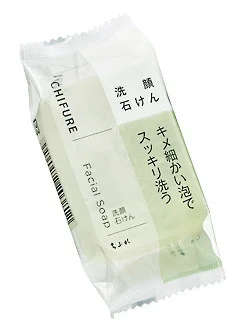
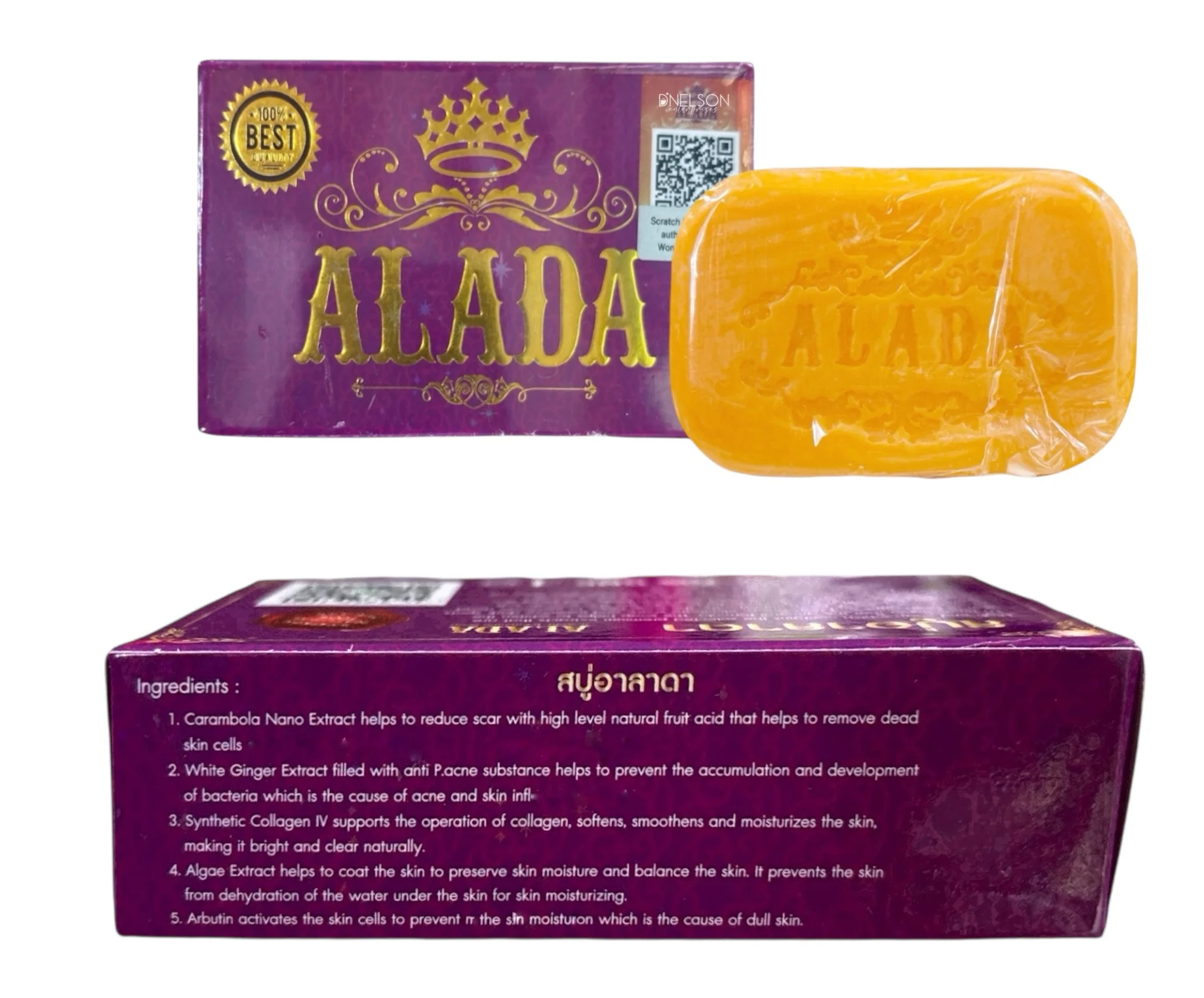
Chifure Face Soap (unmilled) - Ingredient Explanation
Other Names: Aqua; H2O; Eau; Aqueous; Acqua
Function: Solvent
1. Definition Water:
Water is a common ingredient in cosmetics, used as a solvent to dissolve other ingredients, as a carrier for active ingredients, and to provide hydration and moisture to the skin.
2. Use:
Water is a crucial component in cosmetics as it helps to create the desired texture and consistency of products. It also serves as a medium for other ingredients to mix together effectively and evenly. Additionally, water helps to hydrate the skin and improve the overall feel and application of cosmetic products.
3. Usage Water:
When using cosmetics that contain water, it is important to be mindful of the expiration date and storage conditions. Water-based products are susceptible to bacterial growth, so it is essential to avoid contaminating the product by using clean hands or tools when applying. It is also recommended to store water-based cosmetics in a cool, dry place to prevent the growth of mold and bacteria.
4. References:
- Draelos, Z. D. (2010). Cosmetic dermatology: products and procedures. John Wiley & Sons.
- Winter, R. (2009). A consumer's dictionary of cosmetic ingredients: complete information about the harmful and desirable ingredients found in cosmetics and cosmeceuticals. Crown.
- Begoun, P. (2003). Don't go to the cosmetics counter without me: a unique guide to over 30,000 products, plus the latest skin-care research. Beginning Press.
Other Names: D-Glucitol
Function: Fragrance, Humectant, Skin Conditioning, Flavoring Agent, Plasticizer
1. Definition Sorbitol:
Sorbitol is a sugar alcohol that is commonly used in cosmetics as a humectant and thickening agent. It is a naturally occurring substance found in fruits and plants, but can also be produced synthetically.
2. Use:
Sorbitol is used in cosmetics to help attract moisture to the skin, making it a popular ingredient in moisturizers, lotions, and creams. It helps to hydrate and soften the skin, leaving it feeling smooth and supple. Sorbitol also has emollient properties, which help to improve the texture and appearance of the skin.
3. Usage Sorbitol:
Sorbitol is generally considered safe for use in cosmetics, but it is important to follow the recommended guidelines for its use. It is typically used in concentrations of up to 10% in skincare products. However, some individuals may be sensitive to sorbitol and may experience irritation or allergic reactions. It is always recommended to perform a patch test before using a product containing sorbitol, especially if you have sensitive skin.
4. References:
- National Center for Biotechnology Information. PubChem Compound Summary for CID 5780, Sorbitol. https://pubchem.ncbi.nlm.nih.gov/compound/Sorbitol
- Cosmetics Info. Sorbitol. https://www.cosmeticsinfo.org/ingredient/sorbitol
- Personal Care Council. Sorbitol. https://www.personalcarecouncil.org/ingredient-info/sorbitol
Other Names: Saccarose
Function: Humectant, Skin Conditioning, Soothing, Flavoring Agent
1. Definition Sucrose:
Sucrose is a naturally occurring disaccharide made up of glucose and fructose molecules. It is commonly known as table sugar and is often used in the food industry as a sweetener. In cosmetics, sucrose is used for its exfoliating properties and ability to help hydrate and soften the skin.
2. Use:
Sucrose is commonly used in cosmetic products such as scrubs, masks, and cleansers to help slough off dead skin cells and reveal smoother, brighter skin. Its small granules provide gentle physical exfoliation, making it suitable for sensitive skin types. Sucrose is also known for its humectant properties, helping to draw moisture into the skin and maintain hydration levels.
3. Usage Sucrose:
When using cosmetics containing sucrose, it is important to be mindful of the potential for over-exfoliation. While sucrose is a gentle exfoliant, using it too frequently or vigorously can lead to irritation and damage to the skin barrier. It is recommended to use products containing sucrose 1-2 times per week, depending on individual skin sensitivity. Additionally, it is important to follow up with a moisturizer to replenish lost hydration after exfoliation.
4. References:
- Draelos, Z. D. (2010). Cosmetic Formulation of Skin Care Products. CRC Press.
- Loden, M., & Maibach, H. I. (2000). Dry Skin and Moisturizers: Chemistry and Function. CRC Press.
- Winter, R. (2009). A Consumer's Dictionary of Cosmetic Ingredients. Crown.
Function: Surfactant, Emulsifying, Cleansing
1. Definition Sodium Myristate:
Sodium Myristate is a sodium salt of myristic acid, which is a saturated fatty acid commonly found in coconut oil and palm kernel oil. It is used in cosmetics as an emulsifier, surfactant, and cleansing agent.
2. Use:
Sodium Myristate is used in cosmetics for its ability to help ingredients mix together, stabilize formulations, and create a smooth texture. It is commonly found in creams, lotions, and cleansers to improve the spreadability and texture of the product.
3. Usage Sodium Myristate:
When using products containing Sodium Myristate, it is important to follow the instructions on the product label. Avoid getting the product in your eyes, and if irritation occurs, discontinue use. It is also recommended to perform a patch test before using a product containing Sodium Myristate to check for any allergic reactions.
4. References:
- "Sodium Myristate." Cosmetics Info, www.cosmeticsinfo.org/ingredient/sodium-myristate.
- "Myristic Acid and Its Sodium Salt." Personal Care Magazine, www.personalcaremagazine.com/story/14342/myristic-acid-and-its-sodium-salt.
- "Myristic Acid." Truth In Aging, www.truthinaging.com/ingredients/myristic-acid.
Function: Surfactant, Emulsifying, Cleansing
1. Definition Sodium Laurate:
Sodium Laurate is a sodium salt derived from lauric acid, which is a saturated fatty acid commonly found in coconut oil and palm kernel oil. It is often used as a surfactant in cosmetics and personal care products due to its cleansing and emulsifying properties.
2. Use:
Sodium Laurate is commonly used in skincare products such as cleansers, soaps, and shampoos as a surfactant. It helps to remove dirt, oil, and impurities from the skin and hair by reducing the surface tension of water and allowing it to mix with oil and dirt, making it easier to rinse away.
3. Usage Sodium Laurate:
When using products containing Sodium Laurate, it is important to follow the manufacturer's instructions and guidelines for use. It is generally considered safe for topical use in cosmetics, but some individuals with sensitive skin may experience irritation or allergic reactions. It is recommended to perform a patch test before using products containing Sodium Laurate to check for any adverse reactions.
4. References:
- "Sodium Laurate." Cosmetics Info, www.cosmeticsinfo.org/ingredient/sodium-laurate.
- "Sodium Laureth Sulfate." Environmental Working Group, www.ewg.org/skindeep/ingredients/706089-SODIUM_LAURATE/.
- "Sodium Lauryl Sulfate: What Is It and Why Is It in My Shampoo?" Healthline, www.healthline.com/health/sodium-lauryl-sulfate#what-it-is.
Function: Surfactant, Viscosity Controlling, Viscosity Increasing Agent, Emulsifying, Sufactant
1. Definition Sodium Palmitate:
Sodium Palmitate is the sodium salt of palmitic acid, a saturated fatty acid commonly found in palm oil and animal fats. It is often used as a surfactant and emulsifying agent in cosmetic products.
2. Use:
Sodium Palmitate is used in cosmetics as a cleansing agent and emulsifier. It helps to remove dirt and oil from the skin by allowing them to be rinsed away with water. It also helps to stabilize and thicken the formulation of cosmetic products.
3. Usage Sodium Palmitate:
Sodium Palmitate is commonly found in soaps, cleansers, and other skincare products. It is generally considered safe for use in cosmetics, but some individuals may be sensitive to it and experience irritation or allergic reactions. It is important to patch test products containing Sodium Palmitate before regular use to ensure compatibility with your skin.
4. References:
- "Sodium Palmitate." Cosmetics Info, www.cosmeticsinfo.org/ingredient/sodium-palmitate.
- "Palmitic Acid." Paula's Choice Skincare Ingredient Dictionary, www.paulaschoice.com/ingredient-dictionary/skin-soothing/palmitic-acid.
- "Safety Assessment of Fatty Acid Salts as Used in Cosmetics." Cosmetic Ingredient Review, www.cir-safety.org/sites/default/files/fatty_acid_salts.pdf.
Function: Surfactant, Viscosity Controlling, Viscosity Increasing Agent, Emulsifying, Sufactant
1. Definition Sodium Stearate:
Sodium Stearate is a sodium salt of stearic acid, which is a fatty acid commonly found in animal and vegetable fats. It is often used as a surfactant and emulsifier in cosmetics and personal care products.
2. Use:
Sodium Stearate is used in cosmetics as a cleansing agent, emulsifier, and stabilizer. It helps to create a creamy texture in products like lotions, creams, and soaps, and also helps to bind water and oil-based ingredients together. Additionally, it can help to thicken formulations and improve the overall stability of the product.
3. Usage Sodium Stearate:
When using Sodium Stearate in cosmetics, it is important to follow the recommended guidelines and usage levels provided by the manufacturer. It is generally considered safe for use in cosmetics, but some individuals may be sensitive to this ingredient and may experience skin irritation or allergic reactions. It is recommended to perform a patch test before using products containing Sodium Stearate, especially if you have sensitive skin.
4. References:
- Cosmetic Ingredient Review Expert Panel. (2014). Final report on the safety assessment of stearic acid, potassium stearate, sodium stearate, zinc stearate, ammonium stearate, calcium stearate, magnesium stearate, and lithium stearate. International Journal of Toxicology, 33(1), 34S-45S.
- Personal Care Council. (2019). Sodium Stearate. Retrieved from https://www.personalcarecouncil.org/ingredient-info/ingredient-detail/sodium-stearate
- U.S. Food and Drug Administration. (2020). Code of Federal Regulations Title 21. Retrieved from https://www.accessdata.fda.gov/scripts/cdrh/cfdocs/cfcfr/CFRSearch.cfm?fr=182.8254
Other Names: 1,3 Butylene Glycol; Butane-1,3-diol; Butylene Alcohol; Butanediol; 1,3-Butandiol; 1,3-Butanediol; 1,3-Dihydroxybutane
Function: Solvent, Masking, Fragrance, Humectant, Skin Conditioning, Viscosity Controlling, Viscosity decreasing agents
1. Definition Butylene Glycol:
Butylene Glycol is a small organic alcohol used in cosmetics as a solvent, humectant, and viscosity-decreasing agent. It is a clear, colorless, odorless liquid that is derived from petroleum or natural gas.
2. Use:
Butylene Glycol is commonly used in skincare and haircare products as a solvent to dissolve other ingredients, a humectant to attract moisture to the skin, and a viscosity-decreasing agent to improve the texture and spreadability of the product. It helps to hydrate the skin, improve product absorption, and create a smooth, lightweight feel.
3. Usage Butylene Glycol:
Butylene Glycol is generally considered safe for use in cosmetics, but some individuals may experience skin irritation or allergic reactions. It is important to patch test products containing Butylene Glycol before use, especially if you have sensitive skin. Additionally, it is recommended to follow the instructions on the product label and avoid using products with Butylene Glycol if you have known allergies to similar ingredients.
4. References:
- Cosmetic Ingredient Review Expert Panel. (2001). Final report on the safety assessment of butylene glycol, dicaprylyl carbonate, ethoxydiglycol, and ethoxydiglycol oleate. International Journal of Toxicology, 20(Suppl 4), 61-75.
- National Center for Biotechnology Information. PubChem Compound Summary for CID 24856, Butylene Glycol. Retrieved from https://pubchem.ncbi.nlm.nih.gov/compound/Butylene-glycol
- Personal Care Products Council. (2017). Butylene Glycol. Retrieved from https://www.cosmeticsinfo.org/ingredient/butylene-glycol
Function: Surfactant, Emulsifying, Sufactant
1. Definition Potassium Myristate:
Potassium Myristate is a potassium salt of myristic acid, a saturated fatty acid commonly found in coconut oil and palm kernel oil. It is used as an emulsifier and surfactant in cosmetics and personal care products.
2. Use:
Potassium Myristate is primarily used in cosmetics as a surfactant to help ingredients mix together and create stable emulsions. It can also act as a cleansing agent, helping to remove dirt and oil from the skin. Additionally, it can provide a smooth and creamy texture to skincare products.
3. Usage Potassium Myristate:
Potassium Myristate is generally considered safe for use in cosmetics, but some precautions should be taken. It is important to follow the recommended usage levels provided by the manufacturer to ensure product stability and efficacy. As with any cosmetic ingredient, it is recommended to perform a patch test before using a product containing Potassium Myristate to check for any potential allergic reactions.
4. References:
- "Potassium Myristate." Cosmetics Info, www.cosmeticsinfo.org/ingredient/potassium-myristate.
- "Myristic Acid." Truth In Aging, www.truthinaging.com/ingredients/myristic-acid.
- "Safety Assessment of Fatty Acids and Derivatives as Used in Cosmetics." Cosmetic Ingredient Review, www.cir-safety.org/sites/default/files/fattyacids0114slr.pdf.
Function: Solvent, Skin Conditioning, Humectant
1. Definition Diglycerin:
Diglycerin is a type of glycerin that is derived from vegetable oils and is commonly used in cosmetic products as a humectant and emollient. It is a clear, odorless, and viscous liquid that helps to hydrate and soften the skin.
2. Use:
Diglycerin is used in cosmetics for its moisturizing properties. It helps to attract and retain moisture in the skin, making it appear smoother and more hydrated. Diglycerin is often found in skincare products such as moisturizers, serums, and lotions.
3. Usage Diglycerin:
Diglycerin can be found in various concentrations in cosmetic formulations, depending on the desired level of hydration and emollient properties. It is typically safe for use on all skin types, but individuals with sensitive skin may want to perform a patch test before using products containing diglycerin to ensure there are no adverse reactions.
Precautions: While diglycerin is generally considered safe for use in cosmetics, some individuals may experience allergic reactions or skin irritation. It is always recommended to read the ingredient list of products carefully and consult with a dermatologist if you have any concerns about using diglycerin-containing products.
4. References:
- Sharma, A., Bhatia, A., & Singh, S. (2019). A comprehensive review on natural glycerin and its applications. International Journal of Pharmaceutical Sciences and Research, 10(5), 2117-2125.
- Draelos, Z. D. (2016). Cosmeceuticals: Procedures in Cosmetic Dermatology Series. Elsevier Health Sciences.
- Kadam, V. J., & Jadhav, S. M. (2018). Handbook of industrial chemistry: Organic chemicals. Springer.
Function: Surfactant, Emulsifying, Sufactant
1. Definition Potassium Laurate:
Potassium Laurate is a potassium salt of lauric acid, which is a saturated fatty acid commonly found in coconut oil. It is used in cosmetics as an emulsifier and surfactant, helping to blend oil and water-based ingredients together.
2. Use:
Potassium Laurate is commonly used in skincare and hair care products as an emulsifier to create stable formulations. It helps to improve the texture and consistency of products, making them easier to apply and spread on the skin or hair. Additionally, it can also act as a cleansing agent, helping to remove dirt and impurities from the skin or hair.
3. Usage Potassium Laurate:
When using products containing Potassium Laurate, it is important to follow the recommended guidelines provided by the manufacturer. Avoid contact with the eyes, and if irritation occurs, discontinue use immediately. It is also advisable to perform a patch test before using a product for the first time to check for any allergic reactions.
4. References:
- "Potassium Laurate" by Cosmetics Info, https://cosmeticsinfo.org/ingredient/potassium-laurate
- "Lauric Acid: Benefits, Side Effects, Dosage, and Interactions" by Healthline, https://www.healthline.com/nutrition/lauric-acid
- "The Role of Emulsifiers in Cosmetics" by Society of Cosmetic Scientists, https://www.scs.org.uk/home/role-emulsifiers-cosmetics
Function: Surfactant, Emulsifying, Sufactant
1. Definition Potassium Palmitate:
Potassium Palmitate is the potassium salt of palmitic acid, a saturated fatty acid commonly found in palm oil and animal fats. It is used in cosmetics as an emollient and surfactant to enhance the texture and feel of products.
2. Use:
Potassium Palmitate is commonly used in skincare products such as lotions, creams, and cleansers for its moisturizing properties. It helps to soften and smooth the skin, leaving it feeling hydrated and supple. Additionally, it can act as a cleansing agent, helping to remove dirt and impurities from the skin.
3. Usage Potassium Palmitate:
When using products containing Potassium Palmitate, it is important to follow the manufacturer's instructions for application. It is generally safe for use on the skin, but individuals with sensitive skin may want to perform a patch test before using it on larger areas. As with any cosmetic ingredient, if irritation or allergic reactions occur, discontinue use and consult a healthcare professional.
4. References:
- "Potassium Palmitate" Cosmetics Info, www.cosmeticsinfo.org/ingredient/potassium-palmitate
- "Palmitic Acid" Paula's Choice Skincare, www.paulaschoice.com/ingredient-dictionary/skin-soothing/palmitic-acid
- "Fatty Acids in Skincare: What They Are and How They Benefit Your Skin" Healthline, www.healthline.com/health/beauty-skin-care/fatty-acids-in-skincare
Function: Surfactant, Emulsifying, Cleansing
1. Definition Sodium Isostearate:
Sodium Isostearate is a sodium salt derived from isostearic acid, which is a fatty acid commonly found in vegetable oils. It is used as an emulsifier and surfactant in cosmetics to help stabilize and thicken formulations.
2. Use:
Sodium Isostearate is primarily used in cosmetics as an emulsifier to blend oil and water-based ingredients together. It also functions as a surfactant, helping to reduce the surface tension of liquids and improve the spreadability of products on the skin.
3. Usage Sodium Isostearate:
When using products containing Sodium Isostearate, it is important to follow the manufacturer's instructions and recommendations for application. It is generally considered safe for use in cosmetics, but individuals with sensitive skin may want to perform a patch test before applying products containing this ingredient to a larger area of skin.
Precautions: While Sodium Isostearate is generally regarded as safe for use in cosmetics, some individuals may experience skin irritation or allergic reactions. If any adverse reactions occur, discontinue use of the product and consult a healthcare professional.
4. References:
- "Sodium Isostearate" Cosmetics Info, www.cosmeticsinfo.org/ingredient/sodium-isostearate
- "Isostearic Acid" PubChem, pubchem.ncbi.nlm.nih.gov/compound/Isostearic-acid
- "Safety Assessment of Fatty Acids and Esters as Used in Cosmetics" Cosmetic Ingredient Review, www.cir-safety.org/sites/default/files/fattyacids052014slr.pdf
Function: Emulsifying, Surfactant, Cleansing
1. Definition Potassium Stearate:
Potassium Stearate is a potassium salt of stearic acid, which is a saturated fatty acid commonly found in animal and vegetable fats. It is used in cosmetics as an emulsifier, surfactant, and thickening agent.
2. Use:
Potassium Stearate is commonly used in cosmetics as an emulsifier to help mix oil and water-based ingredients, as a surfactant to improve the spreadability of products, and as a thickening agent to give products a creamy texture. It is often found in creams, lotions, and makeup products.
3. Usage Potassium Stearate:
When using products containing Potassium Stearate, it is important to follow the manufacturer's instructions and guidelines. It is generally considered safe for use in cosmetics, but some individuals may be sensitive to stearic acid or potassium compounds. It is recommended to perform a patch test before using products containing Potassium Stearate to check for any allergic reactions or irritation.
4. References:
- "Potassium Stearate" by Cosmetics Info, https://cosmeticsinfo.org/ingredient/potassium-stearate
- "Potassium Stearate" by Truth In Aging, https://www.truthinaging.com/ingredients/potassium-stearate
- "Safety Assessment of Stearates as Used in Cosmetics" by the Cosmetic Ingredient Review, https://www.cir-safety.org/sites/default/files/stearates.pdf
Function: pH adjusting agent, pH adjusting agent
1. Definition Sodium Castorate:
Sodium Castorate is the sodium salt of castor oil, which is derived from the seeds of the castor bean plant. It is commonly used as an emulsifier, surfactant, and cleansing agent in cosmetics.
2. Use:
Sodium Castorate is often used in cosmetics as a natural alternative to synthetic surfactants and emulsifiers. It helps to create stable emulsions, improve the texture of products, and enhance the cleansing properties of skincare and haircare formulations.
3. Usage Sodium Castorate:
When using Sodium Castorate in cosmetics, it is important to follow recommended guidelines for formulation and usage levels. It is generally considered safe for use in cosmetics, but some individuals may be sensitive to castor oil and experience skin irritation. Precautions should be taken to avoid contact with eyes and mucous membranes. It is recommended to perform a patch test before using products containing Sodium Castorate, especially for those with sensitive skin.
4. References:
- "Castor Oil and its Derivatives in Cosmetics and Personal Care Products" by R. S. Deshmukh and S. V. Bhagwat
- "Formulation and evaluation of sodium castorate based microemulsion for topical delivery of curcumin" by S. S. Pancholi et al.
- "Castor oil: Properties, uses, and optimization of processing parameters in commercial production" by S. K. Jain et al.
Function: Surfactant
1. Definition Potassium Isostearate:
Potassium Isostearate is a potassium salt of isostearic acid, which is a fatty acid derived from plant-based sources. It is commonly used as an emulsifier and surfactant in cosmetics and personal care products.
2. Use:
Potassium Isostearate is primarily used in cosmetics as an emulsifier to help mix together ingredients that would not normally combine, such as oil and water. It also acts as a surfactant, helping to reduce the surface tension between different substances in a product, making it easier to spread and apply to the skin.
3. Usage Potassium Isostearate:
When using products containing Potassium Isostearate, it is important to follow the manufacturer's instructions and guidelines. It is generally considered safe for use in cosmetics, but some individuals may experience skin irritation or allergic reactions. It is recommended to perform a patch test before using a product containing Potassium Isostearate to check for any adverse reactions.
4. References:
- "Potassium Isostearate" Cosmeticsinfo.org, https://cosmeticsinfo.org/ingredient/potassium-isostearate
- "Potassium Isostearate" Truth In Aging, https://www.truthinaging.com/ingredients/potassium-isostearate
- "Potassium Isostearate" The Derm Review, https://thedermreview.com/potassium-isostearate/
Other Names: NaCl; Natrum muriaticum
Function: Masking, Viscosity Controlling, Bulking Agent
1. Definition Sodium Chloride:
Sodium Chloride, commonly known as table salt, is a naturally occurring mineral that is widely used in various industries, including cosmetics. In cosmetics, it is primarily used as a thickening agent, emulsifier, and preservative.
2. Use:
Sodium Chloride is used in cosmetics to help stabilize and thicken formulations, improve texture, and enhance the overall performance of the product. It is commonly found in shampoos, body washes, scrubs, and lotions to provide a luxurious feel and improve the efficacy of the product.
3. Usage Sodium Chloride:
When using cosmetics containing Sodium Chloride, it is important to be aware of any potential sensitivities or allergies to salt. Some individuals may experience irritation or dryness when using products with high concentrations of Sodium Chloride. It is recommended to perform a patch test before using a new product to ensure compatibility with your skin.
Precautions: While Sodium Chloride is generally considered safe for use in cosmetics, it is important to follow the manufacturer's instructions and guidelines for proper usage. Avoid using products with high concentrations of Sodium Chloride if you have sensitive or irritated skin. If you experience any adverse reactions, discontinue use immediately and consult a healthcare professional.
4. References:
- "Sodium Chloride in Cosmetics: Functions and Safety." Cosmetics & Toiletries, www.cosmeticsandtoiletries.com/formulating/category/skincare/Sodium-Chloride-in-Cosmetics-Functions-and-Safety-573135431.html.
- "The Benefits of Sodium Chloride in Skincare." The Derm Review, www.thedermreview.com/Sodium-Chloride-in-skincare/.
- "Safety Assessment of Sodium Chloride as Used in Cosmetics." Cosmetic Ingredient Review, www.cir-safety.org/sites/default/files/SodiumChloride.pdf.
Function: Surfactant, Emulsifying, Sufactant
1. Definition Potassium Castorate:
Potassium Castorate is the potassium salt of castor oil, which is derived from the seeds of the castor oil plant. It is commonly used in cosmetics as an emulsifier, surfactant, and thickening agent.
2. Use:
Potassium Castorate is used in cosmetics for its emulsifying properties, which help to blend oil and water-based ingredients together in products such as lotions, creams, and serums. It also acts as a surfactant, helping to cleanse the skin by removing dirt, oil, and impurities. Additionally, Potassium Castorate can help to thicken the consistency of cosmetic products, giving them a luxurious texture.
3. Usage Potassium Castorate:
When using Potassium Castorate in cosmetics, it is important to follow the recommended guidelines for concentration levels to ensure product safety and efficacy. It is generally considered safe for topical use, but as with any cosmetic ingredient, it is advisable to perform a patch test before using a product containing Potassium Castorate to check for any potential allergic reactions.
4. References:
- "Castor Oil and its Derivatives in Cosmetics and Personal Care Products" by M. R. Kulkarni and P. S. Bhat
- "Castor Oil: Properties, Uses, and Optimization of Processing Parameters in Commercial Production" by J. M. Marchetti and V. U. Miguel
- "Castor Oil: A Potential Biodiesel Feedstock" by S. K. Sharma et al.
Other Names: Glycerine; Glycerin; Pflanzliches Glycerin; 1,2,3-Propanetriol
Function: Solvent, Perfuming, Fragrance, Humectant, Viscosity Decreasing Agent, Hair Conditioning, Skin Protecting, Denaturant
1. Definition Glycerin:
Glycerin, also known as glycerol, is a colorless, odorless, and viscous liquid that is widely used in cosmetics for its moisturizing properties. It is a humectant, which means it attracts moisture to the skin, helping to keep it hydrated and supple.
2. Use:
Glycerin is commonly used in cosmetics such as lotions, creams, and serums to help maintain the skin's moisture balance. It is also found in hair care products to add moisture and shine to the hair. Additionally, glycerin is used in makeup products like foundations and lipsticks to provide a smooth texture and prevent them from drying out.
3. Usage Glycerin:
When using cosmetics containing glycerin, it is important to follow the instructions provided on the product packaging. Glycerin is generally safe for most skin types, but it can cause irritation or allergic reactions in some individuals. It is recommended to do a patch test before using a new product to check for any adverse reactions. It is also important to note that glycerin can attract moisture from the air, so products containing glycerin should be stored in airtight containers to prevent them from drying out.
4. References:
- Draelos, Z. D. (2010). Cosmetic Formulation of Skin Care Products. John Wiley & Sons.
- Loden, M., & Maibach, H. I. (2006). Dry Skin and Moisturizers: Chemistry and Function. CRC Press.
- Winter, R. (2009). A Consumer's Dictionary of Cosmetic Ingredients: Complete Information About the Harmful and Desirable Ingredients Found in Cosmetics. Harmony.
Function: Viscosity Controlling, Emulsion Stabilising, Chelating Agent
1. Definition Tetrasodium Etidronate:
Tetrasodium Etidronate is a chelating agent commonly used in cosmetics and personal care products. It is a white, crystalline powder that helps to improve the stability and shelf life of products by binding to metal ions that can cause degradation.
2. Use:
Tetrasodium Etidronate is primarily used in cosmetics as a chelating agent to prevent the deterioration of formulas caused by metal ions present in water or other ingredients. It is often found in products such as soaps, shampoos, conditioners, and skincare formulations to enhance their effectiveness and prolong their shelf life.
3. Usage Tetrasodium Etidronate:
When using products containing Tetrasodium Etidronate, it is important to follow the manufacturer's instructions and guidelines. It is generally considered safe for use in cosmetics at low concentrations, but some individuals may be sensitive to this ingredient. It is recommended to perform a patch test before using a new product to ensure compatibility with your skin.
4. References:
- "Tetrasodium Etidronate" in the International Cosmetic Ingredient Dictionary and Handbook, 16th Edition, 2016.
- Cosmetic Ingredient Review Expert Panel. Final Report on the Safety Assessment of Tetrasodium Etidronate. International Journal of Toxicology. 2008; 27(Suppl 1): 1-10.
- Personal Care Council. Tetrasodium Etidronate Safety Data Sheet. Accessed online at [insert link]
Function: Chelating Agent
1. Definition Trisodium Hedta:
Trisodium Hedta, also known as Trisodium Ethylenediamine Tetraacetate, is a chelating agent commonly used in cosmetics and personal care products. It helps to improve the stability and efficacy of formulations by binding with metal ions that can degrade the product over time.
2. Use:
Trisodium Hedta is primarily used in cosmetics as a chelating agent to prevent the deterioration of products caused by metal ions present in water or other ingredients. It also helps to enhance the performance of preservatives and antioxidants in formulations, leading to longer shelf life and improved product quality.
3. Usage Trisodium Hedta:
Trisodium Hedta is typically included in cosmetic formulations at concentrations ranging from 0.1% to 0.5%. It is water-soluble and can be added to various types of products, including creams, lotions, serums, and cleansers. However, it is important to follow the recommended usage levels and guidelines provided by suppliers to ensure product safety and efficacy.
4. References:
- "Cosmetic Ingredient Review Expert Panel. Final report on the safety assessment of EDTA, calcium disodium EDTA, diammonium EDTA, dipotassium EDTA, disodium EDTA, TEA-EDTA, tetrasodium EDTA, tripotassium EDTA, trisodium EDTA, HEDTA, and trisodium HEDTA." International journal of toxicology 21.Suppl 2 (2002): 95-142.
- "Guidance on the safety of EDTA and its salts as used in cosmetics." Scientific Committee on Consumer Safety (SCCS) (2015).
- "Trisodium EDTA." Cosmetic Ingredient Review (CIR) (2017).